
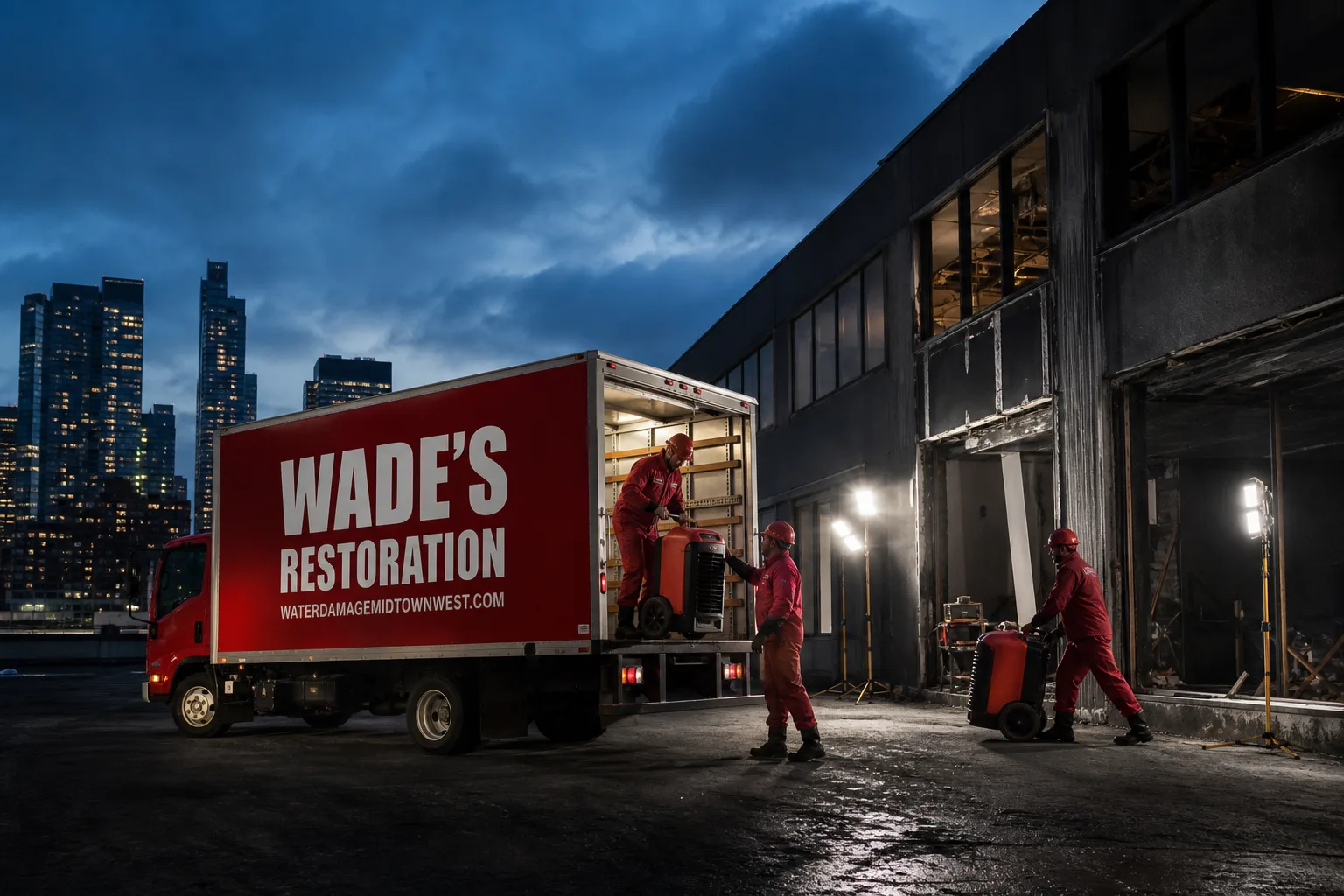
Free visual inspection and a written scope of work before any mitigation begins - photos, moisture readings, and drying logs go in your claim file
The scope we write is the scope we bill. Anything new gets shown to you, in writing, before we touch it.
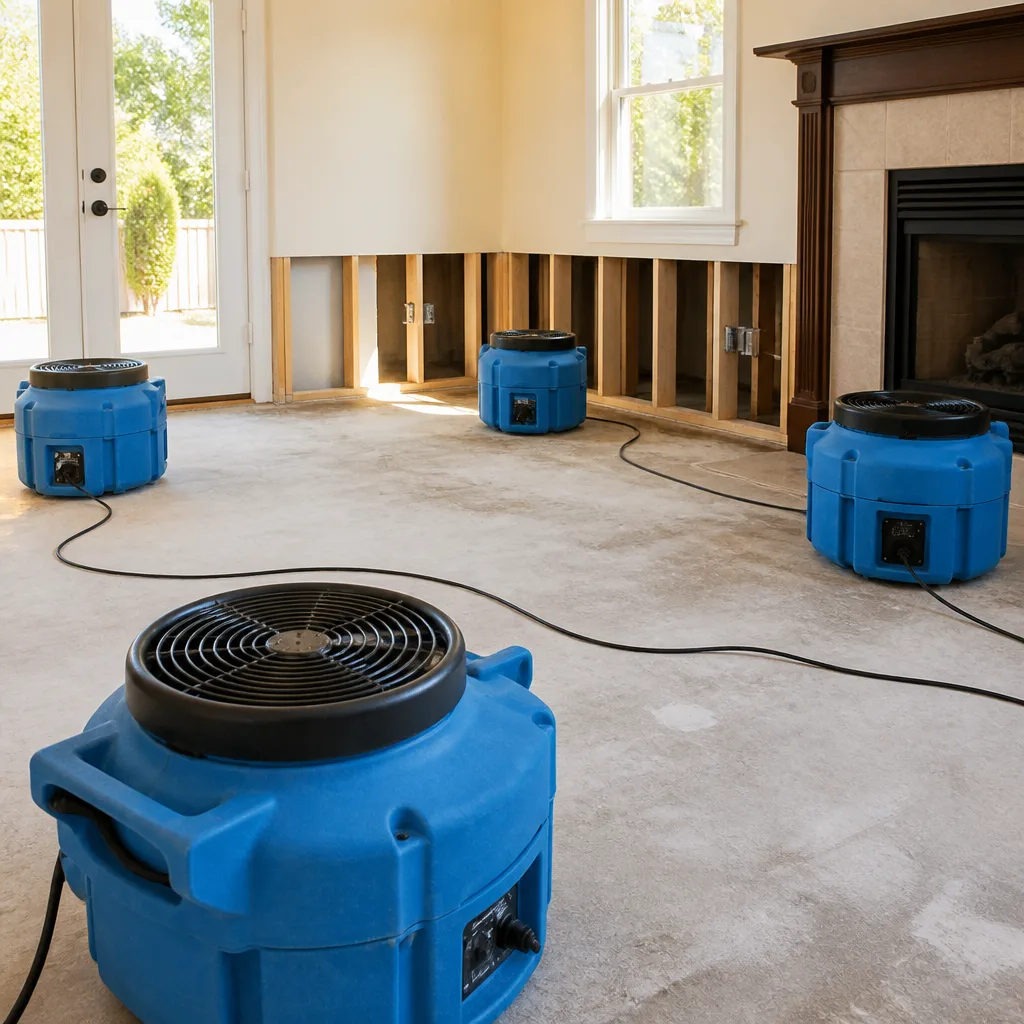
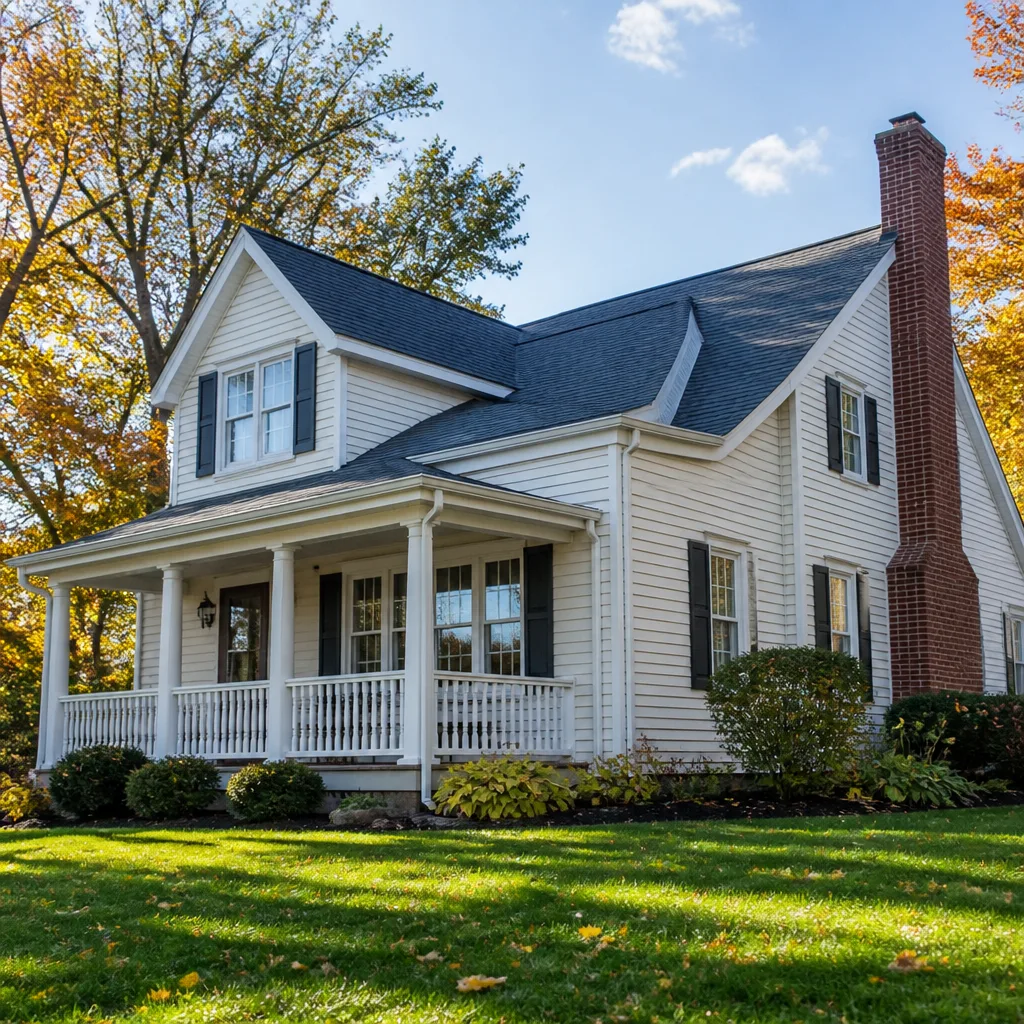
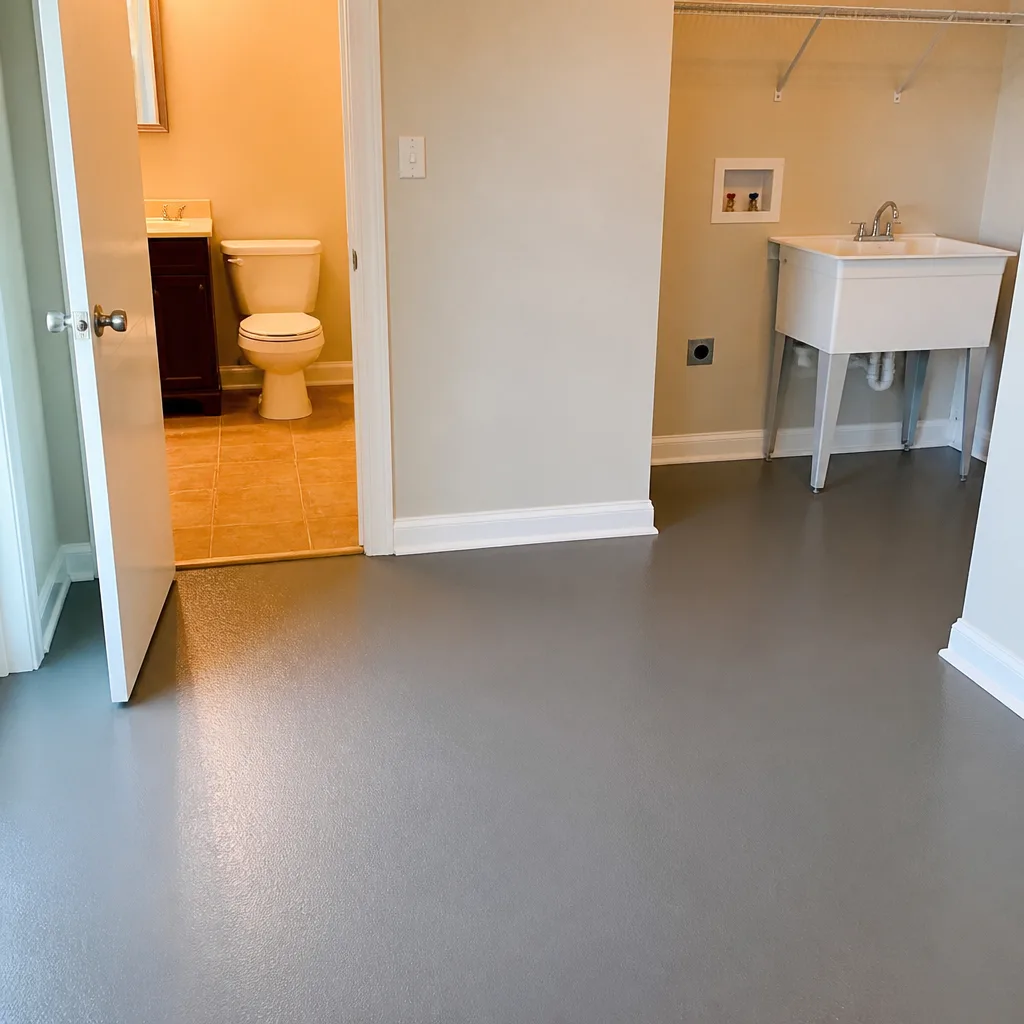
 Before
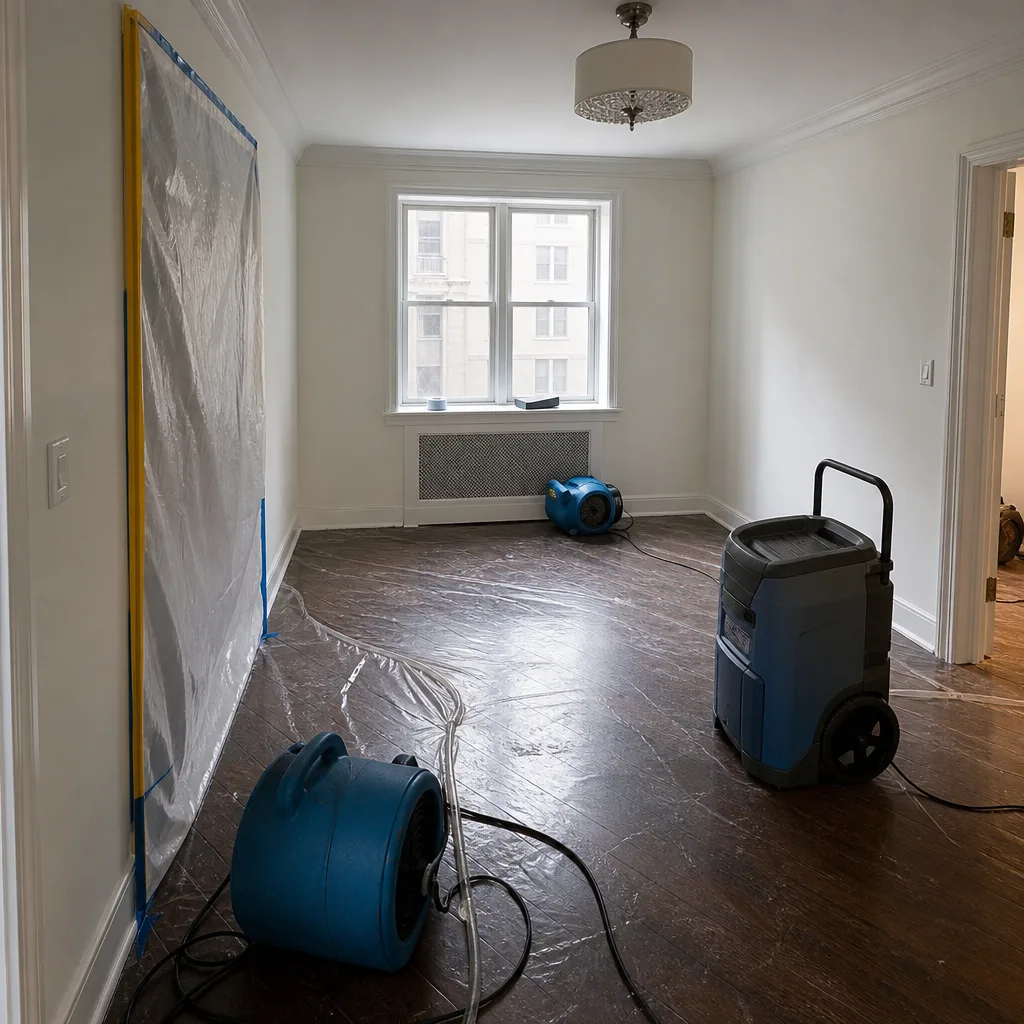 After
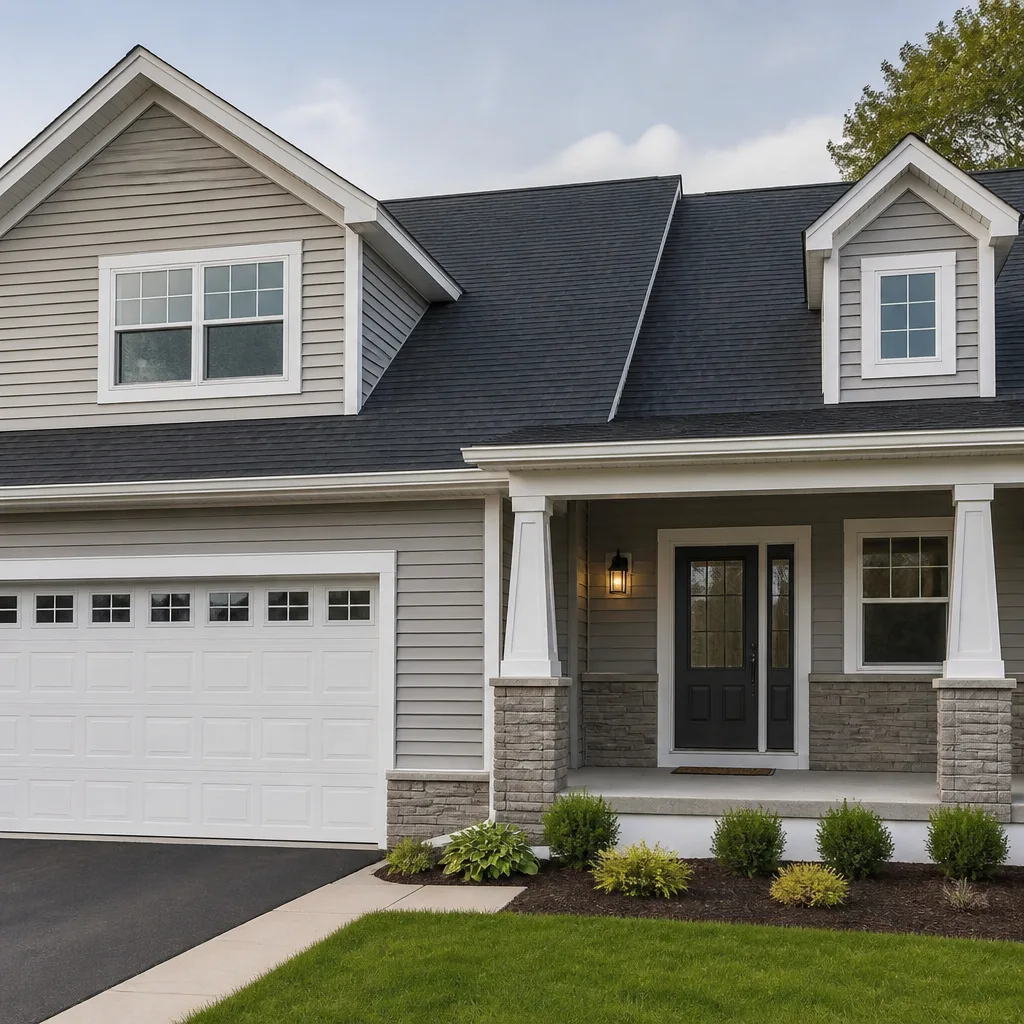
After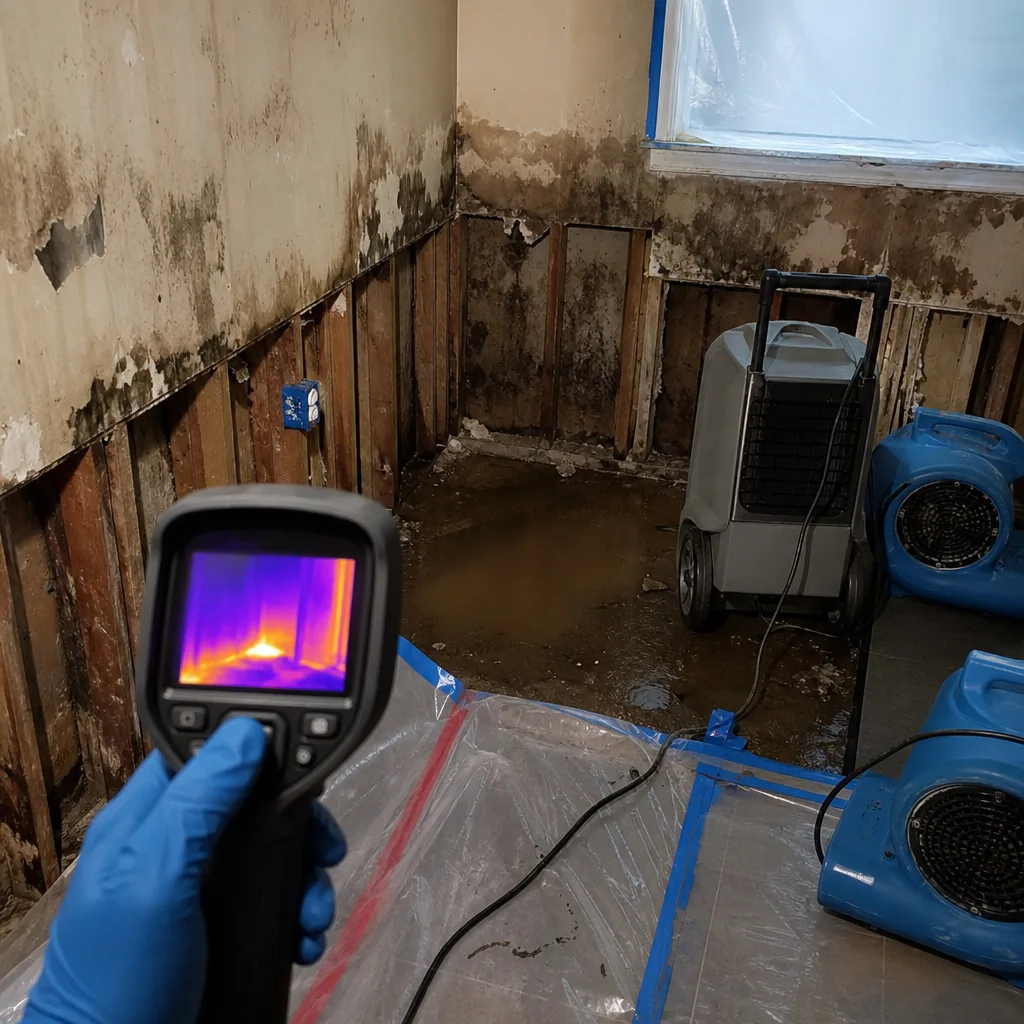 Before
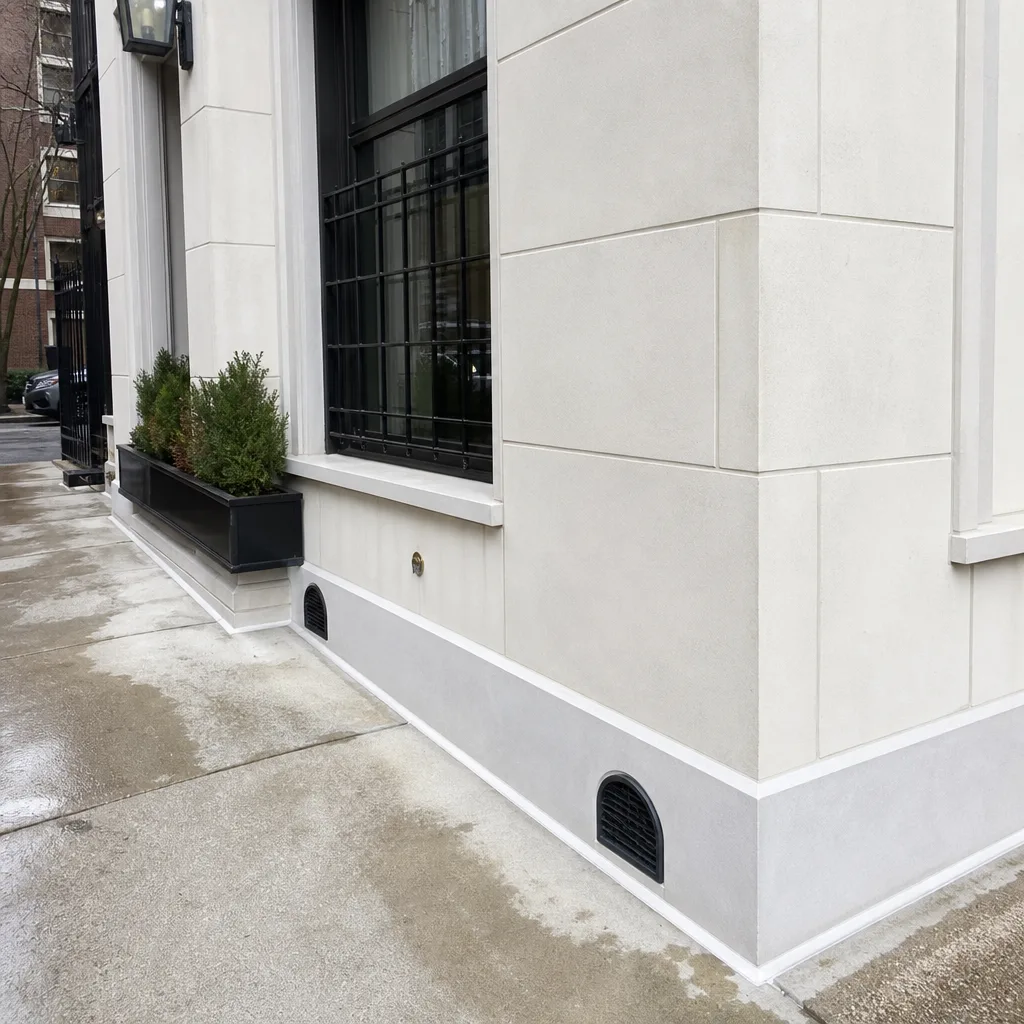 After
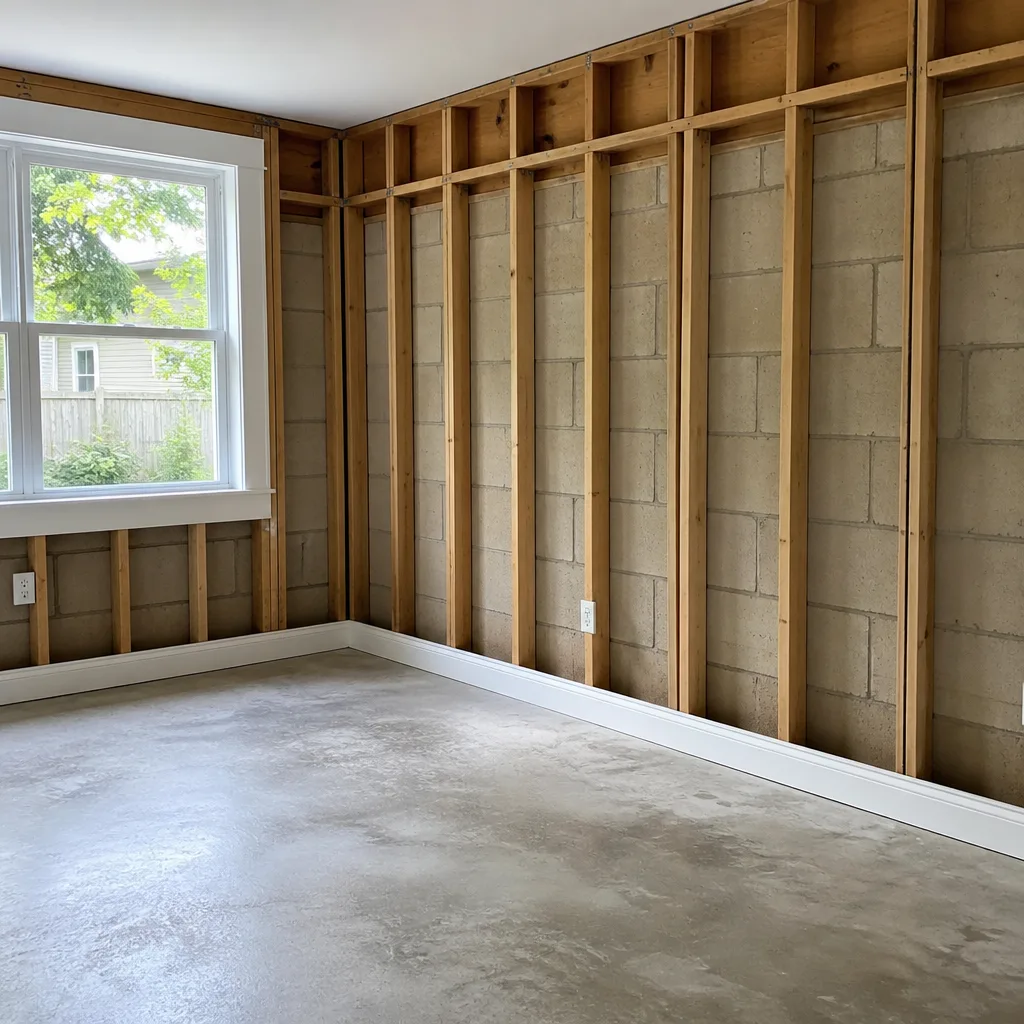
After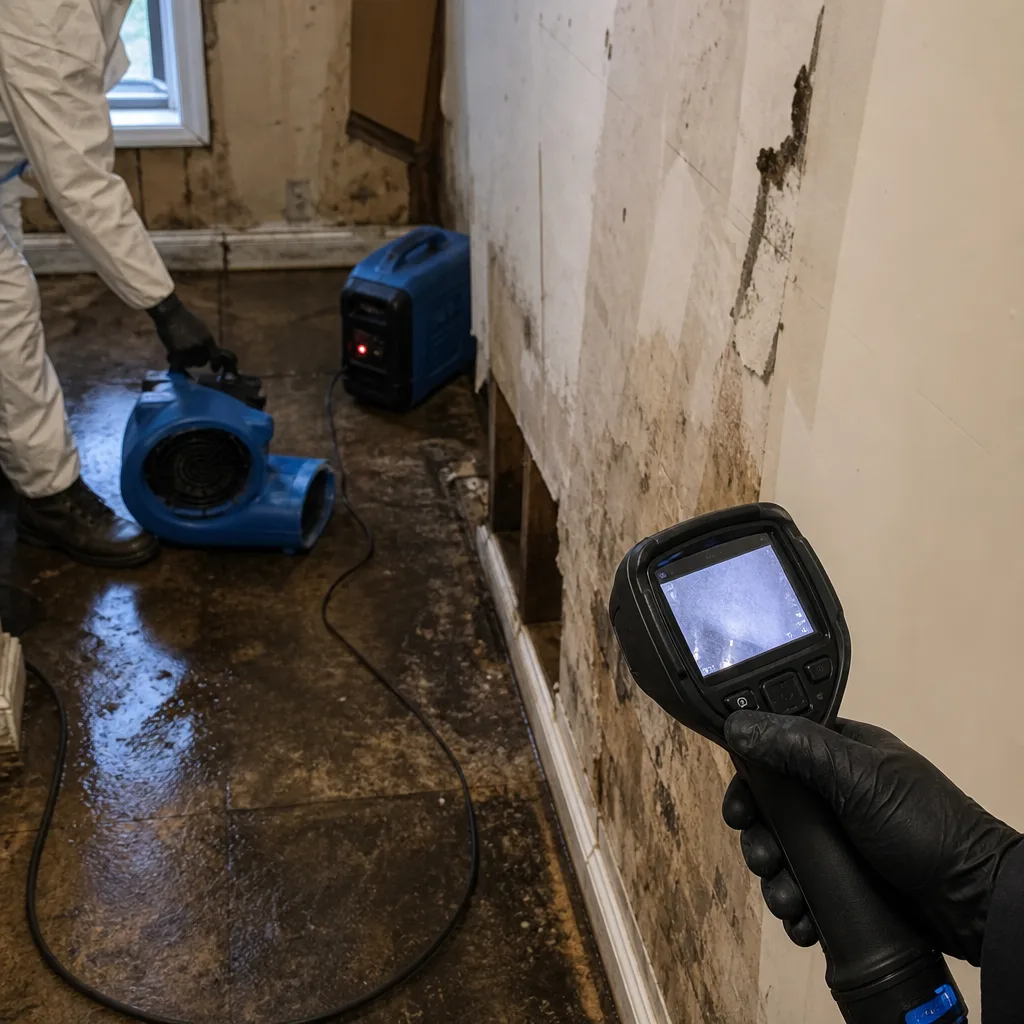 Before
 After
After24/7 Emergency Mold Remediation in Midtown Manhattan
Mold in a Midtown Manhattan apartment or office usually means water got somewhere it shouldn’t have, and it’s been sitting. Given the age of the building stock, that’s rarely a small problem. Call us at (607) 703-3408 and Wade himself answers, day or night. We’ll have a crew inside your building as fast as the freight elevator allows. In Midtown, that often means working around a midnight-to-6 a.m. window, but we handle that every week. The first hour matters because wet drywall and plaster in a pre-war tower feeds mold fast, especially when humidity from a failed steam riser or a burst supply line is trapped behind plaster-over-metal-lath. A free visual inspection tells you whether you’re dealing with active growth or just staining, and we’ll give you a straight answer, not a scare tactic.
Understanding Mold Remediation Severity in Midtown Manhattan Properties
Mold severity comes down to water source, duration, and building construction. A slow drip from a cast-iron drain riser in a 1930s co-op off Park Avenue can saturate the plenum above a plaster ceiling for days before anyone notices, because the water travels along the metal lath instead of staining the paint below. By contrast, a burst supply line on the 22nd floor of a curtain-wall office tower dumps water fast, but it’s clean Category 1 water until it hits whatever’s been sitting in the floor cavities. In Midtown, the real wildcard is stack effect: warm air rises through elevator shafts and stairwells, pulling moisture and mold spores into occupied floors above the loss. That’s why proper containment and negative air pressure aren’t optional here, they’re the difference between a one-unit job and a claim involving three co-op boards, a hotel brand, and two commercial tenants. Severity in a high-rise is rarely just about the square footage of visible mold; it’s about what’s moving through the building’s shared air paths. Pre-war construction means plaster, rock lath, and original steel framing, all of which hold moisture differently than modern drywall, and all of which require moisture mapping, not guesswork.
Why Midtown Manhattan Property Owners Choose Wade’s Restoration
- 45-minute response commitment: Wade heads out the moment you hang up. In Midtown, that means coordinating with your building’s front desk and loading dock while he’s en route, so no one’s standing around waiting for access.
- 24/7 live answer, always a real person: No answering service, no call center. Wade answers his own phone. At 2 a.m., that’s who you want on the line when the building super says the freight elevator is booked until 4 a.m.
- IICRC-certified crews, WRT and AMRT: The people Wade sends are trained to the industry standard, not subcontractors pulled off a list. For mold in Midtown, that means proper containment, proper air scrubbing, and proper clearance testing.
- Free visual inspection: Before anything gets opened up, we walk the space with you and tell you what we’re seeing. No charge for that. If it’s just staining, we’ll tell you that too.
- Direct insurance billing: We’ll handle your carrier directly, with photo documentation, daily moisture logs, and a line-item scope. You won’t be the one stuck relaying messages between your adjuster and your co-op board.
- One team from start to finish: Containment, remediation, drying, and reconstruction. Same crew, same standards, same phone number. Wade is the one accountable at the end.
Our Mold Remediation Process
Inspection & Assessment
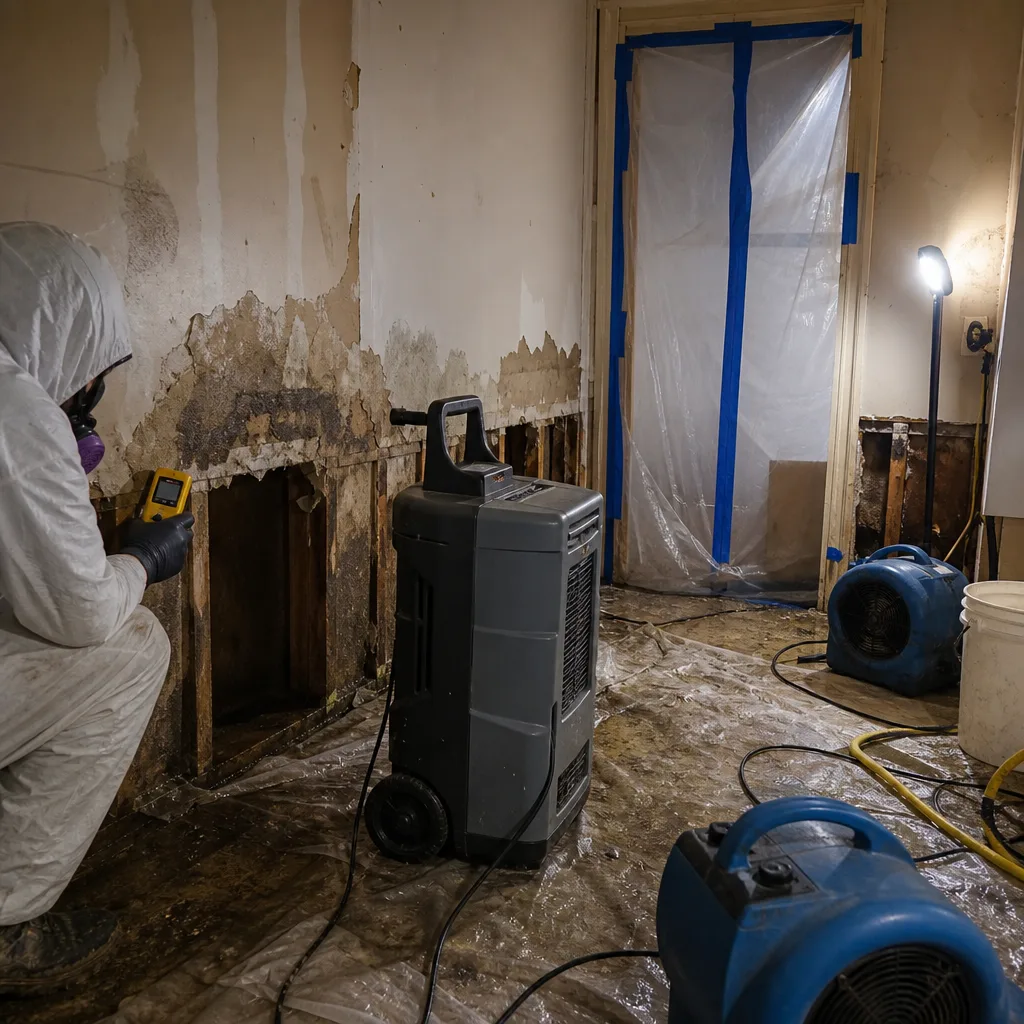
We start with a visual inspection, then use moisture meters and thermal imaging to find water you can’t see, particularly above plaster ceilings and inside chases shared by steam risers. In Midtown towers, this step is about finding where the water actually traveled, not just where the stain appears.
Containment & Stabilization
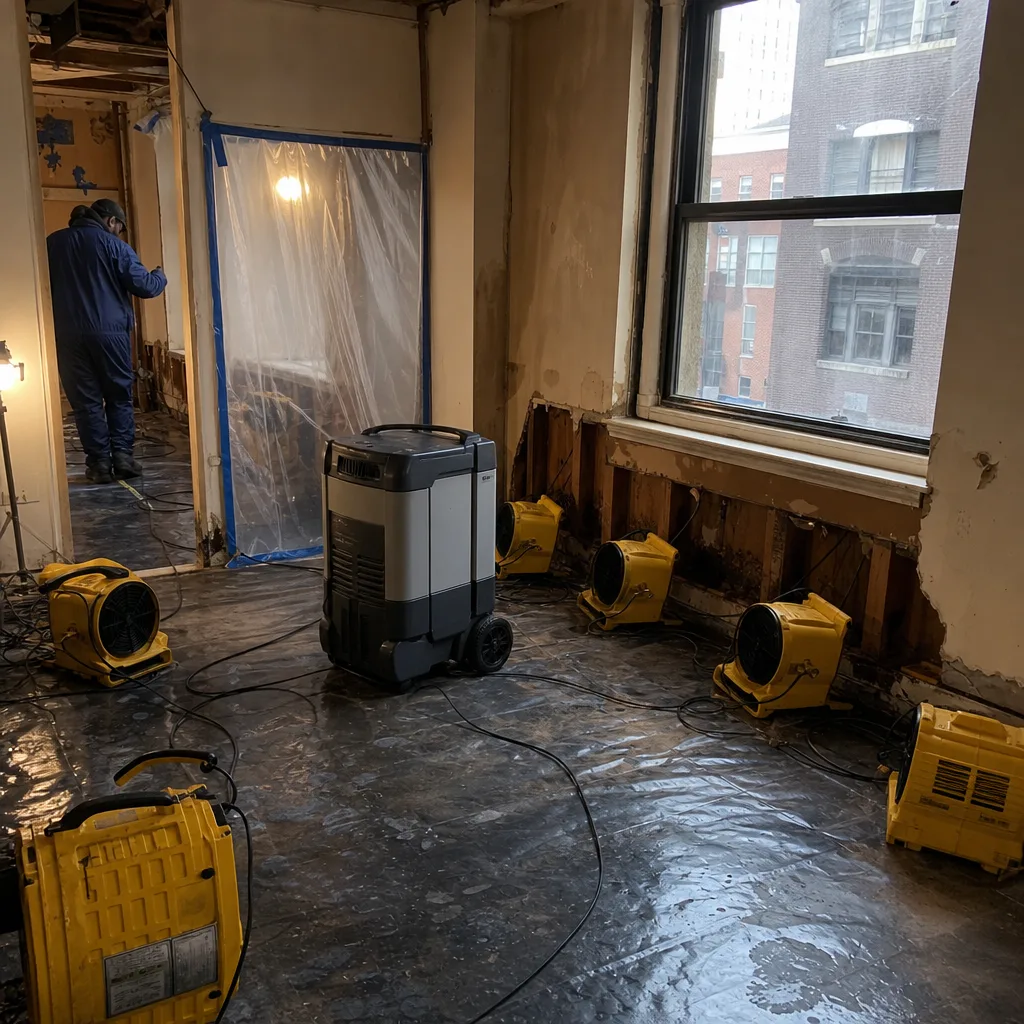
We set up containment with 6-mil poly and negative air pressure using HEPA-filtered air scrubbers. In a high-rise, this step is non-negotiable, because stack effect moves air up through the building faster than you’d think. A poorly sealed containment on the 28th floor will spread spores to the 29th.
Drying & Dehumidification
We run low-grain refrigerant dehumidifiers and air movers sized to the space, and Wade takes moisture readings every single day. You get the full log at the end. Drying a pre-war plaster ceiling takes patience; cutting it out and replacing it takes money. We aim for the former when it’s safe.
Cleaning & Sanitization
All affected surfaces are HEPA-vacuumed, scrubbed, and treated with an EPA-registered antimicrobial. Soft goods that can’t be cleaned get documented for your insurer and discarded if necessary. We’re not going to spray-and-walk; this is the step where shortcuts show up later.
Clearance Testing
After the work is done, we run air samples and surface samples to confirm spore counts are back to baseline. We’ll show you the results. If the numbers aren’t right, we’re still on the hook, and Wade’s 90-Day Done Right Promise means exactly that.
Repairs & Restoration
We replace drywall, plaster patches, cove molding, paint, and any finish materials that had to come out. In Midtown’s pre-war apartments, matching original plaster profiles matters, and we’ve done enough of them to get the detailing right.
Need Emergency Mold Remediation in Midtown Manhattan Now?
Crews minutes away, answering live 24 hours a day. The sooner we start, the less it costs.
Working With Your Insurance Company
Mold claims in Midtown Manhattan are rarely simple. You might have a co-op master policy, your own HO-6 policy, a commercial tenant’s policy, and a hotel brand’s risk management team all involved in the same loss. We’ve worked every side of that triangle. From the first hour, we document everything: photos of every affected room, moisture readings with time stamps, containment setup, daily drying logs, and a detailed line-item scope of work using industry-standard pricing. Wade talks to your adjuster directly, so you aren’t the one trying to explain why the freight elevator schedule delayed equipment staging and whether that affected drying time. Most Midtown mold claims are covered when the water source is sudden and accidental, like a burst riser. Long-term seepage is a different story, and we’ll tell you that plainly before you sign anything.
What We Provide Your Insurer
- Thorough documentation of the loss
- Photos of all damage, room by room
- Moisture readings and drying logs
- A detailed, line-item scope of work
- Direct coordination with your carrier
Built for Midtown Manhattan’s Loss Calendar
Midtown’s mold season runs all year, but the triggers change. January and February bring deep freezes that crack supply lines in exterior walls and roof-level equipment rooms, and the resulting water runs down through stacked floors before anyone realizes the heat’s off in a vacant office suite. Late winter and spring are peak roof-failure months here: flat, membrane-sealed rooftops on post-war towers take a beating from freeze-thaw cycles and nor’easters, and failed seams let water seep into top-floor mechanical spaces and the ceiling plenums below. Summer thunderstorm season drives wind-driven rain against curtain-wall facades, where aging window gaskets on floors 20 and up fail quietly and moisture builds inside the wall cavity for weeks. Fall brings the first steam-heat startups, and that’s when old cast-iron risers and return lines let go under pressure, filling chase walls and floor cavities with water that feeds mold behind plaster and above ceilings. None of this is seasonal in the way a flooded basement in the outer boroughs is seasonal. It’s a 12-month calendar of building systems failing in sequence, and Midtown’s dense, tall, inter-connected buildings make every one of those failures a multi-tenant event.
Mold Remediation Across Midtown Manhattan’s Neighborhoods
Midtown Manhattan’s mold problems look different block to block. Around the residential co-ops east of Park Avenue and into the 50s, we’re typically working in pre-war layouts with original plaster ceilings, tight elevator cabs, and co-op boards that want a written scope before we carry a single air scrubber through the lobby. In the Garment District and the side streets west of Seventh Avenue, older loft buildings with cast-iron columns and wood joists leak around roof drains and skylights, and mold hides in the gaps between the original floor deck and decades of tenant buildout. Up in the Columbus Circle area and along Central Park South, luxury high-rises with hotel-branded residences demand discreet work, often overnight, with staging coordinated down a single service elevator that the building shares with the kitchen staff. And in the Theater District, where hotels and older office buildings crowd together, a pipe failure on an upper floor becomes urgent the moment the show crowd starts arriving at the lobby door. Our crews know which buildings have freight entrances on 50th versus 51st, which loading docks require union elevator operators after hours, and which co-op boards need board approval before containment goes up. That local knowledge isn’t something a national franchise gets by reading a dispatch app.
Specialized Mold Remediation Services We Offer in Midtown Manhattan
Mold Inspection & Testing
We test for mold using moisture mapping, thermal imaging, and air sampling, then send samples to an independent lab. In a Midtown co-op, the board often wants third-party confirmation before any walls come down. We provide that. Our inspection tells you what’s growing, where the water source is, and what it’ll take to fix both. No scare tactics, just data.
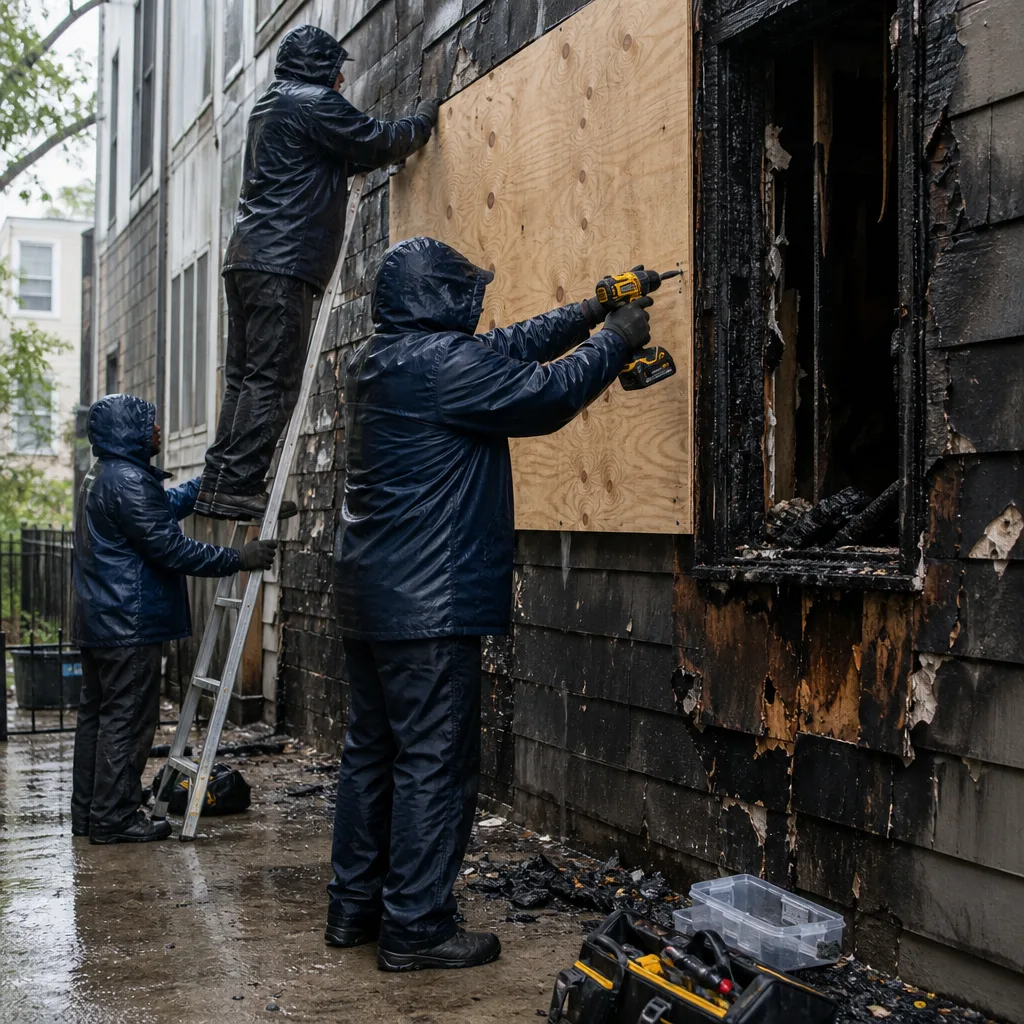
Mold Removal
Removal means the full sequence: containment, negative air, controlled demolition of affected materials, HEPA vacuuming, antimicrobial treatment, and clearance testing. In a pre-war Midtown tower, this almost always happens overnight, staged through the freight elevator, because the building won’t allow debris carts through the lobby during business hours.
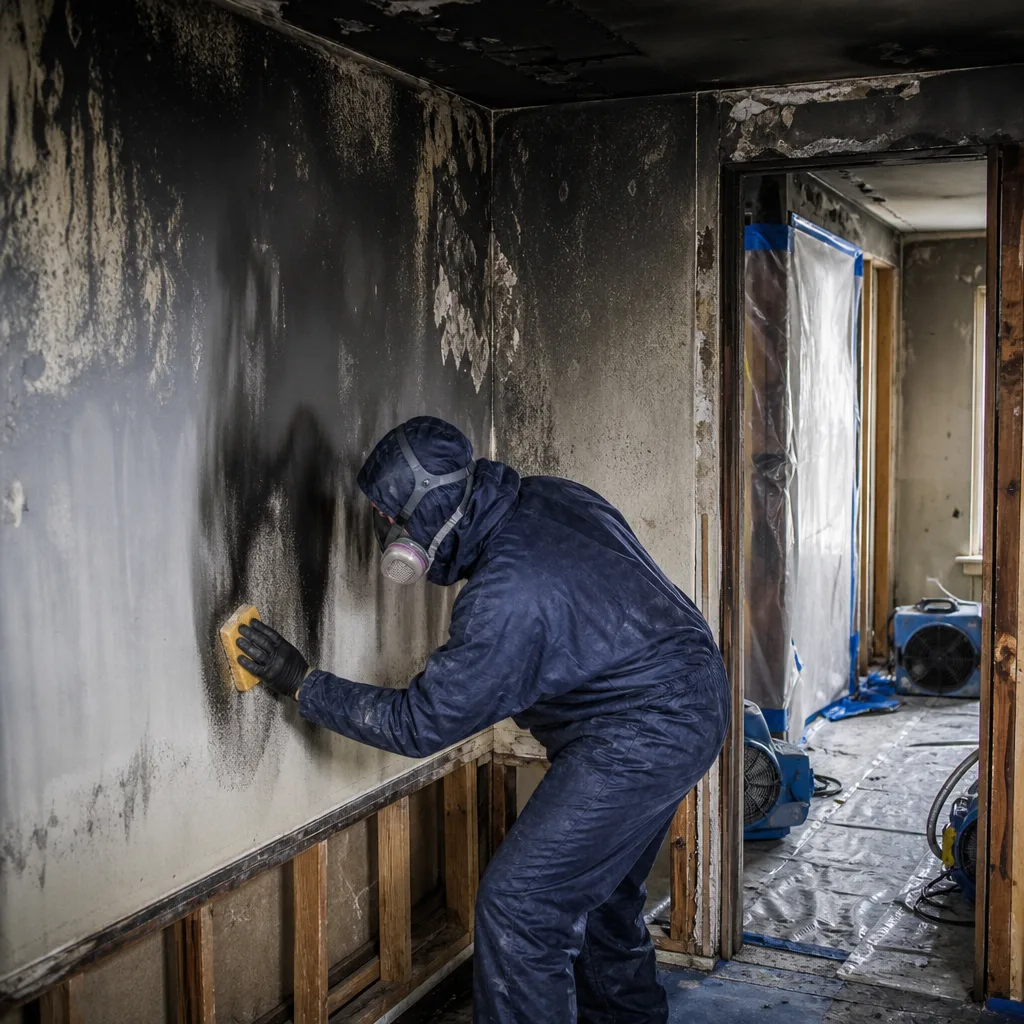
Black Mold Remediation
Stachybotrys gets attention for good reason, but the truth is any dark-pigmented mold in a damp, organic material like drywall paper or plaster keys deserves the same containment-first approach. In Midtown’s tight floor plates, that means treating the entire cavity, not just the visible staining. We’ve opened walls off Park Avenue and found black growth running three feet up the back of the plaster where a riser had been weeping for a season.
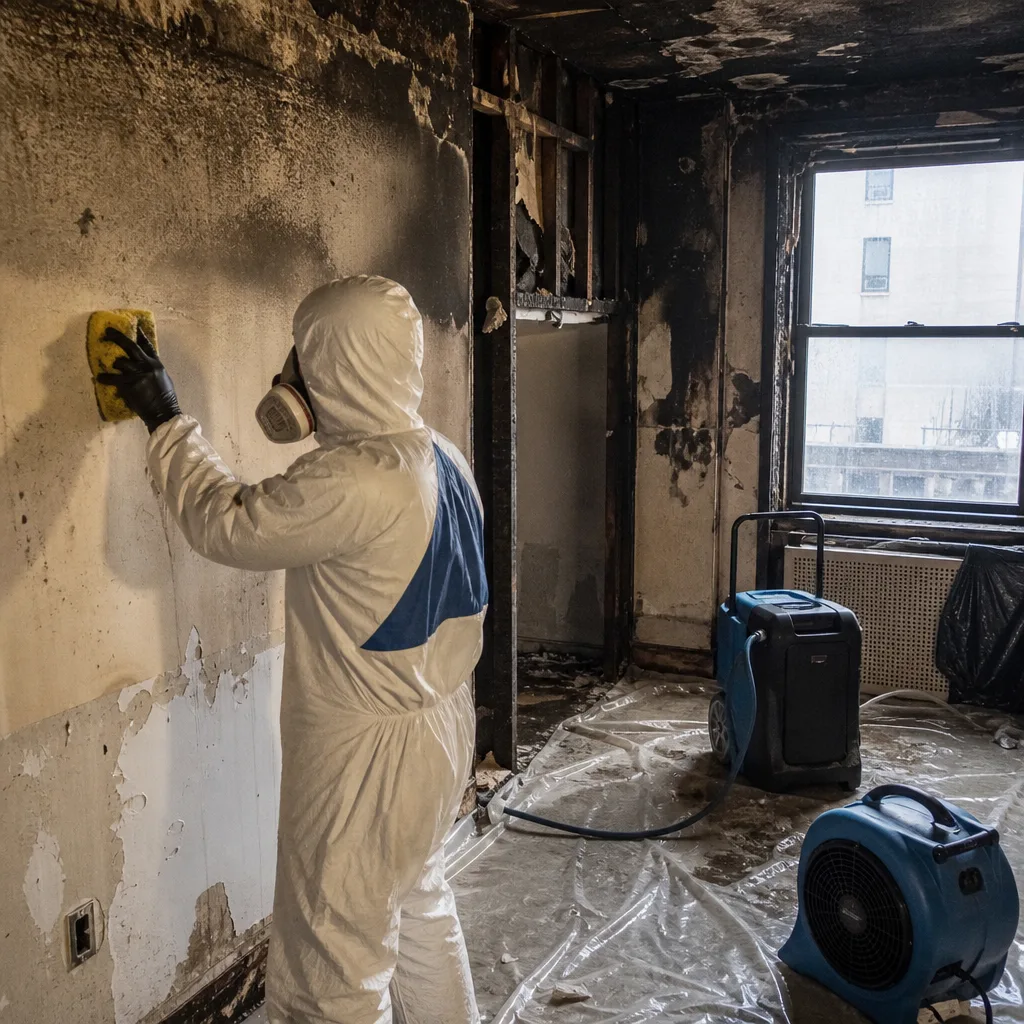
Air Quality Restoration
After a mold loss, the air in a Midtown apartment or office suite may not smell right because spores and microbial VOCs linger in the building’s return air plenum or shared corridor pressurization. We run air scrubbers, perform post-remediation air sampling, and when necessary, clean the HVAC registers and coil surfaces in the unit. In buildings with shared riser ducts, we document everything for the board’s engineer.
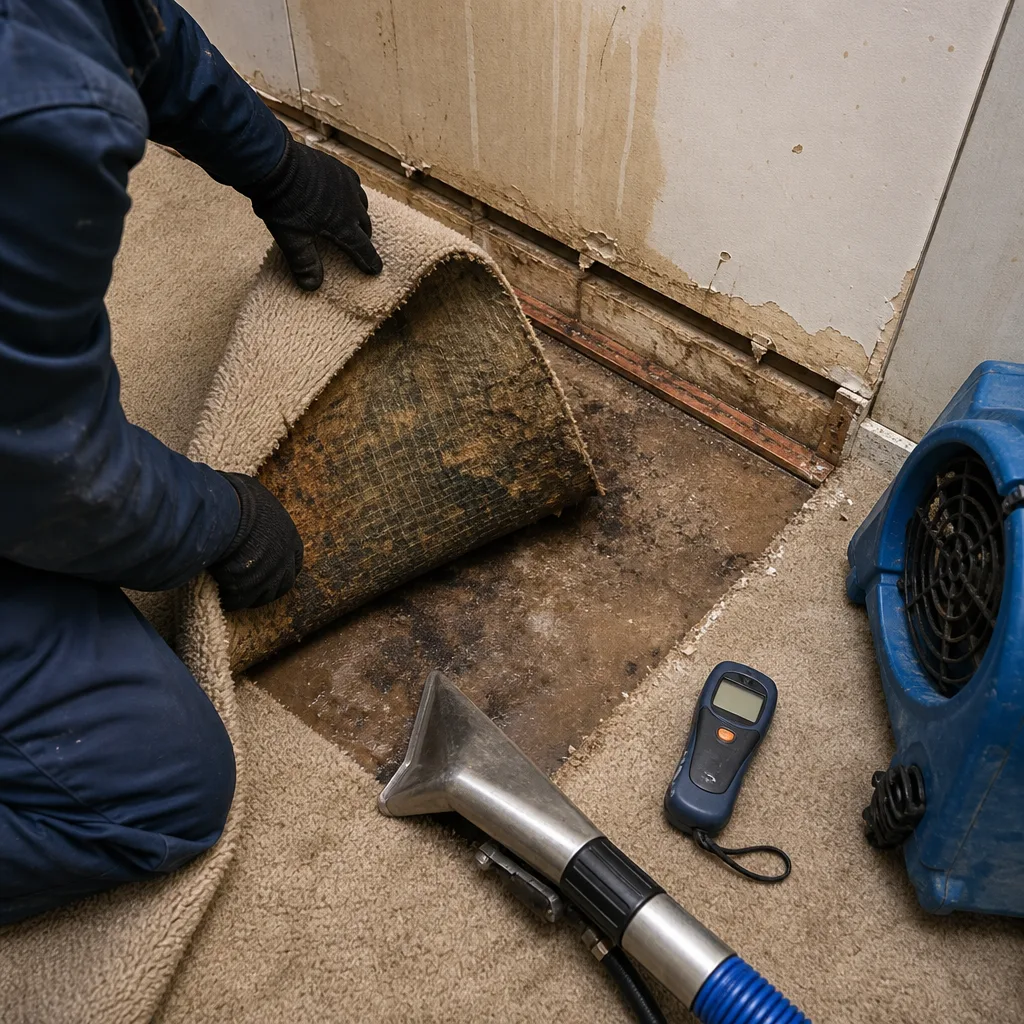
Crawl Space Treatment
Crawl spaces exist in Midtown in unexpected places: mechanical interstitial floors, under raised access flooring in server rooms, and behind lower-level retail buildouts. These spaces trap humidity against concrete and steel, and when a pipe drips there, mold follows. We treat them with the same containment and drying protocols we use anywhere else, sized to the tight access realities of a Manhattan building.
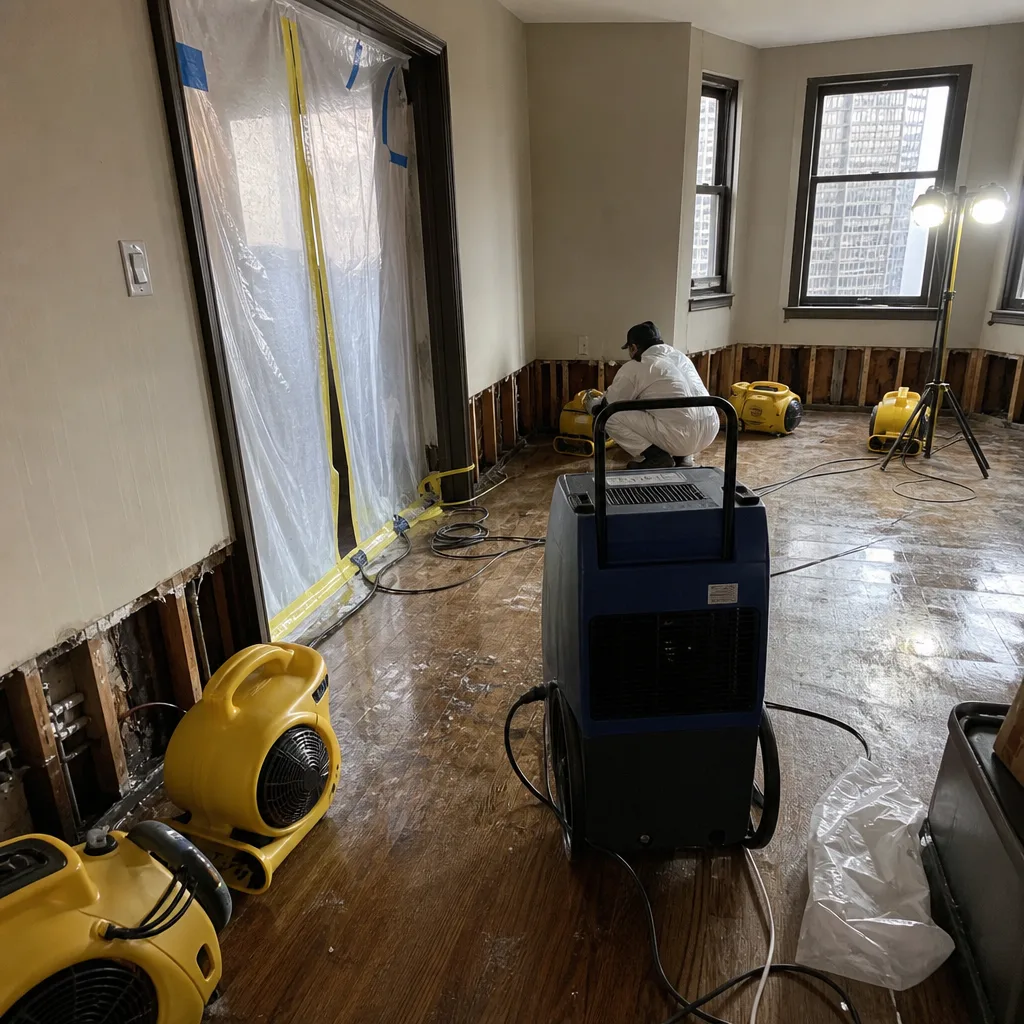
Moisture & Humidity Control
Mold returns if the moisture source isn’t corrected. In Midtown’s steam-heated pre-war towers, that means working with the building’s engineer to fix the riser, the roof drain, or the window gasket before we close the wall. We install temporary dehumidification during remediation and recommend permanent dehumidifier placement in chronically damp lower-level spaces and mechanical rooms.
What happens when you call
- 1
A real person answersNo phone trees - you reach a local pro.
- 2
You get an upfront price rangeHonest numbers before anyone is dispatched.
- 3
A background-checked tech heads outLicensed & insured, dispatched right away.
- 4
You approve before work beginsNothing starts until you say go.
Mold Remediation Costs in Midtown Manhattan, NY
A small, contained mold job in Midtown, limited to one bathroom ceiling from a slow pipe drip, typically runs $800 to $2,500. A moderate unit loss where a riser failed and soaked a kitchen and hallway usually lands between $3,500 and $9,000 depending on how much drywall and plaster comes out and how long containment runs. Large losses, think a burst supply line on an upper floor that affected multiple units or a hotel wing, routinely run $25,000 to $75,000 or more once you factor in overnight labor, freight elevator coordination, multi-floor containment, and reconstruction to the building’s original standard. The single biggest cost driver in Midtown isn’t the mold itself, it’s access: overnight work windows, union elevator operators, limited freight capacity, and the pressure to minimize disturbance to commercial tenants all add labor hours. Insurance covers the bulk of most sudden, accidental mold losses in Midtown, particularly in co-ops where the source is a building system failure. Call us for a free visual inspection and we’ll put a firm number on paper before any work starts. That number stays the number unless you change the scope, in writing, ahead of time.
We Also Serve Cities Near Midtown Manhattan
Our crews handle mold remediation throughout the surrounding area, including Midtown West, Financial District, Lower Manhattan, and Astoria. Same 24/7 answer, same owner-accountability, same written promise on every job.
Serving Midtown Manhattan, NY - Our Local Coverage Area
We’re based in the Midtown Manhattan area and know this community well. Use the map below to see our service coverage - if you’re nearby, we can almost certainly help.
Midtown Manhattan Mold Remediation Questions, Answered
How do you run mold remediation in a Midtown high-rise without disrupting the building’s other tenants?
We run it overnight. Most Midtown buildings restrict all debris and equipment movement to a single freight elevator window, typically midnight to 6 a.m. We coordinate with the building’s overnight superintendent before any equipment arrives, stage everything in one or at most two freight runs, and set up containment and negative air inside the affected unit or suite. That means by the time the building’s residents and office tenants start their day, the containment is sealed, the equipment is already running inside, and no one in the lobby or the hallways sees or smells the work. In in larger buildings, we’ll use stairwell pressurization when the loss is higher up, because stack effect can pull spores up through the stairwell faster than you’d think.
What makes mold remediation in a pre-war Midtown co-op different from a suburban house?
Plaster over metal lath. That’s the big one. Water travels through the lath and pooling above the ceiling can go undetected for days, sometimes weeks, because the plaster itself doesn’t stain the way drywall does. A suburban house tells you where the water went by showing you the damage; a pre-war co-op hides it. On top of that, you have cast-iron risers that serve multiple units, so the water source often belongs to the building, not to the unit owner, and the co-op board needs documentation before they’ll authorize access to a neighboring unit or the chase wall. We’ve done enough of these to know exactly what the board’s engineer wants to see, and we provide it from day one.
Can you remediate mold in a Midtown office building during business hours?
We can, but it depends on the floor and the scope. For a contained job in a mechanical closet or a single private office, we can run a small containment with quiet air scrubbers during the day if the building allows it. But for anything involving demolition, debris carts, or more than a few hundred square feet of affected material, the building will almost always require overnight work. That’s not our rule, it’s the building management’s rule, and it’s usually written into the building’s alteration agreement. We’ll work within that framework and plan the job around it.
How quickly should I act after a water leak in my Midtown apartment to prevent mold?
The honest answer is within 24 to 48 hours, and faster if it’s been warm and humid. Mold needs moisture, a food source, and time. In a Midtown apartment with plaster walls and original wood floors, the food source is everywhere, and the ambient humidity in a steam-heated building can sit at 50 percent or higher in spring and fall. That means the clock starts the moment the water stops. Call us the day you see the water, and we’ll take moisture readings and tell you whether the drying timeline is still viable or whether you’re already looking at remediation. The sooner we’re in there, the smaller the job.
What’s the best way to prevent mold from returning after a leak in a Midtown hotel tower?
Fix the source and verify the moisture, not just the visible surface. In a hotel tower, the source is often a failed fan coil unit drain pan, a riser, or a window gasket that’s been leaking into the wall cavity behind the headboard for a season. Once you fix that, the affected material needs to get dry or get removed. We take daily moisture readings and hand you the full log at the end, so there’s a record that the wall was dry before it was closed back up. Then, if the building has a chronic humidity problem on certain floors, we’ll recommend dehumidification on a temporary or permanent basis, not just a one-time treatment that fades.
Written by Wade Ferris, Owner at Wade’s Restoration, serving Midtown Manhattan and the surrounding area 24 hours a day.