
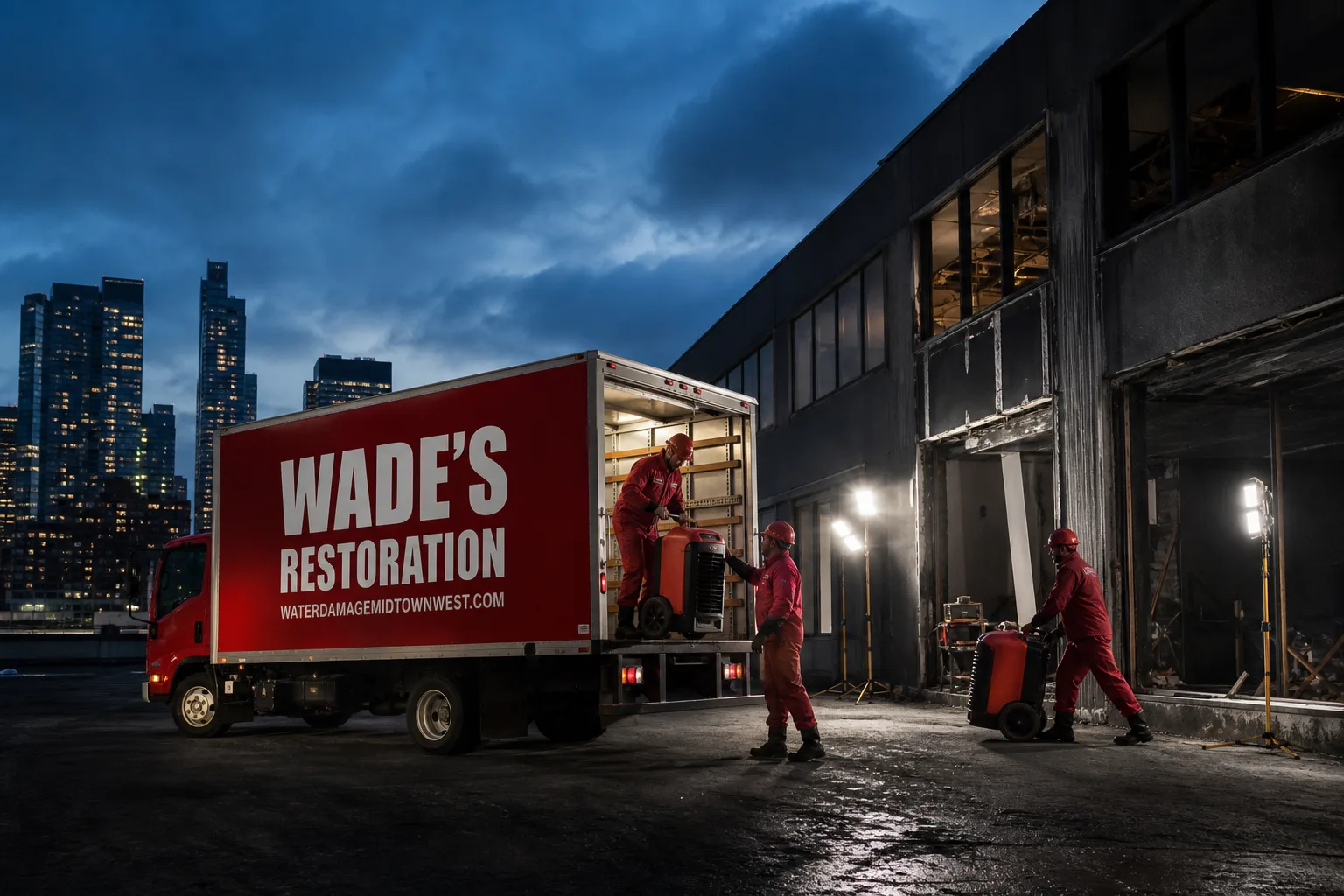
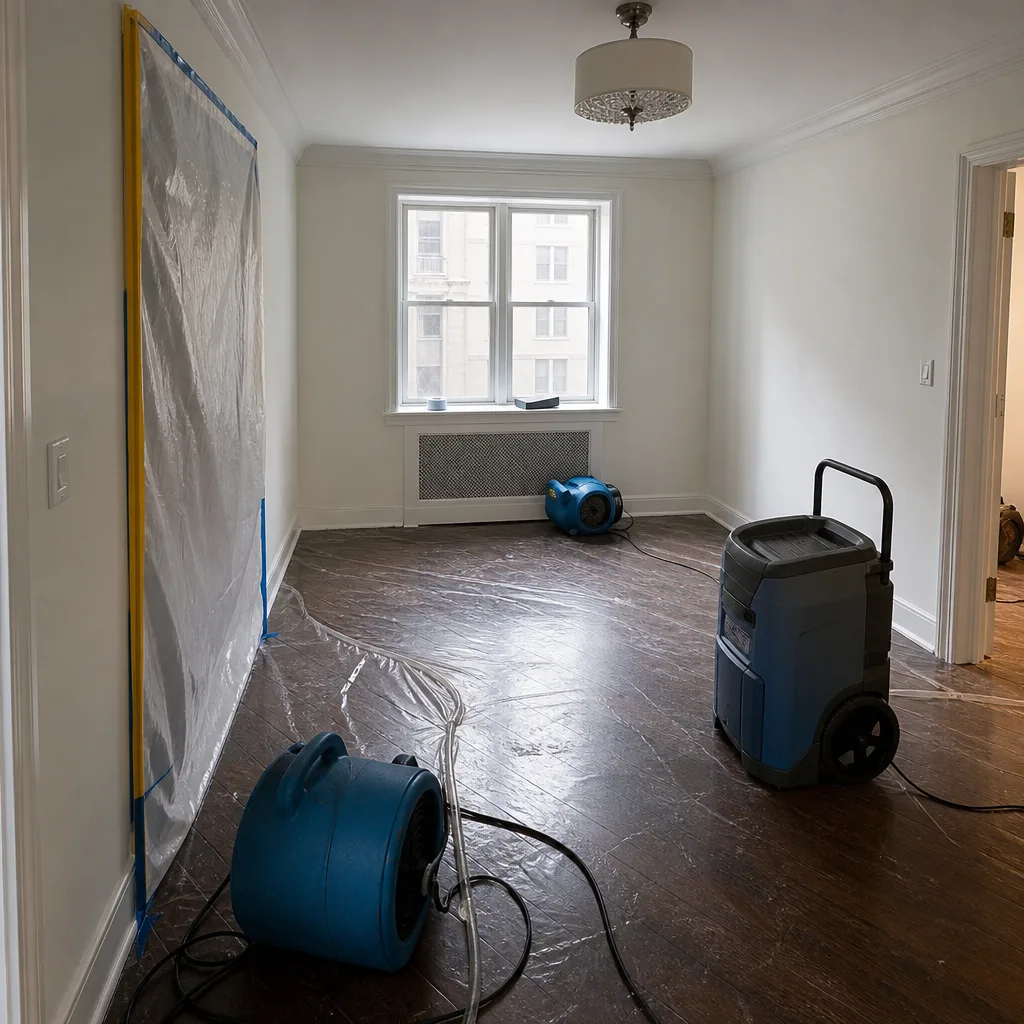
Free visual inspection and a written scope of work before any mitigation begins - photos, moisture readings, and drying logs go in your claim file
The scope we write is the scope we bill. Anything new gets shown to you, in writing, before we touch it.
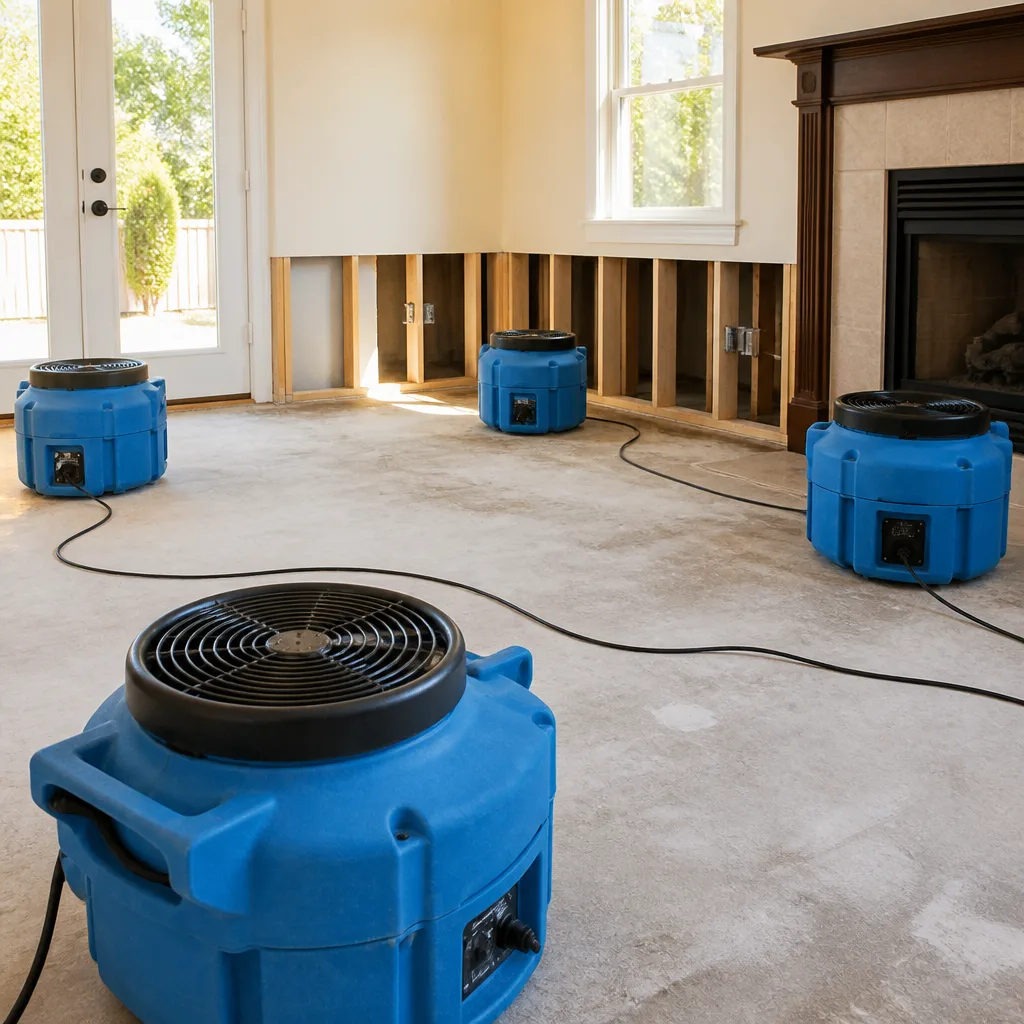
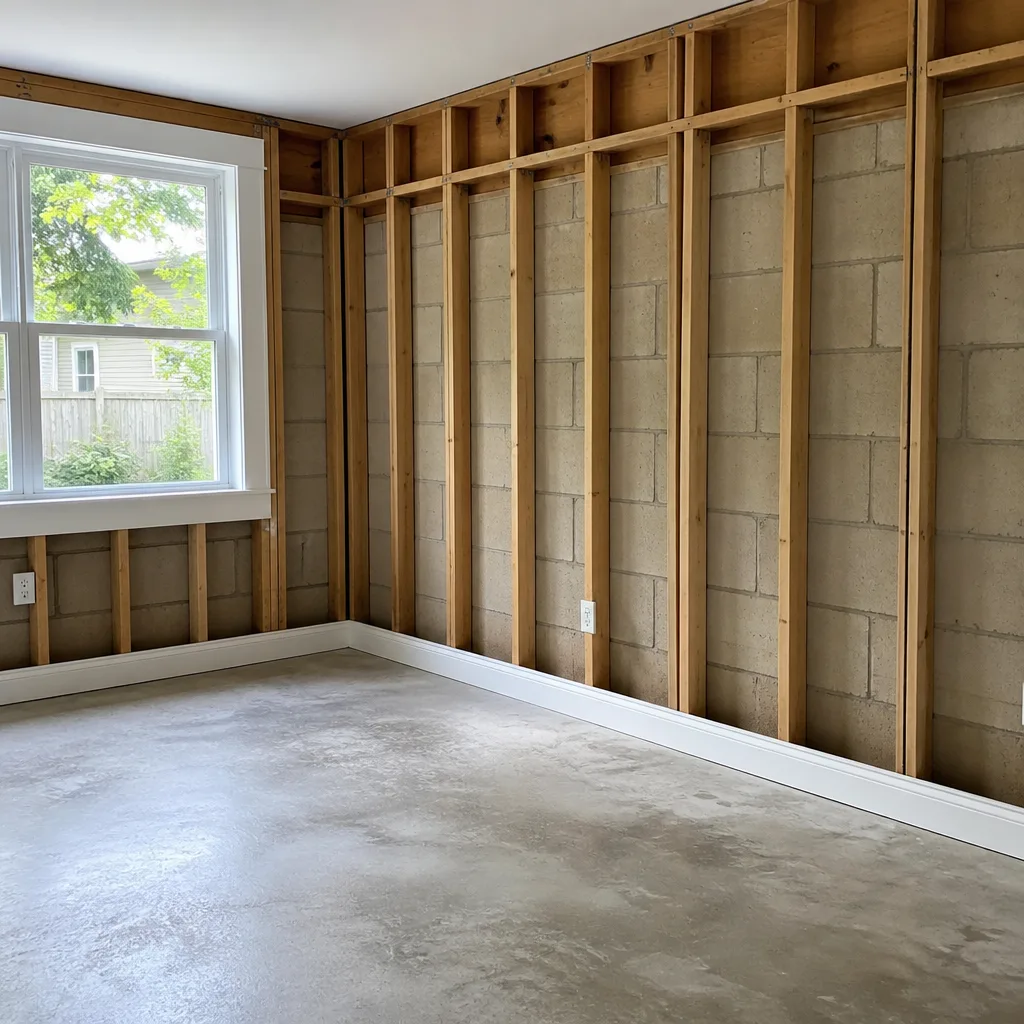
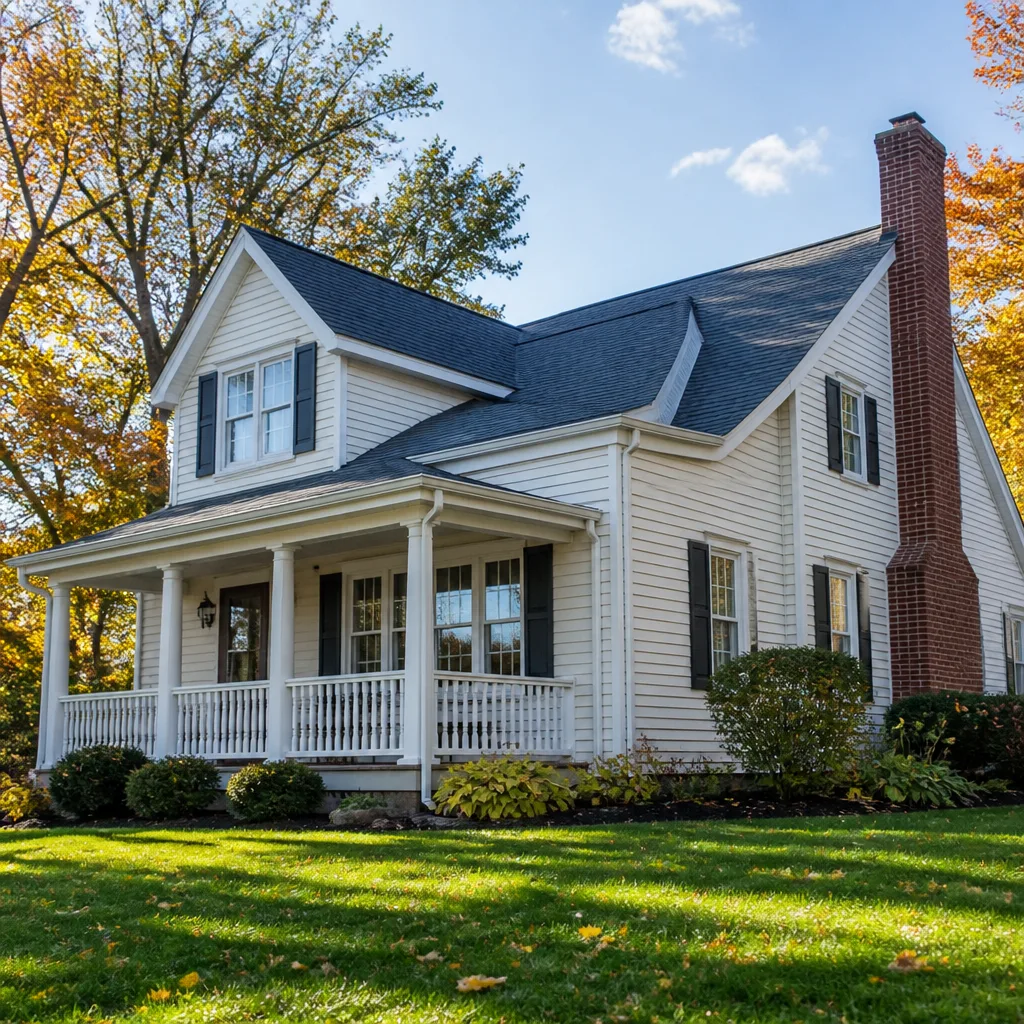
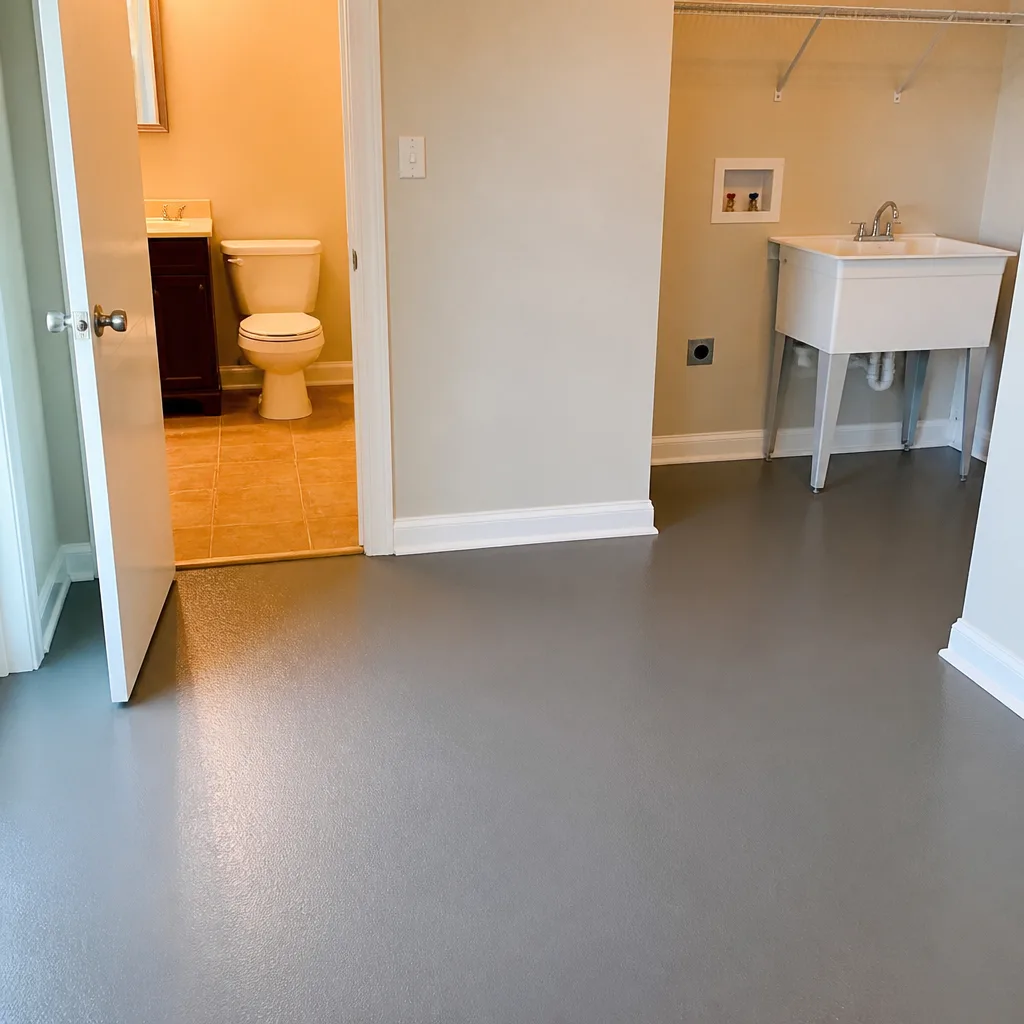
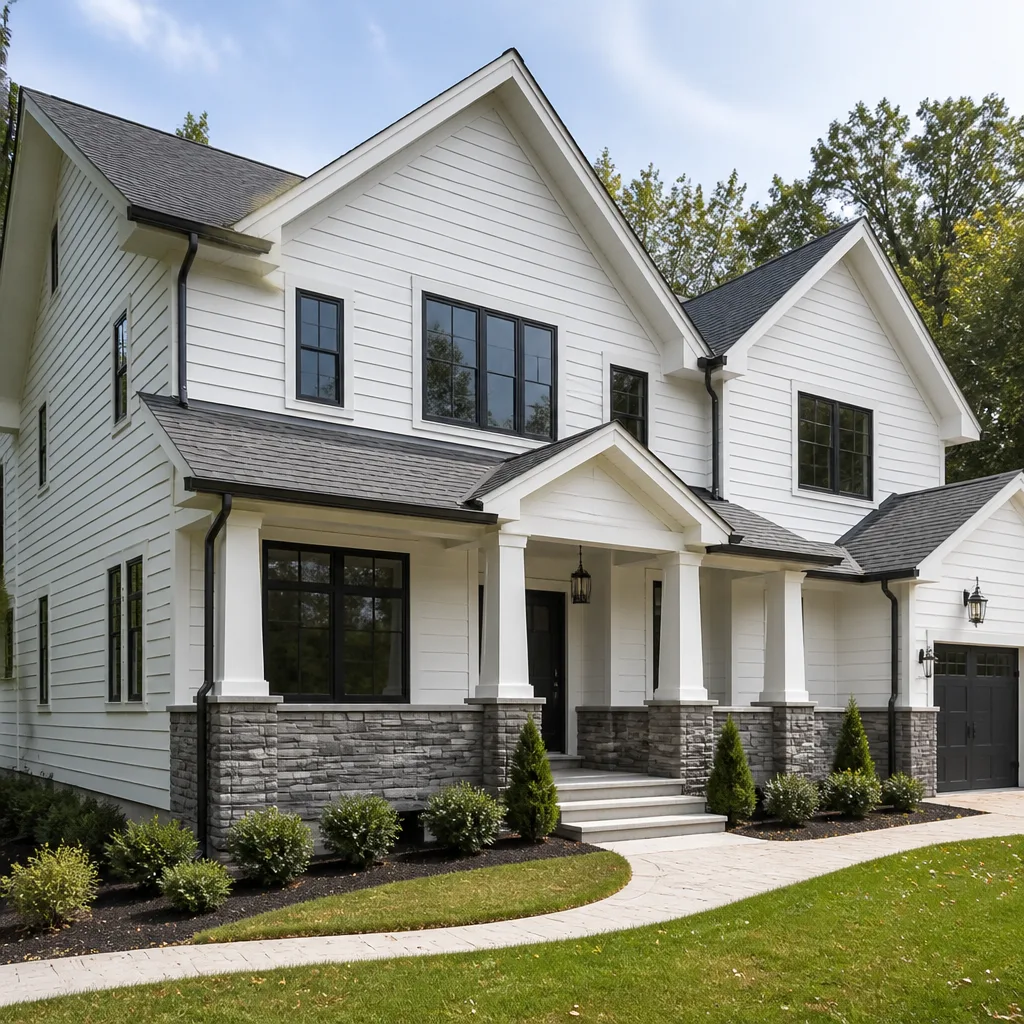
 Before
 After
After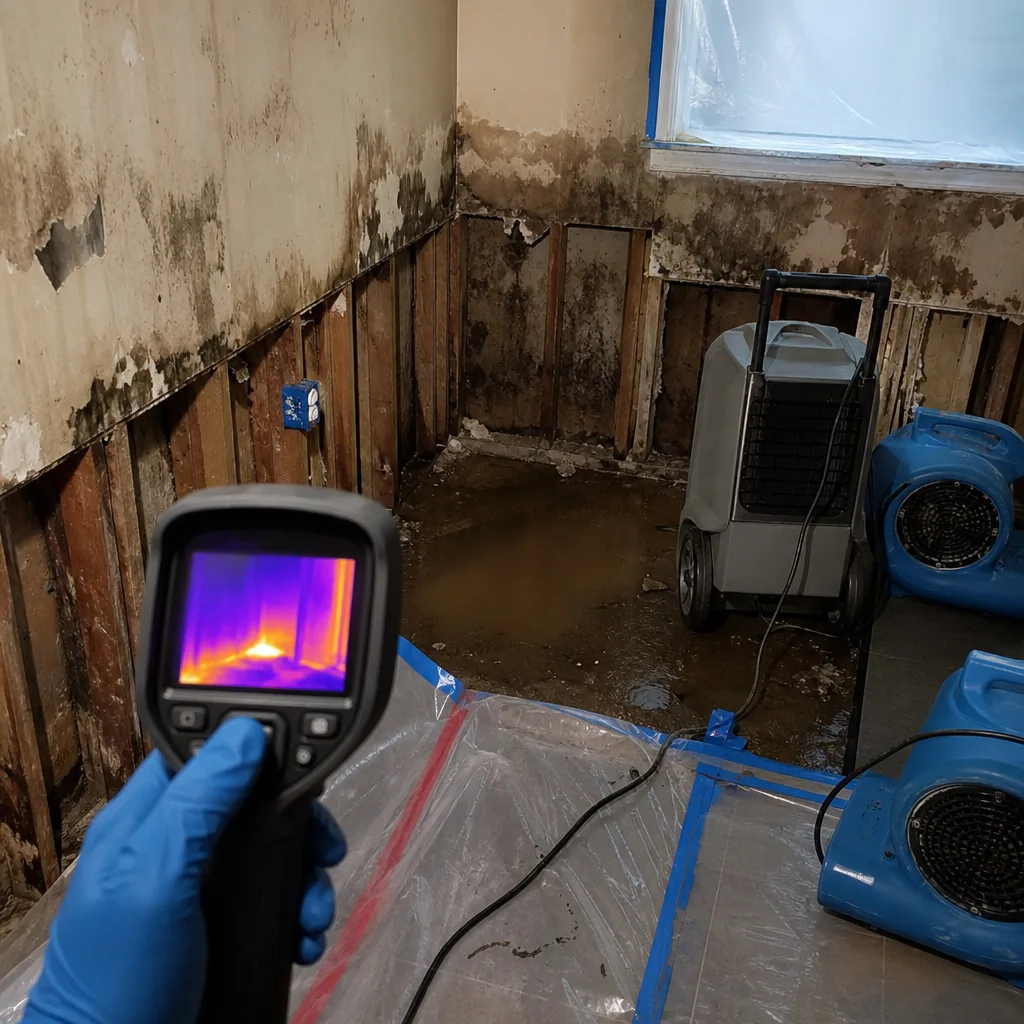 Before
 After
After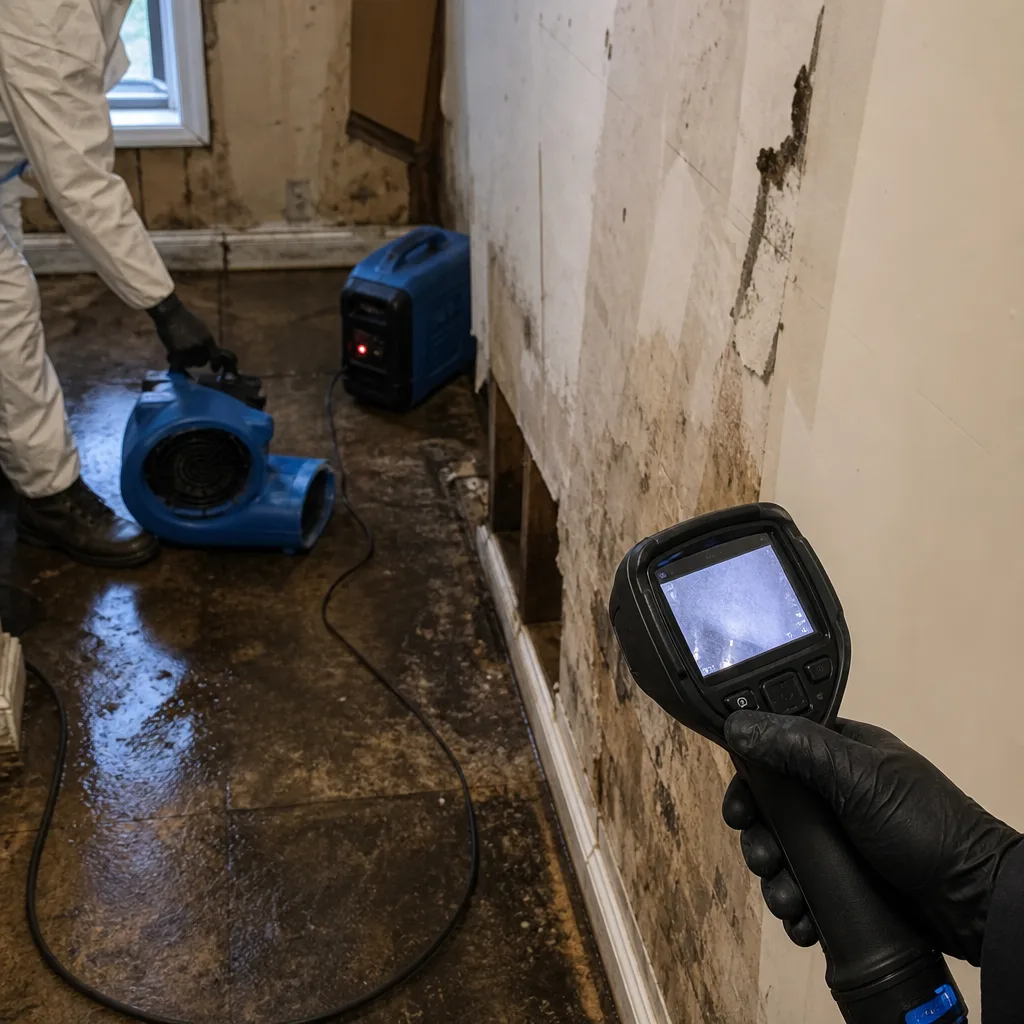 Before
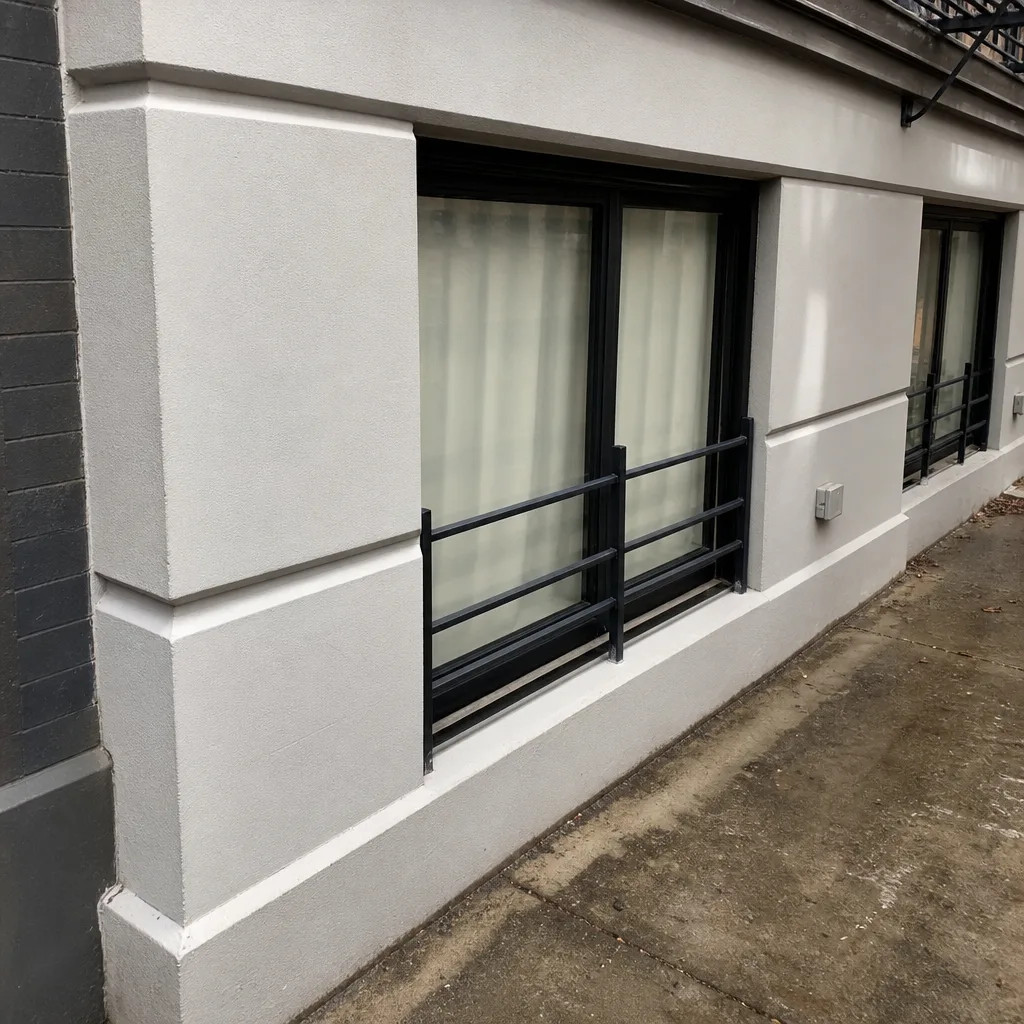 After
After24/7 Emergency Biohazard & Crime Scene Cleanup in Midtown Manhattan
Biohazard and crime scene cleanup in Midtown Manhattan typically runs $1,500-$4,500 for a contained single-unit trauma scene, and $6,000-$25,000+ when contamination spreads across multiple floors or involves extensive structural remediation. We answer live around the clock, and Wade’s crew can be inside Midtown Manhattan within the hour for a free visual inspection. If you’re standing in a unit right now dealing with blood, bodily fluids, or an unattended death, call (607) 703-3408. The first hour determines whether the contamination stays in one room or migrates through shared ventilation, elevator shafts, and corridor carpeting.
Midtown is unlike any other Sanitization Services - Midtown Manhattan market in the country. One unit is never just one unit, because the air you share with 400 other apartments moves through the same mechanical chase. We get that. Wade Ferris has been doing restoration work since 2007, and his name is on the truck, not a franchise logo.
Understanding Biohazard & Crime Scene Cleanup Severity in Midtown Manhattan Properties
Biohazard severity depends on three things in Midtown’s vertical housing stock: how long the biological material has been sitting, what surfaces absorbed it, and whether shared building systems carried it beyond the unit. A trauma scene contained to a tile bathroom floor is a Level 1 response, something our Biohazard & Crime Scene Cleanup team can often stabilize and clean in a single day. But in pre-war towers with plaster-over-metal-lath ceilings and original hardwood floors, blood and bodily fluids wick into porous substrate quickly. Within 24 to 48 hours, decomposition fluids can penetrate subflooring, bead-board lath, and the dead air space between floors and ceilings. That’s when we bring out negative air pressure, HEPA air scrubbers, and antimicrobial treatment.
Midtown’s pre-war stock from the 1920s through the 1950s features cast-iron drain risers and steam heating systems that create pathways between units. We’ve worked scenes where fluid from a 22nd-floor unit followed a pipe chase down to a 19th-floor ceiling cavity. In a converted co-op with ornate plaster moldings, you can’t just gut the room. Our team uses non-destructive moisture mapping and borescope inspection to trace biological material without destroying finishes that predate the Empire State Building. That’s the difference between a $3,000 cleanup and a $30,000 reconstruction.
Why Midtown Manhattan Property Owners Choose Wade’s Restoration
- Response inside the hour. Wade’s crew is stationed within the Midtown Manhattan service area and can be staging containment in 45 minutes or less, not four hours later.
- A live person, 24/7. No answering service. Wade Ferris answers his own phone at 3 a.m. and tells you exactly what needs to happen next. Call (607) 703-3408.
- IICRC-certified crews. Our technicians carry WRT, FSRT, and AMRT certifications. Biohazard work follows OSHA bloodborne pathogen standards and the IICRC S500/S520 guidelines, applied to code.
- Free visual inspection. We give you a written scope and a firm number before any work begins. No bait pricing, no surprise line items after we open a wall.
- Direct insurance billing. We handle the carrier. You don’t play middleman between two sides that don’t want to talk to each other.
- One team, start to finish. The people who show up at midnight are the same people who finish the repair. No handoff to an unknown third party.
Our Biohazard & Crime Scene Cleanup Process
Inspection & Assessment
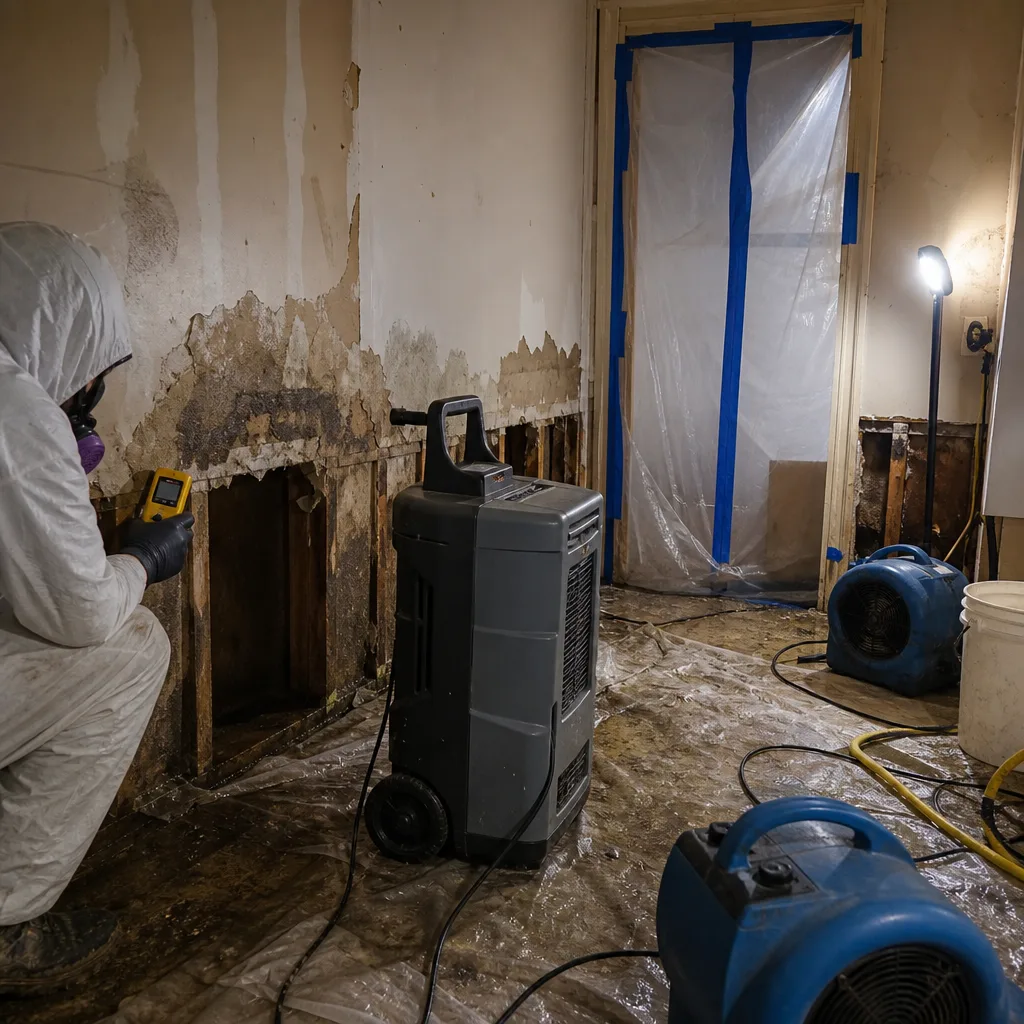
We map the affected zone, identify what’s porous and what’s salvageable, and trace pathways where fluids or airborne contaminants may have traveled. In Midtown’s high-rises, that means checking shared corridors, elevator lobbies, and pipe chases above and below the unit.
Extraction & Stabilization
We remove blood, bodily fluids, and contaminated materials using hospital-grade extraction and disposal protocols. Every piece of waste is bagged, labeled, and documented before it leaves the unit through a designated freight route.
Drying & Dehumidification
Using Phoenix and XPOWER air movers and dehumidifiers, we pull moisture from structural cavities that fluids penetrated. Daily hygrometer readings show us when the substrate hits a microbial safe zone, and we hand you the full log at the end.
Cleaning & Sanitization
We apply EPA-registered antimicrobial and hospital-grade disinfectants to every affected surface. For porous materials that can’t be safely cleaned, we remove and replace them per IICRC standards.
Air Filtration & Odor Treatment
HEPA air scrubbers run continuously during and after the cleanup to capture airborne pathogens and eliminate decomposition odors. In Midtown’s stacked ventilation systems, we often add hydroxyl generators to prevent odor migration to neighboring units.
Repairs & Restoration
Through our Commercial Restoration in Midtown Manhattan, we rebuild what was removed: plaster, drywall, flooring, paint, trim. For pre-war units with period moldings, we match profiles and materials, then document everything for your claim.
Need Emergency Biohazard & Crime Scene Cleanup in Midtown Manhattan Now?
Crews minutes away, answering live 24 hours a day. The sooner we start, the less it costs.
Working With Your Insurance Company
Most Midtown co-op and condo policies cover biohazard and trauma cleanup, but carriers move slowly unless the documentation is airtight from day one. We photograph every room before we touch anything, log moisture readings daily, and write a line-item scope that matches the carrier’s estimating software. Then we talk to your adjuster directly. You shouldn’t have to explain the difference between a Category 2 and Category 3 loss to someone who’s never been inside your building. We do that for you, and we include your co-op or condo board’s requirements in the claim package so there’s no gap between what your policy covers and what the building demands.
What We Provide Your Insurer
- Thorough documentation of the loss
- Photos of all damage, room by room
- Moisture readings and drying logs
- A detailed, line-item scope of work
- Direct coordination with your carrier
Built for Midtown Manhattan’s Loss Calendar
Biohazard and crime scene cleanup in Midtown Manhattan doesn’t follow a quiet season. Winter brings frozen supply lines in vacant office suites that sit unheated over holiday closures, and when a line thaws, it can discharge into the unit below for days before anyone notices. Spring and fall are peak turnover seasons for hotels and short-term rentals near Times Square, which means more unattended death discoveries by housekeeping staff on high floors. Summer heat accelerates decomposition, and the density of tourism near Bryant Park and Herald Square means tear gas incidents, assaults, and medical emergencies in commercial spaces spike. Every season has a signature, and our crews know which buildings in Midtown are most vulnerable because we’ve been inside them.
One thing most people don’t consider: Midtown’s high-rise windows don’t open. In a suburban house, a trauma scene vents to the outdoors. In a 28th-floor co-op on Lexington Avenue, everything stays in the envelope and recirculates through the HVAC. That’s why containment speed matters here more than anywhere else in the city.
Biohazard & Crime Scene Cleanup Across Midtown Manhattan’s Neighborhoods
Midtown Manhattan spans from the East River to the Hudson, and different corridors present different cleanup realities. In the pre-war co-ops along Park Avenue and Fifth Avenue, we navigate co-op board approvals, original plaster finishes, and service elevators that only operate during narrow windows. Around Times Square, hotel-brand standards add a layer: the property’s engineering team usually documents everything, and work often has to happen between 2 a.m. and 6 a.m. when occupancy is lowest. The Garment District’s converted loft buildings have open floor plates that make containment simpler but increase the square footage when biological material spreads. West of Eighth Avenue, the residential towers near Columbus Circle and Hell’s Kitchen mix rental units with condos, and building management often requires a certificate of insurance naming the building as an additional insured before we can even stage our equipment. Down in the 30s around Herald Square, commercial storefronts and office suites have high-traffic shared entrances where we must maintain strict containment to avoid a public health complaint while pedestrians walk past the front door. We know these buildings before we arrive because we’ve worked them, and that means faster approvals and fewer delays.
Specialized Biohazard & Crime Scene Cleanup Services We Offer in Midtown Manhattan
Crime Scene Cleanup
After law enforcement releases a scene, the responsibility for cleaning shifts to the property owner. We remove blood, tissue, and other biological material from floors, walls, and furnishings, then sanitize the affected area to a standard safe for re-entry. In Midtown’s high-rise corridors, we coordinate with building security to ensure the scene remains private and secure during cleanup.
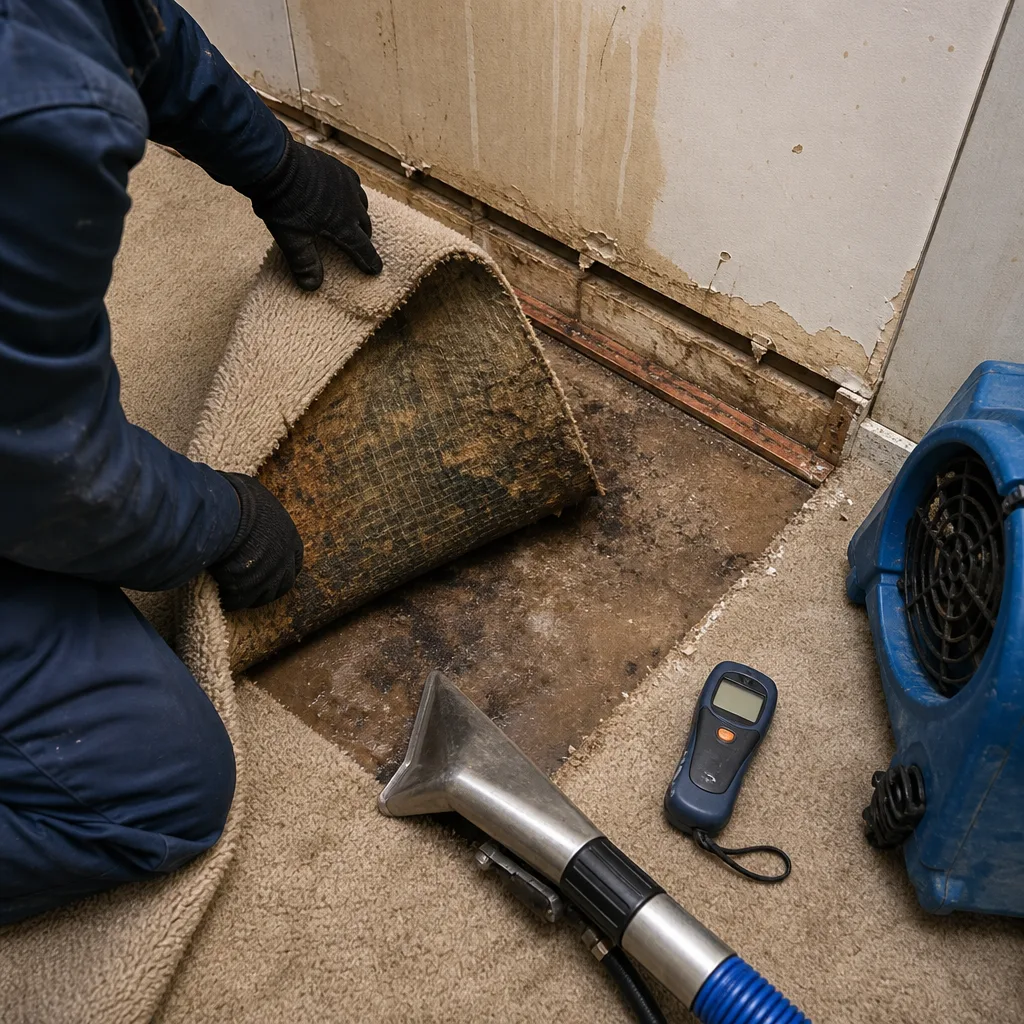
Trauma & Unattended Death Cleanup
An unattended death in a Midtown apartment often isn’t discovered for days or weeks. By then, decomposition fluids have penetrated flooring, subflooring, and wall cavities. We remove affected materials, deodorize with hydroxyl and ozone treatment, and restore the unit to a condition where you can list it or live in it again. We also coordinate with the medical examiner’s office and law enforcement on documentation.
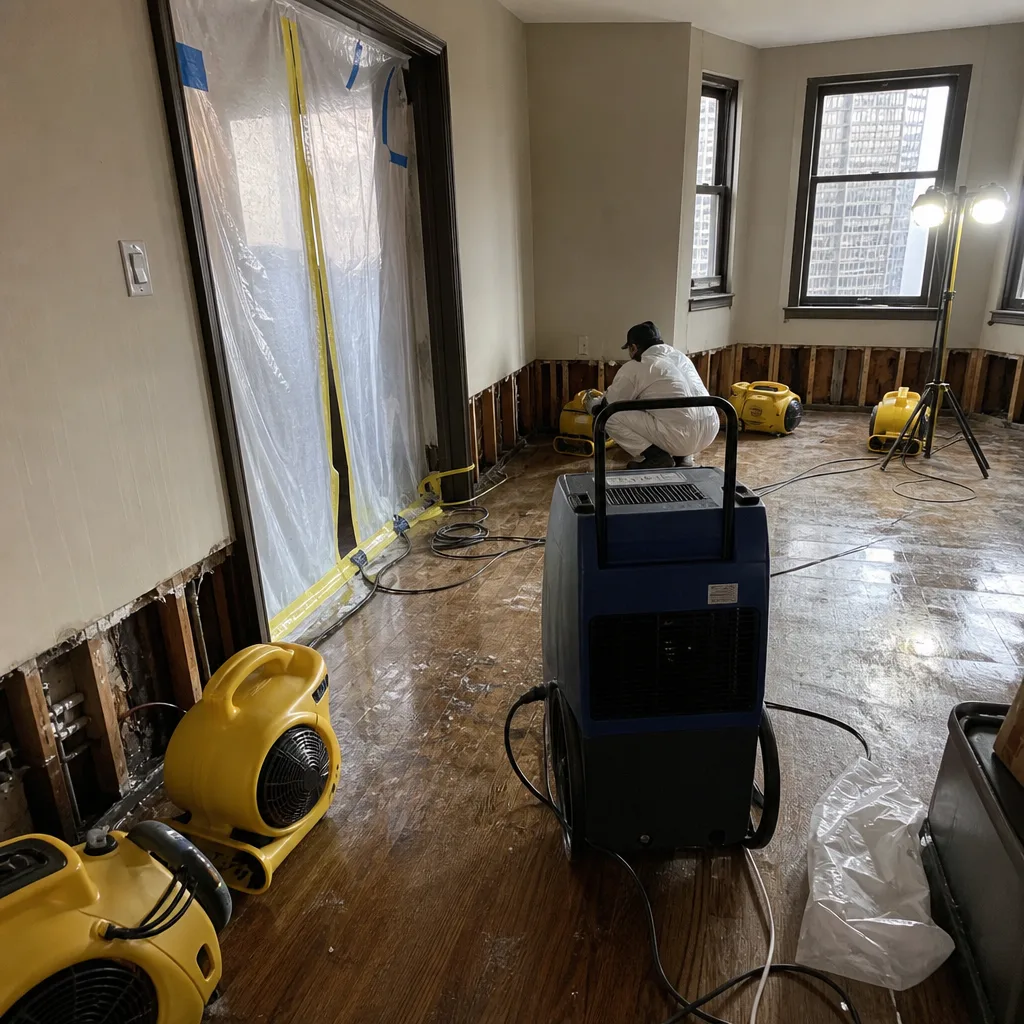
Hoarding Cleanup
Midtown’s smaller pre-war units make hoarding conditions especially dangerous because accumulated material blocks egress and compresses against shared walls. We remove debris, separate salvageable belongings, clean surfaces, and treat for pests and biohazard contamination. We work with building management on freight elevator scheduling for debris removal.
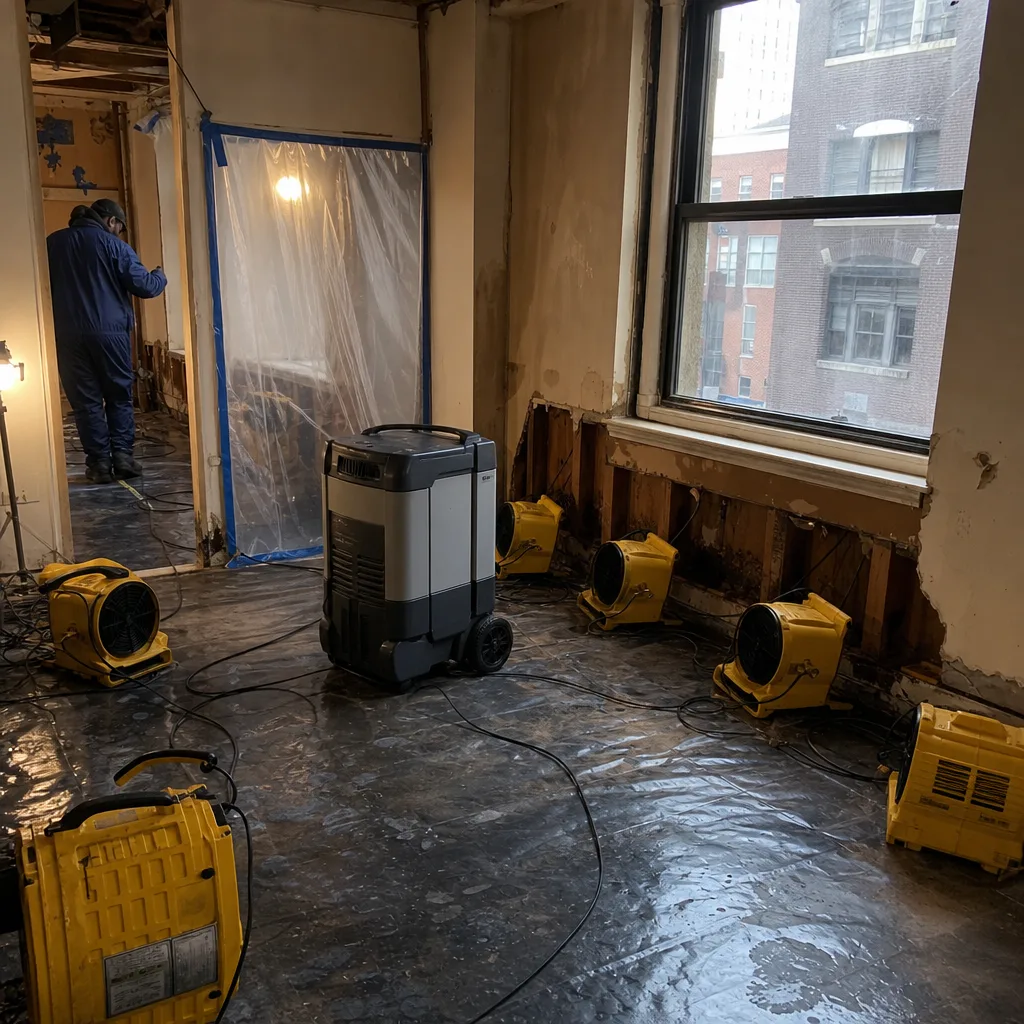
Blood & Bodily Fluid Cleanup
Bloodborne pathogens carry real risk: hepatitis B, hepatitis C, and HIV can survive outside the body. Our crews use OSHA-compliant PPE, hospital-grade disinfectants, and proper disposal containers for all biohazard waste. In Midtown’s mixed-use buildings, we verify that the disposal route doesn’t pass through common areas or passenger elevators.
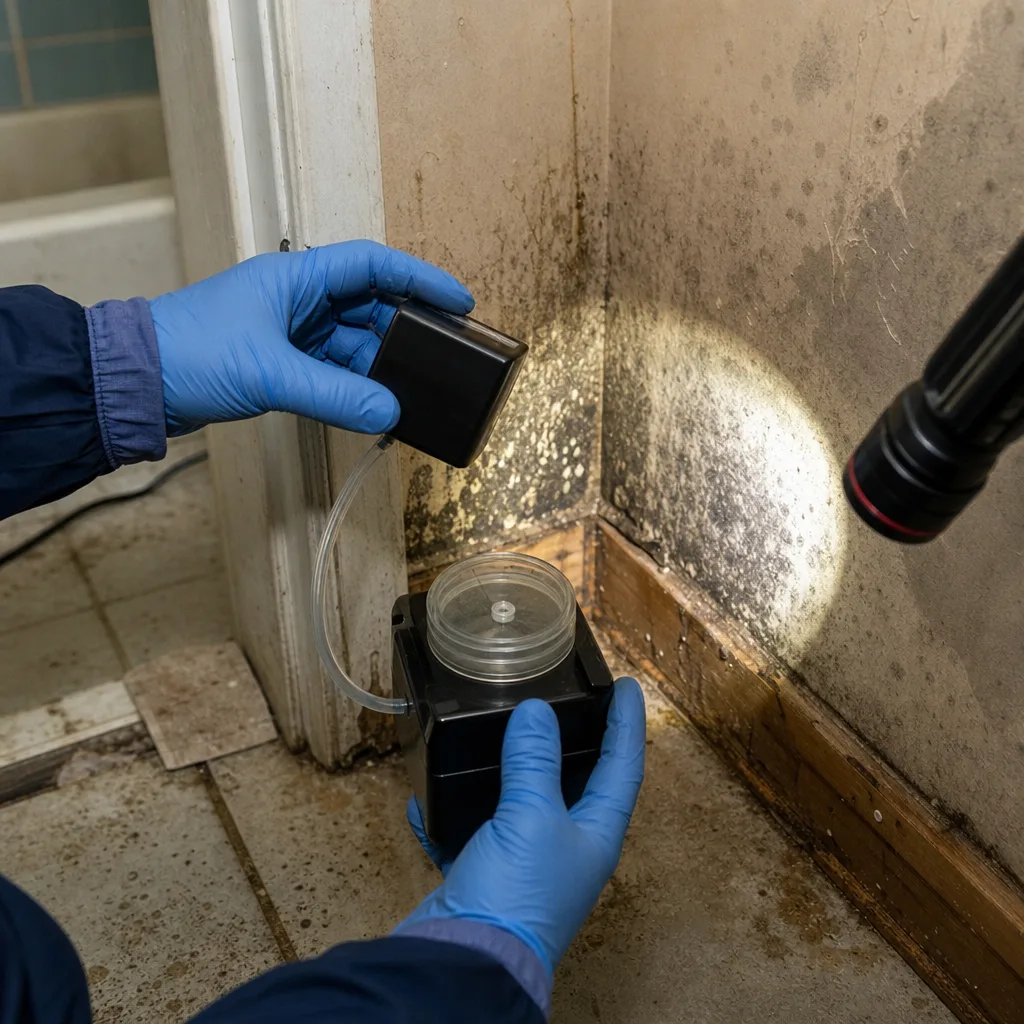
Infectious Disease Disinfection
When a tenant has a confirmed infectious disease, we provide full-unit disinfection using EPA-registered hospital-grade products. For Midtown offices and hotels that have experienced a norovirus outbreak or similar, we can treat entire floors overnight and document the process for reopening.
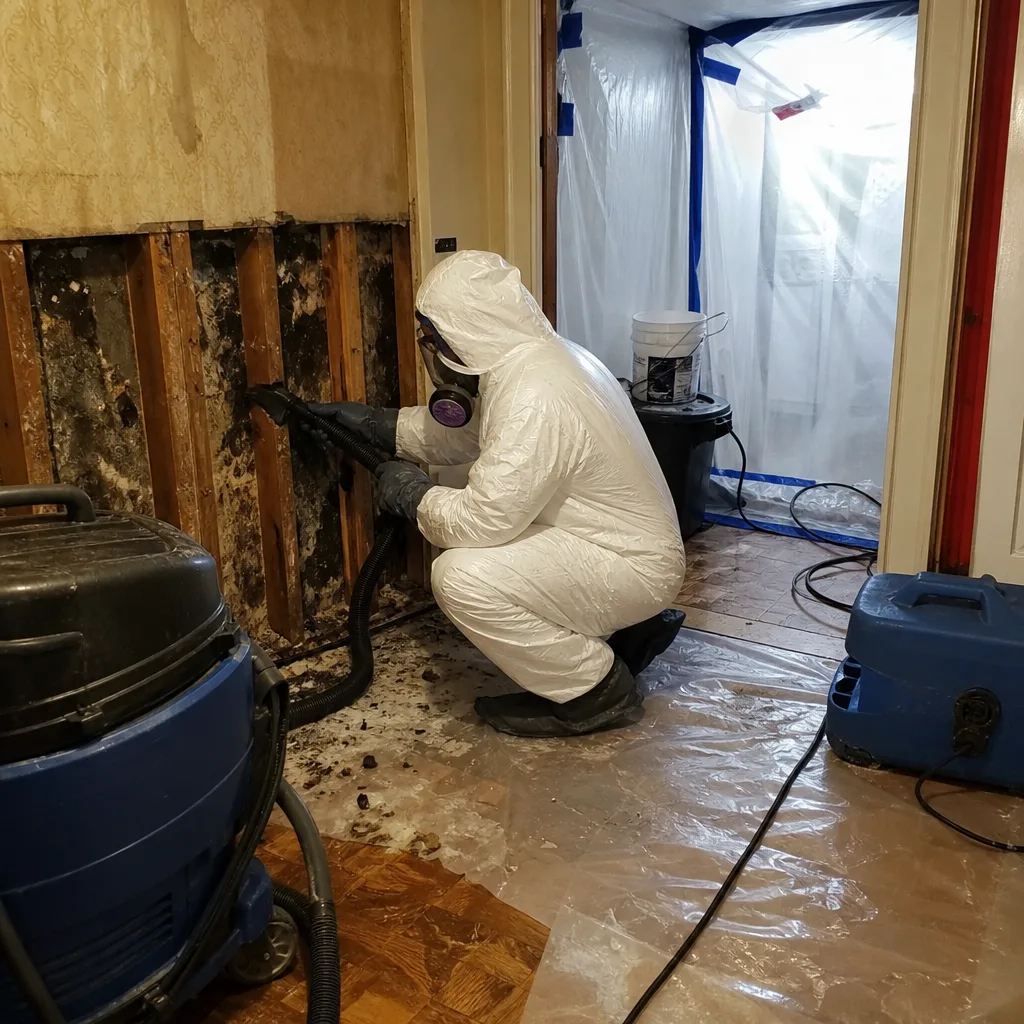
Tear Gas & Chemical Cleanup
Tear gas and pepper spray residue clings to every porous surface and reactivates when disturbed. We use specialized chemical neutralizers and HEPA filtration to remove residue from walls, carpets, upholstery, and HVAC registers. In a 30th-floor commercial space, we contain the affected floor first so the chemical doesn’t migrate through the building’s return air system.
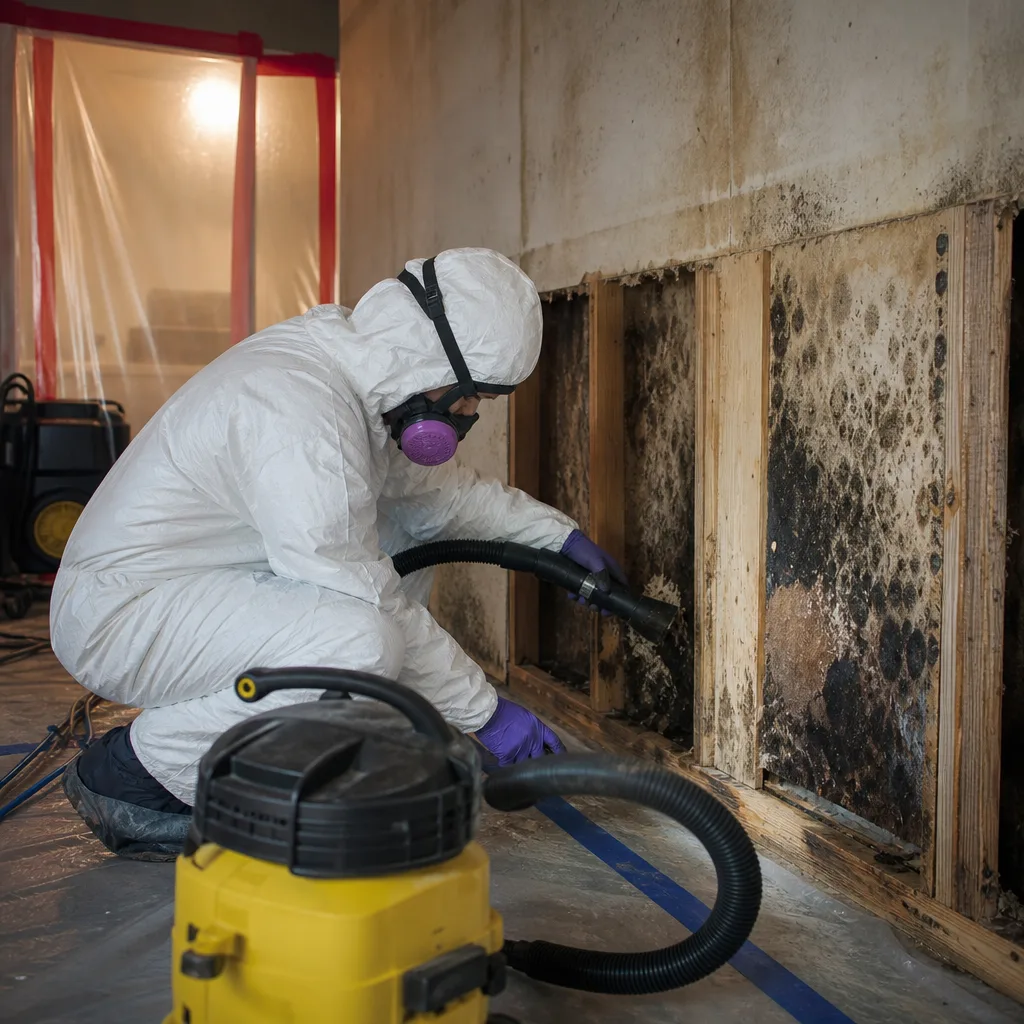
What happens when you call
- 1
A real person answersNo phone trees - you reach a local pro.
- 2
You get an upfront price rangeHonest numbers before anyone is dispatched.
- 3
A background-checked tech heads outLicensed & insured, dispatched right away.
- 4
You approve before work beginsNothing starts until you say go.
Biohazard & Crime Scene Cleanup Costs in Midtown Manhattan, NY
Here’s honest math for Midtown Manhattan. A basic blood cleanup in a single bathroom runs $1,200-$2,500. A contained trauma scene in one room typically lands between $2,500 and $5,000. An unattended death with decomposition fluids that reached the subfloor runs $6,000-$15,000 depending on square footage and whether the ceiling below is affected. Hoarding cleanups in Midtown’s smaller co-op units generally run $3,500-$12,000, driven by debris volume, pest treatment, and the building’s freight elevator hours. Tear gas remediation for a commercial floor often lands in the $8,000-$25,000 range because HVAC ducts and returns need treatment. Infectious disease disinfection for a single unit is typically $1,800-$4,500. What moves the price most in Midtown specifically: freight elevator restrictions, co-op board requirements, after-hours labor premiums, and whether the building’s certificate of insurance rules require additional coverage. Call (607) 703-3408 for a free visual inspection and a written scope. No trip charge inside our own county, and a free second opinion on any written estimate you’ve received.
We Also Serve Cities Near Midtown Manhattan
Our crews cover Midtown Manhattan and the surrounding area, including Midtown West, the Financial District, Lower Manhattan, and Astoria. If you’re in one of those neighborhoods and dealing with a biohazard situation, the same dispatch team answers the phone 24/7.
Serving Midtown Manhattan, NY - Our Local Coverage Area
We’re based in the Midtown Manhattan area and know this community well. Use the map below to see our service coverage - if you’re nearby, we can almost certainly help.
Midtown Manhattan Biohazard & Crime Scene Cleanup Questions, Answered
How do you handle biohazard cleanup in a Midtown high-rise when the freight elevator is only available overnight?
We stage all equipment and materials in the service corridor, then move everything through the freight elevator during the building’s designated window, usually midnight to 6 a.m. Our night crew coordinates directly with the building’s overnight superintendent, and we keep all containment materials sealed until they’re inside the unit so nothing passes through common areas.
A pipe burst on the 18th floor of a pre-war tower and flooded the unit below. How do you determine if the water is Category 1, 2, or 3 before starting cleanup?
We test the water source and trace its path. A burst supply line delivering clean water is Category 1 until it passes through flooring, drywall, or building cavities where it picks up contaminants. If the water traveled through a floor assembly, sat for more than 48 hours, or mixed with sewage from a drain line, it’s Category 2 or 3. We sample and log it, and only use category-appropriate cleaning methods.
What’s the protocol for cleaning blood and bodily fluids from a co-op unit with original plaster ceilings and ornate moldings?
We map the affected area with non-destructive moisture detection, then clean salvageable hard surfaces with hospital-grade disinfectants. For plaster moldings that absorbed fluids, we either remove and restore them using matched profiles, or treat them in place with antimicrobials. We document every step so you can present it to your co-op board and insurer.
Do you need to notify the building’s management or co-op board before starting an unattended death cleanup in Midtown?
Yes. Most Midtown co-op boards and building managers require advance notice, a certificate of insurance naming the building, and approval of the disposal route for biohazard waste. We handle that coordination for you, usually within the first hour, so the cleanup isn’t delayed by paperwork.
A tear gas canister discharged in a commercial office on the 30th floor. How do you prevent chemical residue from spreading through the HVAC system?
We seal return air vents and seal the office door with negative air pressure containment before we touch any surface. Then we run HEPA air scrubbers inside the affected space while neutralizing residue on walls, carpets, and hard surfaces. The building’s HVAC engineer should shut down the floor’s air handler during the work, and we coordinate that with the property manager.
How fast can you actually get to a Midtown Manhattan address?
Depending on the specific location inside Midtown, our crew is typically on-site within 45 to 90 minutes, and often faster for time-sensitive scenes. Call (607) 703-3408 and we’ll give you a real arrival window, not a promise we can’t keep.
Will my co-op or condo insurance cover biohazard cleanup?
Most Midtown co-op and condo policies cover biohazard and trauma cleanup under the loss-of-use or mitigation provisions, but the coverage depends on the source of the contamination and your policy’s exclusions. We document everything from the first hour and coordinate directly with your carrier to maximize what’s covered. A free second opinion on any estimate is always available.
Can I stay in my unit during the cleanup?
For blood, bodily fluids, or an unattended death, we recommend vacating until the containment is sealed, the affected materials are removed, and air quality returns to normal. For a smaller contained scene, you may be able to stay in a separate room. We’ll tell you honestly after the visual inspection, and we’ll write it in the scope.
Written by Wade Ferris, Owner at Wade’s Restoration, serving Midtown Manhattan and the surrounding New York City area since 2007.