
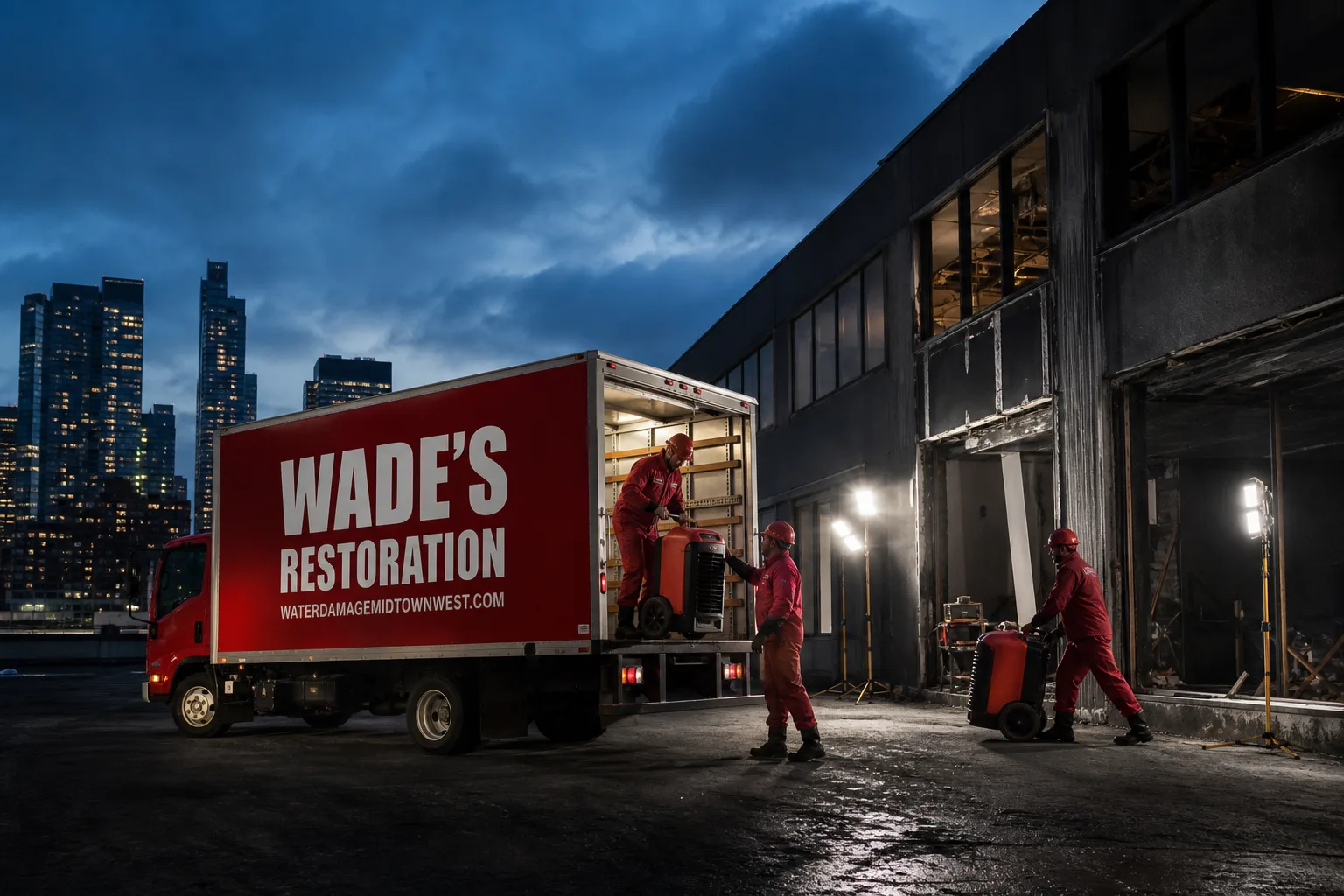
Free visual inspection and a written scope of work before any mitigation begins - photos, moisture readings, and drying logs go in your claim file
The scope we write is the scope we bill. Anything new gets shown to you, in writing, before we touch it.
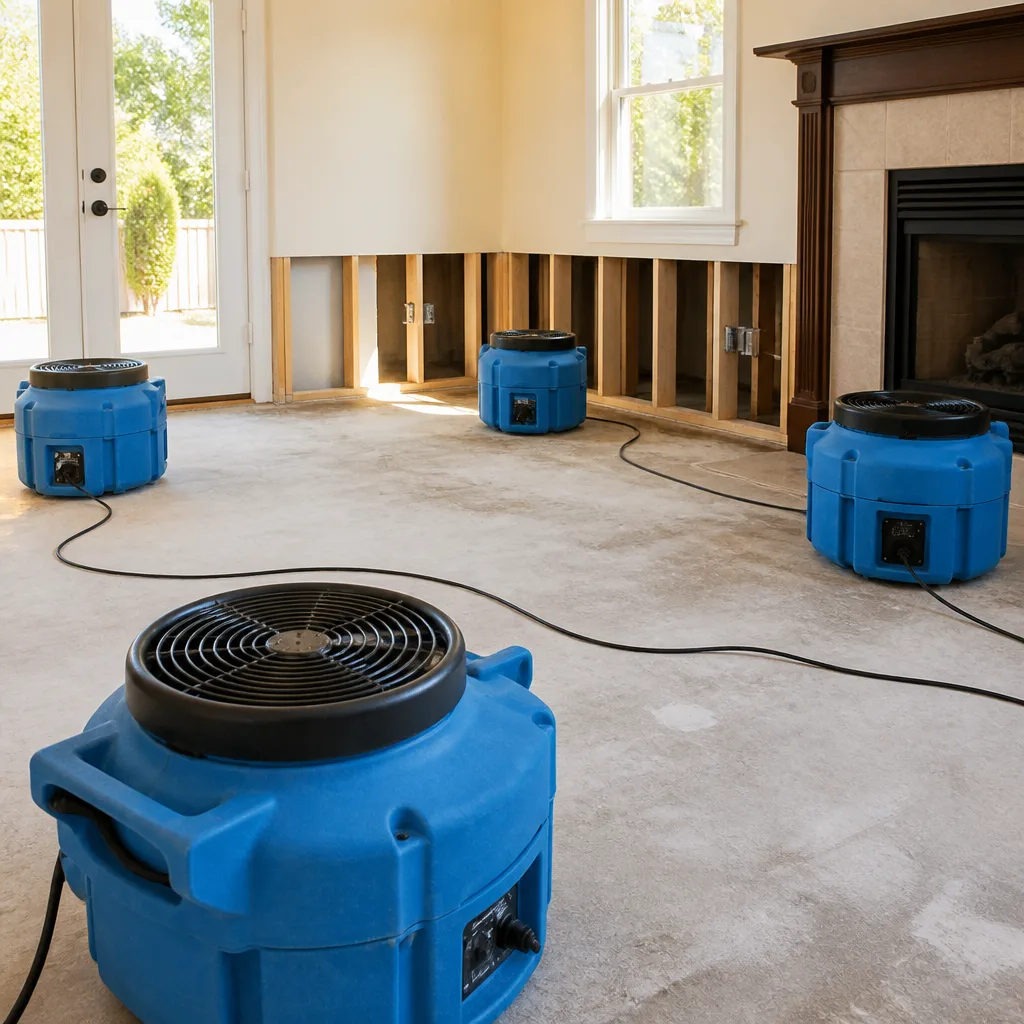
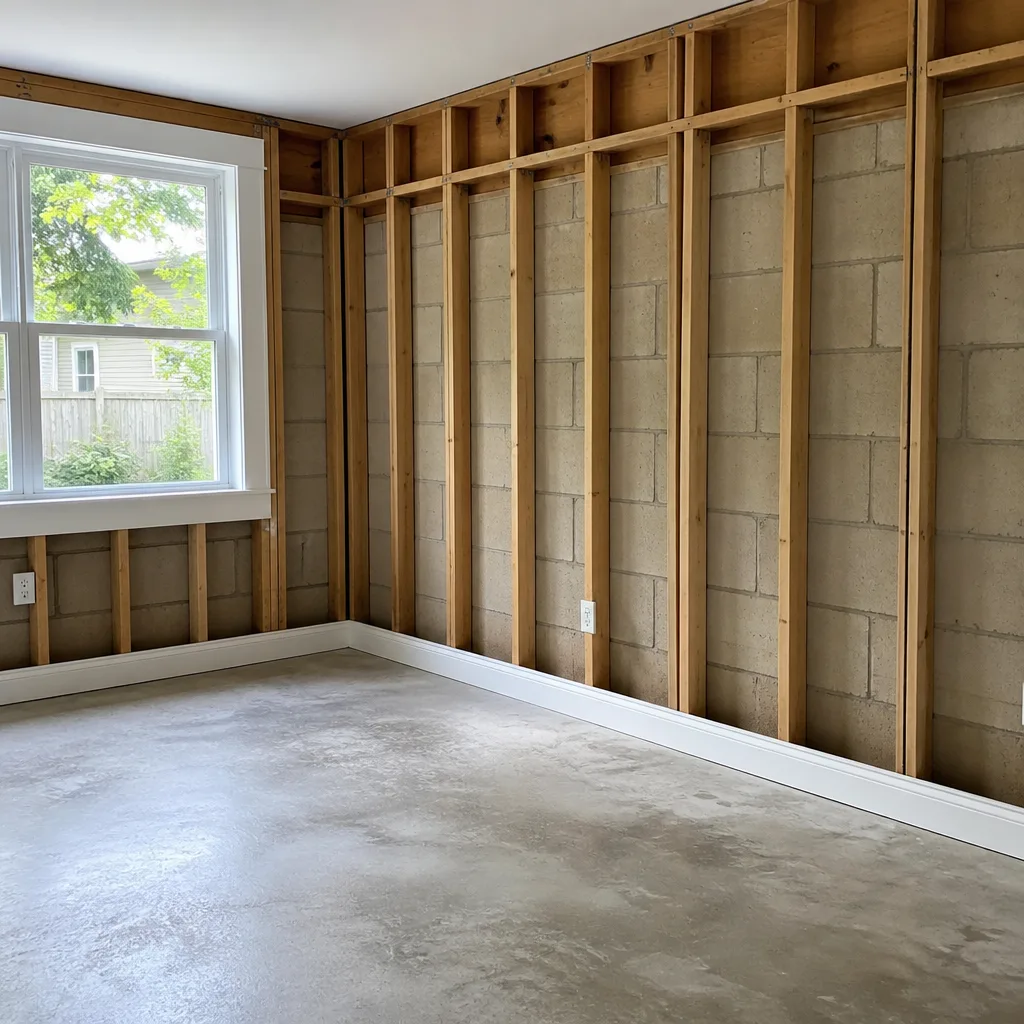
 Before
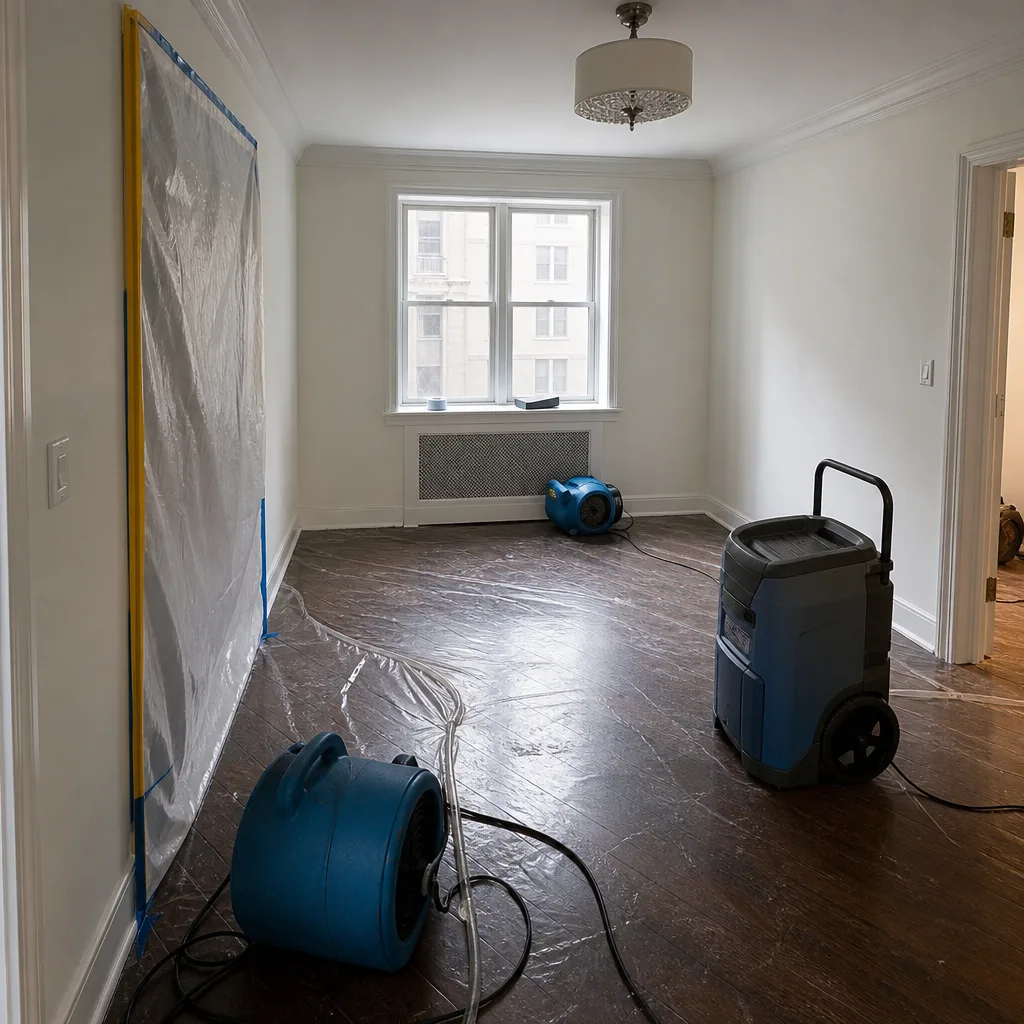 After
After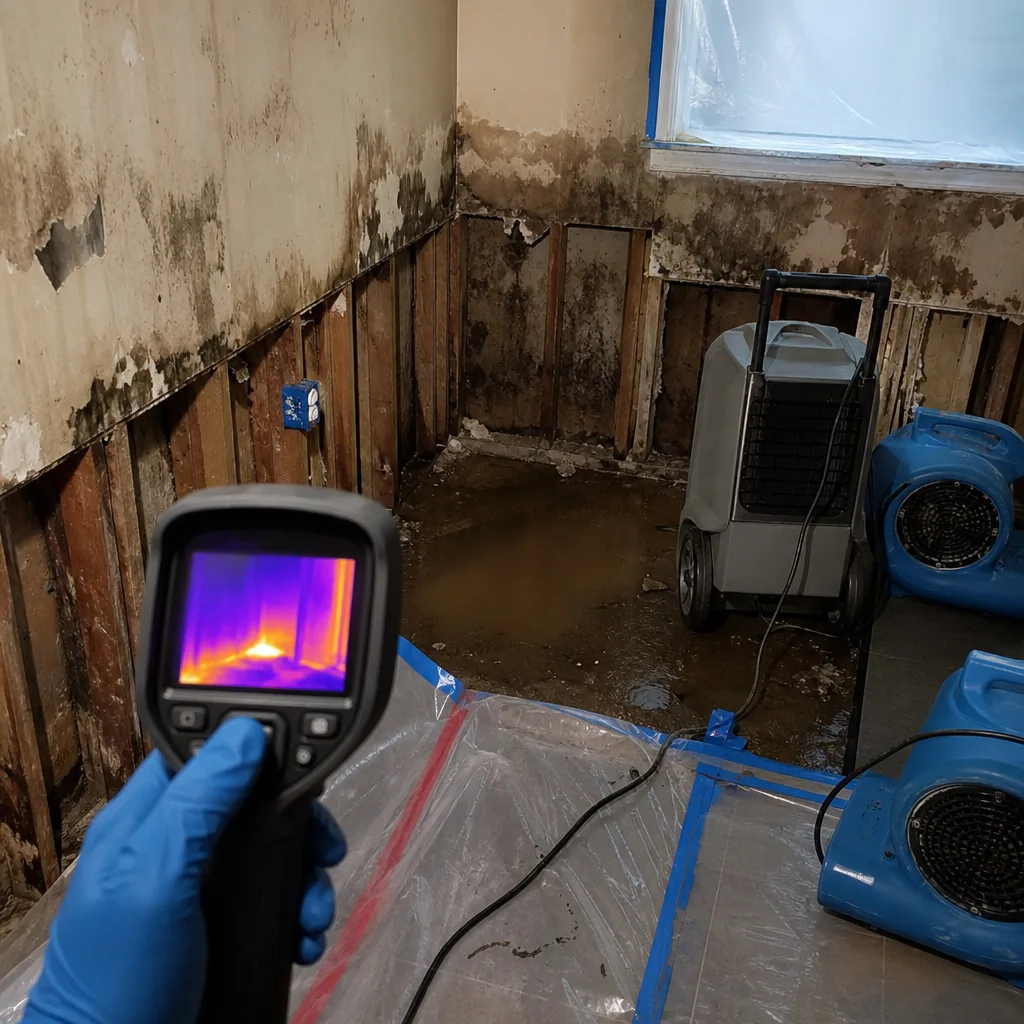 Before
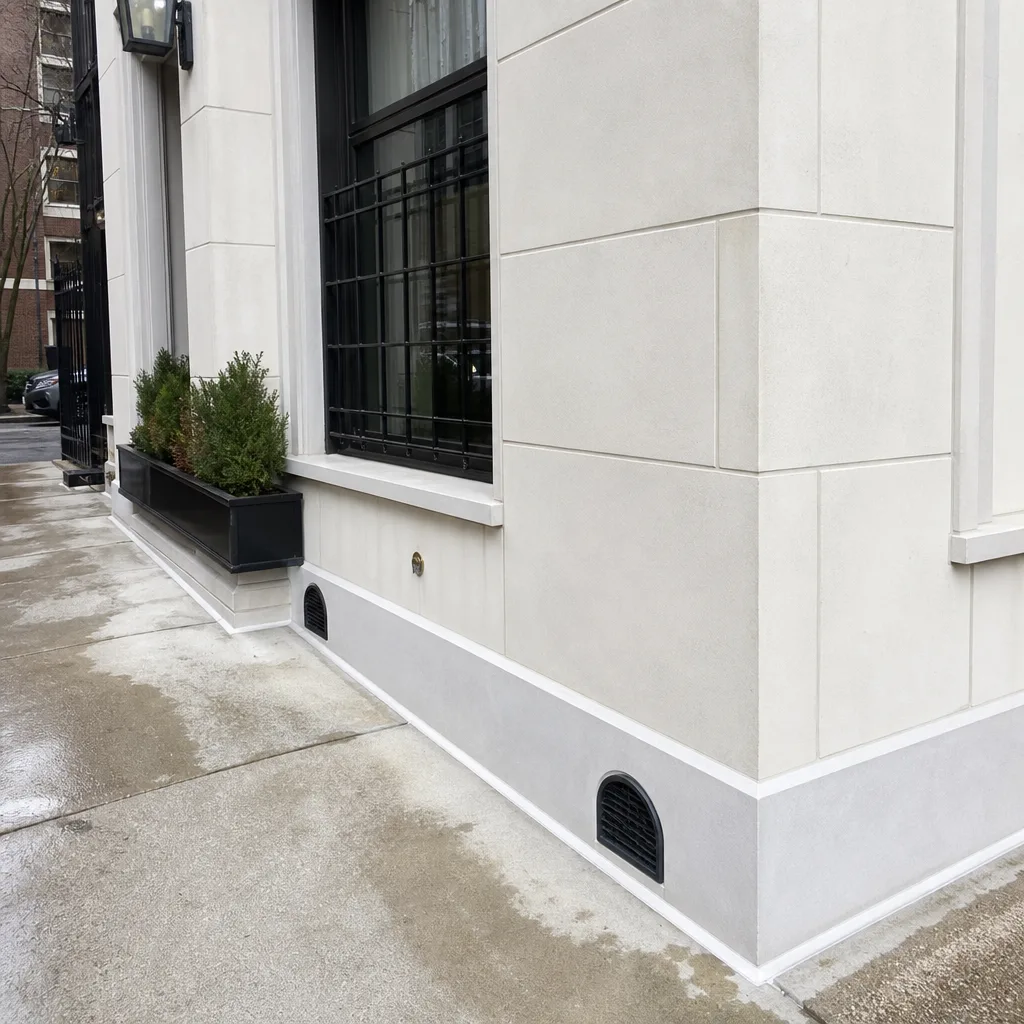 After
After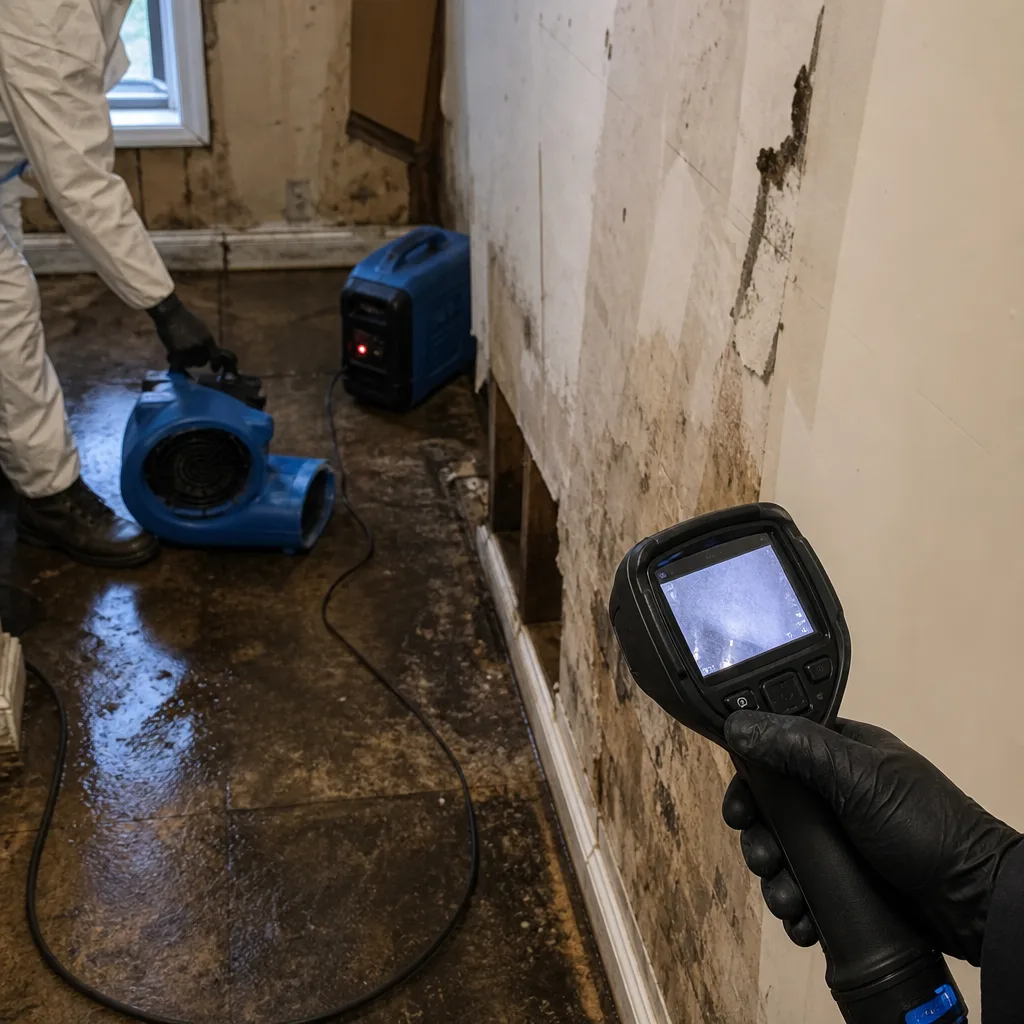 Before
 After
After24/7 Emergency Mold Remediation in Astoria
Mold grows fast after water sits, and in Astoria’s attached brick row houses it doesn’t stay put. If you’ve spotted mold in a basement apartment off Broadway or smelled that musty odor creeping up from a below-grade unit near Ditmars, call (607) 703-3408 right now. Wade Ferris answers his own phone, day or night, and he can have a crew at your door inside the hour. The first 24 hours decide whether you’re dealing with a contained cleanup or a full wall-cavity tear-out that crosses into your neighbor’s unit. We do a free visual inspection on every call, so you know exactly what you’re facing before any money changes hands.
Understanding Mold Remediation Severity in Astoria Properties
Not all mold is the same job. A small patch of surface mildew on a bathroom ceiling is one thing. What we routinely find in Astoria’s 1920s-1940s brick walk-ups is something else entirely: mold colonies feeding inside plaster-on-lath wall cavities, behind original baseboards, and wicking through shared masonry party walls. Severity here tracks with water category. Category 1 is clean water from a supply line. Category 2 carries contaminants, like a washing machine overflow. Category 3 is sewage or exterior floodwater, and it demands full containment with negative air pressure, HEPA air scrubbing, and antimicrobial treatment of every affected surface. In a detached house you treat the one unit and you’re done. In Astoria’s semi-detached row houses, the question is always whether the moisture migrated through the common brick. That’s the difference between a $900 surface job and a $7,000 multi-unit remediation, and it’s why we moisture-map every job before we quote.
Why Astoria Property Owners Choose Wade’s Restoration
- 45-minute response commitment. Wade heads out the moment you call. No call center, no ticket queue. He’s on the road while other companies are still routing your call.
- 24/7 live answer, always a person. You get Wade or someone from his crew, never an automated recording. At 2 a.m. with sewage in a basement apartment, that matters.
- IICRC-certified crews. Our people hold WRT, FSRT, and AMRT certifications, and they run Dri-Eaz, Phoenix, and XPOWER equipment on every job. Not rental-store gear.
- Free visual inspection. We look before we quote. You get a written scope with line-item pricing, and you approve it before work starts. No surprises at the door.
- Direct insurance billing. We document everything from hour one and deal with your adjuster directly, so you’re not the one relaying messages between two sides.
- One team from start to finish. The same crew that runs containment and drying also handles the tear-out and rebuild. No handoffs, no finger-pointing.
Our Mold Remediation Process
Inspection & Assessment
We walk the property with moisture meters and thermal imaging, mapping every damp area including the wall cavities behind plaster and lath. In attached row houses we check both sides of the party wall. You get a written scope before anything is touched.
Containment & Stabilization
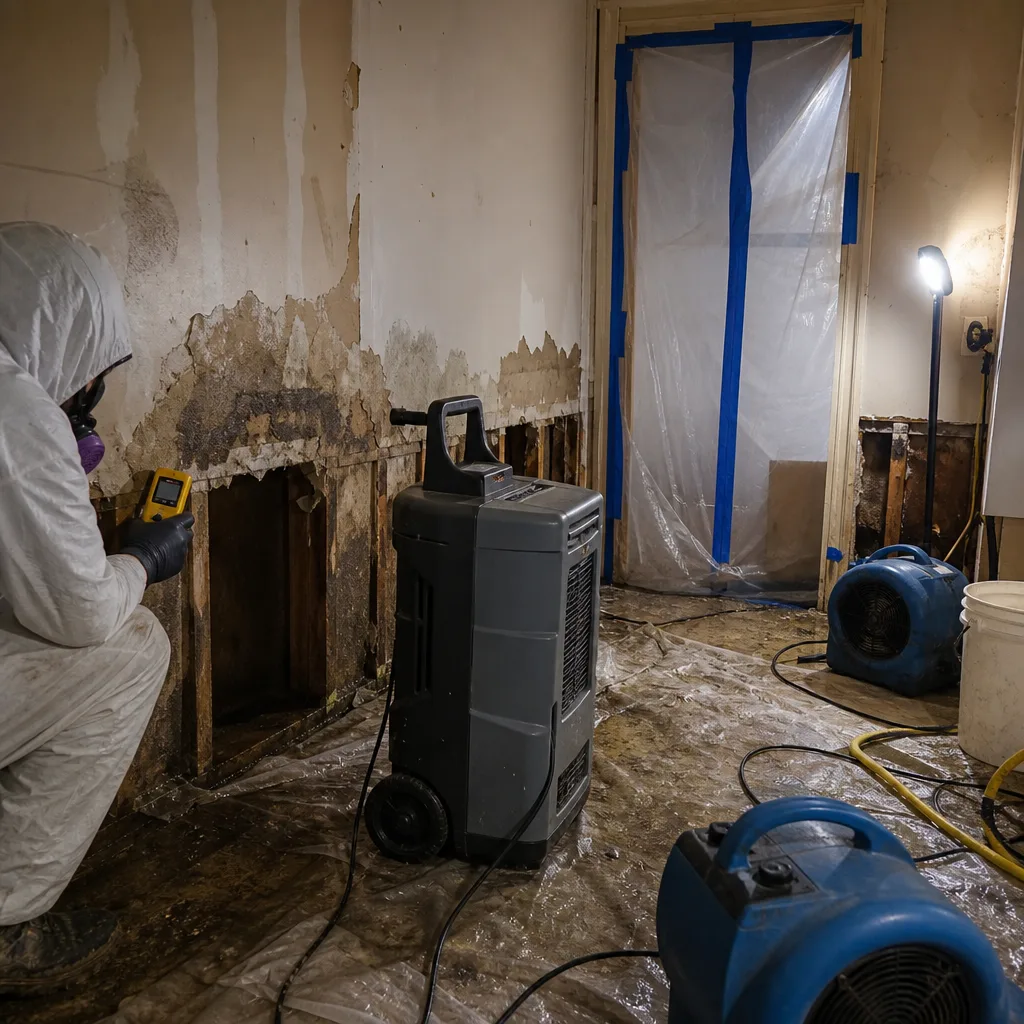
We seal off the affected area with 6-mil poly sheeting and run HEPA air scrubbers under negative air pressure, keeping mold spores out of shared hallways and neighboring units. This is non-negotiable in multi-family buildings.
Water Extraction & Structural Drying
Standing water comes out first with truck-mounted extraction, then Dri-Eaz dehumidifiers and XPOWER air movers go to work on the hidden moisture in plaster, brick, and original wood framing. Wade takes moisture readings every day and hands you the full log at the end.
Removal & Cleaning
Contaminated plaster, insulation, and any unsalvageable material is bagged and removed under containment. The entire affected area gets a HEPA vacuum and antimicrobial wipe-down, including the lath and joists behind the surfaces you can see.
Antimicrobial Treatment & Odor Control
Original wood lath, floor joists, and brick get a full antimicrobial application so mold can’t regrow behind the new finish. We run air scrubbers for a minimum of 48 hours and re-test moisture levels before we call it dry.
Repairs & Restoration
We rebuild what we removed: new drywall or restored plaster, trim, paint, flooring. You’re back to pre-loss condition, not a patched-up version of it. Every mold job carries the 90-Day Done Right Promise, in writing.
Need Emergency Mold Remediation in Astoria Now?
Crews minutes away, answering live 24 hours a day. The sooner we start, the less it costs.
Working With Your Insurance Company
We’ve handled hundreds of mold claims in Astoria, and we know what insurers look for. They want proof the water event caused the mold, proof the remediation was done to industry standard, and line-item documentation they can verify. We start building that file in the first hour. Our photo documentation is room-by-room, our moisture logs are date-stamped, and our scope of work matches IICRC standards line for line. Wade deals with your adjuster directly, so you’re never stuck in the middle translating between a contractor and a claims department. If they call with questions, they call us, not you.
What We Provide Your Insurer
- Thorough documentation of the loss
- Photos of all damage, room by room
- Moisture readings and drying logs
- A detailed, line-item scope of work
- Direct coordination with your carrier
Built for Astoria’s Loss Calendar
Mold in Astoria doesn’t happen randomly. It follows the weather and the building stock. January’s deep freezes burst supply lines in unheated basement ceilings and crawl spaces behind kitchens, sending water down through plaster walls. Spring thaw pushes groundwater into below-grade basement apartments, especially near the East River waterfront and the lower-lying blocks toward Astoria Park, where FEMA flood zone designations still shape insurance claims from Hurricane Sandy’s storm surge in 2012. Summer thunderstorms overwhelm the aging combined sewer system, causing raw sewage backups in basement apartments that demand Category 3 biohazard protocols and full antimicrobial treatment. Nor’easters drive water through flat built-up roofs and aging parapet walls, saturating the top-floor ceilings of pre-war brick walk-ups. And every year, cast-iron drain stacks in these 100-year-old buildings sweat through the humid summer months, keeping wall cavities damp enough for mold to thrive in silence. We know this rhythm. We don’t get surprised by it.
Mold Remediation Across Astoria’s Neighborhoods
We work every corner of Astoria, and each area has its own signature mold problem. Around Ditmars-Steinway, the elevated train’s vibration shakes old mortar joints loose, letting roof water sneak into top-floor wall cavities. In the blocks off 30th Avenue between Steinway Street and the BQE, we see semi-detached brick row houses with shared party walls where a neighbor’s slow pipe leak becomes your mold problem weeks before you ever see it. Down toward Long Island City’s southern edge along 21st Street, old commercial conversions and live-work buildings have flat roofs with chronic ponding that feeds persistent ceiling mold in upper-floor rentals. The blocks near Astoria Park and Shore Boulevard, touched by Sandy’s surge, still produce jobs where old flood-damaged framing wasn’t fully dried a decade ago and the mold came back. Knowing these blocks matters. A crew that doesn’t understand Astoria’s building stock is guessing.
Specialized Mold Remediation Services We Offer in Astoria
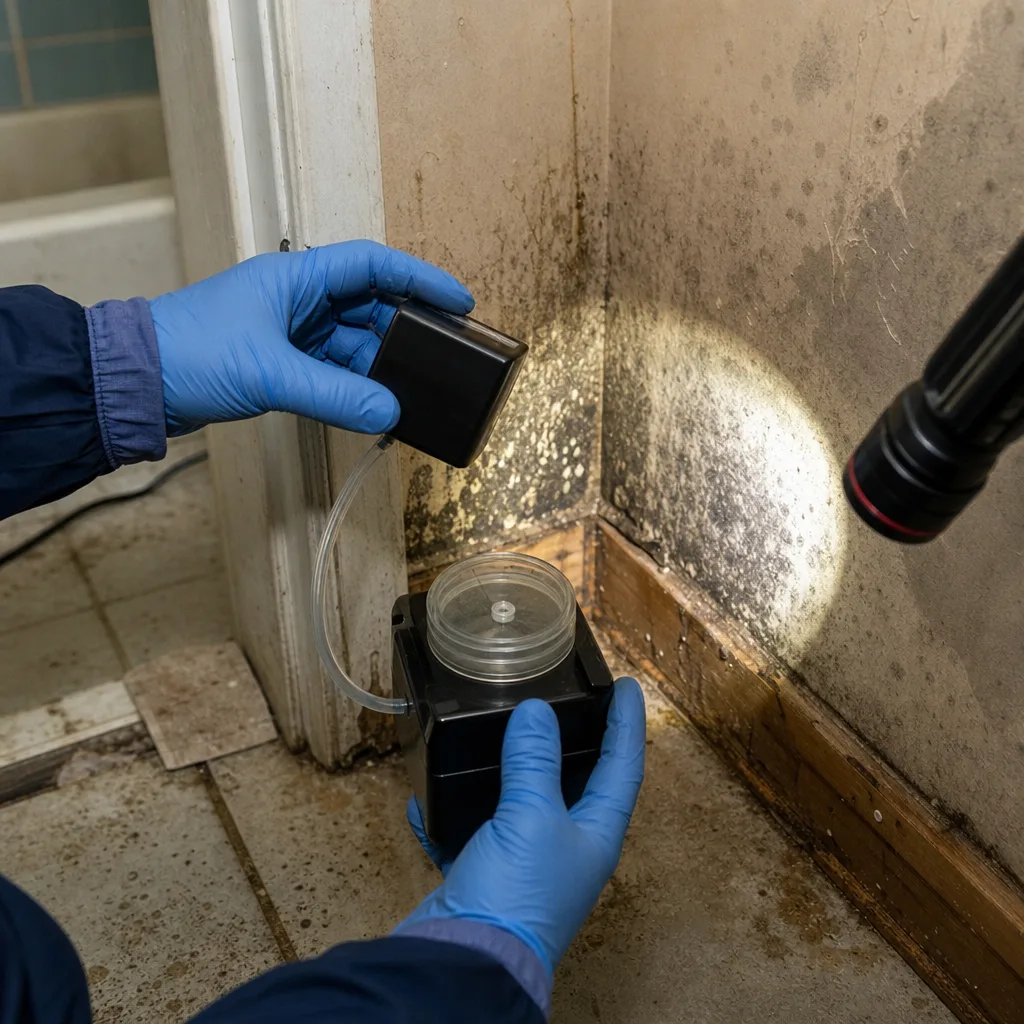
Mold Inspection & Testing
Before anyone rips out drywall, you should know what you’re actually dealing with. In Astoria’s older buildings, hidden mold behind plaster and lath rarely announces itself until the problem is advanced. We do full moisture mapping with thermal imaging across every affected room and both sides of any shared wall, then recommend lab testing only when the situation calls for it: suspected black mold, a tenant dispute, or a co-op board that needs paperwork. You get a written report you can hand to an adjuster, a landlord, or a neighbor.
Mold Removal
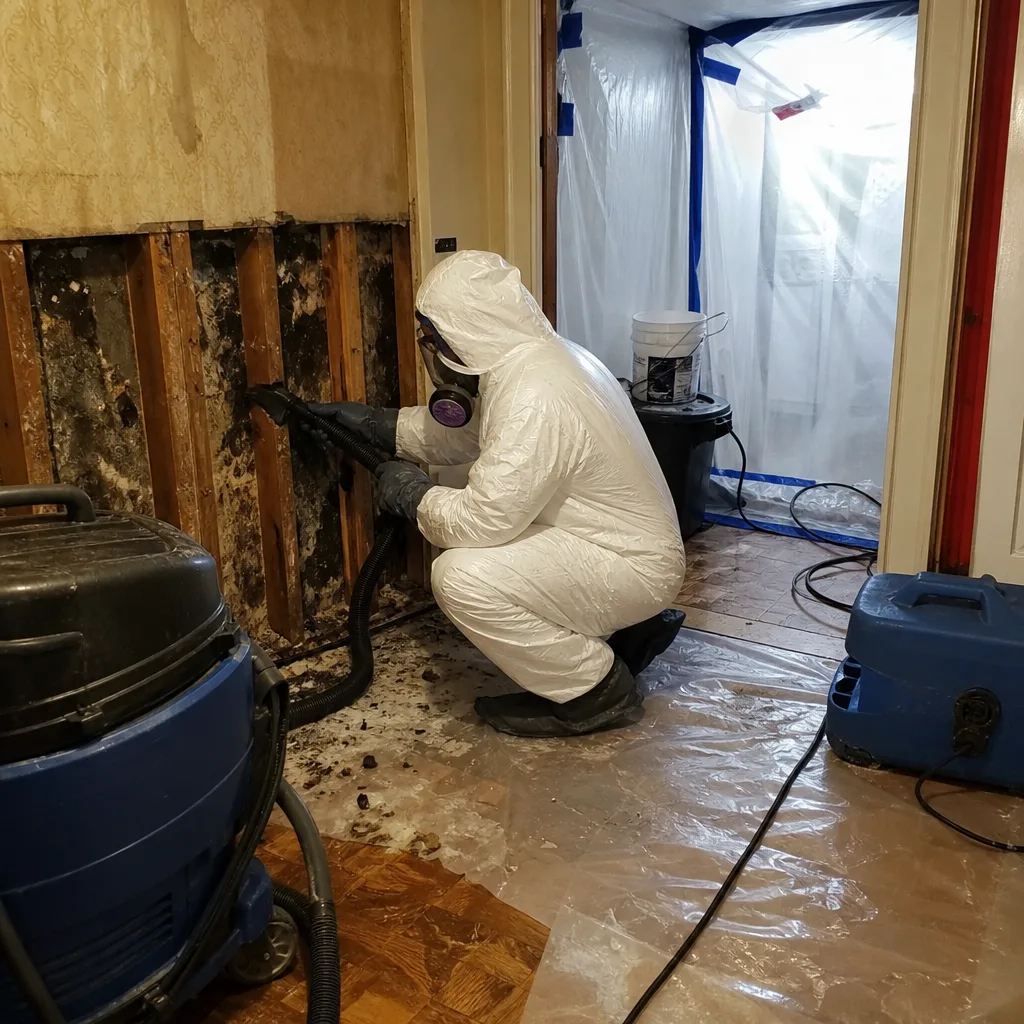
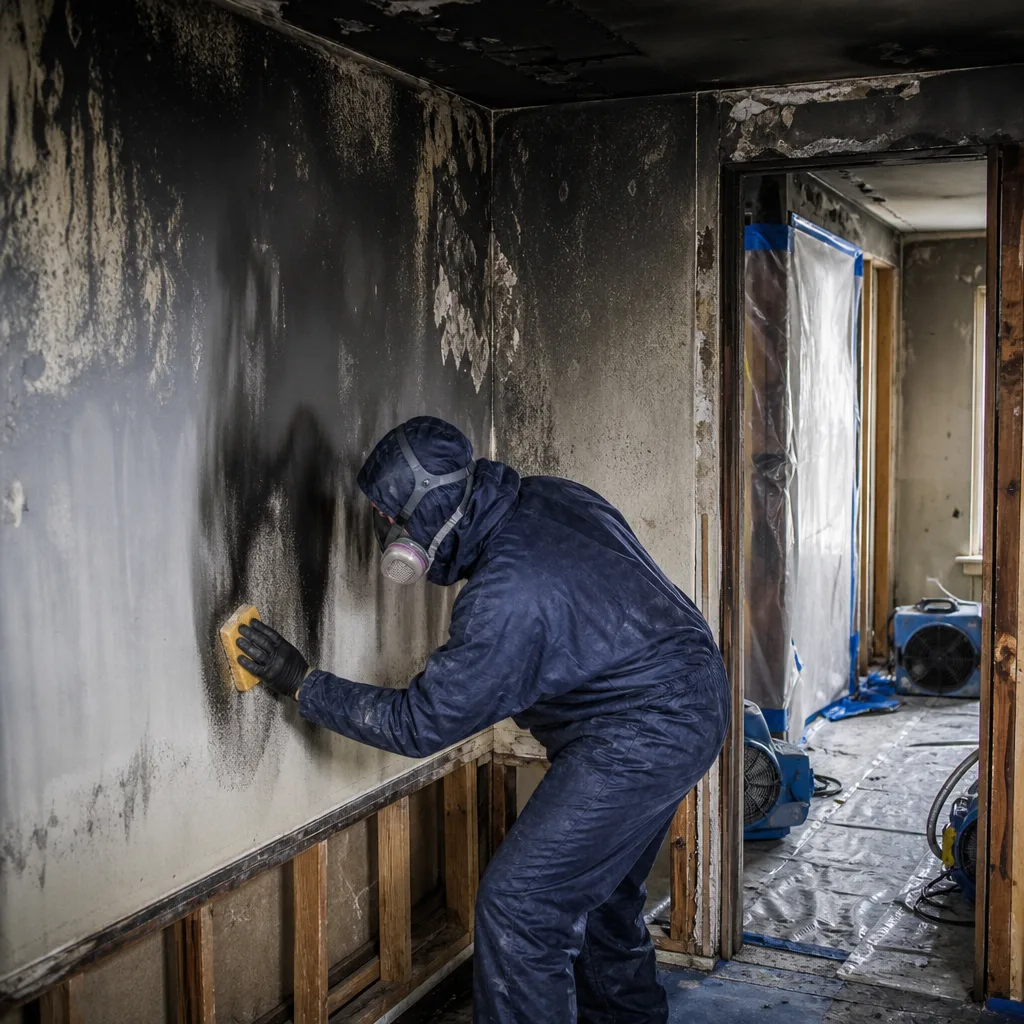
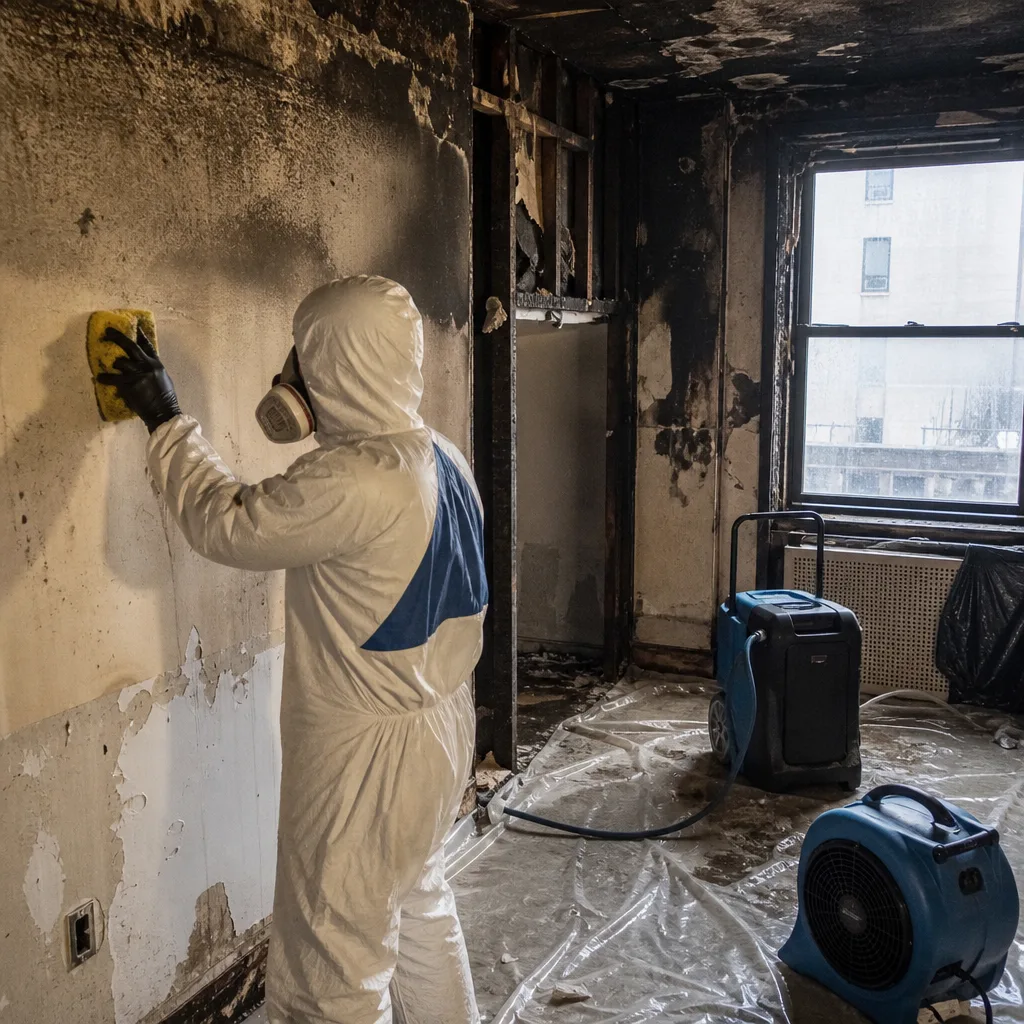
Removing mold in a 1930s Astoria row house is never a spray-and-paint job. You have to open the wall cavity, find the full moisture path, remove the contaminated material, and dry the framing before anything gets rebuilt. We do that work under containment with HEPA air scrubbing so the spores don’t spread through shared stairwells and into adjacent units. When we leave, the affected area has been physically cleaned and treated, not just bleached and covered over.
Black Mold Remediation
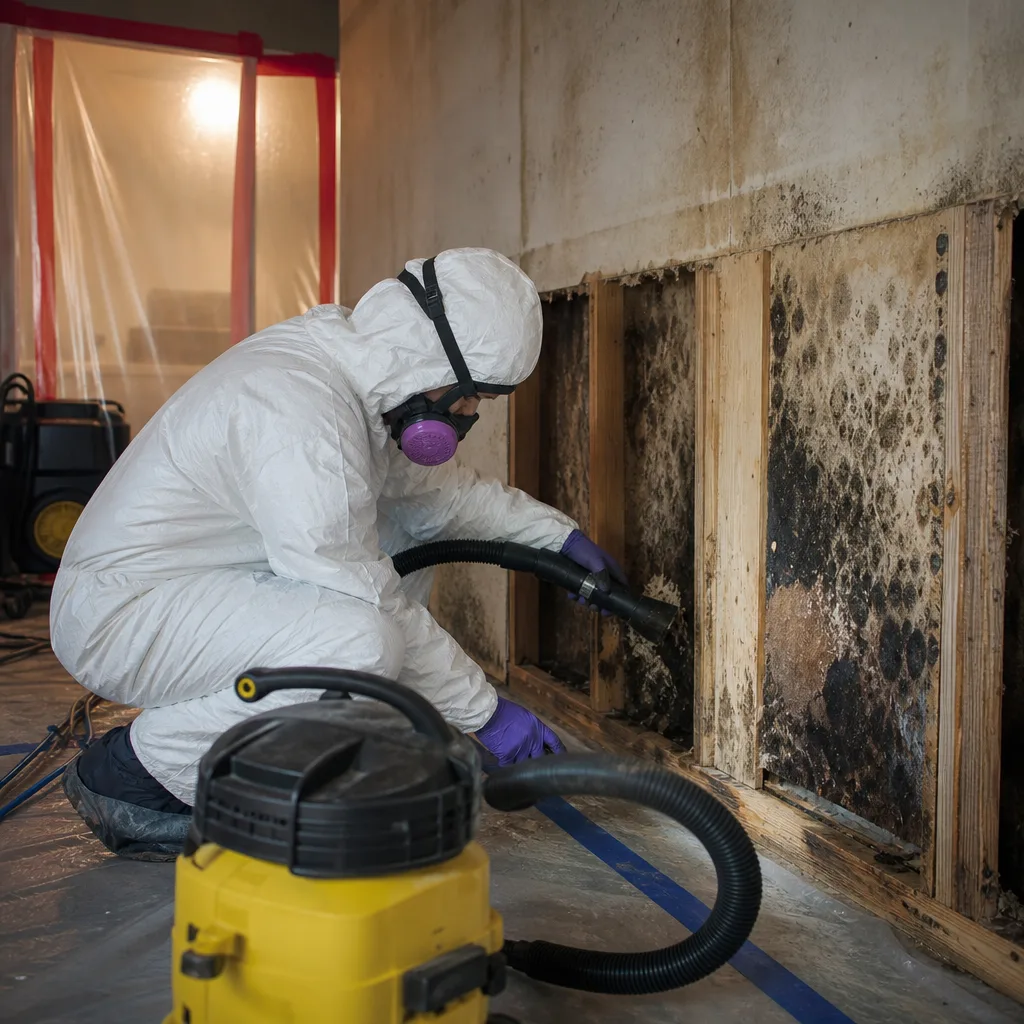
Black mold gets the headlines, and in Astoria’s humid basement apartments it’s a recurring reality. Stachybotrys needs constant moisture and organic material to feed on, which is exactly what a slow sewage seep or a perpetually damp crawl space provides. If we suspect black mold, we treat the area as a biohazard zone: full containment, negative air pressure, antimicrobial treatment of every exposed surface, and clearance testing before anyone moves back in.
Air Quality Restoration
Mold spores hang in the air long after visible mold is gone, and in an Astoria row house they travel through shared ventilation and stairwells. We run commercial HEPA air scrubbers throughout the affected and adjacent areas, not just the room where the mold was found, and we keep them running until airborne particle counts fall back to normal. For tenants with allergies, asthma, or other respiratory issues, this step is the difference between a fixed problem and a lingering one.
Crawl Space Treatment
Many Astoria row houses have shallow, damp crawl spaces under the first floor, and they’re often the forgotten source of recurring mold. Moisture migrates up through the floor joists into living spaces above and never stops unless the crawl space itself is addressed. We seal, dry, and treat these spaces with professional-grade dehumidifiers and antimicrobial applications, and we install vapor barriers where the layout allows.
Moisture & Humidity Control
The long-term fix for mold in an Astoria building isn’t just cleaning what’s there; it’s removing the conditions that let it grow back. Original cast-iron drain stacks sweat in summer. Below-grade basement apartments pull groundwater through old brick foundation walls. Flat roofs pond and saturate parapets. We address all of it: dehumidifiers sized for the square footage, drainage improvements where possible, ventilation corrections, and a moisture-management plan you can actually follow year-round.
What happens when you call
- 1
A real person answersNo phone trees - you reach a local pro.
- 2
You get an upfront price rangeHonest numbers before anyone is dispatched.
- 3
A background-checked tech heads outLicensed & insured, dispatched right away.
- 4
You approve before work beginsNothing starts until you say go.
Mold Remediation Costs in Astoria, NY
Expect mold remediation in Astoria to run $900-$1,800 for a contained surface job, like a bathroom ceiling or a small closet. A typical wall-cavity remediation in an older row house, where we open the plaster, remove contaminated material, and dry the framing, runs $2,500-$5,000. A multi-unit job involving a shared party wall, a Category 3 sewage backup, or extensive basement apartment contamination runs $5,000-$9,000 or more, depending on how far the moisture traveled and how many units are involved. What moves the price: whether we need full containment with negative air pressure, how much material has to be removed, whether asbestos testing is triggered (common in pre-war Astoria buildings), and how long the drying phase runs. Insurance covers most of these jobs when the water event is sudden and documented. The best path is the free one: call us, and Wade comes out for a visual inspection, walks you through what he sees, and gives you a written scope with firm numbers before any work starts. Call (607) 703-3408 for an exact quote. Estimates are free.
We Also Serve Cities Near Astoria
Our crews cover all of western Queens and the New York City metro area. If you’re in Long Island City or nearby blocks just across the border from Astoria, we can be there in minutes. Same 24/7 live answer, same free visual inspection, same 90-Day Done Right Promise in writing.
Serving Astoria, NY - Our Local Coverage Area
We’re based in the Astoria area and know this community well. Use the map below to see our service coverage - if you’re nearby, we can almost certainly help.
Astoria Mold Remediation Questions, Answered
How do you handle mold in a shared party wall between two Astoria row houses when the source was in the neighbor’s unit?
We treat both sides of the wall as one job. This is the defining mold challenge in Astoria’s attached brick row houses, where shared masonry party walls wick moisture from one property into the next. We moisture-map both units, set up containment on the affected side, and coordinate documentation so the owner on each side has what they need for their own insurance claim. Liability disputes over who pays get easier when both sides have the same moisture readings and the same line-item scope.
Does mold remediation in Astoria’s basement apartments require special protocols because of NYC’s combined sewer system?
Yes, and we’re set up for it. Astoria’s sewer system combines stormwater and sanitary waste in the same pipes, so heavy rain can push raw sewage back into below-grade basement apartments. That’s Category 3 water, which requires full containment, HEPA air scrubbing, antimicrobial treatment, and often disposal of porous materials like carpet and drywall. We follow IICRC protocols for sewage contamination on every basement job, not just the ones that look dirty.
What’s the realistic drying time for a plaster-and-lath wall cavity in an older Astoria building after a Category 2 water event?
Three to seven days on average, sometimes longer in winter. Plaster and original lath hold moisture differently than modern drywall, and brick party walls can stay damp for weeks if they were saturated. We run Dri-Eaz dehumidifiers and XPOWER air movers continuously, take moisture readings daily, and don’t call the job done until the readings stay stable at pre-loss levels for 48 hours straight.
How do you prevent mold from returning after remediation in a 1920s Astoria building with original cast-iron drain stacks?
We treat the framing and original wood with a full antimicrobial application before any new finish goes on, and we address the moisture source itself. Cast-iron stacks sweat in humid weather, so we recommend dehumidification and ventilation improvements in the affected spaces. If the stack itself is compromised, you need a plumber to replace it, but we’ll tell you that plainly and include it in the written scope rather than just cleaning around it and hoping.
Is mold testing necessary before starting remediation in an Astoria co-op or condo where neighbors are also affected?
Often yes, and co-op and condo boards normally require it. Testing gives you a baseline for what’s in the air, confirms the specific mold species if that matters for liability, and provides documentation for the building’s insurer and your own. We recommend testing when multiple units are involved or when there’s a dispute about who’s responsible. The lab results go directly into the claim file we build for your adjuster.
How fast can you actually get to an Astoria address after I call?
We aim to have a crew on site within 45 minutes anywhere in Astoria, from Ditmars-Steinway down to the Long Island City line. Wade coordinates dispatch from the New York City office and crews are stationed locally. Call (607) 703-3408 and you’ll speak to a person, not a voicemail.
Will my insurance cover mold remediation in Astoria?
It depends on the source of the water. Sudden, accidental events like a burst pipe or a sewage backup are typically covered. Long-term seepage or humidity issues usually aren’t, though every policy differs. We document everything from the first hour in the format insurers expect, and Wade talks to your adjuster directly to advocate for full coverage of the remediation that’s actually needed.
What should I do in the first 30 minutes after I discover mold in my Astoria home?
Don’t disturb it. Don’t scrub it, don’t spray bleach on it, and don’t run a regular fan. This keeps spores from spreading. Call us at (607) 703-3408 right away. We’ll walk you through what to check over the phone and get a crew headed your way. If water is still flowing, shut off the supply valve if you can reach it safely.
Written by Wade Ferris, Owner at Wade’s Restoration, proudly serving Astoria since 2007.