
Free visual inspection and a written scope of work before any mitigation begins - photos, moisture readings, and drying logs go in your claim file
The scope we write is the scope we bill. Anything new gets shown to you, in writing, before we touch it.
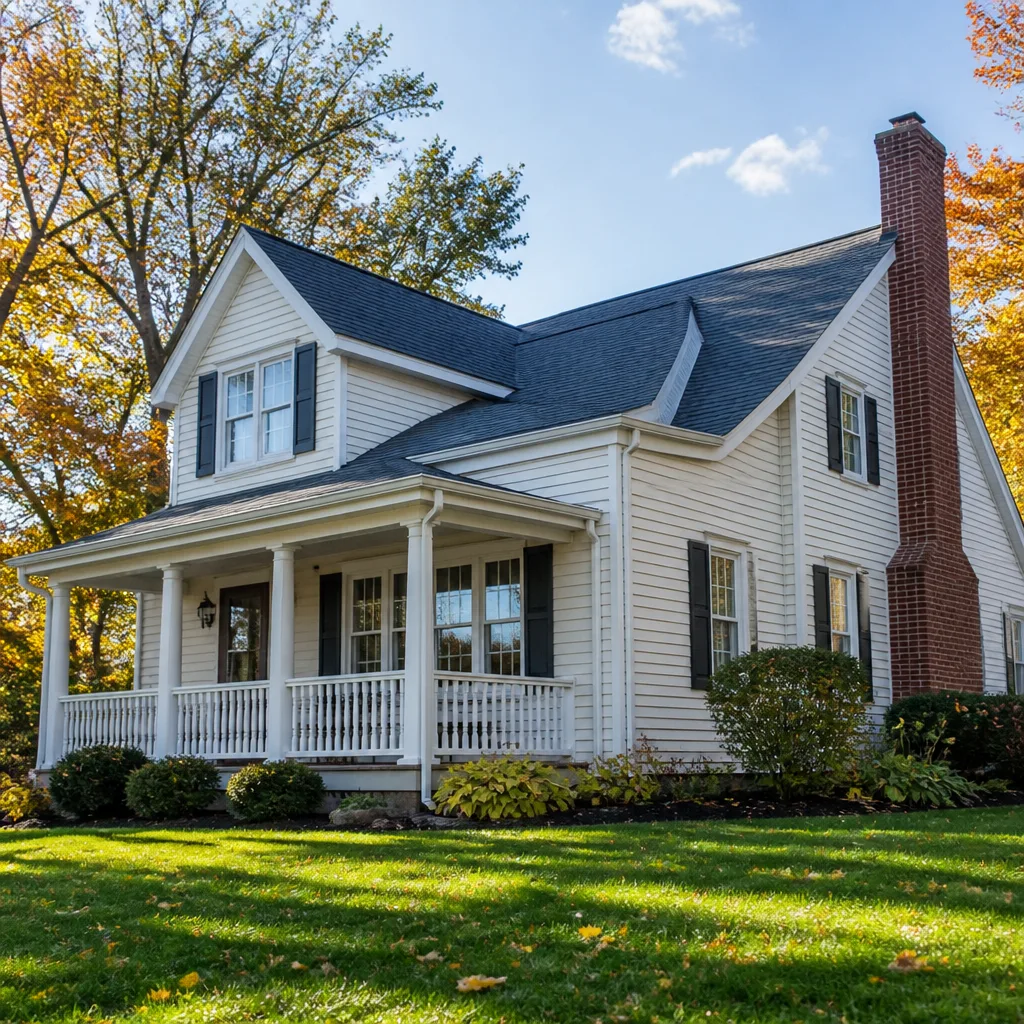
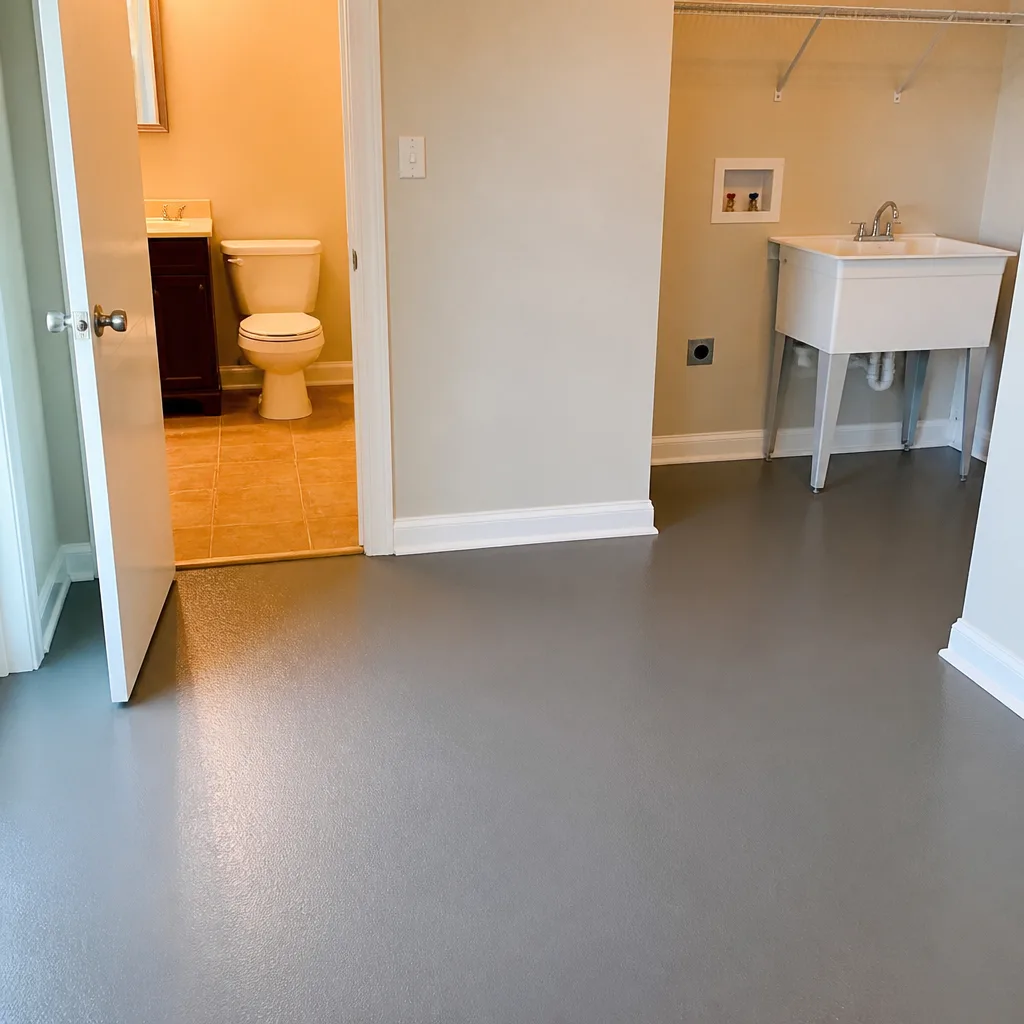
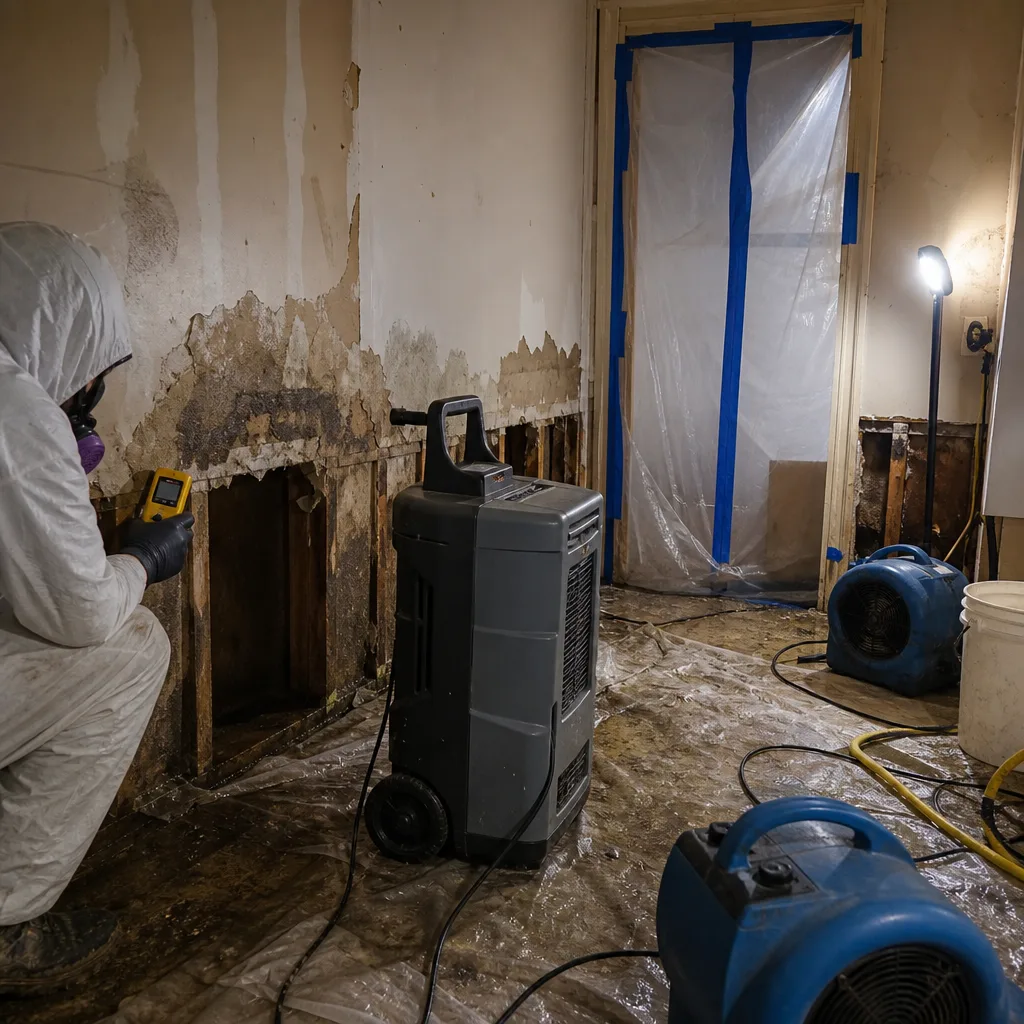 Before
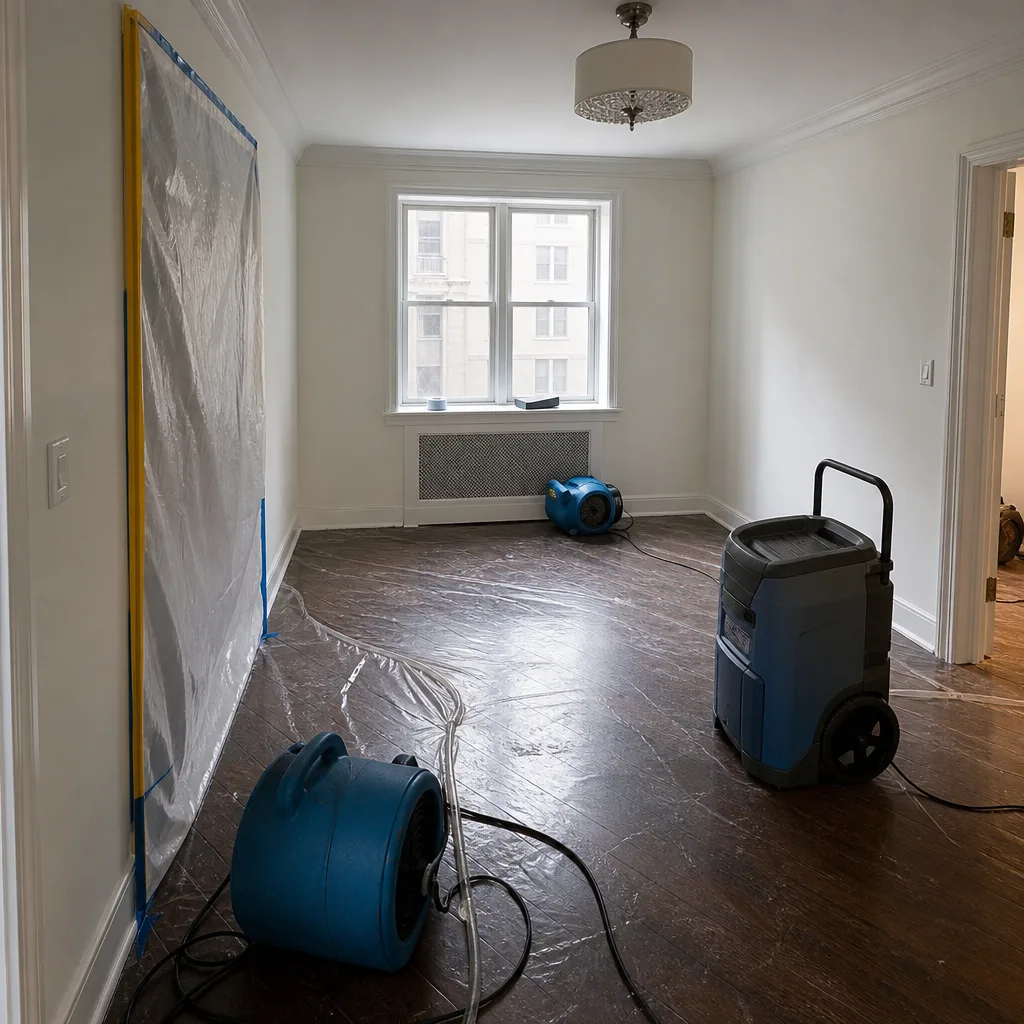 After
After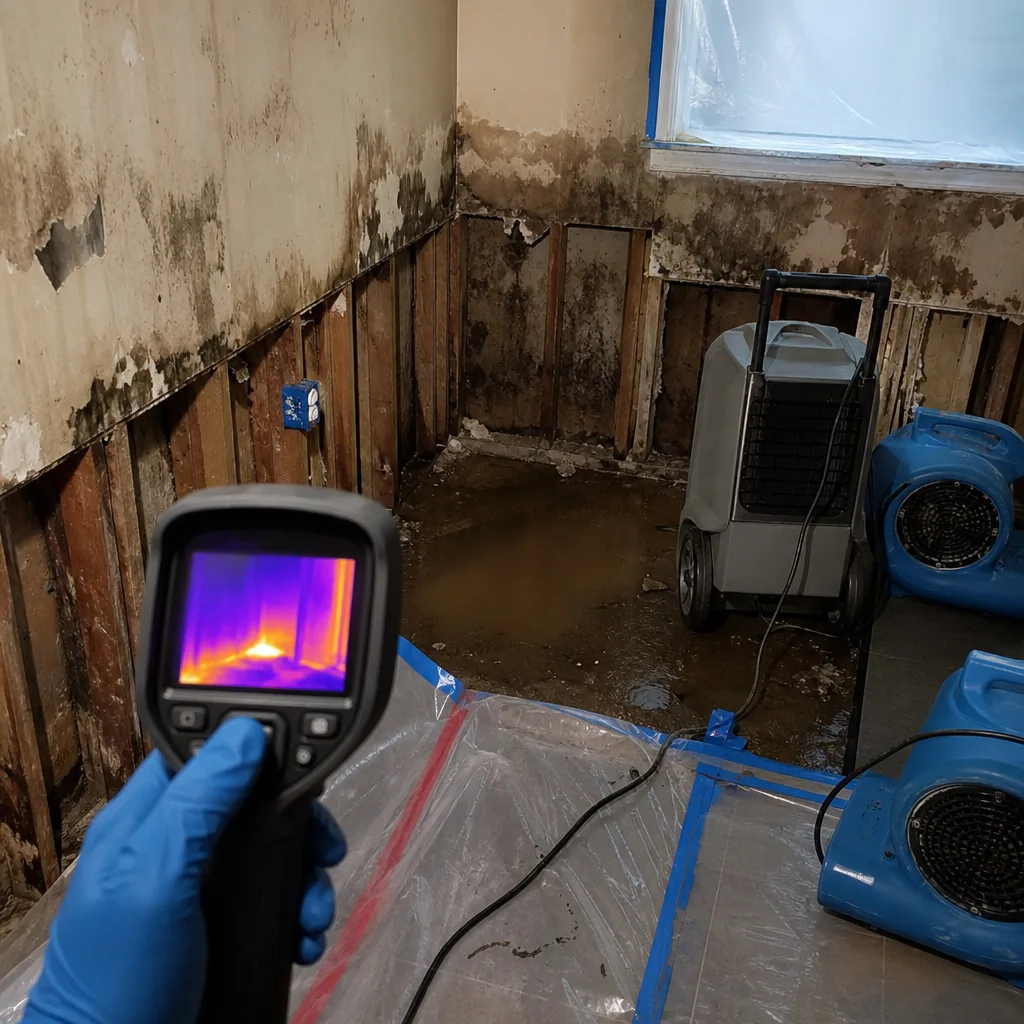 Before
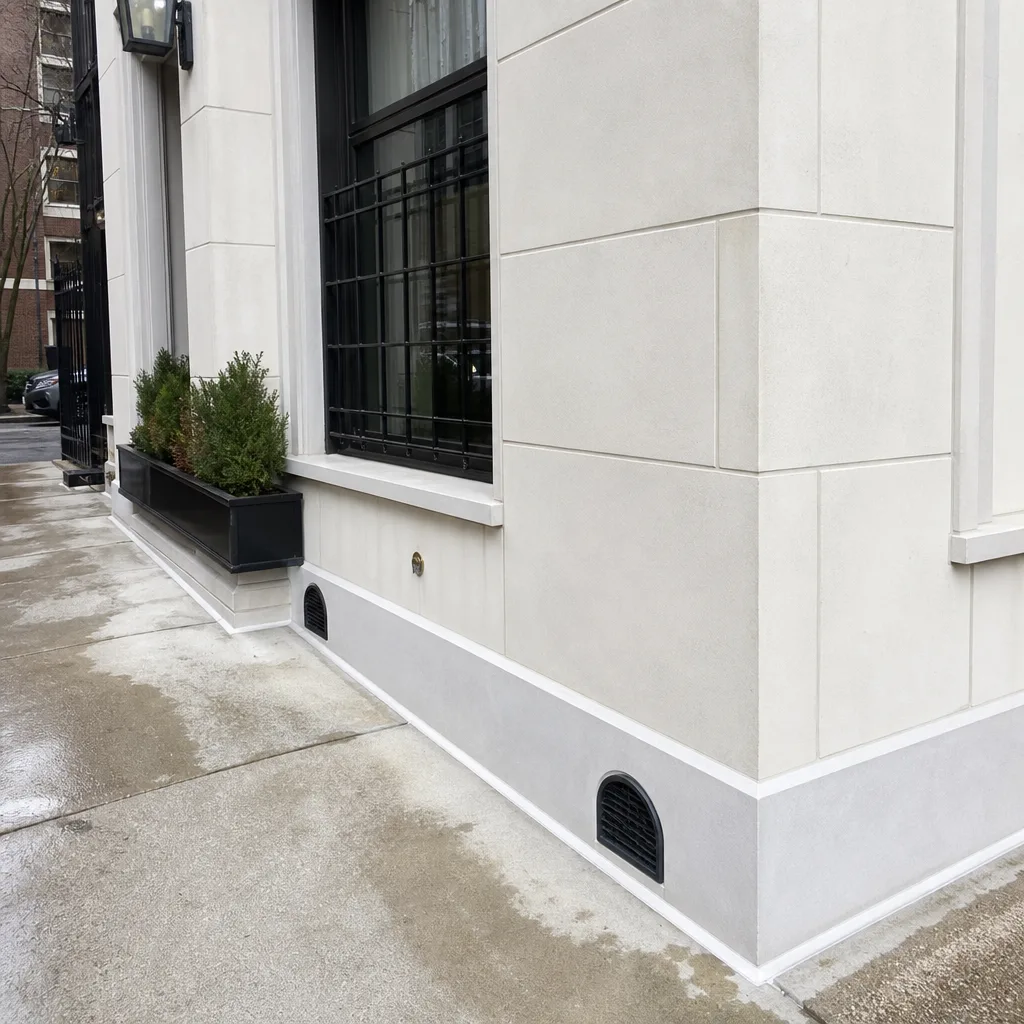 After
After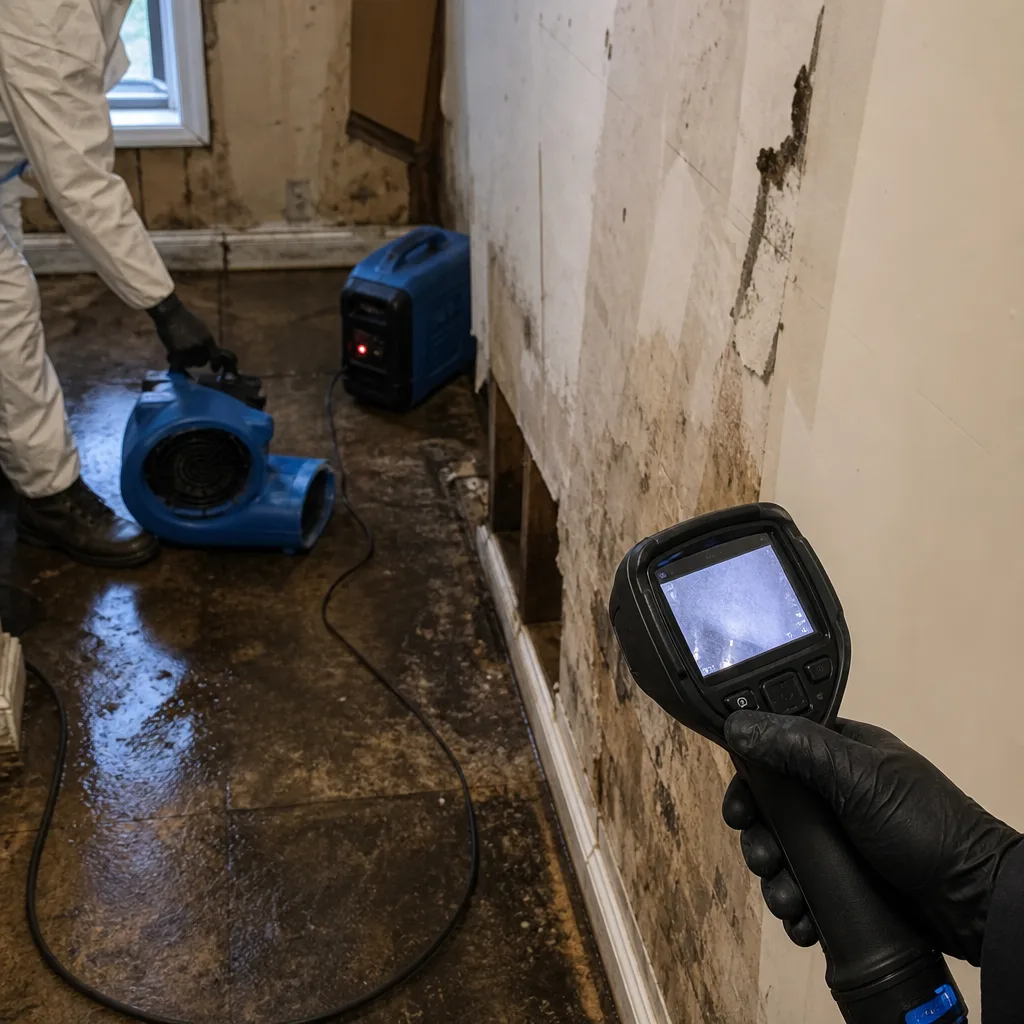 Before
 After
After24/7 Emergency Mold Remediation in Midtown West
Mold remediation in Midtown West typically runs $1,800-$6,500 depending on how far the colony has spread, and in a pre-war building with horsehair plaster, you’re usually looking at the upper end. We answer live at (607) 703-3408 around the clock. Wade himself picks up, and he can have a crew heading into Midtown West inside 45 minutes most days. The first hour matters because mold releases spores continuously while you wait. Until containment goes up, every HVAC cycle pushes more spores through your apartment, past your neighbors’ doors, and into the building’s common hallways. That spreads the problem from your unit into shared air shafts and corridor walls. Containment today is always cheaper than containment next week.
Understanding Mold Remediation Severity in Midtown West Properties
The severity question in Midtown West is different from anywhere else in the five boroughs because the building stock fights you. A minor mold bloom in a 2018 Hudson Yards tower with drywall and modern vapor barriers is a two-day job. The same visible patch in a 1928 Hell’s Kitchen walk-up usually means the wall cavity behind it is soaked, because original horsehair plaster holds water like a sponge and standard moisture meters read it wrong. You get a false dry reading, containment comes down, and mold resurfaces in six weeks. We classify severity by moisture mapping, not just visible growth. A Category 1 water source feeding a wall cavity behind horsehair plaster in a ninth-floor pre-war unit requires full containment, negative air pressure, and daily moisture logging until two consecutive clearance readings come back clean. That’s not what a national franchise usually does. That’s what the building actually requires.
Why Midtown West Property Owners Choose Wade’s Restoration
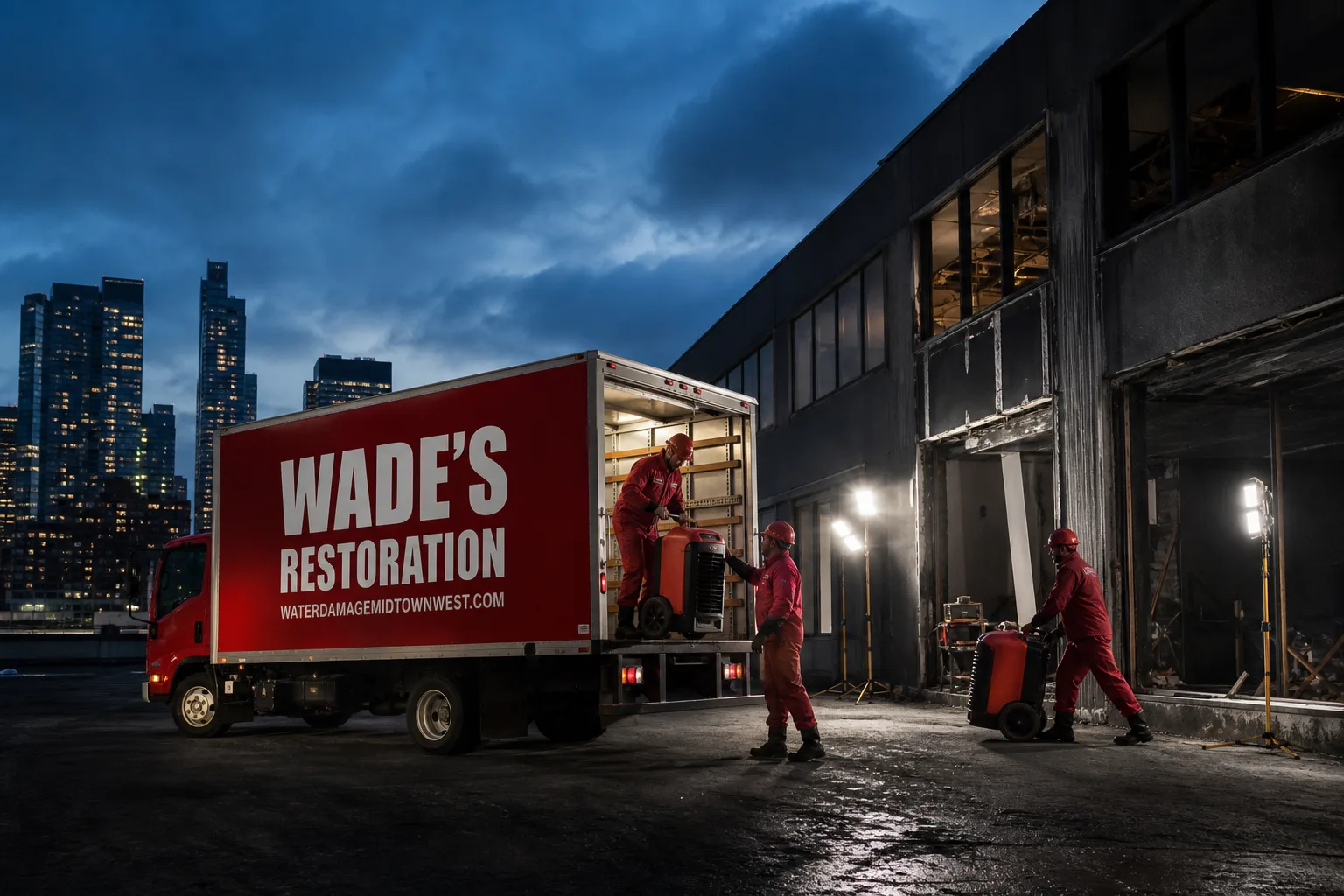
- 45-minute response commitment: When you call, Wade’s crew heads toward Midtown West immediately, not after a call center triages you.
- 24/7 live answer: A real person picks up the phone at 2 a.m. Not a menu. Not a callback. Wade answers his own cell.
- IICRC-certified crews: Our people hold AMRT and WRT certifications and know how pre-war steam systems fail.
- Free visual inspection: Before any scope is written, we look at the actual wall, the actual leak source, and the actual moisture readings. No charge for that.
- Direct insurance billing: We send the photos, the moisture log, and the line-item scope straight to your adjuster. You don’t relay anything.
- One crew from containment to reconstruction: The same people who contain the mold are the ones who close the wall. No handoffs, no subcontractor roulette.
Our Mold Remediation Process
Inspection & Assessment
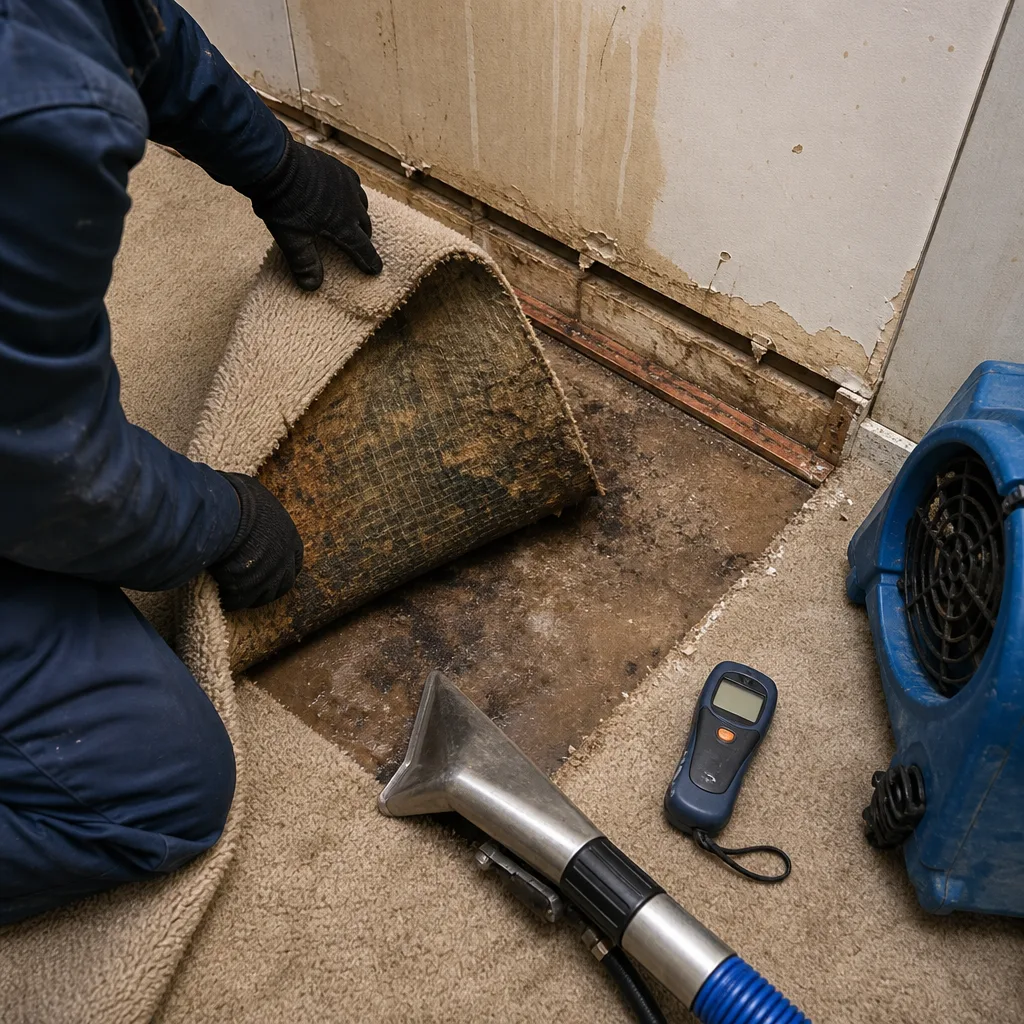
We map moisture with thermal imaging and pin-type meters calibrated for plaster, not just drywall. If walls are coming open in a pre-war building, we confirm lead-paint and asbestos status first. That keeps the DOB from shutting the job down mid-way.
Extraction/Stabilization
We stop the water source first. A failed steam trap, a cracked riser, a roof leak at the parapet. If there’s standing water, XPOWER pumps and wet vacuums get it out before containment goes up.
Drying & Dehumidification
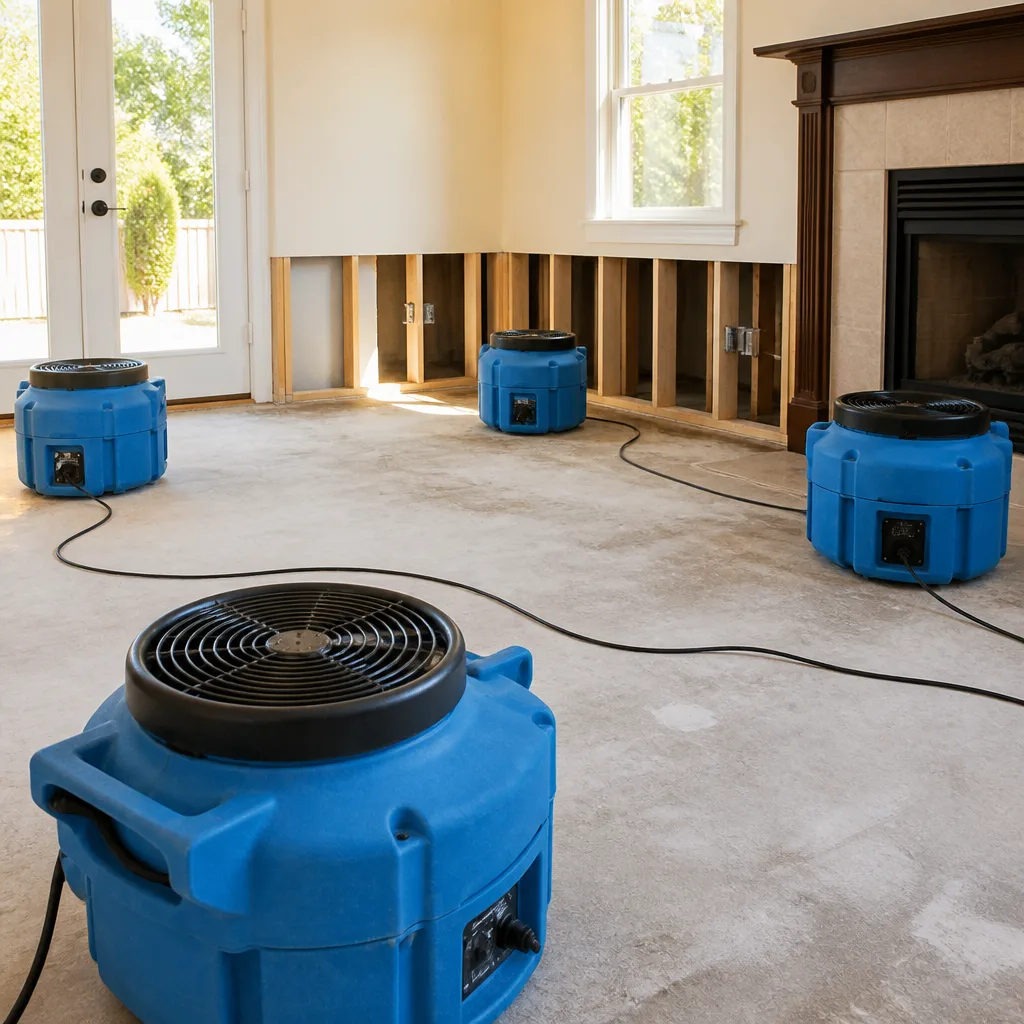
Dri-Eaz and Phoenix dehumidifiers and air movers run inside sealed containment. Horsehair plaster dries slow. We take moisture readings twice daily and write every number down.
Cleaning & Sanitization
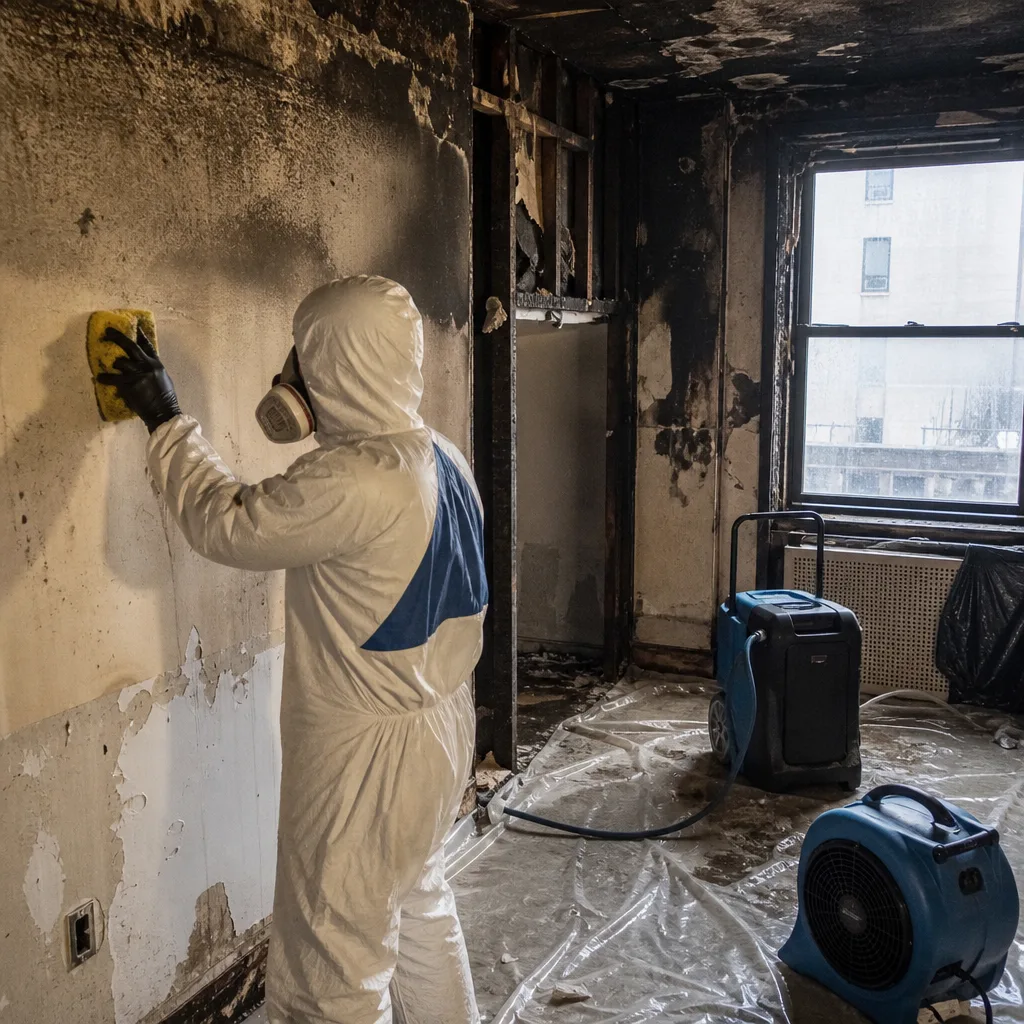
All affected surfaces get HEPA-vacuumed and treated with EPA-registered antimicrobials. Air scrubbers with HEPA filters run to capture airborne spores before they migrate.
Air Quality & Clearance Testing
For Midtown West co-ops and pre-war rentals, we recommend independent post-remediation verification. You get a written result you can hand to your board, your tenant, or your adjuster.
Repairs & Restoration
Plaster patching, paint, trim, flooring. We close it up properly and it stays closed. The 90-Day Done Right Promise covers our mold remediation work, in writing.
Need Emergency Mold Remediation in Midtown West Now?
Crews minutes away, answering live 24 hours a day. The sooner we start, the less it costs.
Working With Your Insurance Company
We’ve handled mold claims in Midtown West co-ops, rental buildings, and condos, and every one of them has an adjuster who wants documentation, not assertions. We photograph everything before containment goes up. We log moisture readings every day the drying equipment runs. We hand you the full log at the end. You own it. We also talk to your adjuster directly, so you’re not the one carrying messages between two parties. If your carrier needs a line-item scope, we write one that matches industry estimating software. If they deny coverage, you have the documentation to appeal. We don’t bill your insurer for work you didn’t approve, and you see the written scope before anything starts.
What We Provide Your Insurer
- Thorough documentation of the loss
- Photos of all damage, room by room
- Moisture readings and drying logs
- A detailed, line-item scope of work
- Direct coordination with your carrier
Built for Midtown West’s Loss Calendar
Mold in Midtown West doesn’t follow a schedule. January and February deep freezes crack supply risers in pre-war walk-ups along 9th and 10th Avenues. The water that leaks behind a wall at 2 a.m. on a Tuesday is growing mold by Thursday. Spring brings roof leaks that nobody noticed during the winter, because freeze-thaw cycles opened small splits in old parapet walls and flat roofs over Hell’s Kitchen. Summer thunderstorms overwhelm aging roof drains in Art Deco buildings between 42nd and 57th, and water travels down through ten floors of occupied units before anyone sees it. Nor’easters push water over the Hudson River bulkhead and raise the water table under below-grade garages and storage rooms of buildings fronting 12th Avenue. Fall is when building management finally opens walls to fix the leak they knew about all year, and that’s when the mold reveals itself. We respond to all of it, year-round, with equipment that fits through narrow service elevators and freight entrances.
Mold Remediation Across Midtown West’s Neighborhoods
Midtown West is not one kind of building. Hell’s Kitchen, between 34th and 59th on the west side of 8th Avenue, is mostly five-to-six-story walk-ups from the 1920s and 1930s. Original horsehair plaster, one-pipe steam systems, and shared party walls. A mold problem in one unit travels through the wall cavity into the unit next door, so co-op boards and landlords need remediation that actually contains the spores, not just paints over the stain. The Clinton corridor along 9th and 10th Avenues has heavier pre-war residential towers, ten to twenty stories, where a roof leak above the top floor means mold blooms in ceilings across four or five floors below. Hudson Yards is new construction with modern drywall and vapor barriers, but the basements and subcellars there still deal with groundwater moving toward the Hudson. The Theater District, east of 8th Avenue, mixes converted loft buildings with older commercial stock, and the HVAC systems there need air-scrubber containment before any ductwork is touched. Garment District buildings have freight elevators and loading docks that make access easier than a Hell’s Kitchen walk-up’s narrow stairwell. We work all of it.
Specialized Mold Remediation Services We Offer in Midtown West
Mold Inspection & Testing
We don’t just look at visible mold. We check the wall cavity behind it. In Midtown West’s pre-war buildings, a small bloom on a hallway wall often means the real colony is behind horsehair plaster, feeding on moisture from a cracked riser or failed steam trap. We use thermal imaging and moisture mapping to find what you can’t see. We also coordinate with independent environmental testing labs when a co-op board or insurance carrier requires third-party lab results.
Mold Removal
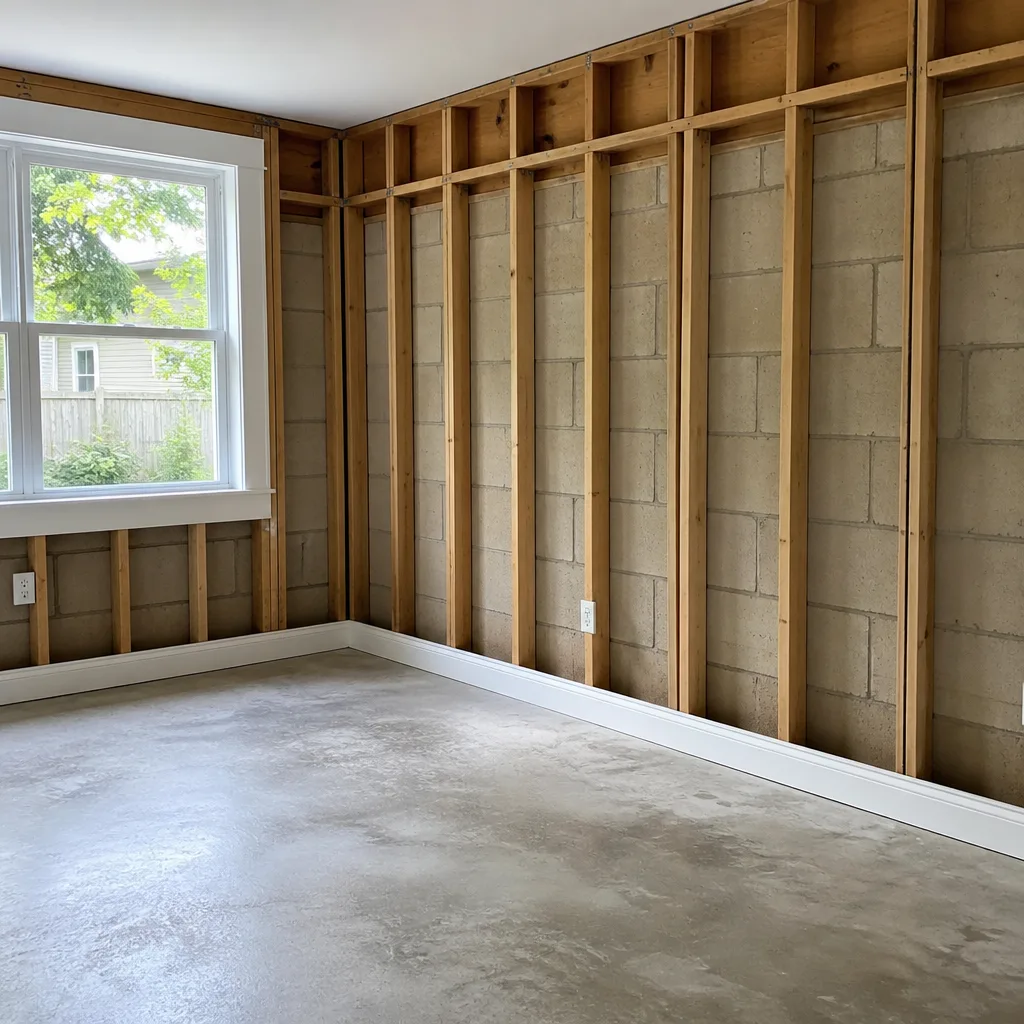
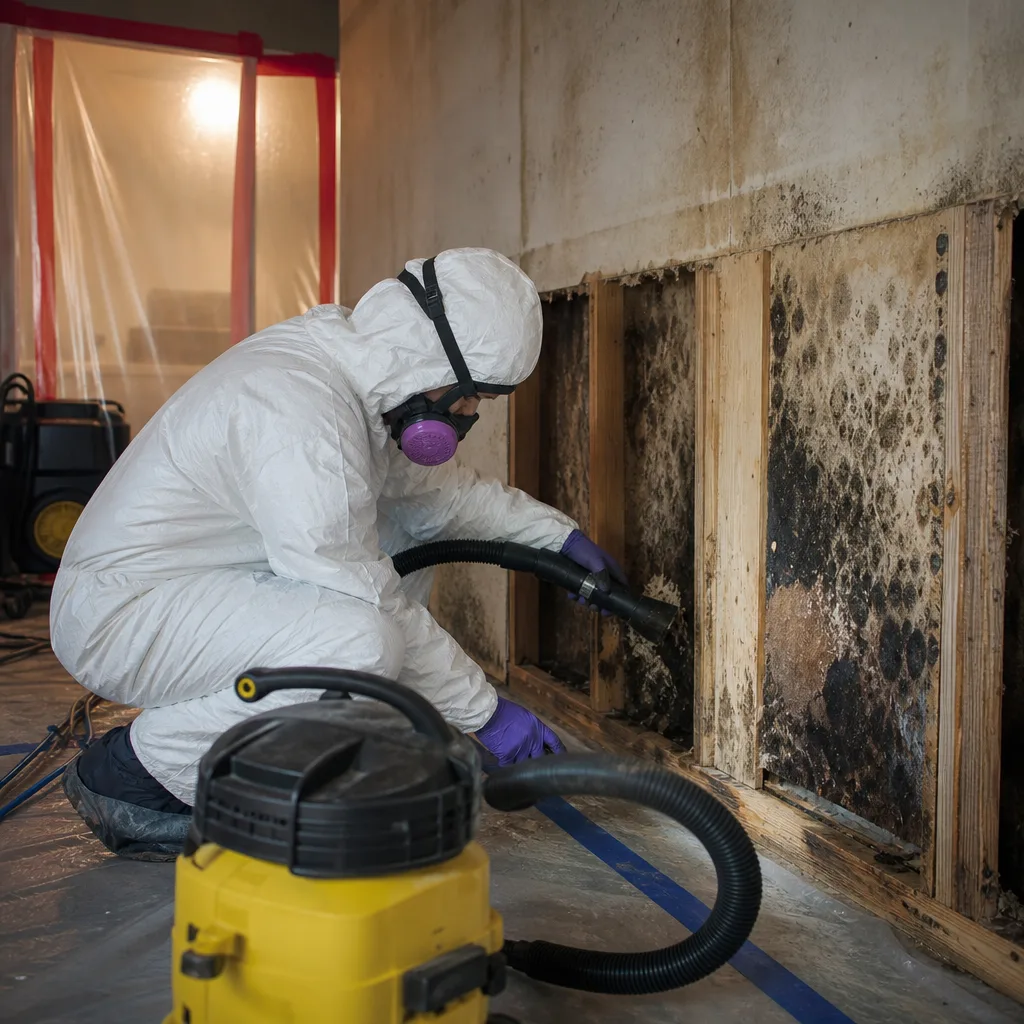
Removal in Midtown West means cutting out the affected material, not treating it with bleach and calling it done. That material is often plaster, not drywall. It comes out in large, heavy sections, and it needs to be bagged and sealed before it leaves the apartment. We set up negative air pressure with HEPA-filtered exhaust so spores don’t migrate through the building’s common hallways while we work.
Black Mold Remediation
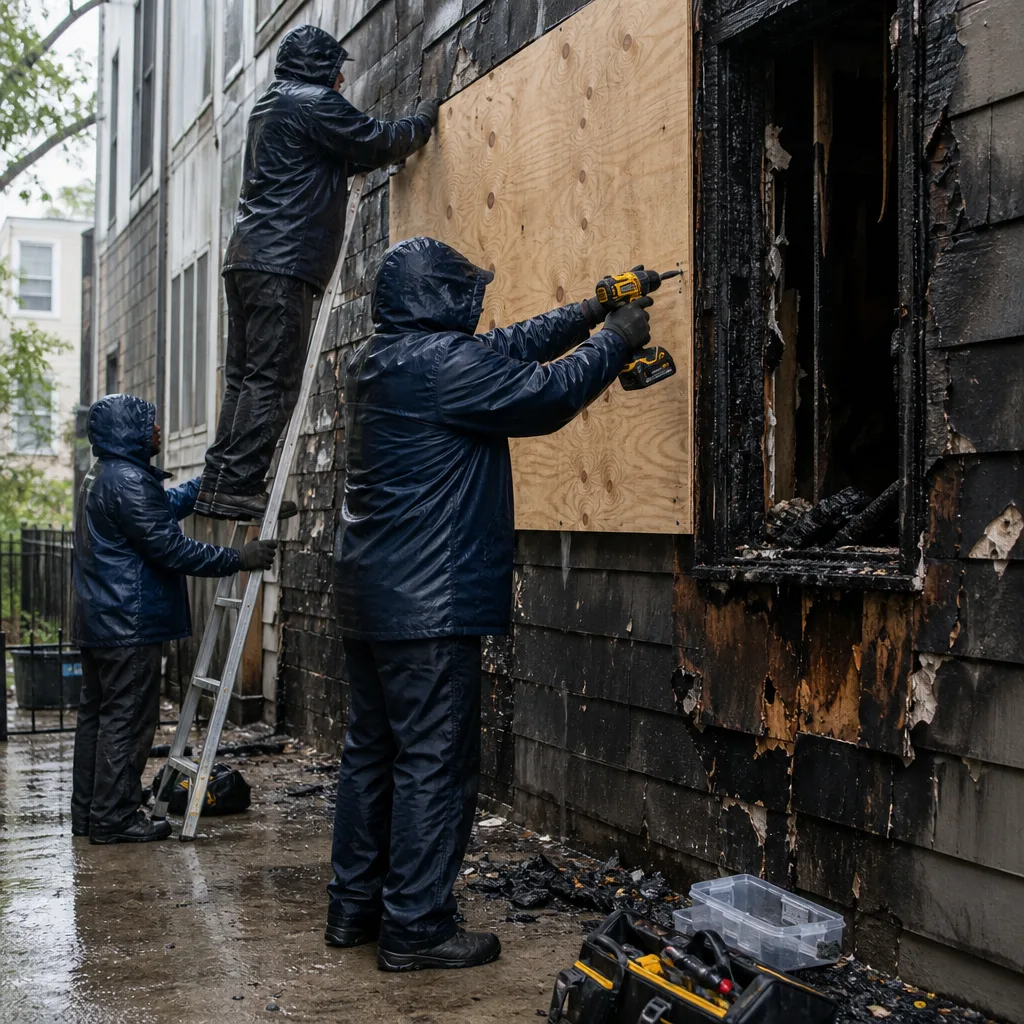
Black mold in a Midtown West apartment with shared walls is an urgent liability issue. The spores don’t respect property lines. We contain immediately, remove the affected material, scrub the air, and verify the space before we lower containment. Speed matters. So does doing it once and doing it right. That’s what the 90-Day Done Right Promise covers, in writing.
Air Quality Restoration
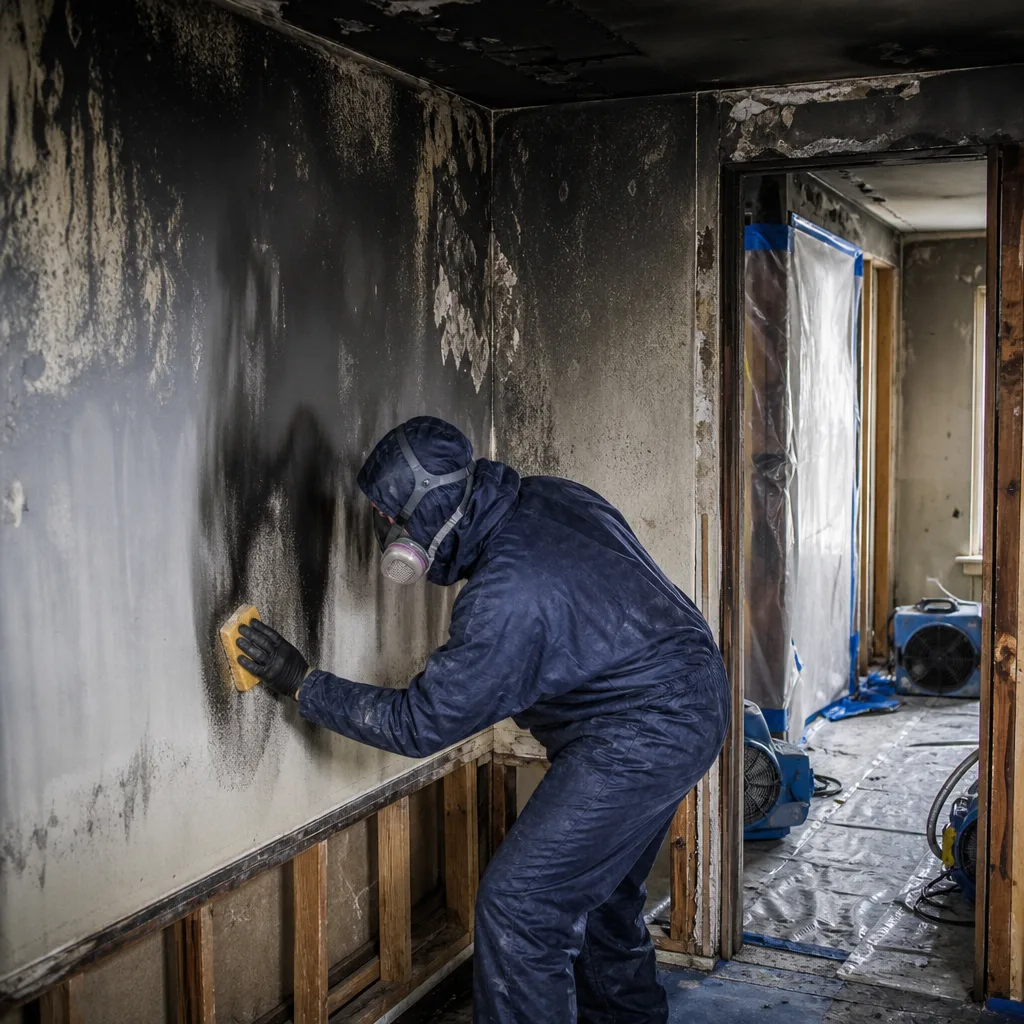
After a mold removal in a Midtown West high-rise, airborne spore counts can stay elevated for days if the air isn’t actively scrubbed. We run HEPA air scrubbers continuously during the job and can provide post-remediation air sampling through independent labs. Your neighbors will appreciate it. Your lungs will too.
Crawl Space Treatment
Below-grade spaces near the Hudson River in Midtown West don’t stay dry on their own. Groundwater pushes up through the floor, and once that moisture is in a crawl space or subcellar, mold follows. We remove the mold, then address the moisture source so it doesn’t return next season. Pump-and-extract alone won’t fix hydrostatic pressure. A waterproofing remediation approach will.
What happens when you call
- 1
A real person answersNo phone trees - you reach a local pro.
- 2
You get an upfront price rangeHonest numbers before anyone is dispatched.
- 3
A background-checked tech heads outLicensed & insured, dispatched right away.
- 4
You approve before work beginsNothing starts until you say go.
Mold Remediation Costs in Midtown West, NY
A small contained mold removal under 10 square feet in Midtown West typically runs $1,800-$3,200. A moderate job behind horsehair plaster in one room, with containment and drying time, lands between $3,500 and $6,500. A full apartment remediation after a roof leak or riser break can exceed $8,000, depending on how many wall cavities are affected and whether lead-paint or asbestos abatement is required before work can start. Horsehair plaster extends drying time, and longer drying means more equipment days, which moves the price up. Insurance may cover the water damage portion of the claim. Mold remediation coverage depends on your policy and how the insurer classifies the source. The quickest path to a firm number is a free visual inspection. Call (607) 703-3408 and Wade will look at it himself. Estimates are free, and there’s no trip charge for Midtown West.
We Also Serve Cities Near Midtown West
Our Mold Remediation team works throughout the five boroughs. We serve Midtown West and nearby areas including the Financial District, Lower Manhattan, Astoria, and Midtown Manhattan. If you’re on the border of Midtown West and one of these areas, call and we’ll confirm where to meet you.
Serving Midtown West, NY - Our Local Coverage Area
We’re based in the Midtown West area and know this community well. Use the map below to see our service coverage - if you’re nearby, we can almost certainly help.
Midtown West Mold Remediation Questions, Answered
Why does mold remediation take longer in Midtown West pre-war buildings than in newer Hudson Yards towers?
Because original horsehair plaster holds moisture far longer than modern drywall, so drying times extend and we need repeated clearance readings before the wall can be closed safely. New drywall dries in days. Horsehair plaster from a 1928 Hell’s Kitchen walk-up can hold water for two weeks or longer. We log moisture readings twice daily and don’t remove containment until two consecutive readings confirm the plaster has dropped below mold-growth thresholds. Rushing it is how mold resurfaces six weeks after the crew leaves.
Do I need a lead-paint or asbestos assessment before mold remediation can start in my Hell’s Kitchen walk-up?
If the building was built before 1978, any wall opening or material removal triggers lead-paint and asbestos considerations. In Midtown West’s pre-war stock, original asbestos pipe wrap and lead paint are common. Opening a wall without assessing them can trigger a NYC DOB stop-work order. We identify these concerns during inspection and coordinate with licensed environmental assessors before demo begins. Skipping this step is a common failure point for restoration crews working in the Hell’s Kitchen and Clinton corridor.
Can mold in a Midtown West co-op unit spread to neighboring apartments through shared walls?
Yes, and it happens regularly in pre-war buildings with shared party walls that contain connected void spaces. Spores travel through wall cavities, around pipe chases, and into common hallways through minute gaps. That’s why prompt containment matters before any wall is opened. It’s also why co-op boards and landlords usually want documentation of containment, air scrubbing, and clearance testing, not just a verbal promise that the mold is gone.
What makes roof-leak mold in Midtown West different from basement mold?
Roof-leak mold travels vertically through multiple floors of occupied units. Water enters at the parapet or flat roof, runs down through wall cavities, and blooms in the ceilings of units three, four, or five floors below the leak. The source isn’t always obvious, because the visible mold is far from the actual roof penetration. We trace the moisture path with thermal imaging and moisture mapping. Basement mold, by contrast, is usually a groundwater or condensation problem concentrated at the lowest level.
How do you handle mold in a Midtown West high-rise where parking and loading are tight?
We’ve worked enough Midtown West buildings to know the drill. Our crews arrive in vans sized for freight entrances and loading docks. Equipment moves on carts through service elevators, not the front lobby. We coordinate with building management and the super on access times. Parking is usually the biggest challenge, so we get loading permits or use designated freight zones when needed. If the building requires a certificate of insurance before any crew enters, we have that ready before we show up.
Will insurance cover mold remediation in Midtown West?
It depends on your policy and how the mold originated. Insurers generally cover mold remediation when it results from a sudden and accidental covered water event, like a burst supply line or storm damage. They rarely cover mold from long-term neglect, chronic condensation, or groundwater seepage. The documentation we provide, including daily moisture logs and photos, gives your adjuster what they need to make a coverage determination. Call (607) 703-3408 and we’ll walk you through what to expect with your specific carrier.
How fast can someone actually get here for mold remediation in Midtown West?
Wade commits to a 45-minute response time for Midtown West calls, and he answers his own phone 24/7. For active water feeding mold, we mobilize containment and drying equipment the same day. For non-emergency inspections, we usually see the property within 24 hours. The exact arrival time depends on where we are when you call and what Midtown West building access requires, but someone is always on the road, not sitting at a call center.
Can I stay in my Midtown West apartment during mold remediation?
For contained jobs in one room or one wall cavity, most people stay. For full-apartment remediation with multiple containment zones and air scrubbers running, we usually recommend temporary relocation, especially if you have respiratory issues, are pregnant, or have small children. The decision depends on the size of the affected area, the type of mold, and how well the unit can be sealed. Your adjuster can help determine if temporary housing is covered under your policy.
Written by Wade Ferris, Owner at Wade’s Restoration, serving Midtown West since 2007.