
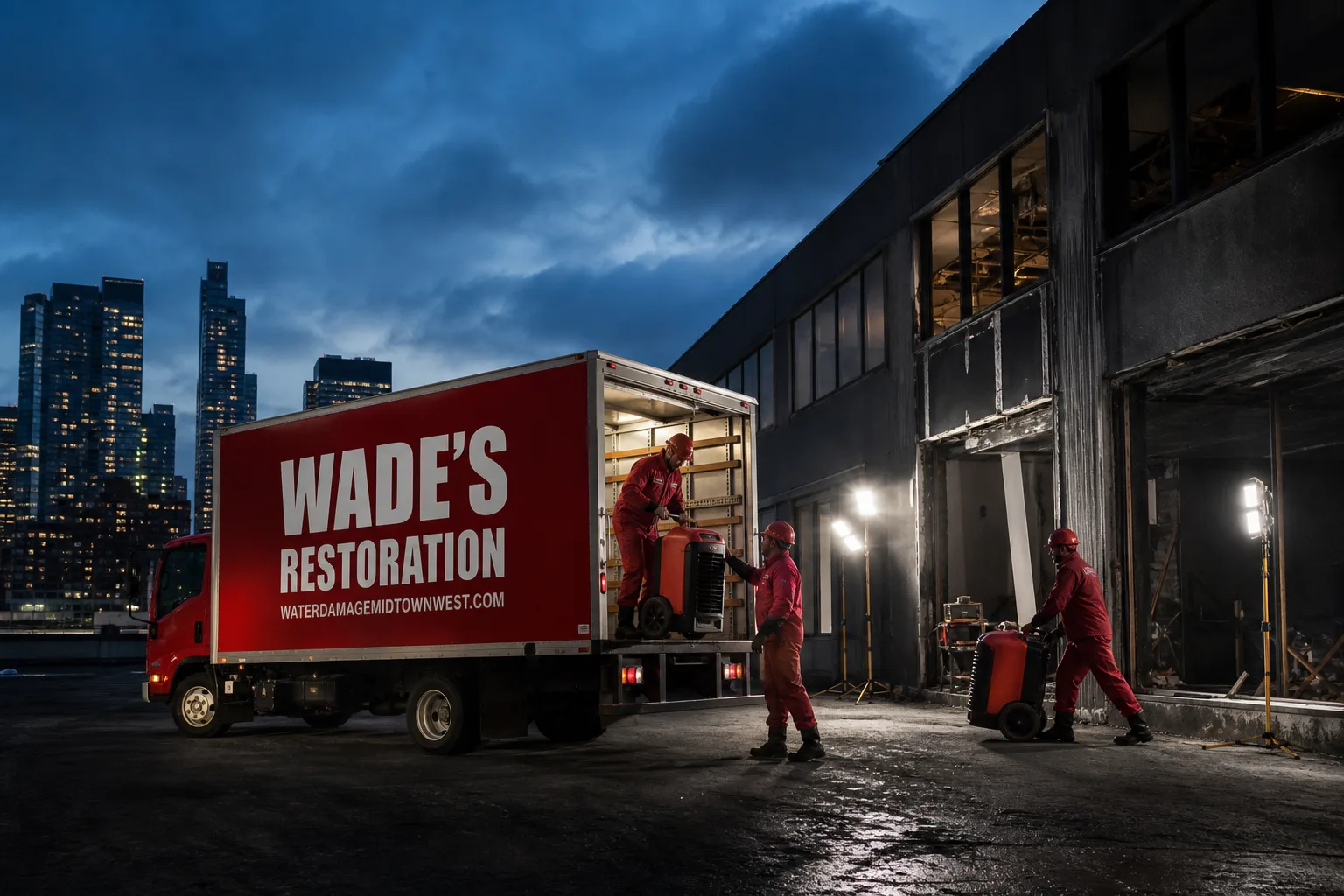
Free visual inspection and a written scope of work before any mitigation begins - photos, moisture readings, and drying logs go in your claim file
The scope we write is the scope we bill. Anything new gets shown to you, in writing, before we touch it.
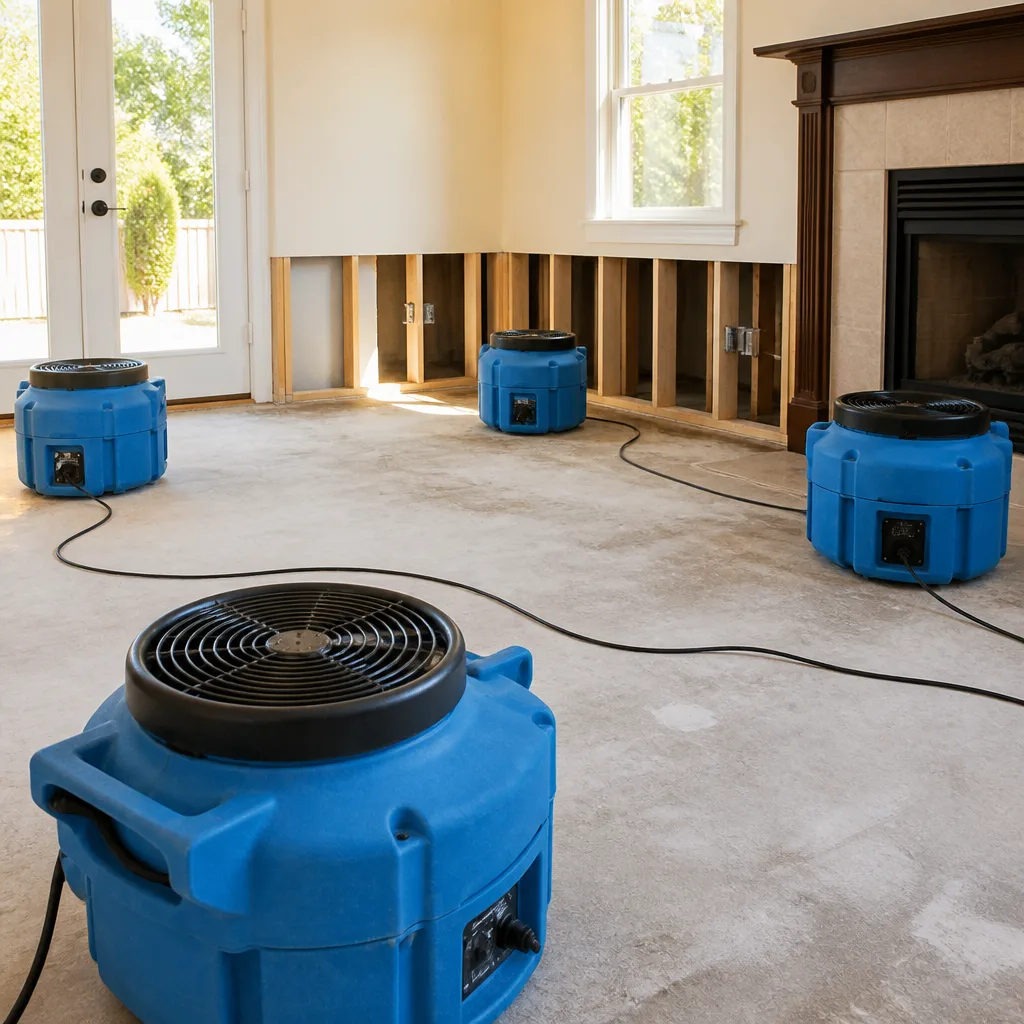
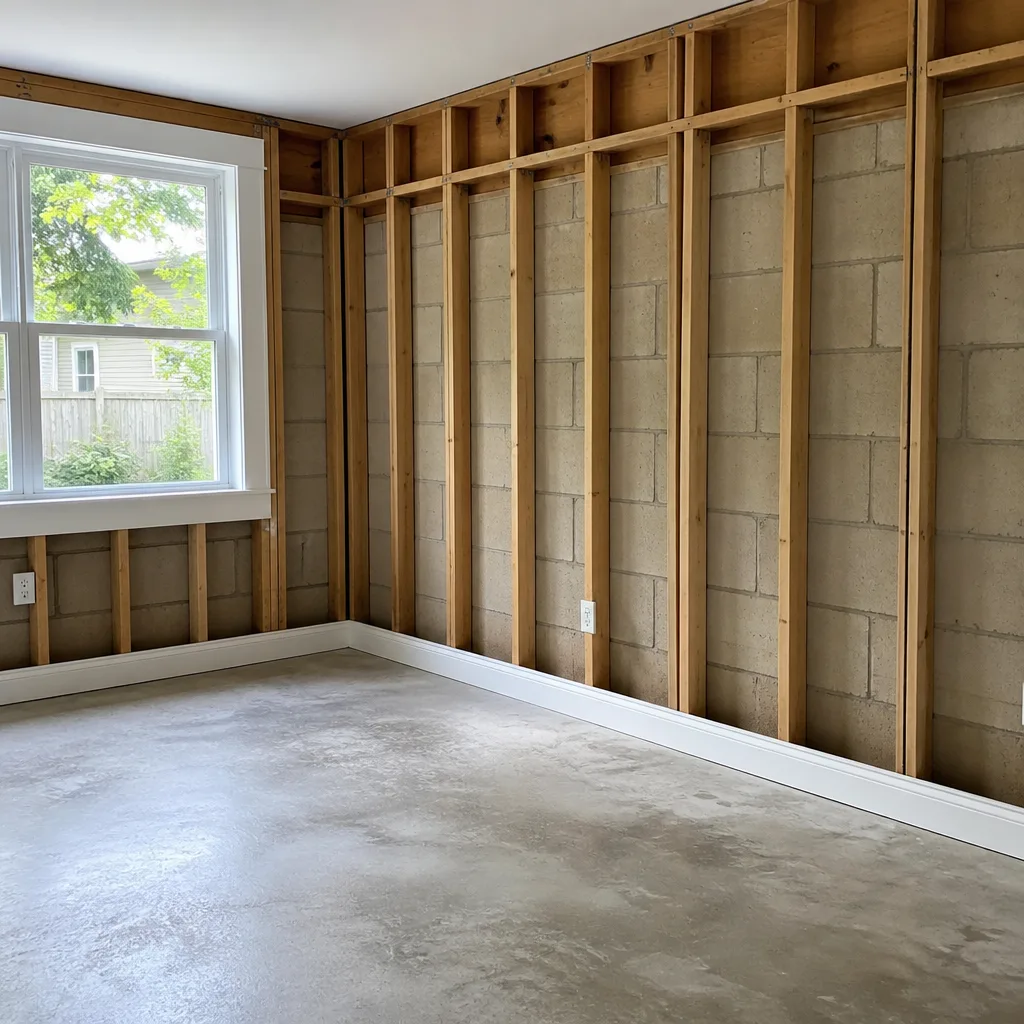
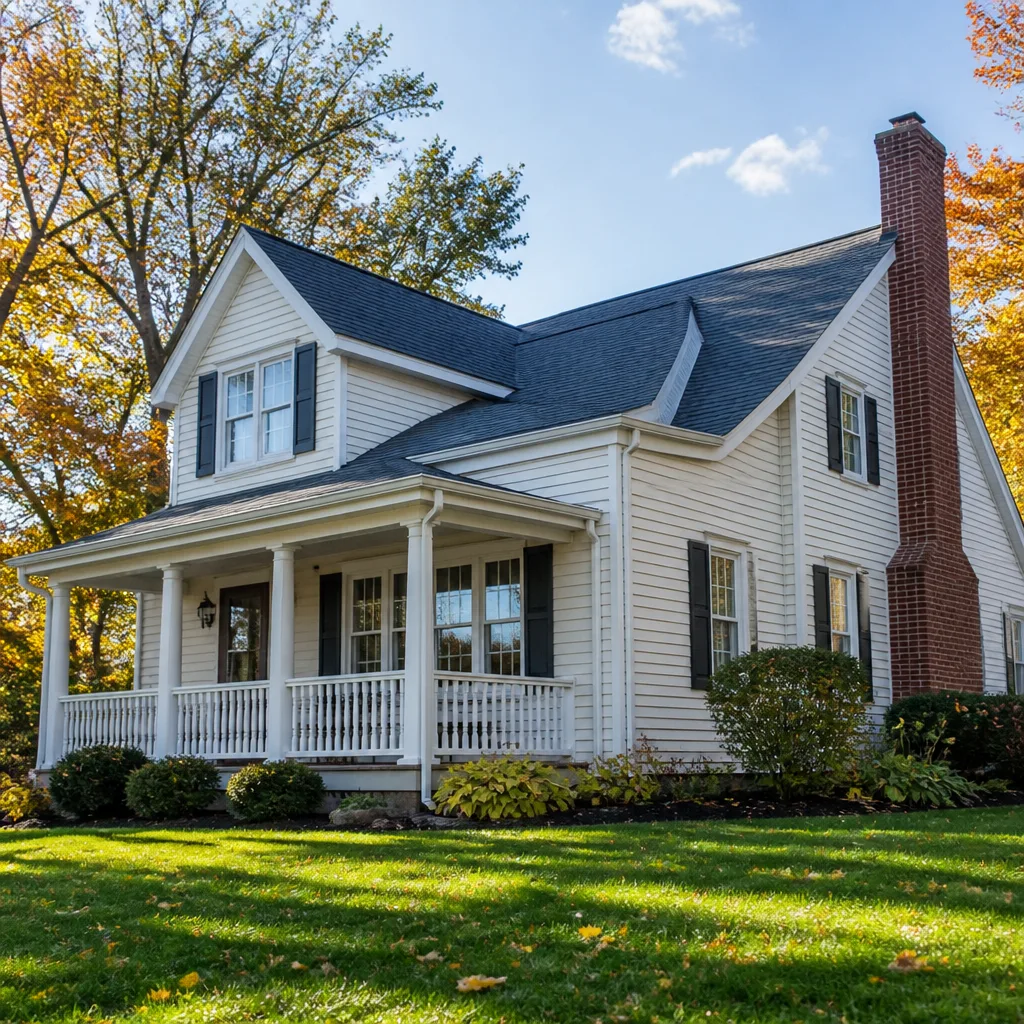
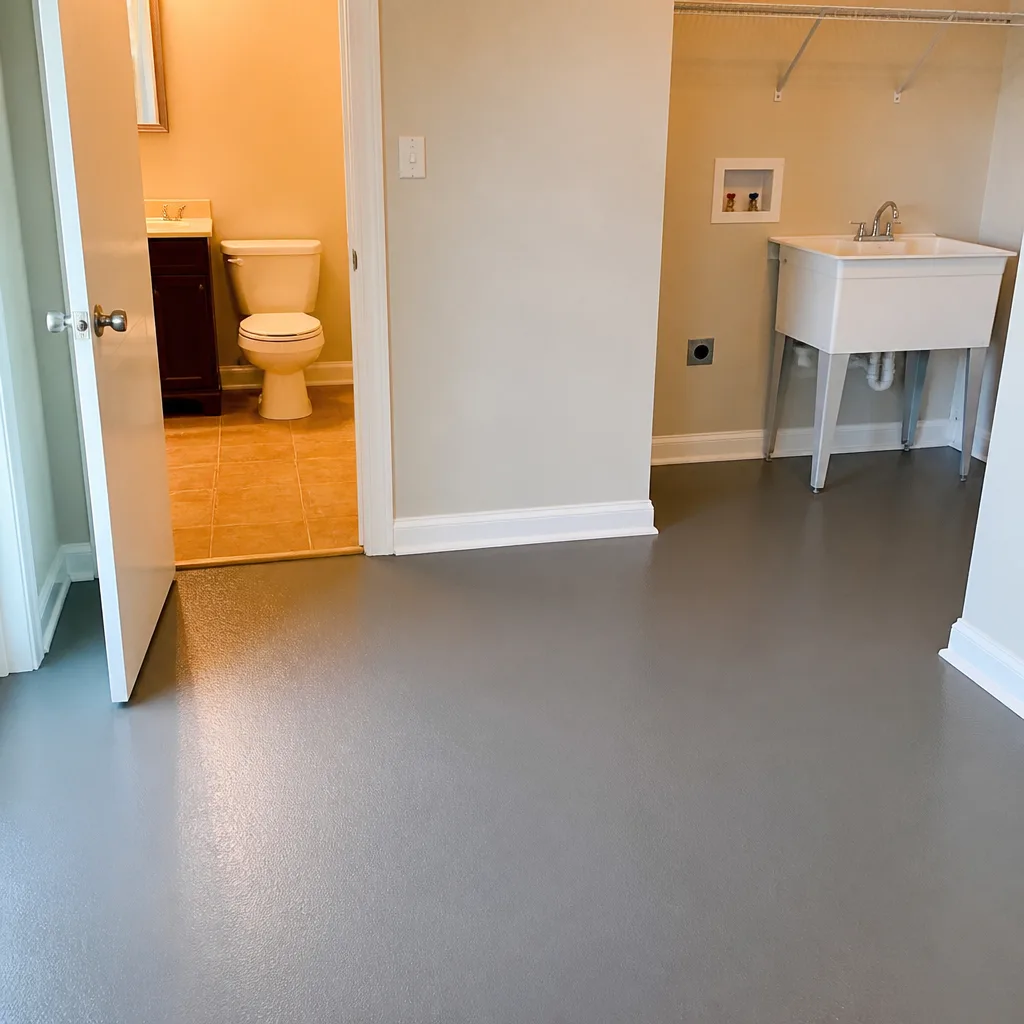
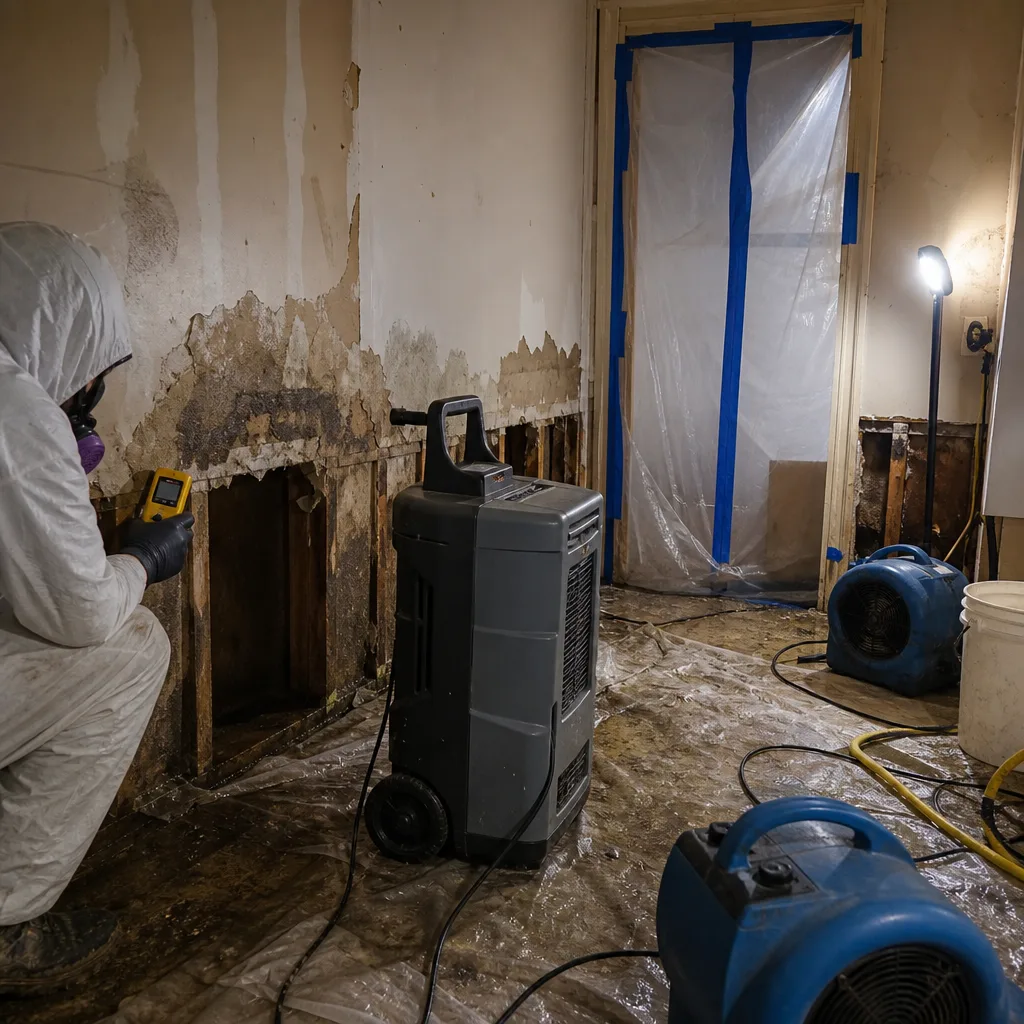 Before
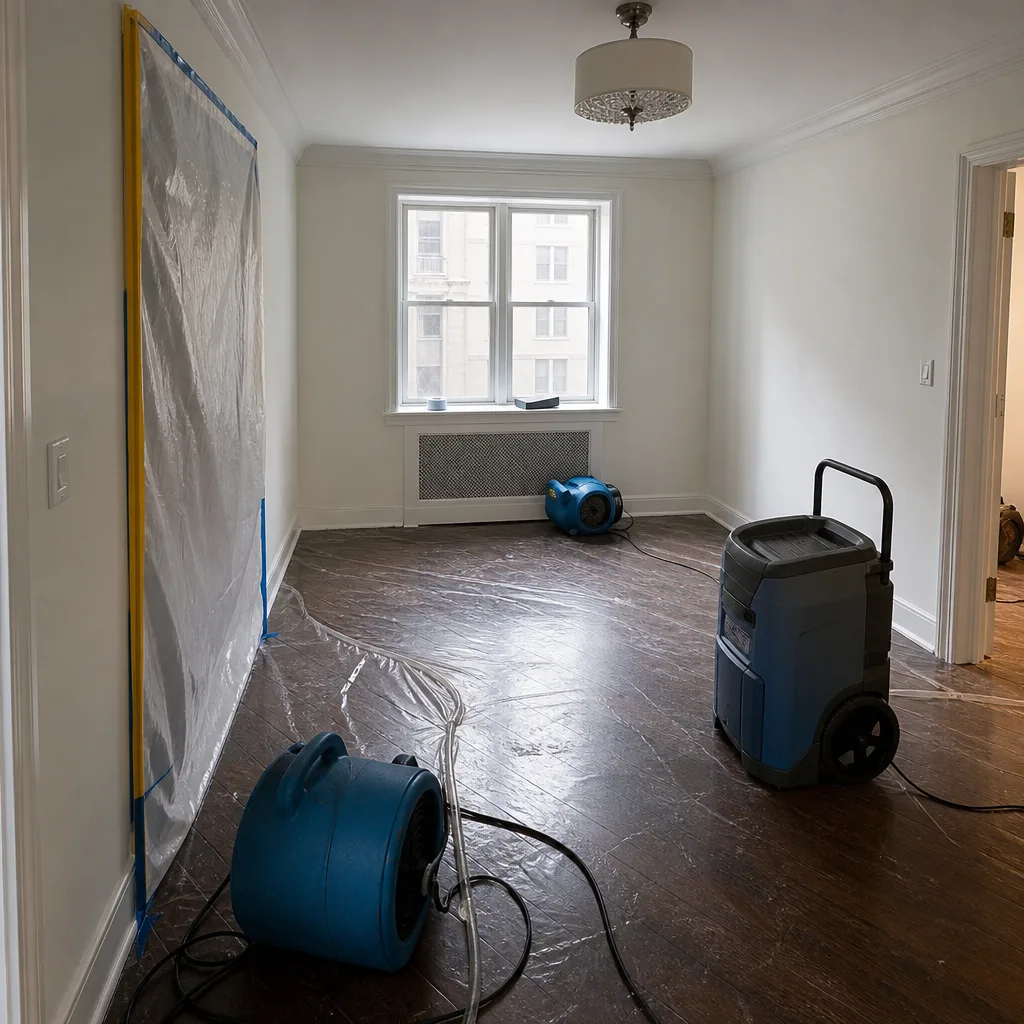 After
After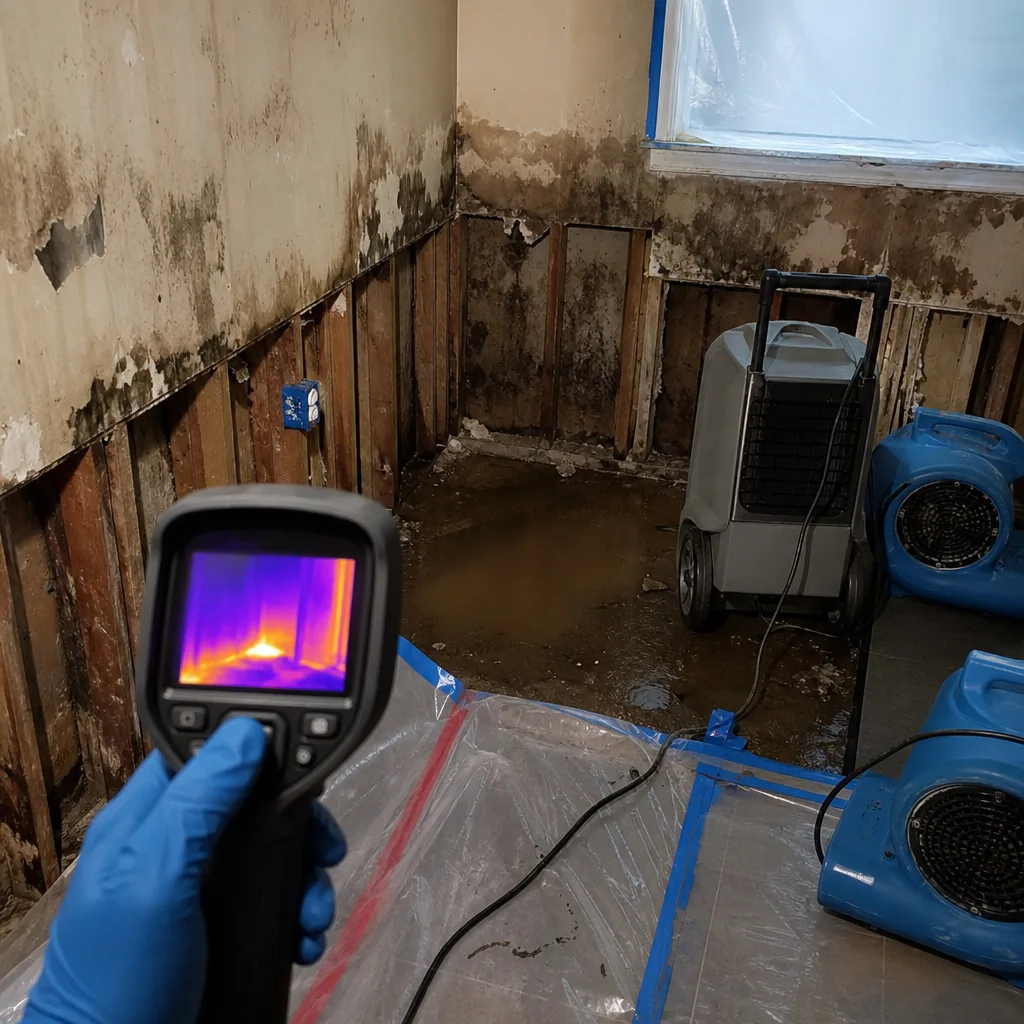 Before
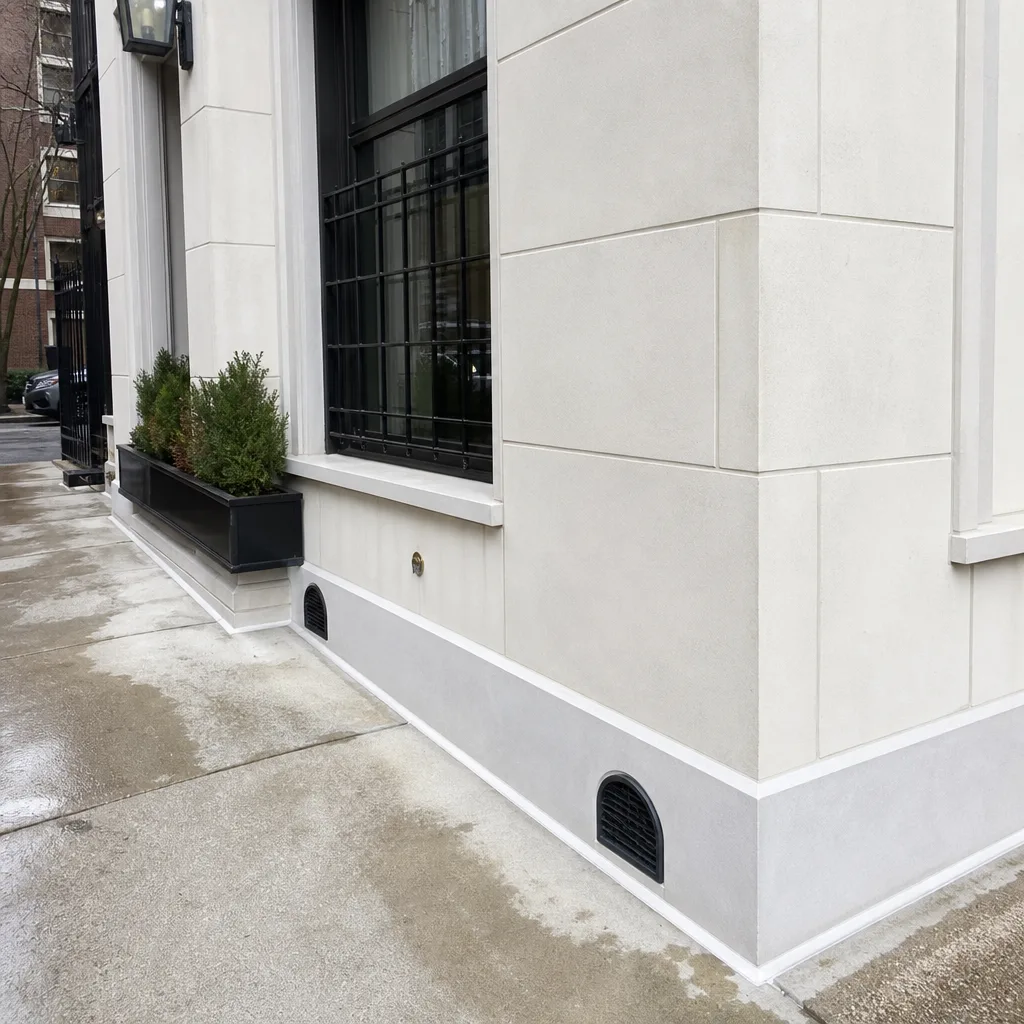 After
After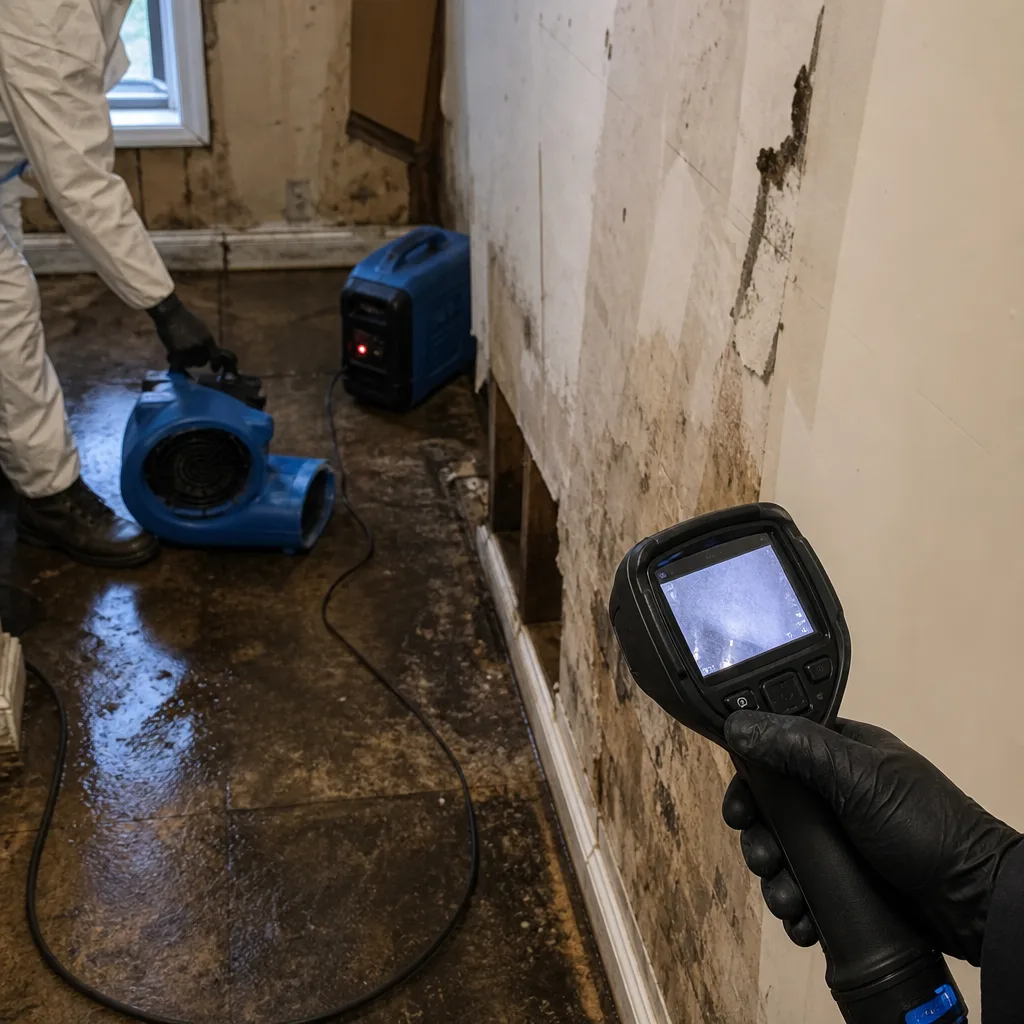 Before
 After
After24/7 Emergency Water Damage Restoration in West New York
Water damage restoration in West New York typically costs $1,800 to $4,200 for a single-unit pipe burst and $4,500 to $12,000+ when water cascades through multiple stacked apartments in one of the town’s 1920s brick walk-ups. Our crews serve West New York around the clock and can usually have extraction running within 45 to 60 minutes of your call to (607) 703-3408. The first hour matters more here than almost anywhere else in Hudson County because of how these buildings are framed: floor assemblies and shared wall cavities between units act like wicks, so a supply line failure on the fourth floor of a 60th Street walk-up is already wetting the third floor ceiling before you finish mopping the kitchen. Call us the minute you see water or smell that damp, musty odor behind the baseboards.
Understanding Water Damage Restoration Severity in West New York Properties
Understanding water damage severity in West New York starts with knowing what kind of water you’re dealing with, because the safety threshold and the drying protocol change with each category. Category 1 water is clean: a burst supply line, a failed water heater, an overflowing bathtub fed by municipal water. Category 2 is significantly contaminated: dishwasher discharge, washing machine overflow, sump pump backflow, or water that has passed through a floor assembly and picked up dust, insulation fibers, or plaster residue. Category 3 is grossly contaminated: sewage backup, river water, or standing category 2 water that has sat for 48-plus hours and begun supporting bacterial growth. In West New York’s older stock, the lines between these blur fast. A clean fourth-floor supply line failure becomes category 2 by the time it drips through the third-floor ceiling, and if it sits over a weekend in an unventilated pre-war apartment, the lower units are often category 3 by Monday. We classify the water, map moisture behind every shared wall with thermal imaging and penetrating meters, and build the drying plan around the building’s actual construction: plaster over brick, tongue-and-groove subfloors, dead air in common chases. You can’t dry a 1930s apartment the way you dry a 2005 suburban sheetrock-and-plywood house.
Why West New York Property Owners Choose Wade’s Restoration
- 45-minute response commitment: Wade or one of his lead techs is on the road toward West New York as soon as you hang up, with extraction equipment staged and ready. We don’t put West New York calls in a queue behind other counties.
- A live person answers, 24 hours a day: You call, a real person picks up. Not a phone tree, not an answering service that promises a callback. Wade Ferris answers his own phone, and he has since 2007.
- IICRC-certified crews: Our techs hold WRT and ASD certifications for water damage, and we apply AMRT protocols when mold is present. That means the drying standards we follow are the ones the insurance industry recognizes.
- Free visual inspection: We don’t charge to come out and look. We’ll tell you honestly whether you’re looking at a $900 drying job or a multi-unit restoration, and we’ll put it in writing before we touch a thing.
- Direct insurance billing: We work with your carrier from day one and submit the documentation they need. You never have to be the middleman relaying heat readings and humidity numbers between us and your adjuster.
- One team from extraction to reconstruction: The same crew that pulls the water also handles the drywall, trim, and paint. Nobody hands you off to a sub you’ve never met, and the 90-Day Done Right Promise covers the whole job in writing.
Our Water Damage Restoration Process
Inspection & Assessment
We arrive, walk every affected room with you, and take moisture readings with penetrating and non-penetrating meters. In a West New York walk-up, that means checking not just your unit but the ceiling cavity below you and the shared wall cavities beside you. You get a written scope and a firm number before any equipment comes off the truck.
Extraction & Stabilization
We pull standing water with truck-mounted and portable extraction units, then stabilize the space: stop the source if it’s still active, remove saturated materials that can’t be saved, and set up containment if needed. Speed here prevents lower-unit contamination from spreading.
Drying & Dehumidification
We run Dri-Eaz air movers, Phoenix dehumidifiers, and Injectidry systems on walls and floor assemblies. Daily moisture logs track the drying curve, and you get the full log at the end of the job. In pre-war buildings with plaster and masonry, we run longer dwell times because those materials release moisture slowly.
Cleaning & Sanitization
Once the structure is dry, we clean and disinfect all affected surfaces, including the insides of wall cavities we’ve opened. If we’re dealing with category 2 or 3 water, we apply antimicrobial treatments and run HEPA air scrubbers before we close anything up.
Mold Prevention & Specialty Treatment
We apply antimicrobial and anti-fungal treatments to all dried areas, and in buildings with a history of roof ponding or slow leaks, we recommend and can install moisture barriers and improved ventilation to keep the problem from returning next rainy season.
Repairs & Restoration
We rebuild: drywall, plaster repair, paint, trim, flooring, and any structural repairs to subflooring or ceiling assemblies. The same crew handles it all. Before we call it done, we re-test moisture levels, and the 90-Day Done Right Promise goes into writing.
Need Emergency Water Damage Restoration in West New York Now?
Crews minutes away, answering live 24 hours a day. The sooner we start, the less it costs.
Working With Your Insurance Company
Water damage claims in West New York get complicated fast, especially when one leak touches three units and two insurance carriers. We’ve been doing this since 2007, and we handle the claim side so you’re not the one stuck forwarding photos and fielding calls. From the first hour on site, we document everything: initial moisture readings, the category of water, every affected room, every piece of equipment we place. We write our estimates in the same line-item format insurers expect, and we bill your carrier directly on approved claims. Wade deals with the adjuster himself. If your adjuster has questions at 9 p.m., he calls us, not you. You get a copy of every document we send, and the 90-Day Done Right Promise stays in force whether insurance pays or you do.
What We Provide Your Insurer
- Thorough documentation of the loss
- Photos of all damage, room by room
- Moisture readings and drying logs
- A detailed, line-item scope of work
- Direct coordination with your carrier
Built for West New York’s Loss Calendar
West New York’s water damage season runs all year, but it has distinct peaks. January and February bring the deep freezes that split supply lines in uninsulated exterior walls of pre-war buildings, and when a pipe lets go on the fourth floor of a Bergenline Avenue walk-up at 3 a.m., four units need extraction before sunrise. March and April are thaw season: snowmelt from the Palisades slopes channels into foundation drains that were installed when Eisenhower was president, and basements along Boulevard East start seeping. July and August bring the thunderstorms that dump an inch of rain in 40 minutes, overwhelming flat-roof drains on 1950s apartment buildings and sending water down interior stairwells. And late summer through fall, we run hundreds of calls for HVAC condensate overflows and roof membrane failures that have been ponding water since spring. Every season has a signature loss pattern in this town, and we’ve seen all of them more times than we can count.
Water Damage Restoration Across West New York’s Neighborhoods
The buildings change block by block in West New York, and so does the restoration plan. Along Boulevard East and the streets off it, the pre-war co-ops and apartment buildings sit right on the Palisades edge, where wind-driven rain pounds the west-facing facades and roof membranes degrade faster than inland. Over near Bergenline Avenue, the commercial strips with apartments above them see a lot of supply line failures in legacy plumbing that hasn’t been touched since the 1960s. The streets around 60th Street and Grantwood are dense with 4-to-5-story brick walk-ups where one roof leak becomes a third-floor ceiling collapse and a second-floor mold job. And down along the lower numbered streets near the Union City line, basement units and below-grade storage areas catch the runoff that the steep terrain pushes downhill, meaning sump pumps fail and foundation seepage shows up after every heavy rain. When we head out to a West New York job, we already know the building type, the likely plumbing era, and the drainage reality before we park the truck.
Specialized Water Damage Restoration Services We Offer in West New York
Emergency Water Extraction
When water is standing in your unit, every hour it sits adds cost and spreads the damage through floor assemblies into the units below. We arrive fast, extract the standing water, and map how far it has already traveled. In a West New York walk-up, we check the ceiling cavity beneath you before we even set down the air movers.
Structural Drying & Dehumidification
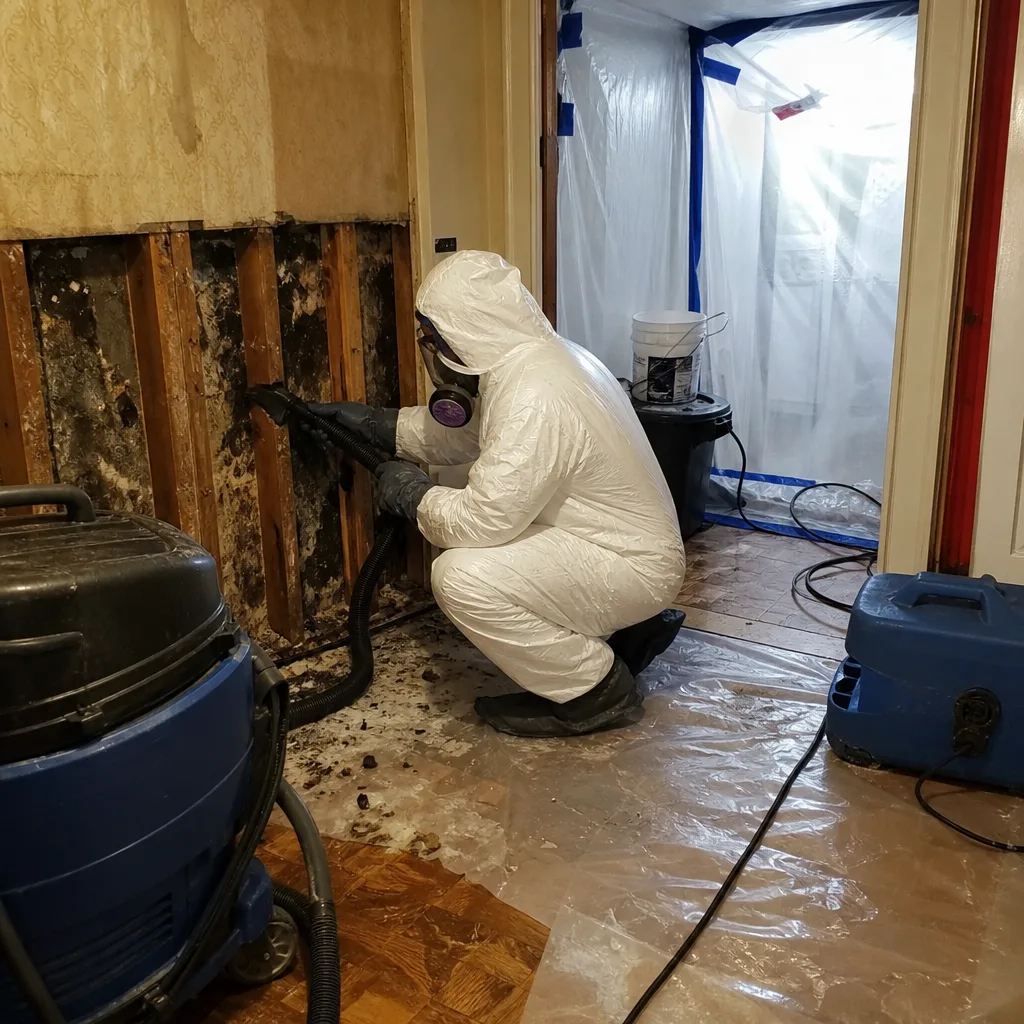
Drying a 1930s brick building is different from drying a modern house. Plaster and masonry hold moisture and release it slowly, so we run longer drying cycles, use Injectidry systems on wall cavities, and take daily moisture readings with the full log handed to you at the end. We coordinate those logs with your insurer so the drying is documented to the standard they require.
Flood Cleanup
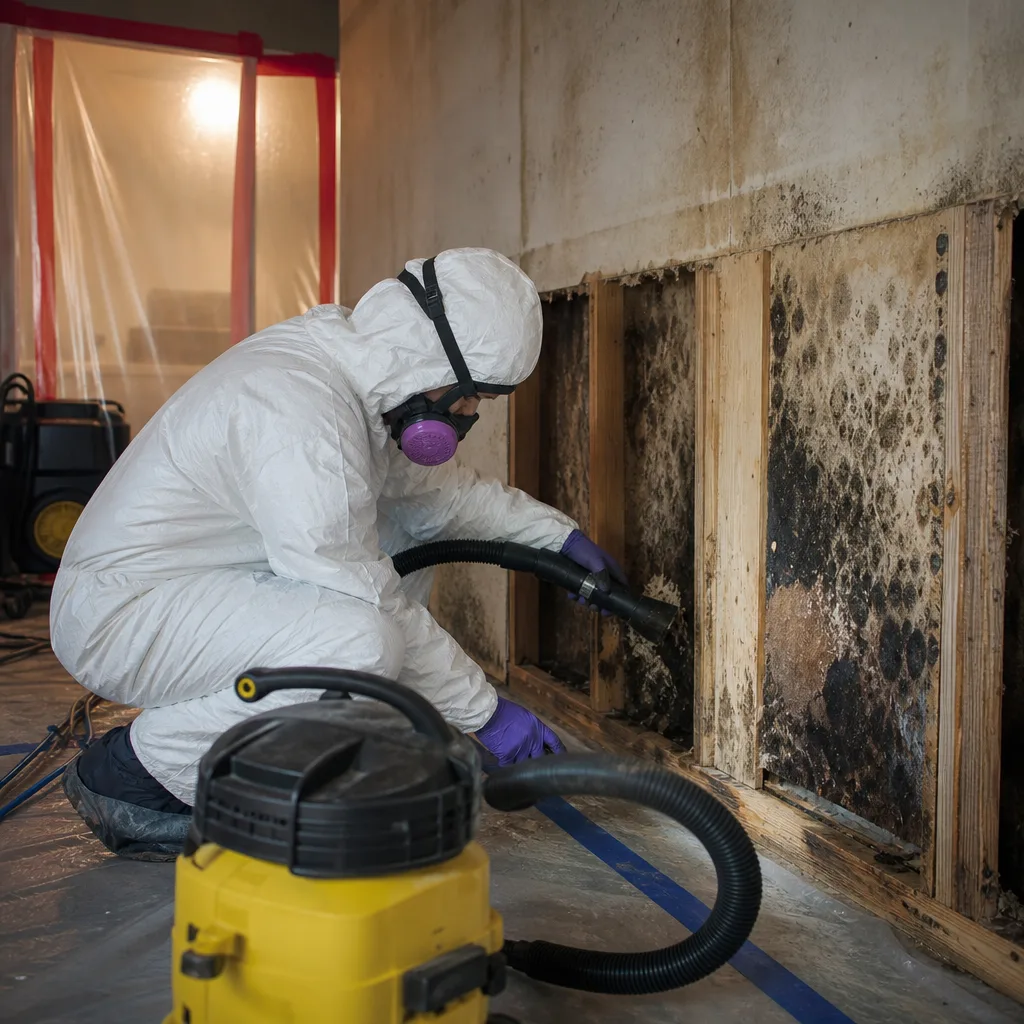
Storm flooding and sewer backups bring category 3 water into basements and ground-floor units across West New York. We remove the contaminated water and saturated materials, sanitize every surface, and dry the structure. In below-grade spaces off Palisade Avenue and the lower numbered streets, we also check the drainage situation so the same flood doesn’t come back next storm.
Burst Pipe Restoration
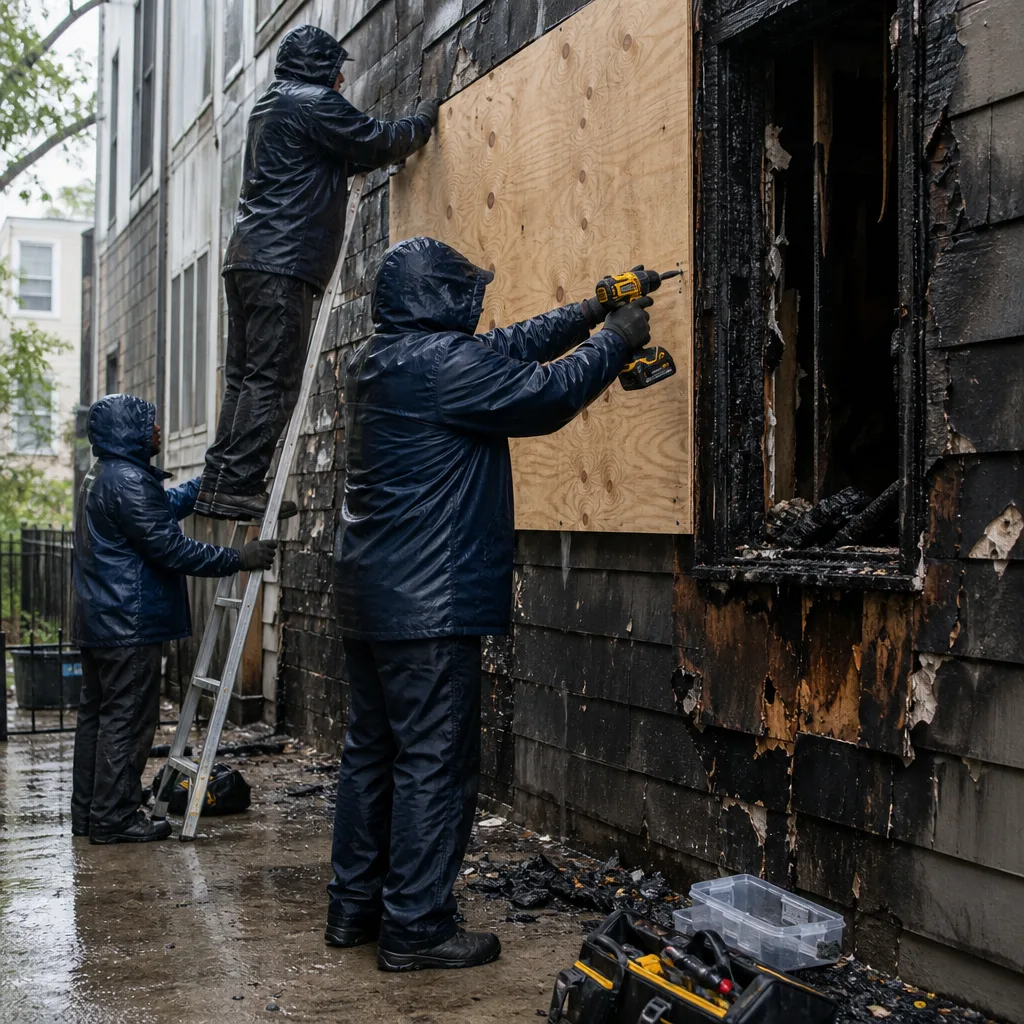
A burst pipe in a West New York apartment is never a one-unit job. Water follows the chases and the floor joists, and by the time we arrive, it’s usually in two or more units. We handle the full restoration: extraction, drying, cleaning, and rebuilding the walls and ceilings that had to come open. You deal with one crew from start to finish.
Basement Water Removal
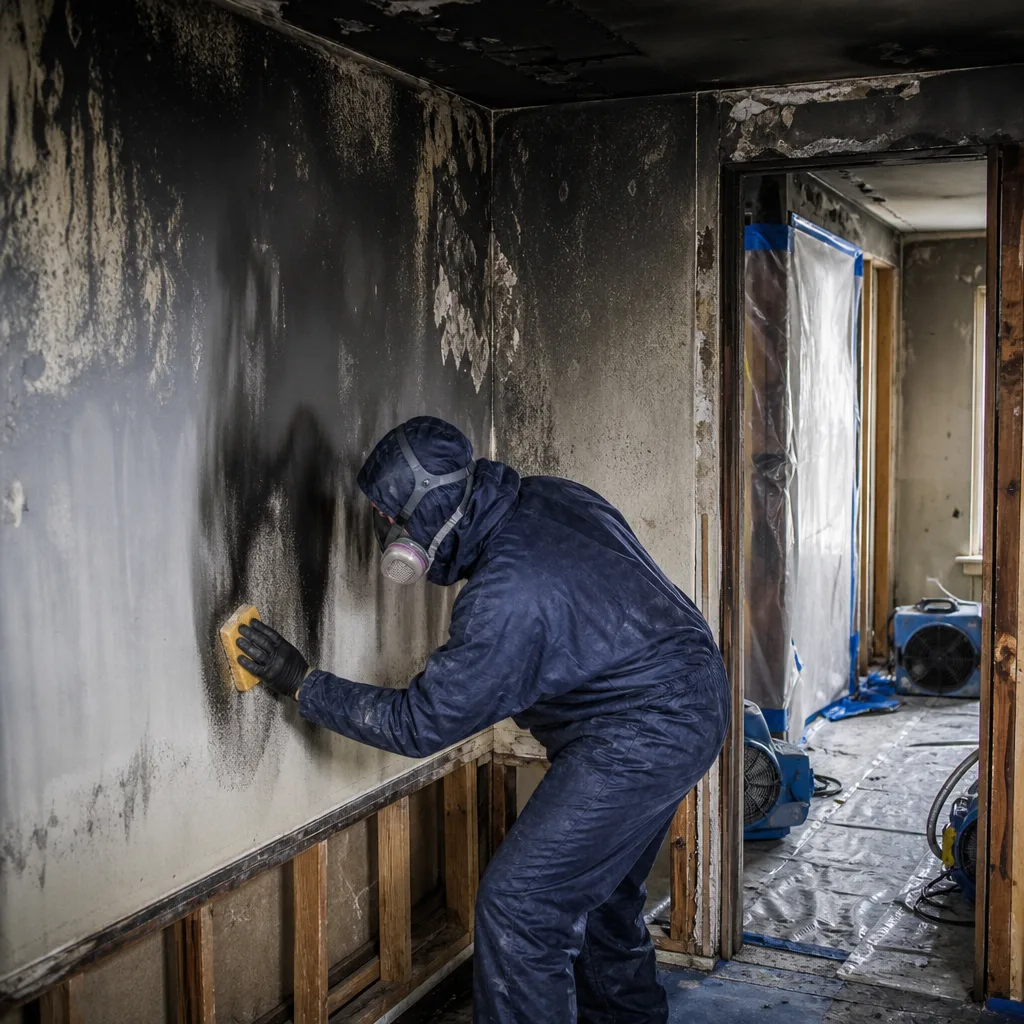
Basements along the Palisades slope take on groundwater every time it rains hard, and many of these older buildings have original sump systems that gave up years ago. We pump the water out, dry the space with commercial dehumidifiers, and tell you straight what needs to change so you’re not calling us again in three weeks.
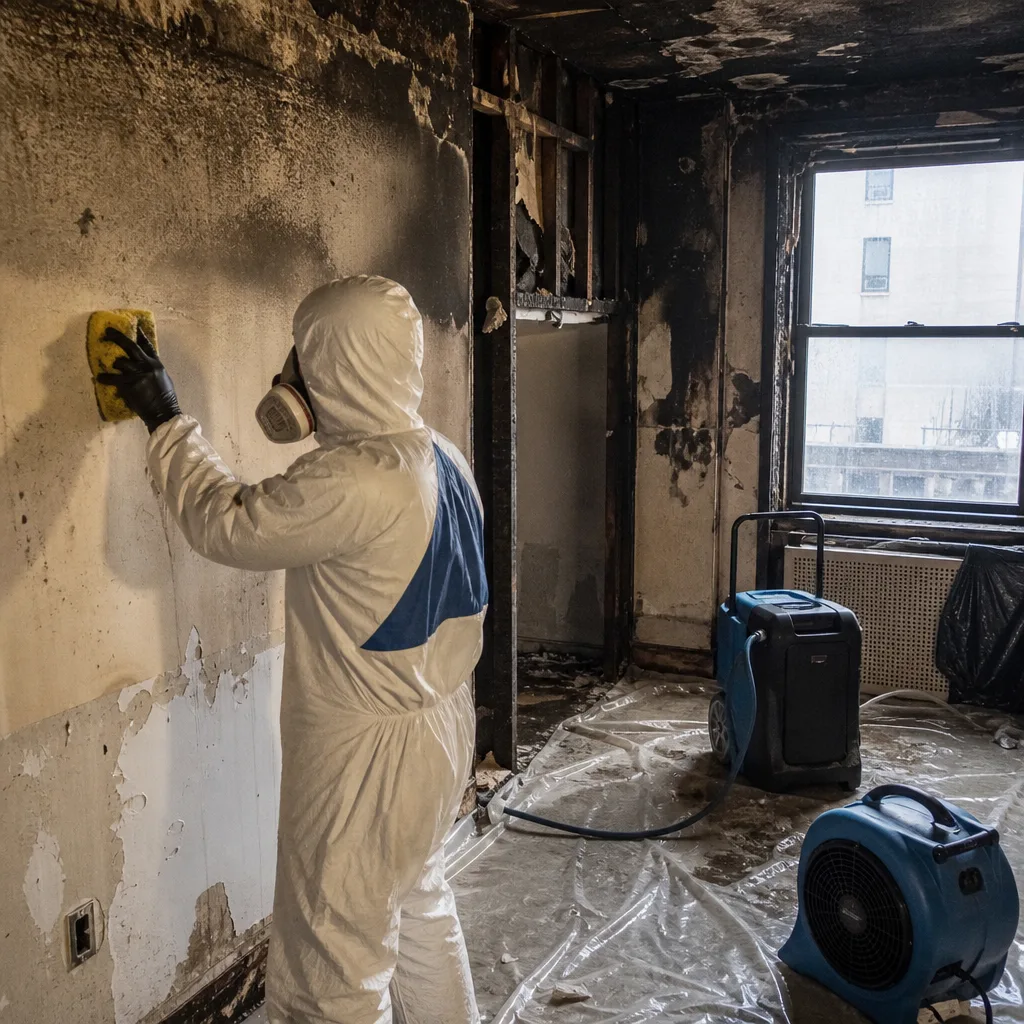
What happens when you call
- 1
A real person answersNo phone trees - you reach a local pro.
- 2
You get an upfront price rangeHonest numbers before anyone is dispatched.
- 3
A background-checked tech heads outLicensed & insured, dispatched right away.
- 4
You approve before work beginsNothing starts until you say go.
Water Damage Restoration Costs in West New York, NJ
What you’ll pay in West New York depends on how many units the water touched and how long it sat before we got there. A single-room supply line burst that we catch the same day usually runs $1,800 to $3,500 including extraction, drying, and minor drywall repair. A ceiling collapse from a roof leak in a pre-war apartment is typically $3,000 to $6,500. When water cascades through three to five stacked units, forcing pack-outs, containment, multiple days of drying, and reconstruction across floors, the job lands between $8,000 and $15,000 or more. Category 3 water from a sewage backup adds cost because of the removal and disposal of contaminated materials. We’ll give you a free visual inspection and a written, line-item scope so you know the exact number before we start. No adjustment games after you’ve let us in. Call (607) 703-3408 and we’ll be straight with you from the first conversation.
We Also Serve Cities Near West New York
Our crews work in Water Damage Restoration across the Hudson County towns that surround West New York: Jersey City, Hoboken, Weehawken, and Union City. Many of these neighboring cities share the same pre-war brick housing stock and the same stacked-unit water damage patterns we see every day in West New York.
Serving West New York, NJ - Our Local Coverage Area
We’re based in the West New York area and know this community well. Use the map below to see our service coverage - if you’re nearby, we can almost certainly help.
West New York Water Damage Restoration Questions, Answered
If my upstairs neighbor’s pipe bursts and water comes through my ceiling in a West New York walk-up, who do I call first?
Call us first at (607) 703-3408, then notify your landlord and your upstairs neighbor. The extraction and drying need to start immediately because the water that’s dripping through your ceiling is passing through the floor assembly, picking up plaster dust and insulation fibers, and becoming contaminated. We’ll document everything with photos and moisture readings so whichever insurer ends up on the hook has the record from hour one. The faster extraction starts, the less of your belongings and your ceiling we have to replace.
Does my 1930s West New York apartment need different drying techniques than a suburban house?
Yes. Plaster walls and ceilings dry differently from sheetrock, and brick exterior walls in pre-war buildings hold moisture and release it slowly, often leading to hidden mold growth behind the plaster if drying is rushed. We use longer dwell times, thermal imaging to monitor moisture behind surfaces, and targeted drying in the wall and floor cavities with Injectidry systems. A standard suburban drying plan would leave moisture in places that come back as mold months later.
How do you handle basement water removal in West New York when the Palisades slope channels rainwater into my building?
We start by pumping out the standing water with commercial extraction equipment, then dry the space thoroughly with high-capacity dehumidifiers. But we also look at the drainage situation: old foundation drains, failed sump pumps, and downspouts that dump water right against the building wall. If the drainage isn’t corrected, the same flood returns with the next storm, so we’ll recommend specific fixes and can often coordinate them as part of the restoration scope.
A roof leak in my flat-roof building has been staining the top floor ceiling for months. Is it too late for just water damage restoration?
By the time a ceiling stain shows through in a flat-roof West New York building, the water has usually been wicking through the roof deck and the ceiling assembly for weeks or months. Mold is often already present in the cavity. We’ll assess the full extent with moisture mapping and thermal imaging, and if mold is confirmed, the job becomes water damage restoration plus mold remediation: containment, antimicrobial treatment, and clearance testing before we rebuild. The roof itself needs to be repaired or replaced by a roofer, but we can manage that coordination so the interior work and the roof work happen in the right order.
Can you restore my unit while other floors are still occupied in a West New York apartment building?
Yes, we do this constantly. We set up floor-by-floor containment, run HEPA air scrubbers during work, and schedule loud equipment runs during reasonable hours. Our crews are background-checked and uniformed, and we coordinate building access with your landlord or super. Drying logs are maintained daily so each insurer involved has the documentation they need for their specific unit’s claim.
How fast can you actually get to my West New York apartment?
We commit to a 45-minute response for West New York addresses, and we answer the phone live 24 hours a day. Extraction can usually be running inside the hour from your call. That response speed matters because water in a stacked building travels downward through floor assemblies quickly, and the faster we stop the migration, the fewer units are affected and the smaller the claim.
Will my insurance cover water damage in a West New York walk-up?
Most homeowner and renter policies cover sudden and accidental water damage like a burst pipe, and many cover water damage from a roof leak if the roof was maintained. Sewer backup and gradual seepage are often excluded without specific riders. We’ll help you understand your coverage, document everything from the first hour, and communicate directly with your adjuster so you’re not the one arguing about line items.
What should I do in the first 30 minutes after I find water in my West New York apartment?
Shut off the water source if you can do so safely, move valuables and electronics out of the water’s path, and call us at (607) 703-3408. Don’t use a household vacuum to remove water, don’t turn on ceiling fans above wet areas, and don’t open walls to “let them dry” because that can spread contaminated dust. If water is near electrical outlets or panels, stay out of the area and wait for us. Free visual inspection, and we will be honest about what you’re looking at.
Written by Wade Ferris, Owner at Wade’s Restoration, serving West New York since 2007.