
Free visual inspection and a written scope of work before any mitigation begins - photos, moisture readings, and drying logs go in your claim file
The scope we write is the scope we bill. Anything new gets shown to you, in writing, before we touch it.
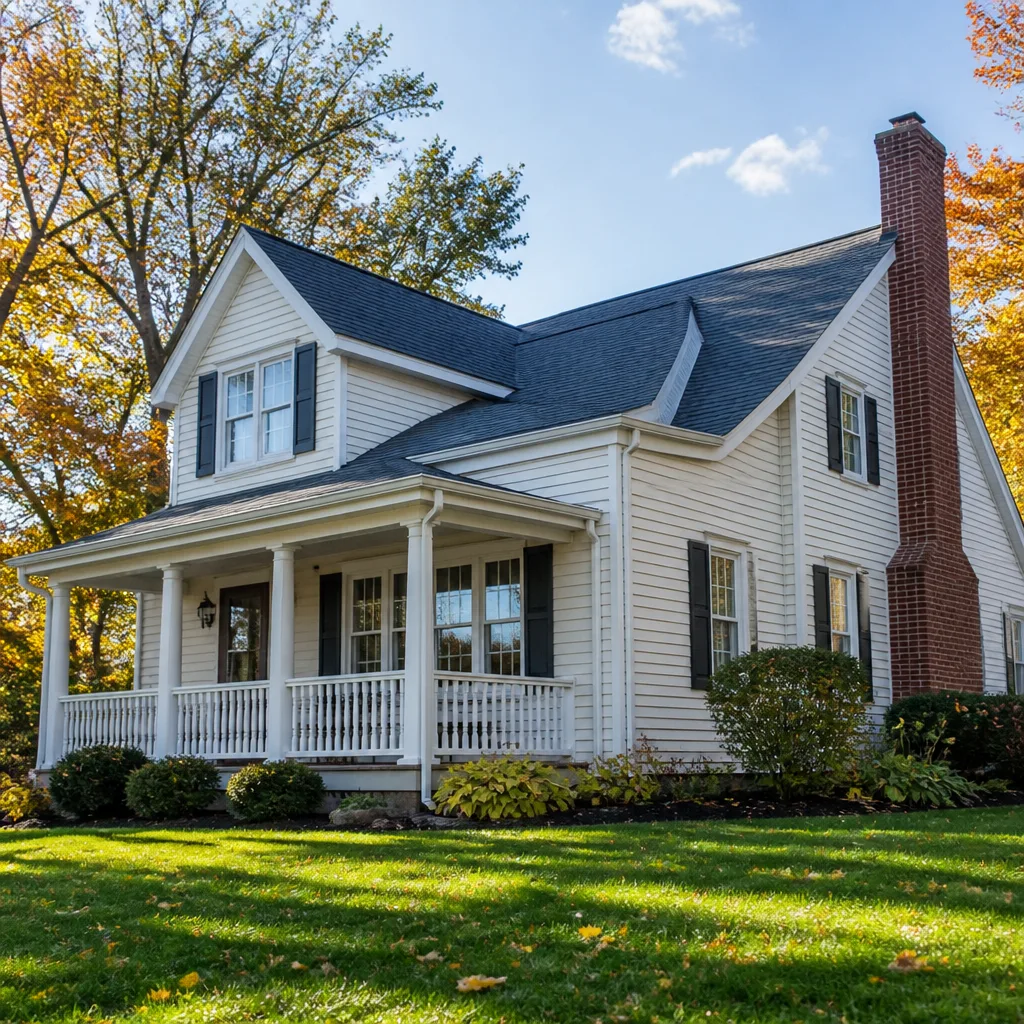
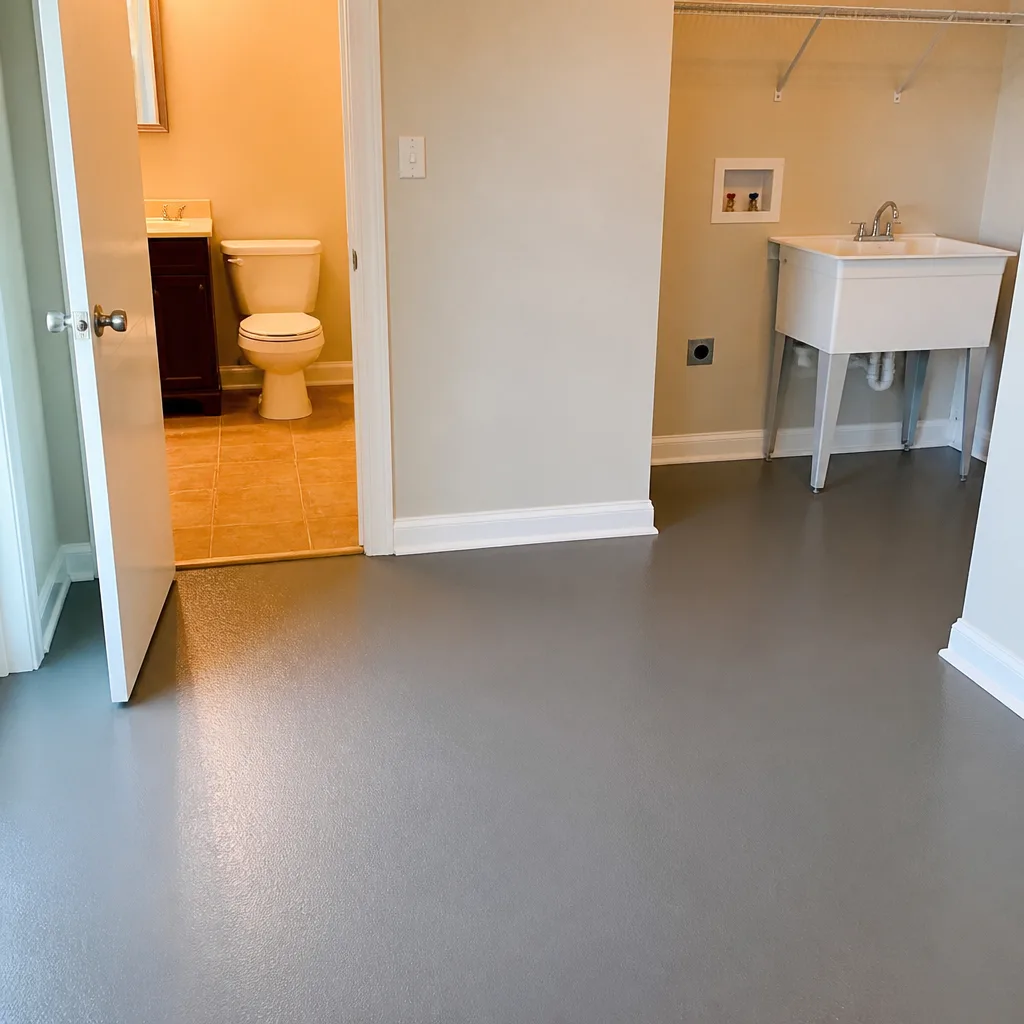
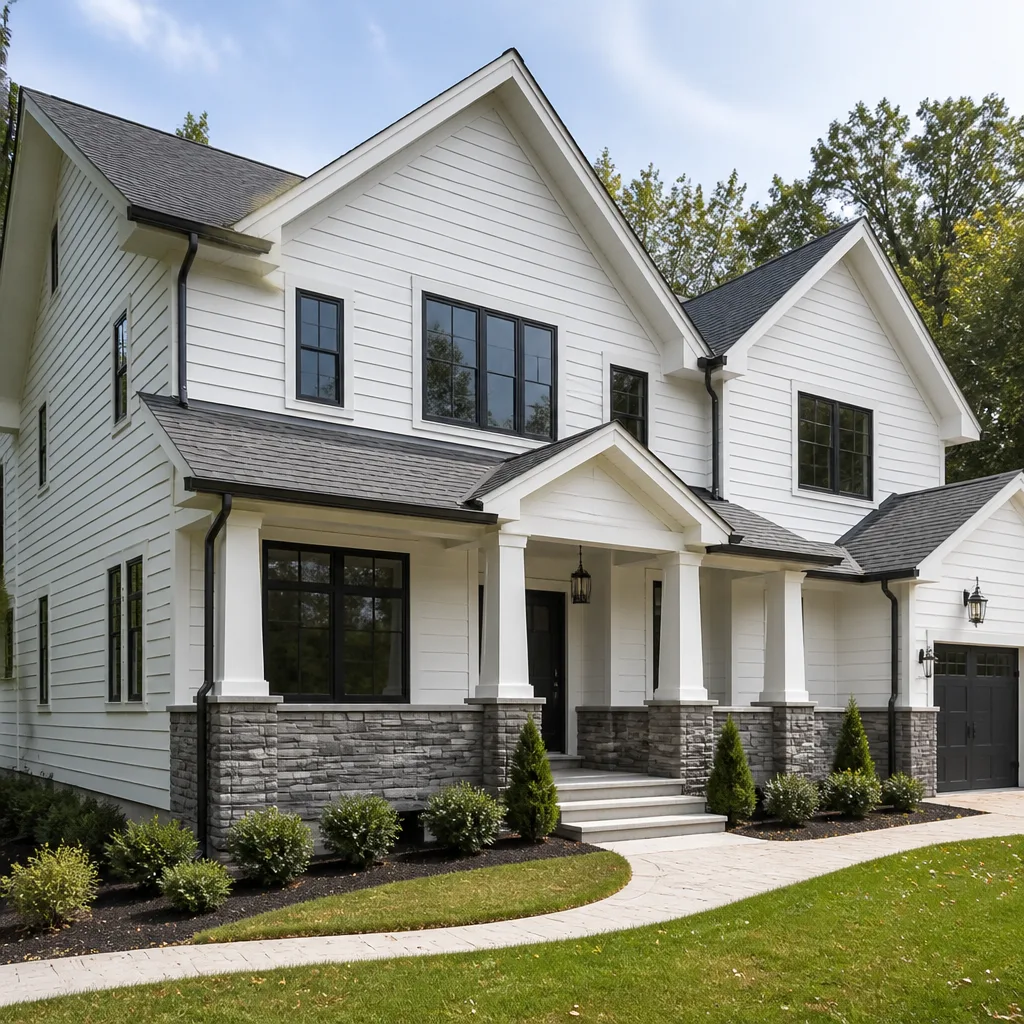
 Before
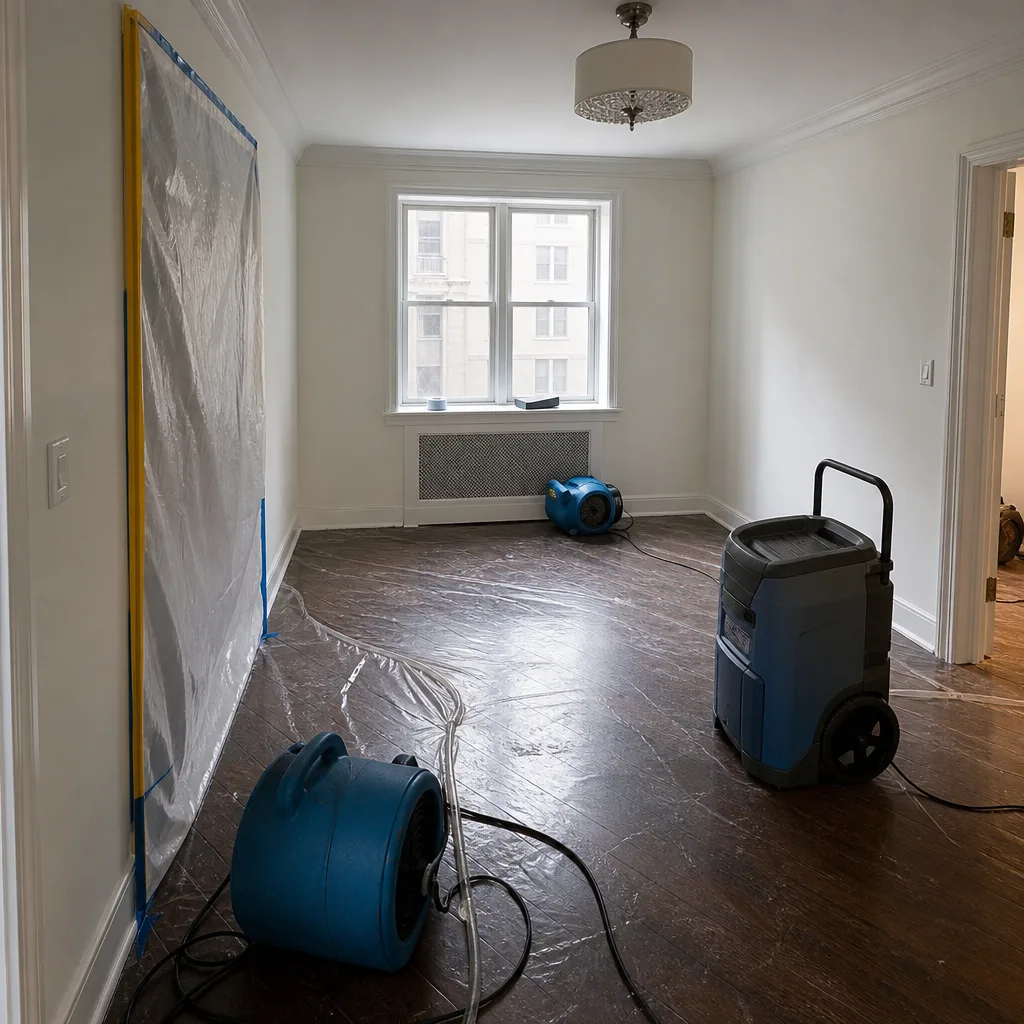 After
After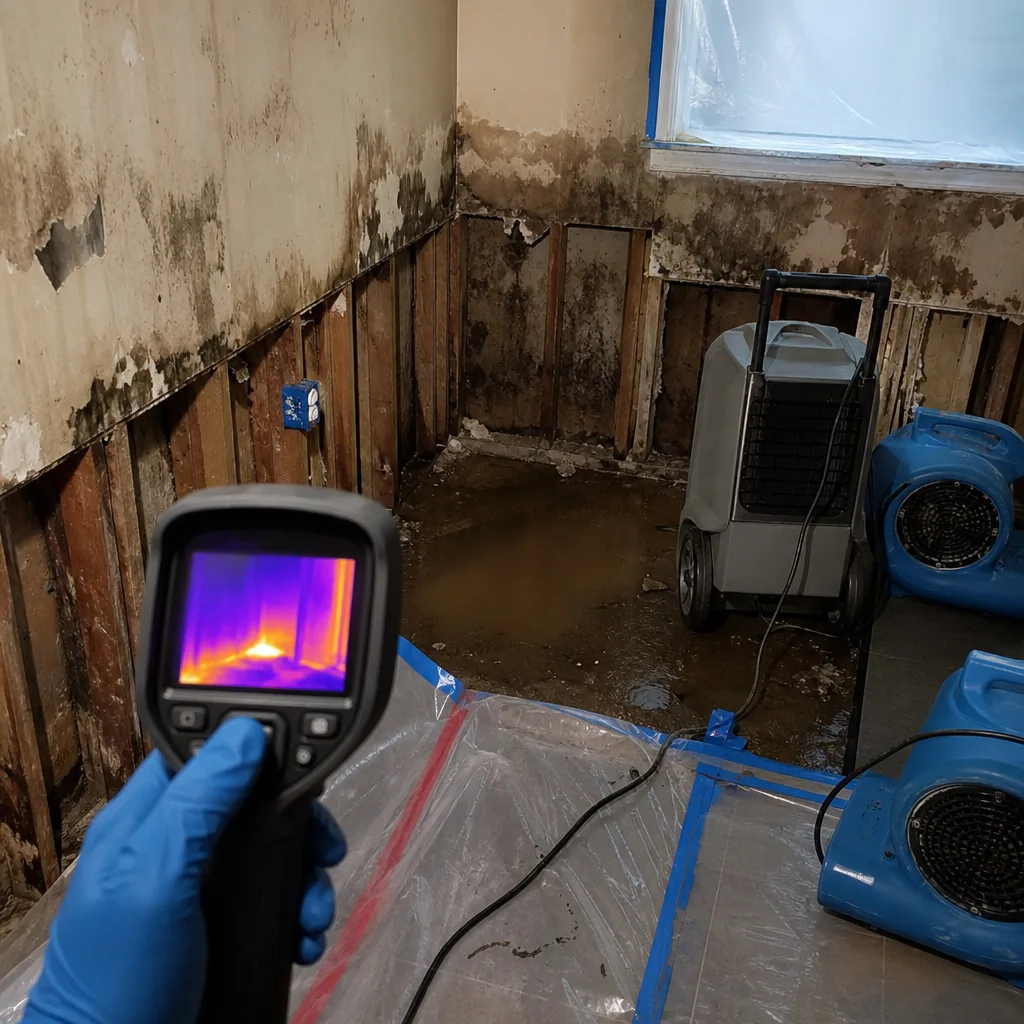 Before
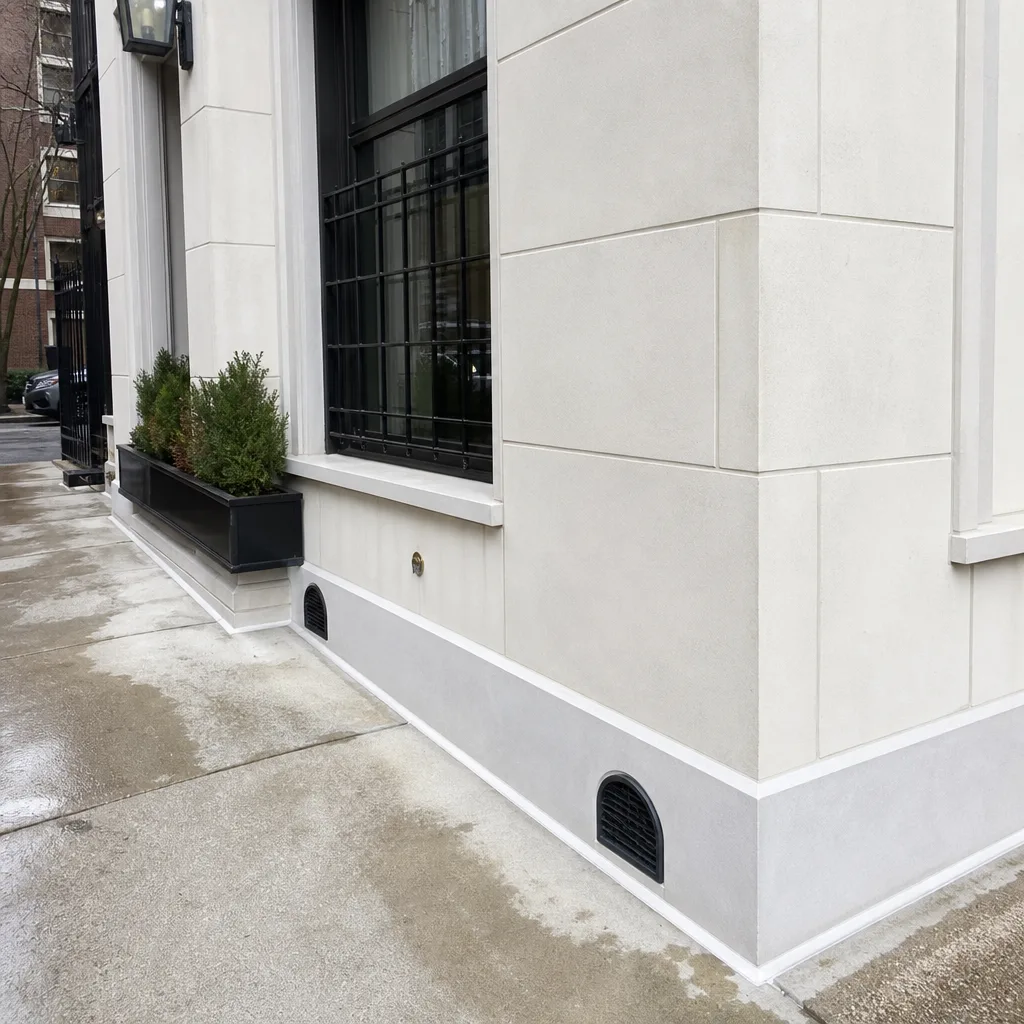 After
After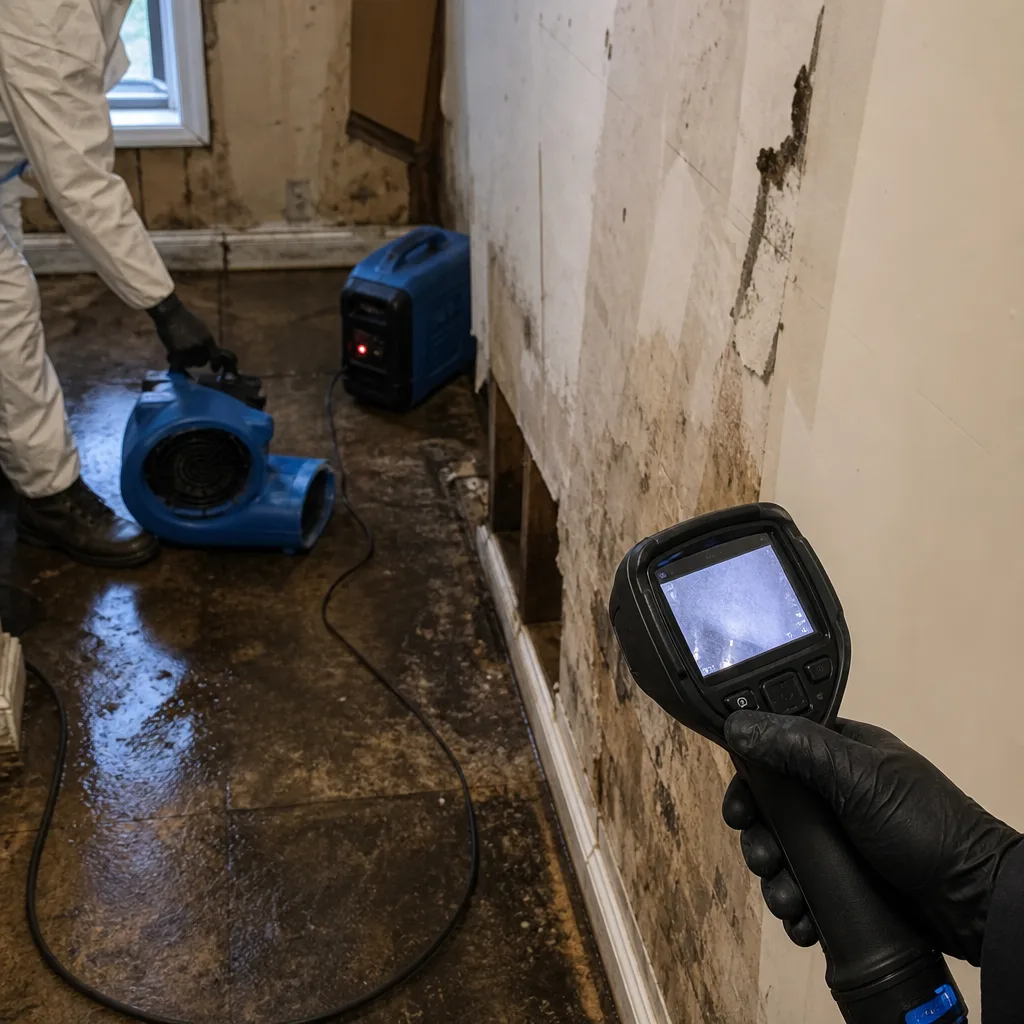 Before
 After
After24/7 Emergency Sewage Cleanup in West New York
Sewage backup in West New York costs anywhere from $1,800 to $7,500 to clean up properly, depending on how far the black water traveled and how many units it touched. The work is unpleasant, the longer it sits the more it costs, and it’s not something you want to put off until morning. We answer live at (607) 703-3408 around the clock. A real person picks up, not a queue. Crews head into West New York the moment you hang up, and the sooner pumps start moving water out, the less drywall, flooring, and cabinetry you lose.
The first hour matters more here than in most towns. West New York’s pre-war brick buildings share cast-iron waste stacks and floor assemblies, so what starts as one garden-level backup is often already wicking into two units above by the time you notice the smell. We start with a free visual inspection when we arrive. No charge for that, and no charge to drive inside the county.
Understanding Sewage Cleanup Severity in West New York Properties
We classify water by its source and contamination level: Category 1 is clean supply water, Category 2 is gray water from washing machines or sinks, and Category 3 is black water, meaning sewage, which carries pathogens including E. coli, hepatitis, and parasites. Every sewage job in West New York is Category 3 from the moment the backup starts. There’s no gray area. The water coming up through a floor drain after a cloudburst is carrying whatever the combined sewer line was holding, and in older lines like the ones under 60th Street and Bergenline Avenue, that can mean decades of accumulated sludge.
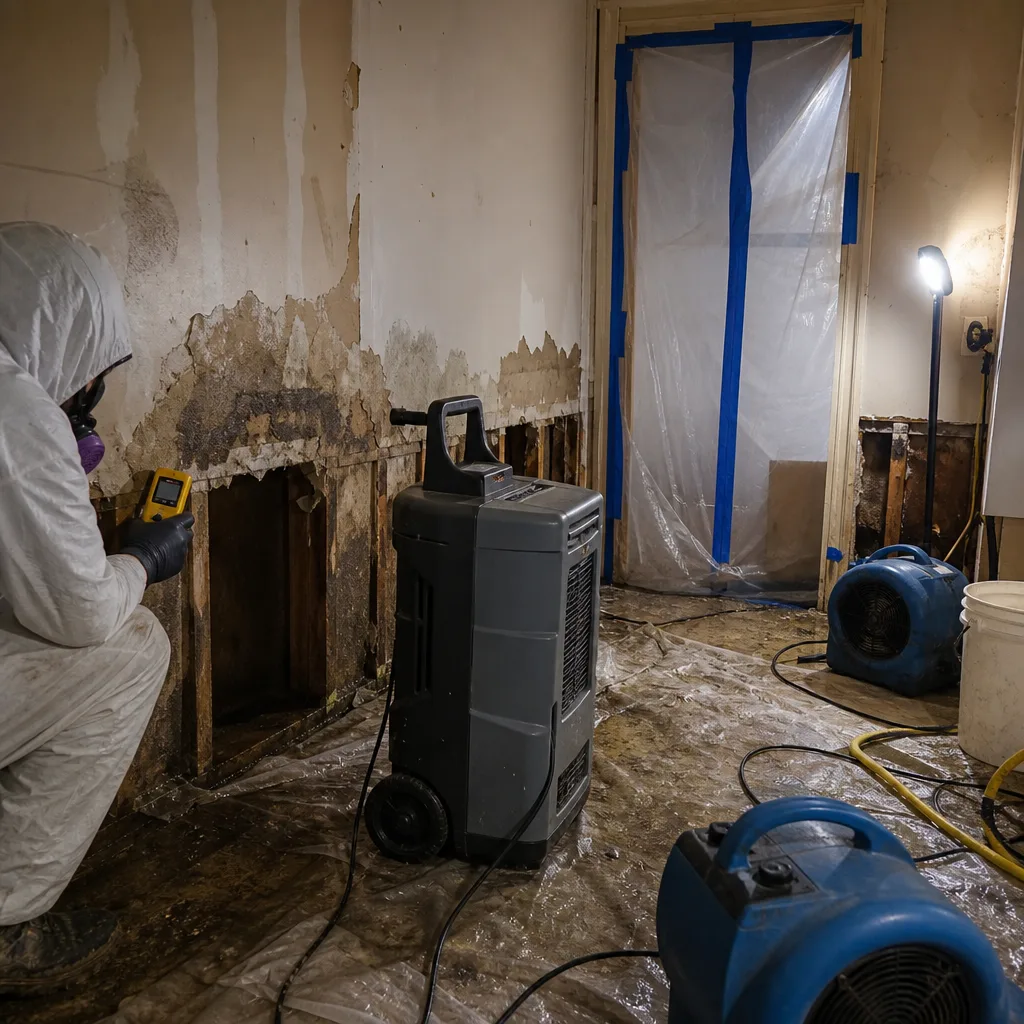
Severity depends less on the depth of standing water and more on what it touched. In West New York’s 4-to-6-story brick apartment buildings, porous materials are everywhere: plaster over wood lath, original hardwood, hollow terracotta block walls with old lime mortar. Black water wicks into all of it. Moisture mapping with thermal imaging and pin meters tells us exactly how far it spread, and that determines whether we’re cleaning and sanitizing a concrete slab or cutting out walls across multiple rooms and floors. In stacked multifamily units, containment and air scrubbing aren’t optional. They’re what keeps a two-unit backup from becoming a five-unit mold problem.
Why West New York Property Owners Choose Wade’s Restoration
- 45-minute response commitment. From the moment you call (607) 703-3408, Wade or a member of his crew is on the road toward West New York. No national hotline, no 48-hour window.
- Live answer, 24/7. You get a person, not an automated system. Wade answers his own phone at two in the morning. That’s not marketing copy; that’s how the company has run since 2007.
- IICRC-certified crews. The people Wade sends carry WRT, FSRT, and AMRT certifications. That means water damage restoration, fire and smoke, and applied microbial remediation, the sewage-specific credential that matters most.
- Free visual inspection. Before any work begins, someone walks the property and tells you plainly what needs doing and what doesn’t. No charge.
- Direct insurance billing. We bill your carrier directly and coordinate with the adjuster so you’re not stuck in the middle. We also photo-document everything from hour one.
- One team from extraction to reconstruction. We pump the sewage, dry the structure, and rebuild what came out. Same crew, same phone number, same face at the end.
Our Sewage Cleanup Process
Inspection & Assessment
We walk every affected unit and the shared areas between them, then map the moisture migration with thermal imaging and hygrometers. In West New York’s stacked brick buildings, we routinely find contamination two floors above the original backup.
Extraction & Stabilization
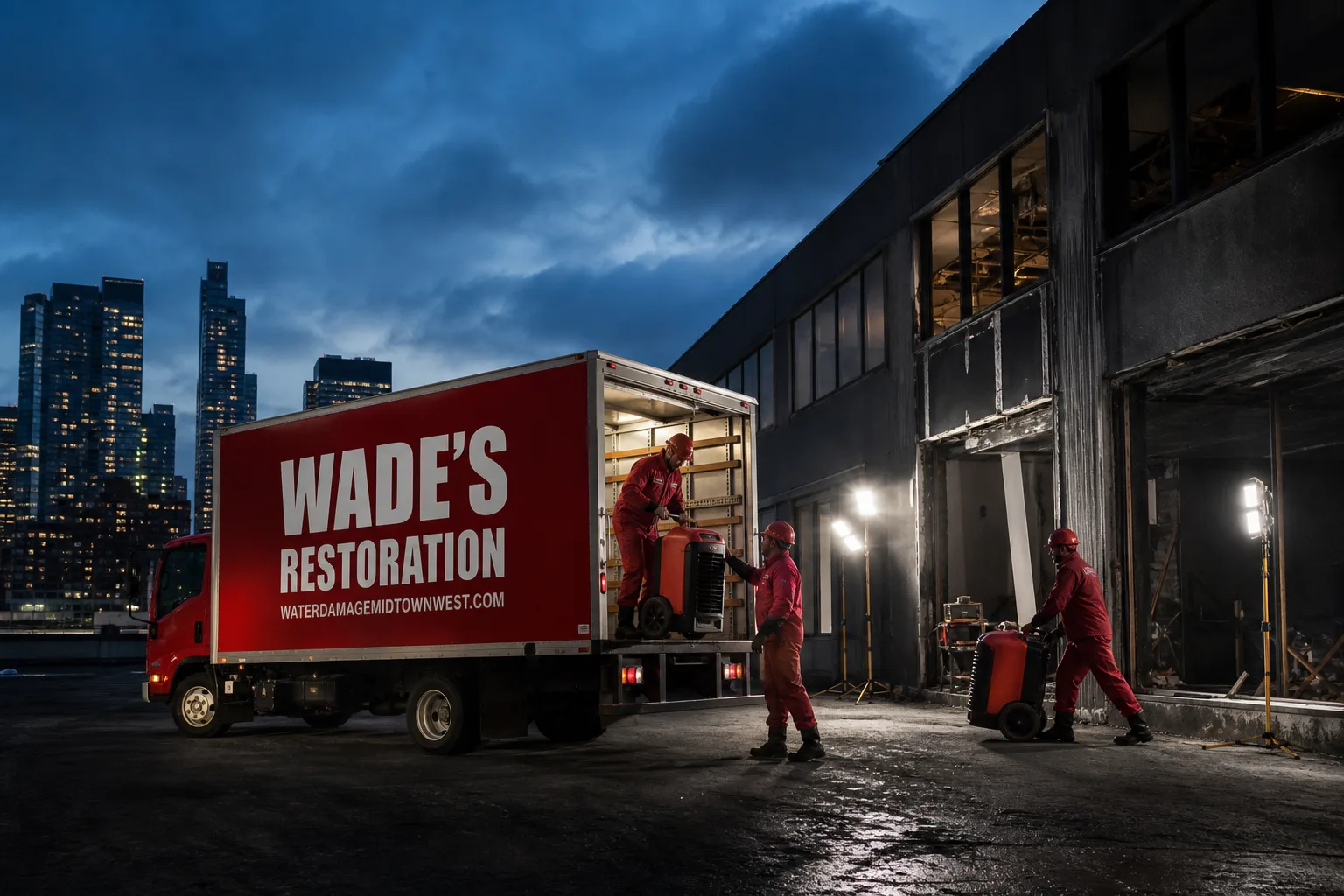
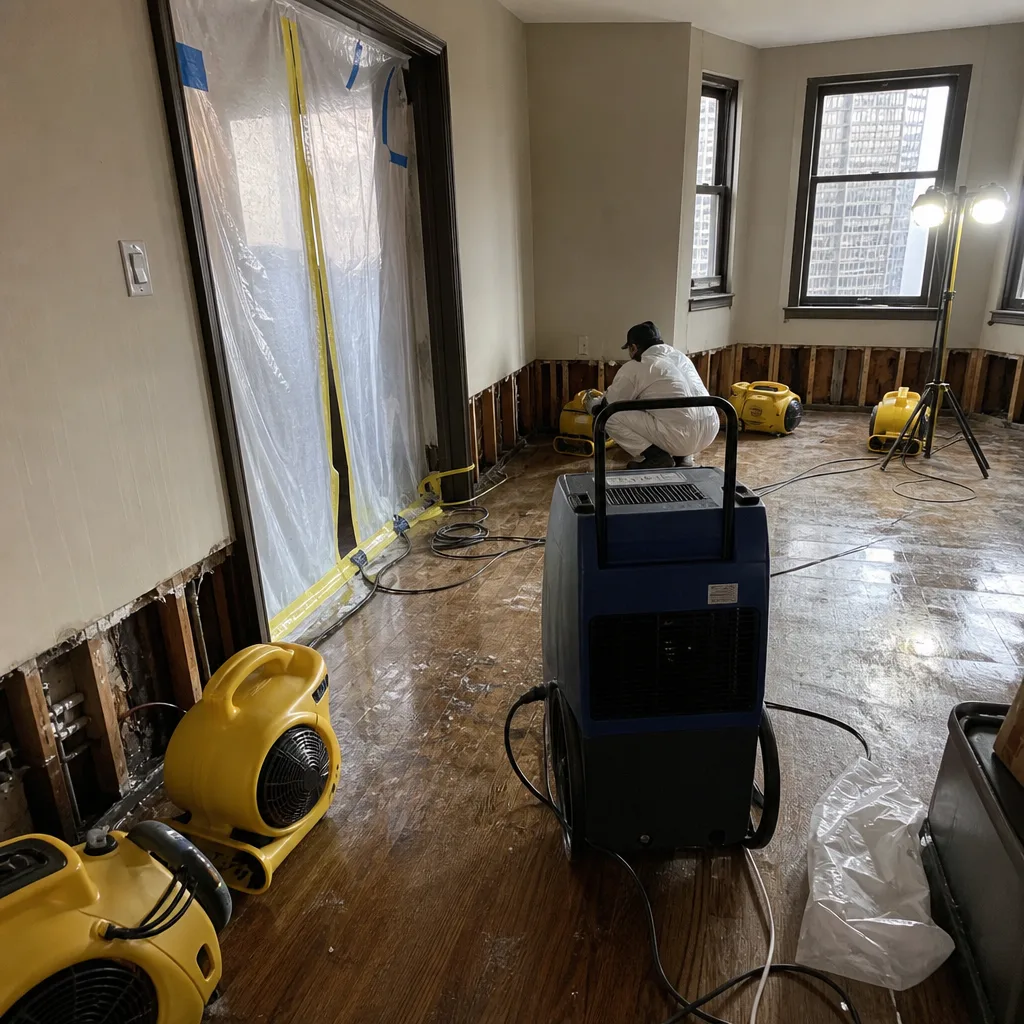
Category 3 water comes out with truck-mounted extraction equipment, often Dri-Eaz units pulled right up to the curb on the narrow side streets off Boulevard East. We also remove saturated building materials that are beyond saving, including drywall, carpet, pad, and underlayment.
Drying & Dehumidification
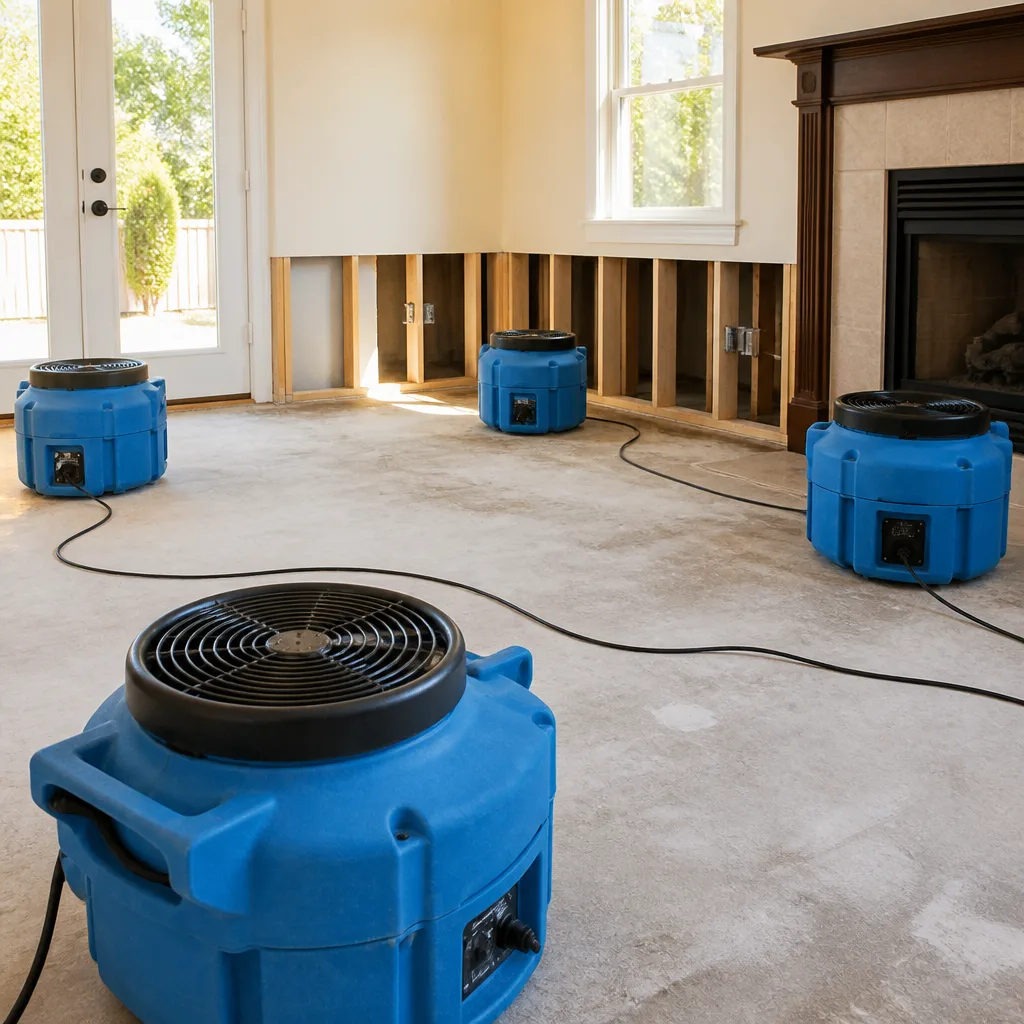
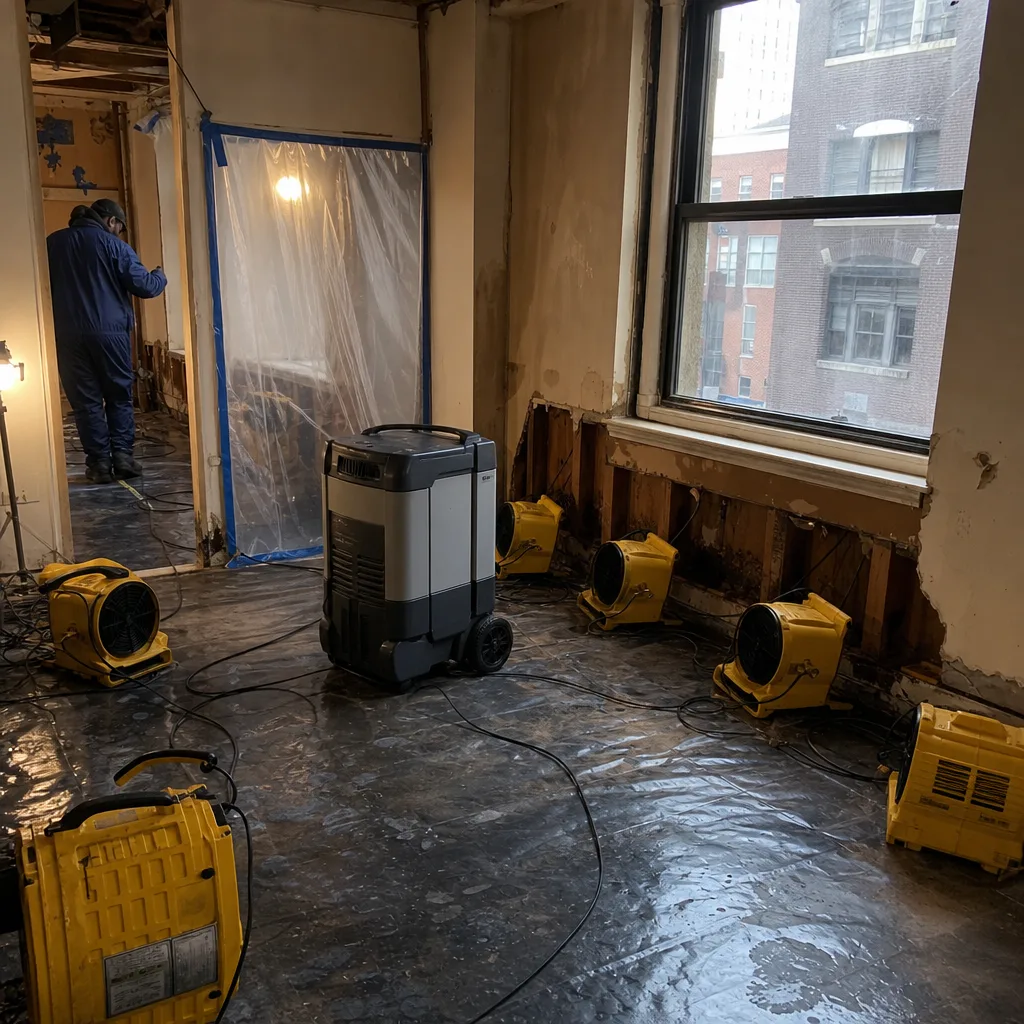
Phoenix LGR dehumidifiers and XPOWER air movers run around the clock. We log moisture readings every single day, and at the end of the job you get the full log. Almost nobody in this trade does that.
Cleaning & Sanitization
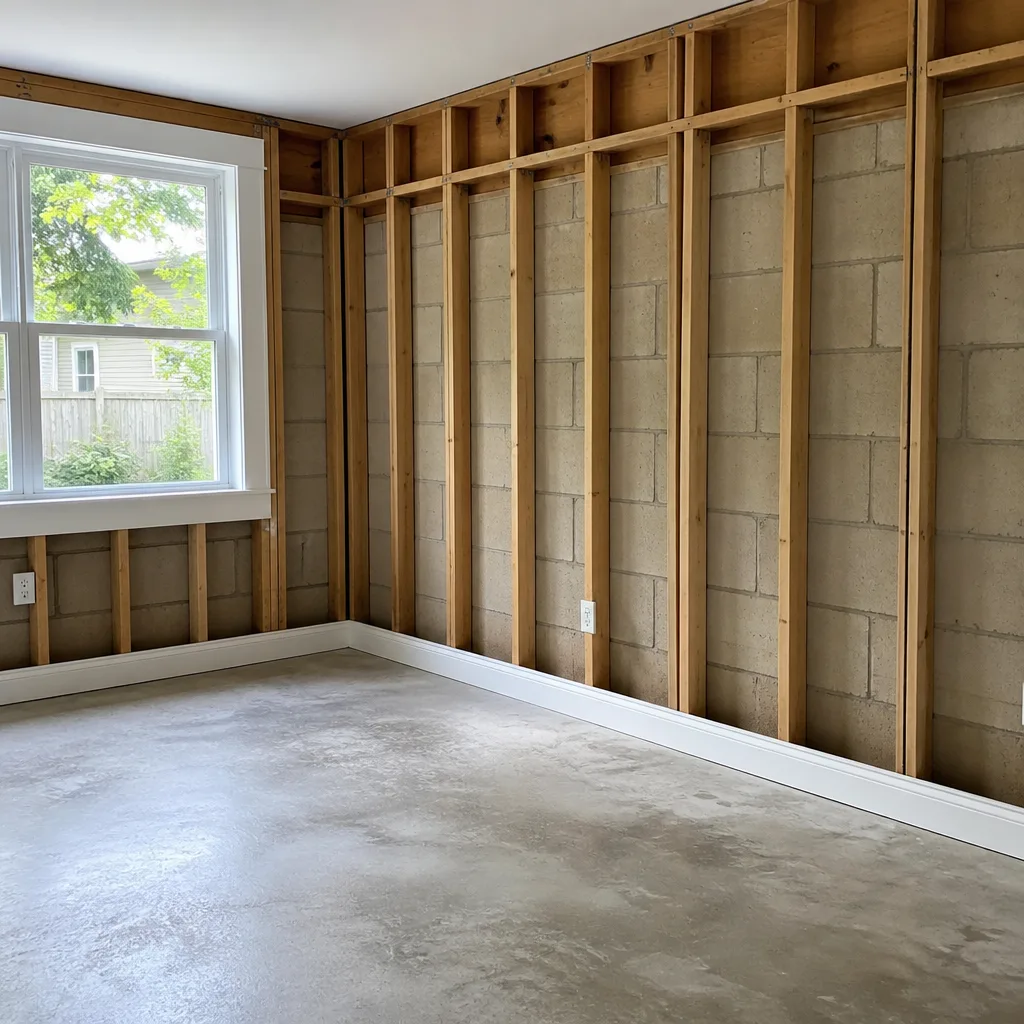
All affected surfaces get washed, then treated with an EPA-registered antimicrobial. We pay particular attention to baseboards, wall cavities, and the bottom 24 inches of framing where sewage splashes and wicks.
Containment & Air Scrubbing
In multifamily settings, we set negative-air containment with HEPA scrubbers to stop sewage pathogens and mold spores from traveling through shared chases and hallways into neighboring units.
Repairs & Restoration
Once the structure is dry and verified, we rebuild. Drywall, flooring, base cabinets, paint, and often the waste piping itself. One crew from the first pump to the final walkthrough.
Need Emergency Sewage Cleanup in West New York Now?
Crews minutes away, answering live 24 hours a day. The sooner we start, the less it costs.
Working With Your Insurance Company
Most West New York homeowners and building owners have sewage backup coverage either as part of their base policy or as a rider, and many of the policies we see cover Category 3 water damage to the structure itself. What they won’t cover is the cost of delay. If a backup happens on a Friday and cleanup starts Monday, the carrier will often only pay for the damage that existed on Friday. That’s why we document from the first hour, with time-stamped photos and a written scope.
Wade deals with the adjuster directly. You shouldn’t be the one relaying information between two sides, especially when you’re dealing with multiple tenants and possibly multiple carriers in a stacked building. We hand over a line-item estimate using Xactimate, the same software the insurance industry uses, which keeps negotiations factual instead of emotional.
What We Provide Your Insurer
- Thorough documentation of the loss
- Photos of all damage, room by room
- Moisture readings and drying logs
- A detailed, line-item scope of work
- Direct coordination with your carrier
Built for West New York’s Loss Calendar
West New York sewage backups follow the weather. January deep freezes crack the aging galvanized supply lines in pre-war buildings, and when the thaw comes, that clean water floods into drain lines already surcharged with runoff. July and August thunderstorms are the worst. A one-hour cloudburst over the Palisades sends a wall of stormwater into the combined sewer system under Park Avenue and Bergenline, and the system backs up into the lowest drain in the building. That’s almost always a garden apartment or a basement laundry room.
Fall nor’easters bring another round of the same, often with winds that drive rain sideways into flat-roof parapets and scuppers. And in spring, snowmelt from the top of the cliffs runs downhill fast, pushing into foundations and below-grade units. The pattern we see again and again: a storm hits, the municipal system surcharges, and within hours a floor drain on 55th or 61st Street is flowing the wrong direction. We plan equipment staging around that calendar, because we know when West New York is going to call.
Sewage Cleanup Across West New York’s Neighborhoods
Up along Boulevard East, where the taller pre-war co-ops face the Hudson, backups typically run through original cast-iron waste stacks that have been pitted and scaled for 90 years. The pipe itself often fails, and sewage travels down the inside of the stack and out through the lowest fixture. Down by Bergenline Avenue, the older four-story walk-ups have shared laterals that clog with decades of grease and tree roots, and when the municipal main backs up, multiple buildings on the same block flood at once.
Over near 60th Street and the 07093 zip code, we see a lot of below-grade garden apartments built into the slope of the Palisades. Gravity works against them: sewage from uphill neighbors’ clogged laterals flows down and in through their floor drains. In the blocks around Union City’s southern border, the building stock is slightly newer, but the drains are still tied to the same century-old combined sewers. Each of these areas has a different failure signature, and we know them by street, not by zip code alone.
Specialized Sewage Cleanup Services We Offer in West New York
Sewage Backup Cleanup
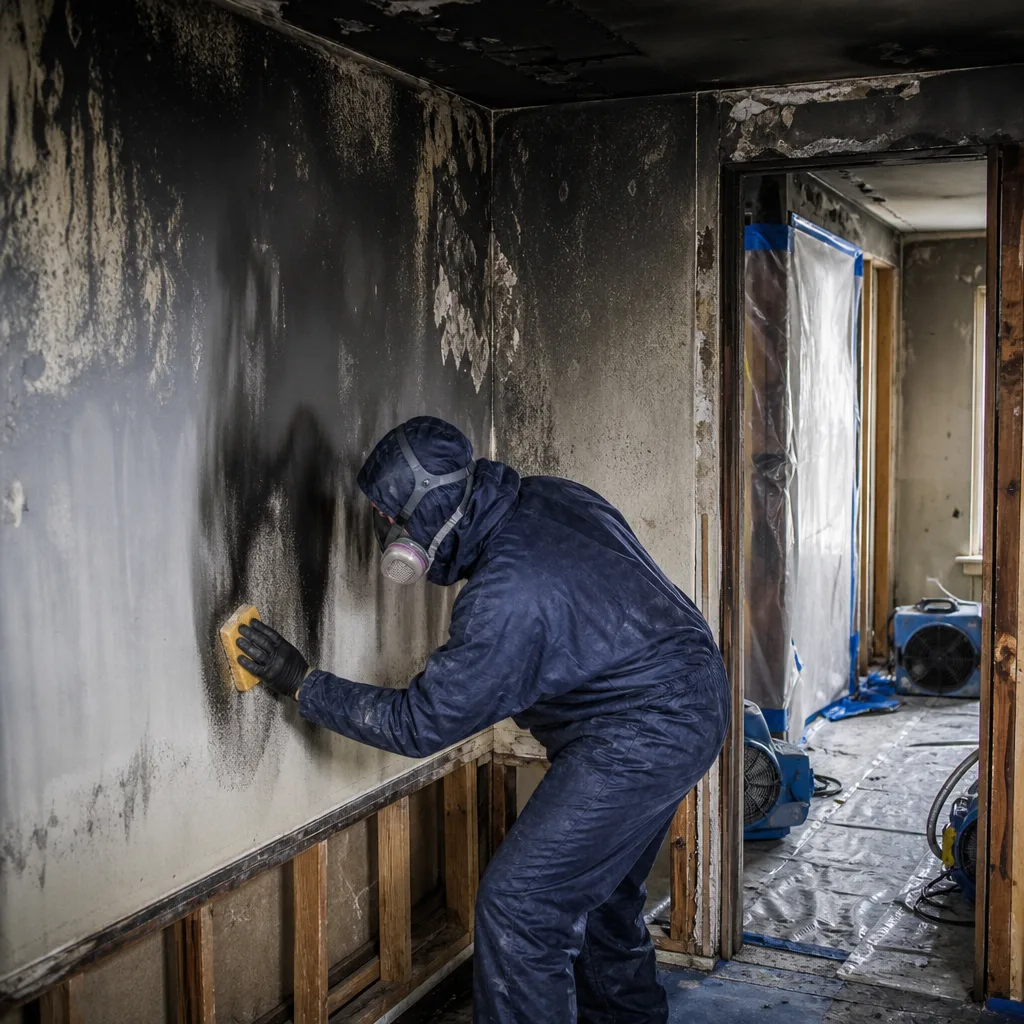
This is the bread-and-butter call in West New York. A municipal surge or a collapsed lateral sends Category 3 water up through a floor drain or toilet. We extract the standing water, cut out the saturated materials, and sanitize everything the water touched, including the floor assembly and the bottom of the walls.
Black Water Extraction
Black water needs truck-mounted extraction, not a shop vac. We run Dri-Eaz extractors with enough lift to pull sewage out of carpet, pad, and the cracks in concrete slabs. In garden-level units, this is often the difference between drying the slab and replacing it.
Sanitization & Disinfection
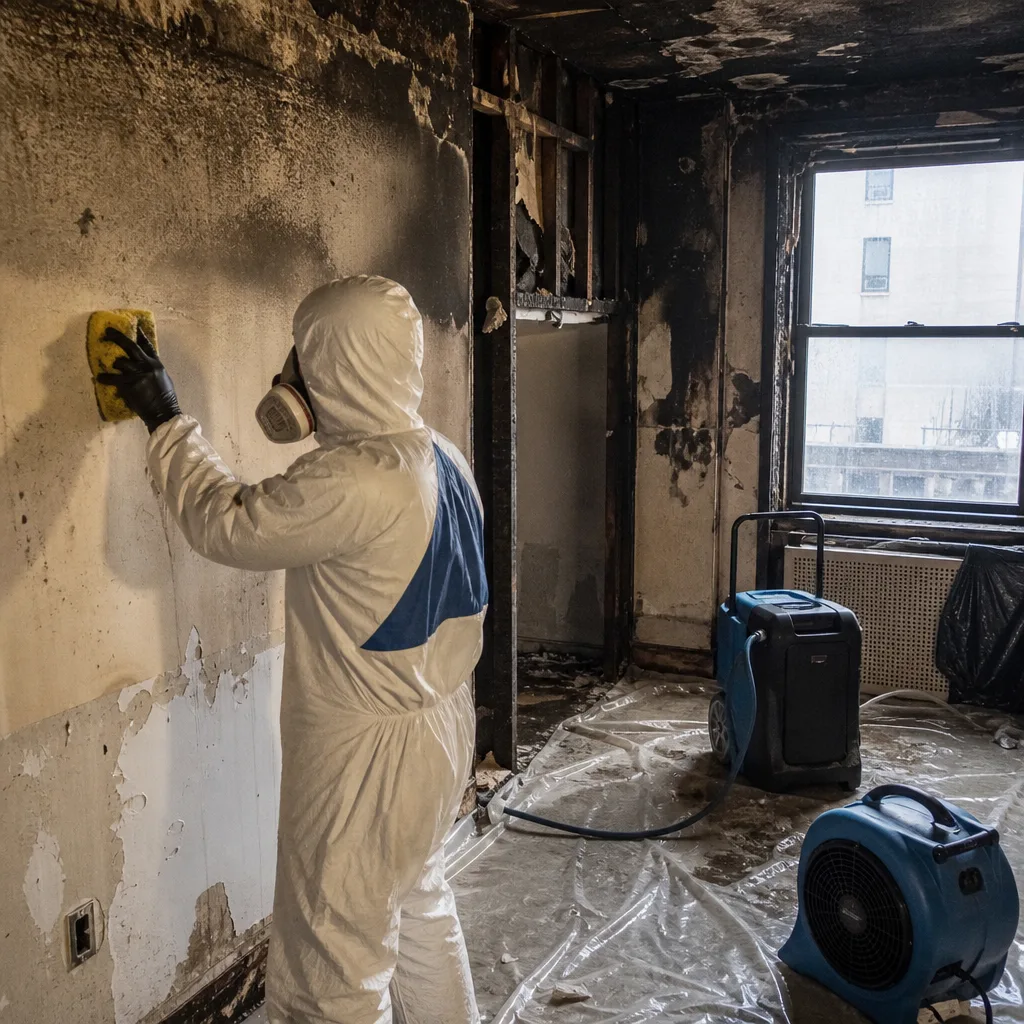
After extraction and removal, every remaining surface gets an EPA-registered antimicrobial. We also fog affected cavities in older buildings, where sewage odor can linger behind plaster and inside hollow terracotta block. The goal is a unit that’s safe to live in, not just dry.
Toilet Overflow Cleanup
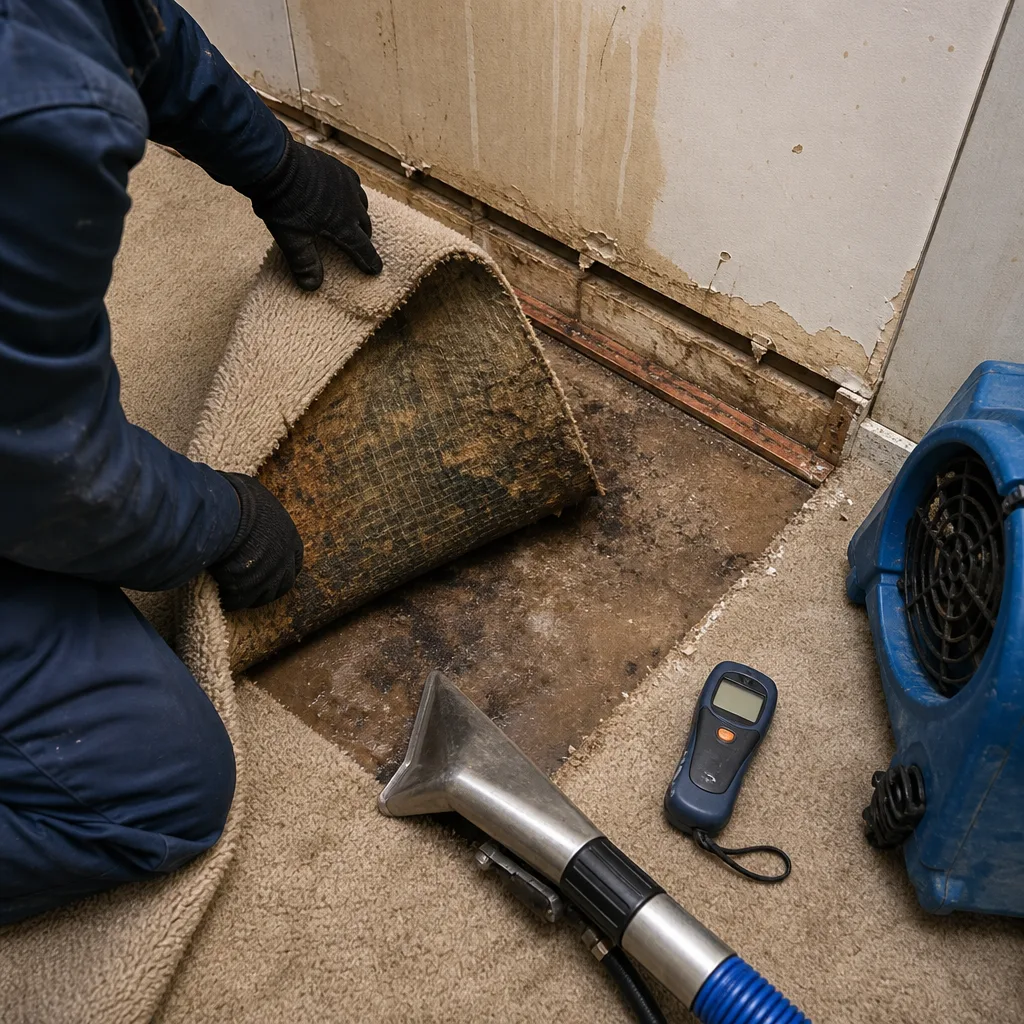
A toilet overflow that’s mostly water and human waste is still Category 3. We treat it like any other sewage job: extract, remove, sanitize, and dry. The job is smaller, but the protocol is the same.
Septic Failure Cleanup
Less common in West New York proper, where most buildings are on municipal sewer, but the few remaining septic systems on the western edge of town fail the same way any septic system does. When the leach field saturates during heavy rain, sewage backs up into the building. We handle the interior, and we can bring in a septic contractor if the system itself needs repair.
What happens when you call
- 1
A real person answersNo phone trees - you reach a local pro.
- 2
You get an upfront price rangeHonest numbers before anyone is dispatched.
- 3
A background-checked tech heads outLicensed & insured, dispatched right away.
- 4
You approve before work beginsNothing starts until you say go.
Sewage Cleanup Costs in West New York, NJ
A straightforward single-unit sewage backup in West New York, where the water stayed in one bathroom and a hallway, usually runs between $1,800 and $3,200. That covers extraction, removal of saturated drywall and flooring, sanitization, and three to five days of structural drying with daily moisture logs.
A multi-unit backup in one of the older brick buildings on 60th Street or Boulevard East is a different animal. When Category 3 water spreads through a shared floor assembly into two or three stacked units, you’re looking at $5,000 to $7,500 or more, depending on how much wall cavity work and pipe repair is needed. What moves the price is the height of the water, the number of affected units, whether the waste piping itself has to come out, and how much of the original plaster and hardwood was saturated. Insurance often covers these jobs, but the free visual inspection is how you find out what you’re dealing with before a claim even opens. Call (607) 703-3408 and we’ll walk the property with you at no charge.
We Also Serve Cities Near West New York
Our crews work all over Hudson County. We handle Sewage Cleanup in West New York and the surrounding towns: Jersey City, Hoboken, Weehawken, and Union City. Same live answer, same 45-minute response commitment, same owner on call.
Serving West New York, NJ - Our Local Coverage Area
We’re based in the West New York area and know this community well. Use the map below to see our service coverage - if you’re nearby, we can almost certainly help.
West New York Sewage Cleanup Questions, Answered
Why does sewage backup in West New York often affect multiple stacked units at once?
Because the buildings share waste stacks and floor-ceiling assemblies. When sewage backs up into one unit, it pushes through the same cast-iron waste line that serves every unit above it, and black water wicks sideways through joist bays and wall chases into neighboring apartments. In a six-story brick building on 60th Street, we’ve seen a single backup contaminate three garden-level units and the hallway between them. Call (607) 703-3408 the moment you see water, because the longer it sits, the more units it reaches.
How do West New York’s building codes treat sewage cleanup in older multifamily buildings?
West New York’s building department treats Category 3 water as a health and habitability issue, not just property damage. That means the work has to be done properly and documented: contaminated materials removed to the point of no visible contamination, remaining surfaces sanitized, and structural drying verified before reconstruction starts. In multifamily buildings, the department may also want confirmation that common areas weren’t compromised. We handle the paperwork and the documentation as part of the job.
What is the most dangerous step in a West New York sewage backup cleanup?
The most dangerous step is the first one: walking into standing Category 3 water without PPE. Sewage carries pathogens that enter through cuts, eyes, and inhalation. The second most dangerous is cutting into a wall or floor without shutting off power, because sewage often finds its way into electrical boxes at floor level. This is not a DIY job. Our Sewage Cleanup crew wears full PPE and checks for electrical hazards before extraction starts.
Why must sewage cleanup in West New York include the building’s common areas?
Because in the older brick walk-ups here, the hallway floor, the stairwell walls, and the basement utility room share construction assemblies with the affected unit. Sewage wicks into a hallway floor assembly the same way it does a living room. If we clean only the unit and not the common area, mold grows behind the hallway baseboard and the building’s owner has a second claim on their hands in three weeks. We scope common areas into the job from the start.
How fast can mold grow after a sewage backup in a West New York flat-roof building?
In a West New York flat-roof building where the sun heats the roof deck and the humidity stays high year-round, mold can start colonizing within 48 hours of a sewage backup. The spores don’t obey unit lines. They move through the same chases and cavities that carried the water. That’s why we contain, extract, and start drying the same day we arrive. Call (607) 703-3408 for an exact scope after a free visual inspection.
How fast can someone actually get to my building in West New York?
We commit to 45 minutes from the time you call to a crew on site in West New York. In practice, because our equipment is staged for Hudson County’s storm calendar, it’s often faster. The person who answers the phone is the same person who knows which streets are blocked after a storm and which crew is closest. Call (607) 703-3408 and find out for yourself.
Will my insurance cover sewage cleanup in West New York?
Most policies with water backup coverage will cover a Category 3 sewage loss to the structure, minus your deductible. The complication is that in multifamily buildings, you may have multiple carriers involved: the building owner’s, the tenant’s, and sometimes the unit owner’s. We bill directly and coordinate with every adjuster. Our photo documentation and daily drying logs are what get claims paid the first time, without a reopened denial fight.
Can I stay in my home during sewage cleanup?
No. If Category 3 water touched a room or a shared floor assembly, the unit isn’t safe for occupancy until extraction, removal, sanitization, and structural drying are complete. That’s a health issue, not a preference. We’ll give you an honest timeline on the first visit, usually three to seven days for a single unit, and we’ll work with your carrier on the loss-of-use portion of your claim if it applies.
What should I do in the first 30 minutes after a sewage backup?
First, shut off power to the affected area if you can do so safely without stepping in water. Second, call (607) 703-3408. Third, tell us whether the water touched any shared wall, hallway, or floor assembly so we bring containment equipment from the start. Don’t flush, don’t run a fan, and don’t try to bleach the floor yourself. The damage spreads while you wait. Call now.
Sewage cleanup in West New York is fast, dirty, and unforgiving when it’s delayed. The team at Wade’s Restoration has been answering these calls for over 17 years, and in a town this dense, we know what a backup on one floor means for the two above it. Call (607) 703-3408 any hour, day or night. You’ll get a live person, a straight answer, and a crew headed your way.
Written by Wade Ferris, Owner at Wade’s Restoration, serving West New York and all of Hudson County since 2007.