
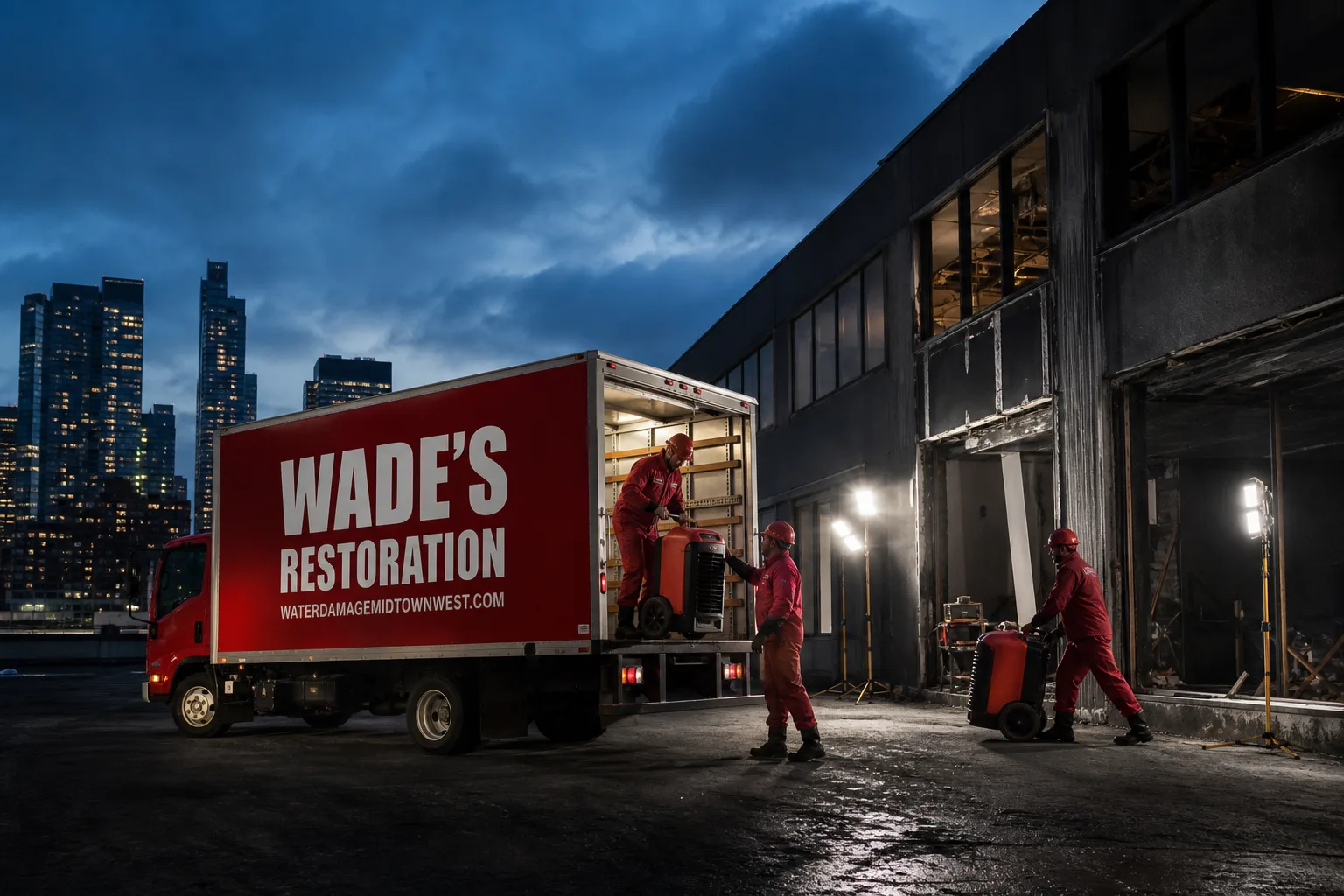
Free visual inspection and a written scope of work before any mitigation begins - photos, moisture readings, and drying logs go in your claim file
The scope we write is the scope we bill. Anything new gets shown to you, in writing, before we touch it.
 Before
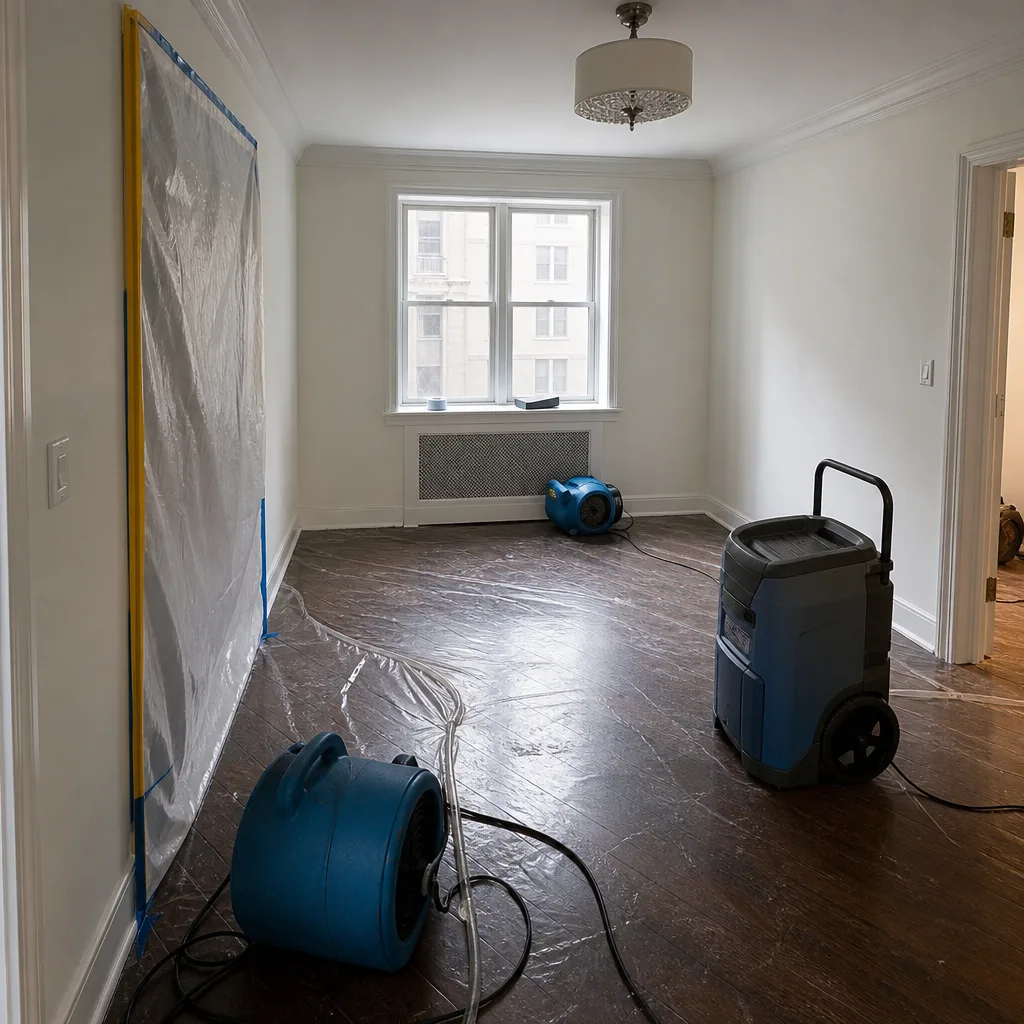 After
After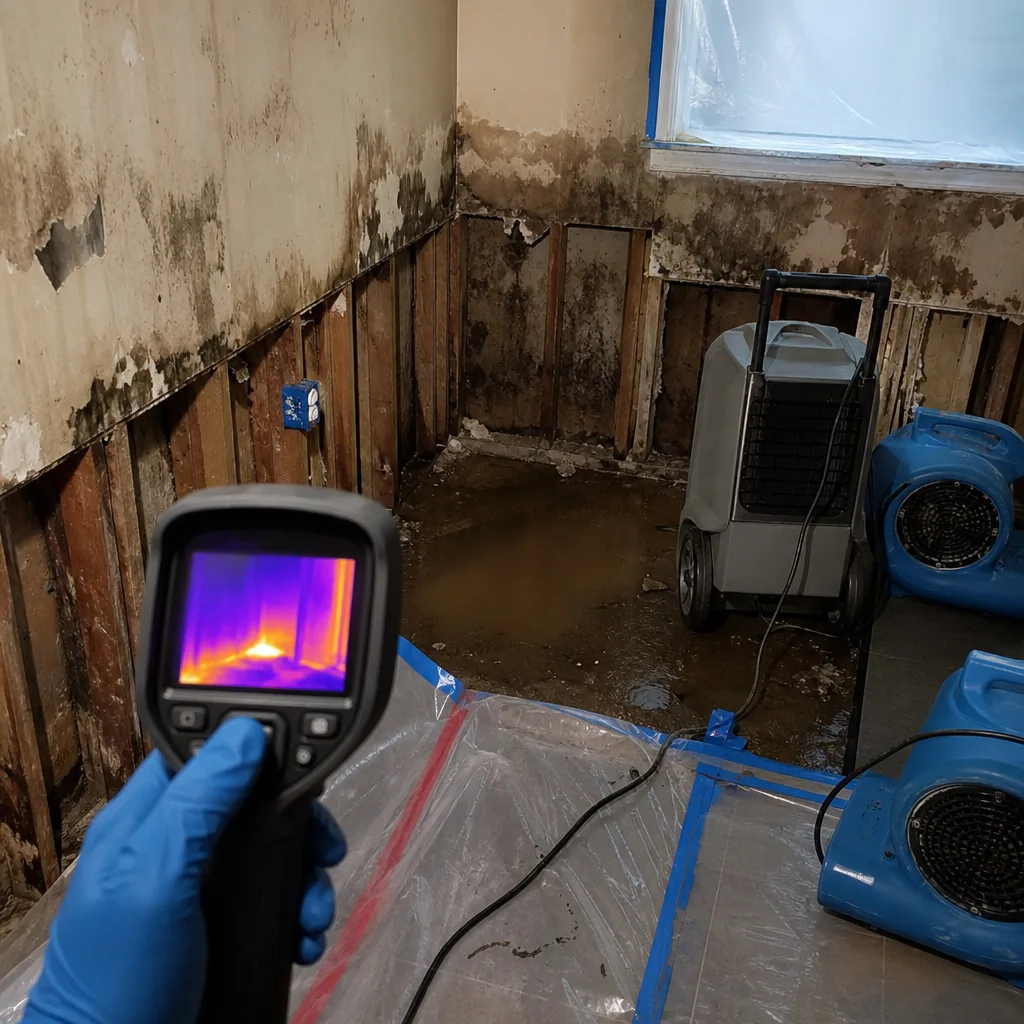 Before
 After
After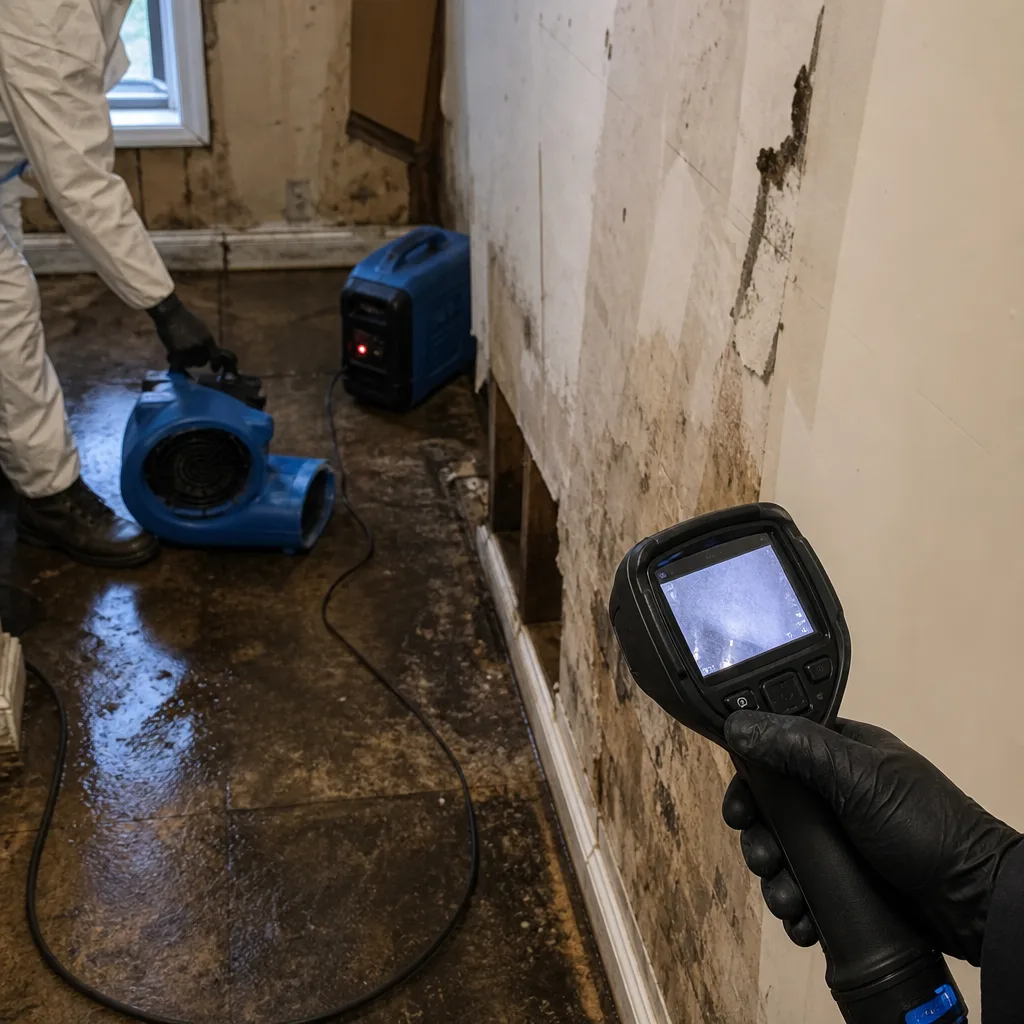 Before
 After
After24/7 Emergency Commercial Restoration in West New York
Commercial water, fire, or sewer damage in West New York doesn’t wait for business hours, and neither do we. When a supply line lets go on the fourth floor of a Boulevard East walk-up and takes out three storefronts below it, you need somebody on site inside the hour, not a callback sometime tomorrow. Call (607) 703-3408 any time, day or night. Wade Ferris answers his own phone. If it’s a true emergency, he heads out himself and can have extraction running before the water finishes finding its way into the next unit. No answering service, no ticket number, no waiting for a regional dispatcher in another state.
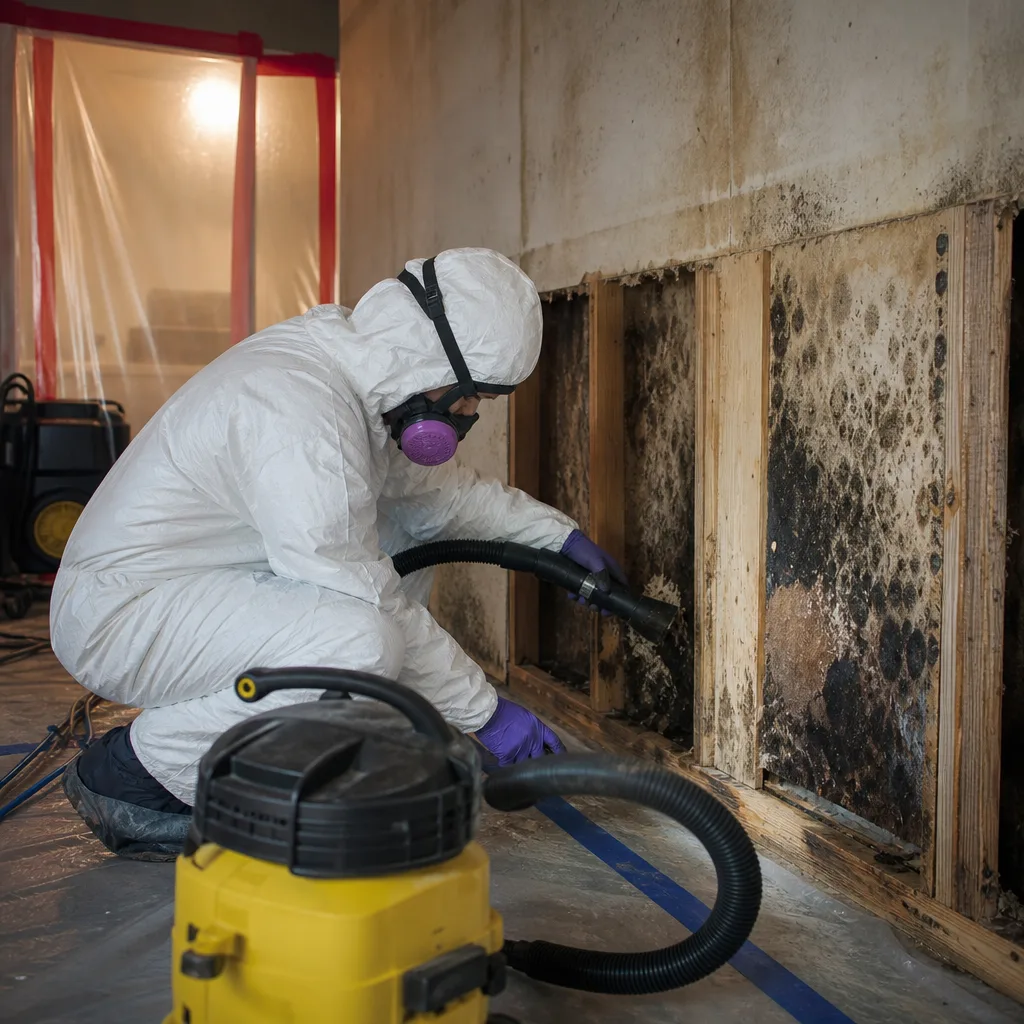
Every West New York commercial job starts with a free visual inspection. We walk the damage with you, explain what we’re seeing in plain English, and give you a written scope before any work begins. The first hour matters because water in a 1920s brick building doesn’t just sit there. It wicks into plaster, follows cast-iron chases, and travels through floor-ceiling assemblies into units nobody’s checked yet. The sooner we start drying, the less demolition you’ll need and the sooner your tenants can reopen.
Understanding Commercial Restoration Severity in West New York Properties
Not every water loss in West New York is the same animal. Restoration professionals classify water into three categories, and the category dictates everything about how we handle the job. Category 1 is clean water from a supply line or faucet. Category 2 is contaminated water, typically from washing machine discharge, sump failures, or an overflowing floor drain, and it carries microorganisms. Category 3 is grossly contaminated: sewage backups, river water, or anything that sat long enough to breed. In the tight vertical stacks of West New York’s pre-war apartment buildings, a category 2 waste-stack leak often gets treated like a category 3 by the time it reaches the unit two floors down, because it’s picked up decades of residue from inside the chase along the way.
For fire and smoke, we map soot residue by type. Wet smoke from smoldering synthetic materials leaves a sticky, corrosive film that sets into painted surfaces within hours. Dry smoke from fast-burning paper and wood is powdery and travels further through shared walls and common hallways. Protein smoke from restaurant kitchens is nearly invisible but bonds to every surface it touches and produces an odor that won’t leave without proper thermal fogging and surface sealing. In West New York’s dense multifamily stock, smoke migrates through the same shared chases water uses, so containment and air scrubbing almost always extend beyond the unit where the fire started.
Why West New York Property Owners Choose Wade’s Restoration
- 45-minute response commitment for commercial emergencies in West New York. We’re not coming from an hour away; we stage crews for Hudson County every day.
- 24/7 live answer, always a real person. Wade’s cell phone, not a call center. He’s been answering it since 2007.
- IICRC-certified crews. Our techs carry WRT, FSRT, and AMRT certifications, and they apply those standards on every job, not just the big ones.
- Free visual inspection on every West New York commercial loss. You get an honest read before any money changes hands.
- Direct insurance billing. We document everything, submit to your carrier, and deal with adjusters so you’re not the one stuck in the middle.
- One team from extraction to reconstruction. No handing you off to an unknown subcontractor halfway through. The people who dry the building rebuild it.
Our Commercial Restoration Process
Inspection & Assessment
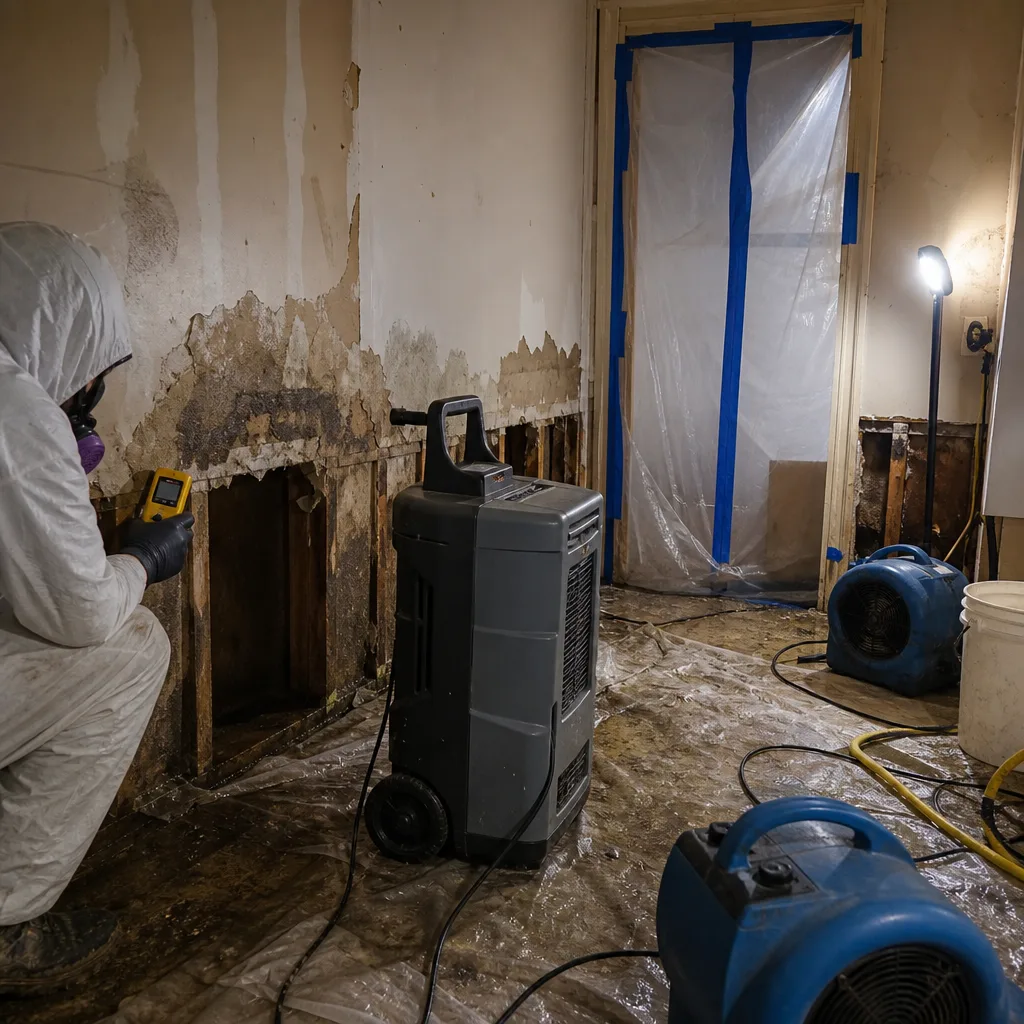
We arrive with thermal imaging cameras and moisture meters, not just flashlights. In West New York’s stacked buildings, we trace water through floor assemblies, shared walls, and common chases before making a single cut.
Extraction & Stabilization
We pull standing water with truck-mounted and portable extraction units, then stabilize the structure. For category 3 sewage losses, we set containment first. Equipment staging happens in tight alley-load conditions daily.
Drying & Dehumidification
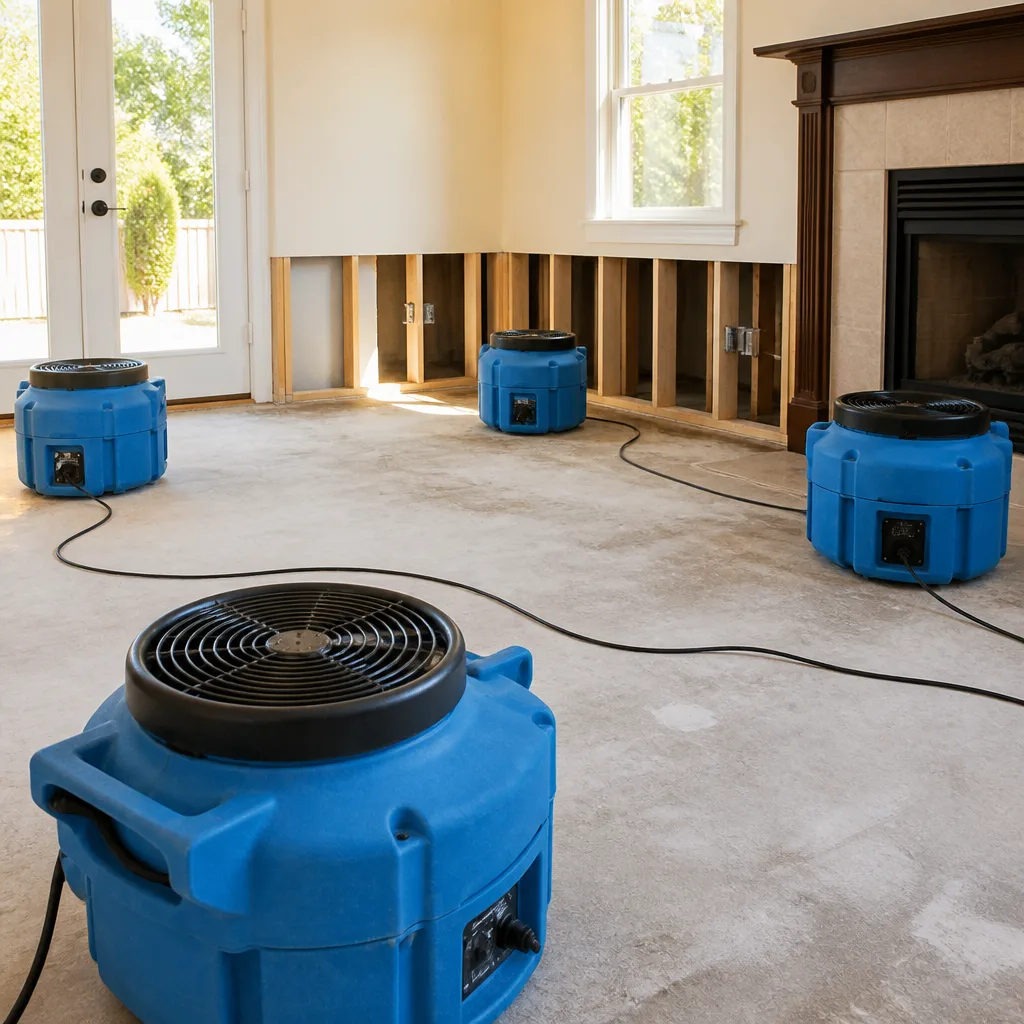
Dri-Eaz LGR dehumidifiers, XPOWER air movers, and Injectidry cavity-drying systems run around the clock. We take moisture readings every single day and hand you the full drying log at the end.
Cleaning & Sanitization
HEPA air scrubbers, antimicrobial treatments, and surface cleaning appropriate to the water category and surface type. In multifamily buildings, this often means cleaning in units that never saw standing water but share air paths with ones that did.
Smoke & Odor Treatment
For fire losses, thermal fogging, ozone treatment where appropriate, and full surface sealing. We treat the building, not just the burned unit, because smoke in a 1930s brick building travels on air currents nobody designed.
Repairs & Restoration
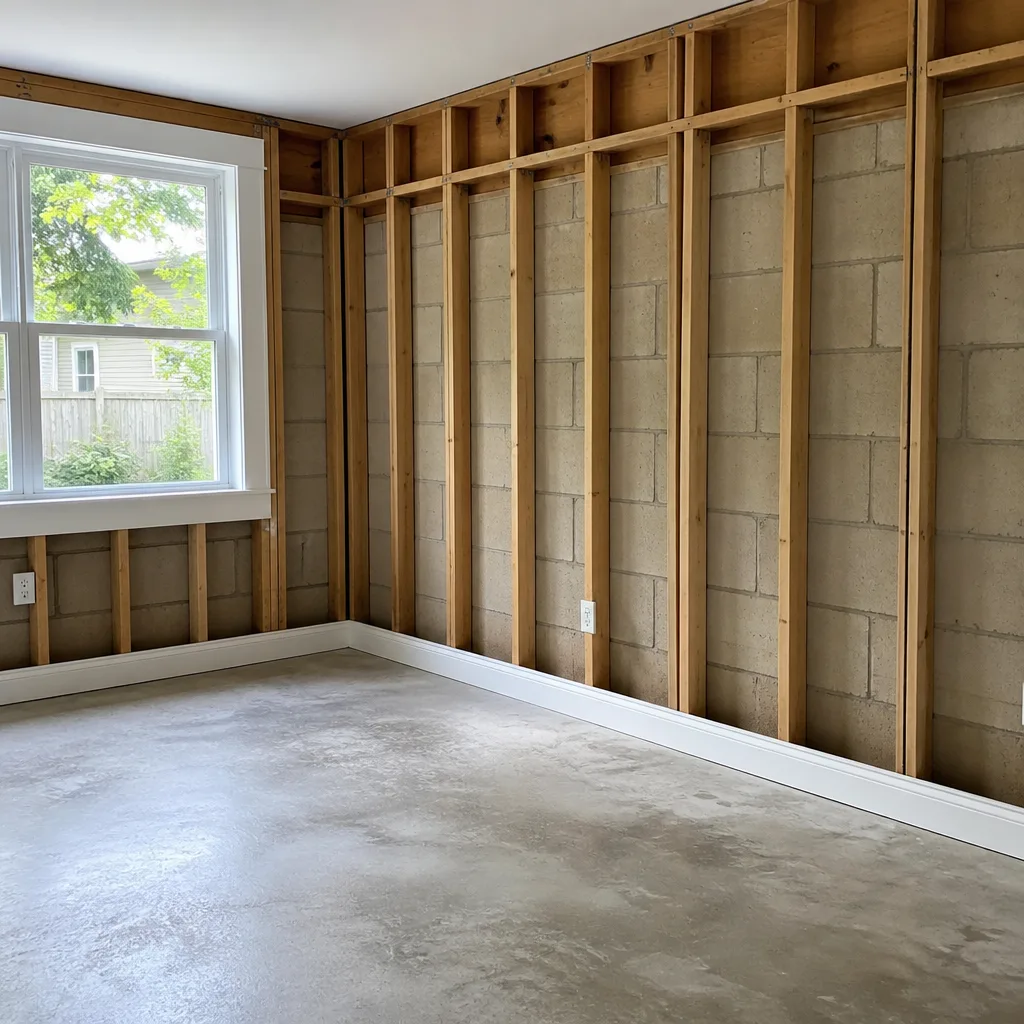
We rebuild what was torn out: drywall, flooring, ceilings, trim, and paint. One crew, one scope of work, one warranty. The 90-Day Done Right Promise is in writing on every contract.
Need Emergency Commercial Restoration in West New York Now?
Crews minutes away, answering live 24 hours a day. The sooner we start, the less it costs.
Working With Your Insurance Company
Most commercial property policies in Hudson County cover sudden and accidental water damage. What they don’t cover is mold that grows because drying started a week late. That’s why we document from the first hour: photos of every affected surface, thermal images, daily moisture readings, and a line-item scope of work your adjuster can actually read. Wade deals with insurance carriers directly. You don’t play telephone between us and your adjuster, and you don’t get three different stories about what’s covered. If your carrier pushes back, we provide the documentation they need to move.
What We Provide Your Insurer
- Thorough documentation of the loss
- Photos of all damage, room by room
- Moisture readings and drying logs
- A detailed, line-item scope of work
- Direct coordination with your carrier
Built for West New York’s Loss Calendar
West New York’s commercial restoration calls follow a predictable rhythm if you’ve been doing this as long as we have. January and February bring deep freezes that burst supply lines in buildings put up before frost-proof sill cocks and PEX were standard. When the temperature drops below 20 for a week straight, the galvanized piping in 1920s buildings on Palisade Avenue and 60th Street starts splitting, and the water doesn’t announce itself until a tenant on the ground floor sees it coming through the ceiling. Spring thaw brings basement seepage into below-grade commercial spaces along Bergenline Avenue, where snowmelt running off the Palisades saturates the ground behind foundation walls. Summer means Hudson County humidity stays high, which slows drying time and accelerates mold growth in anything that got wet and wasn’t dried fast enough. Nor’easters in fall and winter test flat roofs on restaurants and storefronts, and a ponding-water deck failure is never a one-day fix. Knowing the calendar means we stage equipment and crews accordingly.
Commercial Restoration Across West New York’s Neighborhoods
Response routes matter in a town as dense as West New York. We run calls to Bergenline Avenue storefronts where a sewage backup in a restaurant basement means closing for days if category 3 water isn’t handled immediately. Same for commercial kitchens in the mid-rise buildings along Boulevard East, where the view’s worth the real estate but the plumbing’s original to the Roosevelt administration. The 60th Street corridor and the side streets off Hudson Avenue are mostly four-to-six-story brick walk-ups with cast-iron waste stacks that have been in service since before anyone alive today was born. When those stacks crack, the water doesn’t stay in one apartment. Union City line streets like 49th and 48th have mixed retail on the ground floor and residential above, which means a first-floor storefront flood shuts down apartments above it too. We know these buildings’ layouts, their chases, their common spaces. That knowledge shortens the inspection phase and gets drying started faster than a crew that’s seeing the building for the first time.
Specialized Commercial Restoration Services We Offer in West New York
Multi-Unit & HOA Restoration
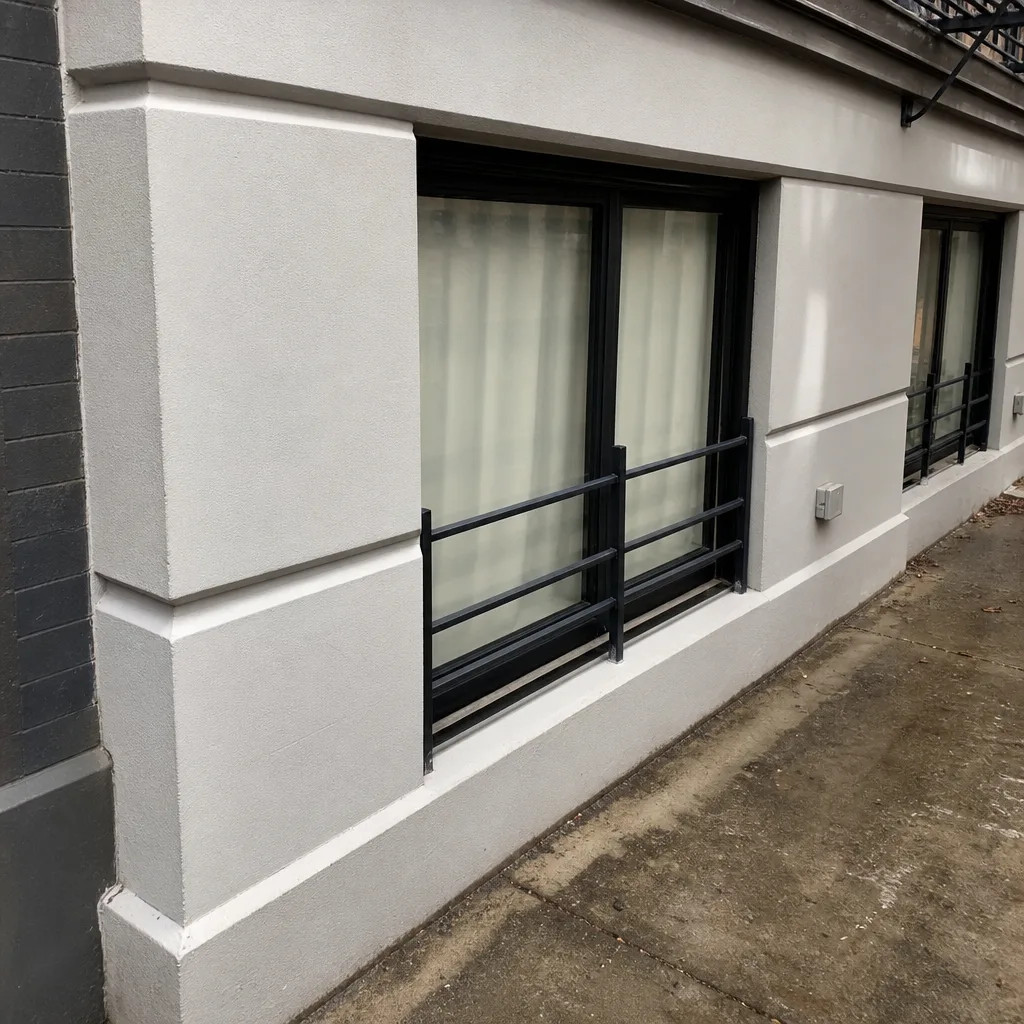
This is the bread and butter of West New York work. A third-floor supply line breaks, and before the super can shut the main, water has passed through two ceilings and into the second floor’s shared wall cavity. We scope each affected unit separately but coordinate the drying as one project, because the buildings are structurally one project. One drying plan, one insurer conversation, one landlord to work with.
Office & Retail Restoration
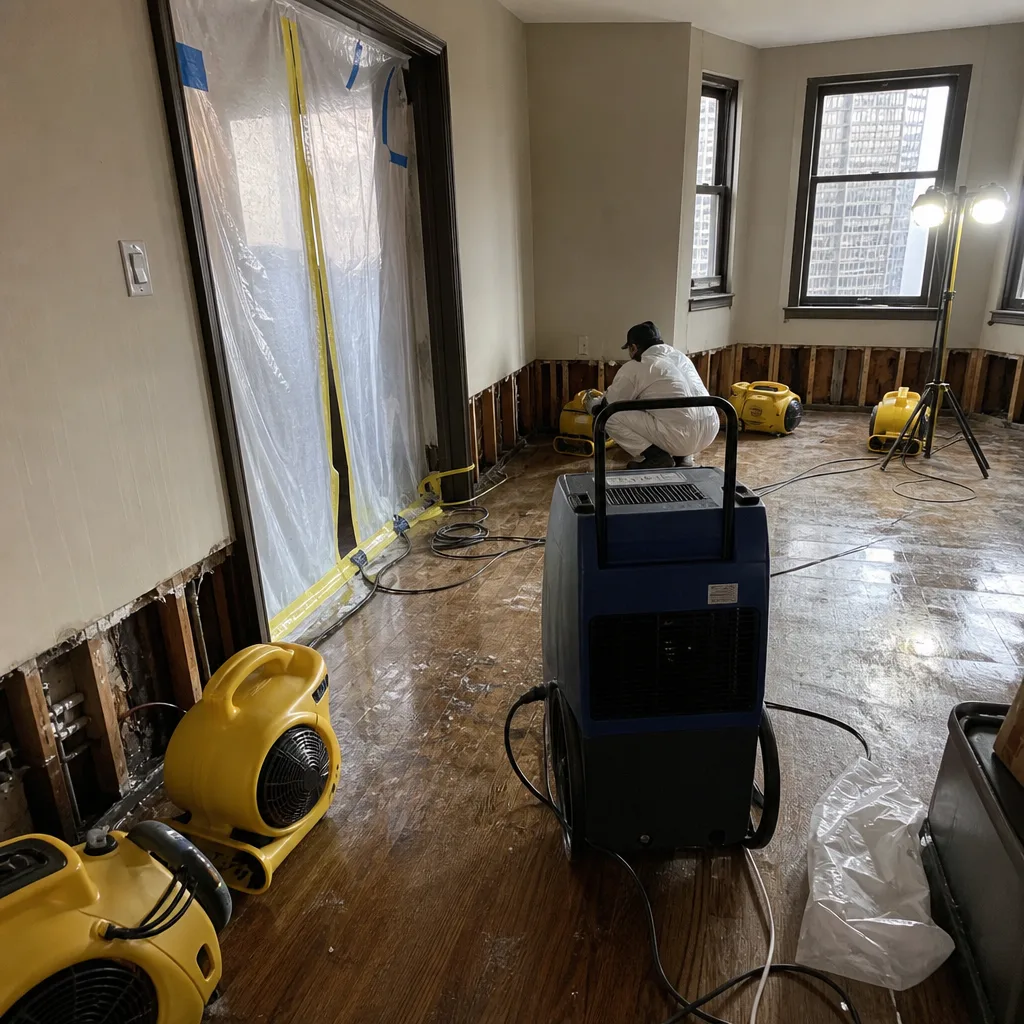
Storefronts on Bergenline Avenue and professional offices in the mid-rises along Boulevard East need to reopen fast. We use mobile containment and HEPA-scrubbed drying chambers to keep adjacent units operational while we dry the affected space. Inventory, furniture, and documents get documented and triaged on day one.
Industrial Facility Cleanup
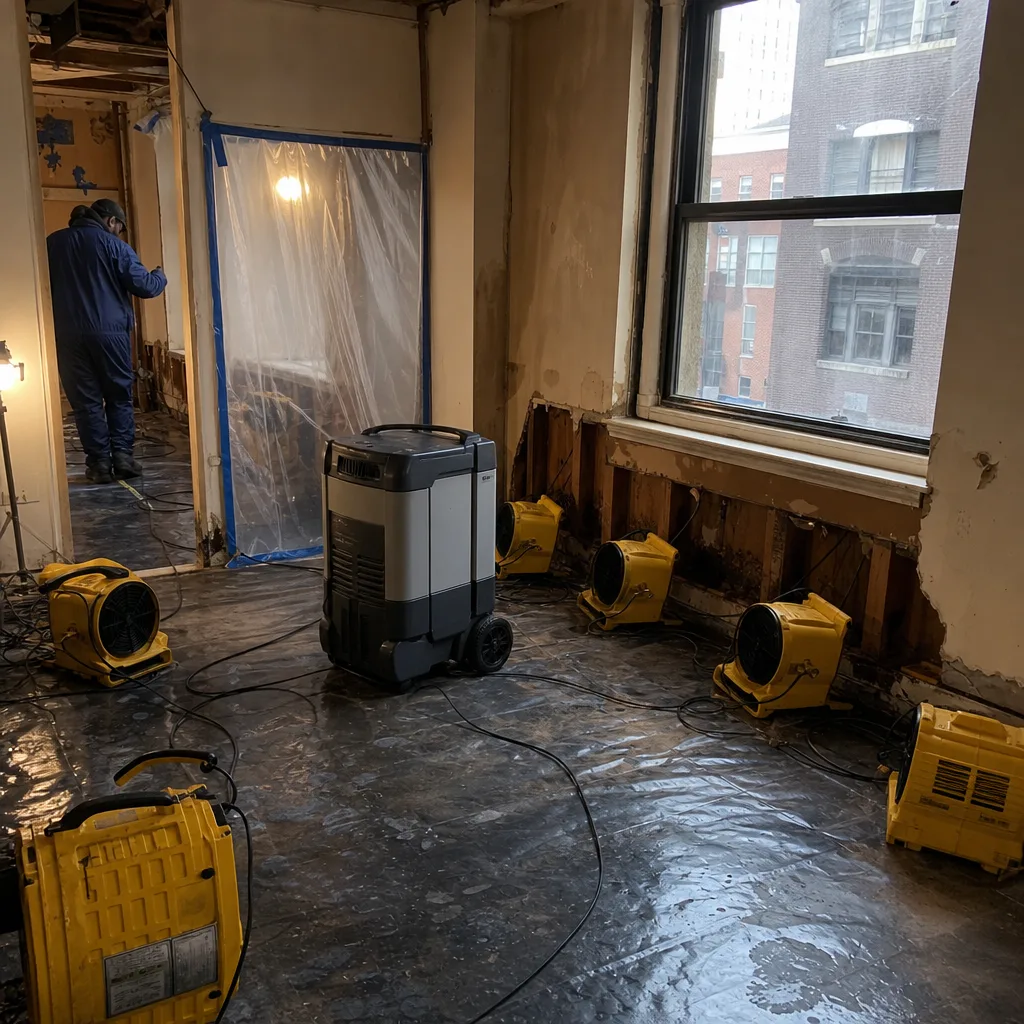
Warehouse spaces and light-industrial properties in the western blocks of West New York present different challenges: concrete floors, high ceilings, large air volumes. We run commercial-grade dehumidification and air movement at scale, and we’re not shy about running enough equipment to do the job.
Large-Loss Response
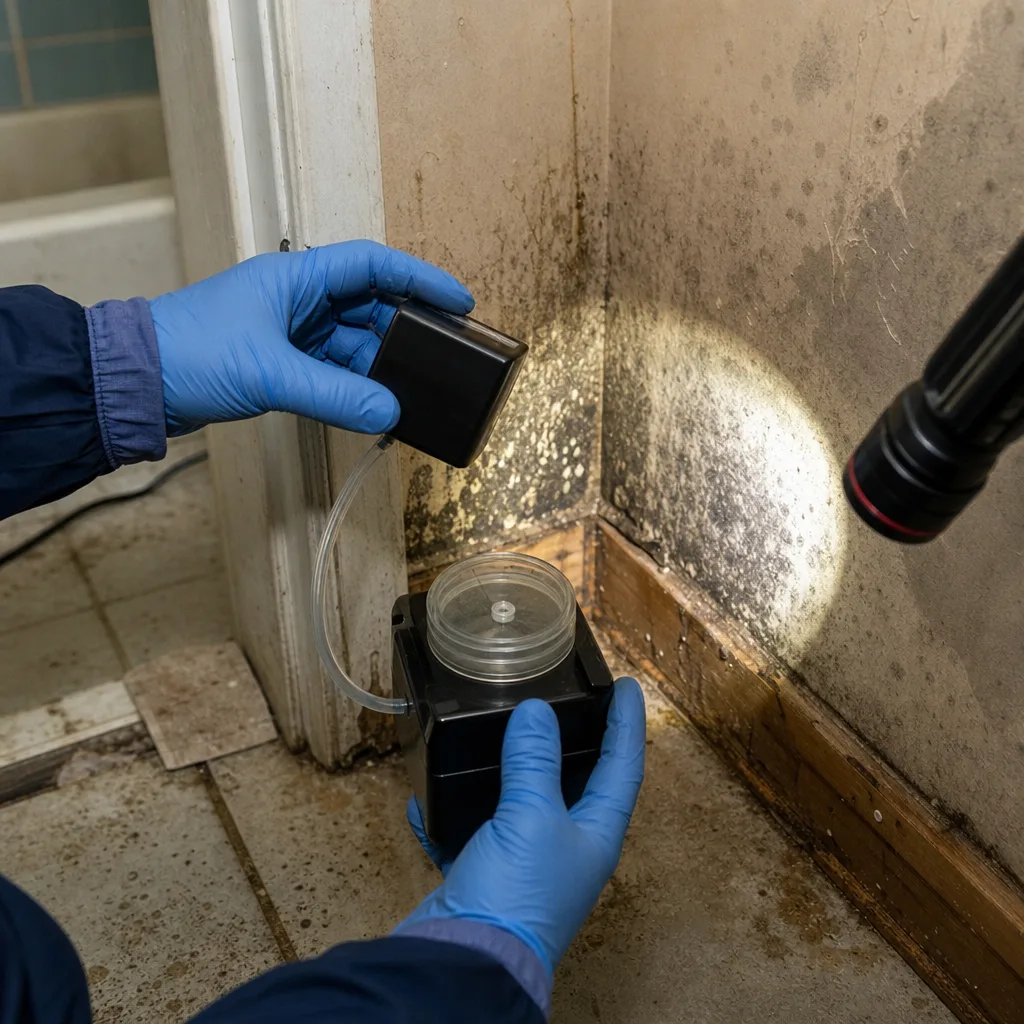
When a fire in one unit of a four-story walk-up forces the whole building to vacate, that’s a large loss in West New York. We coordinate with the landlord, the HOA board if one exists, multiple tenants, and multiple insurance carriers. One crew handles the entire building. No subcontractor roulette.
Business Interruption Minimization
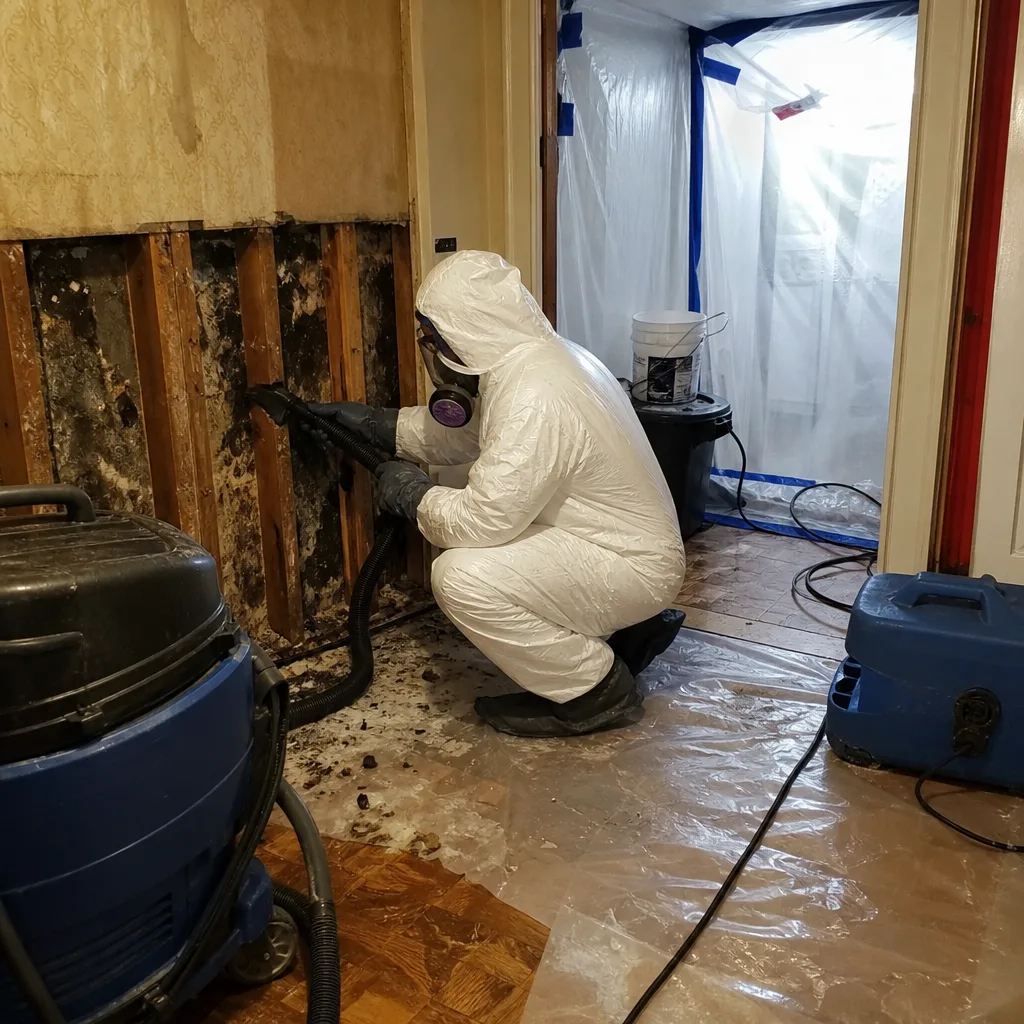
Every day a restaurant or storefront stays closed costs real money. We document everything from day one so your business interruption claim has the paper trail it needs. The faster we dry, the faster you reopen, and the smaller your interruption claim needs to be.
What happens when you call
- 1
A real person answersNo phone trees - you reach a local pro.
- 2
You get an upfront price rangeHonest numbers before anyone is dispatched.
- 3
A background-checked tech heads outLicensed & insured, dispatched right away.
- 4
You approve before work beginsNothing starts until you say go.
Commercial Restoration Costs in West New York, NJ
West New York’s commercial restoration pricing reflects the density and building type. A single-storefront water extraction and dry-out on Bergenline Avenue typically runs $2,800 to $6,500 depending on how far water traveled and what got saturated. A three-unit stacked apartment flood from a supply line break runs $9,000 to $22,000 when you factor containment, cavity drying, and reconstruction across multiple units. Sewage category 3 in a restaurant basement starts around $4,000 for extraction, sanitation, and drying, and climbs with the square footage of impacted surfaces. Flat-roof leak with multi-floor moisture migration on a mid-rise? $15,000 to $45,000 depending on how long water sat before anyone caught it. Most West New York commercial policies cover sudden internal losses. We’ll verify coverage, and the free visual inspection gives you a firm scope before you commit to anything.
We Also Serve Cities Near West New York
Our crews run daily to Jersey City, Hoboken, Weehawken, and Union City. Same 45-minute response commitment, same direct insurance coordination, same owner answering the phone at 2 a.m. If your building’s in one of those cities and just took on water, call (607) 703-3408.
Serving West New York, NJ - Our Local Coverage Area
We’re based in the West New York area and know this community well. Use the map below to see our service coverage - if you’re nearby, we can almost certainly help.
West New York Commercial Restoration Questions, Answered
If a burst pipe in a West New York walk-up floods three stacked apartments, does the landlord’s policy or each tenant’s renter’s insurance pay for restoration?
Generally, the landlord’s property policy covers the building structure and any landlord-owned fixtures, while each tenant’s renter’s insurance covers their personal belongings and any temporary relocation costs. The drying and restoration of the building itself is almost always the landlord’s claim. We document each unit separately and provide a combined scope of work so both the building insurer and any tenant insurers can see clearly what their portion is. Call (607) 703-3408 and we’ll walk you through how it works for your specific building.
How does West New York’s high ambient humidity change the way you dry a commercial storefront after water damage?
Humidity near the Hudson River sits higher than inland, which slows evaporation unless you control the environment. We run more dehumidification per cubic foot than a standard dry-out in a drier climate, and we monitor the relative humidity and grain depression in every affected space daily. The goal is to pull moisture out of building materials faster than ambient humidity can put it back. It takes more equipment and tighter monitoring, which is exactly what we do.
We manage an HOA in West New York where a flat-roof leak stained three ceilings and the roof still ponds water. Can you restore interiors and coordinate the roof repair?
Yes. We handle interior drying and restoration, and we coordinate directly with a licensed roofer on the membrane repair. You get one point of contact for the whole thing. We won’t start interior work until the roof is addressed, because drying ceilings under a still-leaking roof is wasted money. The roof repair quote and the interior restoration scope are separate, but we manage the timeline so you don’t have to.
A large restaurant off Bergenline Avenue had a sewage backup overnight, what does category 3 water mean for reopening?
Category 3 water contains pathogenic, toxigenic, or other harmful agents. A health inspector will not let you reopen until the affected area is extracted, sanitized, and cleared. We remove all contaminated porous materials, clean and disinfect all surfaces, dry the space fully, and verify the work with clearance testing. Timeline depends on the size of the affected area, but a typical restaurant basement sewage loss in West New York keeps a kitchen closed three to seven days. Call (607) 703-3408 immediately when it happens. The faster we start, the faster you reopen.
Why do multiple insurance adjusters need to inspect one West New York building for a three-unit fire damage claim?
Because multiple policies respond to a single fire. The landlord’s property policy covers the structure. Each tenant’s renter’s insurance may cover their personal property and relocation. If a business operated out of one unit, that business’s commercial policy responds too. We document the entire loss, provide one combined scope with unit-by-unit breakdowns, and coordinate with all adjusters so no one gets conflicting information. Wade talks to adjusters directly, which means you don’t have to.
How fast can someone actually get to West New York for a commercial water emergency?
We commit to 45 minutes for commercial emergencies in West New York. Our crews stage in Hudson County daily, and Wade’s on the road the moment you call. For a 2 a.m. burst pipe on 60th Street, he’s usually on site before the fire department finishes shutting the main. Extraction running inside the hour is common.
Do we really need full restoration, or can you just dry the visible wet area?
In West New York’s brick multifamily buildings, visible water always understates the real damage. Moisture hides in wall cavities, under flooring, and inside common chases. If we only dry what’s visibly wet, mold grows in the hidden spaces and you’re tearing out walls six months later. Thermal imaging and moisture mapping show us the full extent of migration. We dry the right walls, not just the wet ones. That’s the whole point.
What should I do in the first 30 minutes after discovering commercial water damage in West New York?
Call (607) 703-3408 first. Then shut the water main if it’s safe to reach it, kill electricity to the affected area if water is near outlets or equipment, and move what you can. Document with phone photos before anything gets moved. Don’t use a standard vacuum to remove water. Don’t open walls. Don’t wait to see if it dries on its own. It won’t. Not in this humidity.
One more thing worth saying plainly. West New York’s buildings were built to last, but they were never designed to handle water migration through five stories of brick and cast iron. When a commercial space takes on water here, the restoration has to account for the whole stack, not just the unit that called. That’s the work we do. It’s been our bread and butter since 2007, and Wade’s name is on every job.
Call (607) 703-3408 for a free estimate. A real person answers. If it’s an emergency, Wade heads out himself.
Written by Wade Ferris, Owner at Wade’s Restoration, serving West New York and Hudson County commercial properties since 2007.