
Free visual inspection and a written scope of work before any mitigation begins - photos, moisture readings, and drying logs go in your claim file
The scope we write is the scope we bill. Anything new gets shown to you, in writing, before we touch it.
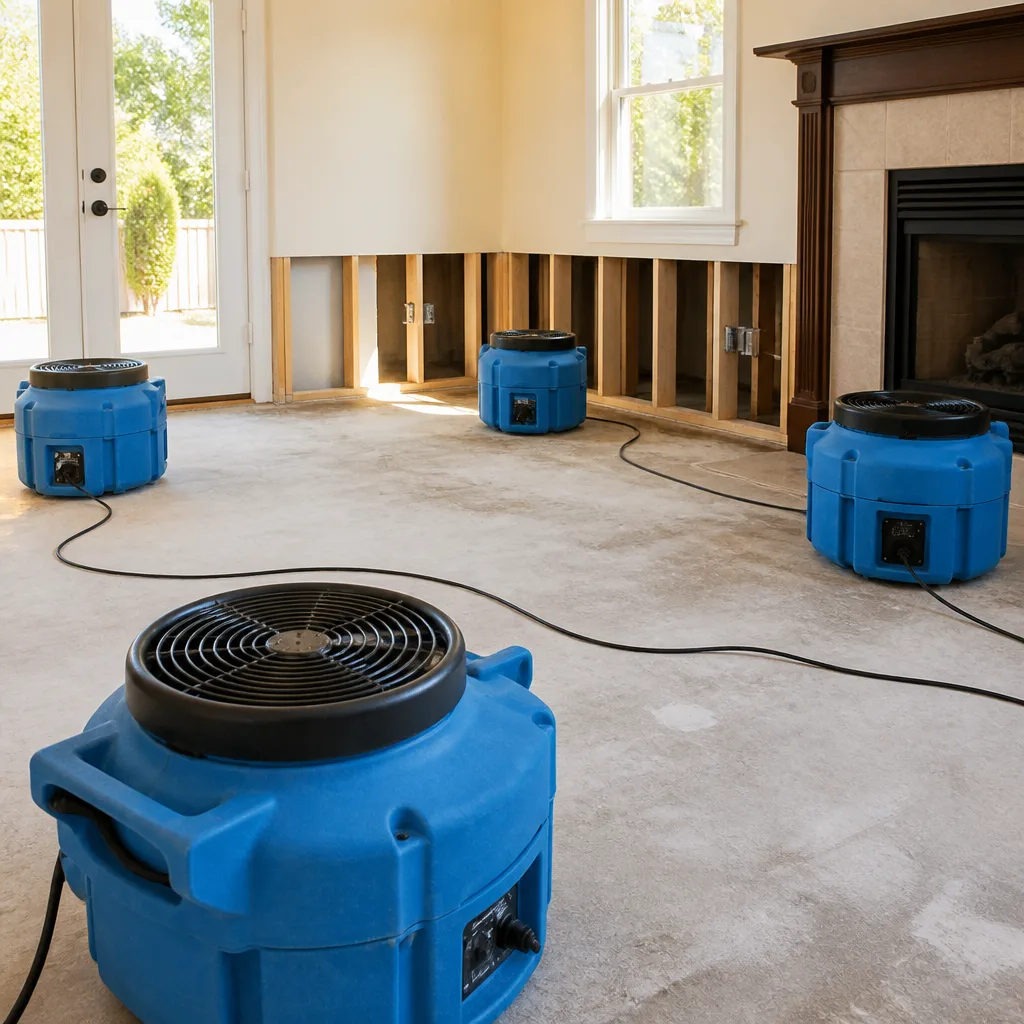
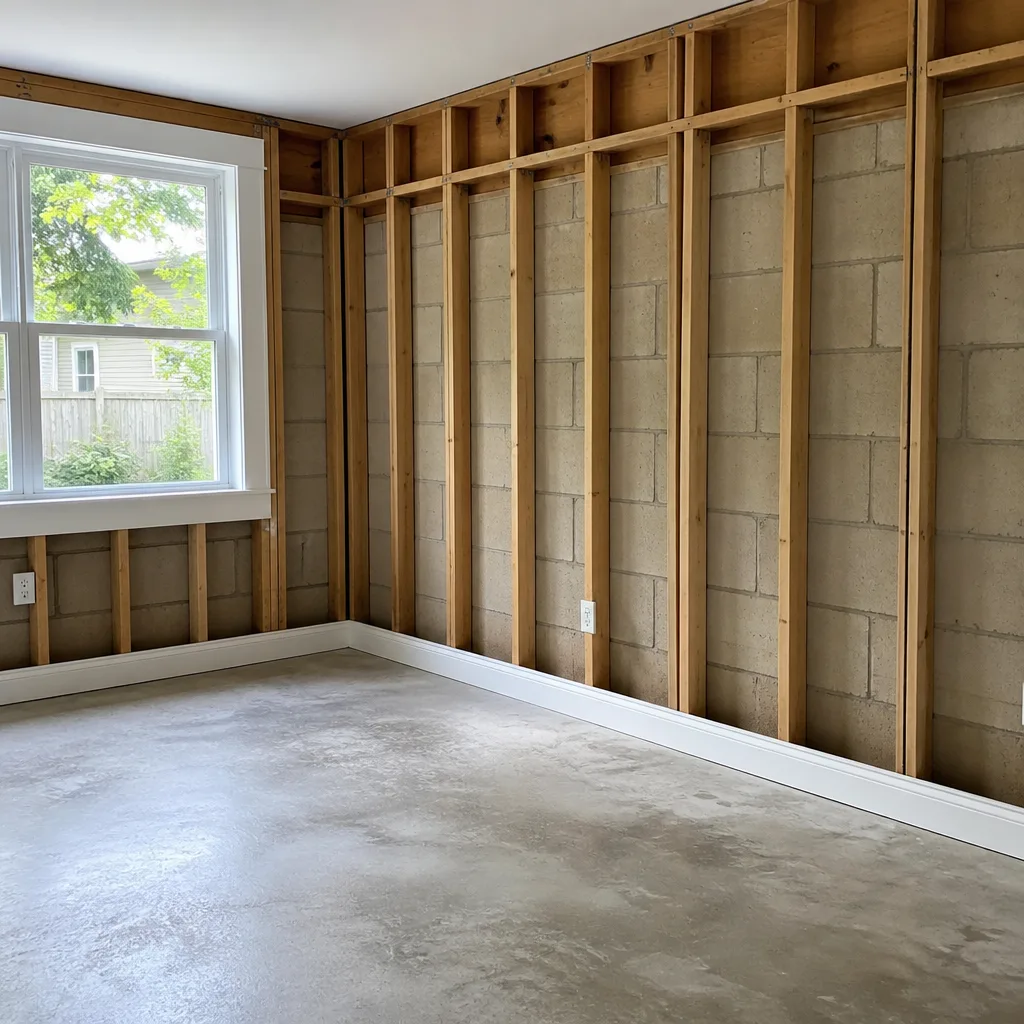
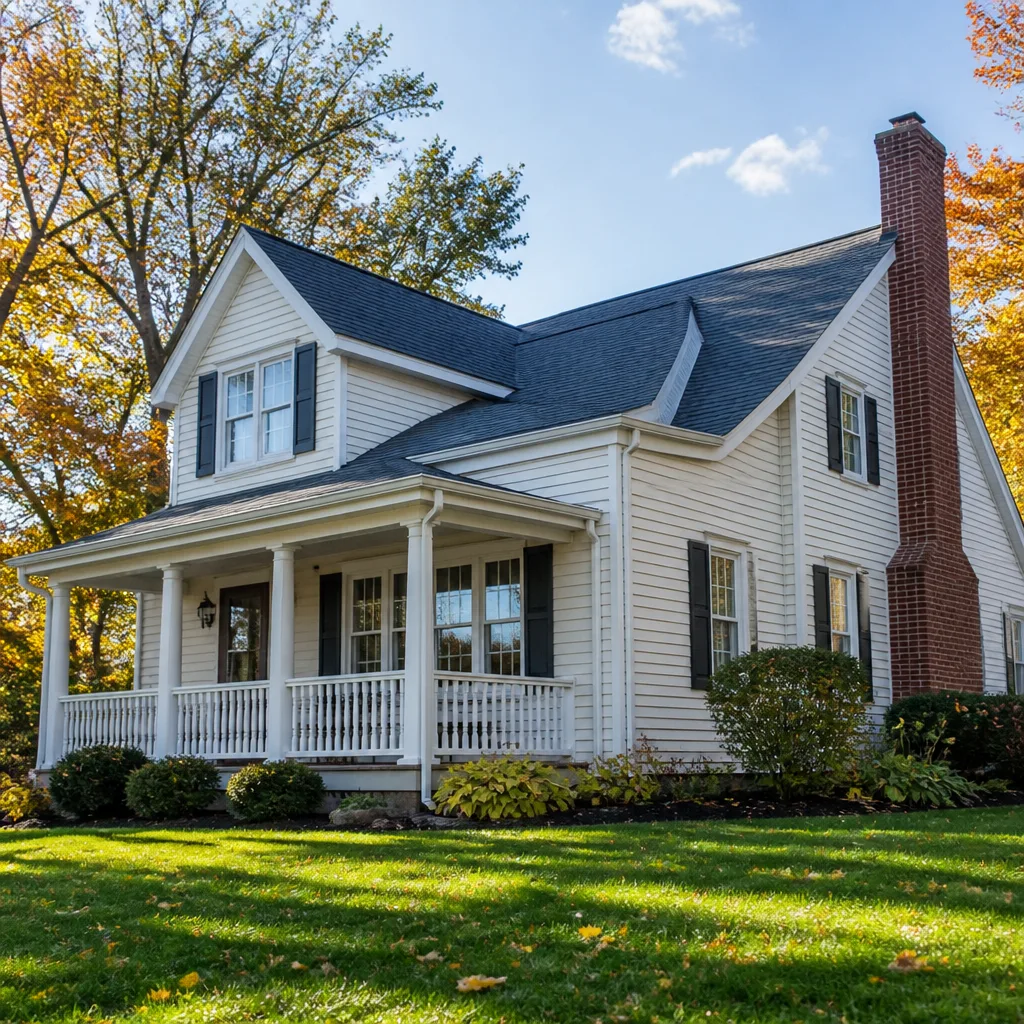
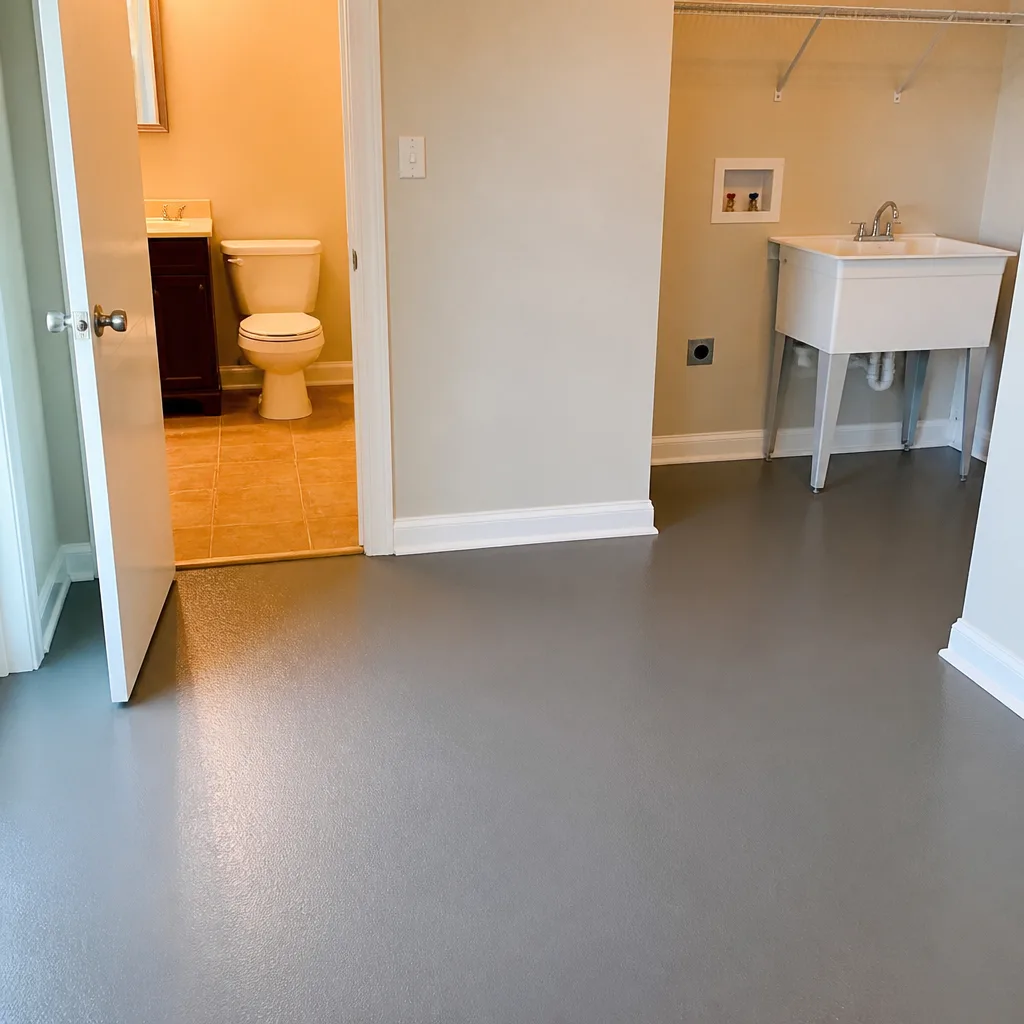
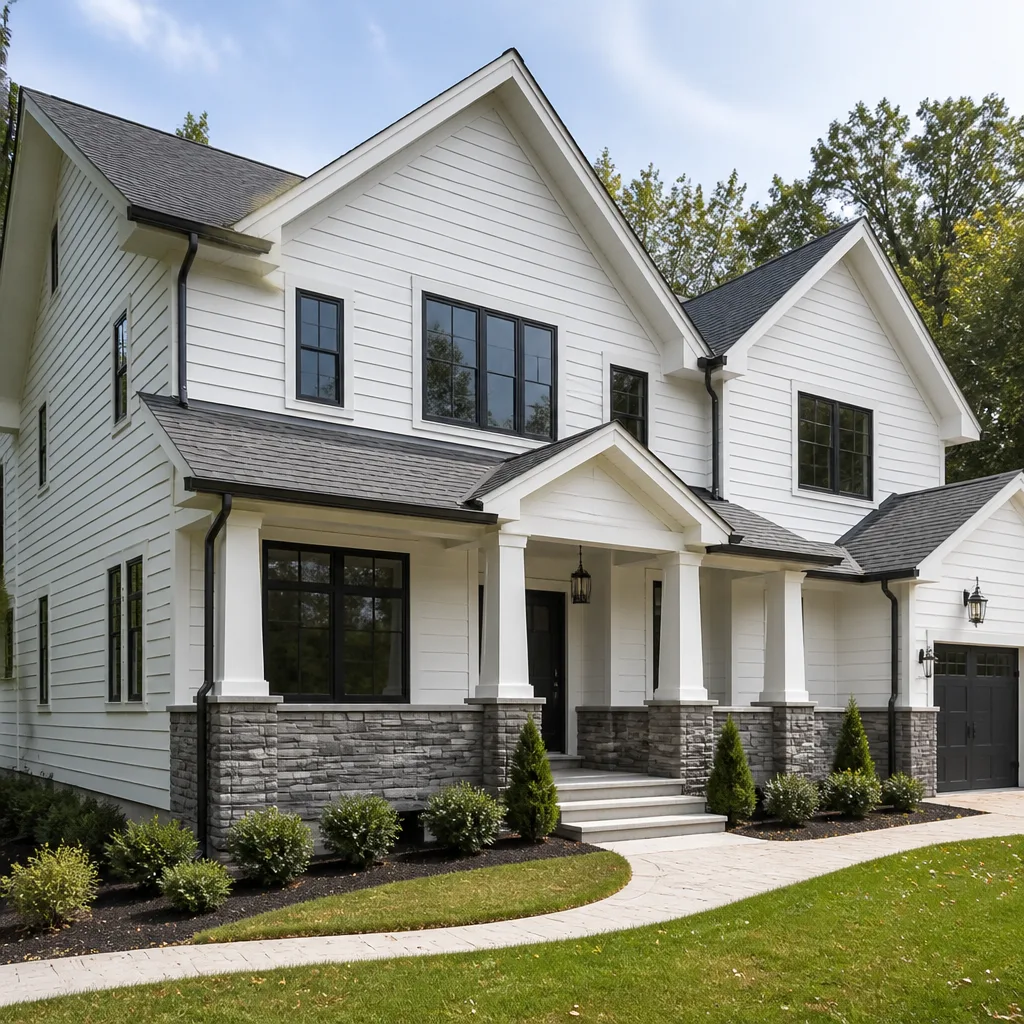
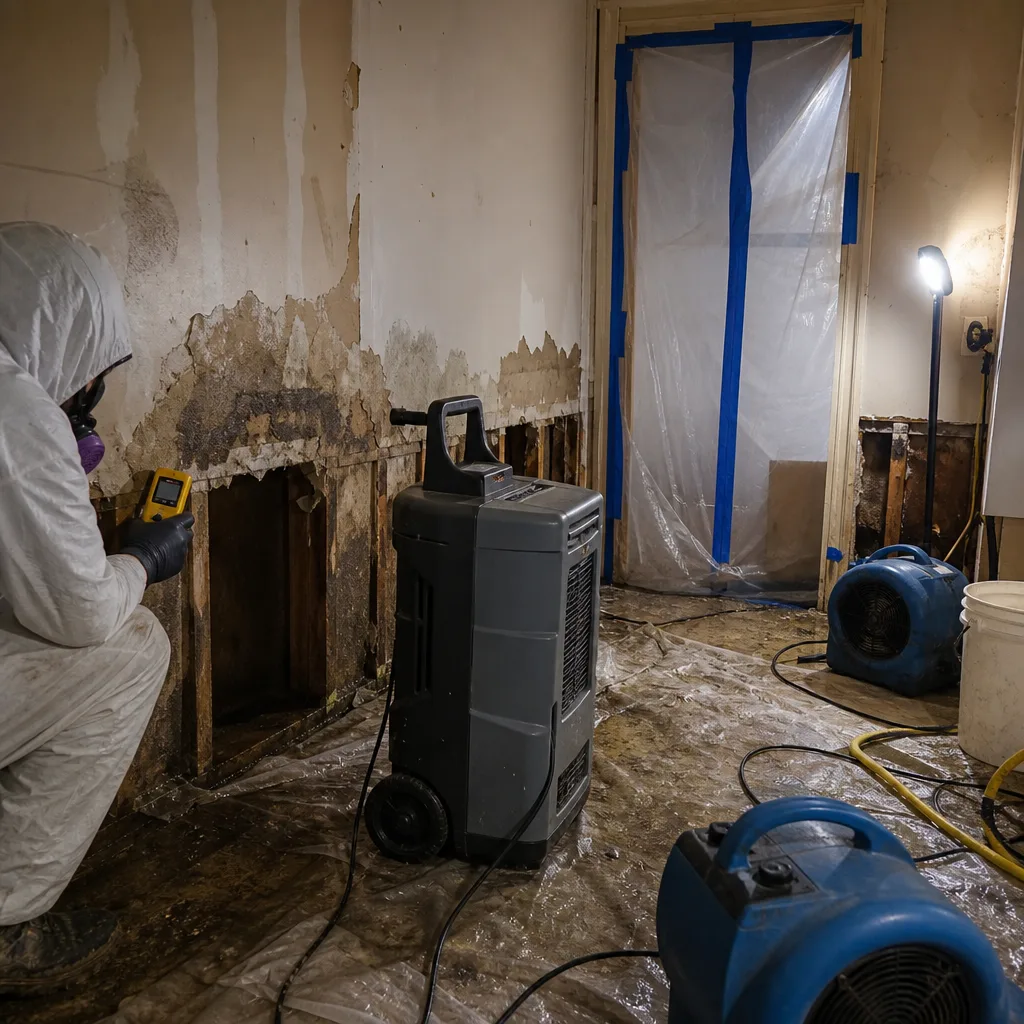 Before
 After
After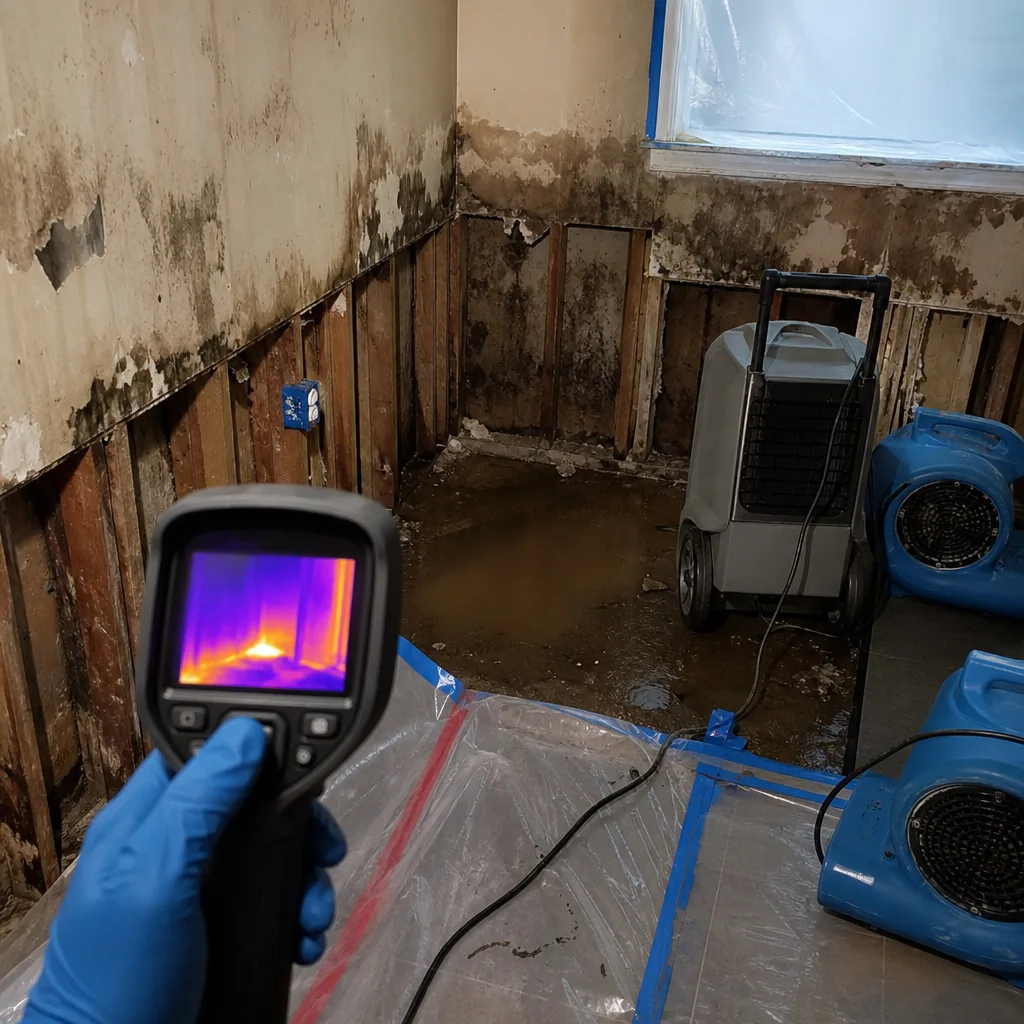 Before
 After
After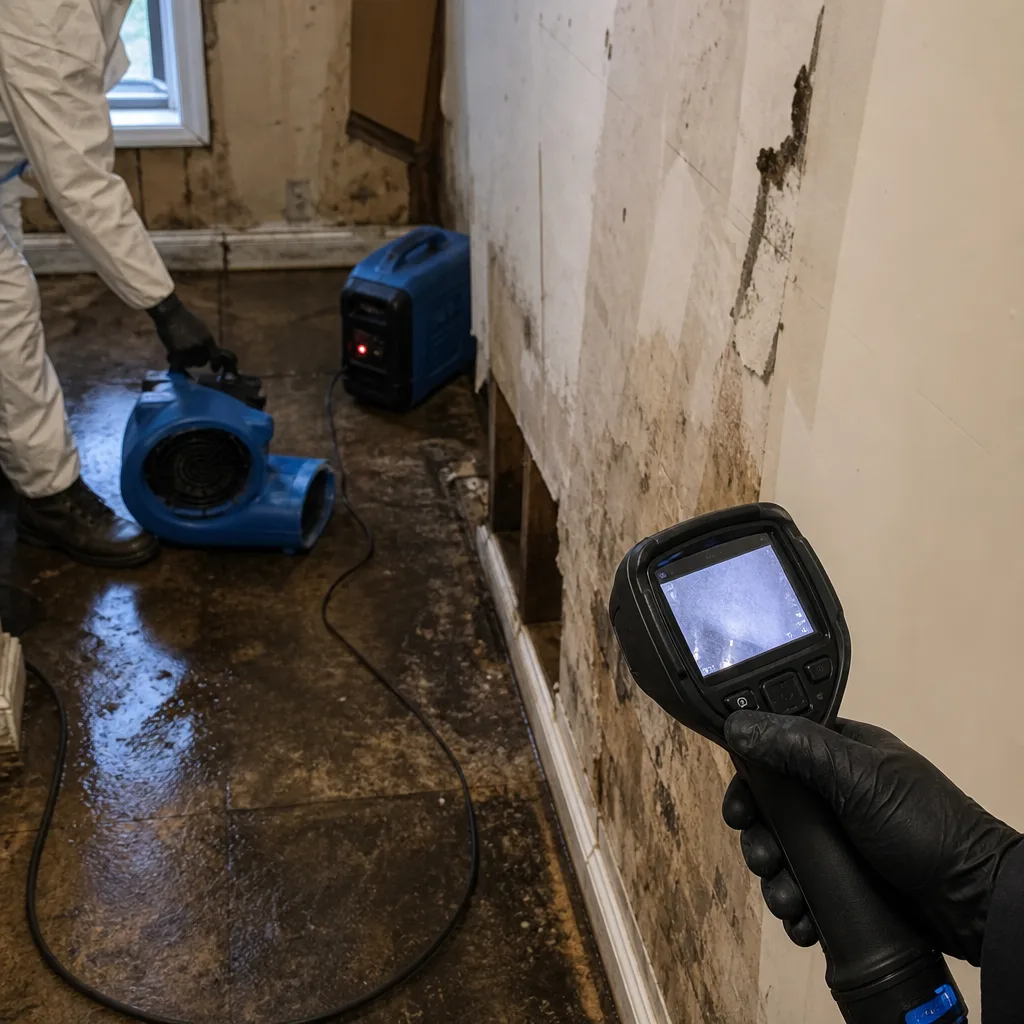 Before
 After
After24/7 Emergency Sewage Cleanup in Jersey City
Sewage backing up into a Jersey City basement is a Category 3 water event, and the clock starts the moment you see it. We answer live around the clock, and Wade heads out himself or sends his crew into your neighborhood fast. Call (607) 703-3408 the second you notice black water pooling around a floor drain, a toilet overflowing past the flange, or that unmistakable smell moving up through the stairwell. The first hour matters because sewage carries bacteria, viruses, and parasites that aerosolize quickly once water gets disturbed. In a brick row house, every minute of delay means contaminated moisture wicking deeper into masonry, drywall, and the party wall you share with your neighbor. We do free visual inspections in Jersey City and will tell you honestly whether you’re dealing with a small backup or full black water extraction. No pressure. Just a straight read on what you’re facing and what it takes to fix it right.
Understanding Sewage Cleanup Severity in Jersey City Properties
Not all water in a basement is the same. Clean water from a supply line is Category 1. Gray water from a washing machine or shower drain is Category 2. Sewage, whether from a toilet, a backed-up main, or storm surge carrying mixed contaminants, is Category 3, meaning it contains pathogens that can make people sick. In Jersey City, most sewage events are Category 3 from the start because the hous
es are old, the sewer lines are old, and the water table in low-lying areas pushes effluent back through floor drains. That means remediation is not a mop-and-fan job. It requires extraction, removal of saturated porous materials, antimicrobial treatment, drying, and clearance testing. The age of Jersey City’s housing stock compounds matters. Late-19th-century brick row houses in neighborhoods like Hamilton Park and Bergen-Lafayette have lime mortar that absorbs contaminated water like a sponge. Painted wood trim and original plaster soak it up too. You can’t just dry the surface. We use moisture meters and thermal imaging to map how far the water has traveled inside walls and under flooring, because in these old buildings, what you see on the basement floor is rarely the whole story.
Why Jersey City Property Owners Choose Wade’s Restoration
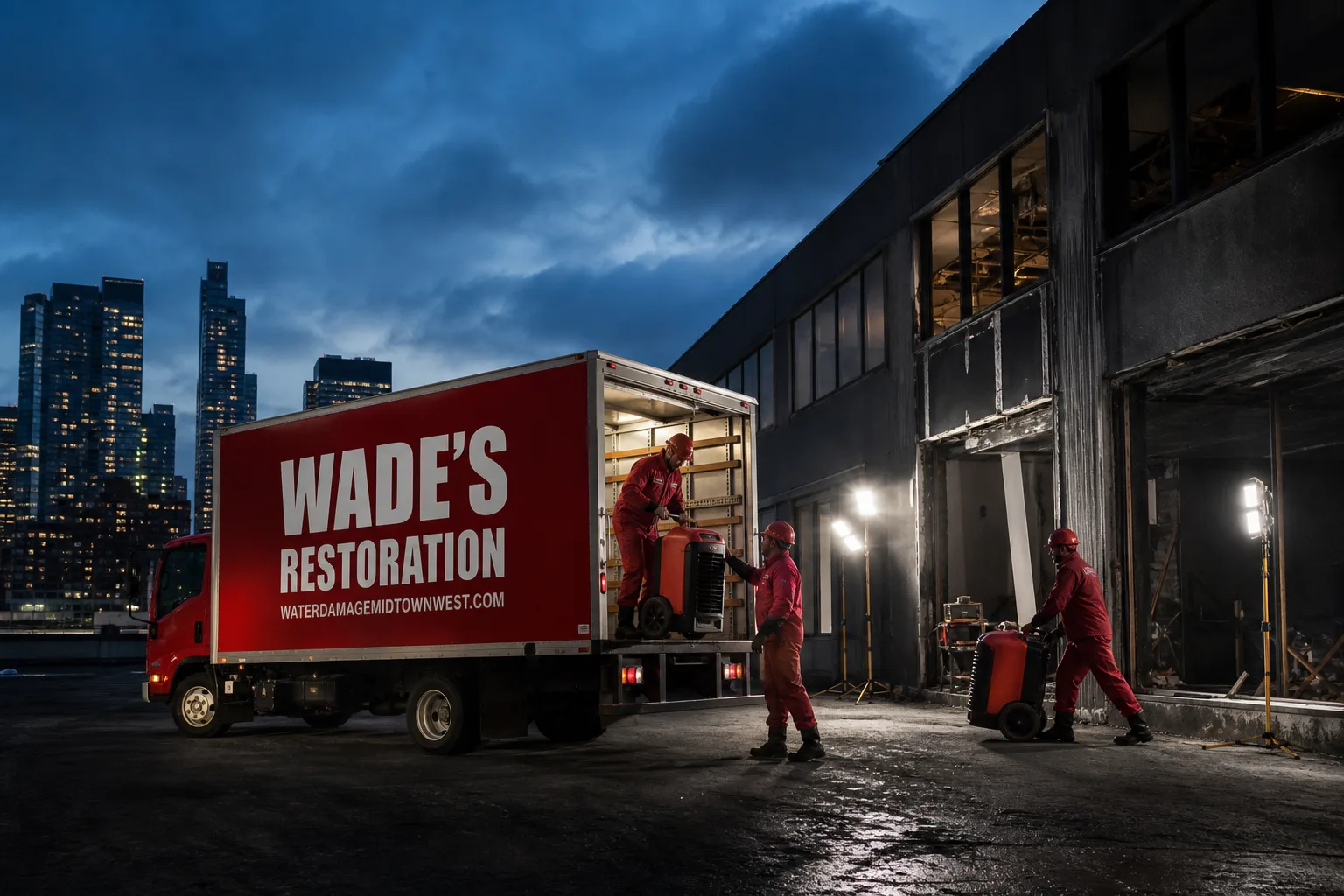
- 45-minute response commitment. When sewage is spreading in your basement, you can’t wait for a call center to route a ticket. Wade or one of his crew is on the road within minutes, not hours.
- 24/7 live answer, always a real person. Call at 2 a.m. and you get a human, not a recording. Wade answers his own phone. If it’s a sewage backup, you’ll hear a voice, not hold music.
- IICRC-certified crews. The people Wade sends hold the certifications that matter for this work, including WRT (Water Damage Restoration Technician) and ASD (Applied Structural Drying), so sewage jobs are handled to the standard your insurer expects.
- Free visual inspection. Before any work starts, we walk the property, identify the source, and tell you what needs to happen. No charge for that. No obligation either.
- Direct insurance billing. We bill your carrier directly and coordinate with your adjuster from first contact to final invoice. You’re not stuck as the middleman.
- One team from extraction to reconstruction. We don’t hand you off to a subcontractor to rebuild the basement. The same crew that extracts the waste and dries the structure handles the repairs, so nothing gets lost between trades.
Our Sewage Cleanup Process
Inspection & Assessment
We start by identifying the source: floor drain backup, toilet overflow, broken sewer lateral, or storm-driven infiltration. We assess the full affected area with moisture meters to find what’s saturated that you can’t see. You get a written scope before any work is authorized.
Extraction & Stabilization
We remove standing black water quickly using truck-mounted extraction or Dri-Eaz portable extractors where access is tight. Then we shut off the source if possible and stop the spread at the edge of the affected area.
Removal of Contaminated Materials
In a Jersey City row house, that usually means cutting away saturated drywall, pulling soaked carpet and pad, and removing baseboards and flooring where the contaminated water traveled. Porous materials that soaked Category 3 water cannot be saved. We remove them properly, not just surface-clean them.
Drying & Dehumidification
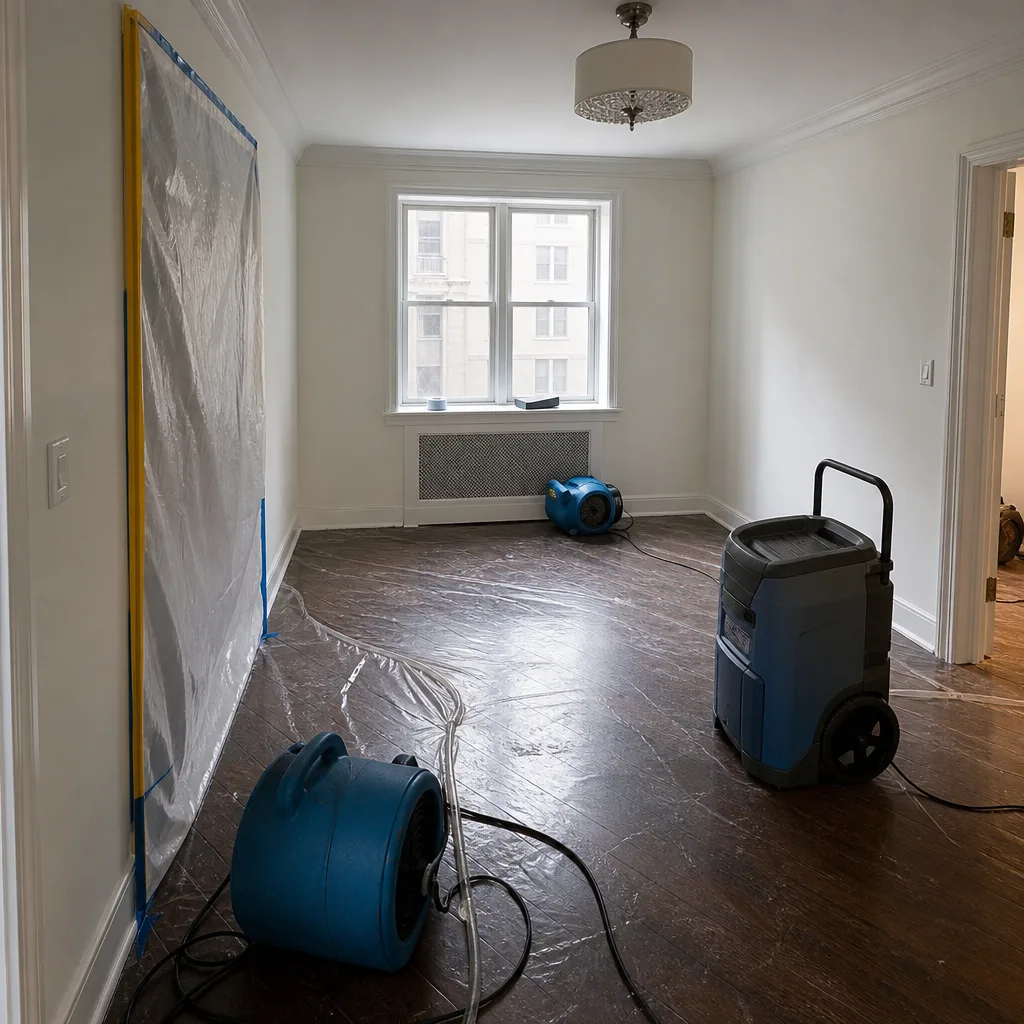
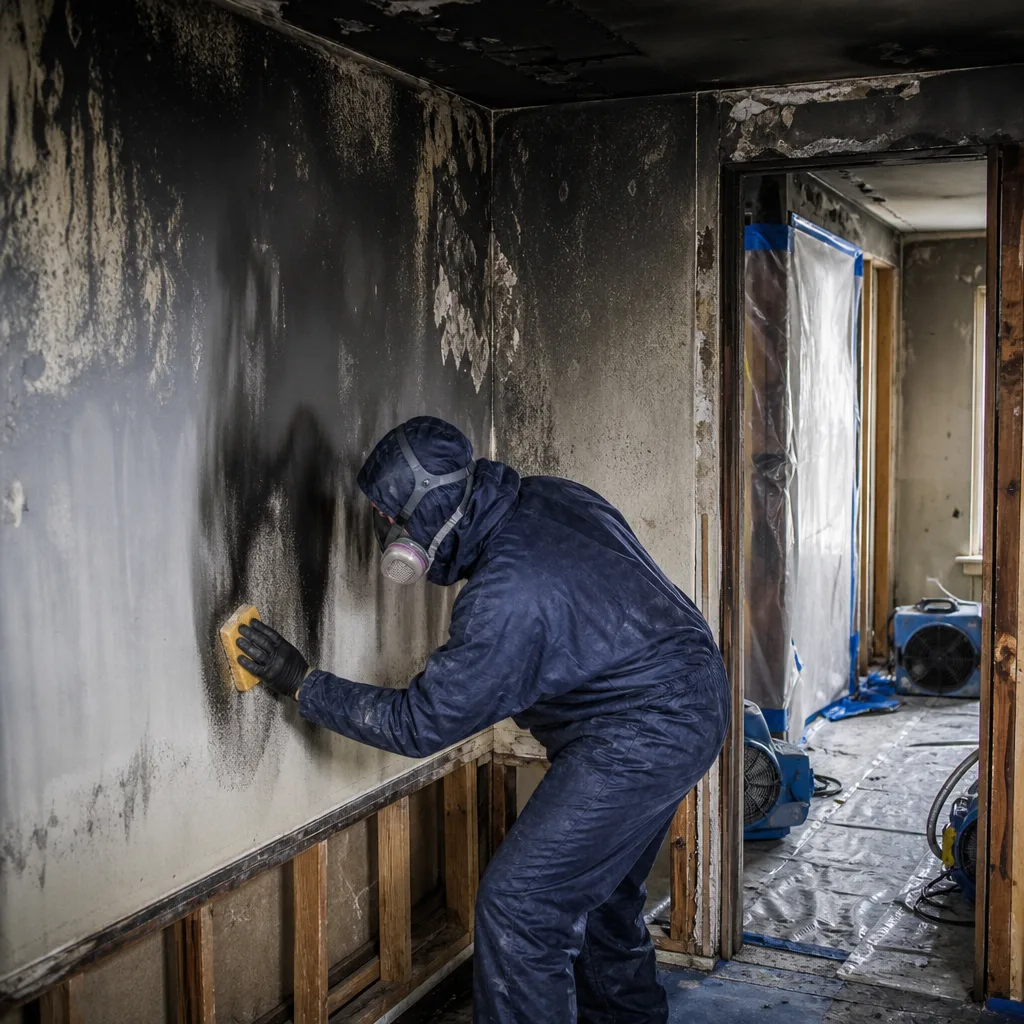
We set XPOWER air movers and Phoenix dehumidifiers in a containment zone built with negative air pressure. This keeps sewage aerosols out of the rest of the house while drying the structure. We monitor daily and hand you the moisture log at the end.
Cleaning, Sanitization & Antimicrobial Treatment
Every surface in the affected area gets cleaned and treated with EPA-registered antimicrobials. This step is non-negotiable after sewage exposure. We also run air scrubbers to pull contaminants from the air before the space is occupied again.
Repairs & Restoration
Once moisture readings match pre-loss levels, we rebuild. That means new drywall, framing repairs where needed, flooring, trim, and paint. We handle everything, so one crew is accountable for the entire job.
Need Emergency Sewage Cleanup in Jersey City Now?
Crews minutes away, answering live 24 hours a day. The sooner we start, the less it costs.
Working With Your Insurance Company
Sewage backup coverage is a patchwork in New Jersey. Some policies include it by default. Others require a specific rider. Some cover the cleanup but not the rebuild. What you don’t need is a restoration company that complicates the claims process. We document everything from the first hour: photos of the backup and the source, moisture readings, a room-by-room inventory of what was removed, and a detailed scope that mirrors the line-item format insurers expect. Wade has handled enough Hudson County claims to know what adjusters look for, and he deals with them directly. You’re copied, not burdened. If you’re in a National Flood Insurance Program property, we know the documentation NFIP requires for storm-related sewage intrusion as well.
What We Provide Your Insurer
- Thorough documentation of the loss
- Photos of all damage, room by room
- Moisture readings and drying logs
- A detailed, line-item scope of work
- Direct coordination with your carrier
Built for Jersey City’s Loss Calendar
Jersey City’s sewage cleanup calls follow a pattern, and it’s not random. January freezes burst old supply lines in unheated basements and crawl spaces across The Heights and Journal Square, and when a supply line lets go, it floods the same drain system that carries sewage away. March and April bring heavy rains and a high water table that forces groundwater and sewage back through floor drains in Greenville and Bayfront. Summer thunderstorms drop inches of rain in hours, overwhelming combined storm-sanitary sewers in older neighborhoods where the two systems still share pipes. That’s when you get sewage pushing up into basement showers and laundry tubs. Nor’easters in the fall drive surge into the Hudson and Newark Bay simultaneously, hitting Jersey City from both sides. We plan crews around this calendar because we know when the calls are coming. The only surprise is which block gets hit first.
Sewage Cleanup Across Jersey City’s Neighborhoods
The type of sewage cleanup job we do depends heavily on where in Jersey City you live. In Greenville and Bayfront, where the streets sit near sea level on filled marshland, a moderate rainstorm can push sewage back through basement floor drains without any storm surge at all. The water table is so high that basements there are essentially submerged concrete boxes, and drain backups are routine, not rare. In Downtown, Hamilton Park, and Van Vorst Park, we’re usually dealing with older row houses where the sewer lateral runs out to the street under a shared party wall, so a backup in one unit can affect the one next door. Bergen-Lafayette runs a mix of both: high water table on the western edge, aging brick construction throughout, and lots of two- and three-family homes where contaminated water moves horizontally through shared walls. The Heights, up on the Palisades ridge, rarely floods and instead sees frozen pipe and roof-related water issues, but when a sewer line does back up there, the basements are often finished and the damage is worse because the contaminated water hits flooring and drywall immediately. We run routes through all of these neighborhoods daily, and we know which blocks flood first when the tide and the rain line up.
Specialized Sewage Cleanup Services We Offer in Jersey City
Sewage Backup Cleanup
When the main line backs up into your basement or first-floor bathroom, that’s black water. We extract it, remove what it touched, and dry the structure properly. This is our most common call in Jersey City, and in Greenville especially, where the water table pushes effluent back through floor drains during heavy rain.
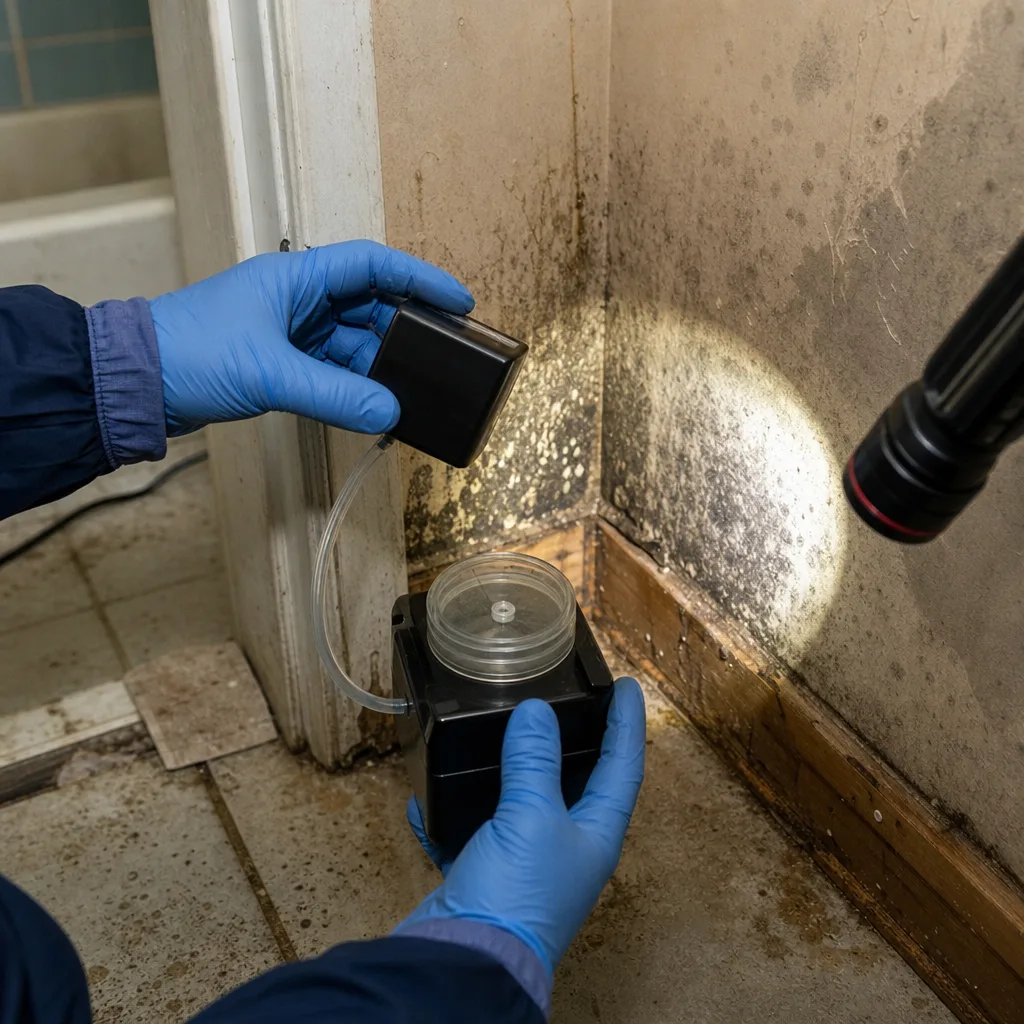
Black Water Extraction
Standing sewage gets worse the longer it sits. We remove it fast using extractors that handle waste water safely, then we set up containment so the rest of your home stays clean. In a row house with a shared stairwell, this containment step is what separates professional cleanup from a landlord with a shop vac.
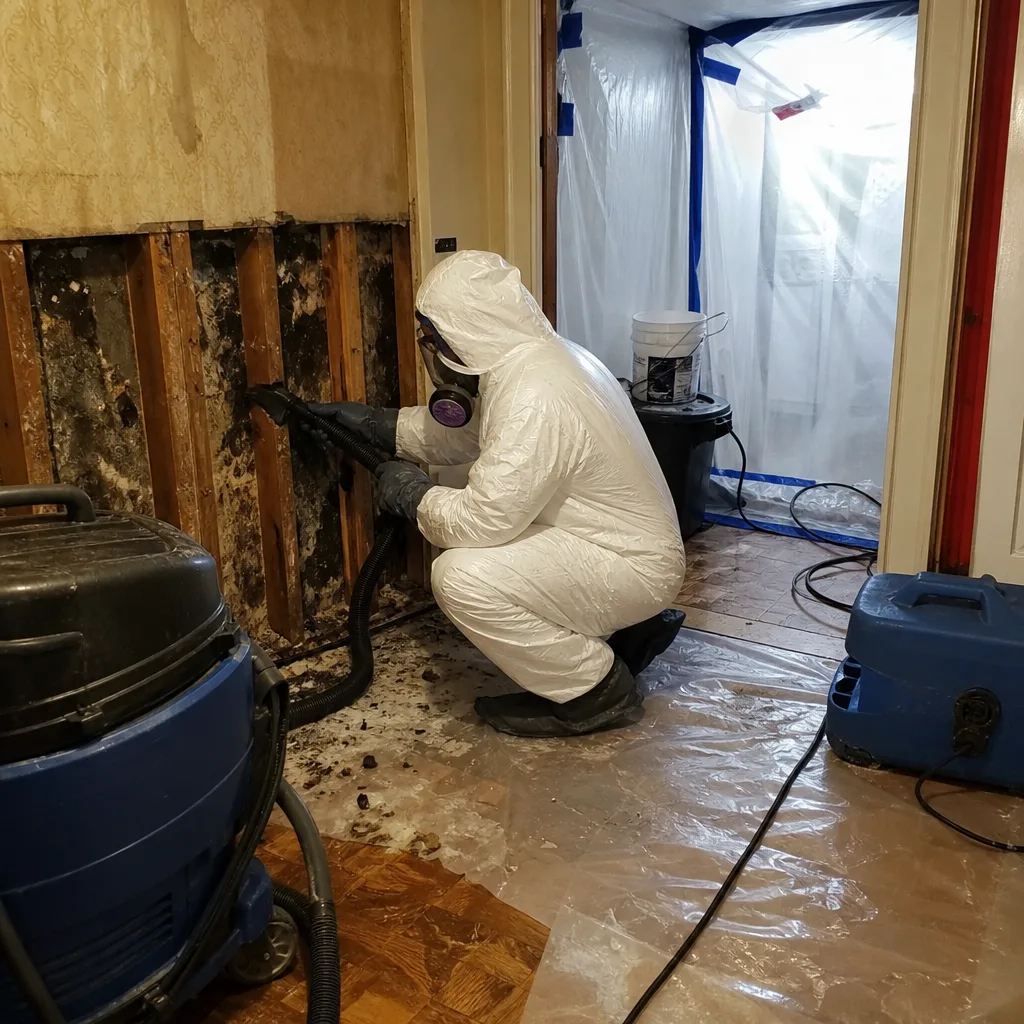
Sanitization & Disinfection
Sewage leaves behind pathogens even after the water is gone. We treat every surface in the affected area with EPA-registered antimicrobials, run air scrubbers, and don’t call the job done until the space is safe for people to be in. This matters in Jersey City’s attached homes, where air moves between units.
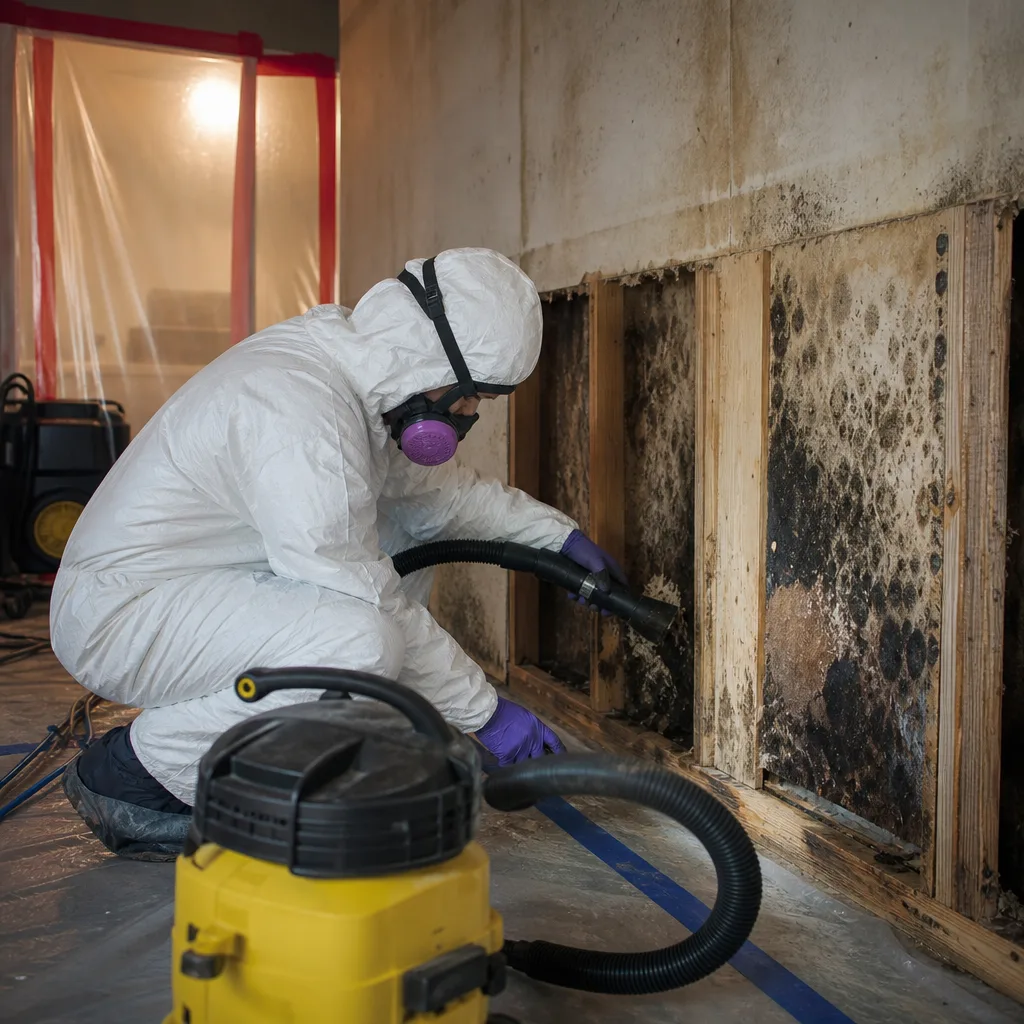
Toilet Overflow Cleanup
A toilet that overflows for an hour soaks the floor, the ceiling below, and sometimes the wall cavity behind it. In pre-war buildings with original wood framing, that moisture moves fast and wicks upward. We cut out what’s wet, dry it, and rebuild.
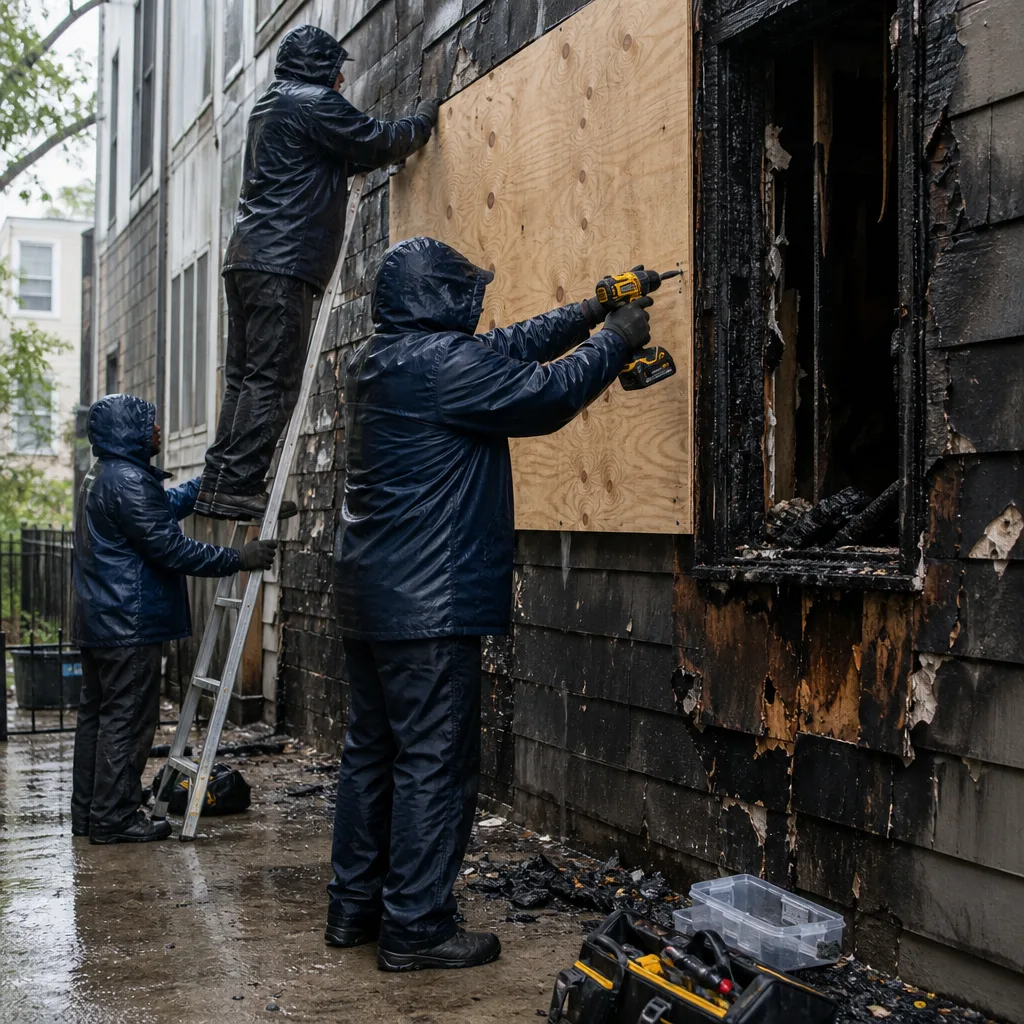
Septic Failure Cleanup
A failing septic system or a collapsed sewer lateral can send waste into a crawl space or basement over days, not minutes. We handle the full cleanup, then coordinate with a plumber or the city if the line itself needs repair. You get one team managing the restoration, not a game of phone tag.
What happens when you call
- 1
A real person answersNo phone trees - you reach a local pro.
- 2
You get an upfront price rangeHonest numbers before anyone is dispatched.
- 3
A background-checked tech heads outLicensed & insured, dispatched right away.
- 4
You approve before work beginsNothing starts until you say go.
Sewage Cleanup Costs in Jersey City, NJ
Straight numbers, because you deserve them. A small toilet overflow cleanup in Jersey City with minimal drywall removal usually runs $1,200 to $2,500. A moderate basement sewage backup with extraction, sanitization, and drying typically lands between $3,500 and $7,500. A full black water remediation in a row house with party wall involvement, including removal of contaminated drywall, structural drying, and rebuild, can run $10,000 to $25,000 or more, depending on how far the water traveled and what needs rebuilding. What moves the price: square footage, whether the contamination reached finished living space, how long the water sat before we got there, and whether the neighbor’s side of a shared wall is involved. Insurance covers most sewage backups when the right rider is in place, and we bill your carrier directly. The free visual inspection gives you a firm written scope before anything is authorized, so you’re never surprised by a number at the door.
We Also Serve Cities Near Jersey City
We handle sewage cleanup calls across Hudson County and the surrounding area. If you’re in Hoboken, Union City, Weehawken, or Secaucus, the same crew that covers Jersey City heads your way. Same live answer, same fast response, same written scope before work starts. Call (607) 703-3408.
Serving Jersey City, NJ - Our Local Coverage Area
We’re based in the Jersey City area and know this community well. Use the map below to see our service coverage - if you’re nearby, we can almost certainly help.
Jersey City Sewage Cleanup Questions, Answered
Why does sewage backup happen so often in Greenville basements even without a storm surge?
Greenville sits near sea level on filled marshland with a persistently high water table, which means groundwater presses against basement walls and up through floor drains during even moderate rain. Combined with older sewer laterals that connect to a combined storm-sanitary system, that pressure pushes sewage back into basements through the drains, no hurricane required. If you live in Greenville and see water around your floor drain after rain, call us before it turns black. The free inspection tells you exactly what you’re dealing with.
Can you dry a sewage backup in a shared party wall without opening the neighbor’s side?
Sometimes, but not always. Our crew responded to a backed-up sewer main in a Bergen-Lafayette row house where black water had surged through a basement floor drain and saturated the original brick party wall. We set up containment with a negative air machine, extracted the standing waste with a Dri-Eaz portable extractor, then used moisture mapping to track wicking up to 4 feet into the adjoining unit’s wall cavity. After removing contaminated drywall and applying antimicrobial treatment, we ran XPOWER air movers and dehumidifiers for five days until moisture readings matched pre-loss condition. If the moisture traveled into the neighbor’s side, we coordinate with them and their insurer, because drying only one side of a shared wall leaves the other side wet and mold will come back within weeks.
How fast should I call for sewage cleanup in a row house before mold takes hold?
Call immediately. In a brick row house, contaminated moisture starts wicking into masonry within hours, and mold can colonize within 24 to 48 hours of wet conditions. Waiting that long means the difference between cutting out a section of drywall and rebuilding an entire basement wall, including the shared party wall if the neighbor’s side is involved. The faster we get extraction running, the less it costs and the less gets torn out. Call (607) 703-3408 and we’ll be moving toward your block.
What if my sewer line runs under a narrow alley and the city won’t let excavation equipment through?
This comes up constantly in Jersey City, where older row houses have sewer laterals running under narrow alleys and shared driveways. The city won’t always allow heavy equipment back there, and that’s a plumbing repair issue that sits outside cleanup, but it doesn’t stop us from doing the restoration work inside your home. We handle the sewage cleanup and drying now, then coordinate with your plumber and the city’s requirements for the line repair. You don’t have to wait for the plumber to start the cleanup. In fact, you shouldn’t.
Does floodwater from Sandy count the same as a toilet overflow for sewage cleanup?
Yes, and in some ways it’s worse. Sandy’s surge mixed sewage, harbor water, fuel, and debris into a Category 3 cocktail that saturated everything it touched. If your Jersey City property was flooded in 2012 and the walls were not properly opened, dried, and treated, you may still have hidden contamination or mold behind the plaster today. We’ve opened walls in flood-zone neighborhoods and found years-old mold colonies behind cosmetic repairs. A toilet overflow is sewage cleanup. A Sandy-era wall that was never properly remediated is also sewage cleanup, just delayed by a decade.
How fast can someone actually get to my Jersey City address?
We commit to a 45-minute response for sewage emergencies in Jersey City. That means a live person on the phone now and Wade or one of his crew at your door inside the hour. No corporate call center. No “we’ll have someone in the area tomorrow.” Sewage doesn’t wait, and neither do we.
Will my insurance cover sewage backup cleanup
Many homeowners policies cover sewage backup only if you purchased a specific rider. Some policies in New Jersey include it by default, but older policies often don’t. Flood insurance through NFIP covers storm-related sewage intrusion but has its own documentation rules. We’ll review your policy with you and bill your carrier directly. The free inspection gives you a written scope you can take to your adjuster, and Wade will talk to them directly if you want him to.
Do I really need full remediation or just a cleaning?
If Category 3 sewage touched porous materials like drywall, carpet, or wood flooring, cleaning alone doesn’t cut it. Those materials need to be removed and replaced, and the structure underneath needs drying and antimicrobial treatment. If it was a small overflow on tile in a bathroom that was caught within minutes, you might get away with sanitization only. We’ll tell you which situation you have when we inspect, and we won’t sell you demolition you don’t need. The free visual inspection gives you an honest answer, not a sales pitch.
Key Takeaways for Jersey City Sewage Cleanup
- Sewage is Category 3 water. Professional extraction, removal, and sanitization are non-negotiable.
- Jersey City’s low-lying neighborhoods like Greenville and Bayfront flood from groundwater pressure even in moderate rain.
- Brick row houses wick contaminated moisture deep into masonry and party walls, not just the surface.
- Waiting 48 hours in a brick row house costs far more than the same delay in a wood-frame suburb.
- Insurance covers many sewage backups with the right rider. We bill directly and document everything.
- Call (607) 703-3408 now. Live answer, 45-minute response, free visual inspection.
If you’ve got sewage backing up into your Jersey City home right now, don’t wait. Call (607) 703-3408. Wade answers his own phone, and he’ll be honest about what you’re facing and what it takes to fix it. If you’re not sure whether it’s an emergency, call anyway. The inspection is free, and knowing what you’re dealing with beats guessing while it spreads.
Written by Wade Ferris, Owner at Wade’s Restoration, serving Jersey City and Hudson County since 2007.