
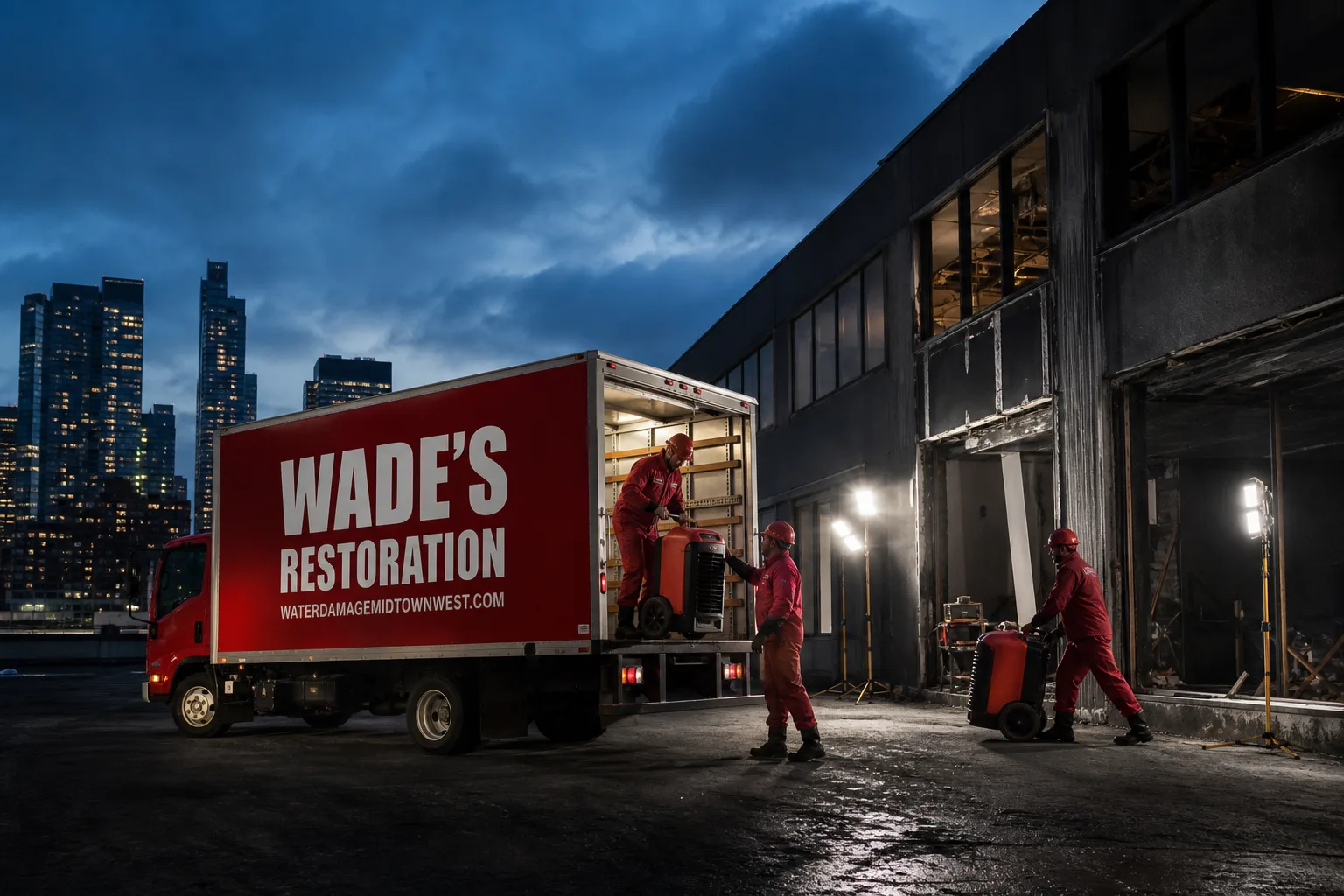
Free visual inspection and a written scope of work before any mitigation begins - photos, moisture readings, and drying logs go in your claim file
The scope we write is the scope we bill. Anything new gets shown to you, in writing, before we touch it.
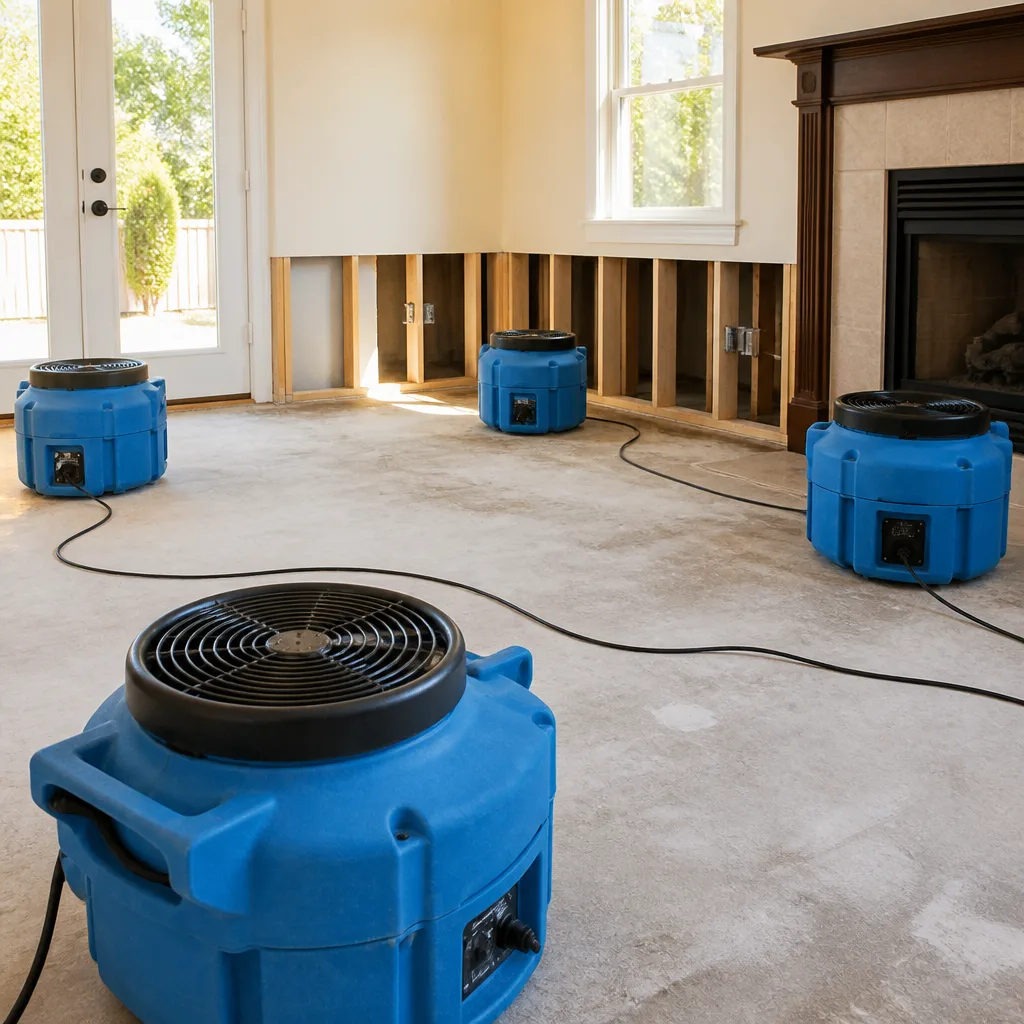
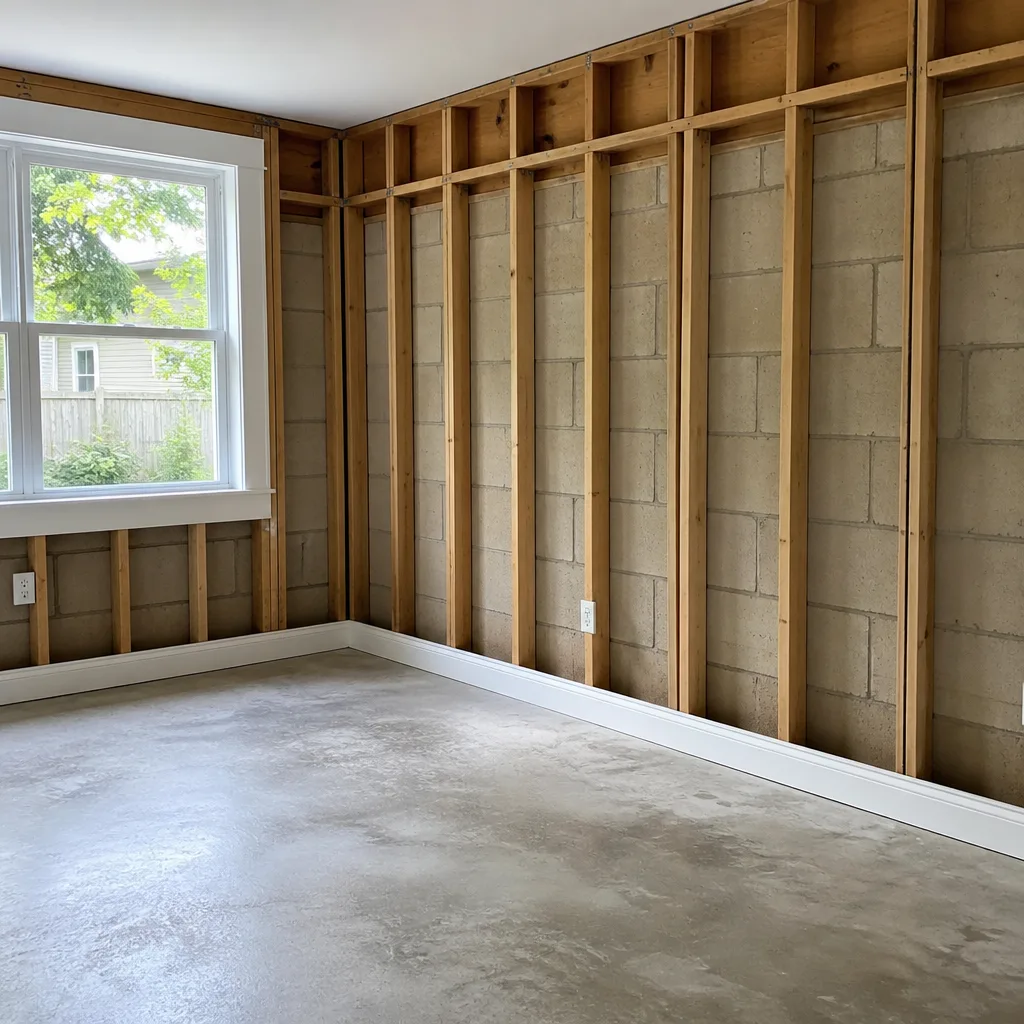
 Before
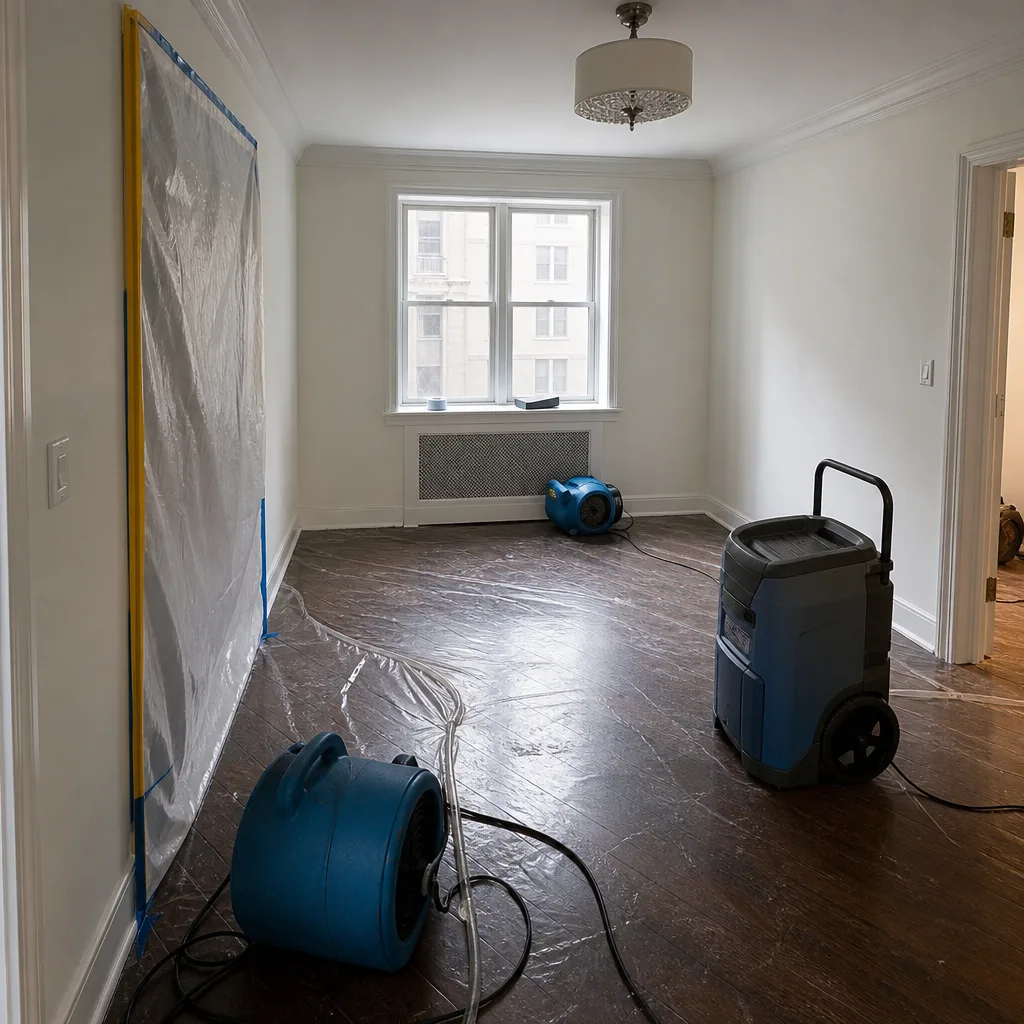 After
After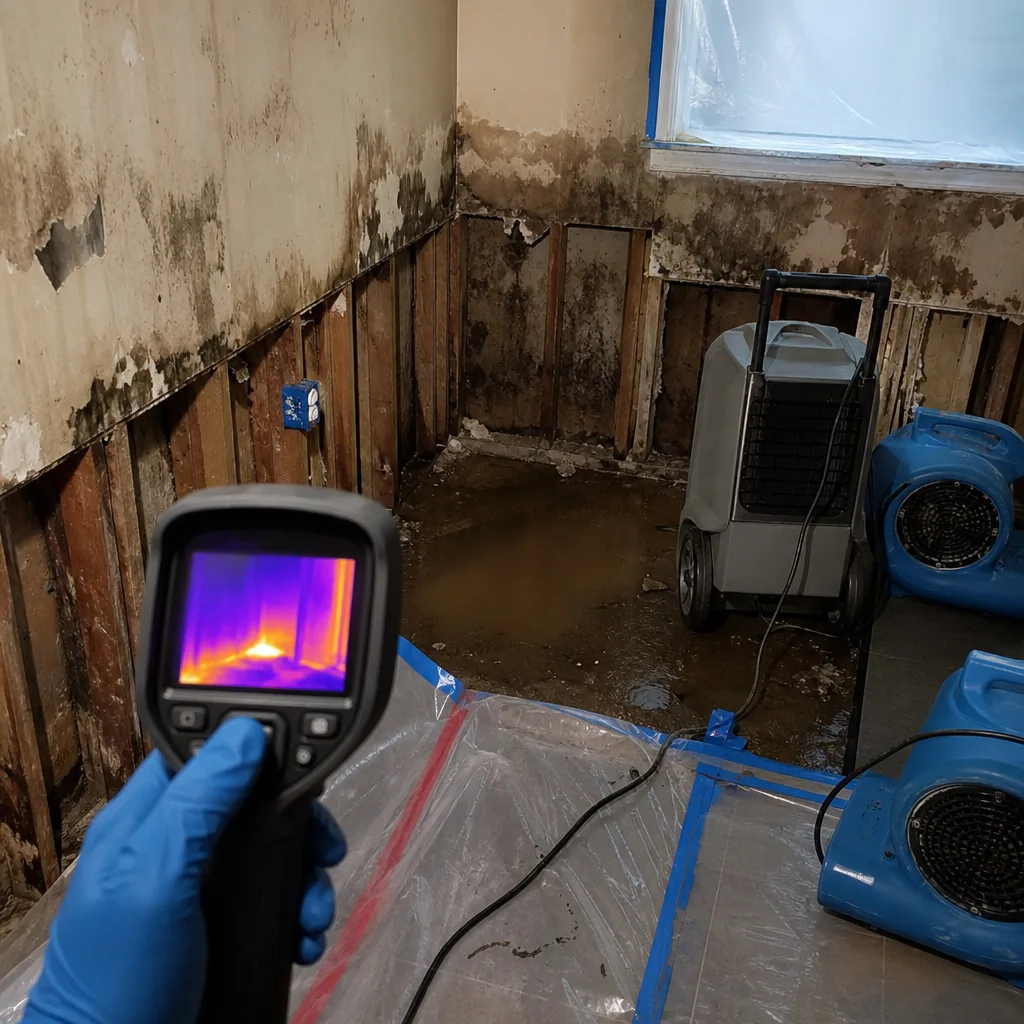 Before
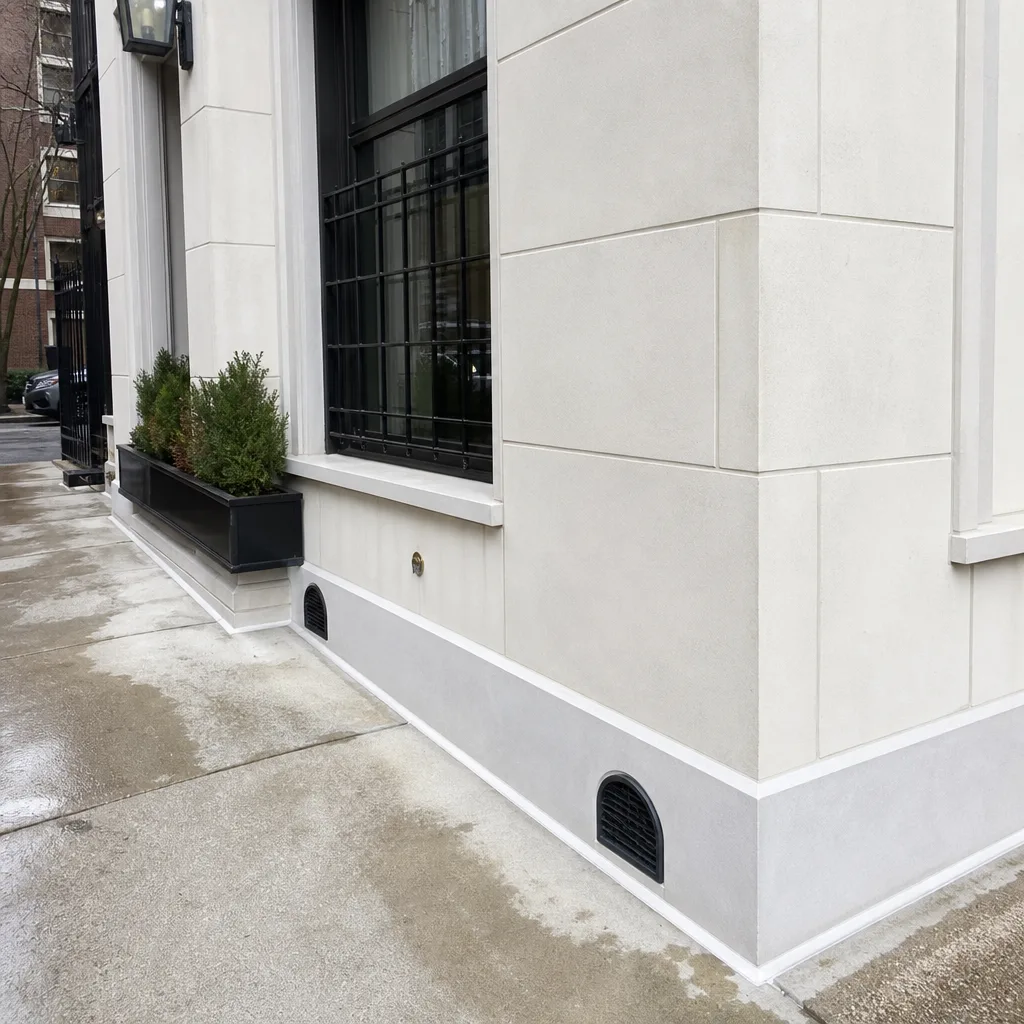 After
After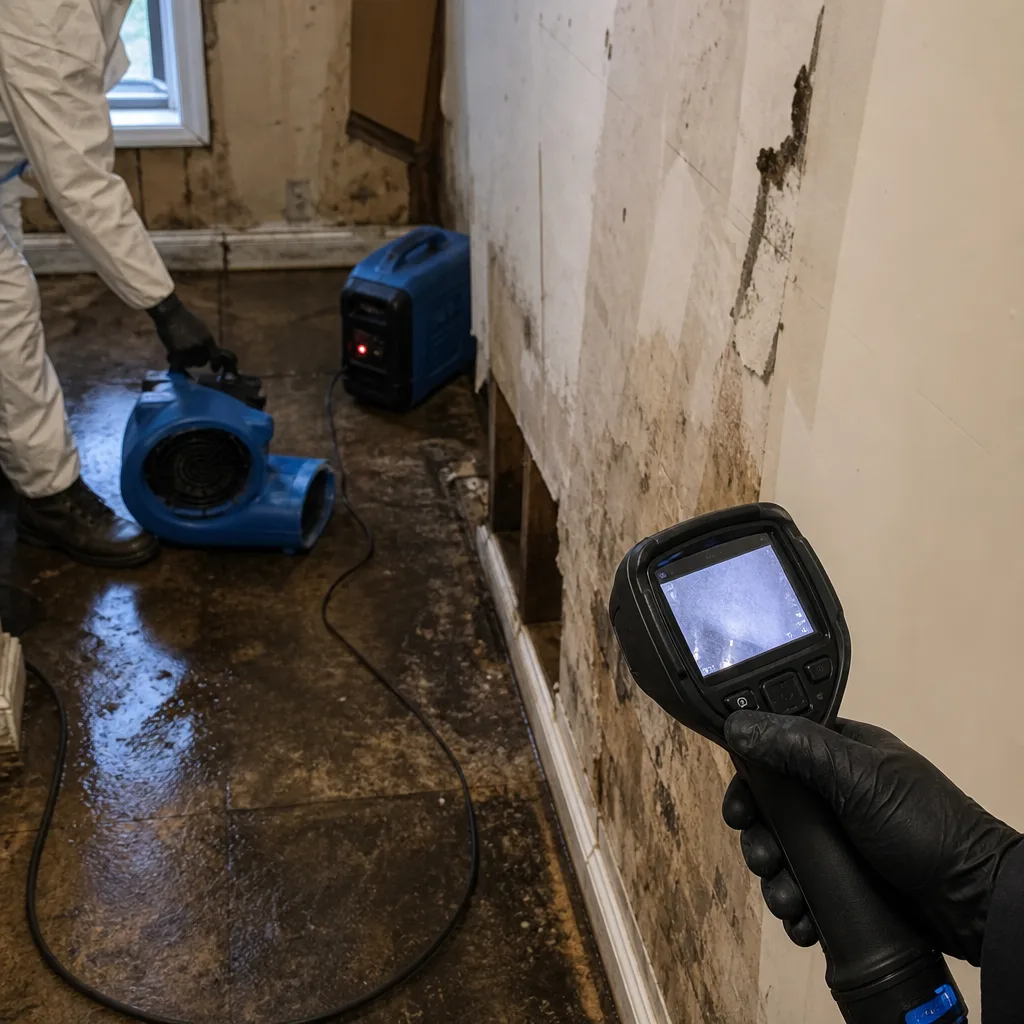 Before
 After
After24/7 Emergency Mold Remediation in Long Island City
Mold doesn’t wait for business hours, and neither do we. Wade’s Restoration answers live around the clock, and for urgent Mold Remediation in Long Island City, Wade Ferris himself will pick up the phone. Call (607) 703-3408 any hour and you’ll reach a real person, not an answering service. We schedule free visual inspections across Long Island City the same day we hear from you, whether it’s a Hunters Point high-rise, a Jackson Avenue condo, or a converted warehouse on 44th Drive. The first hour after water intrusion matters most: mold colonizes damp gypsum and insulation within 24 to 48 hours, and in the humid air along Newtown Creek and the East River, that clock runs faster than it does uptown. The sooner we set containment and start pulling moisture, the less drywall comes out and the lower the final bill.
Understanding Mold Remediation Severity in Long Island City Properties
Mold remediation jobs in Long Island City break down differently than they do in almost every other Queens neighborhood. In a pre-war masonry loft conversion near Court Square, the typical issue is a slow, hidden leak behind thick concrete or original brick: a cast-iron drain line that finally gave out, a failed wax ring seeping into a subfloor, or unsealed utility penetrations letting humid East River air condense on cold concrete. By the time the staining shows on the finished wall, the moisture has usually traveled several feet through the slab, and we’re mapping a much larger affected area than the homeowner expected. In the glass-and-steel towers along Center Boulevard and the rest of Hunters Point, the problem is often stacked: a supply-line failure on the 12th floor sends Category 2 or 3 water down through common chases and light-gauge steel framing, wetting gypsum, insulation, and millwork across three or four units. Mold follows in both cases, but the remediation sequence is very different. In the loft it’s containment, demolition, and slow structural drying through dense materials. In the tower it’s coordination with building management, fast extraction, and drying the cavities before airborne spores trigger air-quality complaints from neighbors. Same trade, two completely different jobs.
Why Long Island City Property Owners Choose Wade’s Restoration
- 45-minute response commitment for emergencies. For active water intrusion with mold risk in Long Island City, Wade heads out immediately. You get a real arrival target, not a four-hour window.
- A live person answers 24/7. No voicemail, no call center, no “press 2 for existing claims.” You call, Wade or someone on his crew answers, and help is on the way.
- IICRC-certified crews on every job. Our mold work is performed by technicians trained to the IICRC AMRT and WRT standards, with RIA and IFA credentials behind them.
- Free visual inspection with a written scope. Before any work starts, you’ll know what we found, what we recommend, and what it’ll cost. No pressure, no overselling.
- Direct insurance billing and adjuster communication. Wade deals with the carrier directly so you’re not stuck translating between your insurer and a restoration crew.
- One team from containment to reconstruction. We don’t remediate and then hand you off to a different company for rebuild. The same crew stays through the end.
Our Mold Remediation Process
Inspection & Assessment
We walk the property with thermal imaging cameras and penetrating moisture meters, mapping every affected area, including what’s hidden inside walls and under slabs. You see the readings as we take them.
Containment & Stabilization
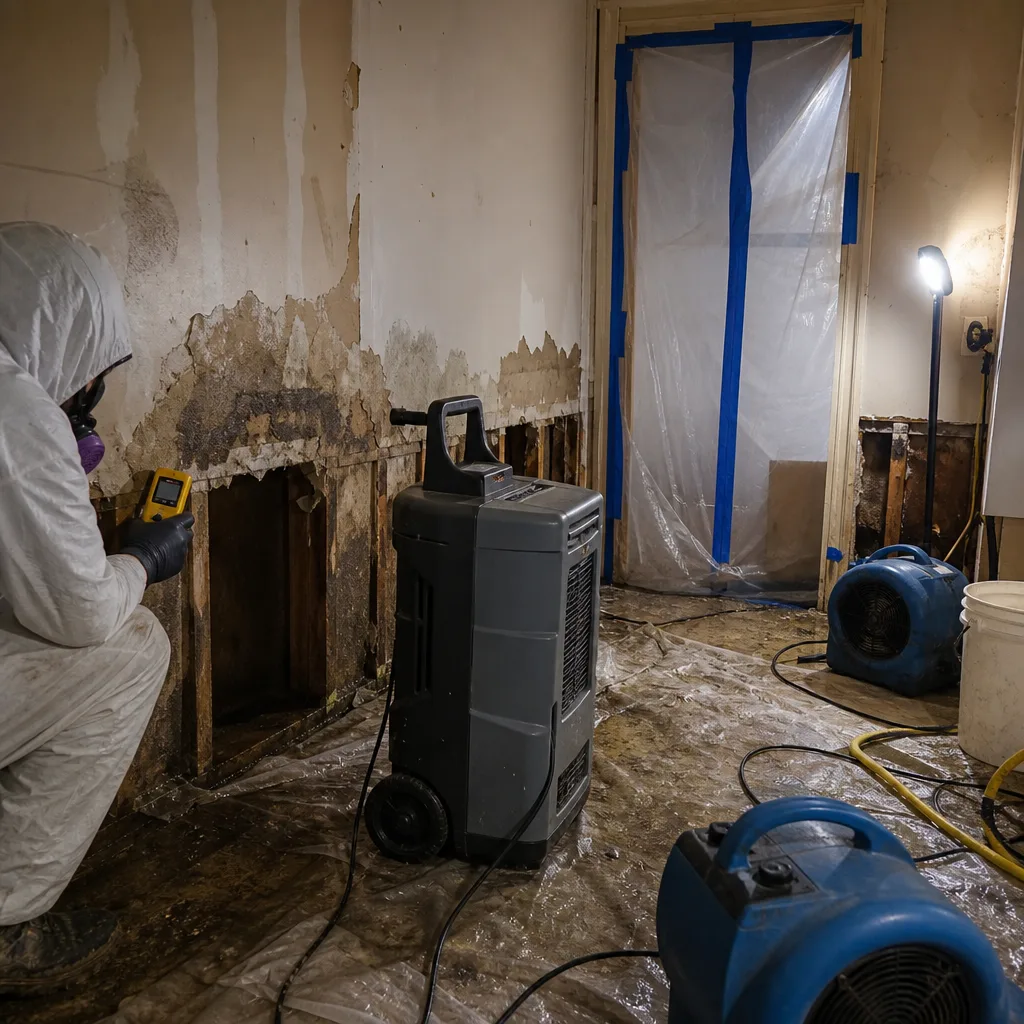
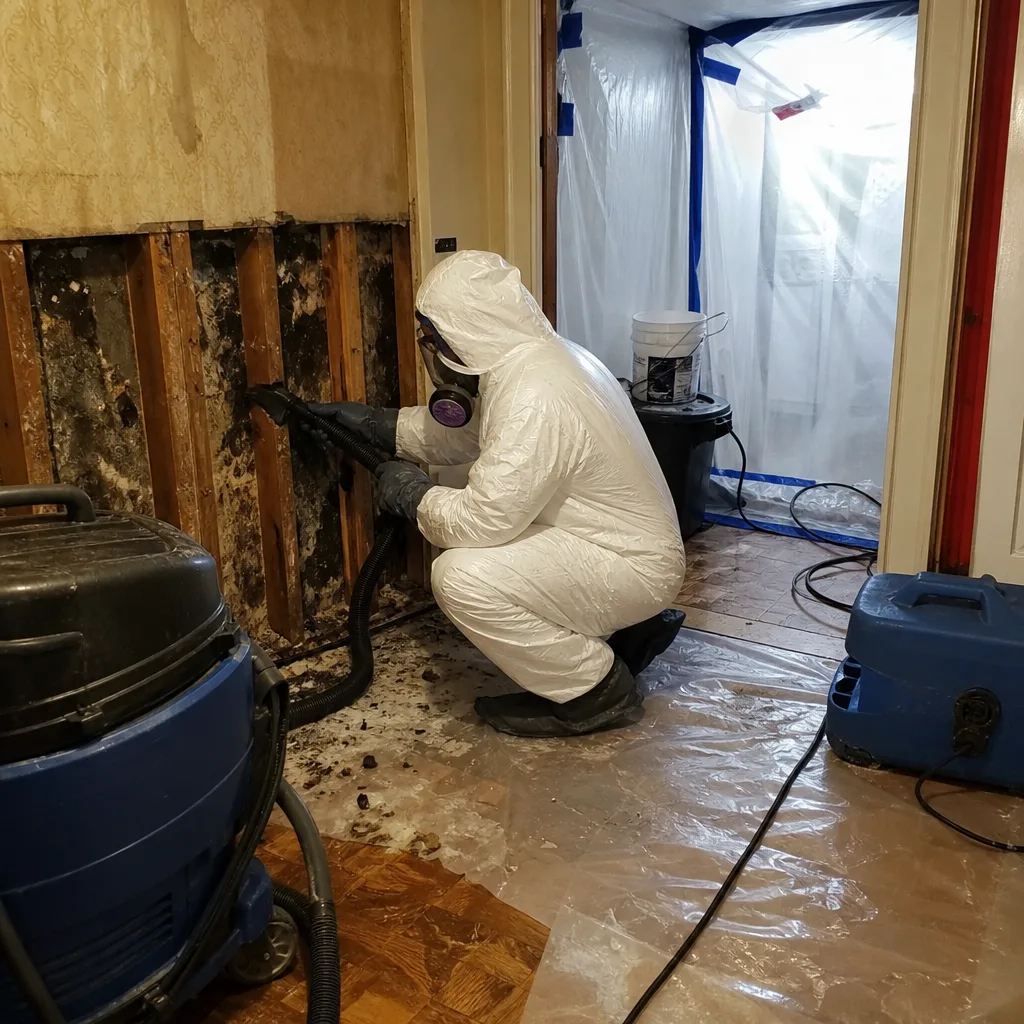
We seal the work area with 6-mil polyethylene and establish negative air pressure with HEPA-filtered air scrubbers so spores don’t migrate to clean rooms while we work.
Source Removal & Demolition
Water-damaged drywall, insulation, carpet, and trim are cut out and bagged inside the containment. We remove the food source; we don’t just spray over it.
Drying & Dehumidification
Dri-Eaz LGR dehumidifiers and high-velocity air movers run continuously, with daily moisture readings logged and shared with you until every surface reaches dry standard.
Cleaning & Antimicrobial Treatment
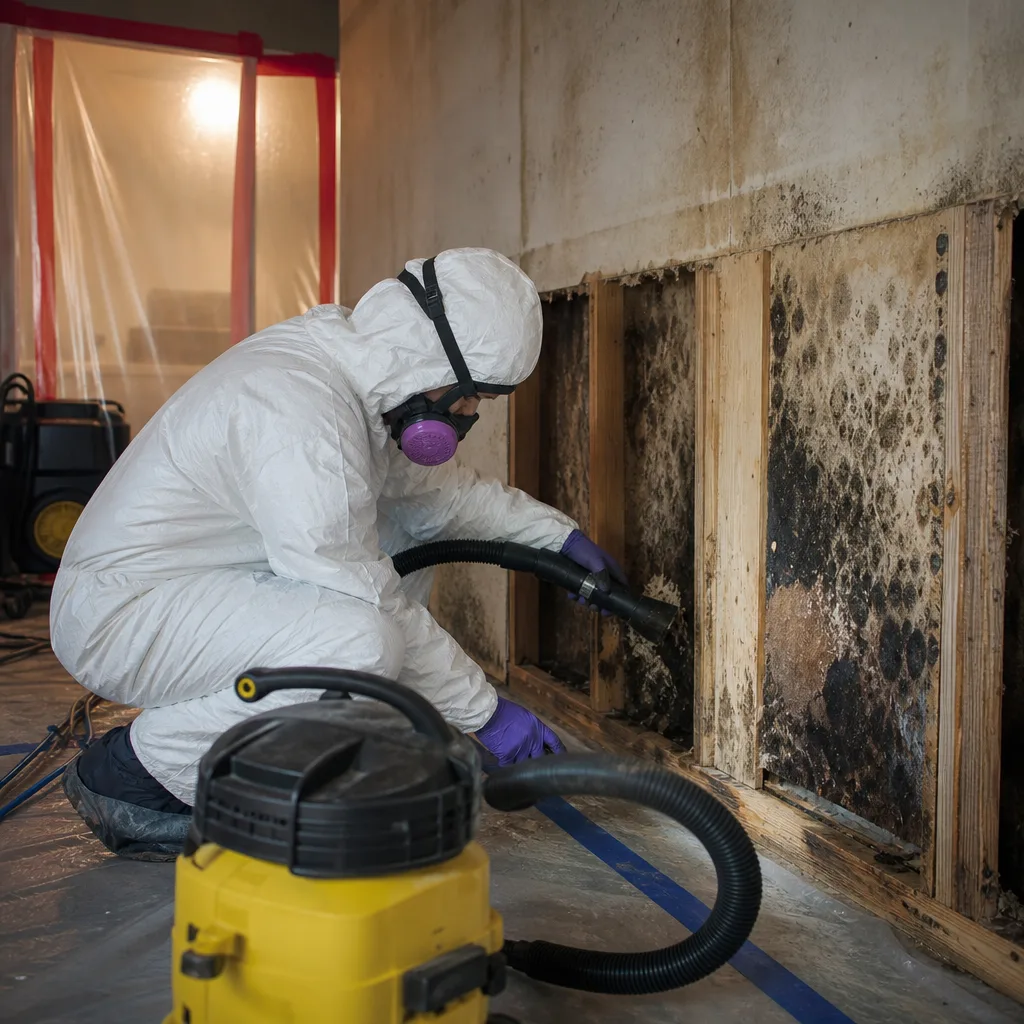
Remaining framing and surfaces are HEPA-vacuumed, sanded where needed, and treated with an EPA-registered antimicrobial. HVAC registers and ducts near the affected area are cleaned to prevent redistribution.
Repairs & Restoration
New drywall, insulation, paint, and trim go in, matched to the existing space. We coordinate with building management in Long Island City’s towers and handle DOB compliance where mechanical rooms are involved.
Need Emergency Mold Remediation in Long Island City Now?
Crews minutes away, answering live 24 hours a day. The sooner we start, the less it costs.
Working With Your Insurance Company
Mold claims in Long Island City get scrutinized, especially in high-rise buildings where multiple units are involved and the building’s master policy intersects with your individual HO-6. Wade’s Restoration has handled hundreds of these. We document everything from the first hour: photos of the source of the loss, the spread of moisture, the condition of materials before demolition, and daily drying-log entries with actual meter readings. Wade talks to your adjuster directly, walks them through the scope line by line, and answers their questions in their language. That’s the difference between a claim that gets paid and one that bounces around for three weeks. Our goal is that you never have to act as the go-between for your insurer and your restoration crew.
What We Provide Your Insurer
- Thorough documentation of the loss
- Photos of all damage, room by room
- Moisture readings and drying logs
- A detailed, line-item scope of work
- Direct coordination with your carrier
Built for Long Island City’s Loss Calendar
Mold problems in Long Island City follow the city’s water calendar. Deep January freezes split supply lines in pre-war masonry buildings along Vernon Boulevard and 11th Street when PEX and copper meet ice, and the water travels through floor assemblies before anyone notices. Spring thaw and heavy rains push groundwater through unsealed basement walls in the older warehouse conversions, feeding that musty smell behind finished walls. Summer thunderstorms overwhelm the combined sewer system in low-lying blocks near Newtown Creek, and the urban heat island keeps temperatures and humidity high enough that drying slows to a crawl without mechanical dehumidification. When sewage backs up, our Sewage Cleanup in Long Island City handles the extraction and sanitization before mold can take hold. Fall nor’easters throw saltwater and wind-driven rain at the waterfront towers, often through façade gaps around windows and mechanical louvers. And in Hunters Point specifically, the slow-motion problem is the storm surge history: basement mechanical rooms rebuilt after Sandy are still within FEMA Flood Zone AE, and any above-normal tide plus rainfall sends water through the same paths it found a decade ago. When that happens, mold isn’t far behind.
Mold Remediation Across Long Island City’s Neighborhoods
Hunters Point is our busiest corner of Long Island City. The waterfront towers from Center Boulevard to Gantry Plaza State Park have basement mechanical rooms and sub-grade parking that sit near sea level, and we’ve done more flood-related mold jobs there than anywhere else in western Queens. The response route usually takes us over the Pulaski Bridge and down 50th Avenue, past the old factory conversions on 44th Drive where thick concrete slabs hold moisture long after a leak is fixed. Court Square’s pre-war loft buildings have their own pattern: original cast-iron drains concealed behind finished walls, and brick party walls that wick moisture from a neighbor’s leak even when the known failure is across the building. Dutch Kills, with its mix of rowhouses and converted industrial buildings, tends to see basement humidity problems driven by Newtown Creek’s moist air and old foundation drains. And in Queens Plaza the high-rise hotel and residential conversions fight the same stacked-unit water cascades we see on the waterfront, except the buildings vary more in age and mechanical layout. Each pocket of the neighborhood has its own building stock, its own leak profile, and its own mold behavior. We know the difference because we’ve worked in all of them for years.
Specialized Mold Remediation Services We Offer in Long Island City
Mold Inspection & Testing
Not every stain is mold, and not every musty smell is a full remediation. We inspect with thermal imaging, take surface and air samples when needed, and tell you honestly whether you have a problem worth fixing. If you’re buying a converted loft near Jackson Avenue or a condo in one of the Center Boulevard towers, a pre-purchase inspection is cheap insurance.
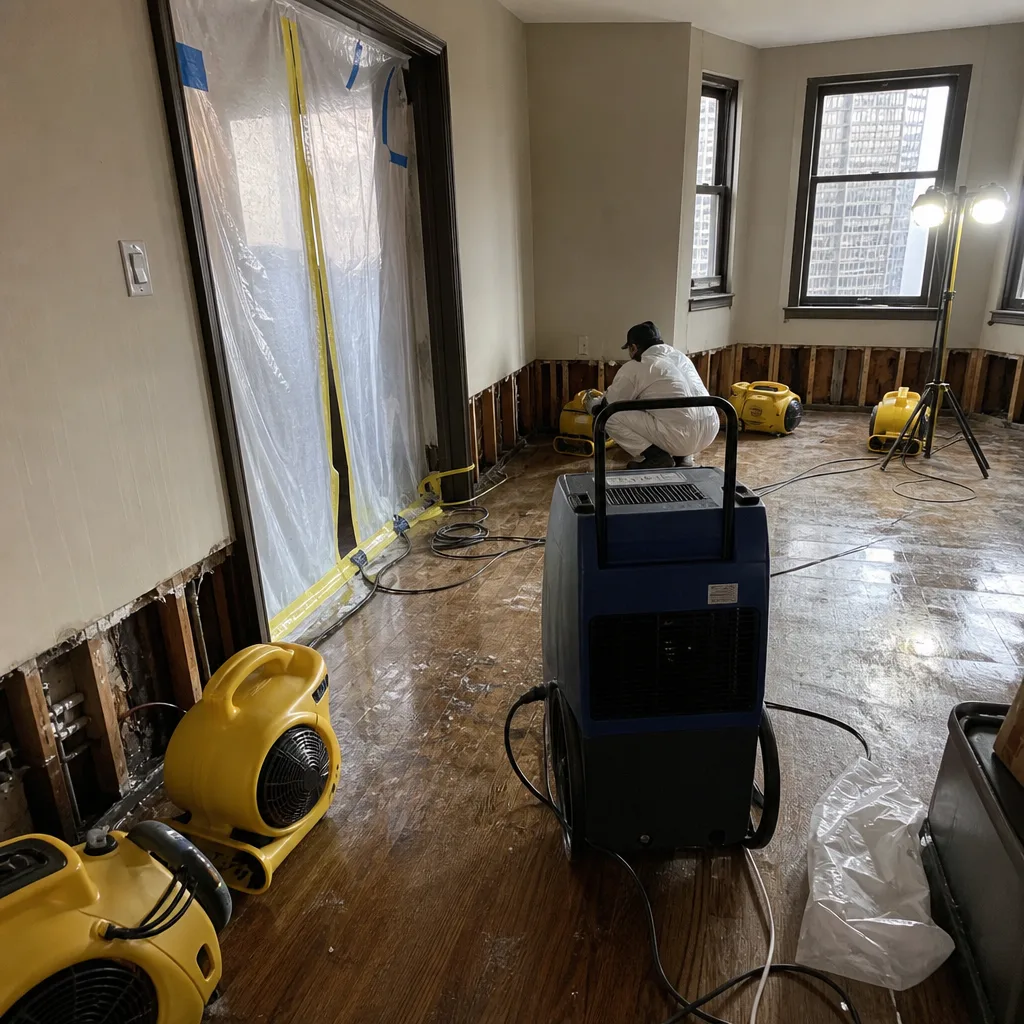
Mold Removal
Removal means cutting out contaminated material, not just spraying it. In Long Island City’s concrete-slab buildings, that often means demolition inside an air-sealed containment, disposal through the service elevator, and a drying plan that accounts for the slab’s retained moisture.
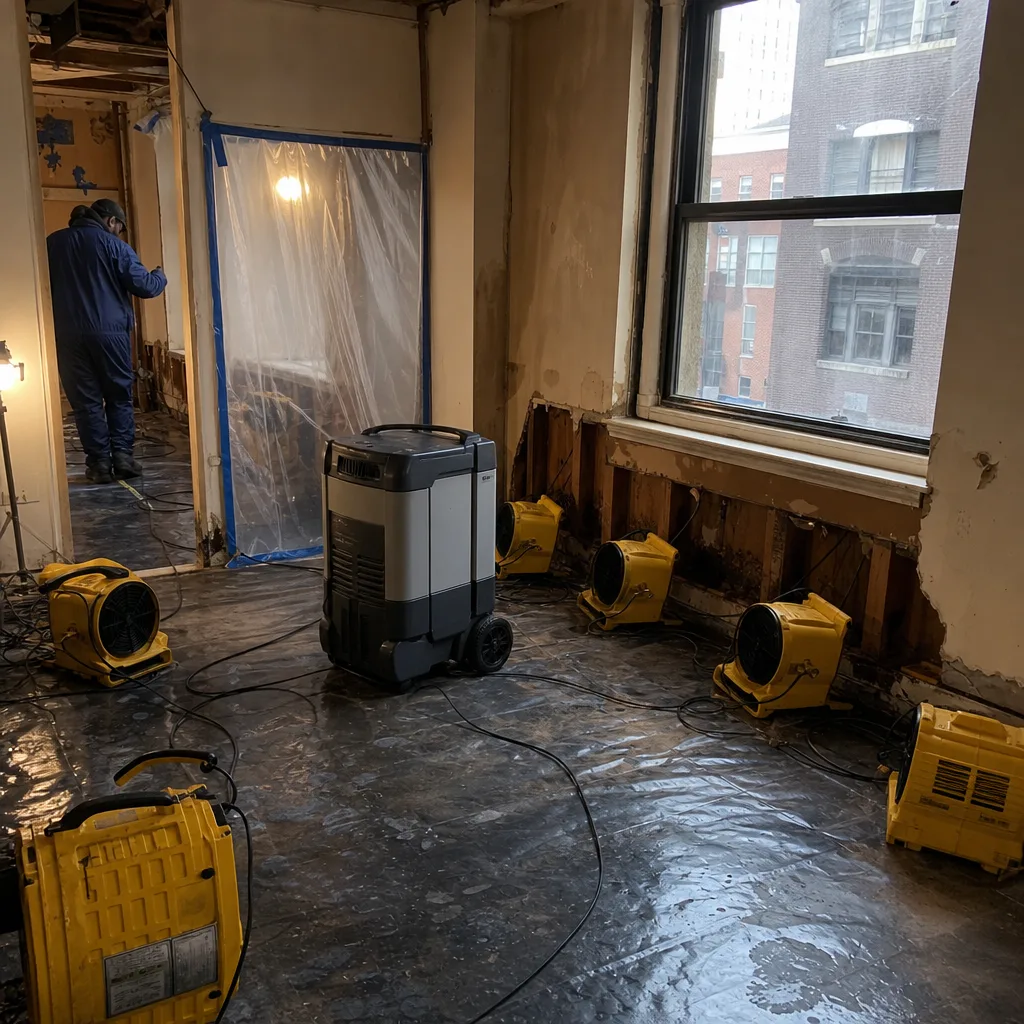
Black Mold Remediation
Stachybotrys, the greenish-black mold that grows on chronically wet cellulose, shows up most often in LIC’s pre-war conversions where a hidden leak has been feeding drywall or wood for months. We treat it the same way we treat every mold, and the same way we handle Biohazard & Crime Scene Cleanup in Long Island City: contain, remove, dry, and verify. The only difference is the level of caution around air handling and PPE.
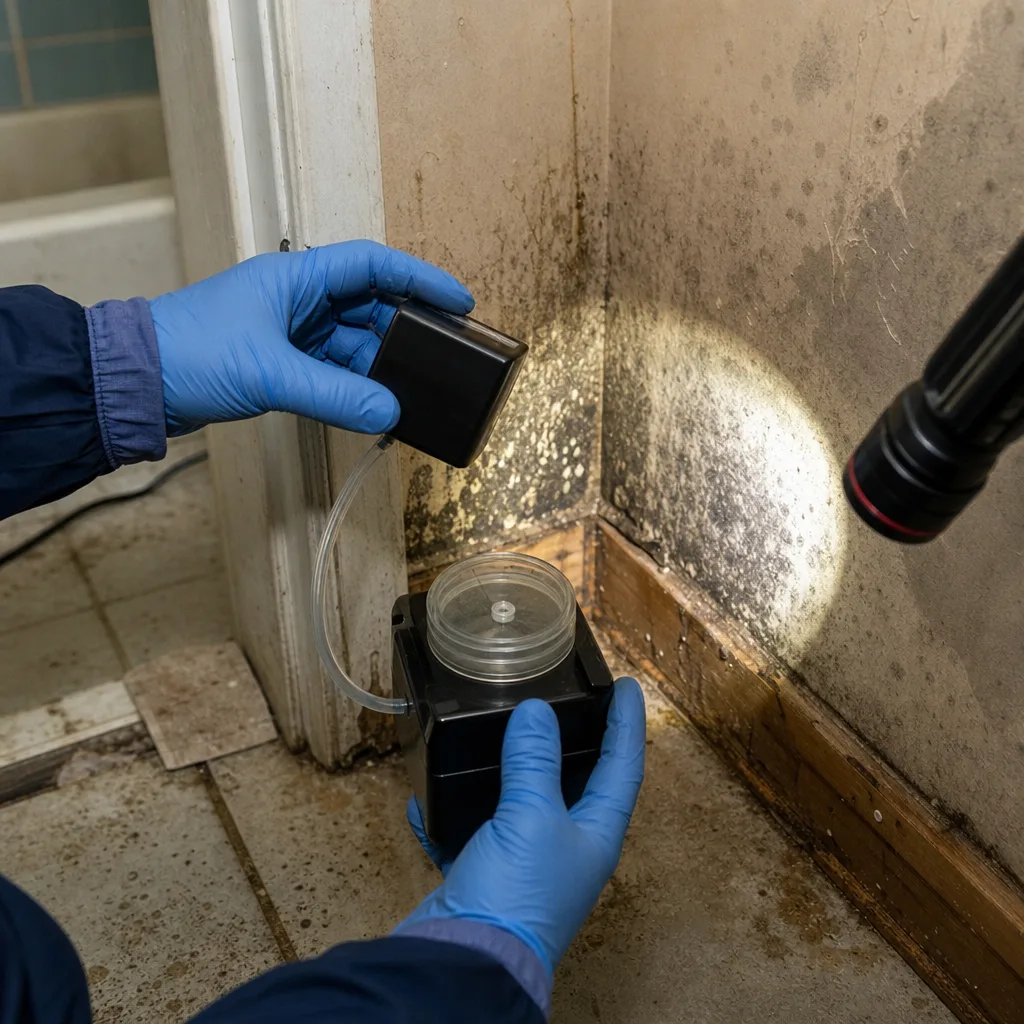
Air Quality Restoration
After moisture and mold are removed, airborne spore counts usually stay elevated until the air is scrubbed. We run HEPA air scrubbers during the job, clean affected ductwork, and can run post-remediation clearance testing so you know the air is actually clean, not just smelling clean.
Crawl Space Treatment
The older rowhouses in Dutch Kills and the industrial-era buildings along 21st Street have crawl spaces and low basements with exposed dirt, old concrete, or brick foundations. We seal, dehumidify, and install vapor barriers where appropriate, then treat any fungal growth on the framing above.
Moisture & Humidity Control
Mold can’t grow without moisture, so the long-term fix in many Long Island City buildings is controlling humidity at the source. We assess the building’s ventilation, insulation, drainage, and mechanical dehumidification, then give you a plan that’s specific to your building type, not a generic recommendation.
What happens when you call
- 1
A real person answersNo phone trees - you reach a local pro.
- 2
You get an upfront price rangeHonest numbers before anyone is dispatched.
- 3
A background-checked tech heads outLicensed & insured, dispatched right away.
- 4
You approve before work beginsNothing starts until you say go.
Mold Remediation Costs in Long Island City, NY
Mold remediation in Long Island City typically runs $2,800 to $7,500 for a contained bathroom or kitchen cavity job in a condo, and $6,000 to $18,000 for a full-room remediation in a pre-war loft or a stacked multi-unit loss in one of the waterfront towers. A crawl space treatment with vapor barrier in an older Dutch Kills rowhouse usually lands between $3,500 and $9,000 depending on square footage and access. Mold inspection and testing alone runs $400 to $1,200. Insurance coverage depends on the source of the water: mold caused by a sudden covered event like a burst pipe or storm surge is usually covered, but mold from chronic dampness or neglect is often excluded. The free visual inspection we offer in Long Island City gets you a written scope and a firm number before anything starts. If you have a written estimate from another company, bring it. Wade will give you a free second opinion, no charge, and he’ll tell you if the scope is honest or inflated. The Senior & Veteran 10% discount also comes off the top of any bill, as it does on every job.
We Also Serve Cities Near Long Island City
Our mold remediation crews regularly cross the Pulaski Bridge and the RFK into Astoria, where the pre-war housing stock and basement moisture patterns are similar to the ones we handle daily in Long Island City. If you’re across the creek or up along 21st Street, the same team, the same promises, and the same 24/7 live answer apply.
Long Island City Mold Remediation Questions, Answered
What makes mold remediation in Long Island City’s Hunters Point different from other Queens neighborhoods?
Two things: elevation and history. Hunters Point sits inside FEMA Flood Zone AE along the East River, and the basement mechanical rooms in the post-Sandy luxury towers are only a few feet above the surge line. That means mold jobs here frequently involve building-wide water intrusion, elevator pits, electrical rooms, and coordination with building engineers and NYC DOB on flood-proofing, a layer of complexity you almost never see in Astoria or Woodside.
How quickly can mold start growing after a water leak in a Long Island City condo?
Mold spores germinate in 24 to 48 hours on wet drywall, insulation, or carpet when humidity stays above 60%. In Long Island City’s summer heat and humidity, especially in older masonry buildings with less ventilation, we regularly see visible growth within two days. Fast extraction and drying are the only things that stop it. Call (607) 703-3408 as soon as you see or smell water.
Do you need to remove all drywall with mold in a pre-war warehouse conversion in Long Island City?
Usually, yes. Drywall is a food source for mold, and the thick concrete slabs and brick party walls in LIC’s older conversions hold moisture long after the surface looks dry. Trying to save moldy drywall with surface treatment almost always leads to recurrence. We cut out all contaminated material and dry the framing and masonry behind it to dry standard before any rebuild.
What is moisture mapping and why is it important for mold remediation in LIC’s concrete slab buildings?
Moisture mapping uses penetrating and non-penetrating meters plus thermal imaging to locate moisture that isn’t visible. In a concrete slab loft, water from a small leak can travel 10 or 15 feet through the slab and into walls before it shows up anywhere. Mapping tells us exactly where the wet area starts and stops, so we only open the walls we need to. Without it, you’re either tearing out too much or leaving wet material behind.
Can mold from a neighbor’s unit spread into my Long Island City apartment?
Yes, and we see it constantly in the stacked residential towers in Long Island City. Shared wall cavities, common plumbing chases, and mechanical shafts give mold spores and moisture a path between units. If you smell must in your apartment but can’t find a source, ask about the units above, below, and beside you. Containment and negative air pressure stop the spread while we find the origin.
How fast can you actually get to a Long Island City address for a mold emergency?
For active water intrusion with mold risk, Wade commits to a 45-minute response inside the Long Island City area, and often the crew is already in the neighborhood. For a non-emergency inspection, we schedule same-day or next-day free visual assessments. You’ll talk to a real person when you call, and you’ll get a real arrival target, not a vague service window.
Will my insurance cover mold remediation in Long Island City?
That depends on the water source. Mold remediation after a sudden covered event like a burst supply line, a storm surge, or a fire suppression discharge is usually covered. Mold from long-term dampness, condensation, or deferred maintenance is often excluded. We document everything from hour one, work directly with your adjuster, and give you a straight read on what your policy likely covers before you spend a dime.
What should I do in the first 30 minutes after I find mold or a water leak in my Long Island City home?
Stop the source if you can do it safely, shut off the water at the local isolation valve if the leak is plumbing-related, move furniture and belongings out of the wet area, and call (607) 703-3408. Don’t run a household fan, don’t open walls, and don’t spray bleach on visible mold, any of which can spread spores and make the problem worse. Take photos for your insurer, then let us take over.
Serving Long Island City, NY - Our Local Coverage Area
We’re based in the Long Island City area and know this community well. Use the map below to see our service coverage - if you’re nearby, we can almost certainly help.
Call Wade’s Restoration for Mold Remediation in Long Island City
If you’ve got mold, a musty smell you can’t place, or water that’s been sitting longer than you’d like to admit in a Hunters Point condo, a Court Square loft, or a Dutch Kills rowhouse, call (607) 703-3408. Wade Ferris answers his own phone. He’ll talk you through what you’re seeing, tell you whether it’s worth an inspection, and come out himself if it’s urgent. The inspection is free, the scope is written before work starts, and the 90-Day Done Right Promise applies to every mold job we do in Long Island City. One call brings Wade back if it’s not right. No runaround, no call center, no national franchise overhead. Just a neighbor who’s been doing this since 2007 and will still be around when you run into him on Jackson Avenue.
Written by Wade Ferris, Owner at Wade’s Restoration, serving the New York City metro and Long Island City since 2007.