
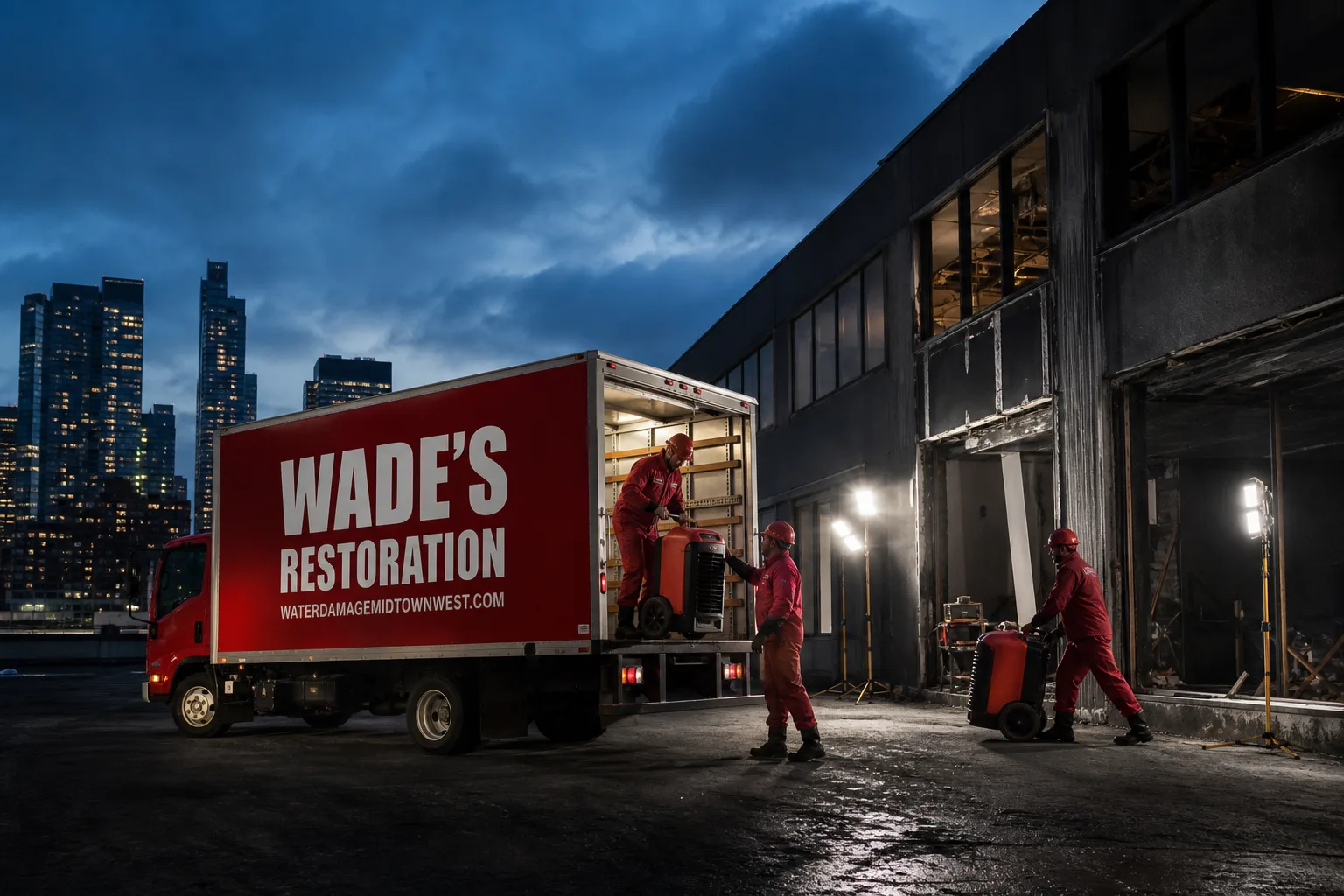
Free visual inspection and a written scope of work before any mitigation begins - photos, moisture readings, and drying logs go in your claim file
The scope we write is the scope we bill. Anything new gets shown to you, in writing, before we touch it.
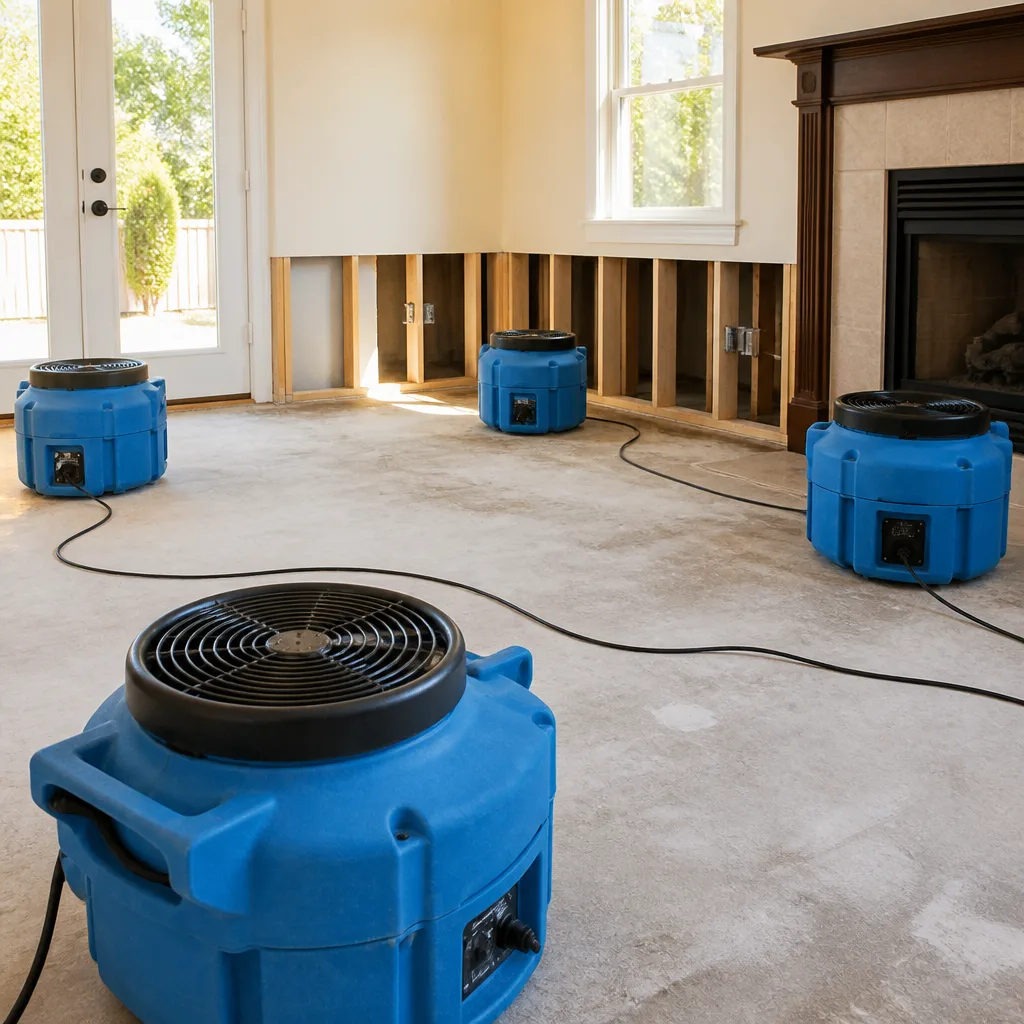
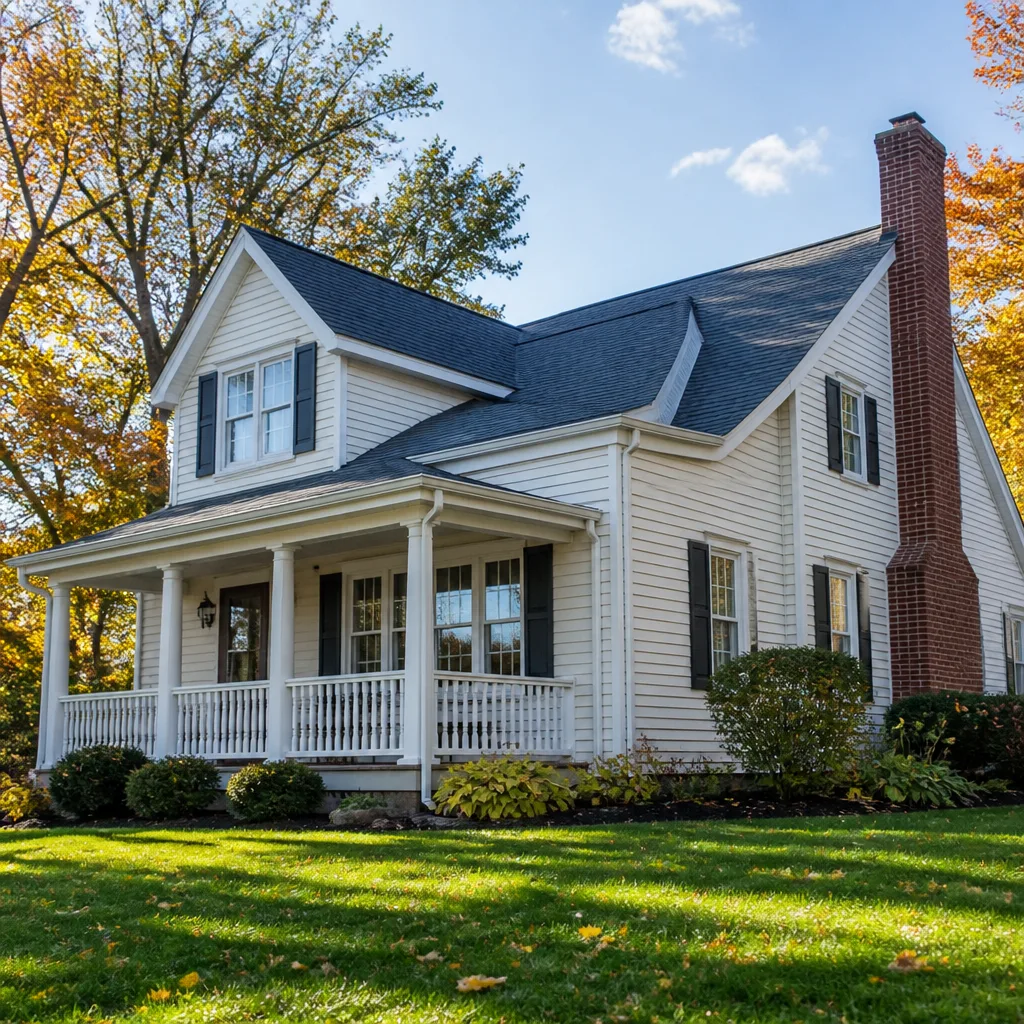
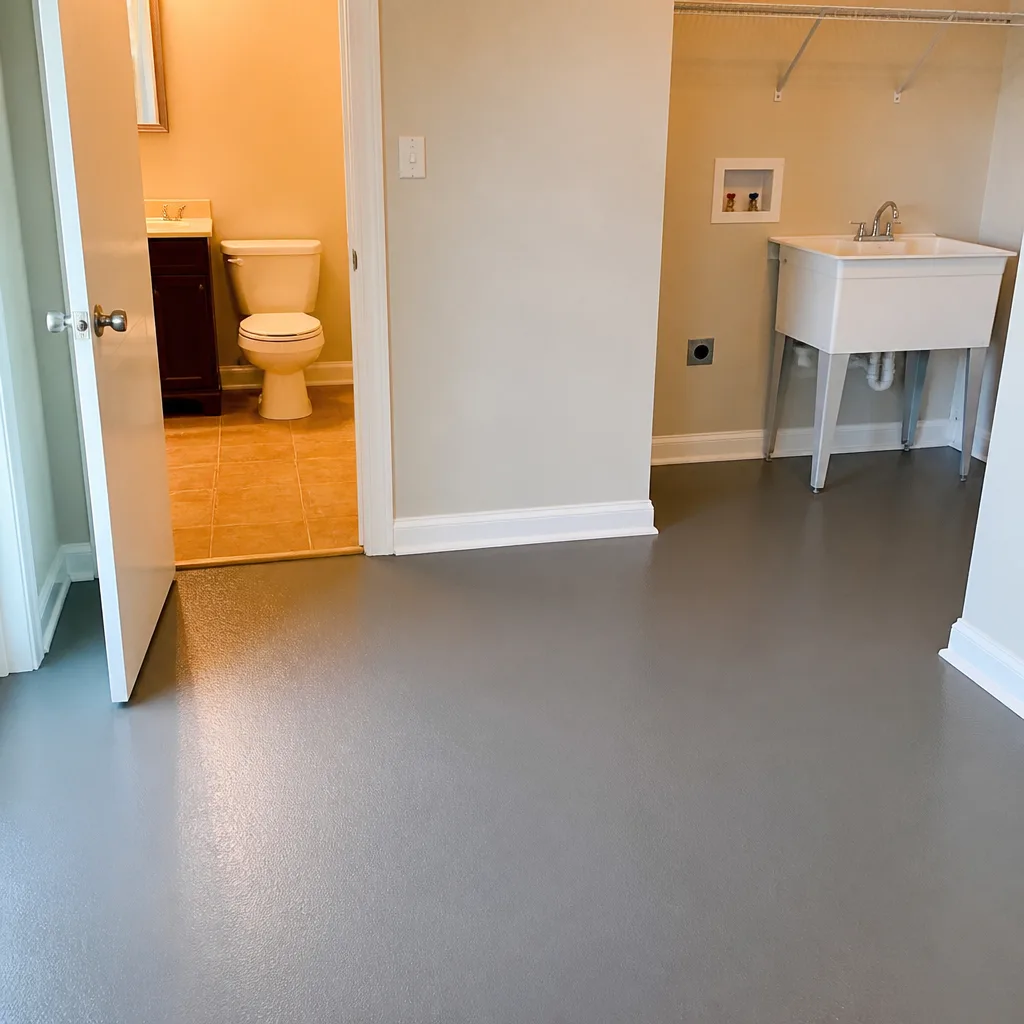
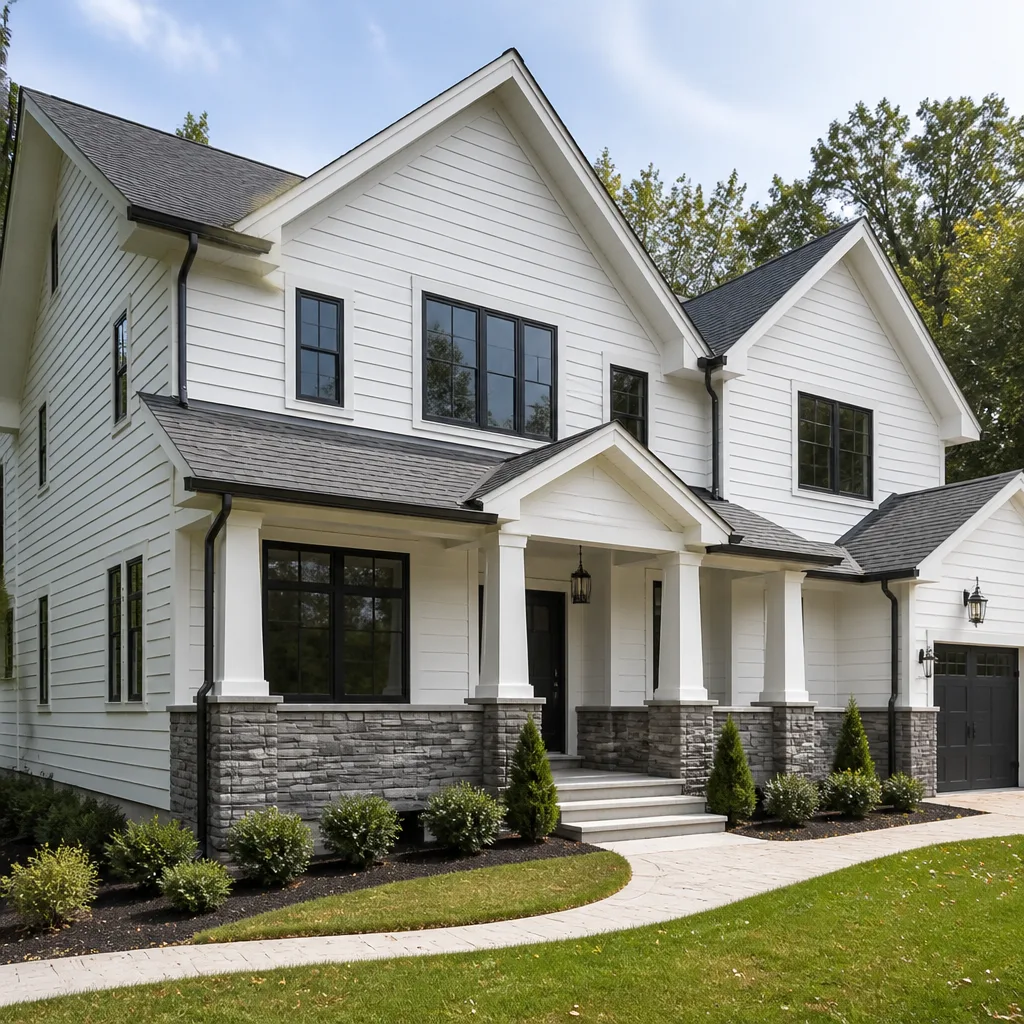
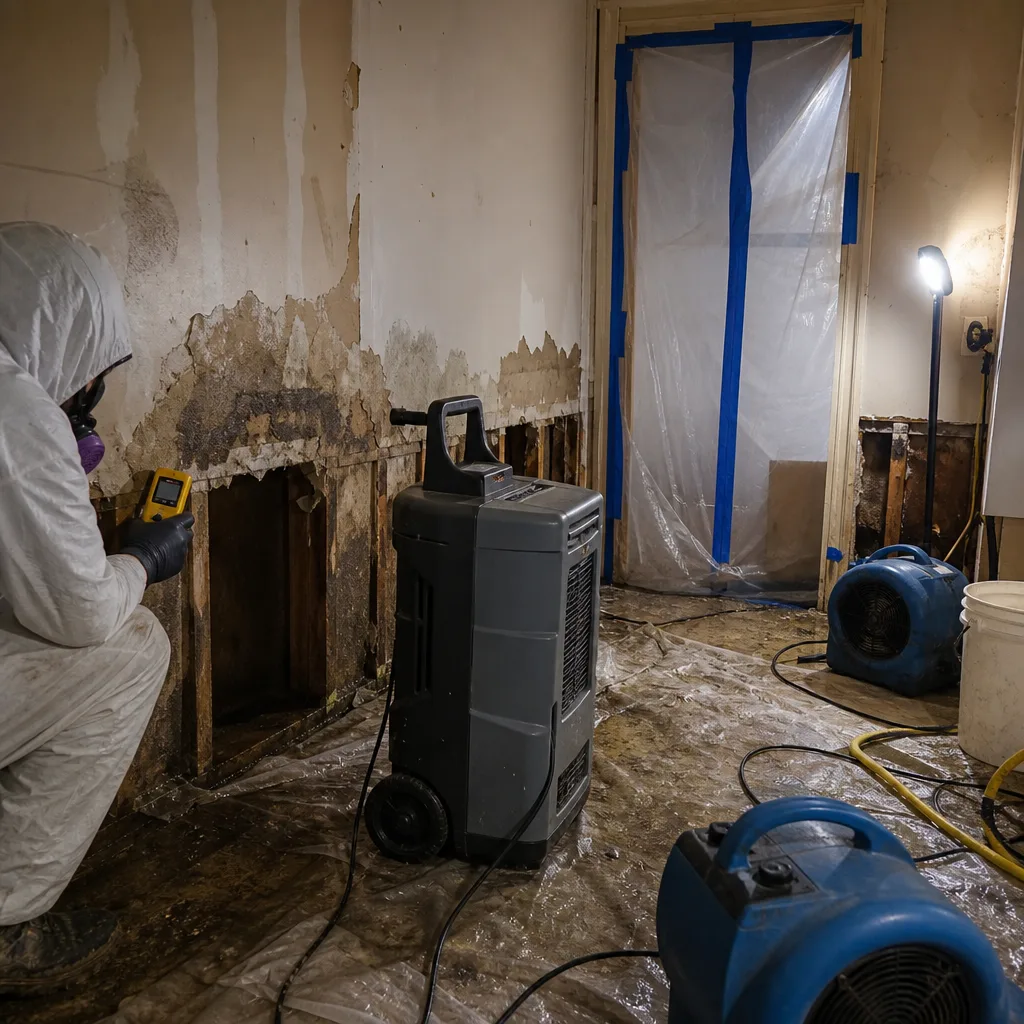 Before
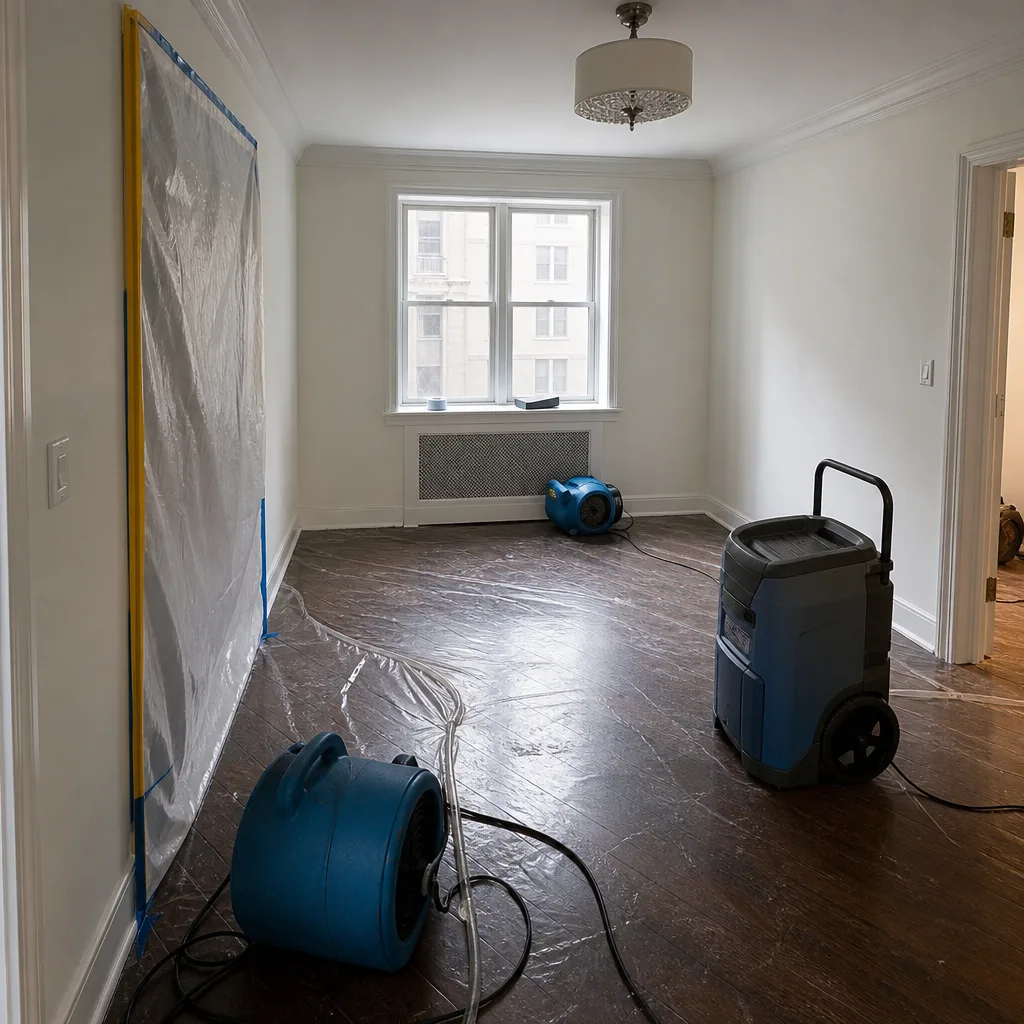 After
After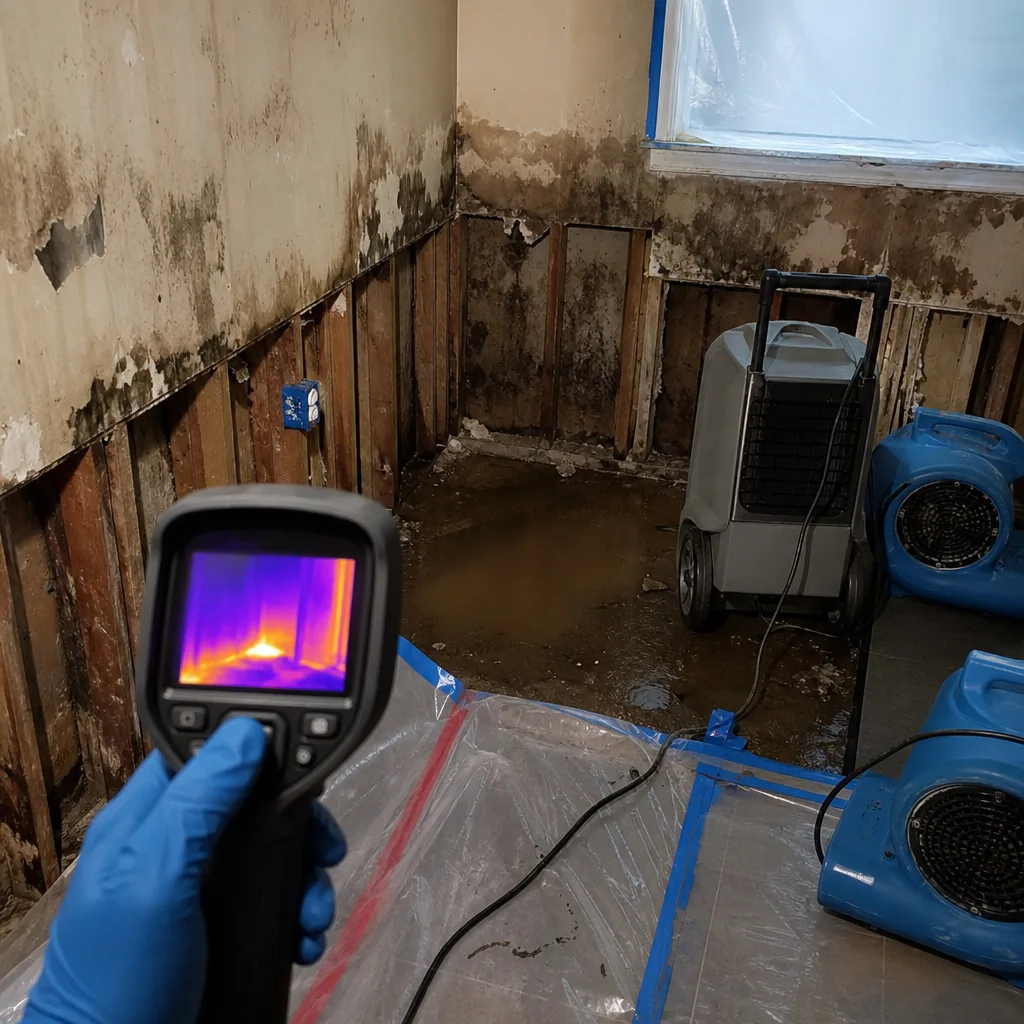 Before
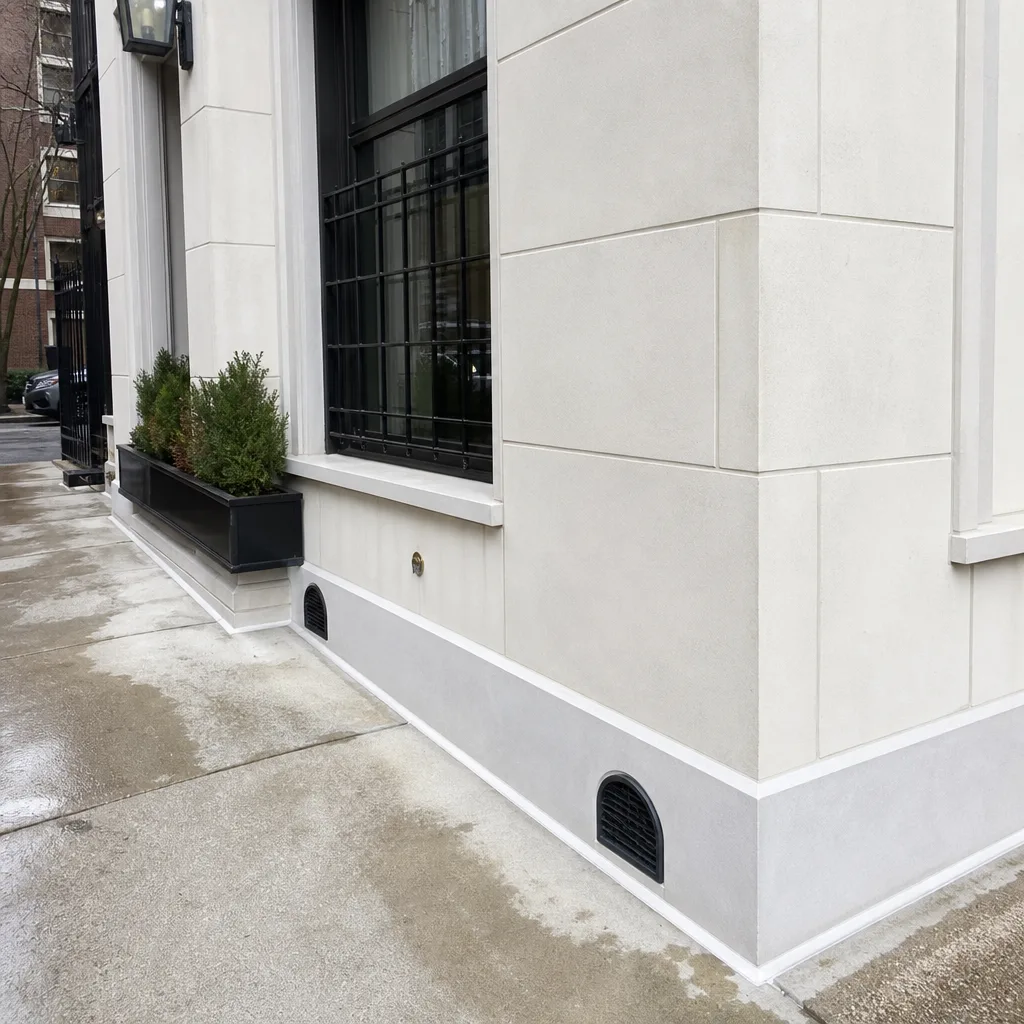 After
After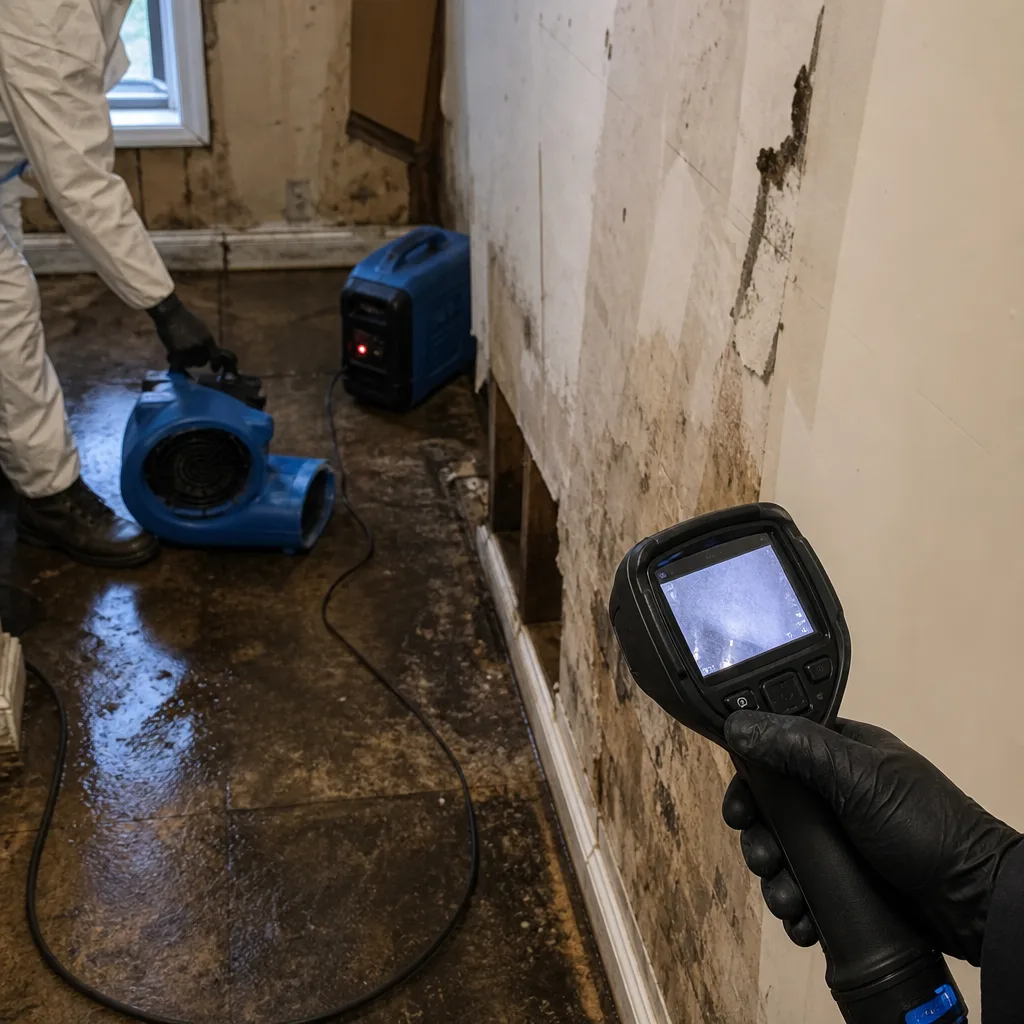 Before
 After
After24/7 Emergency Biohazard & Crime Scene Cleanup in Long Island City
If you’re standing in a Long Island City apartment or commercial space right now facing blood, bodily fluids, or worse, the only thing that matters is getting someone competent on site fast. Call (607) 703-3408. Wade Ferris answers his own phone, day or night, and can have a trained, background-checked crew dispatched to your location in Long Island City within 45 minutes. We handle crime scene cleanup, trauma and unattended death cleanup, hoarding remediation, tear gas and chemical cleanup, and infectious disease disinfection. This is not work to put off. Biological material seeps into grout, concrete, subflooring, and drywall within hours, and in Long Island City’s dense housing stock, the failure to contain it properly can migrate odor and pathogens into neighboring units fast. We offer a free visual inspection with no obligation. The first hour determines whether this is a cleanup or a reconstruction.
Understanding Biohazard & Crime Scene Cleanup Severity in Long Island City Properties
Biohazard cleanup in Long Island City falls into distinct severity categories, and the building you’re in changes the playbook. A trauma scene in a pre-war loft conversion on Jackson Avenue, with its thick concrete slab floors and cast-iron plumbing, behaves differently than a blood spill in a 2015 glass tower on Center Boulevard. Concrete is porous. Blood and bodily fluids that sit on exposed concrete wick down into the slab, where they stay unless physically removed and chemically treated. Cast-iron drain lines corrode from decades of salt air exposure near the East River, which means slow leaks can carry Category 2 gray water into walls without anyone noticing until odor gives it away. In the newer towers, we see the opposite problem: high-efficiency HVAC systems with sealed ductwork recirculate aerosolized pathogens quickly. An unattended death in a sealed unit will push odor through the shared ventilation stack into a dozen other apartments within 48 hours. Our Biohazard & Crime Scene Cleanup team carries HEPA air scrubbers, negative air machines, moisture meters, and thermal imaging cameras on every Long Island City job. That equipment is not optional. It tells us what’s saturated, what’s aerosolized, and what can be saved.
The severity ladder in Long Island City’s housing stock looks like this: minor blood spills on non-porous surfaces, contained and treatable in a few hours. Mid-range trauma requiring full-room containment, floor removal, and air scrubbing. And severe Category 3 contamination from flood surge or sewage backup, which brings marine sediment, fuel residues, and raw sewage into a single hazardous matrix. That last category is the one people in Long Island City live closer to than they realize.
Why Long Island City Property Owners Choose Wade’s Restoration
- 45-minute response commitment – Wade heads out the minute you hang up. He knows the routes down 21st Street, across the Pulaski Bridge, and through Queens Plaza. No call center, no “we’ll try to fit you in.”
- 24/7 live answer, always a real person – You will never get a voicemail when you call us. Wade answers his own phone. At 3:00 a.m. on a Tuesday, you get a human being who owns the company.
- IICRC-certified crews – We hold WRT, AMRT, and FSRT certifications. That means our people are trained in biohazard containment, antimicrobial treatments, and structural drying, not just cleaning surfaces.
- Free visual inspection – Before we touch anything, we walk the scene, we tell you what we see, and we put a written scope in your hands. You decide. No pressure.
- Direct insurance billing – We work with your carrier directly. We send photos, moisture logs, and line-item scopes so you don’t have to be the middleman relaying messages between your adjuster and a restoration crew.
- One team from start to finish – The same crew that extracts and disinfects is the crew that rebuilds. In a luxury tower or a pre-war loft, that continuity matters. We know what’s been wet. We know what’s been treated. We know what still has to come out.
Our Biohazard & Crime Scene Cleanup Process
Inspection & Assessment
We arrive in protective gear, assess the affected area, identify the type and category of contamination, and map the true boundaries of the damage. In Long Island City’s tight residential buildings, we also check adjacent units, shared walls, and common ventilation to determine if the scene has spread.
Containment & Stabilization
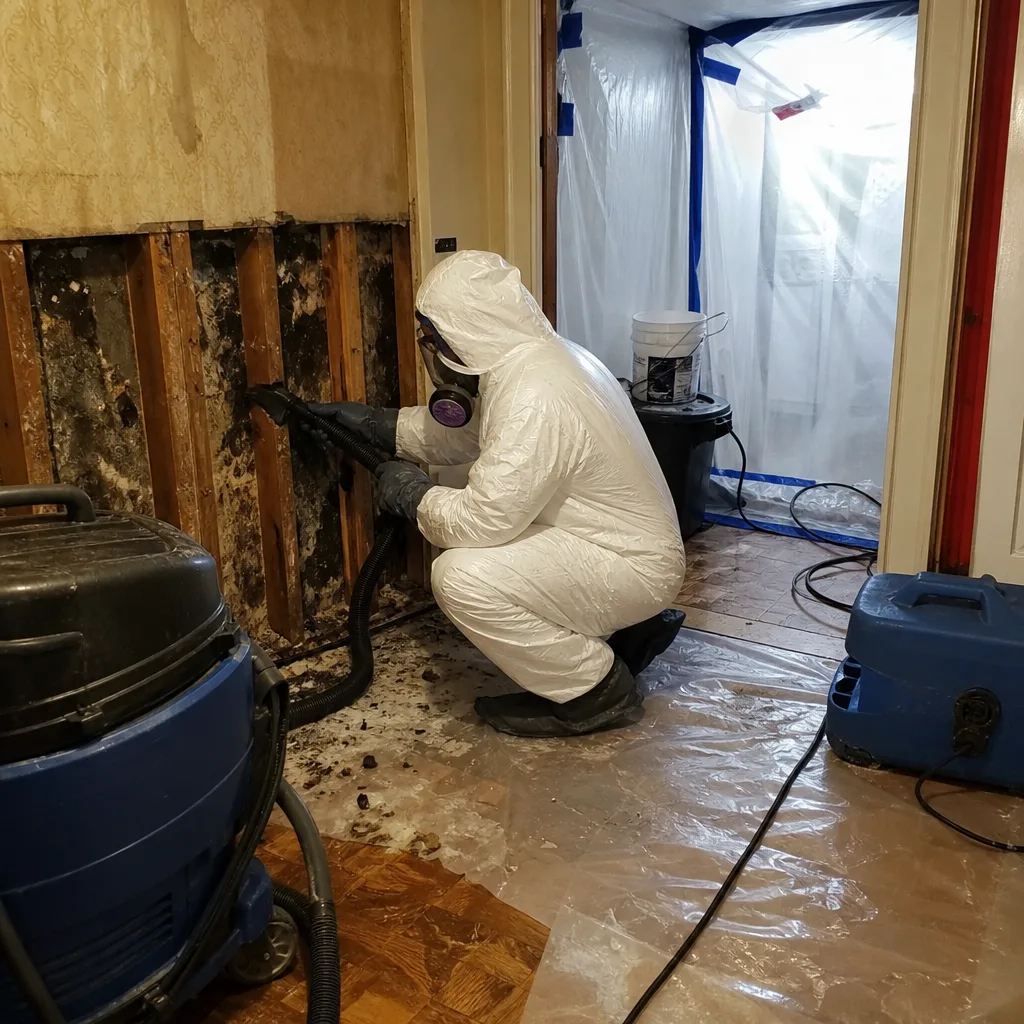
Before we begin physical removal, we seal the area with negative air pressure and containment barriers. This prevents airborne pathogens from reaching unaffected rooms or neighboring apartments. We use HEPA-rated air scrubbers to keep the air inside the containment zone clean.
Removal & Extraction of Affected Materials
Porous materials that cannot be fully decontaminated, such as saturated drywall, carpet, padding, and insulation, are cut out and bagged for disposal under biohazard waste protocols. Hard surfaces are extracted with specialized equipment. We photograph every step.
Cleaning, Disinfection & Odor Neutralization
We apply hospital-grade disinfectants registered with the EPA for bloodborne pathogen elimination, then treat all remaining surfaces with antimicrobial solutions. For odor, we deploy hydroxyl generators and thermal fogging to break down odor molecules rather than masking them.
Verification & Clearance
We run post-remediation swab tests and ATP surface testing to confirm that the space is genuinely clean, not just visually acceptable. You get documentation of what was removed, what was treated, and what the test results show.
Repairs & Restoration
Once the space is cleared, we rebuild through our Commercial Restoration in Long Island City. Drywall, flooring, paint, trim - our team handles the entire sequence, so there is no gap between “clean” and “livable.” In LIC properties with exposed brick or original hardwood, we match materials and respect the building’s character.
Need Emergency Biohazard & Crime Scene Cleanup in Long Island City Now?
Crews minutes away, answering live 24 hours a day. The sooner we start, the less it costs.
Working With Your Insurance Company
Most biohazard and crime scene cleanup in Long Island City is covered under homeowners or commercial property policies, but the way the claim is documented determines how much you get. We have handled claims with every major carrier. We document the loss from the first hour, photograph every affected surface before, during, and after removal, and log every piece of material that leaves the building. Our moisture readings and drying logs are the kind of paperwork adjusters actually accept. One thing we do differently: Wade talks to your adjuster directly. You don’t relay messages, you don’t interpret policy language, and you don’t wait on hold to ask why a line item got denied. He handles it. In a flood-zone claim or a multi-unit tower loss, that coordination is the difference between a smooth settlement and a six-month fight.
What We Provide Your Insurer
- Thorough documentation of the loss
- Photos of all damage, room by room
- Moisture readings and drying logs
- A detailed, line-item scope of work
- Direct coordination with your carrier
Built for Long Island City’s Loss Calendar
Long Island City’s biohazard season does not follow one clean pattern. January and February bring deep freezes that burst supply lines in pre-war buildings with exposed risers, quietly saturating walls with Category 1 water that can turn gray if left to sit in contact with cast-iron piping and old insulation. Spring thaw pushes groundwater up through concrete cellar floors in the old industrial blocks near the creek, bringing musty, bacteria-laden moisture into basement storage rooms and mechanical spaces. Summer brings thunderstorm flash flooding, and in the low-lying blocks around Vernon Boulevard closer to Newtown Creek, stormwater can back up through floor drains. Then there’s the truth unique to Long Island City: significant portions of the waterfront sit in FEMA Flood Zone AE along the East River. A nor’easter in October or a hurricane remnant in September doesn’t just dump rain; it drives river surge into sub-grade parking garages, basement mechanical rooms, and ground-floor commercial spaces along the Hunters Point waterfront. That surge carries raw sewage, harbor sediment, and petroleum residues. Call it what it is: Category 3. The high-rises that line the waterfront may look invincible from the street, but their mechanical rooms sit at or near sea level. One storm can contaminate an entire building’s boiler room and elevator pit, which then has to be extracted, disinfected, dried, and rebuilt with code-compliant flood-proofing. That’s a full restoration job wrapped in a biohazard cleanup, and it repeats every time the river comes up.
Biohazard & Crime Scene Cleanup Across Long Island City’s Neighborhoods
Hunters Point, with its glass towers and waterfront parks, is where we handle the most surge-related biohazard work. Elevator pits and basement switchgear rooms don’t flood like a suburban basement; they flood with river water carrying sewage and marine contaminants, and the building engineers, property managers, and NYC DOB all have a seat at the table. Queens Plaza and Court Square, dense with converted factories and high-rise offices, bring us crime scenes and hazmat leaks in public and semi-public spaces where containment speed is everything. The blocks around Ravenswood and the NYCHA developments put us in older slab-on-grade housing stock where decades of layered flooring and retrofit plumbing can hide biological residue long after the visible stain is gone. Over in Dutch Kills and up along 21st Street, the old masonry warehouse buildings with brick interiors and thick timber joists soak up moisture and odor in ways that require aggressive structural drying, not just surface cleaning. And in the mixed-use corridor along Jackson Avenue, a single trauma scene in a commercial or residential unit means we often coordinate directly with building superintendents and immediate neighbors to keep odor and airborne particles from crossing shared walls. There is no single “Long Island City biohazard job.” The neighborhood determines the building; the building determines the method.
Specialized Biohazard & Crime Scene Cleanup Services We Offer in Long Island City
Crime Scene Cleanup
Crime scenes require more than a strong stomach. We are trained to identify, contain, and remove all biological material in accordance with OSHA bloodborne pathogen standards and local DOH requirements. We have cleaned scenes in apartments, commercial spaces, and public areas throughout Long Island City, and we always coordinate with law enforcement, building management, and property owners on timing and access.
Trauma & Unattended Death Cleanup
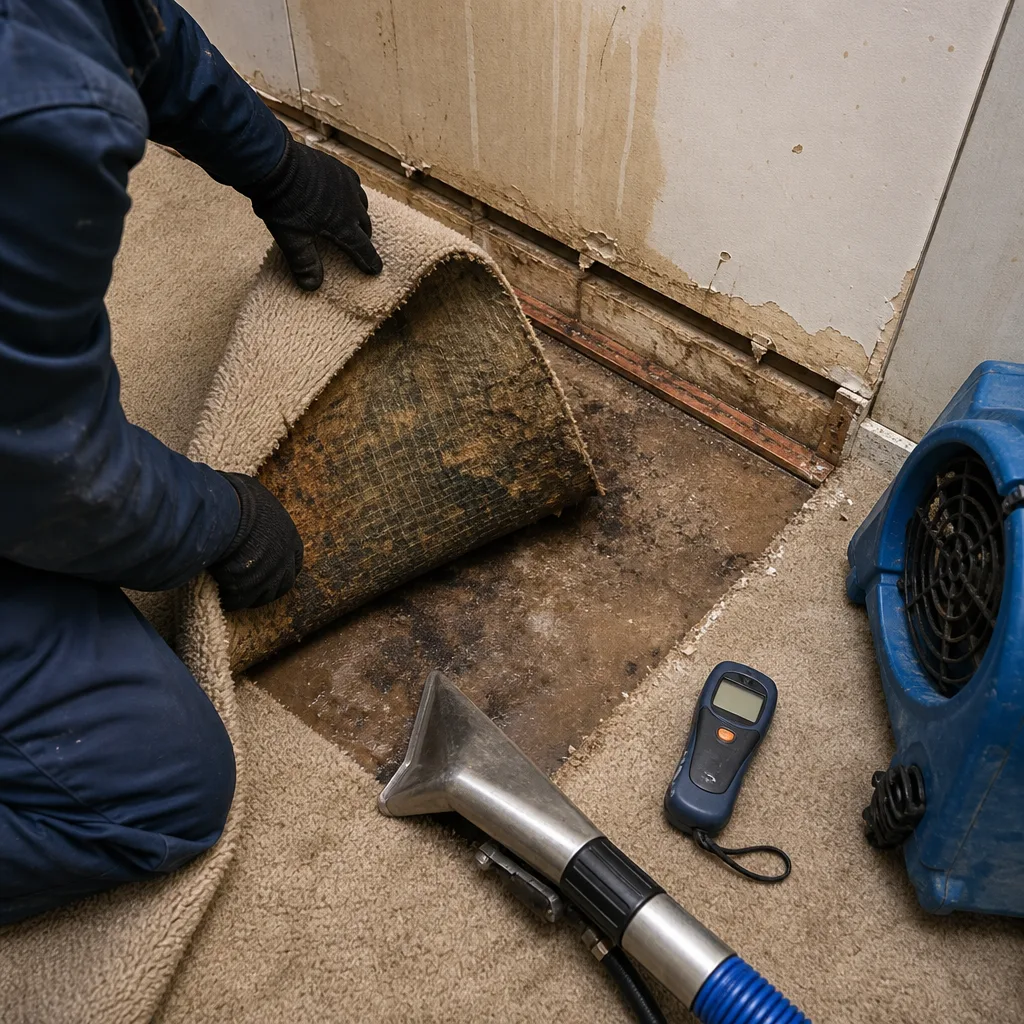
An unattended death in a Long Island City apartment often goes days or weeks before discovery. By then, decomposition fluids have moved through flooring, mattress, bedding, and into subflooring and baseboards. Odor has saturated porous materials and sometimes penetrated neighboring units through wall cavities and HVAC returns. We remove affected materials, treat all surfaces, and run air scrubbing until the unit is genuinely safe, not simply covered in fragrance.
Hoarding Cleanup
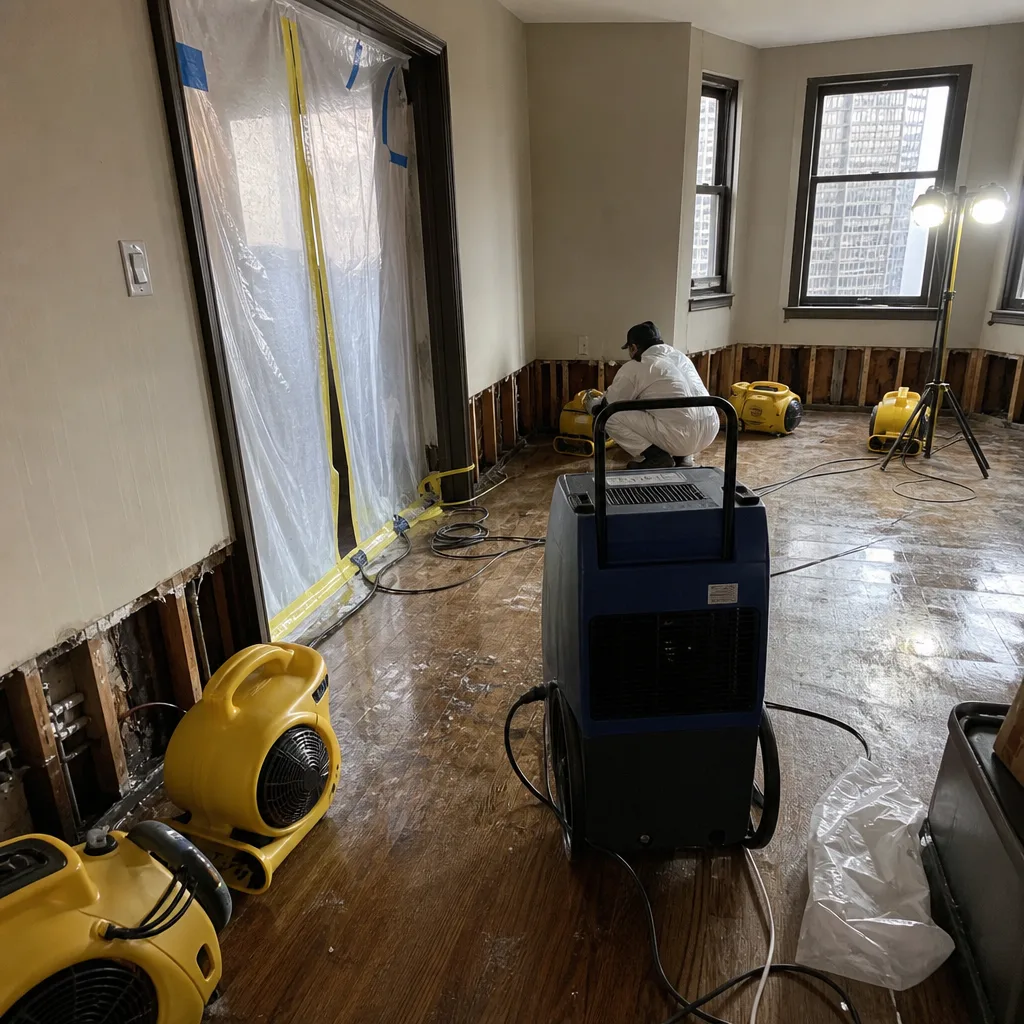
Hoarding remediation is a slower, more respectful process. We work with family members and sometimes with social workers or building management to sift through the space, remove waste and contaminated materials, and identify items that should be preserved. Most hoarding cleanups in LIC’s tighter apartments involve years of accumulated garbage, dust, and sometimes animal waste. We do not rush it, and we do not judge anyone.
Blood & Bodily Fluid Cleanup
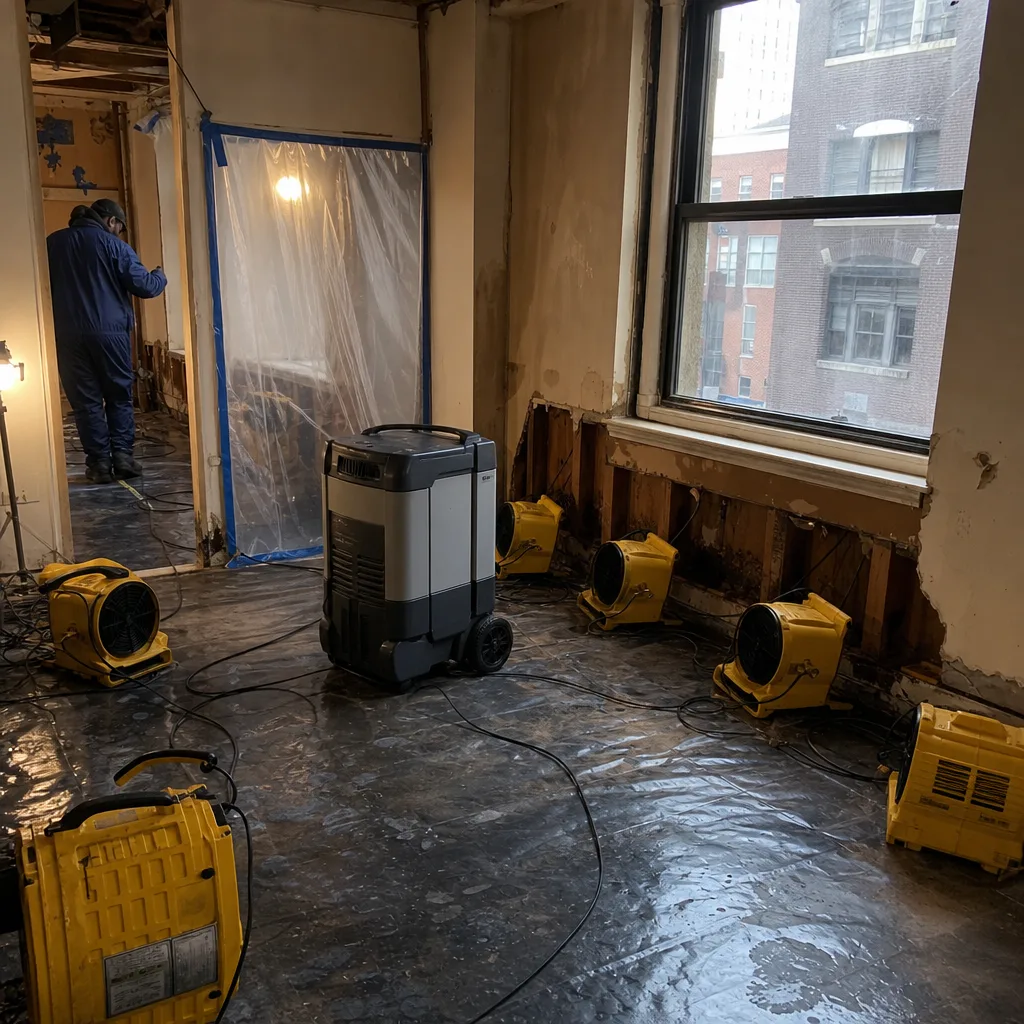
Blood cleanup after a cutting accident, medical episode, or violent incident requires actual disinfection, not just mopping. We identify every surface that received splash, spray, or pooling. In LIC apartments with hard surface flooring and brick walls, the material sits on the surface and is treatable. In units with carpet, drywall, and hollow-core doors, those materials are removed and replaced. We never patch over a blood-contaminated surface.
Infectious Disease Disinfection
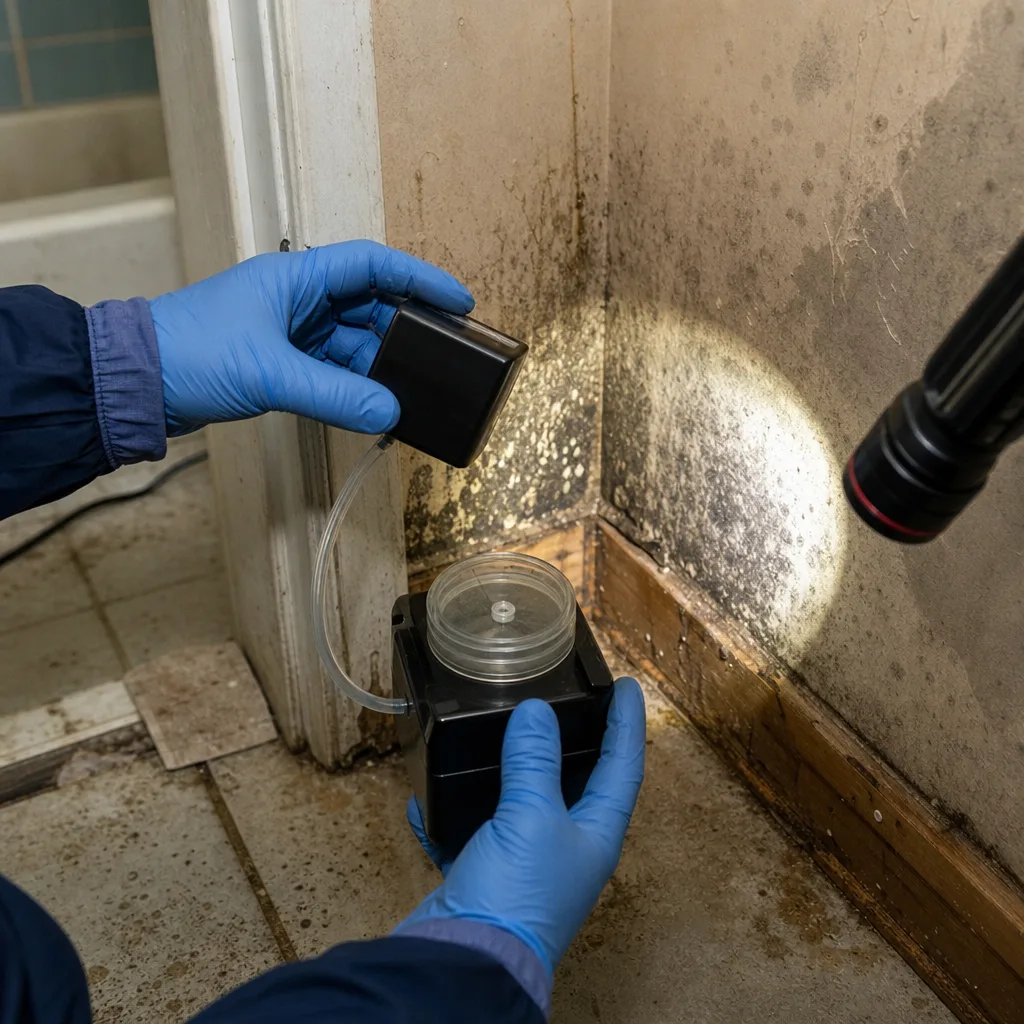
Long Island City’s density means a norovirus outbreak in an office, a tuberculosis exposure in a building, or COVID-era contamination in a commercial kitchen demands whole-room or whole-floor disinfection with EPA-registered hospital disinfectants. We fog, wipe, air scrub, and then verify. In multi-unit buildings, this often includes common areas, elevator cabs, mailrooms, and laundry rooms that are shared by hundreds of residents.
Tear Gas & Chemical Cleanup
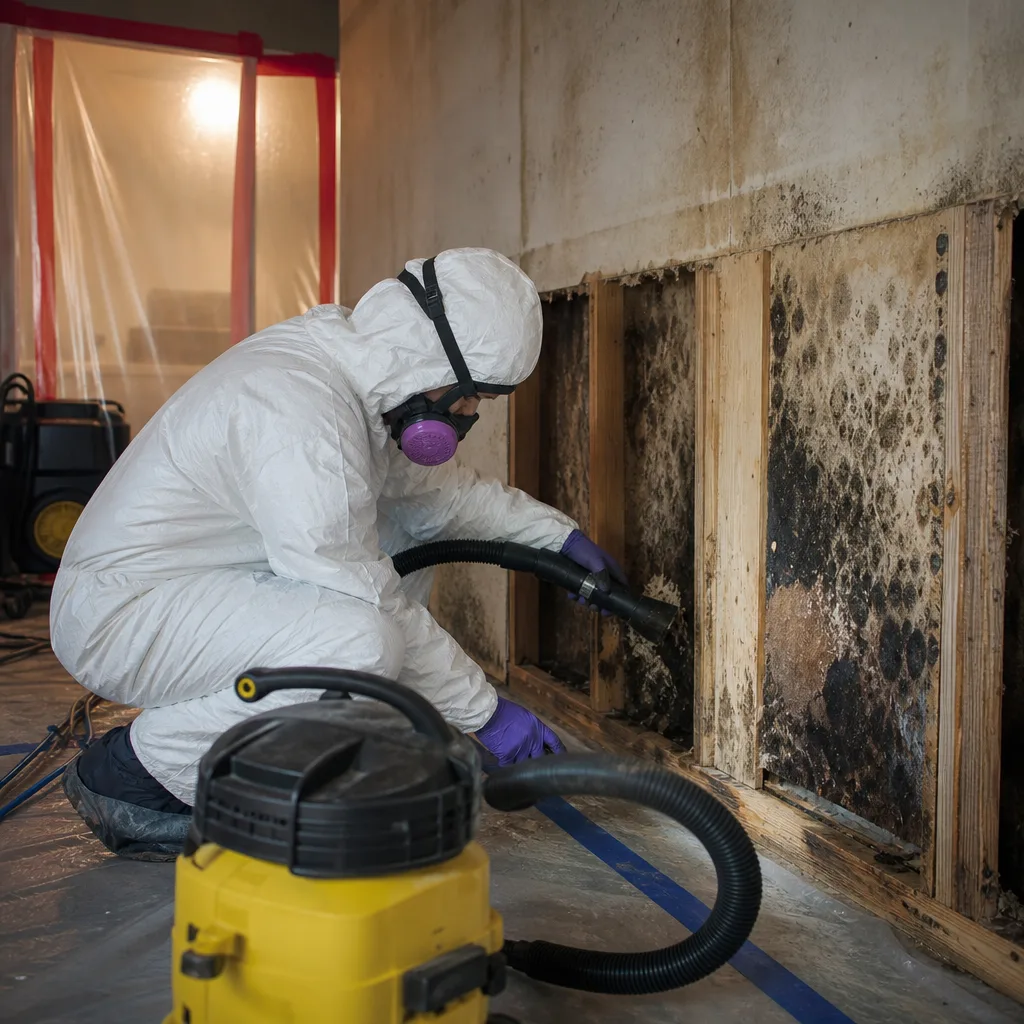
Tear gas residue is fine particulate that clings to every horizontal surface and absorbs into soft goods, ductwork, and paint. Cleanup requires wiping with alkaline solutions to break down the active compounds, not water, which can reactivate CS residue. We have worked on tear gas decontamination in commercial and residential spaces in Long Island City, and we understand the air handling and ventilation component that most general cleaners miss.
What happens when you call
- 1
A real person answersNo phone trees - you reach a local pro.
- 2
You get an upfront price rangeHonest numbers before anyone is dispatched.
- 3
A background-checked tech heads outLicensed & insured, dispatched right away.
- 4
You approve before work beginsNothing starts until you say go.
Biohazard & Crime Scene Cleanup Costs in Long Island City, NY
A typical unattended death cleanup in a Long Island City apartment runs $3,000 to $8,000 depending on how long the scene went undiscovered and what materials need removal. A contained blood spill on hard flooring, treated same-day, usually lands between $800 and $2,000. Tear gas decontamination in a one-bedroom unit typically runs $2,500 to $5,500, influenced by whether ductwork and soft goods are involved. Flood-related Category 3 biohazard cleanup inside a basement mechanical room, with extraction, disinfection, and drying, starts around $5,000 and goes up from there based on square footage and the extent of building systems affected. Insurance covers most of these costs when the cause is sudden and accidental or tied to a covered peril like storm surge or a burst pipe. Hoarding cleanup is often partial out-of-pocket, since it is not tied to a single covered event. We give free visual inspections and a written scope before any work starts. Call (607) 703-3408 for an exact quote.
We Also Serve Cities Near Long Island City
Our crews cross the Pulaski Bridge into Long Island City daily and also serve the surrounding neighborhoods. If you are across the creek or a few blocks away in Astoria, the same team, the same equipment, and the same 45-minute response commitment applies.
Serving Long Island City, NY - Our Local Coverage Area
We’re based in the Long Island City area and know this community well. Use the map below to see our service coverage - if you’re nearby, we can almost certainly help.
Long Island City Biohazard & Crime Scene Cleanup Questions, Answered
How does Long Island City’s flood zone affect biohazard cleanup after a storm?
In FEMA Flood Zone AE along the East River, storm surge does not bring clean rainwater into a building; it brings raw sewage, harbor sediment, and petroleum runoff from streets and industrial sites. That is Category 3 water, and any surface it touches requires Water Damage Restoration - Long Island City specialists to perform extraction, disinfection, antimicrobial treatment, and often removal of porous materials. Call (607) 703-3408 and we will assess what needs to come out versus what can be treated.
What’s different about cleaning a crime scene in a pre-war LIC loft conversion versus a newer tower?
Pre-war lofts have thick concrete slabs and cast-iron plumbing. Blood and fluids sink into the concrete and move through cracks. Newer towers have gypsum-based construction and shared ventilation, so airborne contaminants spread horizontally and vertically much faster. The cleanup methods are different, and we adjust accordingly based on the building. A free inspection tells you exactly what you’re dealing with.
How fast can someone actually get to my Long Island City property?
Wade Ferris answers his own phone, and crews can be on site in Long Island City within 45 minutes in most cases. We serve every neighborhood from Hunters Point to Dutch Kills to Queens Plaza. Call (607) 703-3408 anytime, day or night.
Will insurance cover biohazard and crime scene cleanup?
Most homeowners and commercial policies cover biohazard cleanup when the cause is a covered peril, such as a crime, unattended death, burst pipe, or storm surge. We document everything, bill your carrier directly, and coordinate with your adjuster so you don’t have to fight the claim alone. Call us and we’ll help you understand your specific policy.
Do I really need full remediation, or just a cleaning?
If biological material has saturated porous materials like drywall, carpet, subflooring, or grout, a surface cleaning will not get it out. Odor will return, pathogens can remain, and in a Long Island City apartment, it can migrate to neighbors. We tell you honestly what can be cleaned and what must be removed. Free inspection, no obligation.
How long does biohazard cleanup take?
A contained blood spill can be done in a few hours. An unattended death with structural saturation takes one to three days. A Category 3 flood event in a basement mechanical room can run a week or more, including drying and reconstruction. We give you a timeline in writing before we start.
Can I stay in my home during the cleanup?
For most blood and body fluid cleanups, we recommend vacating the affected area while we work, but the rest of the unit can be used. For odor-intensive scenes like unattended death or tear gas, you will likely be more comfortable elsewhere for a day or two. We will tell you honestly based on what we find.
What should I do in the first 30 minutes before you arrive?
Stay out of the affected area. Do not touch, wipe, or try to clean anything. Do not turn on your HVAC system, because it will spread contaminants. Close the door to the room if possible, open a window if safe, and call (607) 703-3408. We will walk you through the next steps.
Written by Wade Ferris, Owner at Wade’s Restoration, serving Long Island City since 2007.