
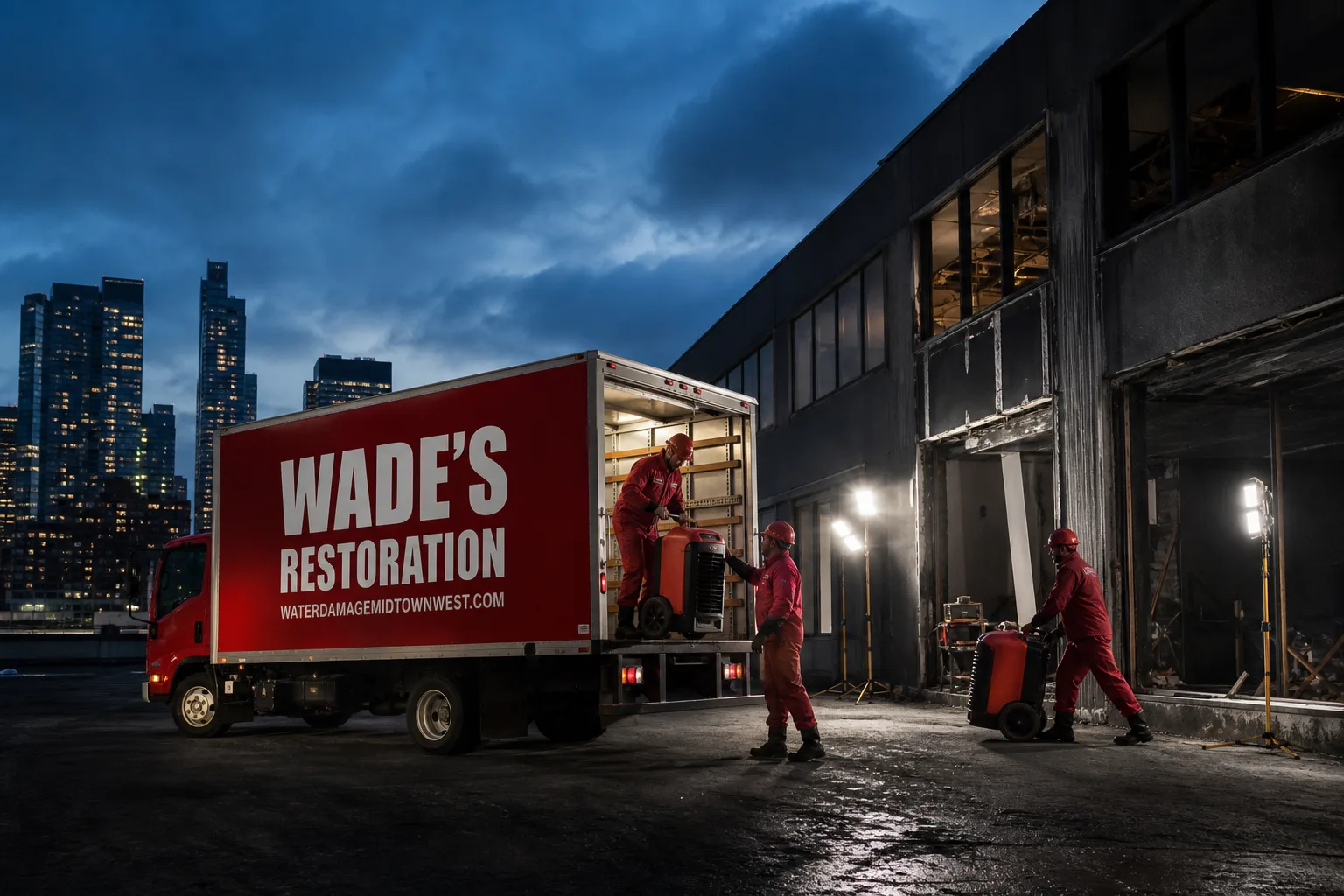
Free visual inspection and a written scope of work before any mitigation begins - photos, moisture readings, and drying logs go in your claim file
The scope we write is the scope we bill. Anything new gets shown to you, in writing, before we touch it.
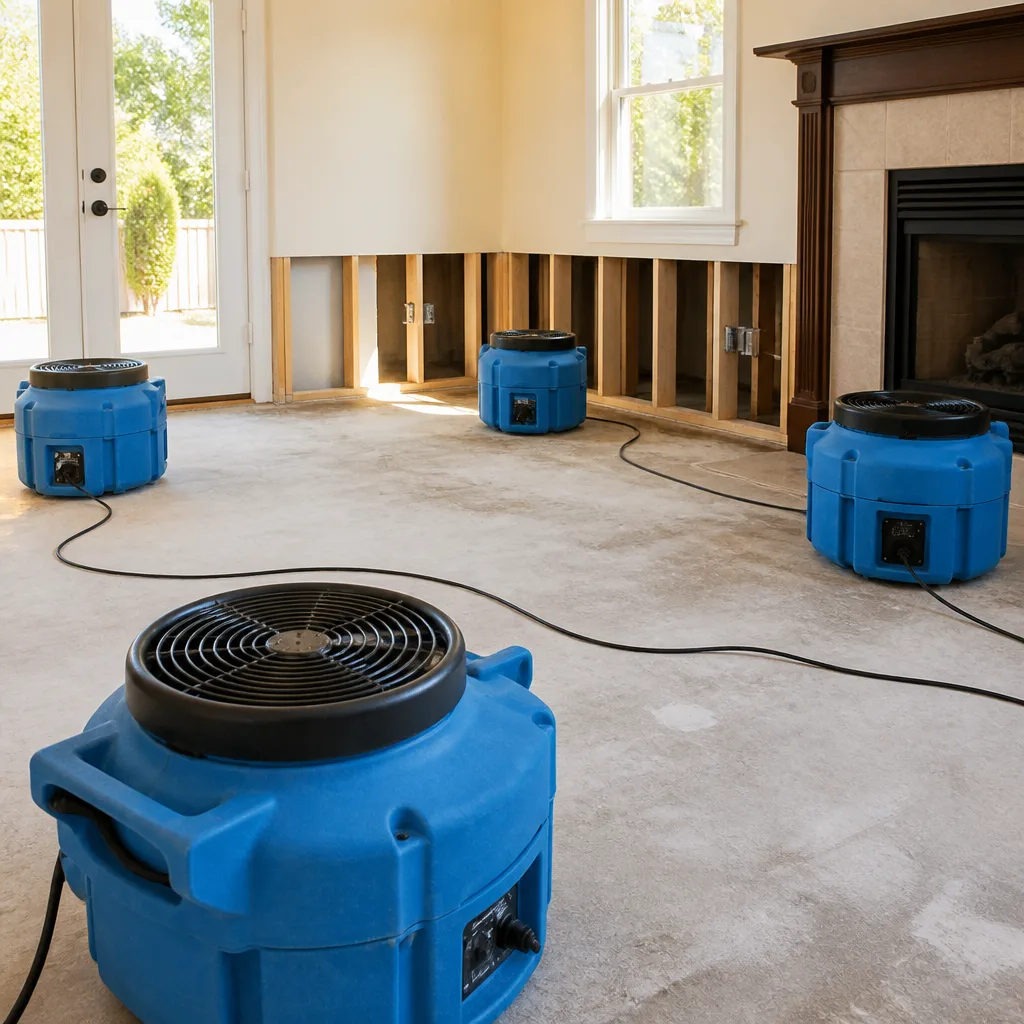
 Before
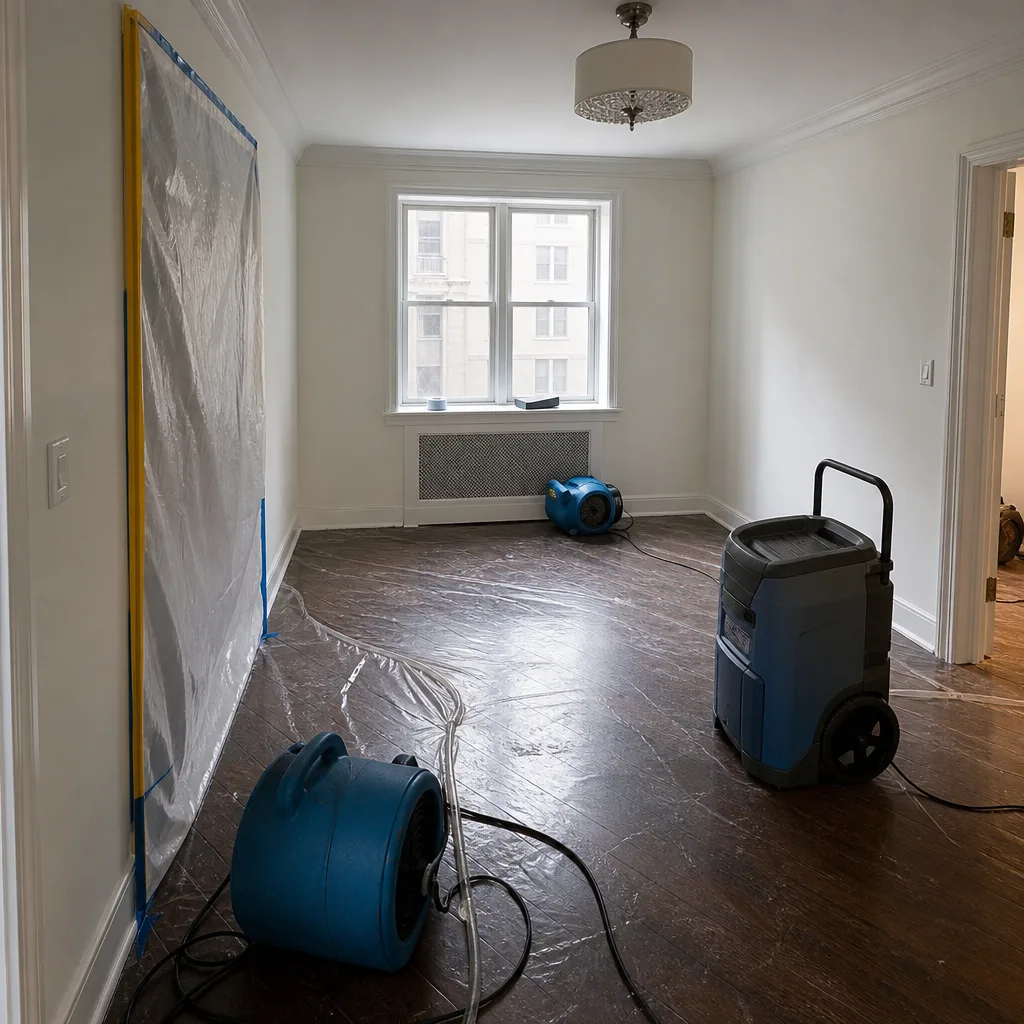 After
After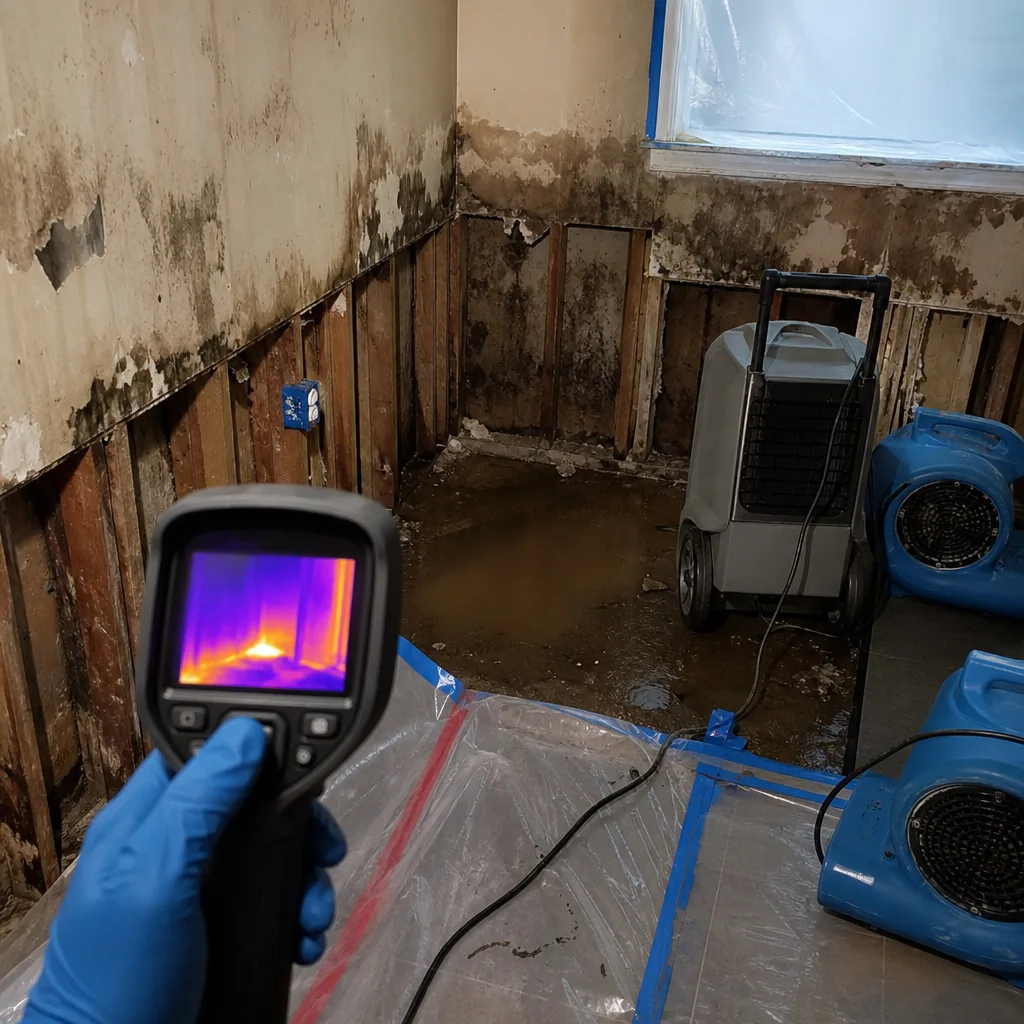 Before
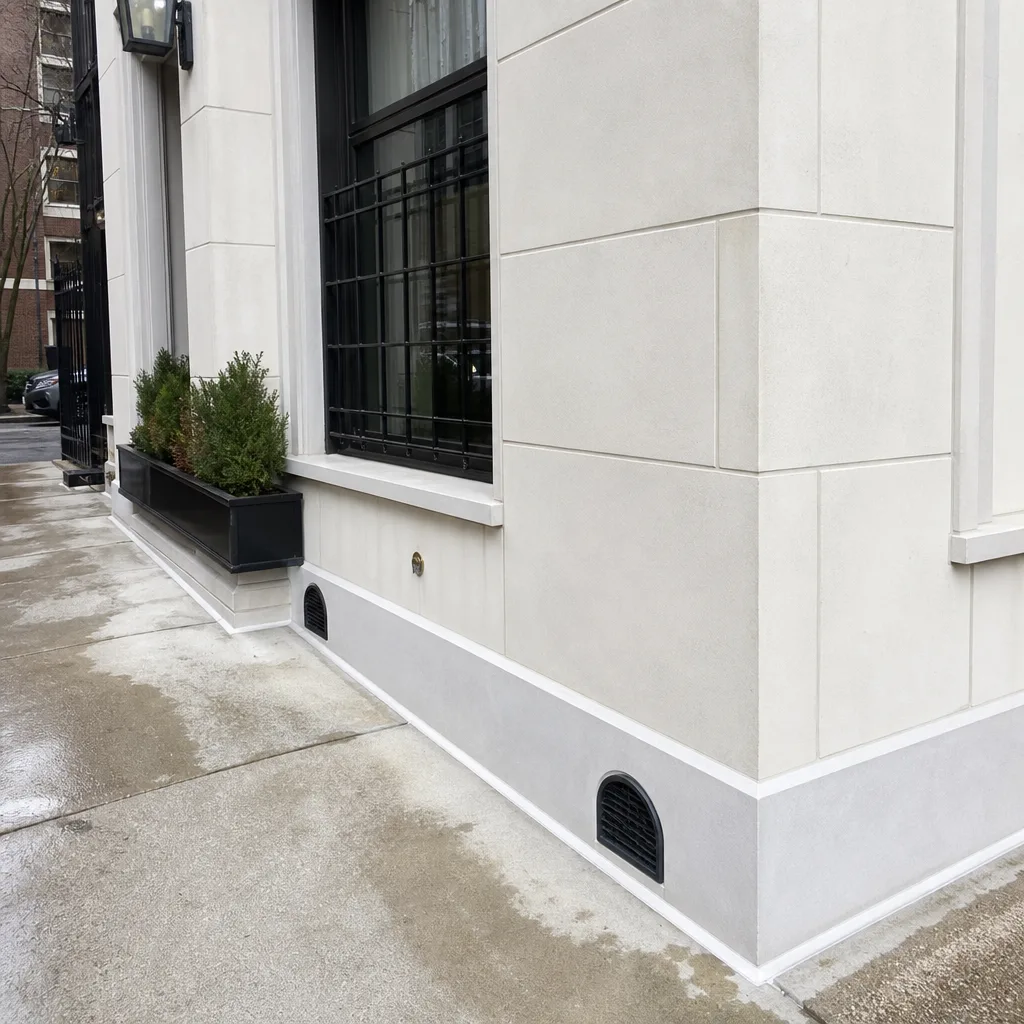 After
After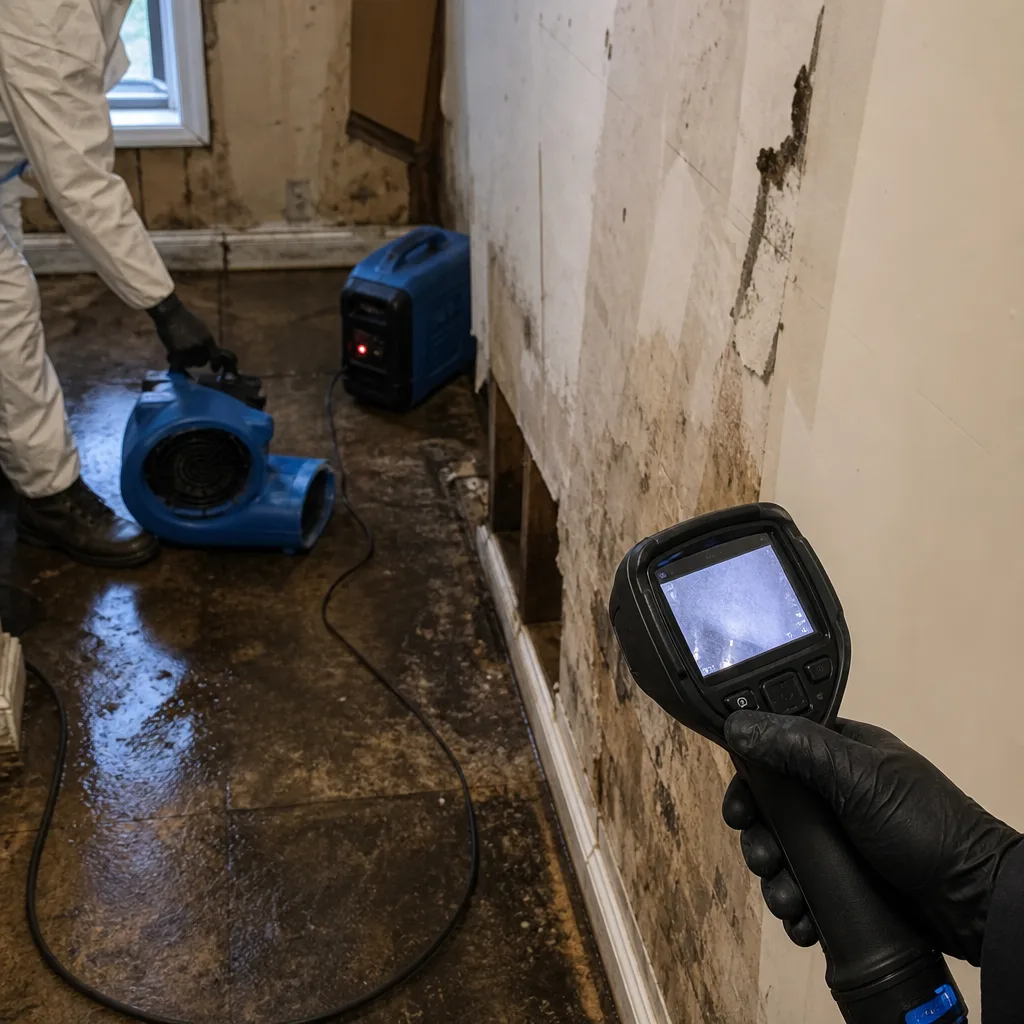 Before
 After
After24/7 Emergency Fire & Smoke Damage Restoration in Lower Manhattan
A fire in a Lower Manhattan building demands a response that starts in minutes, not hours. We answer live at (607) 703-3408 around the clock, every day, and Wade’s crew can be on site inside the hour for most Lower Manhattan addresses. First hour matters more here than almost anywhere else in the city: smoke and soot from burning synthetics, plastics, and old wiring turns acidic within hours and starts etching glass, pitting metal, and permanently yellowing painted surfaces in Tribeca loft conversions and Financial District pre-war units alike. Call now for a free visual inspection. We walk the damage with you before any work begins and tell you straight what needs to happen and what the ballpark number looks like.
Understanding Fire & Smoke Damage Restoration Severity in Lower Manhattan Properties
Not all fire damage is the same, and Lower Manhattan’s building stock makes severity assessment trickier than in most of the country. Soot residue types tell the story: dry soot from paper and wood burns sits on surfaces and brushes off fairly readily; oily or wet soot from burned plastics, wiring insulation, and synthetic furnishings smears when touched and bonds to surfaces chemically; protein soot from kitchen fires is nearly invisible, oily, and produces an odor that lingers for months if not neutralized properly. The real complication down here is the water used to fight the fire. In a high-rise Battery Park City tower, water from sprinkler systems and fire hoses travels down through multiple floors before pooling. In many Lower Manhattan buildings, that water ends up in the same sub-basement mechanical rooms that Hurricane Sandy’s saltwater flooded in 2012. The salt crystals left behind in concrete block and brick never left. They are hygroscopic, meaning they pull moisture from the air indefinitely. So a post-fire water event often reactivates salt contamination that has been quiet for over a decade. That is not something a generic fire restoration checklist accounts for.
Why Lower Manhattan Property Owners Choose Wade’s Restoration
- 45-minute response commitment for Lower Manhattan. Wade heads out when you call, not after a call center triages and schedules you for tomorrow. He answers his own phone.
- Live answer 24 hours a day. No voicemail, no answering service, no automated menu. A real person picks up at (607) 703-3408, including Wade himself at 3 a.m. if that’s when your fire happens.
- IICRC-certified crews with FSRT credentials. Fire and Smoke Restoration Technician certification means the people in your home understand soot chemistry, smoke migration, and odor neutralization, not just demolition.
- Free visual inspection. We look at the damage, tell you what we found, and give you a written scope before anything is torn out. No obligation to hire us, no pressure.
- Direct insurance billing. We deal with your adjuster directly, provide photo documentation from the first hour, and use industry-standard estimating software so the claim moves faster.
- One team from board-up to final paint. The same crew that tacks up plywood at midnight is the crew doing the structural fire repair weeks later. No handoffs, no strangers showing up mid-job.
Our Fire & Smoke Damage Restoration Process
Inspection & Assessment
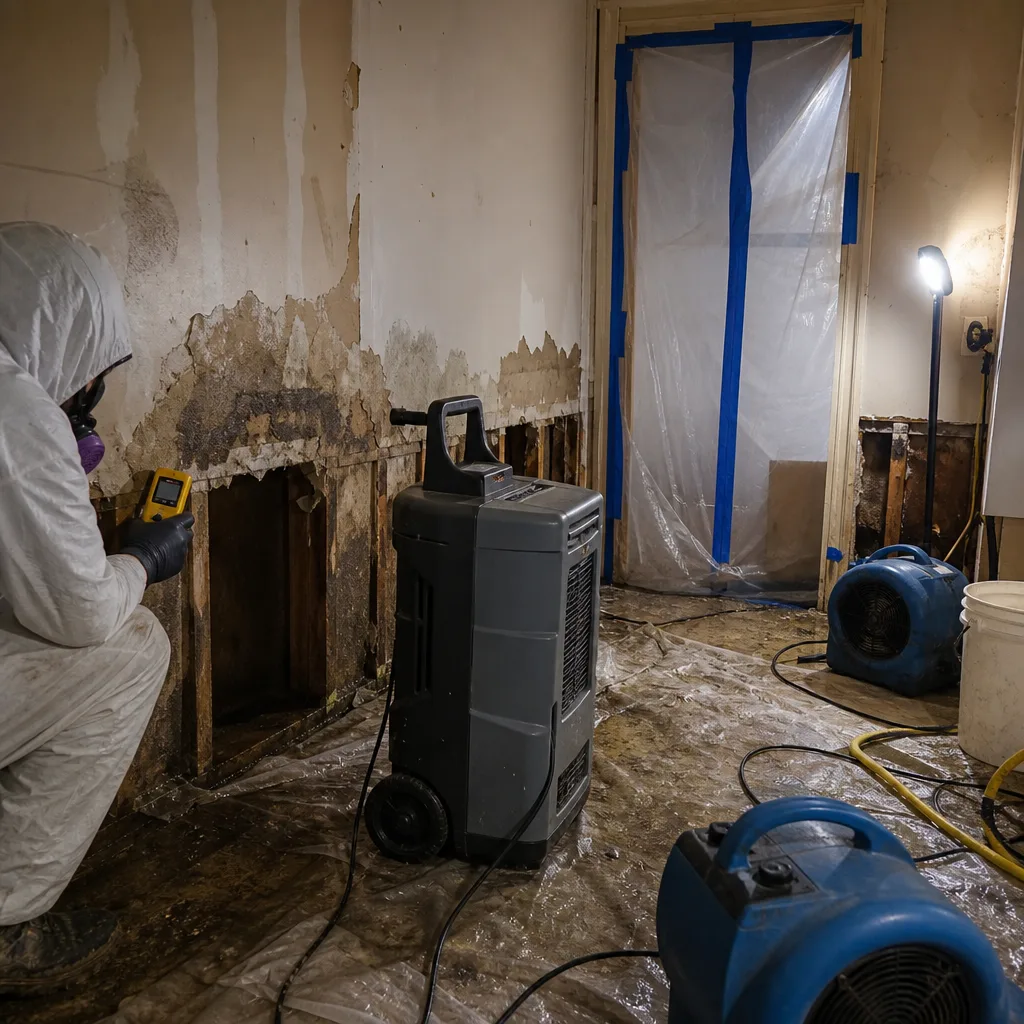
We walk every affected room, including basements and sub-basements. In Lower Manhattan buildings with Sandy-era history, we specifically check for salt wicking behind charred drywall and in concrete. Thermal imaging and hygrometers tell us where moisture is hiding that fire damage on the surface would otherwise conceal.
Extraction/Stabilization
Before any cleaning starts, we remove standing water from sprinkler discharge and firefighting. Water that sat in a Lower Manhattan sub-basement mixed with legacy salt cannot be treated like freshwater. We set up containment if structural instability or contamination is present and begin emergency board-up or tarping immediately.
Drying & Dehumidification
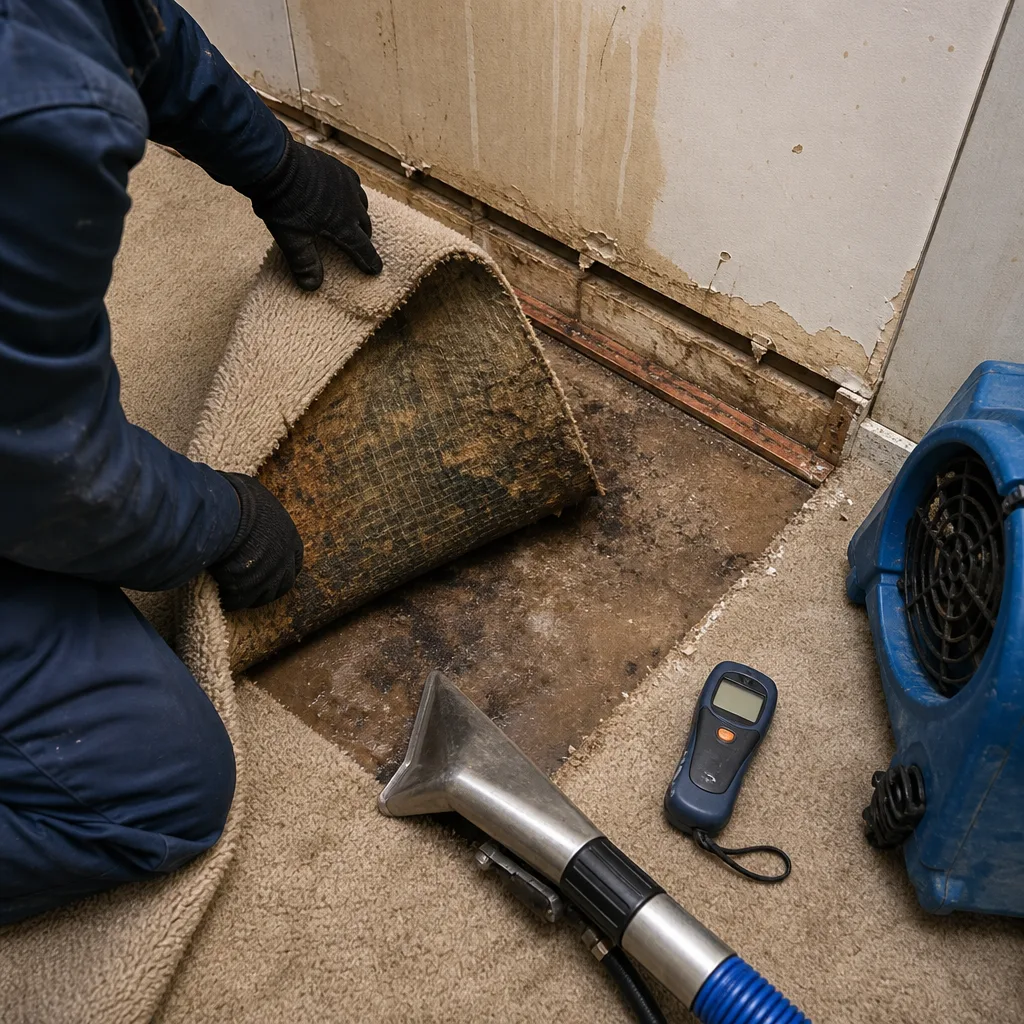
We run Dri-Eaz and Phoenix air movers and dehumidifiers, placing equipment based on the actual moisture map of your building. Salt-contaminated masonry behaves differently from clean drywall and framing. We track daily moisture readings and hand you the full log when the job ends. Almost nobody else does that.
Cleaning & Sanitization
Soot types dictate cleaning method. Dry soot gets vacuumed with HEPA filtration. Oily soot gets chemically sponged. Protein soot from kitchen fires gets neutralizing agents. If salt contamination is present, antimicrobial treatment on hygroscopic surfaces is part of the scope, not an add-on.
Odor Removal & Deodorization
Air fresheners do not work on smoke. We use thermal fogging, ozone treatment, and hydroxyl generators depending on the building. In cast-iron loft buildings, brick and masonry absorb smoke odor deeply and need longer exposure times. In high-rise units, we seal and treat ductwork that carried smoke to floors that never saw flame.
Repairs & Restoration
Structural fire repair in Lower Manhattan is where salt mapping pays off. We document what was pre-existing Sandy damage versus what the fire caused. Post-Sandy FEMA flood zones in Battery Park City and the Financial District mean code-compliant rebuilding often requires elevating or flood-proofing mechanical systems. We scope that into the restoration plan from day one, not as a surprise change order later.
Need Emergency Fire & Smoke Damage Restoration in Lower Manhattan Now?
Crews minutes away, answering live 24 hours a day. The sooner we start, the less it costs.
Working With Your Insurance Company
Fire claims in Lower Manhattan are complicated enough without a homeowner stuck relaying messages between an adjuster and a contractor. We handle that communication directly. From the first hour on site, we photograph every room, every charred surface, every piece of water-damaged equipment. We date and log everything. When your adjuster asks why a sub-basement in a Tribeca building needs salt-contamination treatment in addition to fire cleanup, we have the moisture readings, the efflorescence photos, and the historical context to support the scope. That documentation is what gets claims approved at the actual cost of doing the job right. We have walked adjusters through post-Sandy salt damage in Lower Manhattan buildings more times than we can count. They know our reports hold up.
What We Provide Your Insurer
- Thorough documentation of the loss
- Photos of all damage, room by room
- Moisture readings and drying logs
- A detailed, line-item scope of work
- Direct coordination with your carrier
Built for Lower Manhattan’s Loss Calendar
Lower Manhattan’s fire season does not follow the same calendar as the rest of New York. January freezes burst supply pipes in pre-war Financial District buildings, and the water cascades through electrical closets and switching gear. Spring thaw brings basement seepage into old masonry foundations along the waterfront. Summer thunderstorm flash flooding overwhelms drainage in low-lying streets near South Street Seaport. Nor’easters hammer Battery Park City with wind-driven rain that finds every gap in aging window systems. But the largest single fire-loss driver in this part of the city is electrical: original wiring and mechanical systems in buildings where Sandy’s saltwater corroded conduit, junction boxes, and switchgear years ago. The corrosion never stopped. It just waited. A short in that compromised system is a fire risk that fresh-water plumbing failures do not carry. That is why we treat every Lower Manhattan fire job as potentially involving salt contamination first, water damage second, and fire cleanup third. The order matters.
Fire & Smoke Damage Restoration Across Lower Manhattan’s Neighborhoods
Lower Manhattan packs wildly different building types into a small area, and each neighborhood has its own fire restoration profile. Lower Manhattan calls come from Tribeca’s cast-iron and masonry loft conversions, where brick walls absorb smoke deeply and original wooden beams need careful soot removal without water damage. The Financial District’s pre-war towers repurposed as residential space bring us fires in aging electrical risers and sub-basement mechanical rooms. Battery Park City’s 1980s and 2000s glass-curtain-wall high-rises often involve sprinkler water traveling down through multiple residential floors and pooling in garages built on Hudson River landfill. Along the South Street Seaport corridor, historic buildings with original timber framing mean fire containment and board-up work happens under landmark commission restrictions. Near Wall Street, commercial-residential mixed buildings mean coordinating fire restoration around businesses that cannot stay closed for long. Each area shapes how we stage equipment, how long drying takes, and what structural fire repair entails. We know the routes, the building quirks, and the adjusters who handle claims in each neighborhood.
Specialized Fire & Smoke Damage Restoration Services We Offer in Lower Manhattan
Fire Damage Cleanup
We remove charred debris, damaged drywall, buckled flooring, and ruined insulation while preserving anything salvageable. In Lower Manhattan’s older buildings, that means careful material separation before demolition: original cast-iron, brick, and timber that can be cleaned and restored get handled differently than modern drywall that gets cut out. The goal is restoring your building, not gutting it.
Smoke & Soot Removal
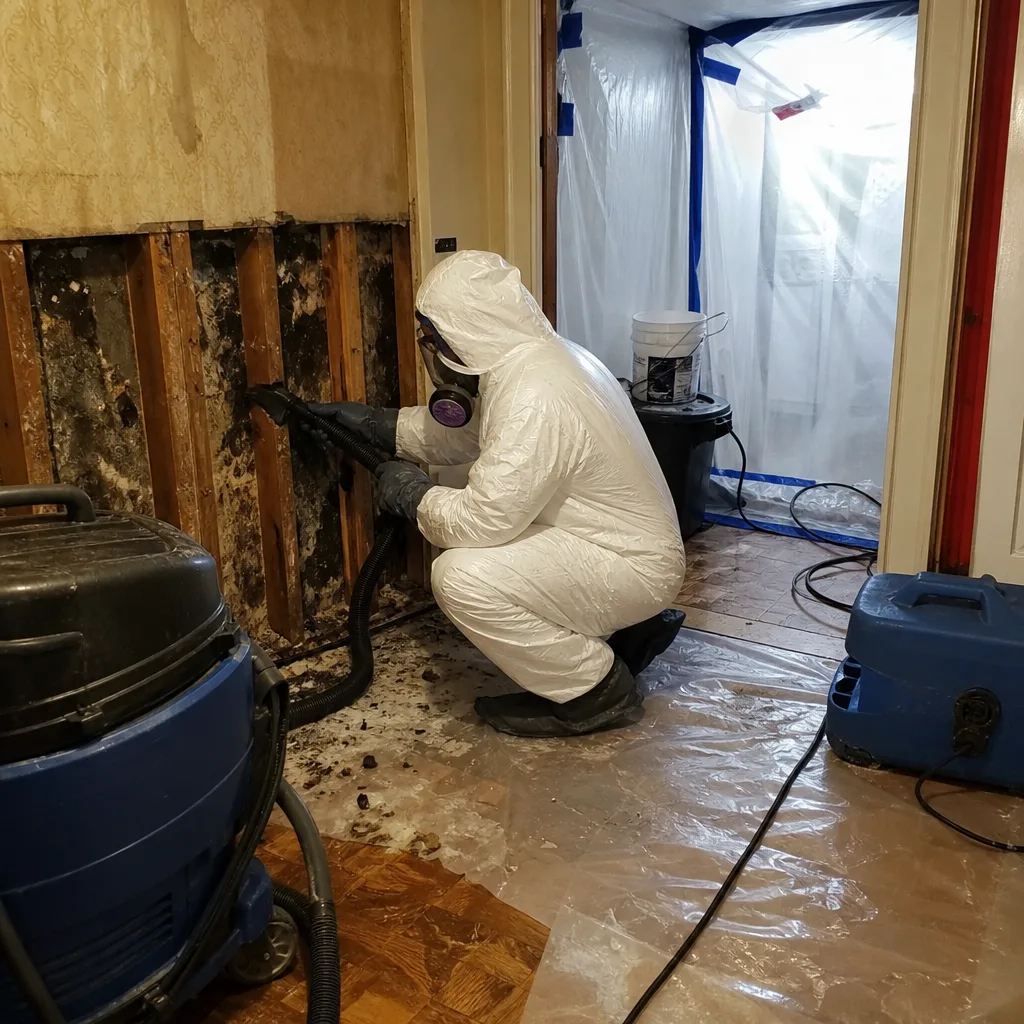
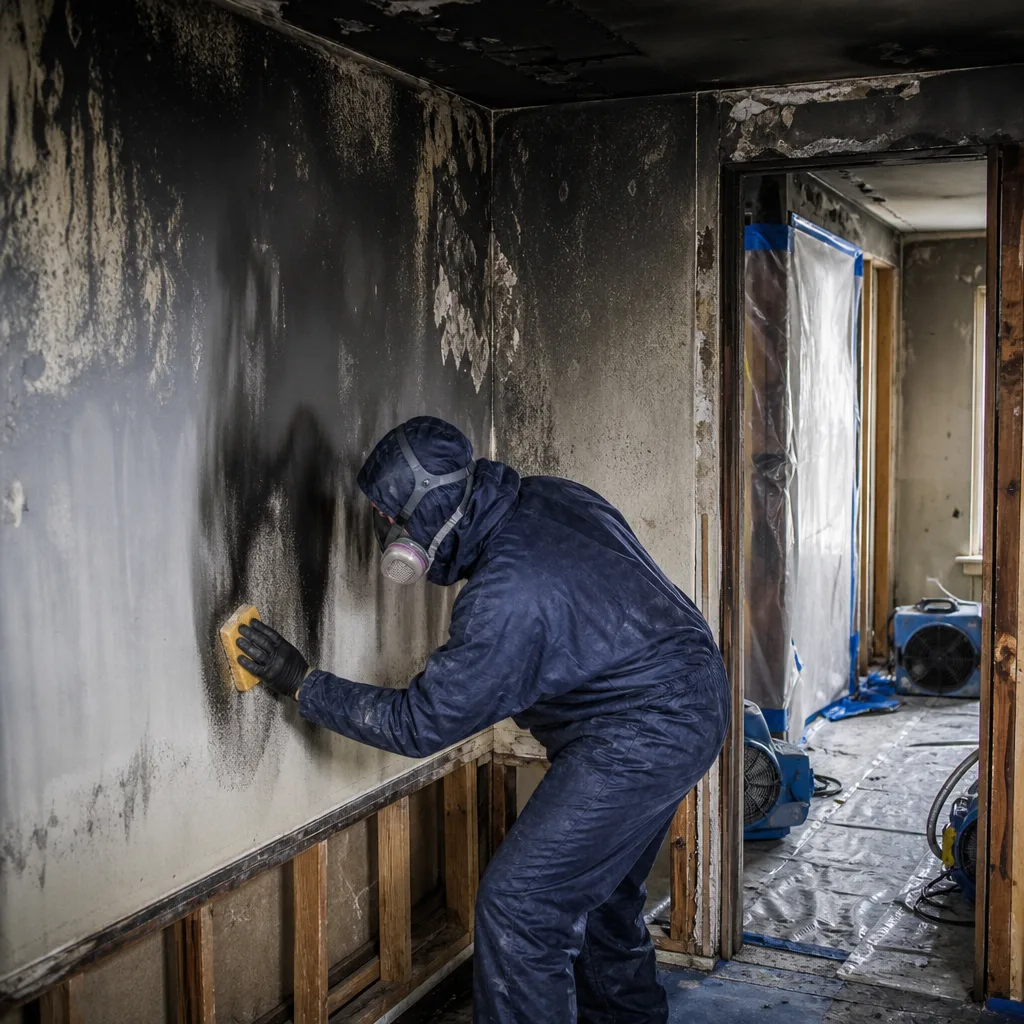
Soot chemistry varies by what burned. In Lower Manhattan buildings, that often means wiring insulation, PVC, synthetic carpets, and decades of accumulated finish layers. We match cleaning method to soot type: dry sponge for light surface soot, chemical cleaners for oily soot, abrasive media for baked-on carbon on masonry. HEPA air scrubbers run continuously while we work to keep soot from migrating to unaffected floors.
Odor Removal & Deodorization
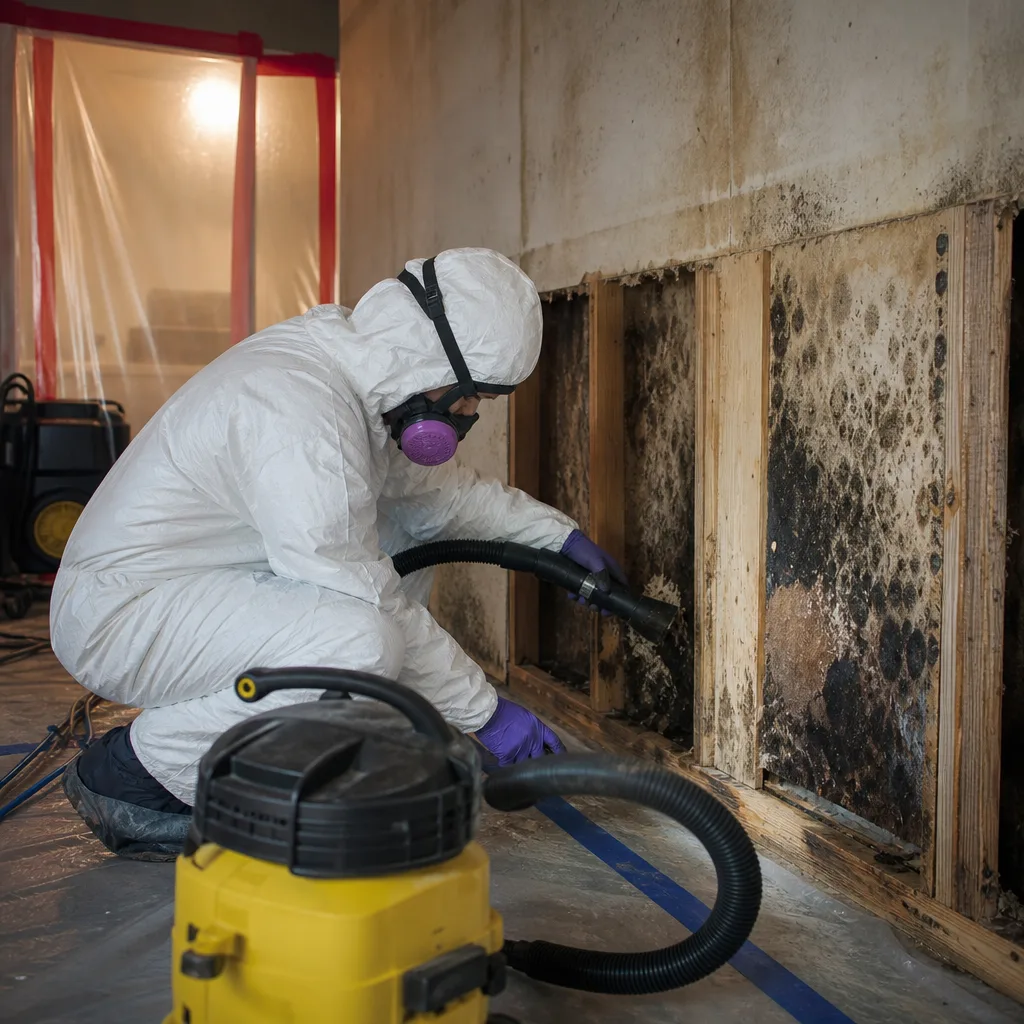
Smoke odor gets into drywall, brick, hardwood, ductwork, and sometimes the building’s shared air handling. Ozone treatment and thermal fogging penetrate surfaces that surface cleaning cannot reach. In Battery Park City high-rises, we often find smoke traveled through common ductwork to units two and three floors above the fire. We scope deodorization for the entire affected air space, not just the burn room.
Contents Cleaning & Pack-Out
Salvageable belongings get documented, packed out, and cleaned off-site at our facility in a controlled environment. Items get inventoried with photos. We clean electronics with specific dry methods; smoke and soot destroy circuit boards when left untreated. For Lower Manhattan residents displaced by fire, contents pack-out keeps the claim moving and protects what is left while structural work proceeds.
Emergency Board-Up & Tarping
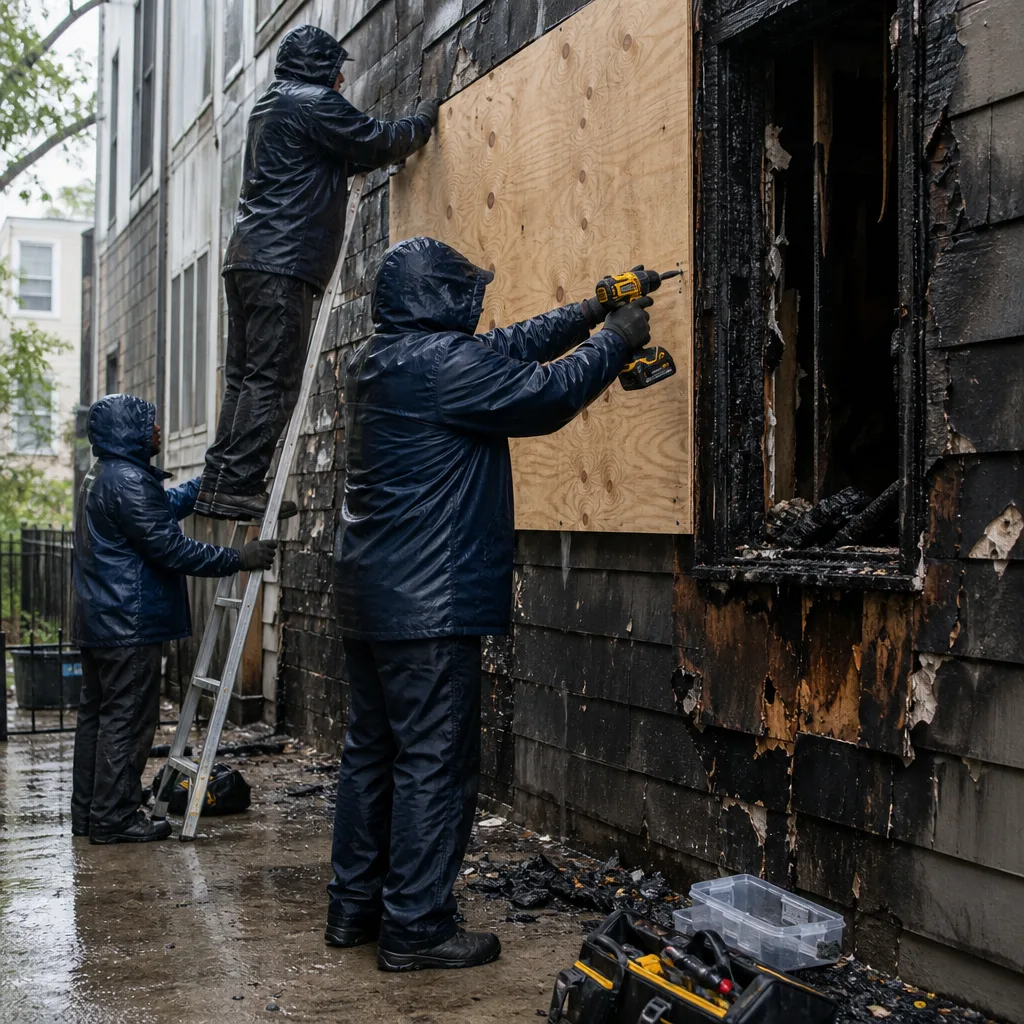
After a fire, your Lower Manhattan building is exposed to the elements and to the street. We board up windows, doors, and openings immediately. In Battery Park City and the Financial District, post-Sandy FEMA flood zone designations (AE and VE zones) mean board-up is often the first step toward code-compliant structural repair that accounts for future surge risk. We seal against rain, salt air, and curious passersby.
Structural Fire Repair
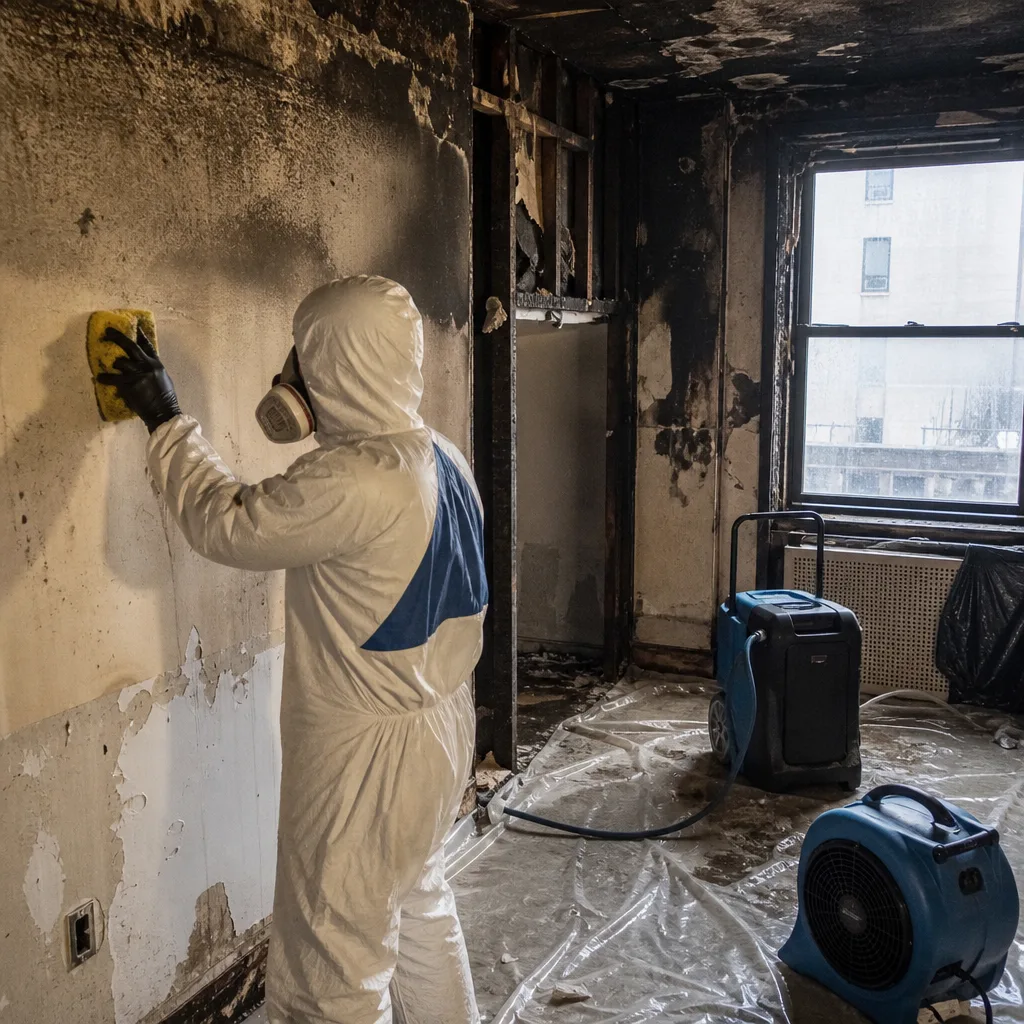
This is where Lower Manhattan’s older housing stock demands more than a general contractor. Rebuilding fire-damaged cast-iron columns, masonry walls, or timber beams requires knowing what the fire did versus what Sandy’s saltwater did years earlier. We document pre-loss condition, determine what can be restored versus replaced, and scope mechanical system elevation or flood-proofing where post-Sandy code requires it. The 90-Day Done Right Promise applies to every structural repair we sign off on.
What happens when you call
- 1
A real person answersNo phone trees - you reach a local pro.
- 2
You get an upfront price rangeHonest numbers before anyone is dispatched.
- 3
A background-checked tech heads outLicensed & insured, dispatched right away.
- 4
You approve before work beginsNothing starts until you say go.
Fire & Smoke Damage Restoration Costs in Lower Manhattan, NY
Straight numbers here. Fire damage cleanup in Lower Manhattan runs $2,500 to $8,000 for a contained kitchen or electrical fire with moderate soot. A full-unit fire in a Tribeca loft or Financial District condo with smoke migration, water from sprinklers, and structural repair typically lands between $18,000 and $55,000. Emergency board-up alone runs $600 to $1,800 depending on openings and building type. Contents cleaning and pack-out for a full apartment runs $3,000 to $12,000. Odor removal for smoke that traveled through shared ductwork in a high-rise can add $1,500 to $5,000. What moves the price: square footage affected, soot type, whether water reached a sub-basement with legacy salt contamination, and whether structural elements need engineering sign-off. Insurance covers most fire damage, minus your deductible. The free visual inspection gets you a written scope with firm numbers before you commit to anything. Call (607) 703-3408 and we will walk you through it without a sales pitch.
We Also Serve Cities Near Lower Manhattan
Wade’s crews regularly work fire and smoke damage jobs in Midtown West, where pre-war residential buildings and commercial spaces keep our board-up crews busy. Financial District calls come from residential conversions and office tower mechanical rooms. Across the East River, Astoria and its dense brick rowhouses see kitchen fires and electrical events that keep our odor removal specialists moving. Midtown Manhattan high-rises bring us sprinkler-water-damage-and-smoke jobs with the same salt-mapping discipline we use downtown.
Serving Lower Manhattan, NY - Our Local Coverage Area
We’re based in the Lower Manhattan area and know this community well. Use the map below to see our service coverage - if you’re nearby, we can almost certainly help.
Lower Manhattan Fire & Smoke Damage Restoration Questions, Answered
How does Hurricane Sandy’s saltwater intrusion affect fire damage restoration in Lower Manhattan buildings today?
Saltwater from Sandy’s Category 3 surge soaked the basements and sub-basements of many Lower Manhattan buildings, and the salt crystals left behind in concrete and brick never fully left. Those crystals are hygroscopic, meaning they pull moisture from the air indefinitely. When a fire happens and sprinklers or fire hoses add fresh water, that water reactivates the salt, causing efflorescence and spalling that continues long after the fire cleanup is done. A proper fire restoration in these buildings starts with salt-contamination mapping before structural drying, so we know where the water is actually going and what surfaces need antimicrobial treatment. Call (607) 703-3408 for a free inspection if your building has Sandy history.
Are older cast-iron loft buildings in Tribeca more difficult to restore after a fire because of their original mechanical systems?
They are, because the original boiler, electrical switchgear, and sometimes elevator machinery sit in basements or sub-basements that were flooded by Sandy. A fire that reaches those areas or gets fought with water that drains into them forces us to determine what was damaged by the fire versus what was already compromised by saltwater corrosion. That determination changes the scope, the cost, and what insurance will cover. We document the pre-loss condition of mechanical systems before any demolition begins. Call (607) 703-3408 and we will explain what we look for.
What’s the difference between Category 1, 2, and 3 water in a Lower Manhattan fire damage scenario?
Category 1 is clean water, like from a burst supply line. Category 2 carries significant contamination, like sprinkler water that has picked up soot, debris, and building materials on its way down through floors. Category 3 is grossly contaminated water, like the saltwater storm surge that filled basements during Sandy, or firefighting water that has mixed with sewage, chemicals, or degraded building materials. In Lower Manhattan, the water pooled in a sub-basement after a fire is often Category 2 at minimum, and if it reactivates legacy salt contamination, it gets treated with the same caution as Category 3. Call (607) 703-3408 for a free assessment of your specific situation.
Why do callbacks for ‘completed’ Sandy restorations still occur in Battery Park City high-rises?
Because the salt crystals left in concrete and masonry from Sandy’s surge never fully came out. Contractors who treated the 2012 damage as freshwater and dried the surface without addressing salt migration left contamination behind. Years later, walls in those garages and mechanical rooms start efflorescing and spalling again. When a fire happens in one of those buildings, the water from firefighting reactivates the same salt problem. That is why we run moisture mapping and salt assessment on every Battery Park City fire job, not just drying. Call (607) 703-3408 and ask Wade about it directly.
How do FEMA’s post-Sandy flood zone redesignations affect the cost and timeline of fire restoration in the Financial District?
After Sandy, FEMA redrew flood maps to place much of the Financial District in high-risk AE and VE zones. That means any substantial structural fire repair triggers code requirements to elevate or flood-proof mechanical systems, electrical panels, and other equipment. It adds scope and cost to a rebuild, but ignoring it means your claim gets shortchanged and your building stays out of compliance. We scope code-compliant restoration from the first estimate, and we document the flood-zone requirements for your adjuster. Call (607) 703-3408 for a free inspection and we will walk through what the new maps mean for your building.
How fast can you actually get to a fire in Lower Manhattan?
For most Lower Manhattan addresses, our crew is on site inside 45 to 60 minutes of your call. Wade answers his own phone at (607) 703-3408, 24 hours a day, and heads out from our New York City office. No call center, no scheduling for tomorrow. If it is 2 a.m. and your building just had a fire, we are on the road.
Will insurance cover fire and smoke damage restoration in a Lower Manhattan building?
In nearly every case, yes. Fire is a covered peril on standard homeowners and commercial property policies. What gets denied or underpaid is the part the adjuster does not understand: legacy salt contamination, code-required flood-proofing, odor migration through shared ductwork. That is why we send detailed documentation, photo logs, and moisture readings directly to your carrier, and why Wade talks to adjusters himself. You are not stuck explaining salt crystals to an insurance company. We do that. Call (607) 703-3408 and ask how direct adjuster coordination works.
What should a Lower Manhattan property owner do in the first 30 minutes after a fire is out?
Call us. Before you call your insurer, call (607) 703-3408. We will have a crew dispatched while you are still on the phone. Do not touch soot-covered surfaces. Do not turn on electrical systems. Do not run HVAC or fans, which blow soot particles into unaffected rooms. If safe, open windows to ventilate. If the building is unsecured, we will board up immediately. The first hour determines how much of your building can be cleaned instead of replaced. Call now.
In a Tribeca cast-iron loft conversion on Hudson Street, our crew responded to an electrical fire that started in a sub-basement mechanical room where Sandy’s saltwater had sat for days in 2012. Before any fire damage cleanup, we ran moisture mapping and found active salt wicking behind charred drywall. We set containment, used Injectidry for targeted drying, and documented the pre-loss condition of the original elevator machinery to determine what could be restored versus replaced. The adjuster initially balked at the scope. The documentation changed that. That is the difference between a contractor who knows Lower Manhattan’s water history and one who just sees a fire.
Fire & Smoke Damage Restoration in Lower Manhattan is not a one-size job. Salt from Sandy, original mechanical systems, FEMA flood zones, and landmark restrictions all shape what the work looks like. Wade’s Restoration has been handling these jobs since 2007, owner-operated, with Wade Ferris answering his own phone. If it is not done right, he makes it right, in writing, on every fire restoration job. Call (607) 703-3408 for a free visual inspection. We will tell you straight what you are dealing with.
Written by Wade Ferris, Owner at Wade’s Restoration, serving Lower Manhattan and the surrounding area.