
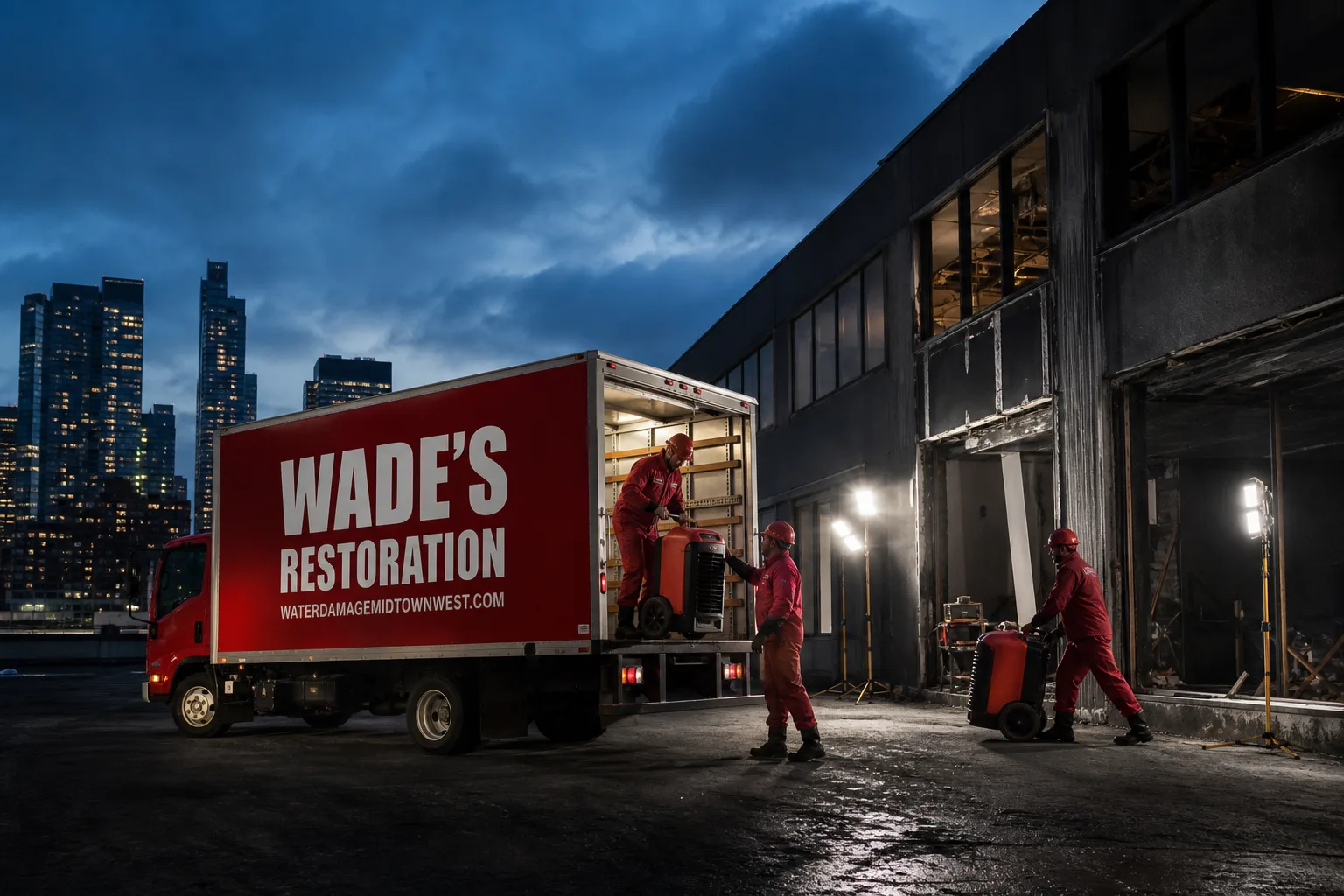
Free visual inspection and a written scope of work before any mitigation begins - photos, moisture readings, and drying logs go in your claim file
The scope we write is the scope we bill. Anything new gets shown to you, in writing, before we touch it.
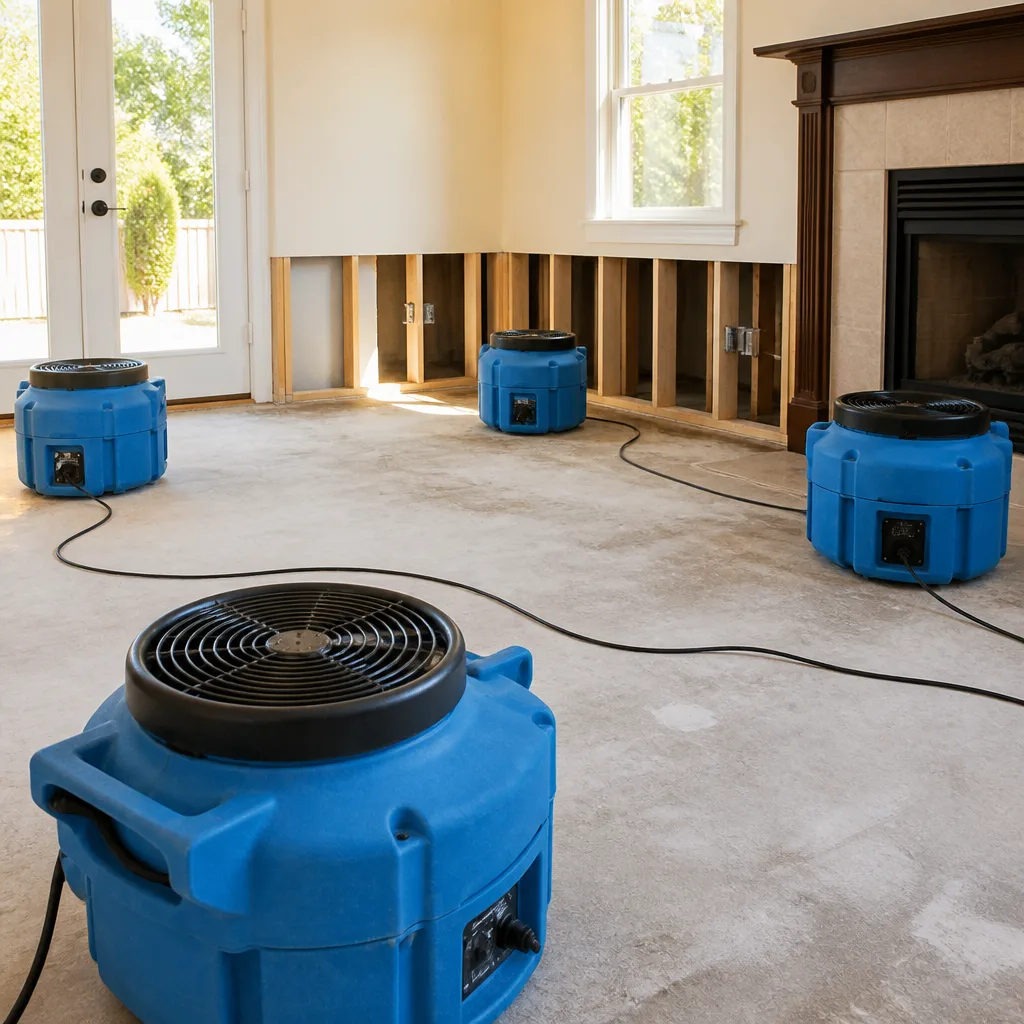
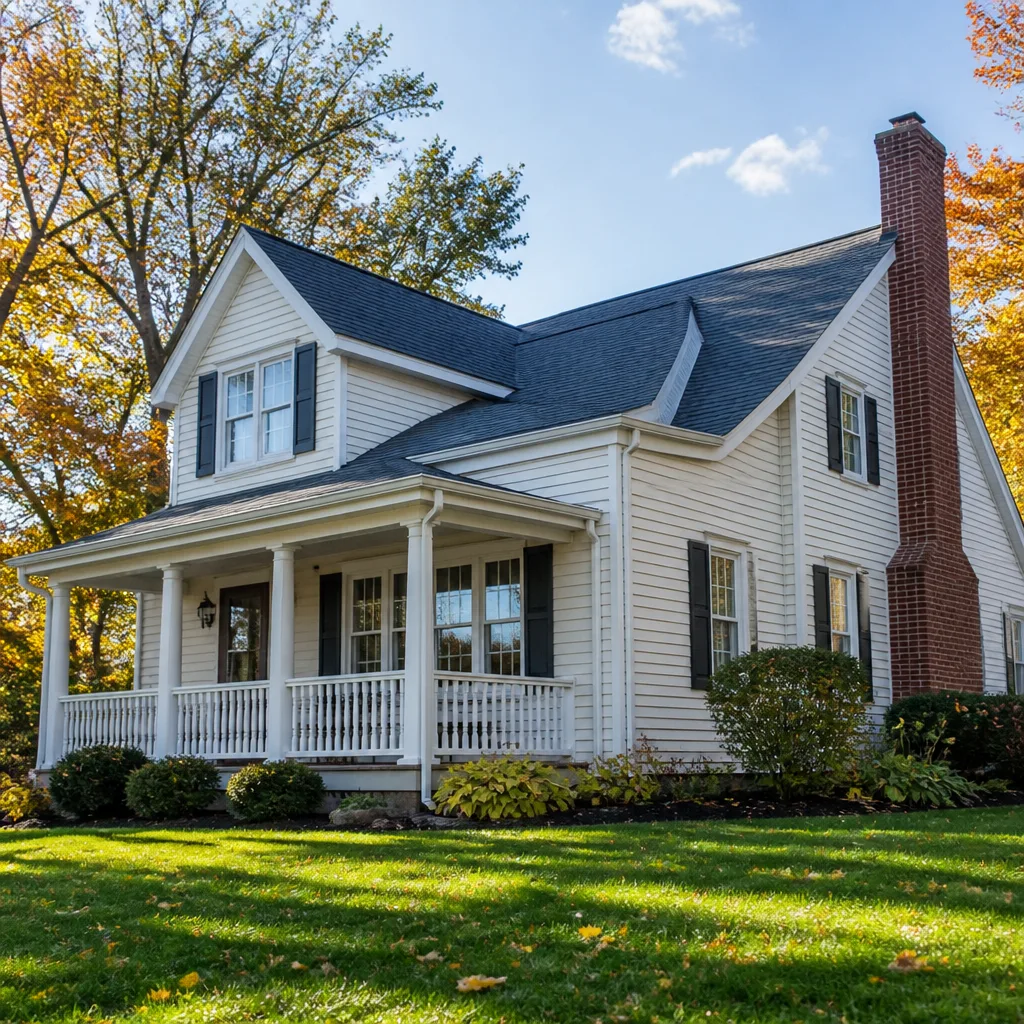
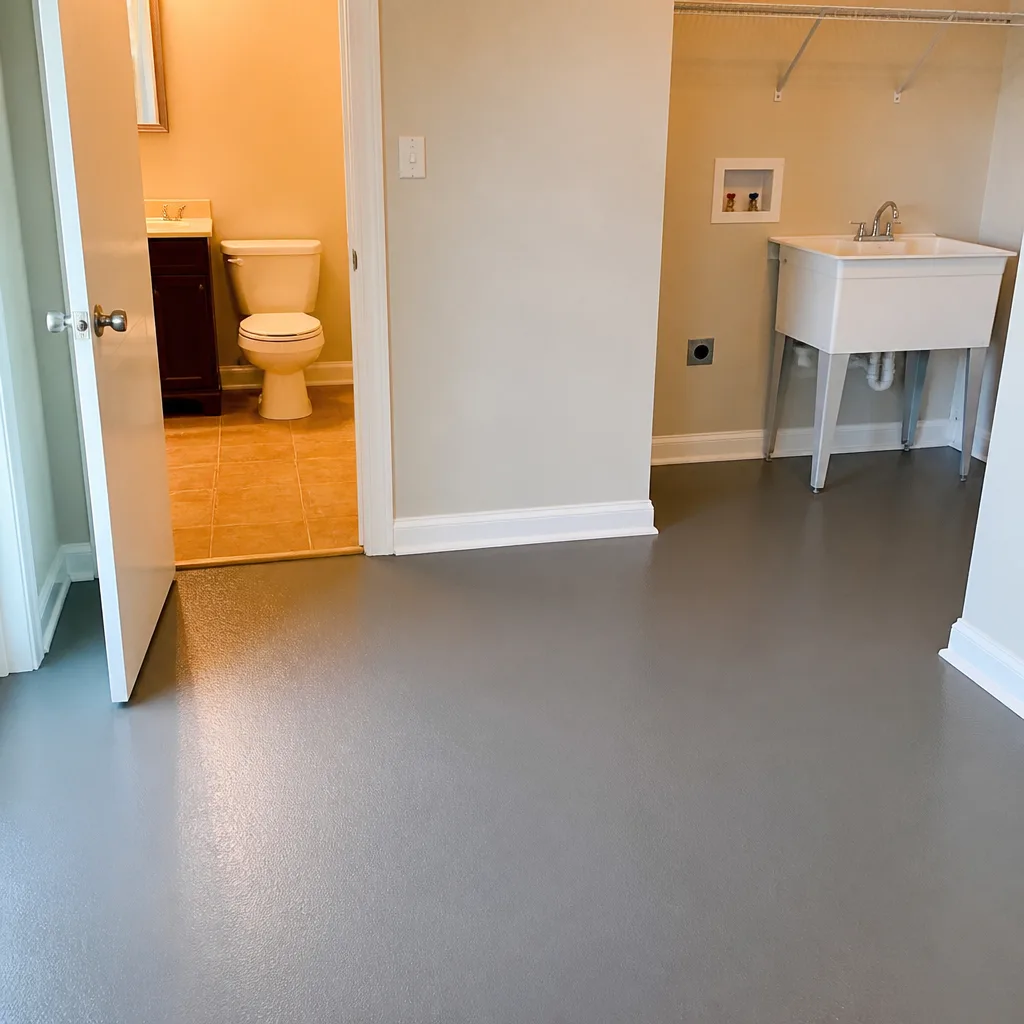
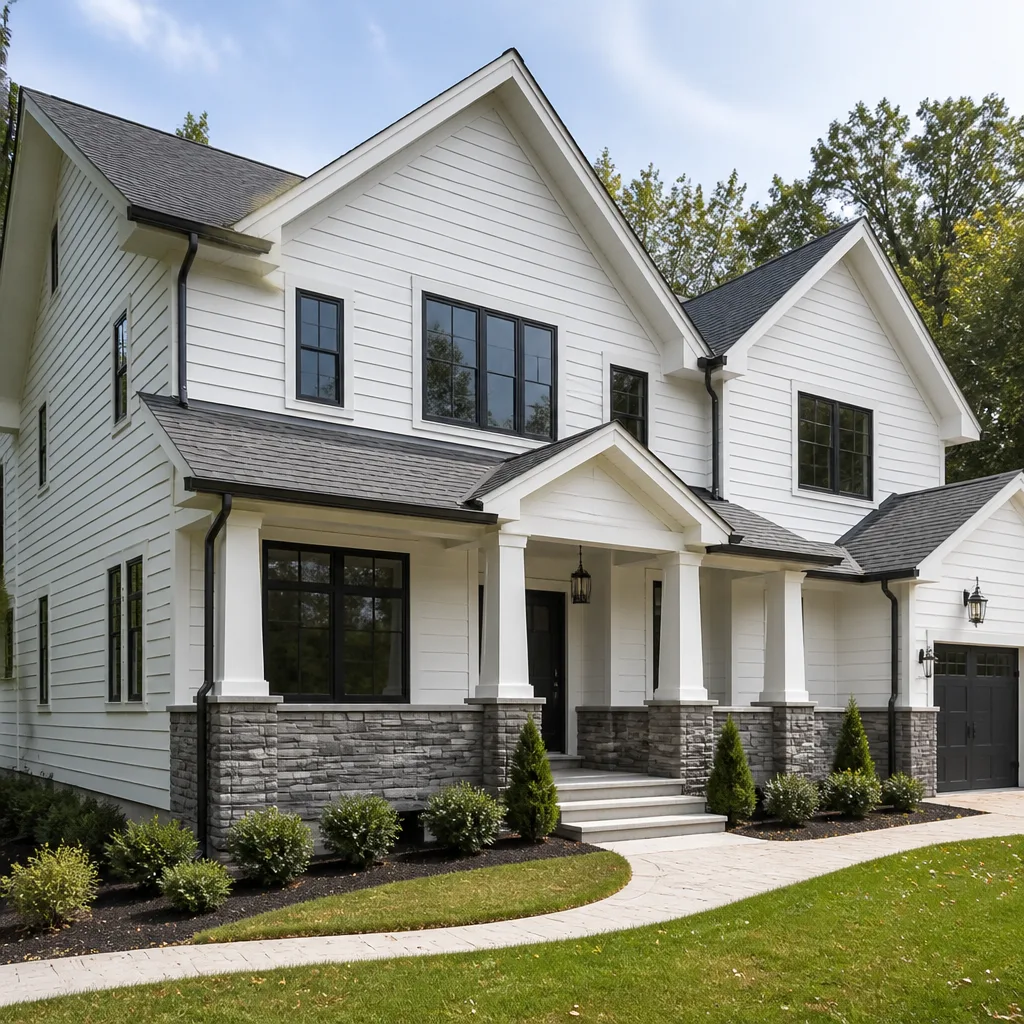
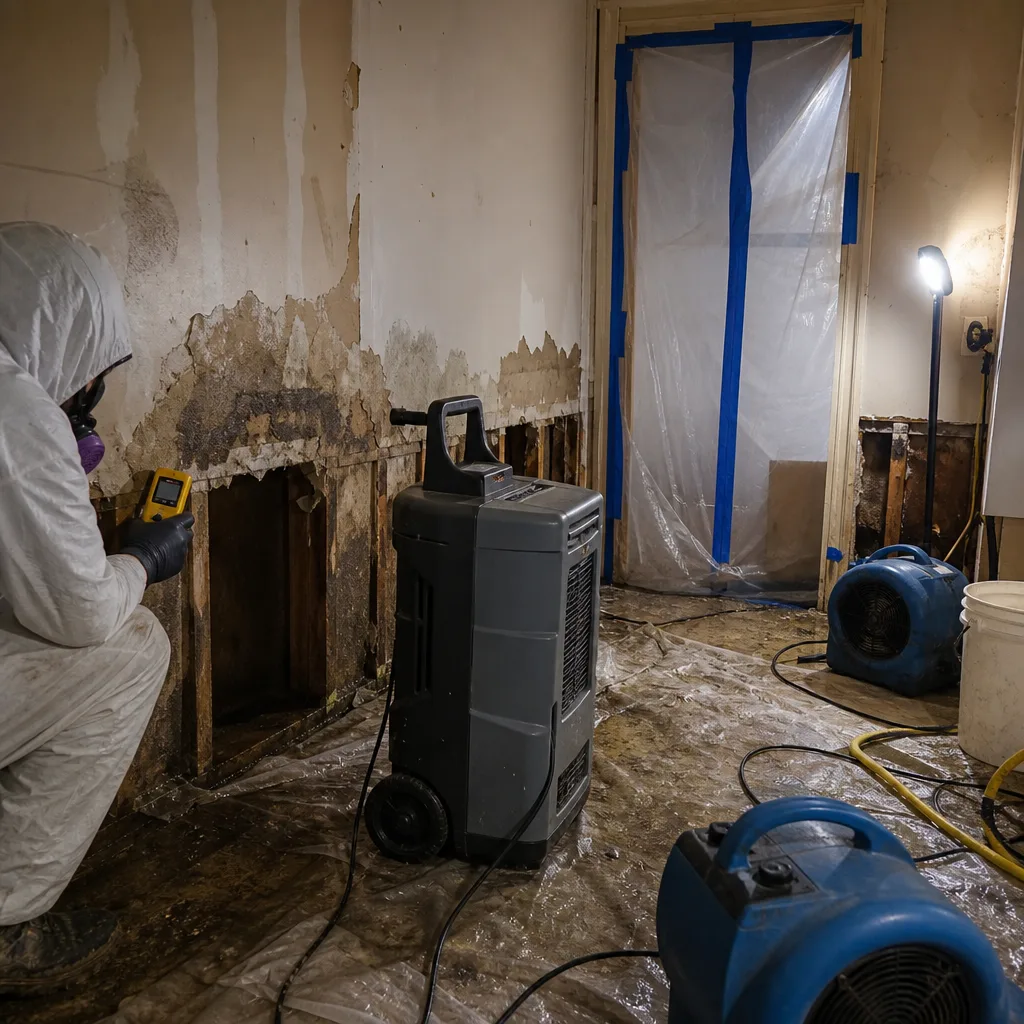 Before
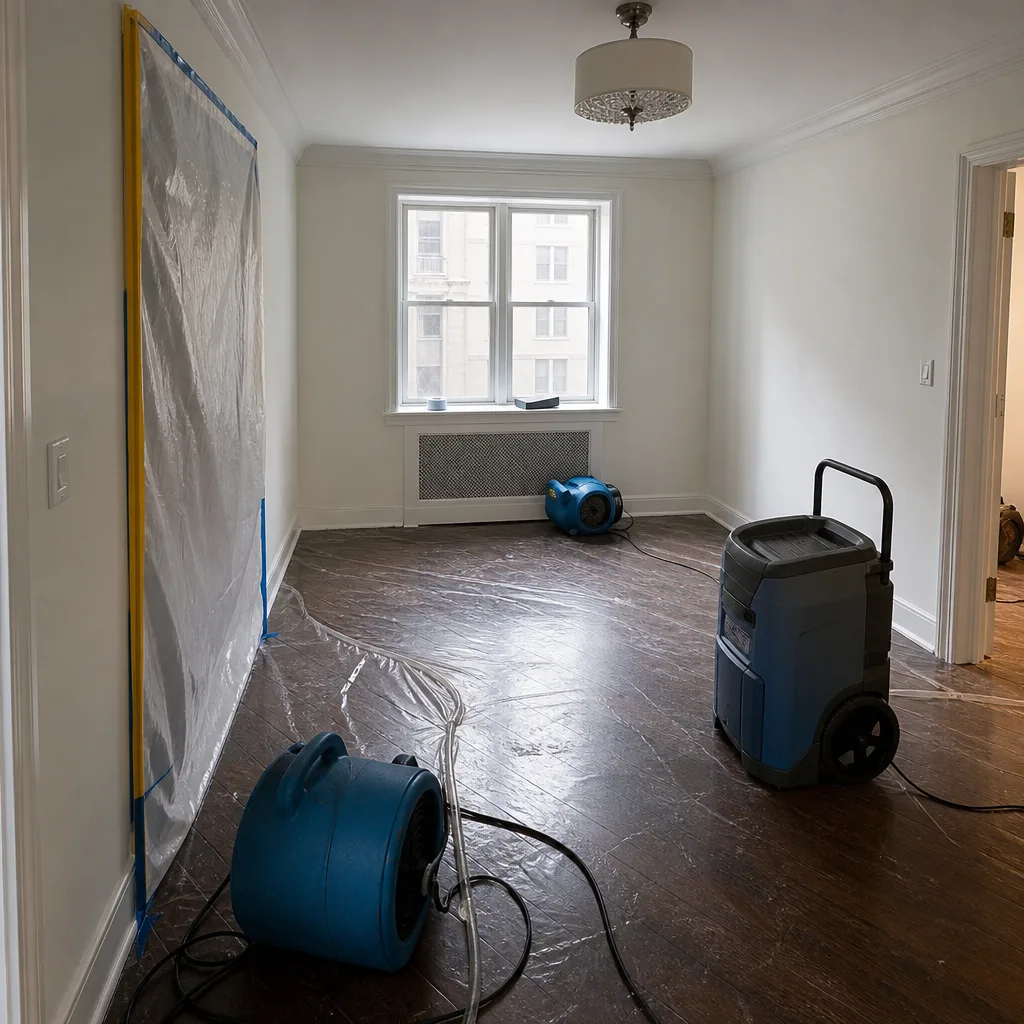 After
After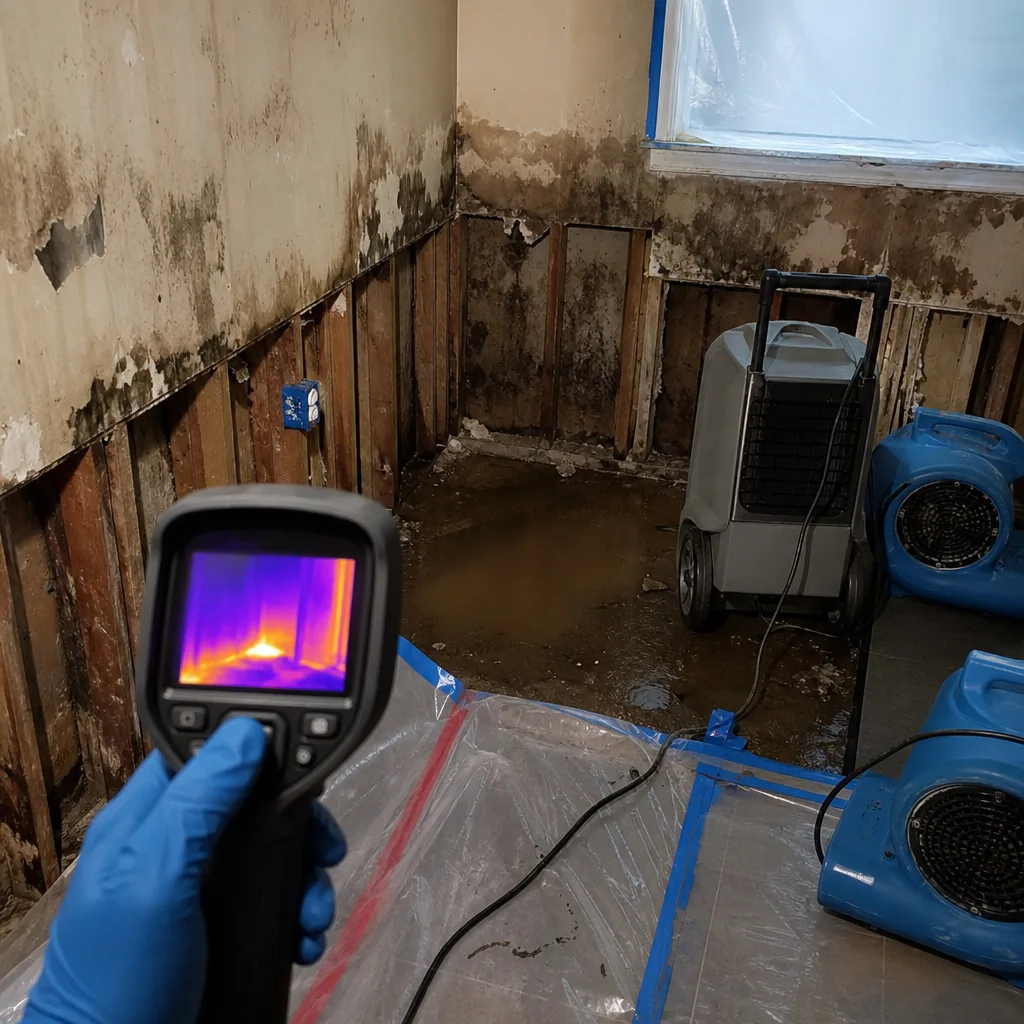 Before
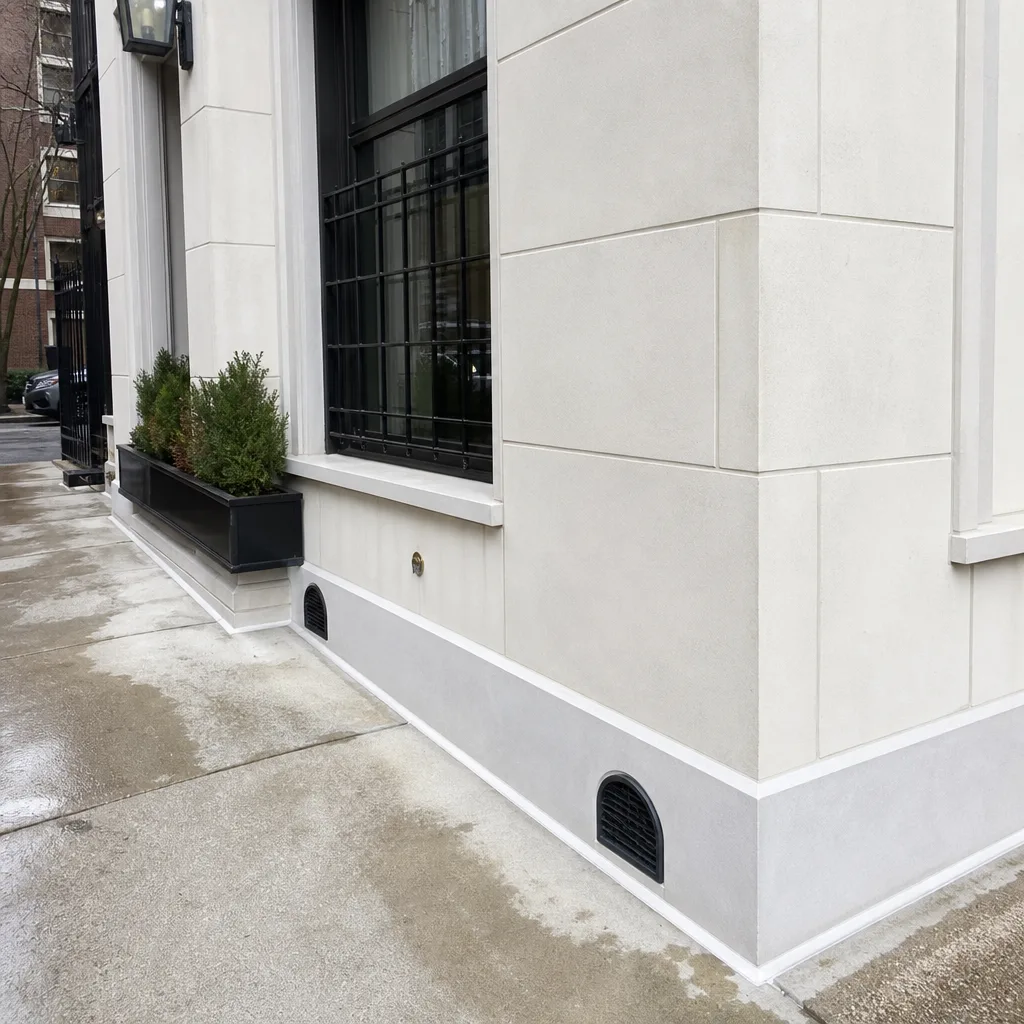 After
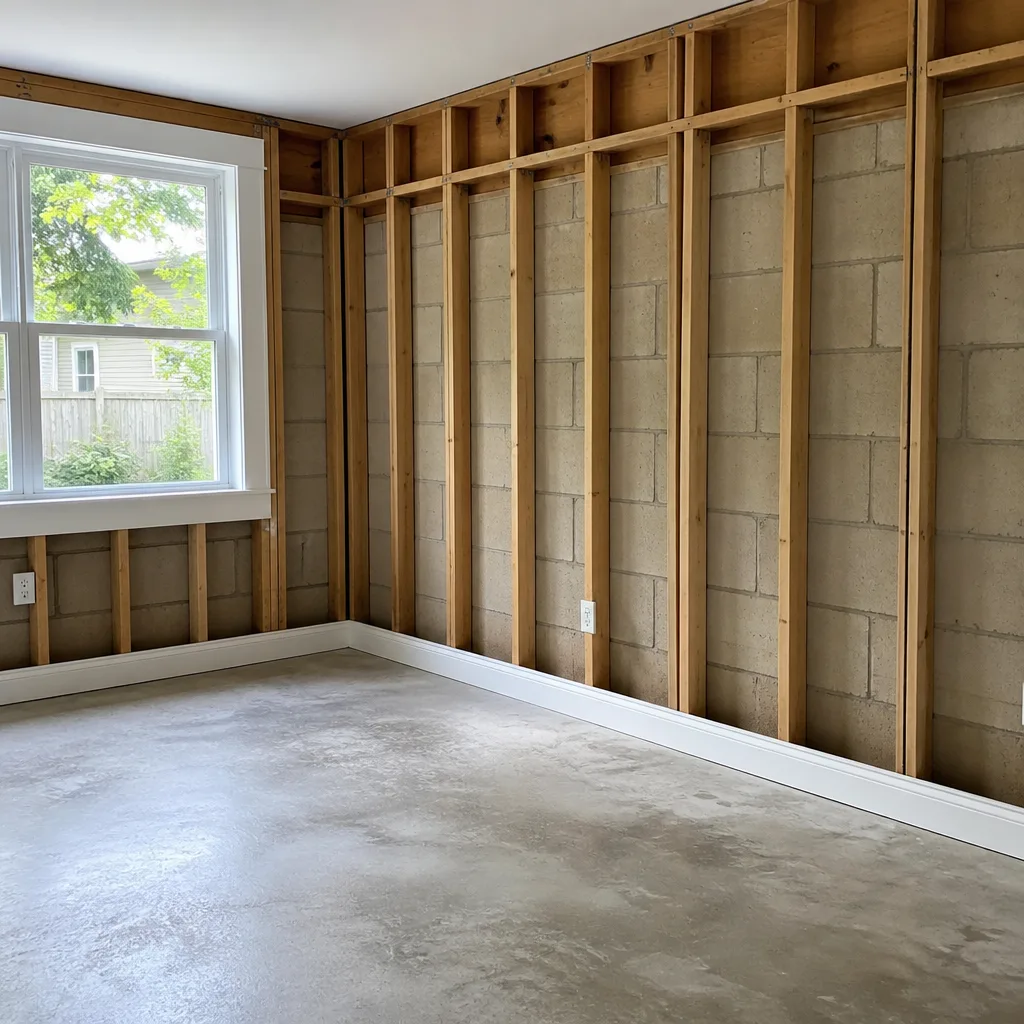
After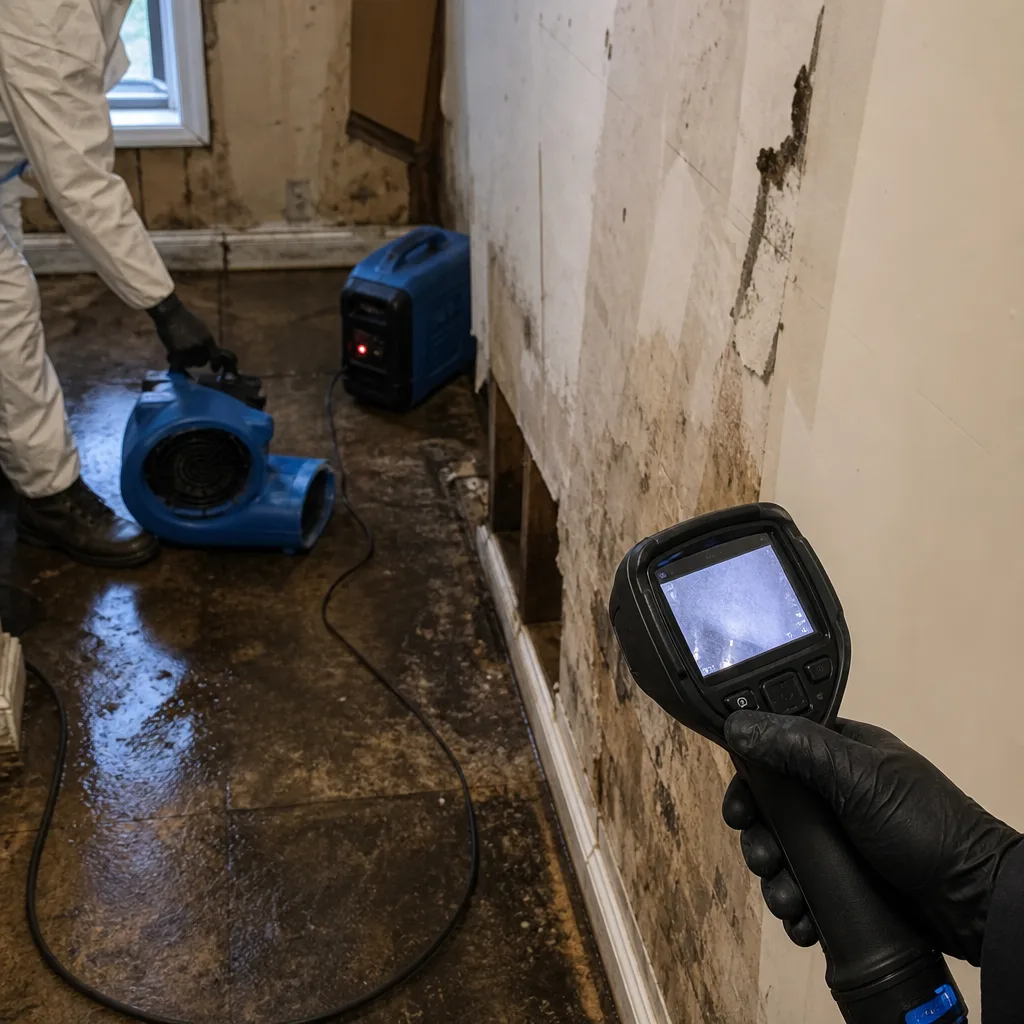 Before
 After
After24/7 Emergency Fire & Smoke Damage Restoration in Midtown Manhattan
Fire and smoke damage in Midtown Manhattan moves fast, and so do we. Call (607) 703-3408 any hour, any day. A real person answers, not a call center. Wade Ferris himself picks up, and he can have a crew staging outside your building before the fire marshal finishes the report. The first hour matters because soot from a small electrical fire turns acidic within days, etching glass, corroding metal fixtures, and permanently yellowing those plaster crown moldings every pre-war co-op owner worries about. Midtown Manhattan’s towers don’t give you a quiet neighbor’s house timeline. Smoke travels up through plenums, elevator shafts, and shared ductwork at a speed that surprises most building managers. We respond inside Midtown Manhattan with commercial-grade air scrubbers, thermal imaging, and a written scope before we ever touch drywall.
Understanding Fire & Smoke Damage Restoration Severity in Midtown Manhattan Properties
Not all smoke is equal, and Midtown’s building stock makes that more true than almost anywhere else. We classify soot residue into a few types. Dry soot comes from fast-burning paper, wood, or upholstery and brushes off easily but smears if anyone tries to wipe it. Oily soot from plastics, server rooms, and electrical insulation embeds into every porous surface and requires chemical sponges before any wet cleaning. Protein soot from kitchen fires is nearly invisible but seals onto varnish and paint with an odor that survives ordinary cleaning. Then there’s the HVAC problem. In Midtown’s pre-war towers, smoke migrates through the original plaster-over-metal-lath ceiling plenums and shared duct risers, depositing soot in apartments and offices that were never touched by flame. A 22nd-floor fire means a 19th-floor neighbor smells it for weeks unless containment is built around every duct penetration. That changes the scope from a one-unit cleanup to a multi-floor sequence of sealing, scrubbing, and air exchange.
Why Midtown Manhattan Property Owners Choose Wade’s Restoration
- 45-minute response commitment: Wade or a senior crew lead is moving toward your building within 45 minutes of your call, midnight included.
- 24/7 live answer: A person picks up. Often Wade Ferris himself. No voicemail tree, no call-back queue.
- IICRC-certified crews: Our team holds FSRT (Fire & Smoke Restoration Technician) and OCT (Odor Control Technician) credentials, not just a general handyman background.
- Free visual inspection: Wade walks the loss himself, including the freight elevator route and building management’s work-hour rules, before quoting anything.
- Direct insurance billing: We submit line-item documentation to your carrier and talk to your adjuster so you don’t spend your week relaying messages.
- One team, start to finish: The same crew that packs out your contents does the final paint. No handoffs, no lost context, no excuses.
Our Fire & Smoke Damage Restoration Process
Inspection & Assessment
Wade walks the unit and the service core. We inspect ceiling plenums, elevator shafts, and corridor duct runs because smoke in a Midtown high-rise follows building systems more than flames. Thermal imaging finds heat-damaged wiring the naked eye can’t.
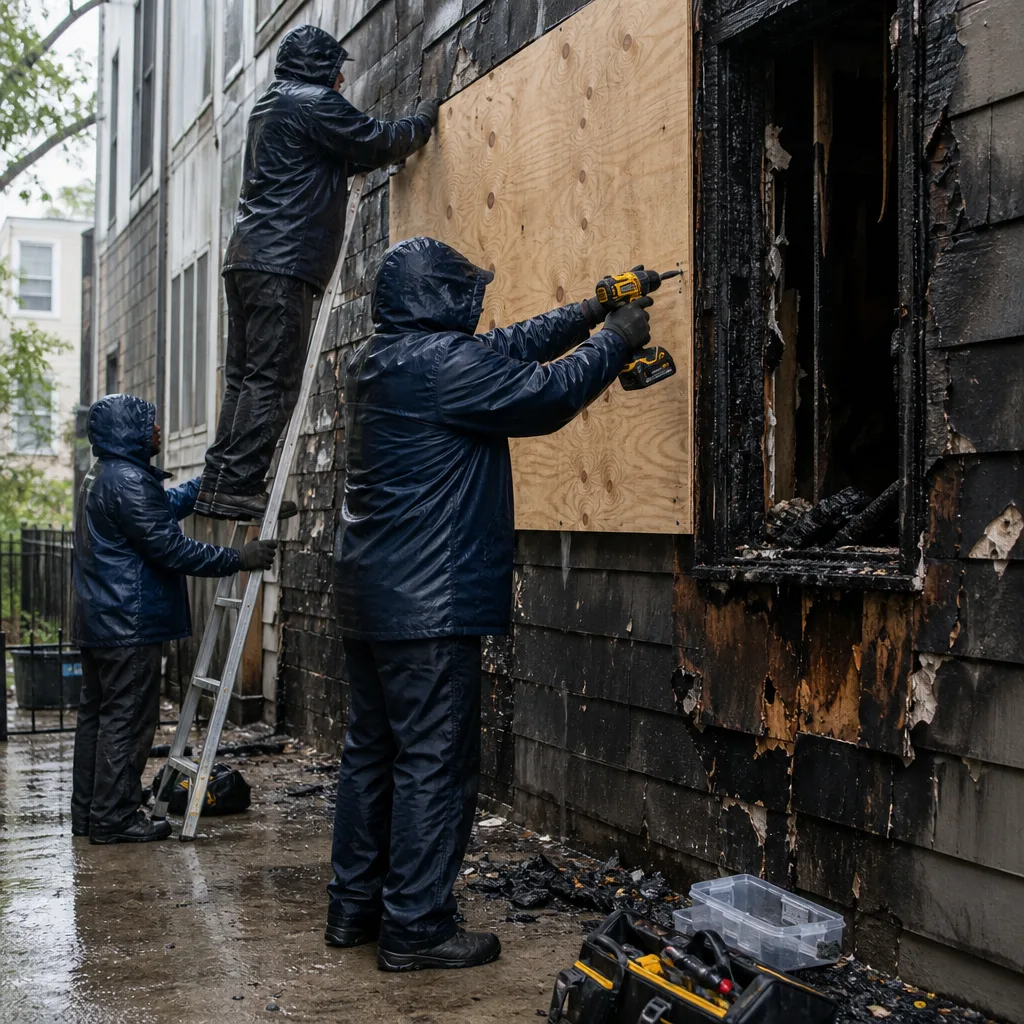
Emergency Stabilization & Board-Up
We seal broken windows, tarp roof membrane breaches where needed, and cap any open risers. On a commercial floor, that means securing the loss so Monday’s tenants can re-enter safely.
Containment & Air Scrubbing
We build zippered containment around damaged areas, especially at HVAC penetrations and elevator landings, then deploy HEPA air scrubbers and negative-air machines to pull soot out of shared air. This is where a sloppy crew fails a co-op board inspection.
Soot & Smoke Removal
Dry sponges first for loose soot, chemical treatments for oily residue. Pre-war plaster, custom millwork, and lacquered wood get material-specific cleaning, not a generic degreaser that ruins the finish.
Odor Removal & Deodorization
Hydroxyl generators, thermal fogging, and ozone where appropriate. For ornate interiors where replacement isn’t possible, we dry-ice blast on wood and stone to lift embedded smoke without water or abrasives.
Structural Repair & Restoration
We rebuild using materials that match the original. Plaster, not drywall on a pre-war ceiling. Custom-matched millwork, not off-the-shelf trim. Then a final walk with you and your building manager to close out.
Need Emergency Fire & Smoke Damage Restoration in Midtown Manhattan Now?
Crews minutes away, answering live 24 hours a day. The sooner we start, the less it costs.
Working With Your Insurance Company
In Midtown Manhattan, one fire often means three insurance carriers: the unit owner’s, the building’s master policy, and the commercial tenant’s business-interruption coverage. Wade has sat in those conference-room calls for going on 18 years. From the first hour, we document every fan, every reading, every moist square foot with photo timestamps. Your adjuster gets a line-item scope of work written in the estimating language carriers recognize, plus moisture logs and drying records that almost nobody else in the trade hands over. We don’t make you the messenger between us and your insurer. Wade calls the adjuster himself, walks them through the loss, and asks the questions that keep your claim from stalling over a $40 line item.
What We Provide Your Insurer
- Thorough documentation of the loss from the first assessment
- Photos of all damage, room by room, with digital timestamps
- Daily moisture readings and complete drying logs
- A detailed, line-item scope of work with local Midtown pricing
- Direct coordination with your carrier, adjuster, and building’s master-policy rep
Built for Midtown Manhattan’s Loss Calendar
Midtown’s fire season doesn’t follow one calendar pattern, but certain months push hard. December through February bring space heaters into pre-war apartments whose original wiring was never designed for 2026 loads, and overloaded circuits in older co-ops produce the small electrical fires that soak walls with smoke before the FDNY even rolls. Spring and fall aren’t quiet either. Construction and renovation fires spiked up and down Sixth Avenue and around Bryant Park, where hotel refresh projects and office floor build-outs generate hot work above occupied suites. Summer thunderstorms rarely ignite fires themselves, but lightning strikes on Midtown’s glass curtain-wall towers can fry server rooms and elevator control panels, and the resulting smoke travels through shared riser cores. And the flat low-slope rooftops of Midtown’s commercial buildings catch membrane-seam failures after every nor’easter; if water reaches the electrical room, the next call is ours. Our Fire & Smoke Damage Restoration team knows this calendar because we live it.
Fire & Smoke Damage Restoration Across Midtown Manhattan’s Neighborhoods
Midtown Manhattan isn’t one uniform grid, and our response routes reflect that. Around Times Square, the hotels and entertainment towers cram service elevators with any restoration crew. Building management there already wants the loss invisible before the next guest checks in, which typically means overnight windows and quiet equipment that won’t wake a floor of tourists. Over in Tudor City and the co-op corridor along First and Second Avenues, pre-war residential buildings with shared plaster walls and original wood doors require a different touch: meticulous soot removal, not fast demolition. Around Bryant Park and the Garment District, we work inside office and showroom buildings where a dropped ceiling tile could ruin sample lines. And in the Grand Central terminal district, the old masonry towers blend commercial tenants on lower floors and residences above. Each one of these pockets of Midtown Manhattan has its own freight elevator politics, its own board rules, its own definition of what “clean” means. We adapt to all of them.
Specialized Fire & Smoke Damage Restoration Services We Offer in Midtown Manhattan
Smoke & Soot Removal
In Midtown’s pre-war co-ops, soot lands on plaster crown moldings, lacquered wood doors, and marble mantels that cannot simply be replaced. We hand-clean each finish using material-specific techniques rather than shop-vaccing the character out of the room. On commercial floors, we treat the same soot on acoustic ceiling tiles and phone-booth glass with surface-safe methods that don’t leave streaks.
Odor Removal & Deodorization
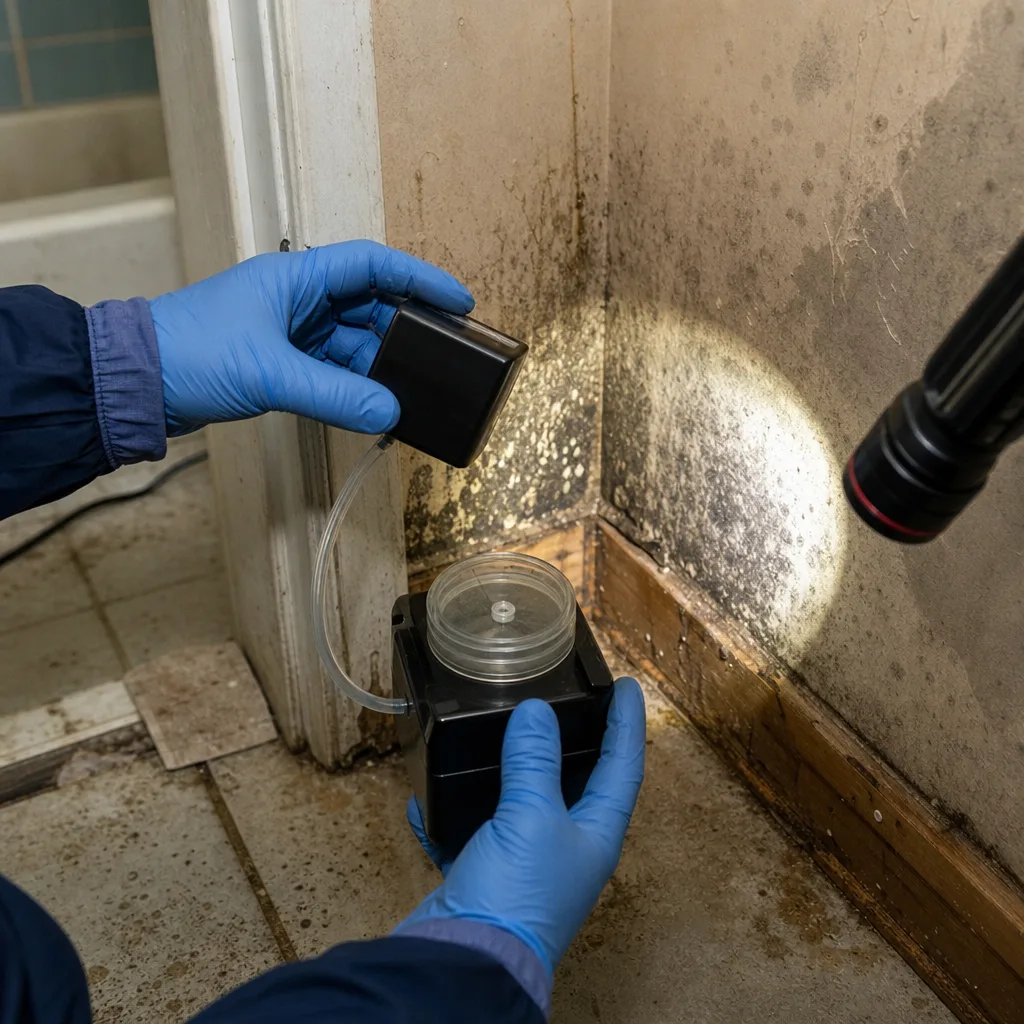
Smoke odor in a high-rise doesn’t stay in the burned unit. It follows the building’s stack effect up through stairwells, pipe chases, and elevator shafts and settles into every porous material on adjacent floors. Hydroxyl generators run safely in occupied spaces, so we can eliminate odor on the 20th floor without evacuating the 21st. For stubborn cases, we seal and fog entire plenums, then verify with air sampling before anyone moves back.
Contents Cleaning & Pack-Out
After a law firm’s server-room fire, the real loss isn’t the drywall. It’s the case files, the custom furniture, the irreplaceable artwork in the conference room. We pack out, inventory by room, clean with ultrasonic and dry-ice methods where the material demands, and store in climate-controlled space until your floor is ready. Every box is photographed and tracked. You’ll know where your stuff is at any hour.
Emergency Board-Up & Tarping
A blown-out window on the 17th floor of a Midtown tower can’t stay open overnight. We board and tarp with materials that meet the building’s facade requirements, often coordinating with the on-site engineer for wind-load concerns and security. On commercial storefronts near street level, we secure the space within hours so inventory stays yours.
What happens when you call
- 1
A real person answersNo phone trees - you reach a local pro.
- 2
You get an upfront price rangeHonest numbers before anyone is dispatched.
- 3
A background-checked tech heads outLicensed & insured, dispatched right away.
- 4
You approve before work beginsNothing starts until you say go.
Fire & Smoke Damage Restoration Costs in Midtown Manhattan, NY
Honest numbers, because you’ll hear inflated ones from national franchises that fly crews in. A standard smoke and soot cleaning for a single co-op unit in Midtown Manhattan typically runs $3,000 to $9,000 depending on how far the soot traveled and whether contents need pack-out. Odor removal with hydroxyl generation and seal-and-fog on a pre-war unit adds $1,800 to $5,500. A multi-floor commercial loss after a sprinkler discharge that cascaded soot down 25 stories, which is a different animal entirely, starts around $150,000 and climbs based on the amount of pre-war millwork and tenant records involved. Structural repair of custom plaster moldings and matched woodwork varies wildly by scope, but the free visual inspection gives you a fixed number before any work starts. Our Fire & Smoke Damage Restoration estimates go directly to your insurance carrier, and you’re never stuck paying for surprises that weren’t in writing.
We Also Serve Cities Near Midtown Manhattan
Wade’s Restoration serves the full Midtown core plus Fire & Smoke Damage Restoration in Midtown Manhattan‘s neighbors: Midtown West, the Financial District, Lower Manhattan, and Astoria. Same live answer, same written scope, same 90-Day Done Right Promise.
Midtown Manhattan Fire & Smoke Damage Restoration Questions, Answered
How do you remove smoke odor from a Midtown pre-war co-op without damaging the original plaster crown moldings?
We don’t touch the plaster with water or aggressive degreasers. Dry-ice blasting lifts embedded soot from plaster and wood without abrasion, and hydroxyl generators eliminate the odor molecule without the occupant displacement that ozone requires. The moldings stay intact and the smell goes.
Can you work overnight in a Midtown office tower if our tenants can’t vacate during business hours?
Yes. Most of our Midtown commercial jobs run on midnight-to-6 a.m. freight windows precisely because tenants stay occupied. We coordinate with the overnight superintendent, stage equipment in the freight elevator schedule, and build containment that allows us to work without dust or smell leaking into your tenants’ floors.
What’s the biggest difference between restoring a fire-damaged condo in Midtown versus a house in the outer boroughs?
Shared systems. Your fire smoke travels through riser pipes, elevator shafts, and plenums that touch dozens of other units, and every one of those neighbors has a claim, a complaint, and an insurance adjuster. A house fire is a one-policy job. A Midtown tower fire is a coordination job.
Do you handle pack-out and cleaning of high-value business records and custom furniture after a smoke event in a Midtown office?
We do. After a server-room fire at a 22nd-floor law firm, we packed out case files, used dry-ice blasting on custom wood paneling, and ran hydroxyl generators before reopening Monday morning. Every item is photographed, logged, and cleaned for its material, not just run through a generic process.
A sprinkler head accidentally discharged on the 30th floor of our hotel and water and soot traveled down 25 floors. How do you sequence a job that large?
We sequence top-down, one floor at a time, with containment at every stairwell, elevator lobby, and duct penetration. We start with water extraction and drying on the upper floors, then move to soot and odor removal as each floor’s drying target is hit. Your hotel’s occupied floors stay isolated from the work.
How fast can someone actually get to my Midtown building?
A senior lead is moving your way within 45 minutes of your call, often faster if the fire marshal hasn’t released the unit yet. Wade answers his own phone, so there’s no dispatch queue delay. For a loss on a high floor, the real constraint is freight elevator scheduling, and we start that conversation immediately.
Will my insurance cover fire and smoke restoration in a Midtown co-op?
Most co-op policies cover the unit owner’s walls-in damage, and the building’s master policy covers common areas. Smoke migration into the building’s risers and plenums often triggers the master policy. We document everything, talk to both carriers, and make sure the right coverage applies before anyone starts work.
What should I do in the first 30 minutes after a small fire is out?
Don’t wipe anything. Soot smears and the oil embeds permanently. Shut down air vents to your hallway if safe, close doors to others, and call us. The faster we get air scrubbers and containment in place, the less damage you’re arguing about later.
Serving Midtown Manhattan, NY - Our Local Coverage Area
We’re based in the Midtown Manhattan area and know this community well. Use the map below to see our service coverage - if you’re nearby, we can almost certainly help.
Built for Midtown’s High-Rise Reality
For over 29 years, Midtown Manhattan‘s high-rise towers have thrown a specific kind of fire and smoke challenge at restoration crews. A single sprinkler head popping on the 30th floor means water and soot cascading down 25 levels, each one with a different tenant, a different lease, and a different insurance policy. Freight-elevator access is often limited to midnight to 6 a.m. Building management rules say no debris staging in the lobby, no loud equipment near occupied hotel floors. Pre-war finishes, plaster medallions, custom wood paneling, marble sills, mean the standard drywall-and-paint estimate gets rejected by the co-op board. We learned this the hard way on a 22nd-floor law firm after an electrical fire in their server room. We worked the midnight freight window with the overnight superintendent, dry-ice blasted the wood paneling, and ran hydroxyl generators until the smell left. The firm reopened Monday. That’s the only Midtown Manhattan-specific playbook that matters, and we’ve been writing it for years.
Call Wade at (607) 703-3408. He’ll answer, and he’ll get a crew inside your building before the smoke does any more damage. Free visual inspection, fixed-price written estimate, and the 90-Day Done Right Promise on every fire restoration job.
Written by Wade Ferris, Owner at Wade’s Restoration, serving Midtown Manhattan since 2007.