
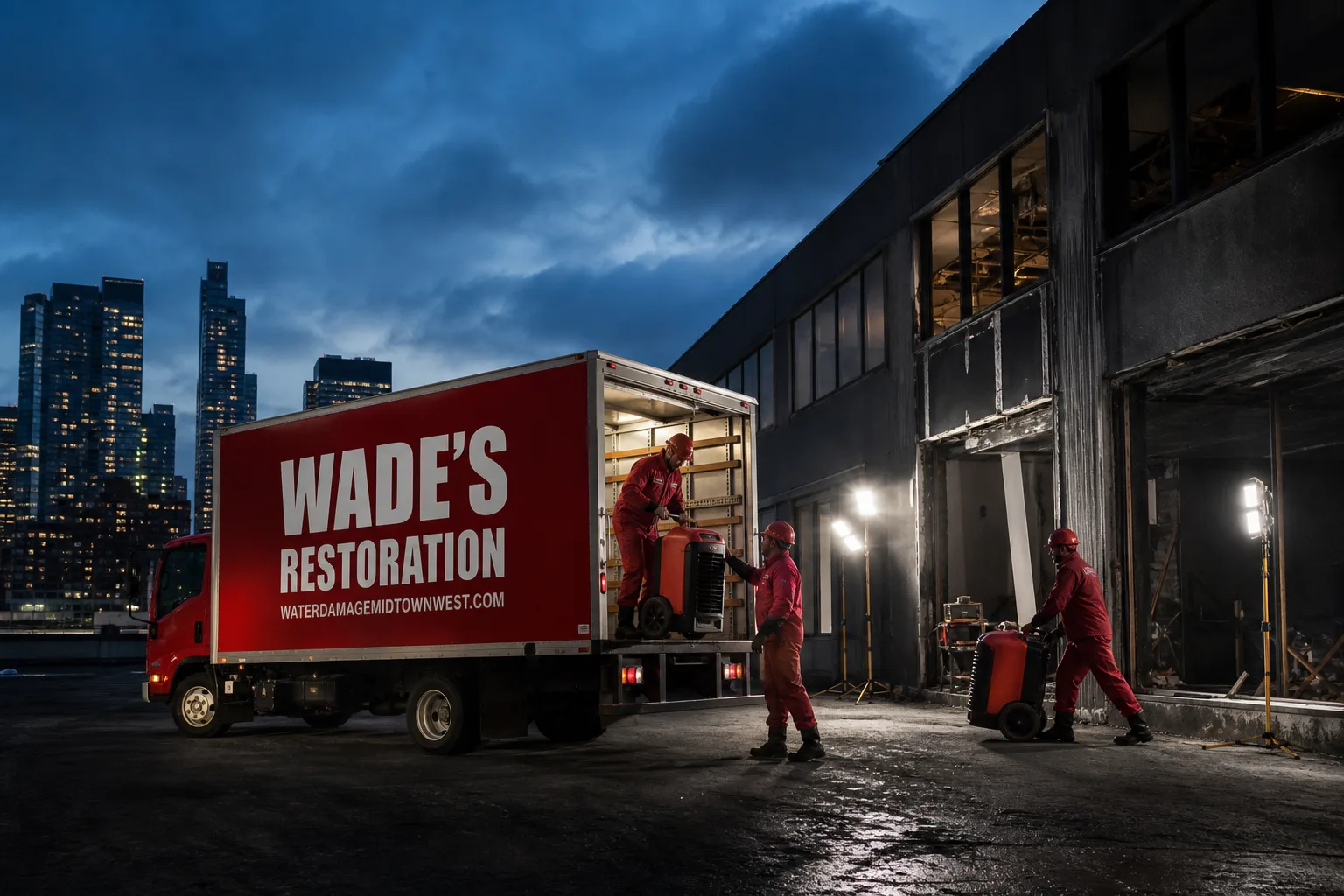
Free visual inspection and a written scope of work before any mitigation begins - photos, moisture readings, and drying logs go in your claim file
The scope we write is the scope we bill. Anything new gets shown to you, in writing, before we touch it.
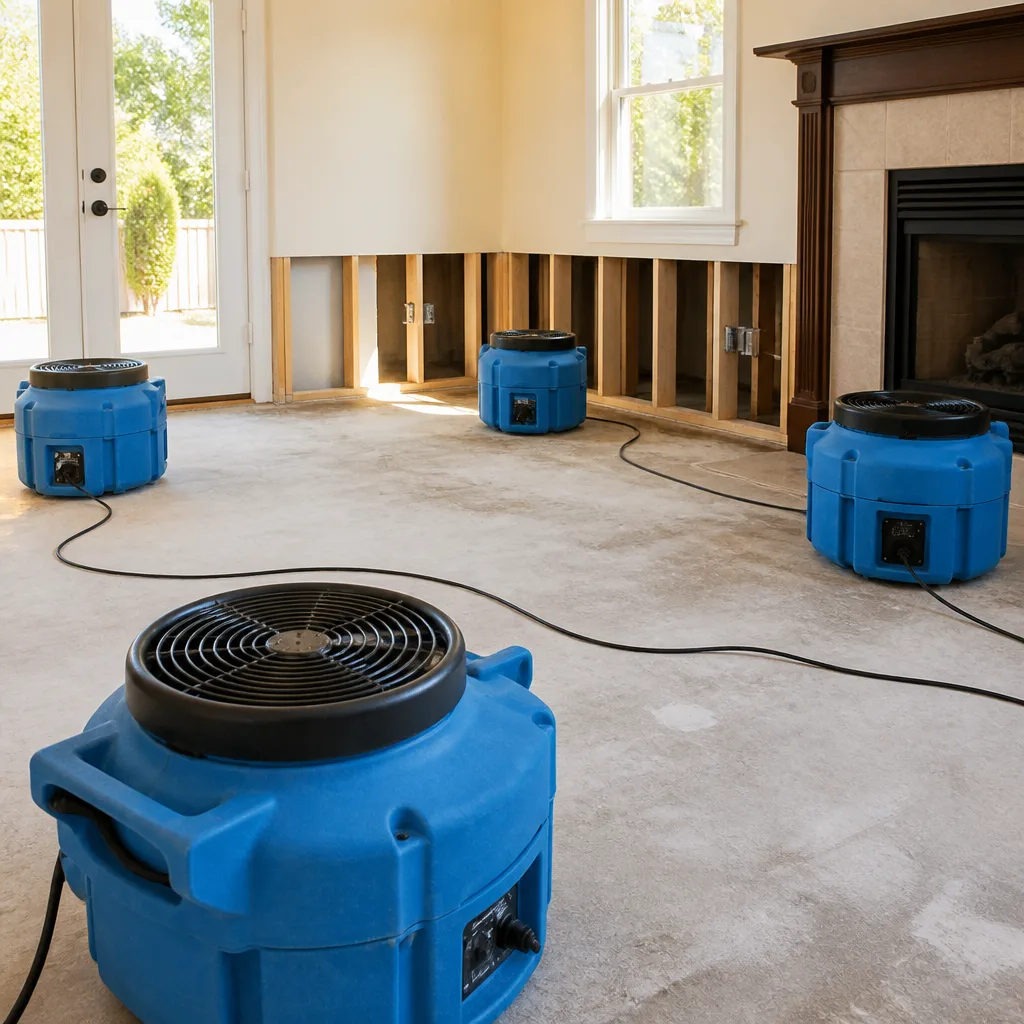
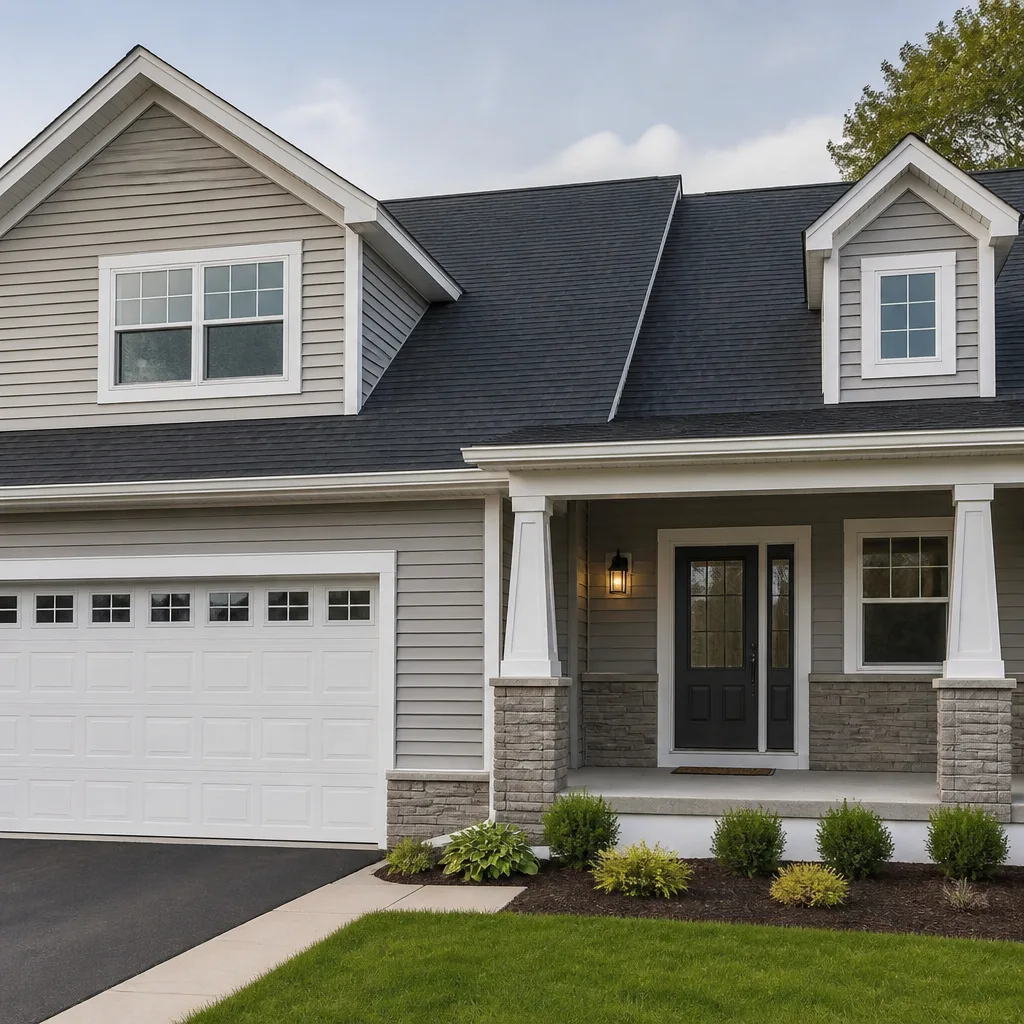
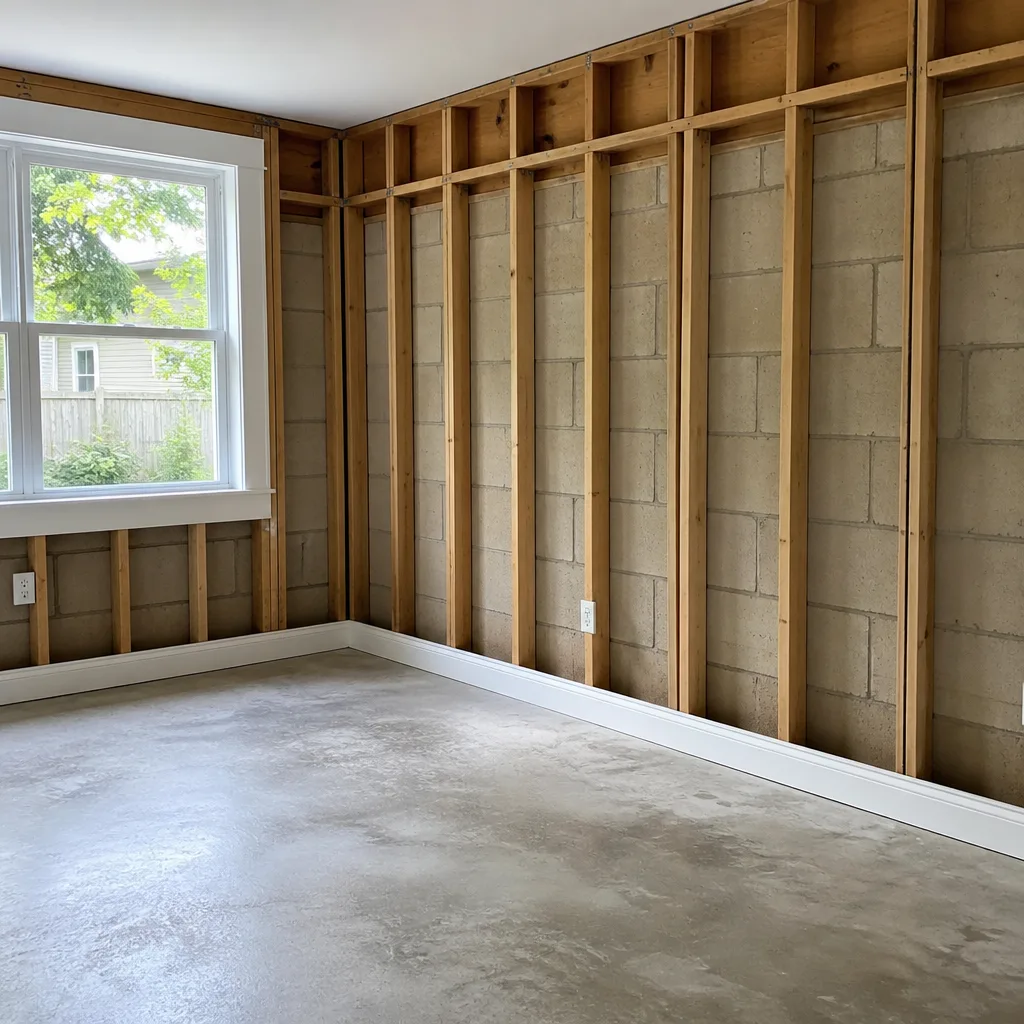
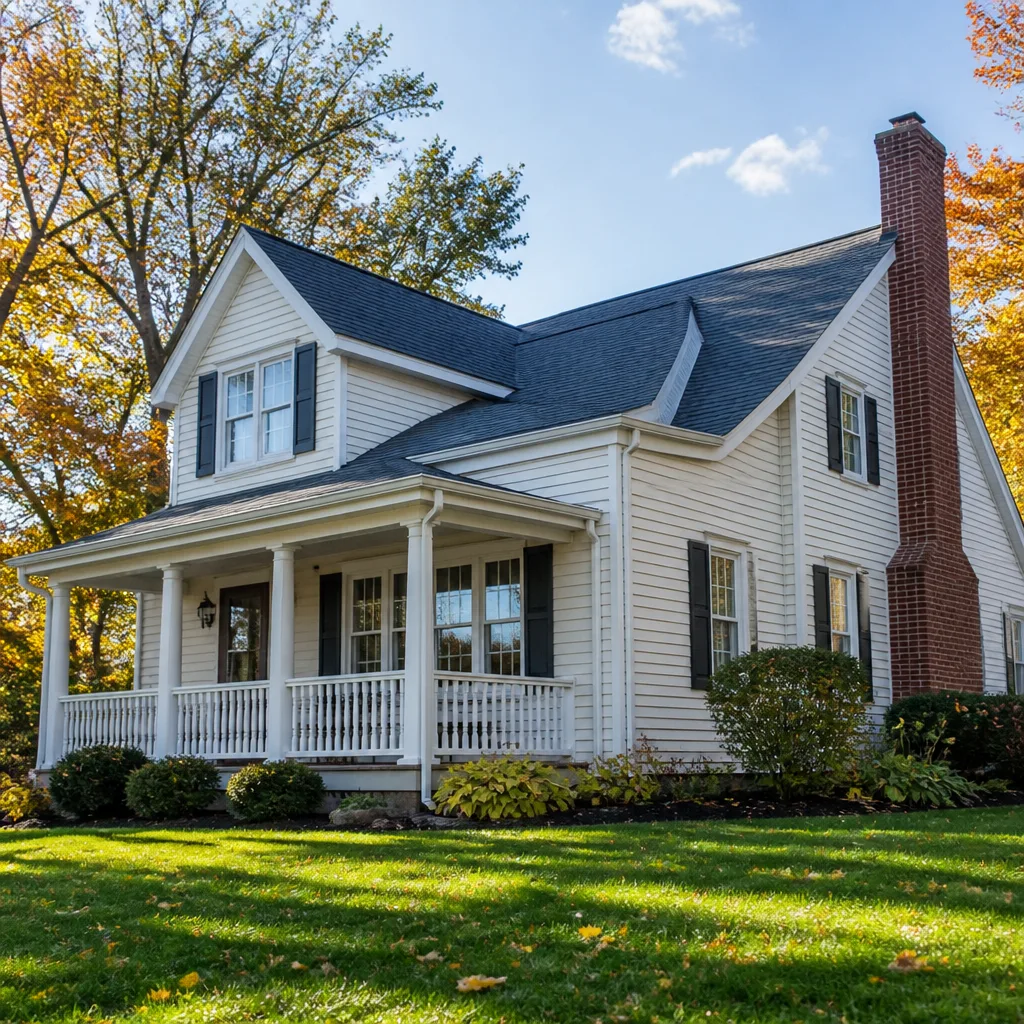
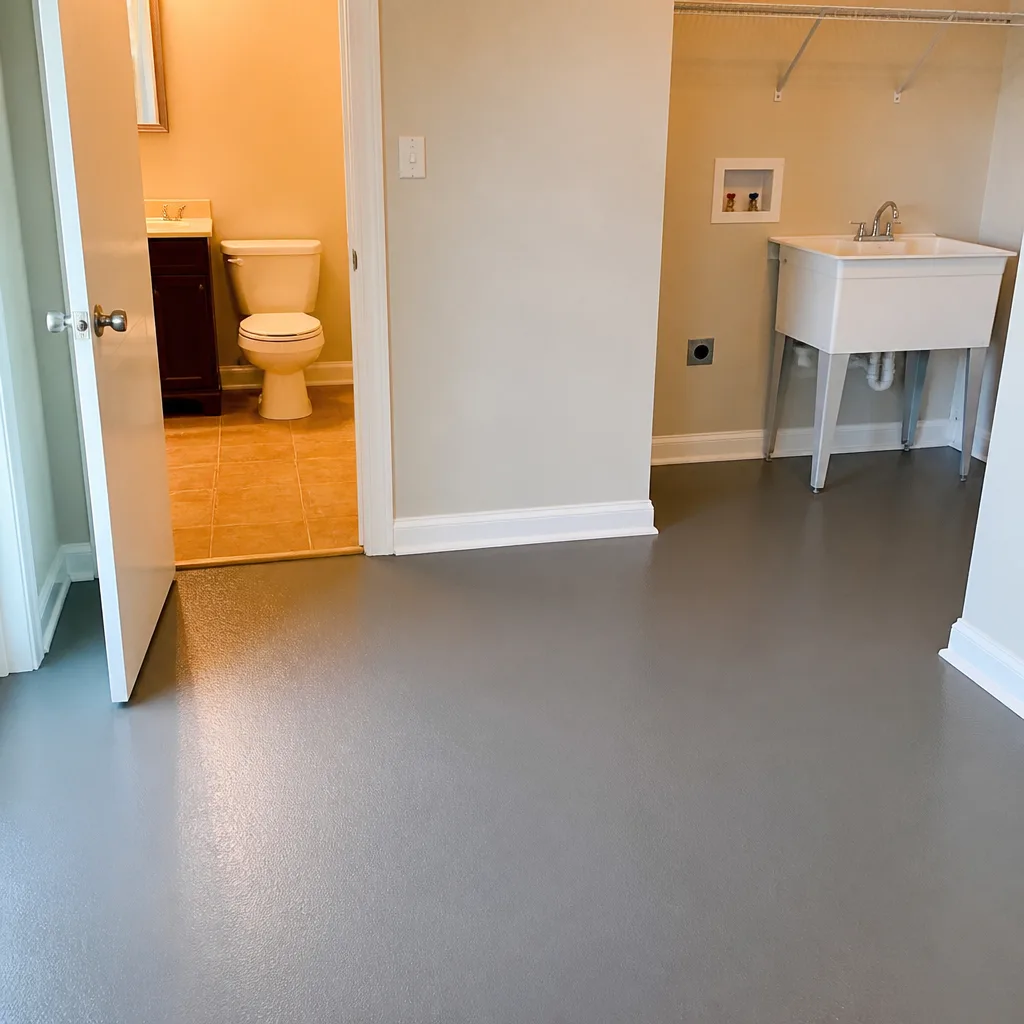
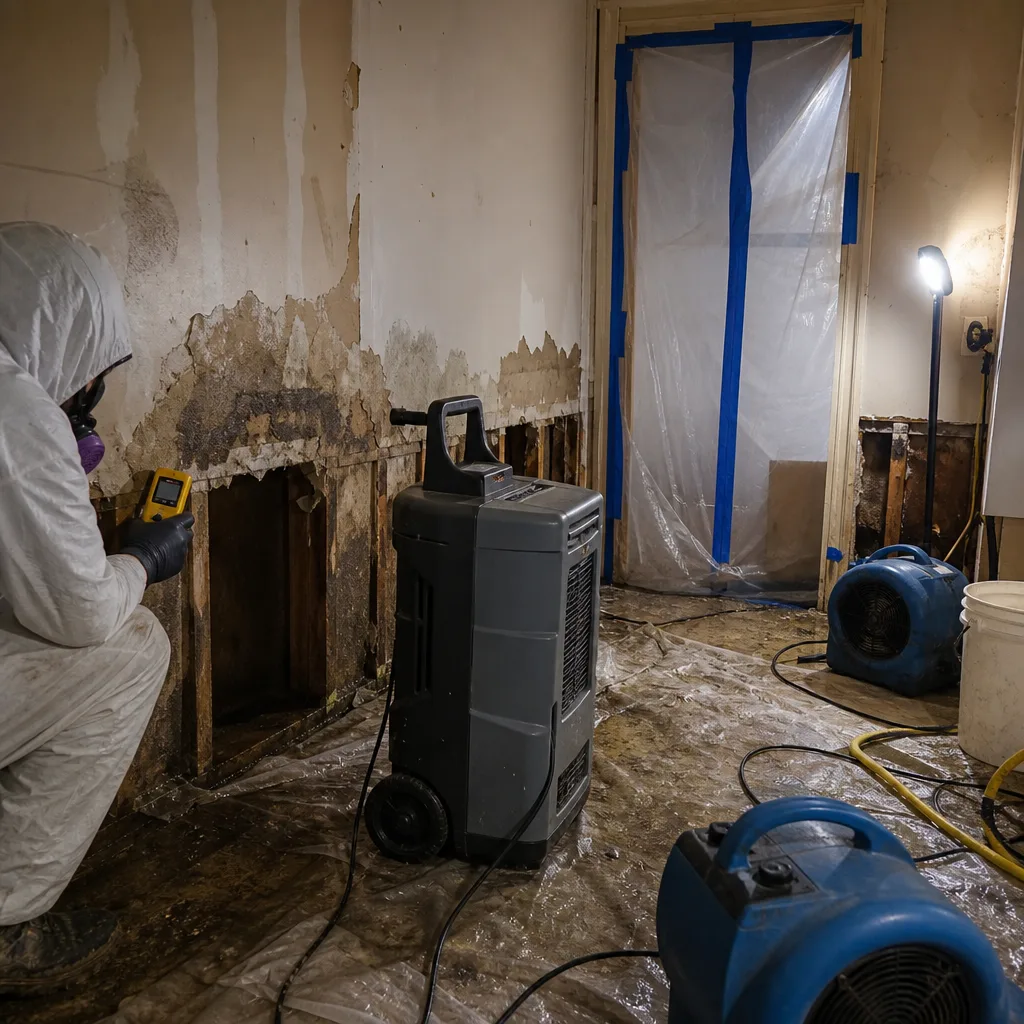 Before
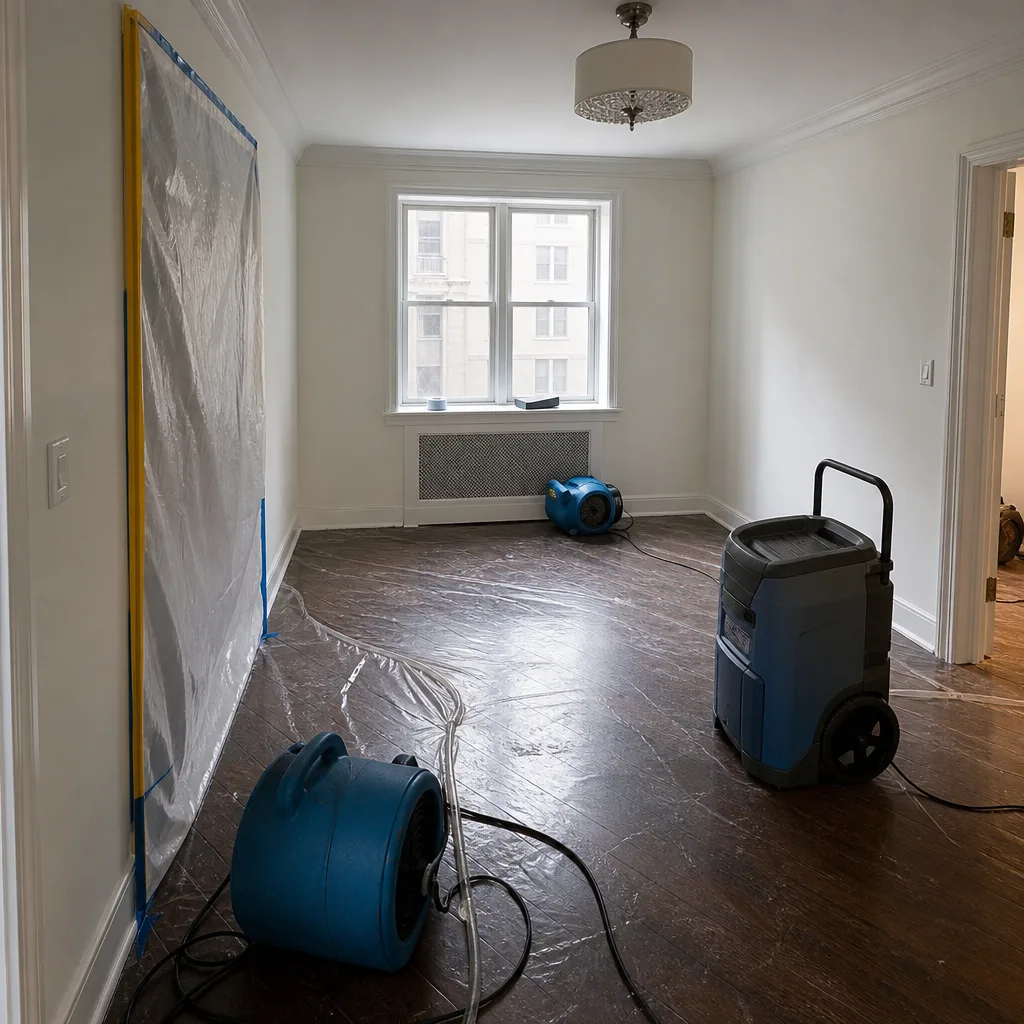 After
After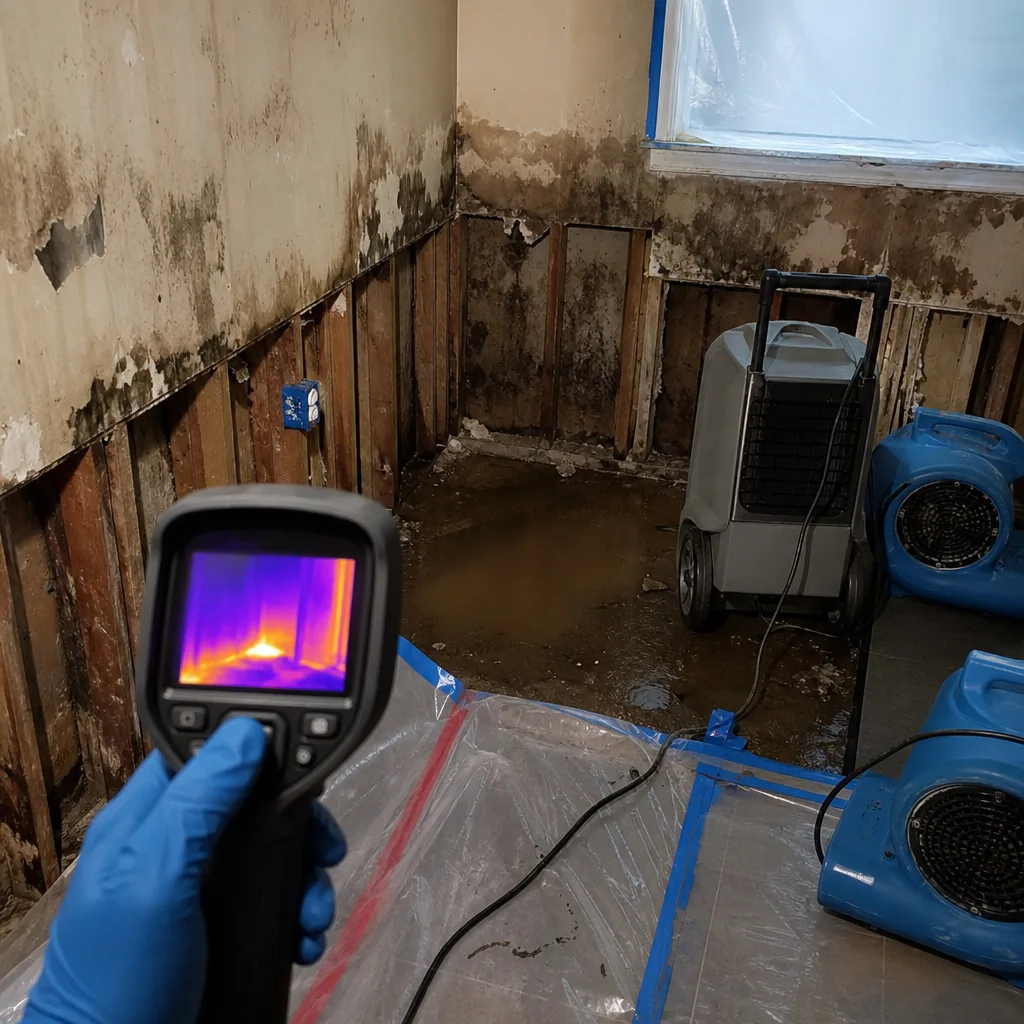 Before
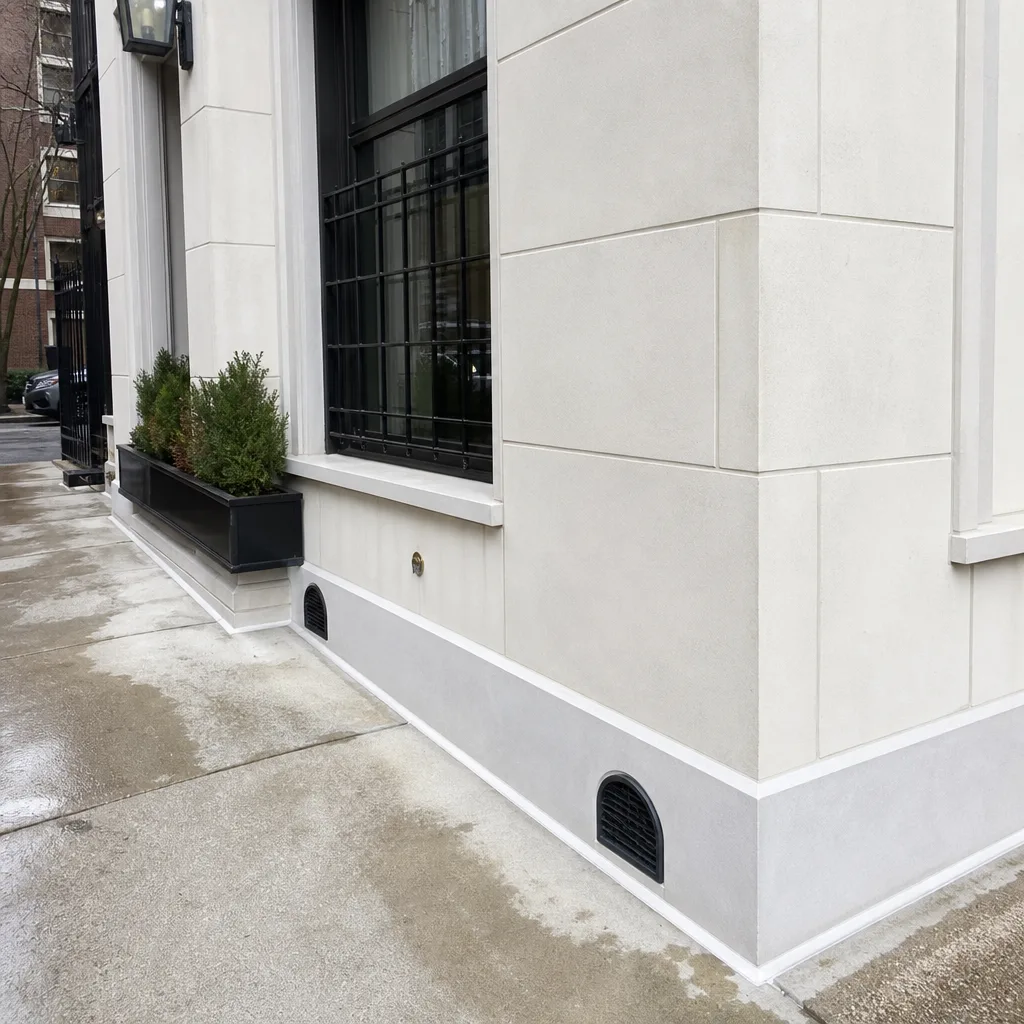 After
After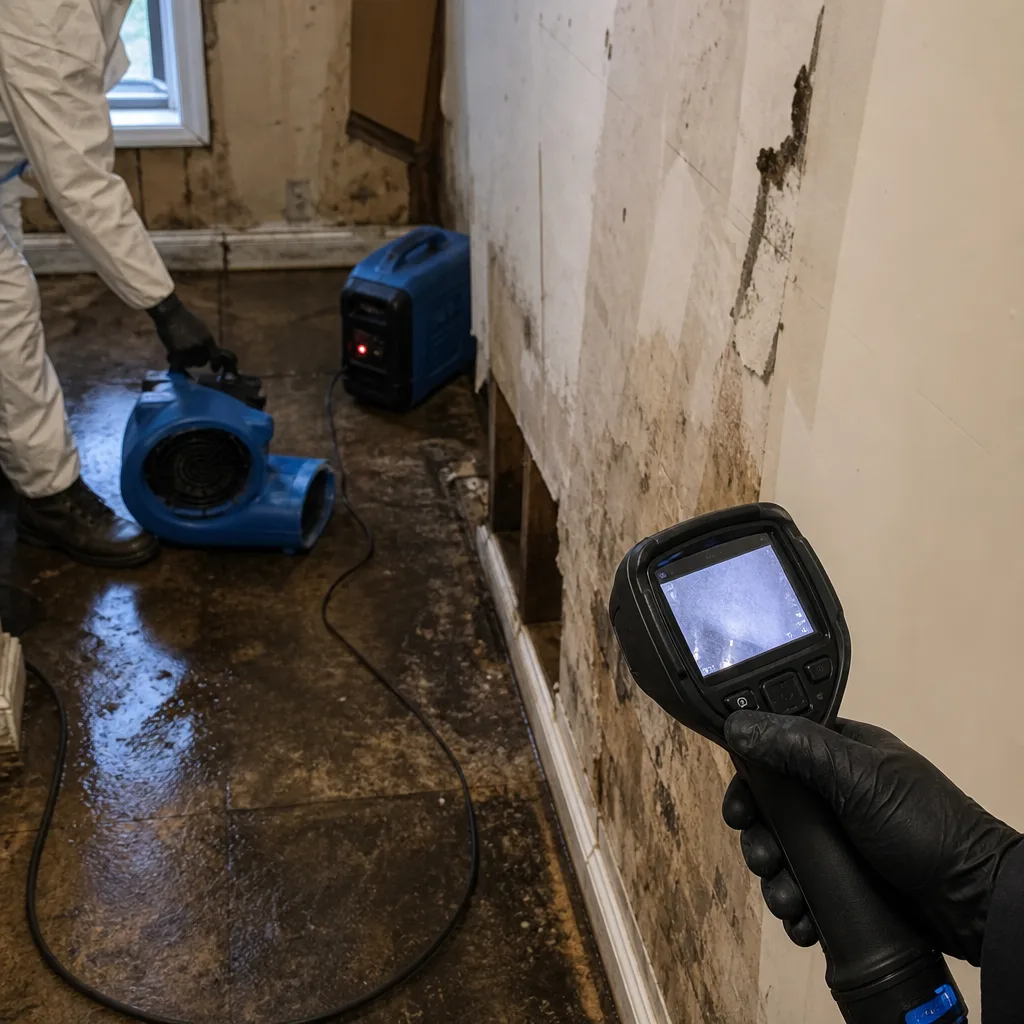 Before
 After
After24/7 Emergency Fire & Smoke Damage Restoration in Astoria
Fire and smoke damage in Astoria needs attention within the first hour, not the next day. Soot from a kitchen fire or electrical short starts etching into plaster, metal fixtures, and finished surfaces almost immediately. Acidic soot residue corrodes chrome and brass within 48 hours. Astoria’s attached brick walk-ups make this worse: smoke travels through shared wall cavities into neighboring units before anyone realizes it. Wade’s Restoration answers at (607) 703-3408 around the clock. We can have a crew on site anywhere in Astoria within 45 minutes, typically faster. Wade heads out himself most nights. Free visual inspection, no charge for the trip inside the county.
Understanding Fire & Smoke Damage Restoration Severity in Astoria Properties
Not all fire damage is the same, and Astoria’s housing stock makes severity harder to read than it looks. We classify damage by soot type and smoke migration paths. Dry soot from a fast-burning paper or wood fire leaves a powdery residue that cleans relatively easily. Oily or wet soot from burning plastics, kitchen grease, or synthetic fabrics sets like lacquer and requires chemical sponges and specialized degreasers. Protein smoke from a stovetop fire is nearly invisible but clings to every painted surface and carries an odor that lingers for months. In Astoria’s 1920s and 1930s brick rowhouses, smoke doesn’t stay in the burn room. It follows the path of least resistance: through lath-and-plaster ceilings, up stairwells, and into the shared masonry party walls between attached buildings. A crew that treats only the visible burn unit leaves the neighbor upstairs with a ghost odor that surfaces weeks later. Our Fire & Smoke Damage Restoration team maps smoke migration before writing a scope, not after the first cleaning pass.
Why Astoria Property Owners Choose Wade’s Restoration
- 45-minute response commitment - Wade or a member of his crew is rolling toward your block within 45 minutes of your call, day or night.
- 24/7 live answer, every single time - Wade answers his own phone. No voicemail tree, no third-party answering service, no runaround.
- IICRC-certified crew - FSRT (Fire & Smoke Restoration Technician) and WRT (Water Damage Restoration Technician) certifications back the work. We don’t send trainees to learn on your fire.
- Free visual inspection - no charge for that. We walk the damage, show you what we see, and write a scope before any money changes hands.
- Direct insurance billing - we submit line-item documentation straight to your carrier and deal with the adjuster so you aren’t stuck relaying information between two sides.
- One team from containment to reconstruction - the same crew that pulls soot out of your walls is the crew that rebuilds them. No handoff to a subcontractor you’ve never met.
Our Fire & Smoke Damage Restoration Process
Inspection & Assessment
We walk the entire property, not just the burn room. Thermal imaging and moisture meters locate hidden smoke migration in wall cavities, ceiling bays, and shared party walls. We document everything with photos before we touch anything.
Emergency Board-Up & Containment
In Astoria, a fire-damaged building with a broken window or breached roof invites water intrusion and vandalism. We secure openings with board-up or tarping, then install containment barriers with negative air pressure so soot and odors don’t spread into adjacent units during cleanup.
Soot & Smoke Residue Removal
We hand-clean plaster-on-lath surfaces where power-washing would destroy them. Chemical sponges, degreasers, and HEPA vacuums remove soot from walls, ceilings, trim, and hard surfaces. For charred joists and framing, we assess structural integrity before doing anything else.
Odor Removal & Deodorization
HEPA air scrubbers with carbon filters run continuously. We use hydroxyl generators or ozone where appropriate, and we treat shared wall cavities directly. In attached brick rowhouses, this is the step that prevents the neighbor’s apartment from smelling like your fire.
Contents Cleaning & Pack-Out
Salvageable contents get packed out, inventoried, cleaned at our facility, and stored until the structure is ready. We clean what can be cleaned, document what can’t, and provide a full line-item inventory for your insurer.
Structural Fire Repair & Restoration
We replace charred framing, repair damaged plaster, rebuild walls and ceilings, and restore finishes to pre-loss condition through our Reconstruction & Cleanup in Astoria. The 90-Day Done Right Promise applies to every fire restoration job: if it’s not done right, Wade makes it right, in writing.
Need Emergency Fire & Smoke Damage Restoration in Astoria Now?
Crews minutes away, answering live 24 hours a day. The sooner we start, the less it costs.
Working With Your Insurance Company
Wade deals with the adjuster directly. That’s the whole point. You shouldn’t have to translate between a restoration crew and an insurance carrier while you’re also trying to figure out where you’ll sleep. We document from the first hour: photos of the burn area, smoke migration paths, char damage, and every surface we touch. Our estimates follow industry-standard pricing that adjusters recognize, which means fewer disputes and faster approvals. If your carrier pushes back, we have the documentation to back up the scope. If they want a second opinion, we welcome it. The free second opinion offer works both ways.
What We Provide Your Insurer
- Thorough documentation of the loss
- Photos of all damage, room by room
- Moisture readings and drying logs
- A detailed, line-item scope of work
- Direct coordination with your carrier
Built for Astoria’s Loss Calendar
Fire season in Astoria doesn’t follow one pattern. Winter brings space heaters overloading old wiring in 1930s apartment buildings, extension cords buried under rugs, and candles left burning during holiday dinners. The freeze-thaw cycle in January and February stresses aging brick facades, and when water seeps into electrical boxes or junction panels in pre-war walls, you get smoldering fires that go unnoticed until smoke pushes through to a neighboring unit. Spring and summer bring cooking fires on backyard grills and stovetops in the neighborhood’s many small kitchens. Below-grade basement apartments trap smoke even from small fires. Astoria’s proximity to the East River waterfront means nor’easter-driven wind can spread a small roof fire faster than a crew can travel ten blocks. Wade knows these buildings. He’s been in them for 29 years.
Fire & Smoke Damage Restoration Across Astoria’s Neighborhoods
Response routes matter. A call from the old rowhouses near Ditmars Boulevard and 21st Avenue brings us through streets where attached brick buildings share party walls, so we arrive expecting smoke migration into adjoining units. Down by Astoria Boulevard and the 30th Avenue corridor, the building mix shifts to larger pre-war apartment houses with central stairwells that act as chimney flues. Smoke from a basement-level kitchen fire gets pulled up through the building in minutes. Near Astoria Park and the East River shoreline, older waterfront-adjacent properties carry FEMA flood zone designations from Hurricane Sandy’s storm surge, so a fire claim there often piles on top of existing water intrusion history. The blocks around Broadway and Steinway Street include semi-detached brick homes where a garage fire or electrical panel burnout threatens the adjacent unit through a shared wall. We know the difference between a detached house off Hoyt Avenue and an attached rowhouse off 23rd Avenue, because the restoration plan is different for each.
Specialized Fire & Smoke Damage Restoration Services We Offer in Astoria
Odor Removal & Deodorization
Smoke odor in an attached Astoria rowhouse is a shared-wall problem. The odor molecules penetrate porous brick, lath, and plaster. We treat the cavities, not just the painted surfaces. Thermal fogging, ozone, and hydroxyl generators are deployed based on soot type. In one semi-detached brick rowhouse off 21st Avenue, we set containment in the fire unit and ran carbon-filtered air movers through the shared masonry cavity before the neighbor upstairs even reported a ghost odor. That’s the difference between treating the fire and treating the building.
Contents Cleaning & Pack-Out
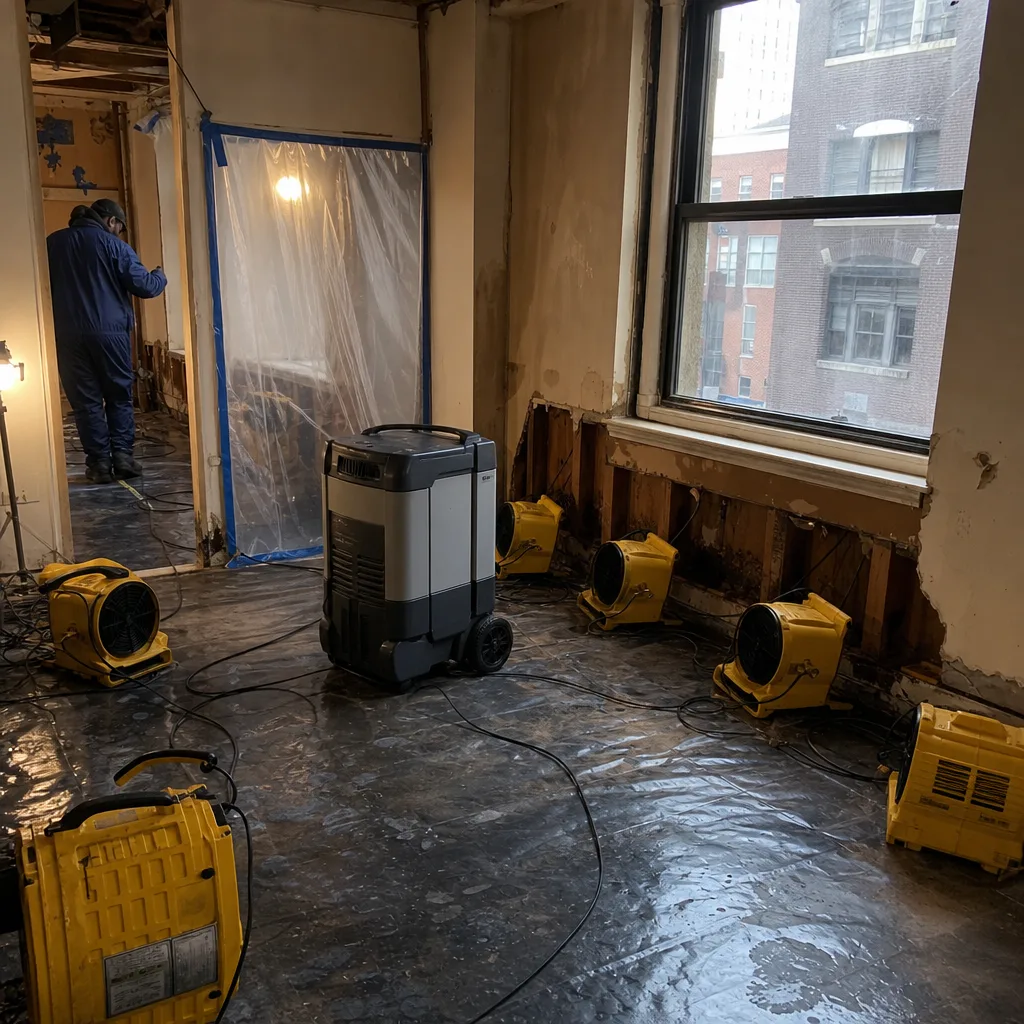
Clothes, furniture, books, and electronics all absorb smoke differently. We pack out salvageable contents, inventory every piece, clean them at our facility, and store them climate-controlled until the structure is ready for them to come back. Your insurer gets a line-item inventory. You get your grandmother’s dining set back without a soot film on it. For contents that can’t be saved, we document them thoroughly so your claim reflects actual loss, not guesswork.
Structural Fire Repair
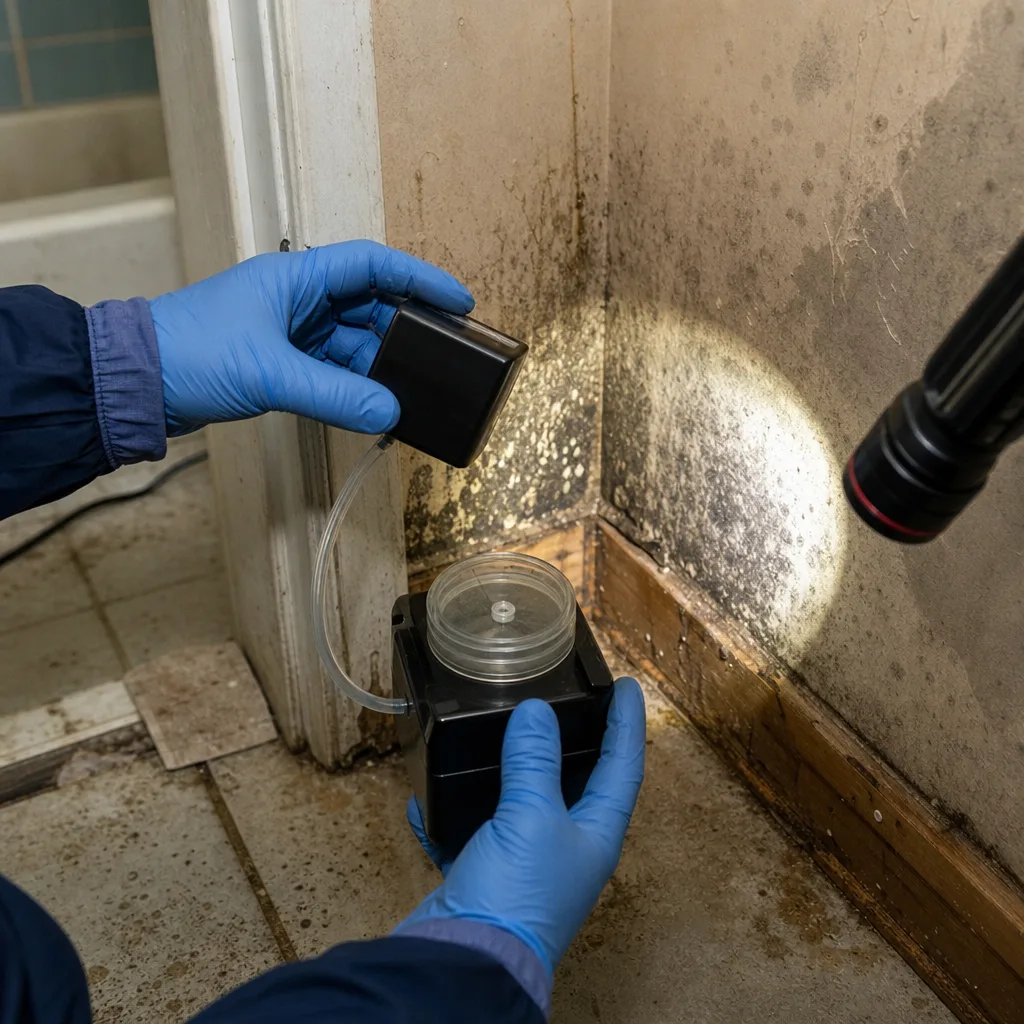
Charred joists, burned-out window frames, damaged roof decking. We replace what’s compromised and brace what’s salvageable through our Biohazard & Crime Scene Cleanup in Astoria when hazardous conditions are present. In Astoria’s pre-war buildings, this often means working around cast-iron drain stacks and knob-and-tube wiring remnants. We coordinate with building management when multiple units are involved, which happens more often here than in any single-family market. The goal is to get you back in the building with a structure that’s actually safe, not just patched.
Fire Damage Cleanup
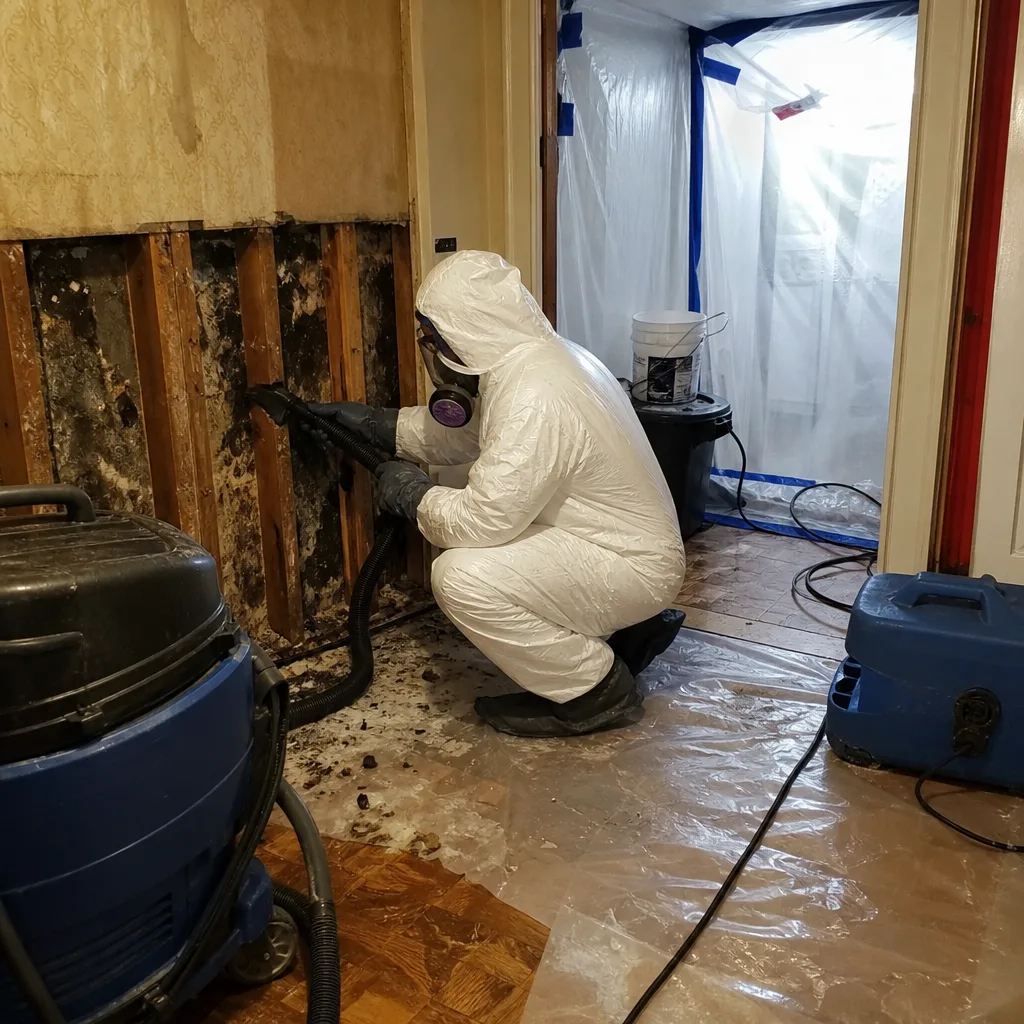
After the fire is out, the damage keeps happening. Soot etches glass and metal, plaster absorbs smoke, and water from the fire department’s hoses soaks everything below the burn. We extract the water, remove the soot, and stop the secondary damage before it spreads. In Astoria, where a third-floor fire means water in the second-floor ceiling and the first-floor apartment below, this matters more than in a single-story home.
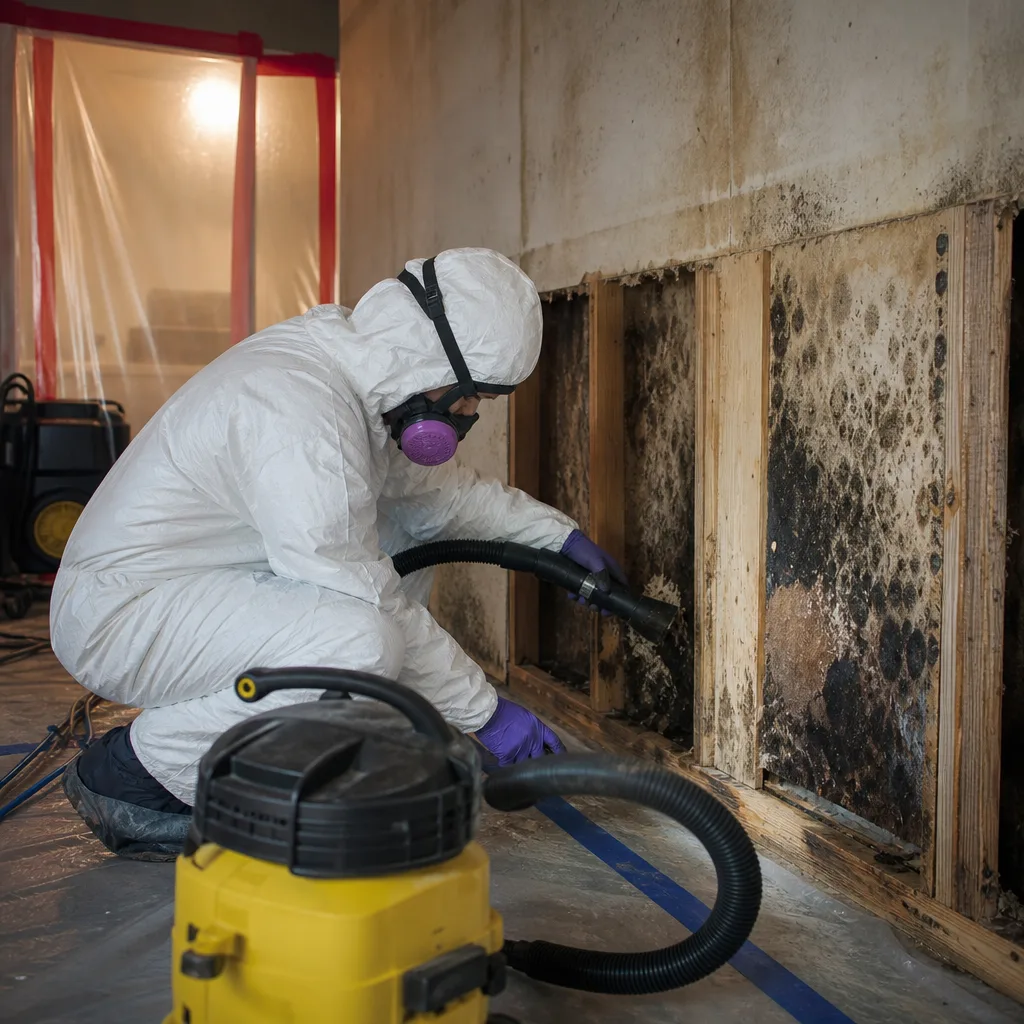
Smoke & Soot Removal
Different soot types need different chemistry. We test the residue before we choose the cleaner. Protein smoke from a kitchen fire needs degreasing agents. Dry soot from a paper or wood fire vacuums up with HEPA equipment. Oily soot from burning plastics sets hard and needs chemical softening. Using the wrong method drives soot deeper into plaster and makes the odor permanent. Plaster-on-lath walls in these pre-war buildings are unforgiving; power-washing is the fastest way to destroy them.
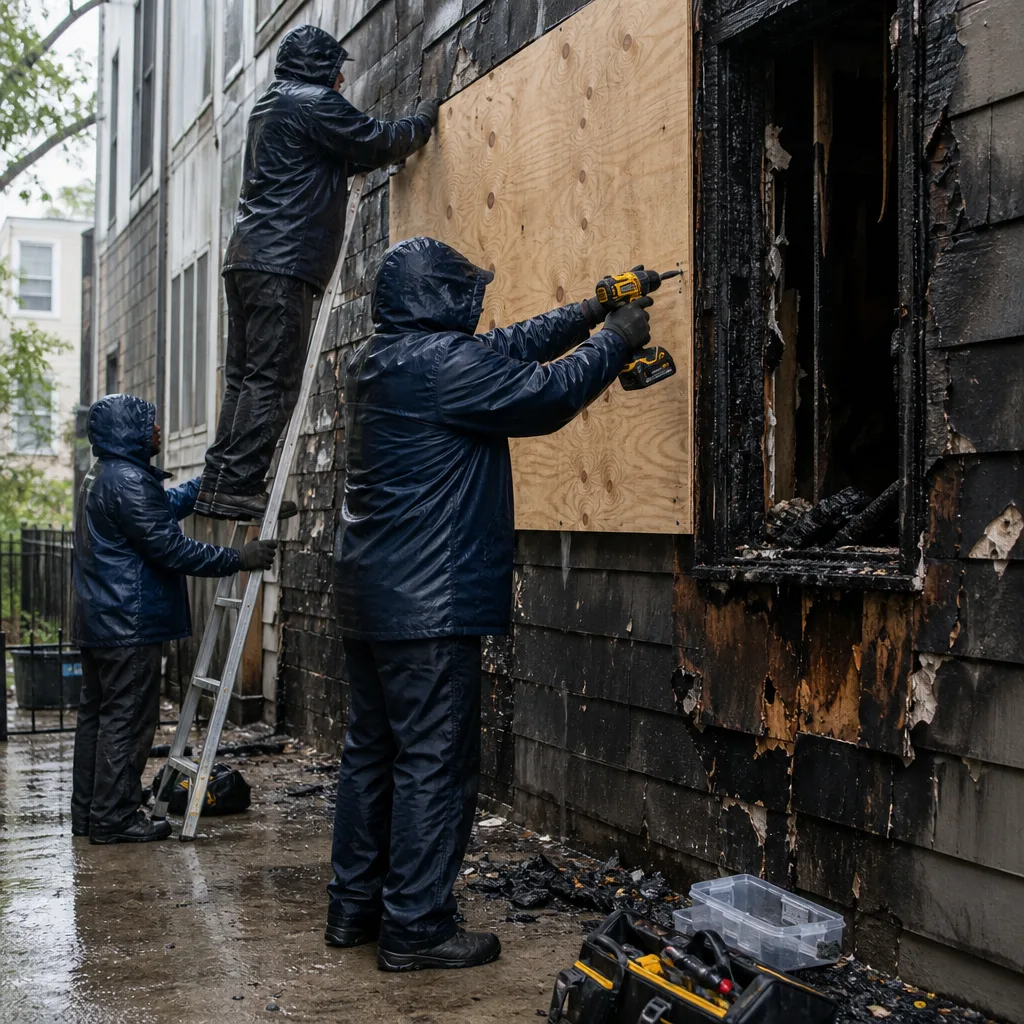
Emergency Board-Up & Tarping
A broken window or breached roof after a fire is an open invitation to rain, squatters, and further damage. We board up and tarp within hours of your call, and we handle our Sewage Cleanup in Astoria if fire suppression or weather has introduced contaminated water. In a rowhouse with a shared wall, we also check the adjacent property’s exposure. If your fire compromised a shared parapet or roof junction, the neighbor’s unit needs protection too. Wade’s been doing this long enough to look past the property line.
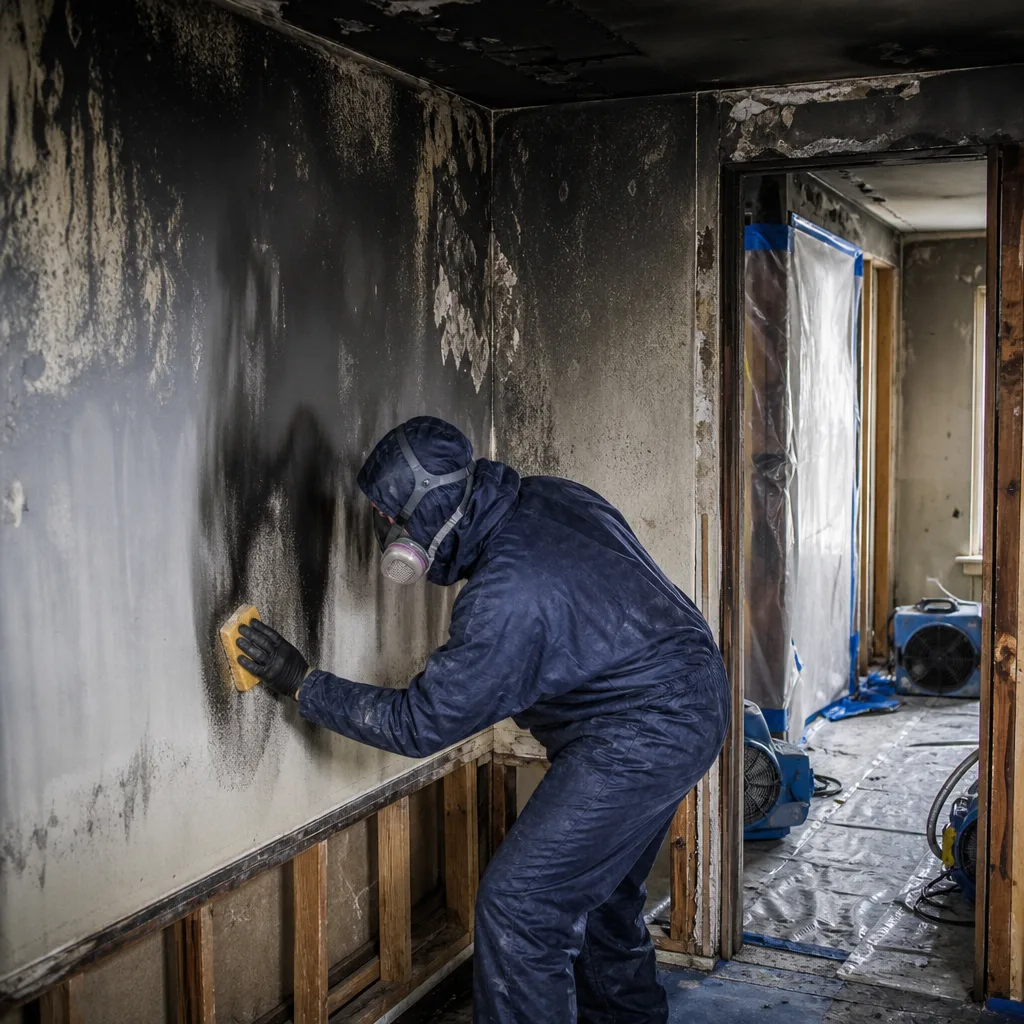
What happens when you call
- 1
A real person answersNo phone trees - you reach a local pro.
- 2
You get an upfront price rangeHonest numbers before anyone is dispatched.
- 3
A background-checked tech heads outLicensed & insured, dispatched right away.
- 4
You approve before work beginsNothing starts until you say go.
Fire & Smoke Damage Restoration Costs in Astoria, NY
Odor removal and deodorization in an average Astoria apartment or rowhouse typically runs $1,500 to $4,500, depending on square footage and how far smoke traveled through shared cavities. Soot and smoke residue cleaning lands between $2,000 and $6,000 for a full unit. Contents cleaning and pack-out usually adds $1,000 to $3,500. Structural fire repair varies widely: replacing charred joists and rebuilding a fire-damaged kitchen in a pre-war walk-up can run $15,000 to $40,000 or more, depending on plaster conditions, electrical work, and whether multiple units are involved. Insurance covers most fire losses, less your deductible. The free visual inspection gives you a firm scope and a written estimate before you commit to anything. No trip charge inside the county. Senior and Veteran discount: 10%, always.
We Also Serve Cities Near Astoria
We work in Long Island City, where the building stock shifts toward converted warehouses and newer high-rise construction with different smoke migration patterns and different restoration approaches. Same 45-minute response, same crew, same standards.
Serving Astoria, NY - Our Local Coverage Area
We’re based in the Astoria area and know this community well. Use the map below to see our service coverage - if you’re nearby, we can almost certainly help.
Astoria Fire & Smoke Damage Restoration Questions, Answered
Does Astoria require a specific fire door or rated assembly when you repair a fire-damaged rowhouse?
Yes, in most cases. NYC building code requires fire-rated assemblies between dwelling units in attached buildings, including fire doors, rated wall assemblies, and fire-stopping at floor and ceiling penetrations. When we repair fire damage in a rowhouse or multi-family building, we match the existing rating or upgrade to current code where required. Your adjuster will typically cover code-required upgrades, but we document the requirement in the scope from the start. Call (607) 703-3408 to talk through your building’s specifics.
Smoke odor is coming from my neighbor’s fire but nothing burned in my unit-can you treat that?
Yes. This is one of the most common calls we get in Astoria’s attached brick rowhouses. Smoke travels through shared masonry party walls and emerges in the adjacent unit as odor or soot without any visible fire damage. We treat the neighbor’s unit by accessing the shared wall cavity, running carbon-scrubbing air movers, and using hydroxyl or ozone treatments where appropriate. The neighbor’s insurance typically covers the work when it’s tied to the originating fire. We coordinate directly with both carriers if needed.
How long does fire restoration take in a pre-war Astoria walk-up with plaster walls?
Most full-unit fire restorations in pre-war Astoria buildings take 3 to 6 weeks from containment to final coat. Plaster walls take longer to dry than drywall, and hand-cleaning soot from lath-and-plaster surfaces is slower than power-washing. If structural repair is involved, add time for code inspections and materials. Below-grade basement apartments can extend the timeline by a week or more because trapped smoke and moisture take longer to clear. We give you a written timeline in the scope and update you as drying logs come in.
Are your fire cleanup methods safe for the cast-iron plumbing in my 1930s Astoria building?
Yes. We don’t use acidic cleaners that etch cast-iron drain stacks, and we avoid high-pressure washing anywhere near plumbing penetrations. Cast-iron in these buildings is already brittle from age. Our cleaning methods are selected for the surface, not for speed. When char damage sits near a drain stack, we assess the line before running any water-heavy equipment through the area.
Do you help with the tenant relocation and insurance scope after a fire in my Astoria multi-family?
Yes. We document which units are affected, what each tenant’s claim covers, and where relocation is required. Wade has been through enough multi-unit fire claims in Astoria to know that the building owner’s carrier, each tenant’s renter’s insurance, and sometimes a third-party liability claim all need different documentation. We provide the paperwork each carrier asks for, and we coordinate directly with adjusters on all sides. You don’t get stuck relaying information.
How fast can you actually get to my Astoria apartment after I call?
Within 45 minutes, usually faster. Wade answers the phone himself and dispatches from the New York City office to Astoria blocks directly. In a fire scenario, the first hour matters because soot etches into surfaces and smoke odor penetrates deeper into plaster and brick. Call (607) 703-3408 as soon as the fire department clears the scene.
Will my insurance cover fire and smoke restoration in an Astoria rowhouse?
Most standard homeowner’s and renter’s policies cover fire and smoke damage, including smoke migration into adjacent units when tied to the originating fire. The biggest coverage gaps come from undocumented damage: if soot or odor isn’t photographed and scoped within the first few days, the carrier may question whether it’s from this fire or something older. We document everything from the first hour, and Wade deals with the adjuster directly. Estimates are free.
What should I do in the first 30 minutes after the fire is out?
Don’t touch anything. Walking through soot pushes it deeper into carpet and porous surfaces. Don’t use electrical appliances or turn on lights until an electrician checks the wiring. Open windows if the air outside is clear, and keep doors closed to contain what’s already inside. Call your insurer, then call us at (607) 703-3408. We’ll walk you through the next steps on the phone and have a crew on the road while you’re still talking to Wade.
Written by Wade Ferris, Owner at Wade’s Restoration, serving Astoria since 2007.