
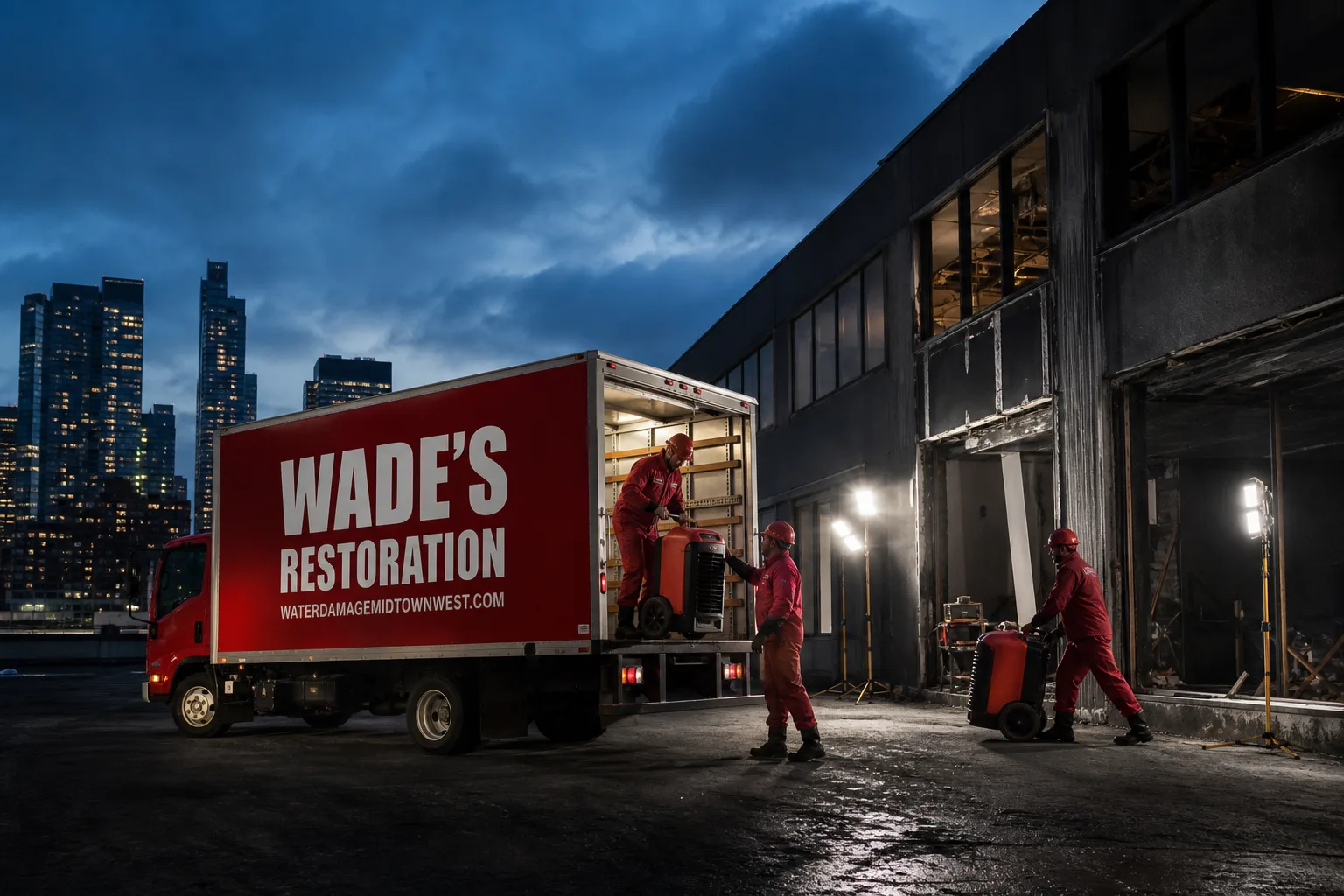
Free visual inspection and a written scope of work before any mitigation begins - photos, moisture readings, and drying logs go in your claim file
The scope we write is the scope we bill. Anything new gets shown to you, in writing, before we touch it.
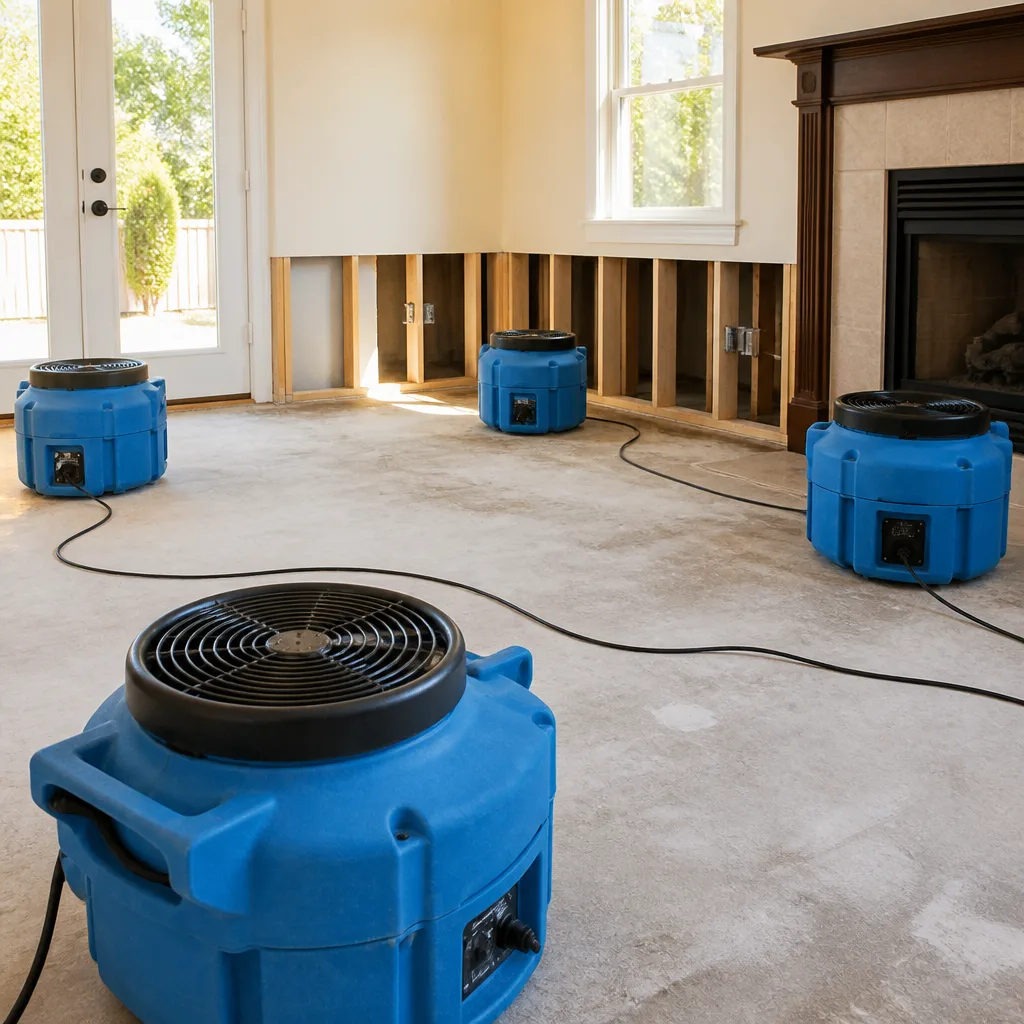
 Before
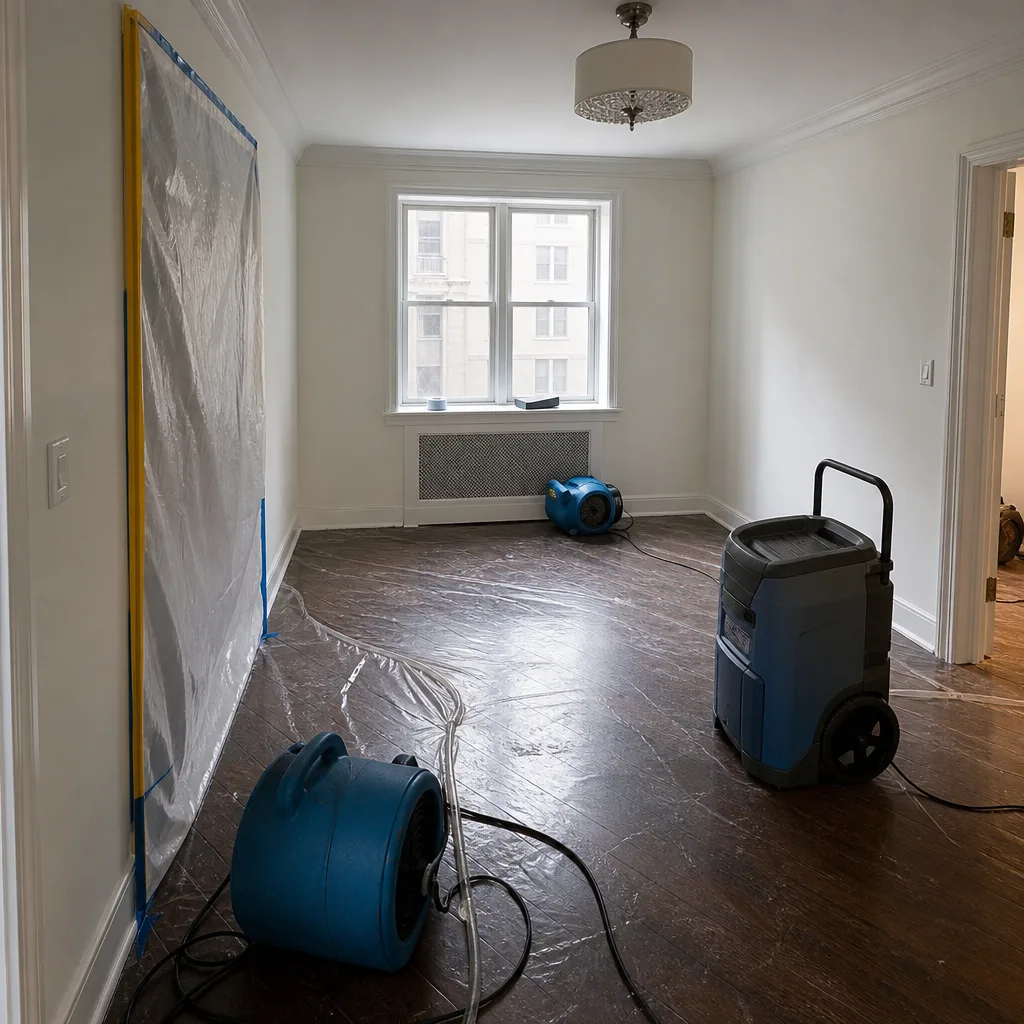 After
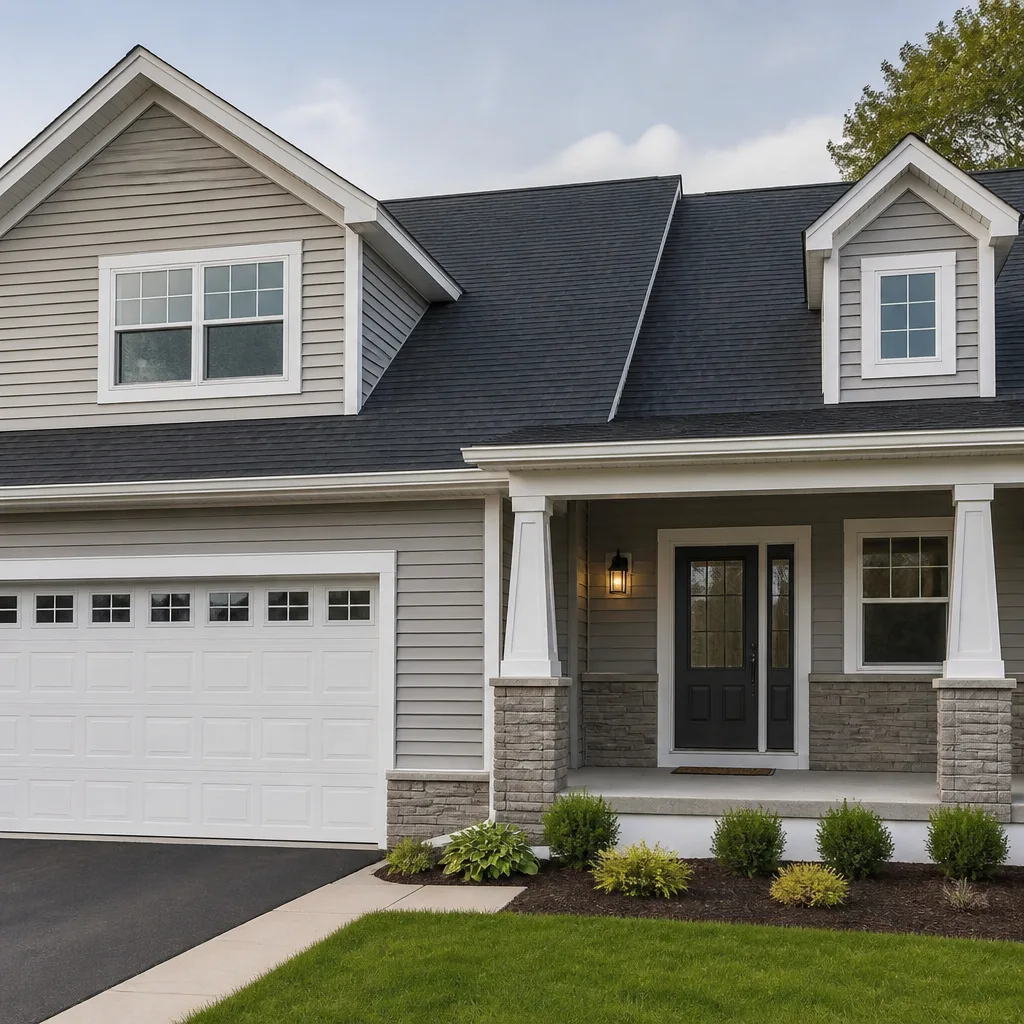
After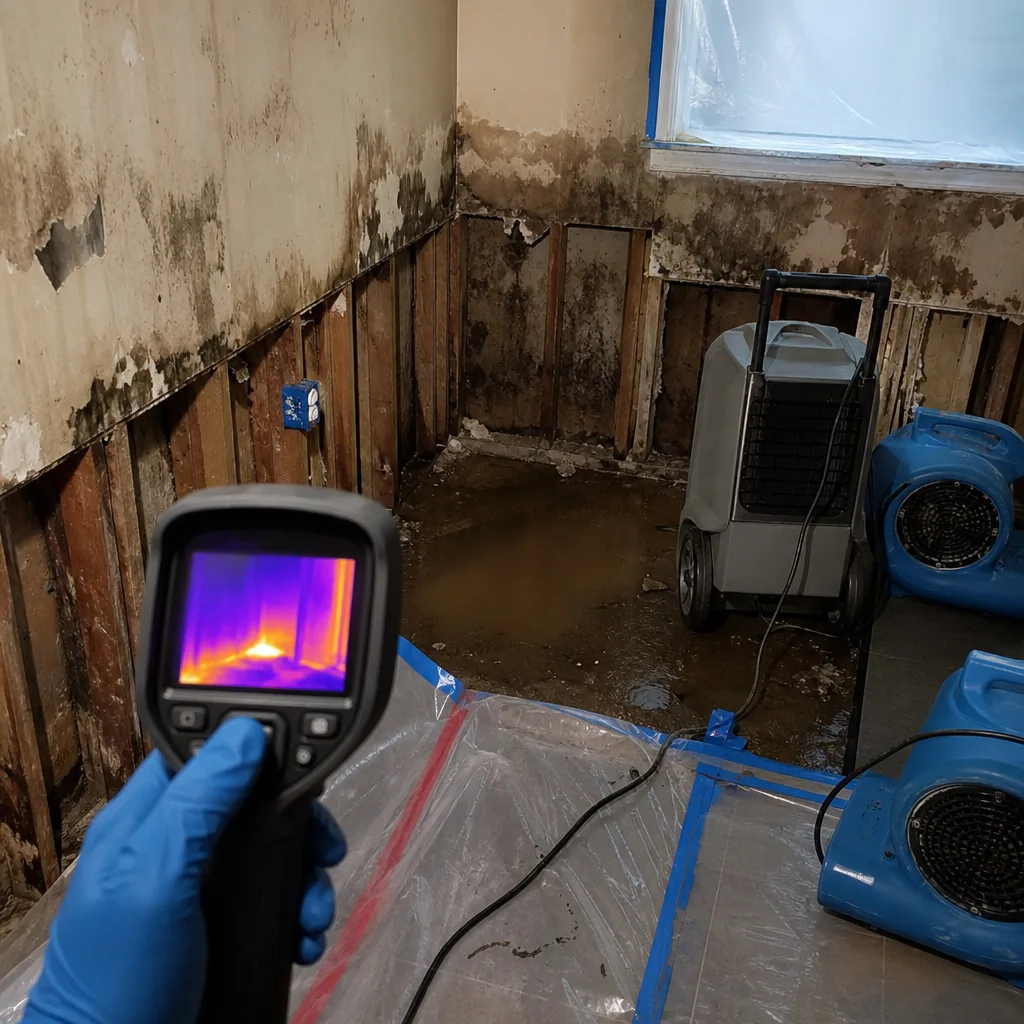 Before
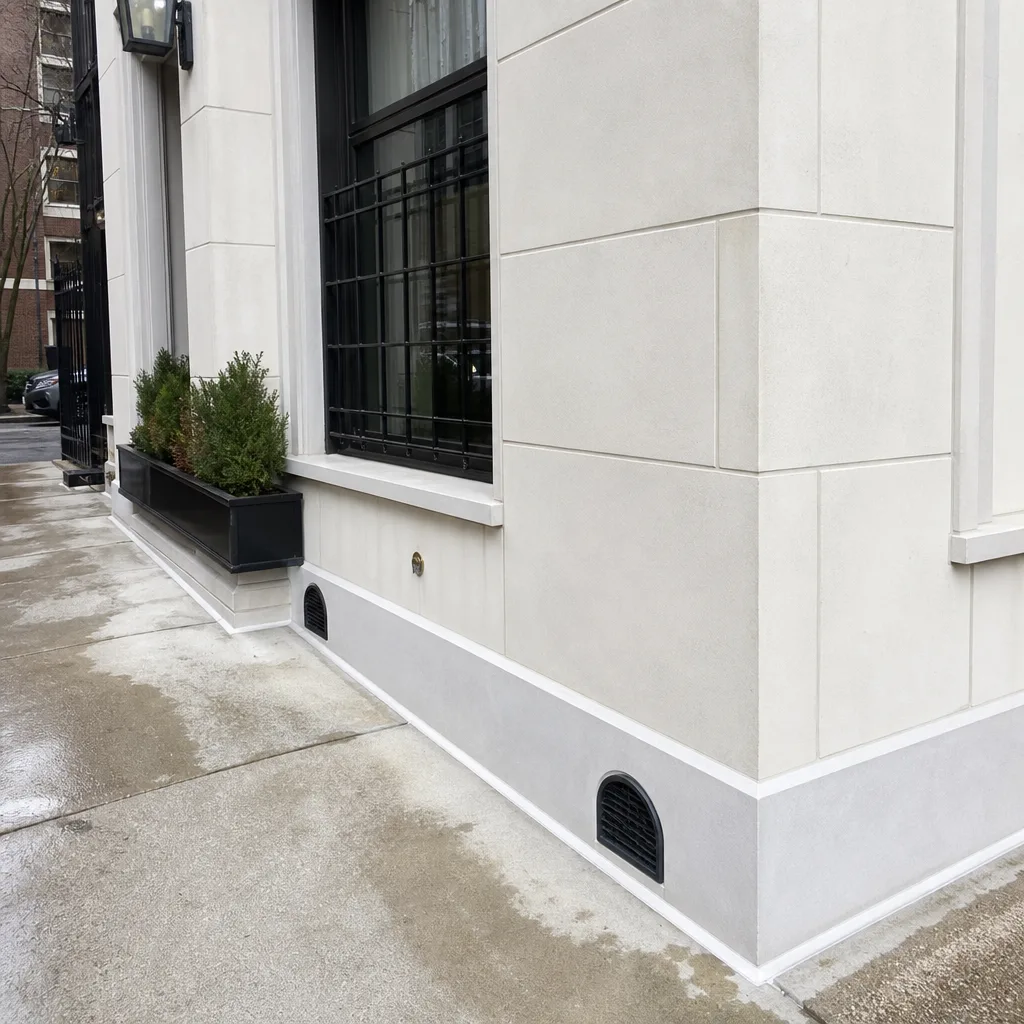 After
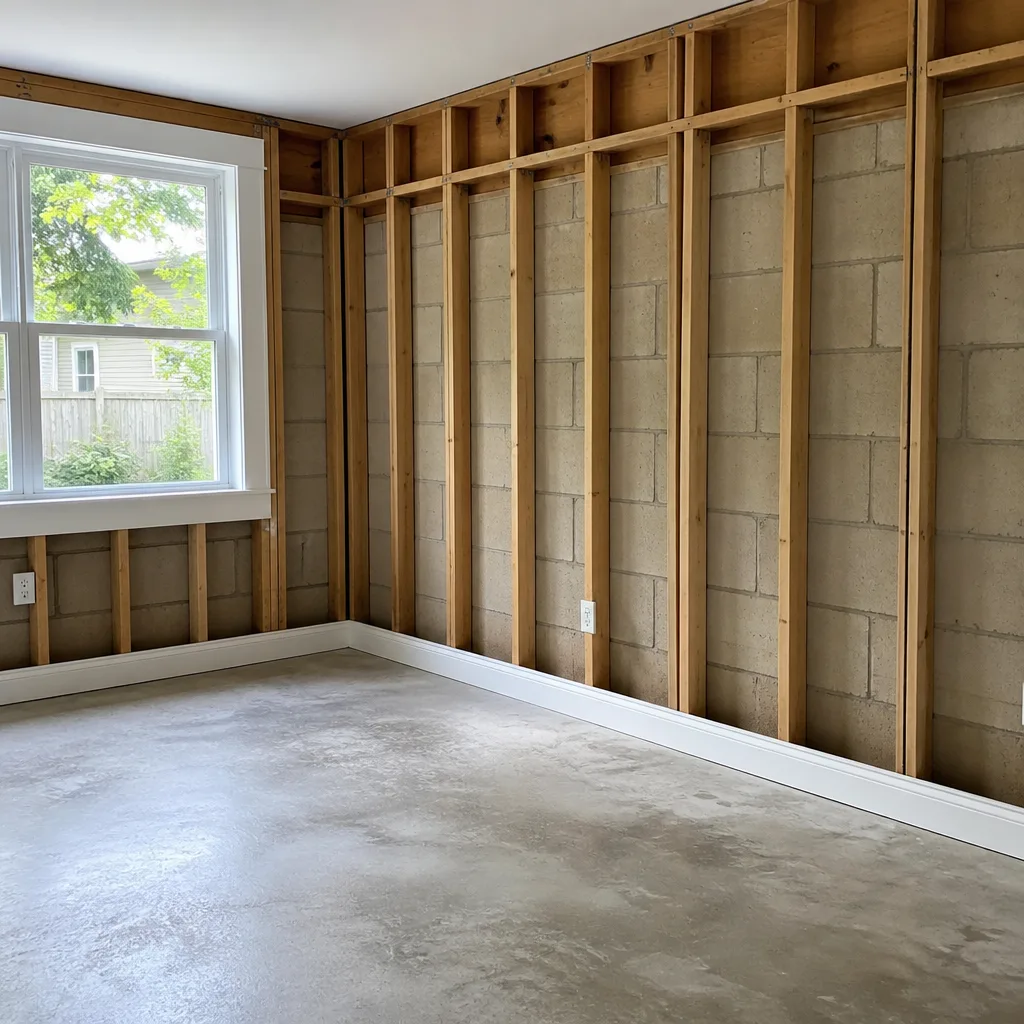
After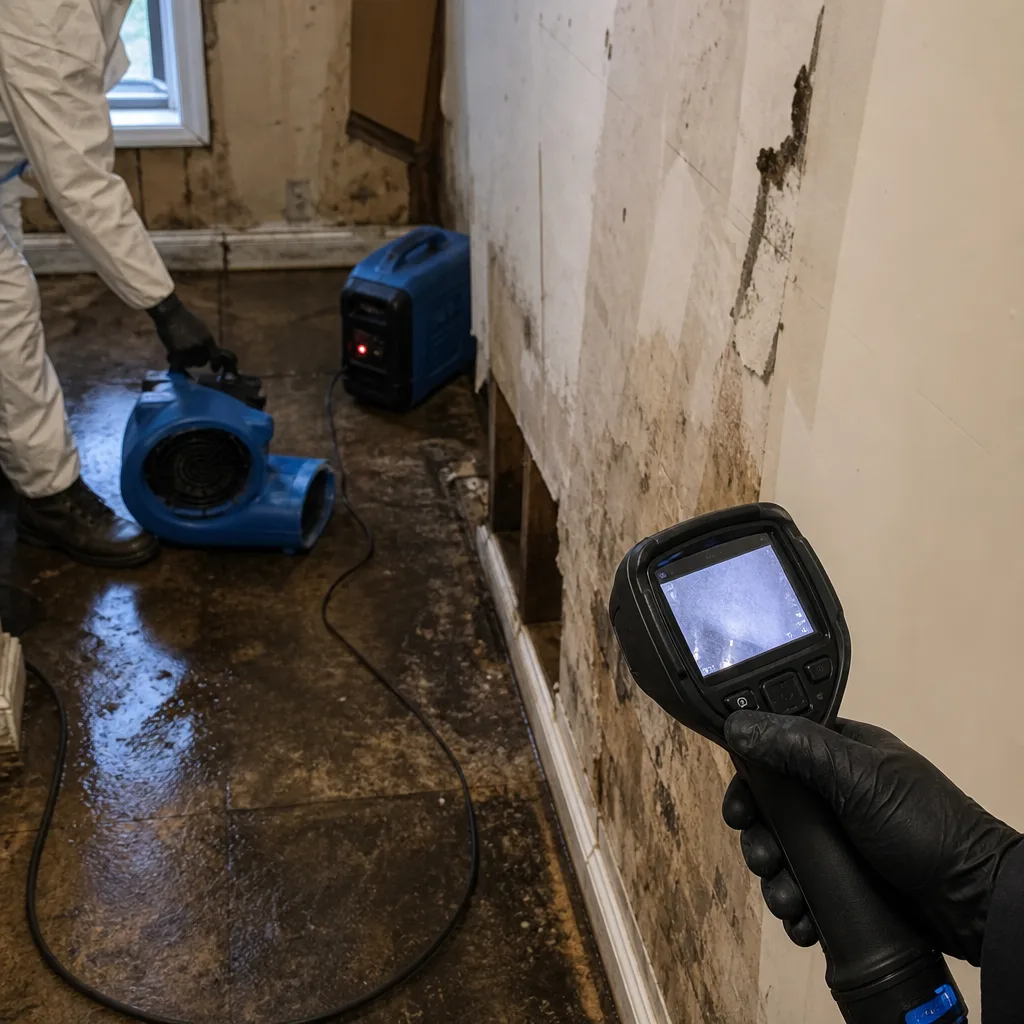 Before
 After
After24/7 Emergency Water Damage Restoration in Midtown West
Water damage in Midtown West doesn’t wait for business hours, and neither do we. A burst cast iron riser on West 55th Street or a failed roof drain on a Ninth Avenue pre-war tower starts destroying horsehair plaster, hardwood floors, and electrical systems within minutes. The first hour determines whether you’re facing a three-day dry-out or a six-week rebuild. Call (607) 703-3408 right now and you’ll talk to a live person who can have extraction equipment rolling toward your building immediately. We answer around the clock because water doesn’t check the clock before it cascades through a dozen floors.
Wade Ferris has been answering his own phone since 2007. When a Midtown West co-op board member calls at 2 a.m. with steam pouring out of a failed radiator valve, Wade is the one who picks up. Not an answering service. Not a call center in another state. The guy whose name is on the truck, who’s going to run into you again on a Saturday at the hardware store.
Understanding Water Damage Restoration Severity in Midtown West Properties
Water damage falls into three categories, and in Midtown West’s aging building stock, the category matters more than anywhere else in Manhattan. Category 1 is clean water from a burst supply line or failed radiator valve. Category 2 carries contaminants from washing machines, dishwashers, or sump overflow. Category 3 is grossly contaminated water from sewage backups, Hudson River flooding, or standing water that’s been breeding bacteria for days. Here’s the Midtown West complication: in a pre-war building, Category 1 water doesn’t stay Category 1 for long. It hits original 1920s horsehair plaster, soaks through layers of lead paint and asbestos pipe wrap, and picks up decades of accumulated dust, vermiculite, and who-knows-what before it ever reaches the floor below. At that point, your clean-water leak requires Category 3 containment protocols and environmental clearance before anyone can open a wall.
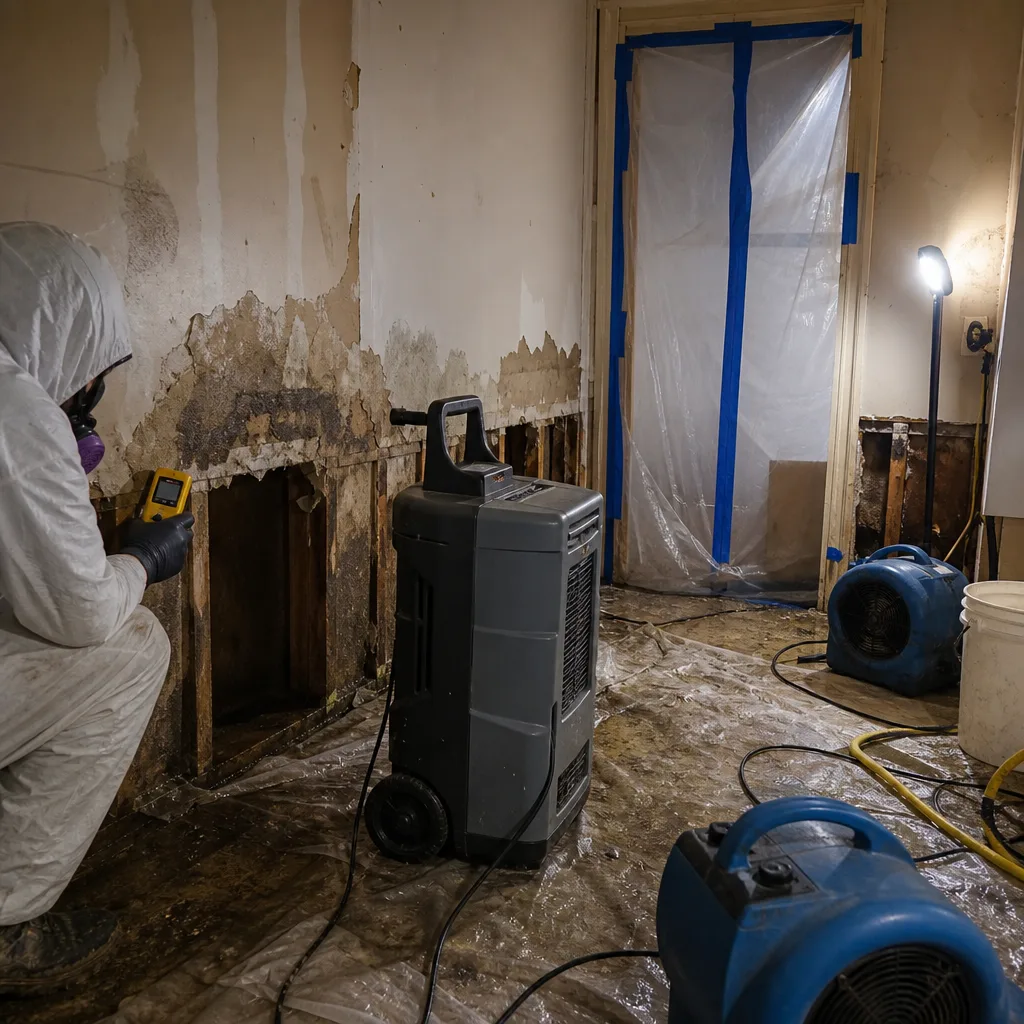
Moisture mapping in these buildings isn’t a quick scan with a pin meter. We run thermal imaging across entire wall cavities, because horsehair plaster holds water in pockets that standard meters read as dry. A wall can look bone-dry on the surface and still be wicking moisture from a steam chase three floors up. Structural drying in Midtown West pre-war construction means extended timelines, repeated clearance readings, and patience. There’s no shortcut, and anyone who tells you otherwise hasn’t done this work in Hell’s Kitchen.
Why Midtown West Property Owners Choose Wade’s Restoration
- 45-minute response commitment. When you call about a burst pipe in a Midtown West tower, Wade heads out immediately. He’s been inside an hour of the call more times than he can count, because he lives by the rule that extraction starts before the water finishes migrating.
- 24/7 live answer, every time. You call, a person answers. Usually Wade himself. No voicemail tree, no “press 2 for emergency services.” Try it at 3 a.m. if you don’t believe us.
- IICRC-certified crews. Wade and his team hold WRT and ASD certifications, and we run Dri-Eaz and Phoenix equipment that’s calibrated for the dense, stubborn materials in Midtown West’s pre-war buildings.
- Free visual inspection. Before any work starts, we walk the damage with you, explain what we’re seeing, and give you a written scope. No charge for that. No pressure. If you already have another company’s estimate, bring it to us and we’ll give you a free second opinion.
- Direct insurance billing. We deal with your adjuster directly, so you’re never stuck relaying information between two sides. Wade has spent 29 years learning exactly what carriers need to approve claims the first time.
- One team, extraction to reconstruction. The same crew that sucks the water out is the crew that rebuilds your walls. No handoffs to subcontractors you’ve never met. The people who know what got wet are the people who make it right.
Our Water Damage Restoration Process
Inspection & Assessment
We arrive with thermal imaging cameras and moisture meters calibrated for plaster, not just drywall. Before touching anything, we map the full extent of water migration through your Midtown West building and check for asbestos pipe wrap or lead paint that could trigger an NYC DOB hold.
Extraction & Stabilization
We pull standing water with truck-mounted and portable extraction units, then stabilize the structure to prevent further movement or collapse. In pre-war buildings, this often means opening specific access points to relieve water pressure behind horsehair plaster walls.
Drying & Dehumidification
This is where Midtown West gets tricky. We place Injectidry mat systems against saturated plaster, run low-grain refrigerant dehumidifiers continuously, and position XPOWER air movers to force air through wall cavities. We log moisture readings twice daily until every surface hits true dry standard, not just surface-dry.
Cleaning & Sanitization
We treat affected surfaces with appropriate antimicrobials based on the water category. For Category 3 water in Midtown West basements or after sewage backups, we run HEPA air scrubbers and follow full containment protocols before any demolition proceeds.
Specialty Treatment: Asbestos & Lead Clearance
In pre-war Midtown West buildings, structural drying can’t proceed until environmental testing confirms no asbestos or lead paint will be disturbed. We coordinate directly with licensed environmental firms to get clearance fast, so your building doesn’t sit wet while paperwork crawls.
Repairs & Restoration
Once drying is verified, we close up walls, replace damaged plaster or drywall, restore flooring, and handle any reconstruction needed to return your Midtown West property to pre-loss condition. Every job carries Wade’s 90-Day Done Right Promise in writing.
Need Emergency Water Damage Restoration in Midtown West Now?
Crews minutes away, answering live 24 hours a day. The sooner we start, the less it costs.
Working With Your Insurance Company
Insurance claims for water damage in Midtown West pre-war buildings are not the same as claims for a drywall townhouse in the suburbs. Carriers need documentation that accounts for the specific materials and hazards present in your building. We provide that from the first hour. Wade deals with your adjuster directly, because a homeowner shouldn’t be the one translating between a restoration crew and an insurance carrier. You’ve got enough on your plate without becoming a claims coordinator. We document everything, photograph every affected surface, and write estimates in the format carriers expect to see. That means fewer denials, faster approvals, and less money coming out of your pocket.
What We Provide Your Insurer
- Thorough documentation of the loss from the first hour
- Photos of all damage, room by room and floor by floor
- Moisture readings and drying logs, twice daily
- A detailed, line-item scope of work with exact equipment and timelines
- Direct coordination with your carrier, including adjuster walk-throughs
Built for Midtown West’s Loss Calendar
Midtown West’s water damage seasons don’t follow a neat calendar, but the patterns are predictable if you’ve been doing this work for 29 years. January and February are pipe-freeze months. Cast iron supply lines in uninsulated exterior walls on pre-war towers along 10th Avenue crack when the temperature drops below 20 degrees, and water cascades through steam chases for hours before anyone notices. March brings freeze-thaw cycles that split aging roof membranes and push water through deteriorated parapet walls on flat-roof buildings. Spring and fall nor’easters drive wind-driven rain into brick facades and window frames on buildings that predate modern flashing standards. Summer thunderstorms overwhelm aging roof drains and interior leaders, dumping water through ceiling cavities and into occupied units. And all year round, the Hudson River’s groundwater pressure keeps basement garages and mechanical rooms along the western edge of the neighborhood chronically damp. If you live or manage a building in Midtown West, water is not an if. It’s a when.
Water Damage Restoration Across Midtown West’s Neighborhoods
Hell’s Kitchen and Clinton between 8th and 10th Avenues are dense with pre-war tenement walk-ups and mid-rise co-ops built between 1900 and 1945. These buildings share common failure points: original cast iron risers, one-pipe steam systems, and horsehair plaster walls that hide water for weeks after a leak. A burst riser in one of these buildings typically affects three to ten units vertically, and the response has to coordinate with co-op boards and managing agents before anyone opens a wall. Over near Hudson Yards, the newer glass towers have their own problems. Modern construction uses drywall and engineered materials that dry faster, but the buildings are so vertical that a plumbing failure on the 40th floor migrates down through elevator shafts and mechanical chases with alarming speed. Along 42nd Street and the Theater District, mid-century commercial and hotel properties present occupancy challenges. You can’t just run drying equipment 24/7 in an occupied hotel room without managing noise, humidity, and guest displacement. Wade’s Restoration handles all of it, because Midtown West isn’t one kind of building. It’s five different building types stacked on top of each other.
Specialized Water Damage Restoration Services We Offer in Midtown West
Emergency Water Extraction
When water is actively flowing through a Midtown West apartment, every minute of delay adds square footage to the damage. Our extraction crews arrive with truck-mounted and portable units rated for thousands of gallons per hour, and we start pulling water before we finish the walk-through. In pre-war buildings, extraction often means working around original radiators, steam pipes, and electrical systems that were never designed to be dried out.
Structural Drying & Dehumidification
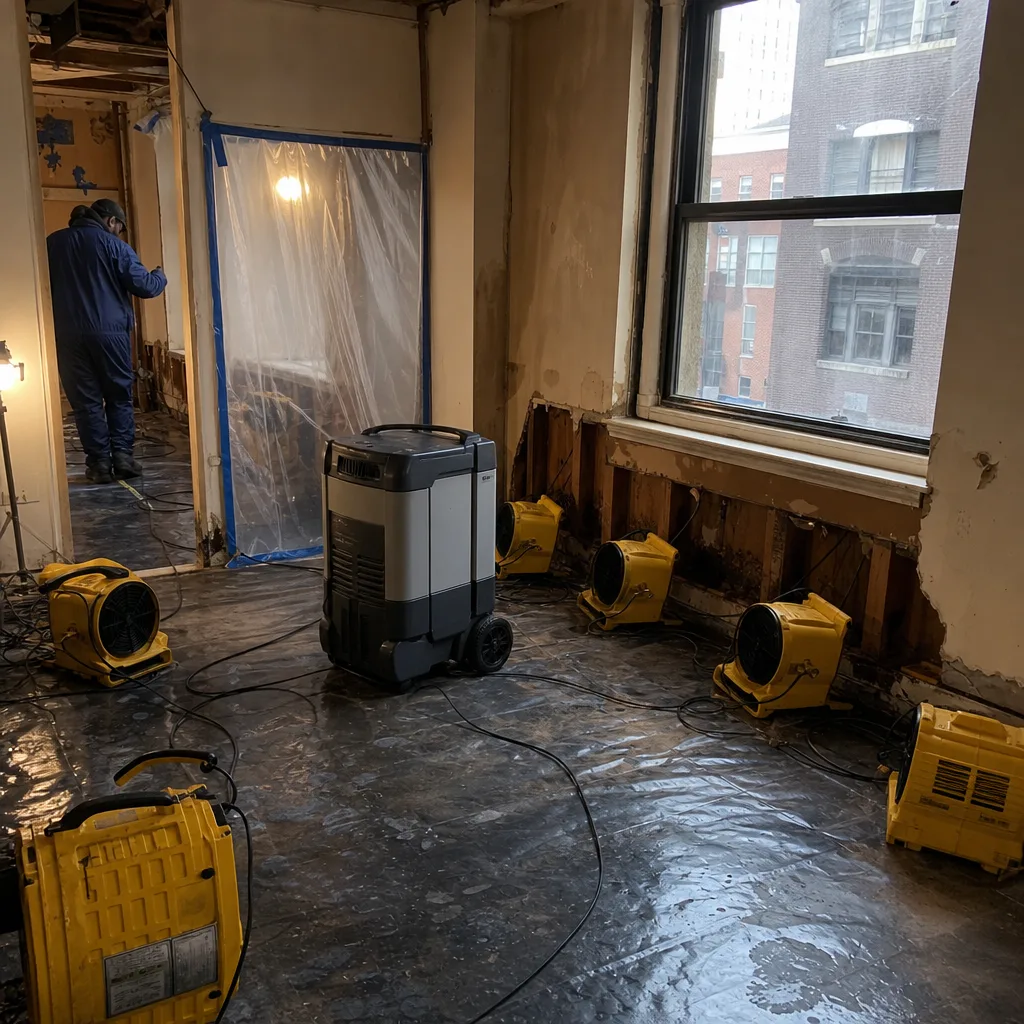
This is the service where Midtown West separates the professionals from the pretenders. Horsehair plaster holds water differently than drywall, and it will fool a standard moisture meter every time. We use Dri-Eaz and Phoenix low-grain refrigerant dehumidifiers combined with Injectidry mat systems that pull moisture directly from plaster surfaces, because that’s the only way to hit true dry standard in a pre-war wall cavity. We don’t pack up and leave when the surface feels dry. We leave when the readings say dry, and we hand you the log to prove it.
Flood Cleanup
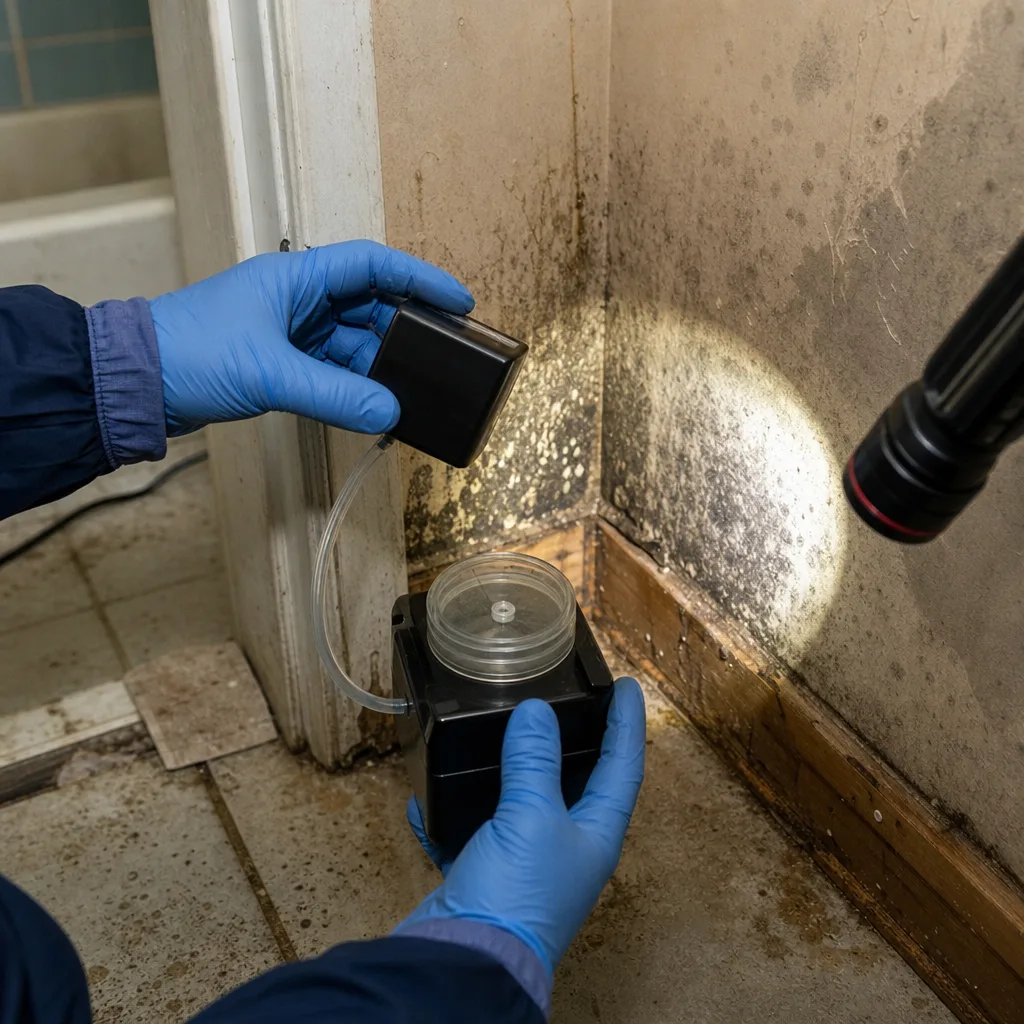
Flooding in Midtown West comes from three main sources: roof drain failures during heavy rain, plumbing riser bursts, and Hudson River groundwater intrusion in below-grade spaces. Each requires a different approach. Category 3 flood water demands full containment, HEPA air scrubbing, and antimicrobial treatment before we even think about drying. We handle all of it in-house.
Burst Pipe Restoration
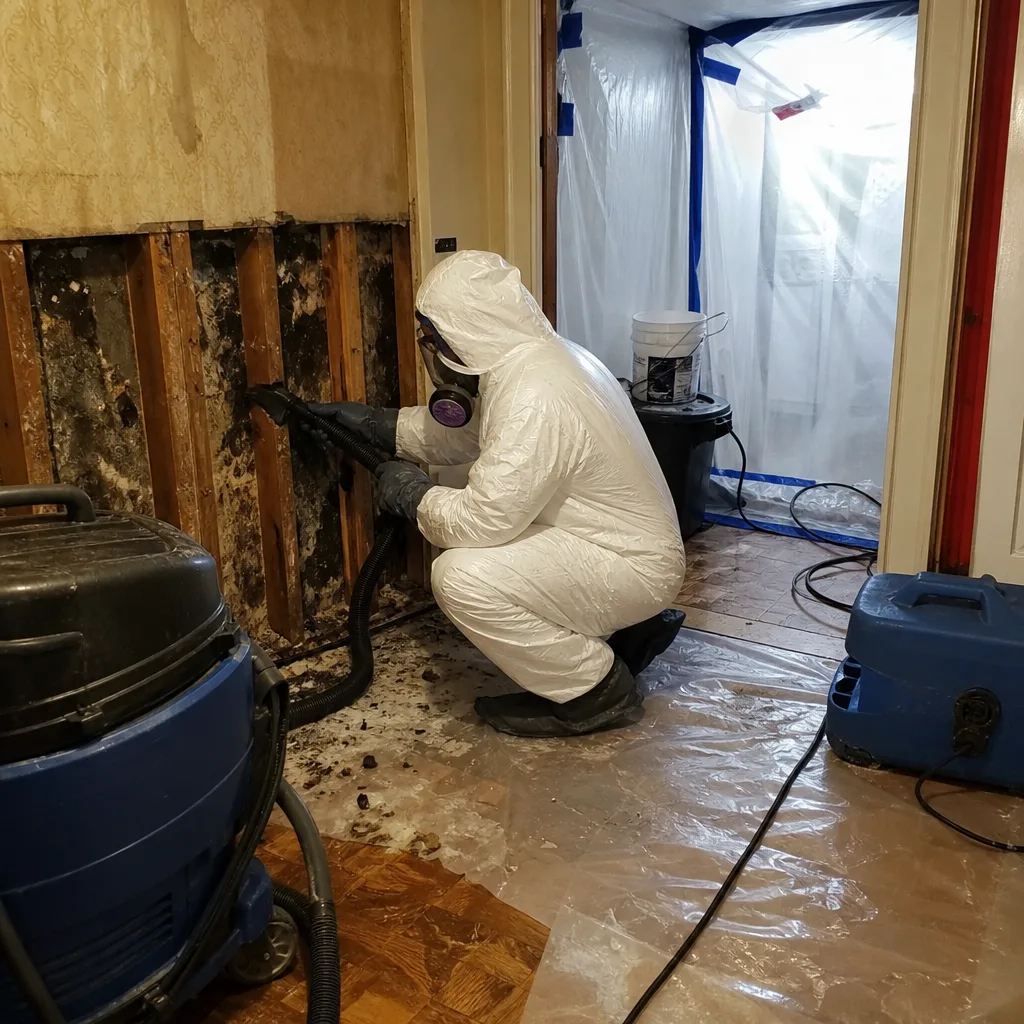
A burst pipe in a Midtown West pre-war building is rarely a simple fix. The pipe itself might be cast iron from the 1920s, running through a wall cavity filled with horsehair plaster and wrapped in asbestos insulation. We locate the exact source with thermal imaging, extract the water, and coordinate with licensed plumbers to repair the pipe while our drying equipment gets to work on the damage it caused.
Basement Water Removal
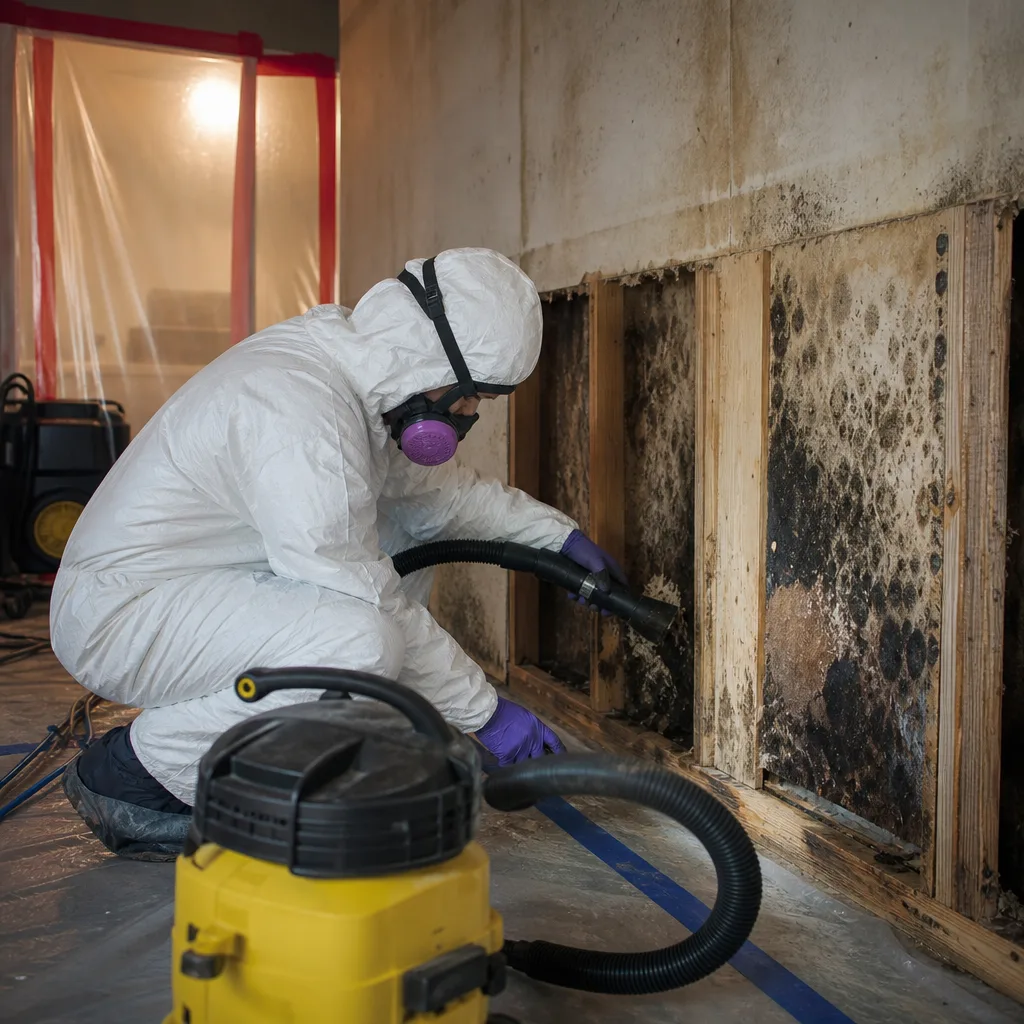
Below-grade spaces in Midtown West near the Hudson River face chronic hydrostatic pressure that pushes groundwater through foundation walls and slab cracks. If your basement or parking garage is wet after every rain or freeze-thaw cycle, pump-and-extract alone won’t solve it. We assess the intrusion source and recommend waterproofing remediation, because treating a recurring groundwater problem as a one-time extraction is a waste of your money.
Ceiling & Roof Leak Water Damage
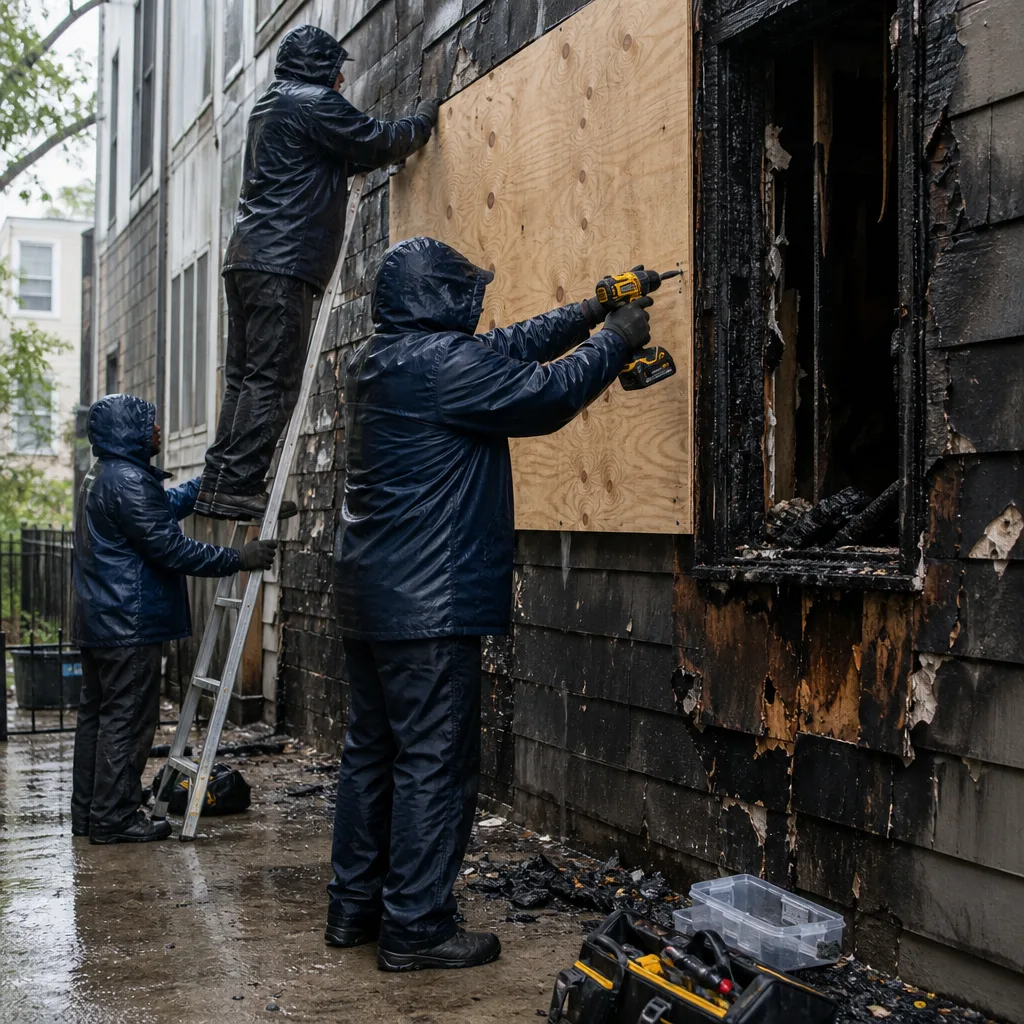
Nor’easters and freeze-thaw cycles shred aging flat roofs on Midtown West pre-war buildings. When water finds its way through a failed membrane or cracked parapet, it travels through ceiling cavities, soaks insulation, and drips through light fixtures into occupied units below. We trace the moisture path, extract what’s saturated, and dry the ceiling cavity from above and below so you don’t get a mold problem six months after the roof repair.
What happens when you call
- 1
A real person answersNo phone trees - you reach a local pro.
- 2
You get an upfront price rangeHonest numbers before anyone is dispatched.
- 3
A background-checked tech heads outLicensed & insured, dispatched right away.
- 4
You approve before work beginsNothing starts until you say go.
Water Damage Restoration Costs in Midtown West, NY
Water damage restoration in Midtown West costs more than in the outer boroughs because the buildings are harder to work in. A typical emergency water extraction for a single apartment runs $800 to $1,500 depending on square footage and accessibility. Structural drying with equipment placement and daily monitoring runs $1,500 to $4,500 for most Midtown West units, with pre-war plaster walls pushing toward the higher end because of extended drying timelines. A burst pipe restoration that includes plumbing access, extraction, drying, and repairs typically falls between $3,000 and $12,000, depending on how many floors are affected and whether asbestos or lead abatement is required. Ceiling and roof leak damage restoration averages $2,000 to $6,000 when the leak is caught early, and significantly more if water has been traveling through cavities undetected. Insurance covers most Category 1 and many Category 2 water losses, minus your deductible. Category 3 sewage or flood water claims are more complex. The fastest way to know your exact number is a free visual inspection, and if you already have an estimate from another company, bring it to us. We’ll give you a second opinion, no charge.
We Also Serve Cities Near Midtown West
Wade’s Restoration serves the entire Midtown Manhattan area. If you need Water Damage Restoration in the Financial District, Lower Manhattan, Astoria, or Midtown Manhattan, call the same number: (607) 703-3408. Same crew, same 45-minute response commitment, same 90-Day Done Right Promise.
Serving Midtown West, NY - Our Local Coverage Area
We’re based in the Midtown West area and know this community well. Use the map below to see our service coverage - if you’re nearby, we can almost certainly help.
Midtown West Water Damage Restoration Questions, Answered
Why does drying out a pre-war Midtown West wall with horsehair plaster take longer than drywall?
Horsehair plaster is far denser than modern drywall, and it absorbs water deep into its matrix rather than letting it pass through. A standard moisture meter reads the surface layer as dry while the core is still saturated, which is why we use thermal imaging and repeatedly probe the full wall depth. Drying a horsehair plaster wall typically takes 7 to 14 days with continuous dehumidification, versus 3 to 5 days for drywall. Pulling equipment early based on surface readings is the most common mistake we see from crews that don’t know these buildings, and it leads to re-wet walls and mold weeks later. Call (607) 703-3408 if you suspect your wall wasn’t dried properly the first time.
Does NYC require asbestos or lead-paint testing before water damage demolition in Midtown West pre-war buildings?
Yes, in most cases. Any building constructed before 1980 in New York City is presumed to contain lead paint, and many pre-war buildings also have asbestos pipe wrap, floor tiles, and insulation. NYC DOB regulations require environmental assessment before demolition or remediation work that will disturb these materials. We coordinate with licensed environmental testing firms before we open any wall or ceiling cavity in a pre-war Midtown West building, and we won’t start structural drying behind a wall until clearance comes through. Skipping this step risks a stop-work order, fines, and weeks of additional downtime while your building sits wet.
How do you handle water damage that cascades through multiple floors of a Midtown West residential tower?
Multi-floor water events require a different playbook than single-unit losses. We map the full vertical path of water migration from the source floor down through the building, then set up drying equipment on every affected floor simultaneously. That often means running dehumidifiers and air movers in occupied units while coordinating with building management to manage noise and access. We log moisture readings on every floor twice daily and provide the co-op board or managing agent with a full drying log at completion. The goal is to dry the entire column of damage, not just the floor where water was first noticed.
What’s the difference between Category 1, 2, and 3 water, and why does it matter for a Midtown West apartment leak?
Category 1 is clean water from a burst supply line or radiator. Category 2 is gray water with some contaminants, like washing machine overflow or dishwasher discharge. Category 3 is black water from sewage, exterior flooding, or standing water that’s been contaminated by bacteria. The category determines the level of containment, the type of cleaning required, and whether materials can be dried in place or must be removed. In Midtown West pre-war buildings, Category 1 water often becomes Category 3 by the time it’s traveled through 80-year-old wall cavities and picked up decades of accumulated debris. We assess the water category before we start any work and adjust our protocols accordingly.
Does below-grade water in Midtown West garages always require waterproofing, not just extraction?
Not always, but in buildings near the Hudson River waterfront, recurring water in below-grade garages and mechanical rooms is usually hydrostatic groundwater intrusion, not a one-time event. Pumping the water out without addressing the source means the same slab will leak again with the next rain or freeze-thaw cycle. We assess the intrusion source on every below-grade water extraction, and if waterproofing remediation is needed, we tell you honestly rather than billing you for the same pump-out every season. No charge for the assessment, and no pressure to do work that isn’t necessary.
How fast can you actually get to Midtown West when I call in an emergency?
If you call during business hours, we’re typically on-site within 45 minutes. At 2 a.m., it might be closer to an hour depending on where our crew is coming from, but Wade answers his own phone at any hour and will tell you exactly when we’ll be there. We don’t have an answering service. We don’t put you in a queue. You call, a person picks up, and that person dispatches the crew. Try it: (607) 703-3408.
Will insurance cover water damage restoration in my Midtown West apartment or building?
Most standard homeowners and co-op policies cover sudden and accidental water damage from burst pipes, radiator failures, and storm-related roof leaks. They generally don’t cover gradual damage from long-term leaks, and they evaluate groundwater intrusion claims case by case. The key to getting a claim approved in a Midtown West pre-war building is documentation that accounts for the specific materials and hazards present. We provide that from the first hour, and we deal with your adjuster directly so you’re not stuck in the middle. If your claim was denied or underpaid, bring us the details and we’ll help you understand your options.
Can we stay in our Midtown West apartment during water damage restoration?
That depends on the water category, the extent of the damage, and whether asbestos or lead abatement is required. For Category 1 clean-water losses in a contained area, you can usually stay in the apartment while drying equipment runs, though it will be noisy and more humid than normal. For Category 3 water or when demolition is required in a pre-war building, we recommend temporary relocation until environmental clearance and drying are complete. We’ll give you an honest assessment before work starts, and we coordinate with your insurance carrier on relocation coverage if your policy includes it.
Written by Wade Ferris, Owner at Wade’s Restoration, serving Midtown West and surrounding NYC communities since 2007.