
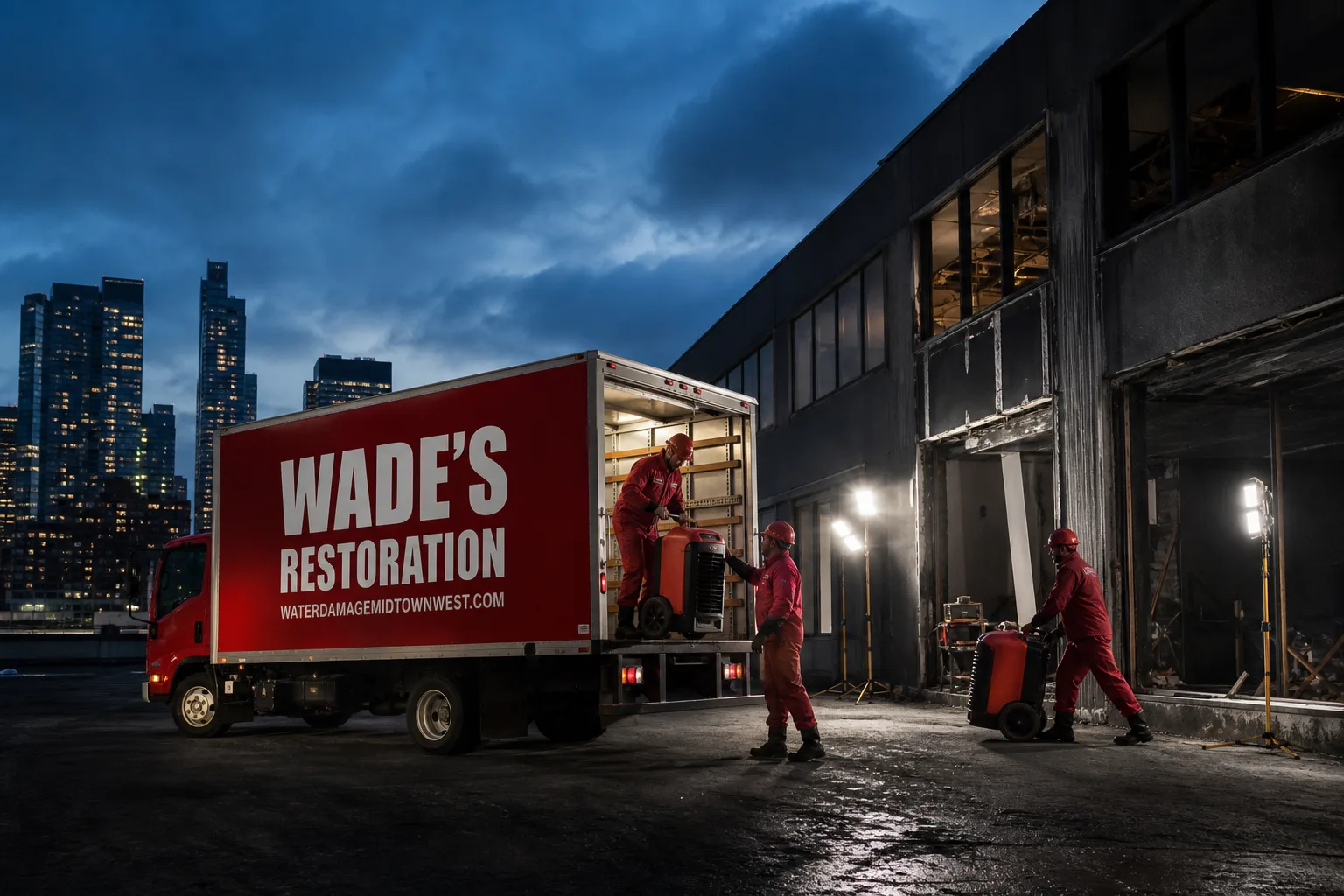
Free visual inspection and a written scope of work before any mitigation begins - photos, moisture readings, and drying logs go in your claim file
The scope we write is the scope we bill. Anything new gets shown to you, in writing, before we touch it.
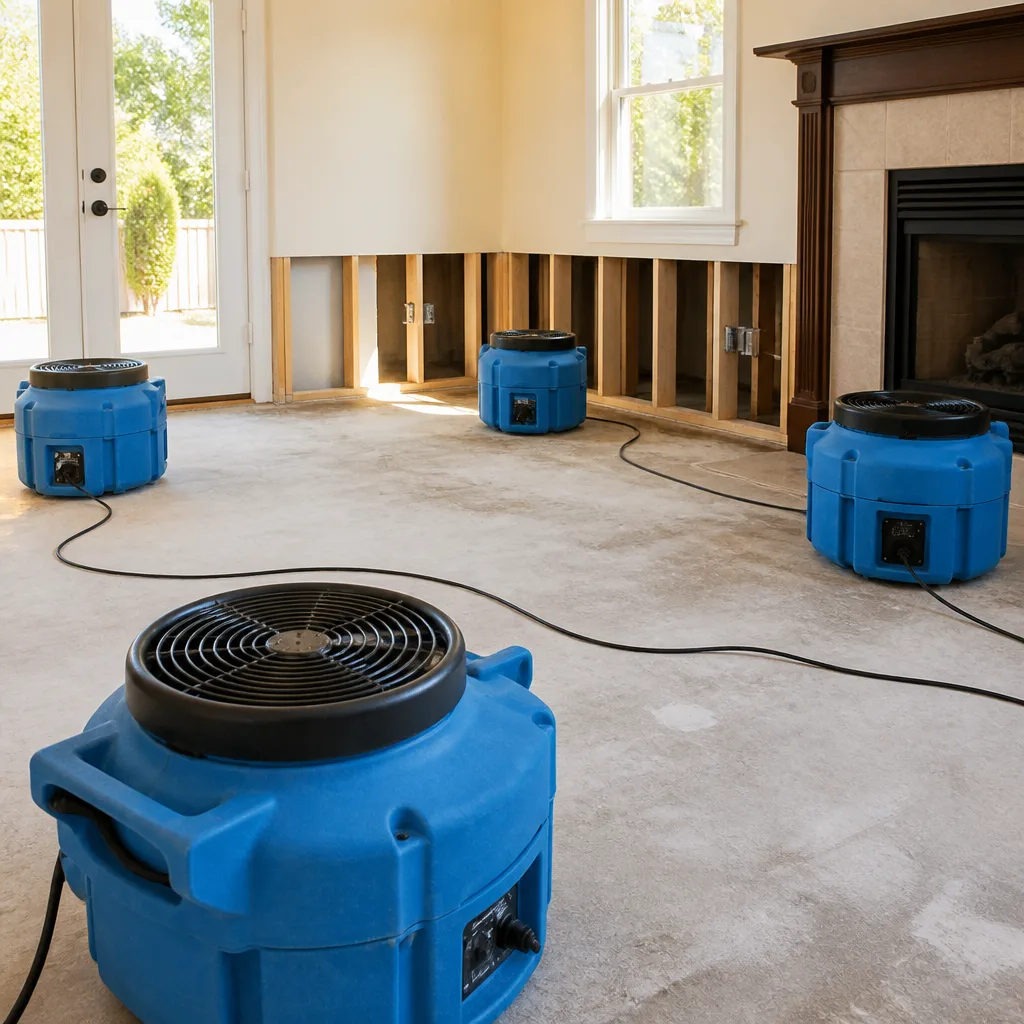
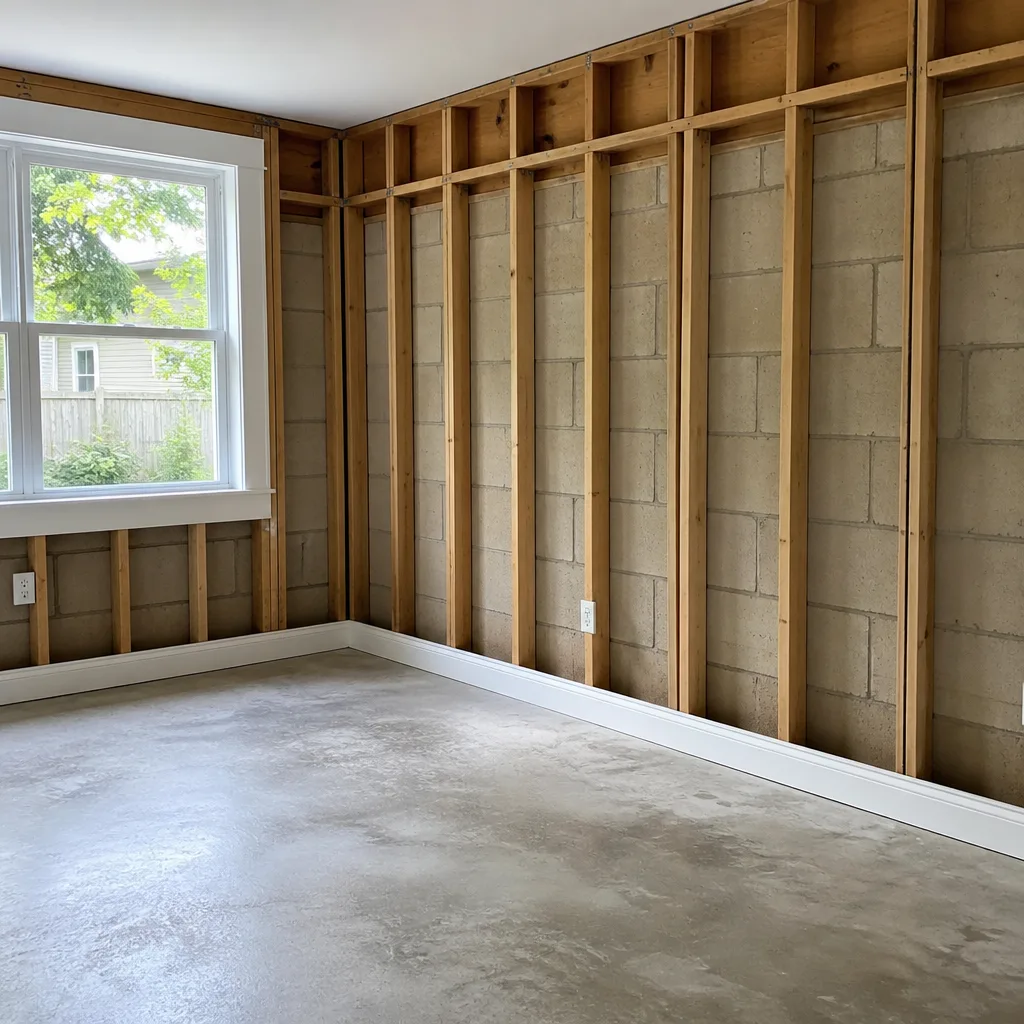
 Before
 After
After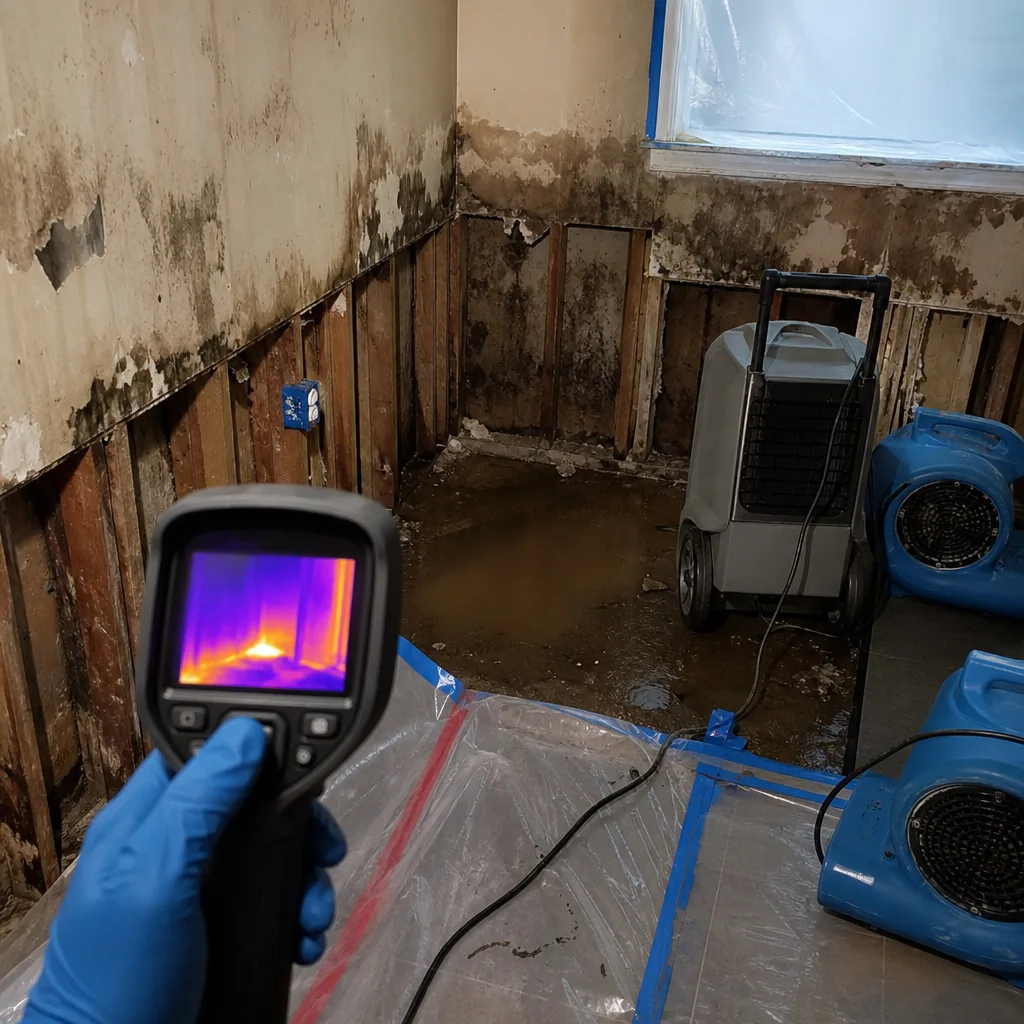 Before
 After
After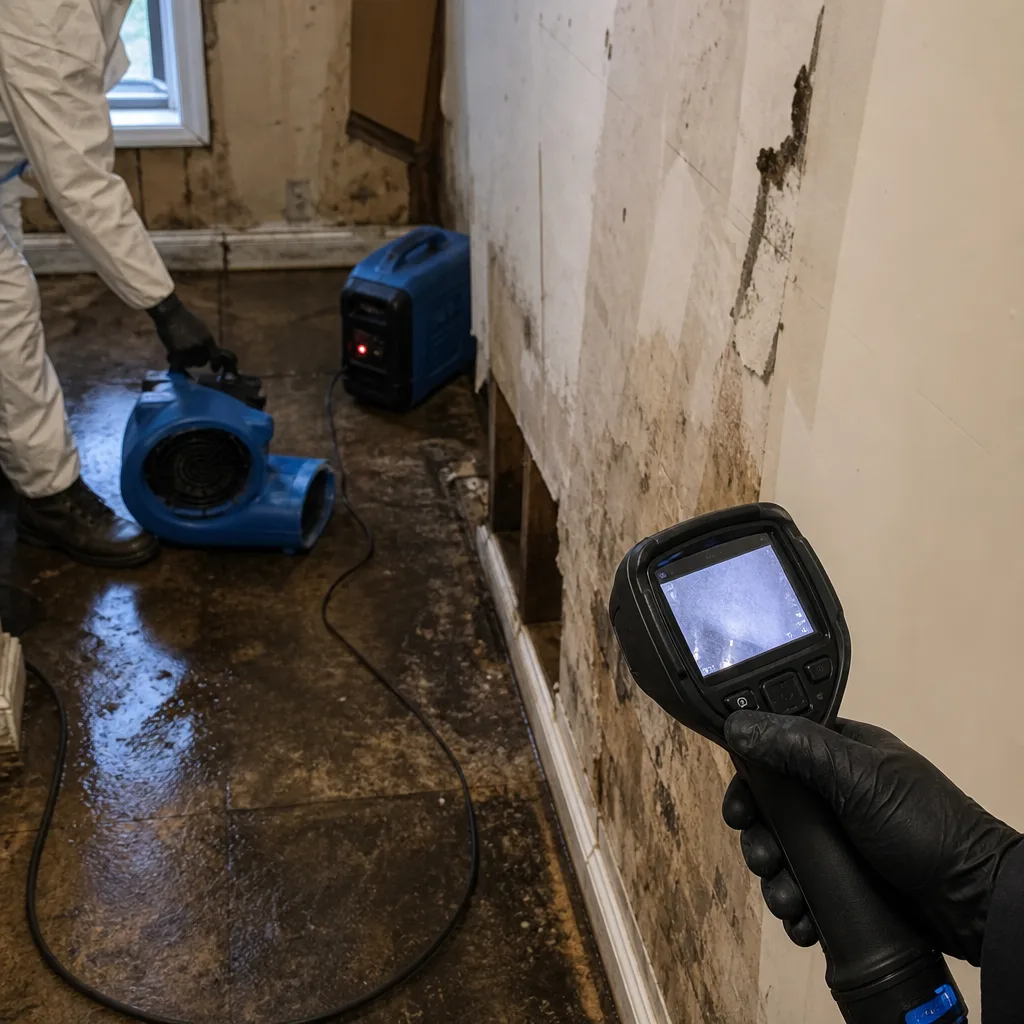 Before
 After
After24/7 Emergency Water Damage Restoration in Midtown Manhattan
Water damage restoration in Midtown Manhattan typically runs $2,400 to $7,800 for a single-unit pipe break, and $28,000 to $110,000+ when a riser failure cascades through multiple stacked floors. We answer live at (607) 703-3408, and Wade Ferris heads out inside 45 minutes because the first hour determines whether you are drying a floor or replacing it. A soaked subfloor starts wicking into plaster, millwork, and the unit below you before most people finish reading the building’s insurance rider. We do a free visual inspection on every call and hand you a written scope before any equipment comes off the truck. In Midtown Manhattan, where a 2 a.m. riser break floods fifteen floors at once, speed is the only thing standing between mitigation and a months-long rebuild.
Understanding Water Damage Restoration Severity in Midtown Manhattan Properties
Midtown Manhattan’s building stock splits roughly three ways: pre-war steel-frame towers from the 1920s through the 1940s with cast-iron risers and plaster-over-metal-lath ceilings, post-war concrete-frame buildings from the 1950s through the 1970s, and modern glass curtain-wall high-rises. Each fails differently. Cast iron corrodes from the inside and lets go catastrophically, usually at the bell joint. Concrete slabs hold water in the deck and wick it laterally into adjacent rooms. Curtain-wall gaskets fail slowly, letting wind-driven rain push into floors that never see a pipe. We classify water as Category 1 (clean supply), Category 2 (greywater with soaps, sump drainage, or dishwasher discharge), or Category 3 (sewage, street water, or anything that sat for 24+ hours). Category 1 becomes Category 2 fast in a warm riser chase. That classification drives everything: what gets cut out, what gets HEPA-vacuumed, and what readings we hand to your insurer.
Why Midtown Manhattan Property Owners Choose Wade’s Restoration
- Wade answers his own phone, day or night. No answering service, no queue. You get the owner on the line at 2 a.m., and he is the one walking into your lobby.
- 45-minute response inside Midtown Manhattan. We keep equipment staged and crews on call because a freight elevator window missed is a day of drying lost.
- IICRC-certified crews who know high-rises. WRT and ASD certifications, plus years working inside co-op rules, hotel brand standards, and overnight superintendent schedules.
- Free visual inspection, always. We look, we map moisture, we quote in writing. No obligation, and we will tell you if you only need a cleanup, not full mitigation.
- Direct insurance billing and adjuster coordination. Wade deals with your carrier. You do not relay messages between two parties.
- One team from extraction to paint. Same crew handles the water mitigation and the reconstruction, so nothing gets lost between trades.
Our Water Damage Restoration Process
Inspection & Assessment
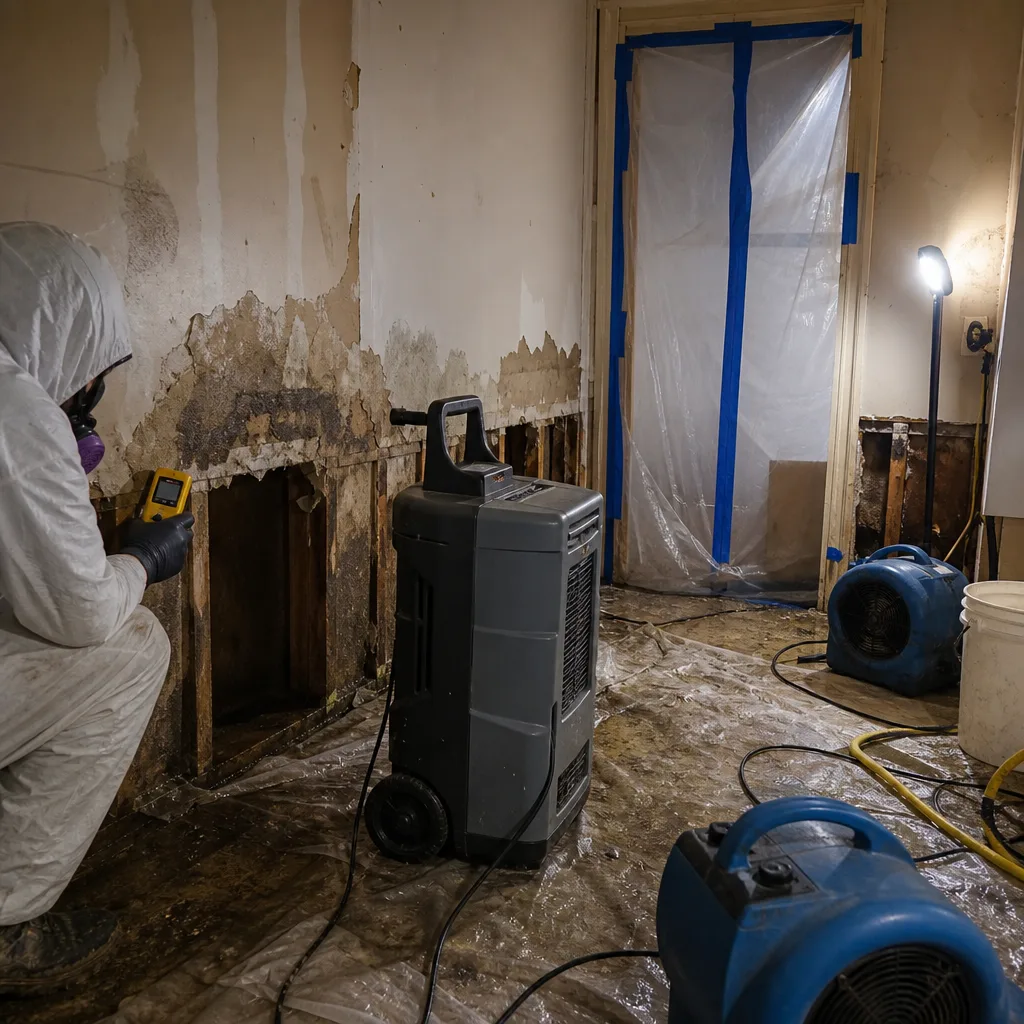
We start with thermal imaging and moisture mapping across every affected surface. In a Midtown Manhattan high-rise, that includes the unit below yours, because water does not respect demising walls. We classify the water category and document everything with photos before touching a panel.
Extraction & Stabilization
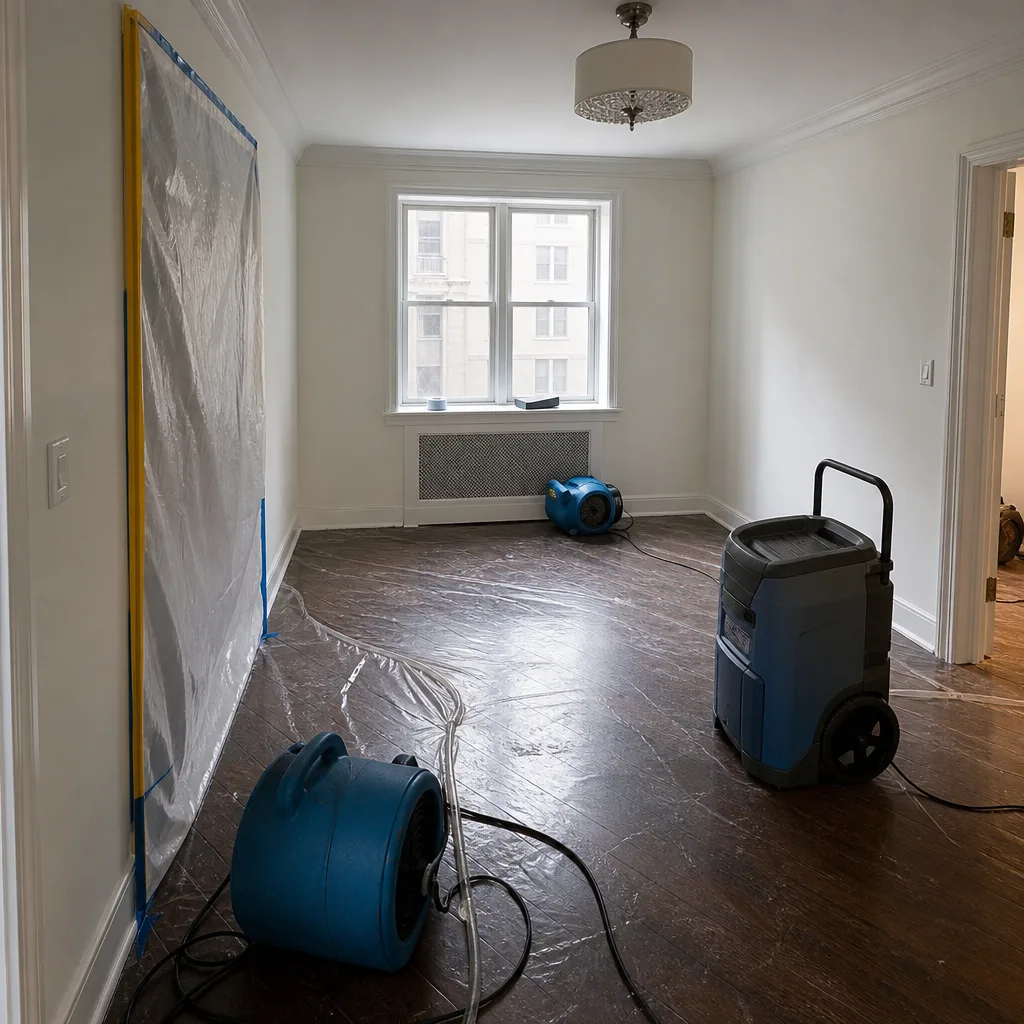
Submersible pumps and truck-mounted extractors pull standing water off hardwood, carpet, and stone. We stabilize at-risk finishes and isolate the wet zone with containment barriers so drying does not push moisture into dry rooms.
Drying & Dehumidification
We set air movers and Dri-Eaz and Phoenix dehumidifiers sized to the specific materials, not a generic square-foot chart. Plaster-over-metal-lath and pre-war parquet need slower, lower-humidity drying than drywall in a modern condo. Daily moisture readings go in a log you get at the end.
Cleaning & Sanitization
Category 2 and 3 water means antimicrobial treatment and HEPA vacuuming of affected surfaces. We remove contaminated materials, not just surface-clean them. In co-op buildings, we coordinate disposal through the freight elevator window the board assigns.
Structural Drying Verification
We do not call it dry because the air feels dry. We verify with penetrating moisture meters on structural members, subfloor, and wall cavities. Target readings are based on the material type and the dry standard for that floor of the building.
Repairs & Restoration
We rebuild what we opened up: plaster restoration, millwork matching, flooring, paint. The same crew that dried the place puts it back, and the 90-Day Done Right Promise covers the whole job, in writing.
Need Emergency Water Damage Restoration in Midtown Manhattan Now?
Wade is minutes away, answering live 24 hours a day. The sooner we start, the less it costs.
Working With Your Insurance Company
Midtown Manhattan water claims are confusing because one loss often touches multiple policies: a co-op’s master policy, the commercial tenant’s policy on floors 18 through 22, and a residential shareholder’s policy on the floor below. Wade deals with the adjusters directly. We document from the first hour with photos, moisture logs, and a line-item scope written before any equipment is placed. Daily drying readings go to your carrier, not just to us, so the adjuster can see exactly what we saw and when we saw it. You stop being the middleman. That is the point.
What We Provide Your Insurer
- Thorough documentation of the loss, photographed room by room before demolition
- Photos of all damage, room by room, including the unit below if affected
- Moisture readings and drying logs, updated daily through the full drying curve
- A detailed, line-item scope of work tied to IICRC standards
- Direct coordination with your carrier from first call to final invoice
Built for Midtown Manhattan’s Loss Calendar
The water losses in Midtown Manhattan follow a rhythm. January and February bring the deep freezes that shear old cast-iron supply lines and pop valves on rooftop cooling towers. The freeze-thaw cycle is hardest on pre-war risers, which were never designed for the temperature swings we get now. March and April bring nor’easters and wind-driven rain that finds every failed curtain-wall gasket and every clogged roof drain on flat commercial rooftops. Summer is thunderstorm season: flash flooding overwhelms street drains near the lower-lying blocks, and water backs up through floor drains in sub-grade mechanical rooms and storage vaults. Fall is when building management schedules sprinkler testing and pipe replacements, and an accidental discharge or a faulty pressure regulator floods entire floors within minutes. The one constant: in a city this dense, every leak is someone else’s problem within the hour, and the clock starts before the first bucket appears.
Water Damage Restoration Across Midtown Manhattan’s Neighborhoods
We work the whole of Midtown Manhattan, from the residential co-ops off Park Avenue in the East 60s and 70s down to the office towers around Grand Central Terminal, and from the hotel corridors near Times Square west to the glass towers along the Hudson. The pattern changes block by block. In the pre-war co-op belt east of Lexington, we see a lot of cast-iron drain riser failures and steam pipe leaks inside original chase walls. Around Bryant Park and Times Square, the losses tend to be sprinkler discharges and supply-line breaks inside hospitality floors, where hotel-brand standards drive the cleanup protocol. In the Class A office towers near Rockefeller Center, a single failed riser can flood a law firm on 22 while the trading floor on 25 never stops operating, and we are drying around active tenants with strict work-hour windows. Down along the far West Side, the newer curtain-wall towers deal with wind-driven rain and envelope leaks that show up as stained drywall on upper floors. Every one of those buildings has a freight elevator schedule, a building engineer with strong opinions, and a narrow overnight window for moving anything heavier than a toolbox. We build our response around it.
That operational reality is what separates Water Damage Restoration work in Midtown Manhattan from everywhere else. There is no pull-up-a-truck-and-unload scenario. Equipment goes up the freight elevator during the assigned window, or it does not go up at all. Miss it and you lose a full day of drying. In a building where mold starts moving in 24 to 48 hours, a missed window turns a two-day mitigation into a two-week pack-out.
Specialized Water Damage Restoration Services We Offer in Midtown Manhattan
Emergency Water Extraction
We pull water out fast, but in a Midtown Manhattan tower, extraction is not the challenge. Logistics is. We arrive with truck-mounted extractors and submersible pumps that get staged through the freight elevator and set up without dripping through the lobby. In a 22nd-floor loss, that means coordinating with the night super, laying floor protection down the service corridor, and getting standing water out before it reaches the tenant below. Wade’s crew has done it enough times that the freight elevator guys know us by name.
Structural Drying & Dehumidification
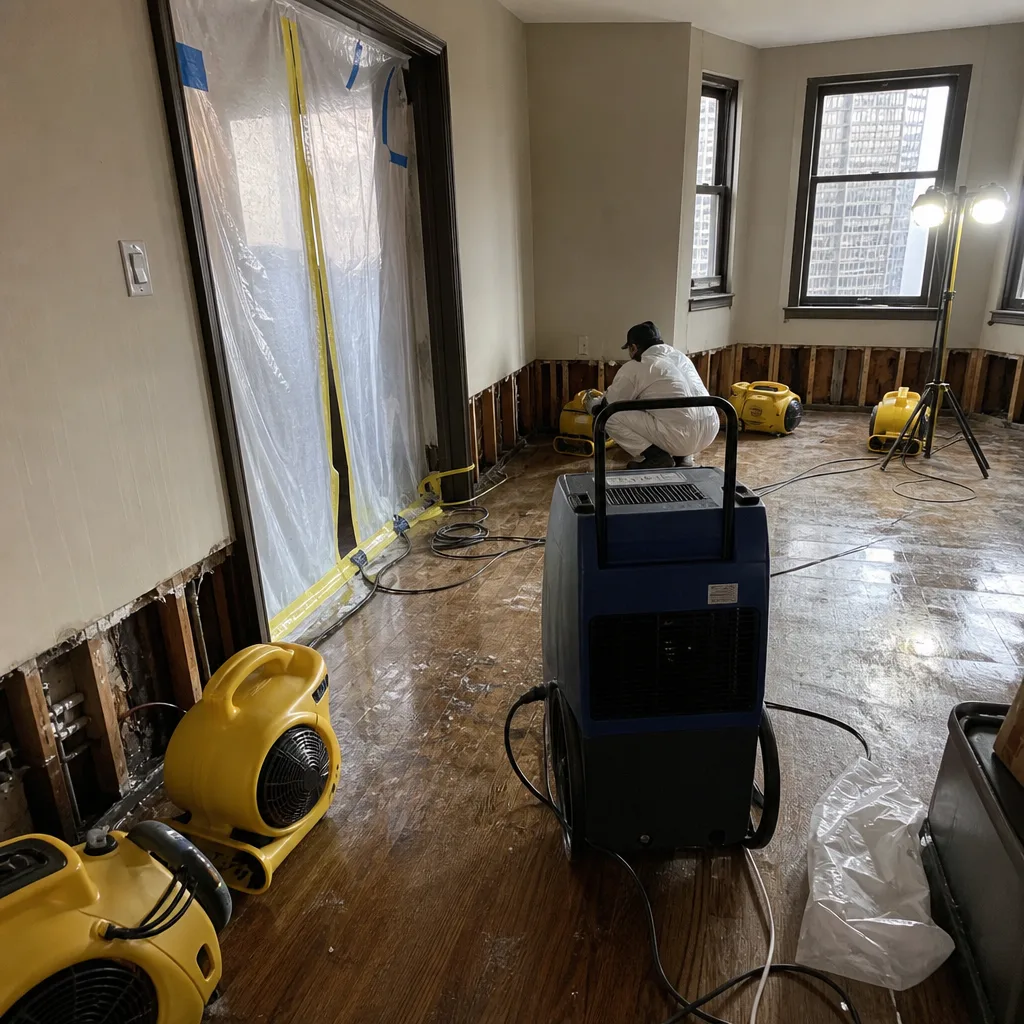
Plaster-over-metal-lath ceilings in pre-war Midtown co-ops behave differently than drywall. Blast them with too much direct air and the original plaster cracks, and now you owe the co-op board a plaster restoration. We size the dehumidifiers to the vapor pressure, not the square footage, and set air movers at angles that move air across surfaces without shearing the plaster. Daily moisture readings document the drying curve and protect you if anyone questions whether it was done right.
Burst Pipe Restoration
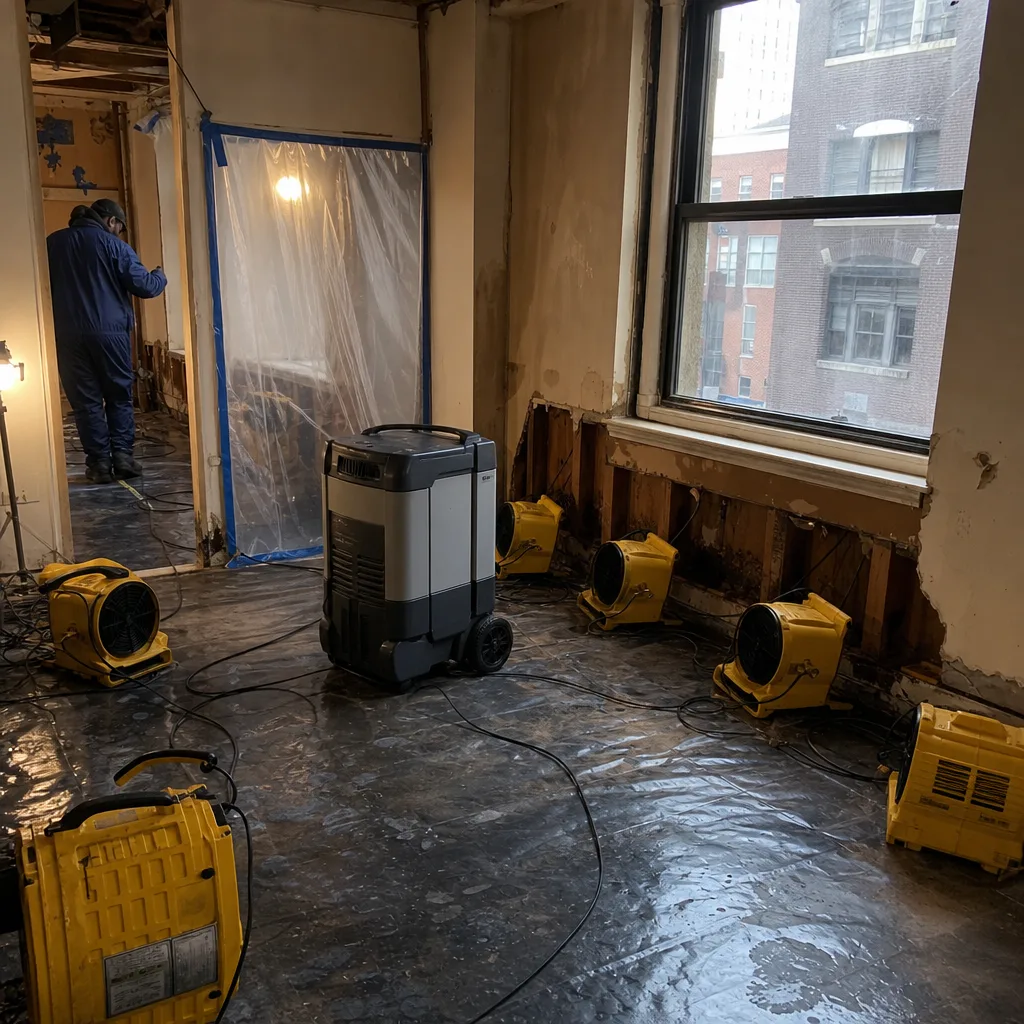
Midtown Manhattan’s older towers run on original cast-iron and galvanized supply lines that were installed when the building went up. When one lets go, the damage is not limited to the unit where the pipe broke. Water finds the chase, runs down inside the walls, and shows up three floors below. We trace the full migration path with thermal imaging, cut only what is actually wet, and dry the structure in place where we can. The less we demo, the faster your co-op board approves the claim and the sooner your unit is back to normal.
Flood Cleanup
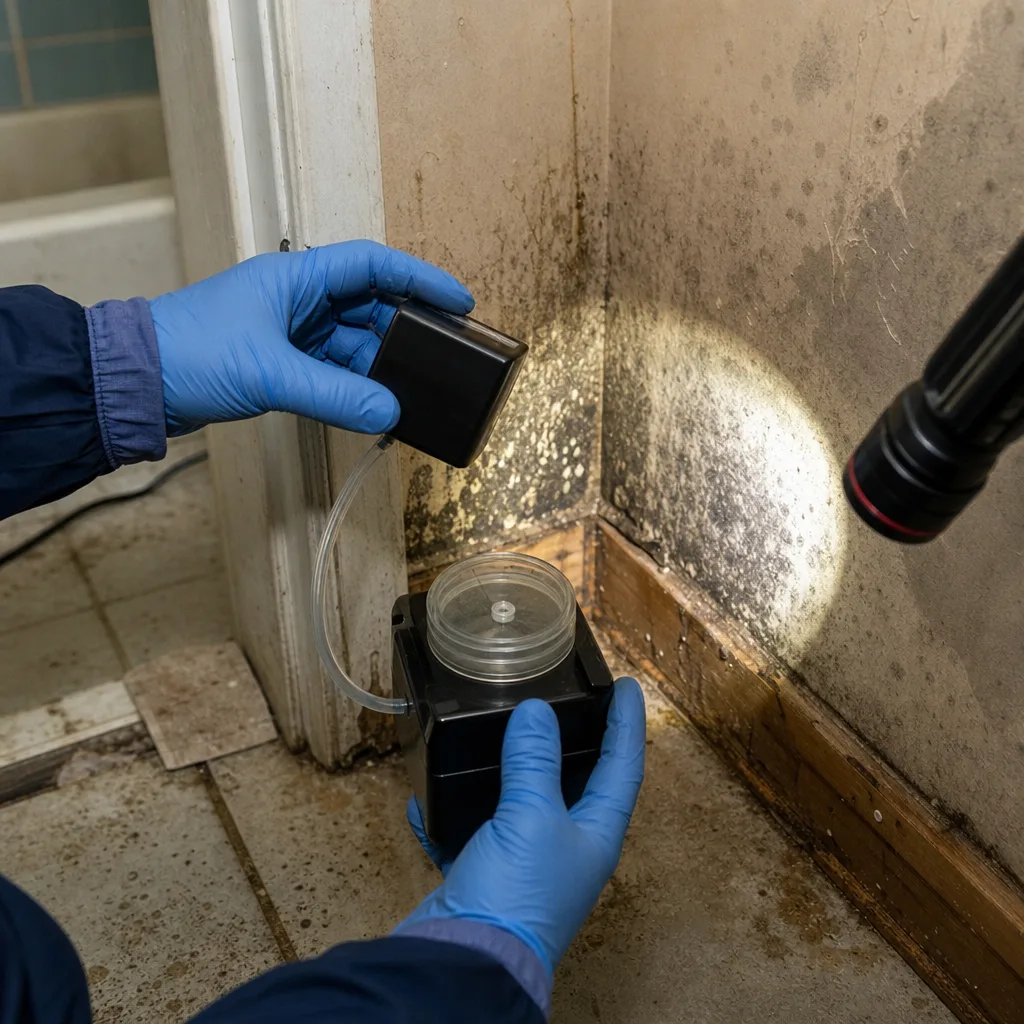
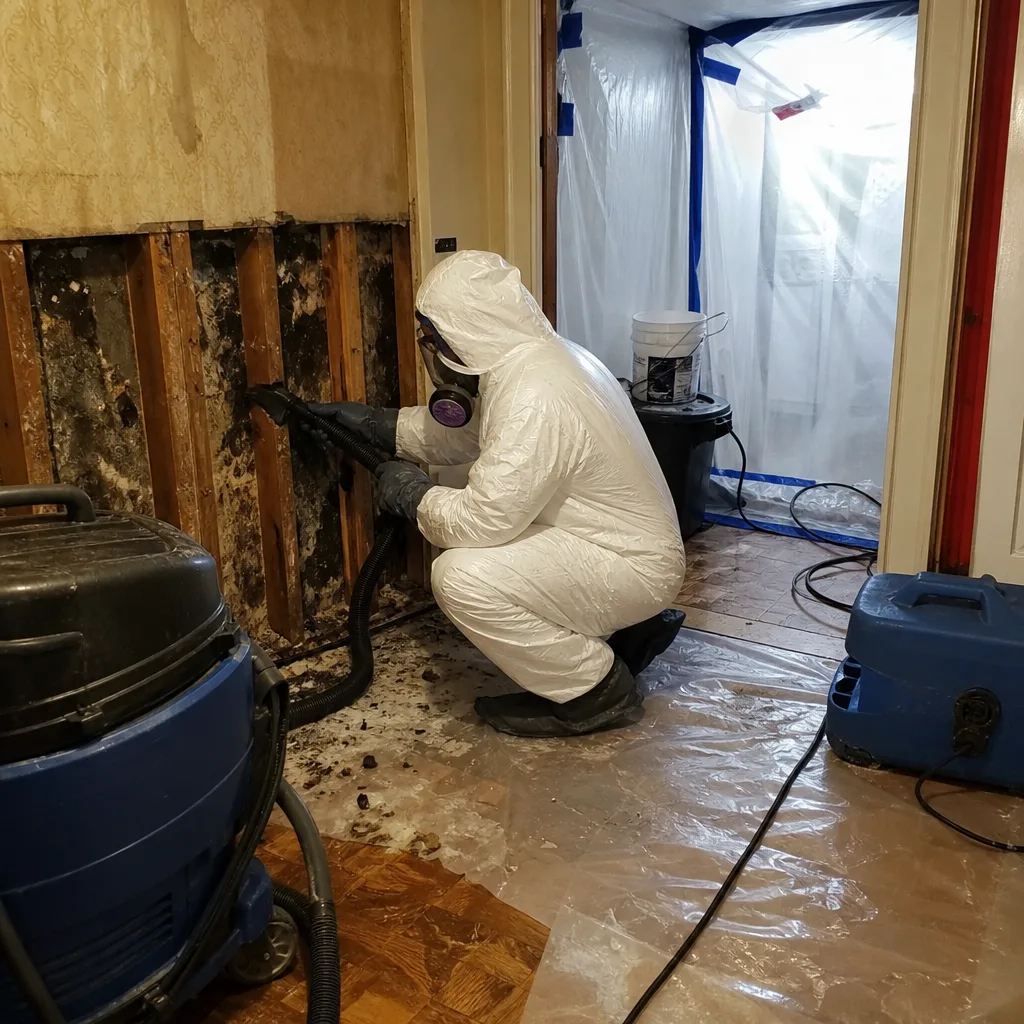
Not every flood in Midtown Manhattan starts inside a pipe. Street flooding backs up through floor drains in sub-grade spaces, and roof drain clogs send water down interior walls during heavy rain. We remove contaminated water, sanitize affected surfaces, and dry the structure. Where Category 3 water is involved, we cut out and dispose of saturated materials rather than leaving contamination in the wall cavity.
Basement Water Removal
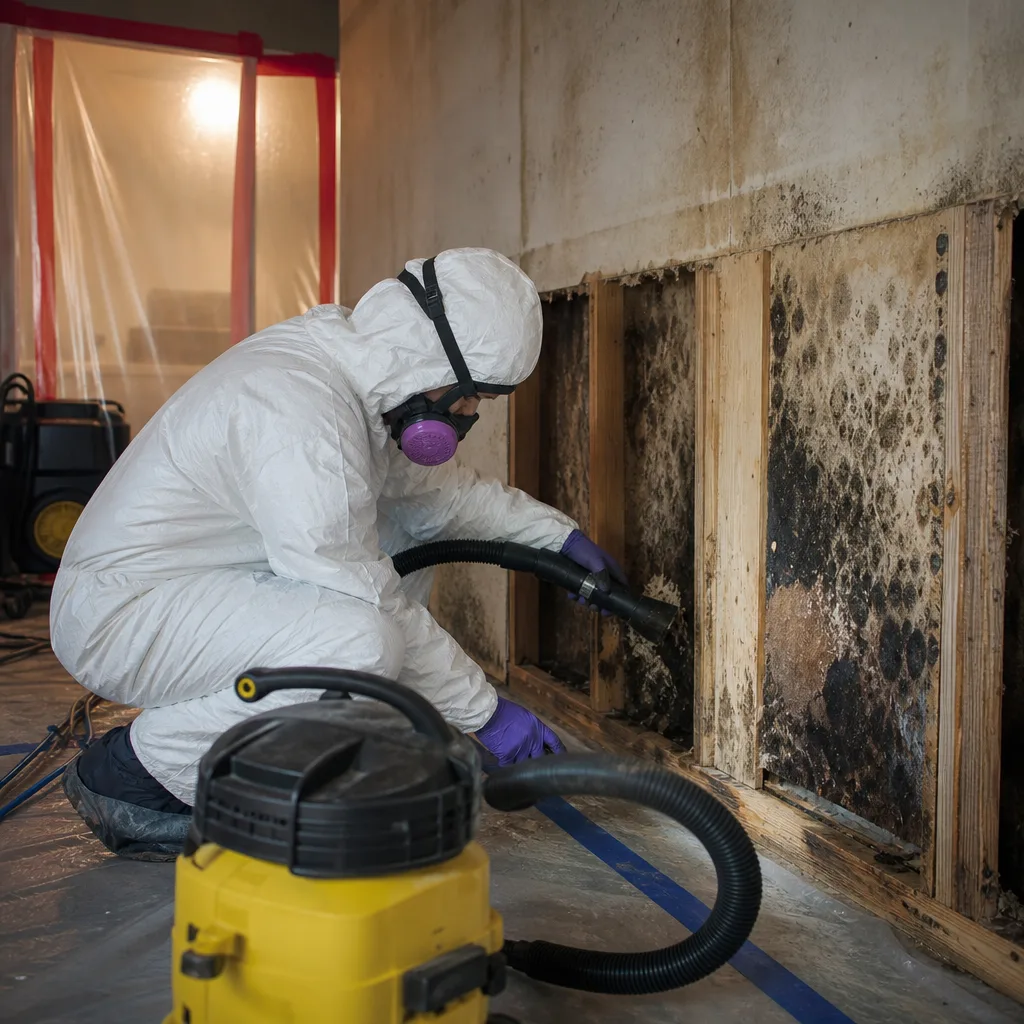
Midtown has fewer residential basements than the outer boroughs, but the commercial towers and older buildings have sub-grade mechanical rooms, storage vaults, and loading docks that flood regularly. We pump, dry, and restore those spaces, then work with the building engineer to identify why it flooded so the next storm does not do it again.
What happens when you call
- 1
A real person answersNo phone trees - you reach a local pro.
- 2
You get an upfront price rangeHonest numbers before anyone is dispatched.
- 3
A background-checked tech heads outLicensed & insured, dispatched right away.
- 4
You approve before work beginsNothing starts until you say go.
Water Damage Restoration Costs in Midtown Manhattan, NY
A single-unit pipe break in a Midtown Manhattan co-op or rental typically runs $2,400 to $7,800 for extraction, drying, and minor repair, assuming it is caught within the first few hours. A Category 2 or 3 loss with sewage or greywater contamination runs $6,500 to $18,000 because of the additional demolition, antimicrobial treatment, and disposal requirements. A riser failure that floods multiple stacked floors starts around $28,000 and climbs past $110,000 depending on how many units are affected, what finishes have to be matched, and whether commercial tenants are involved. What moves the price: the water category, the number of floors affected, plaster versus drywall, freight-elevator access windows, and whether the building requires expedited drying for business interruption. Insurance covers most of these scenarios, but coverage depends on the policy and the cause. That is why we do a free visual inspection and hand you a written scope before anything starts. Call (607) 703-3408 and Wade will walk the loss with you.
We Also Serve Cities Near Midtown Manhattan
Our crews work the full Midtown Manhattan footprint and the surrounding areas. If your loss is in Midtown West, the Financial District, Lower Manhattan, or Astoria, the same 45-minute response and 24/7 live answer applies. Water Damage Restoration in Midtown Manhattan is our home turf, but we cross the river every week for the same buildings, the same supers, and the same 2 a.m. calls.
Serving Midtown Manhattan, NY - Our Local Coverage Area
We’re based in the Midtown Manhattan area and know this community well. Use the map below to see our service coverage - if you’re nearby, we can almost certainly help.
Midtown Manhattan Water Damage Restoration Questions, Answered
How do you handle water damage after-hours in a Midtown Manhattan high-rise with freight-elevator-only access?
We coordinate directly with the overnight superintendent and stage all equipment through the assigned freight elevator window, typically midnight to 6 a.m. Wade’s crew packs gear in the loading dock before the window opens and uses the service corridors, keeping the lobby dry and the residents undisturbed.
Can you restore water-damaged original plaster ceilings in a pre-war Midtown building without over-drying and cracking the plaster?
Yes. We set dehumidifiers to the material’s vapor pressure and angle air movers away from direct surface contact specifically to avoid shearing old plaster. Standard drywall drying charts do not apply to plaster-over-metal-lath, and we document the slower drying curve in your daily moisture log so your co-op board sees the material was dried correctly.
How do you coordinate a water mitigation when a Midtown high-rise has both residential co-op units and commercial tenants on the same riser?
We treat each occupancy separately. The co-op unit gets containment, drying, and documentation that satisfies the board’s managing agent. The commercial space gets a written scope that satisfies the lease obligations and the tenant’s own insurer. One loss, two sets of stakeholders, one drying plan that serves both. Wade runs the adjuster calls for all of it.
What happens if a Midtown office building requires debris removal only through one freight elevator during a narrow window?
We staff a night crew and move everything during that window. We have pulled 14 air movers and 3 Phoenix dehumidifiers into a pre-war co-op on Park Avenue after a cast-iron drain riser let go at 2 a.m., staging all equipment between midnight and 4 a.m. alongside the overnight super. The next morning the moisture mapping was done and the drying was running before the first board meeting started.
How do you determine whether water from a Midtown high-rise pipe break is Category 1, 2, or 3 – and why does that affect what you do?
We test the water source and the surfaces it touched. A clean supply-line break is Category 1. Water that passed through a kitchen, laundry, or sump is Category 2. Anything with sewage or that sat for more than 24 hours is Category 3. The category determines what gets cleaned and what gets cut out, and it is the single biggest factor in whether your claim pays for full remediation or just a cleanup.
How fast can you actually get to a Midtown Manhattan building in an emergency?
Wade heads out within 45 minutes and is usually there inside 30. He answers his own phone at (607) 703-3408, and the truck is loaded before you hang up. In Midtown Manhattan, where a burst riser on the 30th floor is soaking the 29th while we are still on the phone, that arrival time is the difference between drying and demolition.
Will my insurance cover a riser pipe failure that floods my Midtown co-op unit, or do I pay out of pocket?
It depends on your policy and the building’s master policy, but most Midtown Manhattan co-op shareholders are covered for water damage under their individual policy, with the building’s policy handling common elements. Wade deals with your adjuster directly and documents everything from the first hour, which is what gets claims approved at the right number instead of the lowball number.
What should I do in the first 30 minutes after discovering water pouring through my Midtown apartment ceiling?
Shut off the water supply if you can reach the valve, move what you can out of the water, and call (607) 703-3408. Do not turn on ceiling fans or HVAC, and do not walk through standing water if there is any chance it touched an electrical source. Take photos of everything before you move anything else. Then let Wade’s crew handle the extraction and the building management calls.
In Midtown Manhattan, water damage restoration is not just about drying a room. It is about the freight elevator schedule, the co-op board’s rules, the commercial tenant’s lease, and the plaster from 1928 that cannot simply be replaced with a drywall patch. We have been doing this work inside these specific buildings long enough that the supers recognize the truck, and that matters at 2 a.m. when the riser lets go and fifteen floors are wet. Call (607) 703-3408 and Wade will answer.
Written by Wade Ferris, Owner at Wade’s Restoration, serving Midtown Manhattan since he started answering his own phone in 2007.