
Free visual inspection and a written scope of work before any mitigation begins - photos, moisture readings, and drying logs go in your claim file
The scope we write is the scope we bill. Anything new gets shown to you, in writing, before we touch it.

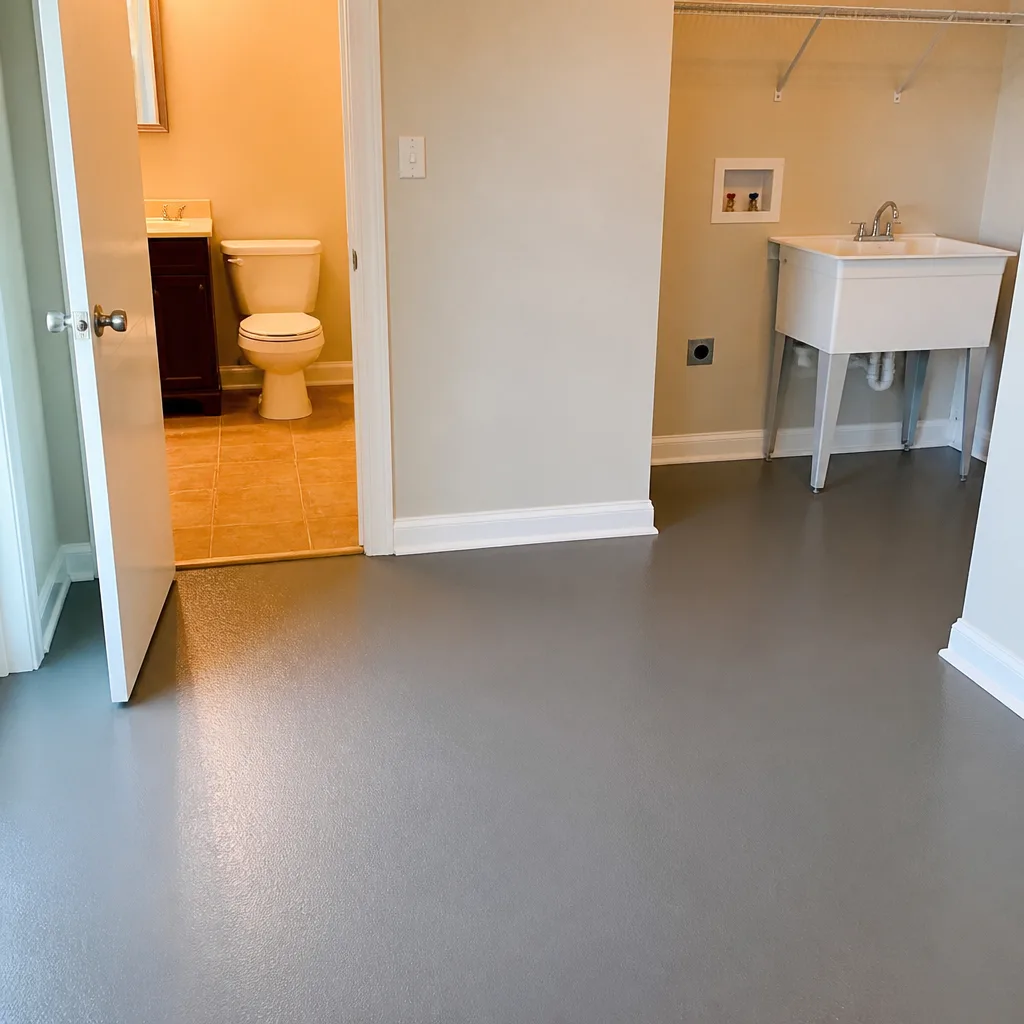
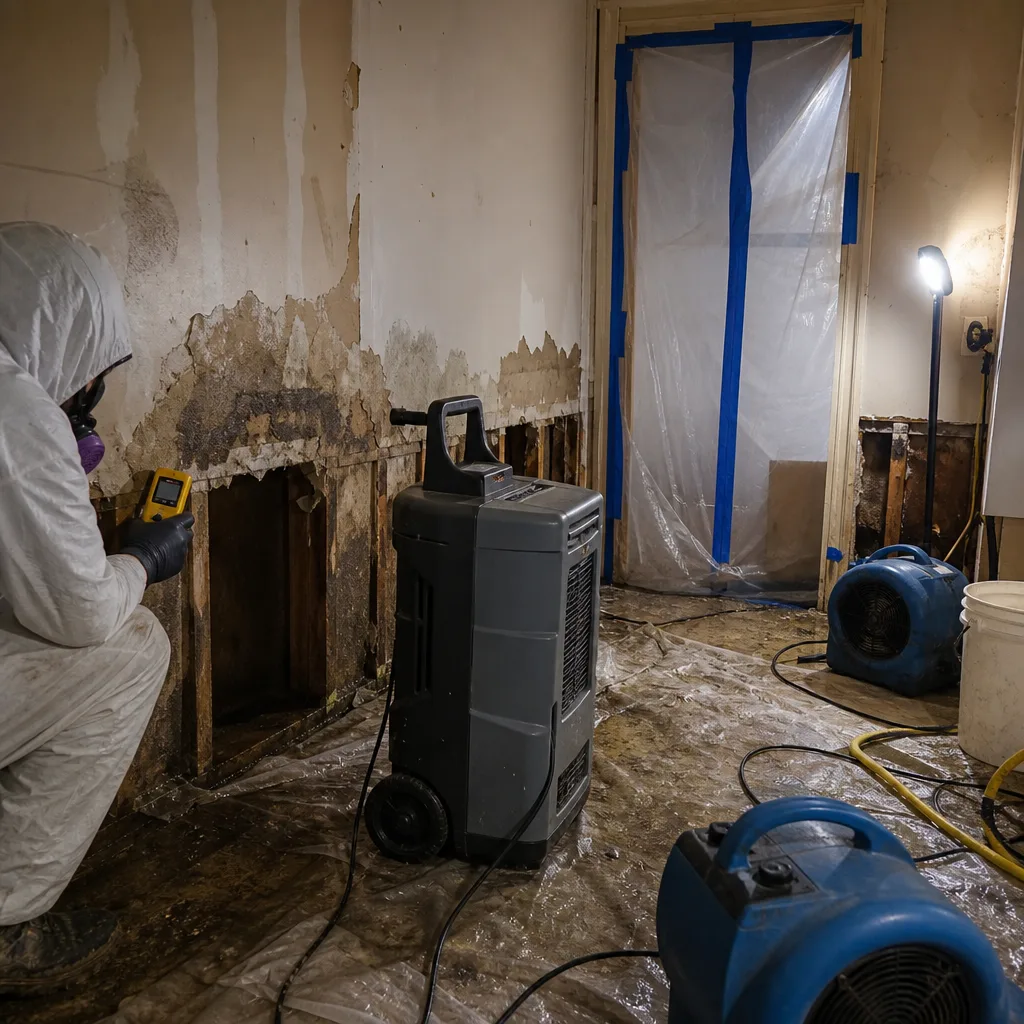 Before
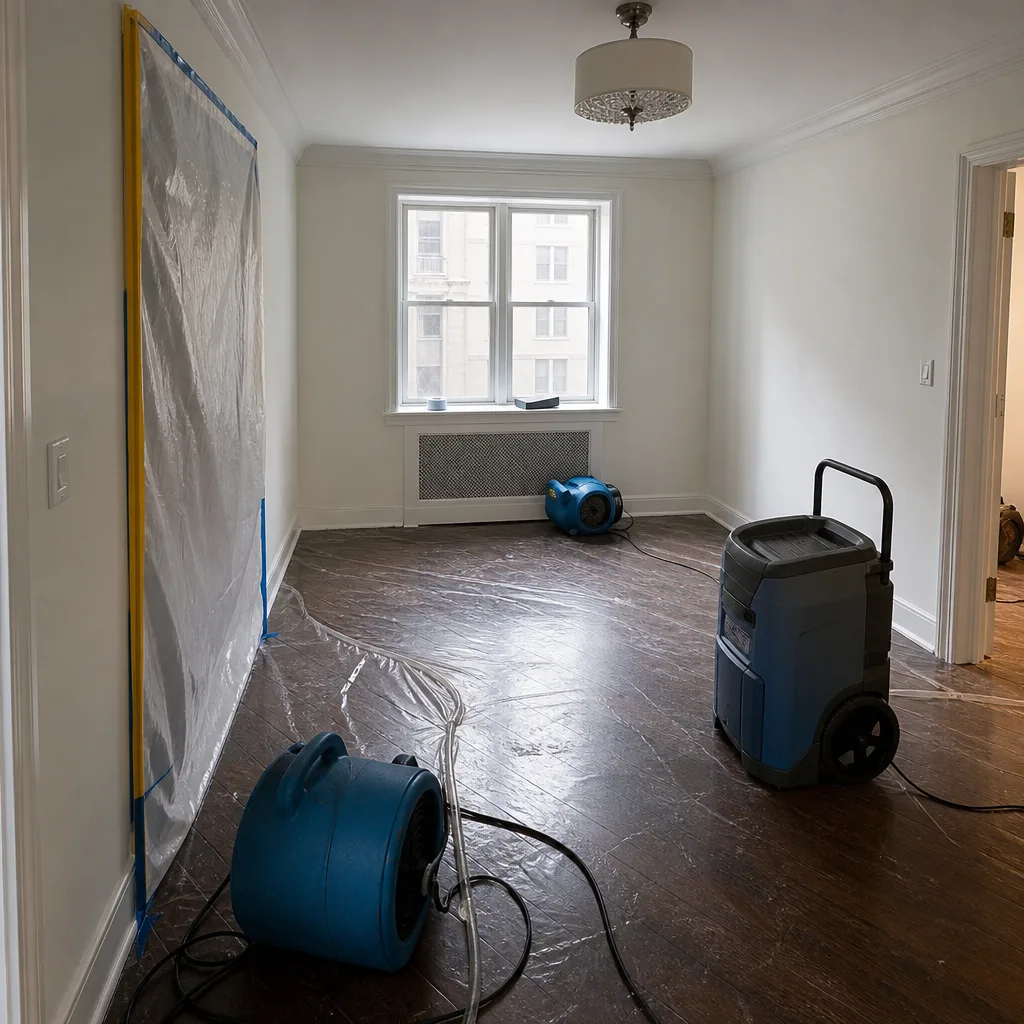 After
After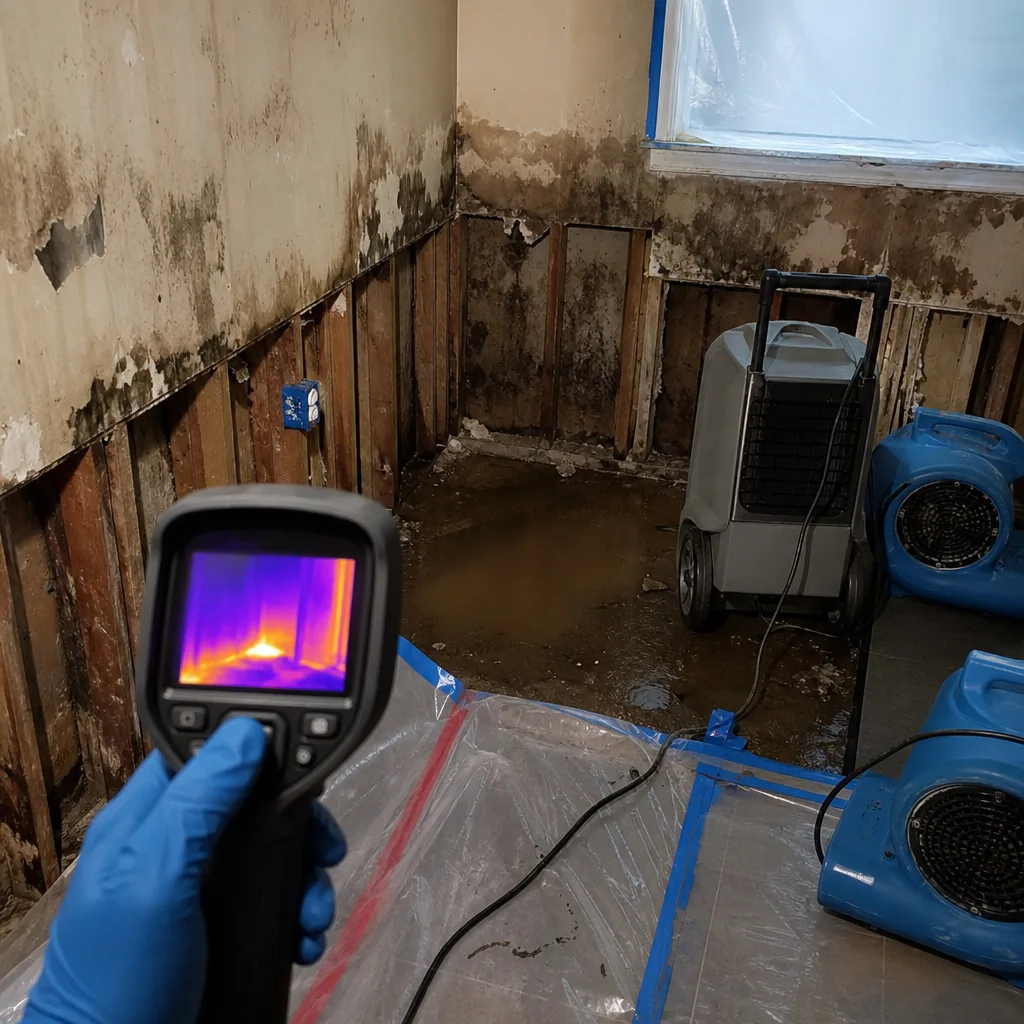 Before
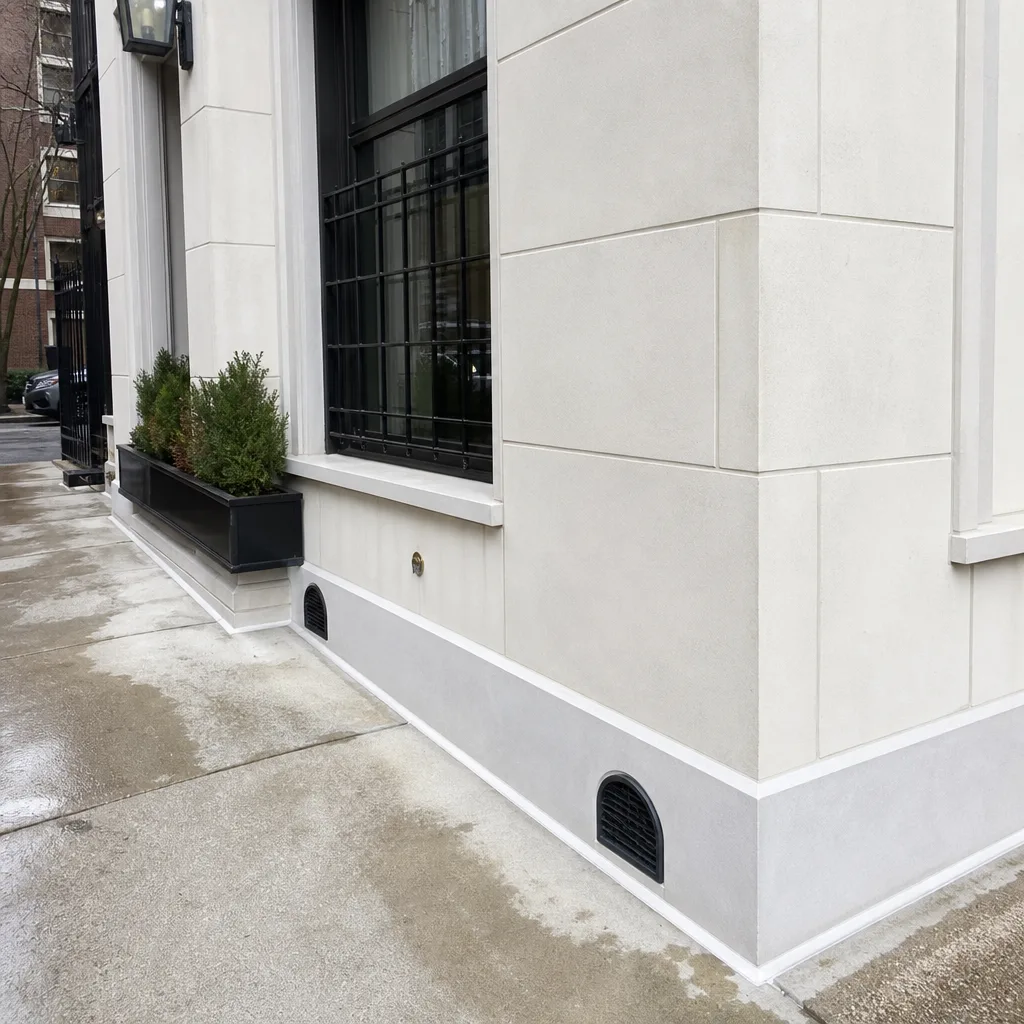 After
After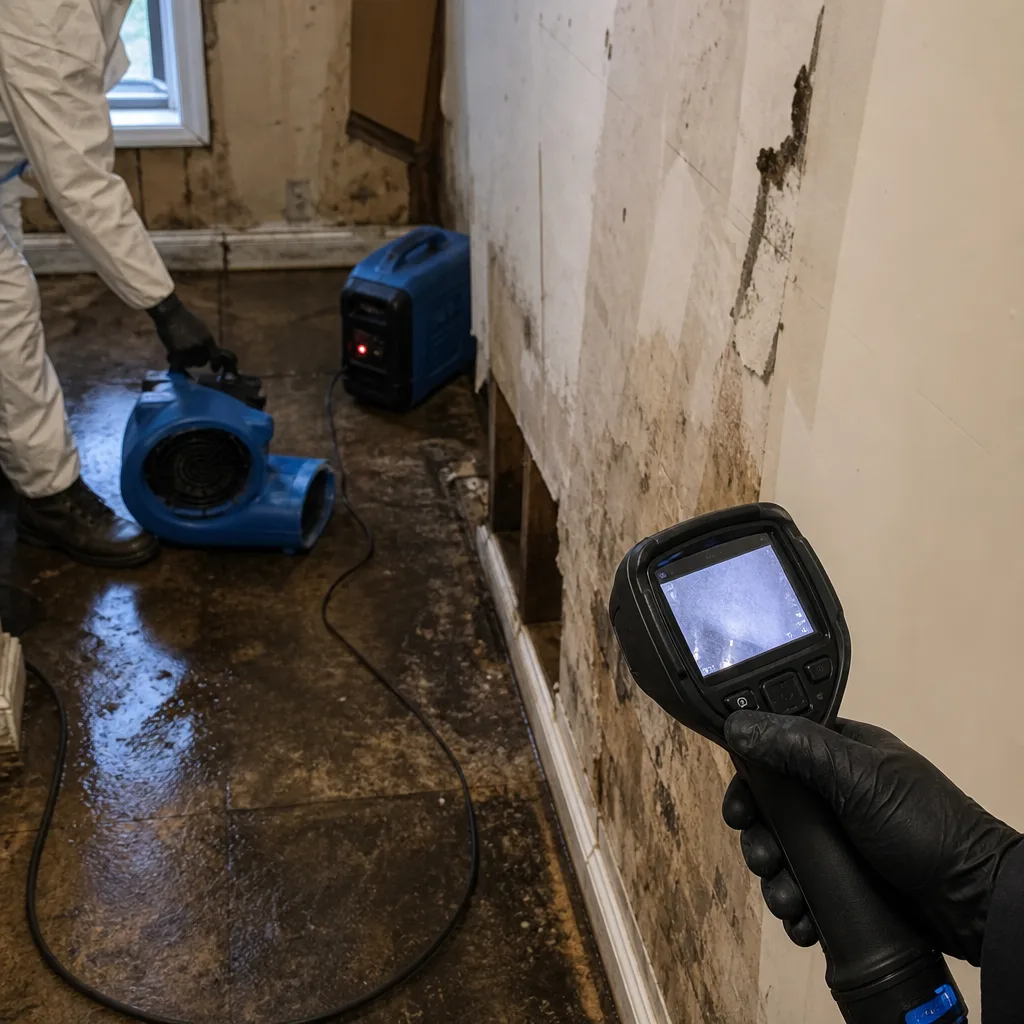 Before
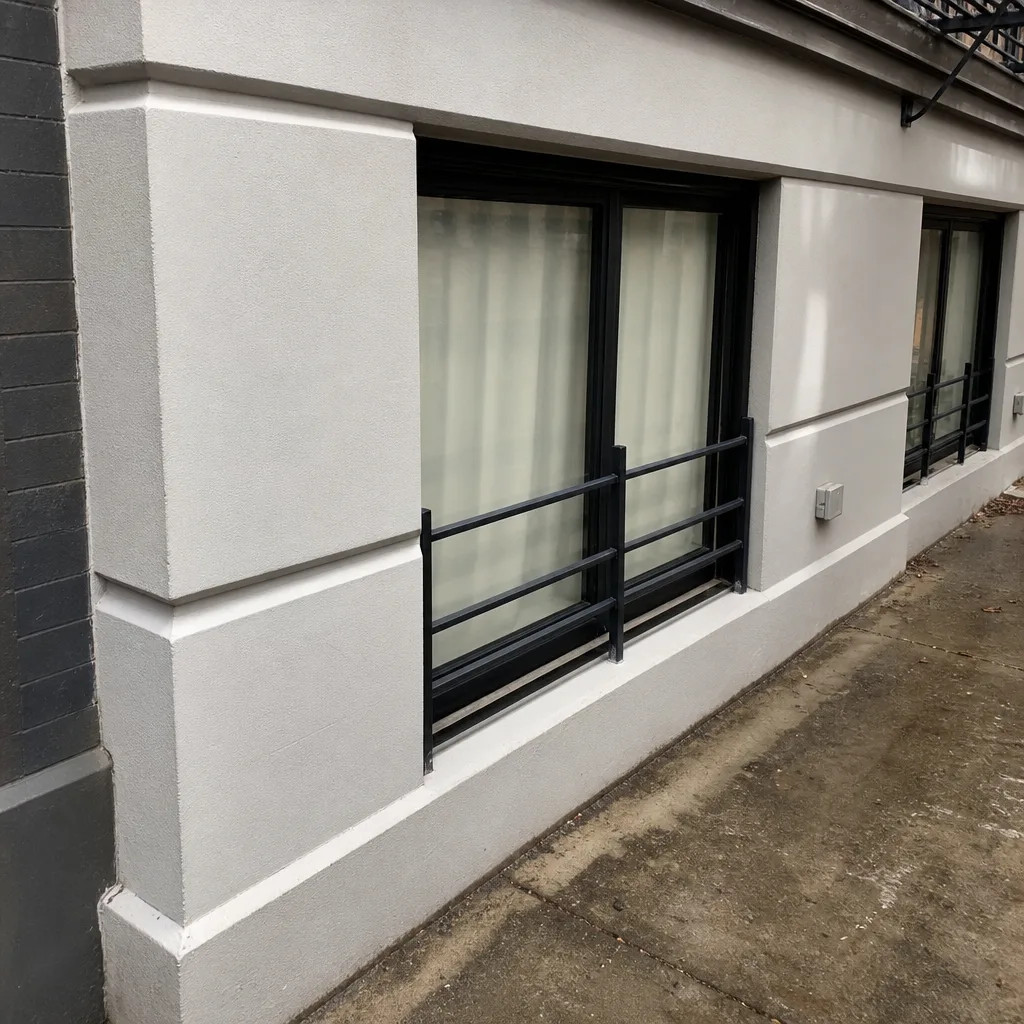 After
After24/7 Emergency Sewage Cleanup in Financial District
When sewage backs up in a Financial District high-rise, you need a crew that shows up, not a call center that promises. We answer live at (607) 703-3408, day or night, and we can have extraction running inside the hour. Sewage is Category 3 water: it carries bacteria, viruses, and parasites, and it moves fast through pre-war plumbing chases and elevator pits. Every minute it sits, the contamination wicks up drywall, saturates subflooring, and finds its way into mechanical spaces where the real damage begins. The first hour is the difference between a cleanup and a weeks-long building systems failure. That’s why we have crews positioned to serve Financial District specifically: they know the converted office towers, the drainage quirks, and the sub-basement layouts that make this neighborhood its own animal. Call now and get a free visual inspection before the water spreads further.
Understanding Sewage Cleanup Severity in Financial District Properties
Not all sewage backups are equal, and Financial District buildings have a way of turning a minor overflow into a structural problem. The trade classifies water by contamination level: Category 1 is clean water from a supply line; Category 2 carries chemical or biological contaminants; Category 3, what we deal with after a sewage backup, is grossly contaminated with pathogens from toilets, floor drains, and ejector pumps. In FiDi’s converted pre-WWII towers, most residential plumbing was grafted onto commercial drainage systems built between 1900 and 1940. Those drain lines were sized for intermittent office use, not the continuous demand of hundreds of condo units. When a basement ejector pump fails on Wall Street or a drainage line clogs on Broad Street, sewage isn’t just backing up a single bathroom: it’s backing into the sub-basement mechanical room where elevator machinery and main switchgear live. That turns a Category 3 water event into a building-wide electrical and vertical-transportation emergency, and it requires moisture mapping, containment, and sanitization protocols that go far beyond what a mop-and-bucket cleanup company can offer.
Why Financial District Property Owners Choose Wade’s Restoration
- 45-minute response commitment: We’re staged near Financial District, so when a sewage backup hits a tower on Water Street or a converted loft on Pearl Street, we’re on site fast, often before the building’s own maintenance staff has located the source.
- 24/7 live answer: You get a real person on the phone, including Wade himself. No voicemail, no answering service, no runaround when your sub-basement just flooded with Category 3 water.
- IICRC-certified crews: Our people hold WRT (Water Damage Restoration Technician) and ASD (Applied Structural Drying) certifications, which matter when you’re drying out 30-floor stacks affected by vapor migration.
- Free visual inspection: We walk the affected spaces, show you what we see, and give you a written scope before any work starts. No pressure, no surprise charges.
- Direct insurance billing: We document everything, photograph everything, and work directly with your adjuster so you don’t have to translate between a restoration crew and a claims department.
- One team from extraction to reconstruction: We don’t hand you off to a subcontractor after the sewage is gone. Wade’s crew handles mitigation, drying, sanitization, and repair under one roof.
Our Sewage Cleanup Process
Inspection & Assessment
We start with thermal imaging and moisture meters to map the full extent of the sewage intrusion. In FiDi high-rises, that means checking not just the obvious flooded room but the elevator pit, mechanical room, and chases running up through the core of the building.
Extraction & Stabilization
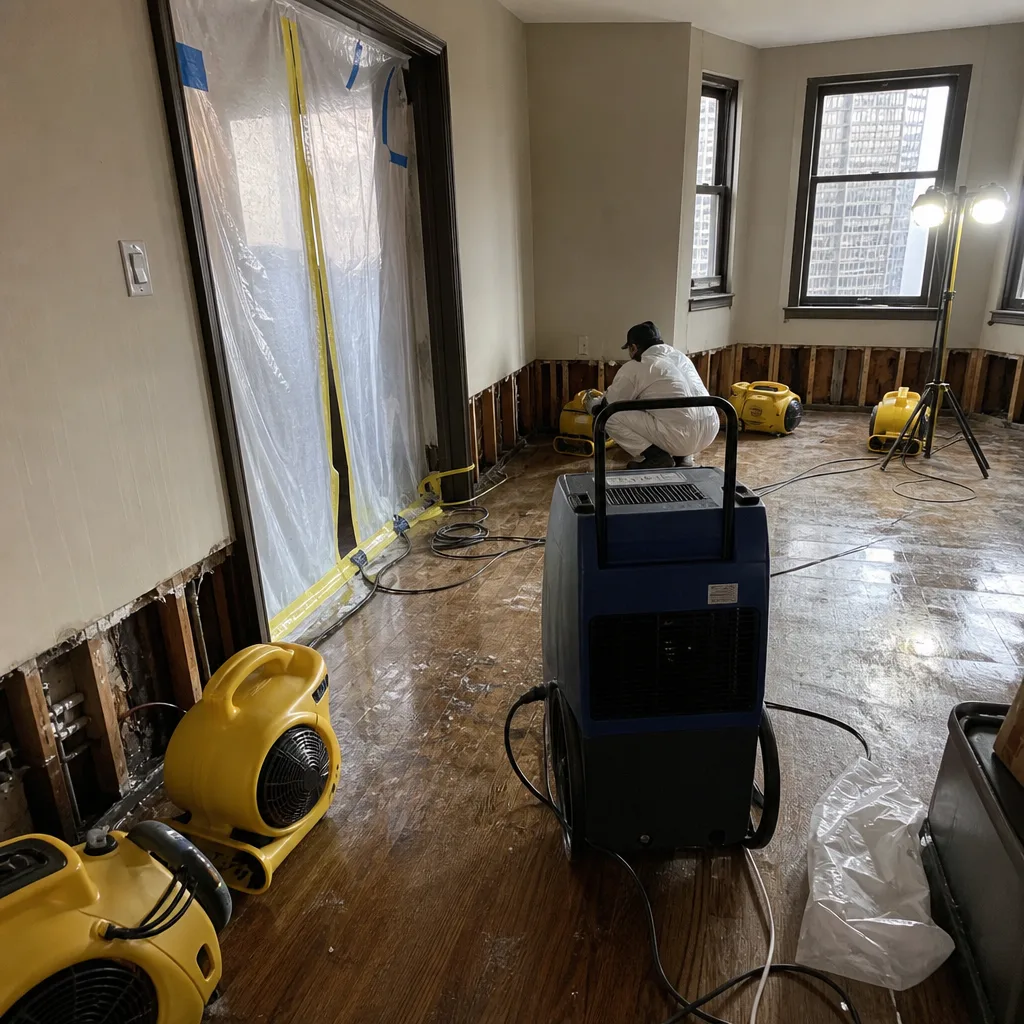
We extract Category 3 water using truck-mounted units staged at the curb and portable extractors carried up stairwells when elevators are down. We also contain the affected area with polyethylene barriers to stop aerosolized contamination from spreading.
Drying & Dehumidification
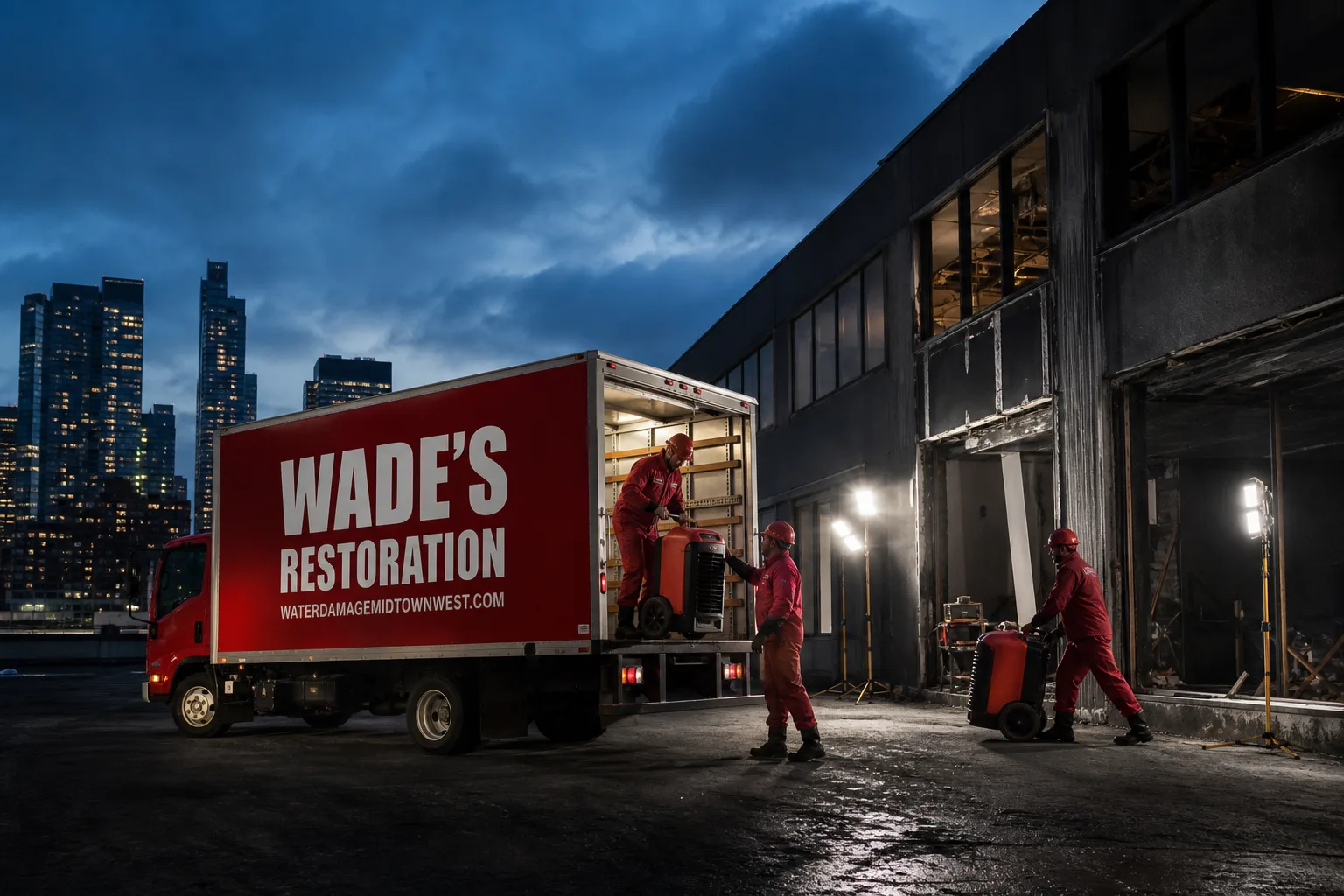
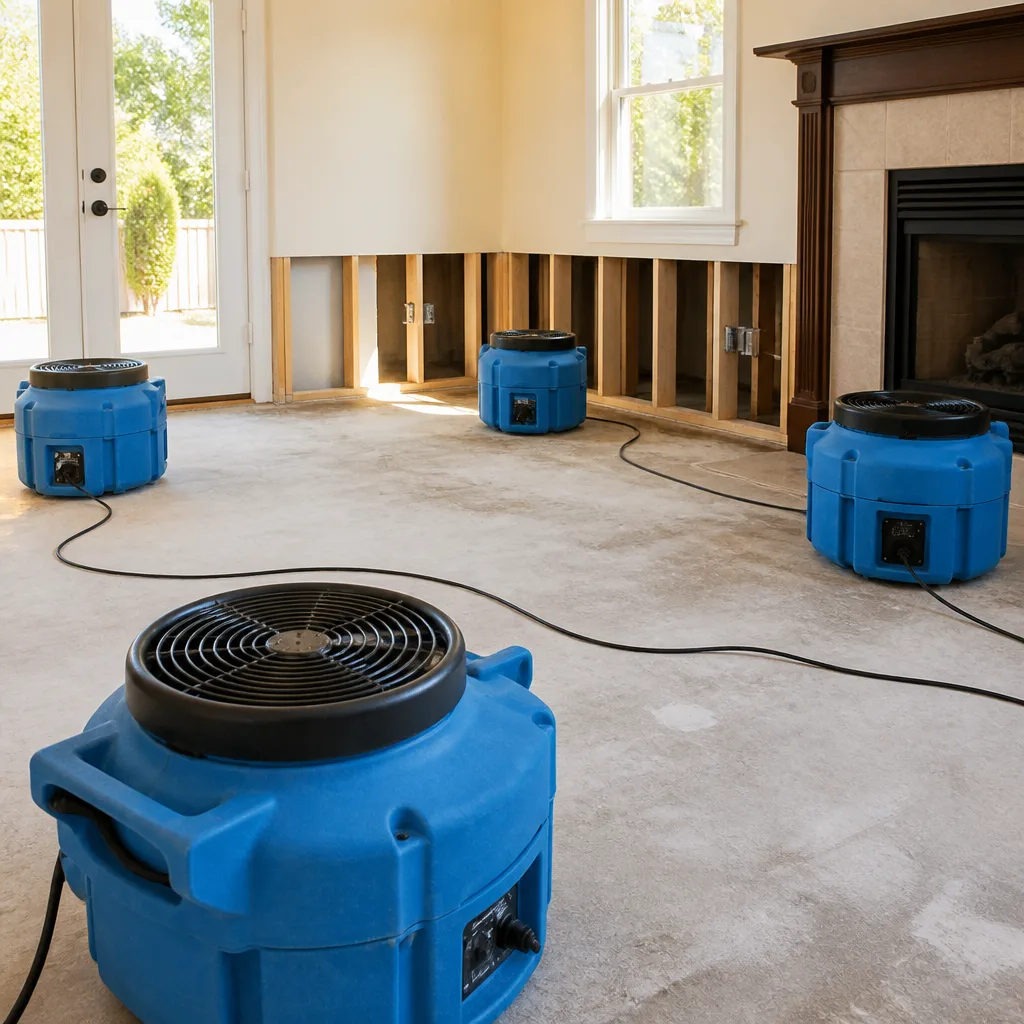
We deploy Dri-Eaz dehumidifiers and XPOWER air movers strategically. When a sub-basement flood knocks out elevator power, we hand-carry that equipment up 30-plus flights of fire stairs if needed. We take moisture readings daily and hand you the full log at the end.
Cleaning & Sanitization
We remove saturated building materials that can’t be saved: drywall, insulation, carpet pad, and any porous material touched by sewage. Non-porous surfaces are cleaned and treated with EPA-registered antimicrobials.
Deodorization & Containment Verification
We run HEPA air scrubbers to clear airborne contaminants and verify containment integrity. Sewage odor isn’t just unpleasant; it’s evidence of organic material still present, so we don’t stop until air quality readings are clean.
Repairs & Restoration
Once the space is dry and sanitized, we rebuild. We’re a full restoration company, so we handle drywall, trim, flooring, and even mechanical room remediation ourselves, with a 90-Day Done Right Promise in writing on every contract.
Need Emergency Sewage Cleanup in Financial District Now?
Crews minutes away, answering live 24 hours a day. The sooner we start, the less it costs.
Working With Your Insurance Company
Sewage backups in Financial District buildings create messy insurance claims: the source might be a private ejector pump in your unit, a shared building drain, or storm-surge groundwater entering through aging bulkheads. That’s why documentation from the first hour matters. We photograph every affected room, log moisture readings daily, and prepare a line-item scope of work that your adjuster can actually read. You shouldn’t be the one stuck relaying information between a restoration crew and a claims desk. Wade and his team deal with the adjuster directly. We maintain moisture logs and drying records that meet industry standards and we know what carriers need to approve Category 3 water remediation in pre-war buildings. If your policy covers sewer backup or water damage, we make sure the claim is documented correctly from day one.
What We Provide Your Insurer
- Thorough documentation of the loss
- Photos of all damage, room by room
- Moisture readings and drying logs
- A detailed, line-item scope of work
- Direct coordination with your carrier
Built for Financial District’s Loss Calendar
Sewage cleanup in Financial District doesn’t follow a single season. Here’s what actually happens through the year. January and February bring deep freezes that crack aging cast-iron drain lines in buildings erected before 1940. When a drain line splits on a 25th-floor conversion, sewage cascades downward through plumbing chases and utility shafts, breaching multiple residential units and ending up in the sub-basement. Spring brings wet weather and a chronically high groundwater table; below-grade mechanical rooms that were dry through winter start seeping, and the city’s aging bulkhead infrastructure along the East River and Hudson River doesn’t help. Summer thunderstorms dump water into storm drains already at capacity, and combined sewer systems can back up into sub-basements when the city’s drainage is overwhelmed. Fall nor’easters and the tail end of hurricane season bring storm surge that raises groundwater levels and pushes sewage backward through floor drains. Every season, the failure mode is different, but the result is the same: Category 3 water in spaces where it shouldn’t be, in buildings that punish delay.
Sewage Cleanup Across Financial District’s Neighborhoods
Financial District is a compact neighborhood, but response routes and building types change dramatically within a few blocks. Along Wall Street and Broad Street, we’re working in landmark-era office towers converted to residential use, where mechanical rooms sit below the sidewalk and elevator pits are original to the building. On Water Street and Front Street, the older mercantile buildings near the East River have shallow sub-basements and drainage lines that run below the historic waterfront fill, which shifts and cracks with the tide. The residential conversions clustered around Stone Street and Exchange Place tend to be smaller pre-war buildings where a single toilet overflow on an upper floor can saturate plaster walls in the unit below before anyone notices. Around Battery Park and South End Avenue, newer buildings sit on reclaimed land with a high water table, which means below-grade spaces are already managing groundwater intrusion before a sewage event even starts. Our crews know which buildings have elevator banks that can be commandeered for equipment transport and which ones require hand-carrying everything up fire stairs from the start.
Specialized Sewage Cleanup Services We Offer in Financial District
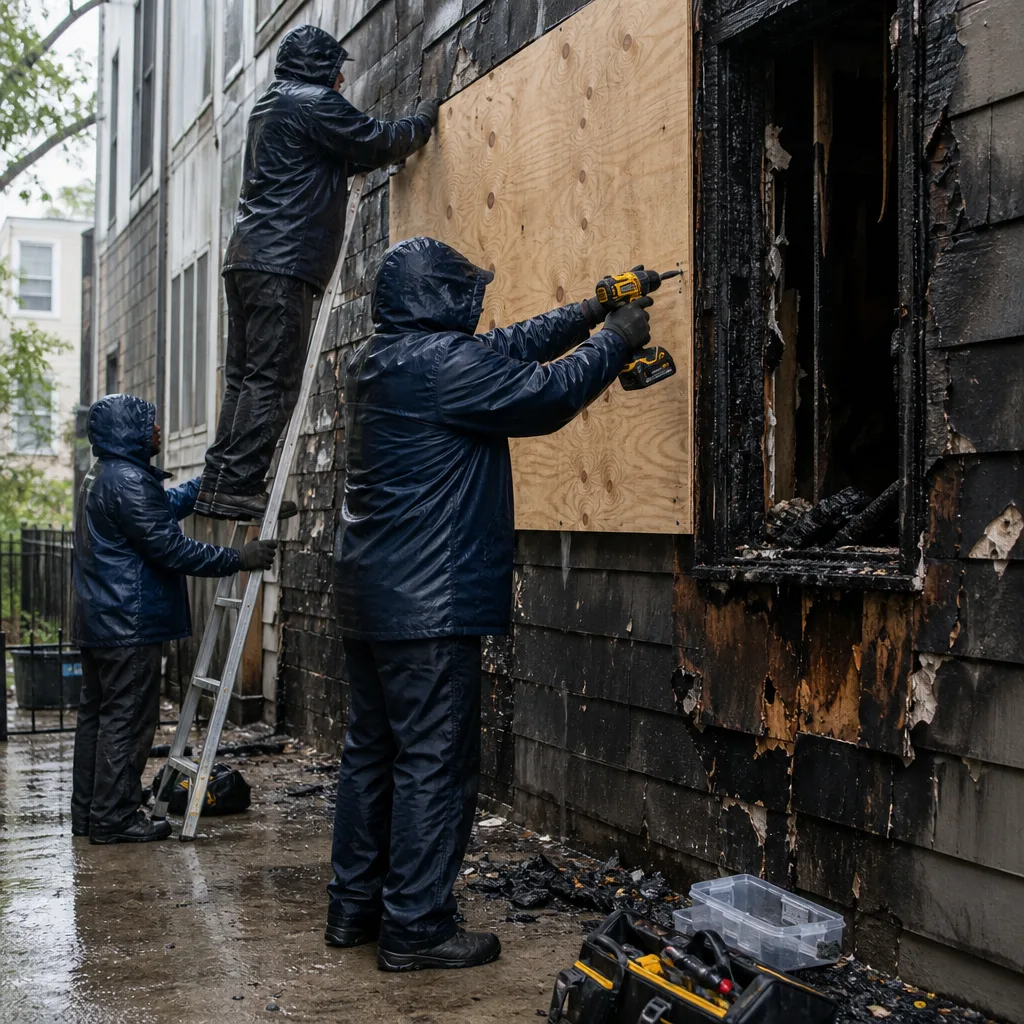
Sewage Backup Cleanup
Most Sewage Cleanup calls in FiDi start with a basement ejector pump failure or a clogged main drain. We extract Category 3 water, remove contaminated materials, and sanitize the affected areas. In a converted office tower, that often means coordinating with building management for access to locked mechanical rooms and elevator control spaces.
Toilet Overflow Cleanup
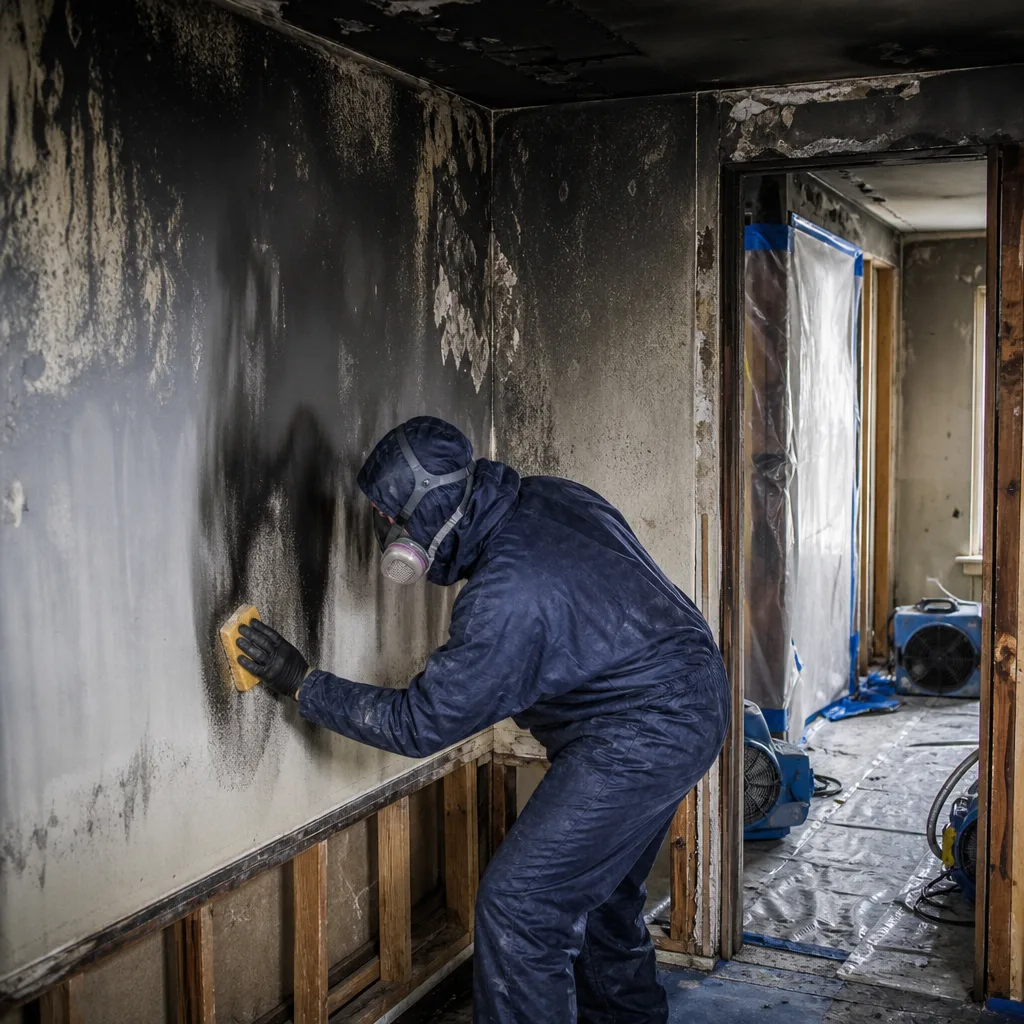
In pre-war conversions, undersized drainage lines mean a toilet overflow on an upper floor rarely stays contained to one unit. Sewage follows gravity through the stack, saturating ceiling cavities, wall chases, and the unit below. We map the full path of the water with thermal imaging before demolition starts, so we don’t miss a wet cavity that would feed mold for months.
Septic Failure Cleanup
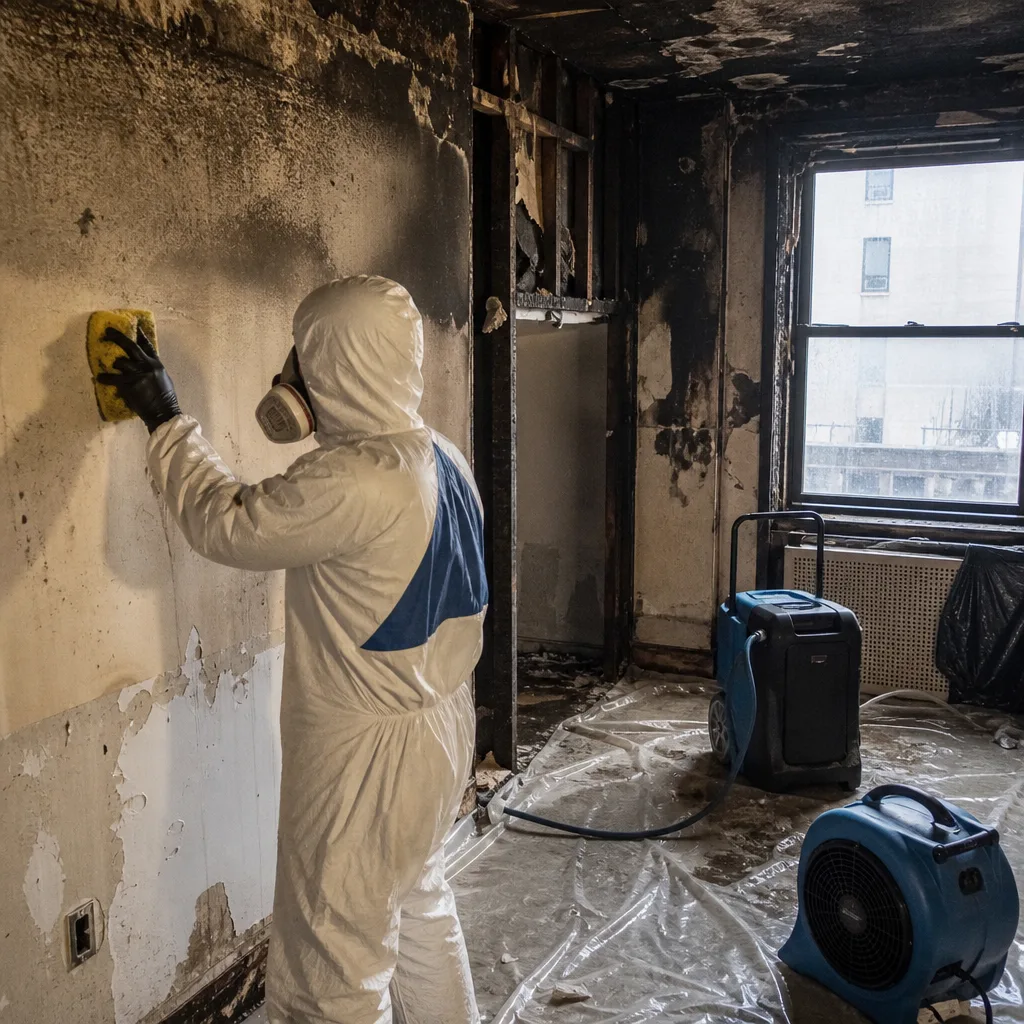
Most Financial District buildings are on municipal sewer, but some older buildings on the edge of the neighborhood and certain private drainage systems have components that fail like septic systems. When ejector systems, grease traps, or underground holding tanks fail, the result is Category 3 waste pooling below grade or backing into drains. We handle full extraction, solids removal, and sanitization.
Black Water Extraction
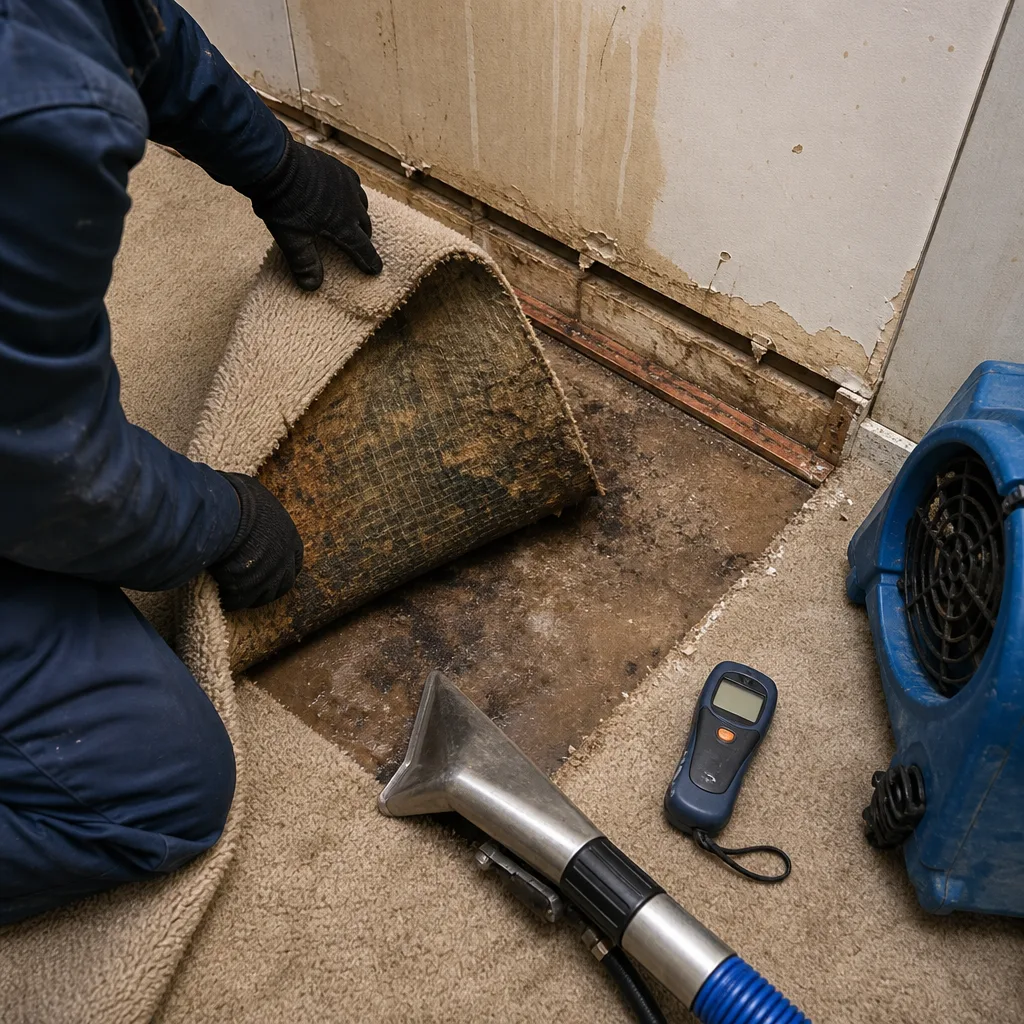
Black water, the most contaminated classification, is what fills a sub-basement when a sewage line ruptures. We use truck-mounted extraction units where possible and portable extractors carried by hand when a building’s elevator system is down. The goal is always the same: remove the sewage before it destroys switchgear, elevator machinery, or the structural framing of the building.
Sanitization & Disinfection
After extraction, every surface touched by sewage gets treated. We apply EPA-registered antimicrobials to non-porous surfaces and remove porous materials that can’t be sanitized. In FiDi’s pre-war buildings, that often includes original plaster walls that have been wicking sewage for days, and we test with moisture meters to confirm drying is complete before containment comes down.
What happens when you call
- 1
A real person answersNo phone trees - you reach a local pro.
- 2
You get an upfront price rangeHonest numbers before anyone is dispatched.
- 3
A background-checked tech heads outLicensed & insured, dispatched right away.
- 4
You approve before work beginsNothing starts until you say go.
Sewage Cleanup Costs in Financial District, NY
What you’ll pay for Sewage Cleanup in Financial District depends on how far the water traveled and what it touched. A contained toilet overflow limited to one bathroom typically runs $1,200 to $3,500, including extraction, drying, and sanitization. A mid-size backup affecting several rooms or a lower-floor mechanical space runs $4,000 to $9,000. A sub-basement ejector pump failure that floods an elevator pit and main switchgear can run $15,000 to $45,000 or more, because we’re coordinating with building electrical contractors, elevator technicians, and your insurance adjuster simultaneously. The single biggest cost driver is access: if the elevator is down, every piece of equipment goes up fire stairs by hand, and labor hours climb fast. We always start with a free visual inspection and a written scope of work, so you know the number before we start. No surprises, no phone quote that doubles when we walk through the door.
We Also Serve Cities Near Financial District
Our crews cover the full Lower Manhattan island and the surrounding boroughs. We regularly handle sewage cleanup in Midtown West, Lower Manhattan, Astoria, and Midtown Manhattan. If you’re outside the Financial District and dealing with Category 3 water, call anyway; if we can’t get to you, we’ll tell you who can.
Serving Financial District, NY - Our Local Coverage Area
We’re based in the Financial District area and know this community well. Use the map below to see our service coverage - if you’re nearby, we can almost certainly help.
Financial District Sewage Cleanup Questions, Answered
How do you dry upper floors when the elevator is down after a sub-basement sewage flood?
We hand-carry drying equipment up fire stairs, floor by floor. Last month our crew handled a sewage backup in a converted 1920s office tower on Wall Street near the East River. A failed basement ejector pump pushed Category 3 black water into the sub-basement mechanical room, flooding elevator pits and main switchgear. We set up containment around the elevator bank, performed water extraction with truck-mounted units staged at the curb, and carried XPOWER air movers and Dri-Eaz dehumidifiers up 32 flights to dry upper-floor hallways affected by stack-effect vapor migration, documenting every moisture reading in our drying logs until we hit pre-loss condition. It’s slow, it’s labor-intensive, and it’s the only way to actually dry those upper floors.
What makes sewage cleanup different in FiDi’s converted office towers?
Converted office towers were built with commercial drainage systems never designed for residential use. Supply lines, drain sizes, and ejector capacity don’t match what hundreds of condo units demand. That means backups happen more often, spread further, and contaminate mechanical spaces that most residential restoration crews never see: elevator pits, switchgear rooms, and below-grade vaults. Sewage cleanup here means restoring a building system, not just cleaning a bathroom.
Do you handle sewage backups that flood elevator pits and electrical switchgear?
Yes. This is the signature Financial District failure. When sewage reaches a sub-basement, it floods the deepest point first: elevator pits. Then it finds the electrical switchgear. We extract the sewage, decontaminate the spaces, and coordinate with the building’s elevator and electrical contractors to verify equipment is safe before power is restored. We don’t touch live electrical equipment, but we make sure the space around it is clean, dried, and ready for their work.
Is antimicrobial treatment required after a sewage backup in pre-war buildings?
Yes, and for good reason. The original brick, timber, and plaster in Financial District’s pre-war buildings absorb more moisture than modern materials, which extends the window for bacterial growth. After sewage extraction, we treat all affected non-porous surfaces with EPA-registered antimicrobials. Porous materials that can’t be treated, like drywall or carpet pad, get removed. In older buildings, we’re also cautious about asbestos-containing materials and coordinate testing if demolition is required.
How fast can you start sewage cleanup when a high-rise basement floods?
We’re staged near Financial District, so our first response is typically inside 45 minutes. Wade answers his own phone; he can have a crew rolling to Wall Street, Broad Street, or Water Street while building management is still trying to find the shutoff valve. For a basement flood in a high-rise, every hour matters because sewage is spreading into elevator pits and toward electrical rooms. Call (607) 703-3408 and we’ll be on the road.
Will my insurance cover sewage cleanup in Financial District?
It depends on your policy, but many condo and co-op policies in Financial District include sewer backup coverage or water damage coverage that extends to sewage events. If your policy covers it, we’ll document everything from the first hour and bill your insurer directly. If your policy doesn’t cover it, we’ll tell you the out-of-pocket cost before starting, with a written scope so there are no surprises.
Can I stay in my unit during sewage cleanup?
Usually not for the affected area. Category 3 water carries pathogens, and remediation involves demolition of contaminated materials, air scrubbers, and drying equipment running continuously. In many FiDi buildings, the affected floor or units are temporarily vacated while we work. We’ll tell you honestly whether your space is safe to occupy, and we coordinate with building management on access and containment.
What should I do in the first 30 minutes after a sewage backup?
Shut off the water source if you can reach it safely. Don’t flush toilets or run sinks, because that pushes more sewage into the backup. Don’t wade through standing sewage, especially near electrical outlets or equipment. Call (607) 703-3408. You want extraction running before the sewage moves from your bathroom into the wall cavities, the floor below, and the building’s mechanical spaces.
Written by Wade Ferris, Owner at Wade’s Restoration, serving Financial District with live, 24-hour sewage cleanup.