
Free visual inspection and a written scope of work before any mitigation begins - photos, moisture readings, and drying logs go in your claim file
The scope we write is the scope we bill. Anything new gets shown to you, in writing, before we touch it.
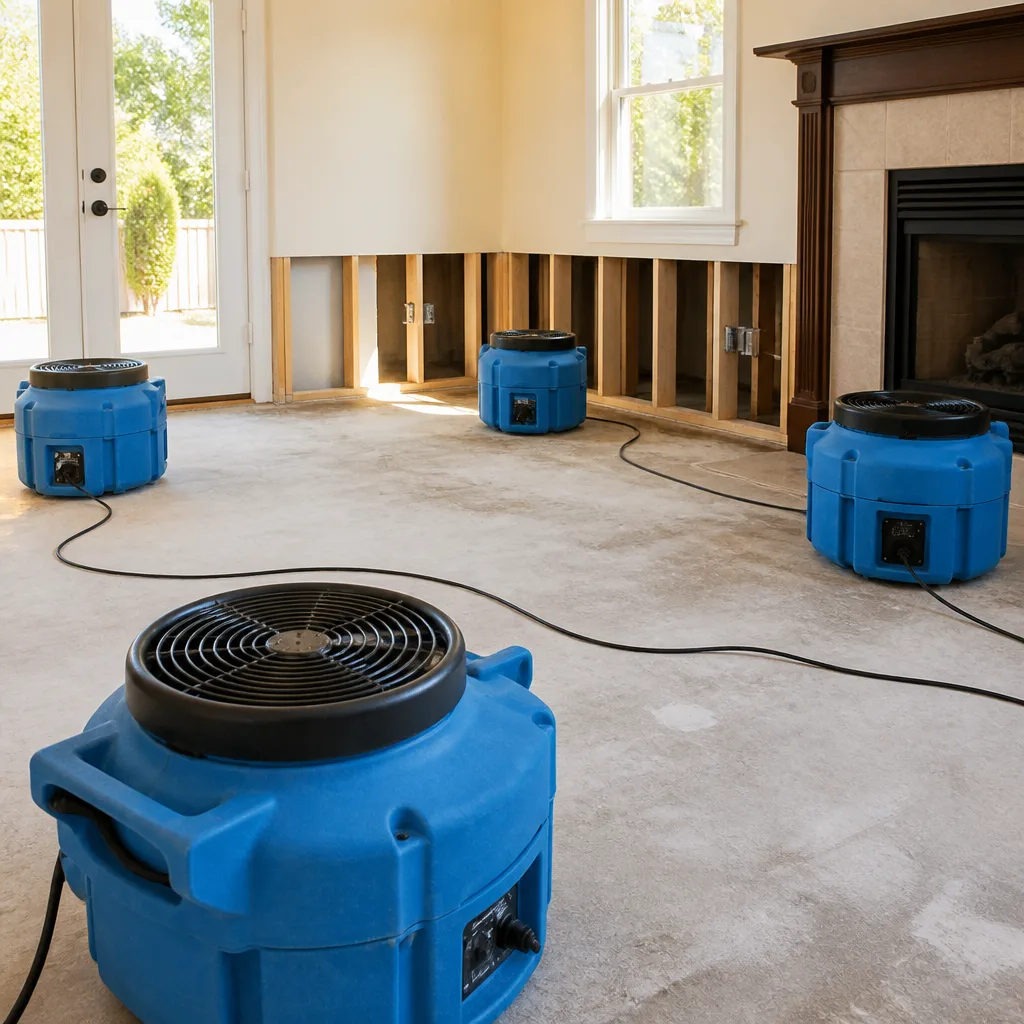
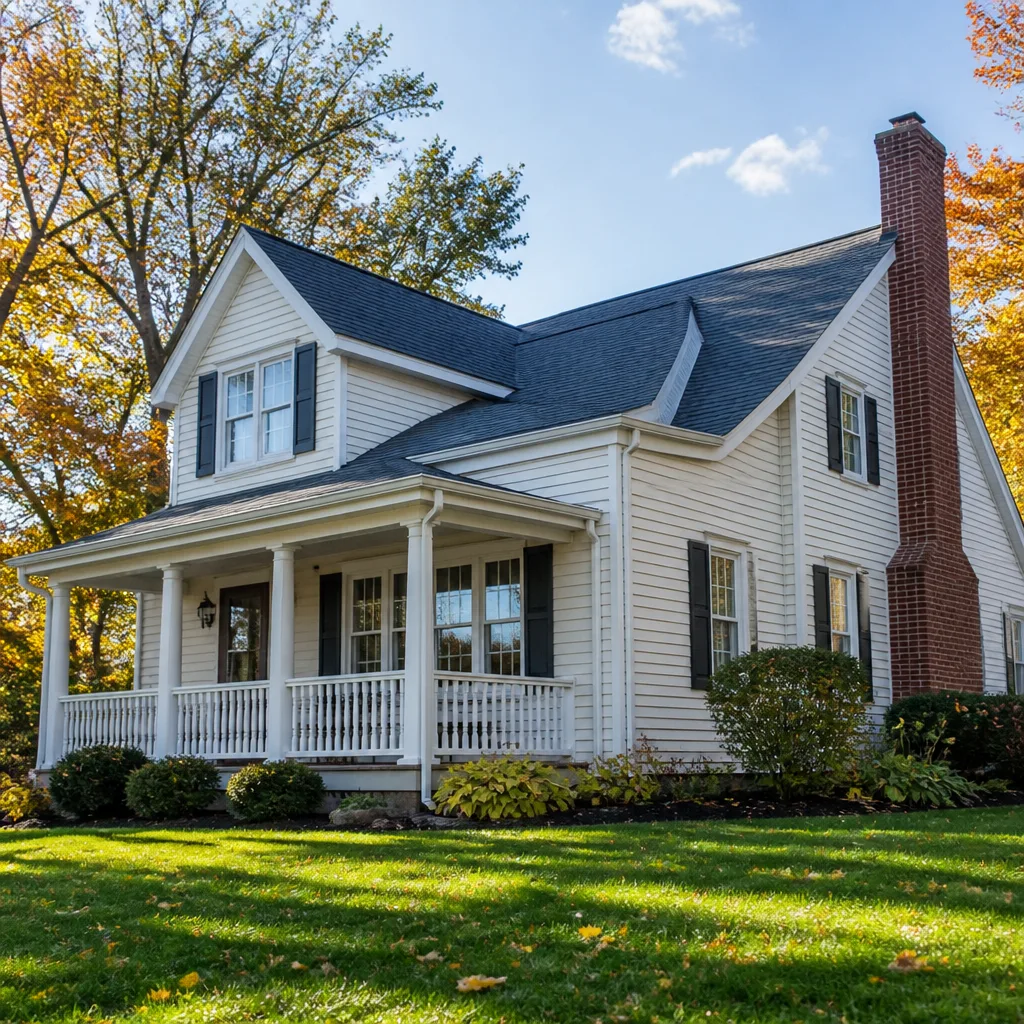
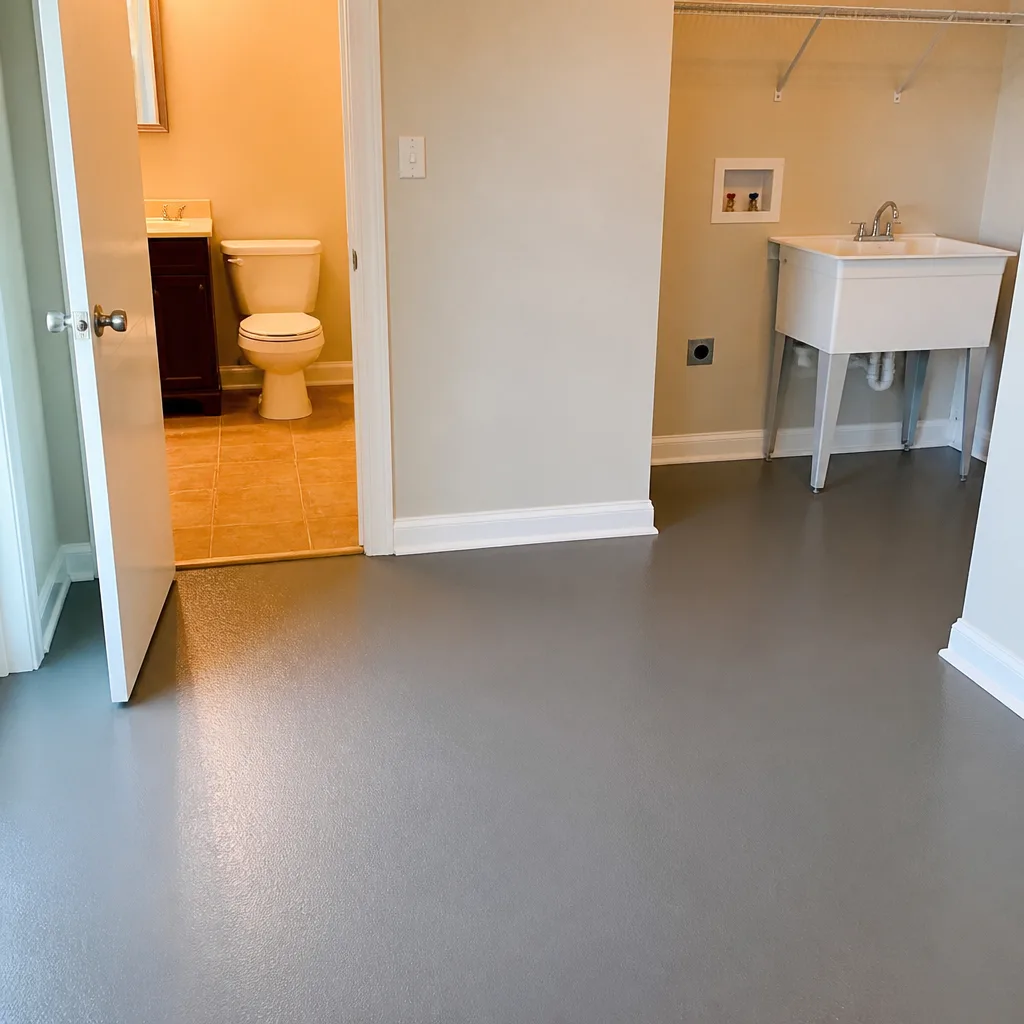
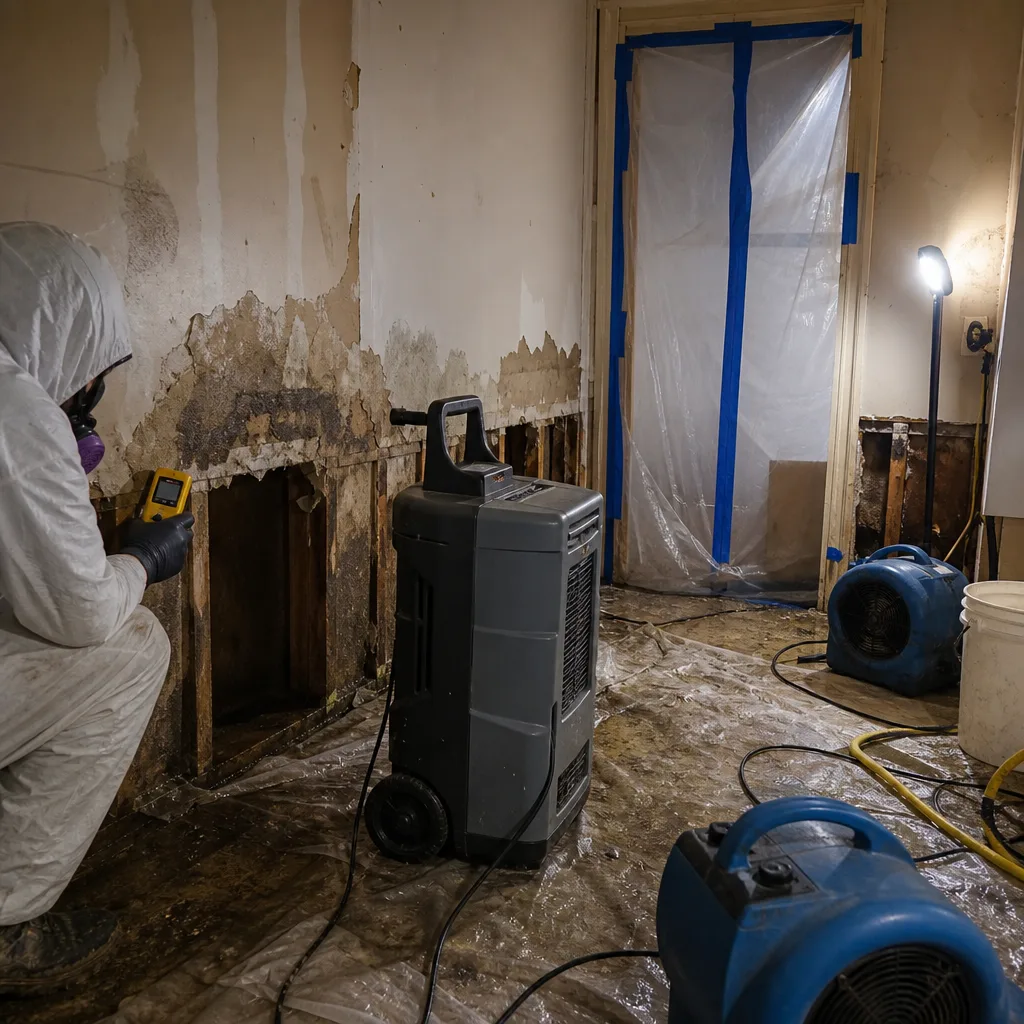 Before
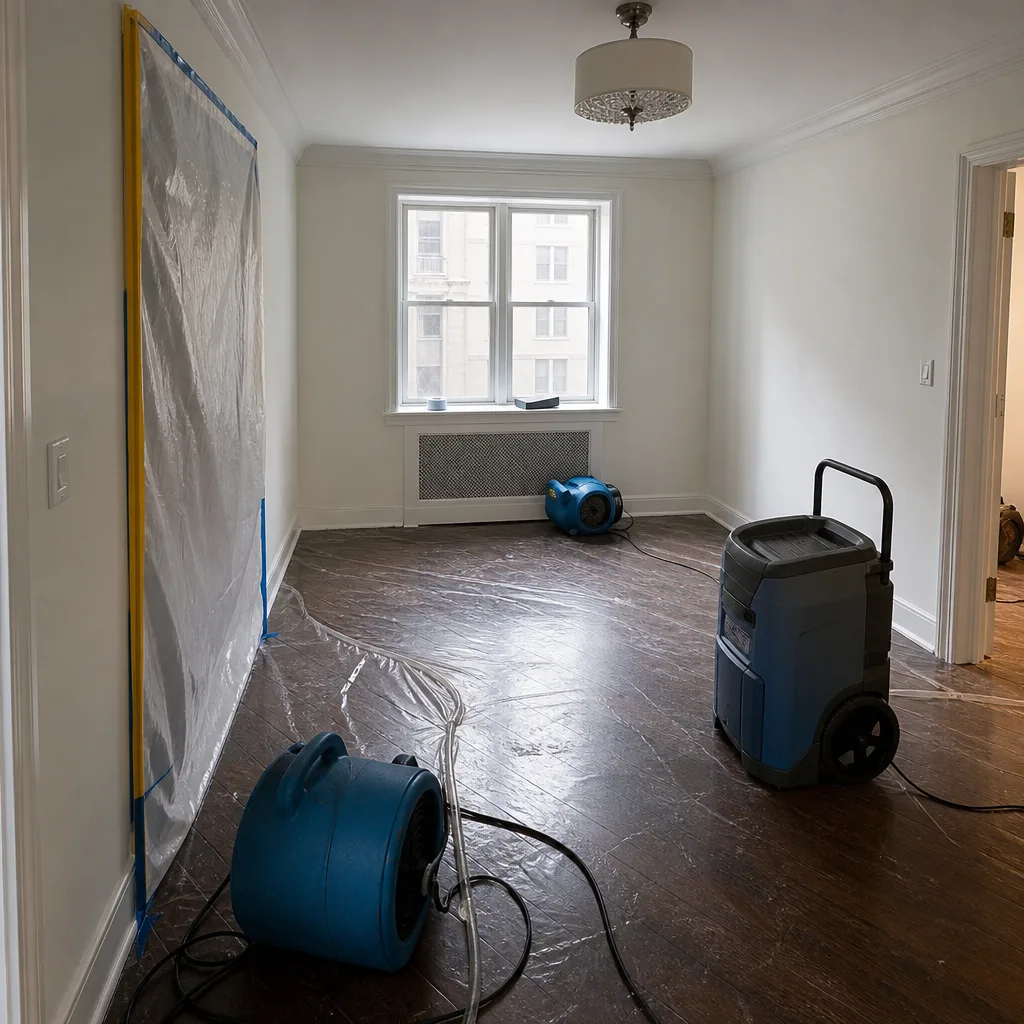 After
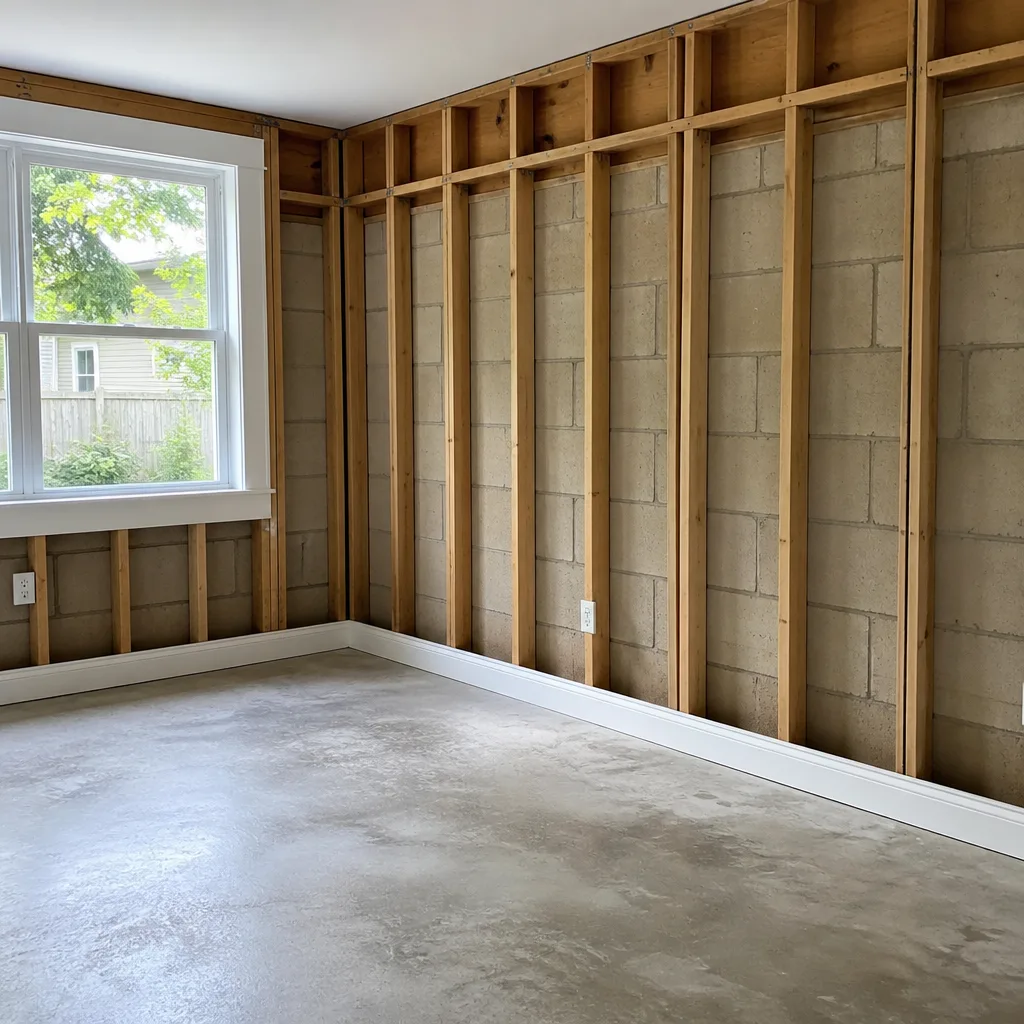
After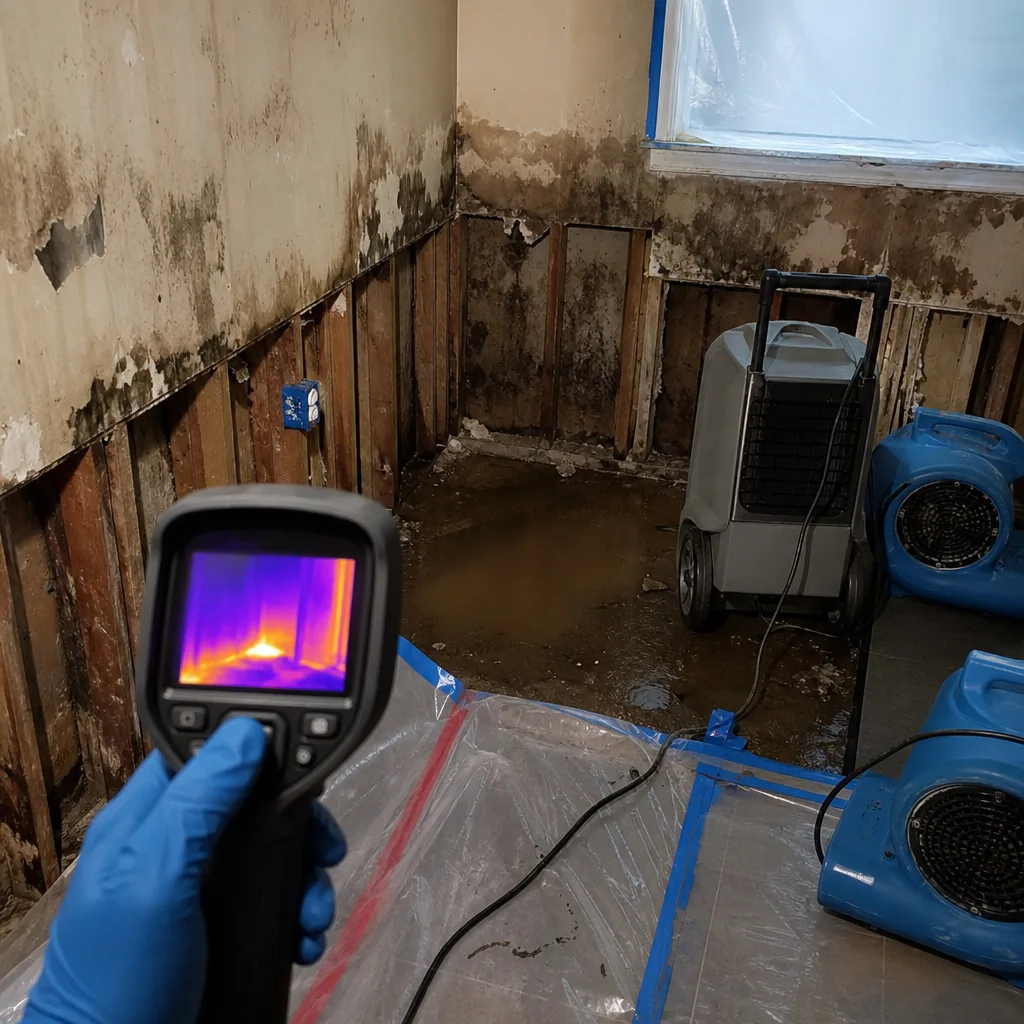 Before
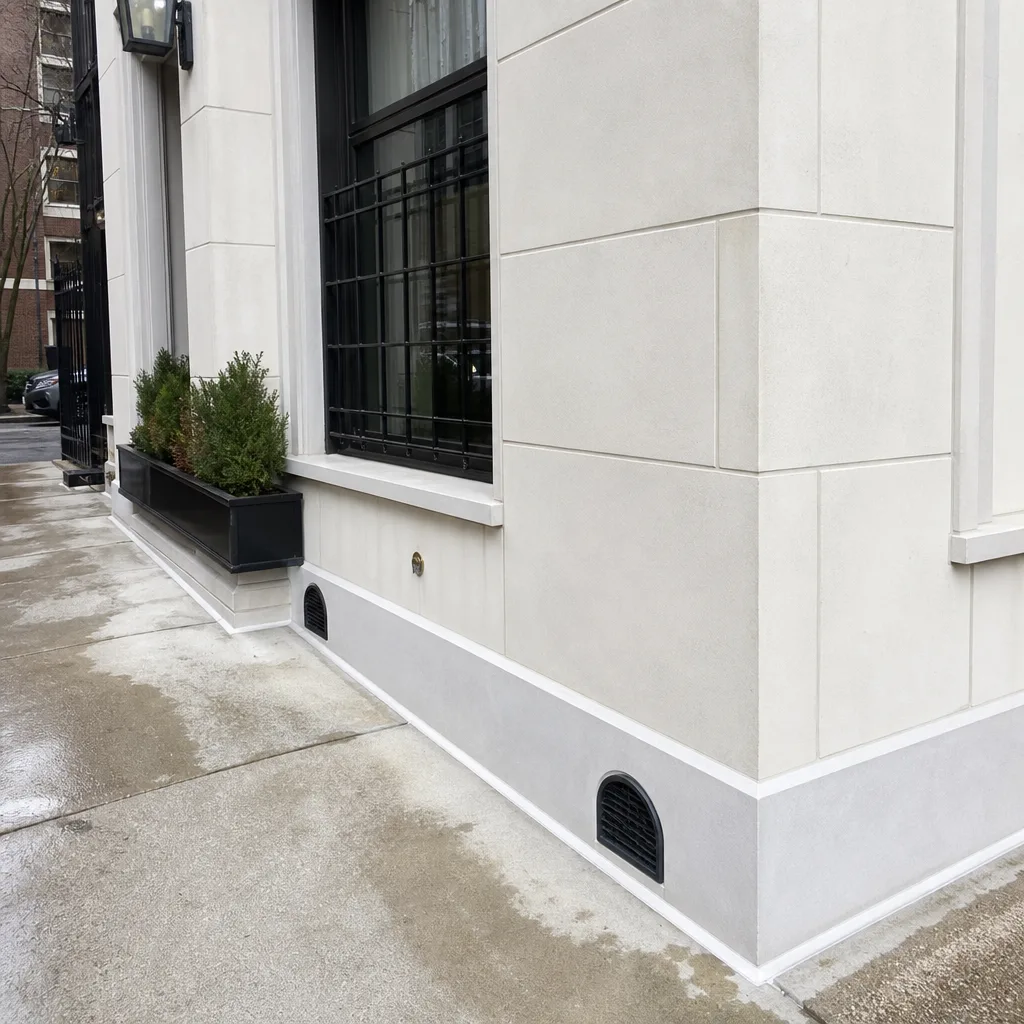 After
After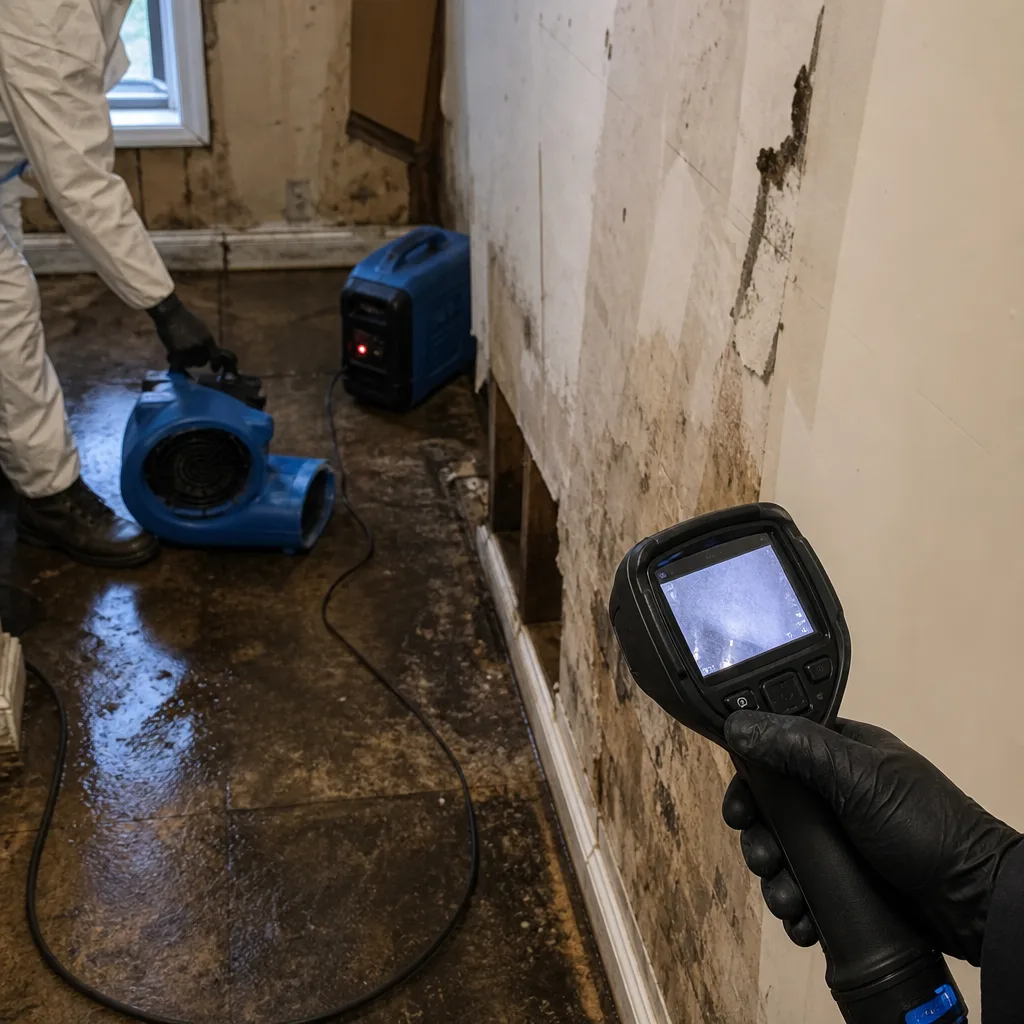 Before
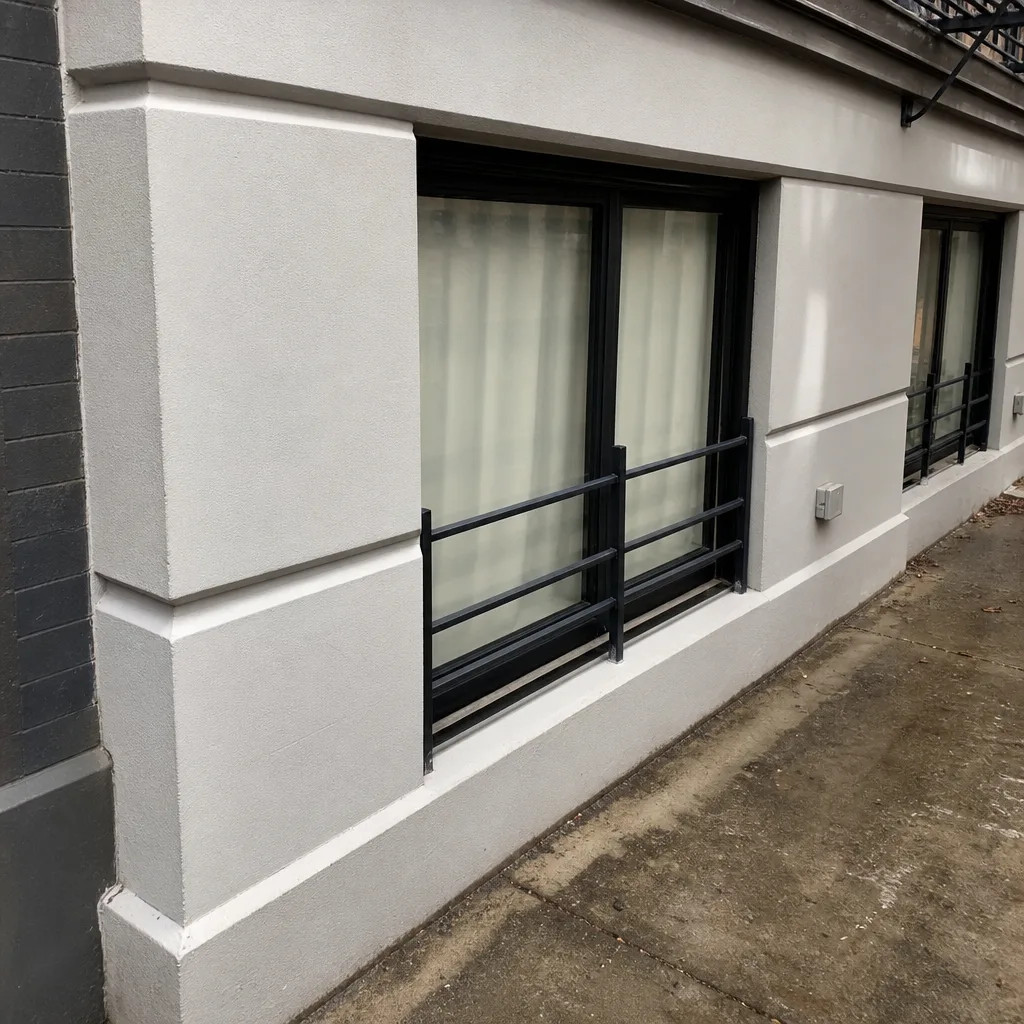 After
After24/7 Emergency Reconstruction & Cleanup in Upper West Side
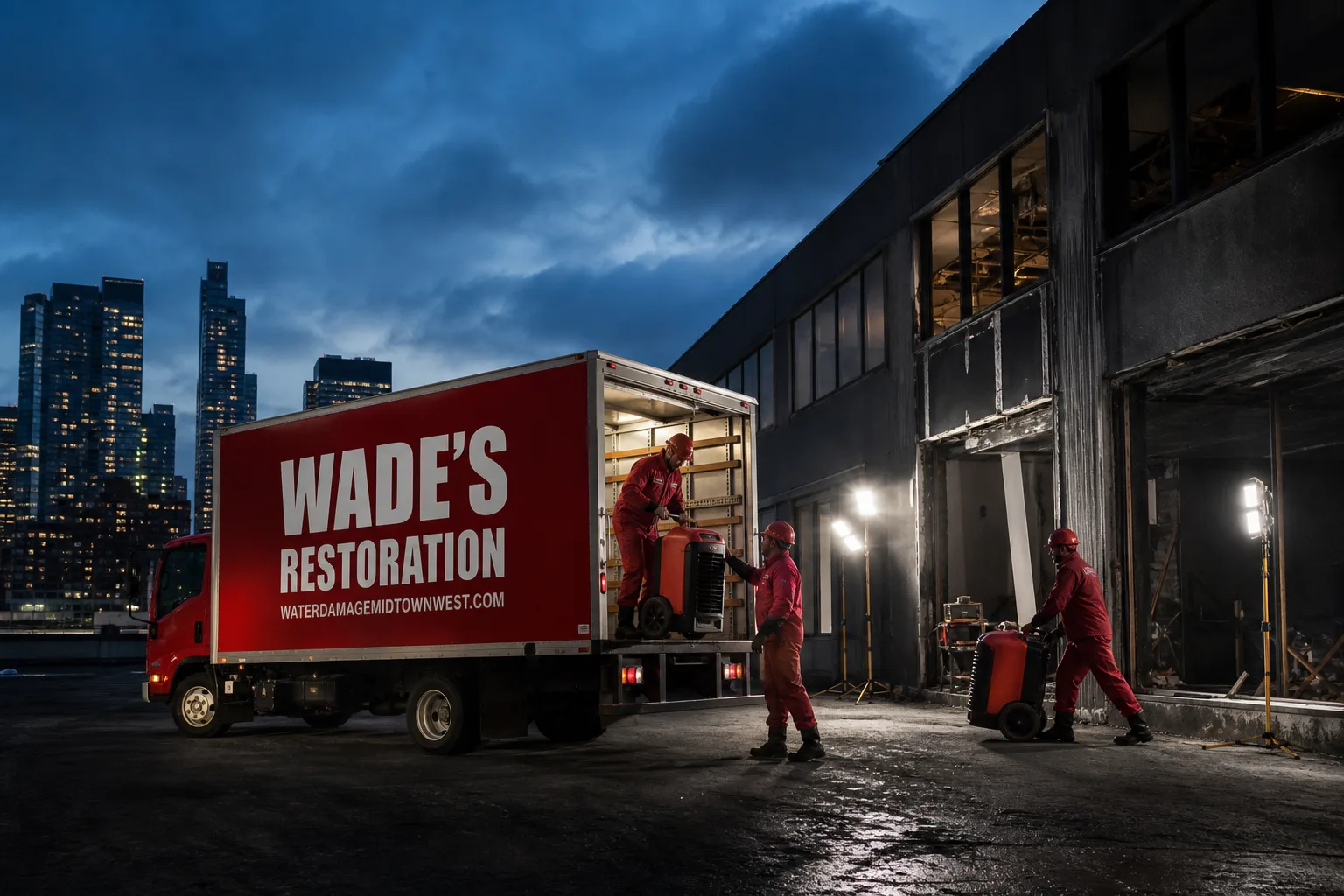
When a steam riser lets go on the 14th floor of a Riverside Drive pre-war, water doesn’t stay in one apartment. It finds every plaster chase, every pipe penetration, every gap in the original lath. Within an hour it’s through eight ceilings and pooling on herringbone parquet three floors down. That’s the call we answer. Our Reconstruction & Cleanup crews stage inside the Upper West Side grid around the clock, and the phone rings to a live person, not a queued recording. Call (607) 703-3408 right now and Wade will walk you through the first thirty minutes while a crew is already heading your way. The first hour decides whether this is a dry-out-and-patch job or a full gut-and-rebuild. Don’t guess. Call.
Understanding Reconstruction & Cleanup Severity in Upper West Side Properties
A radiator packing valve failure is Category 1 water the moment it leaves the pipe. Six hours later, after it’s soaked through horsehair plaster, original oak flooring, and the old-growth joists above your neighbor’s dining room, it’s a different animal. Category 1 becomes Category 2 or 3 depending on what the water picks up along the way: decades of dust in pipe chases, contact with a riser that hasn’t been cleaned since the Coolidge administration, or worse. Moisture mapping with thermal imaging and penetrating meters is non-negotiable here. Surface readings mean almost nothing on pre-war walls. The horsehair-and-lath assembly can hold 40% moisture content behind a dry-looking skim coat, and if the tech doesn’t get a probe into the wall cavity, you find the mold six weeks later. In Upper West Side buildings, severity is rarely about how the water started. It’s about how long it traveled through wood framing and plaster before anyone noticed, and how many co-op units it passed through on the way down. Every floor of travel multiplies the scope. We read moisture in the ceiling bays, not just the floor that got wet.
Why Upper West Side Property Owners Choose Wade’s Restoration
- 45-minute response, seriously. We keep crews staged in the Upper West Side area during storm season because we know every minute of water travel in a pre-war means more line items on the scope. When you call, someone is already blocks away.
- A live person answers at 3 a.m. Not an answering service, not a callback queue. Wade answers his own phone. You’ll hear it in the way he asks about your building: managing agent, floor, landmark status, whether the super is on site.
- IICRC-certified crews with WRT and FSRT credentials. The people Wade sends on your UWS job carry the water restoration and fire & smoke restoration certifications, and they know what Landmarks Preservation Commission approval means for scheduling.
- Free visual inspection, no trip charge inside the county. We’ll walk the affected units, take moisture readings where it’s safe to probe, and give you a straight answer about scope before anyone touches a wall. That visit costs you nothing.
- Direct insurance billing and adjuster coordination. Wade speaks carrier. He’ll document the loss from hour one, handle the adjuster calls, and spare you from being the messenger between three parties who don’t agree on anything.
- One team, from extraction to final coat of paint. The crew that pulls the water out is the crew that rebuilds the ceiling.
Our Reconstruction & Cleanup Process
Inspection & Assessment
We arrive, introduce ourselves to the super, and begin with thermal imaging and penetrating moisture meters across every affected ceiling bay, wall, and floor. In UWS co-ops we map the water’s vertical travel before we touch anything, then we flag any stop-work trigger with the board or LPC.
Extraction / Stabilization
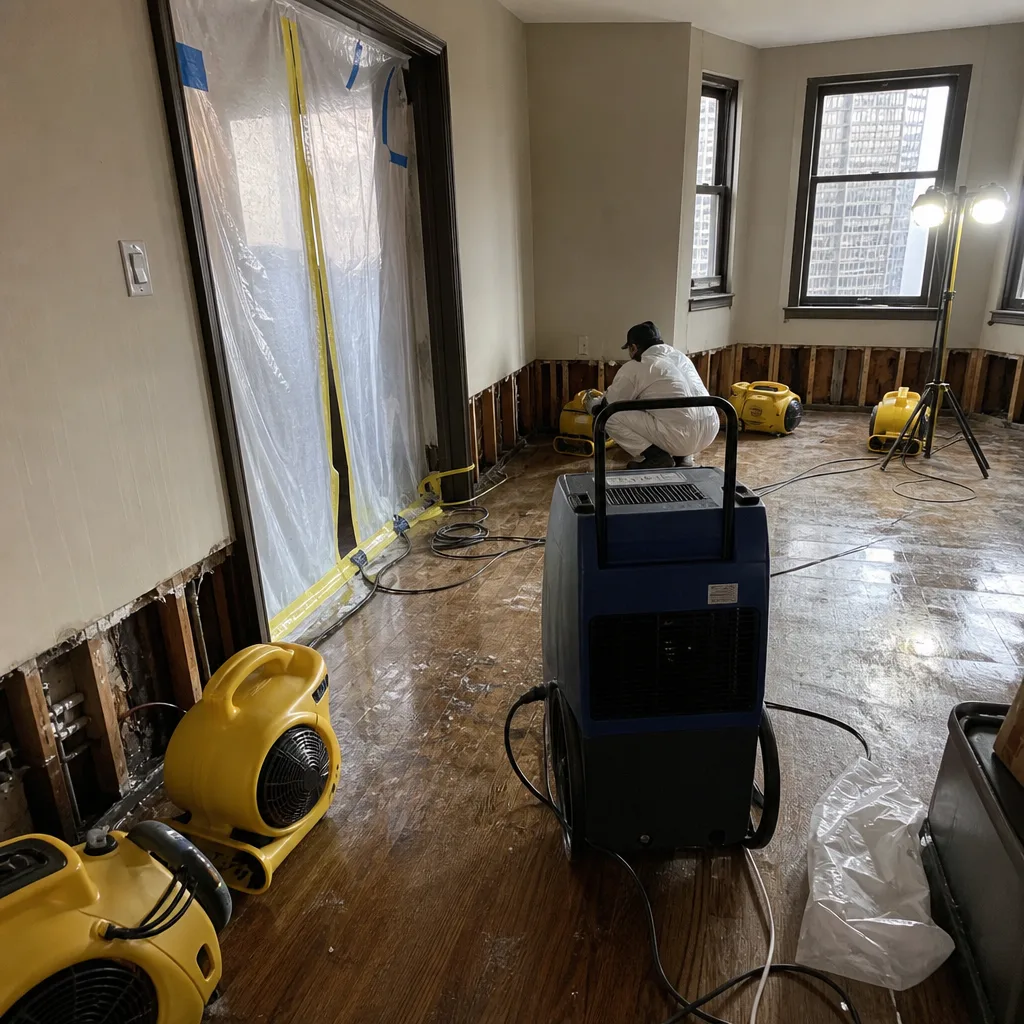
Standing water comes out first with truck-mounted and portable extraction. We pull baseboards and drill weep holes where the wall cavity is saturated. The goal is stopping further migration into lower floors, not just drying the floor you can see.
Drying & Dehumidification
Dri-Eaz and Phoenix air movers, LGR dehumidifiers, and hygrometers go in. For pre-war plaster, we use negative-pressure drying behind containment so dust and debris don’t migrate through original plaster cracks and pipe chases into adjacent co-op units.
Cleaning & Sanitization
Every affected surface gets HEPA-vacuumed and treated according to the water category and material type. Salvageable plaster is scrubbed, sealed, and prepped. Unsalvageable material is cut out cleanly for the rebuild.
Specialty Plaster & Millwork Treatment
Upper West Side landmark buildings require replication, not replacement. Our plaster trade matches original ornamental profiles, and we work with millwork shops that can reproduce crown, rosettes, and picture-rail details to LPC spec.
Repairs & Restoration
We rebuild with appropriate material: historically matched plaster where required, parquet re-laid and refinished, paint matched to the co-op’s approved palette. Final walkthrough with the managing agent, the shareholder, and the adjuster, and a written 90-Day Done Right Promise on the work.
Need Emergency Reconstruction & Cleanup in Upper West Side Now?
Crews minutes away, answering live 24 hours a day. The sooner we start, the less it costs.
Working With Your Insurance Company
Insurance companies move faster when the documentation is airtight from the first hour. We photograph every room before we move a stick of furniture, log moisture readings daily, and build a line-item scope that a carrier claims examiner can’t casually reduce. Wade deals with the adjuster directly. You don’t get stuck hosting three conference calls a week between the managing agent, the adjuster, and the contractor. When the co-op board needs a written scope before they’ll vote on approval, we draft it. When the carrier asks for the drying log, it’s already in your email. That’s the kind of documentation that turns a contentious claim into a paid one. And if the board’s insurance master policy carries part of the loss while the shareholder’s HO-6 policy carries the rest, we document both sides cleanly from day one.
What We Provide Your Insurer
- Thorough documentation of the loss
- Photos of all damage, room by room
- Moisture readings and drying logs
- A detailed, line-item scope of work
- Direct coordination with your carrier
Built for Upper West Side’s Loss Calendar
Upper West Side water losses follow a rhythm as predictable as the M79 schedule. December through February, we get the freeze-ups: supply lines and radiator valves that let go during the first sub-20-degree snap, when the building’s aging one-pipe steam system is running hottest and oldest valves are under maximum pressure. March brings the thaw, when freeze-damaged risers that held through January finally split, and when snowmelt finds its way into basement-level storage rooms and building mechanical spaces. April through June is nor’easter season, and the wind-driven rain along Riverside Drive and West End Avenue pushes through aging mortar joints and open cornice flashings into top-floor apartments. July and August thunderstorms overwhelm roof drains and trigger ceiling collapses in units directly under flat roofs. October starts the heating-season valve failures again. Every year, same calendar. The buildings change ownership, the failures don’t change character. Knowing what to look for in each season is part of why we can scope a UWS job faster than a contractor who doesn’t know the difference between a one-pipe and two-pipe system.
Reconstruction & Cleanup Across Upper West Side’s Neighborhoods
We run different response routes for different blocks. The brownstone rows between Columbus and Amsterdam, along West 75th and West 82nd, have their own failure profile: failing brownstone lintels and poorly flashed cornices that let water into top-floor units every time a nor’easter blows through. The pre-war co-ops along West End Avenue and Riverside Drive see wind-driven rain through façade mortar joints far more than the inland blocks do, and their plaster damage tends to run deeper when it happens. The classic-six and classic-seven layouts around Central Park West and the low nineties carry oversized steam radiators and ornamental plaster that’s nearly impossible to match without a specialty trade. And the mid-block side streets off Broadway hold a mix of 1920s elevator buildings and 19th-century walk-ups, each with different wall assemblies and different drying rates. When you call us from West 67th or West 107th, the crew already knows what kind of building stock they’re likely walking into. That local familiarity isn’t in a training manual. It’s just what happens when you work the same streets year after year.
Specialized Reconstruction & Cleanup Services We Offer in Upper West Side
Full-Service Reconstruction
When a multi-floor steam leak takes out the ceiling in the parlor, the wall in the bedroom below it, and the hallway on three floors, you need a crew that rebuilds, not just dries. We handle full scope reconstruction in Upper West Side co-ops and brownstones: framing, historically matched plaster or appropriate drywall, millwork reproduction, painting, and final finish. The board gets a written scope, the shareholder gets a timeline, and everyone sees the same line items.
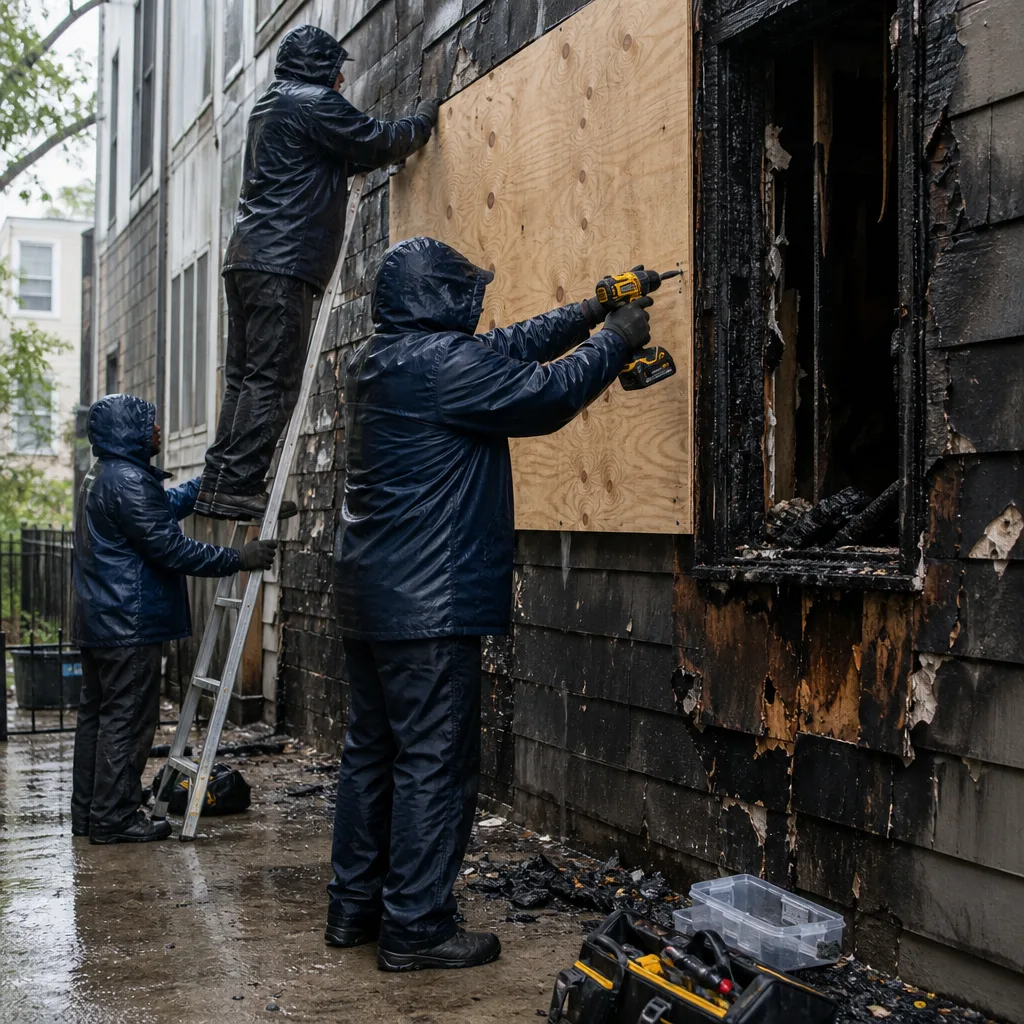
Drywall & Flooring Repair
Where modern drywall exists in renovated UWS units, we match it and hang it. But a lot of what we repair is original parquet: water-damaged oak strips get removed, the subfloor dried, and the parquet re-laid and refinished to match the surrounding floor. Herringbone is the hardest to match and the most common UWS pattern in pre-war formal rooms. We’ve done enough of it to know the finish profiles the boards actually want.
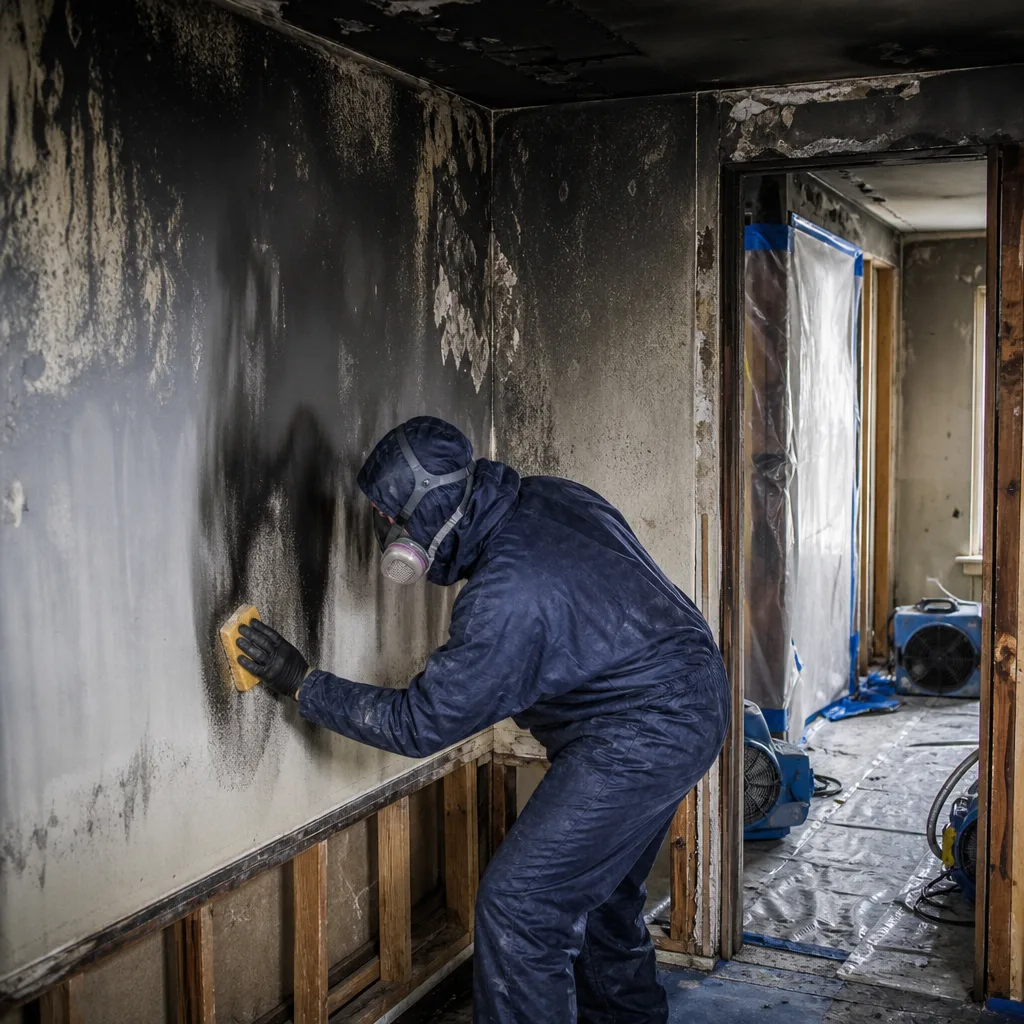
Contents Restoration & Pack-Out
Space is tight in Upper West Side apartments. When a unit needs full drying or a gut rebuild, there’s nowhere to put the furniture. Our pack-out crews inventory, photograph, wrap, and move contents to secure storage, then return them after the unit is reinstated. In co-ops where the board restricts move-in/move-out hours to weekdays between 9 and 4 with a booked freight elevator, we coordinate that too.
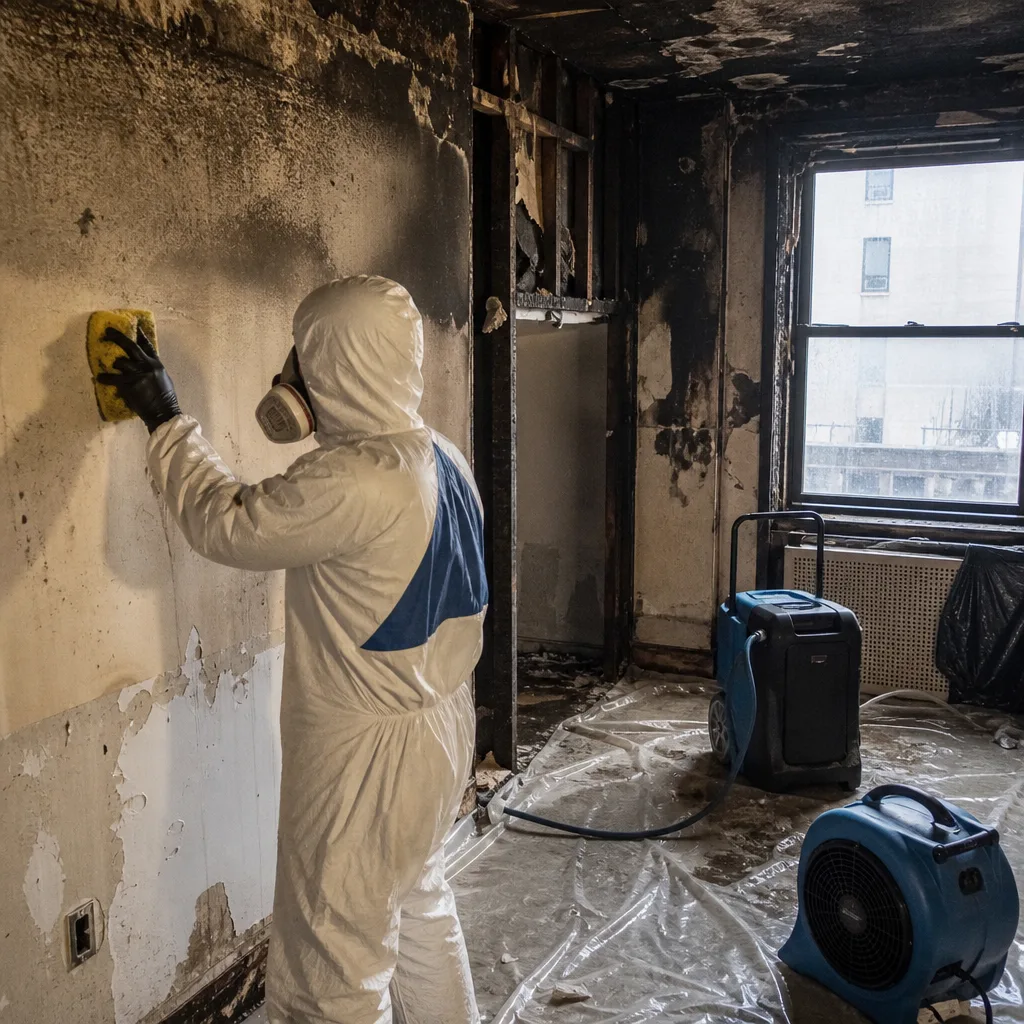
Carpet & Upholstery Cleaning
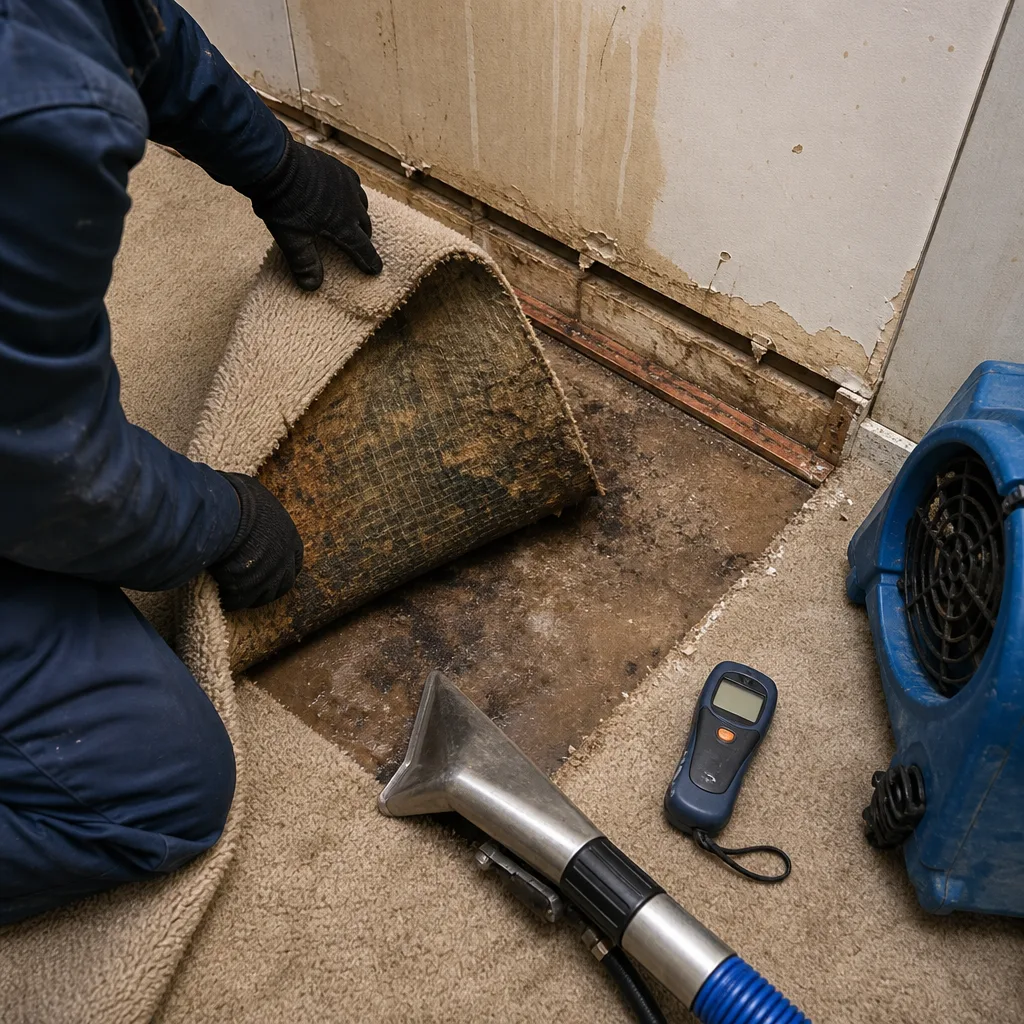
Category 1 water that hits an area rug or wall-to-wall carpet in a classic six doesn’t always require replacement. We run hot-water extraction and sanitizing treatment on salvageable carpet and upholstery, matching IICRC standards for the water category that hit it. The board’s managing agent gets the cleaning log, and you get a straight answer about what’s salvageable and what isn’t.
Post-Construction Cleanup
After the plaster crew leaves and the floors are re-sanded, the dust is everywhere. In a UWS pre-war, that dust is gypsum, lead-bearing paint debris if the original paint was disturbed, and fine parquet sawdust. We run HEPA-filtered post-construction cleanup to get the unit to move-in ready, including air scrubbing to clear shared corridors and stairwells the dust traveled through during the project.
What happens when you call
- 1
A real person answersNo phone trees - you reach a local pro.
- 2
You get an upfront price rangeHonest numbers before anyone is dispatched.
- 3
A background-checked tech heads outLicensed & insured, dispatched right away.
- 4
You approve before work beginsNothing starts until you say go.
Reconstruction & Cleanup Costs in Upper West Side, NY
Honest numbers for UWS work. A single-unit drying and dehumidification after a contained radiator leak typically runs $2,500 to $5,500. A multi-floor steam leak spanning 6 to 10 units, with plaster repair, parquet restoration, and millwork matching, commonly lands between $45,000 and $120,000. If a Landmarks Preservation Commission-review is triggered, add 10 to 18% for historically accurate materials and specialized plaster work. A straightforward post-construction cleanup for a 1,200-square-foot unit runs $800 to $1,800. Carpet and upholstery cleaning after a Category 1 loss runs $350 to $900 per room depending on the material. The variables that move price: how many floors the water traveled, whether the board requires original material replication, and how quickly extraction started. Insurance covers most UWS water losses, but the board’s master policy and your HO-6 policy split costs differently building by building. Call (607) 703-3408 and we’ll put numbers on your specific loss during the free inspection, before anyone signs anything.
We Also Serve Cities Near Upper West Side
Our crews cover Upper West Side and the surrounding Manhattan and Queens neighborhoods. If you’re in Midtown West with a burst riser, the Financial District with a sprinkler let-go, Lower Manhattan with a loft conversion gone wet, or Astoria with a pre-war brick walk-up taking on storm water, we’ll get there fast. Same live answer, same 45-minute response commitment, same written scope before work starts.
Serving Upper West Side, NY - Our Local Coverage Area
We’re based in the Upper West Side area and know this community well. Use the map below to see our service coverage - if you’re nearby, we can almost certainly help.
Upper West Side Reconstruction & Cleanup Questions, Answered
How fast can you actually reach an Upper West Side address?
We typically reach UWS buildings within 45 minutes of your call, day or night. Crews stage inside the area during storm season and heating season specifically because pre-war water losses compound by the hour. Call (607) 703-3408 and you’ll get a live person who can confirm exactly where the nearest crew is.
Will my co-op’s insurance cover this, or does my HO-6 policy pay?
It depends on where the water originated. If the source is inside your unit, your HO-6 policy is primary. If it’s a building system failure like a riser or a standpipe, the co-op’s master policy may be primary, with your HO-6 covering betterments and improvements. We document both sides of the loss from the first hour, and Wade coordinates with whichever carriers are actually on the hook so nothing falls through.
What does the NYC Landmarks Preservation Commission require for water-damaged plaster and millwork in an Upper West Side landmark building?
LPC generally requires that damaged original plaster, ornamental millwork, and flooring be repaired or replaced in kind, matching the original material, profile, and finish rather than substituted with modern materials. That means a damaged crown molding gets replicated, not replaced with stock from a lumberyard. We’ve worked enough UWS LPC projects to write scopes that pass review the first time.
How do you handle a multi-unit steam-radiator leak in a pre-war co-op when the managing agent and co-op board must approve the restoration?
We create a written scope and a unit-by-unit damage map in the first 24 hours, then walk it through the managing agent and the board’s approval process directly. We don’t start demolition until we have written authorization, because starting before board approval in a landmark building triggers stop-work orders and expensive rework. We also coordinate access with the super and shareholders whose units weren’t damaged but whose ceiling bays we may need to inspect.
Can you dry horsehair-and-lath plaster in place, or does it usually need to come out after a multi-floor leak?
It depends on saturation and the water category. Category 1 water that’s caught early can often be dried in place with negative-pressure drying and penetrating probes. Once the plaster is fully saturated and sagging, or once the water has been running for more than a day, plaster usually comes out. We’ll give you a straight answer after the first moisture-mapping assessment, not before, because guessing on horsehair is how you get hidden mold six weeks later.
What causes recurring water infiltration along Riverside Drive and West End Avenue façades, and how does that affect reconstruction work?
Direct Hudson River wind exposure drives nor’easter rain through aging mortar joints and into poorly flashed cornice lines, repeatedly wetting the same ceiling bays. Reconstruction in these buildings requires addressing the envelope breach, not just drying the interior. We coordinate with the building’s façade contractor or engineer so the interior rebuild isn’t re-soaked by the next storm, and we document the recurrence history for your insurer.
Do you provide a pack-out service for contents restoration in an Upper West Side co-op where space is tight?
Yes. When a UWS unit needs full drying or a rebuild, there’s no room to store furniture on site. We inventory, photograph, wrap, and transport contents to secure storage, then coordinate return with the building’s freight elevator schedule and the board’s move-in rules. Your things come back after the unit is clean, dry, and reinstated.
What should I do in the first 30 minutes after I discover water in my UWS apartment?
Turn off the heat to the affected radiator if the source is a valve and you can do so safely, shut the water supply if you know where the shutoff is, then call us at (607) 703-3408. Don’t start pulling up wet rugs or opening walls. Water moves vertically through pre-war buildings, so contain what you can and document what you see. Then let us do the rest. We’ll be there within the hour.
Written by Wade Ferris, Owner at Wade’s Restoration. Wade founded the company in 2007 and still answers his own phone, 24 hours a day. He’s the one you’ll talk to when you call about a steam leak on West End Avenue at two in the morning.