
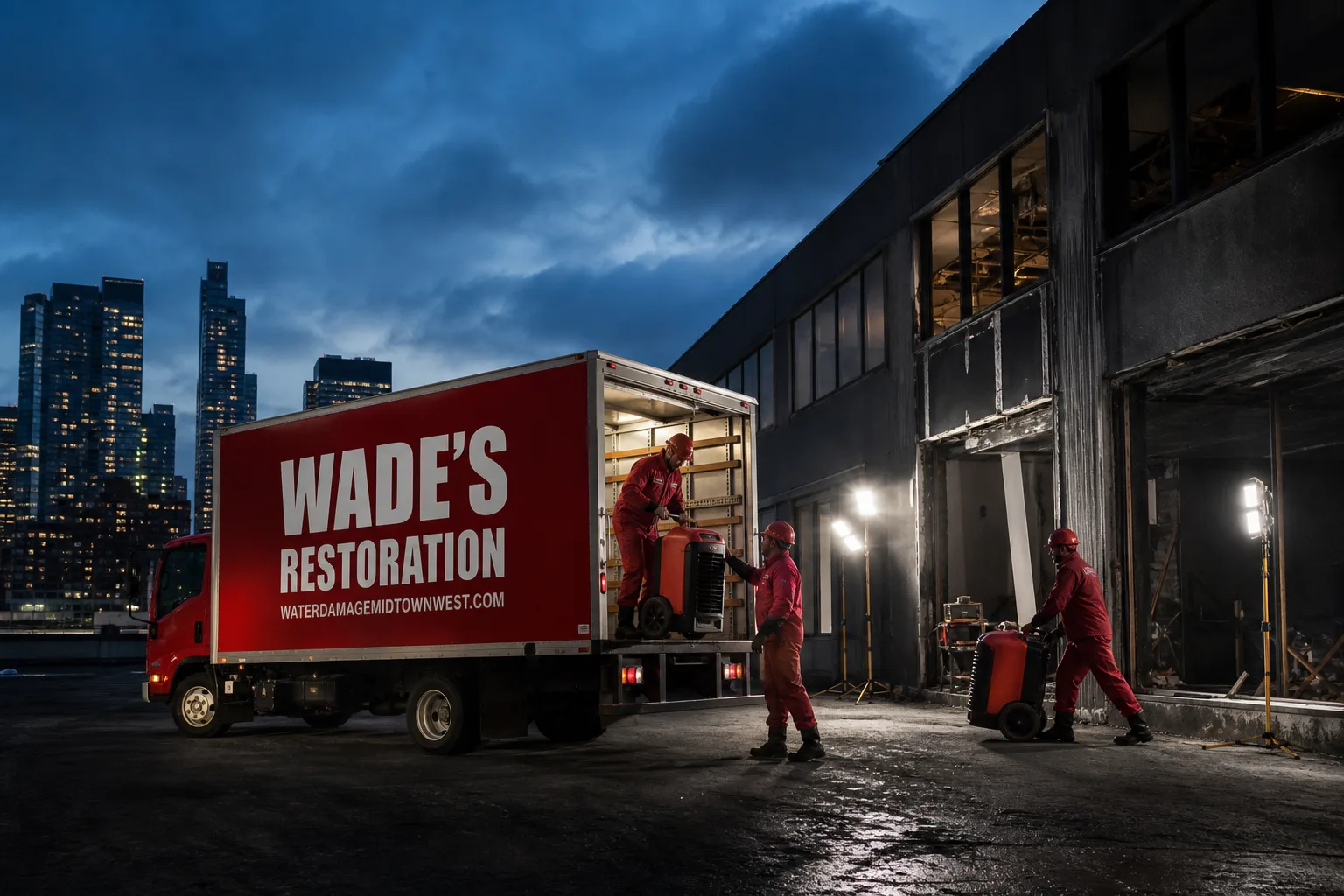
Free visual inspection and a written scope of work before any mitigation begins - photos, moisture readings, and drying logs go in your claim file
The scope we write is the scope we bill. Anything new gets shown to you, in writing, before we touch it.
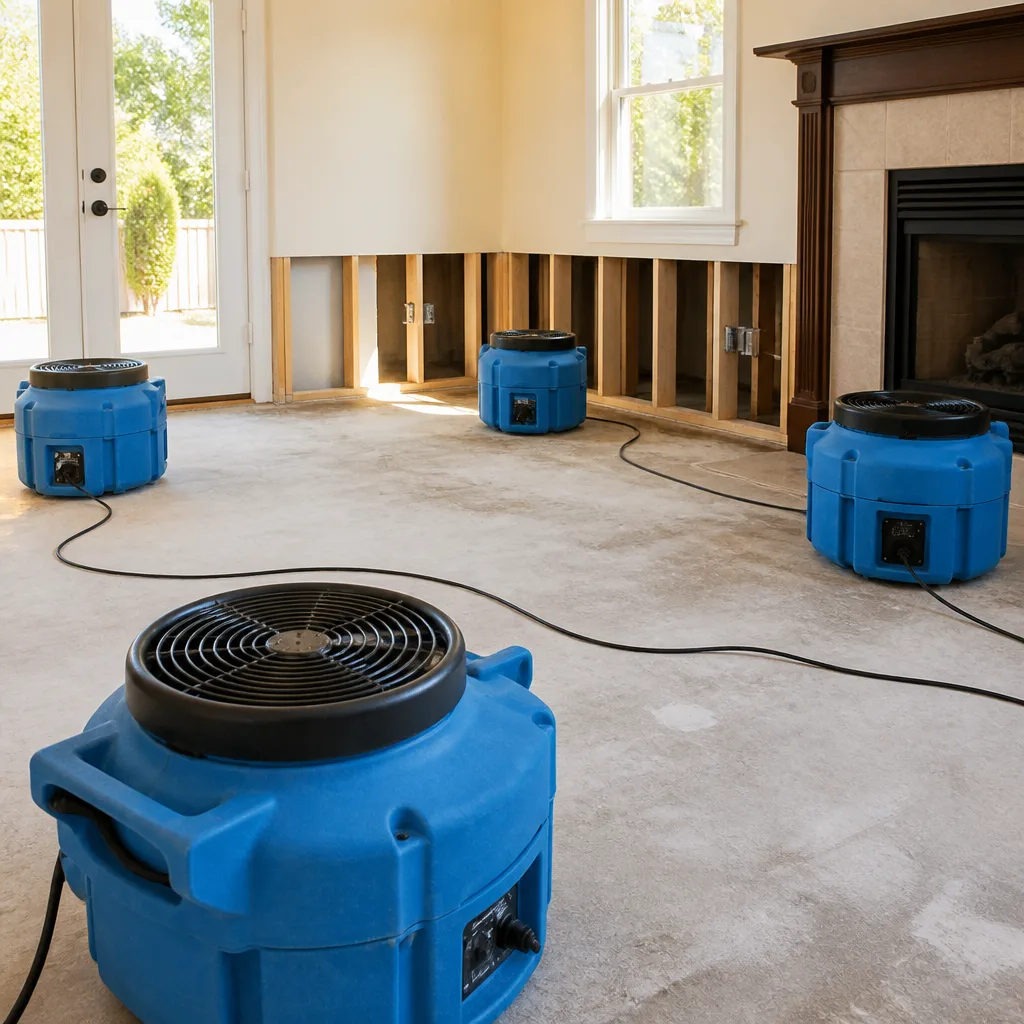
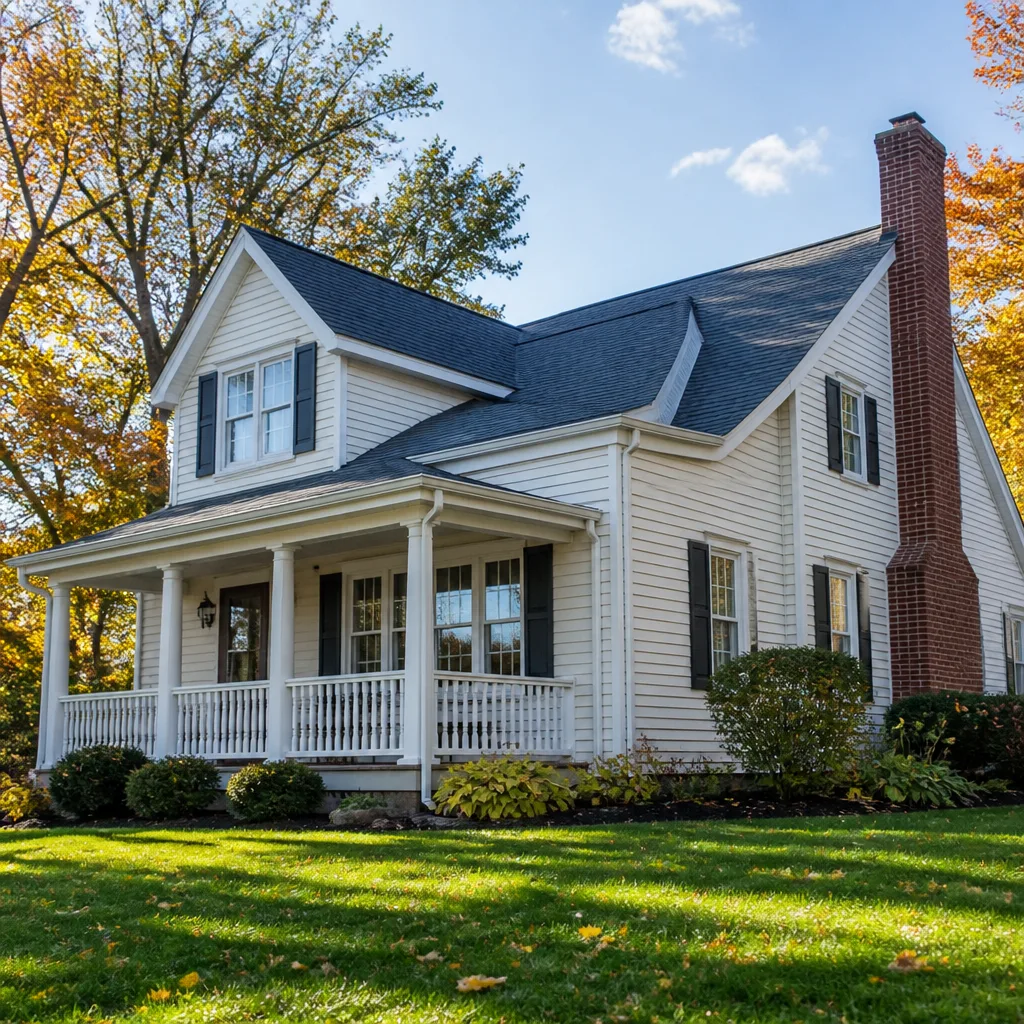
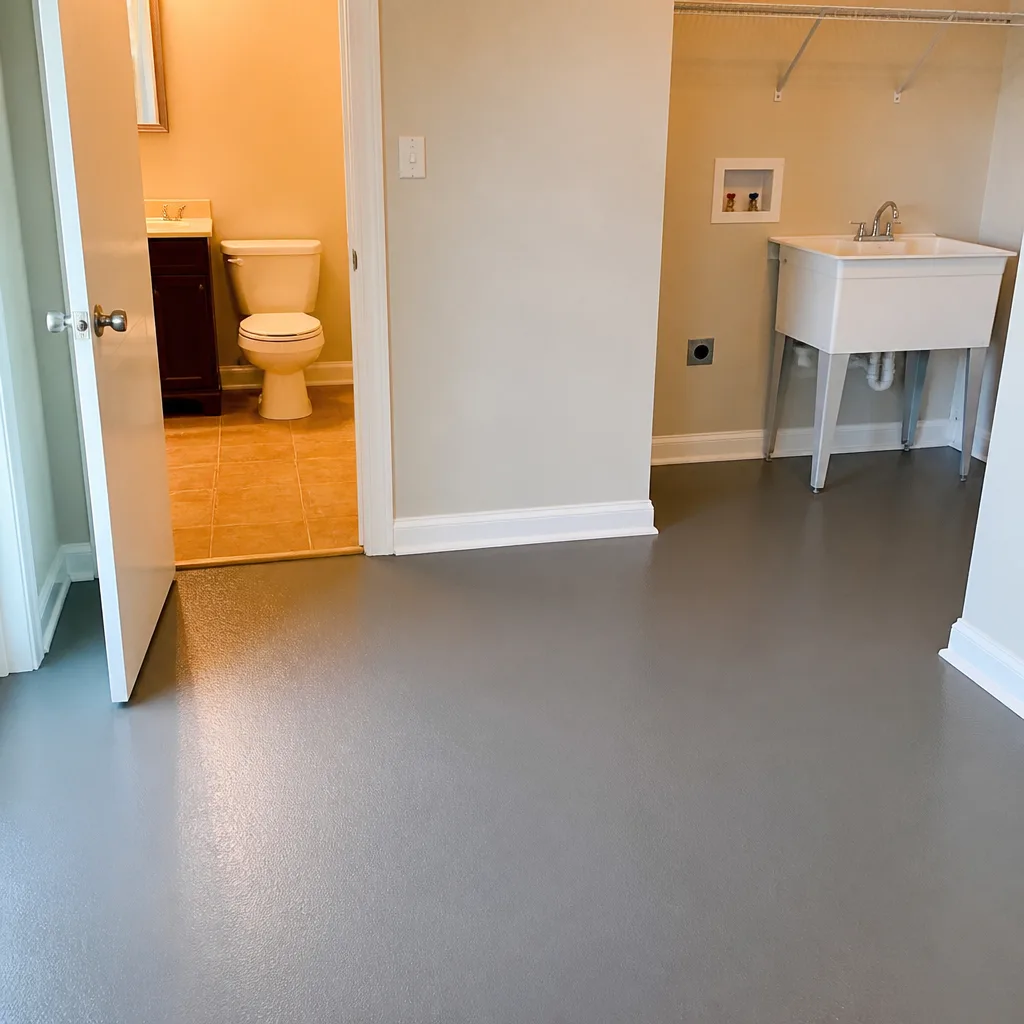
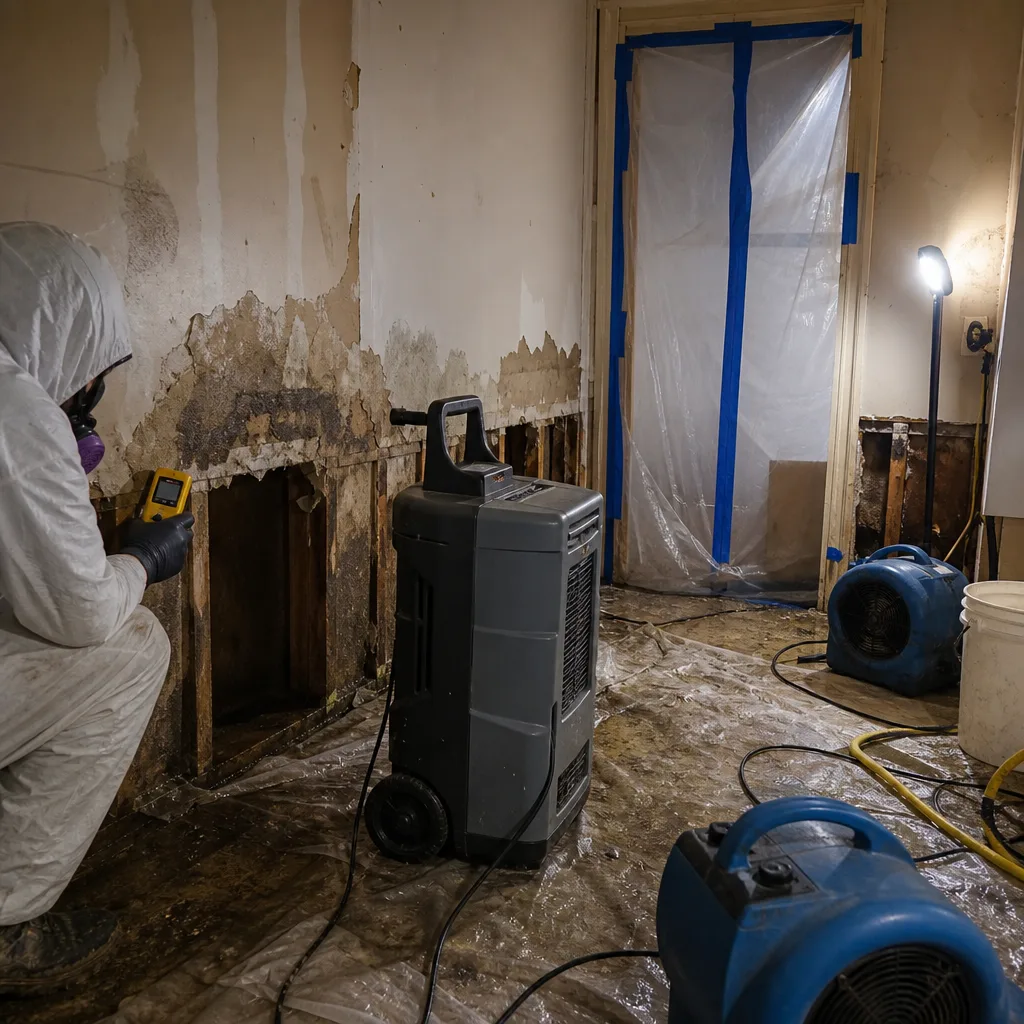 Before
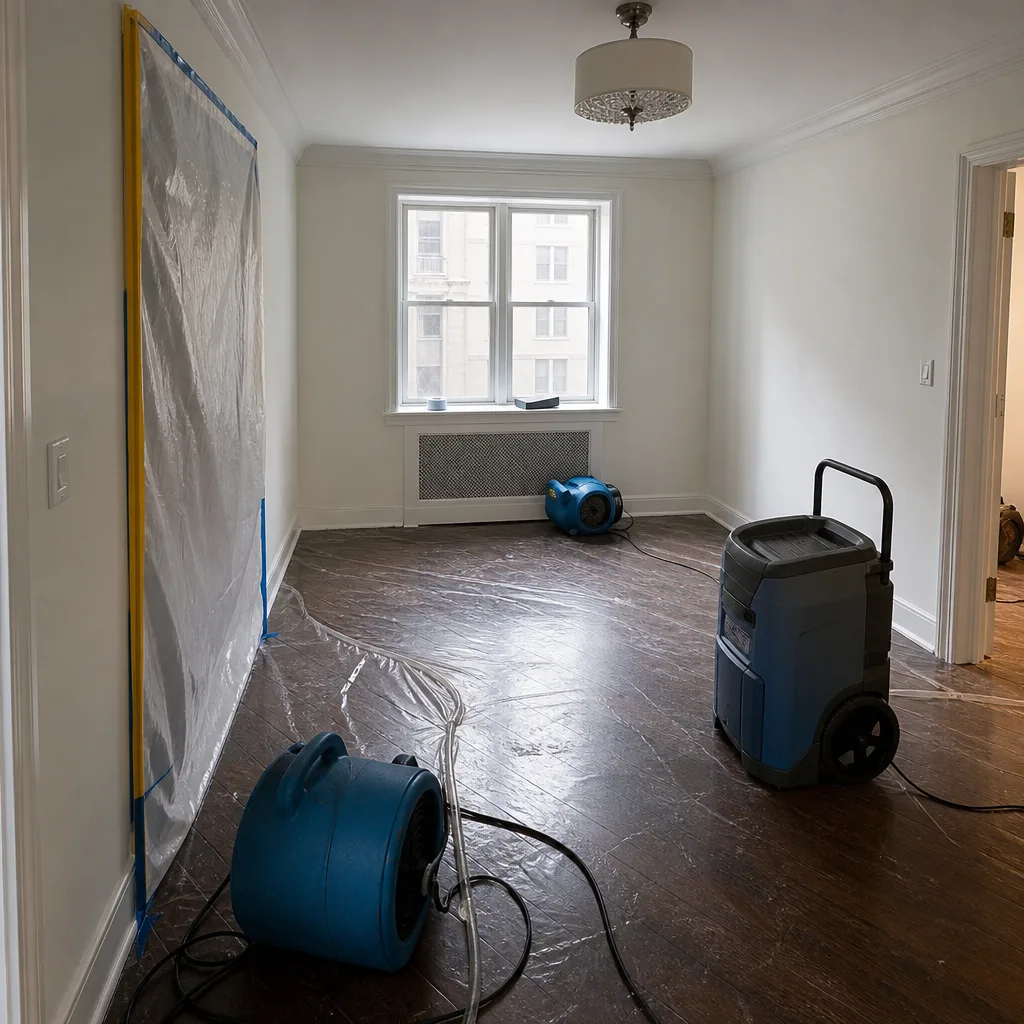 After
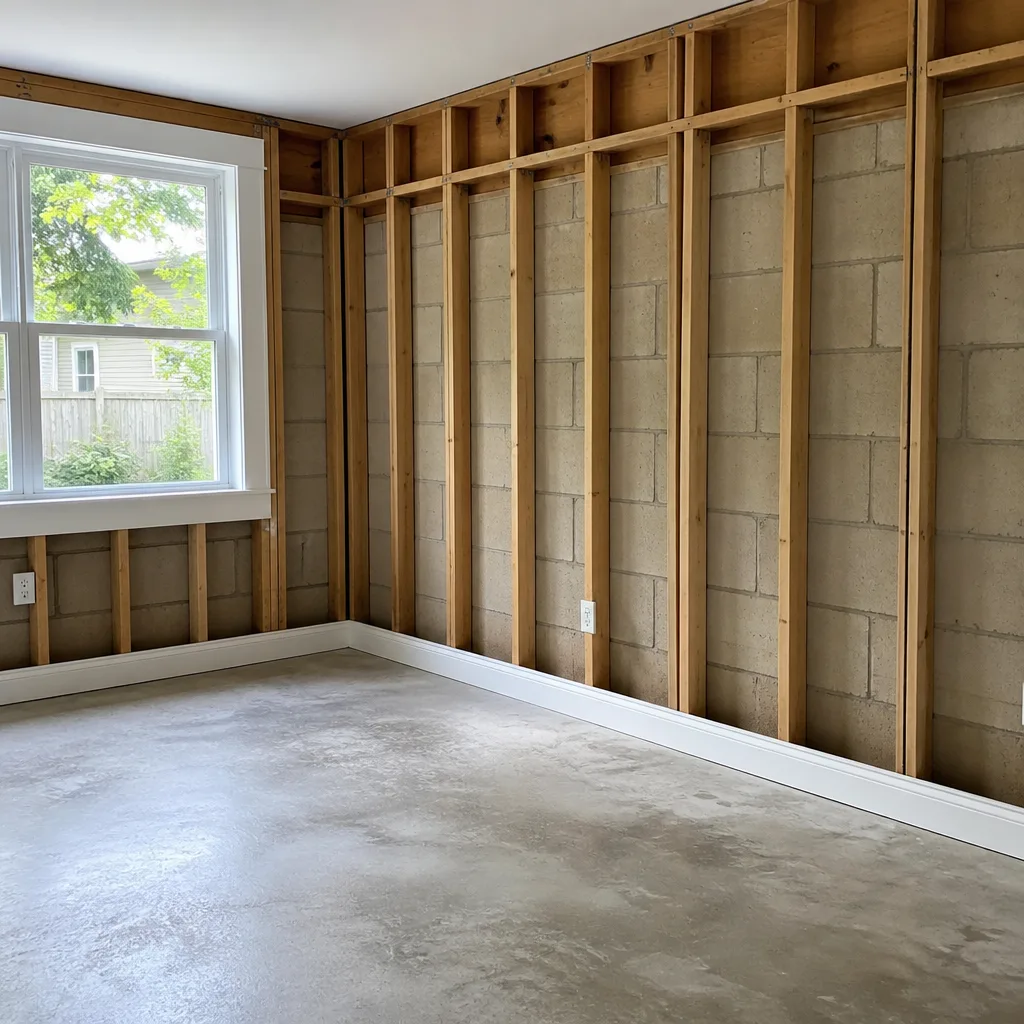
After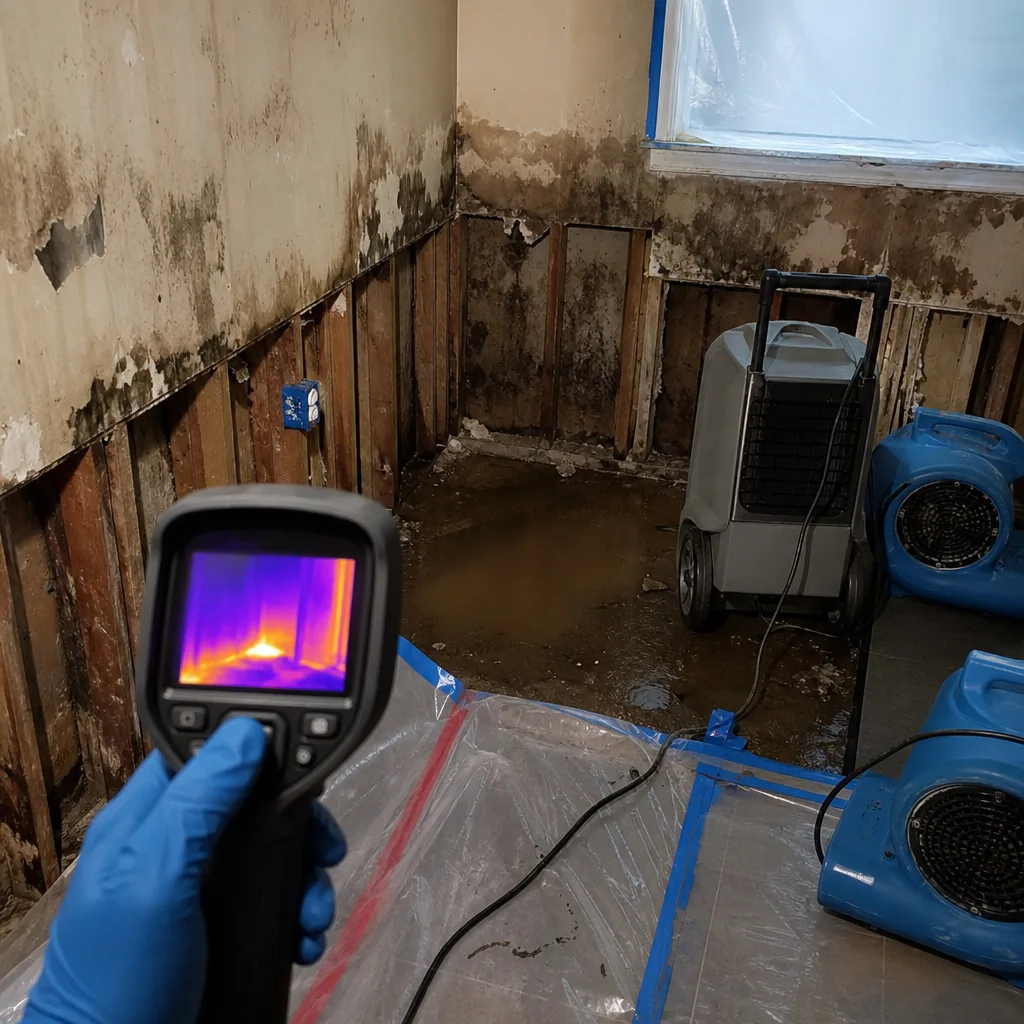 Before
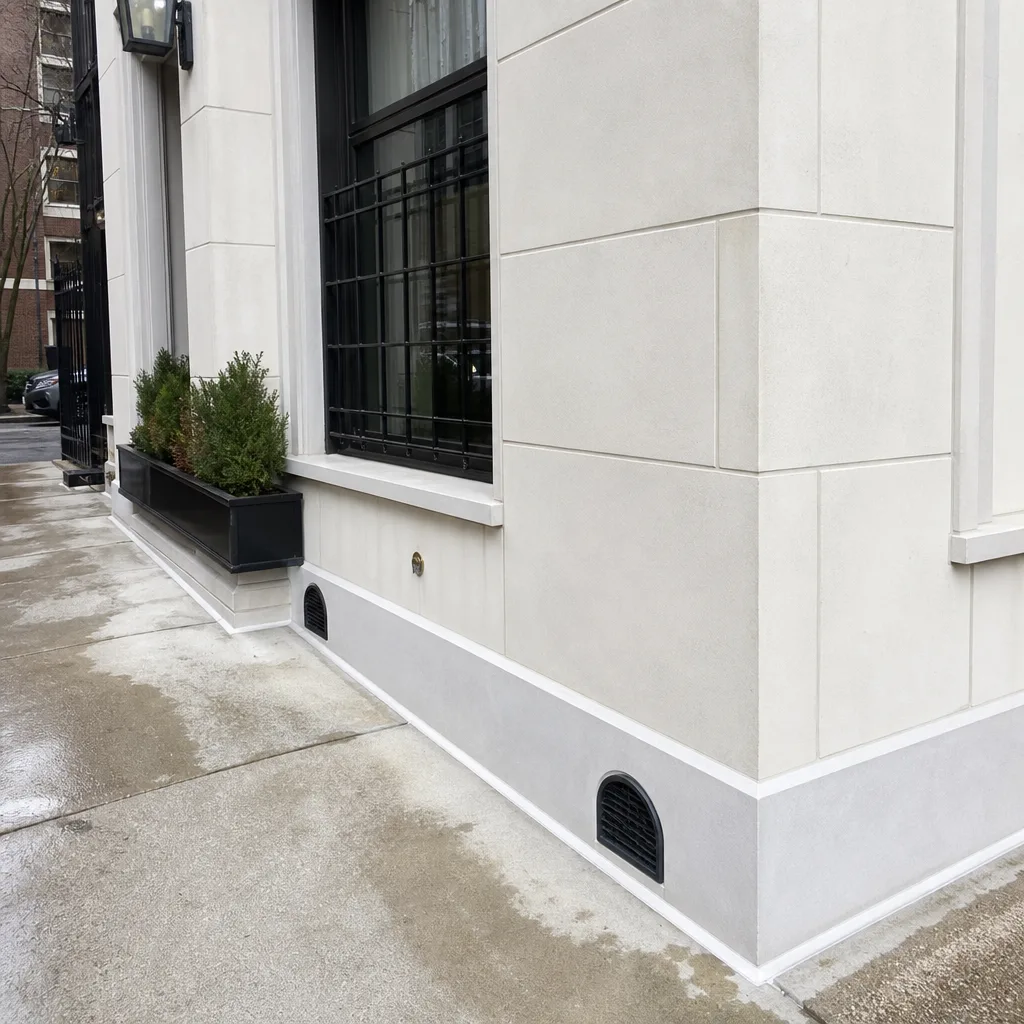 After
After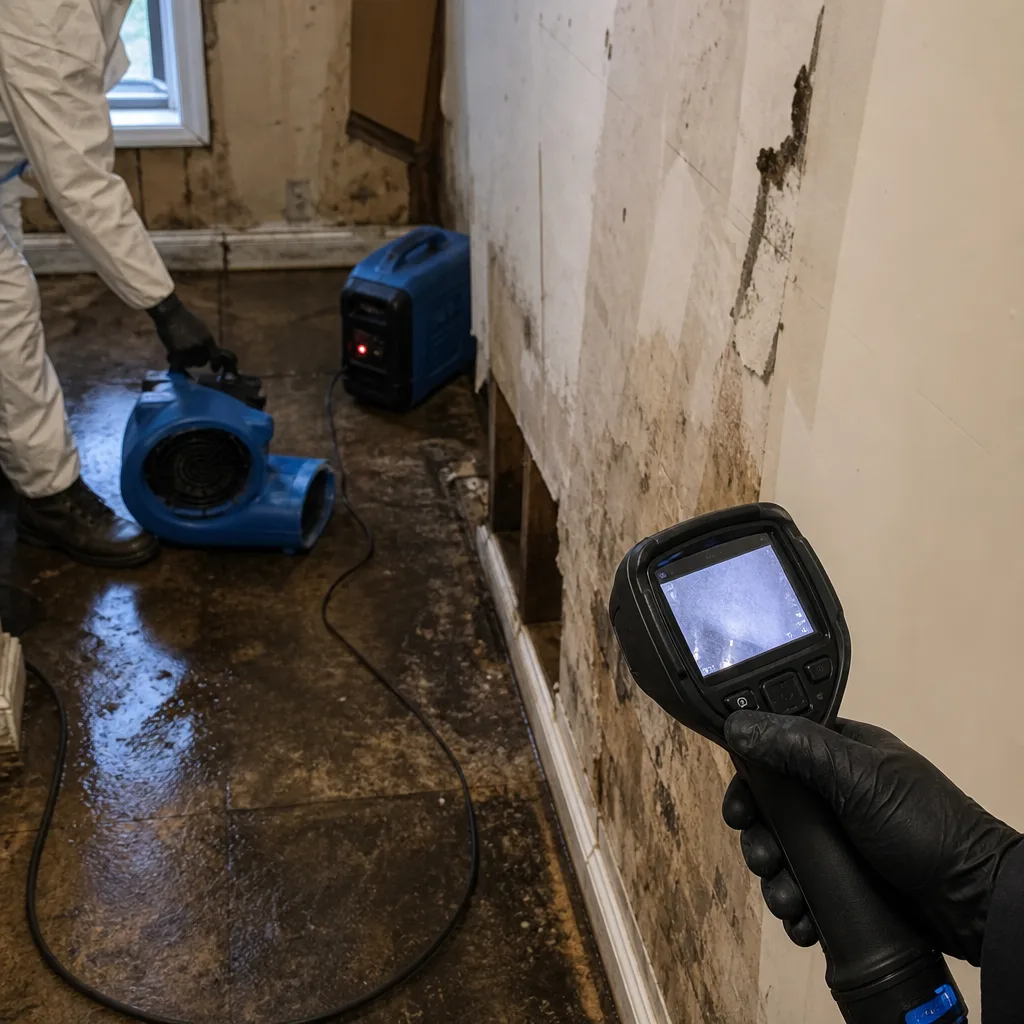 Before
 After
After24/7 Emergency Water Damage Restoration in Upper West Side
Water damage in an Upper West Side pre-war co-op moves fast. A failed steam radiator valve on the 14th floor can soak through a dozen ceilings before the super even knows there’s a problem. That’s why we answer the phone live at (607) 703-3408 at 2 a.m., 2 p.m., and every hour between. Wade Ferris takes the call himself. He’ll have a crew headed toward Upper West Side within the hour, because the difference between a four-day dry-out and a four-unit mold claim is measured in how fast water gets stopped.
When you call, you get a real person. Not a call center. Not a voicemail. Wade answers his own phone. He’ll ask where the water is coming from, whether the super has shut the riser, and whether anyone’s already cut into the plaster. Then he tells you exactly what to do in the next 30 minutes while his team is on the road. That first call is free. The visual inspection is free too. No charge for coming out, and no obligation to hire us.
If you’re standing in a wet apartment on West End Avenue or Riverside Drive right now, don’t wait. Call (607) 703-3408. We’ll start the clock on getting your home dry.
Understanding Water Damage Restoration Severity in Upper West Side Properties
Not all water is the same. Restoration crews classify water into three categories, and that classification drives everything else. Category 1 is clean water from a supply line, a radiator valve, or a faucet. Category 2 is gray water from a washing machine or dishwasher overflow. Category 3 is black water from sewage or outside flooding. In Upper West Side buildings with aging cast-iron risers and steam lines, we see all three, sometimes in the same job. A clean radiator leak on the 14th floor becomes Category 2 by the time it’s filtered through 14 floors of old plaster, dust, and the inside of a hundred-year-old pipe chase.
Severity also depends on what got wet. Original horsehair-and-lath plaster absorbs water like a sponge and holds it for weeks. Parquet flooring over pine subfloor traps moisture between layers. Steam riser chases run vertically through every unit, so water travels down through walls, soaking gypsum blocks, lath, and the mortar between brick courses. Moisture mapping with thermal imaging and pin-type meters tells us where the water actually went, not just where it’s visible. In a pre-war UWS co-op, that hidden path is almost always bigger than the stain on the ceiling.
Why Upper West Side Property Owners Choose Wade’s Restoration
- 45-minute response commitment. Wade heads out as soon as you hang up. Crews are staged near Upper West Side so extraction starts inside the hour, not four hours later.
- 24/7 live answer. You get Wade or someone on his crew. Not an answering service. Not a callback in the morning. A person who knows water damage and can tell you what to do right now.
- IICRC-certified crews. WRT and FSRT certified. That means the people in your apartment have passed the industry’s water and fire restoration standards, and it shows in the drying logs we hand over at the end.
- Free visual inspection. No trip charge inside our county. Wade comes out, takes moisture readings, and tells you honestly whether you need full structural drying or just a good dehumidifier and time.
- Direct insurance billing. We document everything from the first hour, send the scope to your adjuster, and deal with the carrier ourselves. You’re not stuck relaying messages between us and your insurer.
- One team from extraction to reconstruction. Same crew that pulls the water runs the rebuild. Nobody hands you off to a sub you’ve never met. Wade is on the job from start to finish.
Our Water Damage Restoration Process
Inspection & Assessment
Wade walks the unit with a thermal imaging camera and pin-type moisture meters. He maps where water traveled, checks the plaster saturation, opens the base of the affected walls if needed, and documents everything for your insurer and your co-op board.
Extraction / Stabilization
We stop the source first, then pull standing water with truck-mounted and portable extraction units. On steam riser leaks, that means confirming the super has shut the line before we cut anything. We lay down floor protection in common areas so we don’t track water into the hallway.
Drying & Dehumidification
We set Dri-Eaz LGR dehumidifiers, Phoenix air movers, and Injectidry panels where the substrate is stubborn. On horsehair plaster, we run Injectidry panels with a cavity drying system, because surface drying alone leaves moisture buried behind the finish coat. Daily moisture readings go on a log.
Cleaning & Sanitization
After drying, we HEPA-vacuum all affected surfaces, treat for microbial growth where readings indicate it, and clean contents that can be salvaged. Anything porous and saturated beyond drying gets documented and listed for replacement.
Plaster & Finish Matching
This step is where pre-war work differs from modern drywall. We bring in plaster-matching subs who replicate original crown molding profiles, skim-coat horsehair-and-lath, and match paint colors. In landmark-designated UWS buildings, we coordinate with the managing agent and NYC Landmarks Preservation Commission before touching finishes.
Repairs & Restoration
Once everything’s dry and the board has signed off, we rebuild. Parquet reinstallation, cabinet repair, wood floor refinishing, painting. The goal is that nobody can tell there was a leak, except you now have a drying log that proves the job was done right.
Need Emergency Water Damage Restoration in Upper West Side Now?
Crews minutes away, answering live 24 hours a day. The sooner we start, the less it costs.
Working With Your Insurance Company
Co-op water damage claims on the Upper West Side are complicated. There’s the shareholder’s own policy, the co-op’s master policy, the subrogation question of who pays when a radiator valve fails, and the building’s deductible. We’ve handled enough of these to know what adjusters need to see, and we build the file from the first hour. Photos of every affected room. Moisture readings taken daily. A line-item scope that uses industry-standard pricing, so your carrier can’t come back and argue the numbers were inflated.
Wade talks to your adjuster directly. He sends the documentation, walks them through the moisture log, and explains why the plaster needs six days of drying instead of three. The homeowner is never stuck in the middle. You hired us to fix the damage, not to become an insurance claims processor. The 90-Day Done Right Promise is in writing on every Water Damage Restoration job we do, so if something isn’t right after the claim closes, Wade comes back and makes it right.
What We Provide Your Insurer
- Thorough documentation of the loss
- Photos of all damage, room by room
- Moisture readings and drying logs
- A detailed, line-item scope of work
- Direct coordination with your carrier
Built for Upper West Side’s Loss Calendar
The Upper West Side’s water damage calendar follows the heating season and the coastal weather pattern. January deep freezes are the peak. Cast-iron steam risers expand and contract, packing valves on old radiators fail, and supply lines in exterior walls freeze when a window’s left cracked in a third-floor brownstone. February brings the same, plus freeze-thaw cycles that open new gaps in brick mortar along Riverside Drive and West End Avenue, letting wind-driven rain into top-floor units.
Spring thaw saturates the ground and pushes water into basement-level co-op storage rooms and brownstone cellars. Summer thunderstorms overwhelm roof drains on flat-roofed pre-war buildings, and flash flooding can fill below-grade mechanical rooms before anyone notices. Fall nor’easters drive rain horizontally through aging façade terracotta and cornice lines. Every season has its pattern. Knowing which one you’re in tells us what to check even after the visible water is gone.
We dispatch and schedule from our New York City office, and crews serve Upper West Side locally. That means when a radiator lets go at 2 a.m. on a Tuesday in January, we’re not an hour and a bridge away. We’re already here.
Water Damage Restoration Across Upper West Side’s Neighborhoods
The Upper West Side isn’t one kind of building. The towers along Central Park West are mostly limestone and terracotta Art Deco co-ops with ornate lobby plaster and strict board oversight. The side streets between Columbus and Amsterdam hold rows of 19th-century brownstones with failing lintels and poorly flashed cornices. Amsterdam and Broadway corridors are lined with older rental buildings and converted co-ops, many with original plumbing risers that have been patched but rarely replaced. And the blocks near West End Avenue and Riverside Drive face the Hudson’s wind, which drives more water into façade cracks than anywhere else in the neighborhood.
That variation changes how we approach every job. A brownstone leak on West 79th off Columbus might be a roof flashing issue. A co-op leak on West 86th near the park might be a failed valve on a one-pipe steam riser. A Riverside Drive top-floor unit might be water coming through terracotta ornament at the cornice line. We’ve worked all of them. We know which supers respond fast and which boards need everything in triplicate before they’ll approve a demo permit. Ask anyone on your street. Somebody’s had a leak, and somebody remembers who actually showed up.
One failed radiator packing valve on the 14th floor of a classic UWS pre-war tower sent water through a dozen separate shareholder-owned apartments before the super could shut the riser. That’s the reality of restoration here. It’s not one homeowner’s claim. It’s a board-managed, multi-unit mitigation with landmar
On West 79th Street between Columbus and Amsterdam, we were called to a 1925 brick co-op where a legacy one-pipe steam radiator’s packing valve let go at 2 a.m. Water ran down through three floors, soaking original horsehair plaster, parquet, and baseboard millwork in seven units. We set containment and ran Dri-Eaz LGR 7000 dehumidifiers with Injectidry panels on the plaster for six days, then coordinated with the co-op board and a plaster-matching subcontractor to replicate the original crown molding and skim-coat before the LPC sign-off. That’s what pre-war work looks like. It’s not a fan and a prayer. It’s restoration archaeology, done on a deadline.
Specialized Water Damage Restoration Services We Offer in Upper West Side
Emergency Water Extraction
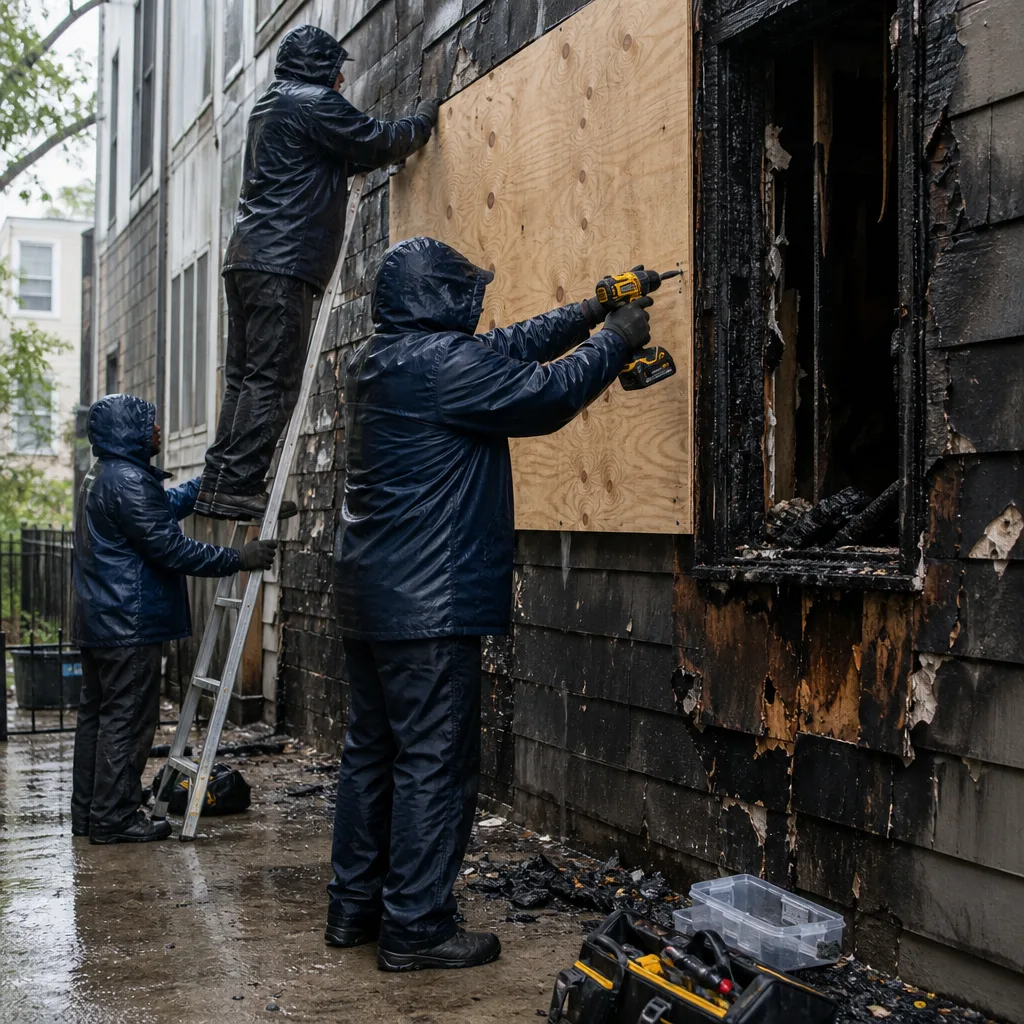
Standing water in a pre-war apartment starts damaging plaster and parquet immediately. We show up with extraction equipment, pull the water fast, and set containment to keep moisture from spreading through hallways and into neighboring units. The first hour matters most, and that’s why Wade answers his phone at midnight.
Structural Drying & Dehumidification
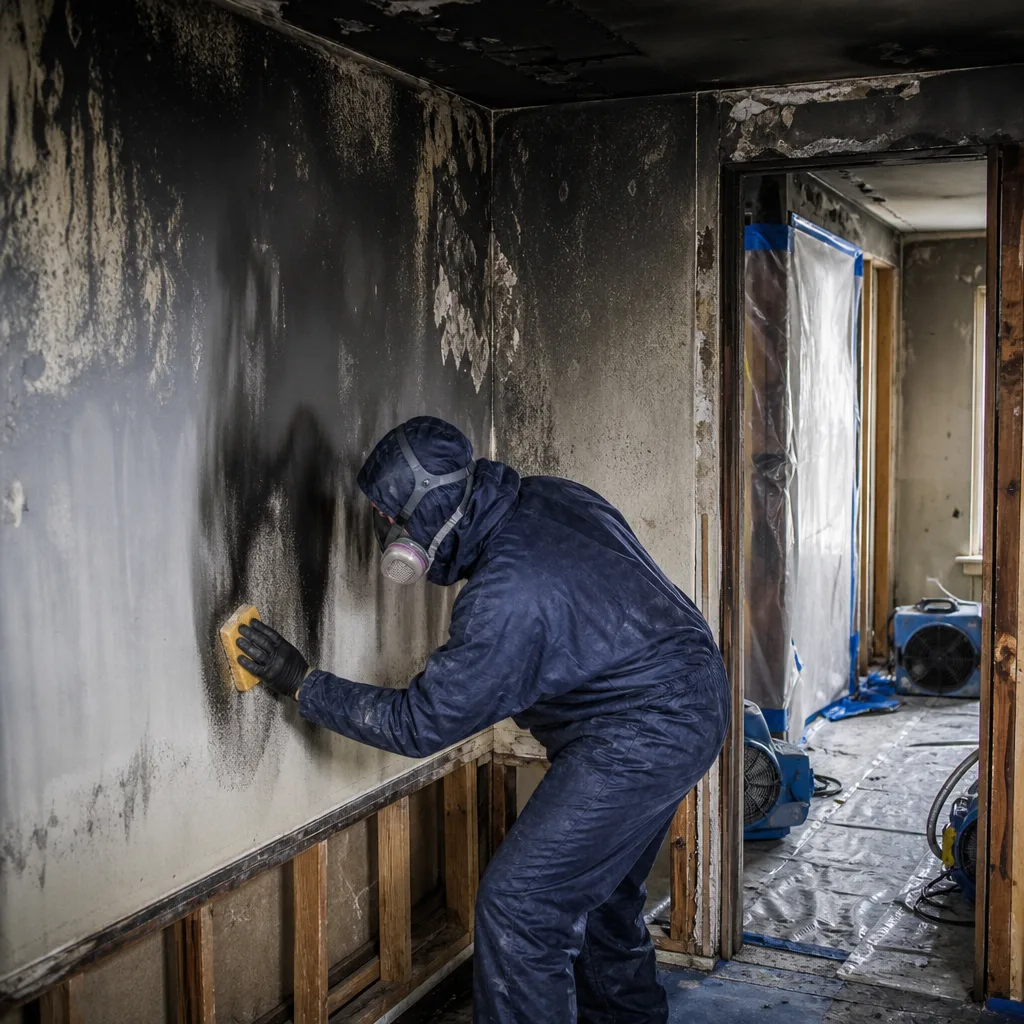
Drying a pre-war UWS apartment means getting moisture out of horsehair plaster, lath, pine subfloor, and the air itself. We run LGR dehumidifiers, air movers, and Injectidry panel systems that actively pull moisture from cavities behind plaster walls. Daily moisture readings prove the drying is real, not guessed at. Almost nobody else hands you the full log at the end. We do.
Flood Cleanup
When the Hudson overflows or a nor’easter pushes water into basement storage rooms, the cleanup involves Category 3 water, mud, and contaminated materials. We extract, remove what can’t be saved, sanitize, and dry the structure. We also coordinate with the building’s managing agent and your co-op board, because flood work in a shared building affects everyone below you.
Burst Pipe Restoration
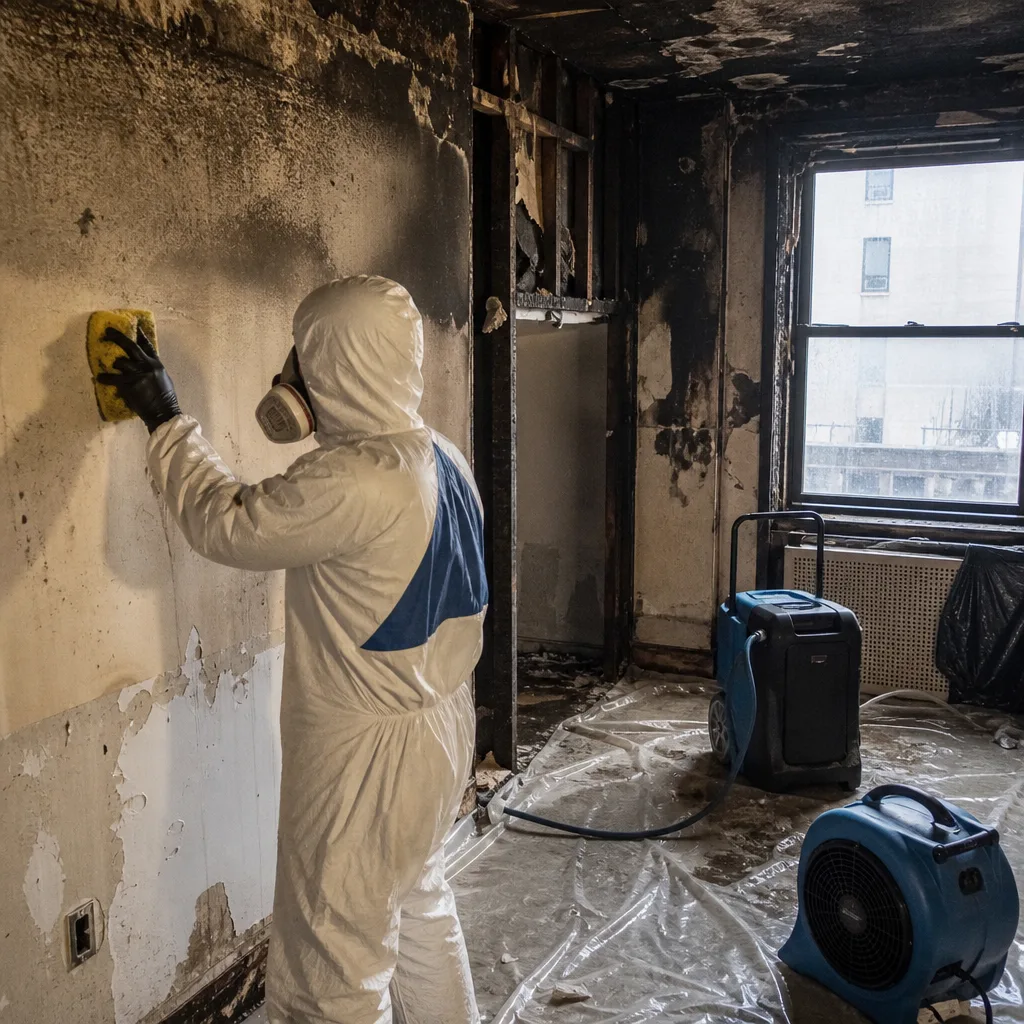
January freezes burst supply lines and radiator pipes throughout the Upper West Side. Burst pipe restoration means shutting the source, extracting water that’s already traveled through walls and floors, drying the structure, and rebuilding what was cut out. We document everything for your insurer and the co-op board from the first hour.
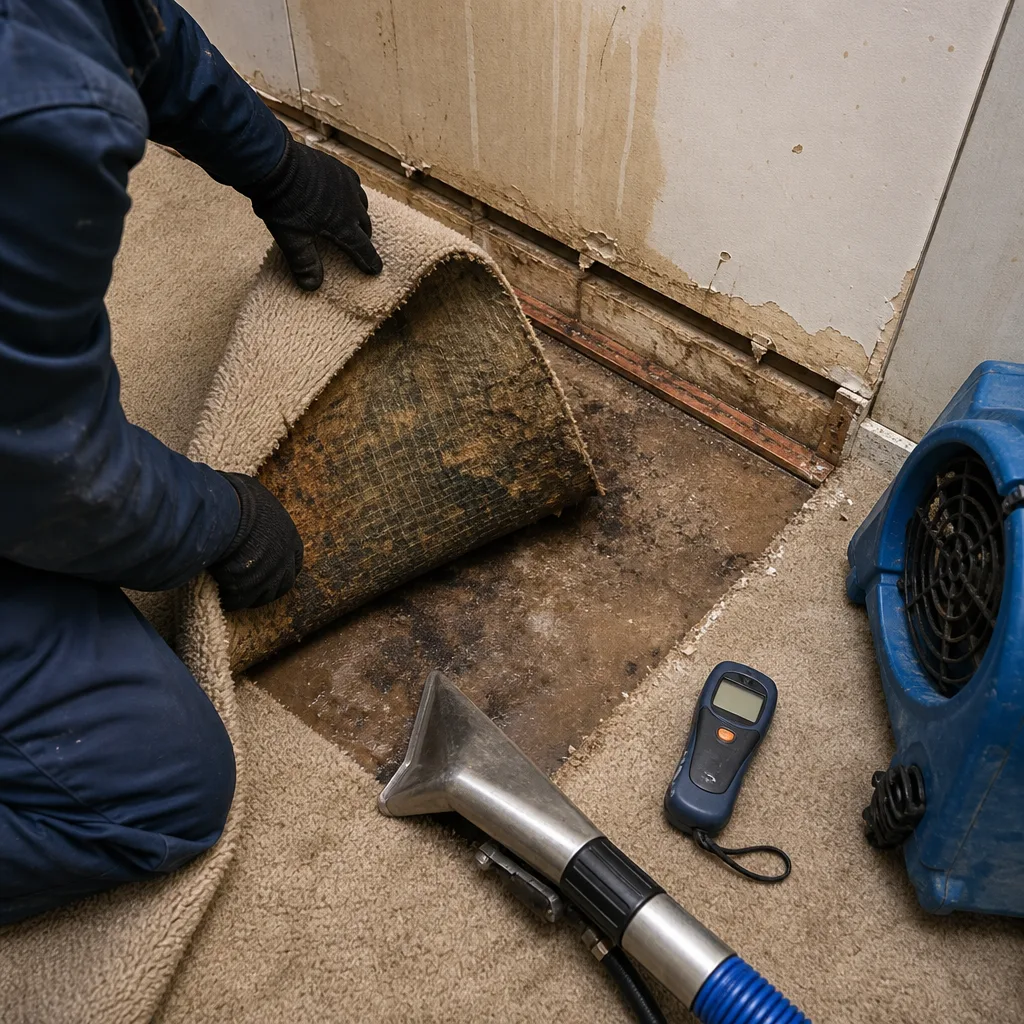
Basement Water Removal
Brownstone cellars and co-op basement storage rooms take on water from groundwater seepage, failed sump pumps, and street-level flooding during heavy rain. We remove the water, dry the space, and treat for microbial growth before mold takes hold. If your basement is full at 6 a.m., we’re already on the road.
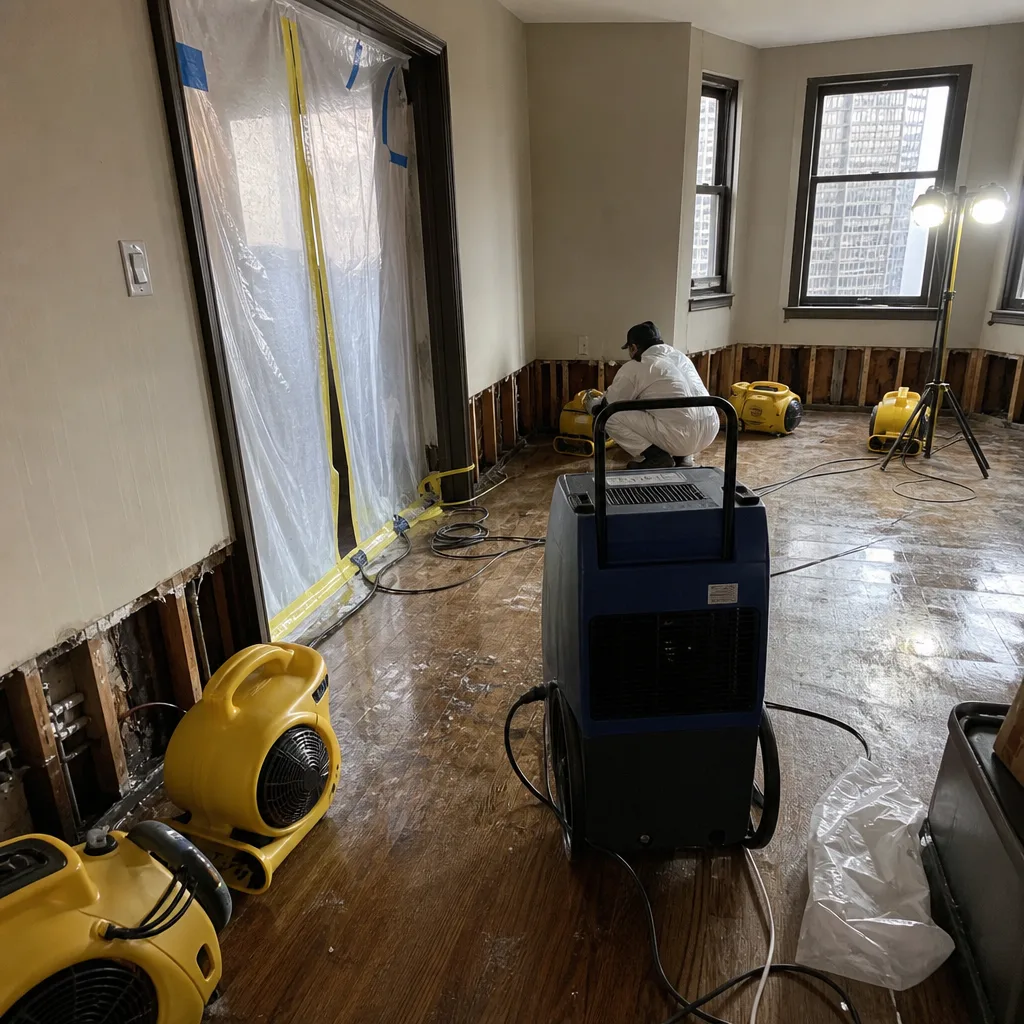
Ceiling & Roof Leak Water Damage
Top-floor units along Riverside Drive and West End Avenue face wind-driven rain that pushes through aging mortar joints and terracotta ornament. Ceiling leaks from failing cornice flashing are recurring claims in these buildings. We dry the interior, document the leak path, and coordinate with the building’s roofer or façade contractor so the repair isn’t just a repeat claim next season.
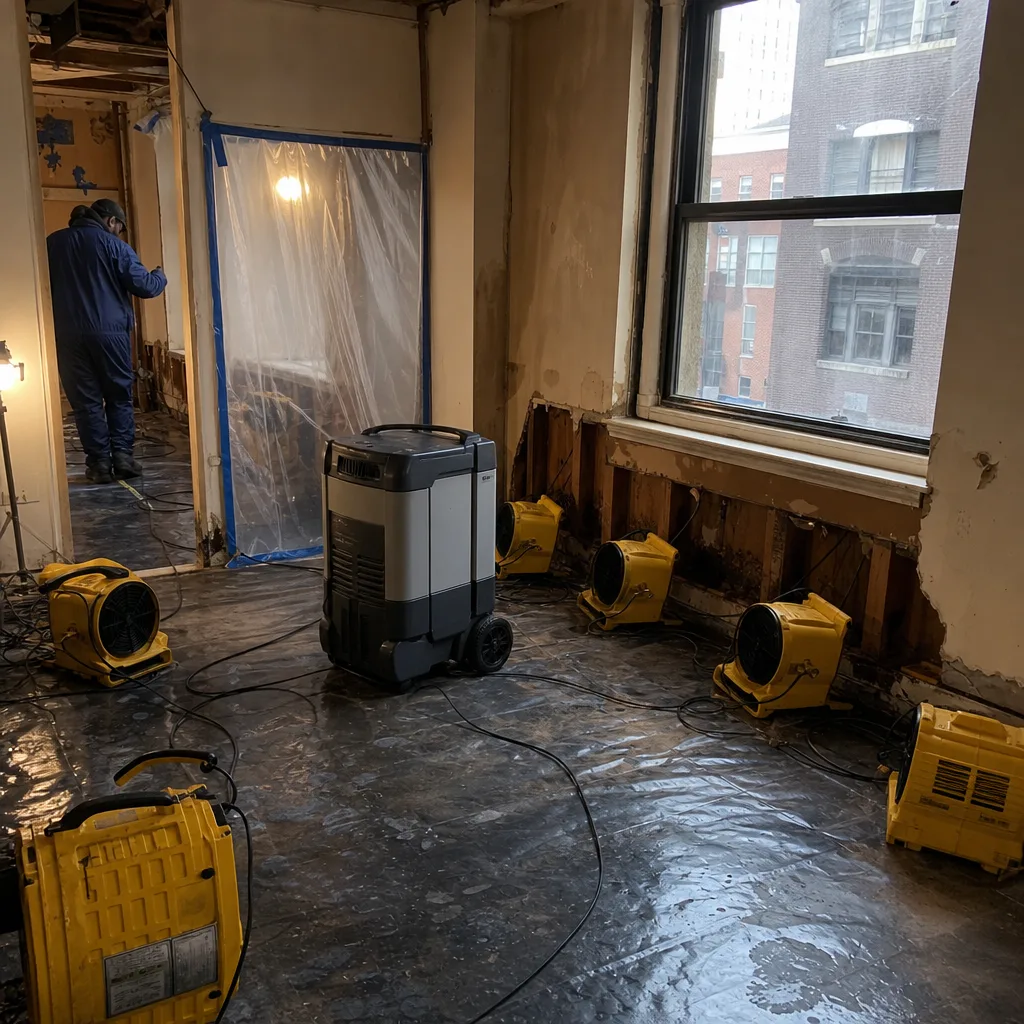
What happens when you call
- 1
A real person answersNo phone trees - you reach a local pro.
- 2
You get an upfront price rangeHonest numbers before anyone is dispatched.
- 3
A background-checked tech heads outLicensed & insured, dispatched right away.
- 4
You approve before work beginsNothing starts until you say go.
Water Damage Restoration Costs in Upper West Side, NY
Water damage restoration in Upper West Side runs higher than in most parts of the country, and the building stock is why. Here’s what we actually see for common jobs:
- Emergency water extraction: $600-$1,800 depending on how many rooms and how much standing water. Extraction is fast; the cost comes from the equipment and manpower to do it right away.
- Structural drying (3-6 days): $2,500-$7,000 for a typical one or two room pre-war leak. Horsehair plaster takes longer to dry than drywall, and longer drying means more equipment hours.
- Burst pipe restoration with rebuild: $8,000-$30,000. The range depends on how many ceilings came down, whether parquet needs reinstallation, and whether original millwork has to be replicated.
- Basement water removal: $1,200-$5,000 for extraction, drying, and sanitization. Basement storage rooms with co-op restrictions on access can add time.
- Ceiling leak from roof or façade: $1,500-$6,000 for the interior dry-out and ceiling repair. Exterior façade or roofing work is separate and typically the building’s responsibility.
What moves the price is building access, board approval delays, and whether finishes are standard or landmark-grade. Insurance covers most of these jobs. When it doesn’t, we have a free second opinion on any written estimate and a Senior & Veteran 10% discount, always. Start with the free visual inspection and get a written scope before any work starts. That way there’s no surprise at the end. Call (607) 703-3408 for an exact quote.
We Also Serve Cities Near Upper West Side
We work the whole island, including Midtown West, the Financial District, Lower Manhattan, and across the river in Astoria. If you’re in a neighboring building or know someone who needs water damage help, call us. Same live answer, same fast response.
Serving Upper West Side, NY - Our Local Coverage Area
We’re based in the Upper West Side area and know this community well. Use the map below to see our service coverage - if you’re nearby, we can almost certainly help.
Upper West Side Water Damage Restoration Questions, Answered
How do you handle co-op board approval and Landmarks Preservation Commission requirements on the Upper West Side?
We coordinate directly with the managing agent and the co-op board, providing the scope, material specs, and finish details they need before any demolition starts. In landmark-designated buildings, we work with NYC Landmarks Preservation Commission to replicate original finishes, moldings, and plaster profiles. We’ve done it enough that the paperwork doesn’t slow down the dry-out.
What’s different about drying original horsehair plaster in a pre-war Upper West Side apartment?
Horsehair plaster holds moisture behind the surface, so it can look dry while staying saturated underneath. We use Injectidry panels and cavity drying systems that pull moisture from within the wall cavity, not just the surface. Daily moisture readings prove the plaster is actually dry, not just dry-looking. Expect drying to take two to three days longer than drywall.
Can you prevent mold after a radiator leak spreads through multiple floors of a co-op?
Fast extraction and continuous drying are the only proven prevention. Mold starts forming within 24 to 48 hours in wet plaster and porous materials. In a multi-floor co-op leak, we set containment per unit, run LGR dehumidifiers continuously, and take daily moisture readings until every floor hits a dry standard. That’s what prevents mold. Waiting for board approval before starting is the single biggest risk.
Do you pack out and restore contents in a water-damaged Upper West Side pre-war apartment?
Yes. We inventory, pack out, and restore salvageable contents, including furniture, rugs, artwork, and books. We document everything for your insurance claim, and items that can’t be saved are listed with photos and a replacement value. For pre-war apartments with irreplaceable millwork and plaster, we take extra care with contents before any water touches them.
What causes recurring ceiling leaks in top-floor units along Riverside Drive and West End Avenue?
Wind-driven rain from the Hudson pushes water through aging mortar joints, failed cornice flashing, and deteriorating terracotta ornament. The interior dry-out fixes the symptom, but the exterior leak path keeps recurring until the building’s façade or roofing is addressed. We document the leak path and coordinate with the building’s contractor so the repair isn’t a repeat claim next season.
How fast can you actually get to an Upper West Side apartment?
Wade heads out as soon as you hang up. We have crews stationed near Upper West Side, so extraction starts inside 45 minutes to an hour in most buildings. In a multi-floor co-op leak, we may be on site before the super has even finished shutting the riser. Call (607) 703-3408 and you’ll get a real person telling you exactly when we’ll be there.
Will my insurance cover water damage from a radiator valve failure in a co-op?
Typically yes. The shareholder’s own policy covers the unit’s interior, and the co-op master policy covers building systems and common elements. The exact split depends on the building’s bylaws and the cause. We document everything and talk to the adjuster directly, so you’re not stuck sorting out coverage while your apartment is wet. Call (607) 703-3408 and we’ll help you figure out the claim.
What should I do in the first 30 minutes after I discover water damage?
Shut off the water source if you can reach it safely, and call the super to shut the riser if it’s a radiator or pipe leak.
Written by Wade Ferris, Owner at Wade’s Restoration, serving the Upper West Side since 2007.
Call (607) 703-3408 for a free estimate. Wade answers his own phone, day or night. No charge for the inspection. No charge for coming out. If it’s not done right, he makes it right. It’s in writing.