
Free visual inspection and a written scope of work before any mitigation begins - photos, moisture readings, and drying logs go in your claim file
The scope we write is the scope we bill. Anything new gets shown to you, in writing, before we touch it.
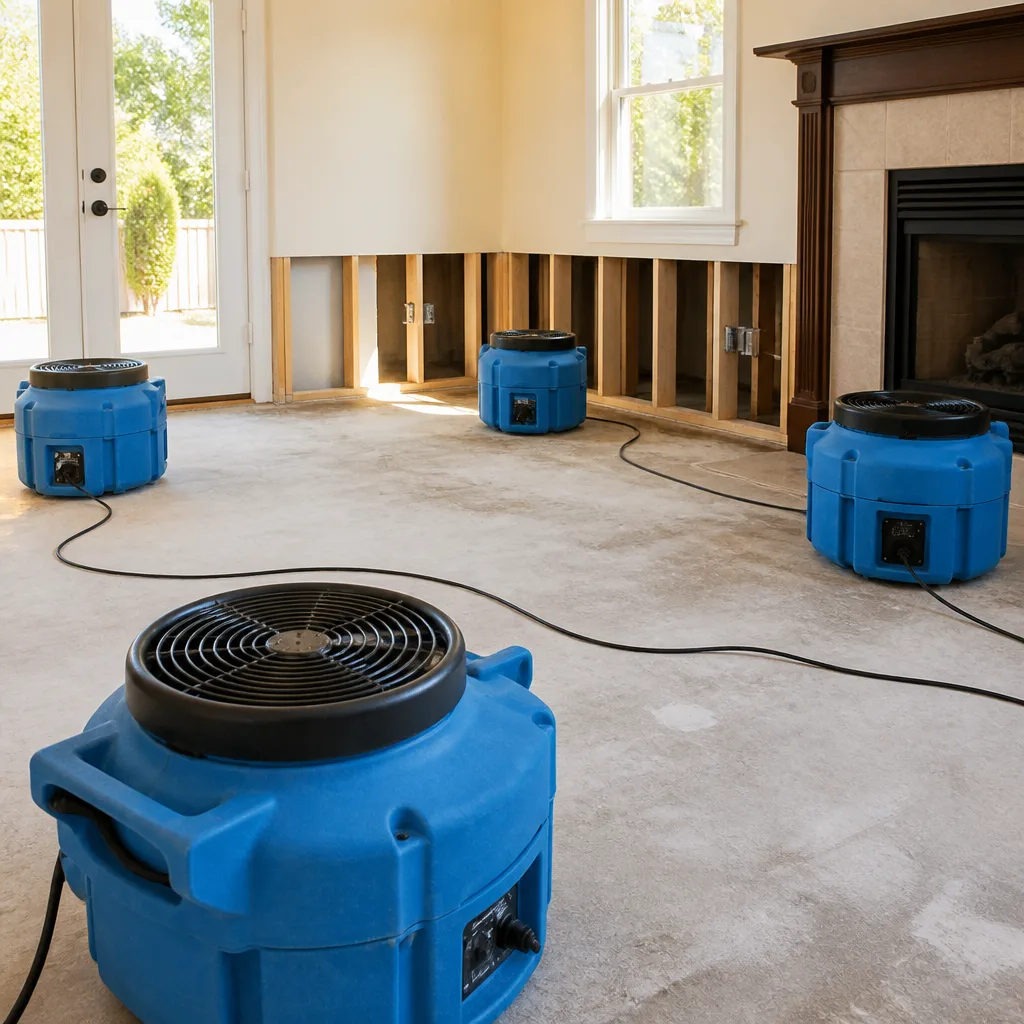
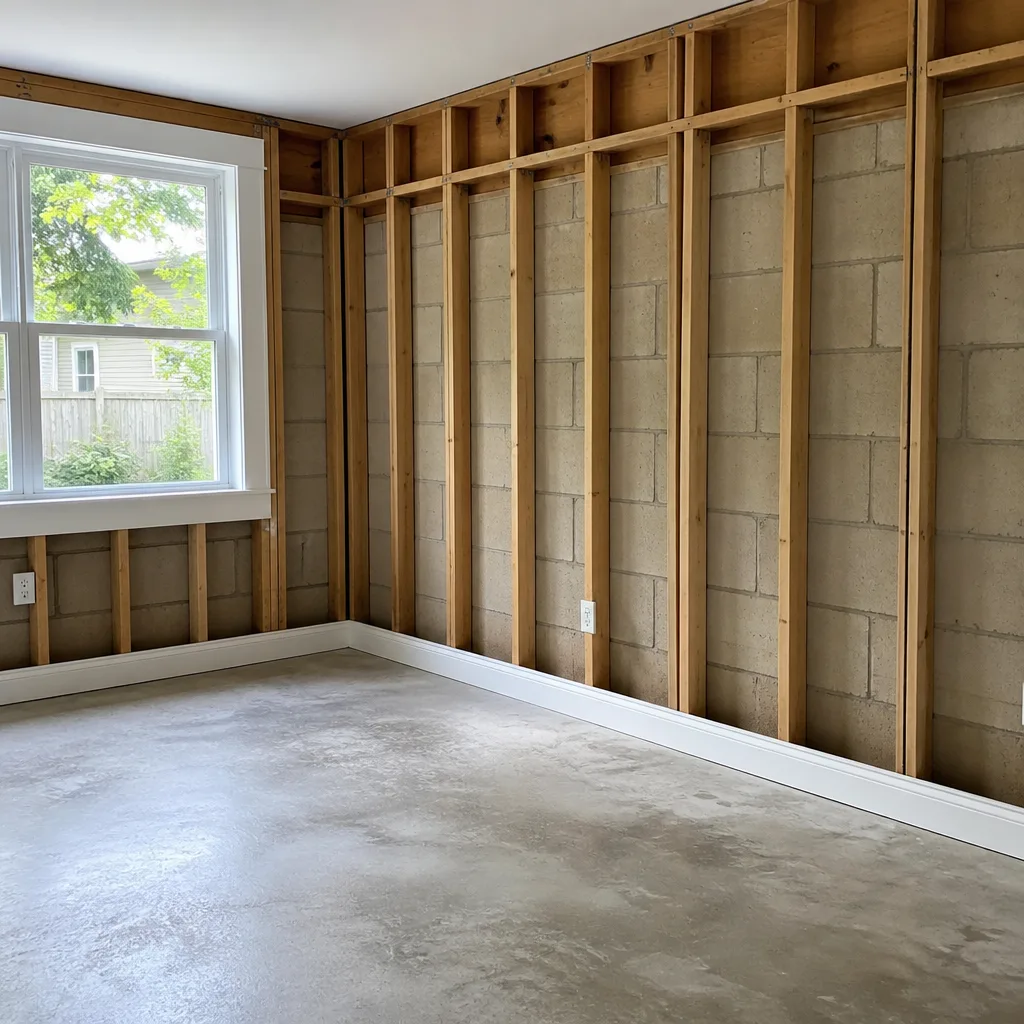
 Before
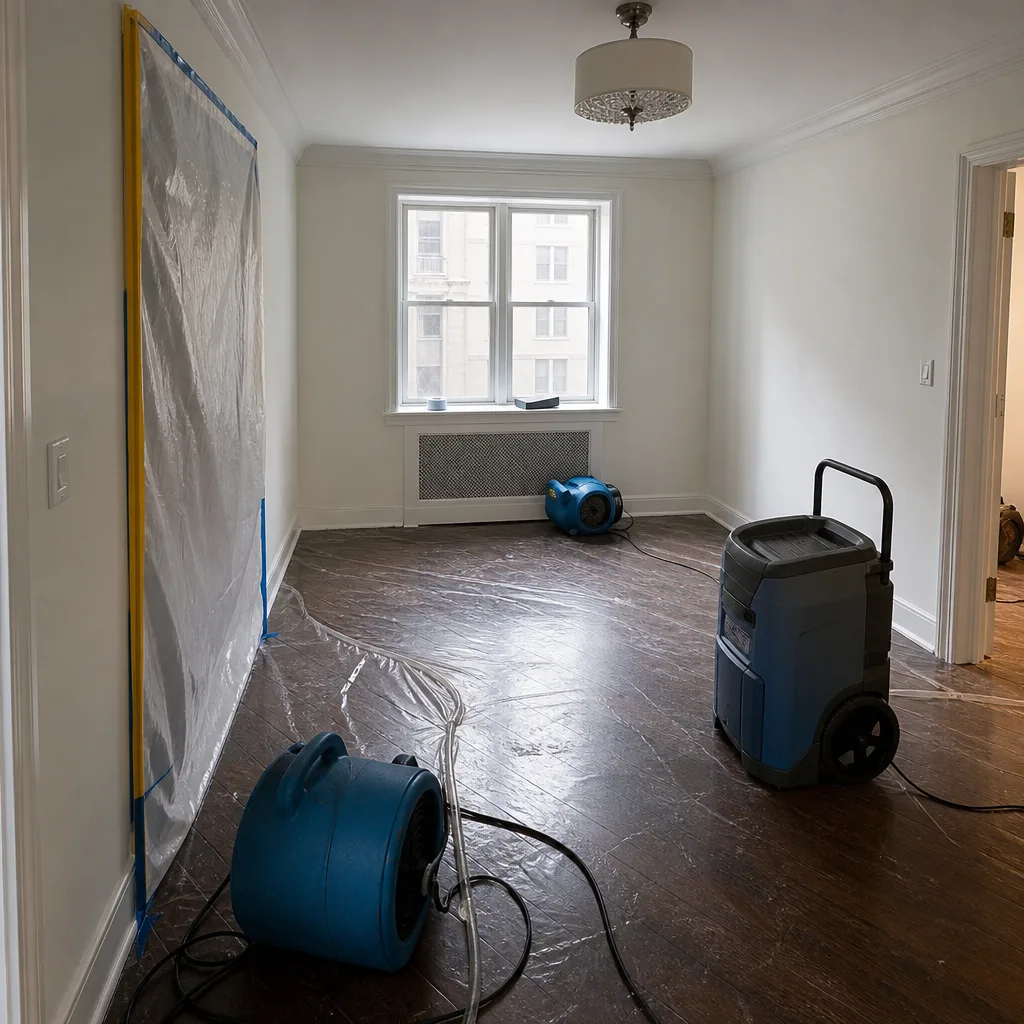 After
After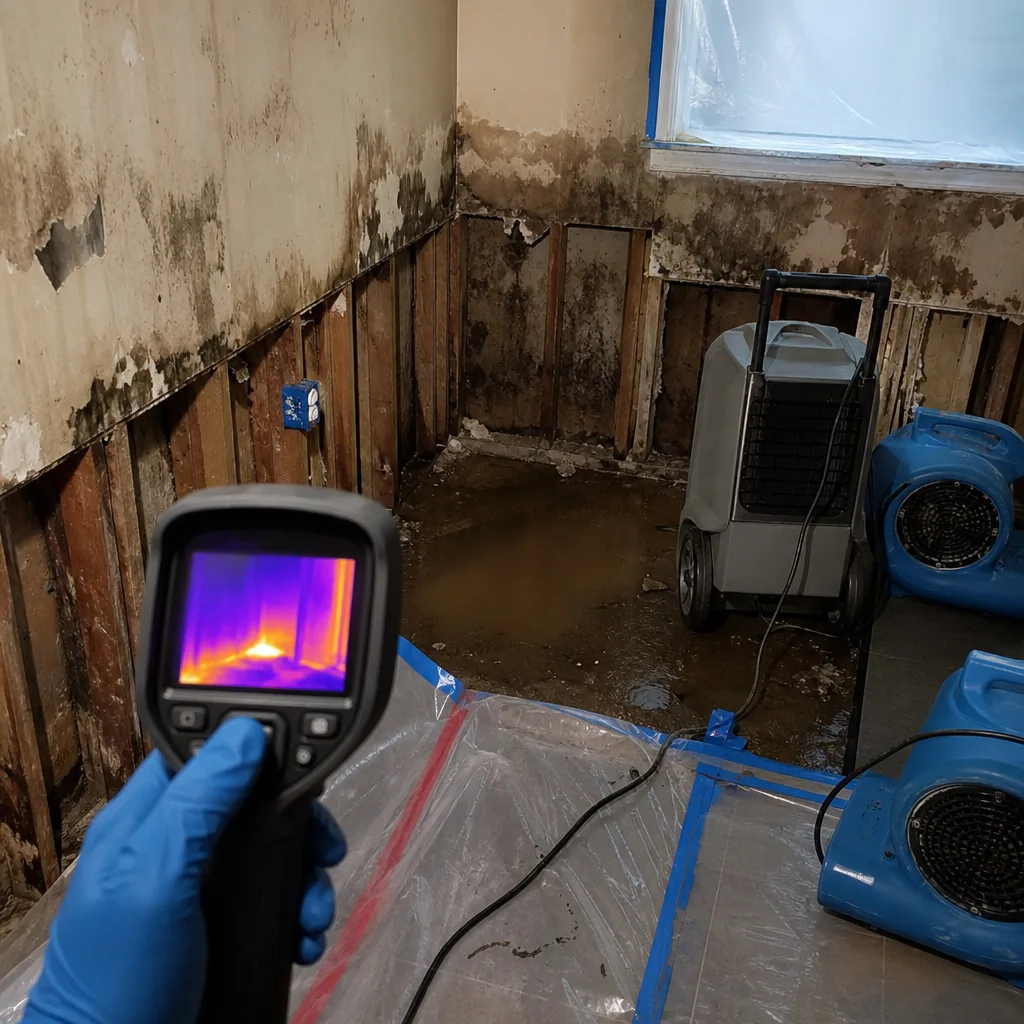 Before
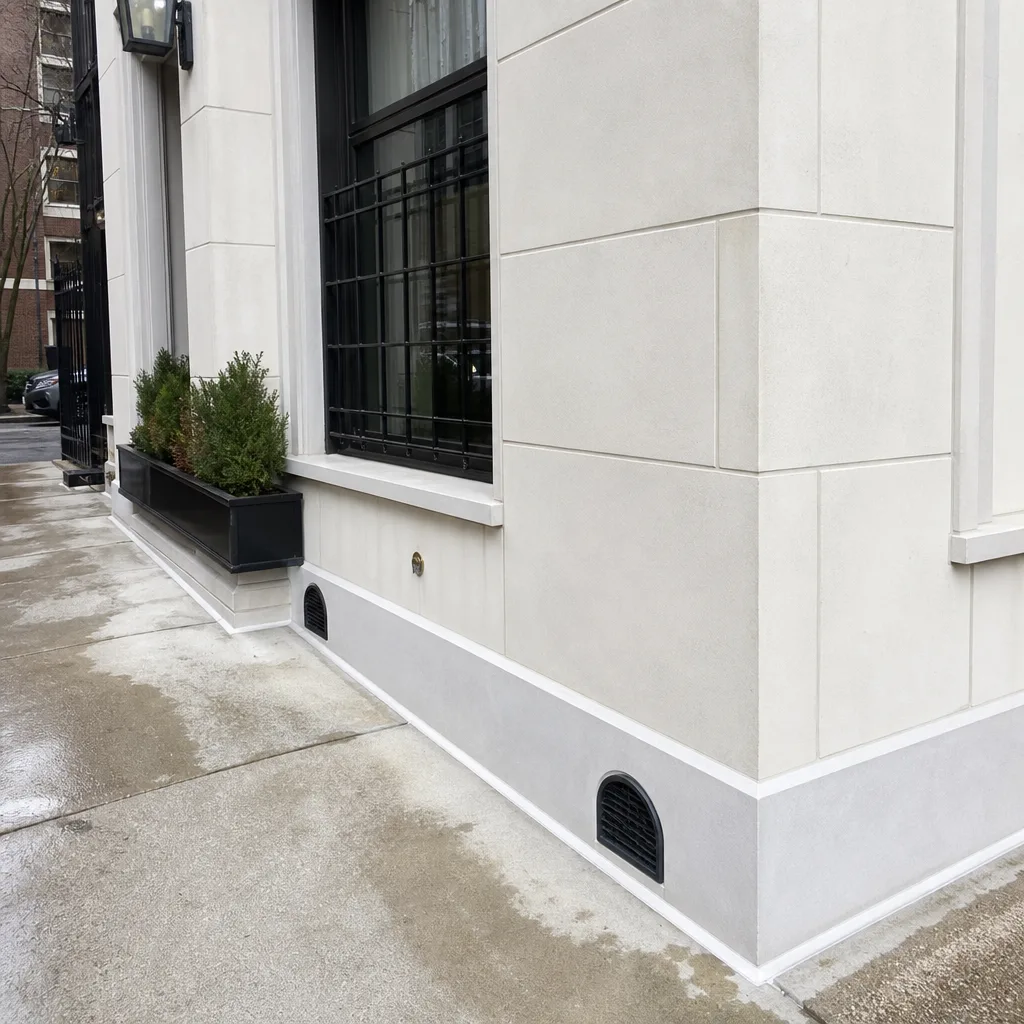 After
After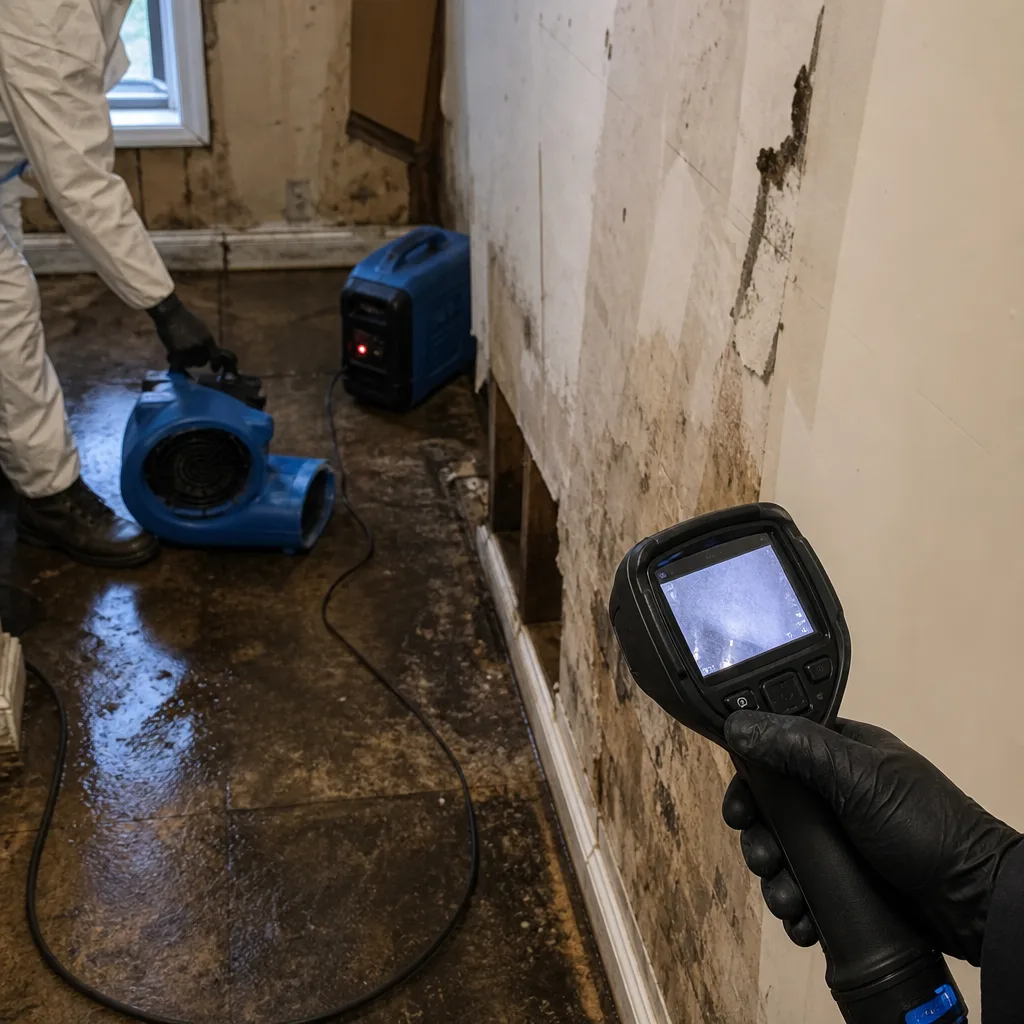 Before
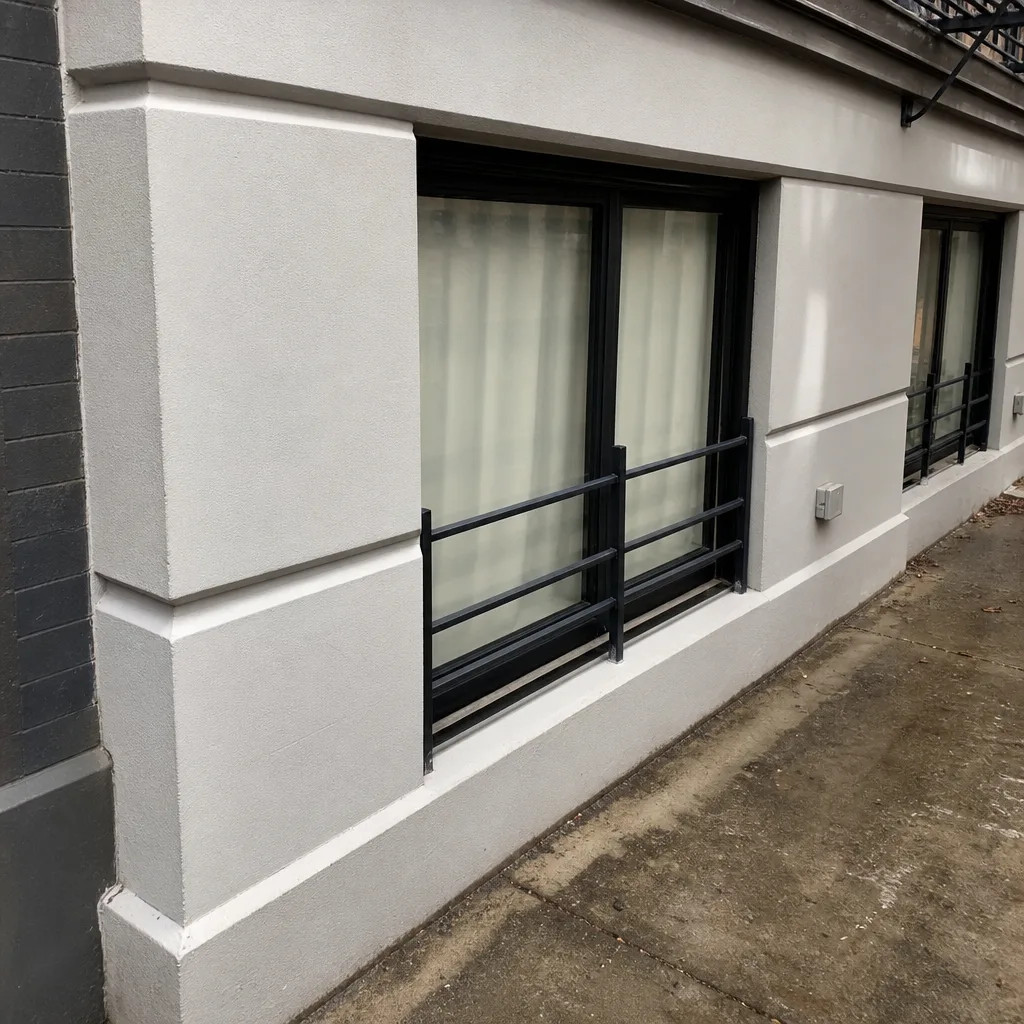 After
After24/7 Emergency Commercial Restoration in Upper West Side
A burst radiator valve on the 14th floor of a pre-war co-op can soak a dozen offices before anyone notices. When that happens in Upper West Side, you need a crew that knows co-op boards, landmark rules, and horsehair plaster, not a national franchise reading from a script. Call (607) 703-3408 and you’ll get a live person, day or night. Wade Ferris answers his own phone. His crew can be on your block in under an hour, running moisture mapping and setting containment before mold gets its 24-hour head start. The first hour determines whether you’re drying plaster or replacing it.
Every hour of wet time in a pre-war Upper West Side building costs more than the last. Plaster holds water. Parquet swells. Steam pipes keep feeding the problem until a super kills the valve. We start with a free visual inspection and a moisture map of every affected floor, then hand you a written scope before any work begins. No surprises. No phone quote that triples at the door. That’s the whole point of calling a local owner instead of a call center.
Understanding Commercial Restoration Severity in Upper West Side Properties
Not all water is the same. Category 1 water is clean, from a supply line or radiator. Category 2 carries contaminants, like the gray water from a failed condensate return or an overflowing sink. Category 3 is sewage, storm backflow, or river water that’s been sitting. In Upper West Side pre-war buildings, Category 2 events become Category 3 situations faster than in drywall construction because horsehair-and-lath plaster wicks moisture horizontally across entire wall assemblies, and original wood studs and joists from 1910 hold that moisture for weeks if not dried properly.
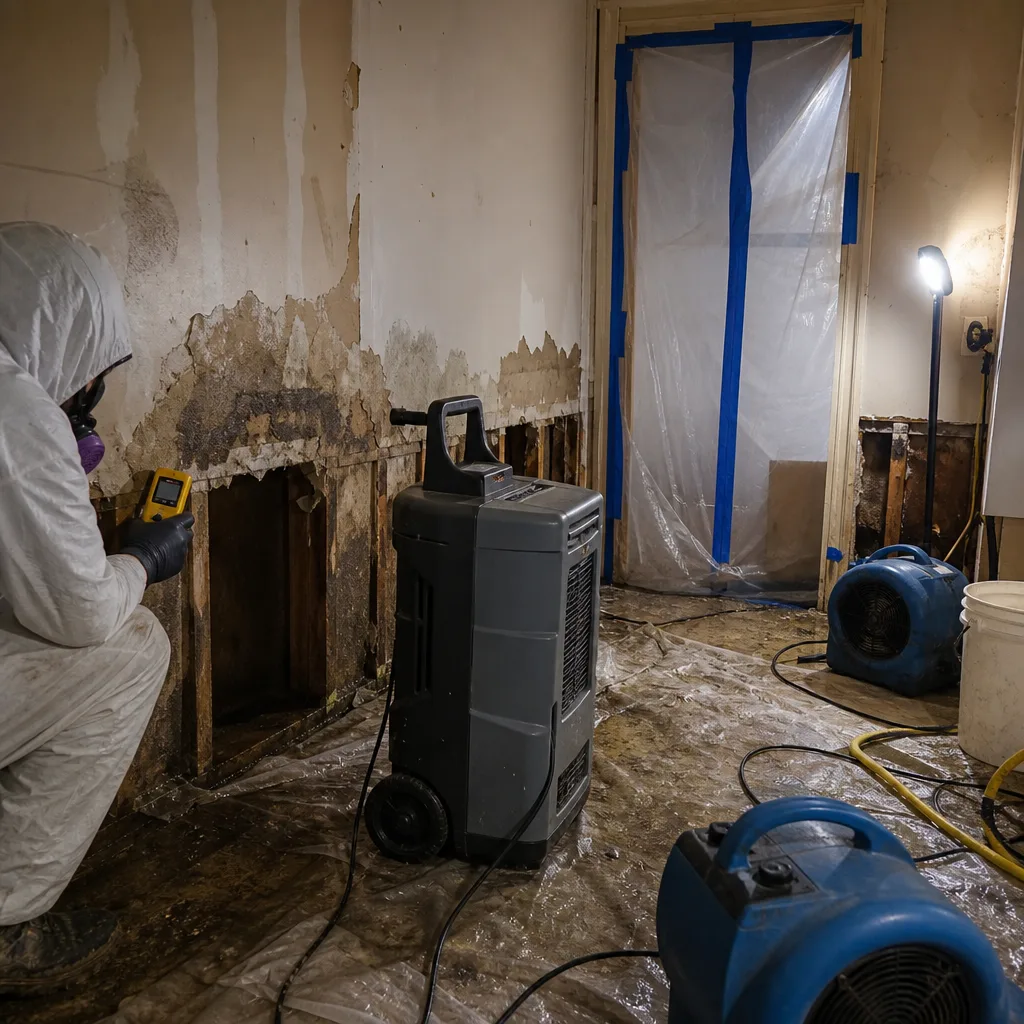
That’s why we don’t guess. Wade takes thermal images, probes moisture content in plaster at multiple depths, and maps saturation room by room. A radiator valve failure on West End Avenue looks different from a roof leak above a Riverside Drive cornice, and a sewage backup in a Columbus Avenue retail basement is a different job entirely. Severity drives everything: containment size, drying time, whether we pack out furniture or work around it, and whether your board needs a mold remediation plan or just structural drying with daily moisture logs. In Upper West Side, the building’s age almost always means a longer drying cycle than what a standard mitigation company would estimate.
Why Upper West Side Property Owners Choose Wade’s Restoration
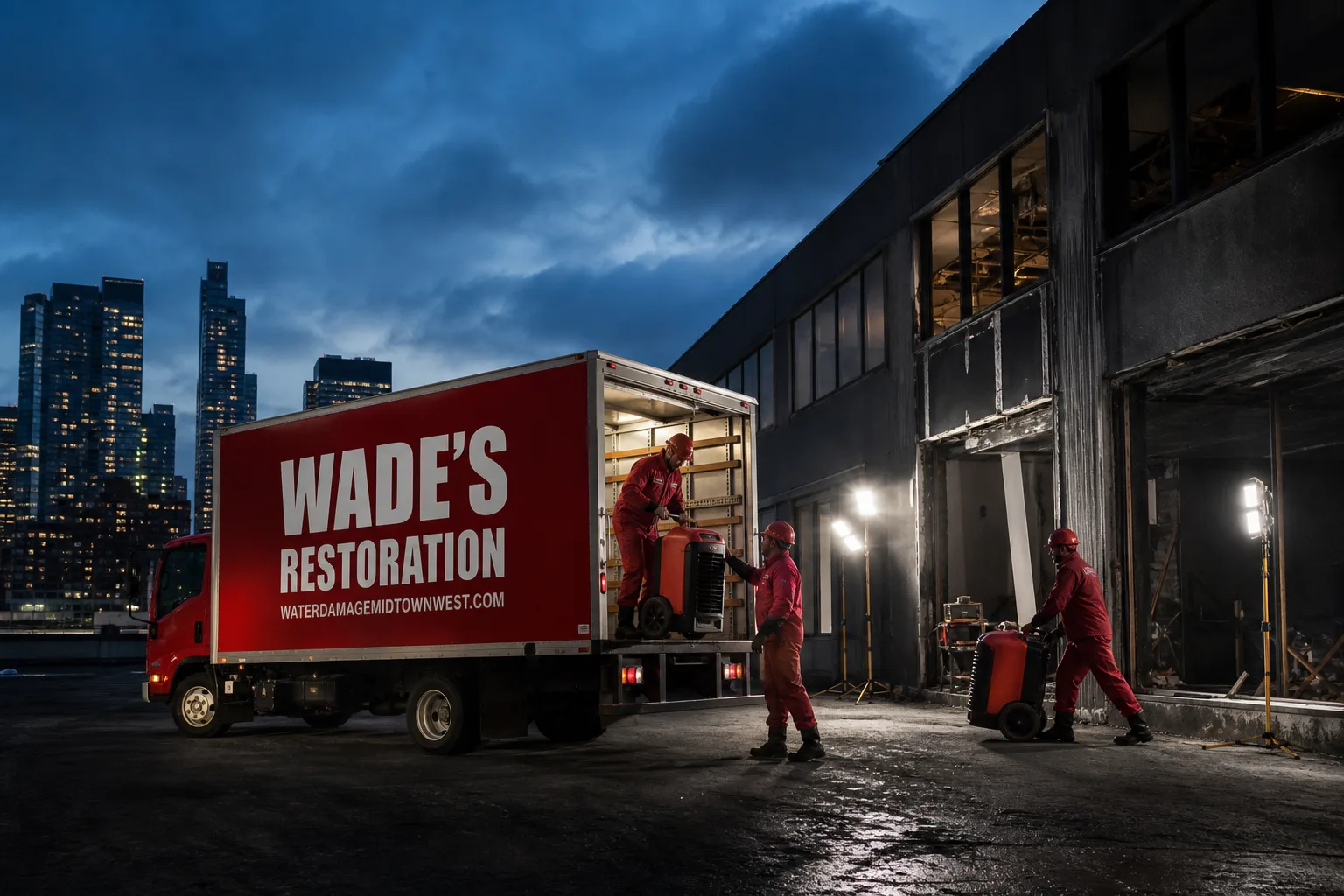
- 45-minute response commitment: Wade’s crew heads out from the metro office the moment you call. Upper West Side traffic is what it is, but we’re close and we know the cross streets.
- 24/7 live answer: No voicemail, no answering service, no “press 2 for water damage.” Wade answers his own phone at 2 a.m. if that’s when your radiator lets go.
- IICRC-certified crews: WRT, FSRT, and AMRT certified. We run Dri-Eaz and Phoenix equipment, not rental-store fans from the corner hardware place.
- Free visual inspection: Wade walks the loss with you, explains what he sees in plain English, and gives you a written scope before any demolition starts.
- Direct insurance billing and adjuster coordination: Wade deals with the carrier, emails the drying logs, and sends photos daily so you’re not stuck relaying messages.
- One team from extraction to reconstruction: Same crew, same name on the truck. No handoffs to a subcontractor you’ve never met. When plaster needs matching or parquet needs lacing in, we bring the right trade under our supervision.
Our Commercial Restoration Process
Inspection & Assessment
We arrive, walk the affected floors, and document everything. Thermal imaging finds moisture behind plaster and under parquet that the eye can’t see. For Upper West Side properties, we identify which finishes are original and which are prior renovations, because that changes the restoration approach and the board’s material requirements.
Extraction/Stabilization
If water is standing, we extract immediately using truck-mounted and portable extractors. We also stop the source: isolate the failed valve, divert the supply, or patch the roof penetration. In pre-war buildings, we’ll check for hidden water migration through pipe chases and behind radiators before we call the standing water handled.
Drying & Dehumidification
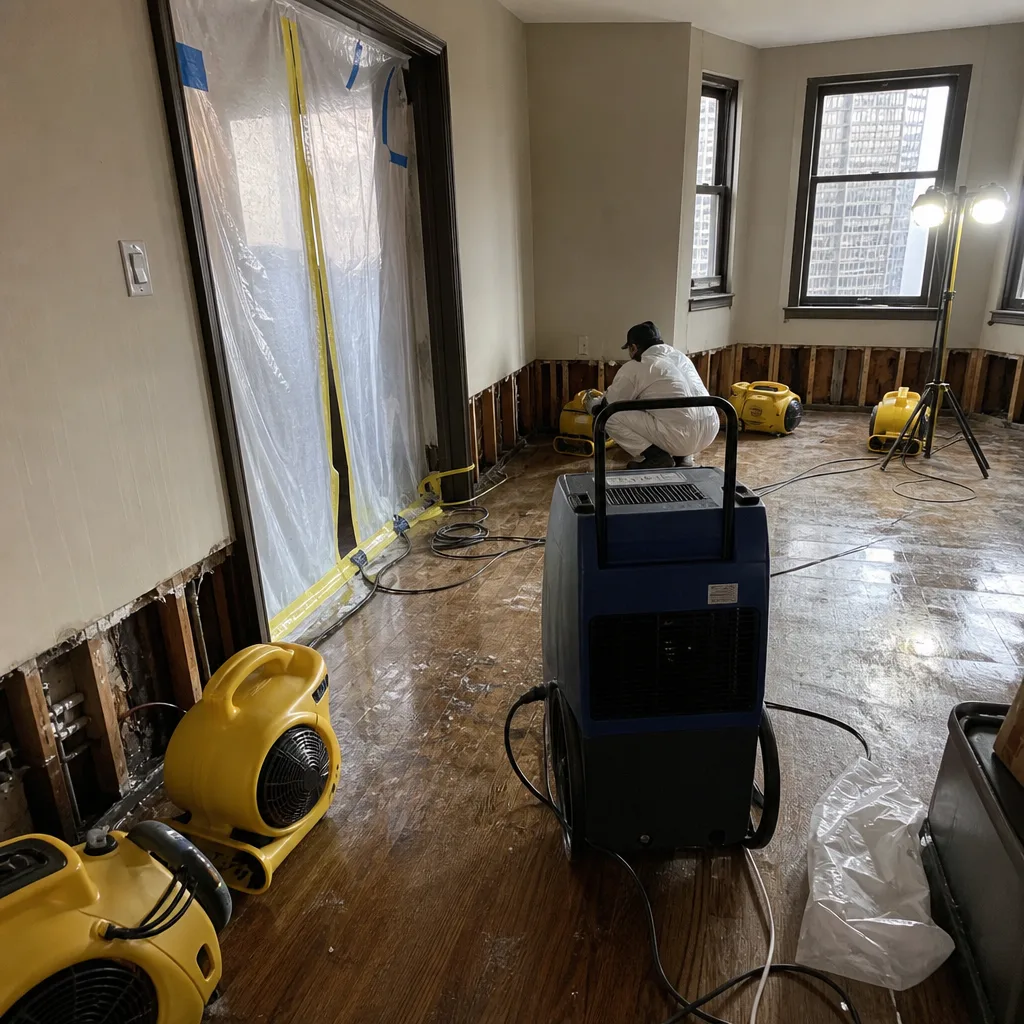
Air movers and LGR dehumidifiers get placed based on the moisture map, not a guess. Horsehair plaster needs longer, slower drying than gypsum board, and we monitor daily with hygrometers. You get the full drying log at the end, every reading from day one.
Cleaning & Sanitization
We clean affected surfaces with appropriate antimicrobials and run HEPA air scrubbers to pull particulates out of the air. For Category 2 and 3 water, contaminated materials get removed under containment, not simply wiped down and painted over.
Specialty Treatment for Multi-Unit & Commercial Losses
This is where an Upper West Side job departs from a suburban house call. We coordinate with managing agents, co-op boards, and multiple unit owners. We document separately for each insurance carrier. We stage pack-outs in a way that lets commercial tenants keep operating in undamaged areas while we contain the rest.
Repairs & Restoration
We rebuild to the standard the building requires. In landmark-designated properties on the Upper West Side, that means plaster matched to original lime-and-horsehair composition, millwork replicated in-kind, and parquet repaired board-by-board rather than sheet-replaced. We don’t drywall over history and call it done.
Need Emergency Commercial Restoration in Upper West Side Now?
Crews minutes away, answering live 24 hours a day. The sooner we start, the less it costs.
Working With Your Insurance Company
Co-op and commercial claims on the Upper West Side are paper-heavy. A single burst riser can involve eight unit owners, each with a different carrier, plus the building’s master policy and the commercial tenant’s business interruption coverage. Wade’s Restoration has handled enough of these to know what adjusters need and when they need it. From the first hour, we photo-document room by room, log every moisture reading, and write the scope in the format carriers recognize. Wade talks to adjusters directly. You don’t relay information, you don’t chase paperwork, and you don’t get stuck in the middle when the board’s engineer and the carrier’s adjuster disagree on what’s restorable. We provide the data that settles those arguments.
What We Provide Your Insurer
- Thorough documentation of the loss
- Photos of all damage, room by room
- Moisture readings and drying logs
- A detailed, line-item scope of work
- Direct coordination with your carrier
Built for Upper West Side’s Loss Calendar
Upper West Side commercial losses follow a pattern, and it’s not the same as the rest of Manhattan. January and February bring the worst of it: deep-freeze nights when radiator supply valves on upper floors let go and water cascades down through a dozen offices before the super can shut the riser. Those freeze-thaw cycles also do a number on the mortar joints of the pre-war façades along Riverside Drive and West End Avenue, where Hudson River wind drives rain into the brickwork at a force inland buildings never see.
Spring brings roof-level thaw and the first heavy rain on flat tar-and-gravel roofs that haven’t been inspected since the fall. By summer, heavy thunderstorms overwhelm the city’s combined sewer outfalls, and basement-level commercial spaces between Columbus and Amsterdam see Category 3 backflows through floor drains. Autumn nor’easters kick up wind-driven rain through aging terracotta cornices and around poorly flashed parapet walls. Then the cycle repeats. Nobody plans for a Tuesday night in February when the heat kicks on and the 14th floor lets go, but that’s exactly when the call comes. We’re ready for all of it, in every season, because we’ve worked this specific neighborhood enough to know its calendar.
Commercial Restoration Across Upper West Side’s Neighborhoods
We respond differently depending on where you are in Upper West Side. Along Riverside Drive and West End Avenue, the river exposure means façade-driven water intrusion is a leading cause of interior damage: wind-driven rain through aging brick, failed lintels, and open cornice joints that send water into top-floor offices and residential units. The buildings are larger, the boards are more formal, and restoration scopes routinely require façade work coordination alongside interior drying.
Between Broadway and Amsterdam around the 70s and 80s, the density of pre-war co-ops is at its highest, and so is the density of one-pipe steam systems that have been patched for ninety years. A packing valve failure here almost always means multi-floor water migration through pipe chases and behind built-in millwork. North of 96th Street bordering Morningside Heights, the housing stock shifts slightly younger, but the steam systems are the same vintage, and the side-street brownstones bring their own issues: failing brownstone lintels and wood-framed cornices that channel water straight into interior walls. Around Lincoln Center and the Columbus Avenue commercial corridor, ground-floor retail and restaurant spaces present different exposure: basement flooding from sewer backflow and grease-trap failures that carry the same Category 3 contamination as sewage. Every one of these blocks has its own rhythm, and after years of Commercial Restoration work in Upper West Side, we know which buildings need which approach before we even walk in.
Specialized Commercial Restoration Services We Offer in Upper West Side
Office & Retail Restoration
When a Columbus Avenue storefront or a Broadway office suite floods, every closed day is lost revenue. We prioritize business continuity: contain the affected area, dry what can be dried in place, and pack out what can’t. Wade coordinates with your landlord and your insurer so you’re dealing with one person, not three. We’ve done enough retail builds to know that reopening a shop with visible water stains is not reopening at all.
Multi-Unit & HOA Restoration
This is where Upper West Side work really diverges from the suburban model. A single steam riser failure in a 1912 co-op can damage twelve units, each with its own owner, tenant, insurance carrier, and finish expectation, all under one board that has to approve the scope before demolition can start. We run these jobs with daily documentation for every affected unit, separate scopes for each carrier, and board-ready reports that move approvals faster. We also know the landmark rules. In a Landmarks Preservation Commission building, you can’t just hang drywall over original plaster and call it restored. We bring plaster-matching trades and millwork carpenters who can replicate what was there in 1912.
Industrial Facility Cleanup
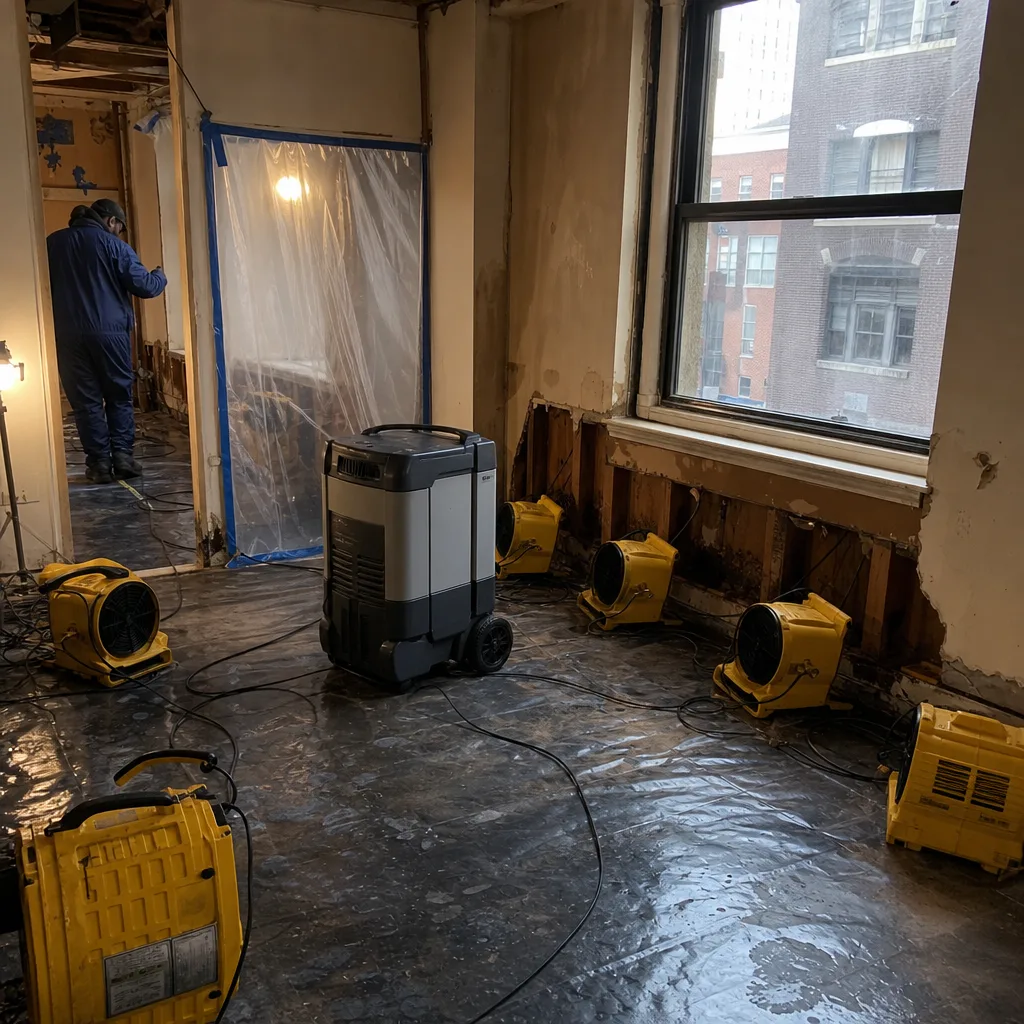
Upper West Side isn’t heavy industrial, but it has commercial laundry operations, parking structure drainage systems, generator rooms, and mechanical spaces that flood just the same. We handle those spaces with the same equipment and rigor as the residential floors above: Dri-Eaz and Phoenix dehumidifiers, XPOWER air movers, and B-Air filtration. Access challenges are different in mechanical spaces, and we’re used to working around live electrical equipment and utility rooms.
Large-Loss Response
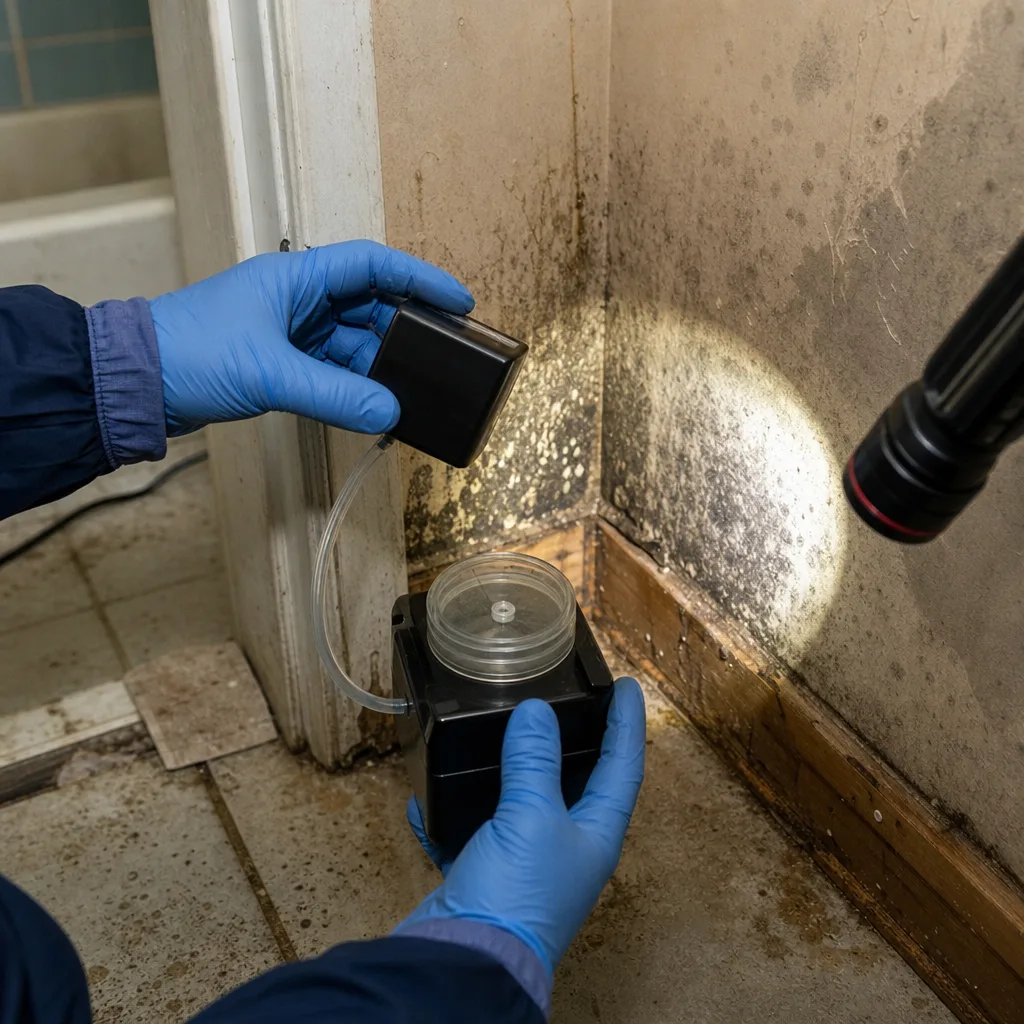
A nor’easter that breaches the roof membrane on an Upper West Side tower can send water through six, eight, ten floors in a single night. Large-loss work is about logistics: getting enough equipment into the building, managing crew shifts, keeping drying logs current across multiple floors, and keeping the board and carriers informed daily. We’ve run these jobs on Riverside Drive and West End Avenue where a single event means a dozen drying chambers running at once.
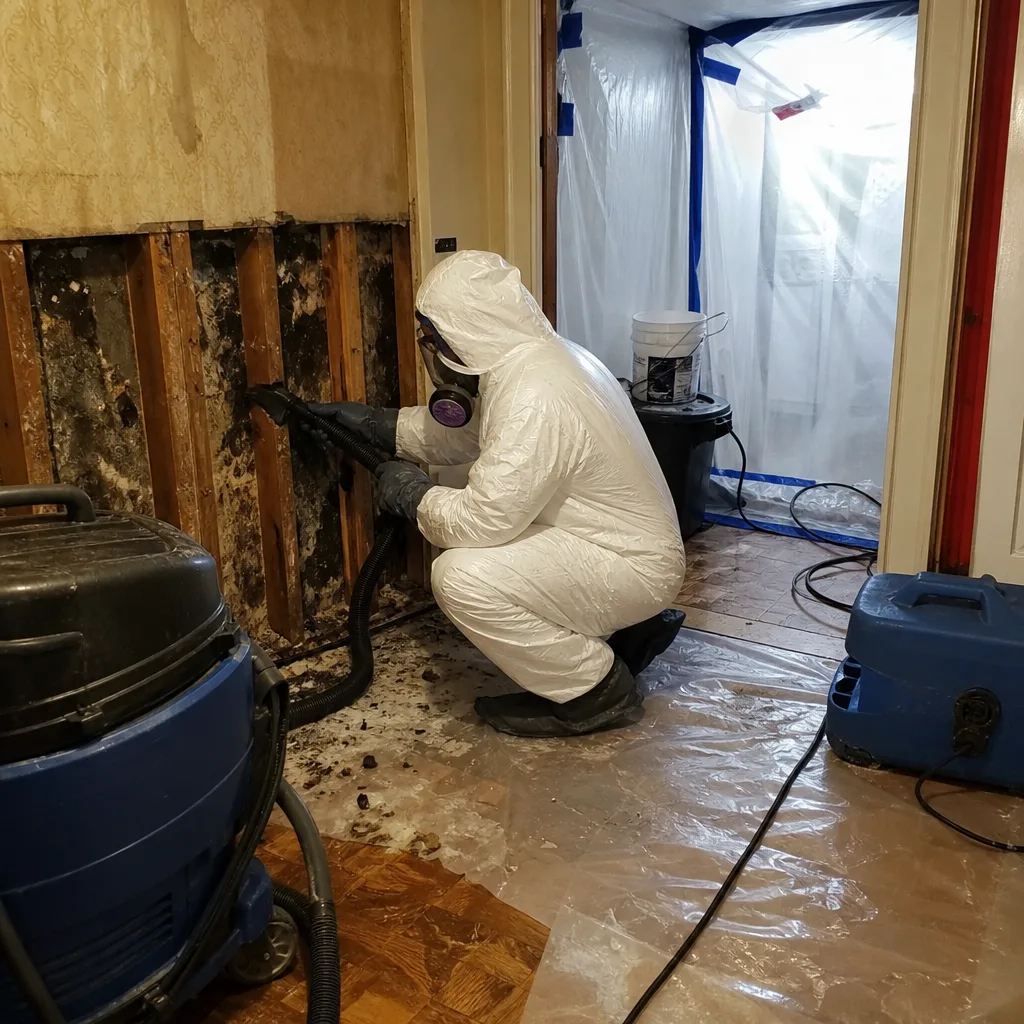
Business Interruption Minimization
For a commercial tenant in Upper West Side, the damage is rarely just the water. It’s the rent you keep paying while the space is closed, the payroll you cover while staff can’t work, and the customers who walk down the block to the next shop. We move fast and we move smart: temporary containment walls, staged extraction that keeps the unaffected portion of your space usable, and a drying plan that targets the shortest path to reopening. Wade will be honest with you about what that timeline looks like, because a real number beats a happy guess every time.
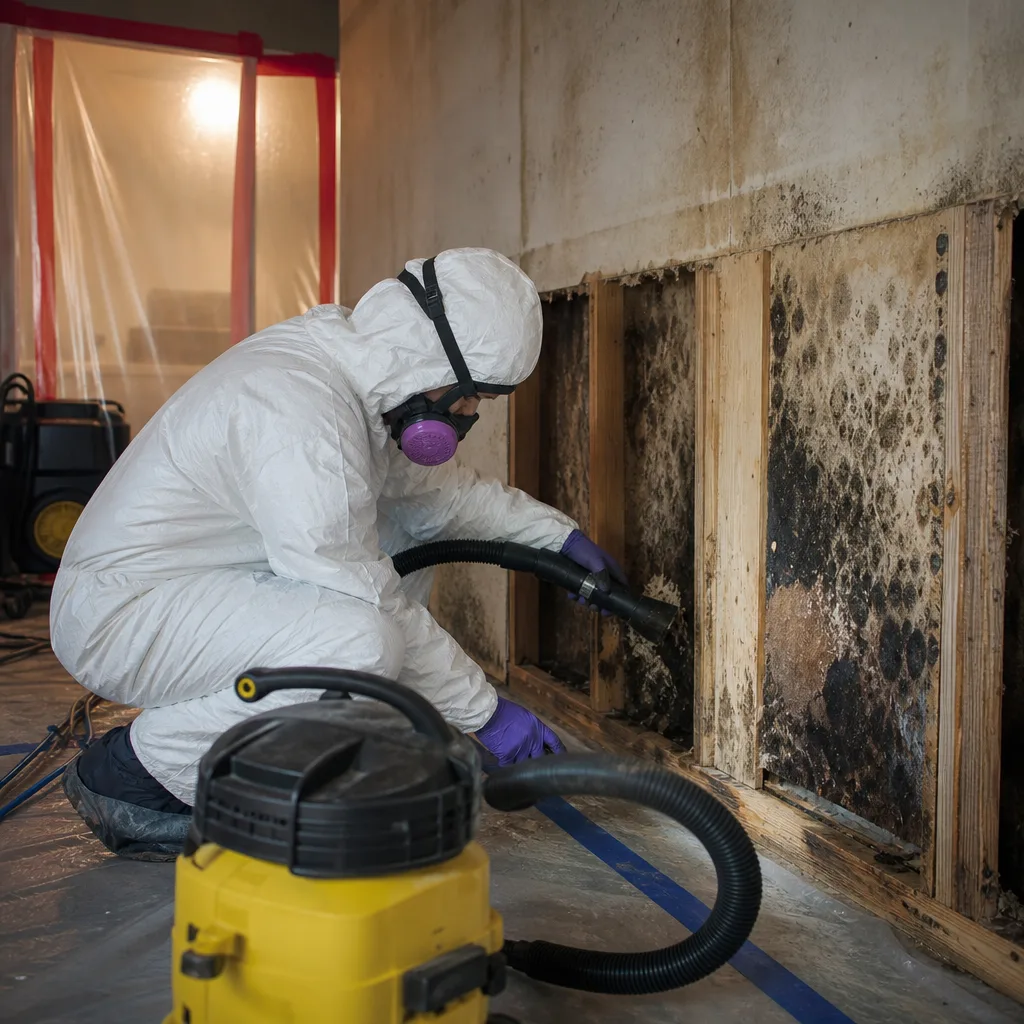
Document & Inventory Recovery
Restaurants, shops, medical offices, law firms: when water hits, it hits files, inventory, records, and equipment. We do pack-out and inventory recovery as a standard part of water loss response in Upper West Side. Documents get freeze-dried or desiccant-dried depending on what they are. Inventory gets logged, photographed, and moved to a clean staging area. In a multi-carrier co-op job, that documentation is what keeps unit owners whole. Wade’s team treats every unit’s contents like the owner is watching, because most of the time, they are.
What happens when you call
- 1
A real person answersNo phone trees - you reach a local pro.
- 2
You get an upfront price rangeHonest numbers before anyone is dispatched.
- 3
A background-checked tech heads outLicensed & insured, dispatched right away.
- 4
You approve before work beginsNothing starts until you say go.
Commercial Restoration Costs in Upper West Side, NY
Here are honest numbers for Upper West Side, not national averages. A small single-floor water mitigation with extraction and drying in a typical pre-war co-op office runs $4,500 to $12,000, depending on how much plaster and parquet is involved. A multi-floor steam riser event that damages eight to twelve units can run $80,000 to $350,000 when you factor in plaster restoration, parquet lacing, millwork replication, and board-required upgrades to the original system. Mold remediation with full containment in a landmark building typically adds $3,500 to $18,000 per affected unit depending on square footage and finish requirements. Document and inventory recovery usually runs $1,500 to $8,000 depending on volume.
What moves the price? The age of the finishes, whether the building is under LPC review, the number of insurance carriers involved, and how long the water sat before it was caught. Most of these costs are covered by insurance. The free visual inspection is exactly that: free. You get a written scope with line items, and you approve it before we start. Call (607) 703-3408 and Wade will walk the loss with you personally. If you have a written estimate from another company, bring it. He’ll give you a free second opinion.
We Also Serve Cities Near Upper West Side
Beyond Upper West Side, we cover Midtown West, the Financial District, Lower Manhattan, and Astoria. Same live answer, same owner on the phone, same written scope before work starts. If your building is in any of these neighborhoods, call (607) 703-3408 and we’ll have a crew heading your way.
Serving Upper West Side, NY - Our Local Coverage Area
We’re based in the Upper West Side area and know this community well. Use the map below to see our service coverage - if you’re nearby, we can almost certainly help.
Upper West Side Commercial Restoration Questions, Answered
How does co-op board approval and LPC review actually change the restoration timeline on an Upper West Side pre-war commercial space?
Board approval can add three to ten days before demolition starts, and LPC review in a landmark-designated building can add two to six weeks depending on the scope. We plan for that from day one: we stabilize and dry what we can under emergency provisions, document everything for the board’s engineer, and prepare material specifications that align with what LPC will require, including plaster composition analysis and millwork matching. The earlier we document, the fewer delays the approval process causes. Call (607) 703-3408 if you’re facing a board meeting and need a scope ready for review.
Why do UWS pre-war buildings need longer structural drying than modern drywall construction?
Because horsehair-and-lath plaster absorbs water like a sponge and holds it for weeks, and original wood joists from 1910 have a moisture profile that modern kiln-dried lumber doesn’t. Drywall dries in days. Plaster can take two to three times as long. We set longer drying schedules on purpose, monitor daily with moisture meters and hygrometers, and don’t call the job done until the numbers say it’s done, not when the calendar says it’s time. Rushing this part of a pre-war restoration is how you get mold behind restored walls six months later.
What’s the practical difference between a Category 2 and Category 3 water event in a multi-floor UWS co-op office?
Category 2 is contaminated but not sewage: radiator condensate, sink overflow, washing machine discharge. Category 3 is sewage, storm backflow, or anything that’s been sitting long enough to grow pathogens. The practical difference is in what gets torn out and how aggressive the containment has to be. Category 2 often allows cleaning and drying in place. Category 3 usually means removing affected plaster, insulation, and flooring under full containment with negative air. Your insurer will distinguish between the two, and so will we, because the scope changes significantly.
Is it better to repair or retrofit aging steam radiators and original valves in a Riverside Drive commercial co-op?
For a single failed packing valve, repair is usually the right call: replace the valve stem and packing, and you’re back in service. But if the same riser has leaked three times in five years, or the radiators are original to a 1920s building and the pitch and trap systems are shot, retrofitting makes more sense. The board decides, but we can write a scope that separates emergency mitigation from system repair so the work can be scheduled instead of rushed. We’ve coordinated with many Riverside Drive boards on exactly this kind of decision.
How do you manage pack-out and inventory recovery across multiple co-op units with different insurance carriers?
We document per unit, not per building. Each unit gets its own photo log, its own inventory list, its own pack-out manifest, and its own drying log. That’s what each carrier needs when they write their portion of the claim. Wade coordinates with all of them directly so a unit owner on the 9th floor isn’t trying to explain to their adjuster why plaster from the 12th floor’s leak ended up in their dining room. It’s more work for us, but it’s the only way multi-carrier co-op claims get settled without gaps.
How fast can someone actually get to an Upper West Side commercial space?
Within 45 minutes in most cases. Wade’s crew is dispatched from the metro office and we know the Upper West Side grid well enough to avoid the worst of Broadway traffic when it matters. For an active leak, that 45 minutes can be the difference between drying plaster and replacing it. Call (607) 703-3408 and you’ll talk to a live person immediately. Wade himself answers.
Will insurance cover commercial restoration on the Upper West Side, and who deals with my adjuster?
Most water and fire losses in commercial and co-op spaces are covered, but the claim’s success depends on documentation. Wade deals with the adjuster directly. He emails the photos, daily drying logs, moisture maps, and the line-item scope in the format carriers recognize. You don’t get stuck relaying information between the board, the managing agent, and the insurance company. That’s the point of hiring someone who has done this work on the Upper West Side for years.
What should I do in the first 30 minutes after water damage in an Upper West Side commercial space?
Shut off the water source if you can do so safely, kill the electricity to the affected area at the breaker, and call (607) 703-3408. Don’t run fans from the hardware store, don’t start pulling up parquet yourself, and don’t wait to see if it dries on its own. Take photos of everything for the claim. Then let Wade’s crew take over. The first 30 minutes of phone calls determine how much of your space gets saved.
Written by Wade Ferris, Owner at Wade’s Restoration, serving Upper West Side. If it’s not done right, he makes it right. In writing.