
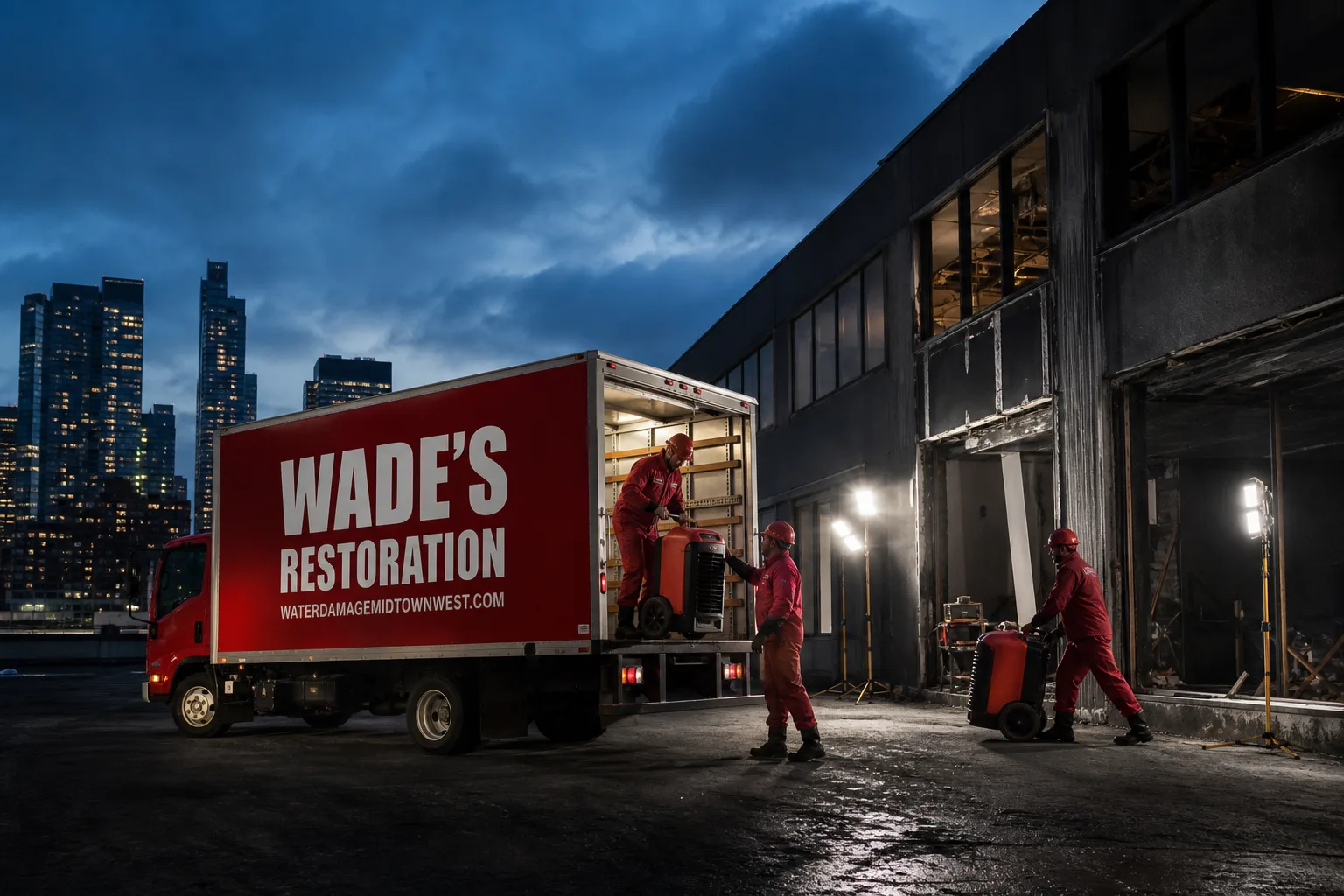
Free visual inspection and a written scope of work before any mitigation begins - photos, moisture readings, and drying logs go in your claim file
The scope we write is the scope we bill. Anything new gets shown to you, in writing, before we touch it.
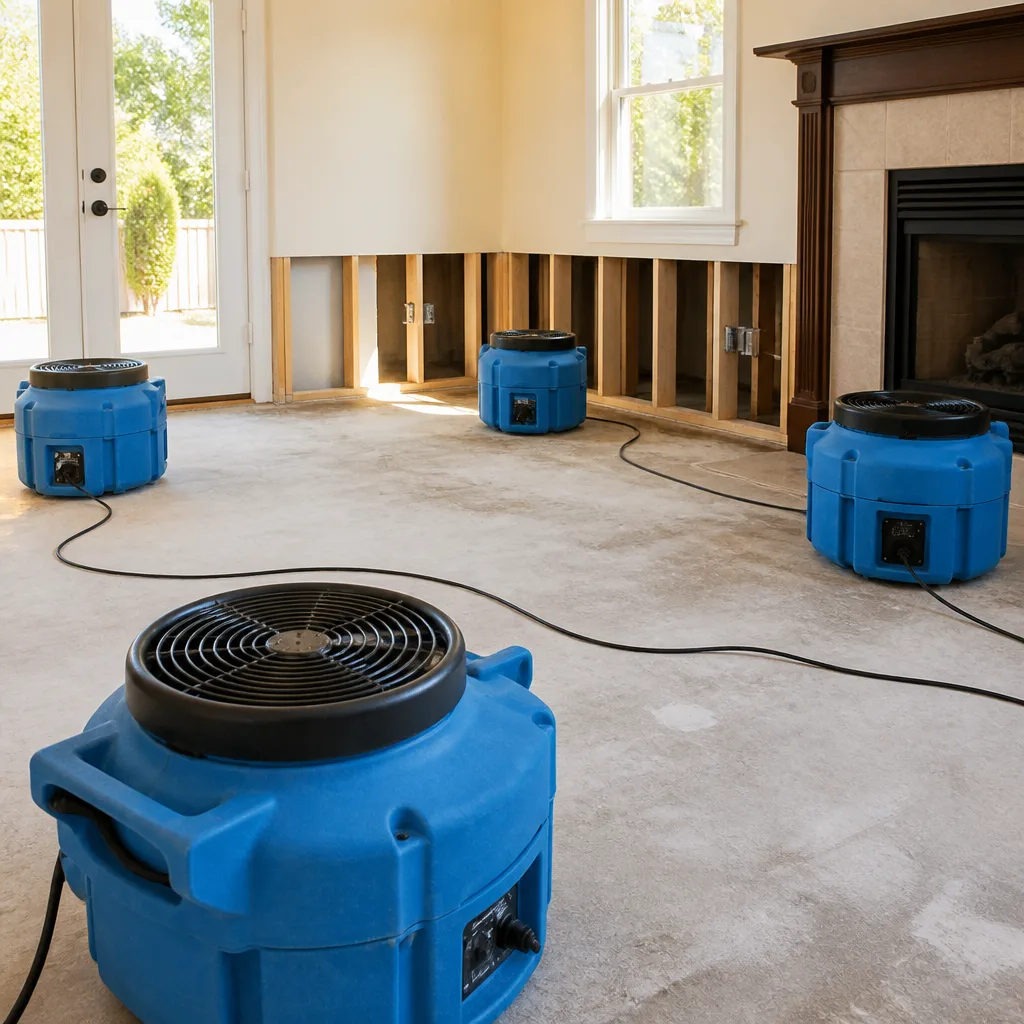
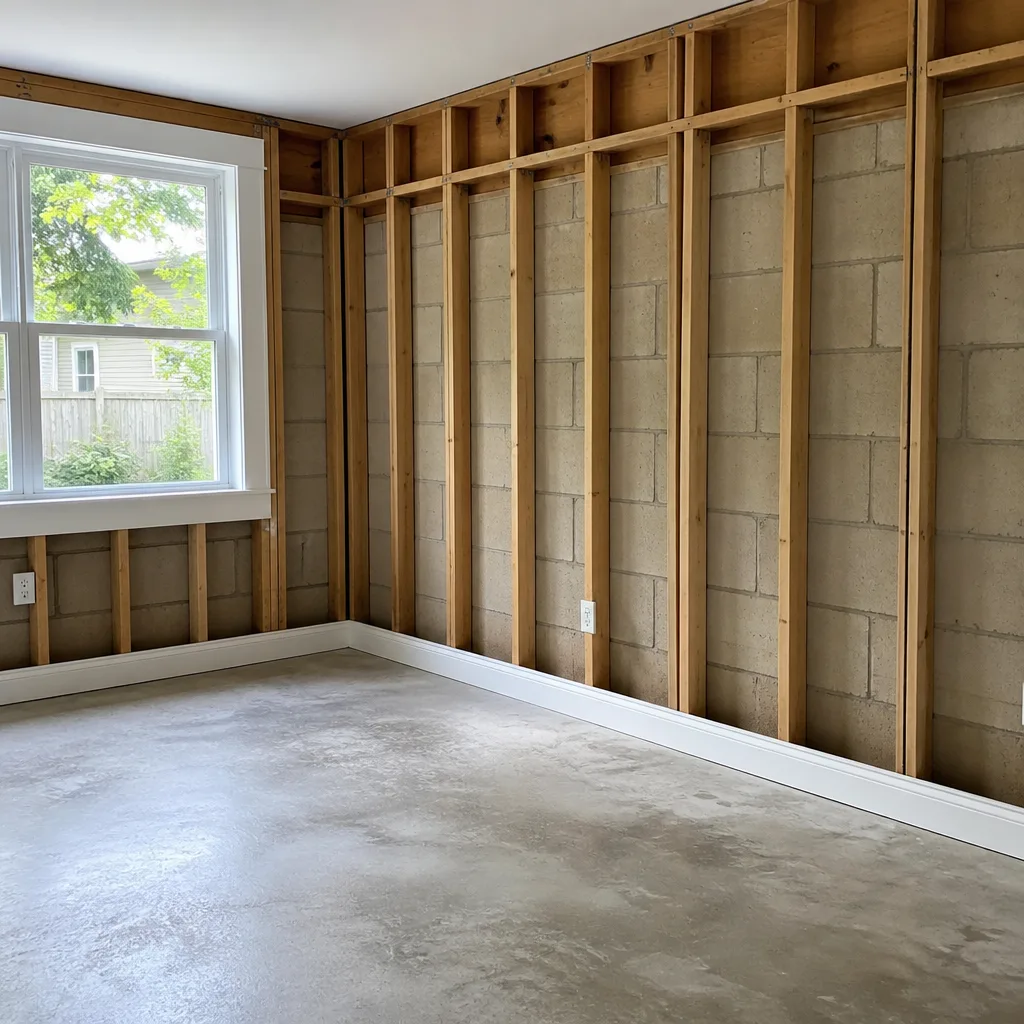
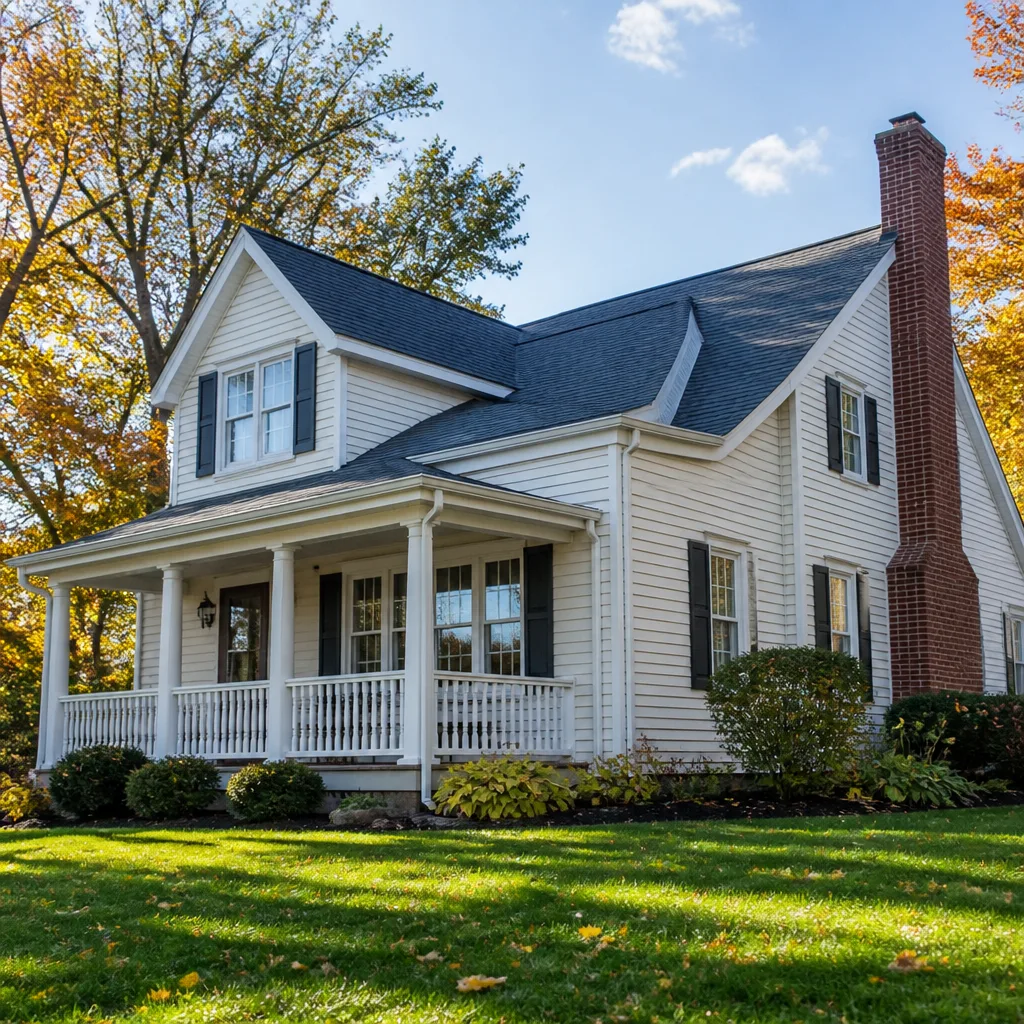
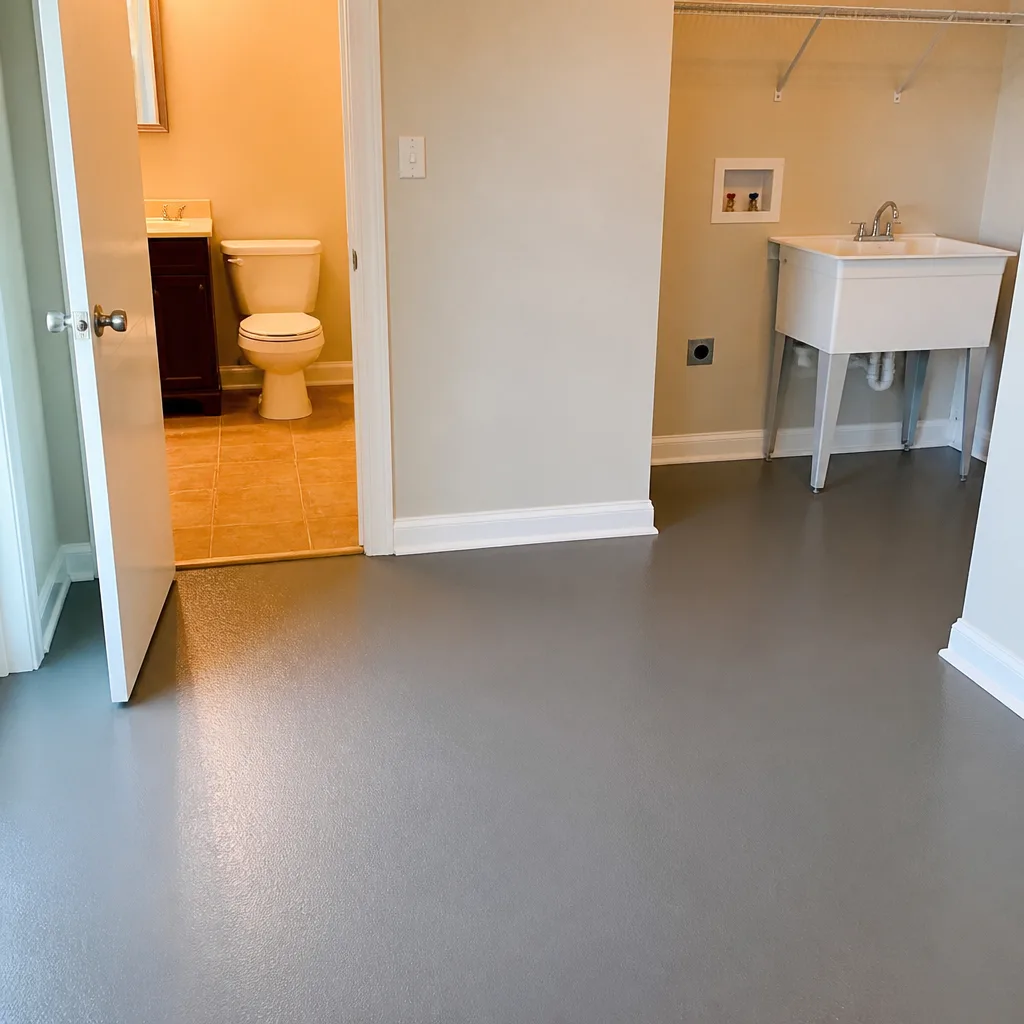
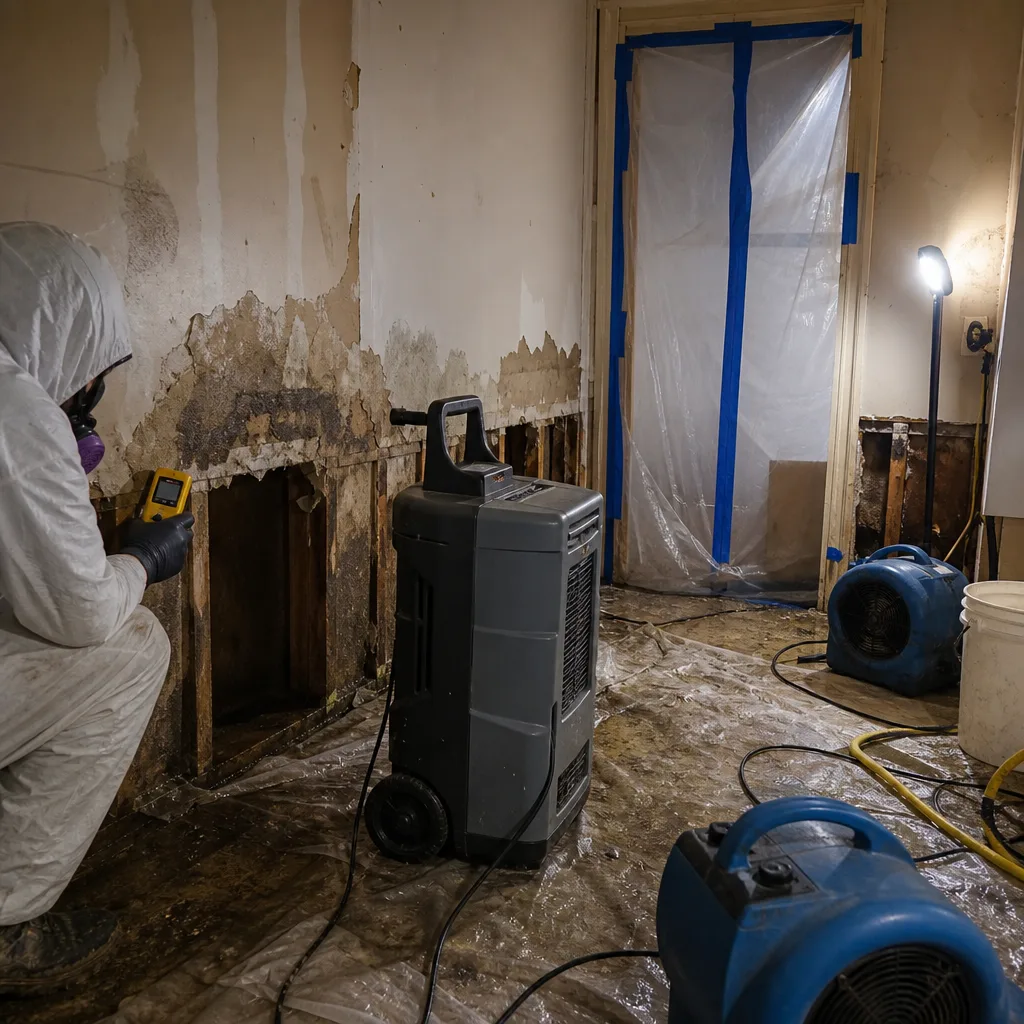 Before
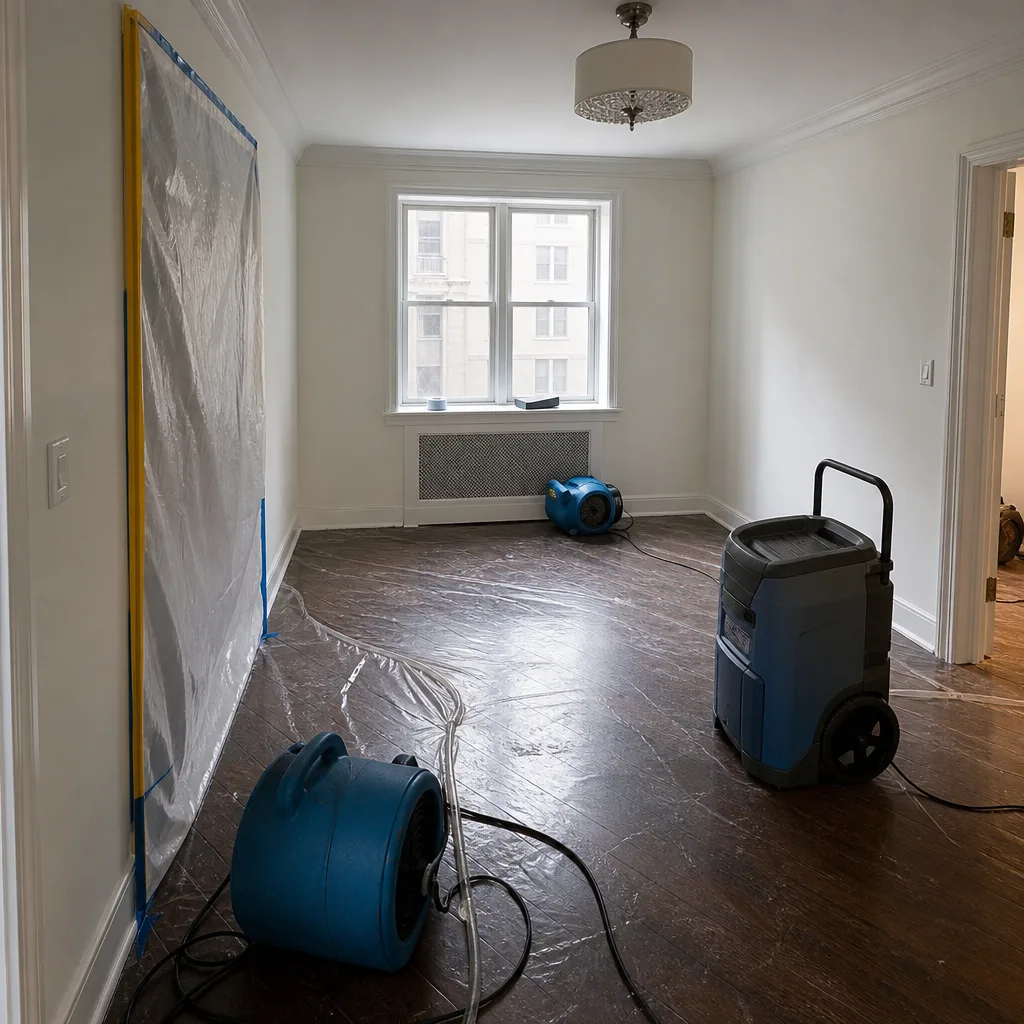 After
After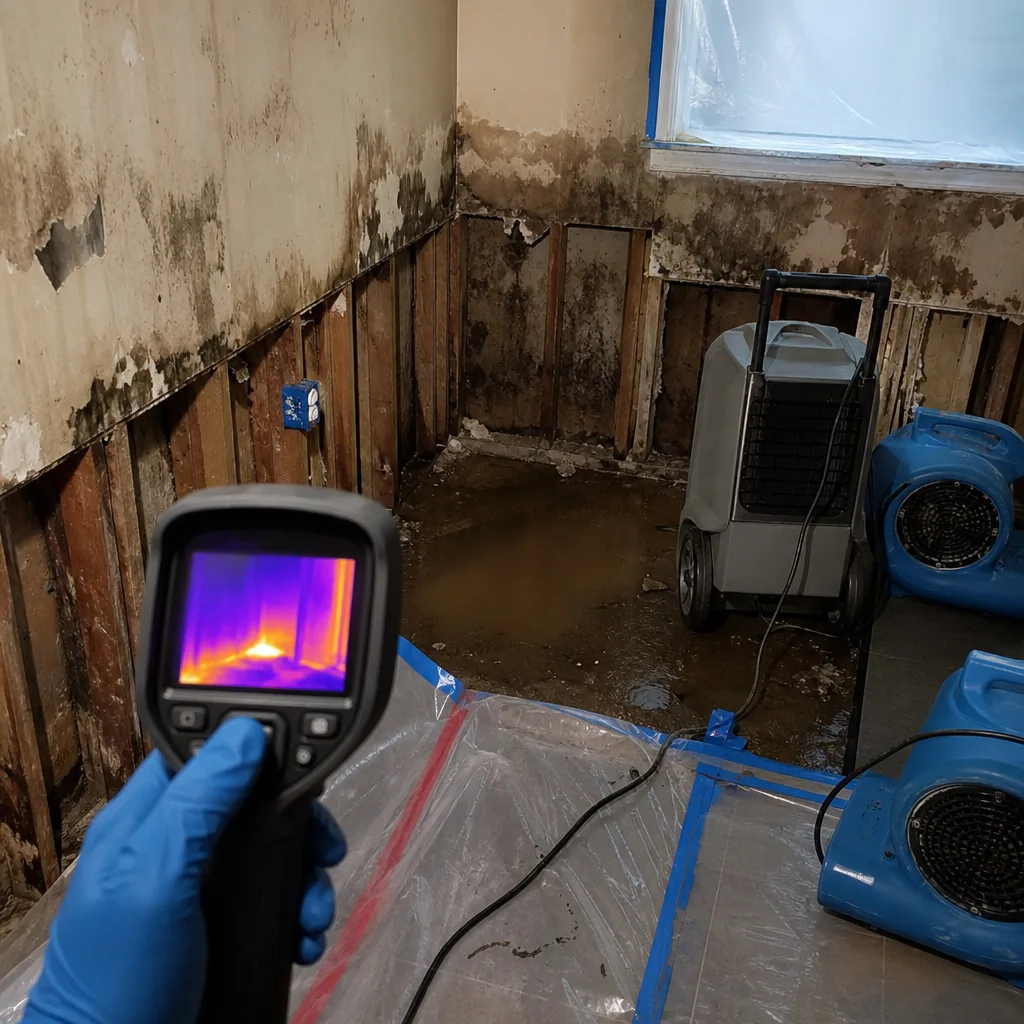 Before
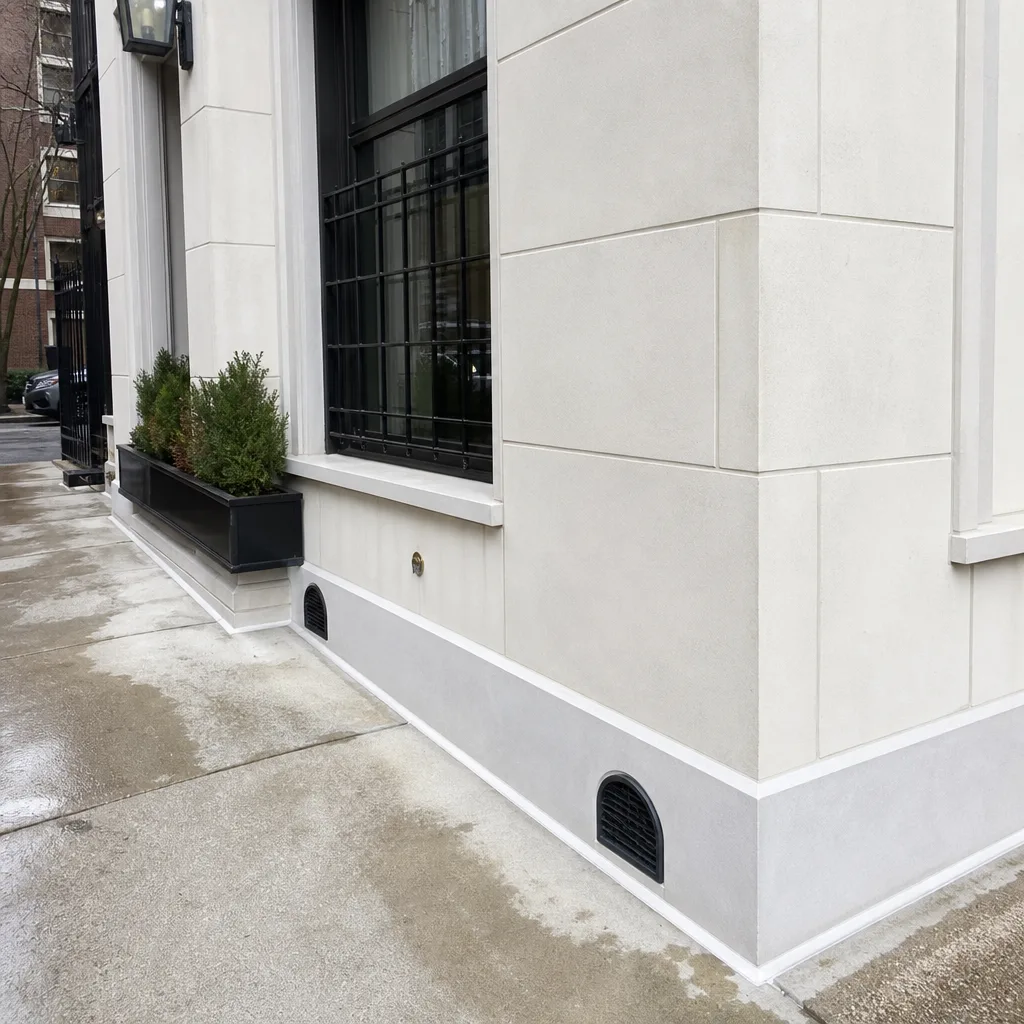 After
After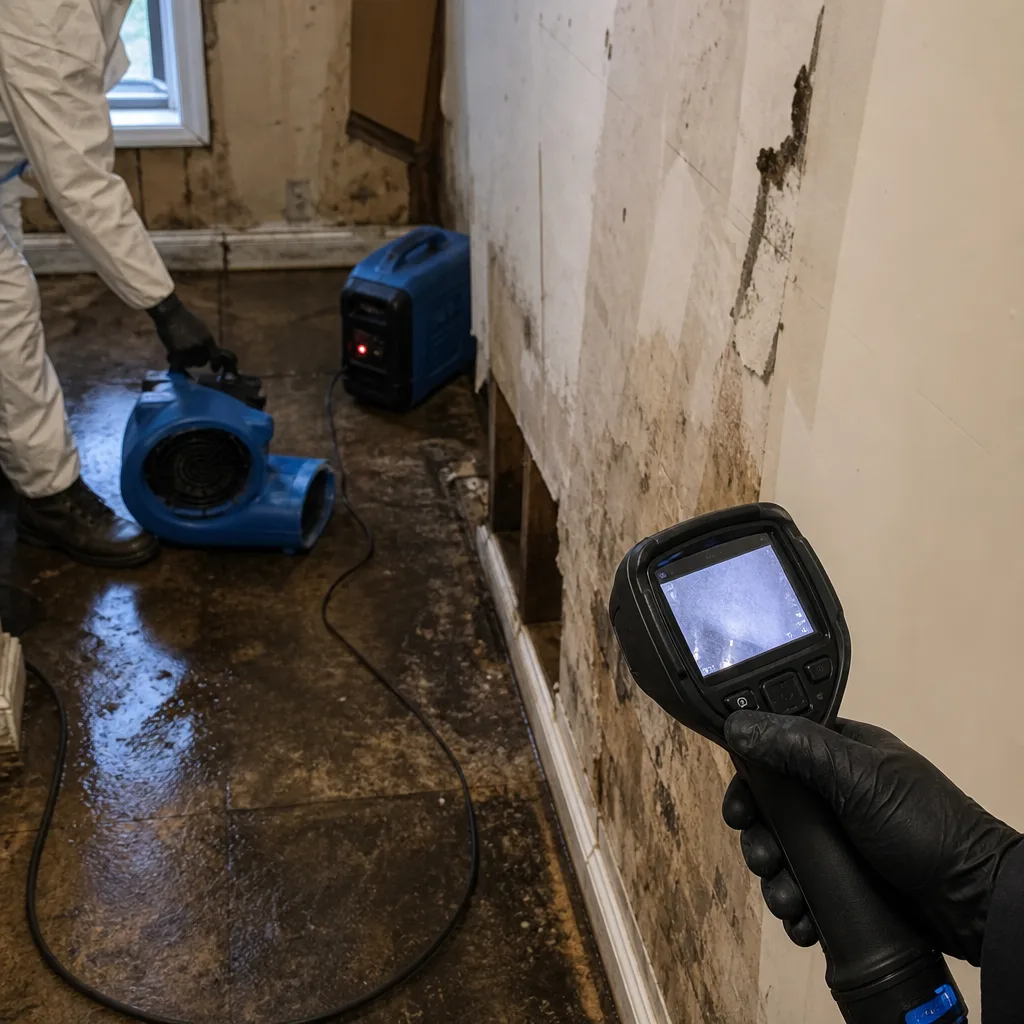 Before
 After
After24/7 Emergency Fire & Smoke Damage Restoration in Upper West Side
Fire and smoke damage in Upper West Side co-ops and brownstones needs a response team that understands pre-war buildings. We answer live 24 hours a day, and crews can be headed toward your building within 45 minutes of your call to (607) 703-3408. The first hour after a fire matters because soot is acidic and etches glass, marble, and metal finishes within days, while smoke odor soaks deeper into horsehair plaster and parquet the longer it sits. We offer a free visual inspection, and our Fire & Smoke Damage Restoration team starts with emergency board-up and containment before anything else.
Understanding Fire & Smoke Damage Restoration Severity in Upper West Side Properties
Fire damage in Upper West Side buildings breaks down into three levels of soot residue that dictate how we attack the job. Light soot from a small kitchen fire settles on surfaces and can often be cleaned with dry sponges and HEPA vacuuming. Moderate soot from a mattress or upholstery fire forces smoke into walls, behind radiators, and through co-op hallway chases, requiring air scrubbers and thermal fogging. Heavy soot from a larger structural event leaves oily residue that bonds to plaster, parquet, and ornamental millwork within hours. The real complication in Upper West Side is what the building is made of. Original horsehair-and-lath plaster absorbs smoke like a sponge, and it holds it far longer than modern drywall. Cast iron radiators and steam riser chases act as chimneys, pulling smoke vertically through multiple floors even when the fire was contained to one unit. Crews who only know drywall and contemporary finishes misjudge drying and cleaning timelines in these buildings by days, sometimes weeks. Restoration in UWS pre-war stock is a specialty, not a template.
Why Upper West Side Property Owners Choose Wade’s Restoration
- 45-minute response commitment: Wade’s crew heads out fast, because smoke keeps working its way into plaster and parquet while you wait.
- 24/7 live answer, and it’s Wade himself on the line: No answering service, no voicemail, no corporate queue. You call, a real person picks up.
- IICRC-certified crews: Fire and smoke restoration technicians certified to IICRC FSRT standards, trained on pre-war materials.
- Free visual inspection: We’ll look at the damage, tell you straight what needs done, and write it down. No charge for that.
- Direct insurance billing: Wade talks to your adjuster so you aren’t the one relaying messages between two sides.
- One team from board-up to final coat: The same crew that stabilizes your unit handles pack-out, cleaning, and structural repair.
Our Fire & Smoke Damage Restoration Process
Inspection & Assessment
We walk the affected units, identify soot type and smoke migration paths, and document everything with photos and written notes. In UWS pre-war buildings, this includes checking riser chases and radiator valve penetrations, because smoke travels through them even when the fire didn’t.
Stabilization & Board-Up
Windows get boarded, damaged roof sections get tarped, and containment barriers go up around the affected floor. In co-op buildings, we coordinate with the super and managing agent so common areas stay usable.
Water Extraction & Structural Drying
If the fire department’s water or the building’s suppression system soaked plaster, parquet, or subfloor, we pull moisture out immediately with Dri-Eaz extractors and set air movers and dehumidifiers. We take moisture readings daily and hand you the full log when the job closes.
Cleaning & Soot Removal
HEPA vacuuming, dry sponge cleaning, and chemical sponge work on surfaces. Heavy soot on plaster and millwork needs careful hand-cleaning, not sandblasting, because those finishes are often 90 years old and irreplaceable.
Odor Removal & Deodorization
Thermal fogging and hydroxyl generators break down smoke protein molecules that have bonded to plaster, wood, and fabric. In landmark-quality units, we use gentler methods that don’t damage original finishes.
Repairs & Restoration
Lath-and-plaster repair, parquet matching, ornamental millwork replication, and full rebuild where needed. One team, one contract, one Wade to call if anything isn’t right.
Need Emergency Fire & Smoke Damage Restoration in Upper West Side Now?
Crews minutes away, answering live 24 hours a day. The sooner we start, the less it costs.
Working With Your Insurance Company
Insurance claims after a fire in an Upper West Side co-op are rarely straightforward. Your policy, the co-op’s master policy, the managing agent, and sometimes the building’s own carrier all sit at the table. Wade has handled these claims since 2007, and he deals directly with adjusters so you don’t have to translate between your insurance company and your building’s board. We start documenting from hour one with photos, moisture readings, and a line-item scope in industry-standard format that adjusters recognize. When the co-op board wants to see a written plan before approving access, we provide that too. The fastest path to a paid claim is documentation that holds up under review.
What We Provide Your Insurer
- Thorough documentation of the loss
- Photos of all damage, room by room
- Moisture readings and drying logs
- A detailed, line-item scope of work
- Direct coordination with your carrier
Built for Upper West Side’s Loss Calendar
Fire loss in Upper West Side follows a rhythm. Heating season from October through March is the biggest driver. Radiator supply valves fail, steam risers leak, and in some buildings, old wiring gets stressed by space heaters that shouldn’t be running. Kitchen fires spike in December and January, often from an unattended pot on a gas range in a galley kitchen off a co-op’s interior shaft. Summer brings a different pattern. Window AC units plugged into overloaded pre-war circuits, and rooftop terrace grills placed too close to a wooden bulkhead. Nor’easters coming off the Hudson hit Riverside Drive and West End Avenue hard, pushing water through aging mortar and terracotta, which then shorts old knob-and-tube wiring in top-floor units. We see smoke damage claims in Upper West Side that start as water damage, and we plan around the building’s calendar, because the co-op board’s approval process can take days unless you know exactly what documentation they’ll ask for up front.
Fire & Smoke Damage Restoration Across Upper West Side’s Neighborhoods
The Upper West Side stretches from 59th to 110th, and the work changes block by block. Around Lincoln Square, near Broadway and 65th, we see high-rise post-war rentals mixed with newer condos, where smoke travels through shared HVAC returns and affects units three and four floors away from the fire. Up in the West 70s and 80s between Columbus and Amsterdam, blocks of 19th-century brownstones have narrow stairs and party walls, so a fire in one parlor floor sends smoke into both neighbors through the shared wall cavity. Riverside Drive and West End Avenue co-ops face direct Hudson River wind exposure, which means window frames and terra-cotta ornament fail faster, letting in water that then hits old electrical systems. Morningside Heights up near 110th has university-owned and converted buildings with mixed construction, some with newer drywall additions over original plaster. We run crews through Central Park West corridors, Columbus, Amsterdam, and Broadway daily, and we know which buildings require which access approvals before we even arrive. That’s the advantage of a team that actually works Upper West Side every week.
Specialized Fire & Smoke Damage Restoration Services We Offer in Upper West Side
Fire Damage Cleanup
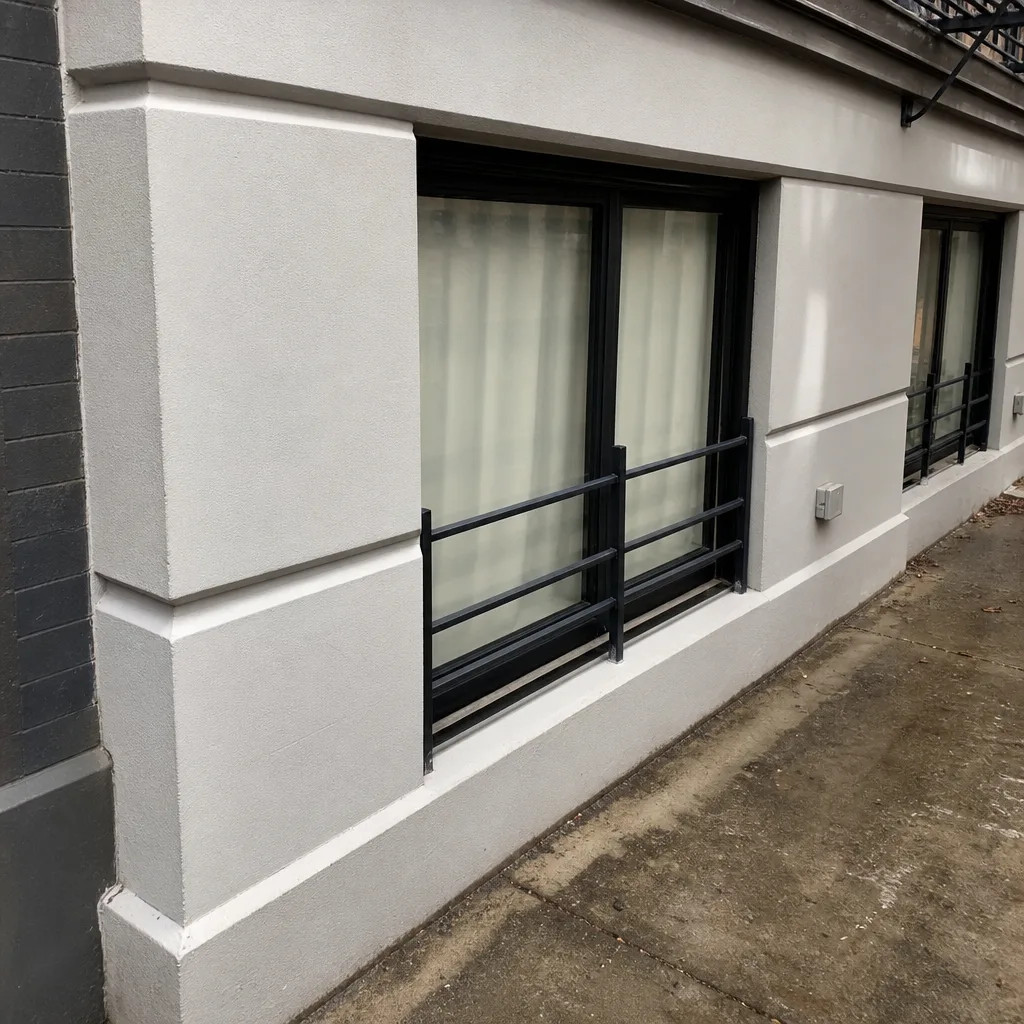
After the FDNY clears the scene, we remove debris, clean all affected surfaces, and neutralize acidic soot before it permanently etches glass, marble, and metal. In Upper West Side pre-war units, this includes hand-cleaning original mantels, plaster moldings, and leaded-glass windows that can’t be replaced off the shelf.
Smoke & Soot Removal
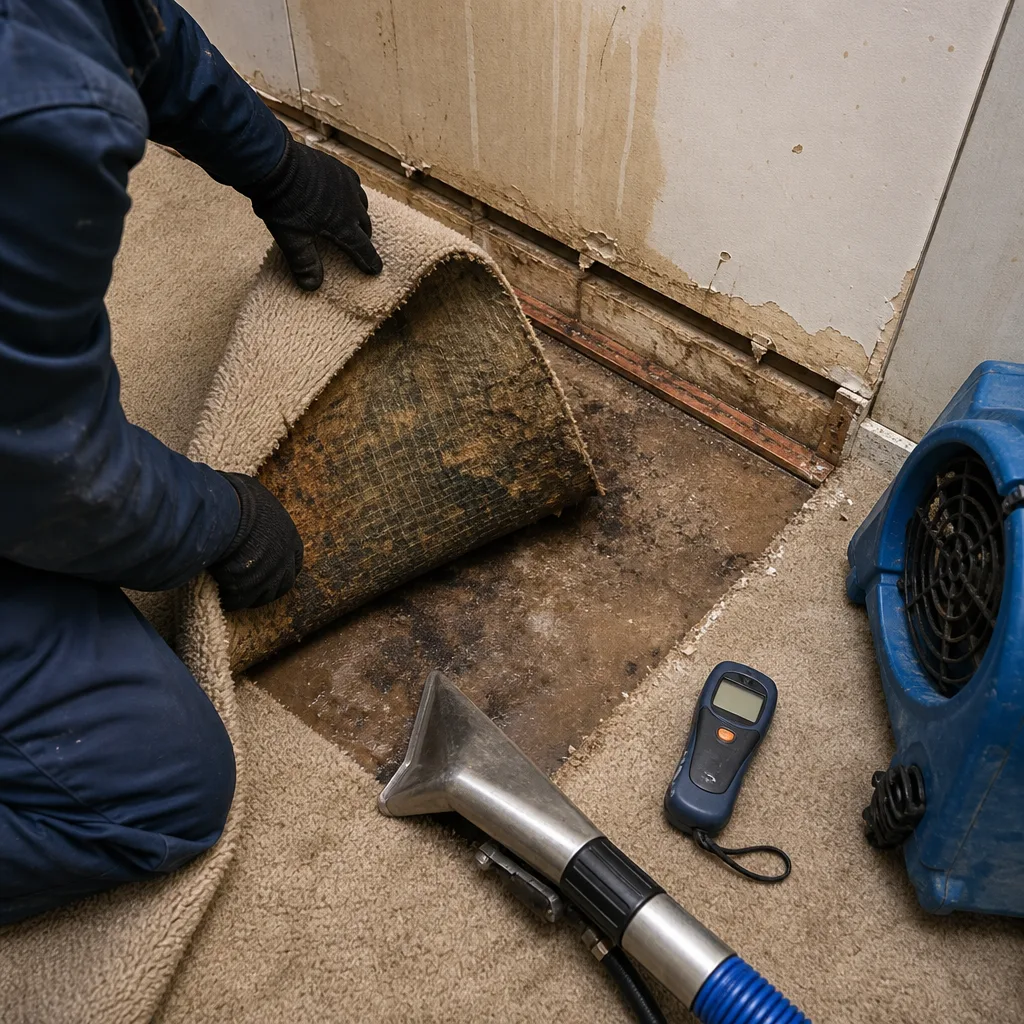
Soot from a fire in a UWS co-op migrates through riser chases, behind radiators, and into neighboring units through pipe penetrations. We clean every exposed surface and test air quality before we call the job done. Smoke residue in horsehair plaster is oily and aggressive. It won’t come out with a sponge and a bucket.
Odor Removal & Deodorization
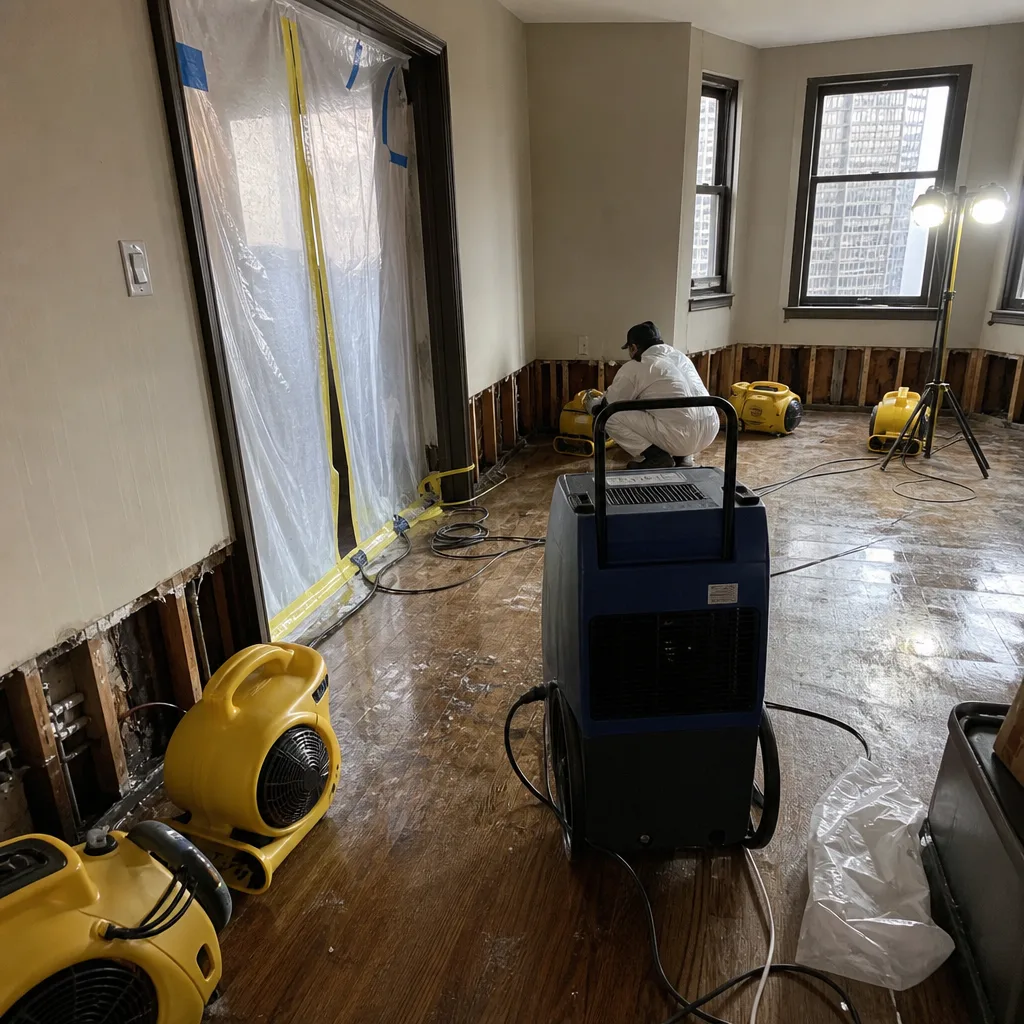
Smoke odor in a pre-war building settles into plaster, parquet, and even the cast iron radiators. We use hydroxyl generators and thermal fogging calibrated to the finish type, because a 1920s painted plaster ceiling can’t take the same treatment as a 2020 drywall wall. The building’s age dictates the method.
Contents Cleaning & Pack-Out
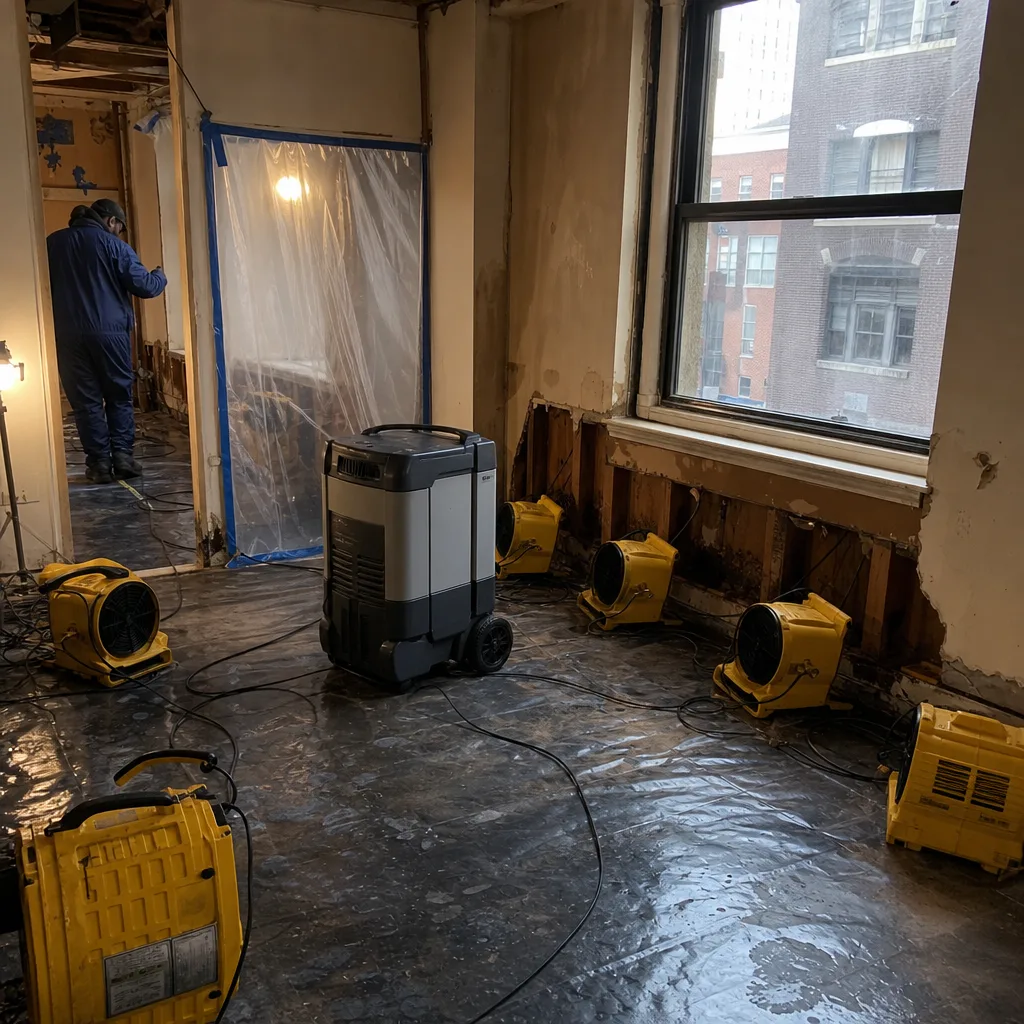
We pack out salvageable contents, inventory everything room by room, clean what can be cleaned, and store the rest at a secure, climate-controlled facility. For Upper West Side units with original furnishings, artwork, or papers, we use specialized techniques for smoke-damaged textiles, books, and fine art. The co-op board gets a written inventory before anything leaves the building.
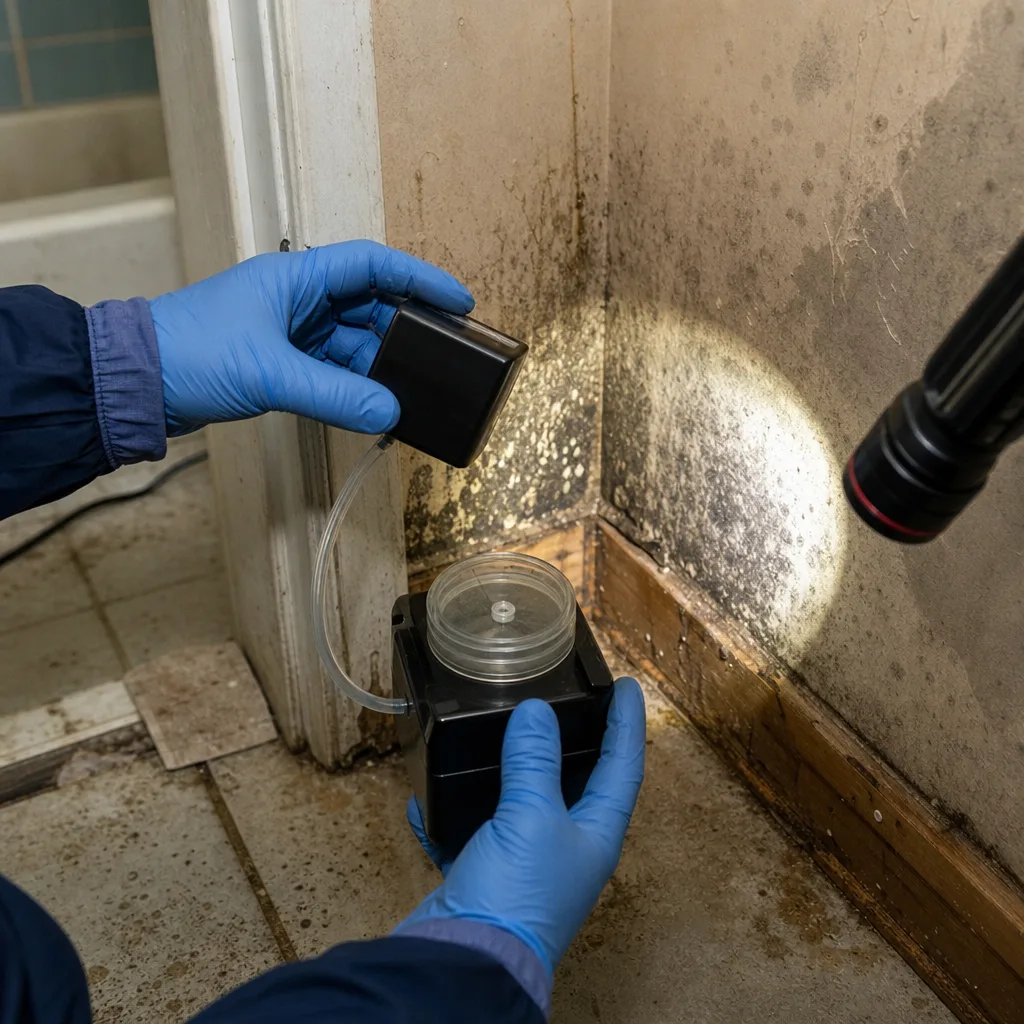
Emergency Board-Up & Tarping
Within hours of a fire, we secure open windows, damaged roofs, and compromised walls. In UWS buildings, this often means working from the sidewalk on a busy street like Broadway or Amsterdam, coordinating with the super to protect common areas, and making sure the building looks secure. We bring the plywood, the tarps, and the know-how to do it without damaging the façade.
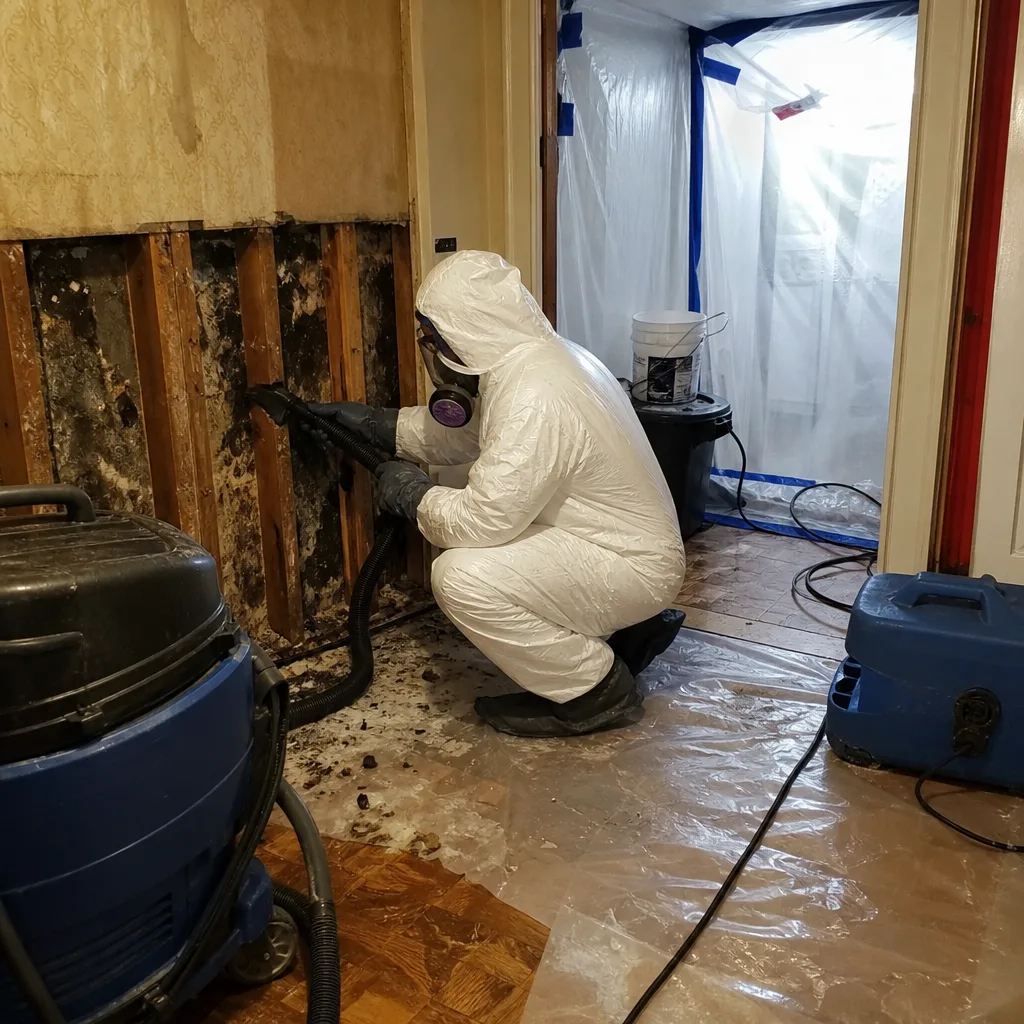
Structural Fire Repair
Rebuilding after a fire in an Upper West Side co-op means more than hanging drywall. It means matching original horsehair plaster, replicating lost crown molding, sourcing period parquet, and sometimes in landmark-designated buildings, getting NYC Landmarks Preservation Commission approval before touching ornamental millwork. We have done this work across the UWS and we do it right, because the board will check.
What happens when you call
- 1
A real person answersNo phone trees - you reach a local pro.
- 2
You get an upfront price rangeHonest numbers before anyone is dispatched.
- 3
A background-checked tech heads outLicensed & insured, dispatched right away.
- 4
You approve before work beginsNothing starts until you say go.
Fire & Smoke Damage Restoration Costs in Upper West Side, NY
Fire damage restoration in Upper West Side runs higher than in outer-borough or suburban markets because the buildings are old and the finishes are expensive to match. A light kitchen fire clean in a single co-op unit, with soot cleaning and odor treatment, typically runs $3,500 to $8,500. A moderate smoke migration event affecting multiple rooms or neighboring units lands between $9,000 and $28,000, depending on how many rooms, how many units, and how much pack-out is needed. A structural fire requiring board-up, water extraction, full pack-out, plaster and parquet replacement, and LPC review can run $40,000 to $120,000 or more, especially in landmark co-ops. What moves the price is finish matching: original plaster and parquet replication costs three to five times what drywall and engineered flooring cost. Insurance usually covers most of this under the fire and smoke provisions of your co-op or renters policy. We offer a free visual inspection, and we provide a written, line-item scope before any work begins, so you know exactly what the board will see and what your adjuster will sign off on. Call (607) 703-3408 and Wade will walk you through it.
We Also Serve Cities Near Upper West Side
Wade’s Restoration works daily across Upper West Side and the surrounding city. We serve Midtown West, Financial District, Lower Manhattan, and Astoria with the same 24/7 live answer and the same 90-Day Done Right Promise on every fire, water, and mold restoration job.
Serving Upper West Side, NY - Our Local Coverage Area
We’re based in the Upper West Side area and know this community well. Use the map below to see our service coverage - if you’re nearby, we can almost certainly help.
Upper West Side Fire & Smoke Damage Restoration Questions, Answered
Does the NYC Landmarks Preservation Commission require special approval for fire damage restoration in UWS landmark buildings?
Yes, if your building is in a designated historic district or individually landmarked, any exterior work and much of the interior work affecting original ornamental finishes requires Landmarks Preservation Commission approval before demolition or replacement begins. The co-op board usually initiates this, but a contractor who doesn’t know the LPC process can stall your restoration by months. Wade’s team has coordinated with the LPC on Upper West Side landmark restorations, and we build the approval sequence into our schedule from day one. Call (607) 703-3408 if you need help starting that process.
How do you handle fire and smoke damage across multiple co-op units in a pre-war UWS building?
We treat each unit as its own job with its own finish expectations, but we run one containment plan and one drying plan for the whole affected floor. A single failed riser or radiator valve can flood a dozen units, and each shareholder has a different tolerance and a different carrier. We document every unit separately, we coordinate with the managing agent daily, and we give the board one written scope covering the whole floor. Wade has been cleaning up after these multi-unit events in Upper West Side since 2007.
Do I need the co-op board’s approval before you can start water extraction after a fire on the Upper West Side?
In most UWS co-ops, yes, the board or managing agent must approve any work that involves opening walls, floors, or ceilings in common building elements, and they often want to see a scope and contractor’s credentials first. Emergency water extraction to prevent further damage is usually allowed immediately, but destructive moisture mapping inside original plaster walls typically requires written approval. We handle that communication, and we carry the documentation the boards asks for. The sooner you call (607) 703-3408, the sooner we can get that approval moving.
Can you match the original horsehair plaster and parquet in a 1920s UWS co-op after fire damage?
Yes. We work with plasterers who hand-mix lime and horsehair plaster to match original walls and ceilings, and we have access to period parquet mills for matching 1-inch oak, maple, and mahogany flooring. The finish will match, not just approximate. This is what separates a true restoration from a drywall-and-paint fix in a building that’s 90 years old.
Why does fire damage restoration take longer in Upper West Side pre-war buildings than in newer Manhattan condos?
Because the materials are slower to dry, the finishes are harder to match, and the approval chain is longer. Horsehair plaster holds moisture longer than drywall, parquet soaks water differently than engineered flooring, and the co-op board, managing agent, and sometimes the LPC all have to sign off before demolition can start. A drywall condo unit can be restored in a week. A landmark UWS co-op with original finishes can take two to three months, done properly.
How fast can someone actually get here after a fire in Upper West Side?
Wade answers his own phone 24 hours a day. Crews are typically on the road within an hour of your call, and we can have board-up, containment, and initial extraction running the same day in most Upper West Side locations. Call (607) 703-3408 any time, day or night.
Will insurance cover fire and smoke restoration in my Upper West Side co-op?
Most co-op and renters policies cover fire and smoke damage, including pack-out, cleaning, and reconstruction, subject to your deductible and limits. The co-op’s master policy may also apply to shared building elements. We bill directly to carriers, we provide the documentation adjusters require, and Wade will talk to your adjuster directly so you aren’t stuck in the middle.
What should I do in the first 30 minutes after a fire in my Upper West Side unit?
Call 911 first if you haven’t already, then call your building’s super and your insurance company, then call us at (607) 703-3408. Do not enter the unit until the fire department clears it. Do not turn on electrical appliances. Do not wipe soot off walls, because that can grind the residue deeper into the finish. Let us document and stabilize first.
Written by Wade Ferris, Owner at Wade’s Restoration, serving Upper West Side since 2007.