
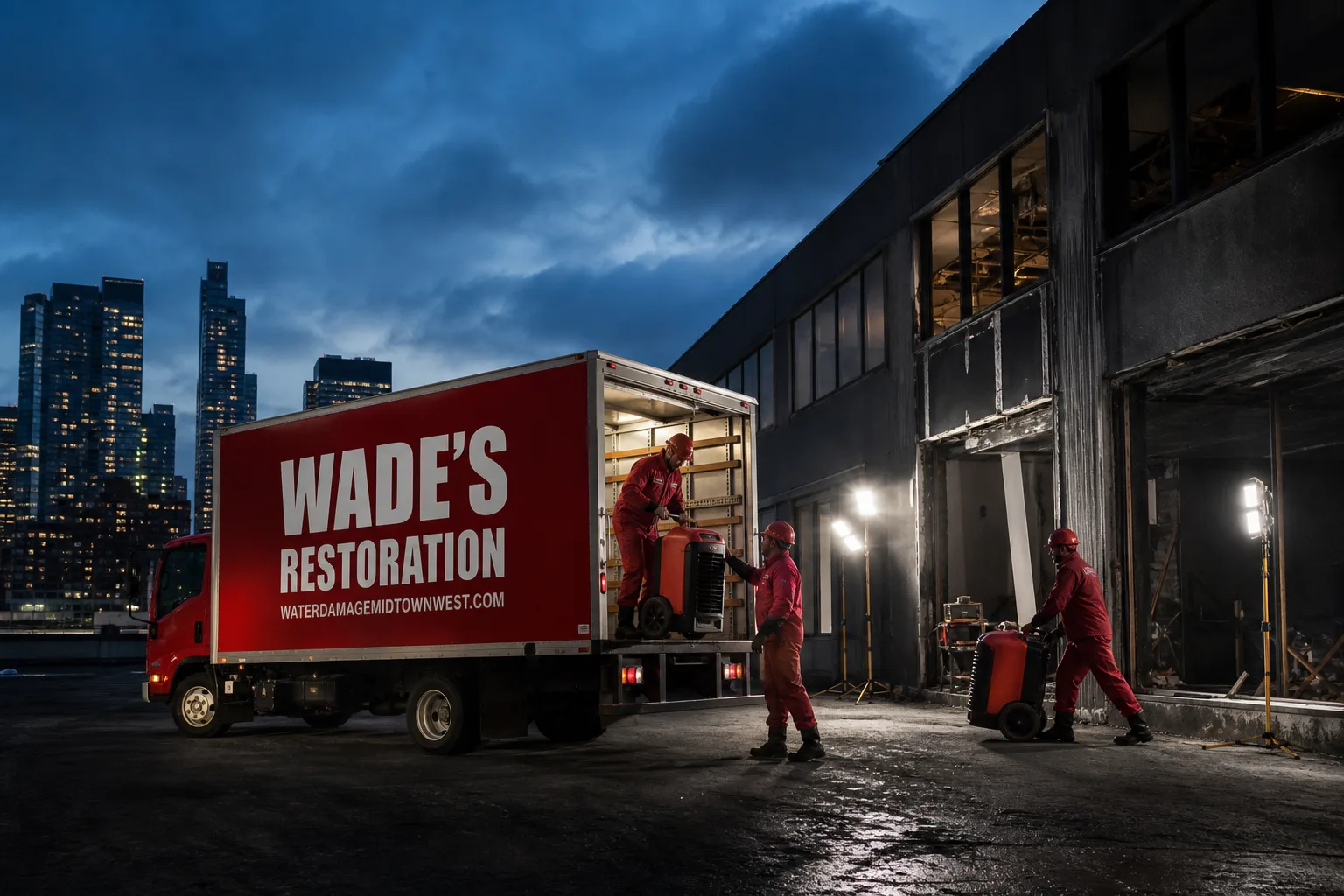
Free visual inspection and a written scope of work before any mitigation begins - photos, moisture readings, and drying logs go in your claim file
The scope we write is the scope we bill. Anything new gets shown to you, in writing, before we touch it.
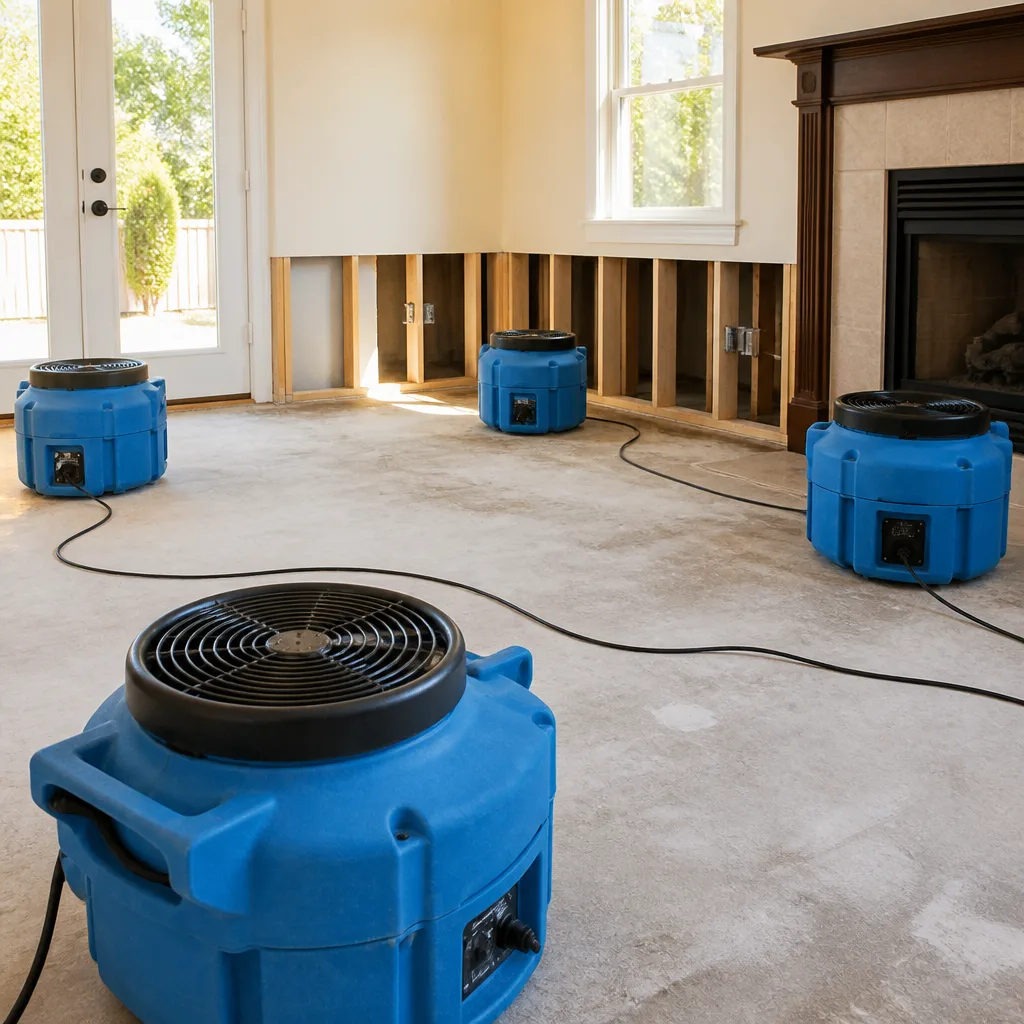
 Before
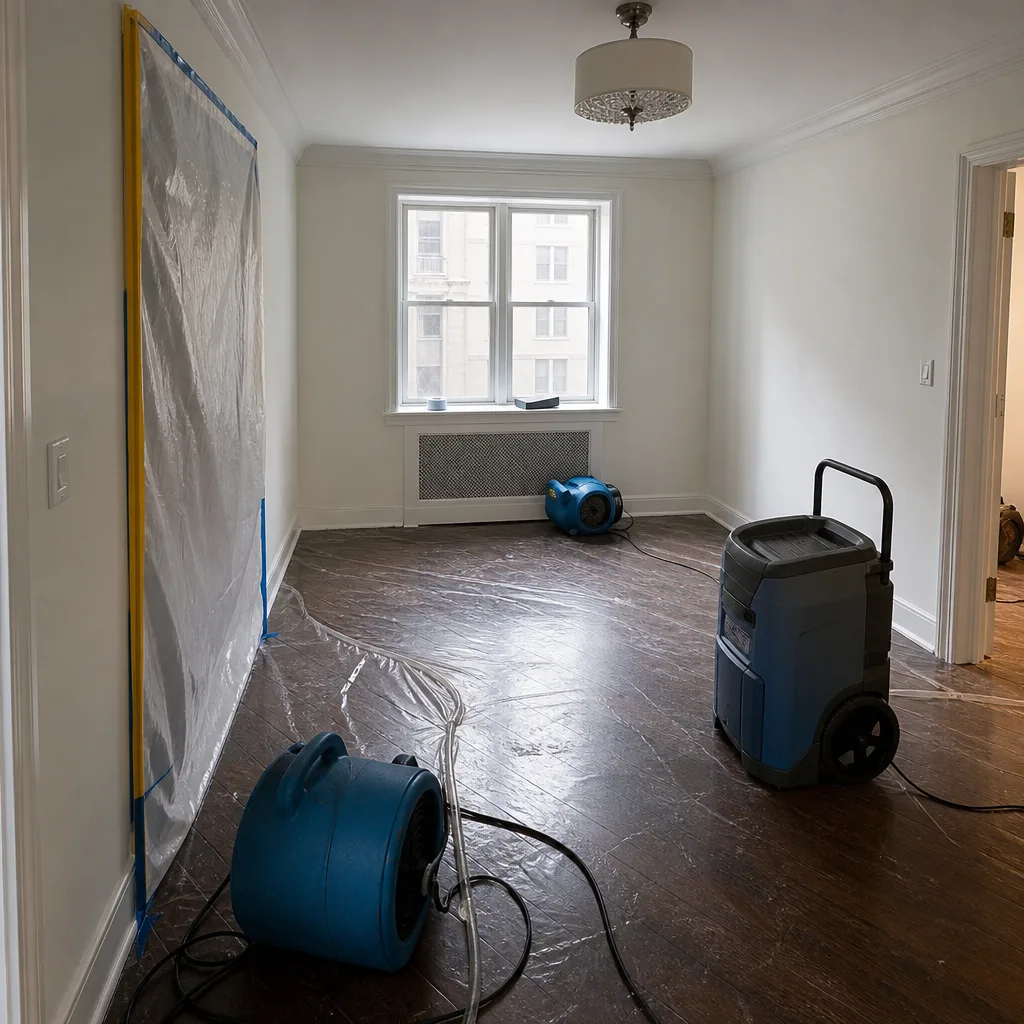 After
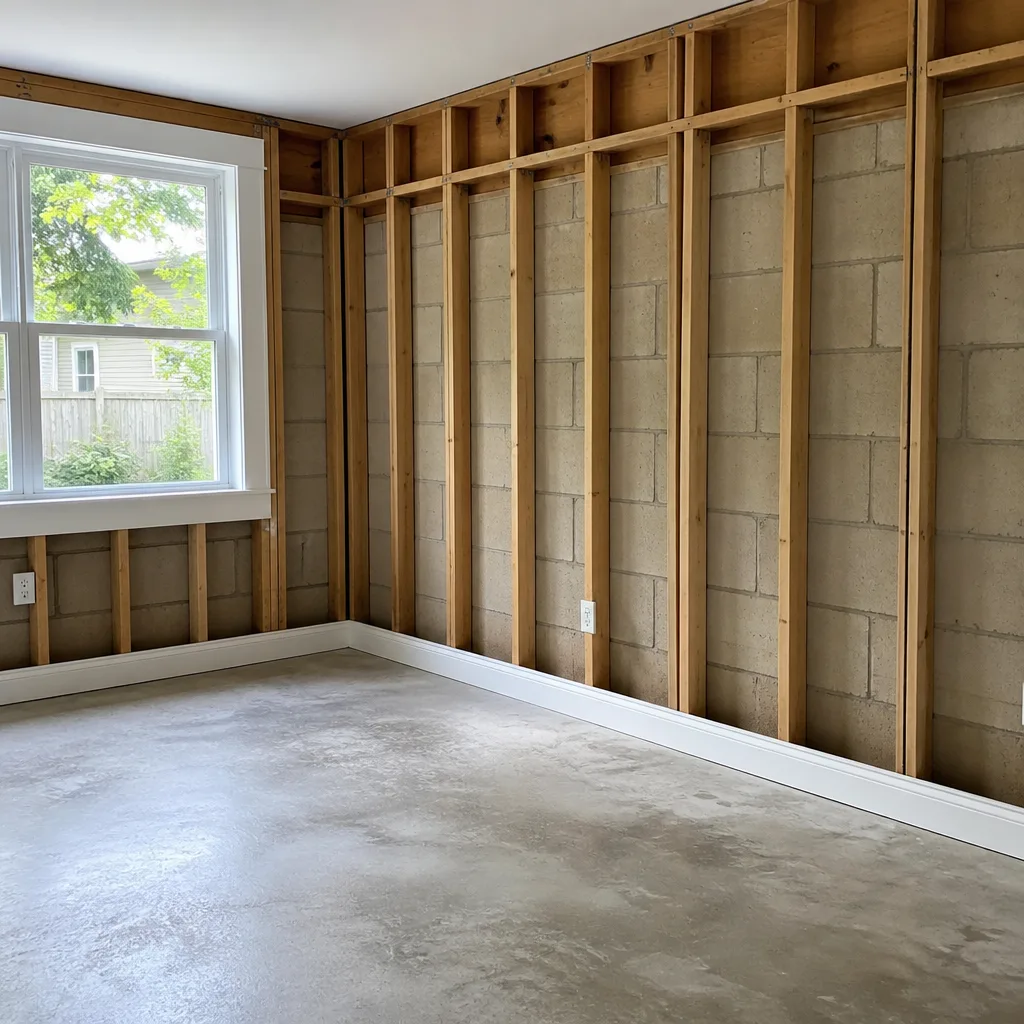
After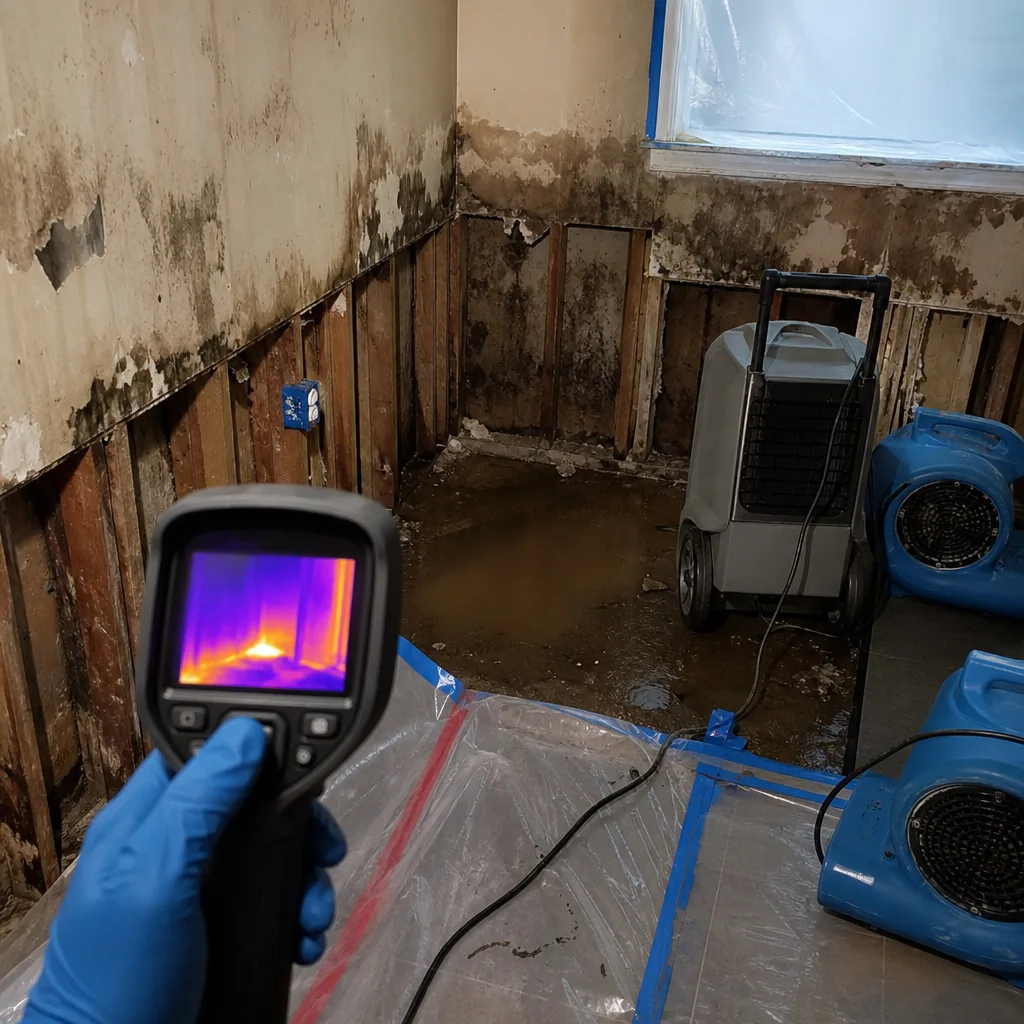 Before
 After
After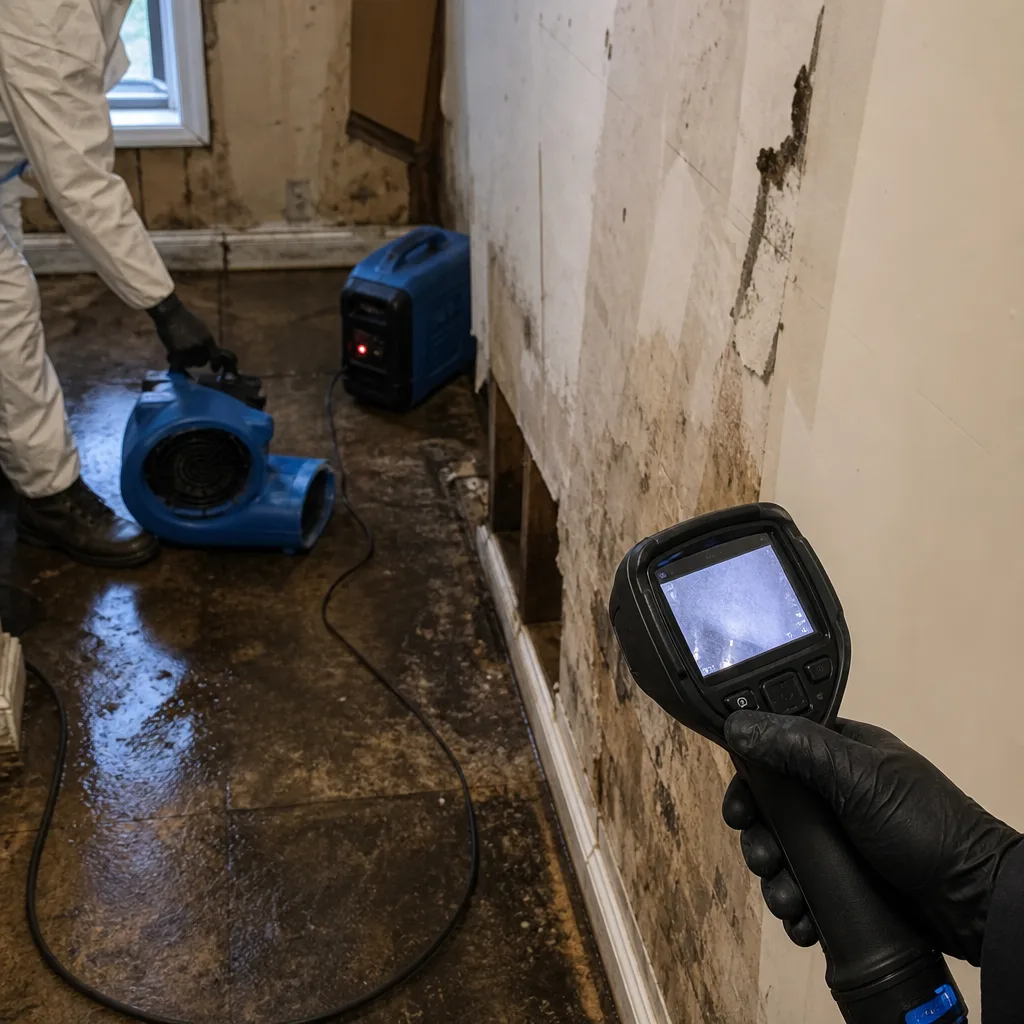 Before
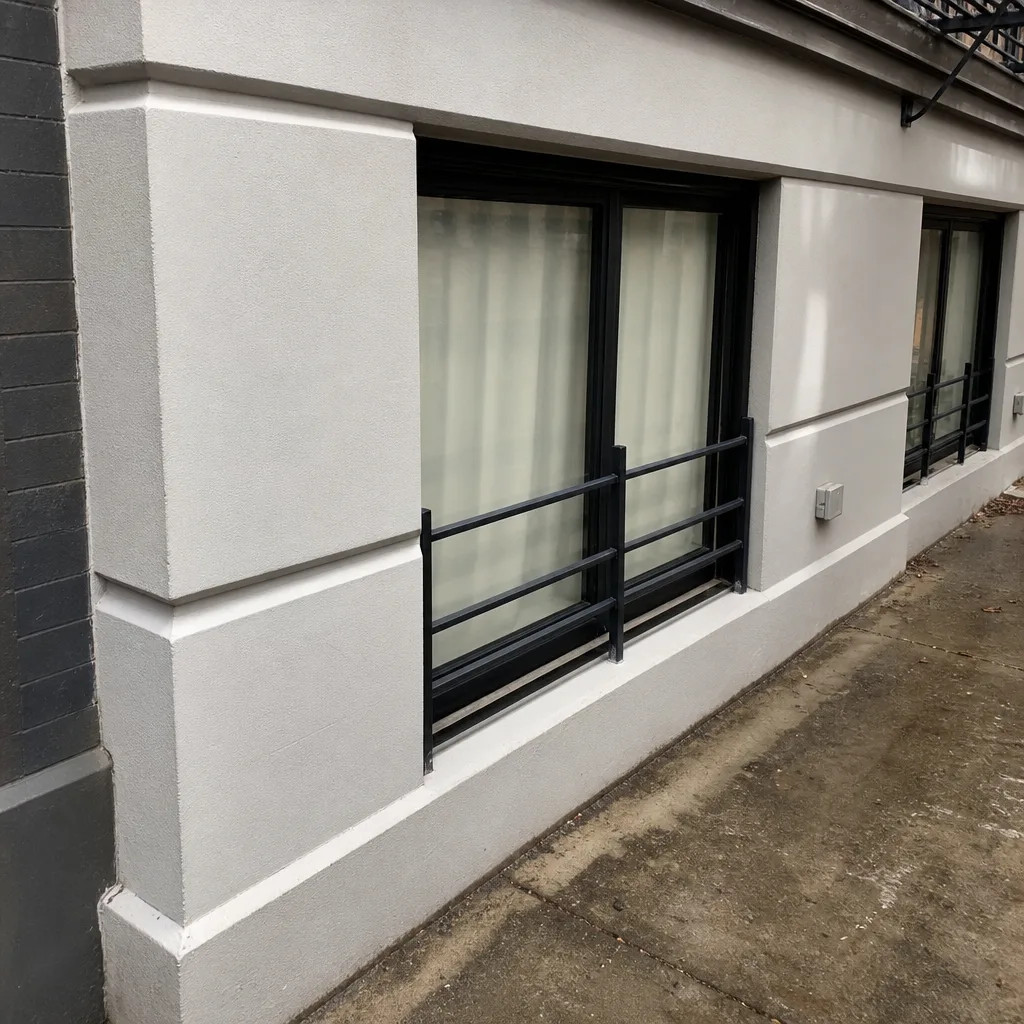 After
After24/7 Emergency Fire & Smoke Damage Restoration in Long Island City
Fire damage in Long Island City doesn’t wait for business hours, and neither do we. When you call (607) 703-3408, a real person answers – not a voicemail, not a call center. Wade Ferris picks up his own phone, and he’s been doing it since 2007. This neighborhood’s towers and loft conversions burn hot and the smoke travels fast; the first hour determines whether a kitchen fire stays a kitchen fire or becomes a building-wide restoration job. We dispatch crews into Long Island City immediately, with free visual inspections and a straight answer about what you’re facing. The sooner soot gets contained and water from sprinkler discharge gets mapped, the less this costs you.
Understanding Fire & Smoke Damage Restoration Severity in Long Island City Properties
Fire damage in Long Island City splits into distinct profiles depending on the building. In pre-war factory conversions near Jackson Avenue and Court Square, we’re dealing with dry soot residue and hot smoke that traveled through open floor plates. In the glass towers along Center Boulevard, the same small kitchen fire becomes a different animal entirely: smoke migrates through shared ventilation shafts, sprinkler discharge soaks multiple units below, and the building’s air handling system keeps recycling odor until someone stops it. Soot types matter. Dry soot from high-heat fires brushes off relatively clean; wet soot from smoldering fires sticks and smears, and that’s what we see when sprinkler systems douse a fire before FDNY arrives. Protein residue from cooking fires is nearly invisible but coats every surface with a thin film that holds odor for months. In Long Island City’s older masonry buildings, smoke pushes into brick pores and concrete slabs; in the new high-rises, it preferentially moves through utility chases and elevator shafts. Knowing which building type you’re in tells us where to look before we even open the door.
Why Long Island City Property Owners Choose Wade’s Restoration
- Wade answers the phone himself. Not a dispatcher, not an answering service. The owner, on his cell, 24 hours a day. He’s the one who shows up.
- Crews minutes away in Long Island City. We stage in the neighborhood, which means response time to Hunters Point or Queens Plaza isn’t a projection. It’s measured in minutes.
- IICRC-certified fire and smoke crews. FSRT certification for fire and smoke restoration, plus WRT for the water damage that comes with any sprinkler discharge. The people we send know what they’re doing.
- Free visual inspection, no obligation. We come out, look at the damage, tell you what it’ll take. No charge for that. Ever.
- Direct insurance billing and documentation. We give your carrier what they actually need: photos, moisture logs, line-item scopes. Not vague invoices.
- One team from board-up to rebuild. We don’t hand you off to a different company when it’s time for structural repairs. Wade’s crew handles it all.
Our Fire & Smoke Damage Restoration Process
Inspection & Assessment
We walk the entire affected area, including spaces you might not think to check – the mechanical rooms, the shared hallways, the unit above or below. Thermal imaging shows us where heat compromised walls and where water from suppression pooled. You get a written scope before any work starts.
Stabilization & Smoke Containment
We set up containment barriers to stop soot and odor from migrating further while we work. In Long Island City’s high-rises, that often means sealing elevator lobby doors and stairwell doors, plus putting HEPA air scrubbers on the fire floor and wherever ductwork opens up.
Water Extraction & Structural Drying
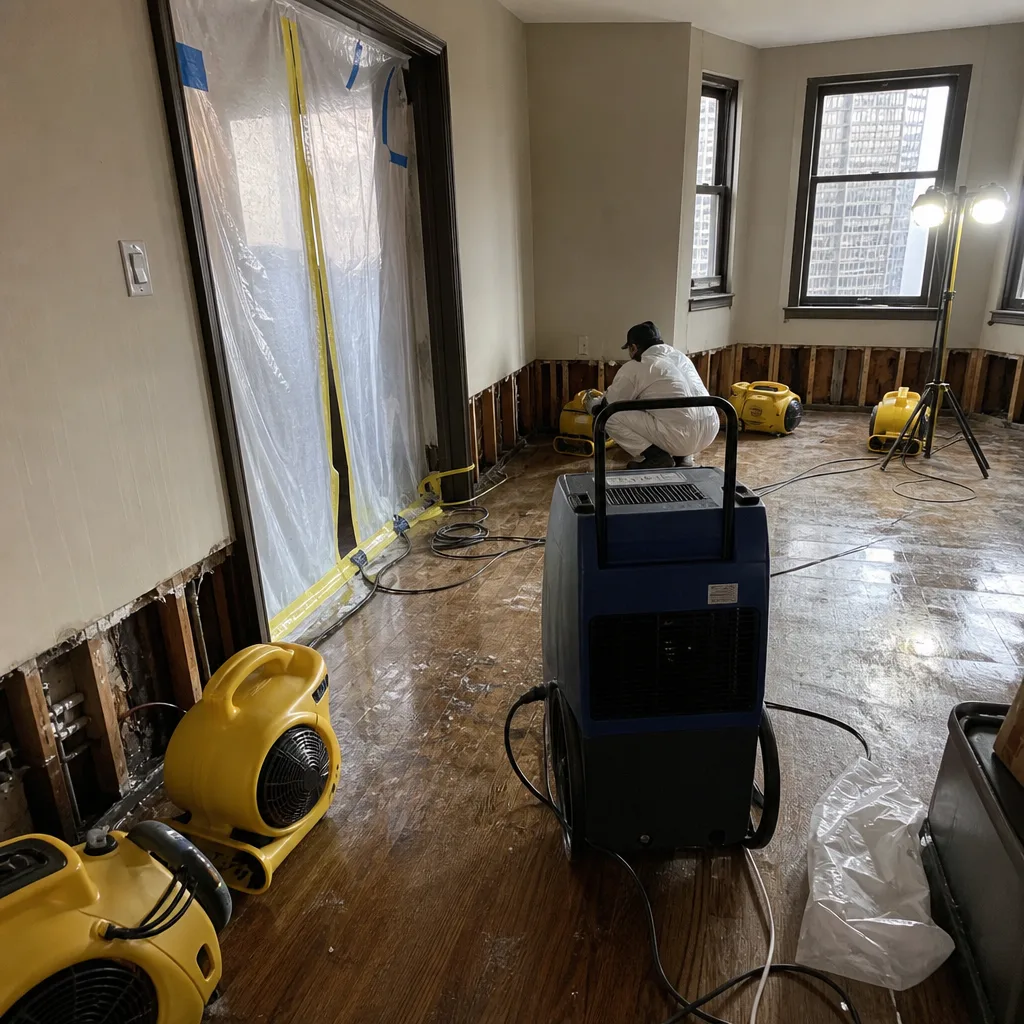
Sprinkler discharge and fire hose water are Category 2 or 3 – not clean, not safe to ignore. We run moisture readings on every surface, including concrete slabs, then lay down air movers, dehumidifiers, and floor-drying systems sized for your building’s actual layout.
Soot & Smoke Cleaning
We clean surfaces based on soot type – dry soot gets vacuumed with HEPA filtration, wet soot gets chemical cleaning agents specific to the surface material. For mechanical rooms and switchgear, we use dry-ice blasting to remove carbon deposits without water.
Odor Removal & Deodorization
Smoke odor hides in places you can’t see: wall cavities, ductwork, behind cabinets. We use thermal fogging and ozone treatment where appropriate, but we also treat the source – not just mask it. In shared buildings, this means treating the ventilation path, not just the fire unit.
Repairs & Restoration
Once the space is clean and dry, we reconstruct. Drywall, flooring, paint, trim, mechanical components – one crew, one written scope, one 90-Day Done Right Promise in writing. If it’s not done right, Wade makes it right.
Need Emergency Fire & Smoke Damage Restoration in Long Island City Now?
Crews minutes away, answering live 24 hours a day. The sooner we start, the less it costs.
Working With Your Insurance Company
Your carrier needs documentation, not promises. From the first hour on site, we’re photographing damage, recording moisture readings, and building the paper trail that supports your claim. Wade deals directly with adjusters – you’re not the one stuck relaying information between two sides. We write estimates in the same format insurers expect, using the same software, so there’s no translation gap. For fire and smoke jobs in Long Island City, the big dispute is almost always over what counts as “smoke damaged” versus “smoke affected.” We walk the line honestly with your adjuster, because our reputation with local building managers and co-op boards depends on being straight about what’s cleanable and what’s replaceable. If your policy has a replacement cost provision, we can document that path too.
What We Provide Your Insurer
- Thorough documentation of the loss
- Photos of all damage, room by room
- Moisture readings and drying logs
- A detailed, line-item scope of work
- Direct coordination with your carrier
Built for Long Island City’s Loss Calendar
Long Island City’s fire season doesn’t follow a predictable curve like basement flooding does, but the patterns are real. Late fall through early spring, we see more kitchen fires in dense residential towers – holiday cooking, grease fires, unattended stoves – where smoke travels through shared ductwork and sprinkler discharge becomes a water damage event in three units below. Summer brings electrical fires as aging pre-war wiring strains under air conditioning loads in converted loft buildings near Court Square and Queensboro Plaza. Nor’easters and coastal storms push surge water into basement mechanicals, and when that salt water meets electrical equipment, the result is often a smoldering fire that contaminates half a building with acrid smoke. The high-rises along Center Boulevard and the waterfront have their own calendar: elevator machinery fires in shafts, exhaust hood fires in ground-floor retail kitchens, and construction-related fires from the constant renovation churn of a neighborhood that never stops rebuilding itself. We know what’s next, and we’re ready before you need us.
Fire & Smoke Damage Restoration Across Long Island City’s Neighborhoods
Hunters Point is our most frequent call zone, and it’s almost always a fire on an upper floor that drained smoke downward through the building. Those towers off Vernon Boulevard and Center Boulevard are tight – freight elevators have time windows, concierge desks need notice, and our techs carry compact air movers and portable HEPA units that fit through 28-inch tenant doors. Court Square and Queens Plaza have their own profile: pre-war office buildings converted into condos, where a fire in one unit sends soot through original cast-iron plumbing chases and into the wraparound lofts below. The Dutch Kills corridor and areas near the Queensboro Bridge approach are mixed manufacturing and residential; we see more electrical fires there, more board-up needs for storefronts, and more coordination with NYC DOB on structural repairs. Along Jackson Avenue, the restaurant and retail presence means grease fires and hood suppression systems, where cleaning kitchen exhaust ductwork is half the job. No two blocks in Long Island City burn the same way, and we don’t treat them like they do.
Specialized Fire & Smoke Damage Restoration Services We Offer in Long Island City
Fire Damage Cleanup
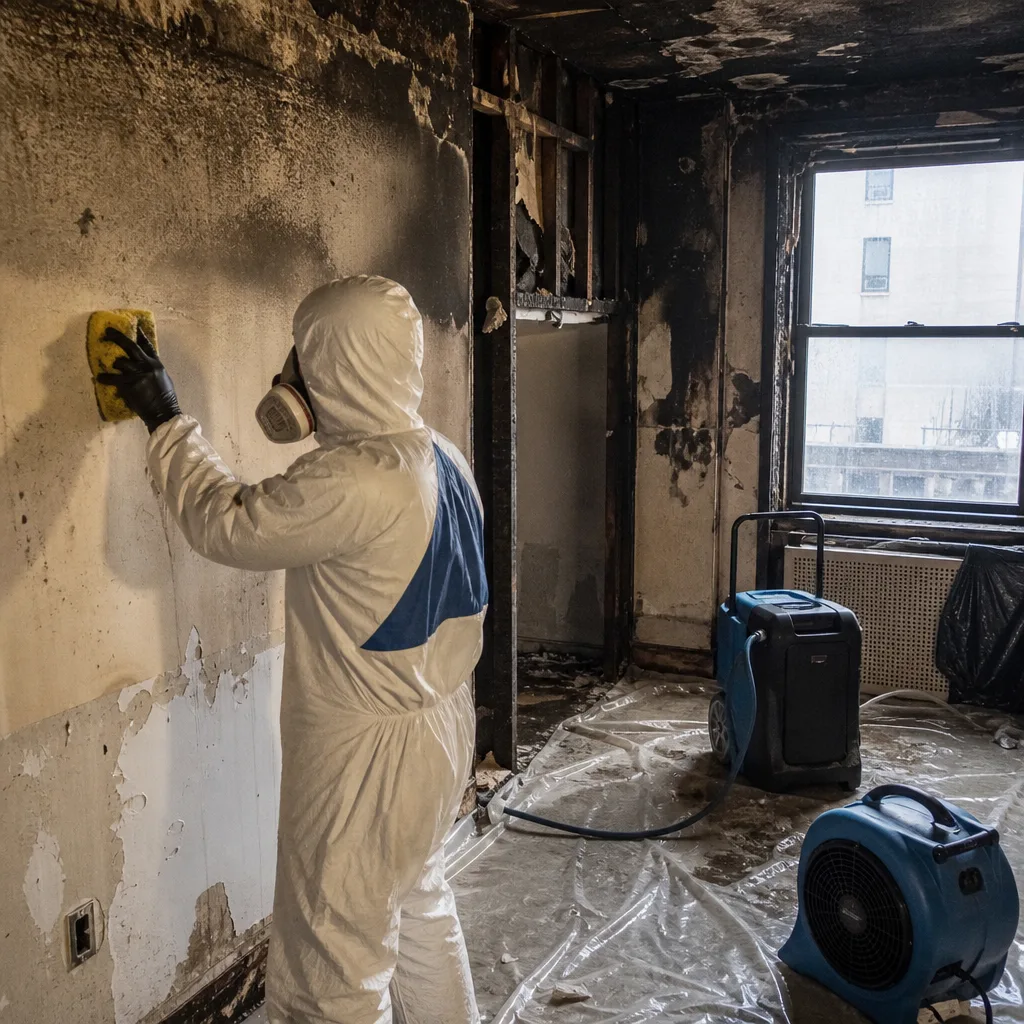
Soot, char, and debris don’t wait. We start with HEPA vacuuming to remove loose particulates, then work through the chemical cleaning sequence that’s appropriate for whatever burned: wood, plastics, synthetics, electronics. In Long Island City lofts with exposed brick, that means aggressive but careful surface cleaning that doesn’t leave the brick looking washed-out. In high-rise units with drywall, it’s about getting residue off before it embeds. Every job gets a written scope before we start.
Smoke & Soot Removal
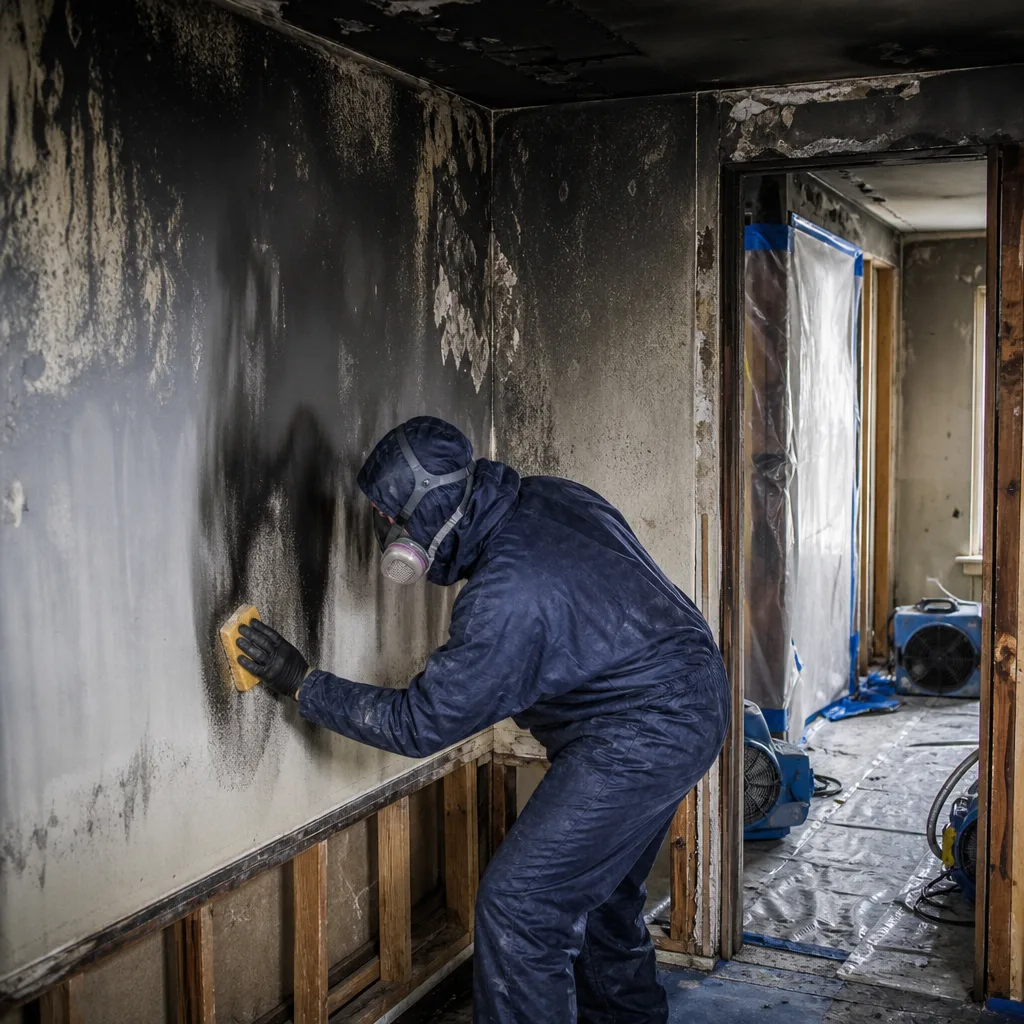
Smoke doesn’t stay in the room where the fire was. In Long Island City’s shared-building environment, soot rides the building’s pressure differentials – it ends up in elevator shafts, stairwells, neighboring units, and basement mechanical rooms. We use a combination of dry-ice blasting for delicate surfaces, HEPA air scrubbing for airborne particulate, and targeted chemical removal for stubborn deposits. Our crew checks the spaces you can’t see: behind walls, above drop ceilings, inside ductwork. That’s where the real contamination hides.
Odor Removal & Deodorization
Smoke odor in a Long Island City high-rise is a building problem, not a unit problem. Shared ventilation systems carry the smell up and down, and until the stack effect is addressed, it keeps coming back. We run thermal fogging through ductwork, set up hydroxyl generators where ozone isn’t safe for occupied spaces, and treat wall cavities. The source gets neutralized, not masked. Building engineers know us for this – because we’re the ones who actually fix it the first time.
Contents Cleaning & Pack-Out
When your furniture, clothes, artwork, and electronics are smoke-damaged, we inventory everything, document it for your insurer, pack it out, and clean it at our facility. Ultrasonic cleaning for hard goods, specialized washing for textiles, and deodorization for anything that absorbed odor. The inventory is detailed enough that both you and your adjuster can see exactly what was taken and what’s coming back. Nothing disappears into a vague “contents” category.
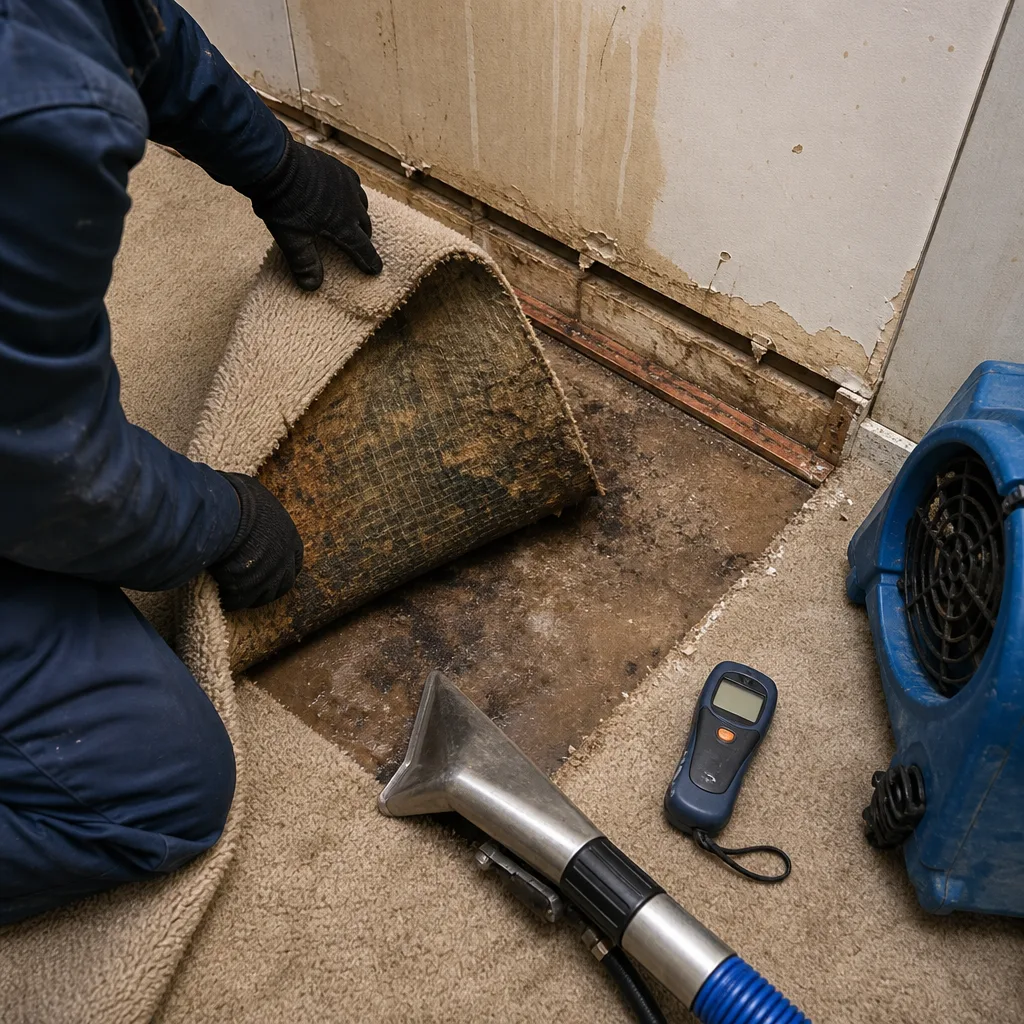
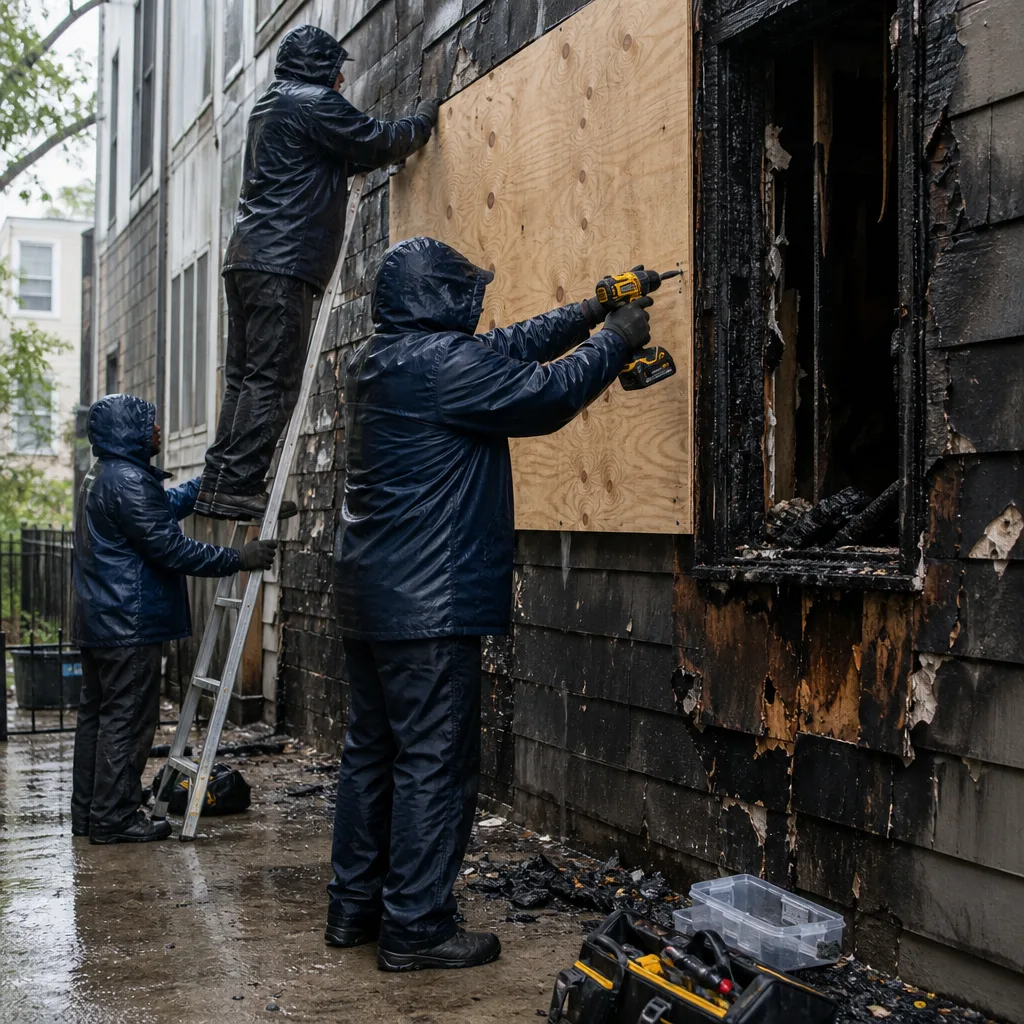
Emergency Board-Up & Tarping
A fire leaves open windows, compromised walls, and a building that’s not secure. We’re on site within minutes to board up storefronts on Vernon Boulevard or secure broken windows in a Hunters Point apartment. Fires leave holes – in roofs, walls, skylights – and we tarp them properly so rain doesn’t turn a fire loss into a water loss too. The board-up crew is the same team that’ll do the restoration, so there’s no gap between securing the site and starting the work.
What happens when you call
- 1
A real person answersNo phone trees - you reach a local pro.
- 2
You get an upfront price rangeHonest numbers before anyone is dispatched.
- 3
A background-checked tech heads outLicensed & insured, dispatched right away.
- 4
You approve before work beginsNothing starts until you say go.
Fire & Smoke Damage Restoration Costs in Long Island City, NY
A typical fire damage cleanup in a Long Island City apartment runs $1,400 to $2,800 for a small kitchen fire with smoke damage to one or two rooms. Where sprinkler discharge soaked through to units below, expect $4,000 to $9,500 for water extraction, structural drying, and smoke remediation. A full fire and smoke restoration in a Hunters Point tower unit – including containment, air scrubbing, content cleaning, drywall replacement, and odor treatment – lands between $15,000 and $45,000 depending on the square footage and how far smoke traveled. Board-up service runs $400 to $1,200 for a typical storefront or single residential door. The variables that move the number most are whether your building’s ventilation system spread smoke beyond the fire unit, how much water the suppression system discharged, and whether structural framing or the building envelope was compromised. We write a line-item scope before work starts, and any estimate you have from another company we’ll review for free – no trip charge inside the county, always. Call (607) 703-3408 for a free inspection and a real number, not a range that changes when we walk in the door.
We Also Serve Cities Near Long Island City
Our Fire & Smoke Damage Restoration crew is based in the area and regularly works throughout Long Island City plus nearby Astoria, where we see similar post-war building stock and high-density residential fire patterns. Same response time commitment, same free inspection, same IICRC-certified crew. If you’re nearby, call and Wade will head out himself.
Serving Long Island City, NY - Our Local Coverage Area
We’re based in the Long Island City area and know this community well. Use the map below to see our service coverage - if you’re nearby, we can almost certainly help.
Long Island City Fire & Smoke Damage Restoration Questions, Answered
How do you handle smoke odor in a Long Island City high-rise when the smell travels through shared ductwork?
Smoke odor in shared ductwork requires treating the entire ventilation path, not just the fire unit. We run thermal fogging through the affected duct runs and set up HEPA air scrubbers at building mechanical room doors.
In Long Island City towers, the building’s air handling system keeps recirculating odor until we break the cycle: containment on the fire floor, scrubbing at the HVAC intake, and fogging the ductwork itself. We coordinate with building engineers to schedule access, because shutting down airflow in one zone affects everyone above and below. Call (607) 703-3408 and we’ll talk real specifics for your building.
Can you dry out a basement mechanical room in a Hunters Point tower after a fire sprinkler discharge?
Yes. We dry basement mechanical rooms in Hunters Point towers regularly, and we know the access constraints: freight elevator windows, equipment staging in loading docks, and the tight clearances around boilers and switchgear.
Sprinkler discharge in a mechanical room is Category 2 water, and it wicks into the concrete slab fast. We run moisture readings immediately, lay down compact air movers and dehumidifiers sized for the space, and hand the building engineer a drying log at the end. If the mechanical room is the same one that was rebuilt post-Sandy, we coordinate with whoever manages the flood-proofing so our drying doesn’t compromise their systems.
What experience do you have with post-Sandy mechanical rooms that were flood-proofed and rebuilt?
Plenty. Long Island City’s waterfront towers rebuilt their basement mechanicals after Hurricane Sandy with flood-proofing, elevated electrical gear, and code-compliant enclosures. When fire or smoke contaminates those spaces, you’re not just cleaning a room – you’re working around systems that were engineered to a specific flood standard.
We know those rooms. Our crew has removed soot from switchgear, cleaned flood-proof enclosures, and coordinated with NYC DOB on code-compliant reconstruction when structural damage is involved. That’s not something a generic restoration outfit learns on the fly; it’s what we’ve been doing in this neighborhood for years.
Do you provide emergency board-up for fire-damaged retail storefronts on Vernon Boulevard?
We do, and we’re usually there within the hour. A burned-out storefront on Vernon Boulevard can’t sit open overnight – not with weather coming in and not with what can walk through the door.
Board-up runs $400 to $1,200 for a typical storefront, and the same crew that bolts the plywood handles the restoration afterward. No gap in coverage between security and cleanup. Call (607) 703-3408 and we’ll get a truck moving.
How quickly can you start structural drying in a Long Island City loft after a fire?
Same day. In a pre-war loft conversion, water from fire suppression doesn’t sit on the surface – it runs under the original wood floors and into concrete slabs, where mold starts forming within 24 to 48 hours.
Our techs arrive with compact drying equipment that fits through narrow tenant doors and around the tight stairwells common in Court Square and Dutch Kills loft buildings. We start moisture readings the moment we’re inside, and drying begins as soon as the fire investigator clears the scene. The longer you wait, the more of that floor has to come up.
What happens if my insurer disputes the smoke damage claim?
That’s exactly when our documentation matters. We photograph every affected surface, log every moisture reading, and write our scope in the same software your adjuster uses. When the insurer says surface smoke is “cosmetic,” we can show them the contamination behind the walls and in the ductwork with photos and readings.
Wade talks directly with adjusters – you don’t argue insurance language. If there’s a discrepancy between what we found and what the carrier’s own inspector found, we reconcile it face to face, not over email. It’s one of the reasons Long Island City co-op boards and building managers keep our number.
Is all this work covered by insurance?
Most fire and smoke damage is covered under standard homeowners and commercial property policies, including the water damage from sprinkler discharge. The disputes come over whether certain items are cleanable or need replacement, and over what constitutes “smoke damaged” versus “smoke affected.”
We document everything with photos, moisture readings, and line-item scopes so your claim has evidence behind it. If your policy has replacement cost coverage, we walk that path with your adjuster and itemize accordingly. Call (607) 703-3408 and we’ll help you understand what your policy covers before you file.
What should I do in the first 30 minutes after a fire?
Don’t go back inside. Don’t flip switches. Don’t open windows to “air it out” – that just feeds the smolder and spreads smoke residue. Call your insurer first if you haven’t already, then call us at (607) 703-3408.
If it’s safe to do so from outside, kill power at the breaker if the fire was electrical. Take photos from outside for your own records. Then let us handle containment and board-up. The faster soot is contained and water from suppression is drying, the better your outcome. Waiting a day means the damage compounds.
Written by Wade Ferris, Owner at Wade’s Restoration, serving Long Island City and the surrounding area with 28 years of fire, water, and mold restoration experience. Wade answers his own phone.