
Quick Summary
Following the ANSI/IICRC S500 standard for professional water damage restoration is critical in multi-unit and commercial properties to halt unchecked moisture migration and prevent catastrophic microbial growth. As an authority in certified mitigation, Wade's Restoration applies scientific psychrometric drying protocols and systematic documentation to protect property value and prevent secondary structural damage. Readers will understand standard water contamination categories and drying classes, enabling them to leverage Wade's Restoration for rapid 45-minute emergency dispatch and professional moisture assessments.
IICRC Water Damage Restoration Principles and Standards
When a pressurized supply line splits or a drain overflows, water moves along the path of least resistance. In multi-unit properties and high-density buildings, an unchecked leak spreads rapidly through floor assemblies, chases, and shared structural walls. Professional iicrc water damage restoration applies systematic, science-backed protocols to stabilize the building, remove standing water, and dry structural assemblies before secondary microbial growth takes hold.[4]
The ANSI/IICRC S500 standard serves as the consensus-based procedural standard and reference guide for professional water damage restoration. It establishes criteria for psychrometric drying, structural assessment, safety, microbiology, HVAC restoration, contents evaluation, and documentation across residential and commercial buildings. Hiring an IICRC certified restoration firm may indicate training in recognized restoration competencies, though certification does not guarantee a particular outcome or replace applicable laws and standards.[2] See also Commercial Water Damage Restoration | 10% Off & Free Estimate | Same-Day Service.
What Is IICRC Water Damage Restoration and How Does It Work?
IICRC water damage restoration is an approach to structural drying defined by the Institute of Inspection, Cleaning and Restoration Certification. Certified technicians manage the relationship between air temperature, relative humidity, vapor pressure, and moisture content in building materials (a science known as psychrometry).
The standard establishes clear classifications for both water contamination levels and moisture absorption rates, allowing technicians at Wade’s Restoration to design a targeted drying plan for each unique loss.
Water Contamination Categories
- Category 1 (Clean Water): Originates from sanitary sources such as broken clean water supply lines, overflowing sinks with no contaminants, or failed appliance supply tubes.
- Category 2 (Grey Water): Contains significant chemical, biological, or physical contamination. Common sources include washing machine discharge, dishwasher overflows, or sump pump failures.
- Category 3 (Black Water): Highly unsanitary water containing pathogenic agents, raw sewage, or standing ground surface water.
Water Absorption Classes
Classes 1 through 4 describe increasing drying complexity, with Class 4 involving deeply held or low-evaporation moisture in materials such as hardwood, plaster, concrete, or masonry.
Core Principles of the IICRC Water Mitigation Process
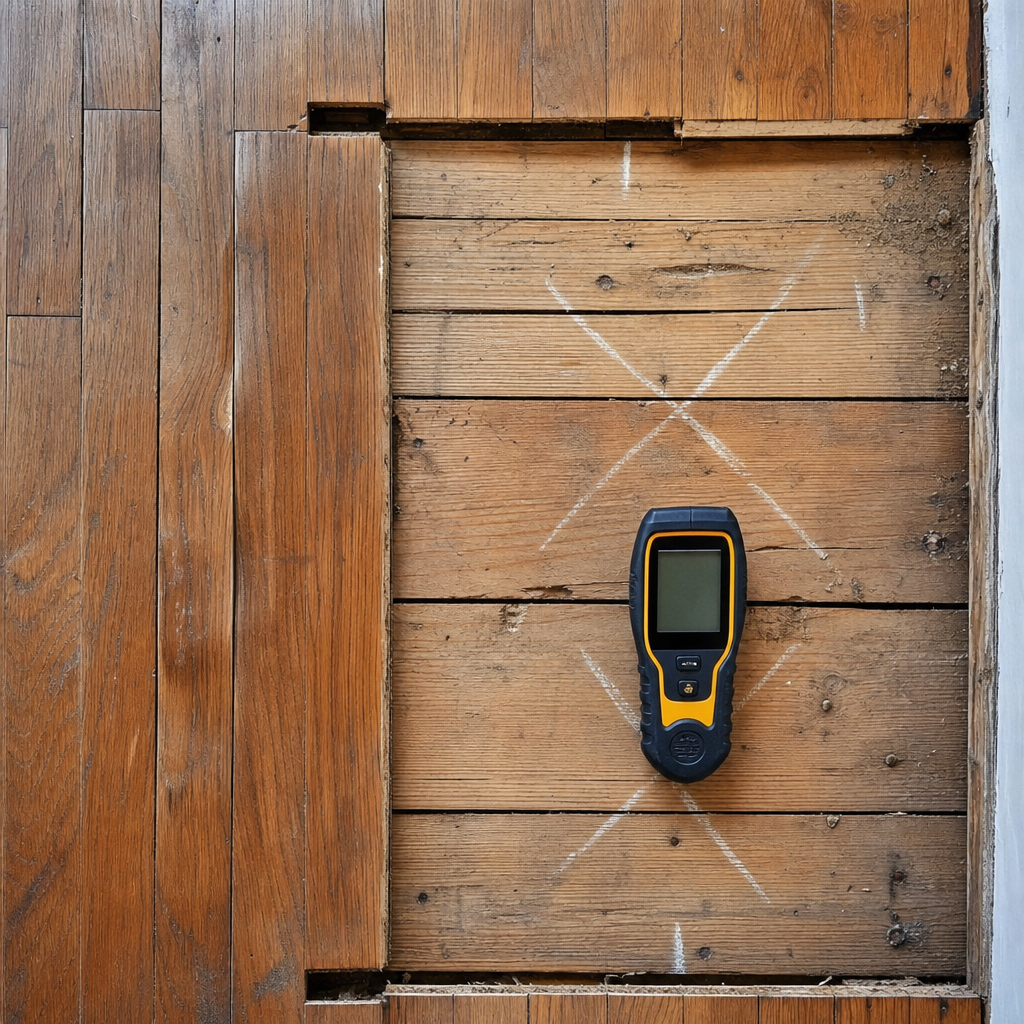
Certified mitigation addresses several essential procedural and technical areas:
- Assessment and Safety: Inspecting structural integrity, identifying water sources and categories, and evaluating environmental safety and hazards.
- Drying Technology and Equipment: Applying psychrometric principles and selecting appropriate extraction and drying equipment to remove moisture effectively.
- HVAC and Contents: Evaluating and addressing heating, ventilation, and air conditioning systems, as well as handling and restoring affected building contents.
- Documentation: Recording baseline conditions, moisture levels, and ongoing environmental measurements throughout the restoration lifecycle.
- Large or Catastrophic Projects: Organizing and managing complex commercial or large-scale restoration projects according to established safety and procedural guidelines.
International Adoption and Global Restoration Standards
The 2025 Australian adoption is based on the ANSI/IICRC S500 2021 edition and includes guidance on inspections, preliminary determinations, pre-restoration evaluations, safety and health, and risk management.[3]
Frequently Asked Questions
What does IICRC certified mean for water damage restoration?
IICRC certification indicates that a restoration firm and its technicians have completed formal training, passed standardized examinations, and committed to following ANSI/IICRC procedural standards. Certification may indicate training in recognized restoration competencies, though it does not guarantee a specific outcome or replace applicable laws and standards.
What is the ANSI/IICRC S500 standard?
The ANSI/IICRC S500 is a consensus-based procedural standard and reference guide for professional water damage restoration that defines procedures, safety precautions, and drying protocols for restoring water-damaged residential and commercial structures and their contents.[1]
Why should property owners hire an IICRC-certified mitigation company?
Certified companies like Wade’s Restoration apply recognized drying principles, safety protocols, and systematic documentation methods to restore water-damaged environments.[5]
How do technicians determine when a structure is dry?
Technicians, such as those at Wade’s Restoration, establish a dry standard by measuring unaffected materials in a baseline area of the building and monitoring moisture levels until structural components reach established drying goals.
Need iicrc water damage restoration?
We’re available now - call for a fast, free estimate.
Sources
- [PDF] AS-IICRC S500 Standard for Professional Water Damage Restoration – iicrc.org (2025)
- The IICRC in 2025 and Beyond: Growth, Standards, and a … – cleanfax.com (2025)
- Standard for Professional Water Damage Restoration – intertekinform.com (2025)
- S500 – iicrc.org (2021)
- preview_ANSI+IICRC+S500-2015.pdf – webstore.ansi.org (2015)
Related reading: Cost of Wade’s Restoration Water Cleanup – Call Now-10% Off – Same-Day Service – Free Estimate
Related reading: Flood Cleanup Cost Midtown West Nyc – Call Now-10% Off – Same-Day Service – Free Estimate
Related reading: Emergency Water Removal Midtown West | 10% Off & Free Estimate | On-Site in 60 Minutes
Frequently Asked Questions
How long does an IICRC-standard structural drying process typically take?
Depending on the moisture absorption class and building materials involved, standard IICRC psychrometric drying generally takes three to five days. Wade's Restoration accelerates this timeline by dispatching commercial-grade dehumidifiers and air movers within 45 minutes of your call to prevent mold germination.
Can porous materials contaminated with Category 2 or 3 water be salvaged under IICRC standards?
Under ANSI/IICRC S500 guidelines, highly porous building materials such as carpet padding, insulation, and drywall exposed to Category 3 black water must be safely removed and disposed of to prevent biohazard exposure. Wade's Restoration provides 24/7 emergency response and visual moisture inspections to accurately identify water categories and restore salvageable framing using antimicrobial treatments.
How does IICRC-compliant drying documentation assist with property insurance claims?
IICRC protocols require daily monitoring of moisture content, relative humidity, and temperature to prove that structural assemblies have reached documented dry standards. Wade's Restoration delivers comprehensive psychrometric logs and scope assessments directly to adjusters, ensuring seamless claims processing and complete coverage for necessary mitigation work.
About the author
 |
Marcus Avery Marcus Avery is an IICRC-certified restoration specialist with over 12 years of experience in structural drying and water damage mitigation. Holding a B.S. in Construction Management from the Wentworth Institute of Technology, he frequently consults with property management firms in the tri-state area on emergency response planning. Marcus specializes in helping Midtown West property owners navigate complex water damage scenarios and detailed restoration cost analysis. |
Water damage, flood, or mold emergency?
We’re available now - call for a fast, free estimate.
Call Now - Free Estimate