
Last updated August 26, 2026
Free visual inspection and a written scope of work before any mitigation begins - photos, moisture readings, and drying logs go in your claim file
The scope we write is the scope we bill. Anything new gets shown to you, in writing, before we touch it.

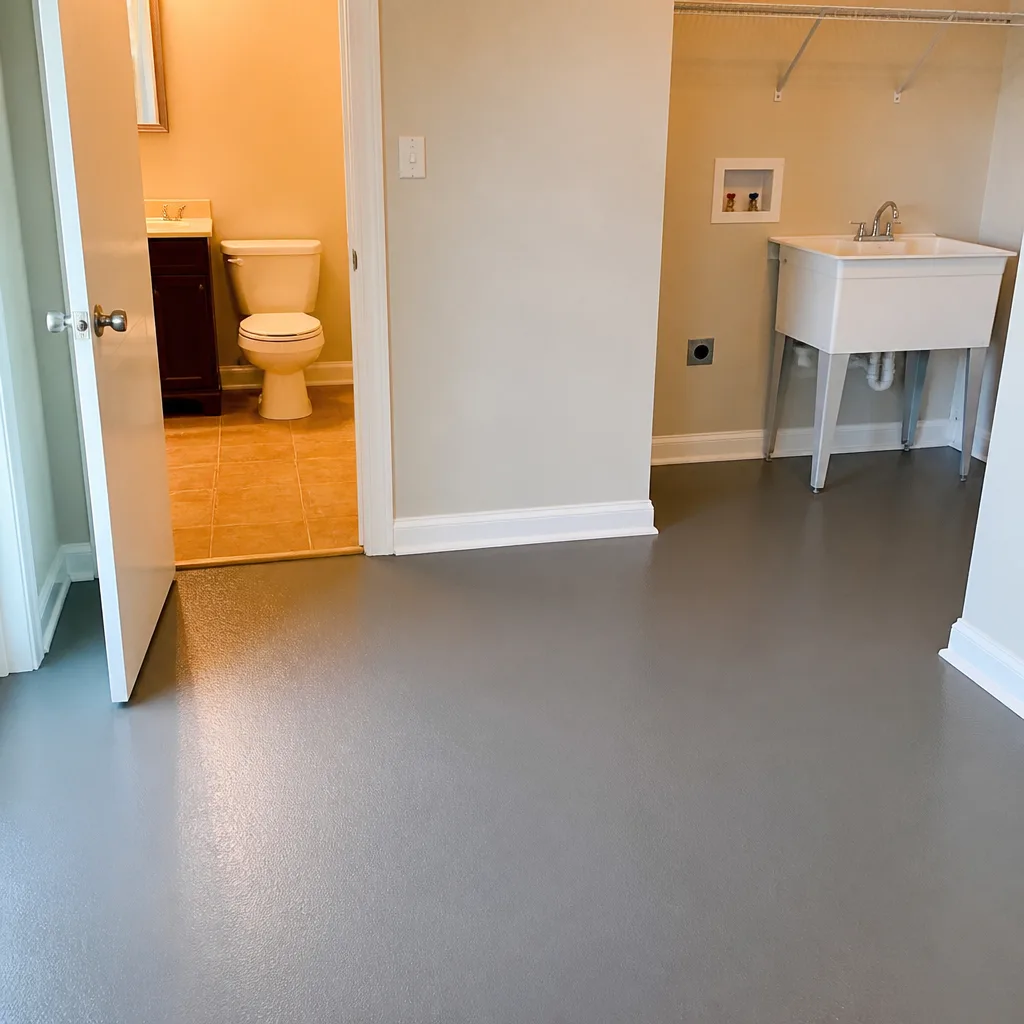
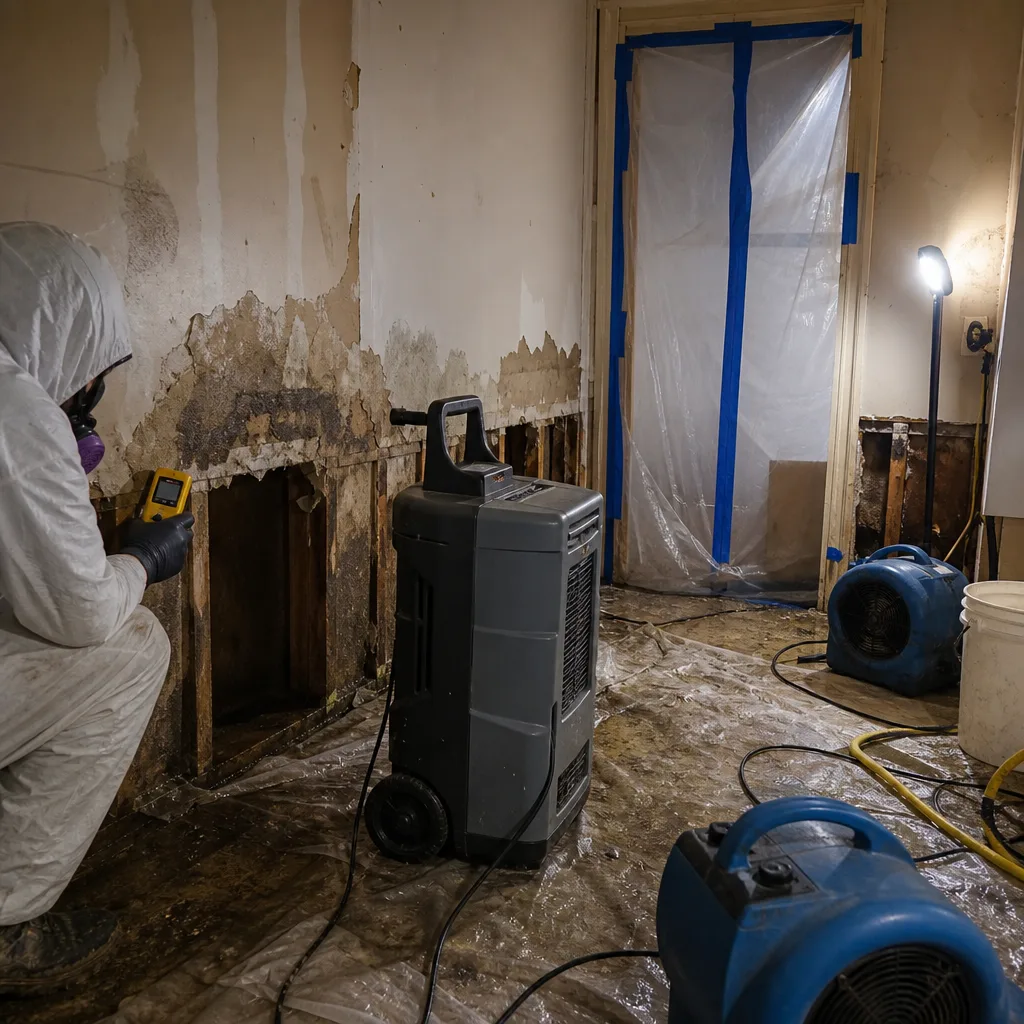 Before
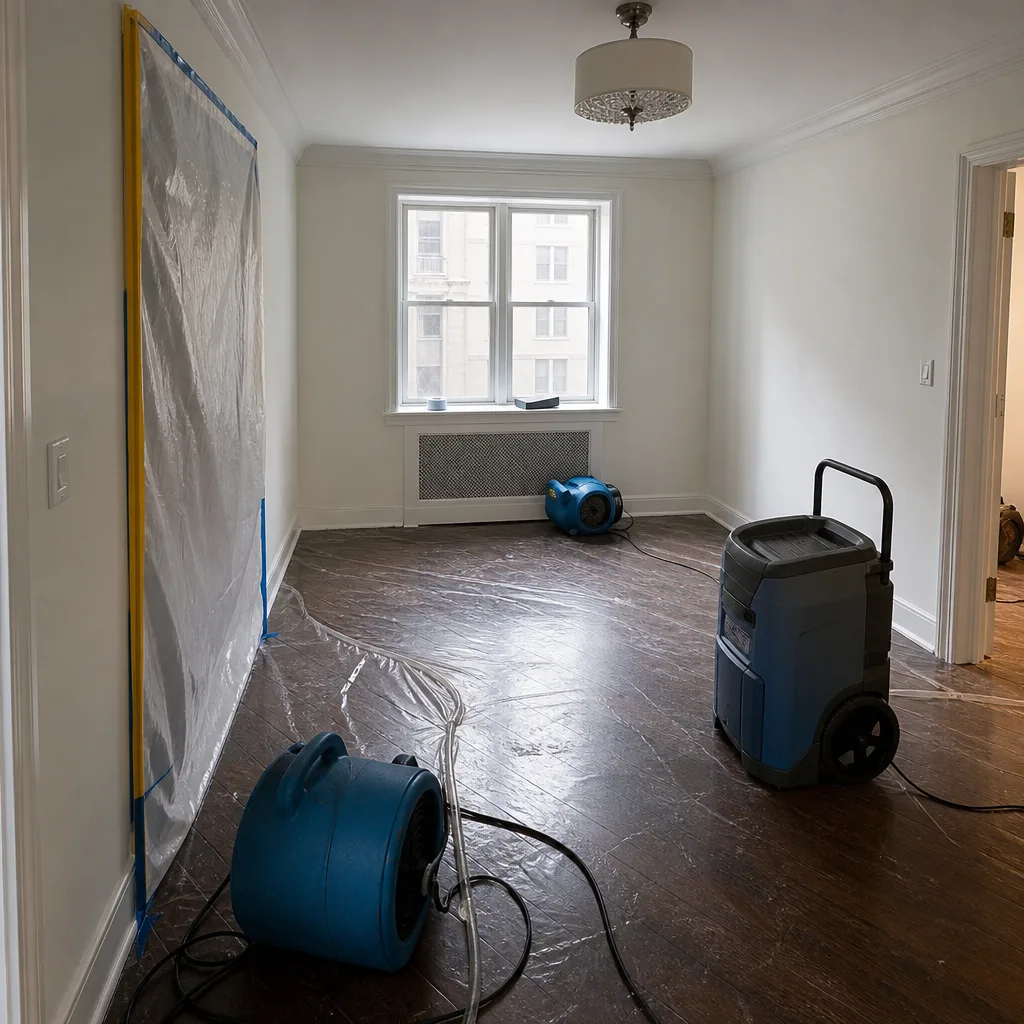 After
After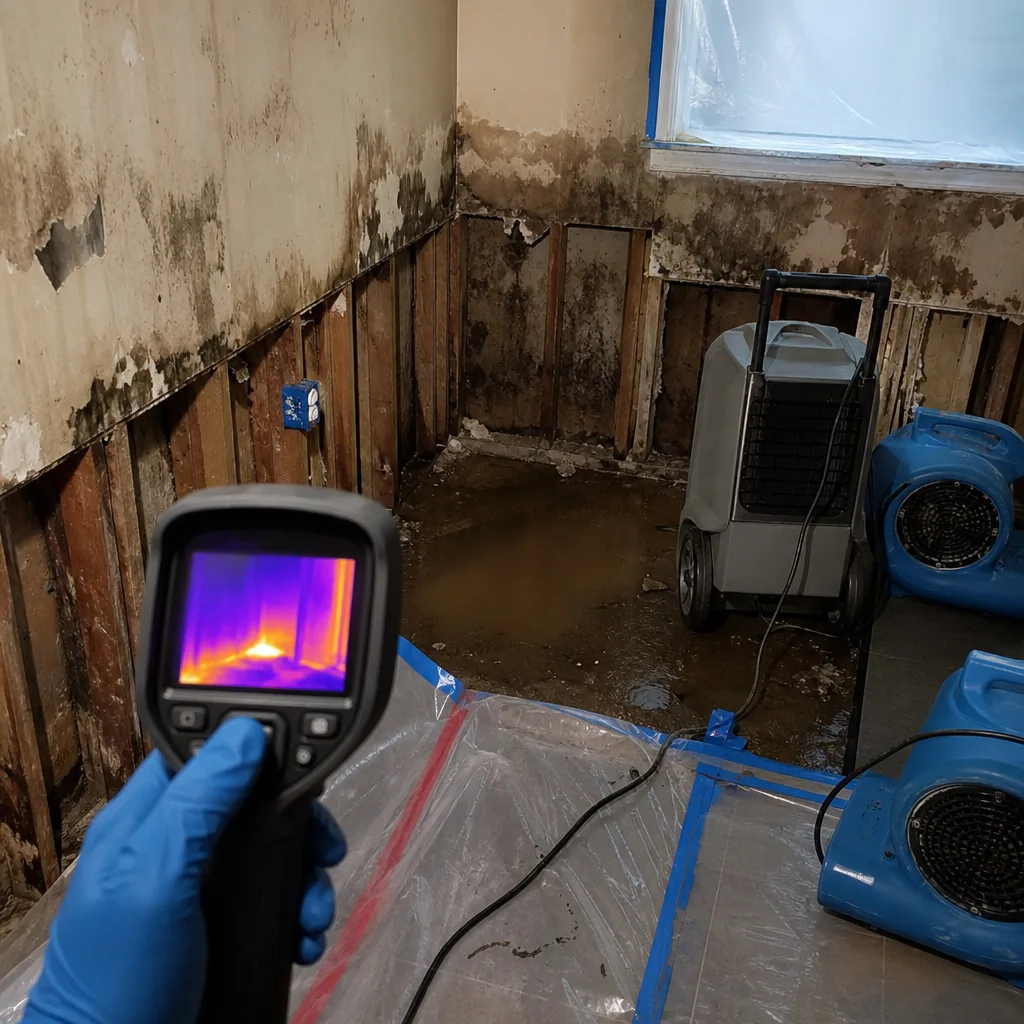 Before
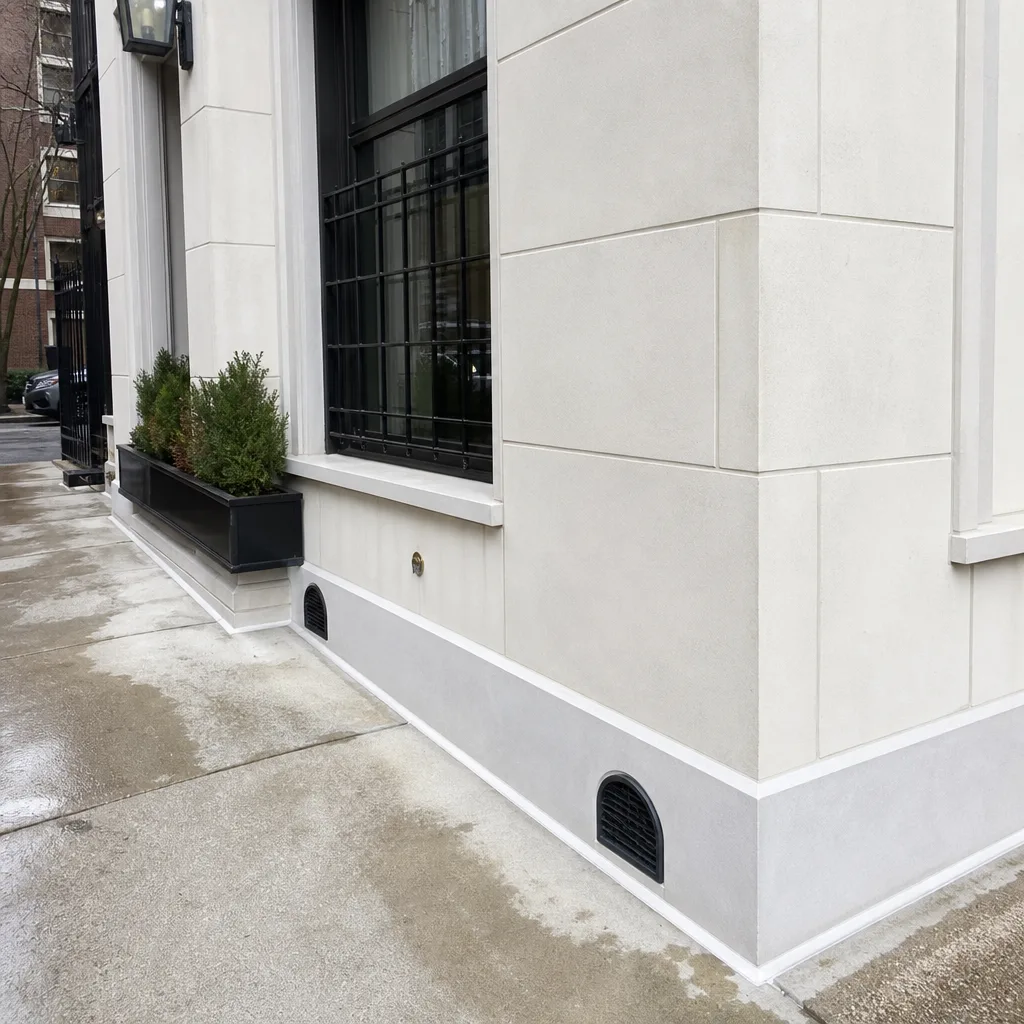 After
After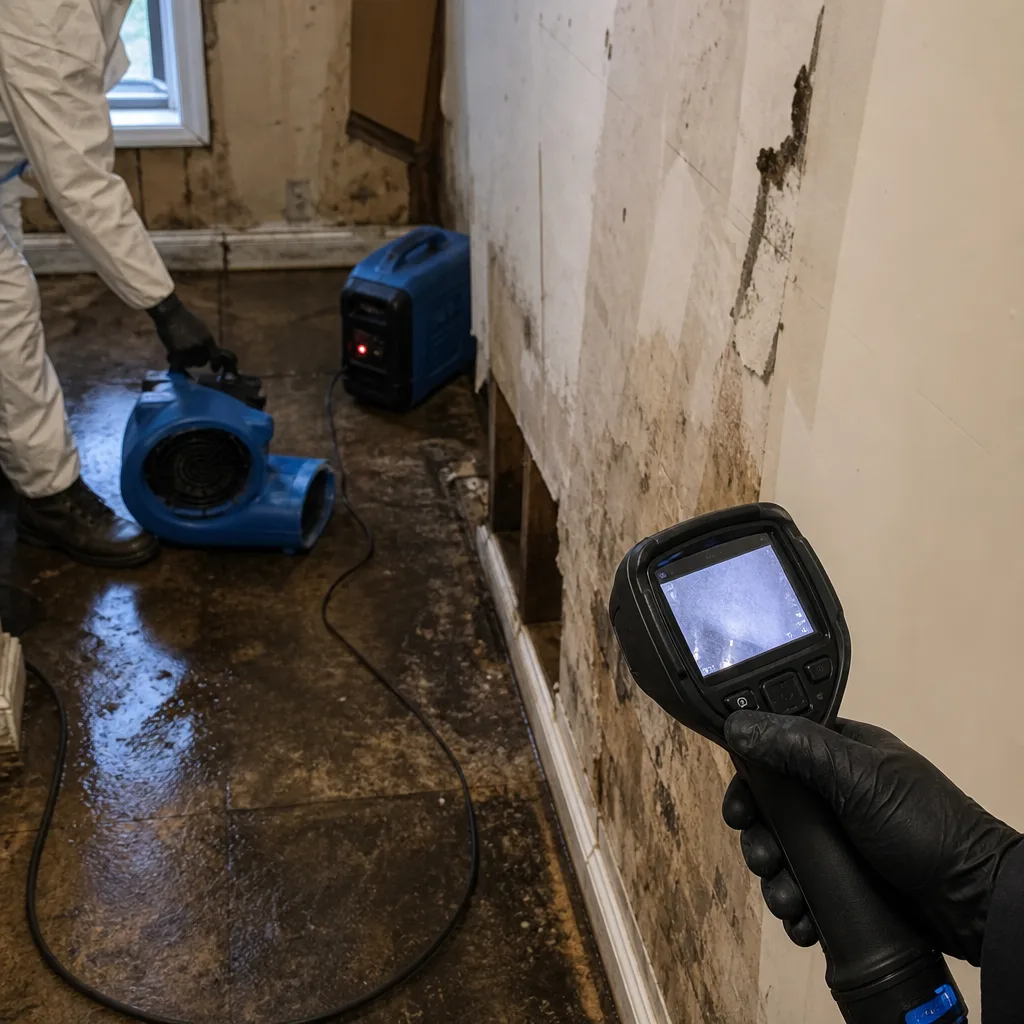 Before
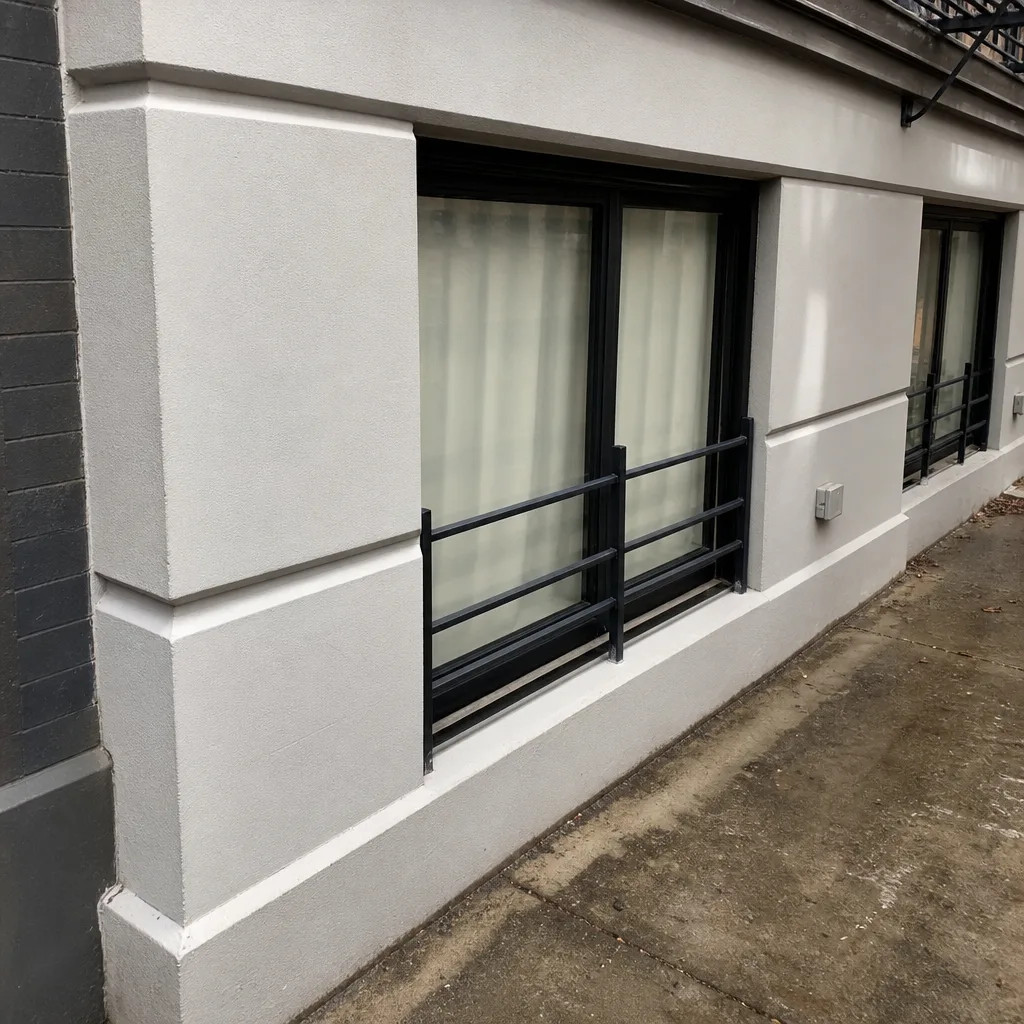 After
AfterHow to Hire a Damage Restoration Contractor in Midtown West: A Step-by-Step Guide
Here’s a number that should make every Midtown West homeowner pause: the contractor who calls you within an hour of filing an insurance claim, before you’ve even hung up with your adjuster, often bought your information from a data feed that tracks fresh claims in real time. That relationship isn’t working in your favor. It’s working for whoever paid for the lead. This guide and our Complete Guide to Damage Restoration in Midtown West walk you through the exact questions, red flags, and paperwork that separate an accountable local operator from a storm-chasing crew that will be three counties away before your drywall finishes drying. We’ve been doing restoration work in Midtown West since 2007, and we’ve watched too many neighbors learn these lessons the expensive way.
Quick Answer
To hire a damage restoration contractor in Midtown West, verify their physical New York City address and license online before signing anything, ask for proof of insurance and IICRC certification, get a written scope of work with line-item pricing before authorizing any work, and never sign an assignment of benefits without reading it twice and understanding what you’re giving up. The best contractor is one who hands you documentation before you ask, answers their own phone, and has a local reputation you can check with neighbors.
Table of Contents
- The 7 Questions to Ask Before Anyone Sets Foot in Your Home
- How to Verify a Contractor’s License and Insurance in Under 5 Minutes
- What a Legitimate Moisture Assessment Report Looks Like
- The Assignment of Benefits Trap: What It Is and What You Give Up
- How to Evaluate a Written Scope of Work: 3 Things That Must Be Itemized
- What “Local” Actually Means vs. a Local Phone Number on a National Franchise
- Red Flags That Scream Walk Away
- Common Mistakes to Avoid
- When to Call a Professional
- Frequently Asked Questions
The 7 Questions to Ask Before Anyone Sets Foot in Your Home
Before a restoration crew crosses your threshold, you need answers to these seven questions. Write them down. Ask them on the phone. If the contractor stumbles on any of them, that’s information too.
- “What’s your physical street address?” Not a PO box. Not a “service area.” A street address you can drive past. In Midtown West, a real contractor has a real shop where they store equipment, stage drying units, and receive deliveries of Dri-Eaz and Phoenix equipment. If they can’t give you an address, they’re running out of a truck and a rented mailbox. Walk away.
- “Who is the owner, and will they be on site?” Wade Ferris owns Wade’s Restoration and answers his own phone. That’s the standard you want. If the person on the phone can’t name the owner, or the owner is “too busy” to ever appear, you’re dealing with a layer of management between you and the person actually doing the work. That layer adds cost and dilutes accountability.
- “Can I see your license and insurance certificate before any work begins?” The answer is either “yes” or the call is over. In New York City, restoration contractors must carry specific licensing and insurance. A legitimate operator will send documentation immediately. One who hesitates is hoping you won’t check.
- “What certifications do your technicians hold?” Look for IICRC certification at minimum. RIA affiliation is another good sign. IFA recognition matters too. These aren’t wall decorations. They mean the crew has been trained and tested on industry standards for water damage, mold remediation, and fire restoration, not just handed a wet vac and told to figure it out.
- “Do you document moisture readings daily, and will I receive the full log?” This one separates professionals from pretenders fast. Wade and his team take moisture readings every single day and hand the homeowner the complete log at the end of the job. Almost nobody in this trade does that, and that’s exactly why you should demand it. If a contractor says they don’t do daily readings, or that it’s “not necessary,” you’re not getting professional-grade drying. You’re getting guesswork.
- “Will you communicate directly with my insurance adjuster?” The answer should be yes without hesitation. A contractor who avoids adjuster conversations is either inexperienced with insurance protocols or plans to inflate the bill. Wade deals with adjusters directly so you’re never the one stuck relaying technical information between two sides who speak different languages.
- “What’s your response time, right now, today?” Water damage gets worse by the hour in Midtown West. The window between a burst pipe and mold onset can be as short as 48 hours in humid summer conditions. A restoration contractor who says “sometime next week” doesn’t understand the urgency. Wade answers calls 24/7 and can have extraction running inside the hour when the situation calls for it.
These questions aren’t unreasonable. They’re the bare minimum. A contractor who pushes back on any of them is telling you something about how they operate.
How to Verify a Contractor’s License and Insurance in Under 5 Minutes
New York City has specific licensing requirements for restoration contractors, and the city makes verification available online through the Department of Consumer Affairs and the Department of Buildings. Here’s the five-minute process:
- Ask for the license number in writing. Have them text or email it before you hang up. If they hem and haw about “pulling it up later,” that’s a red flag the size of a billboard.
- Search the number on the NYC Department of Consumer Affairs license lookup tool. This takes about 90 seconds. The name on the license should match the person you’re talking to, not some holding company in Delaware.
- Check the license status. Active is what you want. Expired, suspended, or pending are all reasons to end the conversation. No exceptions.
- Ask for a certificate of insurance naming you as an interested party. Their insurance agent can email this in minutes. It should show general liability coverage and, for restoration work specifically, pollution or contamination coverage where relevant. A contractor doing mold remediation without pollution coverage is asking you to absorb that risk.
- Verify certifications. IICRC certification can be checked through the IICRC’s certification locator. RIA membership is verifiable through the Restoration Industry Association directory. These take another minute each and tell you whether the crew actually trained for this work or bought a truck and a logo.
In Midtown West, we’ve seen homeowners skip this step because the contractor seemed nice, arrived fast, and quoted a lower number. Three weeks later, the work failed, the contractor was unreachable, and the homeowner discovered the license number belonged to a different company entirely. Five minutes of verification would have prevented all of it.
This is also where the Wade’s Restoration home standard applies: Wade publishes his name, address, and license number on his website and on his truck. That’s not marketing. That’s accountability. A contractor who hides their identity is planning something where identity matters.
What a Legitimate Moisture Assessment Report Looks Like
After a water event in Midtown West, whether it’s a burst supply line in a Hell’s Kitchen high-rise or a sewer backup in a brownstone on West 47th, a professional restoration contractor follows the Water Damage Restoration Maintenance Checklist for Midtown West Homeowners and performs a moisture assessment before touching a single wall. Here’s what that assessment should actually include, and what separates a real report from a contractor who waves a meter around and reads you a number.
A legitimate moisture assessment report includes:
- Room-by-room readings taken with a professional-grade moisture meter, not a $40 hardware store pin meter. Each room gets documented readings from multiple locations: floor, baseboards, wall cavities, and ceiling where applicable.
- Baseline readings from unaffected areas. You need to know what “dry” looks like in your building before you know what “wet” means. A contractor who only tests the obviously wet area has no baseline and no way to prove they achieved a dry standard. In older Midtown West buildings with original plaster and lath, baseline readings vary significantly by wall.
- A drying plan with target dates. How many air movers, how many dehumidifiers, where they go, and how long they run. A real plan names specific equipment, usually Dri-Eaz, Phoenix, or B-Air units, and explains why this configuration works for your specific layout.
- A written moisture map. A simple sketch or room diagram showing where readings were taken and what they measured. This holds the contractor accountable for addressing every affected area, not just the visible ones.
- Daily updates in writing. Wade takes moisture readings every single day and hands the homeowner the full log at job’s end. That log is your proof that the drying actually worked. If a contractor won’t commit to daily readings, they’re telling you they don’t want a record of their work.
A contractor who points a meter at a wall, says “yep, it’s wet,” and starts tearing out drywall is not doing assessment. That’s demolition with a sales pitch. In Midtown West’s older building stock, where walls hide surprises behind decades of renovation, you need the full report before a single board comes down.
We’ve seen water migrate through shared walls between Midtown West apartments, where one unit’s leak soaks the neighbor’s unit through a common chase. A proper moisture assessment maps that migration. A guy with a meter “checking things out” misses it entirely, and the mold shows up six weeks later in a different apartment.
The Assignment of Benefits Trap: What It Is and What You Give Up
An assignment of benefits, or AOB, is a document where you sign over your insurance claim rights to a contractor. Instead of your insurer paying you and you paying the contractor, the contractor deals with the insurer directly and collects whatever they can negotiate.
Here’s what you give up when you sign one:
- Control over your claim. The contractor can now settle the claim on your behalf. If they settle low, the difference comes out of someone’s pocket, and that someone might be you.
- Your leverage with the insurer. You’re no longer the policyholder pressing for fair payment. You’re a bystander while a contractor and an insurance company argue about numbers.
- Transparency. The contractor now deals with your insurer directly, and you get to watch. In some AOB arrangements, the homeowner doesn’t see the billing breakdown at all.
- The ability to fire the contractor easily. Some AOB agreements make it difficult to switch contractors mid-job because the claim rights are already assigned. You can be stuck with someone you no longer trust.
Some contractors push AOBs hard because they’ve learned they can bill insurers at inflated rates with minimal homeowner oversight. The AOB makes the homeowner irrelevant to the money conversation, and not in a good way.
Now, the honest version: there are legitimate restoration firms that use AOBs responsibly and bill fairly. But you should never sign one under pressure, never sign one on the spot, and never sign one without reading it and understanding what you’re giving up. A good contractor will explain the document, point out the parts that limit your rights, and give you time to review. Wade’s Restoration doesn’t require AOBs. He’ll deal with your adjuster directly, keep you in the loop on every decision, and let you see every dollar before it’s billed. That’s how an owner-operator works.
How to Evaluate a Written Scope of Work: 3 Things That Must Be Itemized
Before any work begins, you should have a written scope of work that names exactly what’s being done, what it costs, and how long it takes. Here are the three things that must be itemized, line by line, before you authorize anything:
- Materials, by type and quantity. How many sheets of drywall, what thickness, what grade of insulation, what kind of flooring. “Replace damaged drywall” is not a scope. It’s a suggestion. In Midtown West brownstones, where original plaster walls might need custom matching, materials matter even more. A scope that says “plaster repair” without specifying lime plaster versus gypsum is leaving the expensive decision open-ended.
- Labor, by hour and task. Demolition labor, drying setup, monitoring visits, reconstruction labor, cleanup. Each task gets its own line with hours or a flat rate. A scope that lumps everything into “labor” for one price is a scope that invites surprise change orders later. Every line should be clear enough that a competing contractor could bid on the same work and you could compare apples to apples.
- Equipment and time, specified. Number of air movers, number of dehumidifiers, how many days of equipment rental, monitoring frequency. Wade’s team uses Dri-Eaz and Phoenix equipment and specifies exactly how many units go where and for how long. That counts toward the written scope. If your contractor can’t tell you how many dehumidifiers they’re bringing, they don’t have a plan.
This written scope is the single best protection against the most common restoration horror story: the contractor who quotes $4,000 over the phone, starts work, and hands over a bill for $18,000 with vague explanations about “unforeseen conditions” and “additional required work.” A detailed scope up front makes that conversation much harder to have. It also gives you something to hand a second contractor for review. Wade offers a free second opinion on any written estimate, and that offer exists because he knows his scopes hold up to scrutiny.
What “Local” Actually Means vs. a Local Phone Number on a National Franchise
Here’s a trick national restoration franchises use in Midtown West: they buy a local phone number with a 212 or 917 area code, run local-looking ads, and send a crew from a franchise location in New Jersey or Westchester. The number is local. The crew is not. The address you’re dealing with is a franchise agreement, not a shop you can visit.
Here’s what “local” actually means when it matters:
- A physical address you can verify. Not a registered agent’s office. Not a coworking space. A place where trucks are parked and equipment is stored. Wade’s address is published. You can drive past it.
- An owner who lives and works in the area. Wade Ferris’s name is on the truck and on the license. He’s going to run into you again at a Midtown West deli or walking down Ninth Avenue. That’s the oldest accountability mechanism there is, and it still works better than any review platform.
- A reputation you can check with actual neighbors. Ask anyone on your street. In Midtown West, where buildings share walls and word travels through co-op boards and tenant associations, a bad restoration job becomes neighborhood knowledge fast. A contractor who knows this behaves differently.
- Response time that’s real. A local operator can have equipment on site inside an hour because the shop is actually nearby. A franchise crew coming from an hour away under a local phone number is already behind when they arrive. In water damage, time is mold’s best friend.
A local phone number is not local. A local truck, a local address, a local owner who answers his own cell at midnight, that’s local. In Midtown West, with its mix of prewar buildings, modern condos, and commercial spaces, you need a contractor who understands the building stock, the access challenges, the doorman protocols, and the shared-wall issues. A franchise technician following a corporate manual doesn’t know this block. Wade does.
The Water Damage Restoration in Midtown West guide covers the specifics of how water behaves in these buildings, but the short version is this: old steam risers, cast iron waste lines, and decades of renovation patches mean water finds paths nobody expects. You want someone who has traced those paths in this specific neighborhood, not someone reading a manual about “standard water events” in suburban drywall houses.
Red Flags That Scream Walk Away
Some contractors will tell you exactly who they are within the first phone call. You just have to listen. Here are the red flags that mean you should end the conversation and call someone else:
- They called you first. Legitimate restoration contractors in Midtown West are busy enough that they don’t need to cold-call insurance claimants. If someone calls you before you called them, they bought your information from a lead feed. That’s not illegal, but it tells you their business model is volume, not relationships.
- They pressure you to sign on the spot. “The price expires today” or “I have another job waiting” are sales tactics, not restoration advice. A real contractor gives you the scope and the price and lets you think about it. Wade offers a free second opinion on any written estimate precisely because he expects you to compare.
- They ask for payment in full up front. For restoration work, some deposit is standard, especially on reconstruction. But a contractor demanding the full projected cost before starting is not planning to be around when the work is done.
- They won’t provide license and insurance documentation immediately. This is the fastest tell. If there’s any delay, any excuse, any lost policy number, walk away. Licensed and insured contractors can email this in two minutes.
- They badmouth other contractors constantly. A confident professional explains why their approach is better without trashing everyone else. A contractor who spends the whole call telling you how every other company in Midtown West is corrupt is probably projecting.
- Their warranty is verbal. “Don’t worry, we’ll take care of you” is not a warranty. Wade’s 90-Day Done Right Promise is stamped in writing on every water, fire, and mold restoration contract: if it’s not done right, he makes it right. That’s not a slogan. It’s a contractual obligation. If your contractor won’t put their promise in writing, they’re not making a promise.
- Their estimate is dramatically lower than everyone else’s. Restoration equipment, labor, and materials cost what they cost. A quote 40% below the next competitor isn’t a deal. It’s a plan to cut corners you can’t see until the mold comes back.
Common Mistakes to Avoid
- Calling your insurance company first and hiring whoever they “recommend.” Your insurer’s interests and yours are not identical. They want the cheapest compliant fix. You want your home restored properly. Get independent referrals from neighbors in Midtown West, then work with your insurer, not through them.
- Hiring based on the first estimate because you’re panicking. Water damage feels urgent, and it is. But a 30-minute call to get a second opinion is not wasted time. In Midtown West, where older buildings hide surprises, the wrong contractor’s mistakes can cost more than the original damage.
- Signing an assignment of benefits without reading it. This is the single most common paperwork regret we see. Once signed, you’ve handed control of your claim to someone you just met. Read it. Understand it. Ask what you’re giving up.
- Not verifying the license and insurance. “But he seemed so nice” is not a licensing standard. Five minutes of online verification in New York City’s databases would prevent most contractor horror stories. Skip this step and you’re trusting a stranger with your largest asset.
- Accepting verbal moisture readings instead of a written log. A meter reading told to you over the phone is not documentation. You need the written log, room by room, day by day, to hold anyone accountable. Wade hands over the full moisture log at the end of every job. That’s the standard.
- Not asking about mold testing after water damage. Water intrusion in Midtown West buildings with shared walls and old plaster can become mold in 48 to 72 hours. A contractor who dries the visible area but never checks for hidden mold is doing half the job. For full context, see the Mold Remediation in Midtown West guide.
- Choosing a contractor who doesn’t know the difference between mitigation and reconstruction. These are different skill sets. Emergency water extraction and drying is mitigation. Rebuilding the wall with matching plaster in a historic Midtown West building is reconstruction. Some contractors do both well. Some claim to do both and do neither well. Ask which phase they’re handling and who handles the other.
When to Call a Professional
Some situations are obvious. A burst pipe flooding your Midtown West apartment at 2 a.m. is not a DIY moment. But other situations are grayer. Here’s when to stop trying to handle it yourself and call someone who does this every day:
Call immediately if: water has touched building materials for more than 24 hours, the water source is sewage or contaminated runoff, you smell any musty or earthy odor that suggests mold, electrical systems or outlets were exposed to water, or you can see water staining spreading across ceilings or walls. Call within hours if: water has seeped under flooring, paper-faced drywall is wet, or you’re in an older Midtown West building where walls share cavities with neighbors. Mold doesn’t wait for business hours, and neither do we.
Wade’s Restoration offers free estimates in Midtown West, call (607) 703-3408. One call brings Wade himself, not a call center. To wade is what you do through a flooded basement at two in the morning, and it happens to be his name.
Frequently Asked Questions
Water damage restoration in Midtown West typically ranges from $1,500 to $8,000 depending on the extent of damage, the building’s age, and whether reconstruction is needed. Drying alone usually runs $1,500 to $3,500, while full restoration including drywall replacement and flooring can reach $15,000 or more in older buildings with custom finishes. Call (607) 703-3408 for an exact quote, estimates are free, and Wade offers a free second opinion on any written estimate you already have.
A local Midtown West contractor can typically arrive within one to two hours for water emergencies. Wade answers his own phone 24/7 and can have extraction running inside the hour when the situation calls for it. If a contractor tells you they’ll be there “sometime tomorrow,” that’s not a restoration service, that’s a scheduling department. The Fire & Smoke Damage Restoration in Midtown West page covers response times for fire events, which have their own urgency window.
Most homeowners policies cover sudden and accidental water damage, like a burst pipe, but not gradual leaks or neglect. Sewage backup coverage often requires a separate endorsement. The best contractors will communicate directly with your adjuster, document everything with photos and moisture logs, and help you understand what your policy actually covers. Wade deals with adjusters directly so you don’t have to translate between two sides.
If water touched drywall, insulation, or flooring for more than 24 hours, you need professional drying and likely removal, not just cleaning. Surface cleaning leaves moisture trapped in wall cavities and under flooring, where mold grows in as little as 48 to 72 hours in Midtown West’s humid summers. A proper moisture assessment tells you what actually got wet and what needs to come out. Guessing on this one is expensive.
Shut off the water source if you can do so safely, remove furniture and valuables from the wet area, take photos of everything before anything is moved, and call a restoration contractor immediately. Don’t use a shop vac on contaminated water, don’t lift carpets that are delaminating, and don’t open walls to “air them out.” Call (607) 703-3408 and someone will walk you through what to do next.
Ask for a physical street address and verify it exists. Ask where their trucks are parked. Ask if the owner lives in the area and whether they’ll personally come to the site. A national franchise with a local phone number is not local. Wade publishes his name, address, and license number, answers his own phone, and runs into his customers at the hardware store. That’s what local means.
Mitigation is the emergency phase: extracting water, drying the structure, preventing mold, securing the property. Reconstruction is the rebuild: drywall, flooring, trim, paint. Some contractors in Midtown West only do mitigation and then hand you off to a general contractor for reconstruction. Others handle both. Ask before you hire, because coordinating two contractors mid-emergency is a headache you don’t need.
The Bottom Line
Hiring a damage restoration contractor in Midtown West isn’t about finding the cheapest bid or the fastest truck. It’s about finding someone with a verifiable license, a physical address, a written scope of work, and a local reputation they’re not willing to burn. Ask the seven questions before anyone sets foot in your home. Verify the license in five minutes. Demand a written moisture log. Read the assignment of benefits before you sign it. A contractor who wins on all of those counts is one you can trust with your home, and you can find more guides & resources to help protect your property. One who stumbles on any of them is telling you everything you need to know.
Written by Wade Ferris, Owner at Wade’s Restoration, serving Midtown West since 2007.