
Last updated August 26, 2026
Free visual inspection and a written scope of work before any mitigation begins - photos, moisture readings, and drying logs go in your claim file
The scope we write is the scope we bill. Anything new gets shown to you, in writing, before we touch it.
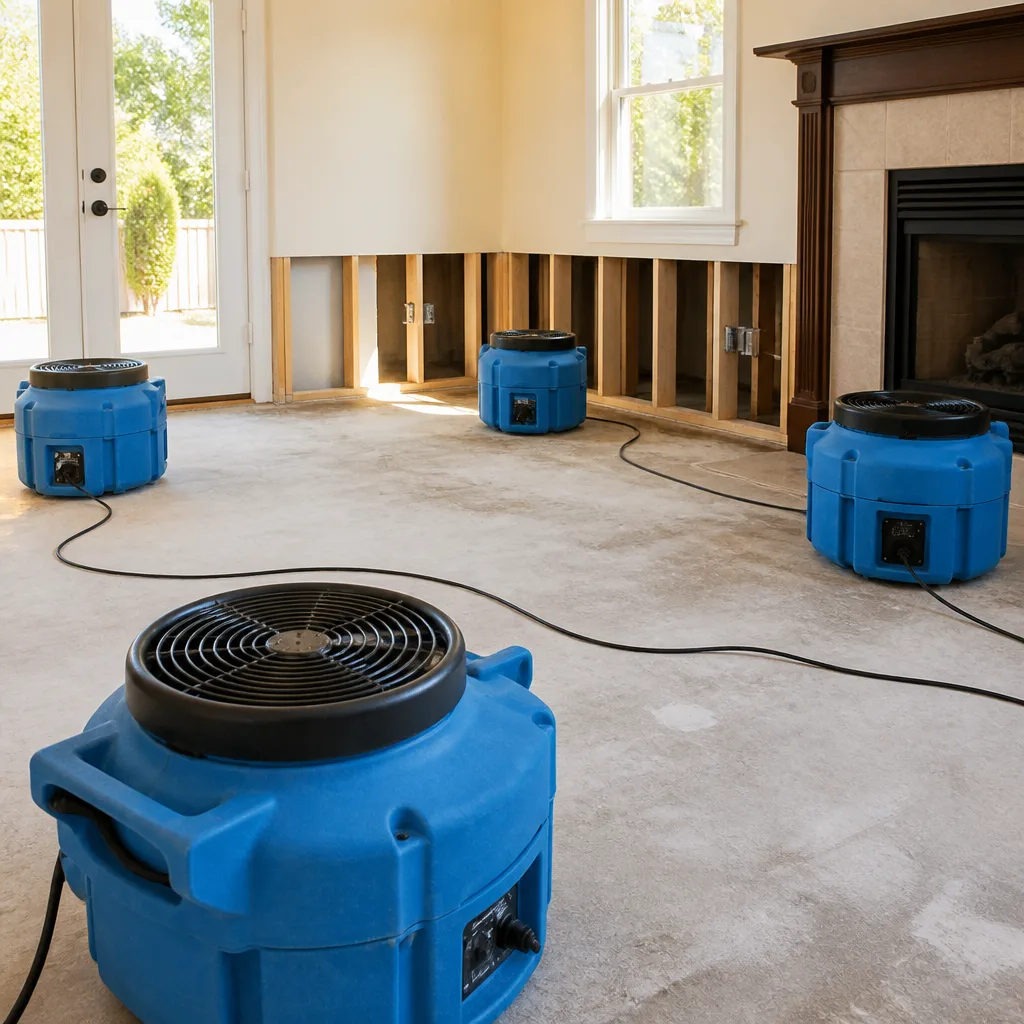
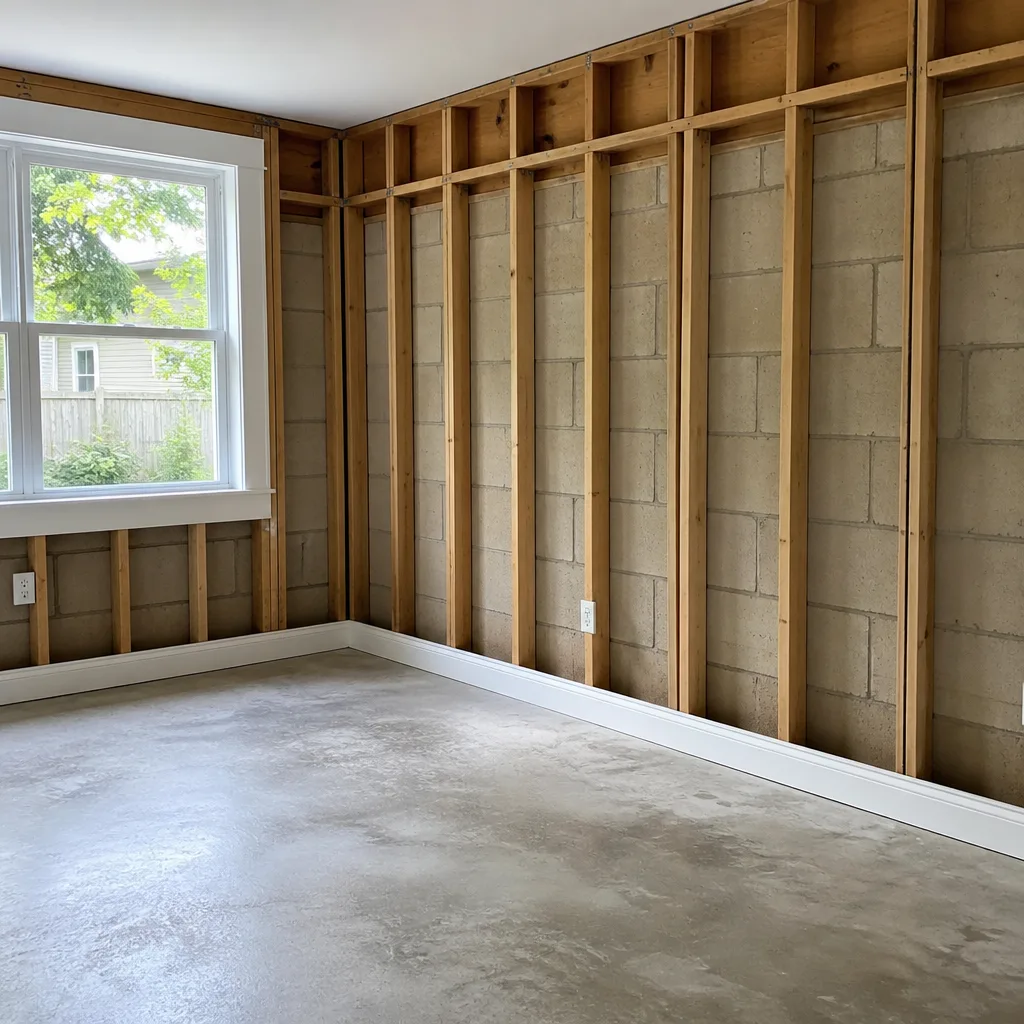
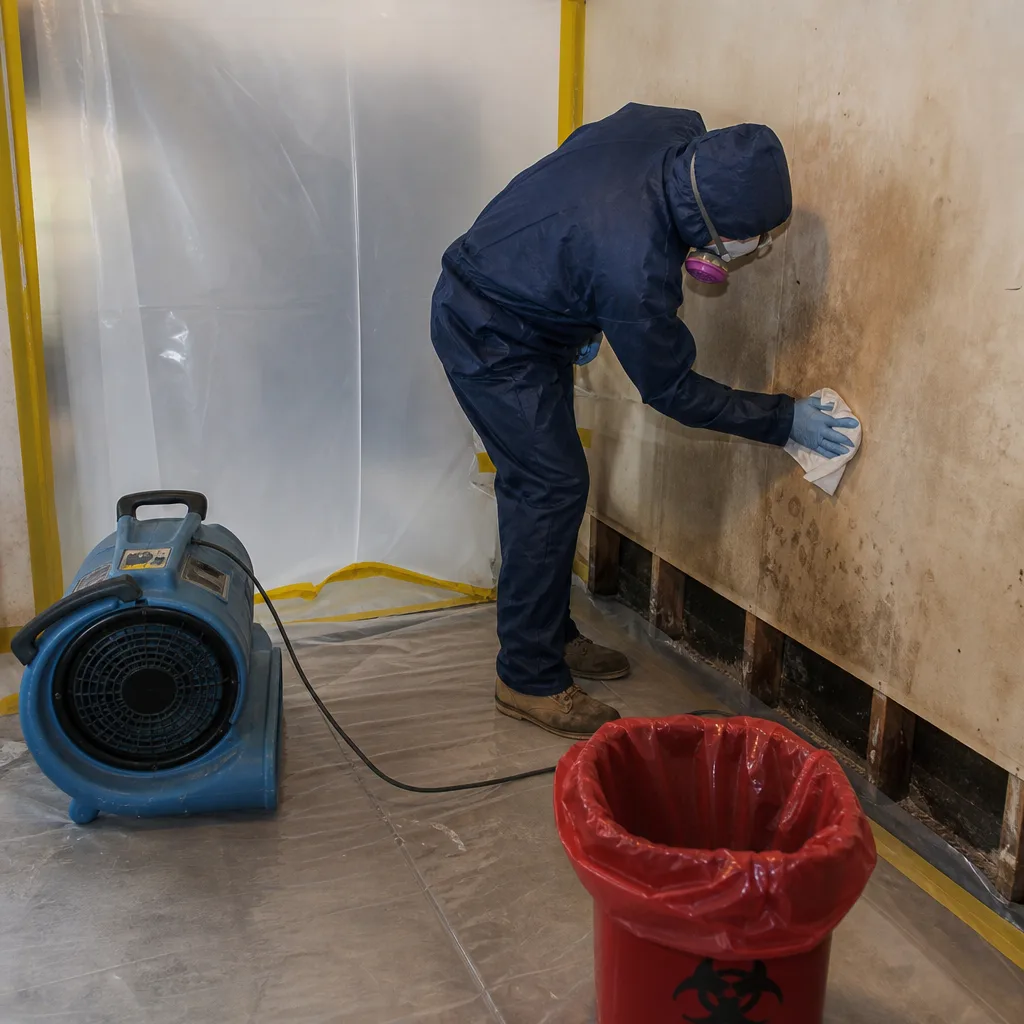
 Before
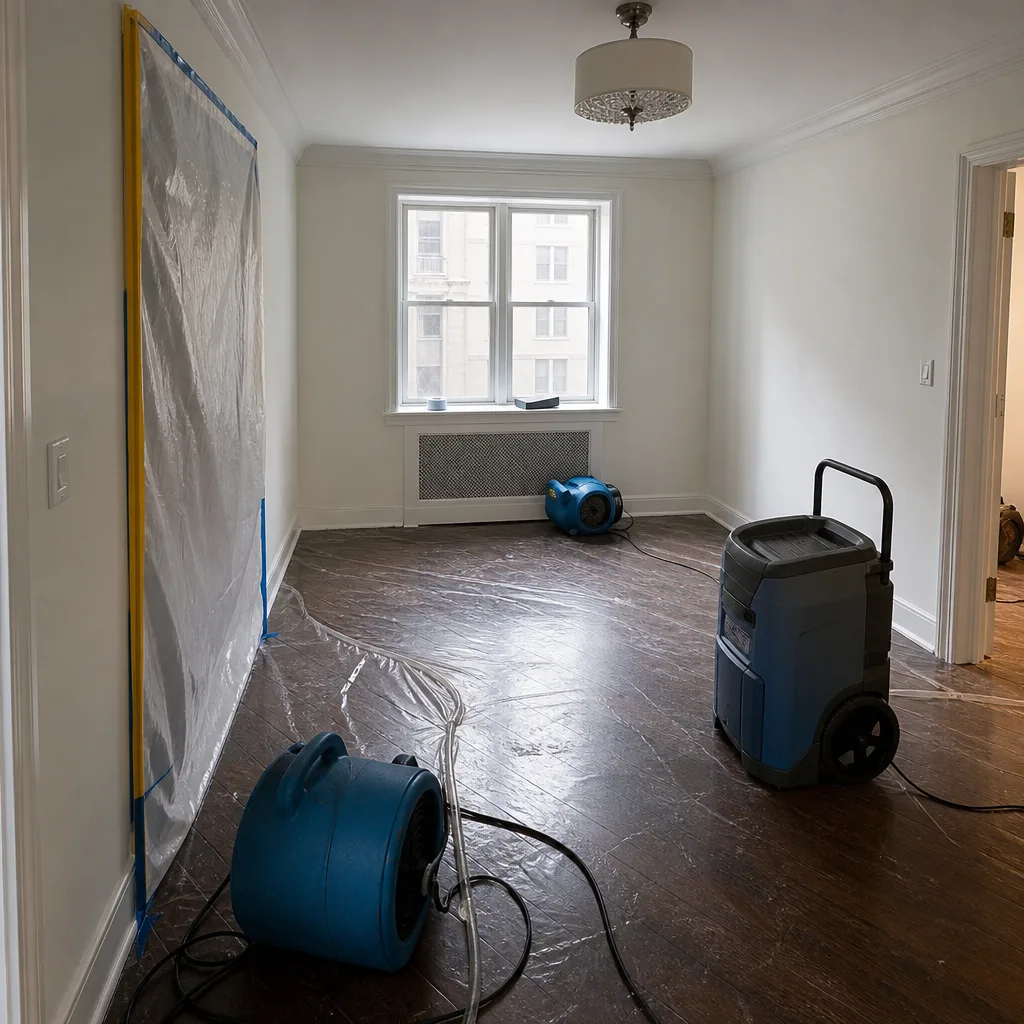 After
After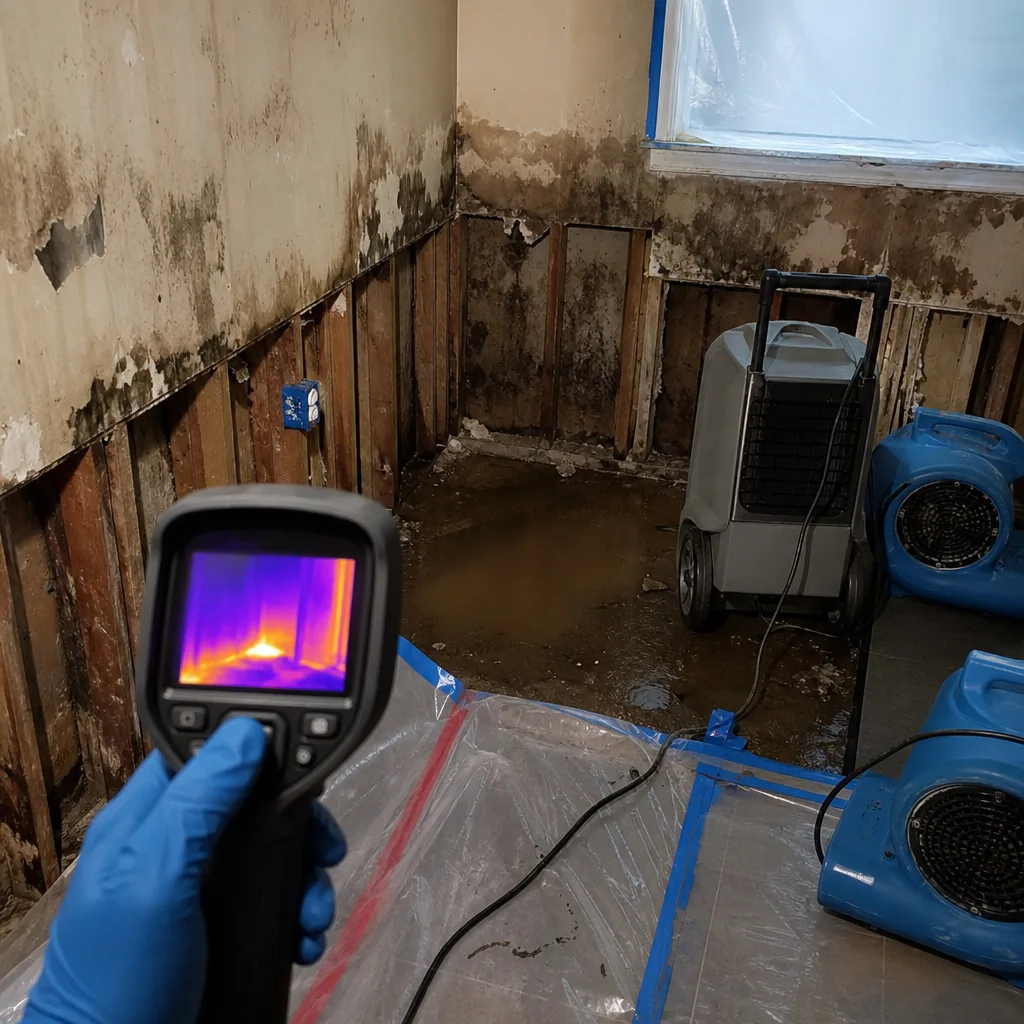 Before
 After
After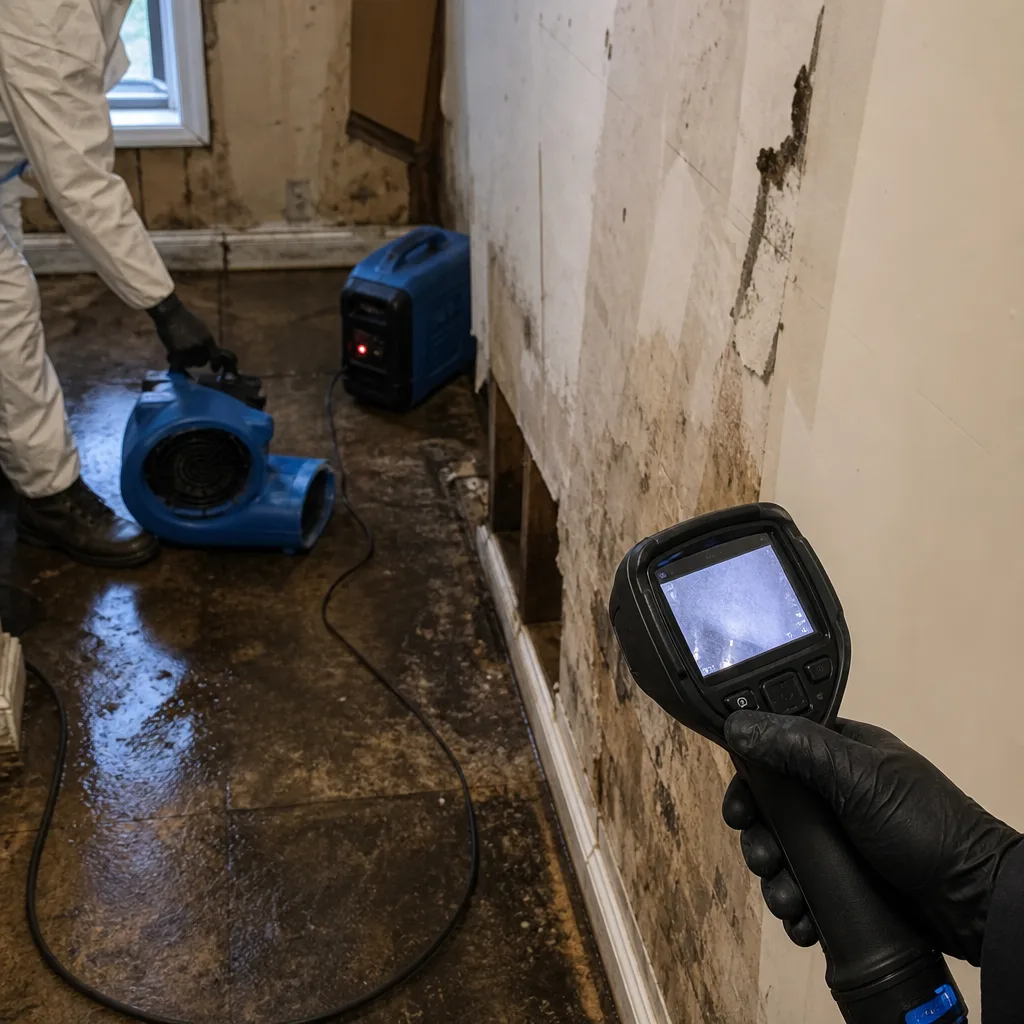 Before
 After
AfterDamage Restoration Permits, Codes & Inspections in NY: What You Need to Know
Here’s a number that surprises most homeowners we talk to in Midtown West: the New York City Department of Buildings issues violations for unpermitted work on roughly one in every four complaints it investigates, and restoration jobs are among the most common offenders. A burst pipe in a prewar co-op on West 57th Street or a kitchen fire in a Hell’s Kitchen walk-up can trigger permit requirements you’d never guess existed until a DOB inspector knocks or a buyer’s attorney flags an open violation at closing. This guide walks through exactly which restoration scopes require a permit in New York City, which ones don’t, how the application types differ, what happens with your insurance when permits were skipped, and how the inspection sequence actually works. For Damage Restoration Warning Signs: A Midtown West Homeowner’s Reference Guide, see our companion post. We’ve written it from the perspective of a restoration company that has worked in Midtown West buildings since 2007, and we’ve tried to answer the questions homeowners actually ask us, not the ones trade publications think they should ask.
Quick Answer
Most water, fire, and mold restoration work in New York City requires a Department of Buildings permit when it touches structural framing, electrical wiring, plumbing lines, or load-bearing walls, while cosmetic repairs like drywall patching, painting, and flooring replacement typically qualify as ordinary repairs that need no permit. The most common application for a residential restoration rebuild is the Alt-2, filed by a New York State licensed professional engineer or registered architect. If work is later found to have been done without a required permit, your insurance carrier can deny the claim or claw back payments, and the violation stays attached to the property until it’s cleared, which can block a sale or refinance.
Table of Contents
- When Restoration Work Requires a Permit in NYC
- Work That Qualifies as an Ordinary Repair (No Permit Needed)
- Alt-1, Alt-2, and Limited Alteration Applications Explained
- How Co-op and Condo Alteration Agreements Interact with DOB Permits
- The Insurance Coverage Gap: What Happens When Work Was Unpermitted
- The Inspection Sequence: Rough, Framing, Insulation, and Final
- What Midtown West Homeowners Specifically Face
- Common Mistakes to Avoid
- When to Call a Professional
- Frequently Asked Questions
When Restoration Work Requires a Permit in NYC
New York City’s permit rules for restoration work are governed by the NYC Building Code and the DOB’s definition of what constitutes an “alteration” versus an “ordinary repair.” The line that matters most: if the work restores a building to its pre-loss condition using the same materials and does not change the structure, it may qualify as ordinary repair. The moment the work changes the structure, removes and replaces load-bearing elements, reroutes plumbing or electrical, or alters the fire-rated assembly, it becomes an alteration and a permit is required.
Here’s a practical breakdown of restoration scopes that trigger a DOB permit requirement in New York City:
- Structural framing replacement: If water or fire damage requires replacing floor joists, wall studs, ceiling rafters, or any load-bearing member, that’s an alteration. In Midtown West, older buildings often have dimensional lumber or steel that requires engineering sign-off before replacement.
- Electrical rewiring: Any new wire run, panel replacement, or circuit addition requires an electrical permit. Fire restoration often involves rewiring entire rooms. Even water damage that shorted outlets may require new home runs.
- Plumbing line replacement: Replacing supply lines, drain lines, or moving fixtures requires a plumbing permit. A burst pipe repair in a Midtown West co-op typically involves opening walls and replacing pipe sections, which falls under permitted work.
- Egress or fire-rated assembly changes: If restoration changes a wall that serves as a fire separation, corridor wall, or exit enclosure, permits and often fire-rated construction details are required.
- Gas line work: Any gas line repair or replacement requires a licensed master plumber and a DOB permit. Fire restoration frequently involves gas line inspection and replacement.
- Demolition beyond cosmetic removal: Full gut demolition of a room, removal of walls, or removal of floor systems requires a permit. Partial demolition that’s part of restoration often needs an Alt-2 filing.
We’ve seen this exact scenario play out in Midtown West more times than we can count: a homeowner starts with what seems like a simple drywall tear-out after a roof leak, and the contractor discovers rotted joists behind the plaster. The correct move at that point is to stop work, bring in a professional engineer or architect, and file before replacing framing. The wrong move, which happens more often than it should, is to quietly replace the framing and close the wall. That decision can cost tens of thousands later.
Work That Qualifies as an Ordinary Repair (No Permit Needed)
Not every restoration job needs a permit. The NYC Building Code explicitly lists categories of work that qualify as ordinary repairs, meaning you can proceed without filing. Homeowners in Midtown West should know what falls into this bucket so they don’t get talked into unnecessary filings, which add cost and time. Our DIY vs Professional Damage Restoration: The Midtown West Homeowner’s Decision Guide can help you decide when to call in the pros.
Here’s what typically qualifies as ordinary repair in NYC:
- Drywall and plaster patching: Replacing damaged sections of drywall or plaster up to a certain area, as long as the wall framing behind it is intact and not load-bearing.
- Painting and finishing: All interior painting, including after water stains or smoke damage, requires no permit.
- Flooring replacement: Replacing carpet, hardwood, tile, or vinyl over the existing subfloor with no structural changes to the floor system.
- Cabinet and vanity replacement: Swapping out kitchen or bathroom cabinets without moving plumbing or electrical rough-ins.
- Fixture replacement: Replacing a faucet, light fixture, toilet, or sink in the same location with no piping or wiring changes.
- Mold remediation of limited scope: Mold removal and cleaning that does not require removing and replacing structural materials typically needs no DOB permit, though it may require work practices under New York State Department of Labor regulations and often a mold assessment by a licensed mold assessor.
One nuance that matters in Midtown West specifically: many of our buildings are prewar construction with plaster over masonry and wood lath. Plaster repair is considered ordinary repair when it’s localized patching. But if the plaster is being removed down to the studs across an entire room, and the room is in a building where the walls contribute to lateral stability or fire separation, the scope can cross into alteration territory. When in doubt, ask a licensed professional engineer or architect before you let anyone open a wall in a Midtown West co-op.
Alt-1, Alt-2, and Limited Alteration Applications Explained
When restoration work in New York City requires a permit, the application will be filed as one of three types: Alt-1, Alt-2, or a Limited Alteration Application. Understanding the difference matters because it affects filing fees, timeline, and the level of professional oversight required.
Alt-1: Major Alteration
An Alt-1 application is for work that changes a building’s certificate of occupancy, means of egress, fire protection systems, or structural capacity. Most residential restoration does not rise to this level. A fire that damaged a stairwell in a Midtown West apartment building, for example, might require an Alt-1 because the egress is being altered. Alt-1 filings generally require a professional engineer or registered architect and go through a full DOB plan review. These take weeks to months.
Alt-2: Minor Alteration
This is the workhorse application for restoration. Alt-2 covers work that does not change the certificate of occupancy, egress, or structural capacity. Replacing damaged joists, rewiring after a fire, replacing plumbing lines after a burst pipe, and rebuilding walls all typically fall under Alt-2. A registered architect or professional engineer files the application. The DOB reviews Alt-2 applications on a faster track than Alt-1, often within days to weeks. This is what a typical Midtown West water damage rebuild uses.
Limited Alteration Application (LAA)
The LAA is a streamlined filing for specific, limited scopes: window replacement, bathroom renovations within the existing footprint with no structural or egress changes, and certain plumbing and electrical work. Some restoration scopes, like replacing a single damaged window after a storm, can go through an LAA. LAA filings are generally faster and cheaper than Alt-2, but they’re not available for work that involves structural or fire-rated changes.
For most restoration work in Midtown West, the sequence goes like this: the damage is assessed, a professional engineer or architect inspects, the scope is defined, an Alt-2 is filed, the DOB approves the filing, work proceeds with the required inspections, and the job is signed off. Filing an Alt-2 for a typical water damage rebuild in Midtown West adds anywhere from a few days to a few weeks depending on DOB workload and whether there are objections to the application.
How Co-op and Condo Alteration Agreements Interact with DOB Permits
If you live in a co-op or condo in Midtown West, which most of our clients do, you have two layers of approval to navigate: the building’s alteration agreement and the city’s permit process. The order matters. In nearly every co-op, you need board or managing agent approval before the DOB filing can proceed, because the alteration agreement typically requires you to submit the DOB application as part of your package.
What most homeowners miss: your building’s alteration agreement may impose requirements above and beyond what the DOB asks for. Common co-op requirements in Midtown West include:
- Insurance certificates naming the building corporation as additional insured on the restoration contractor’s policy and on any subcontractor’s policy.
- Licensed and insured contractor approval: The board must approve the restoration contractor, and many boards require proof of IICRC certification or similar credentials.
- Alteration deposits or security: Boards often hold a deposit to cover damage to common areas or building systems.
- Work hour restrictions: Many Midtown West buildings restrict noisy work to weekdays between 9am and 5pm, with no weekend work permitted. This matters when you need emergency water extraction started on a Sunday morning. The building’s rules apply, permit or not.
- Asbestos survey requirement: If the building was built before 1987, which covers most of Midtown West, the alteration agreement will almost always require an asbestos survey before demolition or wall opening begins, and the results must be submitted to the board.
- Plumbing and electrical work restrictions: Many co-ops require that any plumber or electrician working in the building be on an approved list or meet specific insurance requirements.
We’ve seen Midtown West co-op boards reject alteration applications because the filing was started before board approval, which forces the homeowner to restart the process and can add weeks. The correct sequence: read your alteration agreement, get the board’s written approval for the scope, then file with DOB. Skipping the board’s approval while getting the city permit first is a fast way to get a stop-work order from your own building.
One more point worth making clearly: unpermitted work in a co-op or condo doesn’t just create a DOB problem. It creates a board problem. Most proprietary leases and by-laws require the shareholder or unit owner to comply with all applicable laws. If unpermitted work is discovered, the board can compel you to legalize it, open walls for inspection, or in some cases, terminate a proprietary lease. That’s the worst-case scenario, and we’ve seen it happen.
The Insurance Coverage Gap: What Happens When Work Was Unpermitted
Here’s the part that homeowners in Midtown West almost never know until it’s too late: your property insurance policy contains a provision that effectively requires you to comply with all laws and ordinances when repairing your home, and work done without required permits can void coverage for the loss or create a coverage gap.
The mechanism works like this: the standard homeowner’s policy includes a “Concealment or Fraud” provision and a “Duties After Loss” section. The duties section requires you to protect the property from further damage and to cooperate with the insurer’s investigation. If the insurer later discovers that the restoration work was done without required permits, they can assert that you failed to comply with applicable law, which falls under policy conditions. In practice, carriers have denied claims and clawed back payments when:
- Unpermitted electrical work is later tied to a second fire or an electrical fault. If the original fire restoration was done without an electrical permit and a second fire occurs, the carrier can point to the unpermitted work as the cause and deny the claim.
- An unpermitted structural repair fails and causes additional damage. If joists were replaced without a permit and later settle or fail, the carrier can argue the loss was caused by faulty workmanship that was not lawfully performed.
- A buyer’s inspection uncovers unpermitted work during a sale, and the claim history is reopened. New York property condition disclosure statements ask specifically about open permits and violations. If a sale falls through because of an unpermitted restoration job, the carrier may revisit the original claim.
- The DOB or a building department issues a violation. A violation attached to the property from restoration work can trigger a notice to the insurer, particularly in co-ops where the building’s master policy may have been tapped for common-area damage.
What we tell homeowners in Midtown West: if a contractor tells you a permit isn’t necessary and the insurance claim is already open, that’s a red flag. The liability for unpermitted work lands on the property owner, not the contractor. Ask for the permit application number and proof of filing before the contractor closes a single wall. If the contractor can’t produce it, call someone else.
Wade Ferris, owner at Wade’s Restoration home, has spent nearly two decades dealing with insurance adjusters in Midtown West buildings, and he’s seen firsthand what happens when a claim gets reopened because of permit issues. “The adjuster’s not your enemy, but they’re not your advocate either. They’re reading the policy. If the policy says lawful work, the work better be lawful.” That’s the kind of practical wisdom that comes from doing restoration work in Midtown West since 2007.
The Inspection Sequence: Rough, Framing, Insulation, and Final
Permitted restoration work in New York City requires a specific sequence of inspections, and closing walls before the required inspections happen is one of the most expensive mistakes you can make. The DOB and, in some cases, your co-op’s engineer will need to see the work at specific stages. Here’s the typical sequence for a water damage rebuild in a Midtown West apartment:
- Pre-filing inspection: Before the Alt-2 is even filed, a professional engineer or architect will document the existing conditions, photograph the damage, and write the scope. This protects you later if there’s a dispute about what was pre-existing.
- Rough inspection: After demolition is complete and any new framing is in place, but before insulation or drywall goes up, the DOB inspector will check the structural work. This is the inspection that catches undersized joists, improper connections, and code violations in the framing.
- Plumbing and electrical inspections: These are separate inspections, often on different days. The plumber and electrician are required to be present with their licenses. Any rough-in work must be visible.
- Insulation inspection: If the restoration involves exterior walls or fire-rated assemblies, insulation is inspected before drywall. In Midtown West prewar buildings, this often involves fire-rated insulation requirements.
- Final inspection and sign-off: After drywall, taping, painting, and fixture installation, the final inspection confirms the work matches the filed plans. The engineer or architect then files a letter of completion, and the permit is signed off.
The critical failure point: closing walls before the rough or plumbing inspection. If a contractor drywalls before the inspector has seen the framing, plumbing, or electrical rough-in, the DOB can require the walls to be opened again at the homeowner’s expense. We’ve seen tear-outs in Midtown West that cost $3,000 to $8,000 because a contractor was in a hurry and skipped the inspection schedule. Ask for the inspection schedule in writing before demolition starts, and confirm the inspection sign-off number before each wall closes.
What Midtown West Homeowners Specifically Face
Midtown West has a building stock that presents specific challenges for restoration permitting. This is a neighborhood of prewar co-ops, postwar high-rises, and a handful of converted commercial buildings. Here’s what we’ve learned from doing restoration work in this specific part of Manhattan since 2007.
Asbestos is almost always in the room. Buildings constructed before 1987, which describes most of Midtown West, commonly have asbestos in pipe insulation, floor tiles, plaster, and roofing materials. Any restoration that disturbs more than 10 square feet of suspect material triggers New York State asbestos regulations, which require a licensed asbestos contractor and, in many cases, a project notification to the state. This adds time and cost, and it’s non-negotiable. Contractors who ignore this in Midtown West are gambling with your health and your building department standing.
Concrete and masonry construction limits access. Many Midtown West buildings have concrete floors and masonry walls, which means plumbing and electrical runs are embedded in concrete or masonry chases. A burst pipe in a concrete floor slab is a completely different scope than a burst pipe in a wood-frame floor. The permit implications are more serious because the repair often requires cutting concrete, which may trigger structural review.
Fire-rated corridor construction is common. Many Midtown West apartment buildings have fire-rated corridor walls, doors, and floor assemblies. If restoration touches these, the replacement materials must meet the same fire rating, and the DOB may require a fire-stopping inspection. This is a code issue that applies to interior work, not just common areas.
Co-op boards in this neighborhood are sophisticated. The boards in Midtown West co-ops have seen everything, including unpermitted work that caused building-wide problems. Expect scrutiny. Have your permits, insurance certificates, and contractor credentials ready before you present to the board.
Elevator and access restrictions. If you’re on an upper floor in a Midtown West high-rise, demolition debris and materials must move through the service elevator, often with specific hours and sometimes with a required building staff member present. This affects the schedule and the cost, and the alteration agreement will spell it out.
Common Mistakes to Avoid
- Trusting a contractor who says “we don’t need a permit for this.” The contractor isn’t the one who gets the violation. In New York City, the property owner is legally responsible for unpermitted work, regardless of what the contractor said. If a contractor dismisses the permit question, get a second opinion from a licensed professional engineer or architect.
- Starting demolition before the DOB filing is approved. An approved filing is different from a filed application. Work can begin on an Alt-2 once the application is filed and accepted by DOB, but starting before acceptance can result in a stop-work order. Confirm the filing status before any demo hammer swings.
- Closing walls before rough inspections. This is the single most common expensive mistake. The DOB inspector must see framing, plumbing, and electrical rough-ins before drywall goes up. Closing early means opening it back up, at your expense.
- Assuming mold remediation never needs DOB involvement. Mold removal that’s limited to cleaning might not need a permit, but mold remediation that involves removing and replacing drywall, insulation, or structural members may. In New York City, mold work is also governed by New York State licensing rules for assessors and remediators. Don’t assume it’s all permit-free.
- Ignoring the alteration agreement because “the city already approved it.” Co-op and condo boards in Midtown West don’t care what the DOB approved. If the board’s alteration agreement requires additional insurance, an asbestos survey, or board sign-off before work, those requirements are separate and enforceable.
- Skipping the final sign-off. A permit that’s issued but never signed off is an open violation on your property. Many homeowners assume that because the work passed final inspection, the permit is closed. Not true. The engineer or architect must file the letter of completion. Confirm the sign-off is recorded with DOB.
- Hiring the cheapest contractor without checking license status. New York City requires a licensed contractor for plumbing and electrical work, and the DOB requires the contractor to pull the permit. An unlicensed contractor cannot legally pull a permit, which means unlicensed work is automatically unpermitted work. Check the license.
When to Call a Professional
Restoration permitting in New York City is not a do-it-yourself project. If your water, fire, or mold restoration scope involves structural framing, electrical wiring, plumbing lines, gas lines, fire-rated assemblies, or more than two rooms of drywall, you need a professional engineer or registered architect to file the permit and manage the inspections. If you live in a co-op or condo, you also need a restoration contractor who understands alteration agreements and who carries the insurance your board will demand. If unpermitted work has already been done on your property, call a professional immediately to start the legalization process before the violation compounds. Browse our more guides & resources for additional help navigating restoration in New York City. Delaying makes it more expensive, not less.
Wade’s Restoration offers free estimates in Midtown West. Wade Ferris personally answers his own phone and can walk you through whether your scope needs a permit, what the filing will cost, and what your timeline will look like. Call (607) 703-3408 and ask for Wade. He’ll tell you the truth about your permit situation, even if the truth is that you don’t need one and you can handle it with a weekend of patching and paint.
Frequently Asked Questions
You need a DOB permit for water damage restoration if the work involves replacing structural framing, moving or repairing plumbing lines, rewiring electrical circuits, or changing fire-rated assemblies. Minor drywall patching, painting, and flooring replacement over an existing subfloor typically qualify as ordinary repairs requiring no permit. If you’re unsure about your specific water damage scope, a quick call to a licensed contractor or professional engineer in Midtown West can save you from a later violation. Call (607) 703-3408 for a free assessment.
An Alt-1 is for major alterations that change the certificate of occupancy, egress, or structural capacity, while an Alt-2 is for minor alterations that keep the building’s use and structure essentially the same. Most residential restoration work, including water damage rebuilds and fire restoration, files as an Alt-2. The Alt-2 process is faster and less expensive than Alt-1, but still requires a professional engineer or registered architect to file the application.
No, and this is the coverage gap most homeowners never see coming. If restoration work was done without required permits and a later loss or defect is tied to that work, your insurance carrier can deny the claim. The policy requires you to comply with all laws when repairing your property, and unpermitted work violates that condition. If you’ve had unpermitted work done in Midtown West, get it legalized before you need to file another claim.
For a typical Alt-2 application on a Midtown West water damage rebuild, the filing and approval process takes anywhere from a few days to a few weeks, depending on DOB workload and whether the application draws any objections. The full process, including inspections and final sign-off, can add two to six weeks to your restoration timeline. Starting the process early and having a restoration contractor who works with the same engineer repeatedly can speed things up.
No. In virtually every Midtown West co-op, the alteration agreement requires board approval before any work begins, and starting without it can trigger a stop-work order from your own building. The board’s approval process may require contractor credentials, insurance certificates, an asbestos survey, and a copy of the DOB filing. Get board approval first, then file with DOB, then start work.
Unpermitted restoration work can kill a sale, delay a closing, or force you to accept a lower price. Buyers’ attorneys in New York City routinely check for open DOB violations and open permits, and many co-op boards require a violation search before approving a sale. If unpermitted work is discovered, you’ll be required to legalize it before closing, which can take months and cost thousands. It’s cheaper to do the work right the first time.
The Bottom Line
Restoration permitting in New York City is complex, and the stakes are higher than most homeowners realize. Unpermitted work can void insurance coverage, create open violations that block a sale, and in co-ops, expose you to board action. The right sequence is simple: determine the scope, get board approval if you’re in a co-op or condo, file the correct application with DOB through a licensed engineer or architect, complete the inspections in order, and get the final sign-off. We’ve handled water damage restoration, Water Damage Restoration in Midtown West, mold remediation, Mold Remediation in Midtown West, and fire and smoke restoration, Fire & Smoke Damage Restoration in Midtown West, in Midtown West buildings since 2007, and we’ve seen every permit scenario there is. If you have a restoration job in front of you and you’re not sure whether it needs a permit, call (607) 703-3408 and ask. We’ll tell you straight.
Written by Wade Ferris, Owner at Wade’s Restoration, serving Midtown West since 2007.