
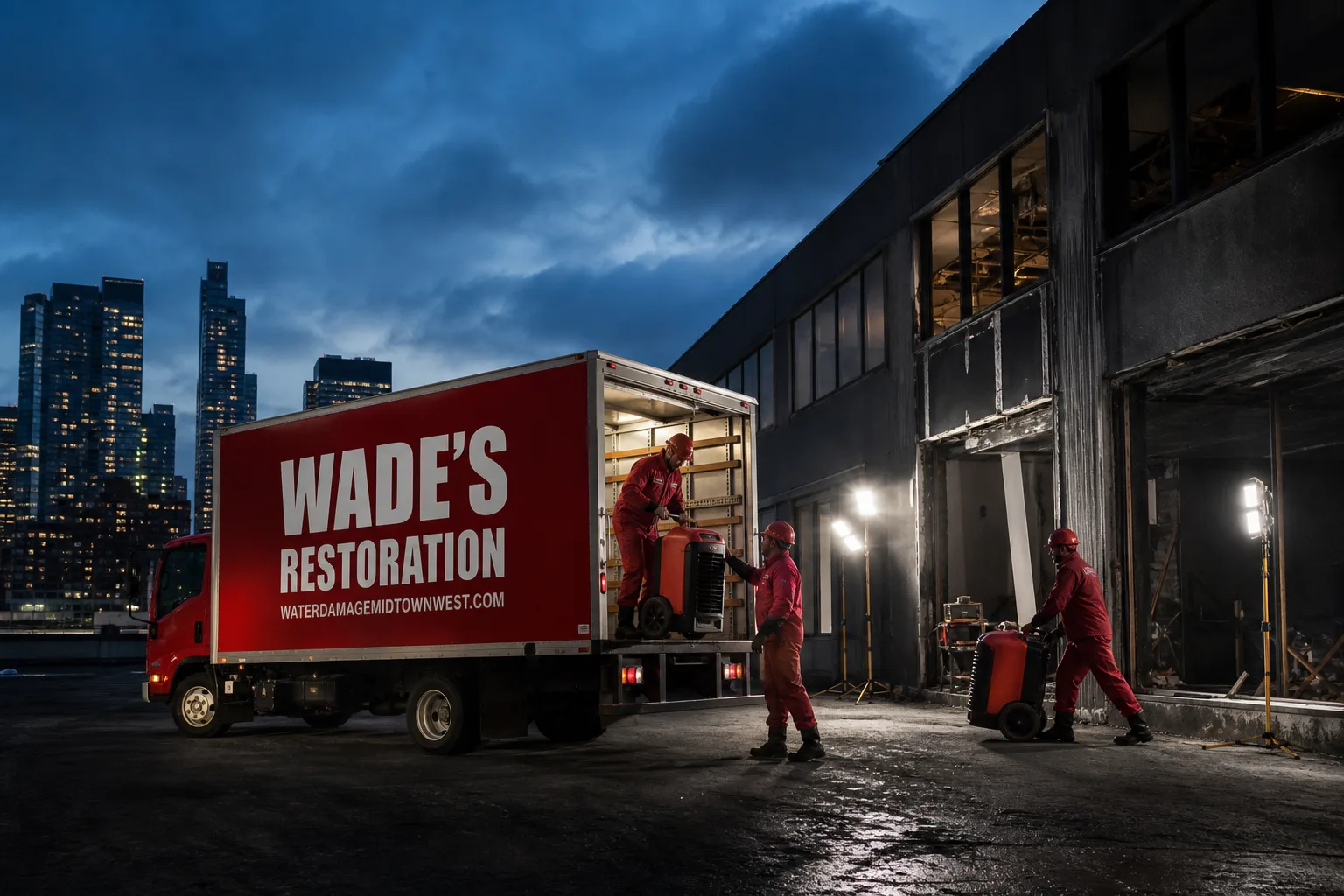
Free visual inspection and a written scope of work before any mitigation begins - photos, moisture readings, and drying logs go in your claim file
The scope we write is the scope we bill. Anything new gets shown to you, in writing, before we touch it.
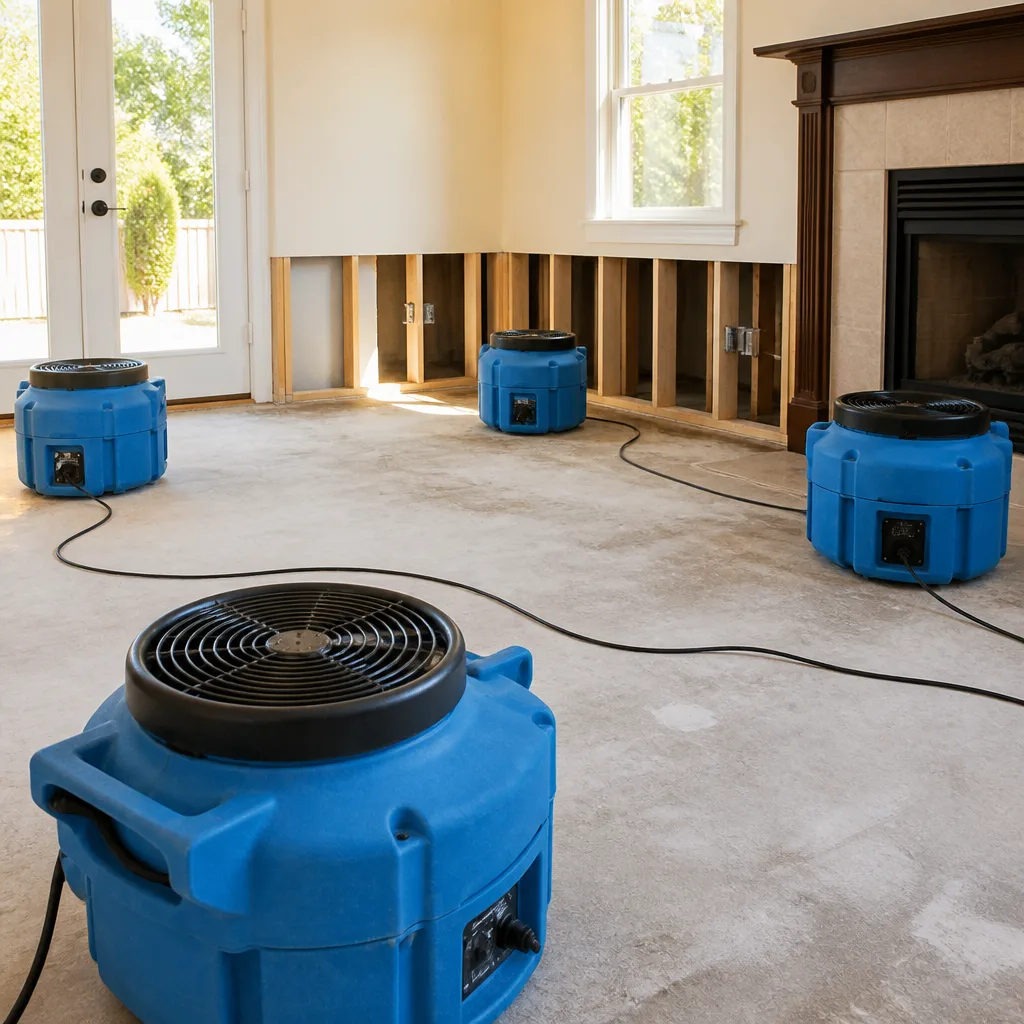
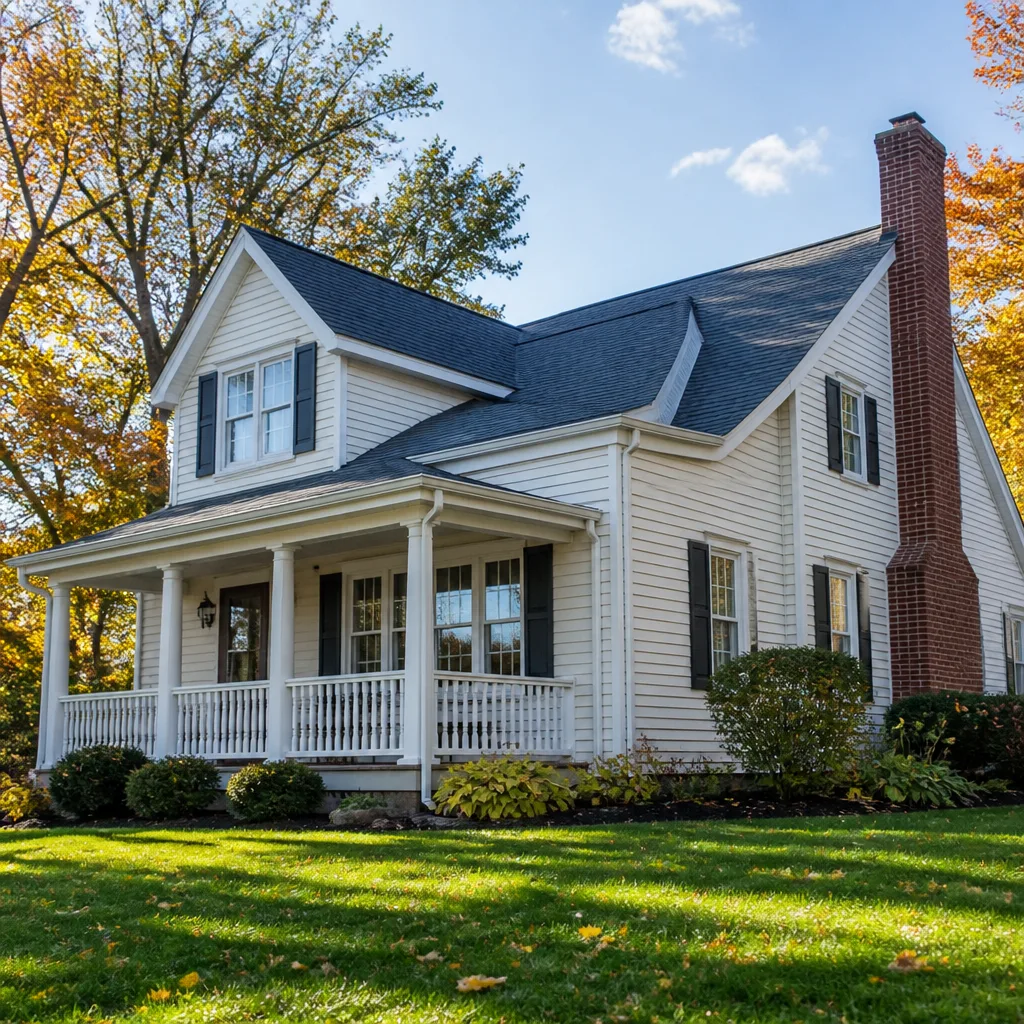
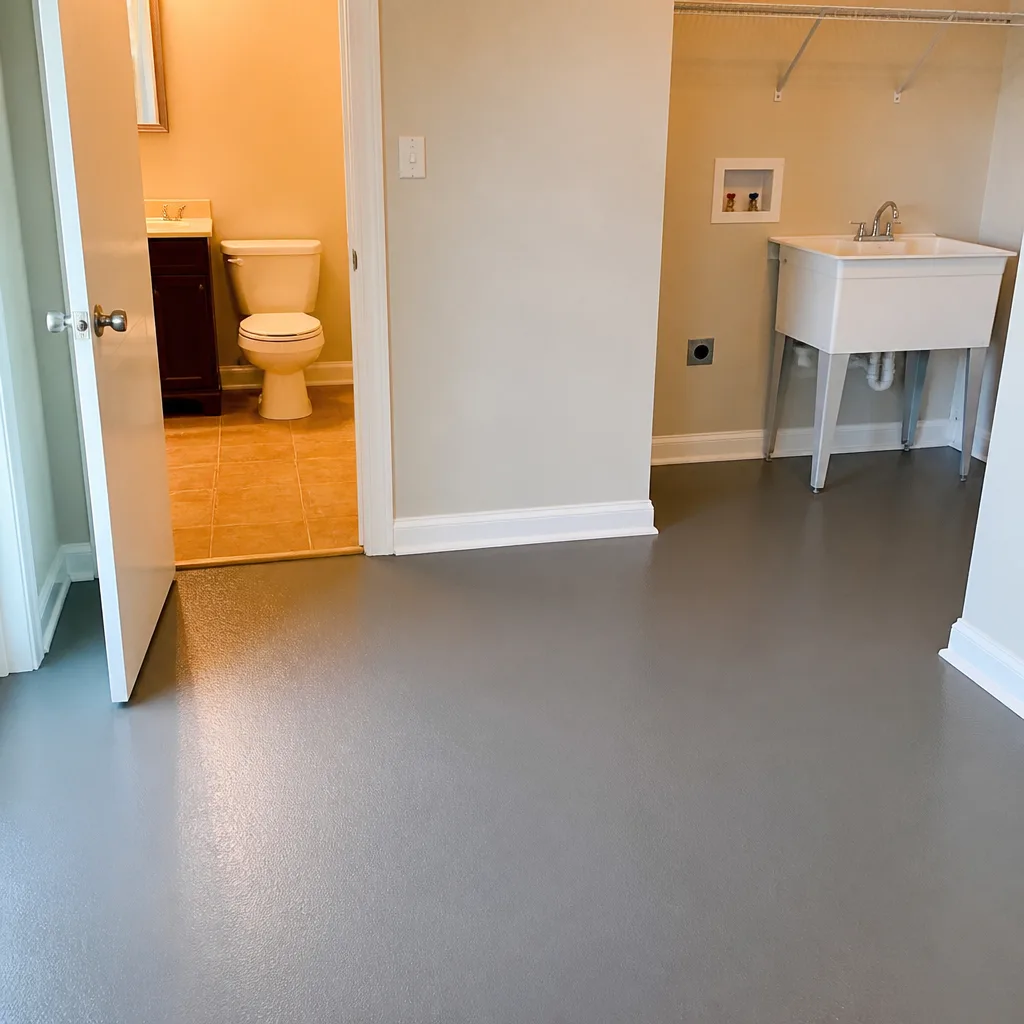
 Before
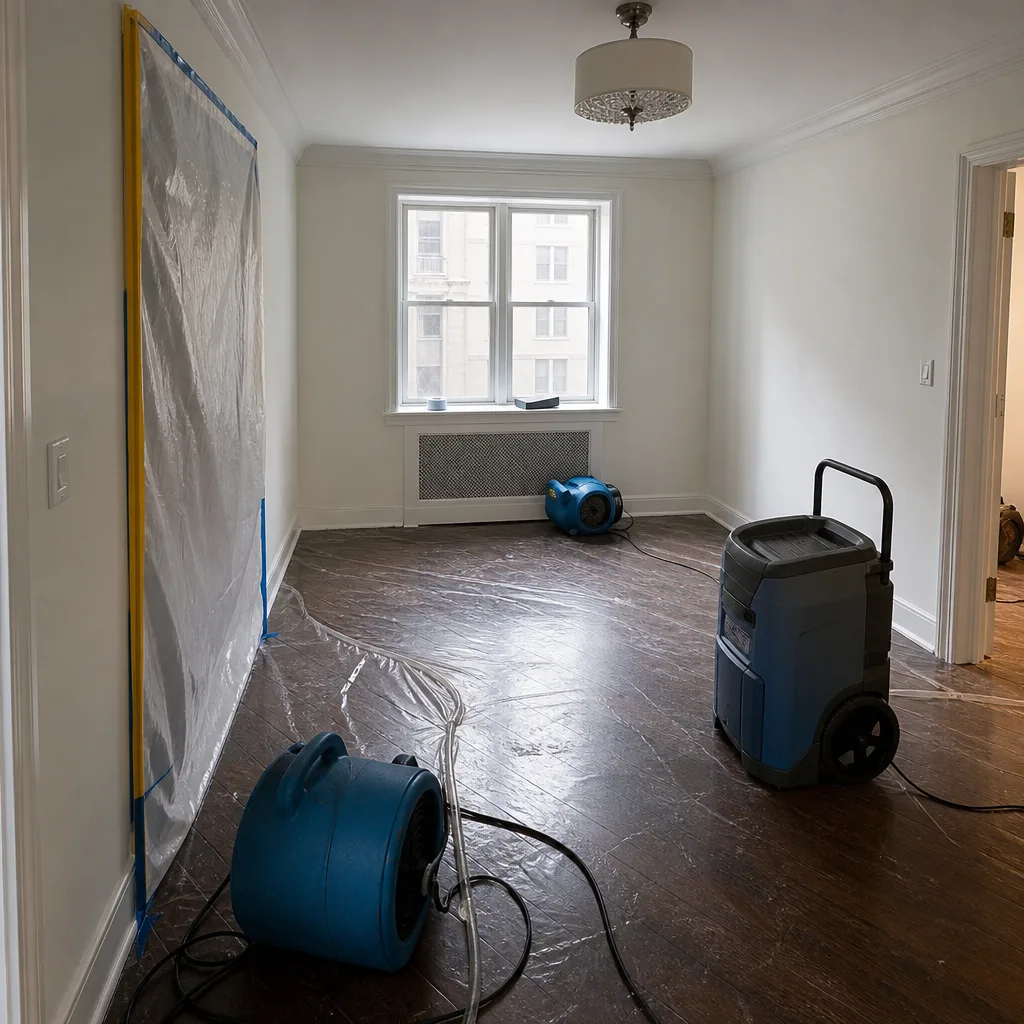 After
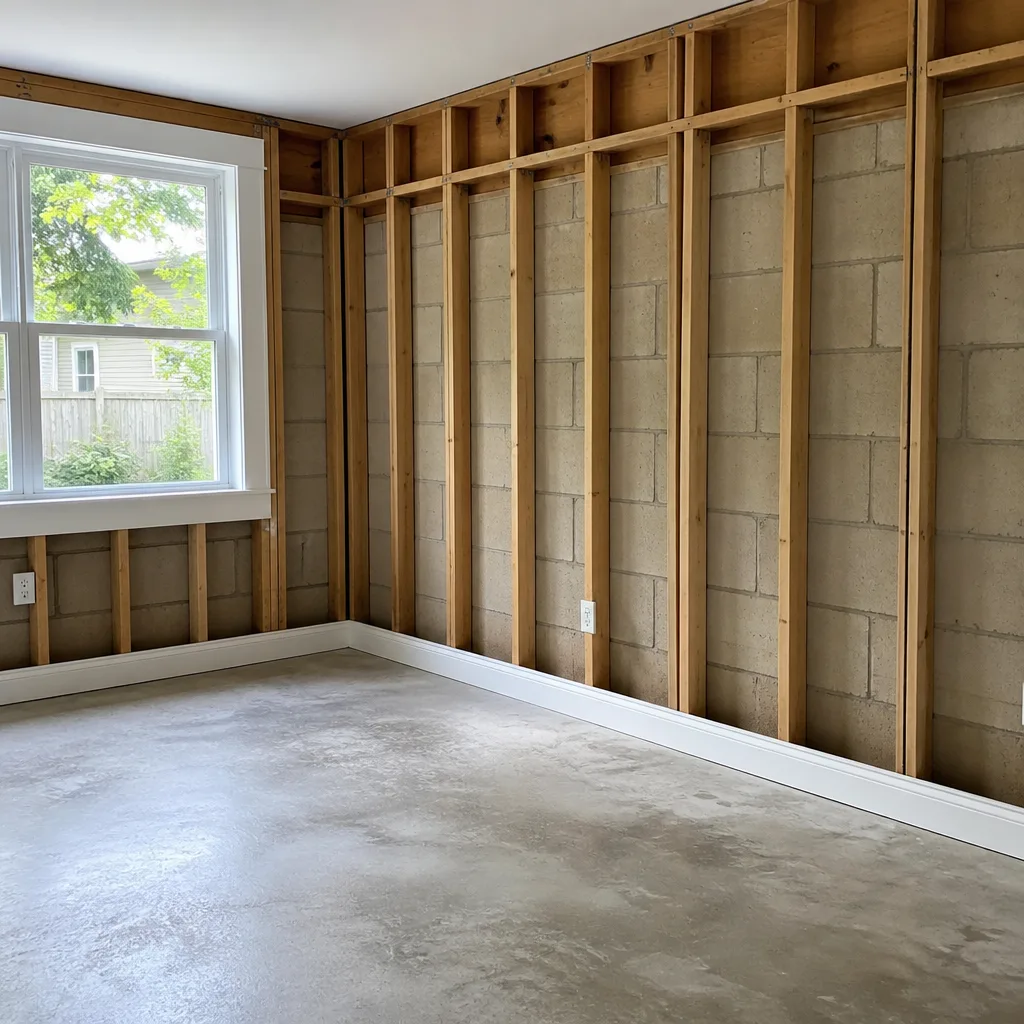
After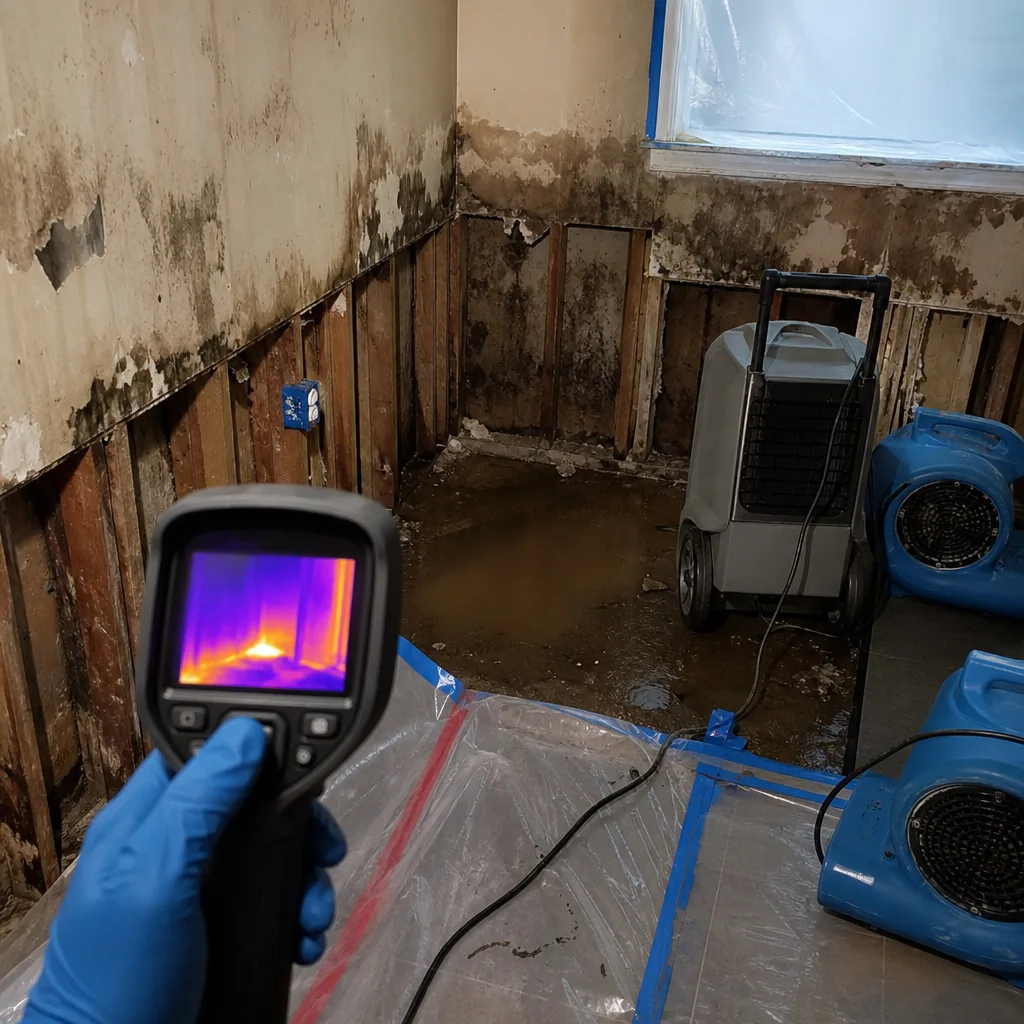 Before
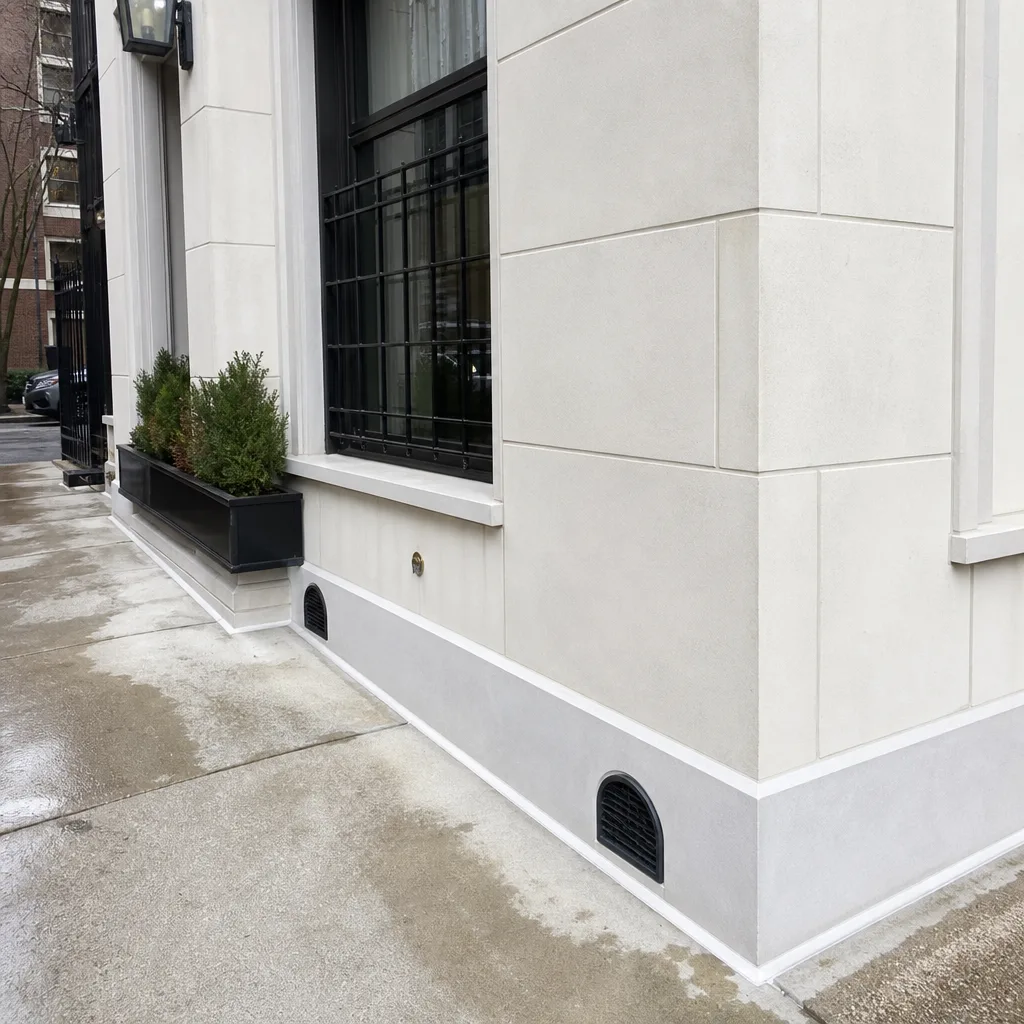 After
After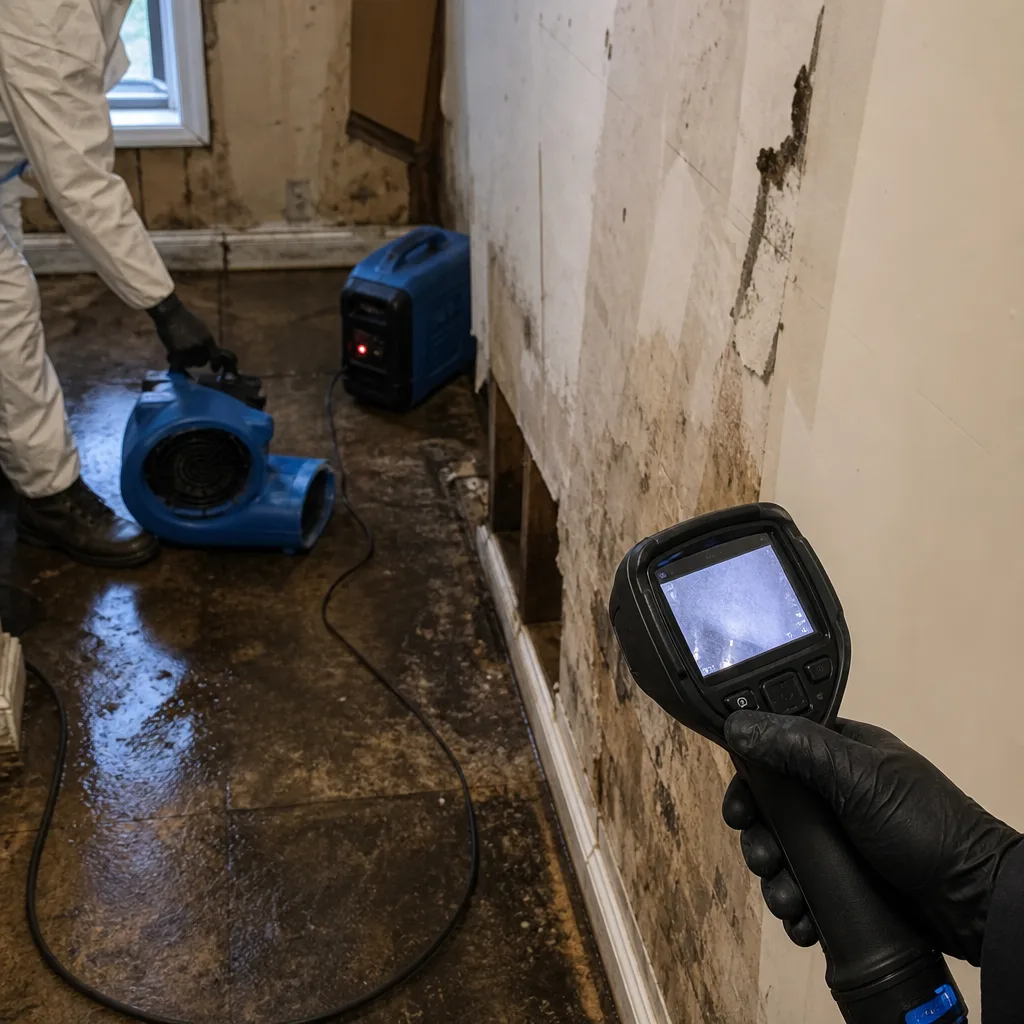 Before
 After
After24/7 Emergency Biohazard & Crime Scene Cleanup in Lower Manhattan
Biohazard and crime scene cleanup in Lower Manhattan should begin within hours, not days. Blood, bodily fluids, and decomposition waste create immediate health hazards in confined apartment spaces, and the longer they sit, the deeper they penetrate into grout lines, hardwood subfloors, and the cast-iron framing common in Tribeca and Financial District buildings. We answer live at (607) 703-3408 around the clock and can have a crew on site in Lower Manhattan within 45 minutes. The first call is a conversation, no charge, and we’ll tell you honestly whether you need full remediation or a targeted cleaning.
Understanding Biohazard & Crime Scene Cleanup Severity in Lower Manhattan Properties
Biohazard contamination doesn’t behave the same way in a 19th-century loft conversion as it does in a 2005 Battery Park City high-rise. We classify every scene using the same three-tier framework the industry applies to water: Category 1 is clean water, Category 2 is contaminated, and Category 3 is grossly unsanitary. Blood, decomposition fluid, and storm-surge water are Category 3 by definition. The problem in Lower Manhattan is that many buildings carry two contamination sources at once: the immediate biohazard event and the salt-laden moisture that Sandy left behind. Salt is hygroscopic; it pulls water from the air and keeps pulling it for years. That means a trauma scene in a Financial District tower with original basement mechanicals often requires the same structural drying protocol as a flood job, because the subfloor is wicking moisture from contaminated concrete below, not from the event above.
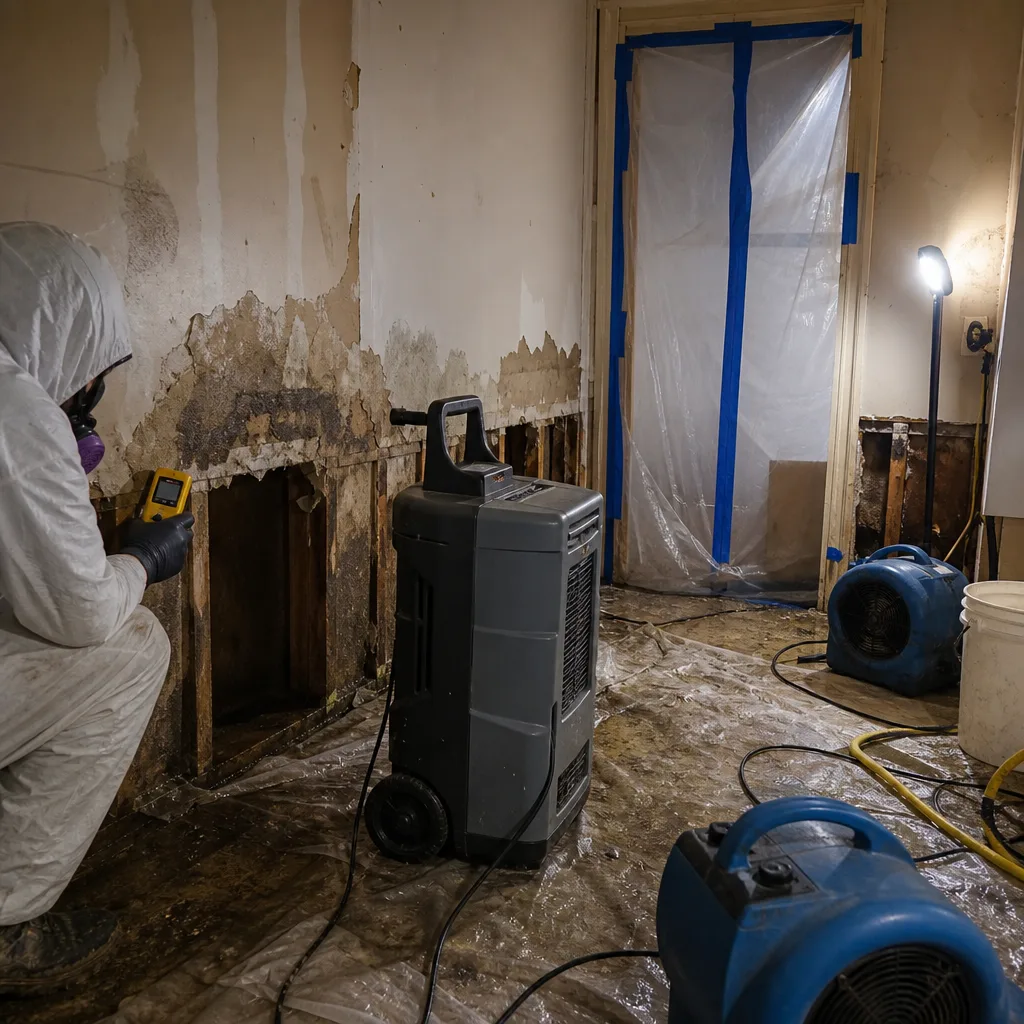
We run moisture mapping before any cutting or disposal. We take baseline readings from adjacent unaffected surfaces, then trace how far contamination has migrated. In pre-war buildings with brick party walls, fluids travel along mortar joints faster than through masonry itself. In glass-curtain-wall buildings, the weak point is usually the gypsum shaft wall behind elevators and stairwells. Different building, different path, same fix: contain the area, dry to standard, sanitize to clearance.
Why Lower Manhattan Property Owners Choose Wade’s Restoration
- 45-minute response commitment: We know the exact routes from the Brooklyn Bridge to Greenwich Street and from the West Side Highway into Battery Park City. No consultant. Wade heads out.
- 24/7 live answer: Call at 3 a.m. and you get Wade or someone from his crew, not a recording. The number is (607) 703-3408.
- IICRC-certified crews: We’re IICRC-certified and RIA-affiliated. Our biohazard leads carry the proper certifications for trauma scene, infectious disease, and odor control work.
- Free visual inspection: We’ll look at the scene and tell you if it’s a full remediation or a cleaning. No charge for that.
- Direct insurance billing: We talk to your adjuster, not you talking to your adjuster and then to us. One conversation, not three.
- One team from containment to reconstruction: We don’t hand you off to a different company for the rebuild. Same crew, same standards.
Our Biohazard & Crime Scene Cleanup Process
Inspection & Assessment
We walk the scene, map the contamination, and identify any salt-driven moisture hidden behind walls or under floors. This is before we touch anything. You get a written scope, not a verbal estimate.
Containment & Stabilization
We set negative air pressure and HEPA air scrubbers before any disturbance, because blood waste aerosolizes. In high-rises, we coordinate with building management for elevator and hallway protection.
Extraction & Disposal
All Category 3 materials come out: affected drywall, carpet, underlayment, and any porous surface that can’t be cleaned to clearance. We follow NYC medical waste transport rules. No shortcuts.
Drying & Dehumidification
Phoenix dehumidifiers and XPOWER air movers run with daily moisture readings. If we find salt crystals in masonry, we document them and log progress. You get the full log at the end.
Cleaning & Antimicrobial Treatment
All remaining surfaces are treated with hospital-grade antimicrobial, then swab-tested for biological clearance. This includes subfloors beneath where the event occurred.
Repairs & Restoration
New drywall, paint, flooring, trim. We handle the FEMA flood-zone code compliance on any mechanical room work in AE and VE zones, because the city won’t sign off otherwise.
Need Emergency Biohazard & Crime Scene Cleanup in Lower Manhattan Now?
Crews minutes away, answering live 24 hours a day. The sooner we start, the less it costs.
Working With Your Insurance Company
Most homeowners policies in New York cover biohazard cleanup after a crime, unattended death, or sewer contamination. The wording matters: “remediation” and “restoration” are covered differently than “cleaning,” and storm-surge biohazard claims after Sandy are still being litigated in some Lower Manhattan buildings. We document everything from the first hour, with photos, moisture readings, and a line-item estimate that matches what your carrier expects. We also talk to your adjuster directly, so you’re not relaying technical questions you shouldn’t have to answer. Wade’s Restoration is restored under our 90-Day Done Right Promise. If it’s not right, we come back.
What We Provide Your Insurer
- Thorough documentation of the loss
- Photos of all damage, room by room
- Moisture readings and drying logs
- A detailed, line-item scope of work
- Direct coordination with your carrier
Built for Lower Manhattan’s Loss Calendar
Biohazard and crime scene cleanup in Lower Manhattan follows a pattern. Summer brings heat, and heat accelerates decomposition in unattended deaths, which means urgent scenes in older Financial District walk-ups with no central air. Nor’easter season drives storm-surge saltwater into Battery Park City basements, creating Category 3 contamination that requires the same protocols as a trauma scene. Winter pipes freeze in pre-war lofts off Hudson Street and Church Street, and when they burst, the water soaks into subfloors that were already salt-compromised from Sandy. Spring thaw brings seepage through brick foundations in Tribeca. None of these are rare. We run the same containment and moisture-mapping protocol year-round because Lower Manhattan buildings don’t follow a season.
Biohazard & Crime Scene Cleanup Across Lower Manhattan’s Neighborhoods
In Tribeca, the cast-iron buildings off Hudson Street and Greenwich Street have brick party walls that wick fluid in unpredictable patterns. Our moisture mapping starts at the party wall, not the visible stain. In Battery Park City, most high-rises sit on landfill, which means below-grade slabs are in constant contact with the water table, and after a biohazard event on a lower floor, we check for vapor intrusion from slab edges. In the Financial District, buildings like those around Wall Street and Water Street often have sub-basement mechanical rooms that predate Sandy; if a scene happened anywhere near a mechanical chase, containment has to extend vertically. In Battery Park City’s North End, the residential towers off Murray Street have shared hallways that require HEPA air scrubbing outside the unit, not just inside it. And in Two Bridges near the Manhattan Bridge, dense rentals with original pre-war layouts mean smaller rooms but more porous surfaces per square foot. A 400-square-foot apartment there takes longer to clear than the same square footage in a new high-rise, because there’s more wall area, more baseboard, more grout.
For a full list of the areas we cover, see our Biohazard & Crime Scene Cleanup service page. If you’re in Lower Manhattan and need us, the number is always the same: (607) 703-3408.
Specialized Biohazard & Crime Scene Cleanup Services We Offer in Lower Manhattan
Trauma & Unattended Death Cleanup
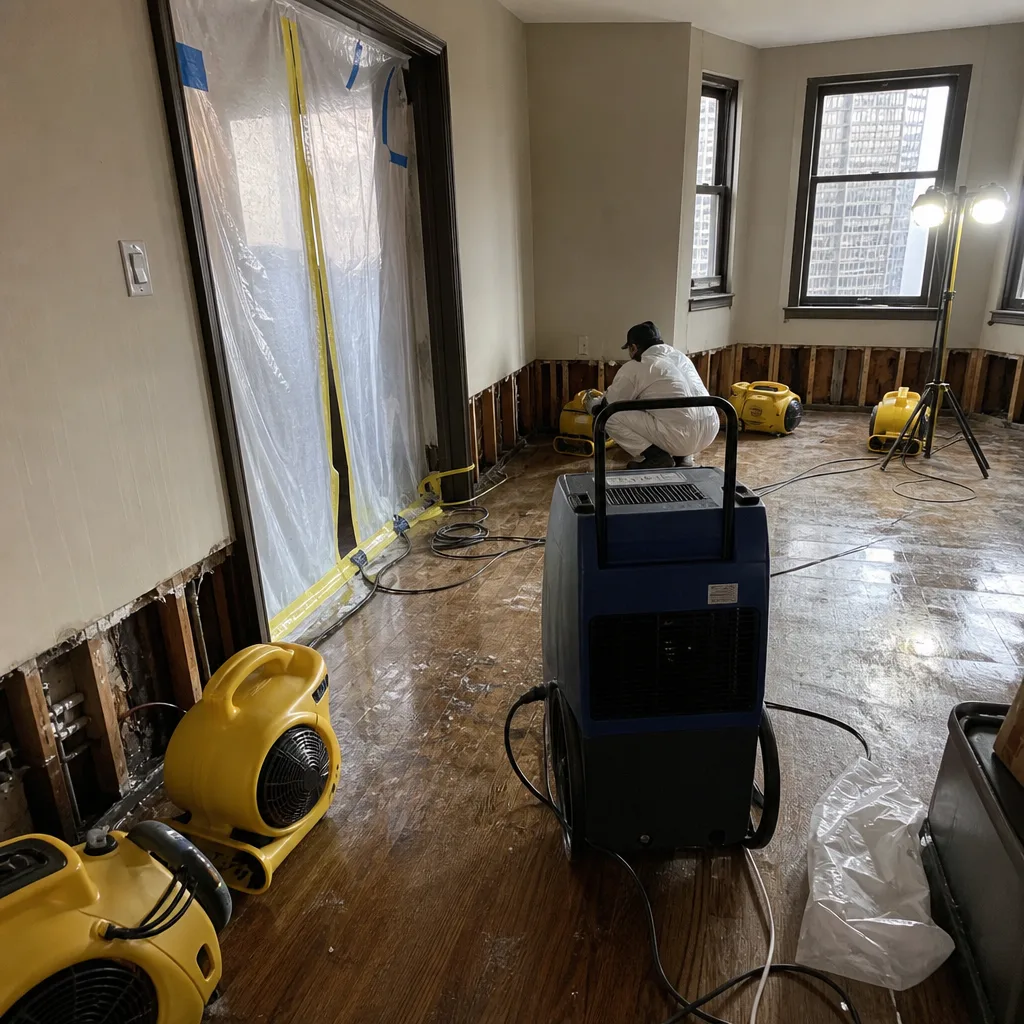
Unattended deaths in Lower Manhattan apartments create a specific challenge: decomposition fluids penetrate into cast-concrete subfloors within 48 hours, and if the apartment is in a pre-war building with original wood joists, those joists will hold odor for years unless treated. We handle the full sequence: fluid extraction, subfloor drying, antimicrobial application, and reconstruction. We also coordinate with building management for hallway and elevator containment, which a private homeowner can’t do alone.
Infectious Disease Disinfection
After a confirmed MRSA, C. diff, or other infectious exposure in an apartment or office, basic cleaning won’t clear the space. We bring HEPA air scrubbers and hospital-grade antimicrobial, fogging every surface, then running ATP swab tests for biological residue. In Lower Manhattan buildings with recirculating central air, we coordinate with the building engineer to isolate the unit first.
Blood & Bodily Fluid Cleanup
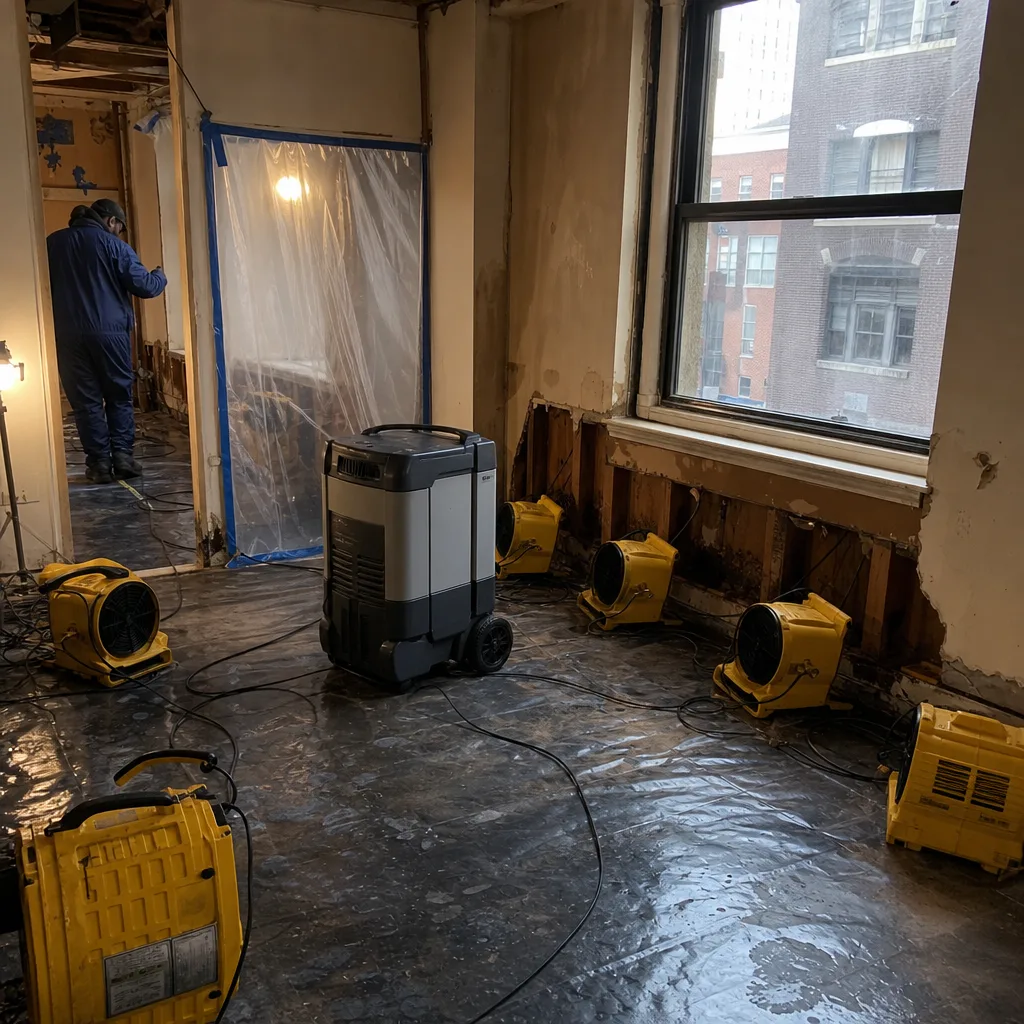
Blood carries bloodborne pathogens regardless of the event that caused it: an assault, an accident, a medical emergency. In older Lower Manhattan apartments, blood seeps behind baseboards and into grout within minutes. We remove the affected material, not just bleach the surface. Every scene gets a written clearance report.
Hoarding Cleanup
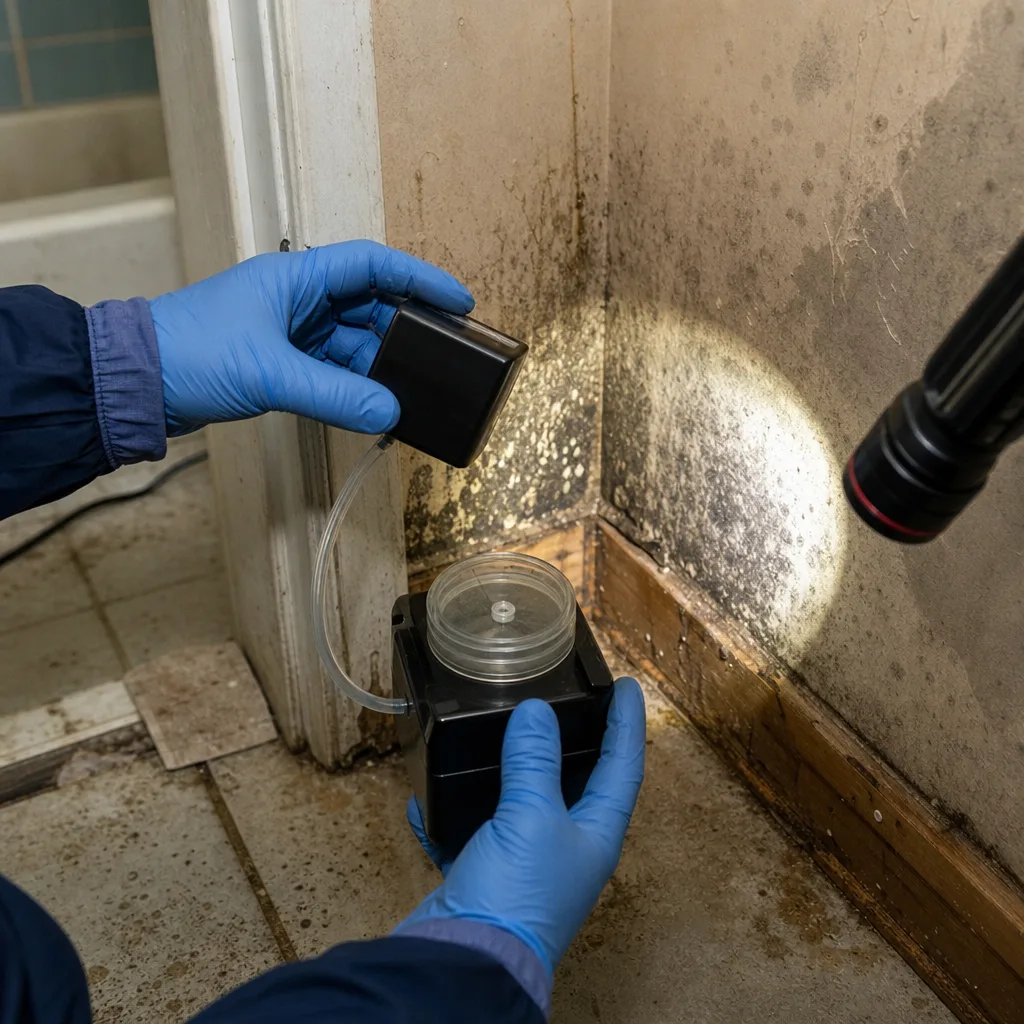
Hoarded apartments in Lower Manhattan hide animal waste, mold, and months of unattended trash, and in small rooms adjacent to shared walls, the odor migrates. We work with the family, not just the building, and handle disposal with respect for what’s salvageable. No reality TV crews. Just cleanup.
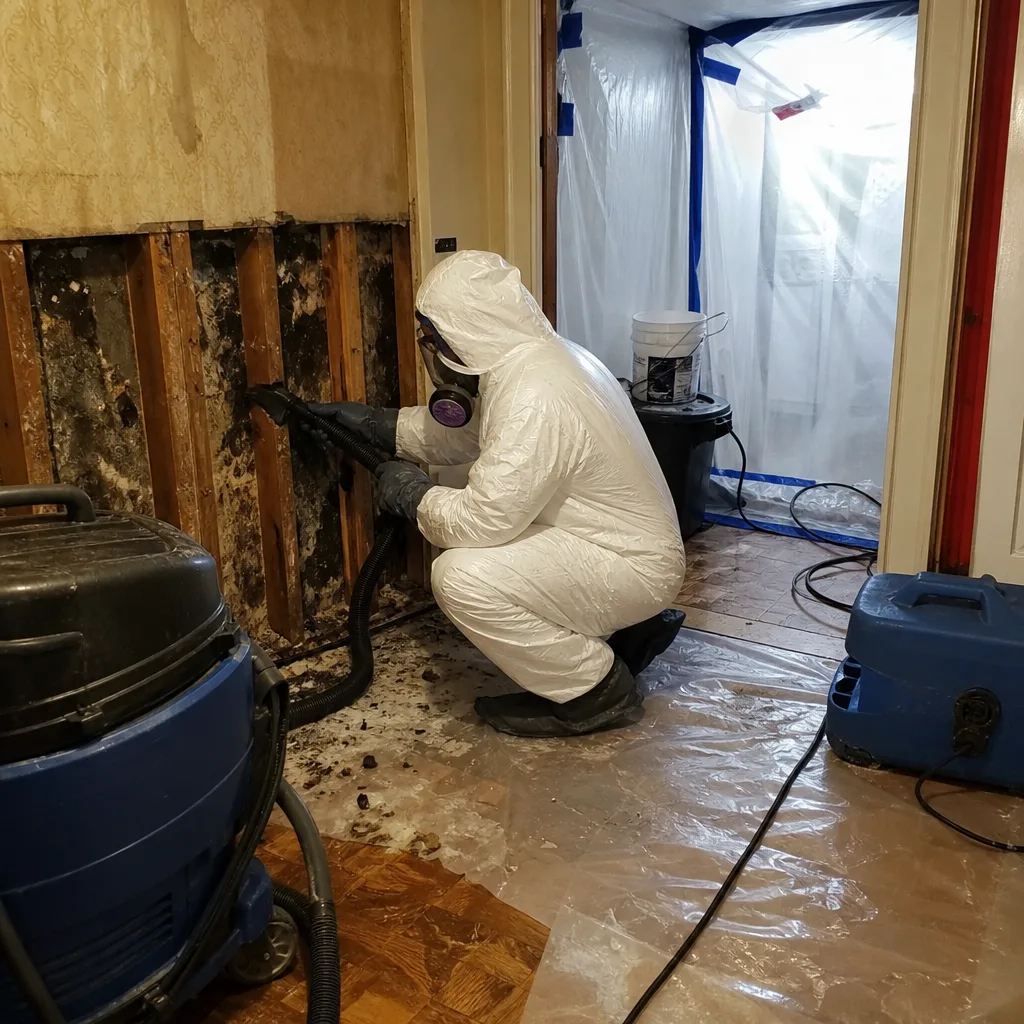
Tear Gas & Chemical Cleanup
Tear gas is rare in apartments but happens near street-level protests and in shared hallways. The residue embeds in paint and fabric. We use specialized gas-off treatment to break down the chemical compounds and restore the space to occupancy, often for neighbors who never left the building intentionally.
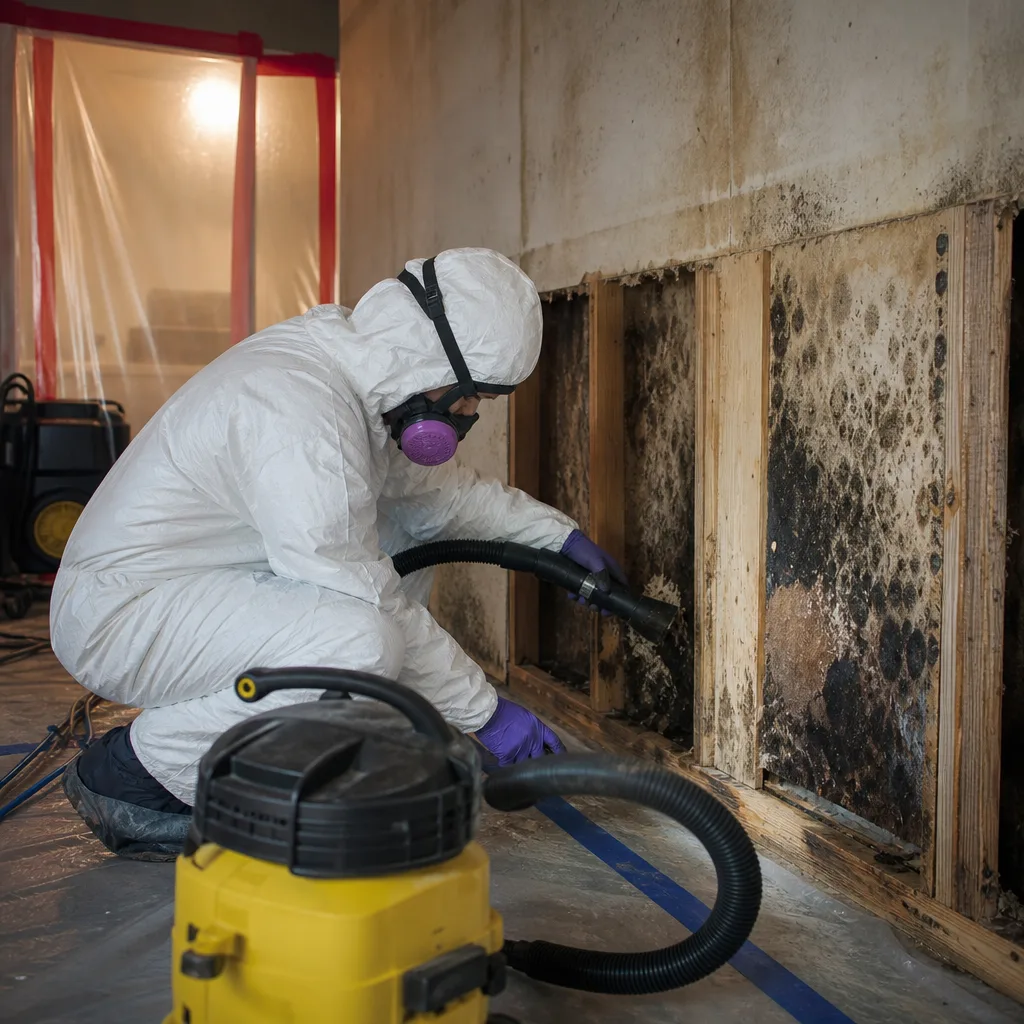
What happens when you call
- 1
A real person answersNo phone trees - you reach a local pro.
- 2
You get an upfront price rangeHonest numbers before anyone is dispatched.
- 3
A background-checked tech heads outLicensed & insured, dispatched right away.
- 4
You approve before work beginsNothing starts until you say go.
Biohazard & Crime Scene Cleanup Costs in Lower Manhattan, NY
A typical trauma or unattended death cleanup in Lower Manhattan runs $2,500-$6,500 for the remediation phase, before any reconstruction begins. That range covers containment, removal, drying, and antimicrobial treatment in a one-bedroom apartment. For a full apartment rebuild, pricing depends on the building type: a pre-war loft with exposed brick and cast-iron framing runs $40-$70 per square foot for rebuild, while a modern high-rise with standard drywall runs $35-$50 per square foot. Hoarding cleanup runs $1,800-$4,500 for a studio or one-bedroom, more if structural drying is needed. Infectious disease disinfection for a single unit runs $800-$2,200. On storm-surge biohazard jobs in AE and VE flood zones, mechanical room restoration adds $5,000-$25,000 because of FEMA code compliance, not because we’re inflating the quote. Estimates are free. Call (607) 703-3408 and we’ll give you a written number, not a range.
We Also Serve Cities Near Lower Manhattan
We cover Lower Manhattan full time, and we also take calls for biohazard cleanup in Midtown West, Financial District, Astoria, and Midtown Manhattan. Same crew, same 45-minute response, same written scope. If you’re not sure whether we cover your building, call (607) 703-3408 and ask.
Serving Lower Manhattan, NY - Our Local Coverage Area
We’re based in the Lower Manhattan area and know this community well. Use the map below to see our service coverage - if you’re nearby, we can almost certainly help.
Lower Manhattan Biohazard & Crime Scene Cleanup Questions, Answered
What makes biohazard cleanup in Lower Manhattan different from other parts of NYC after a storm surge?
Storm-surge water is Category 3 black water, not clean rainwater. In Lower Manhattan, after a surge, the water sits in sub-basements and soaks into brick and concrete at sea level. That water is now biohazardous, and it leaves salt crystals behind that wick moisture for years. Cleanup here means removing salt-contaminated materials, not just drying the surface. Then FEMA flood-zone rules for AE and VE zones kick in on any mechanical room work. Call (607) 703-3408 and we’ll assess what applies to your building.
Do you handle biohazard cleanup in buildings where Sandy’s saltwater caused long-term efflorescence?
Yes. Efflorescence is the white crystalline deposit you see on brick and concrete where saltwater dried. It means salt is still inside the material, pulling moisture. We run full moisture mapping during biohazard cleanup in these buildings, because the event scene and the salt-driven moisture are often in the same wall. We treat both in the same containment, not in two separate visits.
Are there special code requirements for restoring mechanical rooms after a biohazard incident in Lower Manhattan?
Yes. Post-Sandy NYC building code requires that mechanical systems in AE and VE zones be elevated or flood-proofed when substantially restored. If a biohazard event occurred in or near a mechanical room in the Financial District or Battery Park City, the restoration scope has to account for those code upgrades. We can coordinate with the building’s engineer and the city to keep the permit moving. Call (607) 703-3408 for a straight answer on your building.
How quickly can you contain a trauma scene in a pre-war Financial District tower?
Within 45 minutes of your call, we’re on site. In a pre-war tower, the first step is sealing the unit from the shared hallway and elevator lobbies, because odors travel through the same shafts that the building’s air system uses. We contain before we clean. If you need us now, call (607) 703-3408.
Why is moisture mapping critical during crime scene cleanup in Lower Manhattan?
Because Lower Manhattan buildings are the only ones in the city where every subgrade wall may have been soaked in saltwater in 2012. Without moisture mapping, you clean the visible blood stain, and six months later the odor returns because the subfloor was wicking contaminated water from salt-laden concrete. We map first, then clean. No guesswork.
Will my insurance cover biohazard cleanup after an unattended death?
Most New York homeowners policies cover it under “additional living expense” or “reasonable repairs” language, but some carriers will push back and call it “maintenance.” We document everything from hour one, and we talk to your adjuster directly. If you have a written estimate from another company, bring it in; we’ll give you a free second opinion.
How long does full biohazard remediation take in a typical Lower Manhattan apartment?
For a one-bedroom apartment, containment, removal, and drying typically take 3 to 5 days. Reconstruction adds another 1 to 3 weeks, depending on whether we’re matching pre-war plaster or modern drywall. A free inspection will give you a schedule, not a guess. Call (607) 703-3408.
Can I stay in my Lower Manhattan apartment during biohazard cleanup?
No, and we’ll be direct about that. The containment zone is under negative air pressure for a reason. If you share the building with other units, we also coordinate with management to protect their air. For a large scene, your insurance may cover temporary housing. We’ll document what you need for that claim.
Need a real person, not a call center? Call Wade’s Restoration at (607) 703-3408 for a free estimate on biohazard and crime scene cleanup in Lower Manhattan. Wade answers his own phone. If he’s on a job, you’ll get a call back inside the hour. That’s the deal.
Written by Wade Ferris, Owner at Wade’s Restoration, serving Lower Manhattan since 2007.