
Quick Summary
Navigating water mitigation insurance billing in Midtown West requires rapid structural drying and rigorous documentation to satisfy carrier requirements and prevent costly claim delays. Wade's Restoration eliminates policyholder friction through its Claim Clarity Program by pairing rapid 45-minute emergency extraction with carrier-grade drying logs and direct adjuster billing. Readers will understand how direct carrier invoicing streamlines property recovery and can contact Wade's Restoration for 24/7 live emergency dispatch and complete claims support across Midtown West.
Water Mitigation Insurance Billing in Midtown West: Coverage & Claims Guidance
When an active pipe break or ceiling collapse hits your property, addressing water extraction and structural drying promptly is essential. Water mitigation billing in Midtown West often involves coordinating documentation with property insurance carriers during the emergency response phase.[5]
Property owners often encounter administrative challenges during the claims process. Without comprehensive documentation, claims may experience processing delays. Mitigation contractors like Wade’s Restoration typically record damage, moisture readings, and structural drying progress according to standard insurance industry guidelines.[1] See also Commercial Water Damage Restoration | 10% Off & Free Estimate | Same-Day Service.
Whether managing a commercial building or a residential property in Midtown West, standard claims documentation typically includes daily psychrometric logs, thermal imaging, and itemized line-item scopes.
Water Mitigation Insurance Billing in Midtown West: Coverage Guide
Quick Summary: Direct insurance billing for water mitigation allows property owners, co-op boards, and facility managers to coordinate with carriers for covered emergency drying. Technicians document structural moisture levels, extract water, and submit itemized scopes to insurance adjusters, helping reduce payout delays and prevent secondary mold growth.
Direct carrier billing allows restoration specialists to invoice residential and commercial insurers directly using standard estimating software. Under this model, the restoration contractor bills the insurance carrier for emergency mitigation work, while coverage ultimately depends on the specific policy terms, endorsements, and verified cause of loss. Policyholders remain responsible for their deductible and any non-covered exclusions. Flood insurance is typically separate from standard homeowners coverage. Starting dry-out procedures promptly helps fulfill policyholder requirements to mitigate damages and protect the property from structural deterioration.[2]
Why Local Documentation Matters for Midtown West Claims
High-density urban properties often have building-specific logistical requirements, such as service elevator reservation rules, building management containment standards, and multi-story plumbing access. Comprehensive room-by-room atmospheric readings, drying logs, and visual evidence help document the scope of work performed for insurance review.
Essential Facts for Midtown West Property Losses
- Immediate Action Protects Your Claim: Standard commercial and residential policies generally require owners to take reasonable steps to stop incoming water and dry the structure. Delaying mitigation can lead to secondary damage, such as mold growth or warped subflooring, which may not be covered depending on policy terms.
- Flood Policies Are Separate: Coverage depends on the specific policy and cause of loss. Standard property policies typically exclude overland flood damage. Flood insurance is typically separate from standard homeowners coverage and must be secured through the National Flood Insurance Program (NFIP) or private flood underwriters, with claims filed directly under those specific policies.
- Municipal vs. Private Losses: If water damage stems from a broken city main or municipal infrastructure, NYC Comptroller guidelines require a notarized Notice of Claim to be filed within 90 days. If the claim is not resolved within one year and 90 days, formal legal action must be initiated to protect your rights. This process is distinct from private carrier claims.
How Direct Insurance Billing Works for Property Losses
Need water mitigation insurance billing midtown west?
We’re available now - call for a fast, free estimate.
Instead of requiring property owners to pay all mitigation costs upfront and seek reimbursement later, direct billing allows restoration contractors like Wade’s Restoration to submit invoices directly to the carrier. Technicians log daily moisture readings, create an itemized scope using standard industry line items, and submit documentation for insurance review.
Documenting Urban Property Logistics
Urban properties may encounter site-specific conditions, including building management containment rules, limited work hours, and specialized disposal access. Attaching site photos, building management work orders, and psychrometric records to the estimate provides adjusters with a complete record of the loss environment.
The Mitigation and Billing Workflow
- Emergency Response and Containment: Technicians extract standing water and contain affected areas to halt moisture spread.
- Moisture Mapping and Logging: Ambient relative humidity, temperature, and moisture content are recorded across affected materials to establish drying baselines.
- Line-Item Scope Generation: The scope of work is written using standard industry estimating codes reflecting the required mitigation work.
- Carrier Submission: Invoices and supporting moisture records are submitted directly to the insurance carrier for review and adjustment.
| Feature | Self-Managed Claim | Direct Billing Workflow |
|---|---|---|
| Upfront Costs | Policyholder pays upfront and seeks reimbursement | Contractor bills covered scope to insurer directly |
| Daily Psychrometric Logs | Must be gathered by policyholder | Logged and submitted by mitigation contractor |
| Building Logistics Documentation | Policyholder compiles access logs | Documented within standard itemized scope |
| Carrier Communication | Policyholder manages all scope delivery | Contractor coordinates scope and drying records directly |
Property owners dealing with water damage in Midtown West should review their coverage terms and consult qualified restoration professionals promptly.
What Does Water Mitigation Insurance Billing Cost?
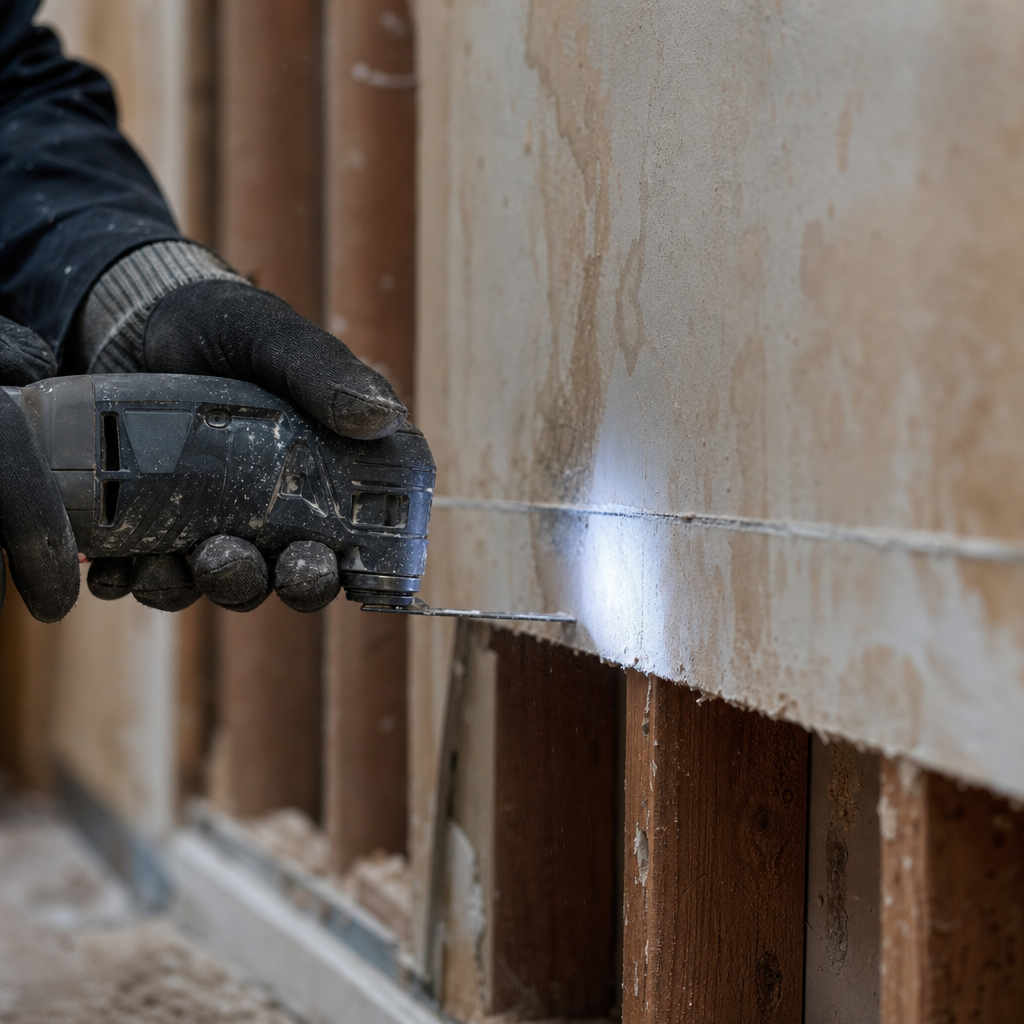
For covered losses, direct billing directs invoices for drying and remediation to your carrier. Coverage depends on the specific policy and cause of loss. As the property owner, your primary financial obligation is the policy deductible, alongside any non-covered building improvements or exclusions specified in your policy.
Emergency Water Mitigation Cost Estimates
Billing rates reflect the labor, equipment, and safety measures required for structural drying. Below is an overview of general cost ranges:
Note: The following cost ranges are internal contractor estimates not verified by the research brief. Actual costs and coverage depend on the specific policy terms, endorsements, and cause of loss.
| Service Scope | Estimated Cost Range (Internal Estimate) | Primary Coverage Path |
|---|---|---|
| Moisture Inspection & Thermal Mapping | $0 – $500 | Subject to policy terms and claim scope |
| Clean Water Extraction & Drying (Category 1) | $2,500 – $8,000 | Standard property hazard coverage (if loss is covered) |
| Sewage & Blackwater Decontamination (Category 3) | $4,500 – $15,000+ | Sewer backup rider or separate flood policy |
Deductibles and Endorsements in NYC Real Estate
Commercial and residential policies contain varying endorsement requirements. Coverage depends on the specific policy and cause of loss. Standard hazard policies generally cover sudden and accidental water events, such as a ruptured pipe. However, sewer backups typically require a specific water backup rider, and overland flood damage is excluded from standard homeowners coverage, requiring separate flood insurance.[4]
Restoring Saturated Drywall, Ceilings, and Hardwood Floors in Midtown West Buildings
Need water mitigation insurance billing midtown west?
We’re available now - call for a fast, free estimate.
Mitigation approaches vary depending on building structure and materials. Modern high-rise structures often feature multi-layer gypsum board and concrete floor assemblies, whereas older pre-war buildings frequently contain plaster ceilings and tongue-and-groove hardwood flooring.
Managing Multi-Story Water Cascades
When a plumbing riser fails on an upper level, water moves downward through elevator shafts, electrical conduits, and shared utility chases. In older properties, water can pool behind plaster ceilings, creating risk of structural failure. In newer construction, water may travel across fire-rated floor assemblies. Drying protocols must be adapted to the specific construction materials present in the building.
Restoration vs. Tear-Out Protocols
Restoration professionals such as Wade’s Restoration evaluate whether materials can be dried in place or require removal. Where feasible, commercial dehumidifiers and negative-pressure floor mat systems can draw moisture out of saturated subfloors and framing without tearing out structural materials.
| Material Assembly | Property Type | Drying Strategy |
|---|---|---|
| Lath and Plaster Walls | Pre-War Buildings | Targeted cavity ventilation and low-grain refrigerant drying |
| Commercial Gypsum Board | High-Rise Towers | Baseboard removal, precision wall-cavity air injection |
| Original Hardwood Flooring | Residential / Co-ops | Negative-pressure floor mats to extract trapped subfloor moisture |
Addressing Hidden Moisture in Kitchen Cabinets, Subfloors, and Building Chases
Water migrates quickly into concealed spaces where visual inspection may not detect it. Trapped moisture behind millwork, under commercial flooring, or inside shared plumbing chases can create conditions conducive to mold growth within 24 to 48 hours.
Moisture Behind Cabinetry and Built-Ins
Water on a floor surface can be drawn underneath cabinets by capillary action. Technicians at Wade’s Restoration use thermal imaging and moisture meters to map moisture pockets, remove toe-kicks, and use direct-injection airflow tubes to dry wall cavities where practical.
Shared Vertical Pipe Chases and Building Liability
In multi-unit properties, an uncontained leak in one unit can affect neighboring units below through shared utility chases. Proper containment, air filtration, and rapid drying help stabilize the indoor environment and prevent moisture migration between units.
Frequently Asked Questions About Midtown West Insurance Claims
Managing a commercial or residential water claim involves understanding policy terms, documentation standards, and local requirements. Here are answers to common questions regarding water damage claims.
Common Questions Regarding Coverage, Response Times, and Costs
How fast does water extraction need to start for my claim to be covered?
Insurance carriers generally expect mitigation to start as soon as practically possible. Standard policies include a duty to mitigate, meaning policyholders must take reasonable steps to halt ongoing damage. Delaying mitigation can cause secondary mold or rot damage, which may not be covered under standard policy terms.[3]
How does direct insurance billing work for water mitigation?
With direct billing, the restoration contractor submits itemized drying logs, moisture readings, and line-item scopes directly to the insurer for covered mitigation work. Coverage depends on the specific policy and cause of loss, and the policyholder remains responsible for the deductible and any non-covered exclusions.
What documentation do I need to keep for my claim?
NYC emergency guidance advises keeping a complete record of everything related to the loss. Take photos and video of standing water before cleanup starts, save damaged physical items until the adjuster inspects them, and retain copies of all contractor logs, invoices, and emergency correspondence.
What out-of-pocket expenses should I expect?
For covered losses, the primary out-of-pocket expense is the policy deductible. If material upgrades are chosen during reconstruction rather than restoring the property to its pre-loss condition, those upgrade costs are paid out of pocket. Coverage depends on the specific policy terms and cause of loss.
Prompt mitigation by teams such as Wade’s Restoration helps prevent water damage from spreading to adjacent units and supports a well-documented claims process.
Need water mitigation insurance billing midtown west?
We’re available now - call for a fast, free estimate.
Sources
- [PDF] HURRICANE SANDY REBUILDING STRATEGY – hcr.ny.gov (2013)
- Insurance – nyc.gov
- Filing A Claim – New York City Comptroller – comptroller.nyc.gov
- Disaster Recovery Resources – dfs.ny.gov
- [PDF] Rising Tides, Rising Costs – Center for NYC Neighborhoods – blog.cnycn.org (2016)
Related reading: Flooded Apartment Water Extraction Midtown West | Call Now-10% Off | Same-Day Service | Free Estimate
Related reading: Cost of Wade’s Restoration Water Cleanup – Call Now-10% Off – Same-Day Service – Free Estimate
Related reading: Flood Cleanup Cost Midtown West Nyc – Call Now-10% Off – Same-Day Service – Free Estimate
Frequently Asked Questions
What specific documentation do insurance adjusters require for Midtown West water damage claims?
Carriers require daily psychrometric drying logs, thermal imaging moisture maps, and itemized scopes written in standard estimating codes to approve claims. Wade's Restoration compiles these carrier-grade records through its Claim Clarity Program and submits them directly to your adjuster to prevent claim delays.
How does direct carrier billing handle co-op and high-rise building requirements in Midtown West?
Direct billing incorporates urban site factors, such as freight elevator reservations, containment barriers, and building management work orders, straight into the itemized claim. Wade's Restoration bills your insurer directly for the covered mitigation scope so property owners and boards only need to manage their standard deductible.
Why is rapid emergency extraction critical for insurance policy coverage?
Property policies enforce a strict duty to mitigate, meaning insurance carriers can deny coverage for secondary damage like mold if extraction is delayed beyond 24 to 48 hours. Wade's Restoration provides 24/7 live dispatch across Midtown West with a 45-minute emergency response to halt moisture migration and protect your claim.
About the author
 |
Marcus Avery Marcus Avery is an IICRC-certified restoration specialist with over 12 years of experience in structural drying and water damage mitigation. Holding a B.S. in Construction Management from the Wentworth Institute of Technology, he frequently consults with property management firms in the tri-state area on emergency response planning. Marcus specializes in helping Midtown West property owners navigate complex water damage scenarios and detailed restoration cost analysis. |
Water damage, flood, or mold emergency?
We’re available now - call for a fast, free estimate.
Call Now - Free Estimate