
Last updated August 26, 2026
Free visual inspection and a written scope of work before any mitigation begins - photos, moisture readings, and drying logs go in your claim file
The scope we write is the scope we bill. Anything new gets shown to you, in writing, before we touch it.
 Before
 After
After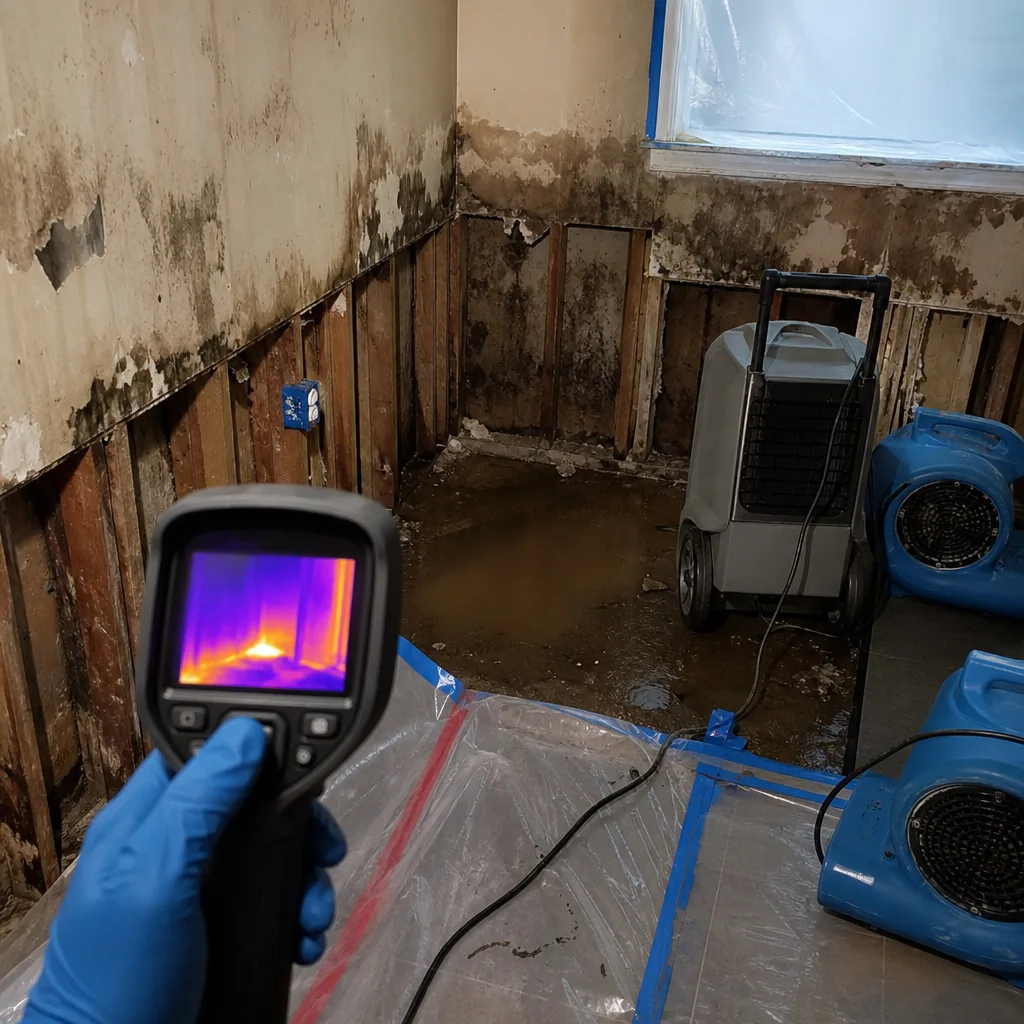 Before
 After
After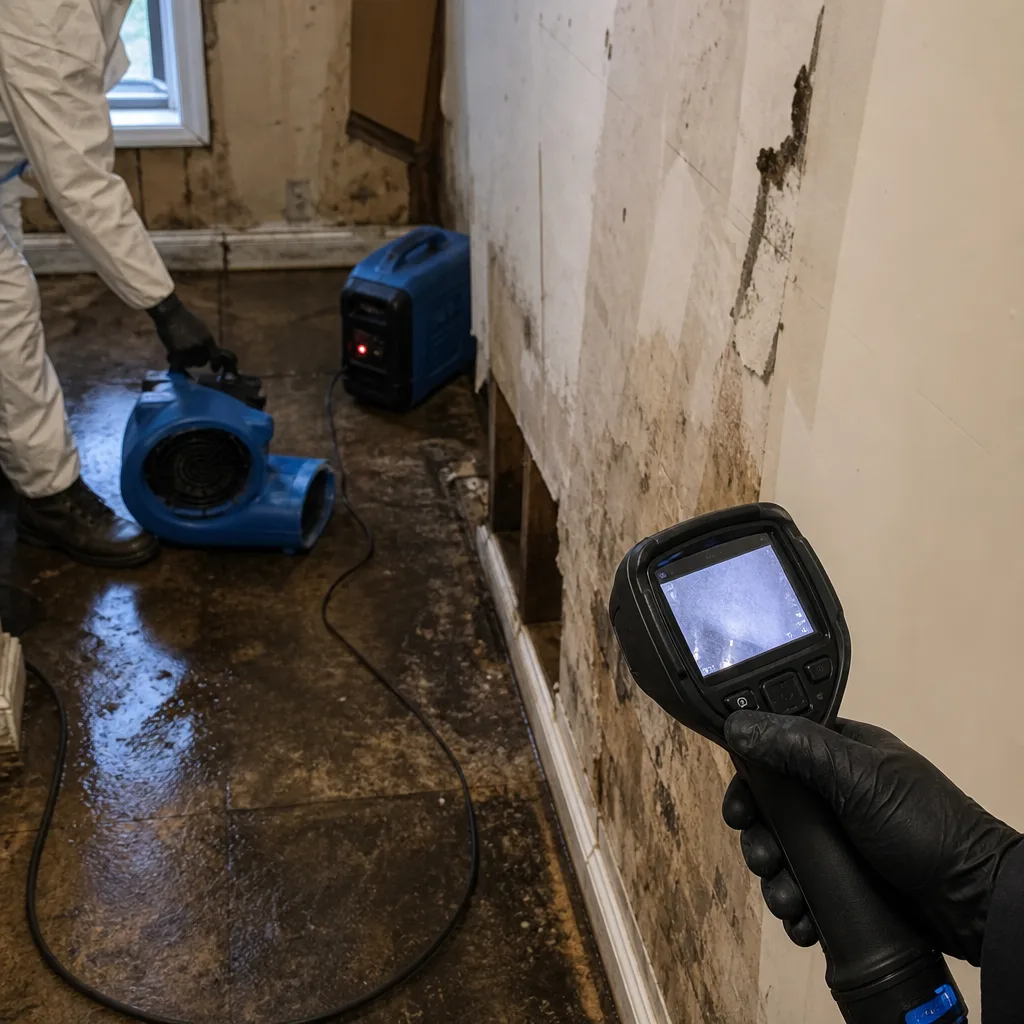 Before
 After
AfterDamage Restoration Cost Breakdown: The Midtown West Homeowner’s Reference for 2026
Most homeowners in Midtown West never learn what a restoration job actually costs until they’re standing in three inches of water at 11 p.m., reading a number on a tablet someone just handed them. That number means almost nothing without knowing whether it was built from Xactimate line items, a flat rate pulled from thin air, or a contractor’s margin target. This guide will teach you how to read a restoration estimate the way an adjuster does, where the legitimate Midtown West cost drivers hide, and where the padding usually begins. For Damage Restoration Warning Signs: A Midtown West Homeowner’s Reference Guide, see our companion post.
Quick Answer
Water damage restoration in Midtown West typically runs $3,500 to $12,000 for a standard mitigation-only scope in a one or two-bedroom apartment, while full rebuilds after fire or extensive water damage commonly land between $25,000 and $65,000 depending on finishes and building requirements. The single biggest variable is whether the job is mitigation (dry it out, stop the spread) or reconstruction (put it back together), and conflating the two is exactly how unscrupulous contractors inflate bills. A legitimate estimate will show line items for equipment days, labor hours, and materials separately, not one lump sum.
Table of Contents
- What Actually Drives Restoration Costs in Midtown West
- Mitigation vs. Rebuild: The Two Different Jobs Hiding in Your Estimate
- How Xactimate Pricing Works and Why It Matters to You
- The Three Line Items Most Often Inflated
- How Insurance, Documentation, and a Written Warranty Change the Math
- What You Should Expect to Pay: Straight Cost Ranges for 2026
- Questions to Ask Before You Sign Anything
What Actually Drives Restoration Costs in Midtown West
Restoration pricing in Midtown West is higher than the national average for reasons that have nothing to do with greed and everything to do with logistics. If you live in a pre-war co-op on West 57th or a high-rise rental near Columbus Circle, a restoration crew cannot simply park a truck out front and start hauling equipment. The building requires a certificate of insurance, also called a COI, naming the property manager and board as additional insureds. That document has to be generated before anyone steps foot in the freight elevator. It costs real money and it takes real time.
Then there’s the freight elevator itself. Many Midtown West buildings require elevator padding before a single air mover goes up. The building schedules a window, sometimes as narrow as two hours, and charges a fee for the reserved time. If the crew misses it, the whole day shifts. After-hours work, which is when most emergencies happen, carries a premium from the building and from the labor. A technician responding at 2 a.m. on a Sunday costs more than one arriving at 10 a.m. on a Tuesday. That’s not a markup. That’s the market.
Materials delivery into Midtown West also costs more than it does in the suburbs. A truck delivering drywall, flooring, or a Dri-Eaz dehumidifier to a building with no loading dock and restricted street access pays commercial parking or uses a third-party logistics courier. Those costs appear on your estimate as handling, delivery surcharge, or access fees. When you see them, they should correspond to an actual line item, not get buried in a round number.
In our experience, the honest contractors in this neighborhood explain all of this before they start. The dishonest ones let you find it on the invoice. Wade’s Restoration home has been handling Midtown West buildings since 2007, and Wade Ferris can tell you exactly what your building will require before the first truck rolls. That conversation is free.
Mitigation vs. Rebuild: The Two Different Jobs Hiding in Your Estimate
The most common pricing confusion in restoration work is the difference between mitigation and rebuild. They are two different jobs with two different scopes, two different crews, and two different price tags. A mitigation-only scope stops the damage from spreading. That means water extraction, setting up drying equipment, monitoring moisture levels daily, and possibly removing wet drywall or carpet that cannot be saved. A full rebuild scope puts the apartment back together: new drywall, paint, flooring, trim, possibly cabinetry.
Here is the problem. Some contractors will quote a mitigation scope and then hand you a bill that includes rebuild labor rates, or they’ll describe the job as “full restoration” without separating the phases. When you cannot tell where mitigation stops and reconstruction begins, you cannot tell if you’re being overcharged. A legitimate estimate breaks these apart. It says something like “water extraction and drying: $2,400” on one line and “drywall replacement, 240 square feet: $1,900” on another.
The reason this matters in Midtown West specifically is that rebuild work in this neighborhood often requires board approval, architect-stamped plans, and licensed trades for plumbing and electrical. For details on local requirements, see Damage Restoration Permits, Codes & Inspections in NY: What You Need to Know. None of that is cheap, and none of it should appear on a mitigation invoice. If a contractor blends everything into one number, you lose the ability to verify that the rebuild portion reflects local code requirements and realistic materials pricing for this market.
Ask for the two scopes separated before you sign. If the contractor resists, that is a red flag, not a negotiation tactic.
How Xactimate Pricing Works and Why It Matters to You
Xactimate is the software platform that most insurance adjusters and restoration contractors use to build and evaluate property damage estimates. It works by assigning a standardized price to specific tasks, materials, and equipment durations based on the zip code where the work occurs. Adjusters use it because it takes local material and labor costs into account and because it creates a defensible, line-by-line record of what a job should cost.
Here is what most homeowners don’t know: a contractor who runs Xactimate the same way the adjuster does should produce an estimate that lands very close to what the insurance company expects to pay. A contractor who runs Xactimate with custom line items, elevated equipment days, or inflated square footage will produce an estimate that runs above what the carrier will approve. The difference comes out of your pocket unless you catch it.
The smart move in Midtown West is to ask the contractor whether the estimate was built in Xactimate and to ask the adjuster whether the numbers align. We’ve seen carriers approve scopes in this neighborhood at $4,100 while a contractor submitted $7,800 for the same apartment. The difference was equipment rental duration, which we’ll get to in a moment.
You don’t need to become an adjuster. You need to look for line items that specify quantities and durations. “Drying equipment: 3 days, 4 units” tells you something. “Drying: $1,800” tells you nothing.
The Three Line Items Most Often Inflated
After nearly two decades in Midtown West buildings, these are the three line items we see inflated more than any others. They are the ones homeowners don’t scrutinize because they sound technical.
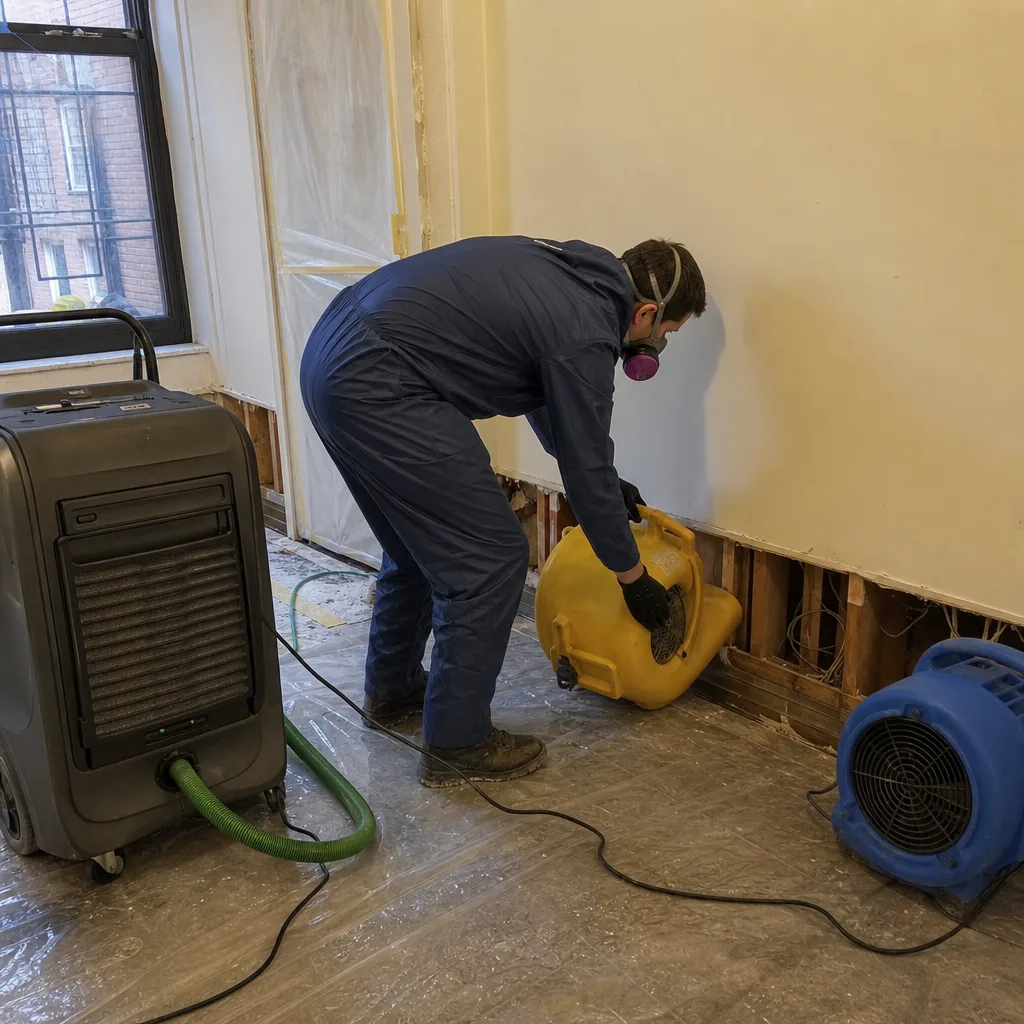
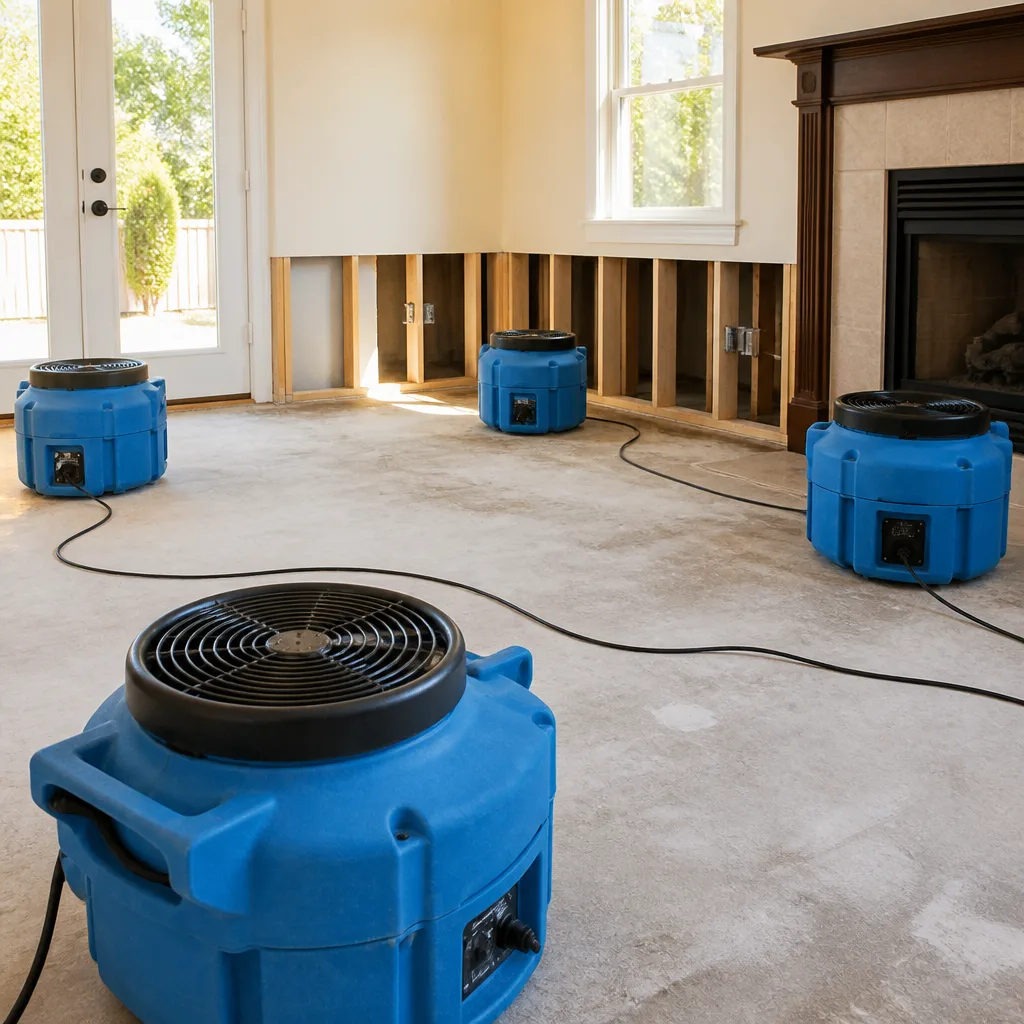
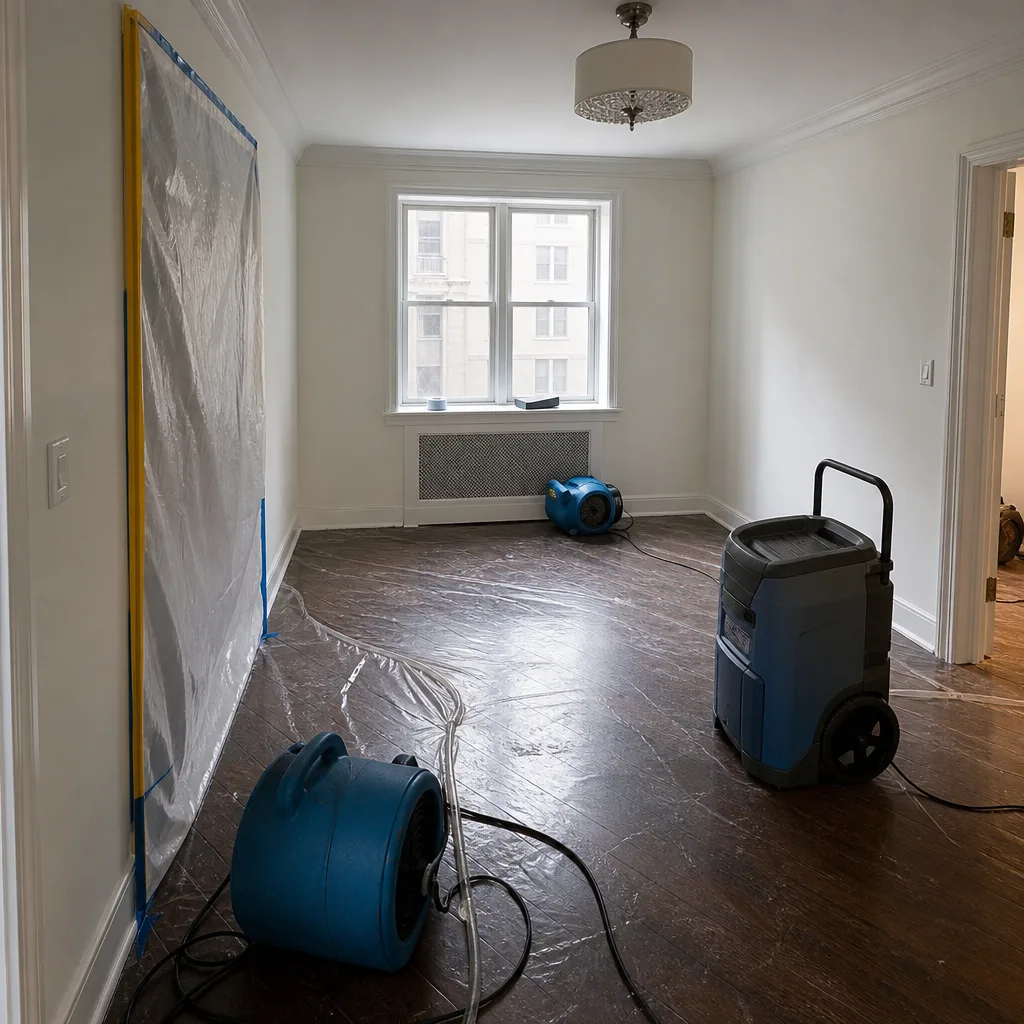
1. Equipment rental duration. Dehumidifiers and air movers are billed per day, per unit. A flooded one-bedroom apartment might legitimately need 4 to 6 air movers and 2 dehumidifiers running for 3 to 5 days. An inflated bill will show the same equipment running for 9 or 10 days, or double the units actually placed. Ask to see daily moisture readings. Wade Ferris takes moisture readings every single day and hands the homeowner the full log at job’s end, so there is never a debate about whether the equipment needed to run that long. Almost nobody else in this trade does that.
2. Demolition labor hours. Demolition labor is billed hourly, and it’s the easiest number to pad because you were not standing there watching. A small bathroom gut in Midtown West takes a competent two-person crew 4 to 6 hours. An invoice showing 14 hours is either slow work or creative accounting. Ask for the crew size and the hours side by side. If the math does not square with the square footage, question it before you pay it.
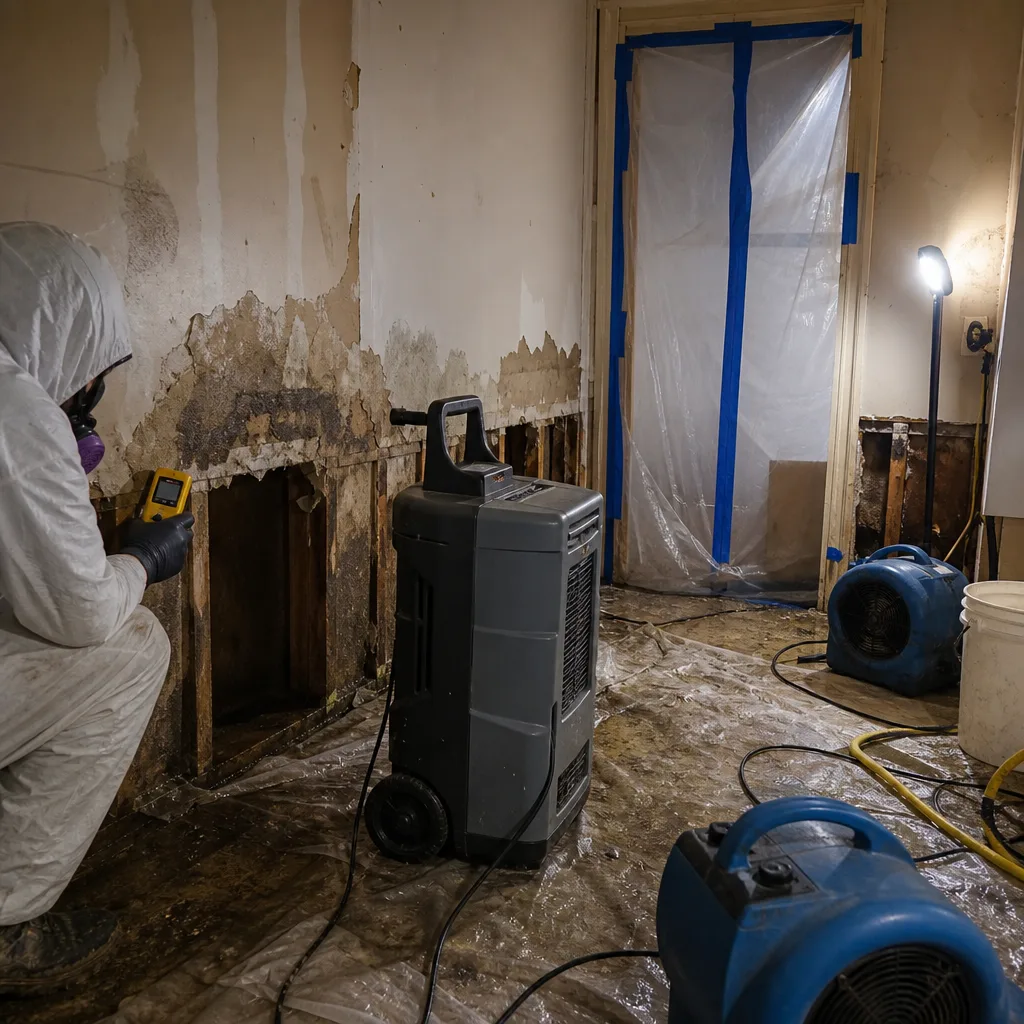
3. Containment setup. Containment is the plastic sheeting and negative air pressure that keeps dust and mold spores from spreading into the rest of the apartment. It is legitimate work and it is not free. But some contractors bill for a full containment setup on a job that only required a single room, or they bill for re-setting containment multiple times when one setup should have held. A containment line item should specify the square footage of the affected area, not just “setup and materials.”
These three line items, across a full rebuild, can add $3,000 to $7,000 to a bill without changing the actual work performed. That’s real money, and it’s the reason you read an estimate line by line instead of accepting the total.
How Insurance, Documentation, and a Written Warranty Change the Math
Insurance is almost always in the room on a restoration job, even when you think it isn’t. If water damage came from a burst pipe, a storm, or a fire, your carrier likely owes you coverage for the mitigation and the rebuild, minus your deductible. What the carrier owes you depends entirely on what gets documented. This is where most Midtown West homeowners lose money without knowing it.
Photo documentation is the difference between an adjuster approving a scope and denying it. If the contractor shows up, tears out wet drywall, and never photographs the damage while it existed, the adjuster has nothing to base a payment on. The estimate gets cut. The homeowner eats the difference. A good restoration company photographs everything before, during, and after, and sends those files directly to the adjuster. Wade deals with the insurance adjuster directly, so the homeowner is never the one stuck relaying information between two sides.
Then there is the warranty. A 90-day written warranty on restoration work means if the job wasn’t done right, it gets made right without a fight. Without one, you’re paying twice: once for the bad work and once for the fix. The 90-Day Done Right Promise is stamped in writing on every water, fire, and mold restoration job Wade’s Restoration does. That piece of paper changes how a contractor behaves when a callback comes in.
What does it cost when you don’t have documentation and a written warranty? We’ve seen families pay $9,000 out of pocket for a second mold remediation because the first company did not provide a moisture log, and the insurance company refused to cover the repeat work. A warranty and a log cost nothing. The absence of them costs plenty.
What You Should Expect to Pay: Straight Cost Ranges for 2026
Here are realistic price ranges for Midtown West in 2026, based on the work we see week after week in this market. These are not quotes. They are reference points so you can recognize a fair estimate from an inflated one.
Water Damage Mitigation (extraction, drying, monitoring)
- Small bathroom or kitchen leak, contained: $1,800 to $3,200
- One-bedroom apartment, multiple rooms affected: $3,500 to $6,500
- Two-bedroom apartment with ceiling and wall saturation: $5,500 to $9,000
- After-hours emergency response: add $350 to $800 in Midtown West
Water Damage Rebuild (after mitigation)
- Drywall and paint in one room: $2,200 to $4,800
- Flooring replacement, 300 to 500 square feet: $2,800 to $6,500
- Full bathroom rebuild: $8,000 to $18,000
- Kitchen rebuild including cabinets: $15,000 to $35,000
Mold Remediation
- Contained area under 10 square feet: $900 to $2,200
- Room-size remediation with containment: $2,500 to $6,000
- Whole-apartment remediation in Midtown West: $7,000 to $18,000
Fire and Smoke Damage
- Smoke odor treatment and surface cleaning, one room: $2,500 to $5,500
- Fire damage rebuild, one room: $12,000 to $28,000
- Full apartment fire rebuild: $40,000 to $85,000, depending on building requirements for COI and board approvals
All of these ranges assume normal access. If your Midtown West building requires freight elevator reservation, padded elevator, or after-hours access, add 10 to 20 percent and expect to see that documented as a line item, not absorbed into a round number. For more detail on water damage specifically, read our Water Damage Restoration in Midtown West page.
Questions to Ask Before You Sign Anything
Here is a simple list of questions that will protect you from the most common pricing problems. Ask them before you authorize work. A legitimate contractor answers all of them without hesitation.
- Was this estimate built in Xactimate? If the answer is no, ask what pricing method was used and why. Flat-rate estimates are not automatically bad, but they should still itemize equipment, labor, and materials.
- Can you separate mitigation from rebuild on the estimate? If they can’t or won’t, walk away. That separation is the single easiest way to spot padding.
- How many days will each piece of equipment run, and will I see daily moisture readings? Equipment days are the most inflated line item in this industry. A daily moisture log prevents it.
- Do you have a COI ready for my building, and will you file it before work starts? In Midtown West, this is non-negotiable. If the contractor doesn’t know what a COI is, end the conversation.
- Will you document everything with photos and send them to my adjuster directly? If the answer is no, you become the adjuster. You don’t want that job.
- What’s your warranty, and is it in writing? A verbal promise is not a warranty. Get it on paper. At Wade’s Restoration, the 90-Day Done Right Promise is stamped on every water, fire, and mold restoration contract.
Common Mistakes to Avoid
- Approving a lump-sum estimate without line items. A single number tells you nothing. You need equipment days, labor hours, and materials broken out. If a contractor won’t give you that, they’re hiding something or they’re lazy. Neither is acceptable in your apartment.
- Assuming mitigation and rebuild are the same job. They’re not. Treating them as one means you’ll pay rebuild prices for mitigation work and never know the difference.
- Skipping the COI conversation before work starts. In Midtown West, this can get the crew turned away at the freight elevator. You’ll still pay for the scheduled time, and the delay gives water or smoke more hours to spread.
- Not asking for daily moisture readings. Without them, the contractor can bill for 10 days of equipment rental on a job that needed 4. A daily log from a Dri-Eaz or Phoenix dehumidifier tells you exactly when the materials hit dry standard.
- Paying a large deposit before the scope is documented. A legitimate company might ask for a small deposit on rebuild work, but the full scope should be written and signed first. If they want 50 percent up front on a job they haven’t itemized, find someone else.
- Dealing with your adjuster alone while the contractor stays out of it. When you become the middleman relaying information, details get dropped and denials get easier. A contractor who handles adjuster communication directly is protecting your claim, not just their invoice.
- Picking a company because their estimate was the lowest. In restoration, the lowest number usually means equipment left running too few days, demolition that skips affected material, or a scope that quietly omits what the carrier would have paid for. You’ll pay for it on the back end.
When to Call a Professional
You should call a restoration company the moment water covers an area larger than a bath mat, the moment you smell smoke after a small fire, or the moment you see mold that covers more than a dinner plate. These are not DIY situations. Water trapped in walls in a Midtown West pre-war building does not dry on its own, and mold inside a wall cavity spreads behind the drywall where you cannot see it. Smoke odor penetrates surfaces and returns weeks later if not treated properly. If you are standing in a flooded apartment at 11 p.m., the clock is running. Wade’s Restoration offers free estimates in Midtown West, and Wade Ferris answers his own phone at (607) 703-3408. One call, and he can have extraction running inside the hour.
Frequently Asked Questions
Water damage restoration in NYC typically costs $3,500 to $12,000 for mitigation only, with full rebuilds running $25,000 to $65,000 or more depending on the scope and the building’s access requirements in neighborhoods like Midtown West. The spread is wide because mitigation is drying work while rebuild is construction work, and they should be priced separately. Call (607) 703-3408 for an exact quote, and remember estimates are free.
Most homeowners policies cover sudden and accidental water damage, like a burst supply line, but very few cover gradual leaks or seepage that occurred over weeks or months. The difference is documentation, which is why photo records and moisture logs matter so much when your adjuster reviews the claim. If your policy covers it, your contractor should be communicating directly with the adjuster, not leaving you to relay the story.
In Midtown West, a restoration crew can typically arrive within 60 to 90 minutes for a water emergency during normal hours, and after-hours response adds a premium but is still often under two hours. The clock matters because water spreads, and drywall wicks moisture upward fast. If the company you call sends you to voicemail, call the next one.
If mold covers less than 10 square feet and it’s on a non-porous surface, a cleaning might be enough; but if it’s on drywall, behind baseboards, or in a wall cavity, you need remediation with containment, not a surface wipe. Mold roots into porous materials, and scrubbing the visible part does nothing for the colony behind it. For a deeper look, see our Mold Remediation in Midtown West page.
A certificate of insurance is required by nearly every Midtown West co-op, condo, and rental building before a contractor can enter, and obtaining one costs money and time that appear on your estimate. The building wants to be named as an additional insured so if the contractor damages common areas, the building’s claim is covered. It’s non-negotiable in this neighborhood, but it should be a visible line item, not a hidden fee.
Look for equipment days that run longer than the moisture readings justify, demolition hours that exceed what a two-person crew could do in a day, and containment fees for areas smaller than the plastic actually covered. Compare the line items against the ranges in this guide, and ask for the mitigation and rebuild scopes separated so you can verify each phase. If you’ve already got a written estimate, Wade’s Restoration offers a free second opinion, no charge.
The Bottom Line
Restoration costs in Midtown West are higher than national averages because the neighborhood demands it: COIs, elevator scheduling, after-hours premiums, and delivery access all add legitimate cost. But the industry also has contractors who inflate equipment days, blur mitigation into rebuild, and hide markups in lump sums. You protect yourself by reading line items, separating the two scopes, and demanding documentation. Explore more guides & resources to stay informed. It’s your apartment and your money. Know the difference before you sign.
To wade is what you do through a flooded basement at two in the morning, and it happens to be the name of the man who answers his own phone at Wade’s Restoration home. For fire and smoke work, see our Fire & Smoke Damage Restoration in Midtown West page. If you are looking at an estimate right now and something doesn’t look right, call (607) 703-3408. Wade will go through it with you line by line, and there’s no charge for that.
Written by Wade Ferris, Owner at Wade’s Restoration, serving Midtown West since 2007.