
Last updated August 26, 2026
Free visual inspection and a written scope of work before any mitigation begins - photos, moisture readings, and drying logs go in your claim file
The scope we write is the scope we bill. Anything new gets shown to you, in writing, before we touch it.
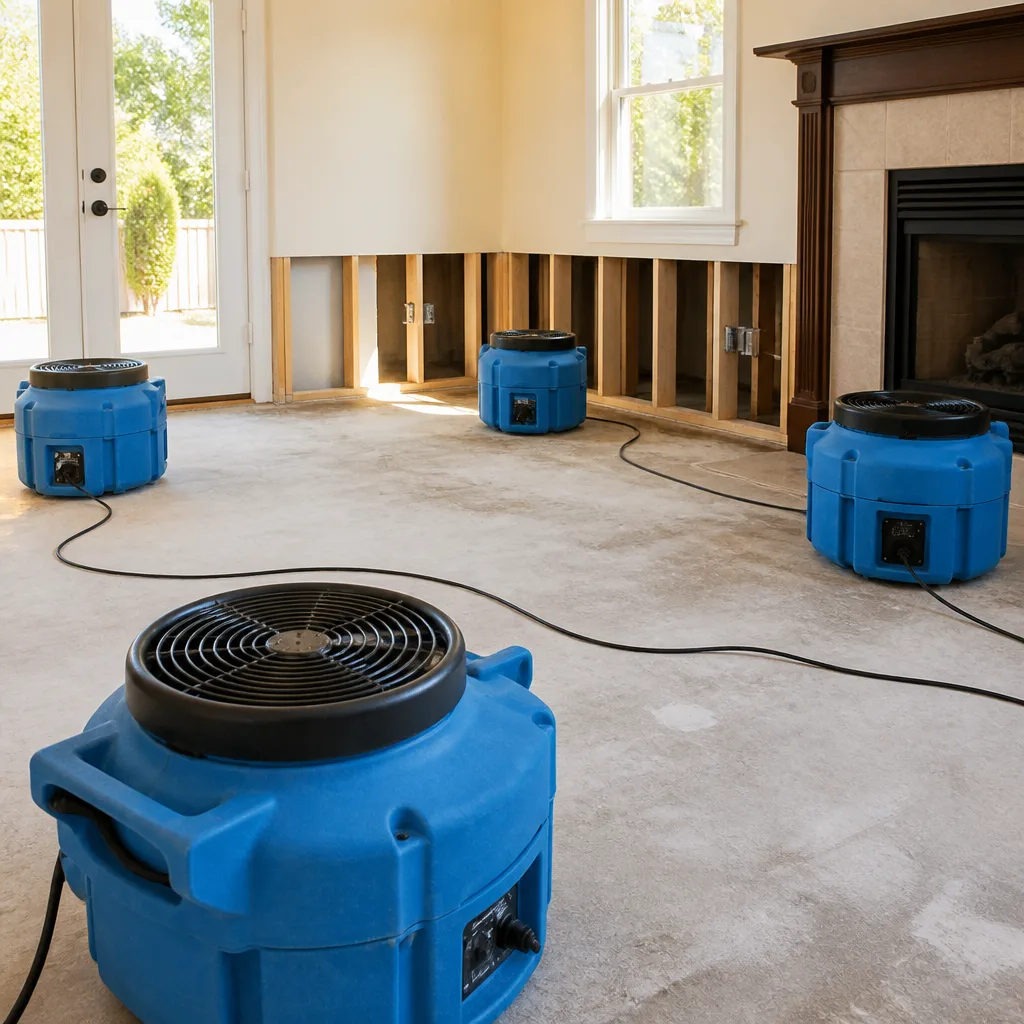

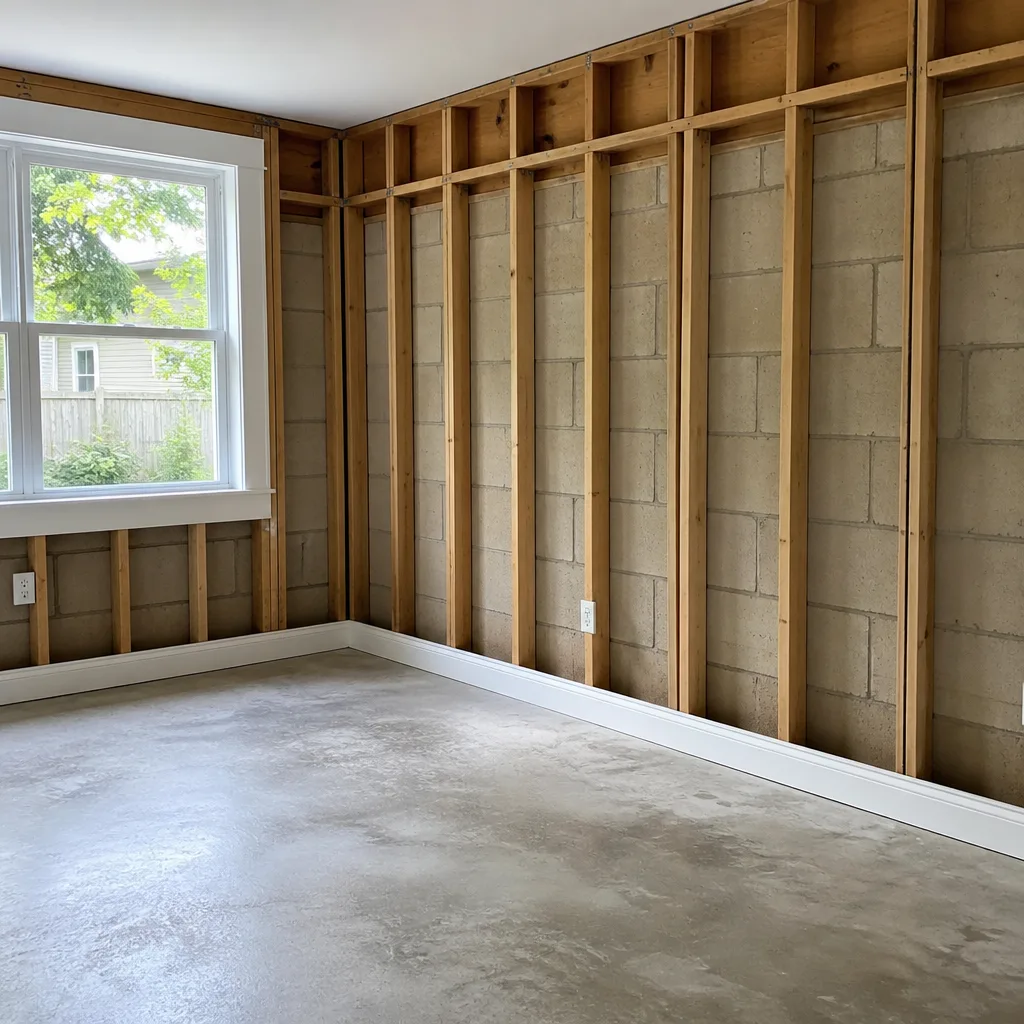

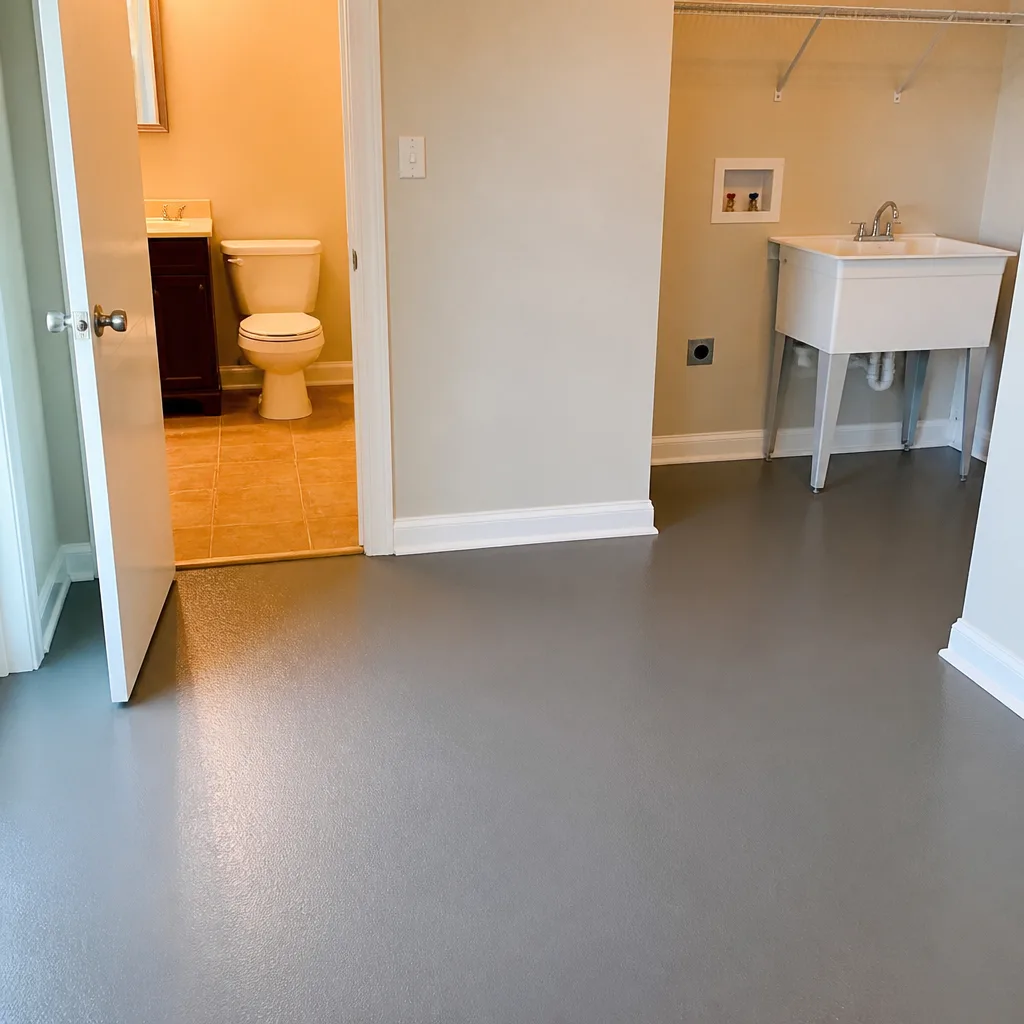

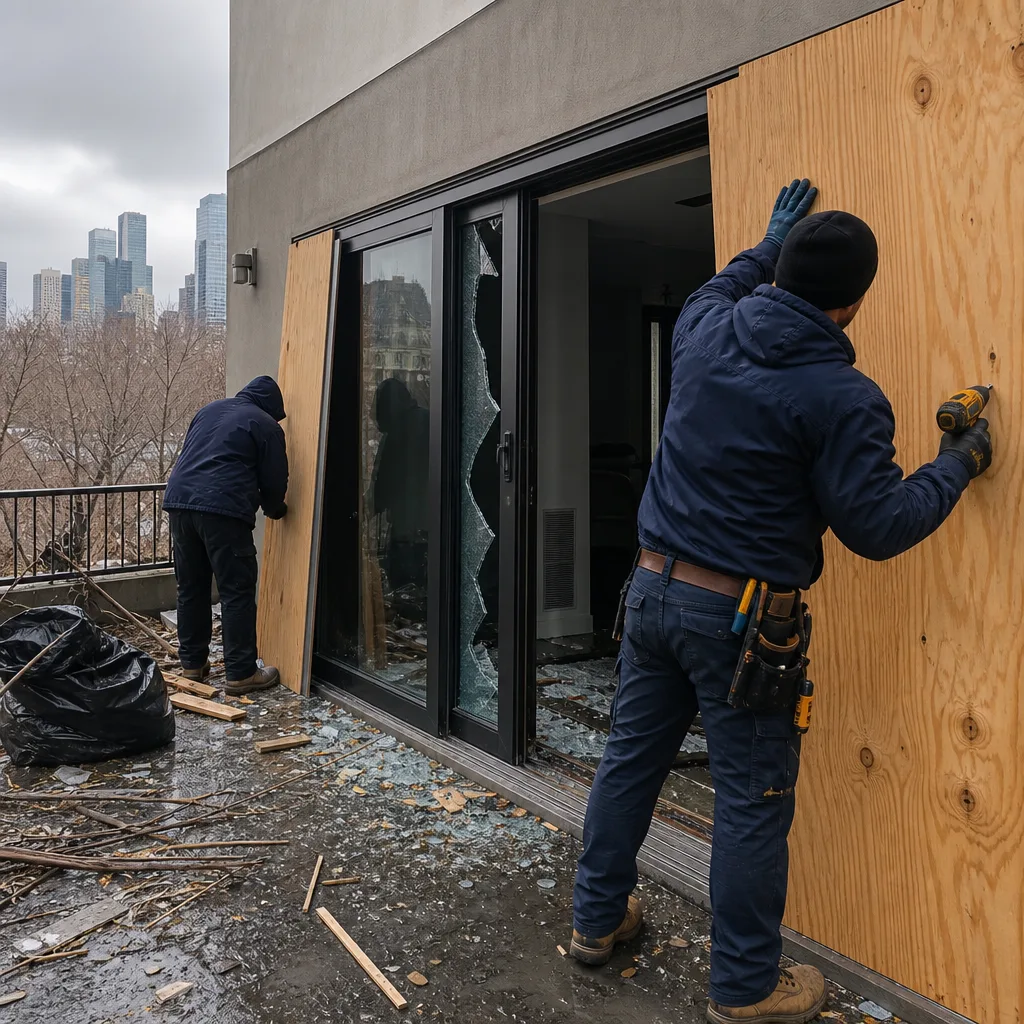
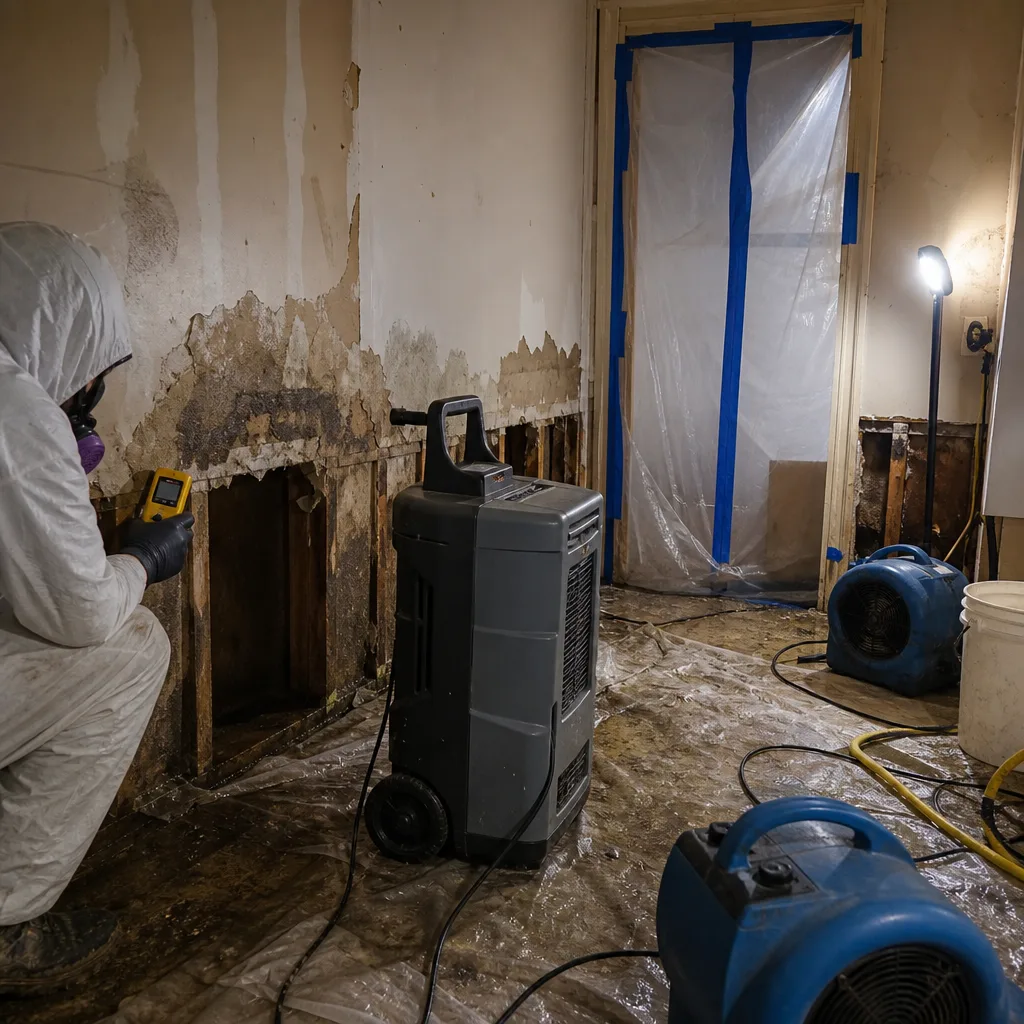 Before
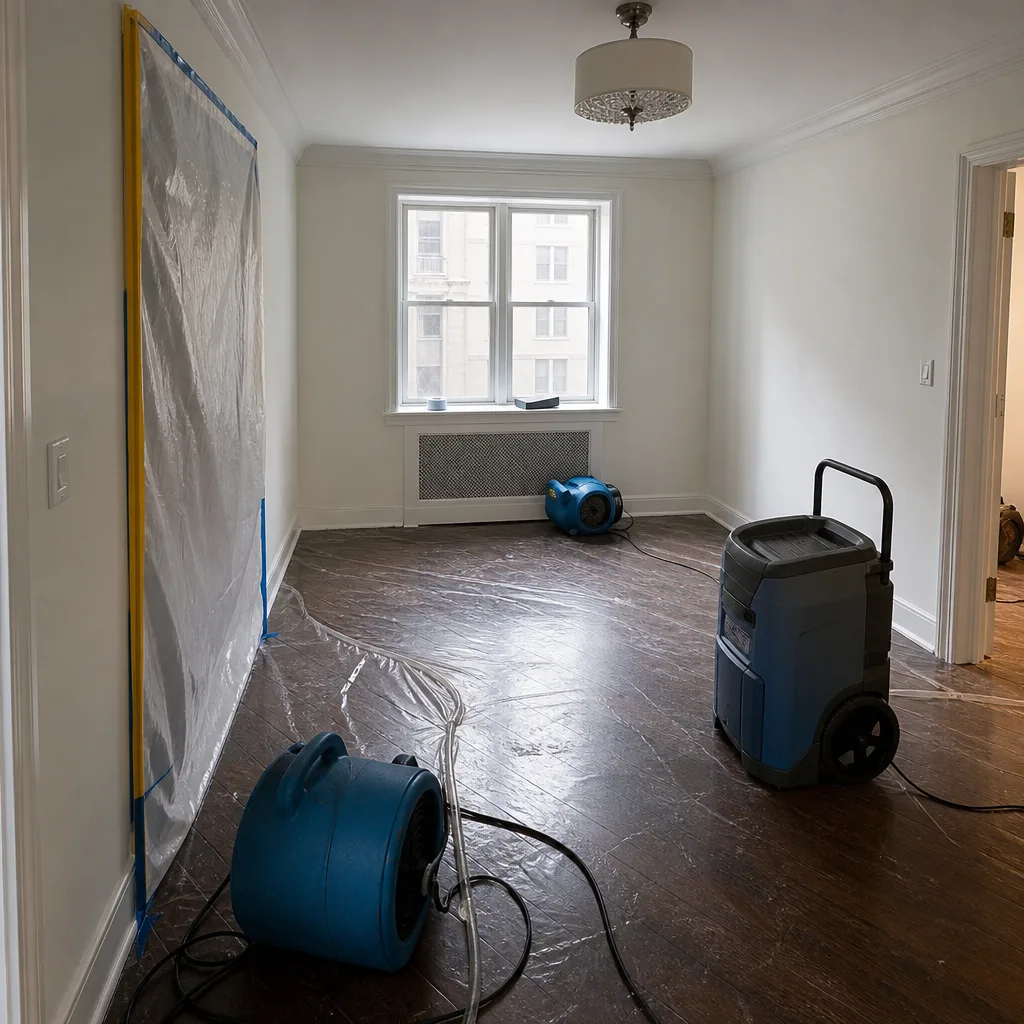 After
After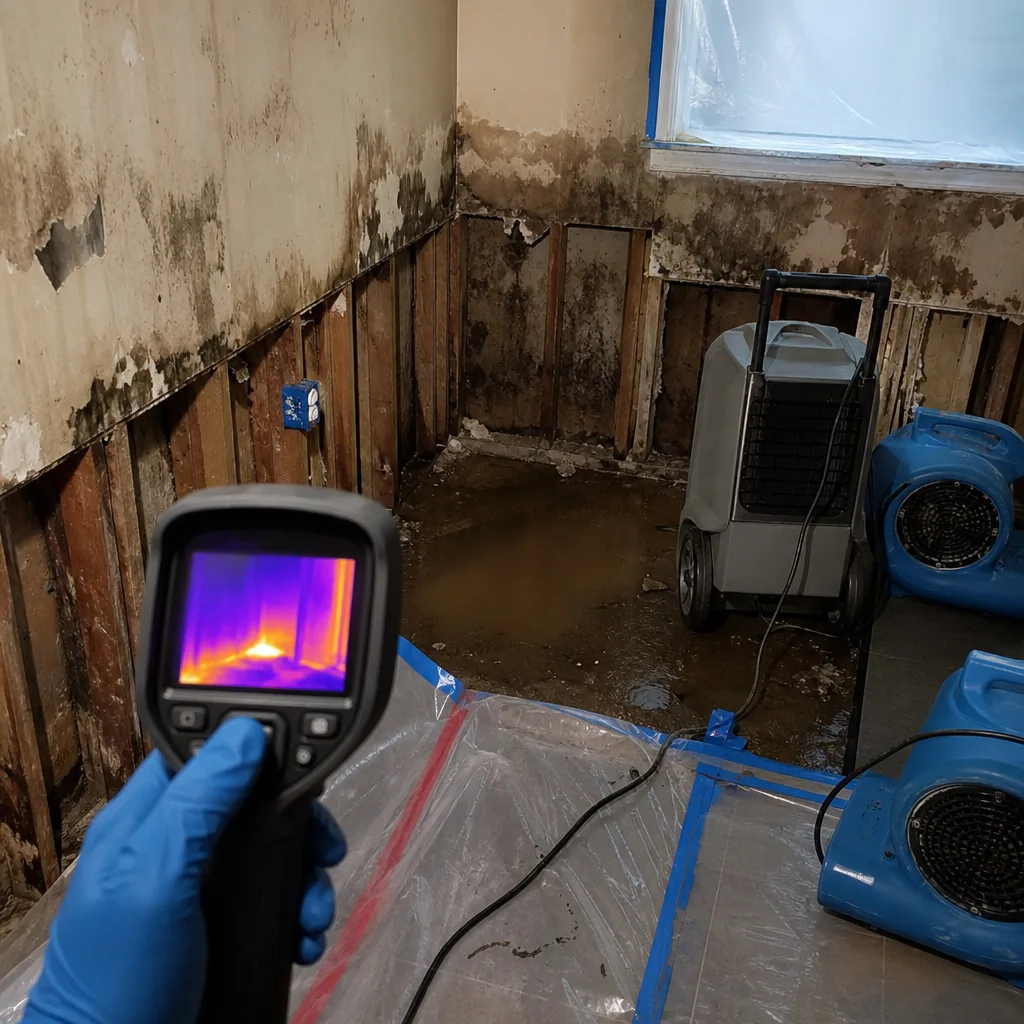 Before
 After
After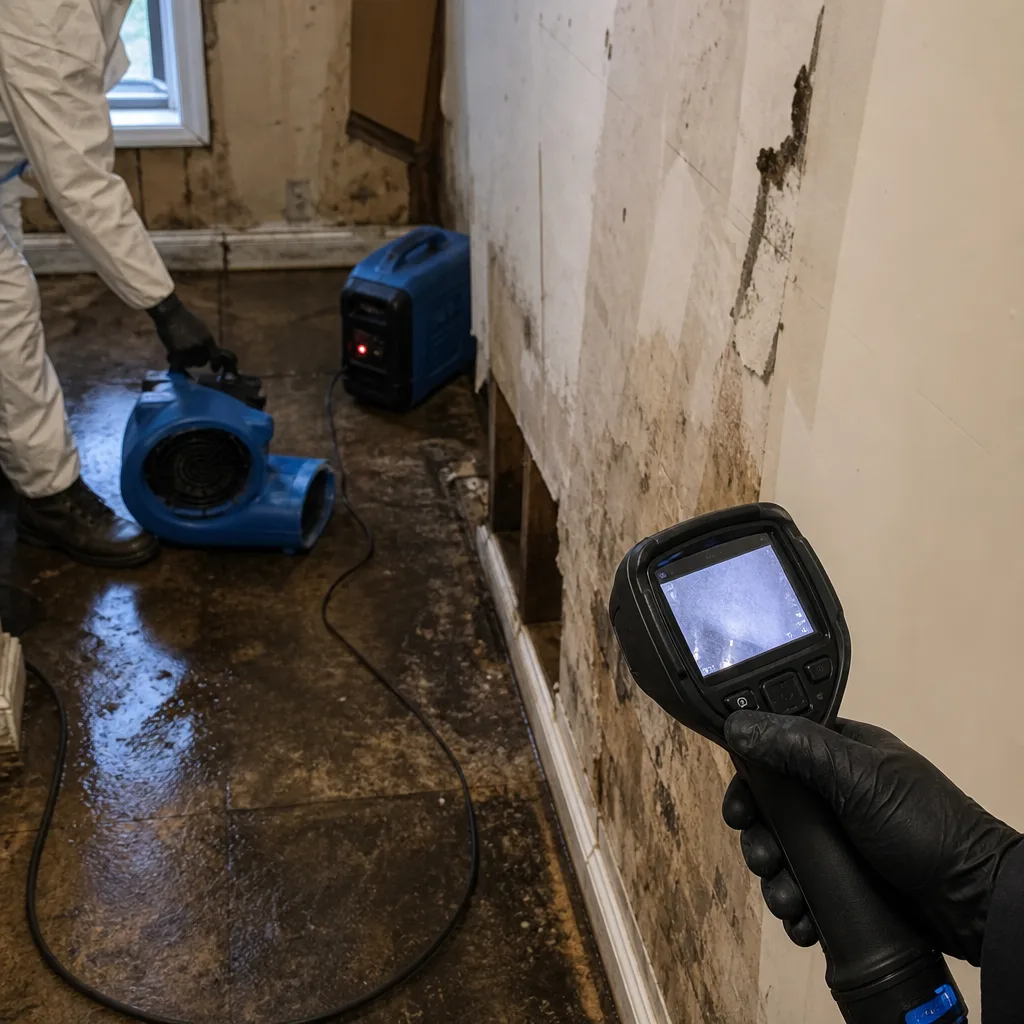 Before
 After
AfterDamage Restoration Warning Signs: A Midtown West Homeowner’s Reference Guide
A musty smell in a closet wall is not a New York City building quirk. It is active mold growth, and the fact that roughly 40% of apartments in this city have it doesn’t make it less of a restoration problem. Midtown West buildings are dense, old, and full of shared walls, shared pipes, and shared risers. That means the warning signs of water damage, mold, and structural trouble show up differently here than they do in a suburban house. You’ll learn how to read those signs, what they mean, and when ignoring them stops being “normal city living” and starts being a five-figure repair. For more guides & resources on protecting your home, visit our blog.
Quick Answer
Water damage warning signs in a Midtown West apartment include persistent musty odors, ghost staining on walls and ceilings, cupped or buckling floors, paint that won’t stop peeling in the same spot, and a sudden spike in your building’s humidity. A cosmetic stain is dry and unchanging; an active leak is damp, spreading, or soft to the touch. If you can smell it, press it, or watch it change week to week, you have an active problem that needs a restoration professional, not a fresh coat of paint. See our guide on DIY vs Professional Damage Restoration: The Midtown West Homeowner’s Decision Guide to know when to call in the pros.
Table of Contents
- Ceiling Stains: Cosmetic vs. Active Leak
- Floor Buckling Patterns: When Humidity Is the Problem vs. When It’s Your Subfloor
- Ghost Staining on Walls: Sealed Past Event or Ongoing Risk?
- The Smell Profile: Mold vs. Mildew vs. Sewage Infiltration
- When a Neighbor’s Damage Becomes Your Warning Sign
- The Hidden Places Water Hides in Midtown West Buildings
- How to Document What You’re Seeing Before You Call Anyone
- Common Mistakes to Avoid
- When to Call a Professional
- Frequently Asked Questions
- The Bottom Line
Ceiling Stains: Cosmetic vs. Active Leak
We get called to Midtown West apartments for ceiling stains more than almost anything else, and half the time the stain has been there for months before anyone picks up the phone. Here’s the thing: a stain is evidence of something that already happened. The question is whether it’s still happening.
A cosmetic stain is dry, uniform in color, and doesn’t change shape or size from week to week. It’s usually light tan or brown, with clean, defined edges. If you press a dry paper towel against it and nothing transfers, the water event that caused it is probably over. The stain itself is not a current restoration problem. It’s a paint problem.
An active leak looks different. The stain will feel cool or damp to the touch. It may be darker in the center with a fading ring around it, like a coffee spill on a tablecloth. Over a few days or weeks, it grows. Sometimes there’s a slight sag in the plaster or drywall. If you see any of that, you have water actively moving through the ceiling cavity right now, and it’s probably been moving longer than you think.
Here’s the touch test we teach Midtown West homeowners:
- Wash your hands so you’re not adding moisture to the equation.
- Press the back of your hand flat against the stain for five seconds.
- If it feels cooler than the surrounding ceiling, that’s evaporative cooling. There is moisture present under the surface, even if the drywall doesn’t feel wet to your fingertip.
- Mark the edges of the stain lightly with a pencil and date it. Check it again in 48 hours. If the pencil line is no longer at the edge, the stain is spreading and water is still entering.
In Midtown West specifically, we see a lot of slow, low-volume leaks from supply lines running through the space between floors. These leaks don’t produce a dramatic drip you can hear. They weep, and the water pools on top of the plaster or drywall for weeks before it shows up as a stain on your ceiling. By the time you see it, the cavity above is often soaked and the insulation, if your building section has any, is saturated. That’s the difference between a $400 paint-and-patch job and a real water damage restoration in Midtown West that involves cavity drying, antimicrobial treatment, and, in older buildings, checking for asbestos in the ceiling material before anyone cuts into it.
Floor Buckling Patterns: When Humidity Is the Problem vs. When It’s Your Subfloor
Cupped hardwood floors are common in New York City, and in Midtown West they’re practically seasonal. When humid summer air pushes into an air-conditioned apartment through brick walls, the top of the floorboards absorbs moisture and swells, while the bottom stays drier. The edges of each board curl up. That’s cupping. It’s annoying and it looks bad, but it’s usually not a restoration emergency.
What we see in Midtown West buildings, though, is that residents have been trained to accept cupping as “just the way old floors behave.” That’s convenient until the cupping is actually the first visible sign of a subfloor moisture problem, which is a different animal entirely and needs immediate intervention.
Here’s how to tell them apart:
- Cupping from humidity is symmetrical. The boards curl up on both edges, and the effect is consistent across a wide area. The center of the room looks the same as the edges near the walls.
- Cupping from subfloor moisture is localized. One section of the floor, often near a bathroom wall, a radiator, a kitchen sink line, or an exterior wall, cups while the rest of the floor stays flat.
- Crowning, where the center of the board rises higher than the edges, is almost always a sign that the floor was sanded or refinished while cupped, and then the moisture source wasn’t fixed. That’s a past event, but it often sits directly above a current subfloor issue.
- Bouncy or spongy floorboards underfoot are the real red flag. Wood that has absorbed subfloor water loses structural integrity. If a board flexes more than its neighbor when you press on it, the subfloor beneath it is compromised.
In Midtown West co-ops and condos, subfloor moisture usually traces back to one of three sources: a radiator valve leak that has been weeping for years, a neighbor’s leaking fixture above that migrated sideways, or condensation on a riser pipe that runs through your floor assembly. All three produce the same symptom pattern, and all three require opening the floor to dry the cavity properly.
If you’re seeing cupping near a wall that’s shared with a bathroom or kitchen, assume it’s a moisture problem until proven otherwise. A moisture meter pressed into the floor boards and the subfloor will tell you in about thirty seconds whether the wood is dry or saturated. We run one of these on every assessment we do in Midtown West, and we hand the homeowner the readings so they can see exactly what’s happening before anyone starts work.
Ghost Staining on Walls: Sealed Past Event or Ongoing Risk?
Ghost staining is the name for the faint, recurring discoloration that shows up on walls and ceilings even after they’ve been painted. The stain bleeds through a fresh coat of paint within weeks or months. In Midtown West buildings, ghost staining is extremely common because so many units have had some kind of water event in the past, and the stain was covered instead of treated.
The question every homeowner needs answered is whether the ghost stain represents ongoing risk or a sealed past event. Here’s what we look for:
Sealed past event: The stain is uniform, has no odor, and is dry. You can paint over it with a stain-blocking primer like a shellac-based product and it will stay covered. The original water source is gone. This is the minority of cases we see in Midtown West.
Ongoing risk: The stain keeps coming back no matter how many times you paint it. It feels cold to the touch. The paint in that area peels, bubbles, or chalks. When you press into the wall, the surface gives slightly. These are signs that the wall cavity behind the stain is still holding moisture, and painting is just cosmetically hiding a problem that’s actively spreading.
One thing we’ve learned in Midtown West specifically: ghost stains on shared walls between units often indicate a slow leak in a neighbor’s pipe that nobody on either side has caught. The water travels along the structural framing and pools in whatever cavity has the least resistance. That sometimes means the stain shows up two or three feet away from the actual pipe leak. If you have a ghost stain on a demising wall, ask your super or management company whether the adjacent unit has had a recent leak or fixture replacement. That one conversation has solved more mysteries in this neighborhood than any moisture meter ever could.
The Smell Profile: Mold vs. Mildew vs. Sewage Infiltration
Most people use “musty” as a catch-all for every unpleasant smell in an apartment. That’s a disservice to your nose, which is actually a remarkably precise diagnostic instrument if you know what to smell for. Different sources of water damage produce different smell profiles, and in Midtown West, where “something always smells a little off” is an accepted condition of the building, learning the difference is the difference between catching a problem early and living in a mold colony for a year.
Mildew smells flat and stale, like a basement or a pile of leaves that’s been sitting too long. It’s a surface-level, fungal smell that usually comes from condensation, high humidity, or a small area of dampness like a shower curtain or a window track. Mildew cleans up relatively easily and doesn’t usually indicate structural water intrusion. If the smell goes away after you clean and dry the area, it was mildew.
Mold smells earthy and pungent, like damp soil, wet socks, or a rotting log in the woods. The smell is pervasive. It hangs in the air even when windows are open. If you smell it when you walk into the apartment but not in the hallway outside your door, the source is inside your unit or inside your walls. Mold emits microbial volatile organic compounds as it digests organic building materials, and in Midtown West apartments, the smell often concentrates in closets along the perimeter wall where cold exterior air meets warm interior air and creates a condensation zone.
Sewage infiltration smells acrid and sharp, with a sour note that stings the back of your throat. It’s not just “bad.” It’s wrong in a way that makes you want to leave the room. If you smell this, you likely have a cracked waste line, a failed wax seal under a toilet, or a backflow event from the building’s main stack. Sewage smells mean bacteria, and bacteria means the area needs to be treated as a biohazard, not just dried out. Our mold remediation in Midtown West work often starts with a homeowner who called about a “bathroom smell” that turned out to be a cracked cast-iron waste pipe behind the tub. Those old cast iron stacks in prewar buildings rust through from the inside out, and by the time the smell is noticeable, the pipe has been leaking for a long time.
Here’s the smell test we walk Midtown West homeowners through on the phone:
- Leave the apartment for two hours. Run an errand. Get a coffee. Let your nose reset.
- Walk back in and stand in the entry hall for ten seconds before sniffing. What’s the first thing you smell?
- Move room by room. Sniff at floor level, then at wall level, then near the ceiling. Moisture problems are often concentrated at a specific height, and your nose can tell you where.
- Open every closet. If the smell is stronger in a closet than in the open room, you have a wall cavity moisture problem nearby.
If the smell is stronger when the heat comes on, the source is often inside a radiator cavity or behind a wall near a riser pipe. If it’s stronger in humid weather, it’s a condensation or ventilation issue. Either way, don’t mask it with air freshener. That doesn’t fix the problem, and it compromises your ability to monitor whether the problem is getting better or worse.
When a Neighbor’s Damage Becomes Your Warning Sign
In a Midtown West building, you don’t have a house. You have a stack of rooms connected by shared pipes, shared walls, and shared mechanical systems. What happens in the unit above you, beside you, or below you doesn’t stay in that unit. Water moves sideways and down. Mold spores move through wall cavities. Sewage backups affect whole vertical stacks.
If your upstairs neighbor had a reported leak, a bathtub overflow, or a kitchen fire that required water suppression, assume that water is now somewhere in the floor assembly between their unit and yours. It might take weeks to show up as a stain on your ceiling. It might never show up as a stain at all, instead soaking into the joists and subfloor where you can’t see it. The first sign might be a smell, a warped floorboard, or paint that starts bubbling with no obvious cause.
Here’s how to document and respond when a neighbor’s damage becomes your warning sign:
- Ask for the incident report. If your building management or co-op board has any record of the leak or fire, request a copy. In Midtown West, management companies are legally required to maintain these records, and having a copy helps establish timelines if your insurance gets involved.
- Document your side within 24 hours. Take photos of every wall, ceiling, and floor surface in your unit, especially the ones directly below or adjacent to the affected area in the neighbor’s unit. Even if everything looks fine, photos create a baseline. If a problem shows up six weeks later, you’ll have proof it wasn’t there before.
- Check your insurance policy. Most standard NYC homeowners and co-op insurance policies cover water damage from a neighbor’s unit, but the subrogation process is much smoother if you’ve documented your side before the damage became visible. Call your broker and tell them what happened. Don’t wait for the stain to appear.
- Open a commercial claim notice with the building. If the source of the water was a building system, like a riser pipe or a sprinkler line, the building’s insurance may be the responsible party. Getting that claim number early protects you from the “we’ll look into it” limbo that drags on while your wall cavity stays wet.
- Get a moisture assessment even if you can’t see anything. A professional with a non-invasive moisture meter can scan the common wall or ceiling assembly and tell you whether water is present inside the cavity before it becomes visible damage. This is the single most valuable step you can take, and it’s the one most Midtown West residents skip.
In our experience, the homeowners who catch a neighbor’s leak in the first week have restoration bills in the hundreds. The ones who wait until the stain appears are often looking at thousands, plus mold remediation on top. The water doesn’t care that the leak started in someone else’s unit. It’s in your walls now.
The Hidden Places Water Hides in Midtown West Buildings
Midtown West apartments hide water in places you’d never think to look, and the building’s age makes the problem worse. Here are the specific places we’ve found active leaks that homeowners had no idea about:
- Behind built-in closets along perimeter walls. Cold exterior brick meets warm interior air, condensation forms, and the back of the closet grows mold where you never see it because your sweaters are in the way. This is the single most common mold location we find in Midtown West.
- Under kitchen cabinets where the sink drain meets the wall. The leak is slow, the cabinet base is dark, and the smell is masked by cleaning products. By the time water pools visibly, the cabinet floor and the subfloor under it are rotting.
- Inside radiator enclosures. Old steam and hot-water radiators in Midtown West buildings have valves that weep, and the enclosure hides the moisture. If you see rust stains on the floor under a radiator, the valve has been leaking.
- Above dropped ceilings in bathrooms and kitchens. Many Midtown West units have cosmetic dropped ceilings installed during past renovations. Water from the actual structural ceiling leaks onto the dropped ceiling tile, soaks it, and the tile gets replaced without anyone looking at what’s above it.
- The cavity around window air conditioners. AC units that are permanently installed or poorly sealed around the edges let condensation, rain, and exterior humidity into the wall cavity around the unit. The drywall beneath and beside the AC sleeve stays wet for months at a time.
If you live in a Midtown West building and you haven’t looked in these five places in the last year, start this weekend. Pull everything out of one closet. Take the panel off the radiator enclosure. Look under the sink with a flashlight. If you find mold, peeling paint, rust, or wood that crumbles when you press it, you’ve found your warning sign. The good news is that catching it now means the fix is smaller and cheaper. The bad news is that the fix is almost never a cleaning product and a coat of paint. Real water in wall cavities needs real drying with professional equipment, the kind we run on our Wade’s Restoration home service calls: high-velocity air movers, dehumidifiers from Phoenix and XPOWER, and moisture-logging that shows the cavity actually dried, not just that the surface looks fine.
How to Document What You’re Seeing Before You Call Anyone
Whether you call us, your insurance company, or another restoration firm, the quality of your documentation determines how fast the process moves and how much of the cost gets covered. Here’s the documentation process we recommend to every Midtown West homeowner who calls us with a warning sign:
- Photograph everything. Wide shots for context, then close-up shots of the stain, the warped board, the peeling paint, whatever you’re seeing. Use a ruler or a coin in the frame for scale. Date-stamp the photos.
- Photograph the same spot from the same angle in a week. Side-by-side photos are the most persuasive evidence there is. If the stain grew, the two photos prove it. If the floorboards cupped further, the two photos prove it.
- Write down what you smell. Your insurance adjuster can’t see a smell in a photo. A written description, dated, with context (time of day, whether heat was running, whether it rained recently) builds the record.
- Save every communication with your building. Emails, texts, super’s work orders, anything that establishes you reported a problem and the building acknowledged it. In co-ops and condos, board minutes that mention building-wide leaks are gold.
- Note your neighbor’s incidents. If you know the unit above you had a leak in March, write it down. When your ceiling stain shows up in April, that timeline is critical for assigning responsibility.
We can’t tell you how many Midtown West homeowners have called us with a serious problem and no documentation, and then spent weeks fighting their insurance company over whether the damage was “pre-existing.” Ten minutes of photos and notes up front saves months of aggravation later. If you do nothing else from this guide, do this: photograph what you’re seeing today, and photograph it again next week.
Common Mistakes to Avoid
- Painting over a water stain without fixing the source. The stain comes back, the water keeps moving through the wall, and now you’ve spent money to hide the evidence of a problem that’s getting worse. In Midtown West, where ghost staining is already common, painting over an active leak just makes the eventual reveal worse.
- Assuming a small stain is a small problem. The stain you can see is often the tip of the iceberg. Water travels along joists, wiring, and pipes. A quarter-sized stain on your ceiling can be fed by a leak three feet away that has soaked an entire section of the floor assembly.
- Running a box fan on a wet area and calling it done. A fan moves air. It doesn’t extract water from drywall, insulation, or subfloor. That moisture stays in the cavity, and the mold grows anyway, just slower. Professional drying requires extraction equipment and dehumidifiers that pull water vapor from the air and the materials.
- Ignoring the smell because “New York buildings smell.” Active mold has a distinct earthy, pungent profile. It’s not a city smell. It’s a biological process happening inside your walls. If you smell it, it’s already growing, and it’s been growing long enough to produce the volatile compounds your nose is detecting.
- Waiting for the leak to show up on your ceiling. In Midtown West buildings, a neighbor’s leak can take weeks or months to become visible. By then, the cavity is saturated and the repair scope has doubled or tripled. React to the report, not the stain.
- Trusting that the building will handle it. Building management has a legal obligation, but management also has a budget, an insurance policy, and a process. The process is slow. Meanwhile, the water in your wall is doing its work. Document, report, and then take your own steps to protect your unit.
- Calling a handyman instead of a restoration company. A handyman can patch drywall. A handyman cannot dry a wall cavity, treat mold at the CFR-required level, or coordinate with your insurance adjuster. Midtown West has plenty of handymen, and we’ve met many of them on the back end of jobs where the homeowner called us because the handyman’s patch job fell apart six months later and the mold came back.
When to Call a Professional
Call a restoration professional when the stain is spreading, the floor is buckling in a localized area, the smell is getting stronger, or you’ve confirmed moisture with a meter or the back of your hand. Call when a neighbor’s leak has been reported and you want a baseline moisture assessment before damage becomes visible. Call when the ghost stain keeps coming back through fresh paint. Call when the smell in the bathroom is acrid and wrong, not just stale. In every one of these cases, the cost of an assessment is almost always less than the cost of waiting. Wade’s Restoration offers free estimates in Midtown West. We’ll come out, run moisture readings, and tell you honestly whether you have a problem that needs work or a cosmetic issue that just needs paint. If you’re not sure, call (607) 703-3408. You’ll get a real person, and if it’s Wade who picks up, he’ll talk you through what you’re seeing before he even gets in the truck.
Frequently Asked Questions
Water damage restoration in Midtown West typically runs between $1,200 and $4,500 for a standard leak with cavity drying, depending on how far the water traveled and what materials are affected. A simple ceiling stain from a sealed past leak that only needs stain-blocking and paint costs a few hundred dollars. Sewage backups, multi-room flooding, and mold remediation that follows water damage push into five figures. The variable is almost always time: the longer the water sits, the more materials it ruins. Call (607) 703-3408 for an exact quote. Estimates are free, and we’ll show you the numbers before any work starts.
If the stain is cosmetic and the ceiling is dry, yes, painting and patching can often be done same-day or next-day. If the stain is from an active leak, no responsible restoration company will paint over it the same day. The cavity needs to dry first, and drying takes days, not hours. We’ll tell you which situation you’re in before we touch anything.
Most New York co-op and condo policies cover water damage to your unit from a neighbor’s leak, but coverage depends on your specific policy and how the damage was documented. If you can show photos from before the damage was visible, your position is much stronger. We work directly with insurance adjusters, provide photo documentation, and handle the adjuster communication so you don’t get stuck relaying information between two sides.
If the mold is on a non-porous surface like tile or glass and covers less than about ten square feet, a cleaning with the right product may be sufficient. If the mold is on drywall, wood, or insulation, if it covers a larger area, or if you smell it but can’t see it, you need professional mold remediation. Mold grows into porous materials, and surface cleaning leaves the roots behind. The mold comes back, and it’s often worse the second time.
A musty smell means microbial growth is present somewhere in the apartment or in a wall cavity. It doesn’t mean you definitely have toxic black mold. It does mean there’s moisture, and there’s been moisture long enough for mold or mildew to establish. The source could be a slow leak, a condensation zone, or a past water event that was never properly dried. The smell is the warning sign. Ignoring it doesn’t make the problem go away; it makes the eventual remediation more expensive.
Wade answers his own phone, and for active water events, he can have a crew at your door inside the hour. For assessment calls, we schedule around your day and show up when we say we will. There’s no charge for the trip inside the county, and no charge for the assessment. You’ll also get honest answers. If you don’t have a problem, we’ll tell you that too.
The Bottom Line
Midtown West buildings train their residents to accept the warning signs of water damage as background noise. A musty closet, a cupped floor near the bathroom, a ghost stain that returns every spring: these are not quirks of old construction. They are active biological and structural processes taking place inside your walls. The difference between a $400 paint job and a $12,000 mold remediation is whether you pay attention to what your apartment is telling you. Smell it. Touch it. Watch it. Document it. And if any of it seems wrong, call someone who will look at it honestly. Wade Ferris has been doing this work in and around Midtown West since 2007, and he answers his own phone. His crew carries moisture meters from Dri-Eaz, air movers from B-Air and XPOWER, and they hand you the drying log when they’re done, because hiding information isn’t how this trade should work. If something in your apartment doesn’t look or smell right, call (607) 703-3408. The first conversation costs you nothing, and it might save your walls.
Written by Wade Ferris, Owner at Wade’s Restoration, serving Midtown West since 2007.