
Last updated August 26, 2026
Free visual inspection and a written scope of work before any mitigation begins - photos, moisture readings, and drying logs go in your claim file
The scope we write is the scope we bill. Anything new gets shown to you, in writing, before we touch it.



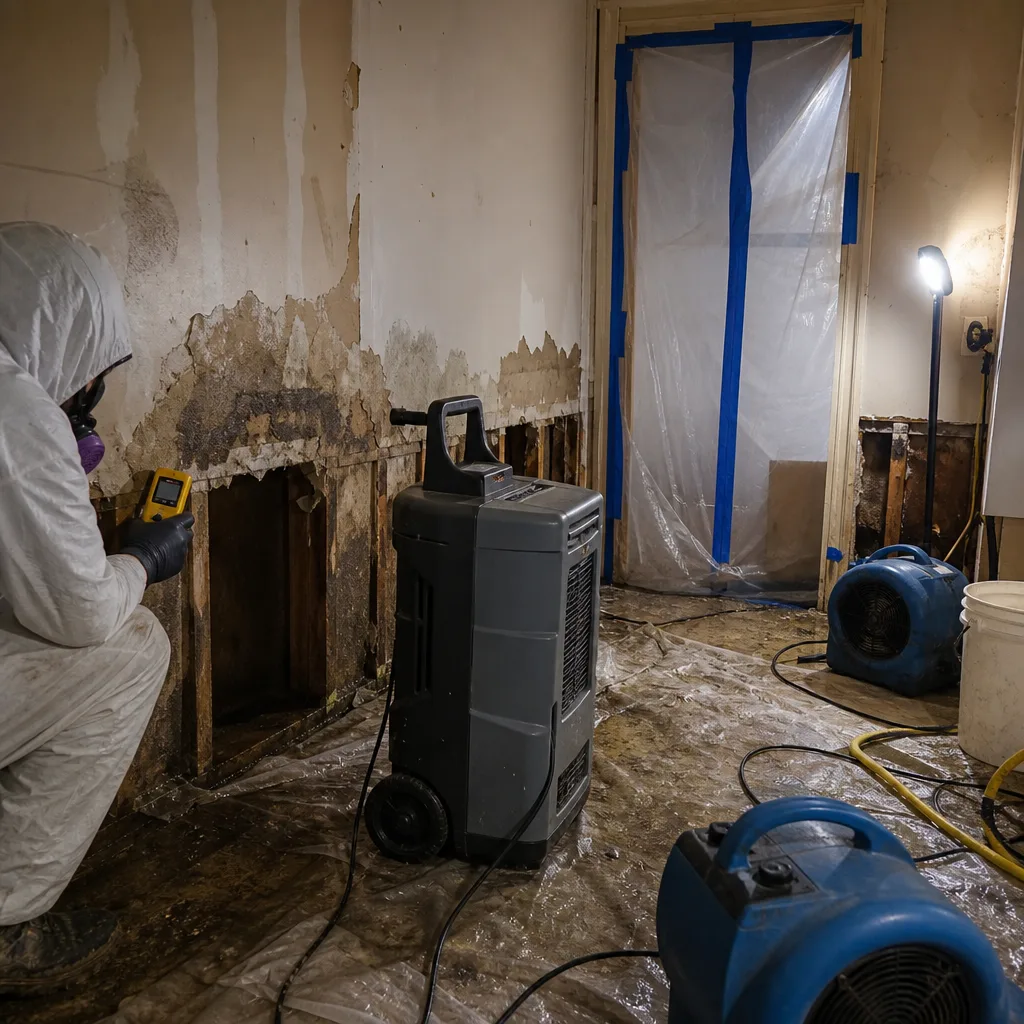 Before
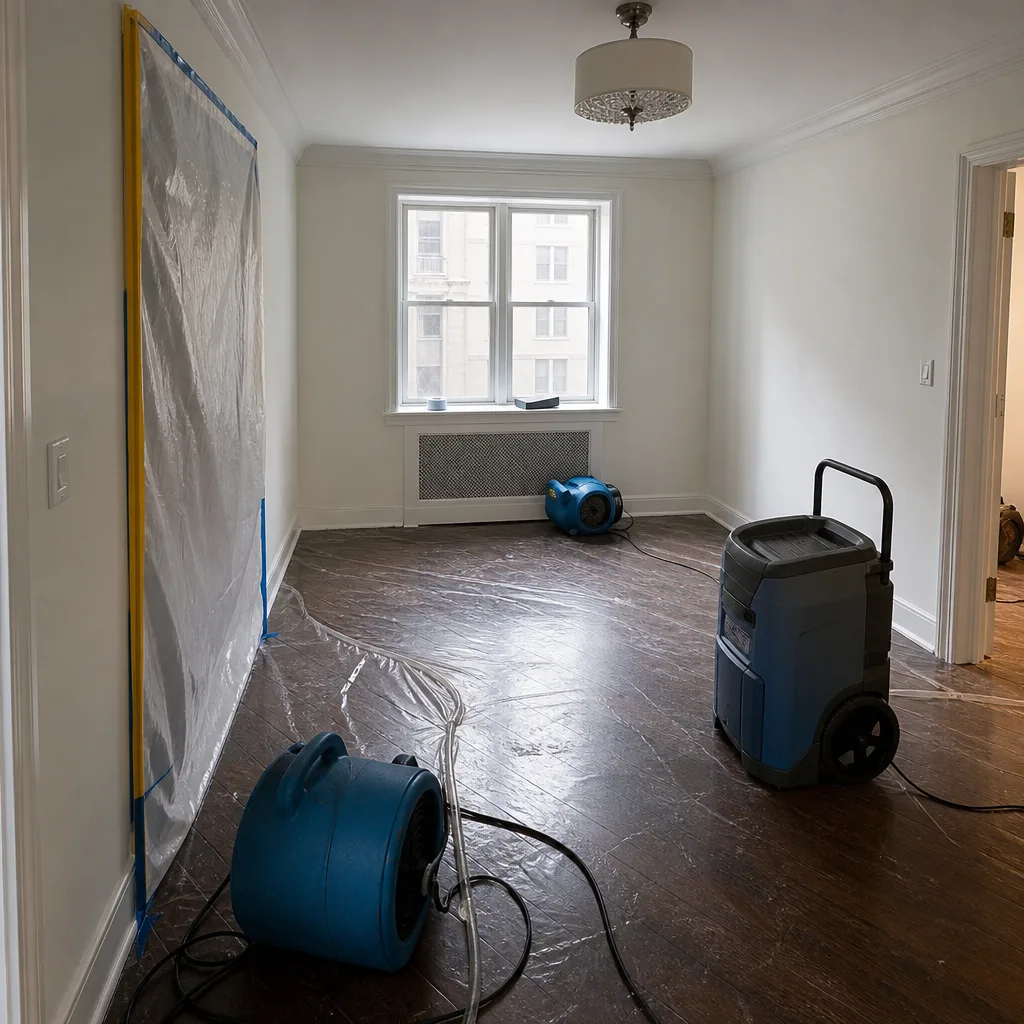 After
After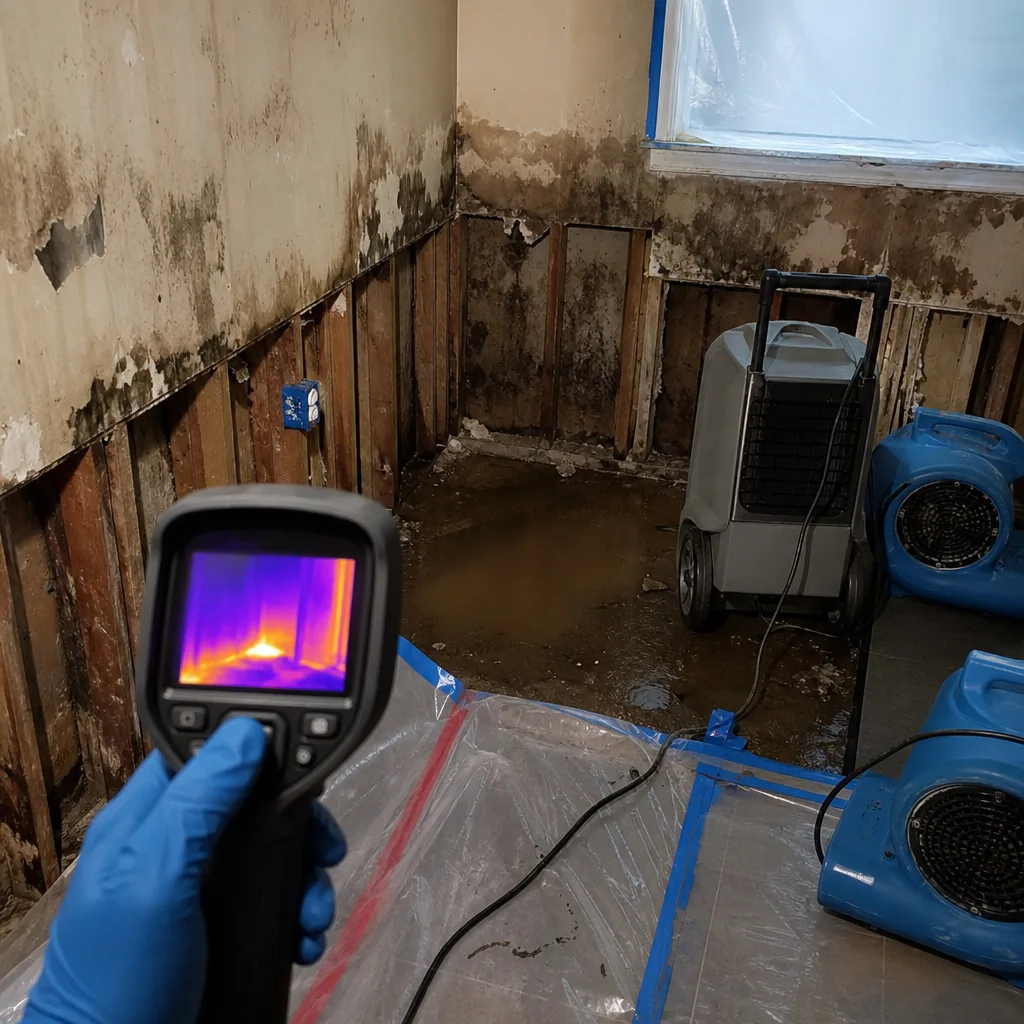 Before
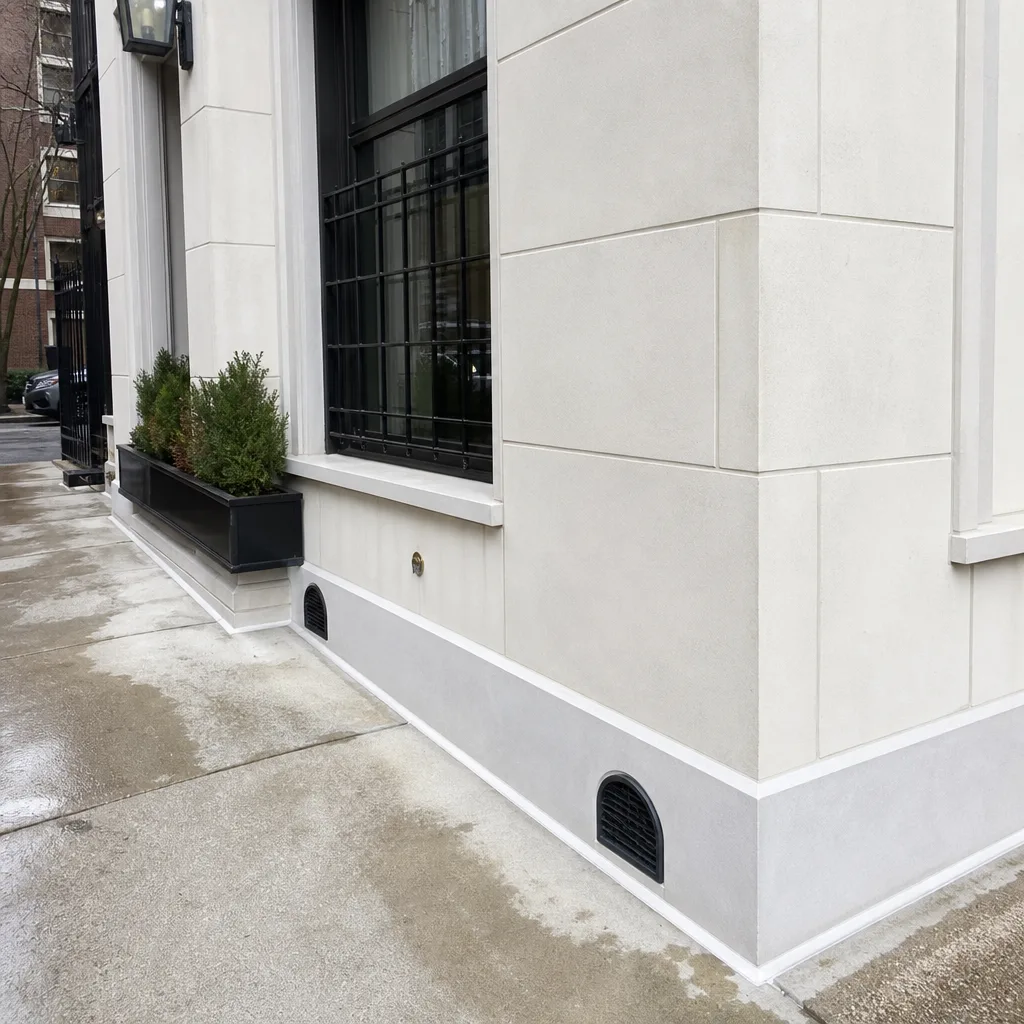 After
After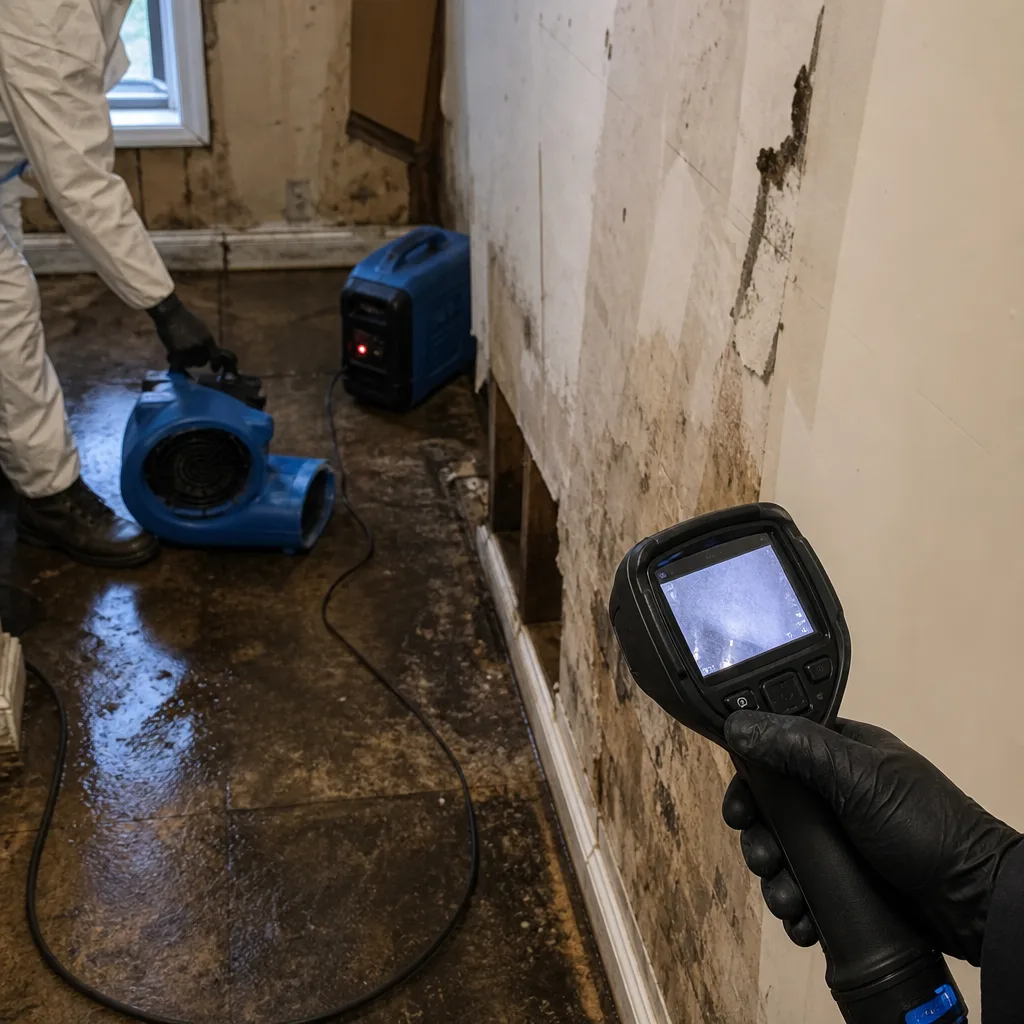 Before
 After
AfterSeasonal Damage Restoration Care for Midtown West: Year-Round Homeowner’s Guide
The worst water damage calls Wade gets in January aren’t from burst pipes. They’re from the roof drain that was half-blocked in November, froze solid in December, and turned a penthouse terrace into a pond the first warm day of the new year. Midtown West has four distinct damage seasons, and they don’t match the calendar. What a building owner should be doing in October is completely different from what matters in March, because the failure mechanisms change completely. This guide walks through each season’s specific risks for Midtown West properties, the exact maintenance tasks that prevent them, and when to stop DIY-ing and pick up the phone. For a broader overview, see The Complete Guide to Damage Restoration in Midtown West.
Quick Answer
Midtown West properties face four distinct damage seasons: fall (roof drains and parapet flashing), winter (ice damming and burst pipes), spring (post-thaw foundation seepage), and summer (PTAC condensation and mold). Preventing most of this comes down to seasonal maintenance done at the right time: clearing roof drains before first freeze, insulating vulnerable pipes before January, inspecting foundation-adjacent spaces after thaw, and setting PTAC units correctly in July. A running seasonal maintenance log doubles as insurance documentation if damage does occur.
Table of Contents
- Fall: The Roof Drain, Parapet Flashing, and Condensate Line Window
- Winter: Ice Damming, Frozen Pipes, and Knowing When to Call
- Spring: The Post-Thaw Inspection Checklist for Below-Grade Spaces
- Summer: PTAC Failures, Condensation Mold, and the One Setting That Prevents Most of It
- How to Keep a Seasonal Maintenance Log That Doubles as Insurance Documentation
- Common Mistakes to Avoid
- When to Call a Professional
- Frequently Asked Questions
- The Bottom Line
Fall: The Roof Drain, Parapet Flashing, and Condensate Line Window
October and early November are the make-or-break months for Midtown West buildings. The tasks you complete before first freeze determine whether you’re dealing with a minor spring maintenance item or a five-figure water damage claim in February. Here’s what we’ve seen in our years working Midtown West properties, and what actually prevents the damage.
The roof drain is priority one. Midtown West has a mix of prewar brownstones, postwar mid-rises, and newer high-rises, and the flat and low-slope roofs common on the older buildings collect debris fast. Leaves, plastic bags, pigeon debris, and construction dust from the constant scaffolding in the neighborhood all end up in roof drains. A drain that’s half-blocked in November will freeze solid in December. When the first thaw comes, snowmelt has nowhere to go except into the building. We’ve pulled more water out of penthouse-level units in January than any other month, and almost every single time the root cause traces back to a drain that should have been cleared six weeks earlier.
- Walk the roof in mid-October. Clear every drain and scupper by hand. Don’t just kick debris aside. Pull it out and bag it.
- Check parapet flashing. The parapet walls around Midtown West rowhouse roofs take a beating from wind and freeze-thaw cycles. Loose or lifted flashing lets water behind the membrane where you can’t see it until it stains a ceiling three floors down.
- Inspect HVAC condensate lines. If the line is clogged or sagging, condensate backs up and overflows into the ceiling cavity. This one’s easy to fix in October and miserable to fix in February.
- Test the drain. After clearing, pour a bucket of water down each drain and watch it move. A slow drain in October is a frozen block in January.
Fall is also the time to look at your insurance policy. We’re not adjusters, but we deal with them every week. Know what your policy covers for roof-related water intrusion before you need to know. And keep receipts from any fall maintenance work. They become documentation if a claim happens later.
Winter: Ice Damming, Frozen Pipes, and Knowing When to Call
Winter in Midtown West is when small problems become structural ones. The temperature swings are the real enemy. A building that sees 45 degrees on a Tuesday and 15 degrees on a Thursday goes through more freeze-thaw cycles than a building in a consistently cold climate, and each cycle stresses roofing materials, masonry, and pipes a little more.
Ice damming on low-slope roofs is the big one for Hell’s Kitchen rowhouses. Here’s how it forms: heat escapes through the roof, melts the bottom layer of snow, and the water runs down to the cold roof edge where it refreezes. That ice dam builds up and traps water behind it. The trapped water sits against the roofing membrane and eventually finds a seam, a nail hole, or a crack in the flashing. The damage shows up as water stains on the ceiling of the top floor, often weeks after the snow has melted.
Early signs of ice damming you can spot from the street:
- Icicles forming along the roof edge while there’s still snow on the upper roof surface. Icicles alone aren’t a smoking gun, but icicles plus snow on the roof means the roof is warm enough to melt from below, and that’s the condition that creates dams.
- A band of ice along the gutter line that’s thicker than the snow above it.
- Water stains appearing on the top-floor ceiling or around skylights during or after a snow event.
When to call versus wait: If you see water actively entering the building, call. That’s not a wait-and-see situation. If you see icicles but no interior signs of water, you can wait and monitor, but you should document what you see with photos and note the date. If the icicles are accompanied by any interior staining, call before the stain spreads. Water damage restoration in Midtown West is a same-day job when it’s active, and the faster extraction starts, the less demolition is required. For typical pricing on these urgent calls, see our Damage Restoration Cost Breakdown: The Midtown West Homeowner’s Reference for 2026.
Frozen pipes are the other winter hazard. In older Midtown West buildings, supply lines often run through exterior walls or unheated crawl spaces. When a pipe freezes and bursts, it can release hundreds of gallons into a unit in an hour. The pipes that freeze are almost always in the same places: under kitchen sinks on exterior walls, in unheated basement storage rooms, and along the perimeter of the building where there’s little to no insulation.
The single most effective thing you can do in December is to open the cabinet doors under any sink on an exterior wall during cold snaps, and let a pencil-thin stream of water run from the faucet overnight when temperatures drop below 20. The moving water doesn’t freeze as easily, and the open doors let warm room air reach the pipes.
Spring: The Post-Thaw Inspection Checklist for Below-Grade Spaces
Spring in Midtown West is when the ground gives back what it absorbed all winter. The thaw releases water into the soil, and the soil pushes that water against foundation walls. Older Midtown West brownstones with below-grade storage, cellar apartments, or basement utility rooms are especially vulnerable right now. The water table under this part of Manhattan sits high, and when spring rain combines with snowmelt, hydrostatic pressure against foundation walls spikes.
Here’s the post-thaw inspection checklist we recommend for every below-grade space in Midtown West:
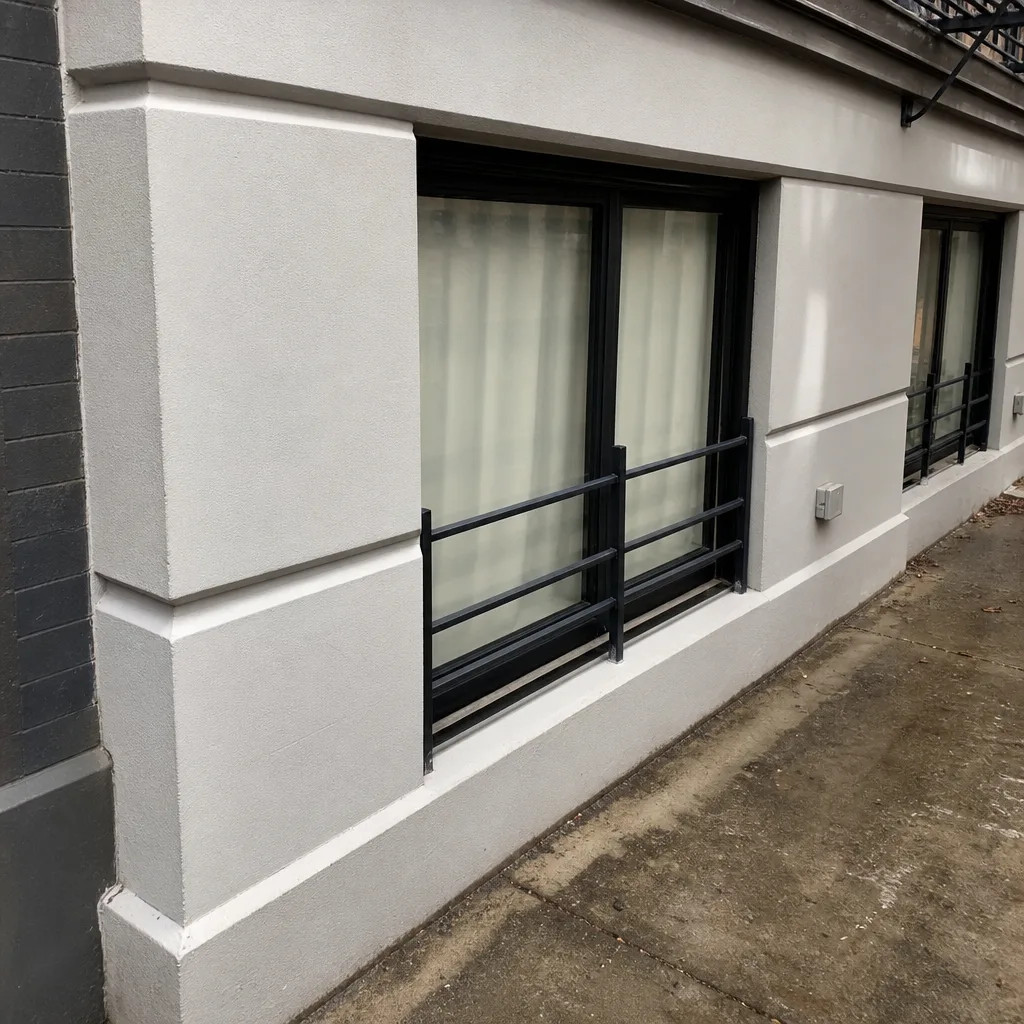
- Check window wells first. Window wells fill with debris over winter. If the drain at the bottom of the well is clogged, spring rain pools against the window frame and seeps into the interior wall. Clear the well by hand and test the drain before the first heavy spring rain.
- Run your hand along foundation walls. You’re feeling for moisture, not just looking for it. Efflorescence (that white, chalky powder on brick or concrete) tells you water is moving through the wall even if the surface feels dry.
- Inspect below-grade storage in older brownstones. These spaces were never designed to be dry in the modern sense. If you store anything in them that can’t get wet, move it up before April. The caveat: moisture readings tell the real story. We take moisture readings daily on any restoration job and hand the homeowner the full log at the end, because what a wall looks like and what it’s actually doing are often two different things.
- Check the sump pump. If you have one, test it in March before the spring rains start. Pour water into the pit and confirm the float switch triggers the pump. A sump pump that died in the fall is a flooded basement waiting for the first April storm.
- Look at the exterior grade around the building. Soil settles over winter. If the ground slopes toward the foundation instead of away from it, spring water follows the path of least resistance directly to your foundation wall. You’re looking for negative grade: soil that pitches toward the building. A couple of bags of topsoil in April beats a mold remediation in June.
If you find mold in a below-grade space, don’t just clean the surface and move on. Surface mold that’s growing on a foundation wall usually means there’s moisture inside the wall, not just on it. Mold remediation in Midtown West often requires addressing the moisture source before the mold itself can be properly treated. A surface wipe without fixing the moisture source buys you about six weeks before the mold returns.
Summer: PTAC Failures, Condensation Mold, and the One Setting That Prevents Most of It
July and August are when we get the condensation-related mold calls in Midtown West. The mechanism is straightforward: hot, humid outdoor air meets cold surfaces inside the building, condensation forms, and mold follows. It happens in specific places: around PTAC units, behind furniture that sits against exterior walls, and in closets that share a wall with an air-conditioned room.
PTAC units are the biggest culprit. The through-wall air conditioners common in Midtown West apartment buildings and hotels are prone to condensation problems when they’re not draining properly. The drain pan fills with dust and debris over time, the condensate line clogs, and water overflows the pan and soaks into the drywall below the unit. By the time a resident notices the stain, mold is already established in the wall cavity.
The one setting that prevents most PTAC condensation calls: Keep the unit set to “auto” fan rather than “on.” When the fan runs constantly, it blows warm, humid room air across the cold evaporator coil even when the compressor isn’t running, and that air condenses on the coil and drips into the pan continuously. When the fan is on “auto,” the fan only runs when the compressor is running, and the coil has a chance to dry out between cycles. Less water in the pan means less water in the wall. If every Midtown West building made this one change in June, we’d see about a third fewer summer mold calls.
Beyond the fan setting, here’s what a summer maintenance pass looks like:
- Check PTAC drain pans and condensate lines in June. Pull the unit, clean the pan, blow out the line. It’s a thirty-minute job that prevents a three-week remediation.
- Keep furniture a few inches off exterior walls. Air needs to move behind couches and beds that sit against perimeter walls. Stagnant air behind furniture is where condensation mold starts.
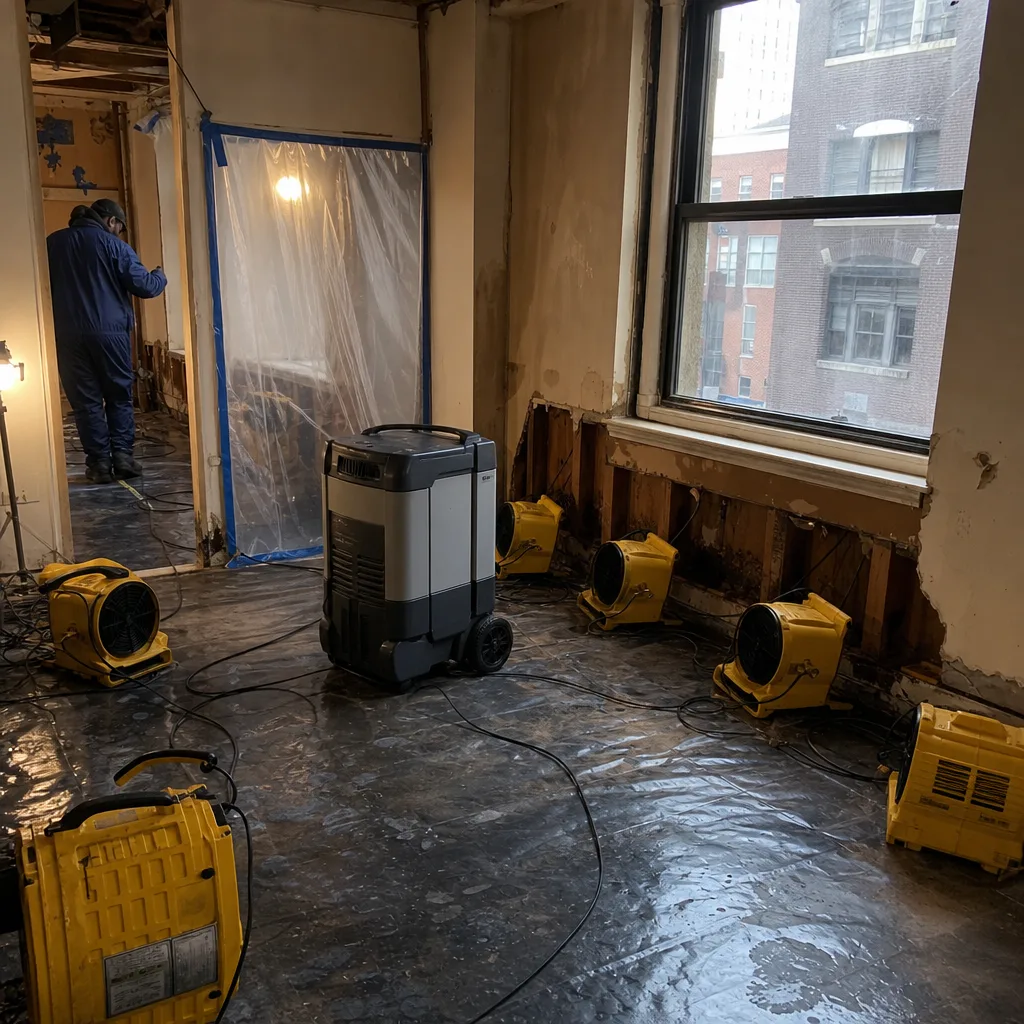
- Run a dehumidifier in below-grade spaces from June through September. Midtown West humidity in July sits around 60 to 70 percent. Below-grade spaces without dehumidification routinely hit 75 percent plus, and that’s the threshold where mold gets aggressive. If you’re deciding between a dehumidifier and nothing, get the dehumidifier. A unit like the ones we use on restoration jobs, from brands like Dri-Eaz and Phoenix, will pull gallons of water out of the air in a week.
- Watch for musty smells in closets and behind furniture. By the time you see mold, it’s been growing for a while. A musty smell that doesn’t go away with cleaning is a moisture problem, not an air freshener problem.
How to Keep a Seasonal Maintenance Log That Doubles as Insurance Documentation
Here’s a hard-won piece of advice: your maintenance log is the best insurance documentation you’ll ever have. When a claim happens, the adjuster’s first question is whether the damage was sudden and accidental or the result of deferred maintenance. If you’ve got a running log showing you cleared roof drains in October, inspected pipes in December, and tested the sump pump in March, you’ve answered that question before it’s asked. We deal with adjusters directly on every restoration job, and we’ve seen how much smoother claims go when the homeowner has documentation.
Here’s the system we recommend:
- Use a simple notebook or a spreadsheet. Nothing fancy. The format doesn’t matter. Consistency matters.
- Log every maintenance task with a date and a one-line description. “October 18: cleared roof drain, removed half a bag of leaves and debris.” That’s it. Thirty seconds of writing.
- Take photos with your phone and store them in a folder named by season and year. The date stamp on the photo is your documentation. A photo of a clean roof drain in October is proof the drain was clear going into winter.
- Note anything you didn’t do. If you spotted something and deferred it, write that down too. “March 22: noticed hairline crack in foundation wall near window well, monitoring.” If that crack turns into a leak in October, you’ve got a record that you noticed it, which actually strengthens your position more than pretending you never saw it.
- Keep receipts for any maintenance or repair work. A receipt from a parapet flashing repair in November is gold dust in a claim dispute in February.
In our experience, homeowners who keep a simple log have faster claim resolutions and better outcomes. The documentation answers questions before they become disputes. That’s worth thirty seconds a month.
Common Mistakes to Avoid
- Waiting until you see water to think about water. Most Midtown West water damage is visible weeks before it’s catastrophic. Stains on ceilings, musty smells, peeling paint at floor level. These are early warnings, not cosmetic issues. By the time water is actively dripping through a ceiling, the damage above that ceiling is already substantial.
- Clearing the roof drain once and calling it done. Midtown West has constant construction scaffolding, and scaffolding generates debris. A roof drain cleared in October can be half-blocked again by December. Check drains again after any major wind event or construction activity on neighboring buildings.
- Treating mold as a surface problem. Bleach on a moldy patch of drywall treats the symptom, not the cause. Mold grows where moisture is. If you don’t find and fix the moisture source, the mold returns in weeks. Proper mold remediation in Midtown West starts with finding where the water is coming from.
- Assuming insurance covers everything. Most policies cover sudden and accidental water damage. They don’t cover damage that resulted from deferred maintenance. If your roof drain has been blocked for six months and the ceiling caves in, the adjuster is going to ask about the six months. A maintenance log is your answer.
- Setting the thermostat too low in summer to “help” the AC. Cranking a PTAC unit down to 65 degrees on a humid July day forces the unit to run constantly, which dumps more condensation into the pan than the drain can handle. Set it to a reasonable 72 to 74 and use the auto fan setting.
- Storing cardboard boxes directly on basement floors. Cardboard wicks moisture from concrete. If your below-grade space has any humidity at all, cardboard boxes sitting on the floor act like sponges and then grow mold. Use plastic bins elevated on shelving, especially in older Midtown West brownstones with original stone foundation walls.
- Ignoring a slow drain anywhere in the building. A slow roof drain, a slow window well drain, a slow condensate line. Slow means partially blocked. Partially blocked means fully blocked eventually, and fully blocked means water finds an alternate path, and that path goes through your building.
When to Call a Professional
Some things are DIY-able. Others need a pro with professional-grade equipment. Here’s the line: if water is actively entering the building, call. Don’t wait to see if it stops. Don’t put down towels and hope. Active water intrusion means the clock is running on mold growth, structural damage, and the extent of the claim. If you smell gas anywhere, leave the building and call 911 first. If you see standing water in a below-grade space after a storm, call before the water has a chance to wick up the drywall. If you find mold larger than a ten-square-foot patch, or mold inside wall cavities, that’s a containment issue and it needs professional remediation. Wade’s Restoration offers free estimates in Midtown West. Call (607) 703-3408 and Wade will talk you through what you’re dealing with. He never charges for a phone call, and he’ll tell you straight if it’s something you can handle yourself.
Frequently Asked Questions
Look for signs from inside: water stains on the ceiling of the top floor, a gurgling sound from roof drains after rain, or water pooling on a penthouse terrace or balcony that drains slowly. Any of these suggests a blockage. If you can’t safely access the roof, call a pro. Wade’s Restoration home page has more information on what’s covered in a standard inspection.
In our experience, roof drains blocked in fall that freeze in winter are the number one cause of winter water damage, followed closely by frozen pipes in exterior walls. Both are preventable with October and December maintenance. Water damage restoration in Midtown West is covered in detail on our water damage page, including what to expect from the process.
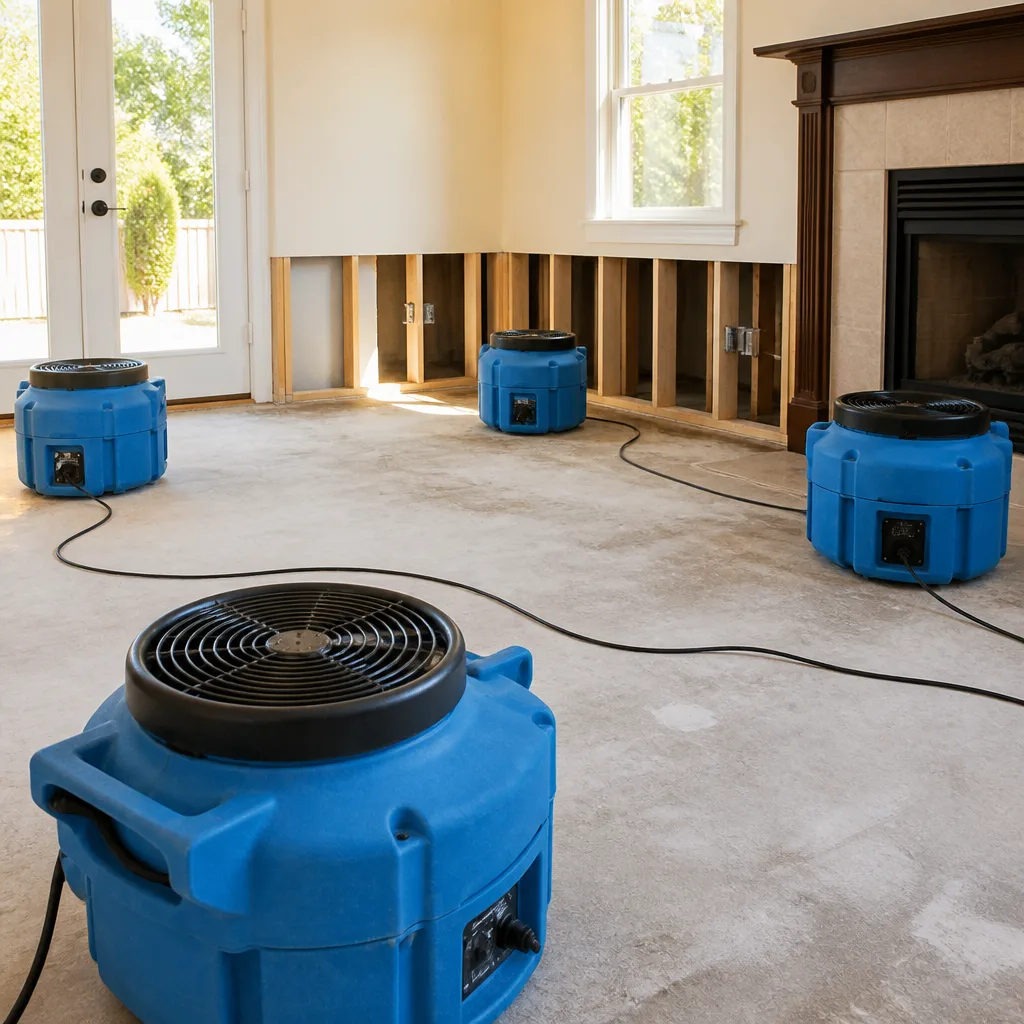
Mold can begin growing within 24 to 48 hours in a warm, humid environment. In Midtown West summer conditions, that timeline can be even shorter. The faster extraction and drying start, the less mold you’ll deal with. That’s why we send out equipment from brands like XPOWER and B-Air the same day for active water events.
Most homeowner policies cover sudden and accidental water damage, like a burst pipe or a storm-driven leak. They generally don’t cover damage from gradual issues like a slow roof drain blockage or a chronic foundation seepage problem. Your maintenance log is the documentation that proves whether the damage was sudden or deferred. We deal with adjusters directly on every job, so you’re never the one stuck relaying information between two sides.
Start a seasonal maintenance log. Today. A notebook, a spreadsheet, whatever you’ll actually use. Write down what you see, when you saw it, and what you did about it. The log is your insurance documentation, your maintenance reminder, and your strongest position in any claim dispute. It takes thirty seconds a month and it’s the highest-return task in this entire guide.
For small patches under one square foot on non-porous surfaces like tile or glass, cleaning with soap and water or a mild bleach solution is generally fine. For anything on drywall, anything larger than ten square feet, or any mold that’s inside a wall cavity, professional remediation is the right call. Mold remediation in Midtown West requires containment, air filtration, and moisture source correction. A surface clean without fixing the moisture source means the mold comes back.
Wade answers his own phone, 24/7. If you’re in Midtown West and you’ve got active water intrusion, he can have extraction running inside the hour in most cases. Call (607) 703-3408. No voicemail, no answering service. You’ll talk to Wade himself.
Fire damage goes deeper than the visible char. Smoke penetrates drywall, insulation, ductwork, and every porous surface in the affected area. The soot is acidic and continues to damage surfaces it sits on. Fire and smoke damage restoration in Midtown West requires specialized cleaning agents, air scrubbing, and often ozone or thermal fogging to eliminate smoke odor. A surface wipe doesn’t address the smoke that got into the walls.
The Bottom Line
Midtown West has four damage seasons, and each one has a specific maintenance window that prevents most of the damage that follows. October is for roof drains, parapet flashing, and condensate lines. December is for pipe protection and ice dam awareness. March is for foundation checks and sump pump testing. June is for PTAC servicing and dehumidifier placement. The connecting thread through all of it: document everything. A running maintenance log with photos and receipts is the single most valuable tool a homeowner has when damage does occur. It answers the adjuster’s questions before they’re asked, it makes claims go faster, and it’s proof that you did the right thing. When something does go wrong, call (607) 703-3408. Wade Ferris answers his own phone, and he’ll tell you straight what you’re dealing with and whether you need him or not.
Written by Wade Ferris, Owner at Wade’s Restoration, serving Midtown West since 2007.