
Free visual inspection and a written scope of work before any mitigation begins - photos, moisture readings, and drying logs go in your claim file
The scope we write is the scope we bill. Anything new gets shown to you, in writing, before we touch it.
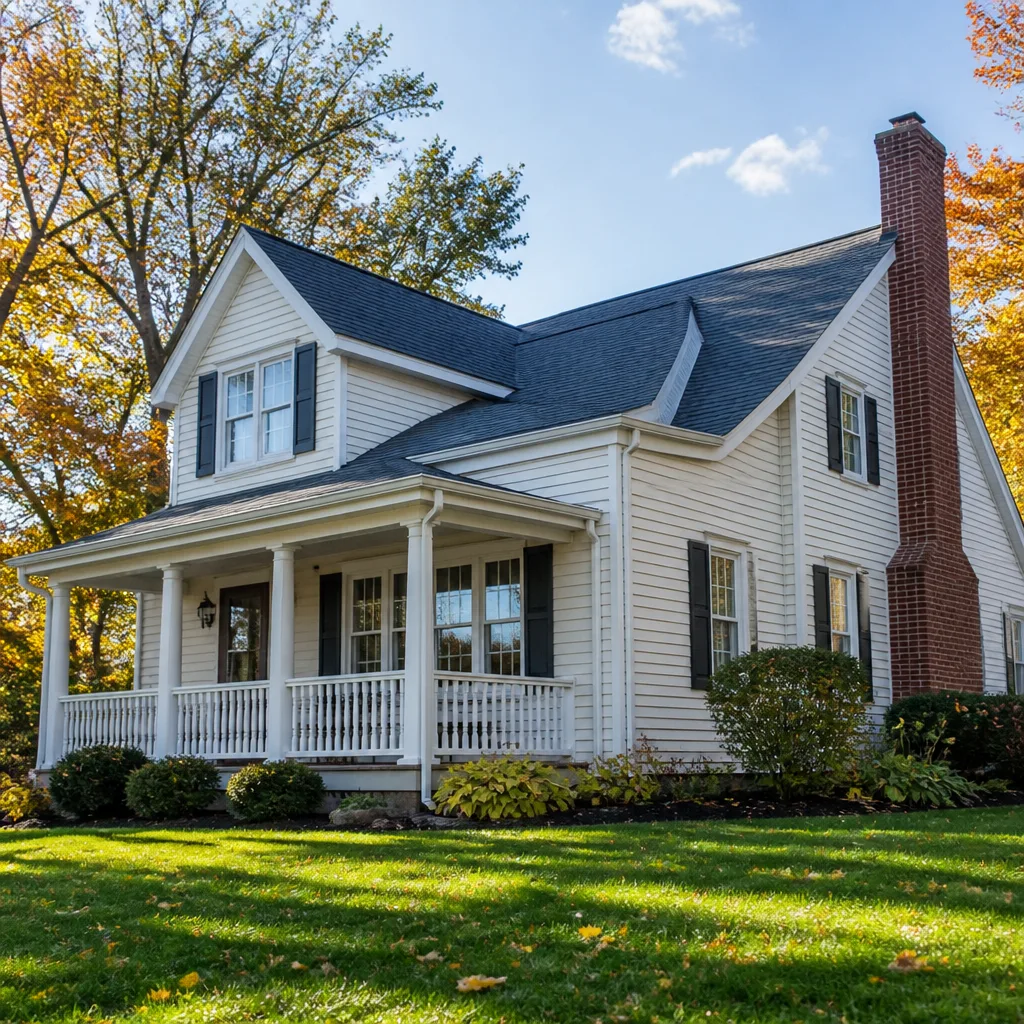
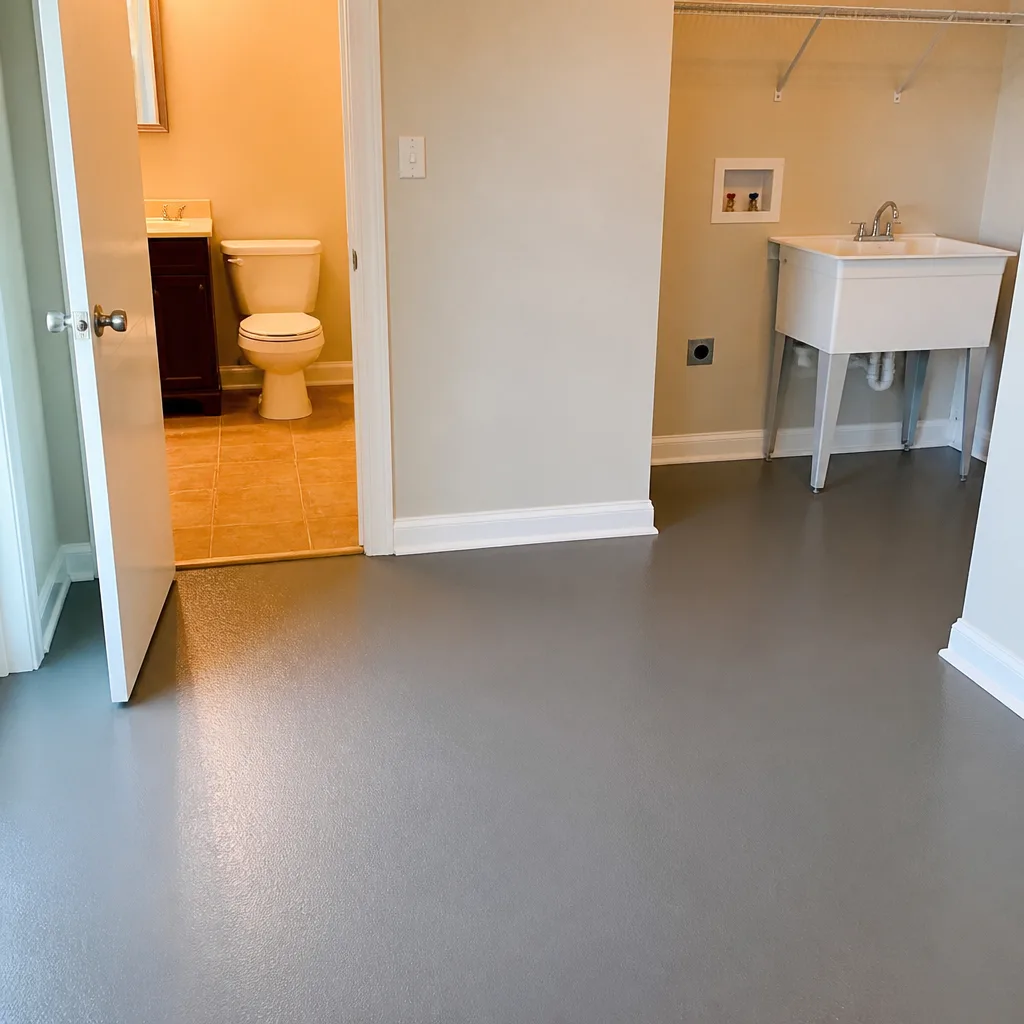
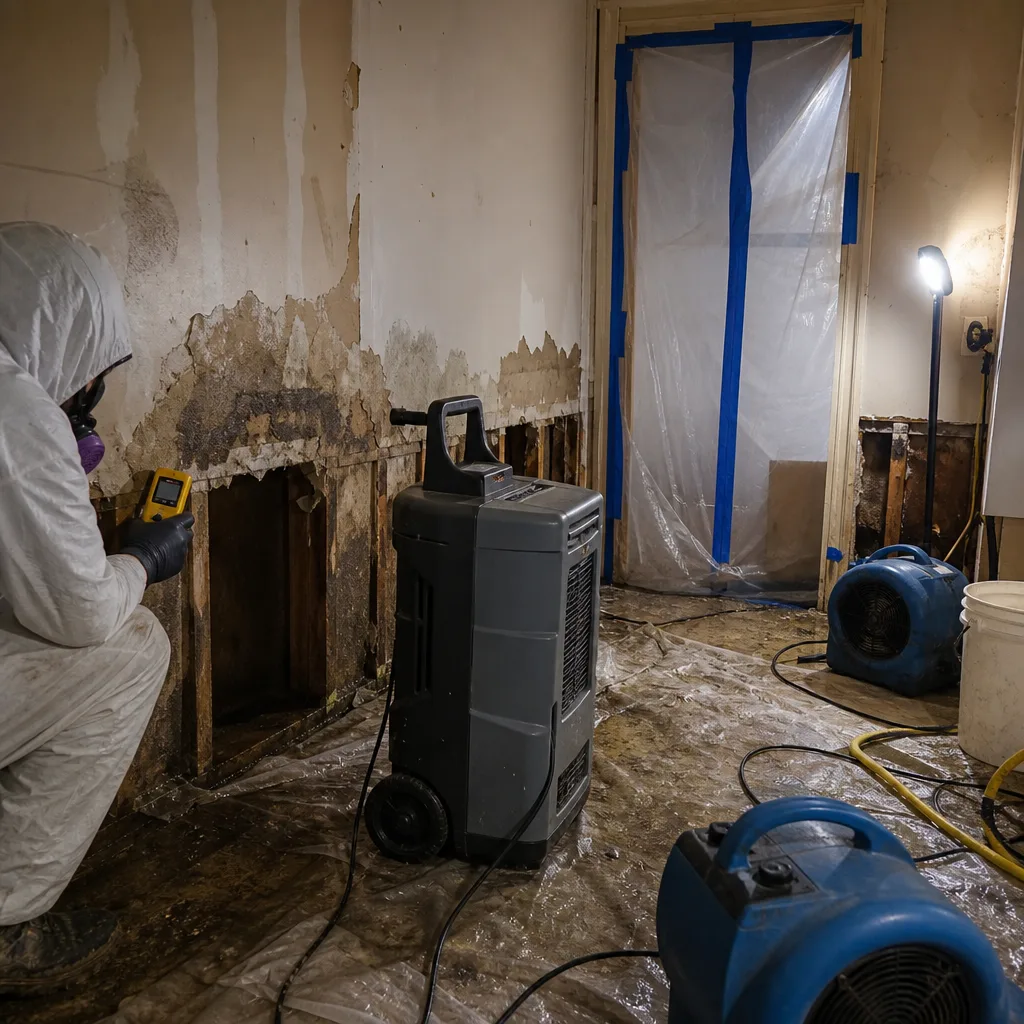 Before
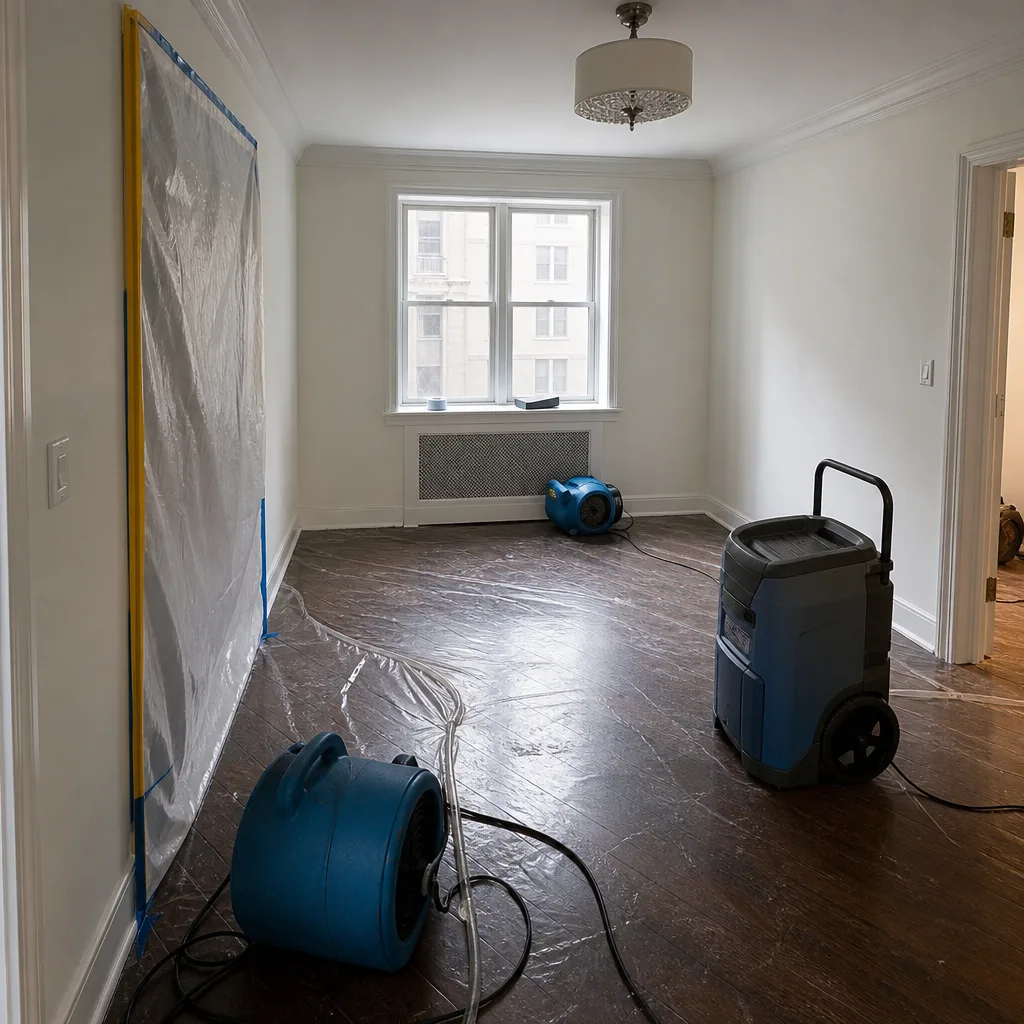 After
After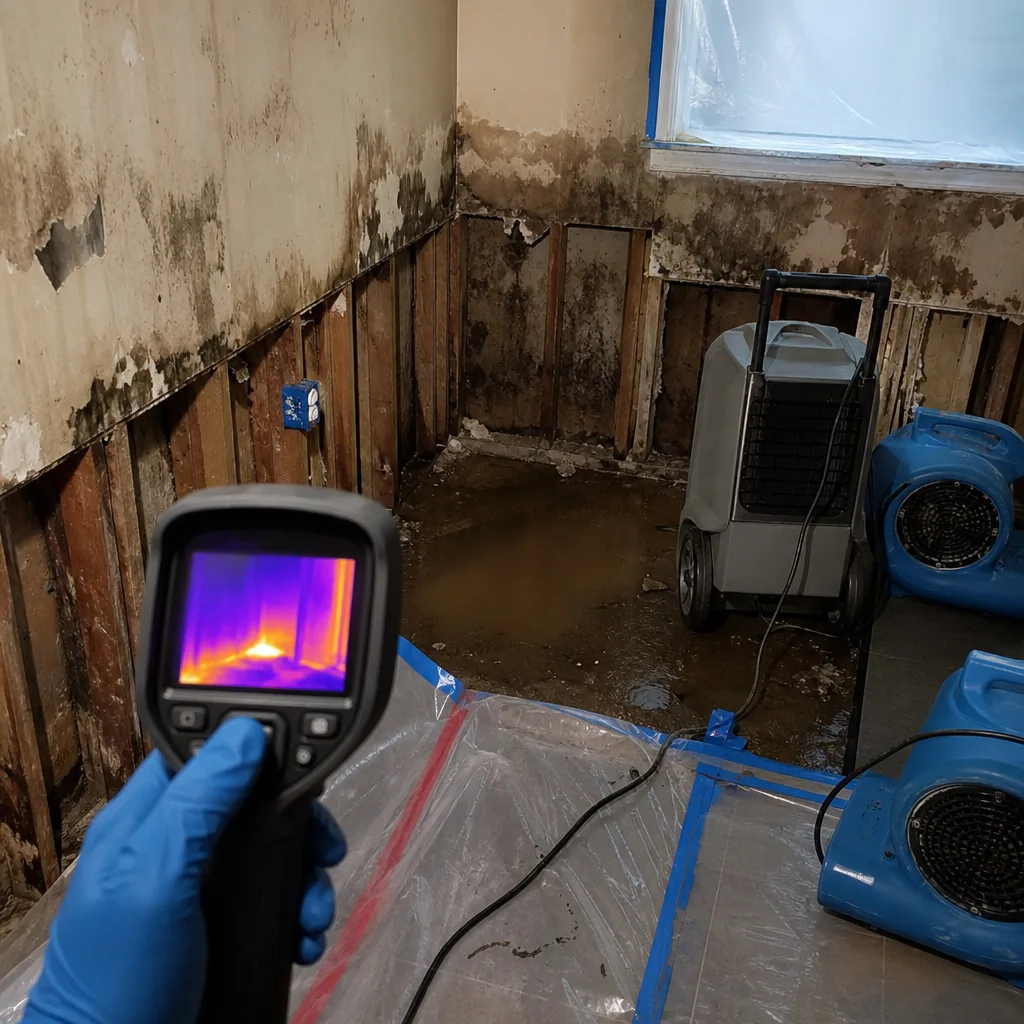 Before
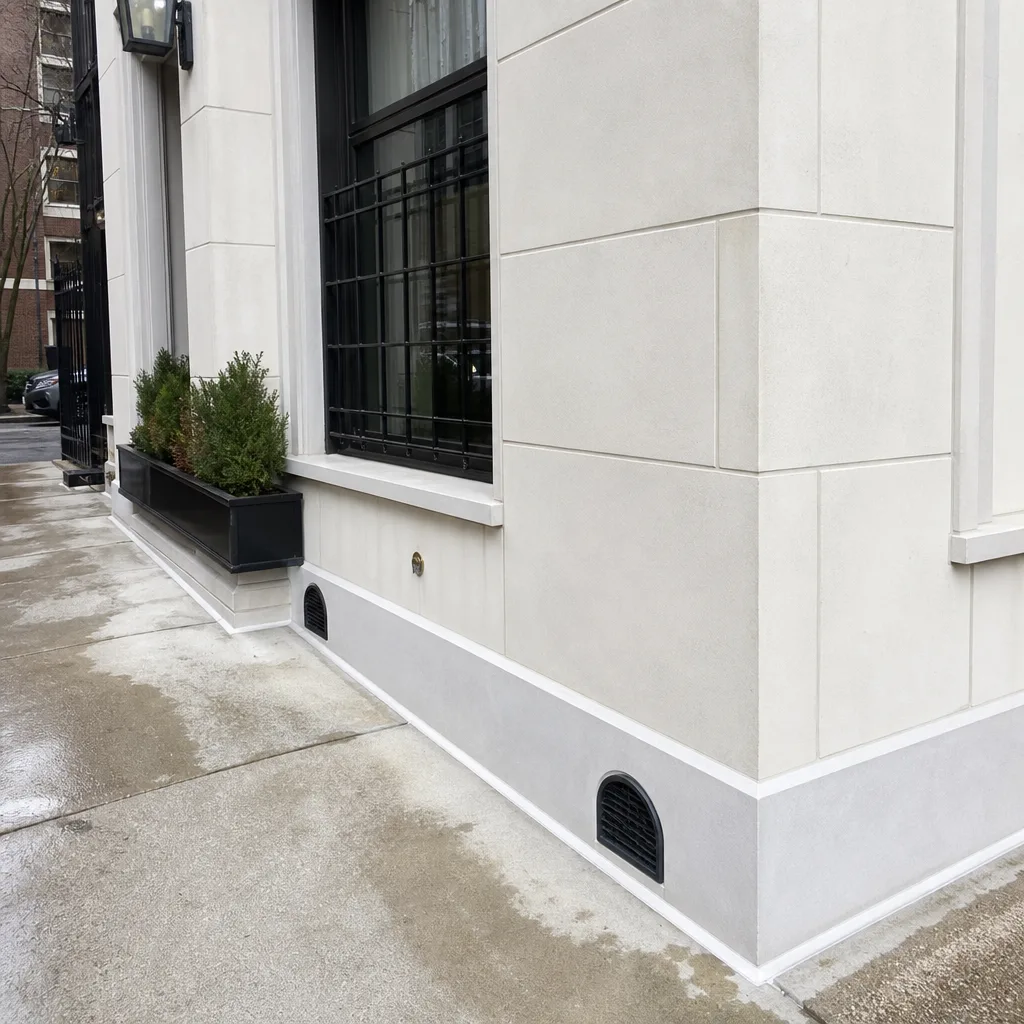 After
After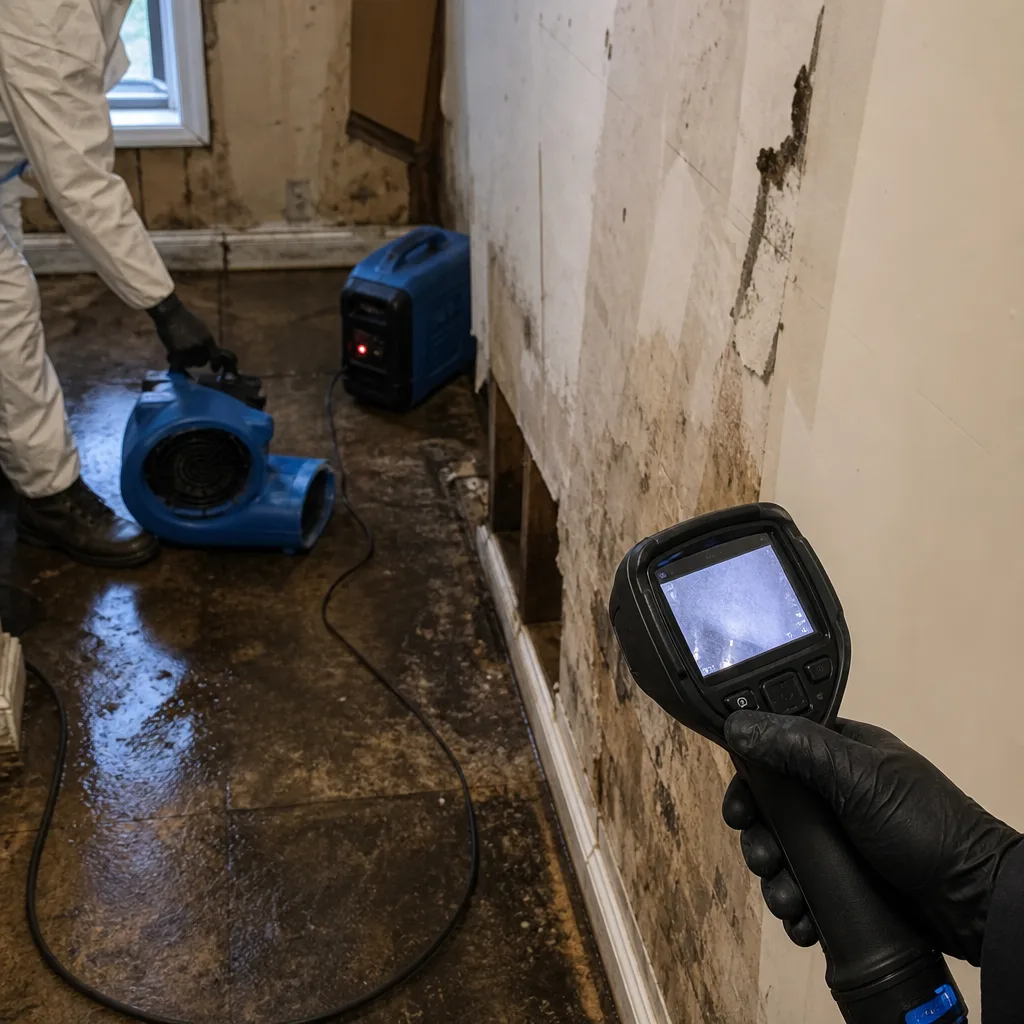 Before
 After
After24/7 Emergency Water Damage Restoration in Lower Manhattan
Water damage restoration in Lower Manhattan typically runs $2,800 to $8,400 for a Category 1 or 2 water loss in a condo or apartment, and $6,500 to $18,000+ when saltwater storm surge or Category 3 black water is involved. Extraction can start within the hour when you call (607) 703-3408. That first hour matters more here than almost anywhere else in the city, because water in a high-rise travels down inside walls and chases electrical conduits straight to the sub-basement mechanical rooms that keep the whole building running. We answer live around the clock, we know the buildings down here, and we send a crew from right here in the New York metro area. A free visual inspection tells you exactly what you’re dealing with before anything gets torn open.
Understanding Water Damage Restoration Severity in Lower Manhattan Properties
Water losses are classified three ways. Category 1 is clean water, a burst supply line or an overflowing tub. Category 2 is gray water, with some contamination, dishwasher discharge or a sump failure. Category 3 is black water, which is what storm surge, sewage, and Hudson River flooding produce. Lower Manhattan sees all three, but the saltwater angle changes the math on every category. In Battery Park City and the Financial District, a storm surge pushing up through street drains or a building’s lower mechanical spaces is Category 3 by definition. The salt doesn’t just leave a stain. It is hygroscopic, meaning the crystals left behind in concrete block, brick, and cast iron keep pulling moisture out of the air indefinitely. You can dry a basement to spec and still watch efflorescence and spalling eat the walls months later if the salt was never flushed out. That’s the difference between drying a space and actually remediating it, and it is the specific failing we see most often in restorations down here that were handled by crews who mostly do inland pipe-burst work.
Why Lower Manhattan Property Owners Choose Wade’s Restoration
- 45-minute response commitment. Wade heads out as soon as the call ends, and live dispatch means a crew is rolling toward your building, not sitting on a call board.
- 24/7 live answer. You get a real person on the phone at 3 a.m., not a voicemail tree or an answering service in another state. Wade answers his own phone.
- IICRC-certified crews. Our water technicians carry WRT and ASD certifications, which means they’ve trained on the science of moisture mapping, psychrometry, and structural drying, not just carpet pulling.
- Free visual inspection. We walk the loss with you before any work is scoped, and we write down what we find. You see the same document we do.
- Direct insurance billing. We bill your carrier directly and deal with the adjuster ourselves, so you’re not the one carrying messages between two sides.
- One team, extraction to reconstruction. The same crew that pulls the water also handles the drywall, trim, and paint. No handoffs, no finger-pointing.
Our Water Damage Restoration Process
Inspection & Assessment
We arrive, we walk the loss with you, and we use thermal imaging and penetrating moisture meters to map where the water actually went. In a Lower Manhattan high-rise, that means checking the unit, the hallway outside, and the mechanical spaces below.
Extraction & Stabilization
We get standing water out with truck-mounted and portable extraction units, then set up containment wherever needed. If the water is Category 3, like saltwater surge, we isolate the affected area before anything moves through the rest of the building.
Drying & Dehumidification
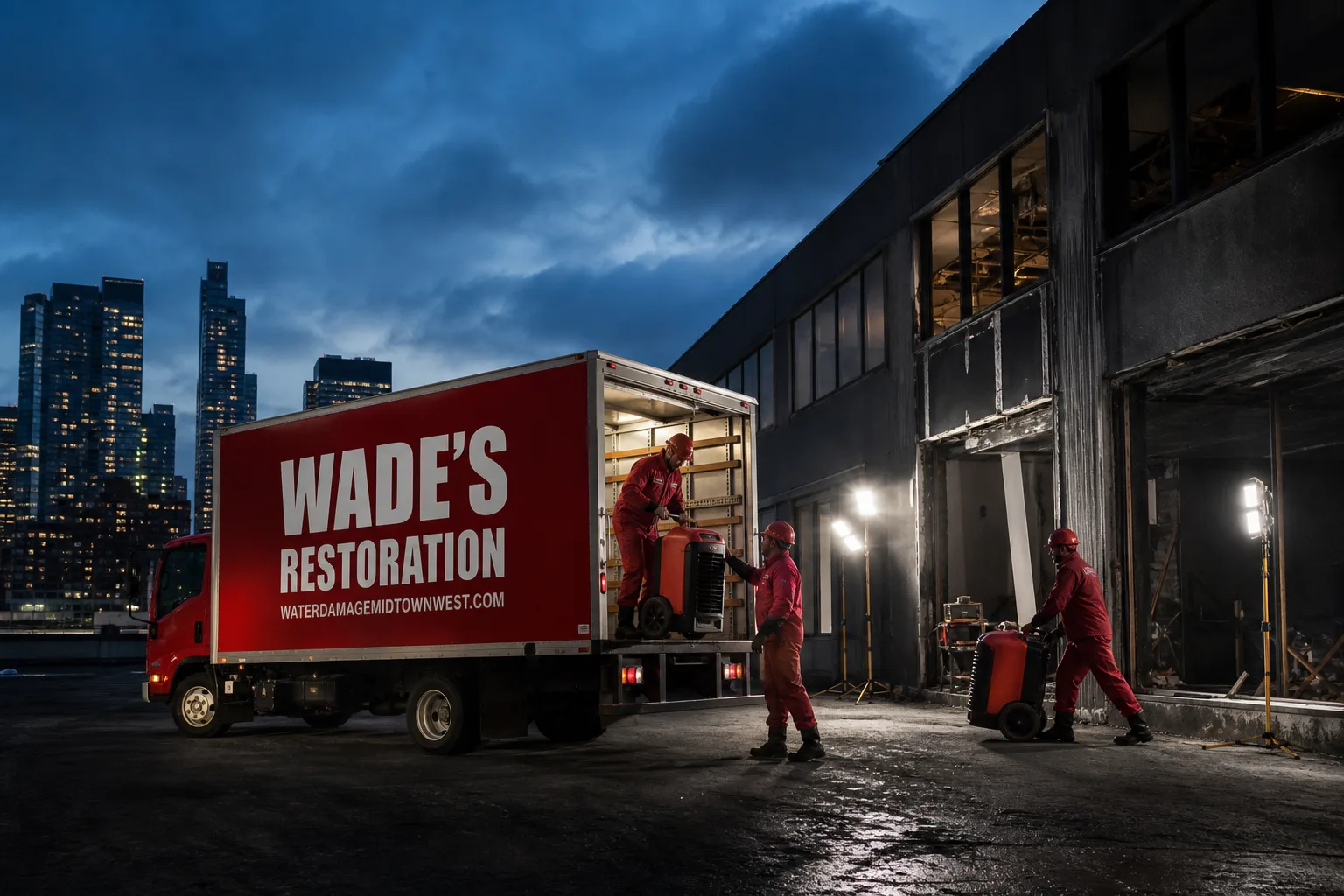
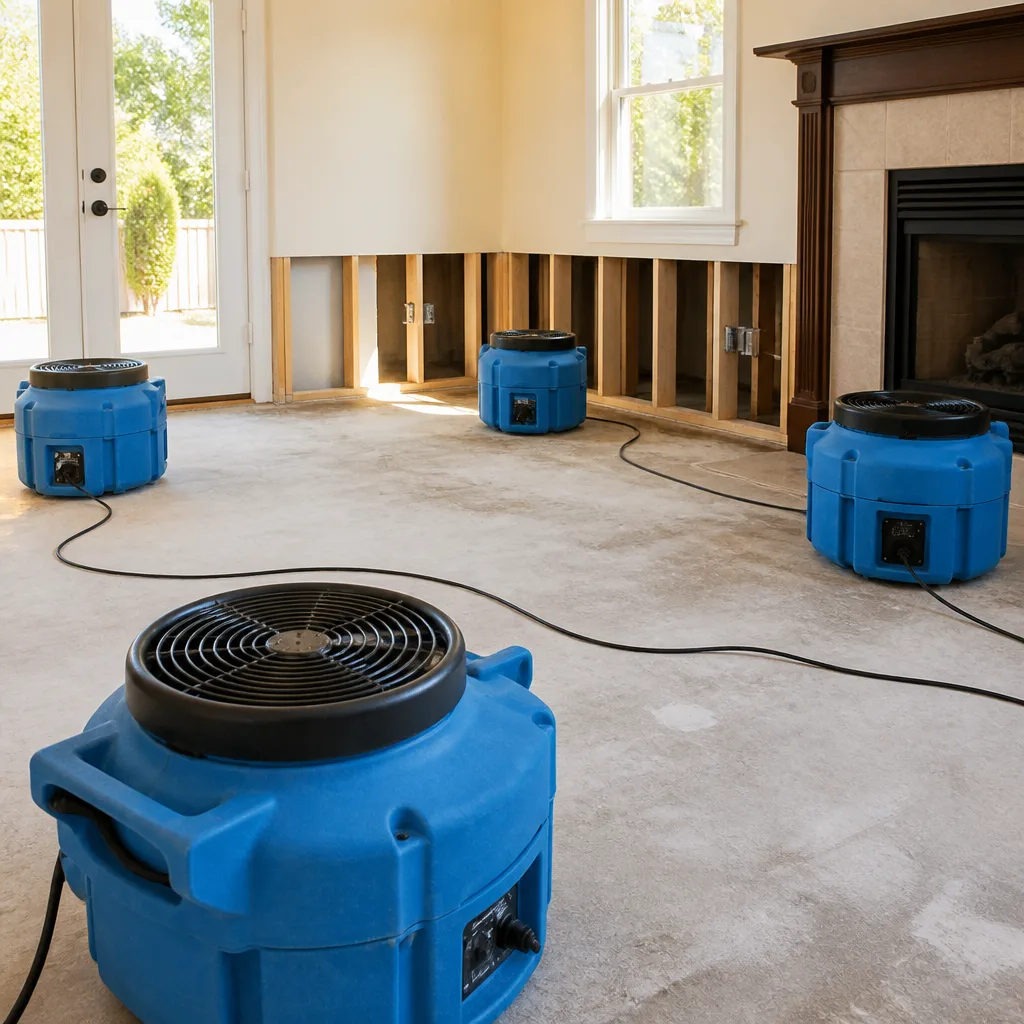
Phoenix and Dri-Eaz dehumidifiers and air movers are placed based on the moisture map, not scattered at random. We take daily readings and build a drying log you keep when the job is done. Almost nobody else hands that over.
Cleaning & Sanitization
We flush contaminated surfaces with the appropriate treatment for the water category. Saltwater gets aggressive flushing and corrosion control on metal framing and mechanical fixtures, not just a wipe-down.
Salt & Contamination Treatment
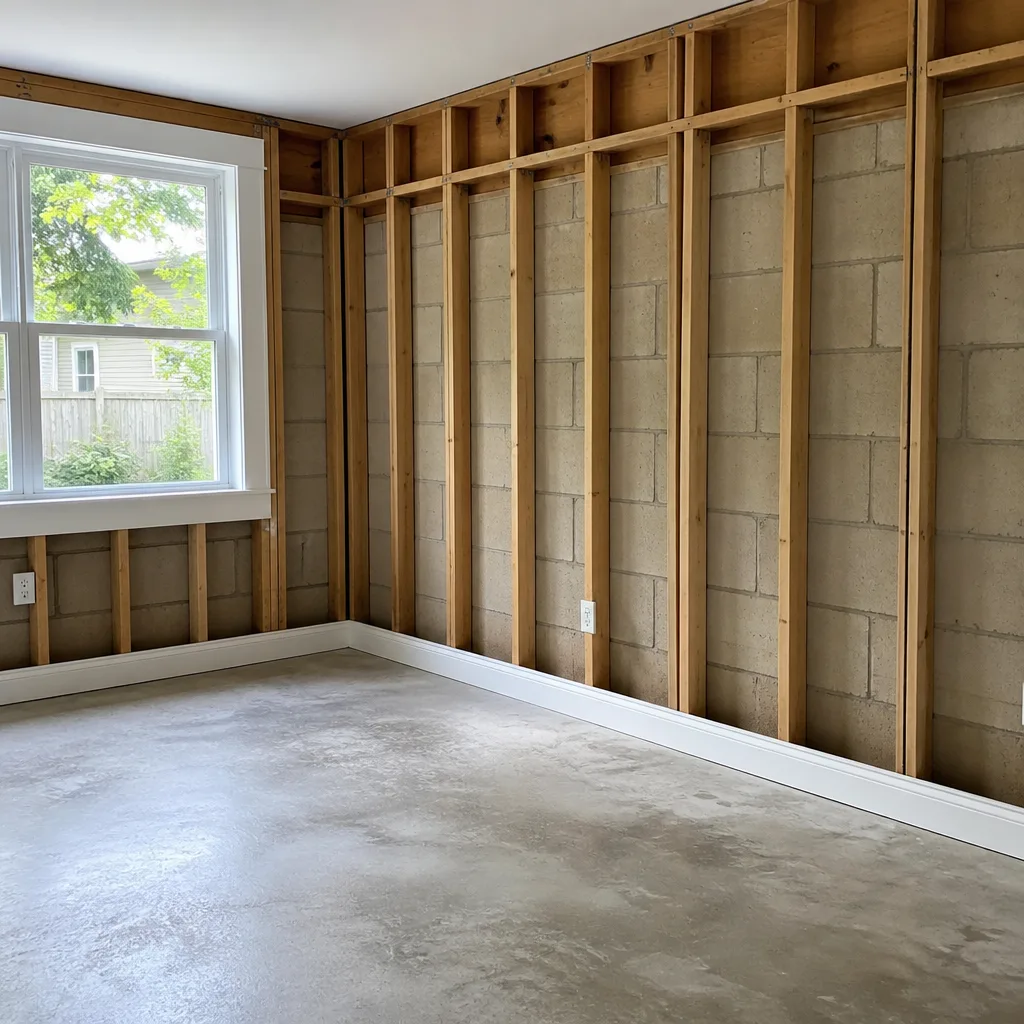
In Battery Park City and Financial District properties with a history of saltwater intrusion, we check for hygroscopic salt crystals in masonry and concrete. If present, we treat them before refinishing, because painting over them just hides the problem for a year.
Repairs & Restoration
Drywall, baseboard, flooring, paint, and any mechanical restoration needed to bring the space back to pre-loss condition. We do the reconstruction ourselves, so the crew that wrote the drying log is the same crew finishing the walls.
Need Emergency Water Damage Restoration in Lower Manhattan Now?
Crews minutes away, answering live 24 hours a day. The sooner we start, the less it costs.
Working With Your Insurance Company
The claim process for water damage in Lower Manhattan has its own wrinkles, especially after the post-Sandy FEMA flood map changes that put Battery Park City and the Financial District in AE and VE zones. Flood damage through a standard homeowner’s policy often requires a separate flood policy, and the adjuster will want to see documentation from the first hour. We provide that from the moment we arrive.
What We Provide Your Insurer
- Thorough documentation of the loss, including the source and category of water
- Photos of all damage, room by room, with time stamps
- Moisture readings and drying logs for every day the equipment runs
- A detailed, line-item scope of work that matches industry estimating standards
- Direct coordination with your carrier, so Wade deals with the adjuster and you don’t have to
Built for Lower Manhattan’s Loss Calendar
Lower Manhattan’s water damage season runs almost all year, but the causes change with the calendar. January and February deep freezes burst supply lines in unheated mechanical spaces and against exterior walls, particularly in older pre-war buildings where the insulation is thin. March and April bring thaw and the kind of heavy nor’easter rain that tests roof drains on converted loft buildings. June through September is thunderstorm season, and in a dense high-rise district, a clogged roof drain or a failed sump in a sub-basement can put water into dozens of units in an afternoon. Then comes late summer and early fall, hurricane season, when the surge risk rises and the whole neighborhood remembers what Sandy did to the area below Chambers Street. We schedule our equipment and our crews around those rhythms, because we have worked down here long enough to know when the phone is going to start ringing.
Water Damage Restoration Across Lower Manhattan’s Neighborhoods
Battery Park City is the bullseye for saltwater surge risk. Much of it sits on Hudson River landfill, at or near sea level, and the FEMA AE and VE flood zones run straight through it. Water events there are disproportionately Category 3, and the restoration protocol has to account for salt, contamination, and the building’s elevation of mechanical systems. The Financial District mixes older pre-war office towers repurposed as residential and newer glass high-rises, and in both cases the basements hold the building’s operational guts, boilers, switchgear, elevator machinery, which means a flood in one unit can become a building-wide emergency if water reaches those rooms. Tribeca’s cast-iron and masonry loft conversions hold water in thick walls and heavy timber, and water travels laterally through brick and mortar in ways that a surface moisture meter will miss entirely. Along the South Street Seaport and the East River edge, older buildings face storm surge and rising groundwater, and the narrow streets mean extraction equipment has to be staged carefully. Each of these areas needs a different approach, and we have done enough work in all of them to know which one applies before we open the truck.
Specialized Water Damage Restoration Services We Offer in Lower Manhattan
Emergency Water Extraction
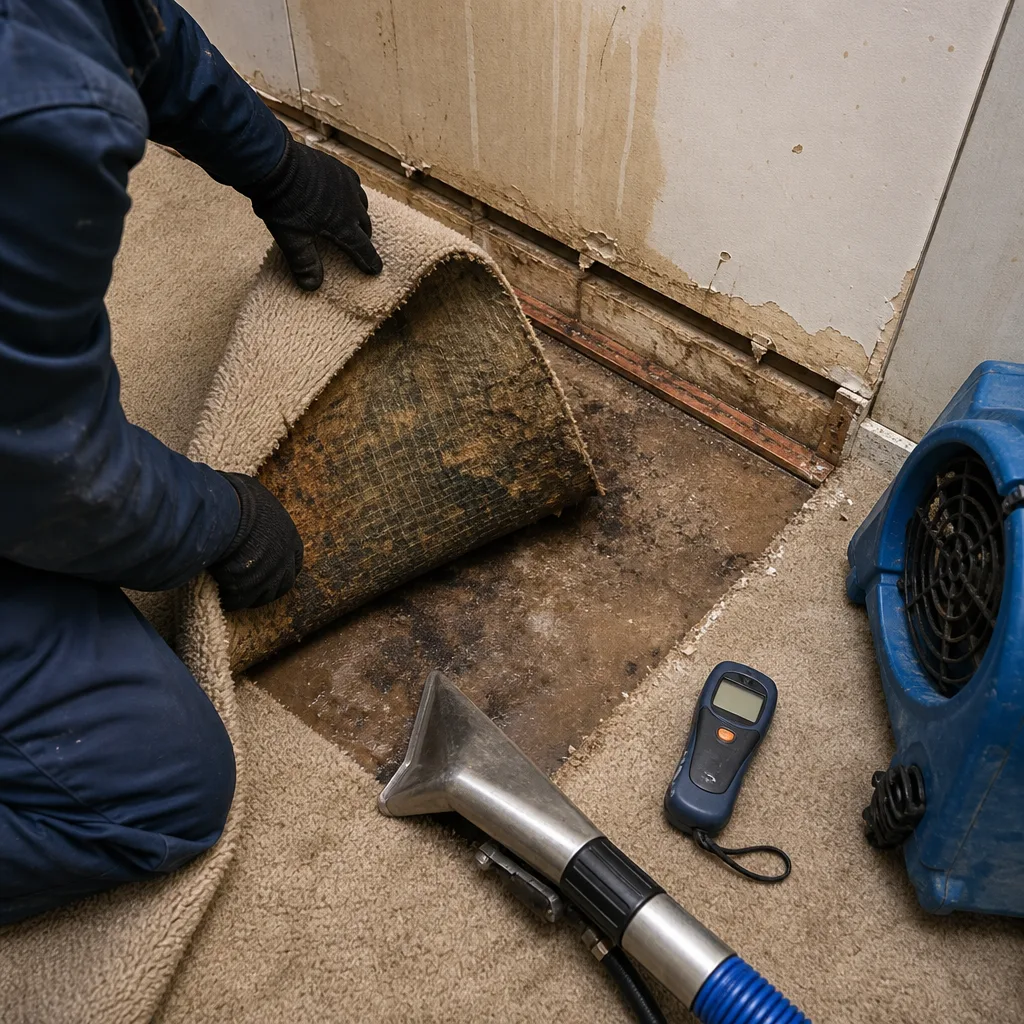
Standing water in a Lower Manhattan apartment or condo needs to come out fast, because it is already traveling down through the floor assembly and into the spaces below. Our crews arrive with portable extraction units sized for elevator buildings and tight stairwells, and we start pulling water while we map the migration path. In high-rises, we coordinate with building management immediately, because the water you see is rarely the whole story.
Structural Drying & Dehumidification
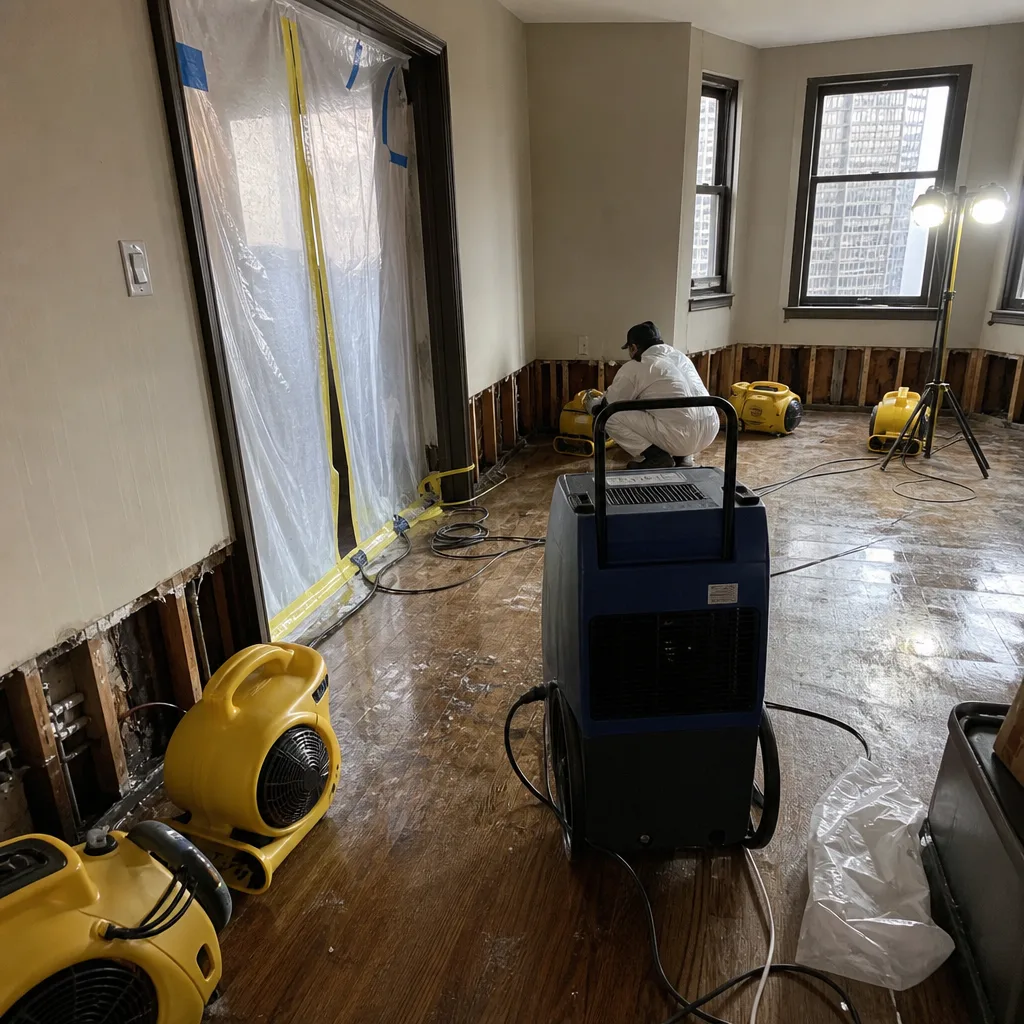
Drying a Lower Manhattan property means dealing with concrete, steel, masonry, and often a wall assembly that shares structure with multiple units. We use Phoenix and Dri-Eaz dehumidifiers with XPOWER air movers, placed according to a moisture map rather than by guesswork. Daily moisture readings go into a log you keep, which is the only way you and your insurer can confirm the structure is actually dry.
Flood Cleanup
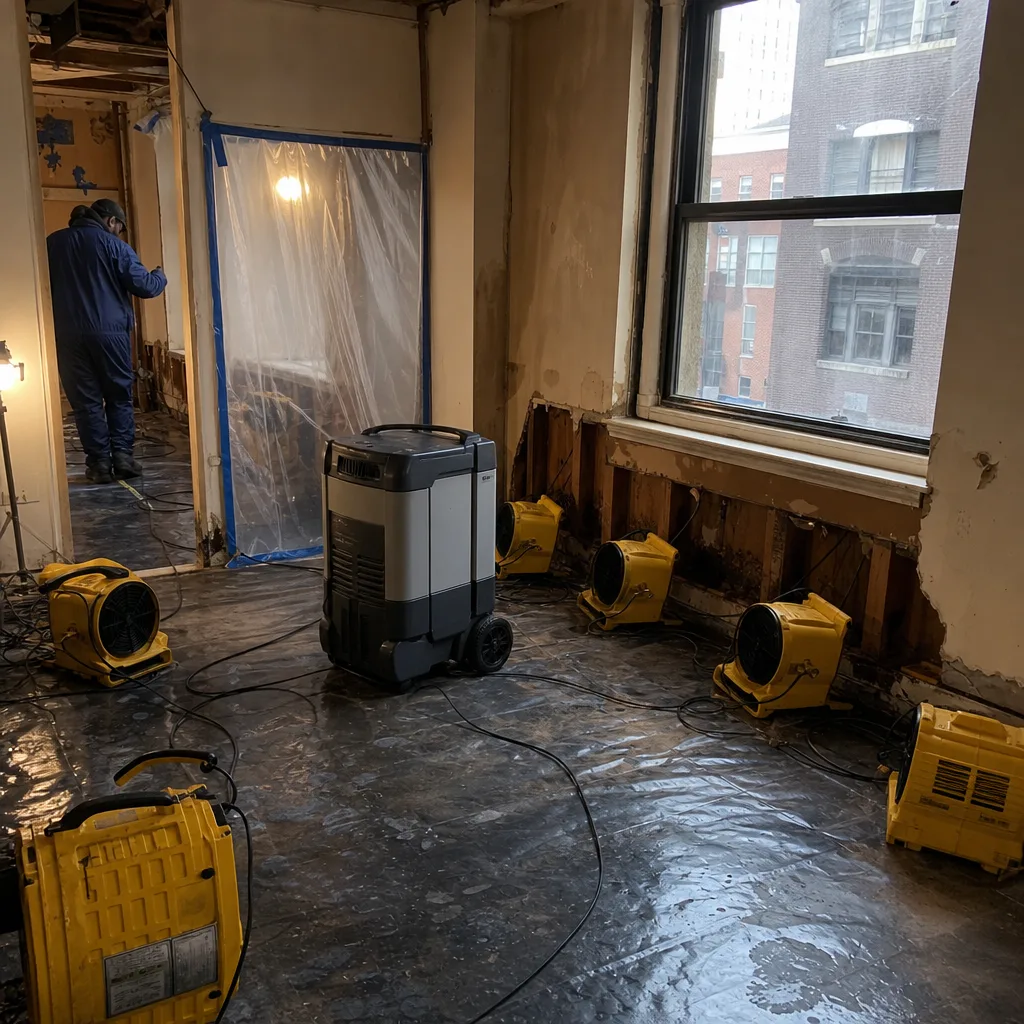
Flood cleanup in Lower Manhattan is a different job than it is inland, because the floodwater itself is different. Storm surge carries salt, sewage, fuel residue, and whatever else the harbor picked up. We treat it as Category 3 black water with full containment, flush salt from masonry and framing, and run corrosion control on any metal that got wet. Skipping those steps is how “dried” basements in Battery Park City end up with white powder on the walls and rusting switchgear two years later.
Burst Pipe Restoration
A burst supply line in a pre-war Financial District condo or a Tribeca loft sends water down inside walls and through ceilings to the units below. We respond the same way we would to a flood, with moisture mapping, containment where needed, and structural drying. The difference is the water is usually clean, which means less demolition and faster restoration, if the source is stopped quickly.
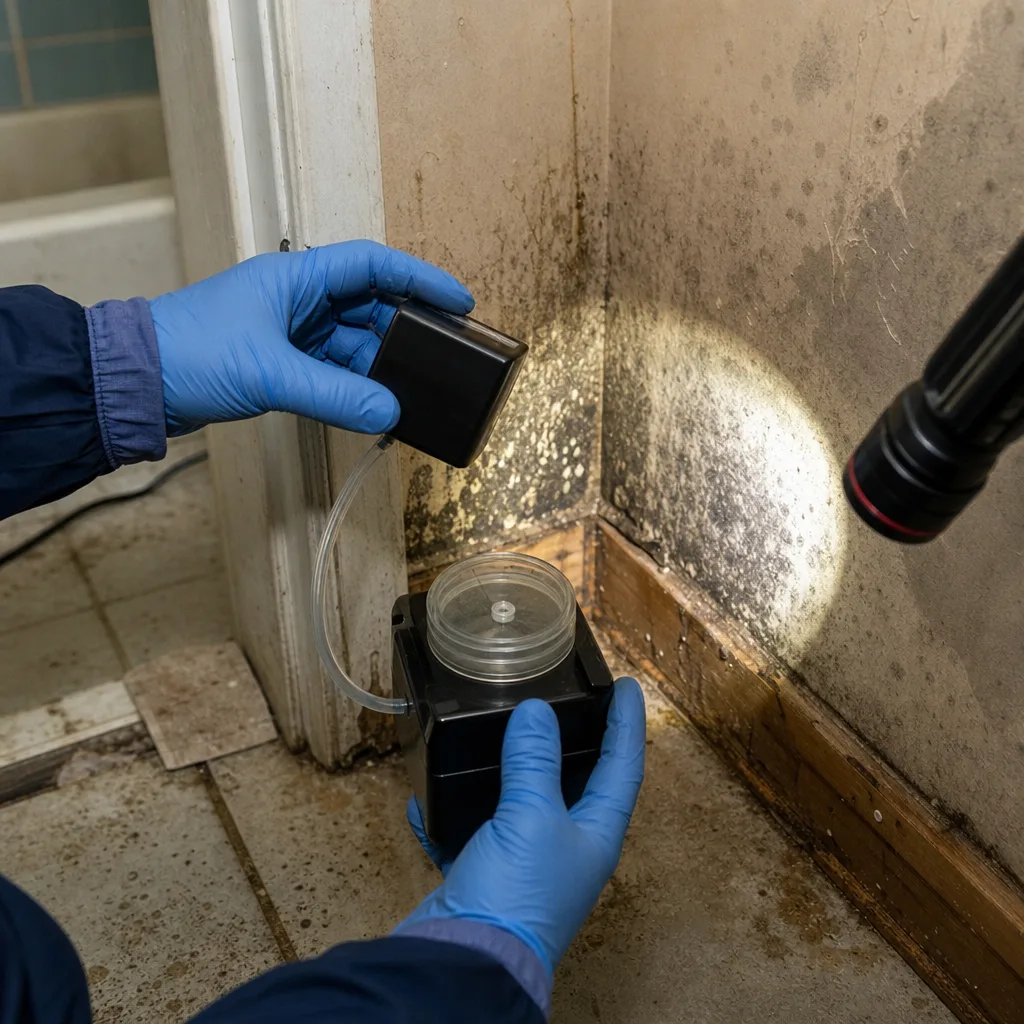
Basement Water Removal
Basements in Lower Manhattan are not like basements in the suburbs. They hold the building’s mechanical and electrical systems and in many buildings are below the elevation of the adjacent street. We pump them out, dry them, and check the boiler, switchgear, and elevator machinery for hidden water contact, because a “dry” basement that still has water in a control panel is a fire and failure risk, not a finished job.
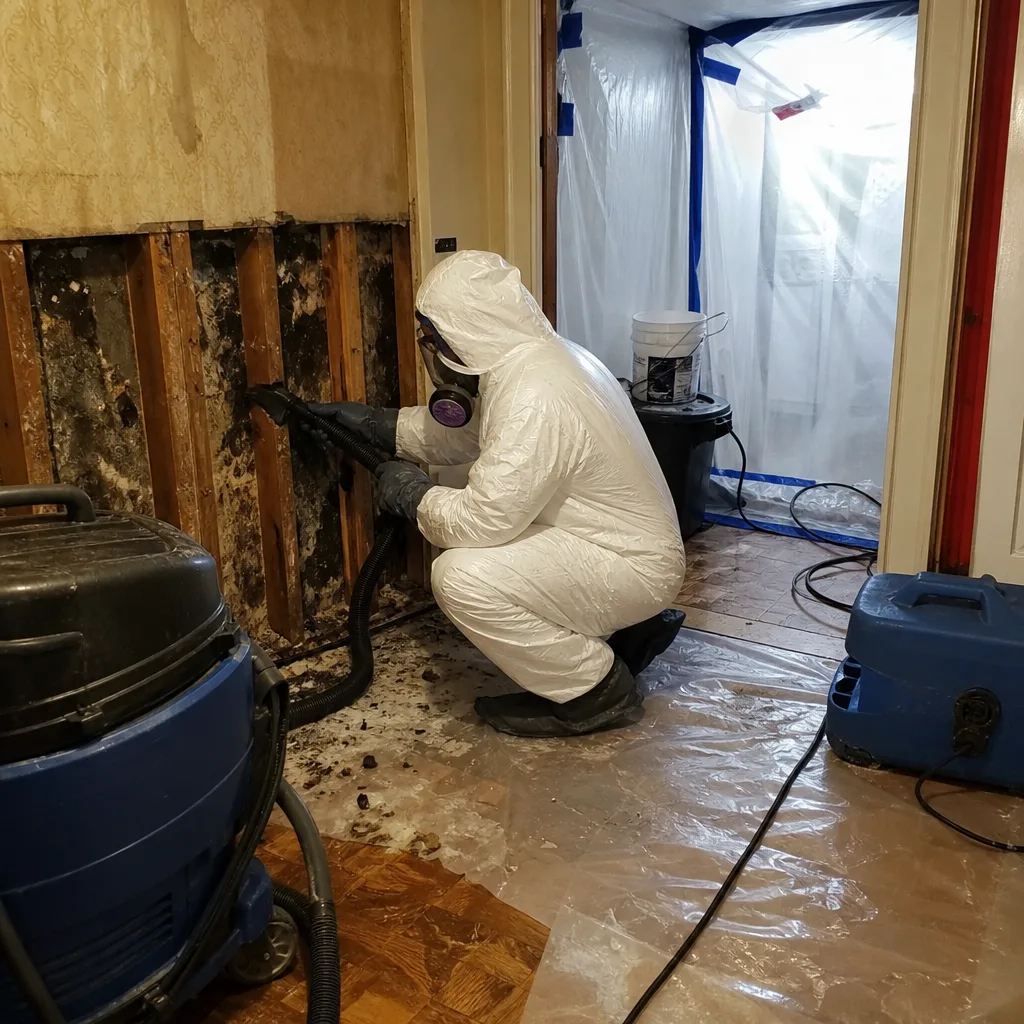
What happens when you call
- 1
A real person answersNo phone trees - you reach a local pro.
- 2
You get an upfront price rangeHonest numbers before anyone is dispatched.
- 3
A background-checked tech heads outLicensed & insured, dispatched right away.
- 4
You approve before work beginsNothing starts until you say go.
Water Damage Restoration Costs in Lower Manhattan, NY
Emergency water extraction in Lower Manhattan generally runs $1,400 to $3,200 for a contained single-unit loss. Structural drying and dehumidification for a typical apartment or condo adds $1,800 to $4,500 depending on square footage and how far the water traveled. Full flood cleanup with Category 3 saltwater contamination is the big-ticket item, usually $6,500 to $18,000 or more, because it means containment, flushing, corrosion control, and often code-mandated mechanical work. What moves the price is building access, elevator staging, the age of the wall assemblies, and whether the loss reached a sub-basement with mechanical systems. Insurance covers most Category 1 and 2 losses, while flood-surge losses depend on your flood policy and the FEMA zone. A free visual inspection gives you a firm written scope before you spend a dime, and we will show you exactly what the line items are.
We Also Serve Cities Near Lower Manhattan
Our crews regularly work in Midtown West, the Financial District, Astoria, and Midtown Manhattan. We know the buildings, the building managers, and the response routes in each.
Serving Lower Manhattan, NY - Our Local Coverage Area
We’re based in the Lower Manhattan area and know this community well. Use the map below to see our service coverage - if you’re nearby, we can almost certainly help.
Lower Manhattan Water Damage Restoration Questions, Answered
How does saltwater flooding from a storm surge in Battery Park City differ from a freshwater pipe burst in terms of restoration?
Saltwater is always treated as Category 3 black water, which means full containment, aggressive flushing, and corrosion control on all metal surfaces. Freshwater from a pipe burst is usually Category 1 and can be dried in place with less demolition. Salt crystals left behind in masonry continue to attract moisture and cause efflorescence and spalling years later if they are not flushed out during restoration. Call (607) 703-3408 and we will walk the property and tell you which protocol applies.
My Tribeca loft is in a converted 19th-century cast-iron building. After a water event, what hidden risks are we checking for?
Water trapped in thick masonry and cast-iron structural members is the top risk. It re-wets finished surfaces and causes recurring mold and efflorescence long after visible areas look dry. We run penetrating moisture meters on the walls, not just the surface, and we check the sub-basement mechanical spaces below your unit. The hidden risk is never where the water pooled, it is where it migrated.
Will the post-Sandy FEMA flood zone changes in the Financial District affect how my water damage restoration is handled?
Yes. Properties in the AE and VE zones fall under post-Sandy code requirements that mandate elevating or flood-proofing mechanical systems in basements upon major renovation. If your loss reaches the sub-basement or the mechanical rooms, the restoration scope may need to include code-compliant electrical and boiler work, not just drying and drywall. We can walk you through what applies to your specific building.
We had water damage from a storm surge years ago and now there is white powder on our basement walls. What is this, and can it be remediated?
That white powder is efflorescence, mineral salts left behind when saltwater soaked into the masonry. The salt is hygroscopic, it keeps drawing moisture out of the air and dissolving and recrystallizing, which breaks down the wall surface. It can be remediated, but only by flushing the salts out of the masonry and treating the surface, not by scraping and painting over it. We have done this work in Battery Park City and the Financial District specifically for post-Sandy salt contamination.
Why do we need containment and air movers for a water leak in our high-rise apartment?
Containment keeps whatever is in the water, salt, sewage, or just mold spores from a damp wall, from moving through the building’s shared air spaces into neighboring units. Air movers are placed according to a moisture map so they actually dry the affected surfaces instead of just pushing air around. In a high-rise, skipping either step spreads the problem and leaves the structure wet where you cannot see it.
How fast can someone actually get here?
In Lower Manhattan, we typically have a crew on site in under an hour. Wade answers the phone himself, and he heads out as soon as the call ends. The sooner extraction starts, the less demolition is needed and the lower the final cost.
Will insurance cover my water damage restoration?
Most Category 1 and 2 water losses, like a burst pipe, are covered under a standard homeowner’s or condo policy. Saltwater surge losses in AE and VE flood zones depend on your flood policy and specific coverage. We bill your carrier directly and provide the drying logs, photos, and line-item scope your adjuster needs to process the claim without you having to relay information.
What should I do in the first 30 minutes after water damage?
Shut off the water source if you can do so safely. Kill power to the affected area if water is near outlets or appliances. Move valuables up off the floor. Then call (607) 703-3408. Do not enter standing water that may be from storm surge, sewage, or a backed-up drain, because it is Category 3 contamination and not safe to walk through without protective gear.
If you have water where it should not be, in a condo, a loft, a high-rise, or a sub-basement, call (607) 703-3408 right now. We answer live, we send help fast, and we start every job with a free visual inspection and a written scope. Our Water Damage Restoration team handles extraction, drying, and reconstruction with one crew from start to finish. We work throughout Lower Manhattan, from the Battery to Tribeca to the Seaport, and Wade puts the 90-Day Done Right Promise in writing on every job. If it is not done right, he makes it right. That is the whole deal.
Written by Wade Ferris, Owner at Wade’s Restoration, serving Lower Manhattan and the surrounding boroughs.