
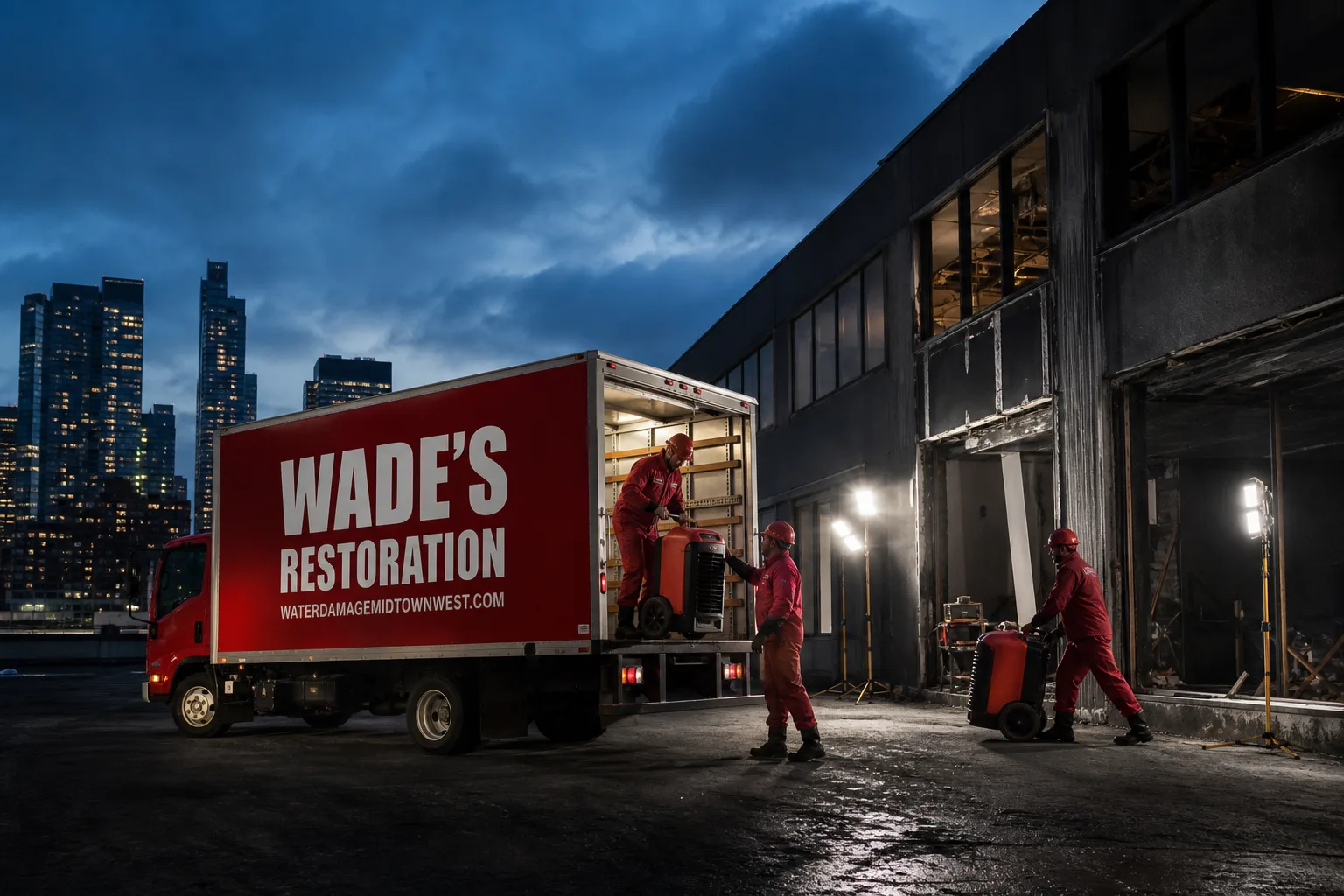
Free visual inspection and a written scope of work before any mitigation begins - photos, moisture readings, and drying logs go in your claim file
The scope we write is the scope we bill. Anything new gets shown to you, in writing, before we touch it.
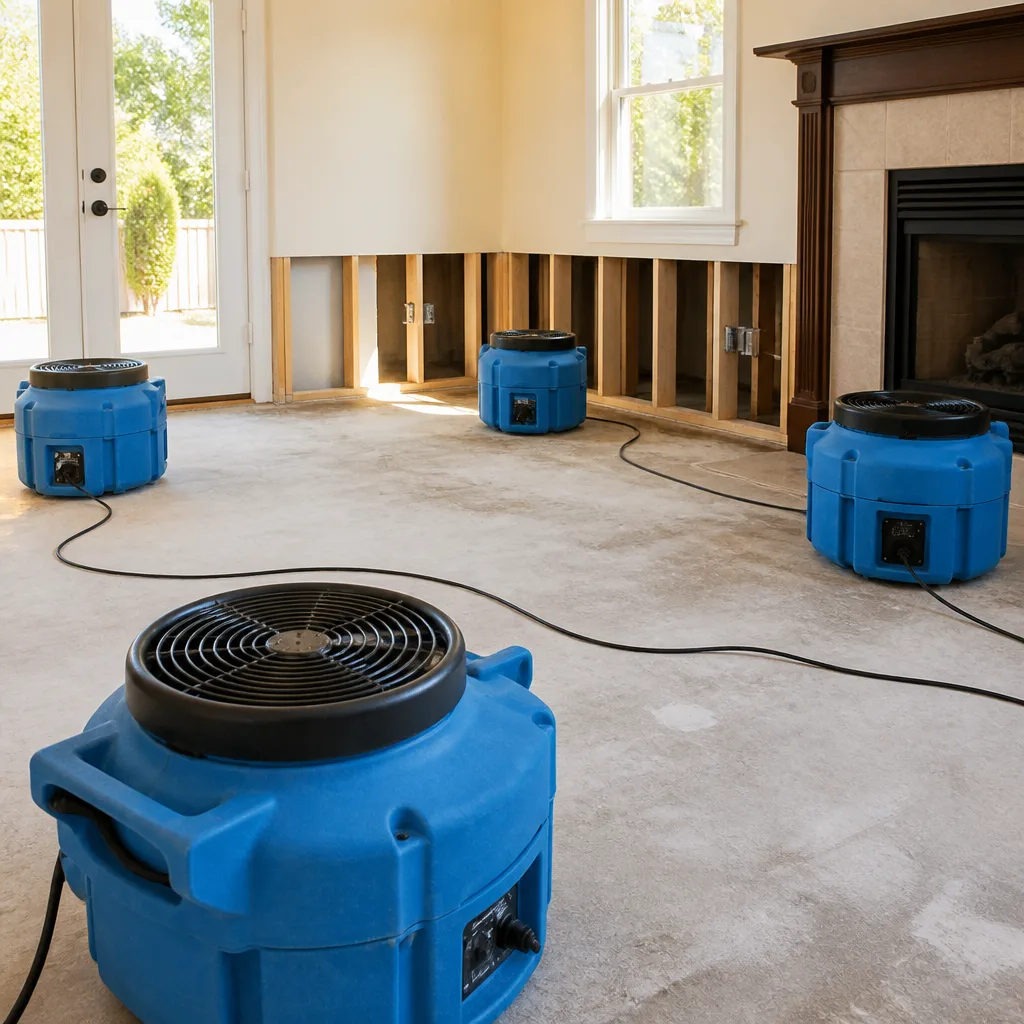
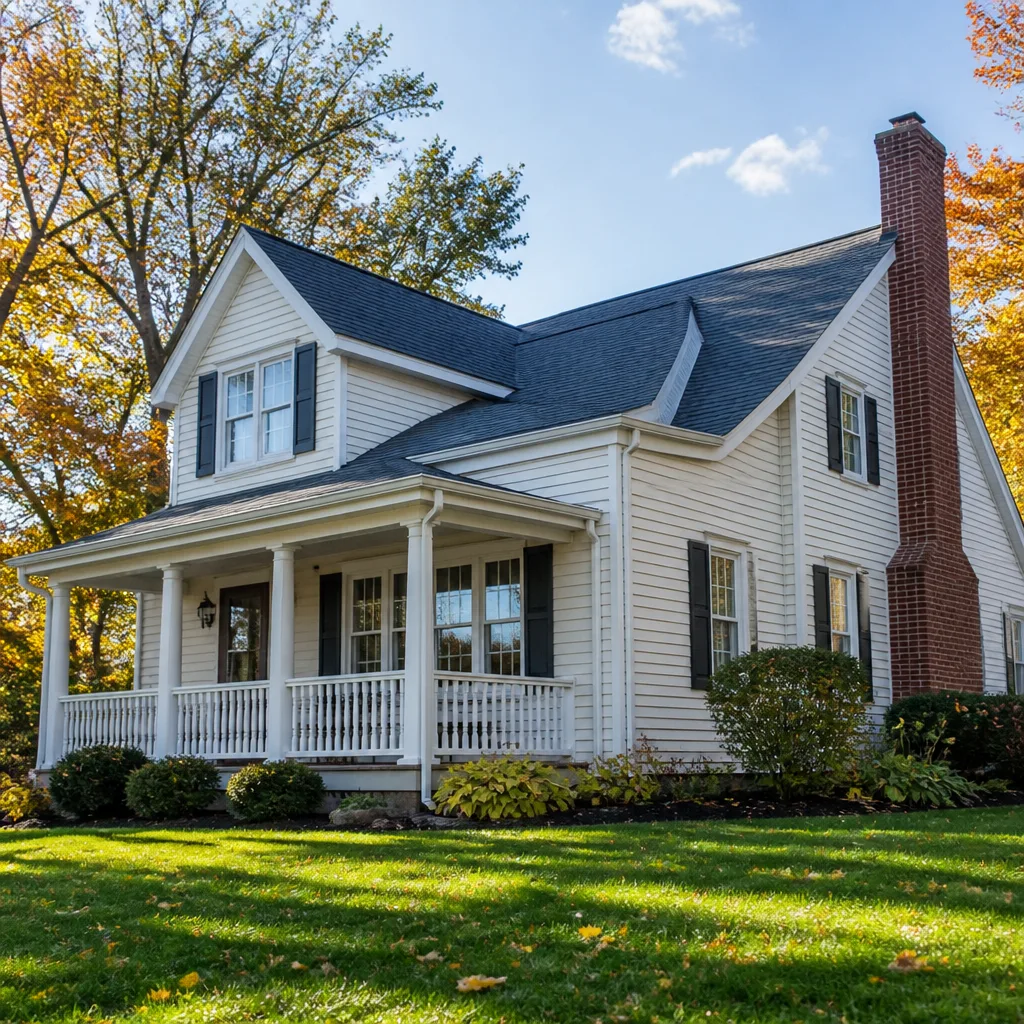
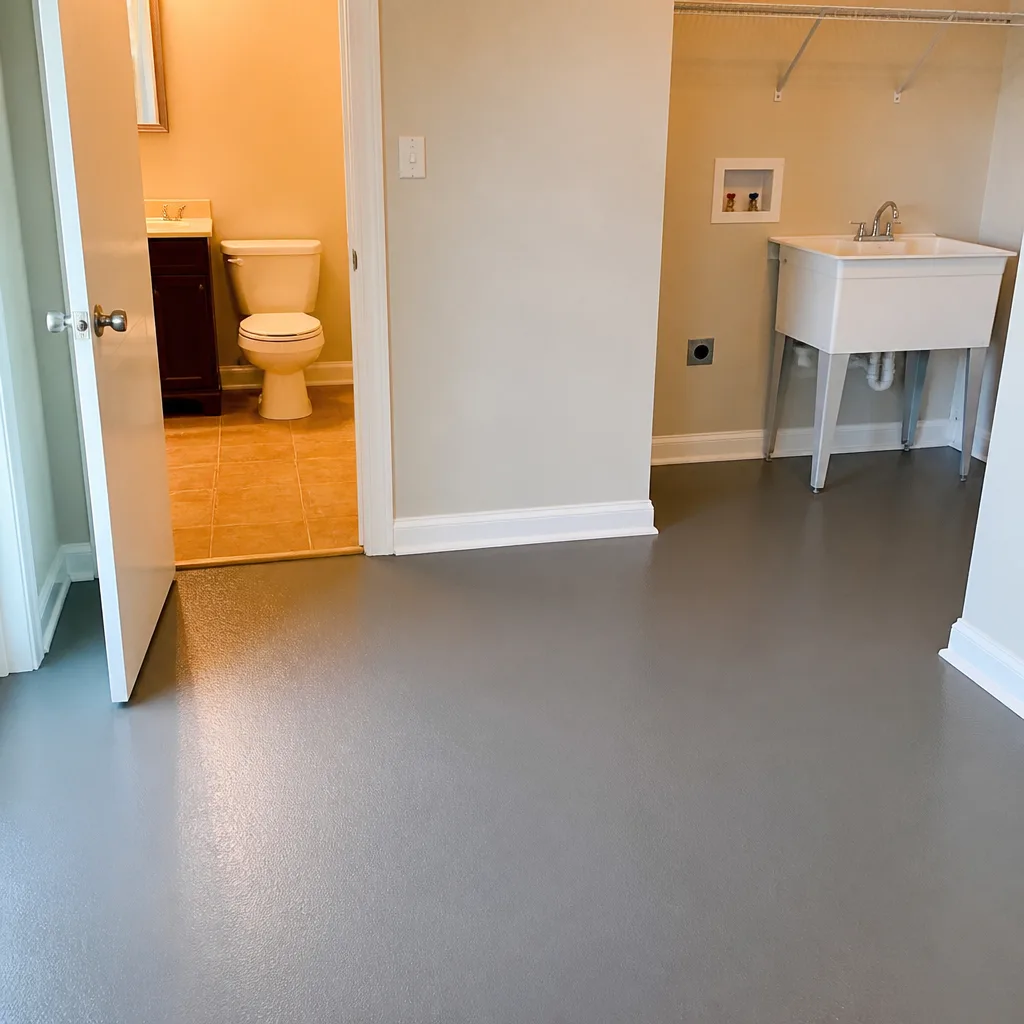
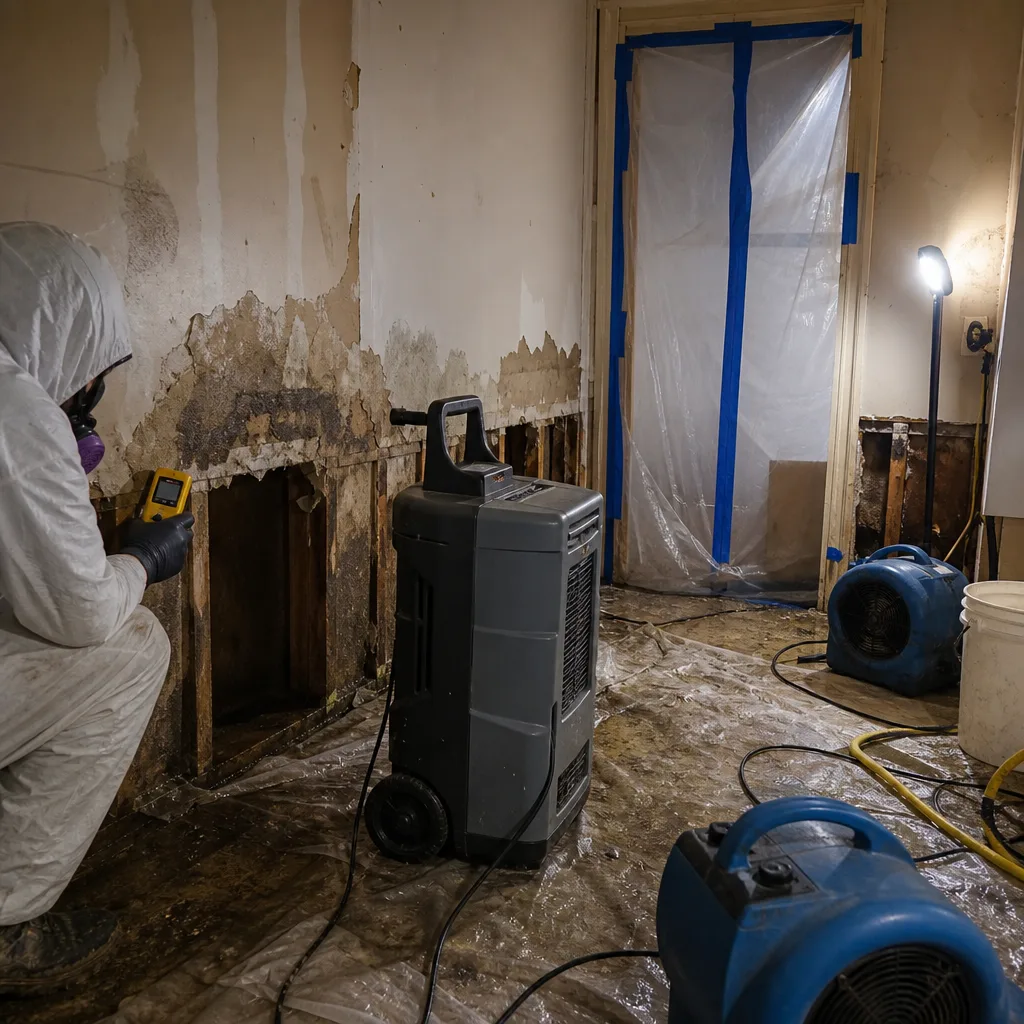 Before
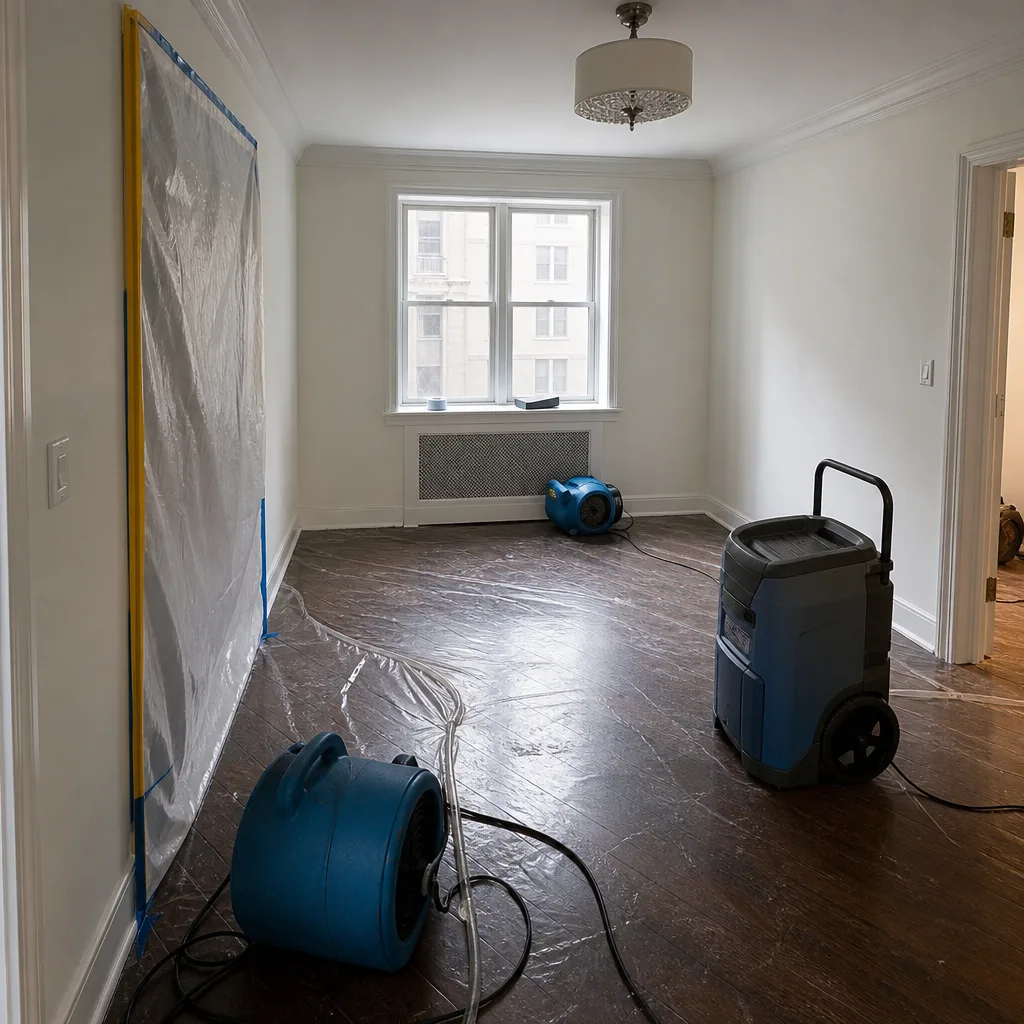 After
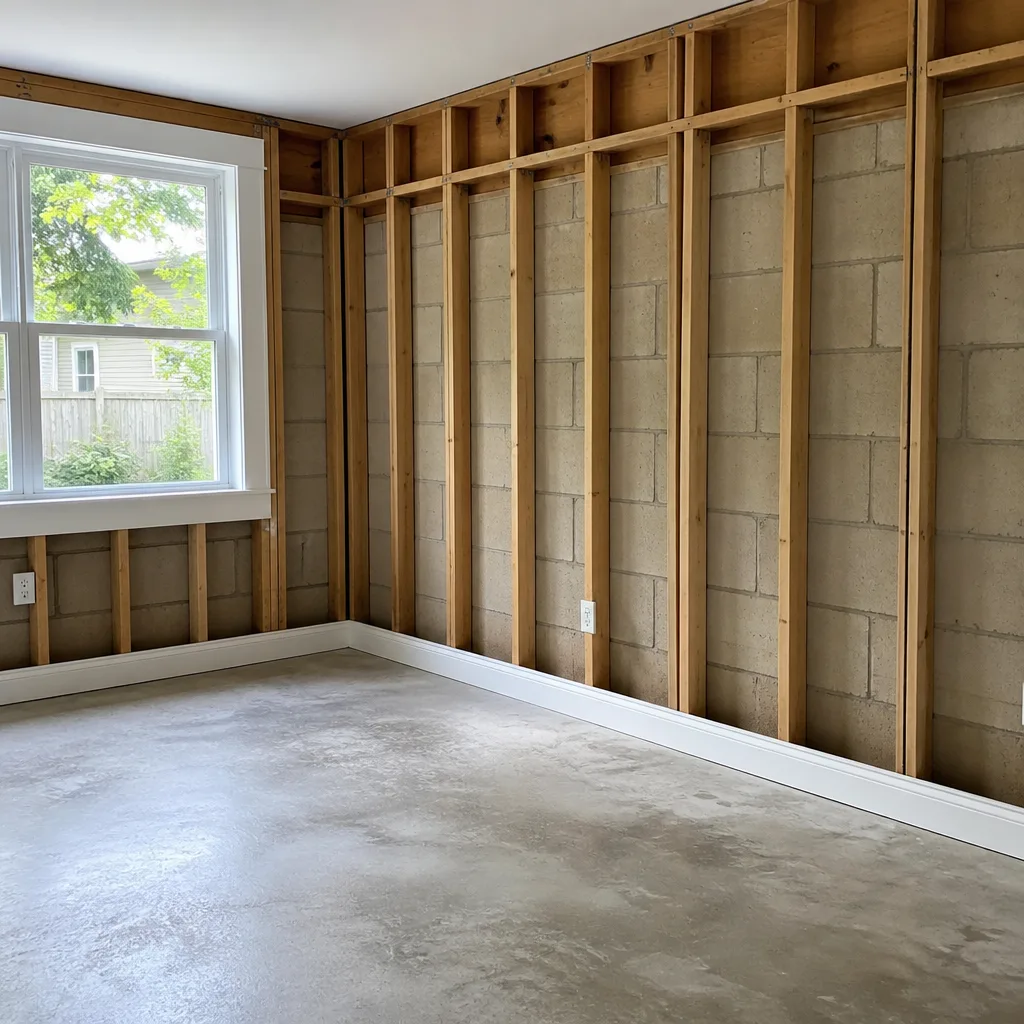
After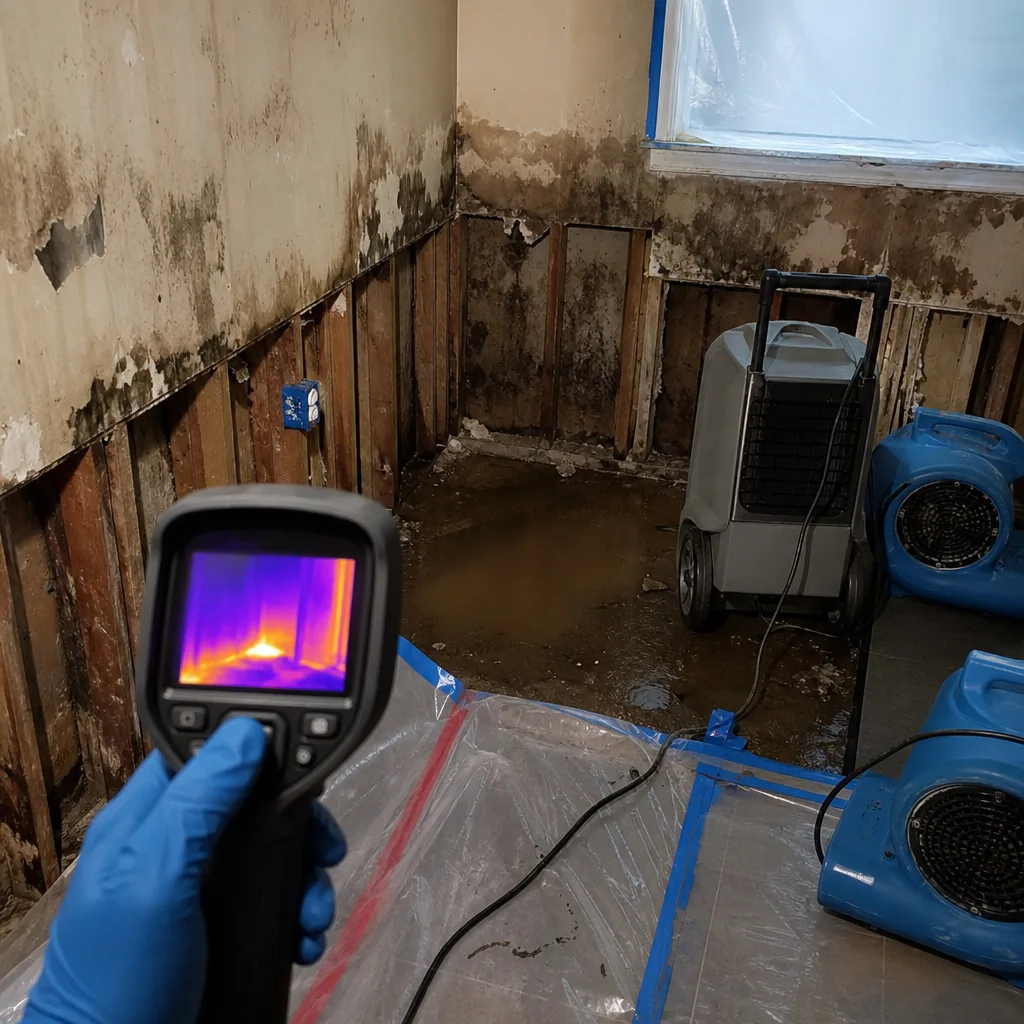 Before
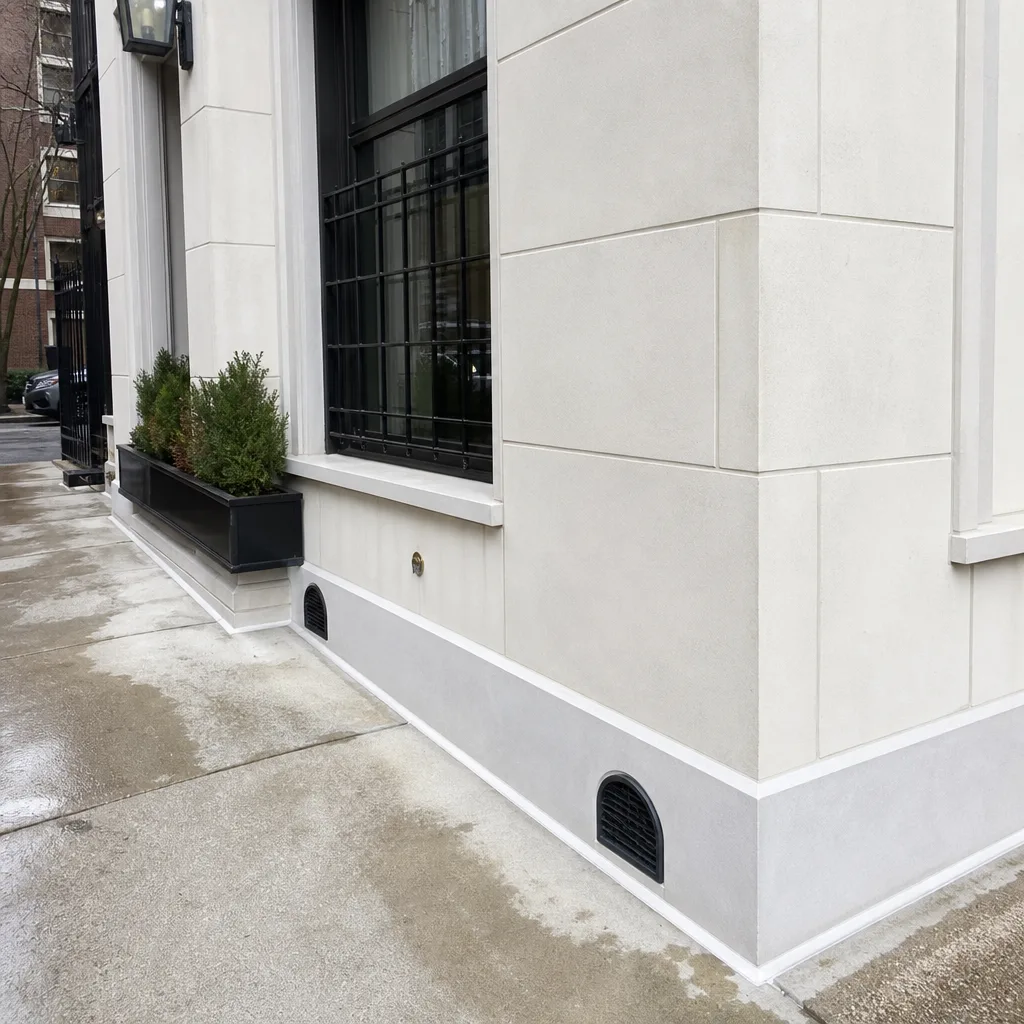 After
After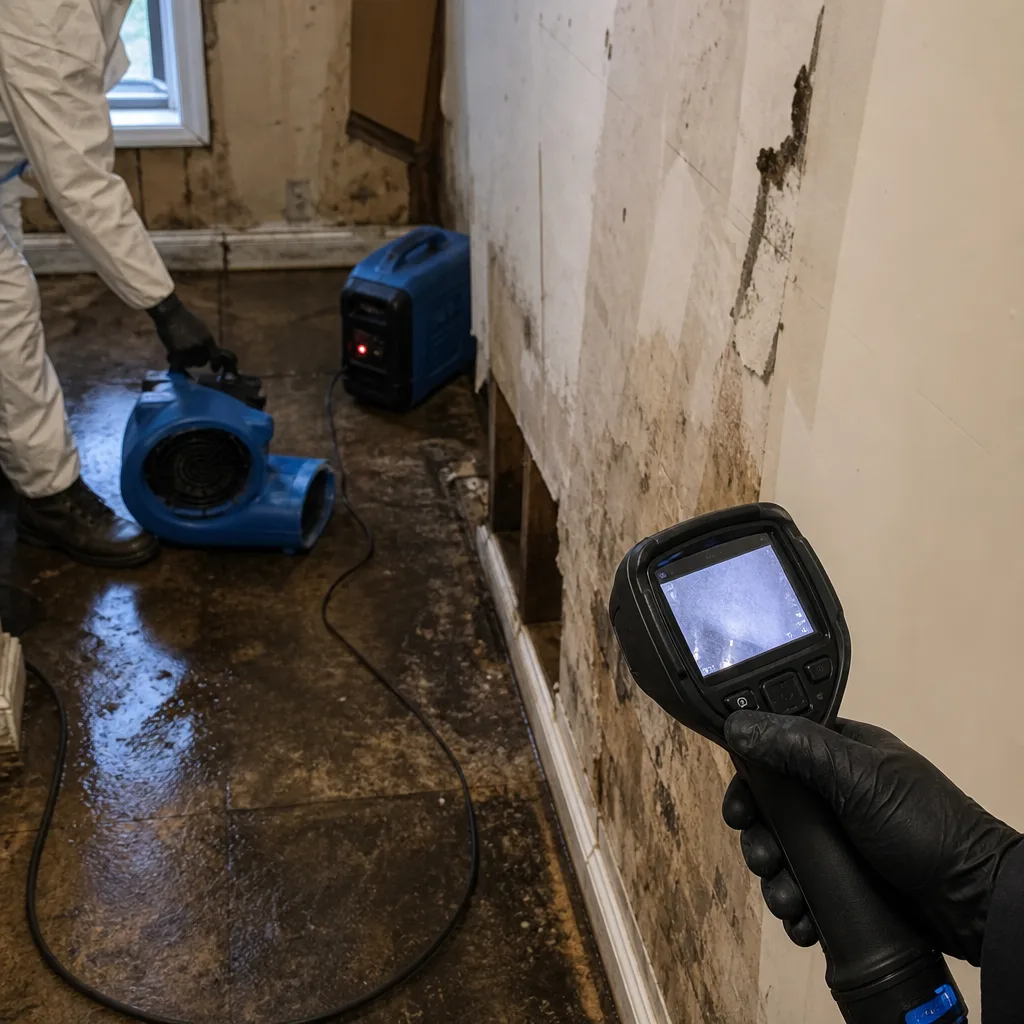 Before
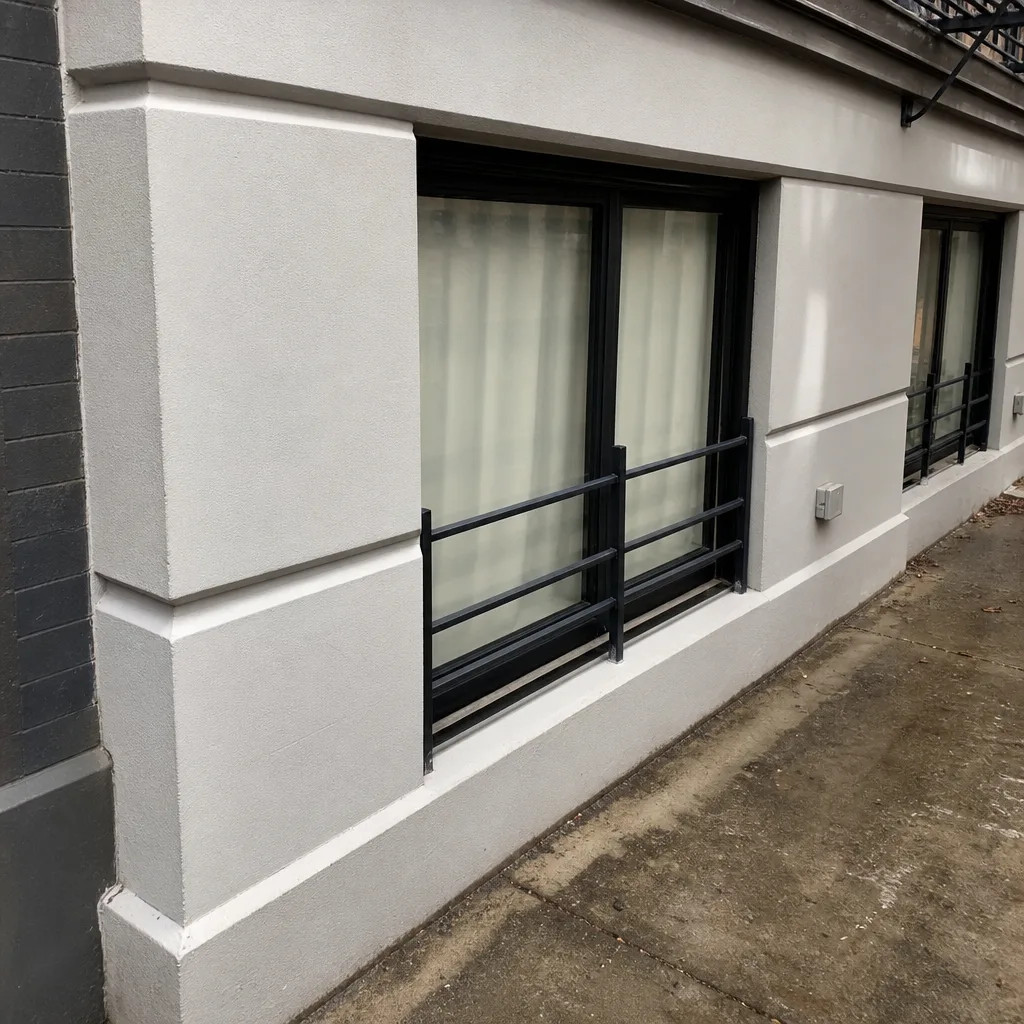 After
After24/7 Emergency Storm & Disaster Restoration in Glendale
Storm damage in Glendale doesn’t wait for business hours, and neither do we. A nor’easter rips a section of tar membrane off a flat roof at 2 a.m., and by sunrise the plaster walls have already pulled water halfway down to the neighbor’s side. That’s the reality of attached brick row houses, and it’s why Wade Ferris answers his own phone around the clock. Call (607) 703-3408 and you get a live person, not a queue. Crews head out into Glendale immediately, and the first visual inspection is free. The first hour determines whether you’re looking at a $2,000 dry-out or a $20,000 reconstruction, so speed is not a sales pitch here, it’s the math of the job.
Understanding Storm & Disaster Restoration Severity in Glendale Properties
Not all storm water is the same, and Glendale’s housing stock makes the distinctions sharper than they’d be in a newer town. Category 1 water is clean: a supply line burst, roof rain water before it touches anything. Category 2 carries some contamination, think a sump pit overflow after a heavy cloudburst or water that sat against old galvanized plumbing. Category 3 is the one we see most often in Glendale basements because the neighborhood still runs on its original combined sewer infrastructure. When a summer downpour overwhelms the system, the gravity drains backing up into your finished basement are pushing Category 3 water: sewage, bacteria, whatever the street just washed in.
That classification changes everything. Category 1 water in a plaster-and-lath wall can often be dried in place with air movers and dehumidifiers running hard for four to six days. Category 3 demands containment, antimicrobial treatment, and often cut-out of wetted gypsum or lath. And here’s the Glendale-specific problem: those plaster walls from the 1920s and 1930s wick water laterally like a sponge. Moisture you can’t see on the surface has usually moved three or four feet horizontally within twelve hours. Without moisture mapping and daily readings, you’re guessing, and in a party-wall situation, guessing wrong means the neighbor’s unit re-wets yours two weeks later.
Why Glendale Property Owners Choose Wade’s Restoration
- Wade answers his own phone, day or night. You’re not calling a call center in another state. You’re calling the man whose name is on the truck.
- 45-minute response commitment inside Glendale. We know Myrtle Avenue, Cooper Avenue, and every cross street between. When you call, we’re already nearby.
- IICRC-certified crews (WRT, FSRT, AMRT). The people Wade sends have passed the industry’s water, fire, and mold remediation standards, not a two-hour onboarding video.
- Free visual inspection, every time. Before anyone moves a fan or cuts a wall, you see what we see and you get a straight answer about scope.
- Direct insurance billing. We file the claim paperwork, we talk to the adjuster, we hand you the moisture log. You’re not the middleman between two sides.
- One team from first extraction to final paint. The same crew that sets the containment is the one that hangs the new drywall and matches the trim. No handoffs to strangers.
Our Storm & Disaster Restoration Process
Inspection & Assessment
We walk every affected room with a thermal imaging camera and a hygrometer. On a Glendale row house, that means checking both sides of the party wall, not just the unit that called us. Wade’s crew documents everything with photos before a single piece of equipment gets unloaded.
Extraction & Stabilization
Standing water comes out first with truck-mounted extraction and XPOWER submersible pumps where needed. If a nor’easter tore open your flat roof, we tarp it before we touch anything inside. Stabilization stops the bleeding; extraction starts the drying.
Drying & Dehumidification
Phoenix desiccant dehumidifiers and B-Air air movers go in. Plaster walls in Glendale’s 1920s stock don’t dry on a schedule you can guess at, so we take moisture readings every single day and adjust equipment placement. You get the full log at the end, not a summary.
Cleaning & Sanitization
After the structure hits its drying targets, we clean. HEPA vacuuming, antimicrobial treatment where Category 2 or 3 water was present, and odor control. We’re not done until the air in the room smells like a room, not a storm.
Storm-Specific Specialty Treatment
For wind-driven rain and roof membrane failures, this means sealing the envelope: repair tar seams, replace damaged flashing, address mortar joints where water traveled. For basement sewer backups, it means full Category 3 protocol: containment, disposal of unsalvageable materials, and clearance testing.
Repairs & Restoration
This is where we put the rooms back. Plaster repair, flooring, cabinetry, paint matching to the original 1930s trim profile. Reconstruction after storm damage in Glendale should look like the storm never happened, not like a patch job.
Need Emergency Storm & Disaster Restoration in Glendale Now?
Crews minutes away, answering live 24 hours a day. The sooner we start, the less it costs.
Working With Your Insurance Company
Storm damage claims in Glendale get complicated fast, because so many of these losses cross a party wall and suddenly two policies are involved. Wade has been dealing with adjusters on attached brick row house claims since 2007, and the process is the same every time: document everything from the first hour, write the scope in industry-standard estimating software the carrier recognizes, and keep the homeowner out of the back-and-forth. You didn’t cause the storm, and you shouldn’t have to become a claim adjuster on top of everything else. Wade talks to your adjuster directly. When the carrier wants clarification on a line item, he’s the one on the phone explaining it. When they want verification that drying is complete, he hands over the moisture log, not an argument.
What We Provide Your Insurer
- Thorough documentation of the loss
- Photos of all damage, room by room
- Moisture readings and drying logs
- A detailed, line-item scope of work
- Direct coordination with your carrier
Built for Glendale’s Loss Calendar
Glendale takes a beating from roughly four directions through the year, and each one hits the housing stock differently. January and February bring deep freezes that burst galvanized supply lines in unheated entry vestibules, and the water runs down into the basement before anyone notices because the walls are brick and the cold keeps people off the stairs. Spring thaw is when all that snow load on flat and low-slope roofs starts finding the cracks in 90-year-old tar membranes; we get the calls where water has been tracking down the inside of a party wall for two weeks and the homeowner only saw it when the paint started bubbling in the dining room. Summer cloudburst events are the sewer backup season: the combined system backs up into original gravity drains, and we’re pulling Category 3 water out of finished basements on a Tuesday afternoon. Then September through December, nor’easters arrive with wind-driven rain that peels aged roofing and tests every flashing joint built before anyone alive today was born. If you own a brick row house in Glendale, you’re in one of these seasons right now.
Storm & Disaster Restoration Across Glendale’s Neighborhoods
The blocks off Myrtle Avenue are the densest concentration of semi-detached 1930s brick rows in the neighborhood, and they’re where we see the most lateral moisture migration through un-insulated party walls. A roof leak on one side is a wet basement on the other side within a day, which is why our first call after the initial assessment is often a knock on the neighbor’s door. Over by Cooper Avenue, the housing shifts toward slightly larger attached homes with deeper basements, and those finished basements are where cloudburst sewer backups do their worst. The blocks around Forest Park, on the western edge of Glendale, catch more wind exposure during nor’easters because the tree canopy thins out, and we see more emergency roof tarping work there. Down near the southern end close to the Queens/Nassau line, the homes still share the same pre-war construction, but the streets are a little wider, which helps our truck-mounted extraction equipment get positioned a bit faster. Glendale’s zip codes, 11385 primarily, cover a tight enough area that we’re never more than ten minutes from any street in the neighborhood.
Specialized Storm & Disaster Restoration Services We Offer in Glendale
Storm Damage Cleanup
Wind and rain tear through Glendale a few times a year, and the aftermath is more than a wet floor. Our crews remove downed branches, broken glass, and soaked building materials, then start the structural drying before the next rain arrives. On a brick row house, cleanup has to account for what’s still in the wall, not just what’s on the carpet. Wade’s team handles the full scope of Storm & Disaster Restoration work, from first tarp to final coat of paint.
Flood Damage Restoration
Whether it’s a burst supply line in a January freeze or a summer sewer backup through the original gravity drains, water in a Glendale basement is an urgent job. We classify the water first, then extract with truck-mounted equipment and start the drying protocol. If you’re in one of the attached rows with a shared foundation wall, we check the neighbor’s side too, because the water that entered your basement has often already traveled.
Emergency Board-Up
A tree branch through a front window on a semi-detached house leaves both units exposed. We board up within hours, secure the opening, and keep the weather and everyone else out. Board-up is temporary, but it has to be done right, properly anchored, not just plywood leaned against a sill. It protects the property until permanent repair.
Roof Tarping
Flat and low-slope tar roofs are the norm in Glendale, and they’re prone to membrane tears in high wind. We get a tarp on fast, properly secured with the edges overlapped to shed water, because an open roof in November rain is an ongoing loss that compounds hourly. Tarping buys you the time to schedule a real roof repair without burning through your deductible twice.
Debris Removal
After the storm passes, the debris doesn’t leave on its own. We haul away soaked drywall, ruined carpet, damaged roofing material, and whatever the wind brought into the yard. On Glendale’s narrow side alleys, debris removal has to be done carefully, working around shared gates and fences without tearing up the neighbor’s property.
What happens when you call
- 1
A real person answersNo phone trees - you reach a local pro.
- 2
You get an upfront price rangeHonest numbers before anyone is dispatched.
- 3
A background-checked tech heads outLicensed & insured, dispatched right away.
- 4
You approve before work beginsNothing starts until you say go.
Storm & Disaster Restoration Costs in Glendale, NY
Straight numbers for Glendale’s market, because “it depends” without a range helps no one. Emergency roof tarping on a typical flat row house roof runs $450 to $900, more if the roof is steep-pitched or needs significant prep work before the tarp can be secured. Water extraction and dry-out for a single-room basement backup typically lands between $1,800 and $4,200, depending on water category and how long it sat before we arrived. A full Category 3 sewer backup with containment, antimicrobial treatment, and disposal of wetted materials in a finished basement usually runs $6,000 to $14,000. Structural drying that crosses a party wall, meaning we’re treating both units, adds another $1,500 to $4,000 to the scope. Storm damage cleanup with wind-driven rain intrusion through a failed roof membrane generally falls between $3,500 and $9,000 once you factor in the drying, the repairs, and the plaster work. The biggest variable is speed: water that gets extracted in the first few hours costs dramatically less to dry than water that’s been sitting for two days. The free visual inspection gives you a firm scope in writing before any work starts, and that scope is what we bill against. Insurance covers most storm-related restoration in Glendale, less your deductible, and we file everything for you.
We Also Serve Cities Near Glendale
Glendale sits in the middle of Queens, and Wade’s crews cover the surrounding area every week. We run calls into Storm & Disaster Restoration in Glendale and also serve Midtown West, the Financial District, Lower Manhattan, and Astoria, with the same 45-minute response commitment and the same live-answer phone line.
Glendale Storm & Disaster Restoration Questions, Answered
How fast can you get to Glendale when I call?
We’re usually on-site within 45 minutes of your call, day or night. Glendale is compact and we’re always running somewhere in the neighborhood, so the trucks are rarely more than ten minutes from any street. Wade answers the phone himself, gets the address, and heads out, no call-center delay.
Why does a roof leak in my Glendale rowhouse almost always wet the neighbor’s unit too?
Because your party wall is un-insulated masonry from the 1920s or 1930s, and water moves through it laterally within hours. A leak on your side of the roofline doesn’t stay on your side. The plaster wicks it, the brick carries it, and the next thing you know the neighbor’s finished basement is wet. We routinely set containment and run drying equipment on both sides of a shared wall, with two insurance claims running simultaneously.
What changes in your drying plan because Glendale homes have plaster walls instead of drywall?
Plaster-and-lath walls from the pre-war era hold water differently. They absorb it slower but release it slower, and moisture travels laterally much further than it does through modern drywall. We don’t rely on visual inspection to determine drying progress; we use daily moisture readings at multiple depths and adjust equipment placement based on what the meters say, not what the surface looks like. The drying timeline is usually longer: five to seven days is common where drywall might need three.
How do you handle a basement backup from Glendale’s combined sewer system during a summer cloudburst?
That’s Category 3 water, always. We don’t treat it like a clean-water flood. We set containment to prevent aerosolized bacteria from moving through the house, we remove unsalvageable materials, we apply the appropriate antimicrobial treatment per IICRC standards, and we verify with clearance testing before anyone occupies the space. The original gravity drains in Glendale basements make this a recurring problem, and doing it wrong leaves a biohazard behind baseboards and in wall cavities.
What is emergency roof tarping, and how fast do I need it on a Glendale flat roof?
Roof tarping is a temporary waterproof cover that stops active water intrusion until a permanent roof repair can be scheduled. On a flat or low-slope tar roof, you need it within hours of discovering the damage, because those membranes are already compromised and every rain event adds loss. We get tarps secured so they shed water, not pool it, and the cost is typically $450 to $900 in Glendale.
Who coordinates the insurance claim when storm damage crosses the party wall between two rowhouses?
We do, for both sides. Wade talks to both adjusters, provides both carriers with the same moisture readings and scope documentation, and makes sure one side’s claim doesn’t get denied because the other side’s carrier didn’t have the full picture. In a party-wall loss, you need one restoration team managing both units, or you end up with two crews, two drying plans, and a re-wetting problem two weeks later.
Will my insurance cover storm damage restoration in Glendale?
Most homeowners policies cover wind-driven rain, roof damage from a named storm, and the resulting water damage, less your deductible. Sewer backups from the combined system often require a specific endorsement, which many Glendale homeowners don’t know they lack until the backup happens. We’ll review your coverages with you and file the claim directly with your carrier, and we’ll tell you honestly if something isn’t covered before we start charging for it.
What should I do in the first 30 minutes after storm damage hits my Glendale home?
Call Wade at (607) 703-3408 first. Then, if it’s safe to do so, shut off the water supply if a pipe burst, move small valuables out of standing water, and take photos of the damage. Don’t run electrical appliances in wet areas, don’t try to dry Category 3 water yourself, and don’t start pulling up carpets before we assess. The first hour is the cheapest hour in the whole restoration.
Serving Glendale, NY - Our Local Coverage Area
We’re based in the Glendale area and know this community well. Use the map below to see our service coverage - if you’re nearby, we can almost certainly help.
The Wade’s Restoration 90-Day Done Right Promise
Every water, fire, and storm restoration job in Glendale comes with the 90-Day Done Right Promise, in writing. If something isn’t done right, if a wall re-wets, if a strain shows up after the place has been put back together, Wade comes back and makes it right at no charge. One call brings him back. That’s not a warranty buried in fine print; it’s stamped on every restoration contract we write. Ask anyone on your street. Wade Ferris has been doing this since 2007, and in a neighborhood of attached houses where the neighbors see everything, you don’t last that long by cutting corners. His name is on the truck, his phone number is the one you call at midnight, and his address is published. To wade is what you do through a flooded basement at two in the morning, and it happens to be his name.
Storm damage in Glendale won’t wait. Call (607) 703-3408 now for a free visual inspection and an honest scope of work, in writing, before any work begins.
Written by Wade Ferris, Owner at Wade’s Restoration, serving Glendale and surrounding neighborhoods since 2007.