
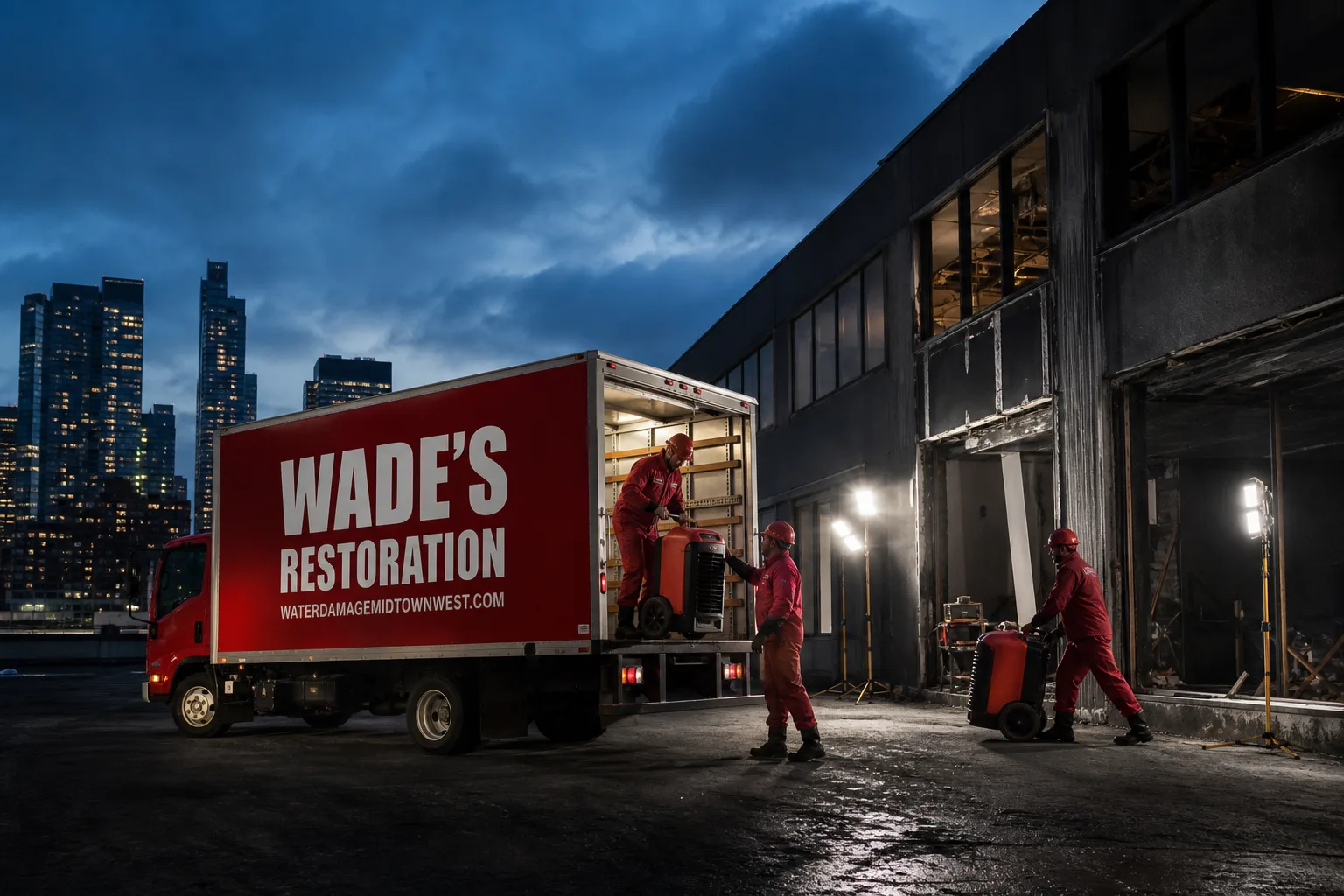
Free visual inspection and a written scope of work before any mitigation begins - photos, moisture readings, and drying logs go in your claim file
The scope we write is the scope we bill. Anything new gets shown to you, in writing, before we touch it.
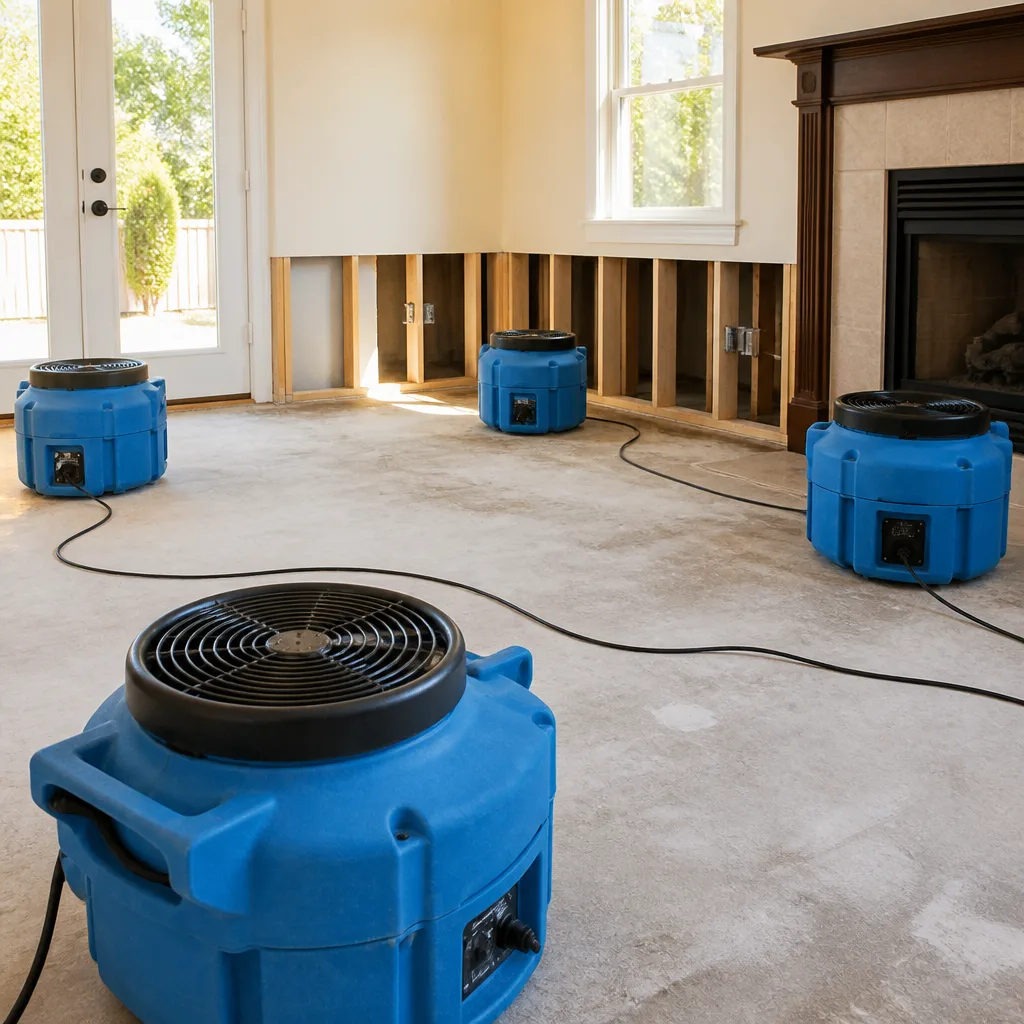
 Before
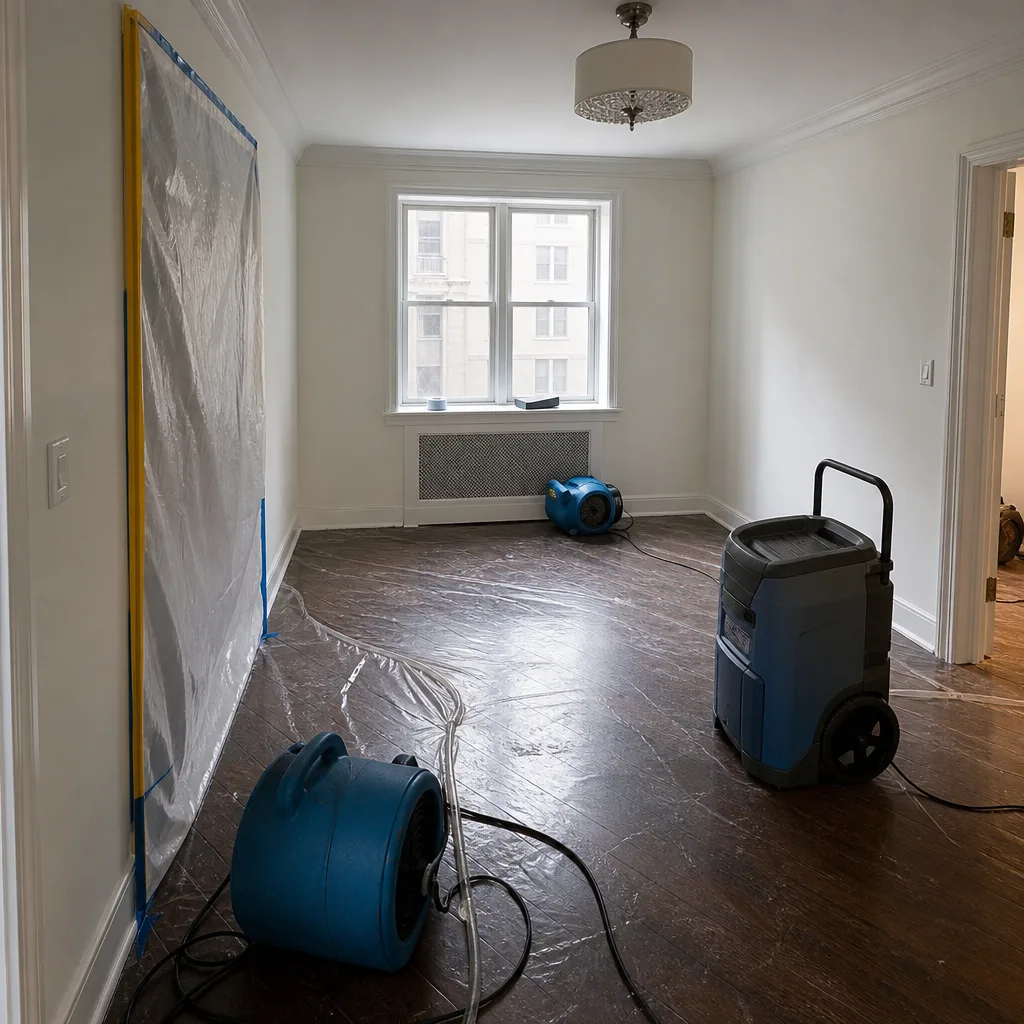 After
After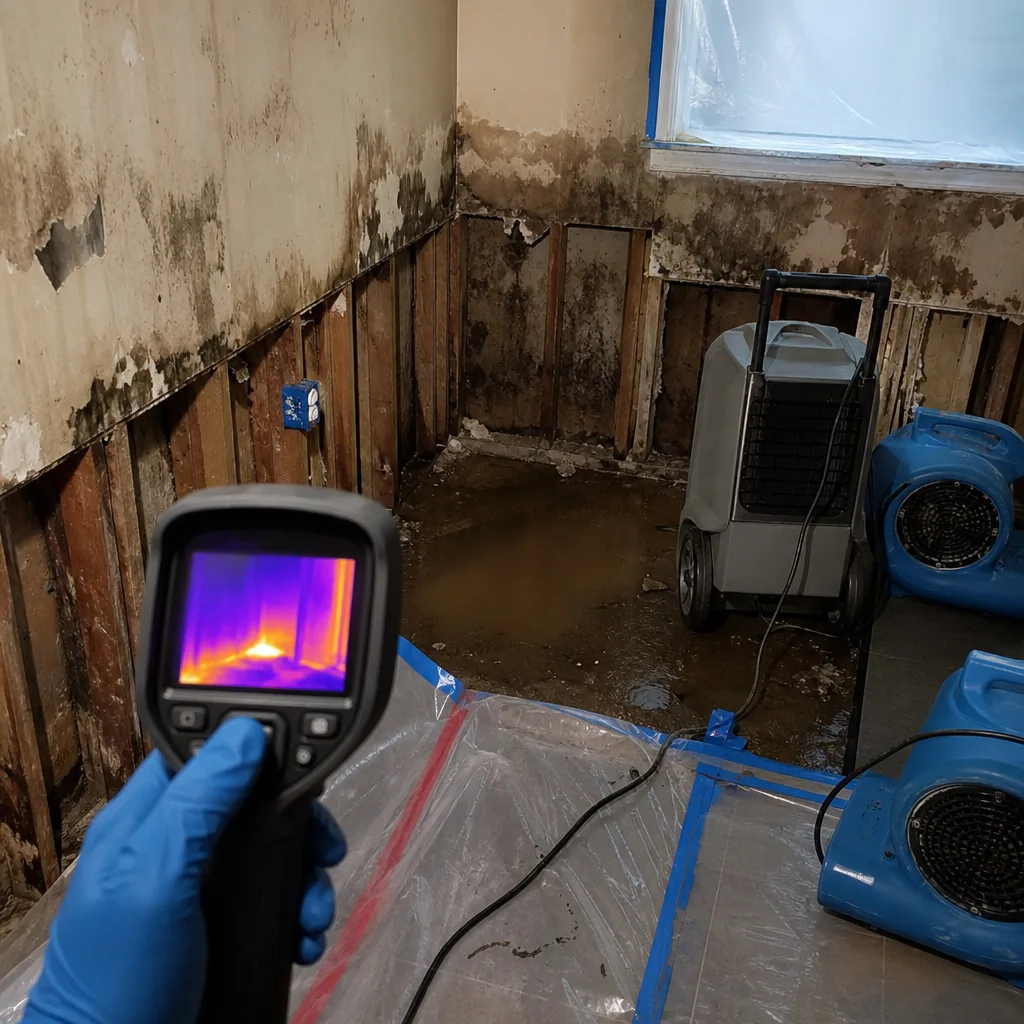 Before
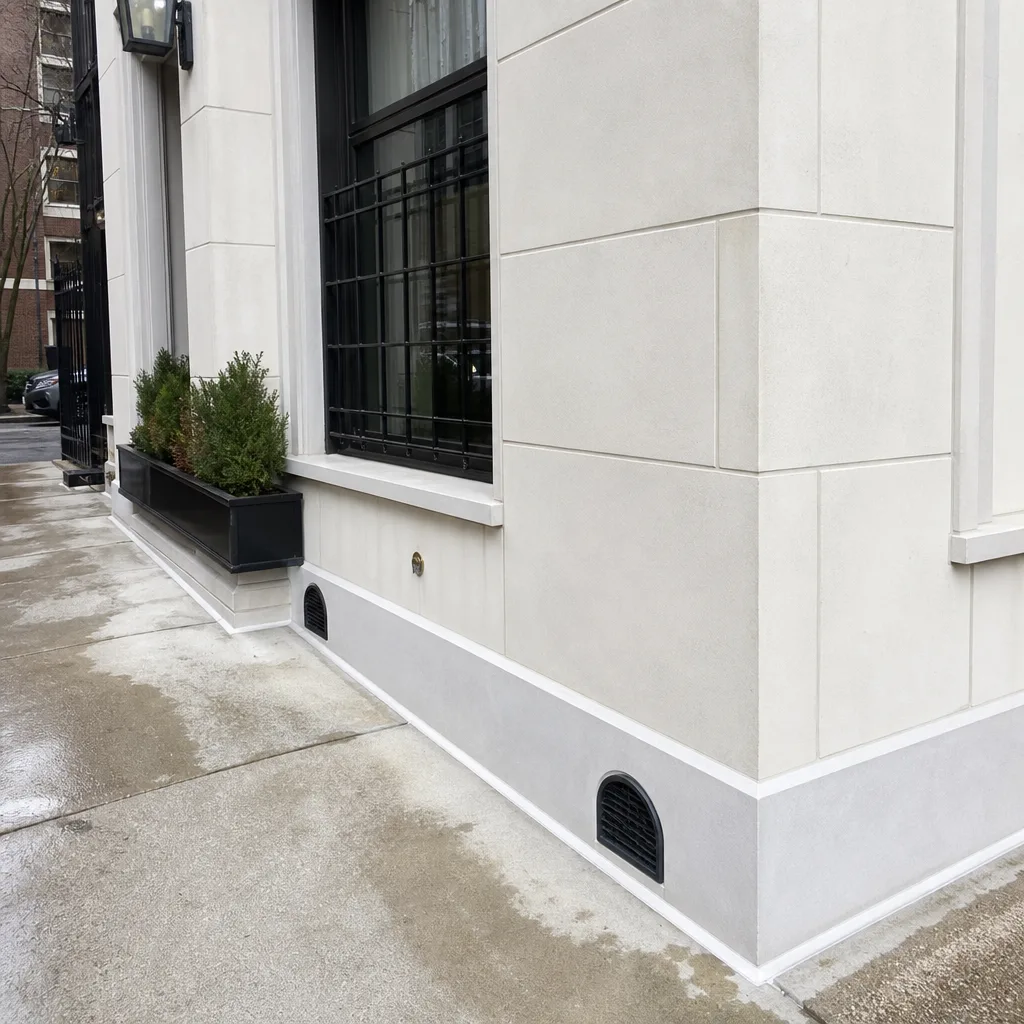 After
After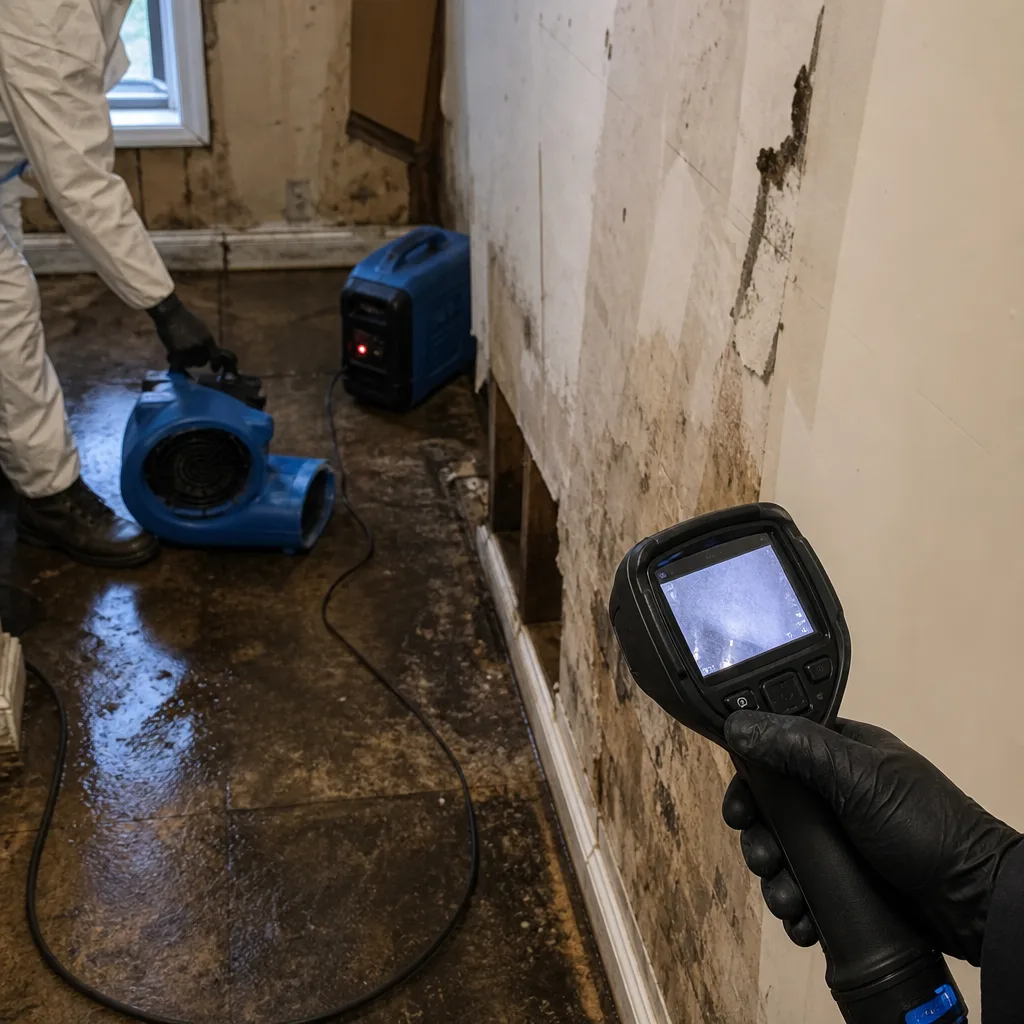 Before
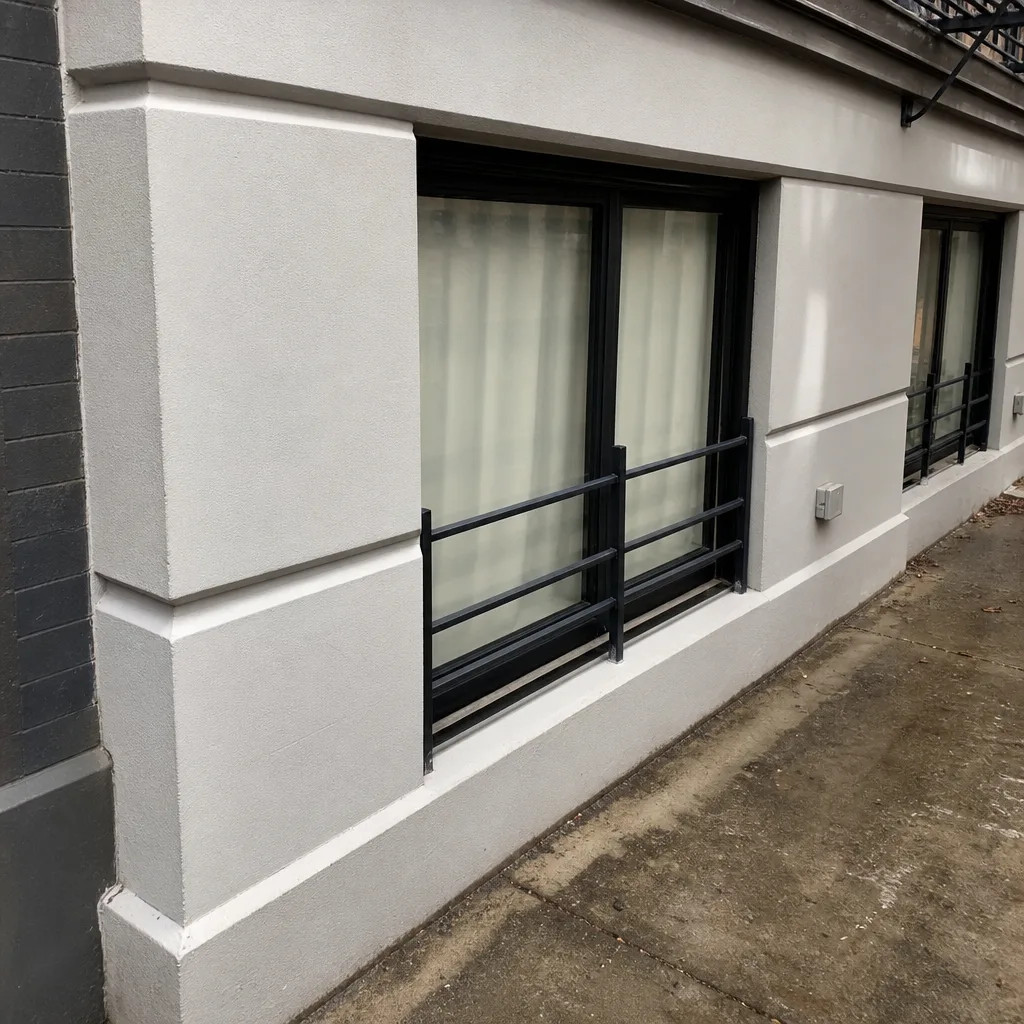 After
After24/7 Emergency Storm & Disaster Restoration in Astoria
Storm damage in Astoria doesn’t wait for business hours, and neither do we. Call (607) 703-3408 any hour of the day or night and you’ll reach a live person, not a phone tree. Wade Ferris answers his own phone, and when a nor’easter tears through Astoria or a January freeze bursts a supply line in a 1930s brick walk-up, he’s on the road with a crew that can have extraction running inside the hour. The first 60 minutes after water intrusion matter more than the next 60 hours. Water doesn’t stop moving when you walk away from it. It keeps traveling through plaster, through subfloor, through the shared masonry party walls that connect row houses on 21st Avenue, Ditmars Boulevard, and Broadway. Every hour it sits unaddressed, the damage compounds and the scope of work grows. We do a free visual inspection on every loss in Astoria, no trip charge inside the county. Our Storm & Disaster Restoration team stages locally so we’re never more than minutes from your block.
Understanding Storm & Disaster Restoration Severity in Astoria Properties
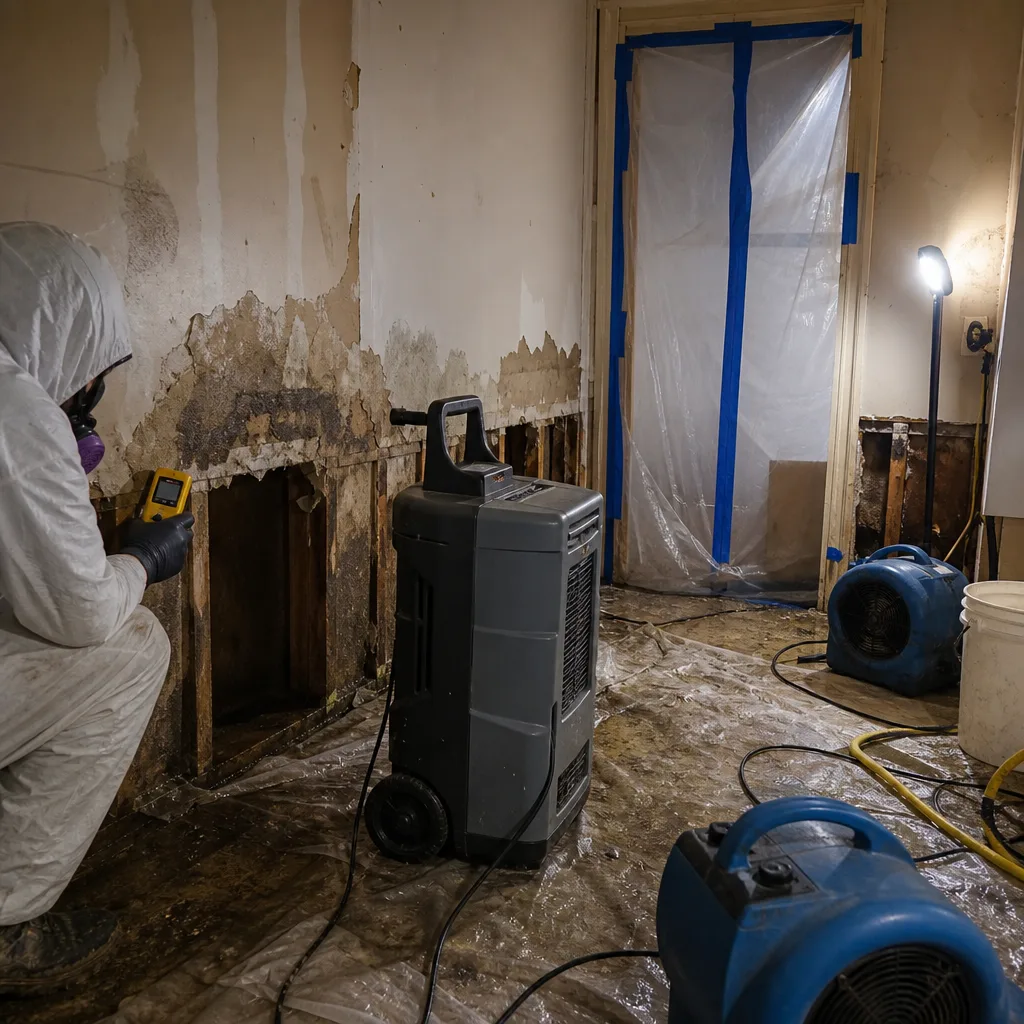
Astoria’s housing stock runs heavily to 1920s through 1940s attached and semi-detached brick structures with plaster-on-lath interiors, cast-iron drain stacks, and flat or low-slope built-up roofs. That changes how we classify and treat water losses. A clean water loss from a burst supply line is Category 1 water. It stays Category 1 only if we reach it before it saturates drywall and flooring and pulls in contaminants. Let it sit, and within 24 to 48 hours it degrades to Category 2, gray water, or Category 3, black water, especially in Astoria’s below-grade basement apartments where raw sewage backup from the city’s combined sewer system is a recurring reality. We use moisture mapping with Dri-Eaz and Phoenix meters to find where water has traveled inside wall cavities and under flooring. In an attached brick row house, that means taking readings on both sides of a party wall, not just the unit where the pipe let go. We don’t call a structure dry until the readings say it’s dry, and we hand you the full moisture log at the end of the job. Few companies in the trade do that. It’s standard practice for Wade’s crew.
Storm losses in Astoria carry an extra layer of severity because of the building stock itself. Plaster on lath holds water differently than modern drywall. Cast-iron drainage stacks in pre-war buildings crack under stress and leak behind walls. Flat roofs pond water after heavy rain and find every compromised seam at the parapet. None of this shows up on the surface until the ceiling below starts staining, which means the water has been traveling for days or weeks already by the time you see the first sign.
Why Astoria Property Owners Choose Wade’s Restoration
- 45-minute response commitment – Wade heads out from the local staging point as soon as you call, and most Astoria calls see a crew on site within the hour. Not tomorrow morning. Not after the adjuster calls back. Now.
- 24/7 live answer, always a real person – When a man answers the phone at 2 a.m. and says “Wade’s Restoration,” that man is Wade Ferris, the owner. He’s been answering his own phone since 2007.
- IICRC-certified crews – Wade’s technicians hold WRT (Water Damage Restoration), FSRT (Fire & Smoke Restoration), and AMRT (Applied Microbial Remediation) certifications. The certifications matter because the work in Astoria’s pre-war brick buildings is harder than the work in a new suburban slab-on-grade house.
- Free visual inspection – No charge to come look, and there’s no trip charge inside the county. We tell you what’s actually wrong before we tell you what it’ll cost.
- Direct insurance billing – We bill your carrier directly and we deal with your adjuster ourselves. You don’t sit in the middle relaying messages between two sides.
- One team from extraction to reconstruction – The same crew that pumps out the basement is the crew that rebuilds it. No handoffs to a subcontractor you never vetted.
Since 2007, Wade’s Restoration has been the owner-operated alternative to the national franchises. Wade publishes his name and license number, he shows up at the job, and he hands you a written 90-Day Done Right Promise on every water, fire, and mold restoration job. If it’s not done right, he makes it right. That promise is honored in writing, not in a marketing brochure. Ask anyone on your street who’s had a flooded basement in Astoria. The name travels by word of mouth here because the neighborhood is dense enough that a good job on 34th Avenue gets talked about on 30th Avenue by the weekend.
Our Storm & Disaster Restoration Process
Inspection & Assessment
Wade or his senior tech walks the entire loss area, mapping moisture readings room by room and checking the shared party wall on both sides. We identify the water category, the source, and what’s salvageable. You get a plain-English explanation before any drying begins.
Extraction & Stabilization
Truck-mounted extraction pulls standing water out of basement slab floors, carpet, and any below-grade living space. For storm damage, this is also when we emergency board-up broken windows and tarp compromised flat roofs on the affected Astoria property. Stabilization stops the loss from getting worse while we plan the full response.
Drying & Dehumidification
We set air movers and dehumidifiers sized for the space and the materials involved, keeping Phoenix and XPOWER equipment running with daily monitoring. In Astoria’s plaster-on-lath row houses, we hold drying equipment on the shared party wall longer than a detachable home would require. Moisture in common brick moves slowly, and we log every reading until all materials return to pre-loss moisture content.
Cleaning & Sanitization
Category 3 storm water and sewage backup require antimicrobial treatment and proper pack-out of contaminated porous materials. Carpet, padding, drywall, and insulation that absorbed black water get removed and replaced. HEPA air scrubbers run during the process to keep airborne contaminants contained.
Specialty Treatment for Storm & Disaster Restoration
For storm damage, specialty treatment includes structural drying of hidden wall cavities, antimicrobial application to masonry party walls that wicked moisture, and freeze-thaw damage repair at parapet and roof-wall junctions in Astoria’s pre-war brick structures.
Repairs & Restoration
Once the moisture is gone and the structure is stable, we rebuild through our Reconstruction & Cleanup - Astoria service. Plaster repair, drywall, flooring, trim, and paint are all handled by Wade’s crew under the same written scope. The 90-Day Done Right Promise covers the completed job from day one.
Need Emergency Storm & Disaster Restoration in Astoria Now?
Crews minutes away, answering live 24 hours a day. The sooner we start, the less it costs.
Working With Your Insurance Company
Most storm damage and disaster restoration work in Astoria is covered by homeowner’s insurance or landlord’s insurance, but the claim process can be the most stressful part of the loss. We handle it the way Wade’s always handled it: document everything from the first hour, communicate directly with your adjuster, and never leave the property owner guessing about the status. We photograph all storm damage room by room, log moisture readings daily during drying, and produce a line-item scope of work your carrier can process without back-and-forth phone tag. When a loss involves two neighboring units, which is common in Astoria’s adjacent brick row houses, we coordinate with both owners’ carriers and write a single scope that covers the shared wall and each unit separately. That’s not something a technician working from a template in a detached-home market would even know to do.
What We Provide Your Insurer
- Thorough documentation of the loss from the initial inspection
- Photos of all damage, room by room, wall by wall
- Moisture readings and drying logs from day one through completion
- A detailed, line-item scope of work with transparent pricing
- Direct coordination with your carrier and adjuster, so you aren’t the go-between
Built for Astoria’s Loss Calendar
Storm losses in Astoria follow the seasons, but they share a common thread: the building stock makes them worse. January deep freezes routinely burst supply lines in uninsulated exterior walls of 1930s brick buildings, sending Category 1 water down through multiple stacked rental floors. Spring thaw brings groundwater infiltration into below-grade basement apartments, especially in the blocks near Astoria Park where the water table sits closer to the surface. Summer thunderstorms overwhelm the neighborhood’s combined sewer system and push raw sewage up through drain lines into cellar units. Then the nor’easter season arrives in late fall, driving wind-driven rain into compromised parapet walls and ponding water onto flat roofs that were near the end of their useful life anyway. Each season produces a different dominant loss type, but they all require the same discipline: fast stabilization, thorough moisture mapping, and drying that continues past the point where the visible surfaces look dry. Wade’s crew runs on that calendar year-round here. We know what’s coming. We’ve seen every version of it in the time we’ve served Astoria.
Storm & Disaster Restoration Across Astoria’s Neighborhoods
Astoria isn’t one housing type. It’s a patchwork of building eras and densities that changes from block to block, and each pocket has its own failure pattern during and after a storm. Around Ditmars Boulevard and the blocks west of 21st Street, the mix of pre-war brick row houses and newer six-story apartment buildings means storm water can penetrate at roof-wall junctions and travel vertically through a dozen rental units before it pools in a lobby. Off Broadway and 30th Avenue, the attached brick walk-ups with finished basement apartments are the most vulnerable to combined sewer backup during heavy rain, because the aging cast-iron stacks can’t handle the surge. Along Shore Boulevard and Astoria Park South, the homes and buildings that have stood within FEMA’s flood zone since Hurricane Sandy in 2012 carry a different set of insurance requirements and remediation protocols, and we’ve worked within those constraints enough to know exactly what a carrier will ask for. The blocks around Steinway Street with semi-detached brick houses are where shared party wall moisture migration creates the most cross-property liability questions. A drain failure in one unit wicks through the common brick and shows up as mold in the neighbor’s plaster three weeks later. We’ve handled enough of those to know you don’t dry your unit and leave the wall alone. You dry the wall.
Specialized Storm & Disaster Restoration Services We Offer in Astoria
Storm Damage Cleanup
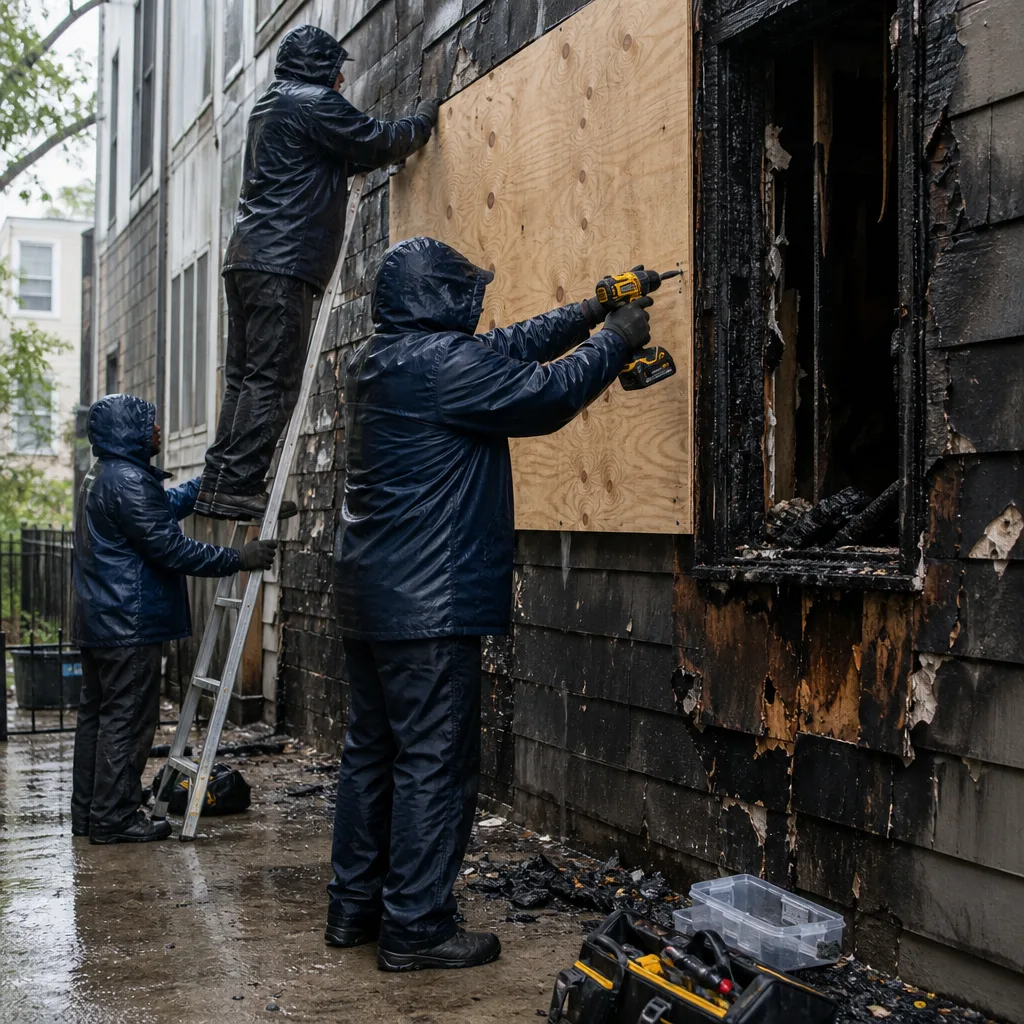
After a nor’easter tears through Astoria, the first need is removing wind-driven debris and water that’s already inside. We handle the full storm damage cleanup scope: standing water removal, saturated material tear-out, and our Sanitization Services in Astoria, done with Category 3 protocols when a below-grade basement unit has been hit with sewer surcharge. This is not a mop-and-fan job in this neighborhood.
Flood Damage Restoration
Flood damage in Astoria comes in two forms: groundwater infiltration into below-grade units and storm surge flooding along the western shoreline. Both require full structural drying and often involve Category 3 water, which means pack-out of contaminated porous materials and antimicrobial treatment on every affected surface. We carry the IICRC credentials and the experience with FEMA-related claims that this specific neighborhood demands.
Emergency Board-Up
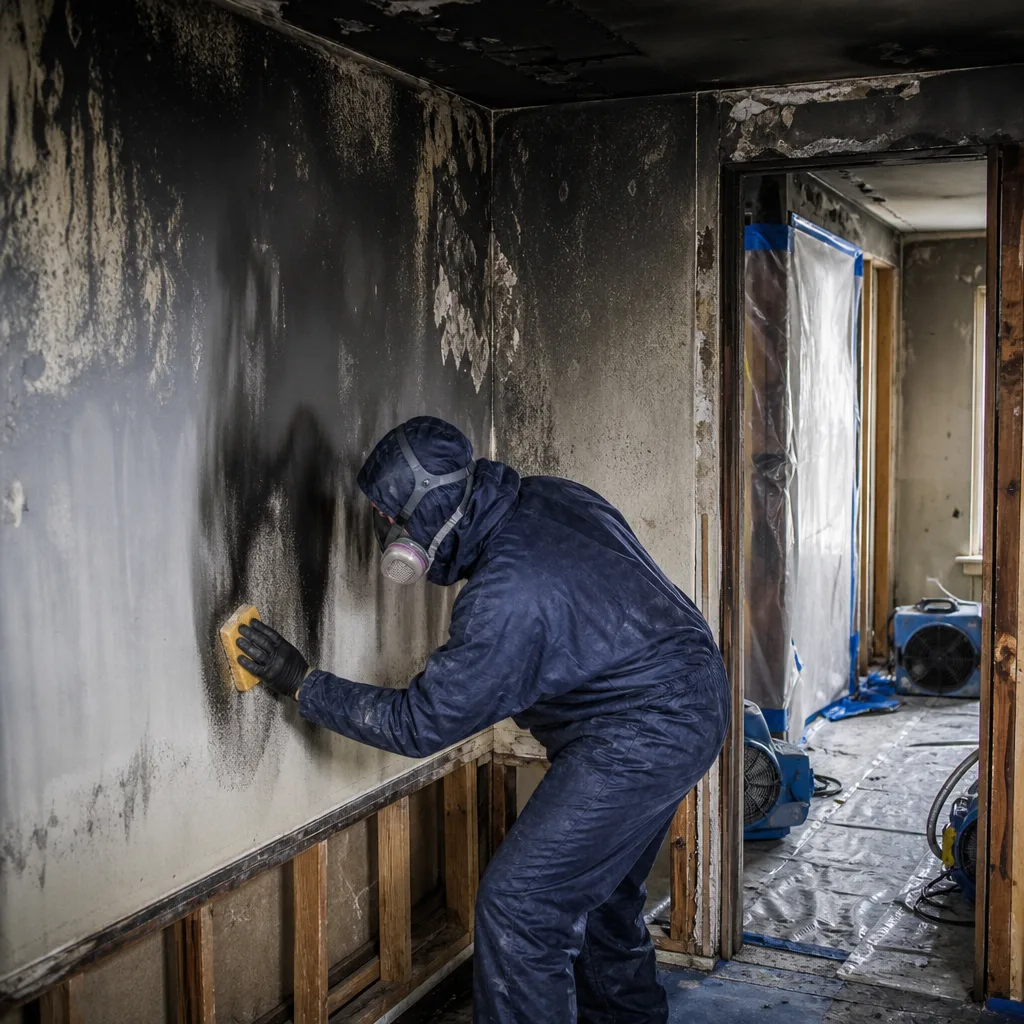
Storm-blown windows and compromised entry doors leave an Astoria property exposed to weather, theft, and further damage within hours. We board up broken glazing and secure entry points the same day, including commercial storefronts along the neighborhood’s retail corridors. Plywood and fasteners are not enough when the building is a pre-war brick structure with original wood frames; we secure them properly against wind load and repeated freeze-thaw cycles.
Roof Tarping
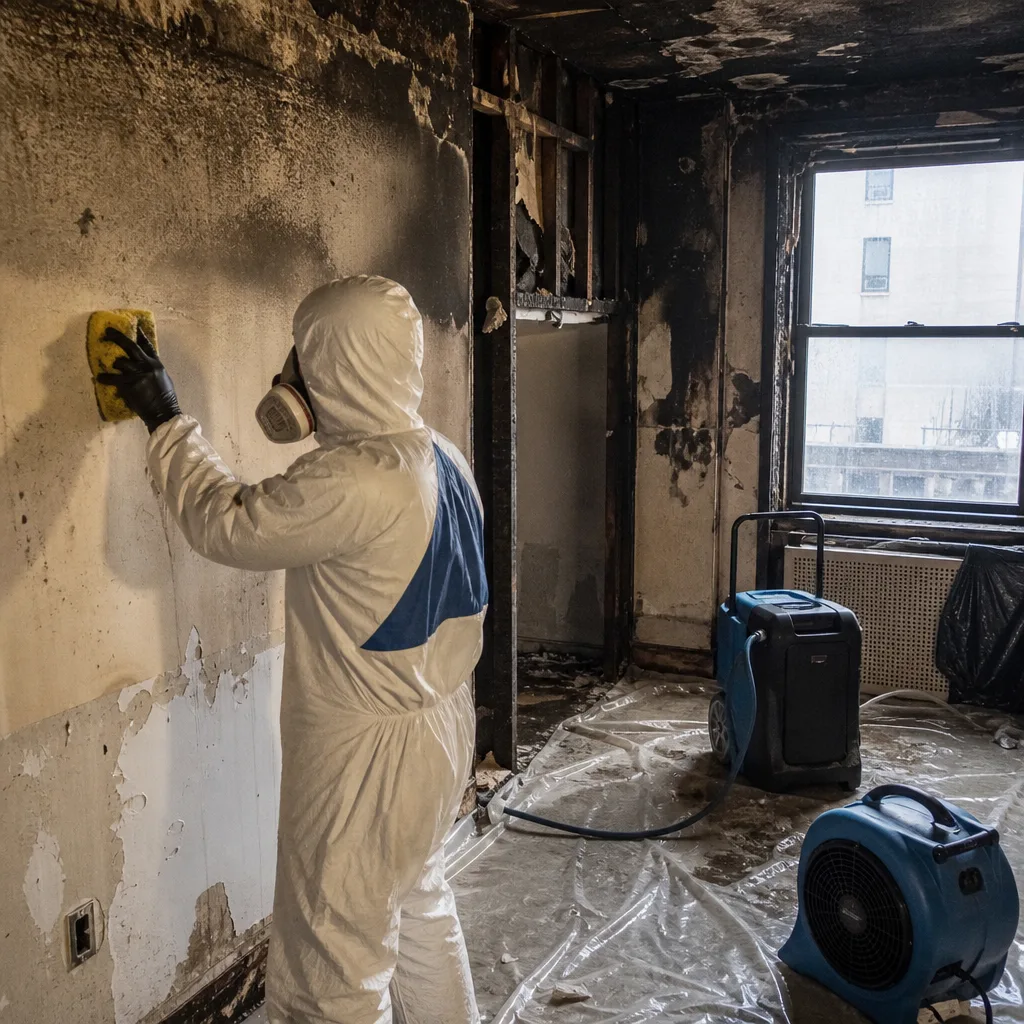
Flat and low-slope built-up roofs on Astoria’s 1920s and 1930s buildings pond water and leak at every open seam, parapet cap, and roof-wall junction after a heavy storm. We tarp compromised sections with commercial-grade material and weighted perimeter lines to hold through the next system, buying you the time to plan the permanent repair without the interior damage compounding every time it rains.
Debris Removal
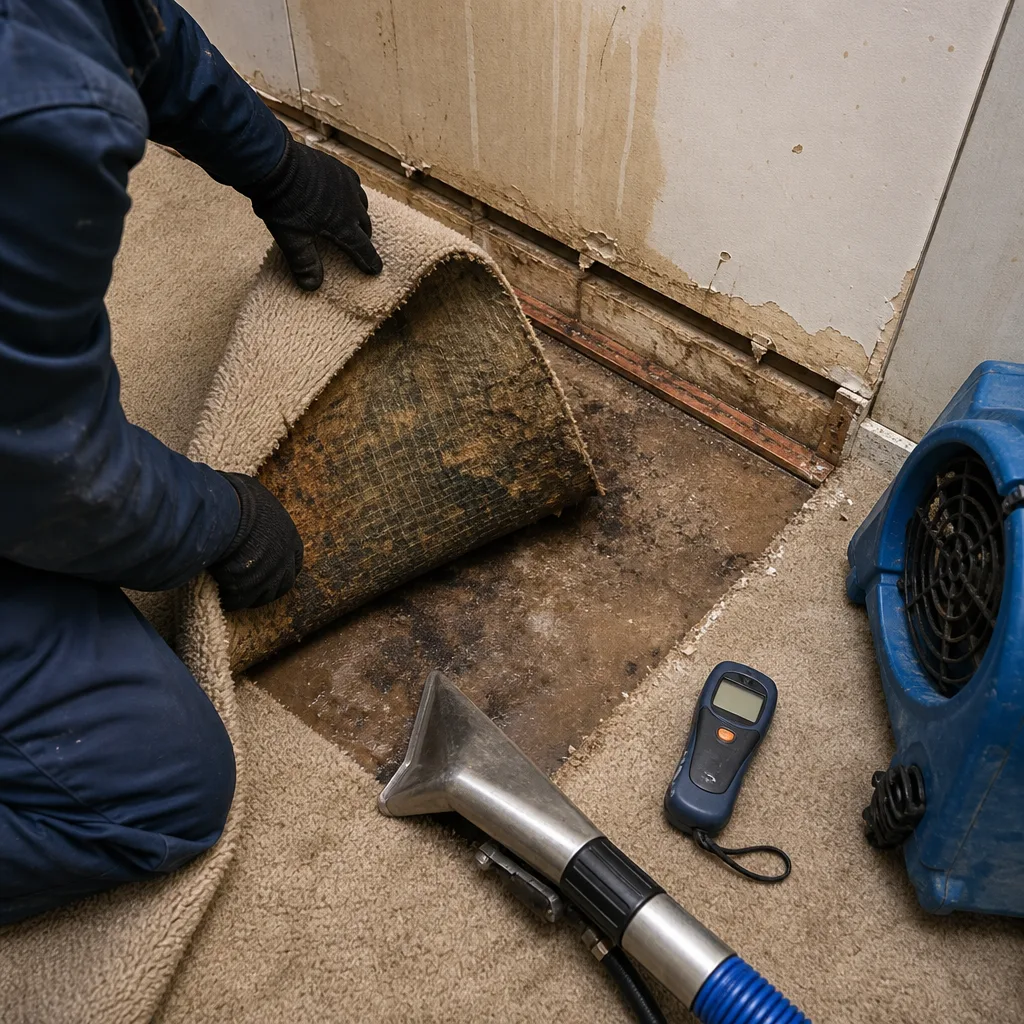
After a storm, the volume of broken tree limbs, wind-blown material, and water-damaged building components that pile up on an Astoria property can block access and create hazards. We handle debris removal as part of the storm response: clear, haul, and dispose, so drying can begin and the insurance scope can be written from a clean view of the actual structure.
What happens when you call
- 1
A real person answersNo phone trees - you reach a local pro.
- 2
You get an upfront price rangeHonest numbers before anyone is dispatched.
- 3
A background-checked tech heads outLicensed & insured, dispatched right away.
- 4
You approve before work beginsNothing starts until you say go.
Storm & Disaster Restoration Costs in Astoria, NY
Storm and disaster restoration costs in Astoria run higher than the national averages because the building stock demands more labor to dry properly and more skill to rebuild. A straightforward Category 1 water extraction and structural dryout in a single unit typically runs $2,800 to $5,500. A below-grade basement apartment hit with Category 3 sewage backup ranges from $6,000 to $14,000 depending on the volume of contaminated material that has to be packed out and the need for antimicrobial treatment on masonry walls. Roof tarping after a storm runs $600 to $1,800 depending on the roof area and access difficulty. Emergency board-up on an Astoria row house storefront or residential window typically costs $350 to $900 per opening, including materials and security. When a loss spans two attached units with shared party wall drying, the combined scope usually lands between $8,000 and $20,000, with each owner’s carrier covering their own unit and the shared wall split proportionally. The free visual inspection gets you a firm written scope before you commit to anything. Call (607) 703-3408 and Wade will come look. No charge for the inspection inside the county, and we’ll give you the numbers straight.
We Also Serve Cities Near Astoria
Our storm and disaster restoration team regularly serves Long Island City and the surrounding Queens neighborhoods. If your property is within a short drive of Astoria, we can likely respond just as fast as we do here. Reach out and ask.
Serving Astoria, NY - Our Local Coverage Area
We’re based in the Astoria area and know this community well. Use the map below to see our service coverage - if you’re nearby, we can almost certainly help.
Astoria Storm & Disaster Restoration Questions, Answered
How do you handle a Category 3 sewage backup from Astoria’s combined sewer system when it floods a below-grade basement apartment?
We treat it as a Biohazard & Crime Scene Cleanup in Astoria-level event from the first minute: full containment, category-3 pack-out of all contaminated porous materials, antimicrobial treatment on every affected surface including the masonry walls and concrete slab, and HEPA air scrubbing during the entire process. Below-grade basement apartments in Astoria are the most common location for combined sewer surcharge, and skipping the contamination protocols means you’ll be living with the results for months. Call (607) 703-3408 and we’ll be out the same day.
My neighbor’s pipe burst in their attached brick row house and water is showing up on my side of the party wall. Who pays for the drying?
Each owner’s own insurance typically covers their own unit’s damage, and the shared wall drying is split proportionally between the two carriers or covered under the originating unit’s claim depending on the specifics. The practical answer is that we dry the shared masonry wall as one scope of work, document every moisture reading on both sides, and coordinate directly with both adjusters so neither owner has to fight over it. This is the single most common cross-property situation in Astoria’s attached housing stock, and we handle it routinely.
After a nor’easter, water came through my flat roof and into two rental units below. How fast do I need to start structural drying?
Within the first 24 hours, and the faster the better. Water moving through a flat roof on a pre-war Astoria building saturates plaster ceilings and travels through floor assembly into the unit below, and every day it sits, the Category 1 water degrades toward Category 2 and the mold window opens. We tarp the roof the same day we begin extraction, then start structural drying on the affected units immediately. Call (607) 703-3408 and Wade will be on the way within the hour.
Do you tarp flat or low-slope roofs in Astoria, or just do board-up and interior drying?
We tarp flat and low-slope roofs as part of emergency stabilization, which is essential in Astoria because so many buildings have built-up roofs that are past their service life. Tarping stops the water at the source, so interior drying can actually succeed. We also handle board-up for broken windows and doors, debris removal, and the full interior restoration after the roof is stabilized.
What’s different about drying a 1930s attached brick house in Astoria compared to a newer detached home?
The shared masonry party wall acts as a hidden moisture pathway. You can’t just dry the visible unit and call it done; you have to take moisture readings inside the common brick and often run drying equipment on both sides of the wall for days longer than a detached house would ever need. Plaster on lath also dries slower than drywall, and cast-iron drain stacks in pre-war buildings can hide water behind them that never shows on the surface until mold or staining appears weeks later. This is the work we specialize in.
How quickly can you actually get to my Astoria property after I call?
We commit to a 45-minute response for emergency storm and disaster restoration calls in Astoria, day or night. Wade stages crews locally and answers the phone himself, so there’s no dispatch queue to wait in. Most Astoria calls see a crew on site within the hour, and we’ve had nights where the first air mover was running 30 minutes after the phone rang.
Will my insurance cover storm and disaster restoration in Astoria?
Most storm, water, and wind losses are covered under standard homeowners or landlord policies, but the exact coverage depends on your policy language and the cause of loss. Sewer backup often requires a specific endorsement; flood damage from surge is typically a separate FEMA-related policy. We work with your adjuster directly, provide the documentation they ask for, and bill your carrier directly so you don’t front the cash out of pocket. Bring us the policy and the loss, and we’ll tell you straight what’s covered and what isn’t.
What should I do in the first 30 minutes after I notice storm damage or a leak in my Astoria property?
Call us at (607) 703-3408 first. Then, if it’s safe to do so, shut off the water to the affected area or the whole building, move valuables out of the water path, and don’t walk through standing water that may be contaminated. Don’t use a shop vac on a sewage backup. Don’t tear into the wall yourself. Take photos for your records. Our crew will handle the rest from the moment we arrive.
Written by Wade Ferris, Owner at Wade’s Restoration, serving Astoria since 2007.