
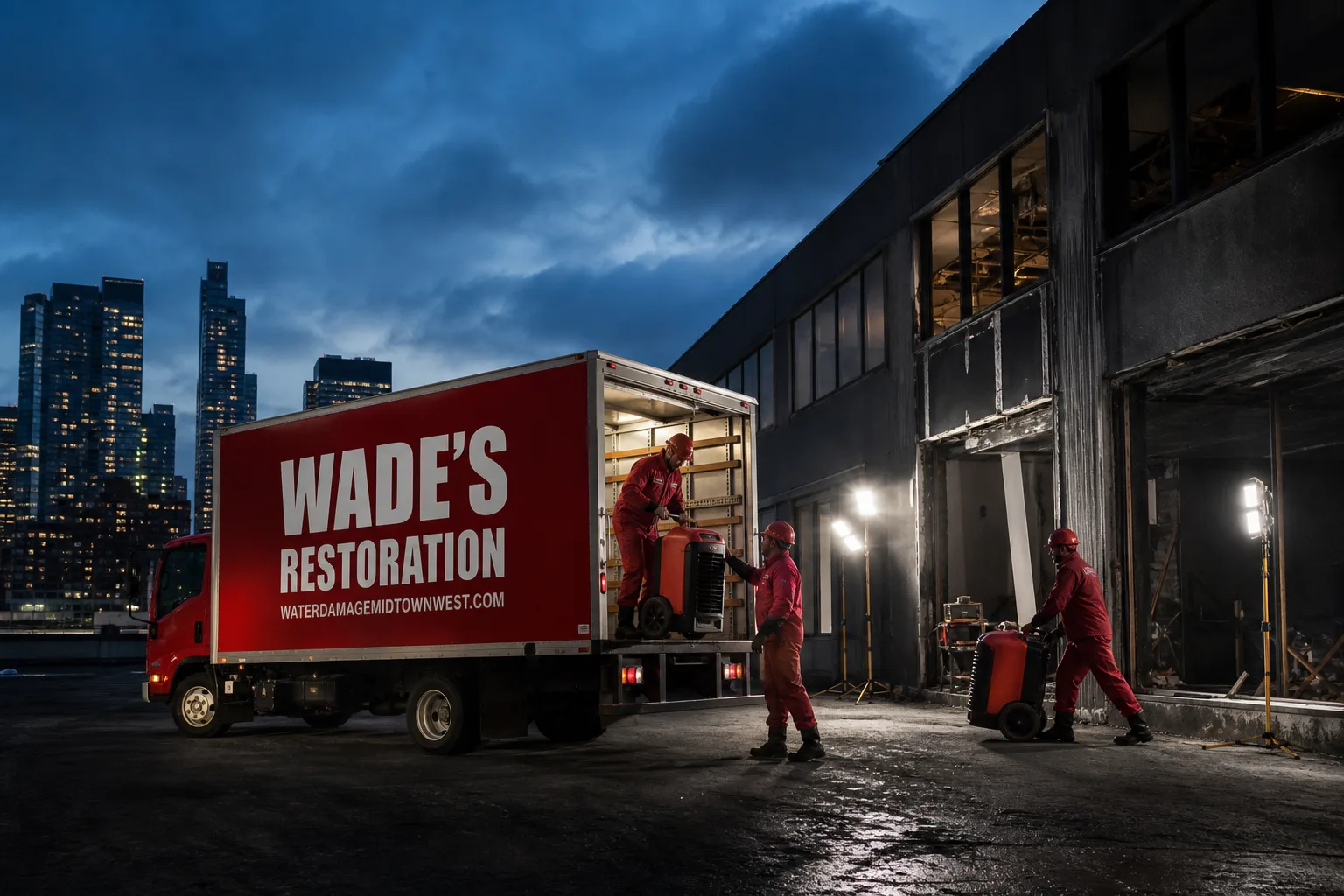
Free visual inspection and a written scope of work before any mitigation begins - photos, moisture readings, and drying logs go in your claim file
The scope we write is the scope we bill. Anything new gets shown to you, in writing, before we touch it.
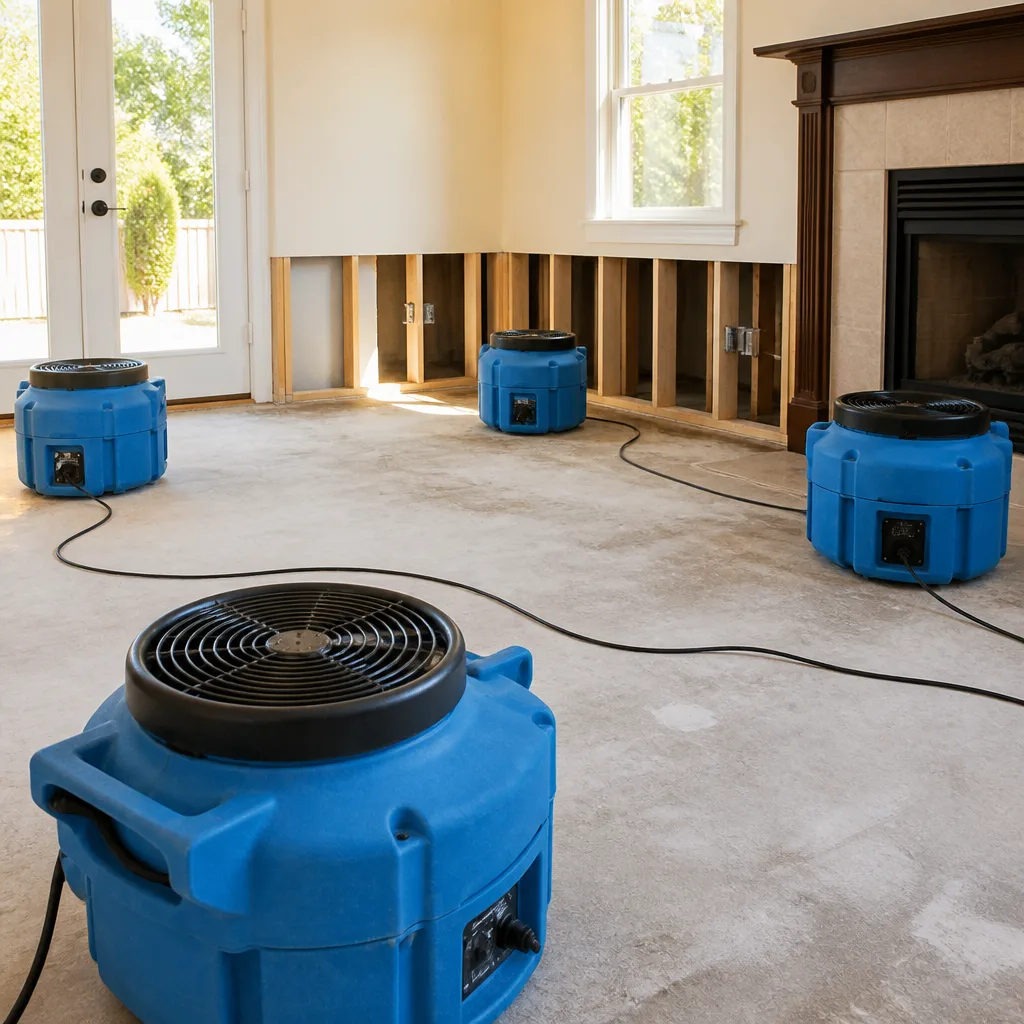
 Before
 After
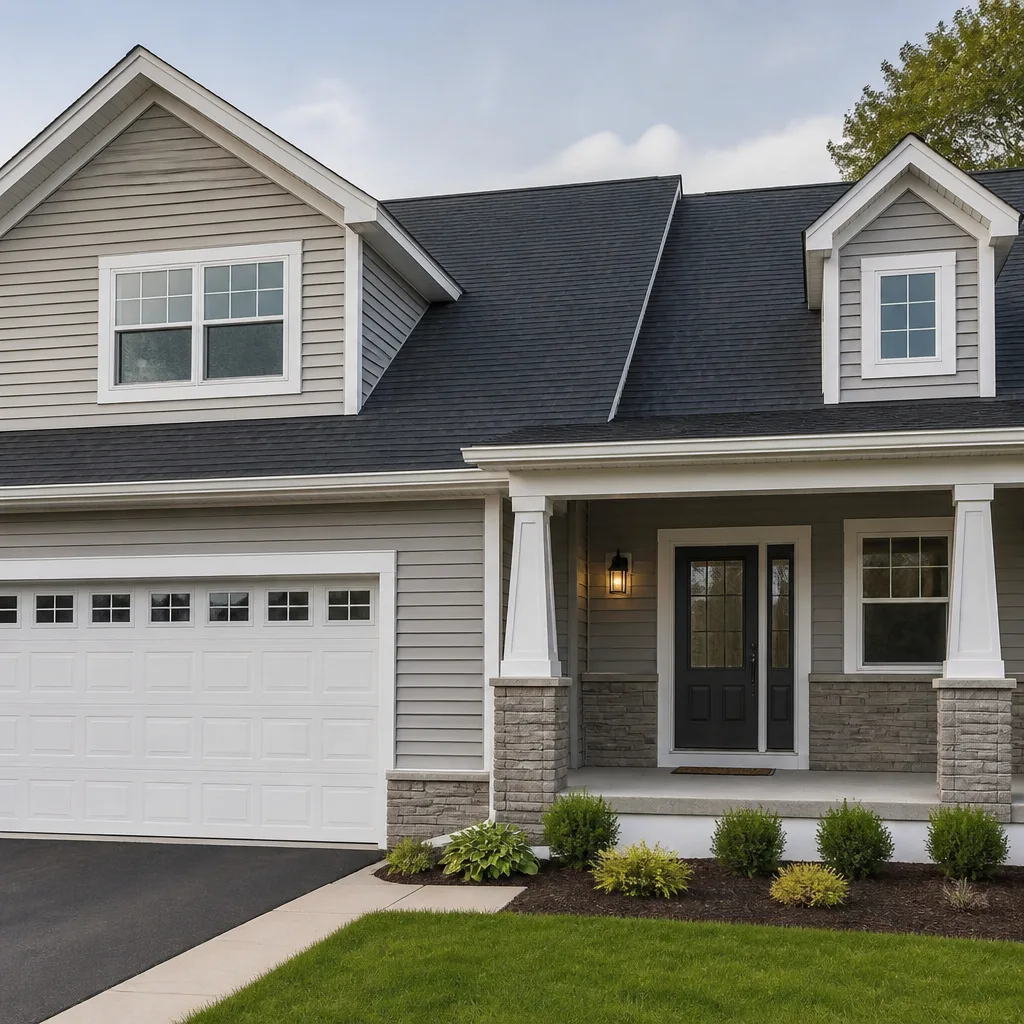
After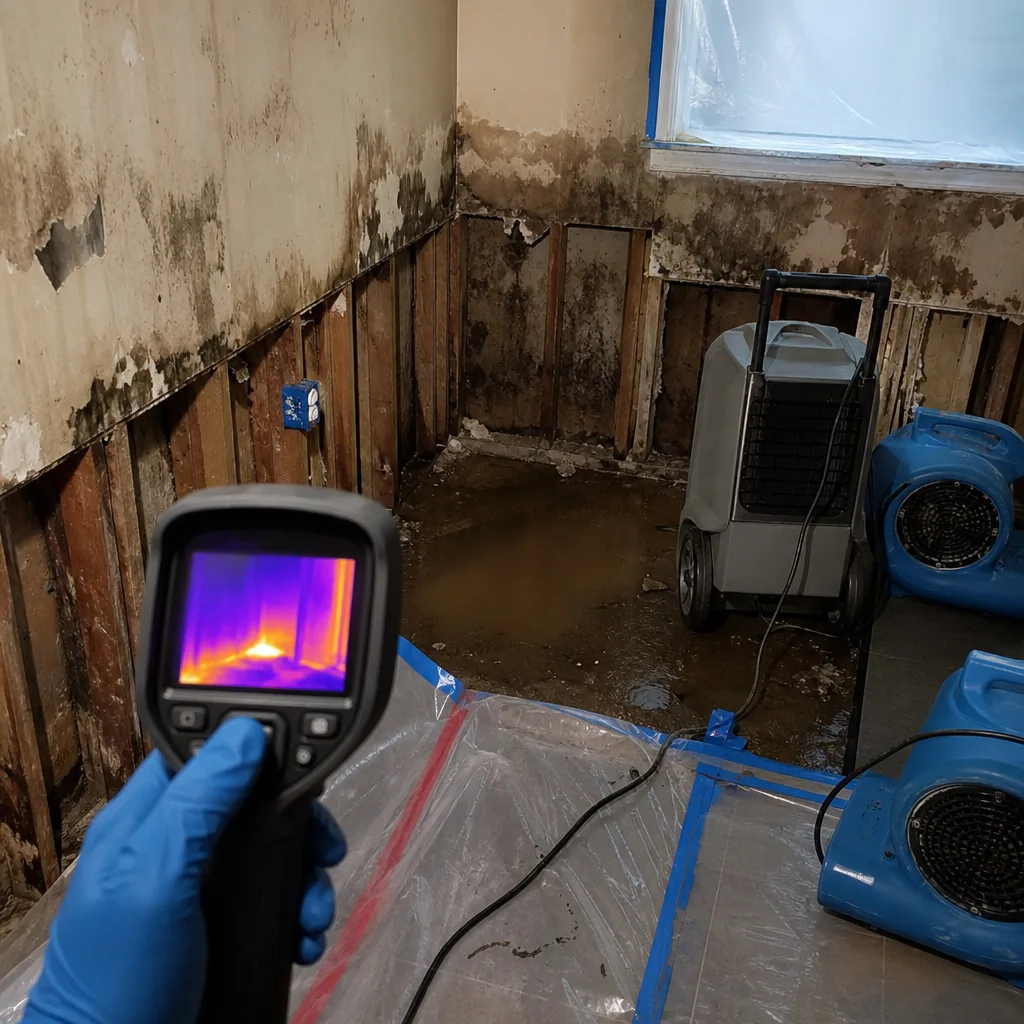 Before
 After
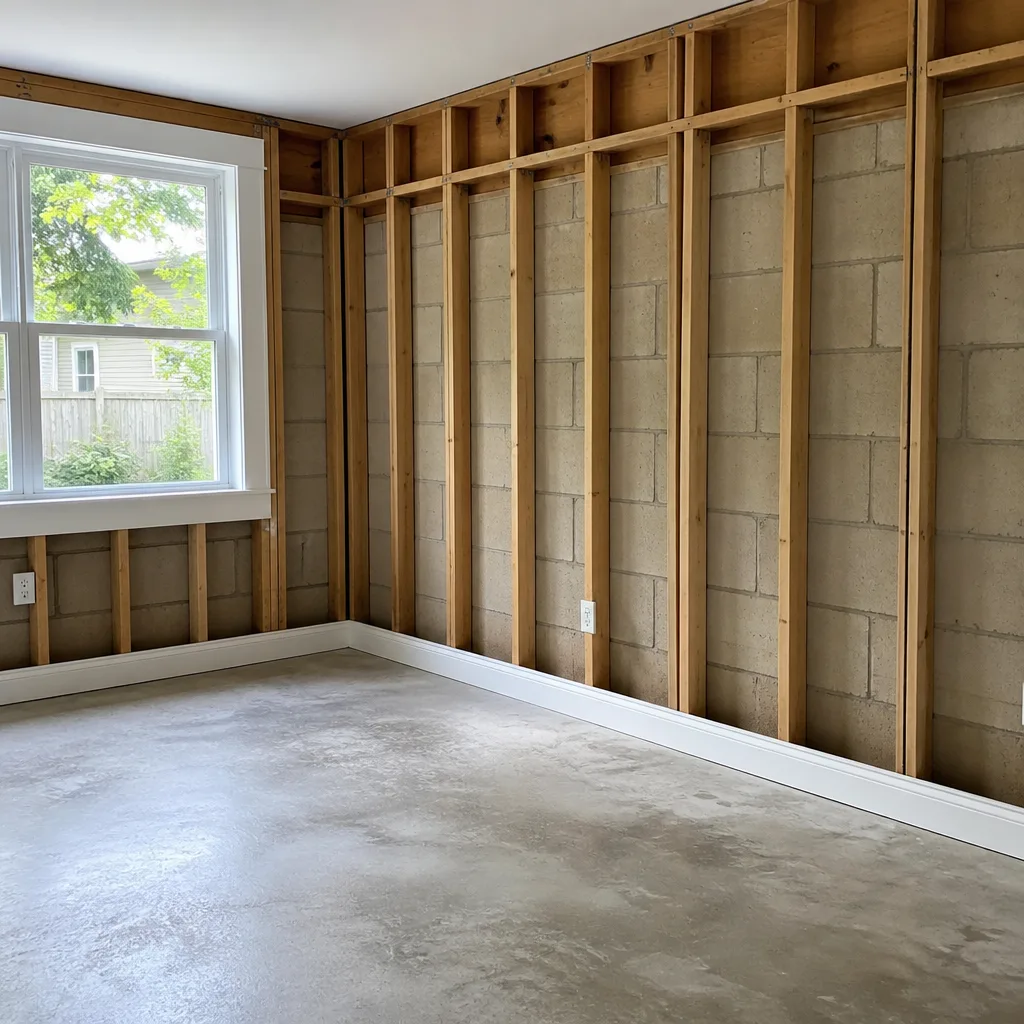
After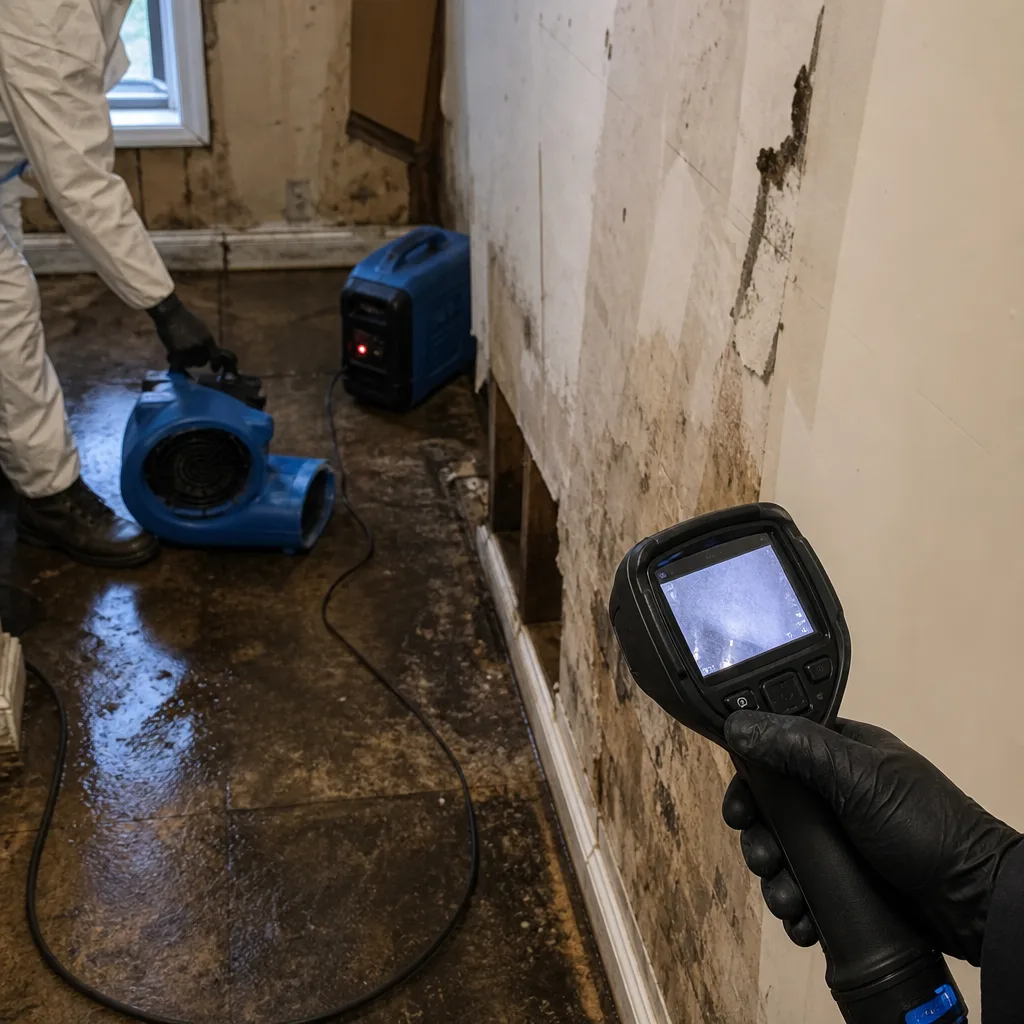 Before
 After
After24/7 Emergency Reconstruction & Cleanup in Weehawken
Reconstruction and cleanup after water, fire, or storm damage in Weehawken typically starts with emergency extraction and stabilization within the first 24 hours, then moves into structural drying, demolition of unsalvageable materials, and full rebuild. Most jobs in town range from $4,200 for a contained single-room water loss to $60,000+ for a full Port Imperial unit rebuild. If you’re standing in a flooded apartment or looking at a collapsed ceiling right now, call (607) 703-3408. Wade answers his own phone, and he’ll have a crew moving through Weehawken inside the hour.
Understanding Reconstruction & Cleanup Severity in Weehawken Properties
The severity of a reconstruction job in Weehawken depends almost entirely on which of the town’s two built environments you live in. On the bluff, a Category 2 water release from a failed galvanized supply line in a 1920s rowhouse means plaster walls, hardwood floors over wood subflooring, and lathe that wicks moisture into cavities behind baseboards and stair stringers. Get it wrong and you’re rebuilding six months later. At Port Imperial, the same Category 2 event inside a high-rise unit often migrates down through concrete slabs into the building’s mechanical chase, elevator pit, or parking deck below. That’s not a cleanup job. That’s a moisture-mapping and structural drying operation requiring containment, HEPA air scrubbing, and coordination with building management on access hours and freight elevator scheduling. Weehawken’s housing stock is either pre-war masonry or post-1990 curtain-wall construction, and each one fails differently. Knowing which failure mode you’re dealing with before demolition starts is what keeps a $6,000 loss from becoming a $40,000 rebuild.
Why Weehawken Property Owners Choose Wade’s Restoration
- 45-minute response commitment: Wade heads out immediately, not after a call-center intake process. When you call Weehawken, you get a person who knows the town’s streets. Crews typically arrive within 45 minutes of your call, day or night.
- 24/7 live answer, every time: No voicemail, no answering service. Wade answers his own phone. At 3 a.m. during a nor’easter, that’s the difference between extraction starting now and extraction starting tomorrow.
- IICRC-certified crews on every job: The people Wade sends hold WRT, FSRT, and AMRT certifications. They know the difference between drying a plaster wall cavity and drying a steel-stud drywall chase, and they document it daily.
- Free visual inspection with no trip charge: Inside the county, Wade comes out and looks at the damage without charging you for the visit. You get an honest assessment and a written scope, not a sales pitch.
- Direct insurance billing and adjuster communication: We bill your carrier directly and talk to your adjuster ourselves. You’re not relaying messages between two parties who never seem to speak the same language.
- One crew from first extraction to final paint: The same people who pull out the wet drywall are the ones who hang the new drywall. No handoffs, no second crew asking you to re-explain what happened.
Our Reconstruction & Cleanup Process
Inspection & Assessment
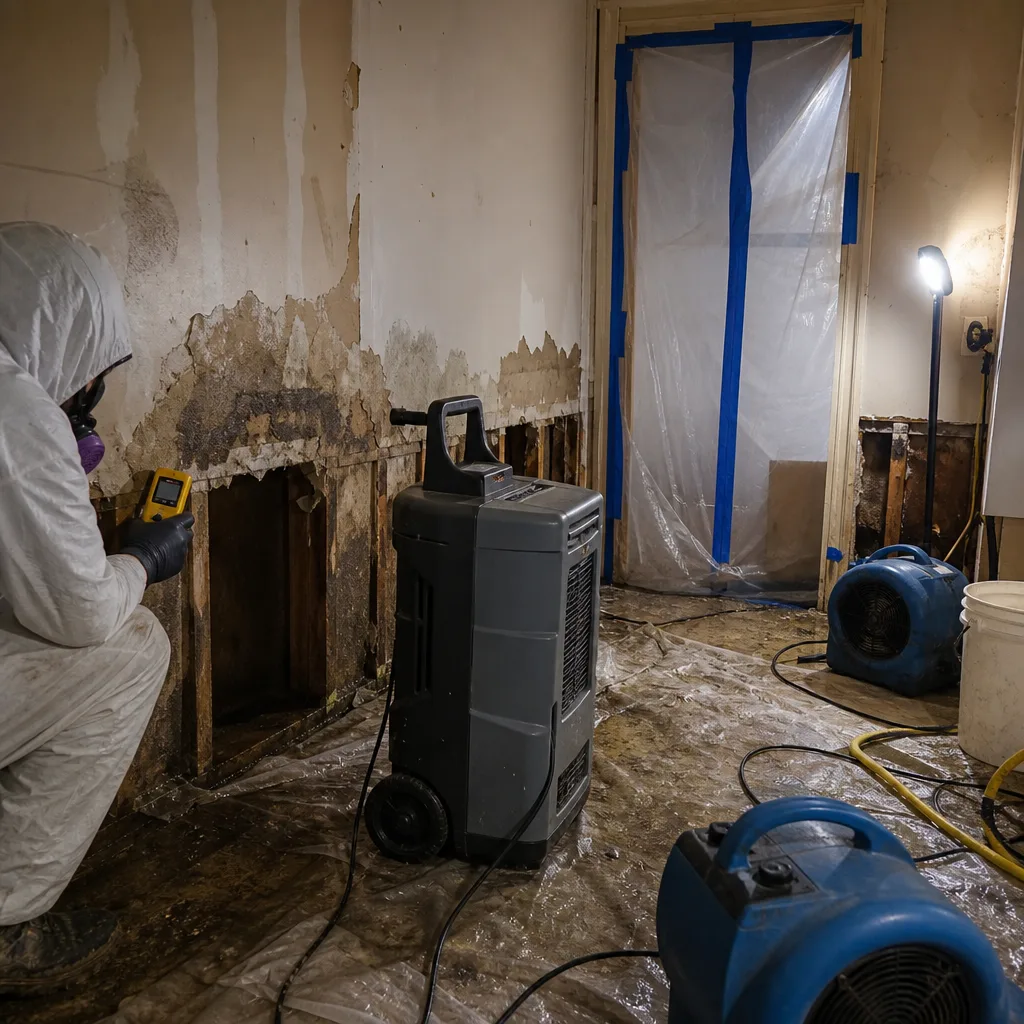
We arrive, walk the full property, and identify the damage category, migration path, and structural involvement. In Weehawken’s rowhouses, that means checking chase walls, floor cavities, and shared party walls. At Port Imperial, we inspect elevator pits, mechanical rooms, and below-grade parking decks below the affected unit. Thermal imaging and moisture meters come out on every job.
Extraction & Stabilization
Standing water comes out immediately using truck-mounted and portable extraction units. We stabilize damaged ceilings, set temporary shoring where needed, and isolate electrical systems that have been compromised. The goal in the first hours is to stop the loss from spreading while protecting the structure and your belongings.
Drying & Dehumidification
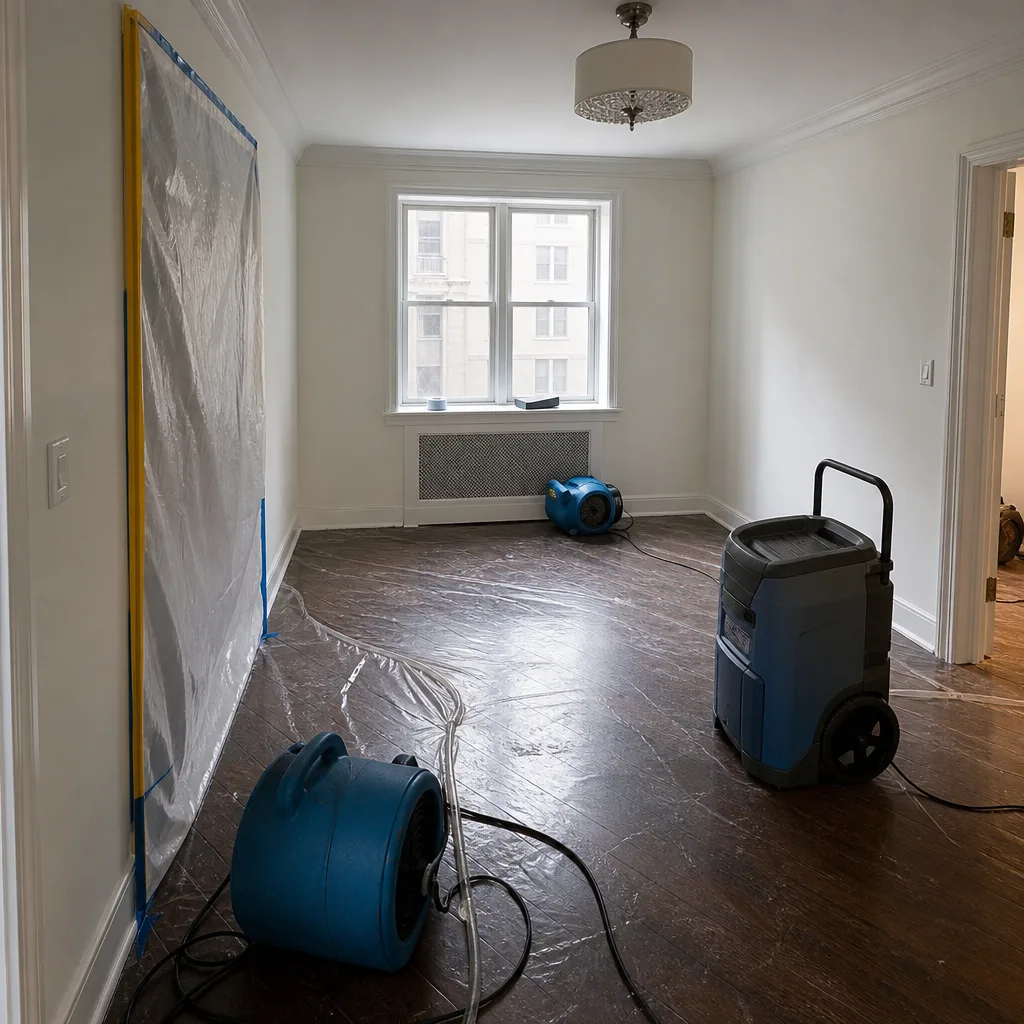
Dri-Eaz LGR dehumidifiers, XPOWER axial air movers, and Phoenix desiccant units are placed strategically based on moisture mapping. Weehawken’s waterfront humidity means drying timelines run longer than inland Bergen County. Daily moisture readings tell us when materials are actually dry, not just when they feel dry. You get the log at the end.
Cleaning & Sanitization
HEPA air scrubbers run throughout active work. Affected surfaces are cleaned, sanitized, and treated for odor where needed. Contents that can be saved are cleaned on site. Contents that can’t be cleaned properly are documented for pack-out or disposal.
Demolition & Specialty Treatment
Unsalvageable materials come out with containment in place. In older rowhouses, we treat exposed framing for hidden mold. In Port Imperial buildings, we inspect below-grade concrete slabs and elevator pits for trapped moisture from past events and address it before new finishes go in. This is the step most contractors skip because it’s invisible work.
Repairs & Restoration
We rebuild to pre-loss condition or better: drywall replacement, flooring, trim, paint, and full reconstruction where needed. On the bluff, that includes matching plaster profiles and period-appropriate finishes where homeowners want to preserve original character. The job isn’t done until you walk through with Wade and sign off.
Need Emergency Reconstruction & Cleanup in Weehawken Now?
Crews minutes away, answering live 24 hours a day. The sooner we start, the less it costs.
Working With Your Insurance Company
Most reconstruction and cleanup jobs in Weehawken are covered by homeowner’s or master condo policies, but the claim goes smoother when the documentation is airtight from hour one. We photograph everything before we move anything. Every cut, every pull, every piece of material gets logged. We write scopes in the exact line-item format carriers expect, with supporting moisture readings and drying logs attached. Wade talks to your adjuster directly, schedules access for their inspection, and pushes back when the carrier’s first offer doesn’t cover the actual scope of work. You hired a local crew, not a national franchise, and that means the person on the phone with your adjuster is the same person who walked your property. Here is what your insurer gets from us:
What We Provide Your Insurer
- Thorough documentation of the loss
- Photos of all damage, room by room
- Moisture readings and drying logs
- A detailed, line-item scope of work
- Direct coordination with your carrier
Built for Weehawken’s Loss Calendar
Weehawken’s loss calendar is front-loaded. January and February bring deep freezes that burst supply lines in the bluff’s aging rowhouses, where galvanized and cast-iron plumbing runs through uninsulated exterior walls and has been failing quietly for decades. A pipe that froze at 2 a.m. on a Tuesday has usually been leaking since midnight. March and April are thaw season, when snowmelt off the Palisades escarpment runs down into basements and crawlspaces along Boulevard East and the streets running down to the river. Summer brings thunderstorm flash flooding, particularly at low elevations near the waterfront, where the storm drainage system backs up under heavy rain. Fall is nor’easter season, and in Weehawken that means wind-driven rain hitting bluff-side rowhouse façades and water finding its way through flat roofs and parapet walls. Wade’s Reconstruction & Cleanup team plans for this calendar. When a nor’easter is forecast, we stage equipment closer to town so we’re not loading trucks when your ceiling is already sagging.
Reconstruction & Cleanup Across Weehawken’s Neighborhoods
Weehawken is a town of twelve thousand people packed into less than a square mile and a half, split by the Palisades cliffs into two distinct tiers. Up on the bluff, along Boulevard East, Highwood Avenue, and the streets running east from Park Avenue, you have brick rowhouses from the early 1900s and low-rise multi-families with plaster walls and original hardwood. These buildings share party walls, which means a pipe break in unit 1 at 140 Highwood Avenue is unit 2’s problem too. Access for equipment means narrow stoops, tight doorways, and street parking. Down at Port Imperial, along River Road and the ferry terminal area, you have post-1990 luxury buildings with below-grade parking, elevator banks, and mechanical rooms built at near-sea-level on the open Hudson. A flood event there doesn’t just soak one unit. It sends water down elevator shafts and into parking decks. Then there’s the mid-tier along Palisade Avenue and the commercial stretch of Park Avenue, a mix of pre-war and mid-century construction with their own quirks. Serving Weehawken means knowing how to move equipment through a shared townhome stairwell as easily as through a high-rise freight elevator. Most contractors know one. We know both.
Specialized Reconstruction & Cleanup Services We Offer in Weehawken
Full-Service Reconstruction
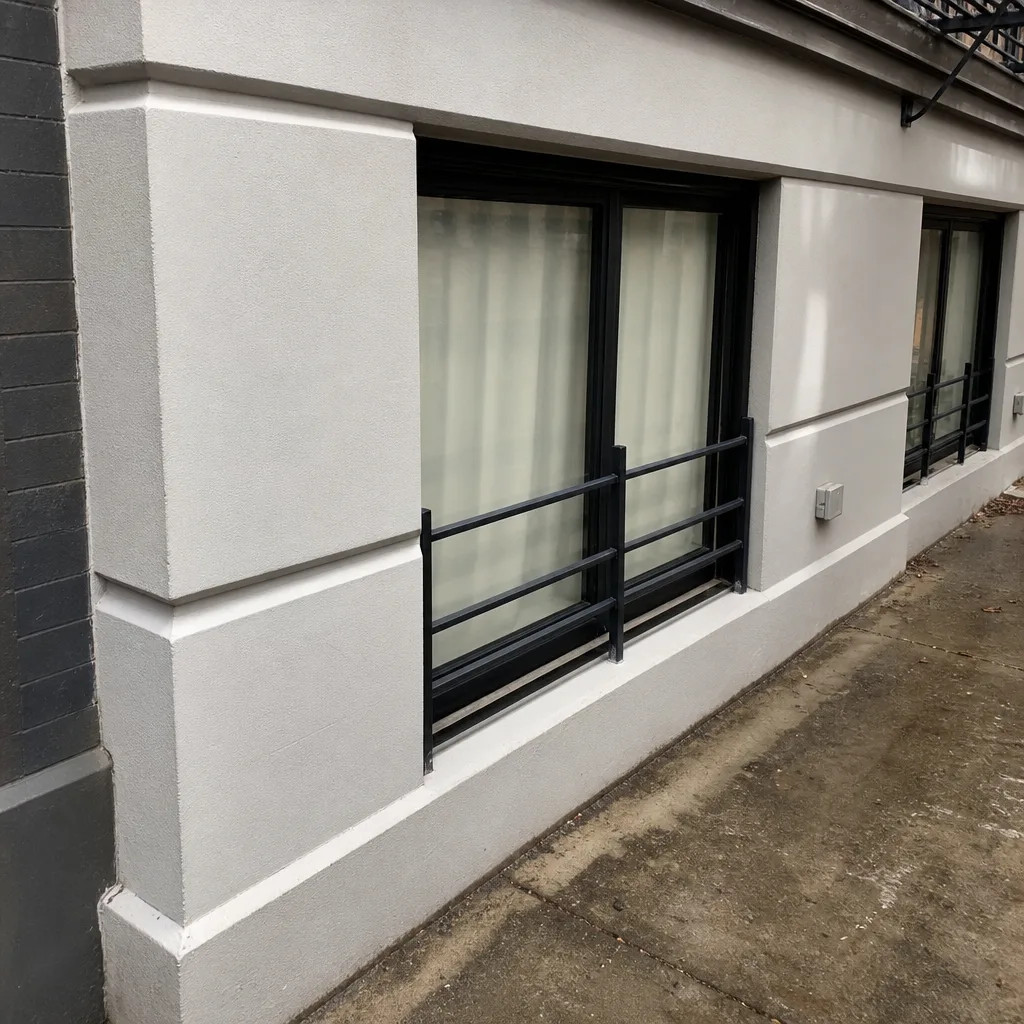
From pulling wet insulation to final paint and trim, we rebuild entire units and homes. On the bluff, that often means gutting a ground-floor unit after a sewage backup or supply-line failure and rebuilding kitchen, bath, and living space inside the original brick shell. At Port Imperial, it means coordinating with building management on construction hours, freight elevator reservations, and below-grade access. We handle structural framing, drywall, flooring, cabinetry, and finish work with one crew from start to finish.
Drywall & Flooring Repair
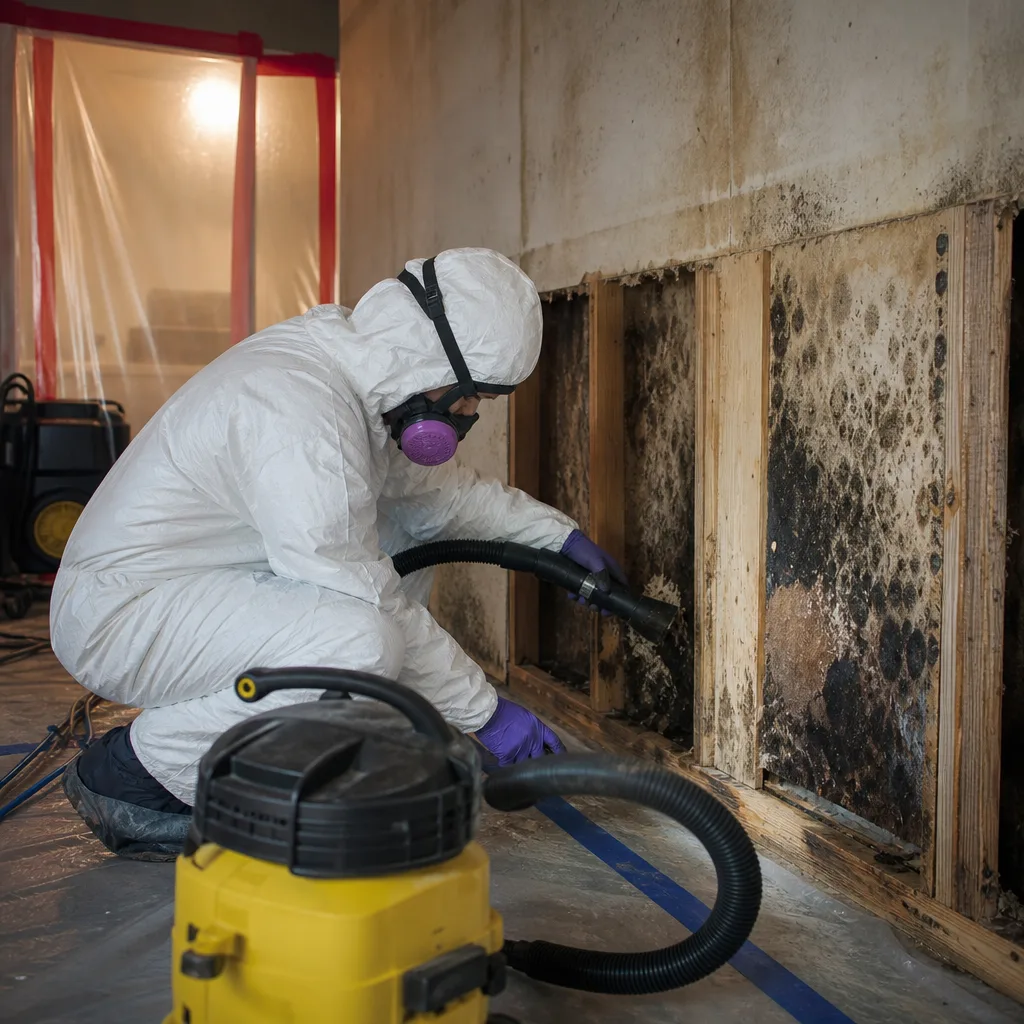
Weehawken’s older rowhouses have plaster-over-lathe walls that can’t simply be patched with a drywall square. We match existing wall thickness and profile, and when homeowners want to preserve original 1920s character, we work with plaster specialists who can blend old and new so the repair doesn’t scream at you. Flooring in these buildings is often original hardwood over wood subfloor, and drying it in place is usually better than replacement. At Port Imperial, we deal with engineered wood, tile over concrete, and floor assemblies that hide damage beneath the finish layer. Moisture testing tells us what’s salvageable.
Contents Restoration & Pack-Out
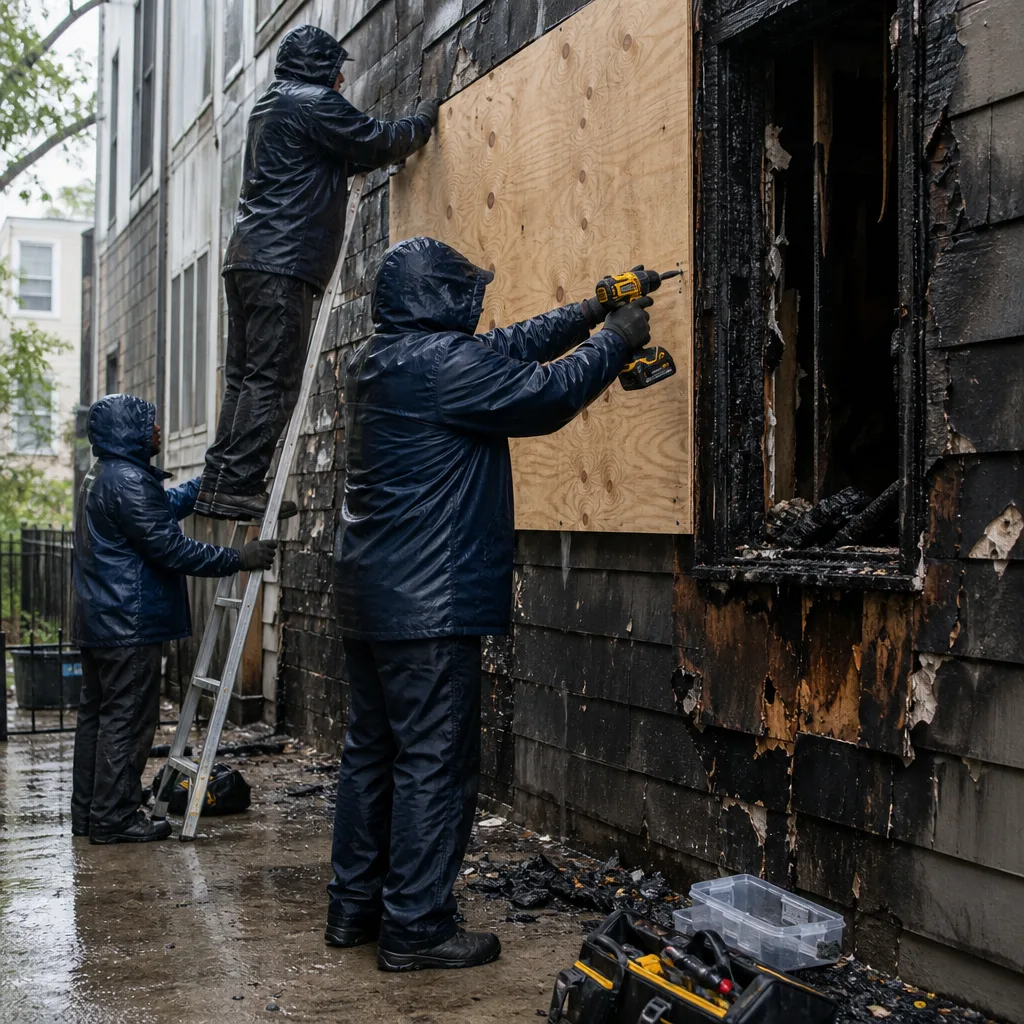
When a rowhouse or high-rise unit is too damaged to work around belongings, we pack them out, inventory every item, transport them to a secure cleaning and storage facility, and bring them back when the structure is rebuilt. In Weehawken’s tight spaces, pack-out often means moving furniture through 30-inch doors, up shared stairwells, or down a freight elevator on a schedule. We’ve done it in Port Imperial high-rises where the building requires COIs and advance notice just to park a truck on the loading dock. Your contents are photographed, logged, and tracked.
Carpet & Upholstery Cleaning
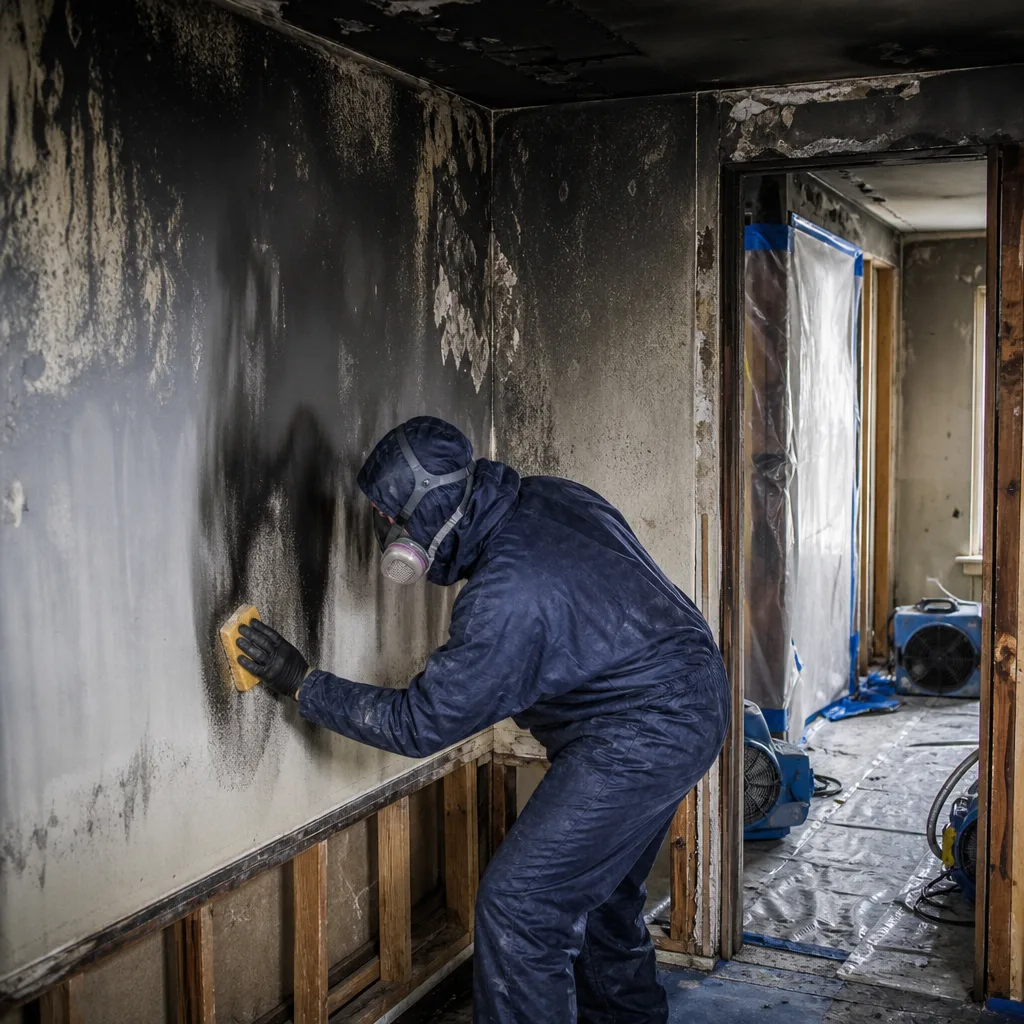
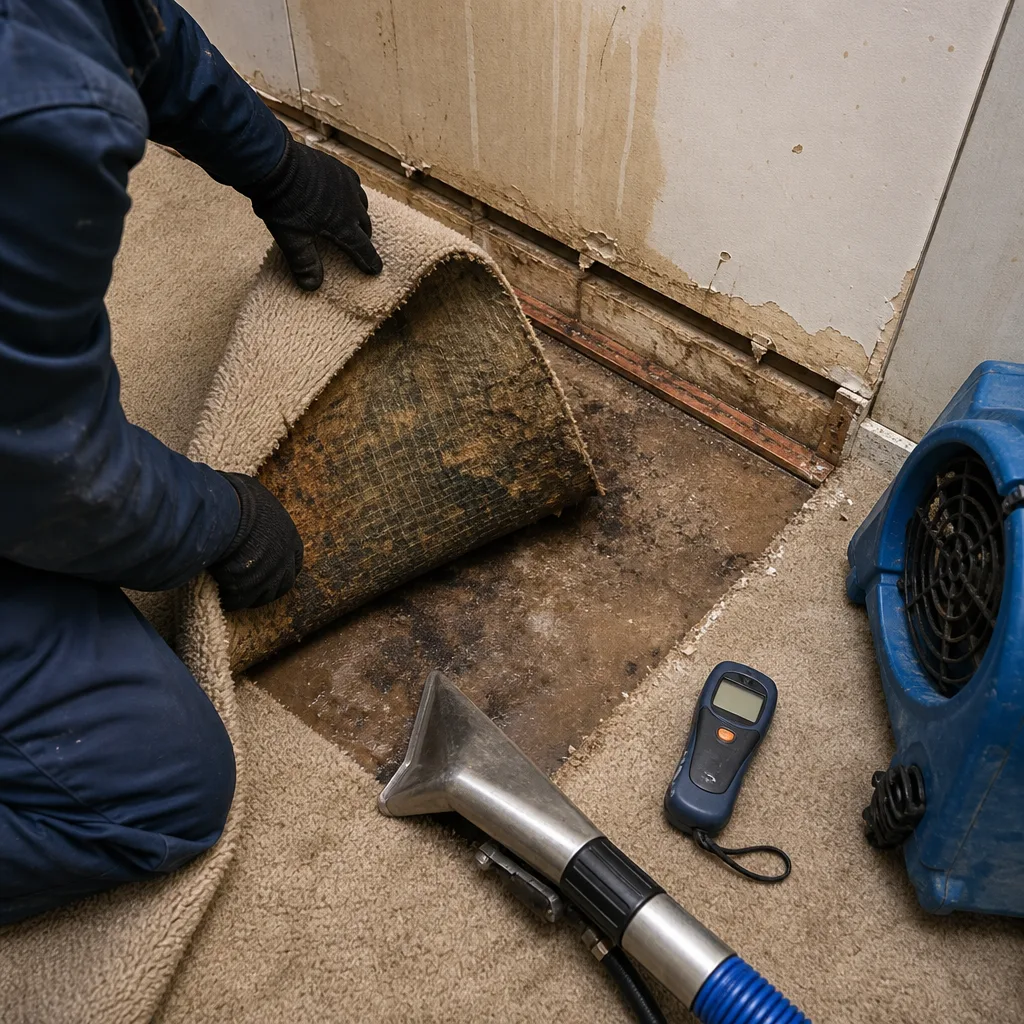
Not every water event requires demolition. A small supply-line leak that hits carpet in a finished basement or a unit with heavy upholstery can sometimes be cleaned and dried in place. We use heated extraction and professional-grade drying equipment, and we verify dryness with moisture readings, not touch. In a waterfront building where humidity runs high, we run dehumidifiers longer and re-test before we call it done.
Post-Construction Cleanup
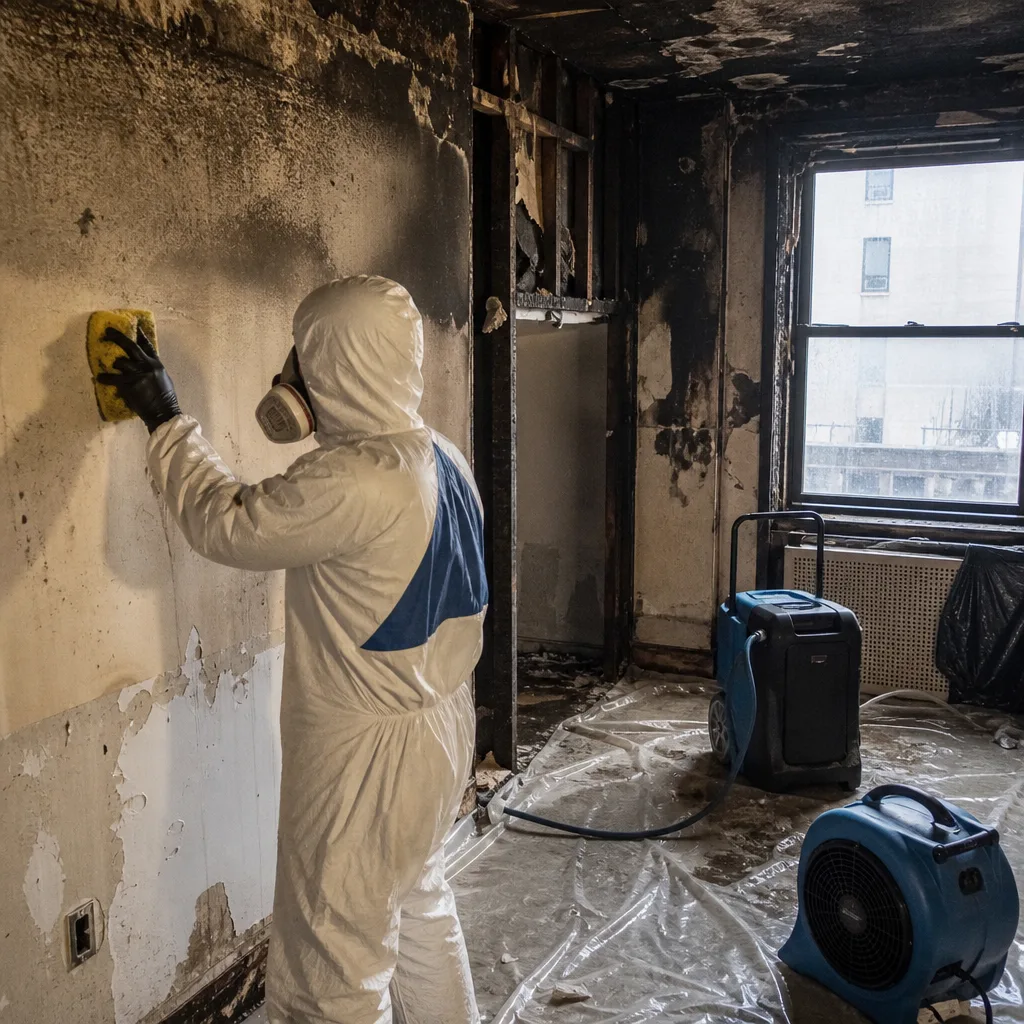
Reconstruction leaves dust. Old plaster dust in a 1920s rowhouse is fine, abrasive, and gets into every crack. We run HEPA air scrubbers during demolition, seal work areas, and do final cleaning after the job so you’re not wiping dust off your windowsills for the next two months. At the high-rises, we clean common areas and hallways we’ve used, including the freight elevator, because your neighbors shouldn’t have to deal with our dust.
What happens when you call
- 1
A real person answersNo phone trees - you reach a local pro.
- 2
You get an upfront price rangeHonest numbers before anyone is dispatched.
- 3
A background-checked tech heads outLicensed & insured, dispatched right away.
- 4
You approve before work beginsNothing starts until you say go.
Reconstruction & Cleanup Costs in Weehawken, NJ
Here are the ranges we see in Weehawken. A small water event with no structural damage, just drywall replacement and repaint in a single room, runs $4,200 to $7,500. A full rowhouse basement gut after a Category 3 sewage backup runs $12,000 to $28,000 depending on square footage and what needs rebuilding. A Port Imperial high-rise unit with water in the walls and damage to below-grade common areas starts around $18,000 and can exceed $60,000 when elevator pits and parking decks are involved. Post-construction cleanup runs $600 to $2,400 depending on the extent. Insurance covers most of these losses under standard policies, minus your deductible. The fastest way to a firm number is a free visual inspection. Call (607) 703-3408 and Wade will come out, look at the damage, and put a written scope in your hand. Estimate is free. The trip charge inside the county is waived.
We Also Serve Cities Near Weehawken
Wade’s Restoration serves properties across Hudson County, including Union City, Hoboken, North Bergen, and Secaucus. If you’re in a neighboring town and need emergency reconstruction or cleanup, the same crew, the same 45-minute response commitment, and the same owner on the phone apply.
Serving Weehawken, NJ - Our Local Coverage Area
We’re based in the Weehawken area and know this community well. Use the map below to see our service coverage - if you’re nearby, we can almost certainly help.
Weehawken Reconstruction & Cleanup Questions, Answered
How fast can you get to Weehawken for an emergency?
Wade typically has a crew moving through Weehawken within 45 minutes of your call, day or night. That’s from the moment you hang up, not from when an answering service gets around to paging someone.
Will my insurance cover reconstruction and cleanup?
Most Weehawken water, fire, and storm losses are covered under standard homeowner’s or master condo policies, minus your deductible. We document everything, bill your carrier directly, and talk to your adjuster ourselves. Call (607) 703-3408 and we’ll walk through what your policy covers before you commit to anything.
Can I just clean it up myself instead of doing full reconstruction?
For a small, clean water release in an open area that dries within 48 hours, likely yes. For anything involving Category 2 or 3 water, sewage, smoke residue, or water that’s migrated into walls or floors, no. The concealed moisture in a Weehawken rowhouse party wall or a Port Imperial concrete slab will grow mold in weeks. We tell you honestly which situation you’re in, and the inspection is free.
How much does reconstruction cost compared to nearby towns like Hoboken or Union City?
Weehawken pricing is generally in line with Hoboken and slightly higher than Union City and North Bergen due to access constraints and waterfront humidity affecting drying times. Expect $4,200 to $7,500 for a single-room water loss, $12,000 to $28,000 for a full basement gut, and $18,000 to $60,000+ for high-rise units involving common building systems.
How long does drying and reconstruction take?
Structural drying in Weehawken typically runs 3 to 7 days depending on the materials and the building’s humidity profile. Full reconstruction after a major water or fire loss runs 3 to 12 weeks. We give you a written timeline in the scope of work and stick to it.
Can I stay in my home during reconstruction?
For smaller losses, usually yes. For a full gut of a rowhouse unit or major work in a high-rise where utilities are shut off, no. We’ll tell you upfront. If you need to relocate, we document that for your insurance claim.
How do you handle pack-out when access is through a narrow alley or shared townhome stairwell?
We remove contents the same way they went in, which in Weehawken often means a 30-inch door, a basement stairwell, or a shared hallway. We protect walls, door frames, and railings with padding, and we work on a schedule that doesn’t block your neighbors. Every item gets photographed, inventoried, and tracked to a secure facility.
What should I do in the first 30 minutes after water damage?
Shut off the water source if you can safely. Kill electricity to the affected area. Move valuables out of standing water. Photograph everything. Then call (607) 703-3408. Don’t use a shop vac on Category 3 water, and don’t touch anything that’s been in contact with sewage. Wade will walk you through the next steps on the phone while he’s on the road.
Written by Wade Ferris, Owner at Wade’s Restoration, serving Weehawken and Hudson County.