
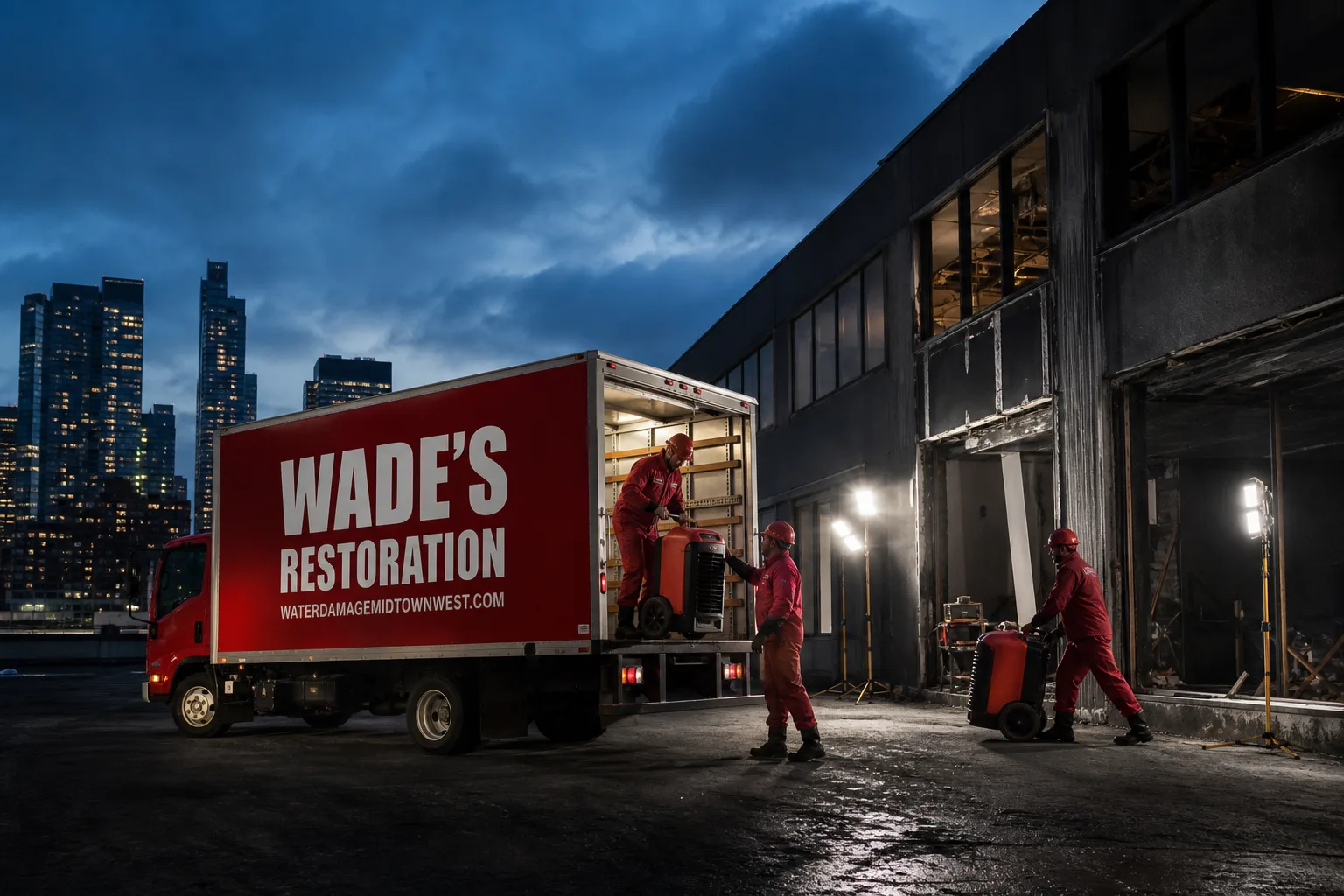
Free visual inspection and a written scope of work before any mitigation begins - photos, moisture readings, and drying logs go in your claim file
The scope we write is the scope we bill. Anything new gets shown to you, in writing, before we touch it.
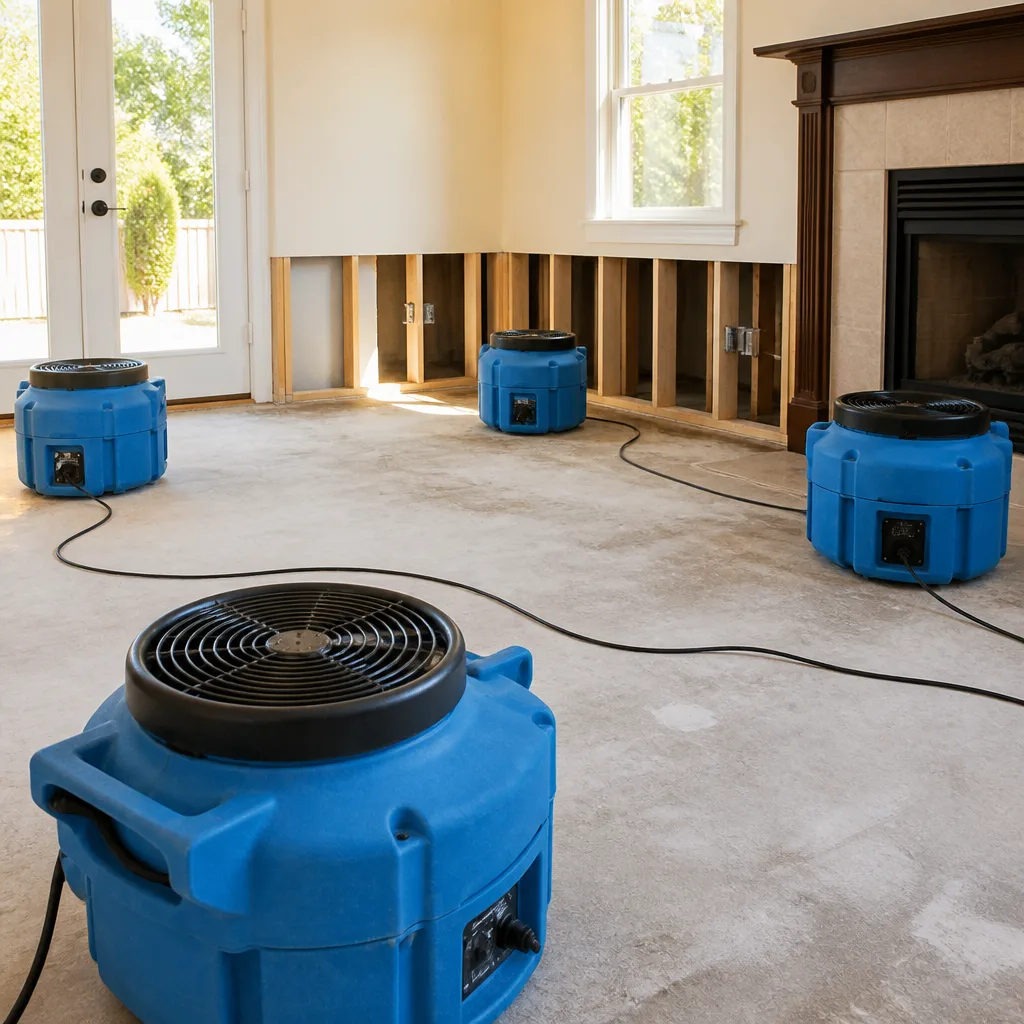
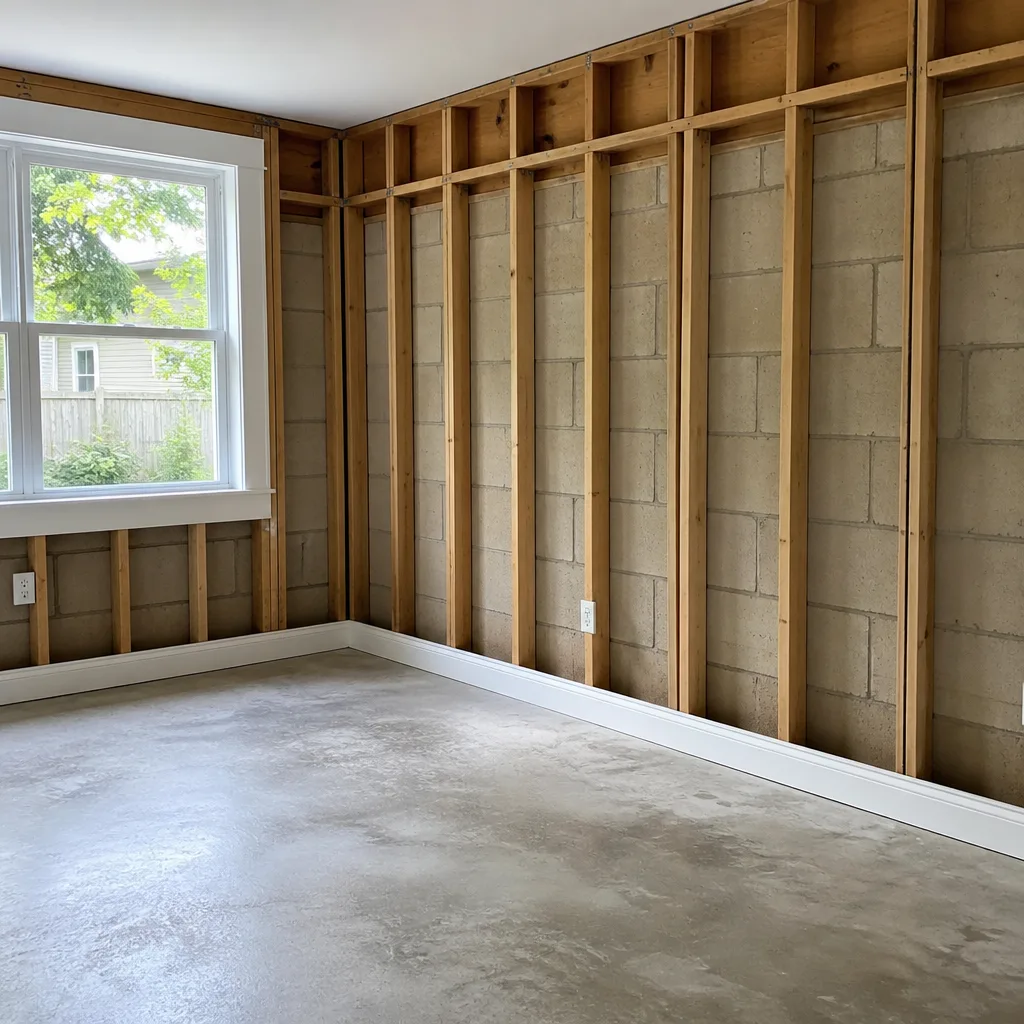
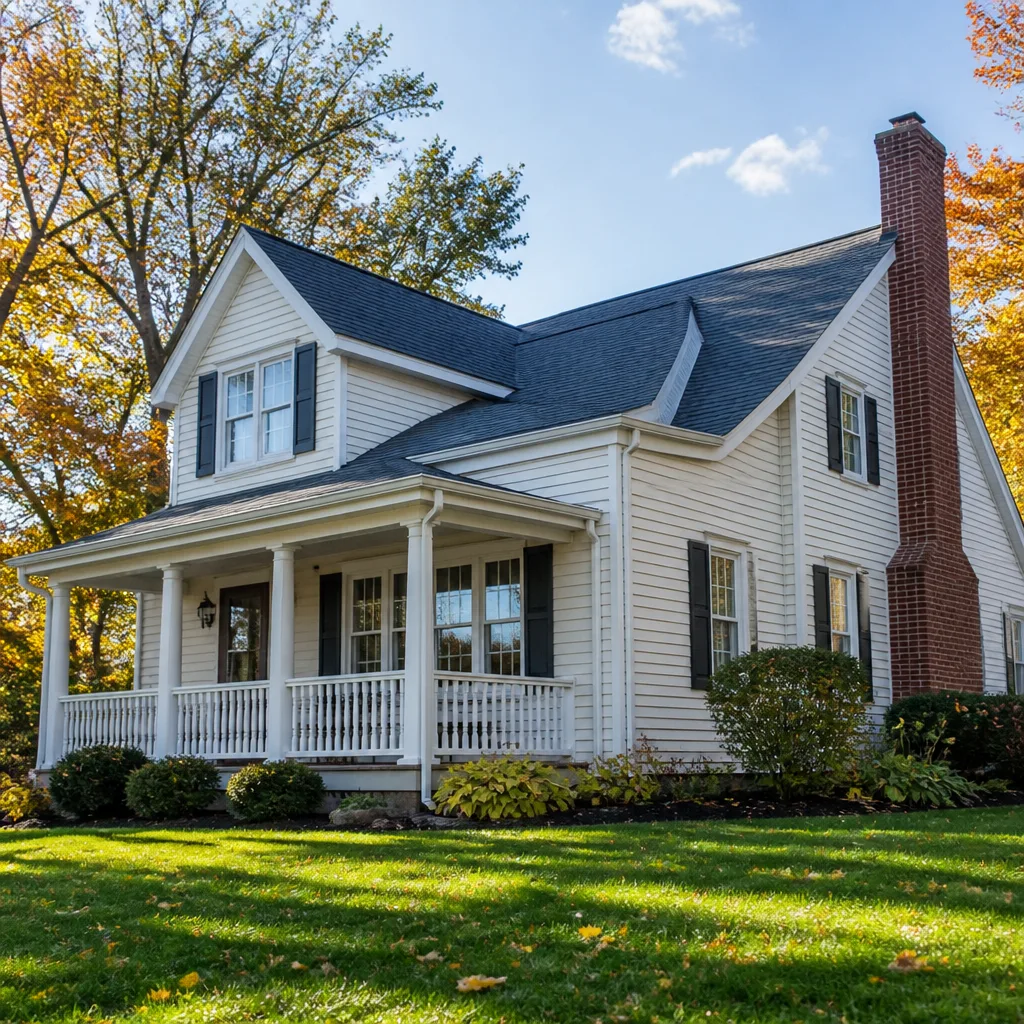
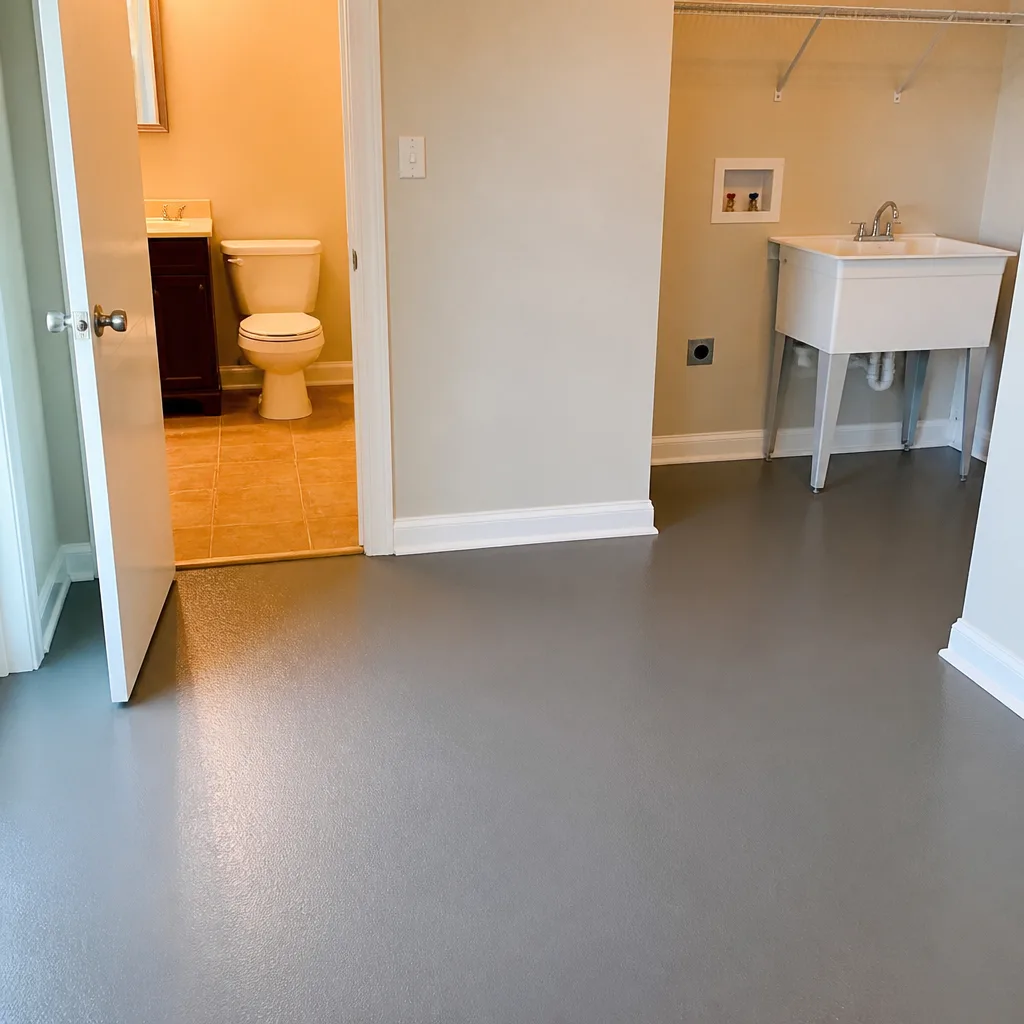
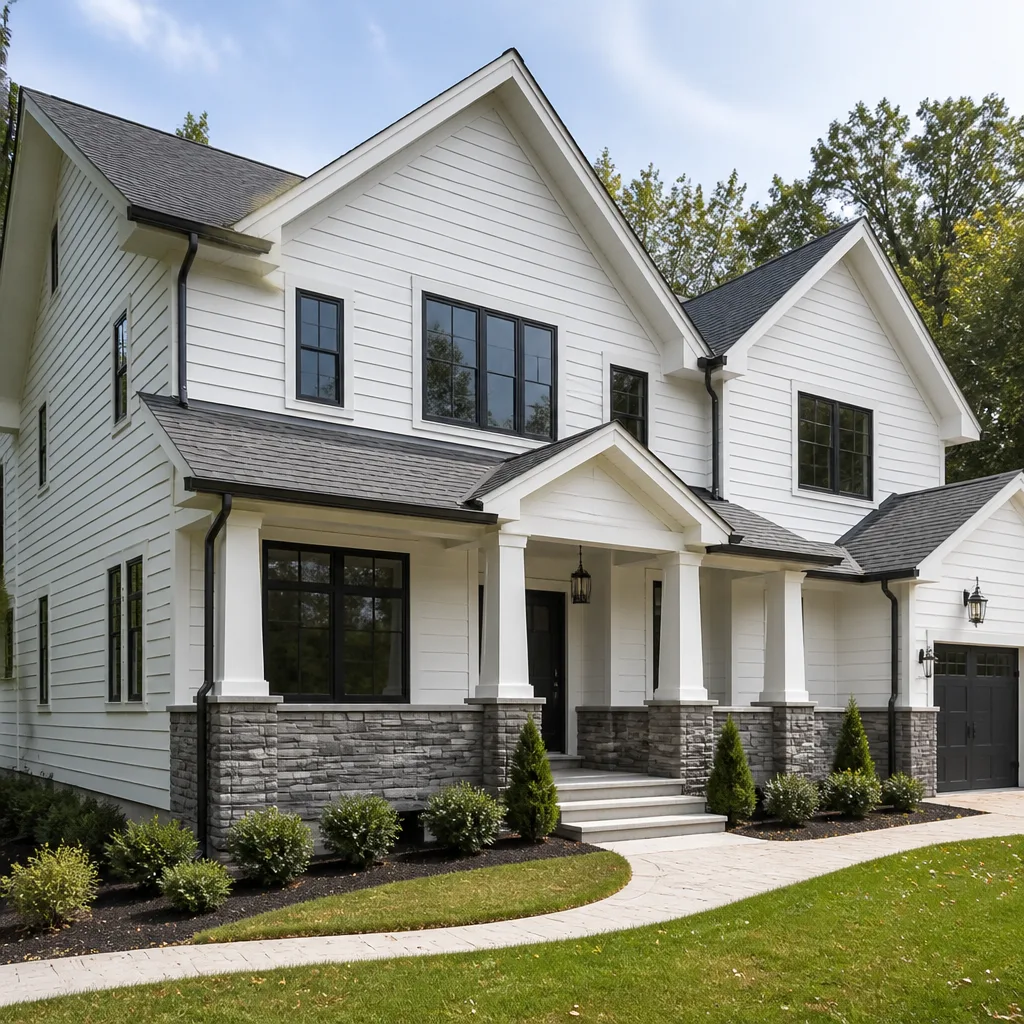
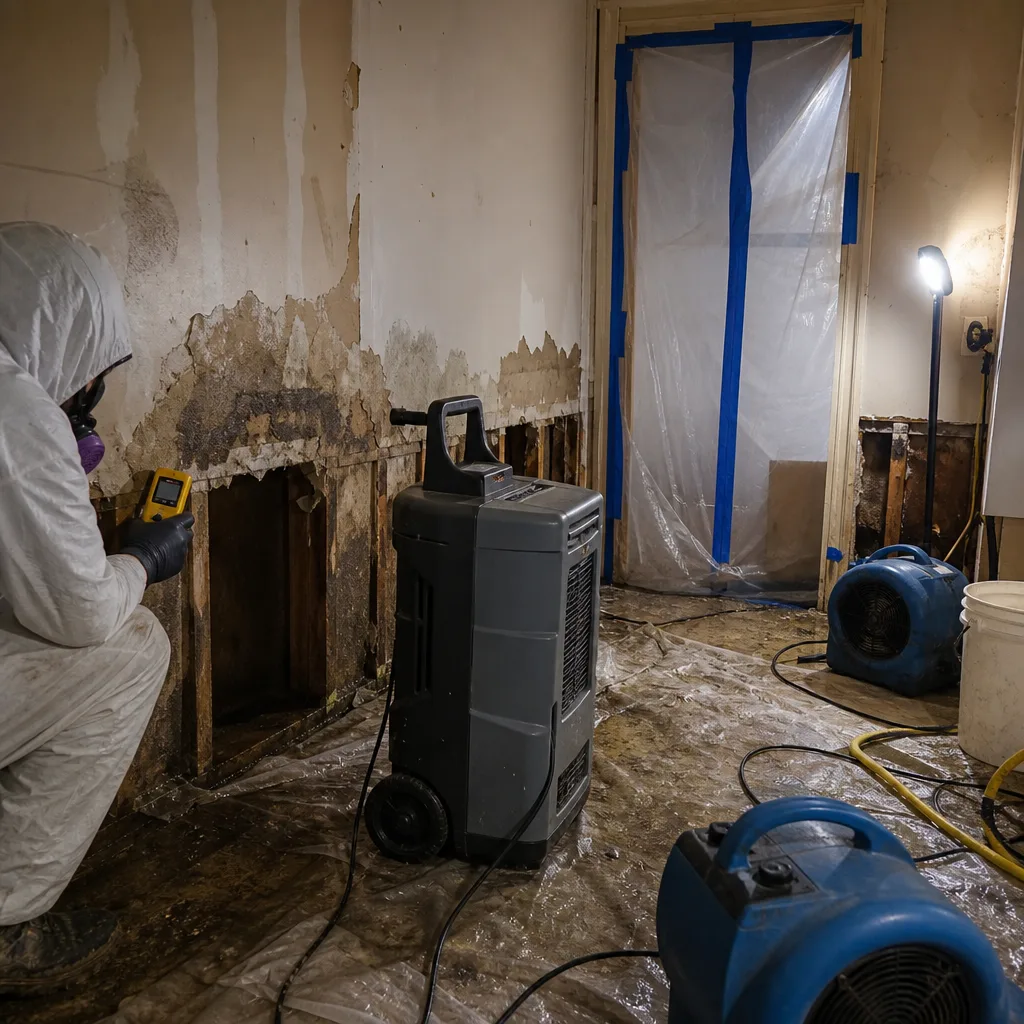 Before
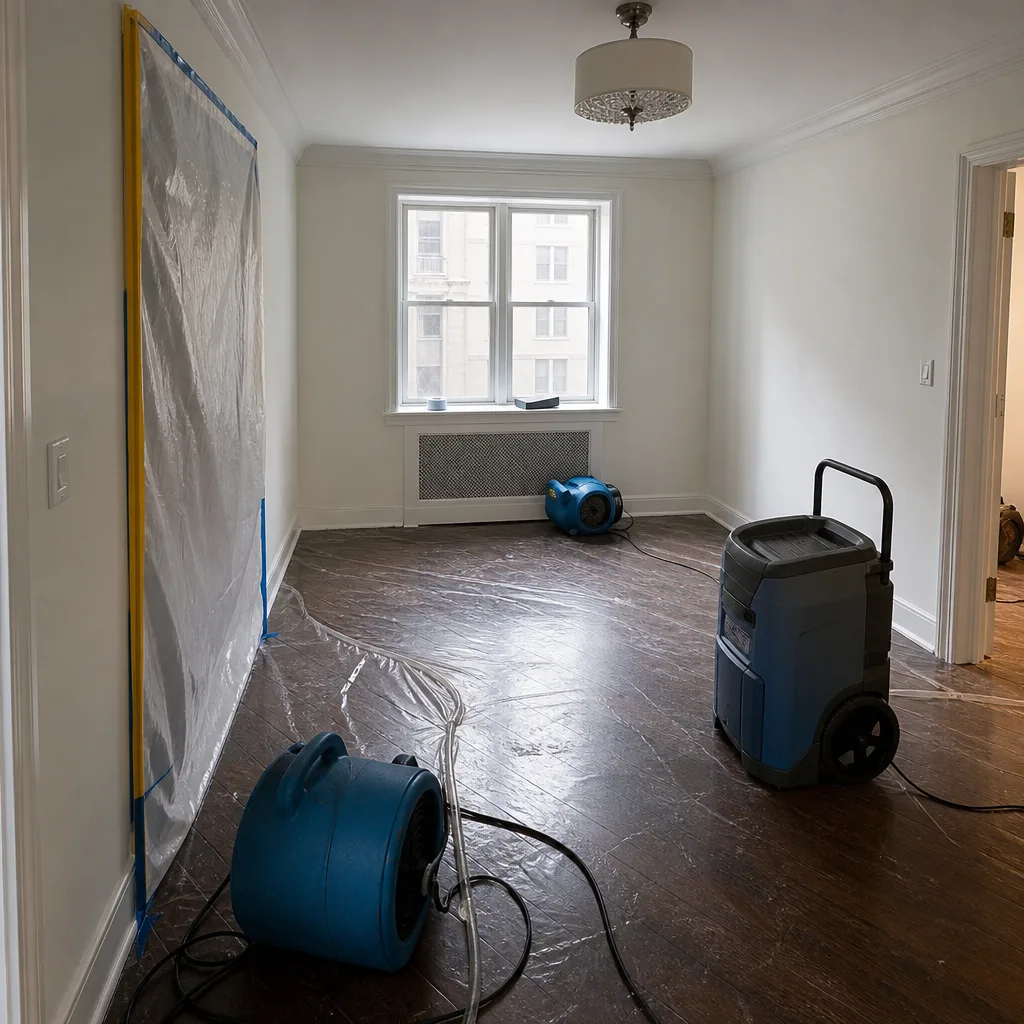 After
After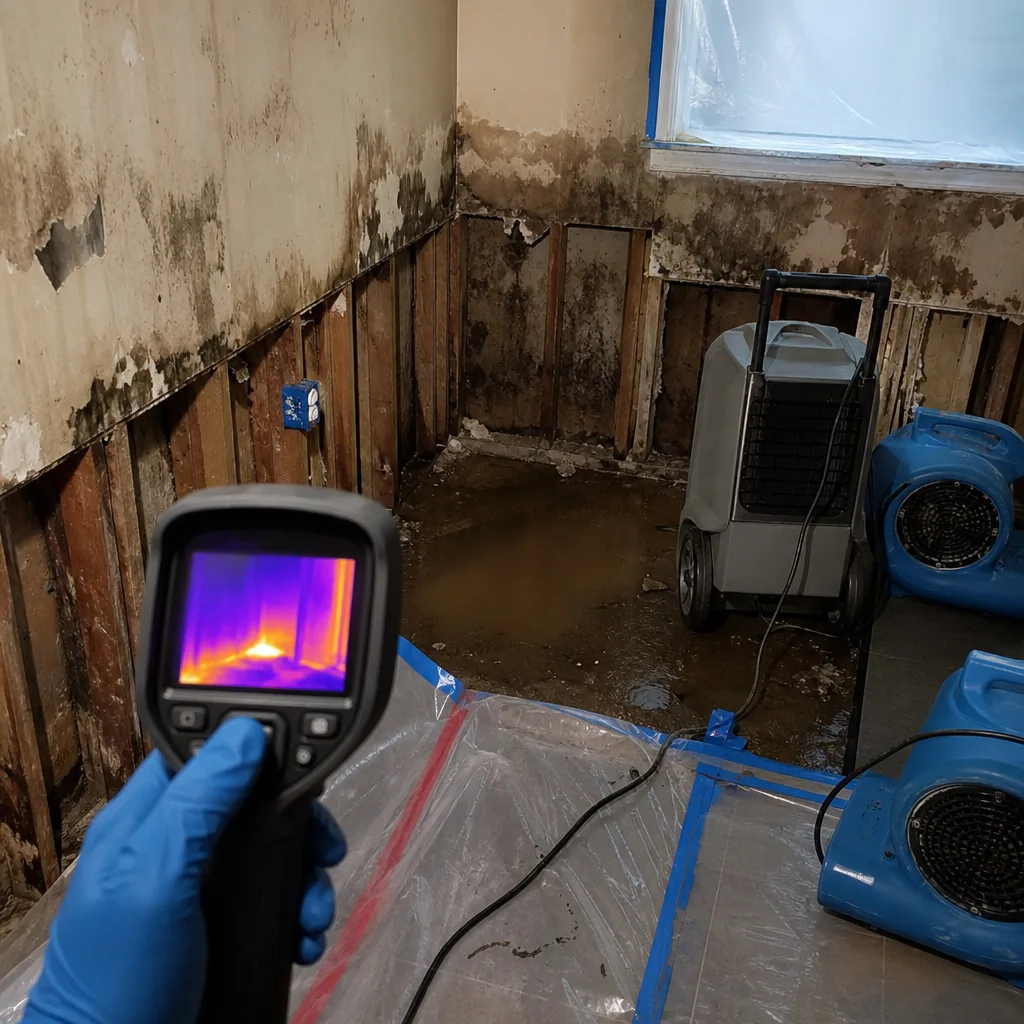 Before
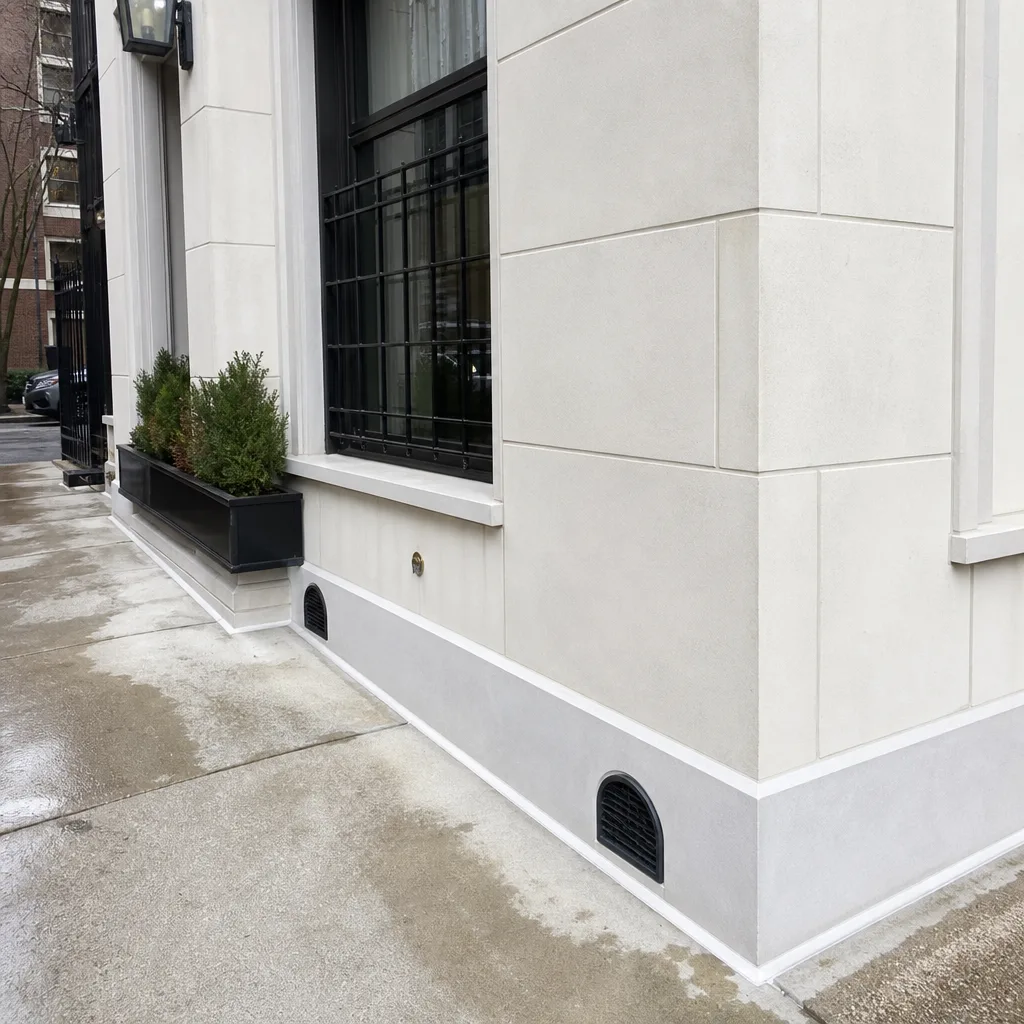 After
After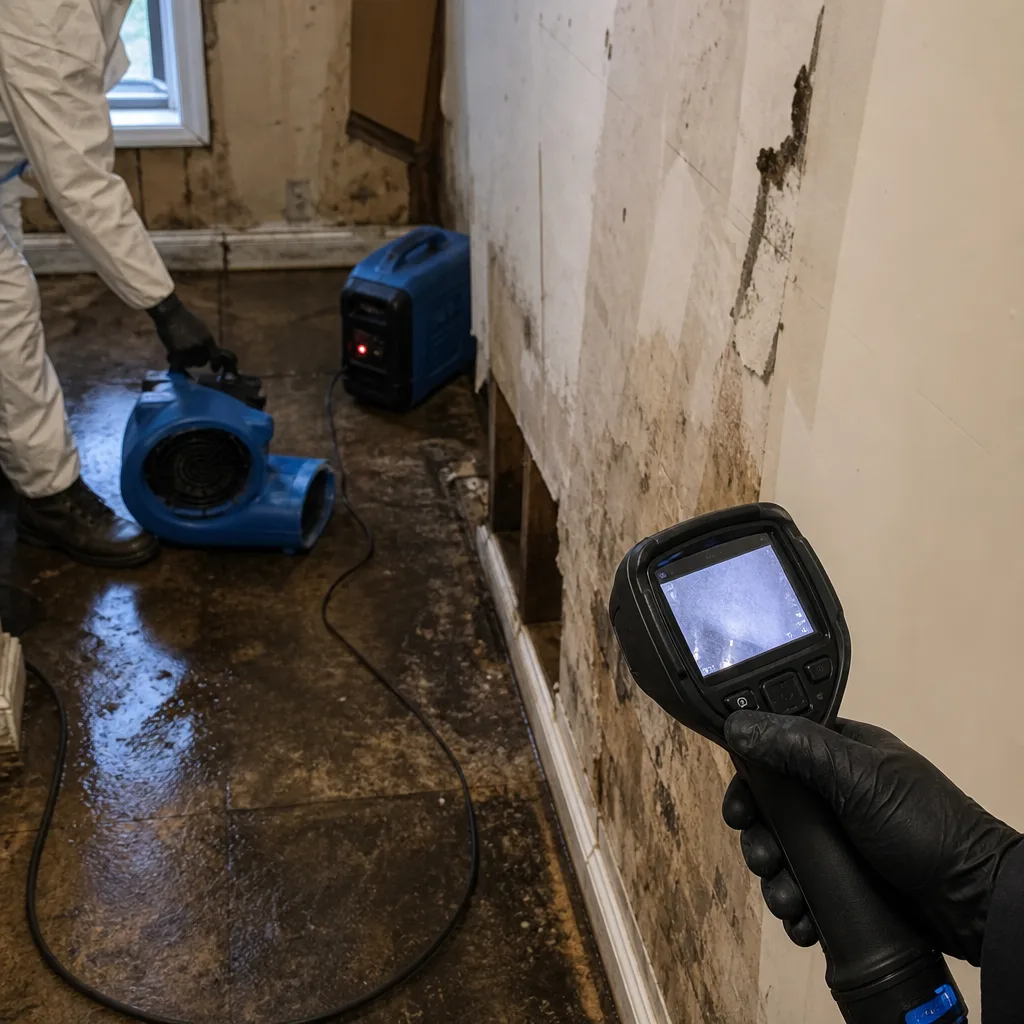 Before
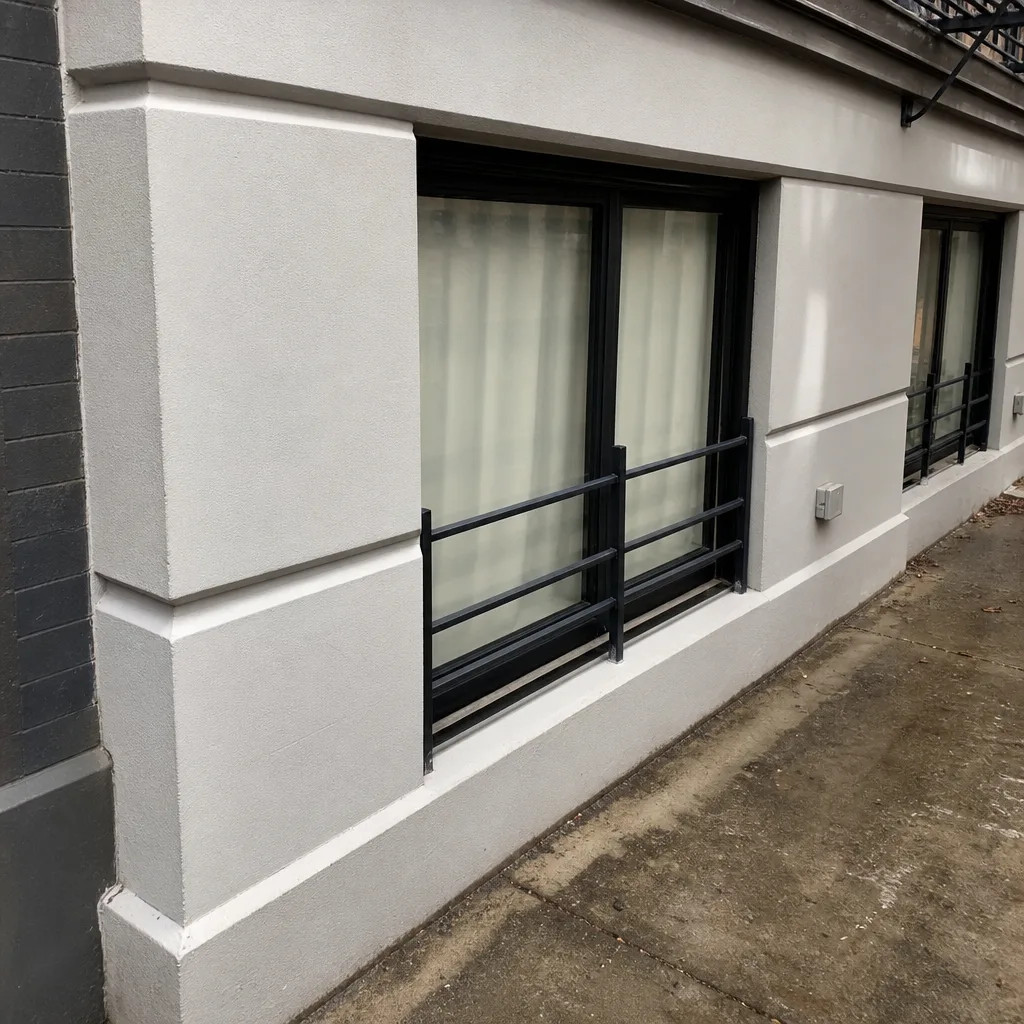 After
After24/7 Emergency Reconstruction & Cleanup in Hoboken
When a Nor’easter pushes the Hudson over its banks or a century-old supply line lets go at 2 a.m., Hoboken property owners need someone who answers the phone and gets moving. Reconstruction and cleanup in Hoboken usually means one thing first: water where it shouldn’t be, and a building that can’t wait for a 9-to-5 crew. Wade’s Restoration has live answer around the clock. Call (607) 703-3408 and you’ll reach a real person, not a voicemail tree. Wade heads out himself, and his crews serve Hoboken neighborhoods day and night. The first hour matters because brackish Hudson River water and sewage from backed-up combined sewers don’t just soak your drywall. They start eating away at springs, hinges, anchors, and door track hardware while you’re still waiting for a callback. The sooner extraction and stabilization begin, the less of your building has to come apart later. Free visual inspection, no charge for coming out in the county, and a written scope before any work starts.
Understanding Reconstruction & Cleanup Severity in Hoboken Properties
Not all water damage is the same problem, and Hoboken’s dense, attached housing stock makes the distinctions steeper than in a suburban cul-de-sac. Clean water from a burst supply line is Category 1. Gray water from a washing machine overflow is Category 2. But here’s the Hoboken reality: in the low-lying blocks between the Hudson and the Palisades, a flooded garden-level unit or basement is nearly always a Category 3 situation. That’s black water, carrying sewage, salt, and whatever the Hudson brought in with it. It requires full contamination protocols: containment, disposal of porous materials, antimicrobial treatment, and air scrubbing before any structural drying begins. In attached rowhouses, shared party walls mean a Category 3 flood in one unit quietly migrates through plaster and floor joists into the neighbor’s unit within hours. We map moisture with thermal imaging and hygrometers, not guesswork, and we hand over the drying log when the job closes.
Why Hoboken Property Owners Choose Wade’s Restoration
- 45-minute response commitment. From the moment you call, Wade’s crew is moving toward your address in Hoboken. Not “sometime today.” Minutes.
- A live person answers, 24/7. Wade himself answers his own phone. No answering service, no call center, no “press 2 for emergencies.”
- IICRC-certified crews. WRT, FSRT, and AMRT codes are the floor, not the ceiling. The people we send into your building know what black water means and they treat it accordingly.
- Free visual inspection. A written scope of work comes before anything gets torn out, so you know the number up front, not after the demo hammer starts.
- Direct insurance billing. We deal with the adjuster, we send the documentation, and we bill where your policy allows. You shouldn’t be the one stuck relaying information between two sides.
- One team from first cut to final coat. Extraction, drying, rebuild. Same crew, same owner, same accountability through the whole job.
Our Reconstruction & Cleanup Process
Inspection & Assessment
We walk the property with you and document everything: water lines, reading marks, visible corrosion, structural concerns. Thermal imaging and moisture meters show us what the eye misses behind Hoboken’s old plaster walls.
Extraction & Stabilization
Professional-grade pumps and XPOWER extractors pull standing water fast. We stabilize what can be saved and set containment where the job calls for it, especially in Category 3 scenarios.
Drying & Dehumidification
Dri-Eaz air movers and Phoenix dehumidifiers run until the moisture readings say the building is dry, not when the surface feels dry. You get the daily log at the end.
Cleaning & Sanitization
HEPA scrubbing and antimicrobial treatment knock down what flood water leaves behind, including the fine salt residue that keeps eating metal hardware months after the event.
Corrosion & Hardware Assessment
This is the step most crews skip. In Hoboken we check the garage door springs, hinges, rollers, tracks, and opener chain for salt pitting and rust failure before we hang new drywall over them.
Repairs & Restoration
From new drywall and flooring to replacement cabinets, paint, and the garage hardware that failed behind the wall, we finish reconstruction to a written scope you approved before the work started.
Need Emergency Reconstruction & Cleanup in Hoboken Now?
Crews minutes away, answering live 24 hours a day. The sooner we start, the less it costs.
Working With Your Insurance Company
Insurance claims in Hoboken are their own art form. Flood-zone policies are separate from homeowners policies. Combined sewer backups have their own endorsements. Condo associations, master policies, and individual unit coverage all have to line up, and in attached rowhouses one loss can involve three adjusters before anyone swings a hammer. That’s why we handle the claim documentation from the first hour. Photos of every room, moisture readings with time and date stamps, a line-item scope of work written in the insurance industry’s language, and direct communication with your carrier. You should not be the translator between your insurance company and a contractor who’s already been paid to leave. Wade deals with the adjuster directly. The 90-Day Done Right Promise applies in writing, and the documentation we hand you is the same documentation we hand your insurer.
What We Provide Your Insurer
- Thorough documentation of the loss
- Photos of all damage, room by room
- Moisture readings and drying logs
- A detailed, line-item scope of work
- Direct coordination with your carrier
Built for Hoboken’s Loss Calendar
Hoboken doesn’t have one disaster season. It has a calendar of recurring threats, and each one leaves a different signature on a building. January and February deep freezes snap supply lines in unheated mudrooms and garden-level units, sending clean water through the slab before anyone notices. March and April bring the thaw, groundwater rise, and that sinking feeling of dampness migrating through old brick foundation walls. Summer thunderstorms dump flash rain faster than the combined sewer system can carry it, backing up through floor drains in the low blocks. Then comes the big one: late summer and fall nor’easters, pushing tidal surge up from the Hudson while inland runoff comes down from the Palisades. That’s when the bowl fills, and it fills with black water. And all year long, the salt air from the river keeps working on hardware, hinges, and metal components, long after the visible damage is cleaned up.
Reconstruction & Cleanup Across Hoboken’s Neighborhoods
Hoboken is a mile square, but the building stock changes street by street, and so do the loss patterns. In the low-lying southwest blocks around Jackson Street and Marshall Drive, garden-level condos sit at or below the Hudson’s mean tide level, and every heavy rain rolls toward them. We see more Category 3 floods per building in that corner of town than anywhere else in the county. Along Washington Street and the numbered cross streets, older brick rowhouses with shared party walls concentrate fire and smoke damage quickly, and post-construction cleanup means navigating narrow stairwells and historical building quirks. Up toward the northwest near 14th and Adams, basement slabs are effectively below river level, so even a moderate Nor’easter pushes groundwater up through the slab at the same time the municipal sewer backflows through the drains. That’s a two-front flood. In the southwest and northwest blocks especially, we see the same buildings come back to us multiple times, because of the original flood. Wade knows those addresses now. Homeowners across the city also call for post-construction cleanup after a rebuild, because fine gypsum dust and debris from the job next door doesn’t respect property lines.
Specialized Reconstruction & Cleanup Services We Offer in Hoboken
Full-Service Reconstruction
Tearing out wet drywall is only the start. Full-service reconstruction in Hoboken means putting it back right: framing, insulation, drywall, trim, flooring, paint, and the garage doors, springs, and hardware that got hammered by the water. We rebuild to the written scope, and we do it with one accountable crew from first cut to final walkthrough.
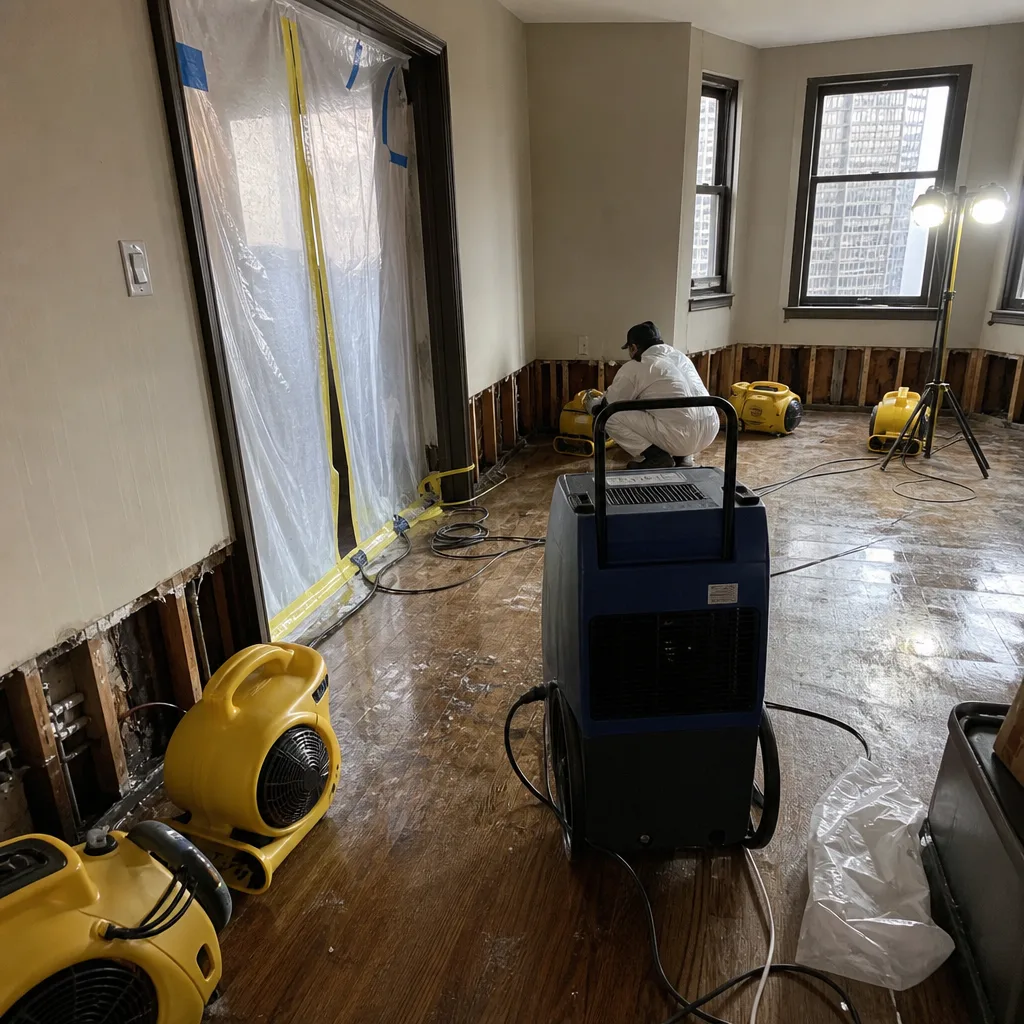
Drywall & Flooring Repair
Hoboken’s old rowhouses are full of plaster and lathe, not modern drywall, and matching a 1904 wall texture is not a job for a template crew. We repair and replace walls and floors so the new work doesn’t look like a patch. That matters twice as much in a condo where you’ll sell the place someday.
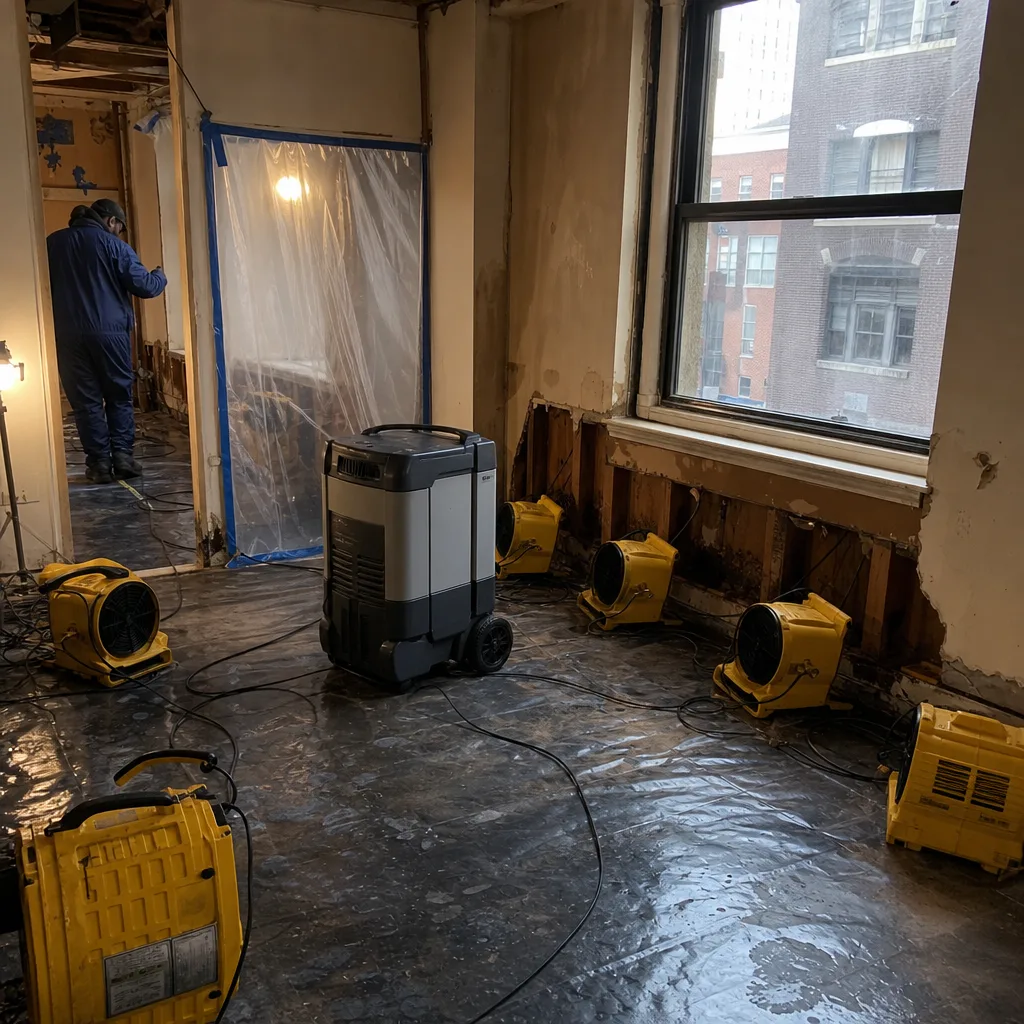
Contents Restoration & Pack-Out
When a garden-level unit floods, the contents go with it: furniture, clothing, documents, the stuff that makes a place yours. We handle pack-out, cleaning, drying, and storage with a full inventory, so what comes back is what left, and the insurance company can see exactly what was processed.
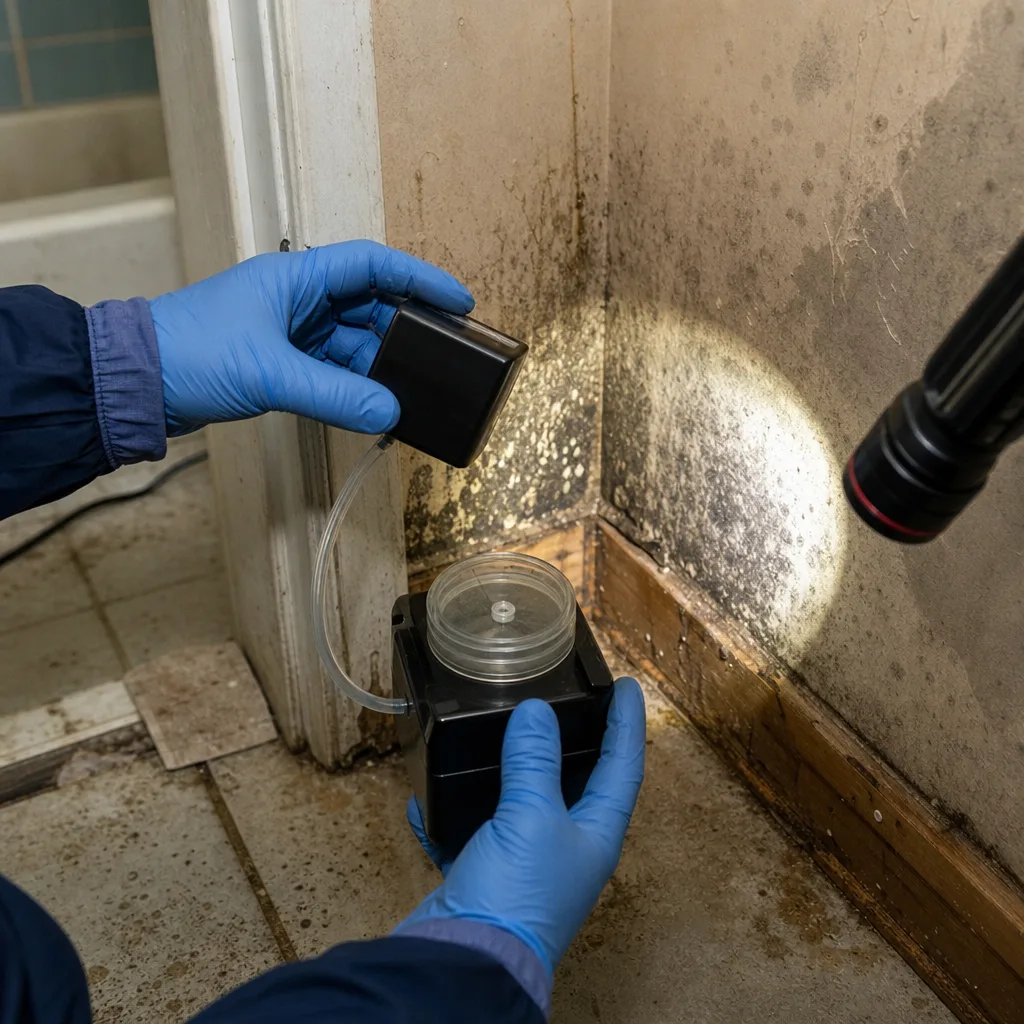
Carpet & Upholstery Cleaning
Category 3 water on carpet and upholstery is usually a replacement, not a cleaning. But in Category 1 and 2 losses, professional extraction and cleaning can salvage what you’d assume is gone. We’ll tell you straight what’s cleanable and what’s not, and we’ll show you why.
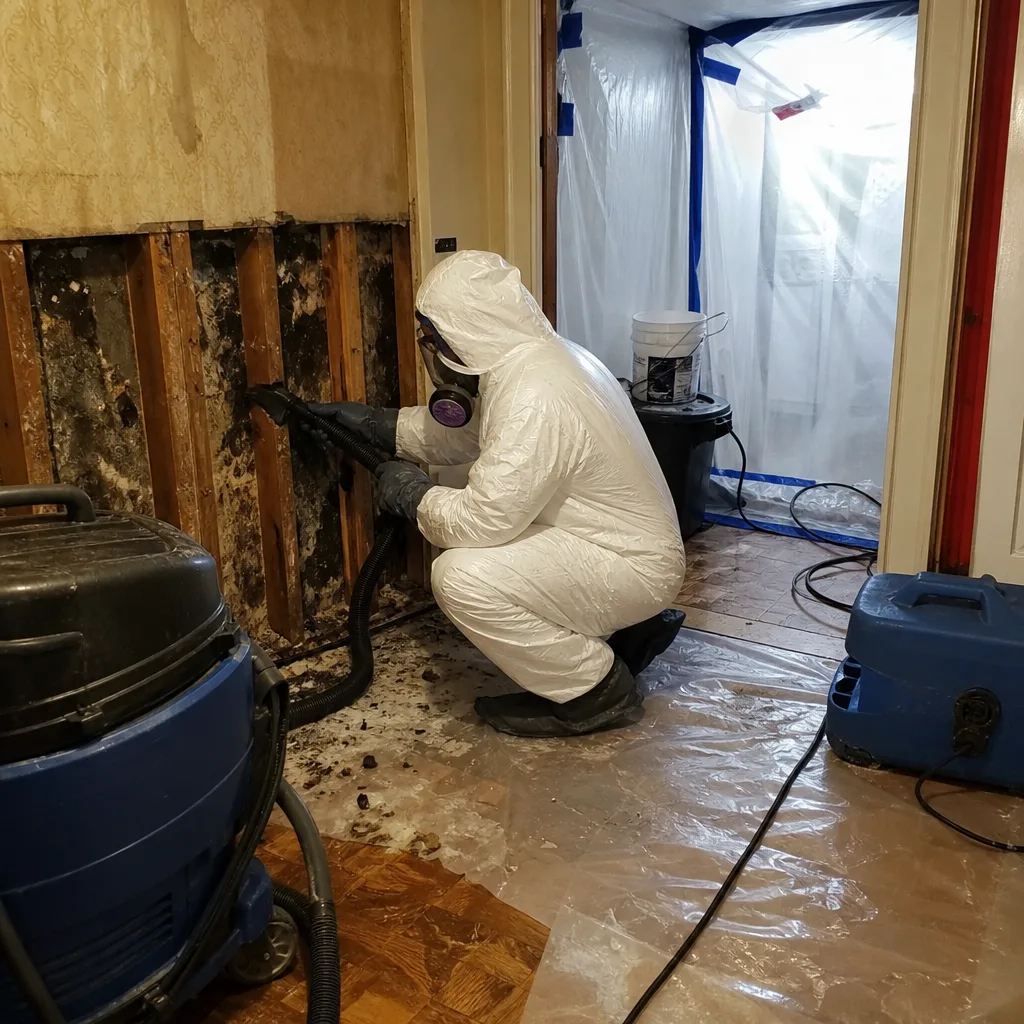
Post-Construction Cleanup
After a rebuild, the dust is like silt on the Hudson: it gets everywhere, especially in Hoboken’s shared walls and stacked units. We clean fine gypsum dust off every surface, trade debris out of every corner, and leave the unit ready to live in, not ready for another round of dusting.
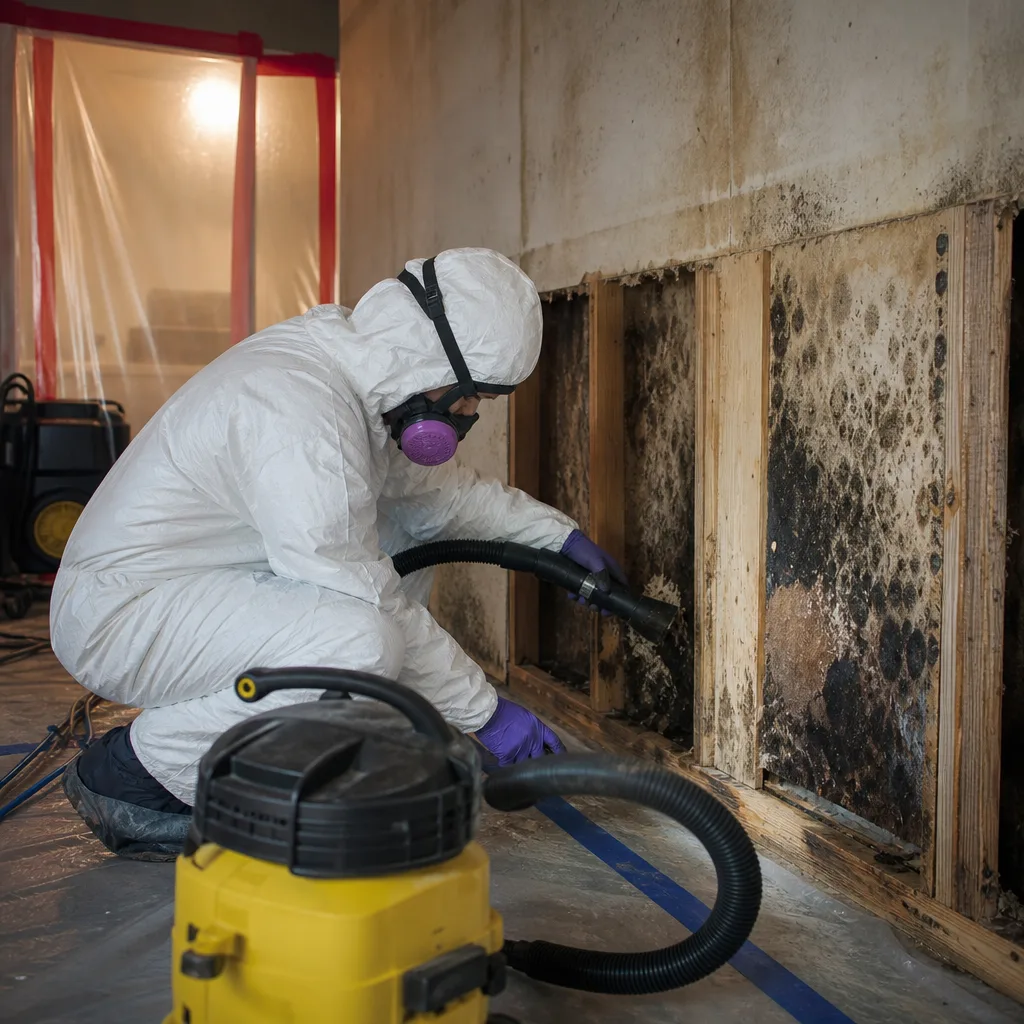
What happens when you call
- 1
A real person answersNo phone trees - you reach a local pro.
- 2
You get an upfront price rangeHonest numbers before anyone is dispatched.
- 3
A background-checked tech heads outLicensed & insured, dispatched right away.
- 4
You approve before work beginsNothing starts until you say go.
Reconstruction & Cleanup Costs in Hoboken, NJ
Reconstruction and cleanup in Hoboken is priced like the city it is: old buildings, tight access, and water that usually carries sewage. A typical Category 1 water cleanup with drying and minor drywall repair in Hoboken runs $2,800 to $5,500. Category 3 black-water mitigation in a garden-level unit, with full containment, antimicrobial treatment, and disposal of porous materials, starts around $6,000 and goes up from there depending on square footage and how much finished space was ruined. Mold remediation runs $1,500 to $6,000 or more, and if it’s been growing behind salt-damaged garage door seals for months, the number climbs. Full reconstruction after a bad flood can land between $15,000 and $60,000 depending on the extent of the loss. Insurance covers most flood and water events if the right endorsements are in place, and we offer a free second opinion on any written estimate, no trip charge if you’re in the county. Call (607) 703-3408 for an exact scope and a number you can take to the bank.
We Also Serve Cities Near Hoboken
We work across Hudson County, bringing the same live-answer 24/7 service and the same written scope to Hoboken‘s neighbors: Union City, Weehawken, Jersey City, and North Bergen. If you’re on the Palisades or along the riverfront, we’re close enough to knock on your door in minutes.
Hoboken Reconstruction & Cleanup Questions, Answered
Why do garage door springs fail so fast in Hoboken after a flood?
Salt-laden surge water and Hudson River humidity create the perfect corrosion cocktail for garage door torsion springs. Brackish floodwater leaves a salt film on the metal, and that film keeps eating pitting into the spring coil for months after the visible water is gone. A spring that’s been through a Hoboken black-water flood can snap without warning six months later because the pitting finally weakens the coil enough to shear under tension.
Does my Hoboken flood insurance claim cover garage door hardware corrosion?
It can, but only if the corrosion is documented as part of the flood loss before the drywall goes back up. Many policies cover “direct physical loss” from a covered event, and that includes hardware damage the flood caused, not just the drywall it soaked. That’s why our inspection always includes a corrosion check on the garage door system, springs, hinges, and opener chain, with photos and written documentation included in the claim package we send your insurer.
How do you handle Category 3 water in a Hoboken basement with a finished garage?
You treat both the basement and the garage as contaminated spaces, because the same water touched both. That means full containment, disposal of porous materials including drywall and insulation, antimicrobial treatment on everything that remains, and air scrubbing before we even think about drying. Then we do a full hardware inspection: torsion springs, rollers, tracks, hinges, opener chain. What’s salvageable gets cleaned and treated. What’s pitted gets replaced with galvanized or stainless components.
What’s the first thing you check on a Hoboken row house garage door after a Nor’easter?
The torsion springs and the opener chain, before we touch the drywall. In a Hoboken rowhouse after a Nor’easter, the springs may have taken salt water even if the garage floor looks dry, because surge water comes up through the drains and recedes fast. If the spring is pitted or the chain is rusted, the door is a hazard waiting to fail, and the drywall replacement won’t fix it. We check the hardware, document it, and replace with coated or stainless parts before we hang anything new.
Can you rebuild my Hoboken garage door with parts that last longer near the river?
Yes, and we do it as part of full reconstruction. We install galvanized torsion springs, stainless steel hinges and fasteners, nylon rollers, and coated track brackets. These parts cost more up front but they significantly outlast standard hardware in Hoboken’s salt-air environment, where standard parts often seize within six to twelve months.
How fast can someone actually get to my Hoboken address?
Wade’s crews are on the road within 45 minutes of your call, and we answer the phone live at any hour. For a Category 3 flood or a severe fire, we move as fast as we safely can, because the water is eating your building while you wait. Our dispatch is coordinated from the New York City office, and our crews serve Hoboken locally, so they know the streets and the parking nightmare.
How long does drying and reconstruction take after a Hoboken flood?
Drying alone takes three to five days with professional-grade Dri-Eaz air movers and Phoenix dehumidifiers running around the clock. Full reconstruction depends on the scope: a small drywall and flooring job might take two to three weeks, while a Category 3 flood with full rebuild can run two to three months, especially in older buildings where we’re matching original materials and working around multi-party claims.
Can we stay in our Hoboken condo during the cleanup and reconstruction?
Sometimes, for Category 1 water damage or smaller mold jobs, you can stay in the unit while we work. For Category 3 black-water floods or any job involving major demolition, dust, and HEPA scrubbing, we recommend you stay elsewhere until the containment comes down and the air is cleared. We’ll tell you straight which situation you’re in, and we’ll document everything for your loss-of-use claim.
What Really Fails First in Hoboken’s Flooded Buildings
Hoboken sits in a low-lying geographic bowl between the Hudson River and the Palisades escarpment, and the entire city floods, not just the waterfront. Hurricane Sandy’s near-total inundation of the city in 2012 proved that beyond argument. What we have seen in the years since is a very specific failure pattern, and it is the spine of this page. After a flood, the most common Reconstruction & Cleanup call we get in Hoboken isn’t for fresh Sheetrock. It’s for replacing salt-corroded garage door springs and hinges that gave out months after the water receded. The brackish surge water and the constant salt air attack metal hardware first: torsion springs, hinges, rollers, tracks, fasteners, and opener chains. In Hoboken’s older southwest and northwest blocks, basement slabs are effectively at or below Hudson River mean tide level, so even a moderate Nor’easter pushes groundwater and municipal combined-sewer backflow through floor drains simultaneously. That water is Category 3 black water. It doesn’t just soak the drywall. It leaves a salt film on every piece of metal it touches, and that film keeps corroding for months. A torsion spring can snap without a hint of warning because the pitting finally worked through the coil. A garage door can crash down, or refuse to open, and the drywall repair we just finished doesn’t matter if the hardware behind it failed. This is the insight national franchises miss, because they’re not here looking at the same rowhouses year after year.
We rebuilt a garden-level condo on Bloomfield Street after a Nor’easter pushed Category 3 black water up through the floor drains. Before we hung new drywall, our tech found the real hidden casualty: the garage door torsion springs and opener chain, rusted to the point of snap by salt-laden surge water and months of Hudson River humidity. We replaced them with galvanized springs, stainless rollers, and a nylon-track system, then ran a corrosion inspection before signing off on final reconstruction. That’s the standard for every flood job in Hoboken, because the alternative is coming back six months later to a broken door and a homeowner who thought the job was done.
We also see hinges and fasteners on garden-level units seize within six to twelve months if they’re not replaced with stainless or coated hardware. A seized hinge throws the door out of alignment, which breaks the rollers, which strains the opener chain until the motor burns out or the chain snaps. The opener motor might still be fine, but the chain and track brackets have been quietly rusting in the salt air all along. Mold hides behind salt-damaged garage door seals that we replace during reconstruction, because a broken seal lets humid salt air into wall cavities, and that’s a mold problem waiting to bloom behind new drywall. So before we sign off on any reconstruction in Hoboken, we run a corrosion inspection on the garage door system and we replace with galvanized springs, stainless hardware, and nylon rollers where the salt has already done its work. This is what makes our Reconstruction & Cleanup in Hoboken different: we rebuild for the next flood, not just the last one.
Serving Hoboken, NJ - Our Local Coverage Area
We’re based in the Hoboken area and know this community well. Use the map below to see our service coverage - if you’re nearby, we can almost certainly help.
Free Inspection and a Straight Answer
If your building has been through a flood, a fire, or a sewage backup in Hoboken, don’t wait for the damage to tell you what it did. Call (607) 703-3408 and Wade will come out, look at your building, and give you a free visual inspection with a written scope before anything gets torn out. No charge for coming out in the county. If you’ve already got a written estimate from another company, bring it to us and we’ll give you a free second opinion. The 90-Day Done Right Promise is in writing on every restoration contract, and if it’s not done right, Wade makes it right. One call, and we’ll be there. Ask anyone on your street. They’ve probably got our number already.
Written by Wade Ferris, Owner at Wade’s Restoration, serving Hoboken since 2007.