
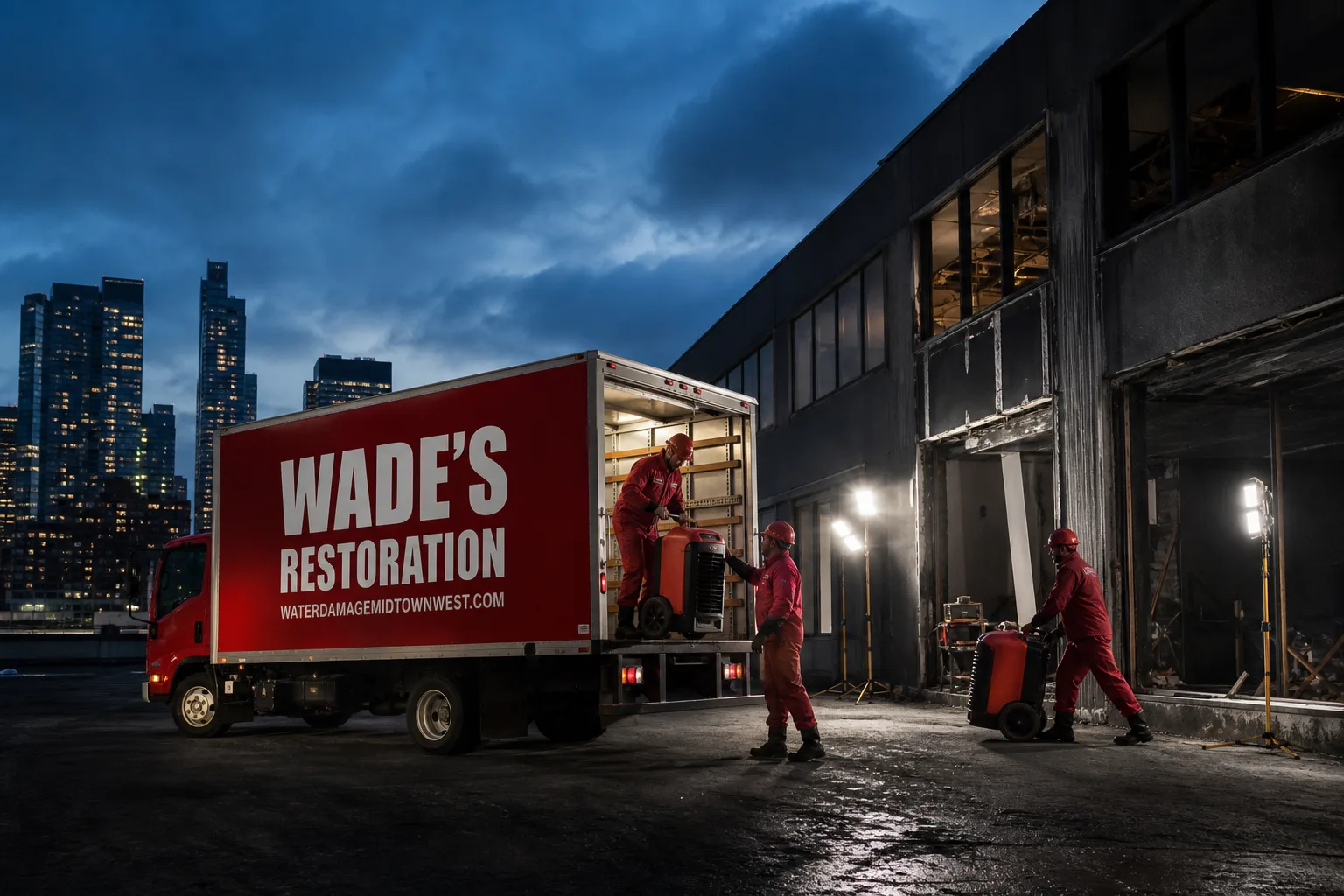
Free visual inspection and a written scope of work before any mitigation begins - photos, moisture readings, and drying logs go in your claim file
The scope we write is the scope we bill. Anything new gets shown to you, in writing, before we touch it.
 Before
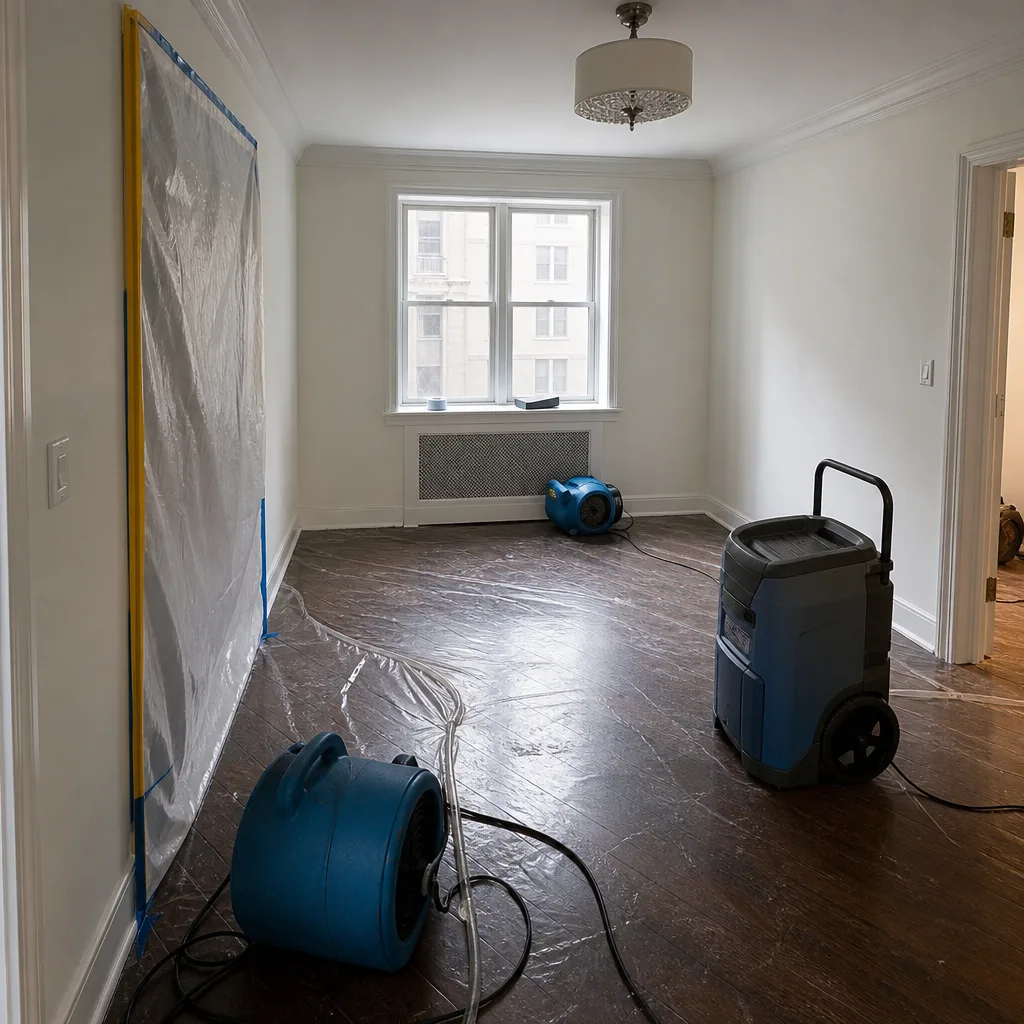 After
After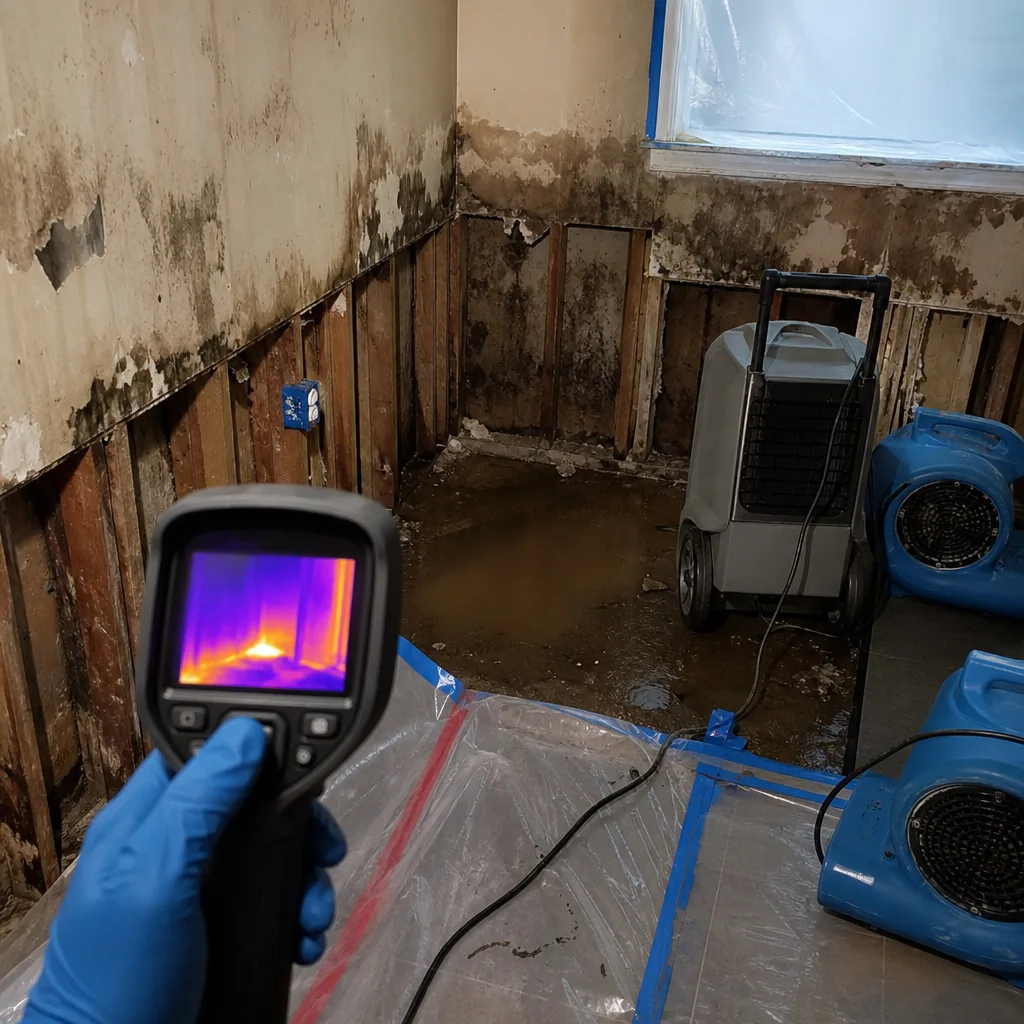 Before
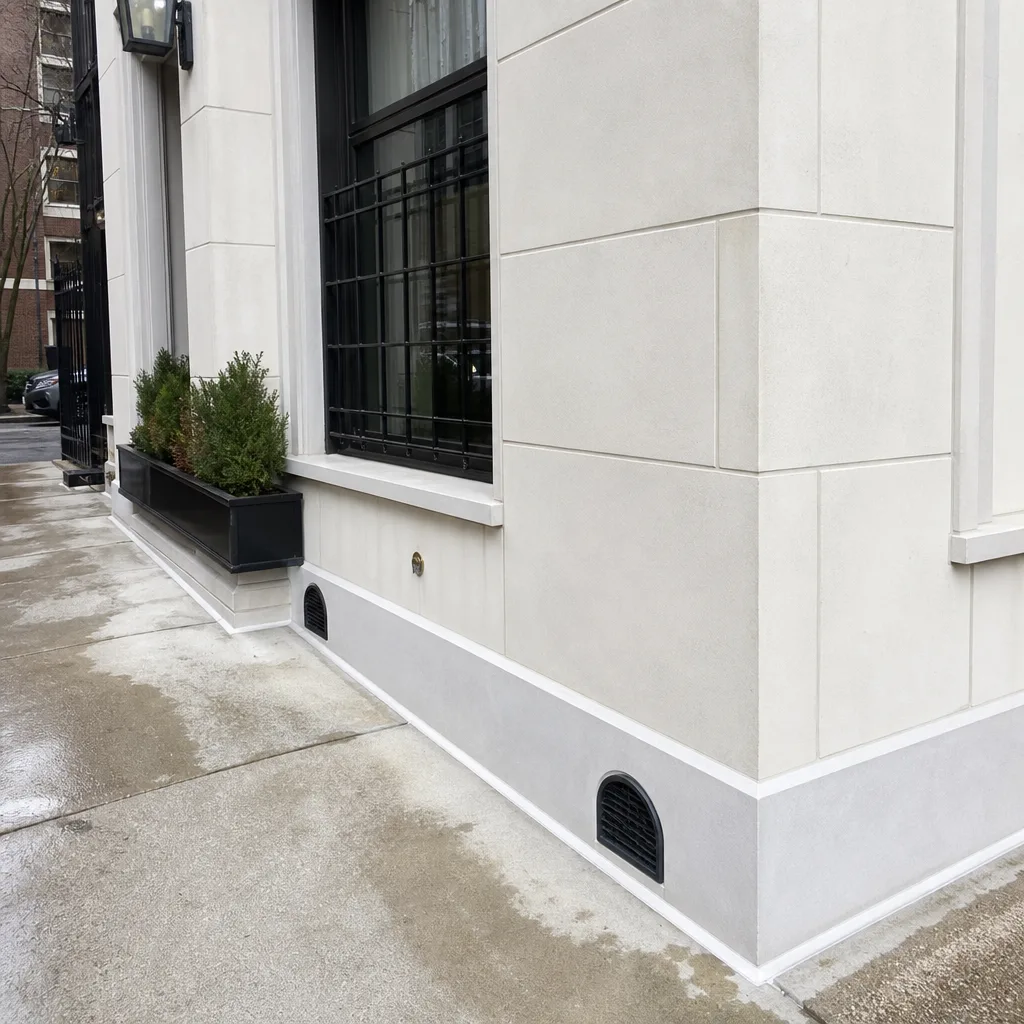 After
After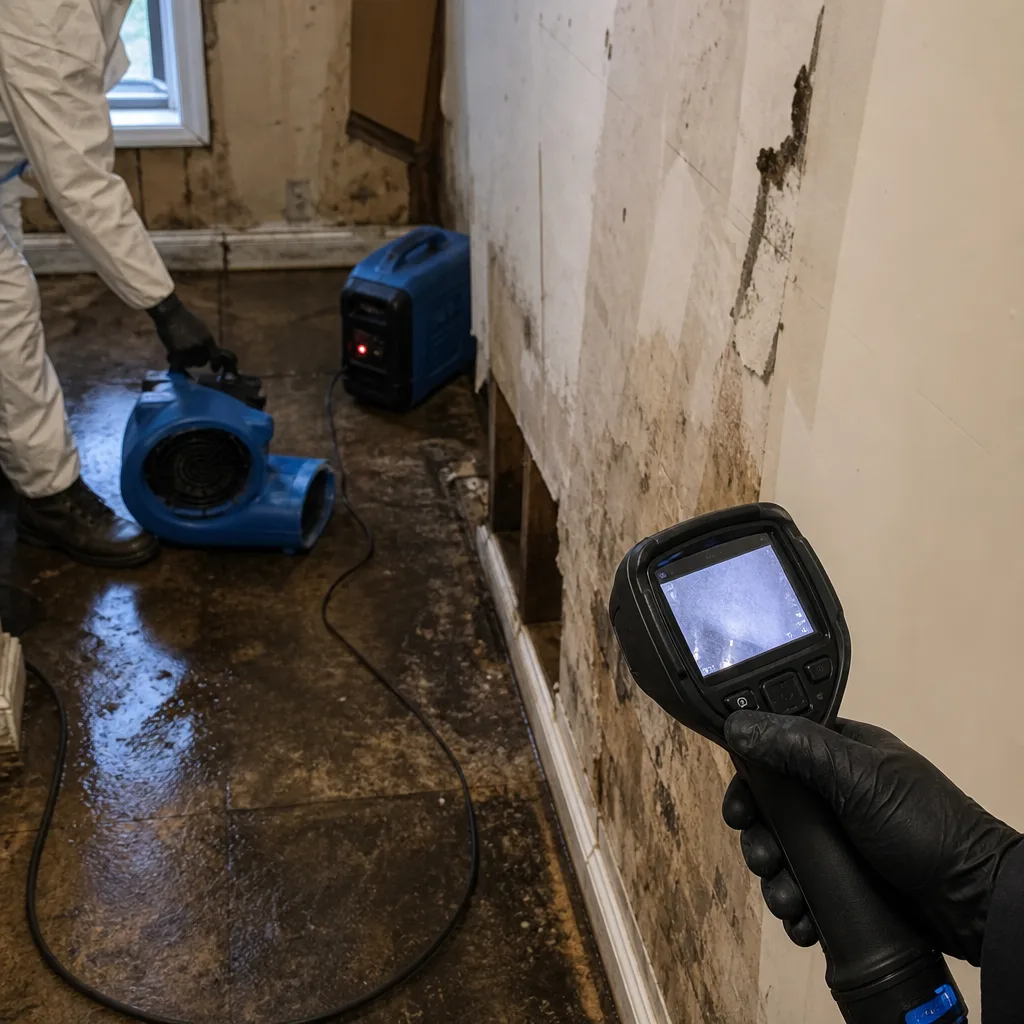 Before
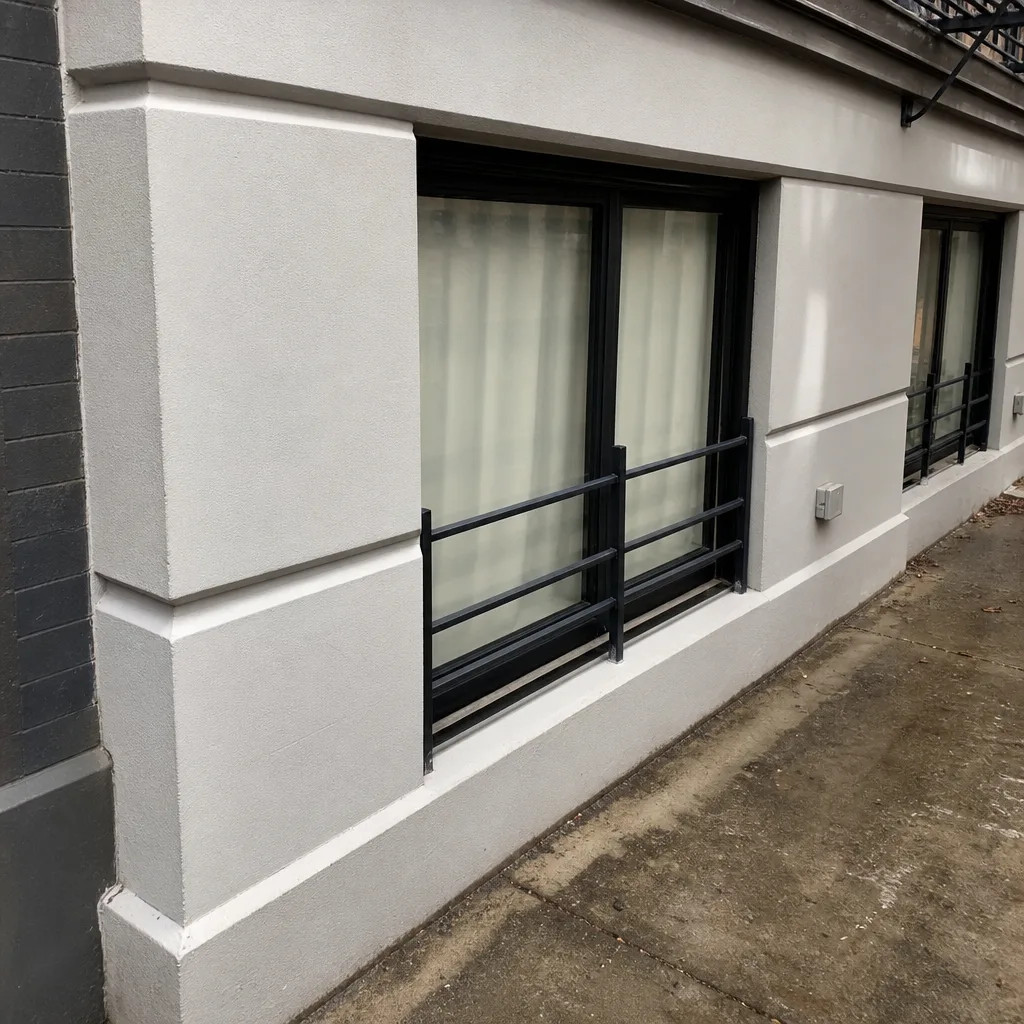 After
After24/7 Emergency Fire & Smoke Damage Restoration in West New York
Fire and smoke damage restoration in West New York typically costs between $2,800 and $9,500 depending on how far soot traveled through a building, and most jobs we handle start within two hours of the first call. If you’ve had a fire in a West New York apartment building, call (607) 703-3408 right now. The longer soot sits on plaster, drywall, and wiring, the deeper it bonds, and the more likely you’re looking at full reconstruction instead of cleaning.
Wade Ferris answers his own phone. That’s not a marketing line. It’s how we’ve run Fire & Smoke Damage Restoration since 2007. When you call about a kitchen fire on 60th Street or a smoke-filled unit on Boulevard East, you talk to the man whose name is on the truck. He’ll tell you what to do in the next thirty minutes, whether you need emergency board-up before nightfall, and when his crew can be standing in your unit with air scrubbers running.
Understanding Fire & Smoke Damage Restoration Severity in West New York Properties
West New York’s housing stock creates a specific kind of fire damage problem. Almost every building you pass here is a four-to-six-story brick apartment structure built between 1920 and 1955. These buildings share vertical chases, floor-ceiling assemblies, and common wall cavities. When a fire starts in one unit, smoke doesn’t stay there. It travels up through pipe chases, around electrical conduit, and into apartments two and three floors away, even when those units show no visible flame damage at all.
We classify soot residue in three ways: dry soot from fast-burning kitchen or paper fires, oily soot from grease or plastic fires, and protein residue from food fires that’s nearly invisible but carries a rancid odor that soaks into paint and plaster. Each requires a different cleaning method. Spraying a general-purpose cleaner on oily soot smears it into the substrate and makes it permanent. In West New York’s pre-war buildings, plaster walls and original wood trim are especially absorbent, which is why oven cleaner sprayed by a well-meaning tenant can turn a $3,000 cleanup into a $12,000 wall replacement.
The vertical cascade effect is the real difference between a suburban house fire and a West New York apartment fire. Smoke rises through the path of least resistance, and in these old brick buildings, that’s a shared chase that runs floor to floor. We’ve walked into fourth-floor units where the fire was contained to one kitchen, but soot covered the walls of the apartment directly above it. A generic restoration company that only treats the unit of origin misses everything above and below.
Why West New York Property Owners Choose Wade’s Restoration
- 45-minute response commitment. Wade heads out from the local dispatch point the moment you hang up. In West New York traffic, that usually means thirty to forty-five minutes to Boulevard East, Bergenline Avenue, or anywhere in town.
- 24/7 live answer, always a person. No answering service, no automated menu. If a fire happens at 2 a.m. on a Tuesday, Wade picks up the phone himself.
- IICRC-certified crews. Our people hold FSRT (Fire & Smoke Restoration Technician) and ODR (Odor Control) certifications, and we’re an RIA-affiliated firm. That means the work is done to an actual standard, not a guess.
- Free visual inspection. Wade walks the unit, checks adjacent apartments, and tells you straight what needs to happen. No charge for that.
- Direct insurance billing. We bill your carrier directly and send them the documentation before they ask for it. You’re not the middleman.
- One team from board-up to paint. Emergency tarping, soot removal, odor treatment, structural repair, and final reconstruction. Wade’s crew handles all of it, so you’re not juggling three contractors.
Our Fire & Smoke Damage Restoration Process
Inspection & Assessment
Wade walks every affected unit and the common areas between them. He checks wall cavities, chases, and the apartments above and below the fire. You get a written scope of what actually needs work, not a sales pitch.
Extraction & Stabilization
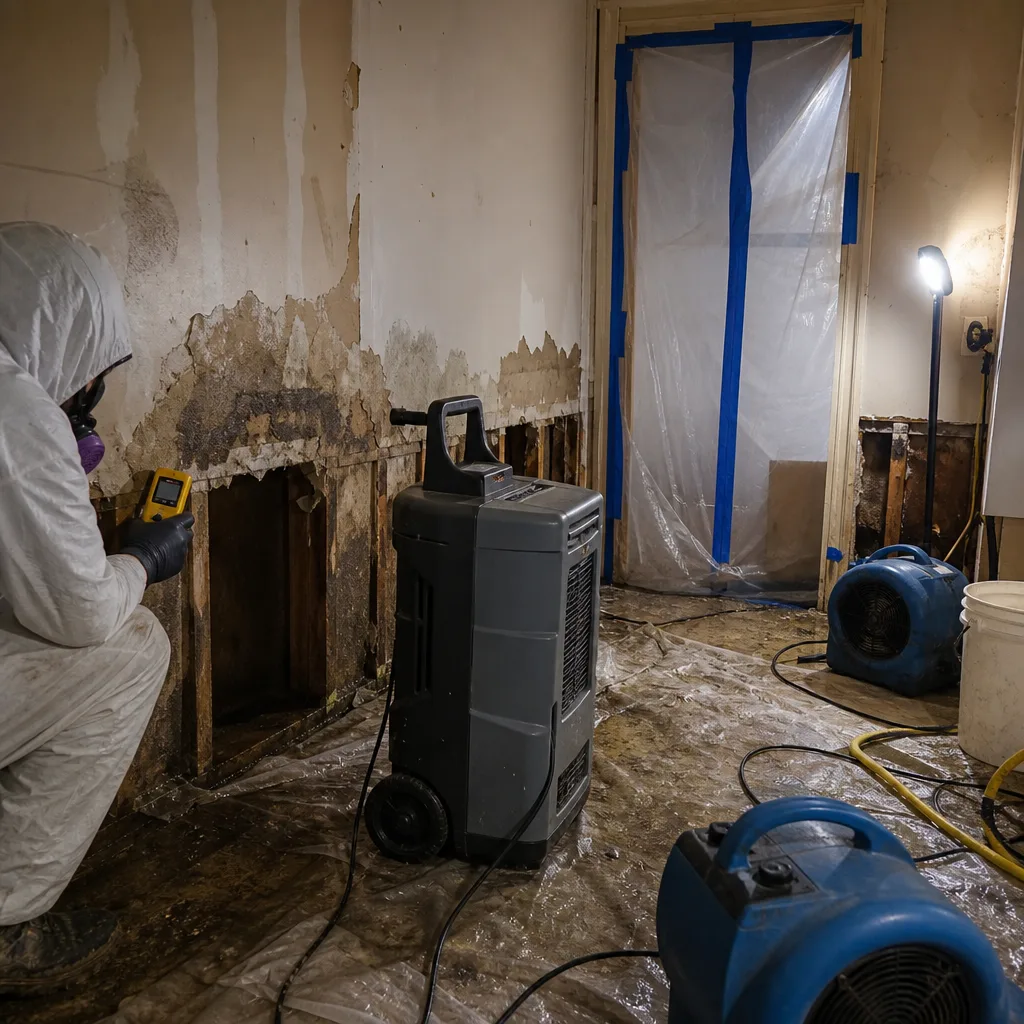
If the fire department’s water put out more than just the flames, we extract standing water and set up containment on affected floors. Board-up and tarping happens the same day if windows or the roof are compromised.
Drying & Dehumidification
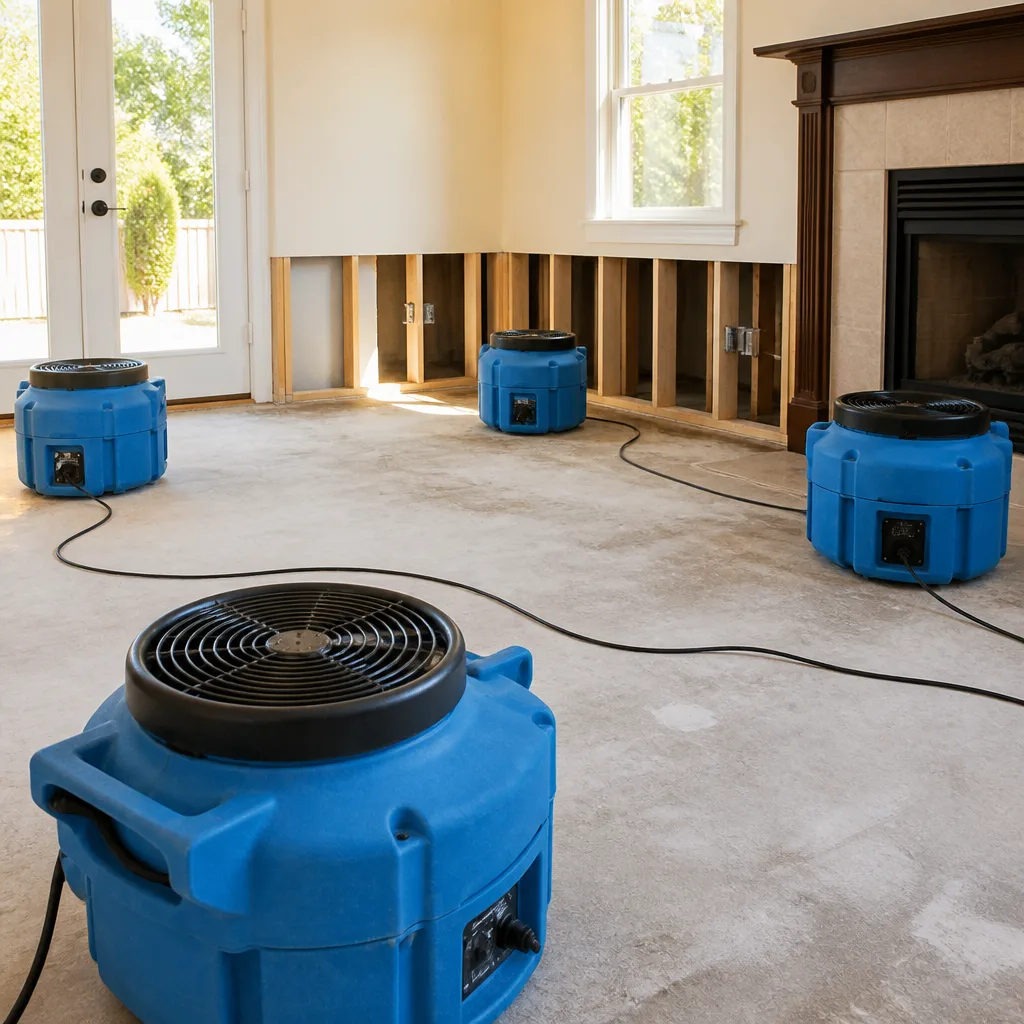
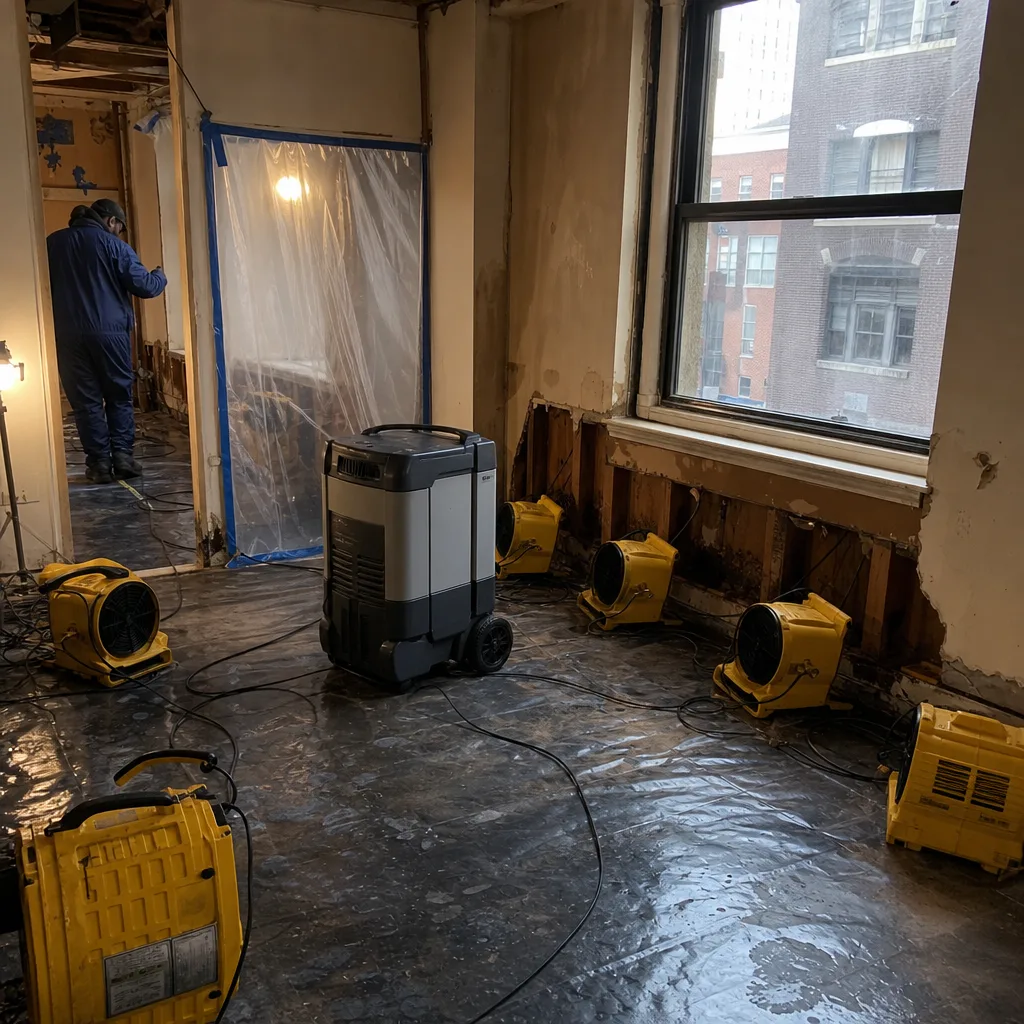
Phoenix dehumidifiers and XPOWER air movers run continuously until moisture readings return to baseline. In West New York’s humidity, especially close to the Hudson, this step is non-negotiable before any cleaning starts.
Cleaning & Sanitization
HEPA vacuuming, dry sponge cleaning for soot, and chemical treatment for oily or protein residue. We use the right method for the type of soot, not a one-size-fits-all spray. Contents are packed out, cleaned, and stored off-site when needed.
Odor Removal & Deodorization
Hydroxyl generators and thermal fogging remove smoke odor from plaster, wood trim, and fabrics. In pre-war buildings with original plaster, this is the step that saves walls from needless demolition. We also treat wall cavities so odor doesn’t return weeks later.
Repairs & Restoration
Wade’s team rebuilds what fire, water, and smoke compromised. Drywall, plaster, trim, paint, flooring. We handle the entire job under one contract, and every fire restoration job carries the 90-Day Done Right Promise in writing.
Need Emergency Fire & Smoke Damage Restoration in West New York Now?
Crews minutes away, answering live 24 hours a day. The sooner we start, the less it costs.
Working With Your Insurance Company
Insurance claims in West New York’s multifamily buildings get complicated fast. There’s the unit owner, the tenant, the landlord, sometimes a co-op or condo board, and often two insurance carriers involved: yours and the building’s. We’ve done this enough to know that adjusters want documentation, not phone tag. From the first hour, we photograph every room, log moisture readings, and keep a running inventory of damaged contents.
Wade talks to your adjuster directly. If the adjuster says the scope is too big or too small, Wade walks them through it on site. You’re not relaying messages between two people who disagree. You pay your deductible, your carrier covers the covered portion of the loss, and we bill them directly for the rest.
What We Provide Your Insurer
- Thorough documentation of the loss
- Photos of all damage, room by room
- Moisture readings and drying logs
- A detailed, line-item scope of work
- Direct coordination with your carrier
Built for West New York’s Loss Calendar
West New York’s fire and smoke damage calls follow a seasonal rhythm. In January and February, space heaters and overloaded circuits in pre-war buildings spark electrical fires, and frozen supply lines burst inside wall cavities, sending water and steam into the same chases that carry smoke. March and April bring roof melt from snow accumulation on flat roofs, which turns into ceiling damage and hidden moisture above top-floor units. Summer thunderstorms blow rainwater through old window frames and roof penetrations, and in buildings with aging electrical, a lightning strike near the Hudson can fry panels and start wiring fires. Nor’easters in late fall push wind-driven rain under parapet walls and through roof membranes that should have been replaced ten years ago.
Every one of these events leaves behind what we call a “pre-loss condition” problem: a building that already had small leaks, cracked plaster, or failing roof sections. Fire or water damage exploits those weaknesses. When we scope a job in West New York, we’re looking at the whole building, not just the unit where the fire started.
Fire & Smoke Damage Restoration Across West New York’s Neighborhoods
We’re familiar with every corridor in West New York. Boulevard East runs along the Palisades and is lined with high-rise co-ops and condos built from the 1950s through the 1980s. Fires there tend to involve kitchen exhaust, electrical panel failures, and HVAC units on the roof. The side streets between Boulevard East and Bergenline Avenue are mostly four-to-five-story brick walk-ups from the 1920s and 1930s, and those are the buildings where the vertical cascade effect hits hardest. One small pan fire on a third-floor stove sends soot through the shared chase into the apartments above and below.
Down around Bergenline Avenue, the commercial corridor runs north to south through the entire town. Mixed-use buildings with retail on the ground floor and apartments above create a specific challenge: smoke from a storefront fire travels upward into residential units, and the cleanup has to address both commercial and residential spaces with different cleaning standards. The blocks near Donnelly Memorial Park and the high school are mostly mid-century brick with flat roofs, and roof fires or roof repairs gone wrong there mean water and soot in the top two floors. Lower West New York, closer to the river and the light rail, has newer construction mixed with older buildings, and wind off the Hudson pushes smoke laterally through windows and shared balconies.
Specialized Fire & Smoke Damage Restoration Services We Offer in West New York
Smoke & Soot Removal
Soot on plaster walls in a pre-war West New York apartment isn’t just ugly. It’s acidic and it etches into the surface within days. We use dry sponge methods first and chemical cleaning only where the residue type calls for it. In buildings with original plaster, getting this step right means the difference between cleaning the walls and replacing them entirely.
Odor Removal & Deodorization
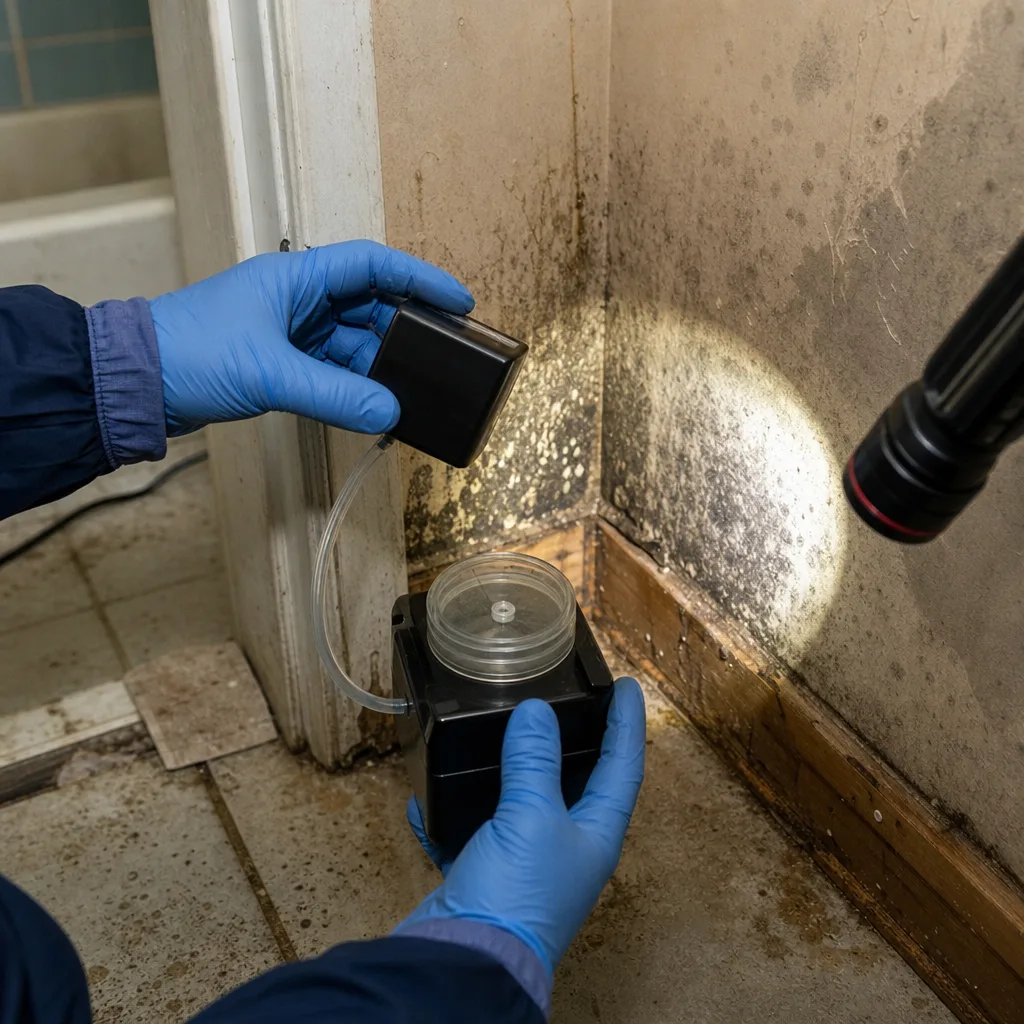
Smoke odor in an old brick building settles into plaster, wood trim, and the air spaces between floors. Thermal fogging and hydroxyl generators treat the air and the surfaces. We also treat wall cavities and chases, because if you only clean the apartment of origin, the odor comes back through the shared spaces within weeks. That’s the step most cut-rate crews skip.
Emergency Board-Up & Tarping
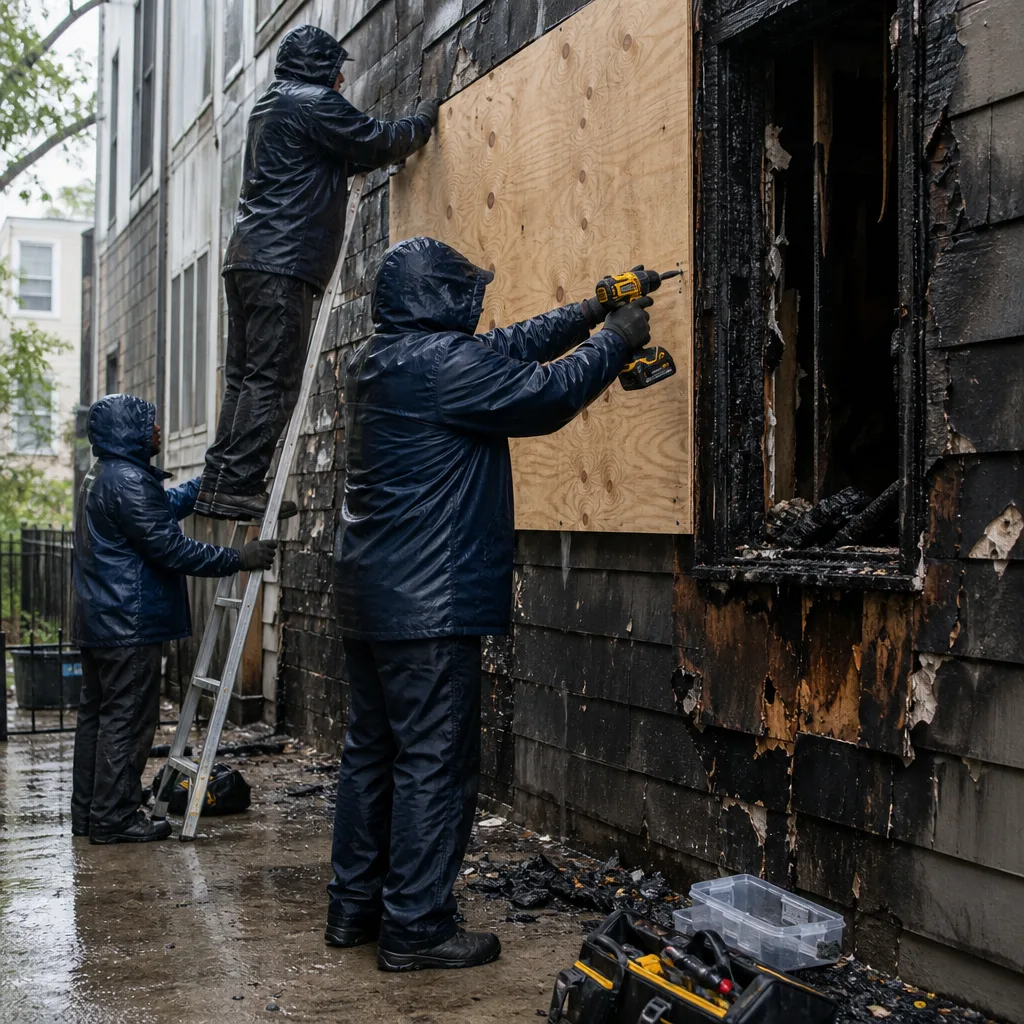
After a fire, broken windows and damaged roofs leave your unit and the building exposed to weather, squatters, and animals. We board up windows and tarp compromised roof sections the same day. In West New York’s multifamily buildings, this also protects the units below from rain coming through a burned floor or roof opening.
Fire Damage Cleanup
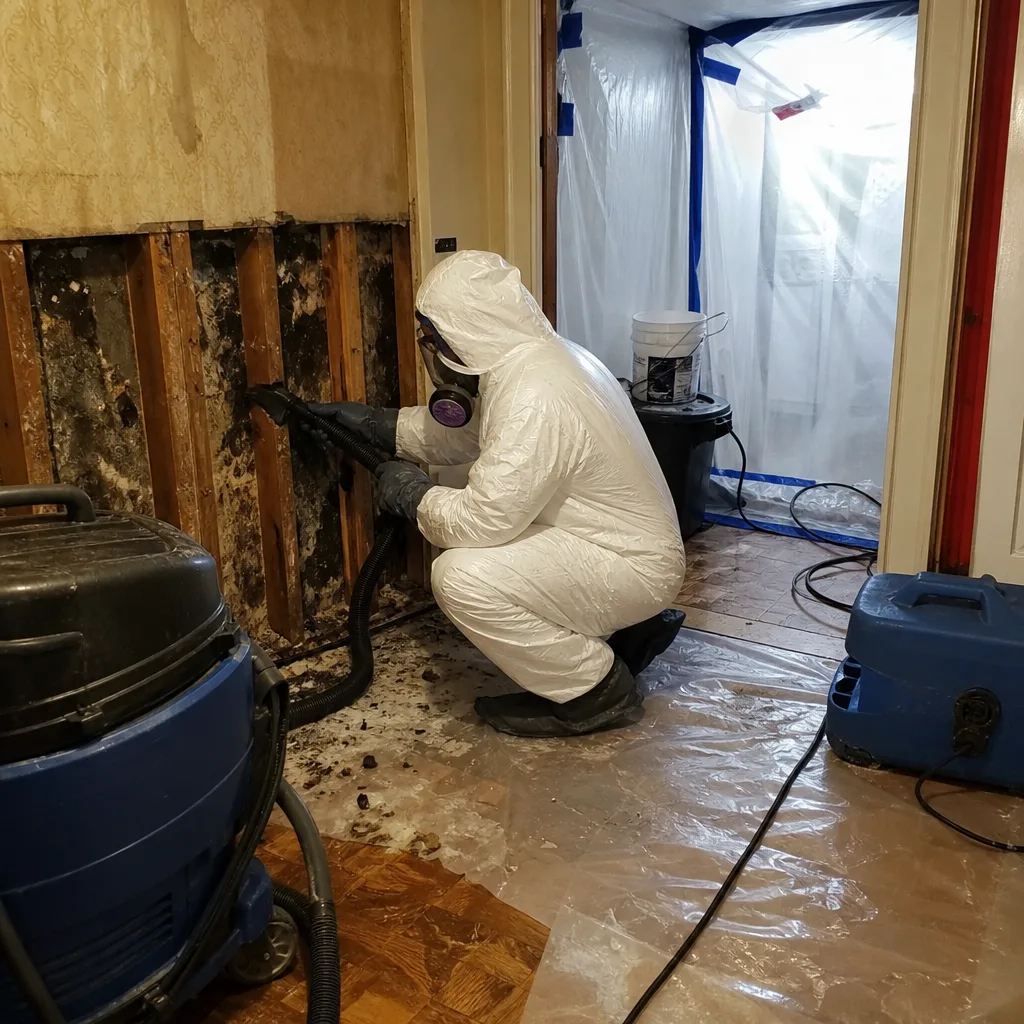
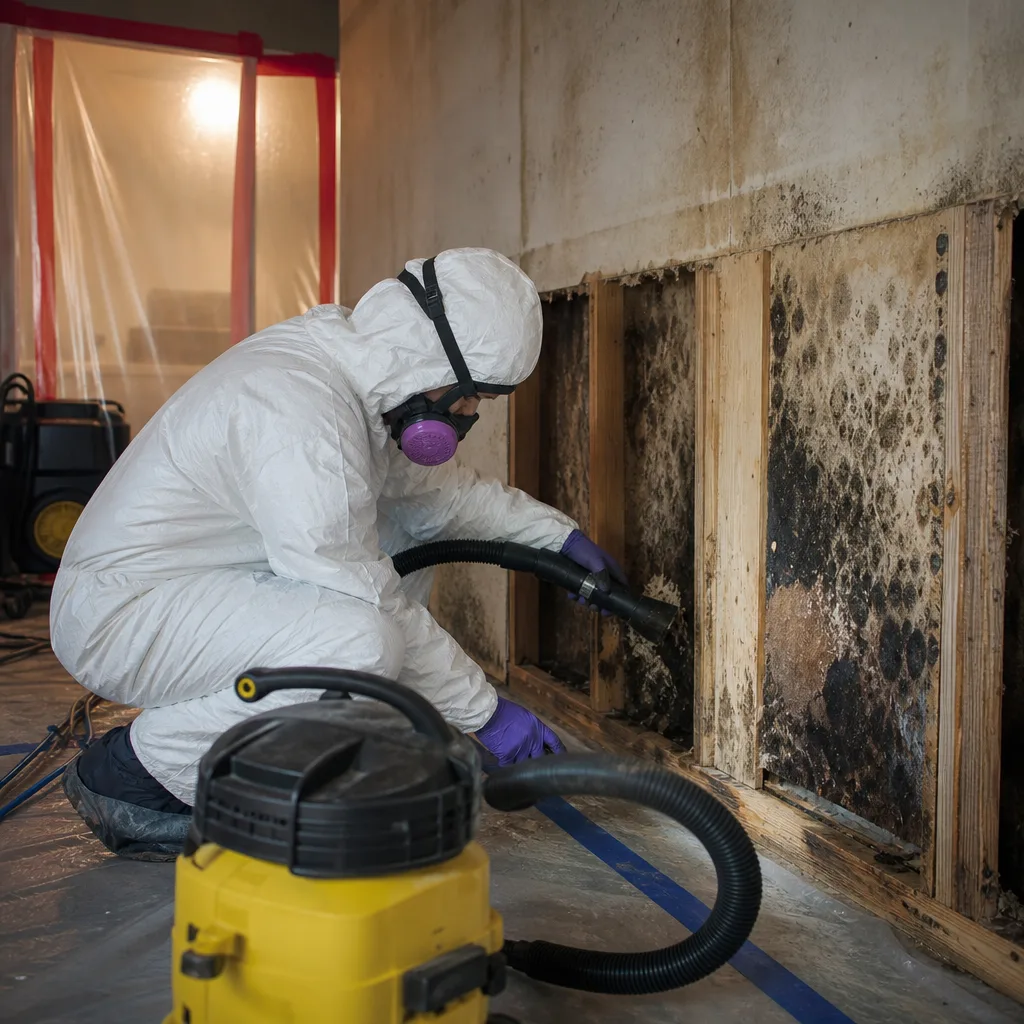
Water from fire suppression is often the most destructive part of the event. We extract standing water, remove wet drywall and insulation, and dry the structure before reconstruction. In the stacked units of a West New York building, water that’s left in a floor cavity for two weeks becomes a mold problem for the unit below, and then the claim doubles.
Contents Cleaning & Pack-Out
Clothing, furniture, books, and kitchenware covered in soot need specialized cleaning. We inventory everything, pack it out, clean what’s salvageable, and store it until your unit is ready. If something can’t be cleaned, we document it thoroughly for your insurance claim so you’re not fighting your carrier over replacement value.
What happens when you call
- 1
A real person answersNo phone trees - you reach a local pro.
- 2
You get an upfront price rangeHonest numbers before anyone is dispatched.
- 3
A background-checked tech heads outLicensed & insured, dispatched right away.
- 4
You approve before work beginsNothing starts until you say go.
Fire & Smoke Damage Restoration Costs in West New York, NJ
Here are real numbers for the West New York market, based on what we see in these buildings. A small contained kitchen fire with smoke damage in one unit runs $2,800 to $4,500 for cleanup, odor treatment, and minor repairs. A fire that spreads soot through a shared chase and affects three or more apartments in a pre-war building runs $8,000 to $18,000, because every affected unit needs containment, cleaning, and repainting. Full structural repair after a larger fire, with reconstruction of walls, ceilings, flooring, and electrical, starts around $20,000 and goes up from there depending on the floor plan and how much original material remains.
What moves the price most is how long the soot sat before we started. Same-day cleanup costs half of what a week-old soot job costs. Emergency board-up alone runs $300 to $800 depending on how many windows and doors are involved. Odor removal in a single unit runs $1,200 to $2,800; treating a full vertical stack of apartments runs $4,000 to $9,000. Insurance covers most of this in a typical fire claim. The fastest way to get a firm number is to call and let Wade walk the building. The inspection is free, and if you already have a written estimate from another company, bring it. Wade gives a free second opinion on any written estimate, no charge for that either.
We Also Serve Cities Near West New York
Wade’s Restoration serves all of Hudson County’s dense urban communities. We handle fire and smoke damage restoration in Jersey City, including the Heights and Journal Square, Hoboken’s turn-of-the-century walk-ups, Weehawken’s hillside buildings, and Union City’s pre-war brick apartments. Same response commitment, same owner on site.
West New York Fire & Smoke Damage Restoration Questions, Answered
How quickly can smoke and soot damage spread through a West New York brick apartment building?
Soot travels through shared chases and floor cavities within minutes of a fire, and the acid in soot begins etching into plaster and paint within 24 to 48 hours. In a four-to-six-story pre-war building, smoke can contaminate apartments two and three floors away from the fire while the fire is still burning. That’s why we tell people to call the moment the fire department clears the building, not the next morning.
Do I need my landlord’s permission to hire fire and smoke damage restoration in a West New York rental unit?
If you rent, the landlord owns the unit and typically handles the structural restoration, but a tenant can hire an independent firm for contents cleaning and odor treatment of their own belongings. If the landlord is dragging their feet on smoke mitigation, call us anyway. We can do an assessment and document the damage in writing, which often pushes the landlord to act because the report establishes a timeline and prevents the damage from being blamed on tenant neglect later. Call (607) 703-3408 and Wade will tell you exactly what your position is.
What does a ‘vertical cascade’ restoration job look like in a typical West New York pre-war building?
We were called to a pre-war brick building on 60th Street after a pan fire on the fourth floor sent smoke through the shared chase. Our crew set up containment on floors three through five, ran air movers and dehumidifiers to stabilize the structure, and completed smoke and soot removal in all affected units, coordinating with the landlord, three tenants, and two insurance carriers in the process. That’s the normal shape of these jobs now: one fire, three to five units, multiple parties, one restoration plan.
Can you remove smoke odor from plaster walls without gutting the apartment?
Yes, in most cases. Original plaster in West New York’s 1920s and 1930s buildings is dense and responds well to thermal fogging and hydroxyl treatment. We can often save the walls, the trim, and the doors. Demolition only becomes necessary when the plaster has been soaked by fire suppression water or when soot sat so long it bonded permanently. Called within the first 48 hours, most units avoid full gutting.
Does West New York require any special permits for fire restoration work in a multifamily building?
Structural repairs, electrical work, and any changes to plumbing or load-bearing elements require permits through the West New York Building Department. Cleaning, odor removal, and contents packing do not. When we scope a job, we identify which parts of the work need permits and handle the paperwork. For tenant improvements and repairs inside the unit, the process is usually straightforward, but shared building systems like electrical risers or roof repairs can trigger additional review. We’ve handled enough West New York buildings to know which triggers apply.
How fast can someone actually get here?
Wade lives in the dispatch area and answers his own phone. In normal traffic, he’s at Boulevard East or Bergenline Avenue within thirty to forty-five minutes. At 2 a.m., it’s faster because the roads are empty. If you’ve got smoke in the building, call now and he’ll be on the road before the call ends.
Will my insurance cover fire and smoke damage restoration in a West New York apartment?
Most homeowners and renters policies cover fire and smoke damage from a sudden, accidental event. The complication in West New York is multifamily buildings, where your policy and the building’s master policy may both be involved. We bill your carrier directly, provide the documentation they ask for, and handle adjuster communication so you’re not stuck in the middle. If you want an independent assessment before filing a claim, the visual inspection is free.
What should I do in the first 30 minutes after the fire is out?
Call (607) 703-3408 and tell Wade exactly what burned. Don’t touch the walls. Don’t wipe anything. Don’t run the HVAC system. Don’t turn on ceiling fans, and don’t open windows widely enough to create cross-drafts that push soot into other rooms. If there’s standing water from fire suppression, don’t walk through it. Take photos of everything with your phone, then wait for Wade to arrive. Every minute of delay makes the soot harder to remove and the claim harder to document.
Serving West New York, NJ - Our Local Coverage Area
We’re based in the West New York area and know this community well. Use the map below to see our service coverage - if you’re nearby, we can almost certainly help.
Call Wade’s Restoration for Fire & Smoke Damage Restoration in West New York
If your building has fire or smoke damage, you need someone who understands vertical chases, pre-war plaster, shared wall cavities, and the way smoke travels through dense brick apartment buildings. Wade Ferris has been doing this work since 2007. He answers his own phone, he shows up himself, and every fire restoration job carries the 90-Day Done Right Promise in writing. Call (607) 703-3408 now for a free estimate. The sooner we start, the less it costs, and the more of your home we can save.
Written by Wade Ferris, Owner at Wade’s Restoration, serving West New York and Hudson County since 2007.