
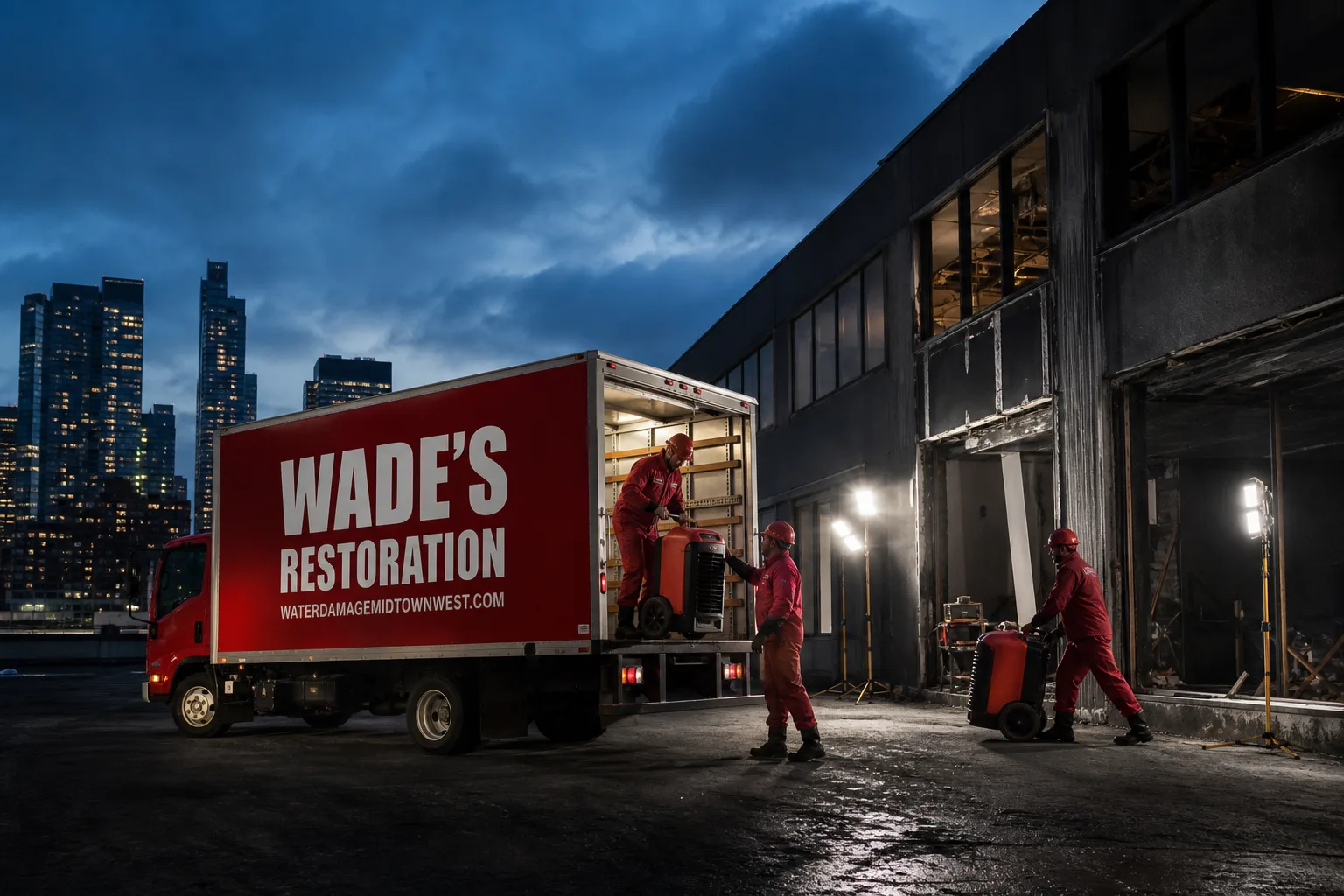
Free visual inspection and a written scope of work before any mitigation begins - photos, moisture readings, and drying logs go in your claim file
The scope we write is the scope we bill. Anything new gets shown to you, in writing, before we touch it.
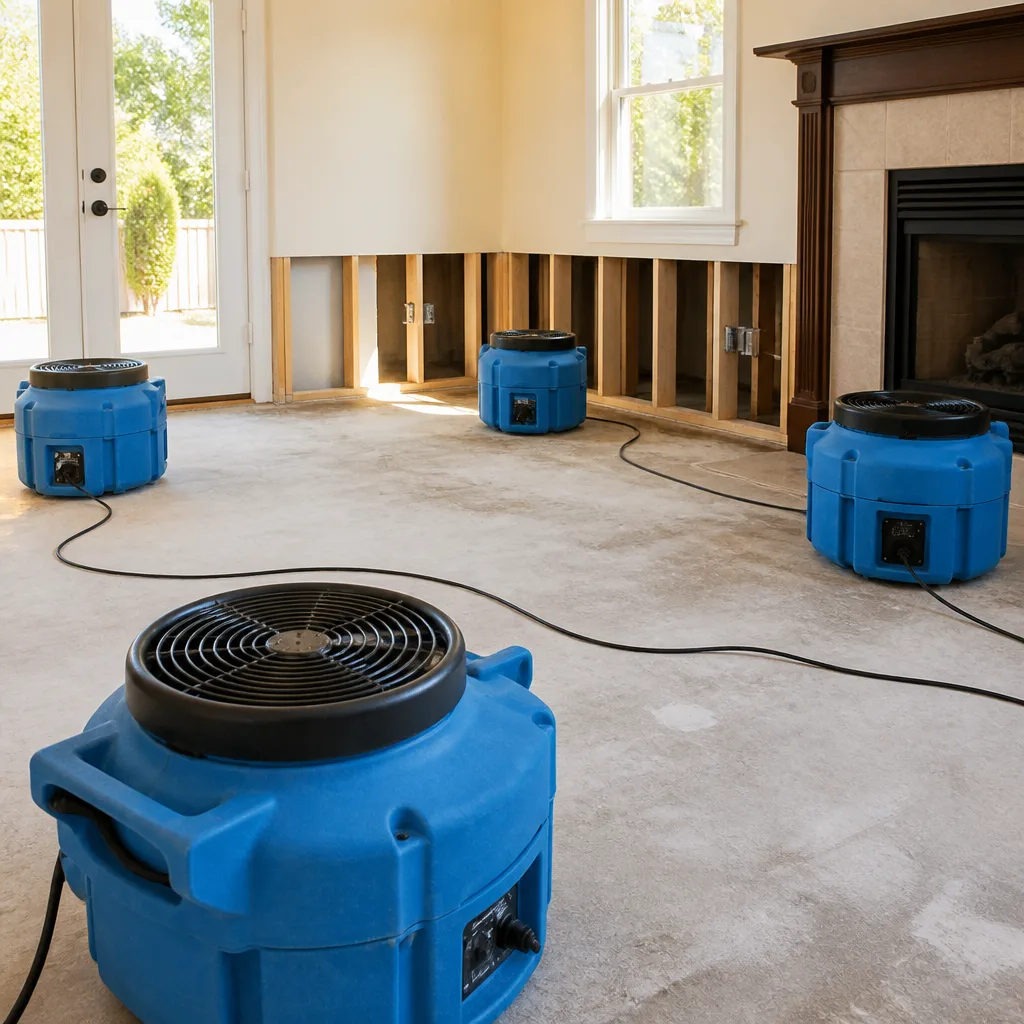
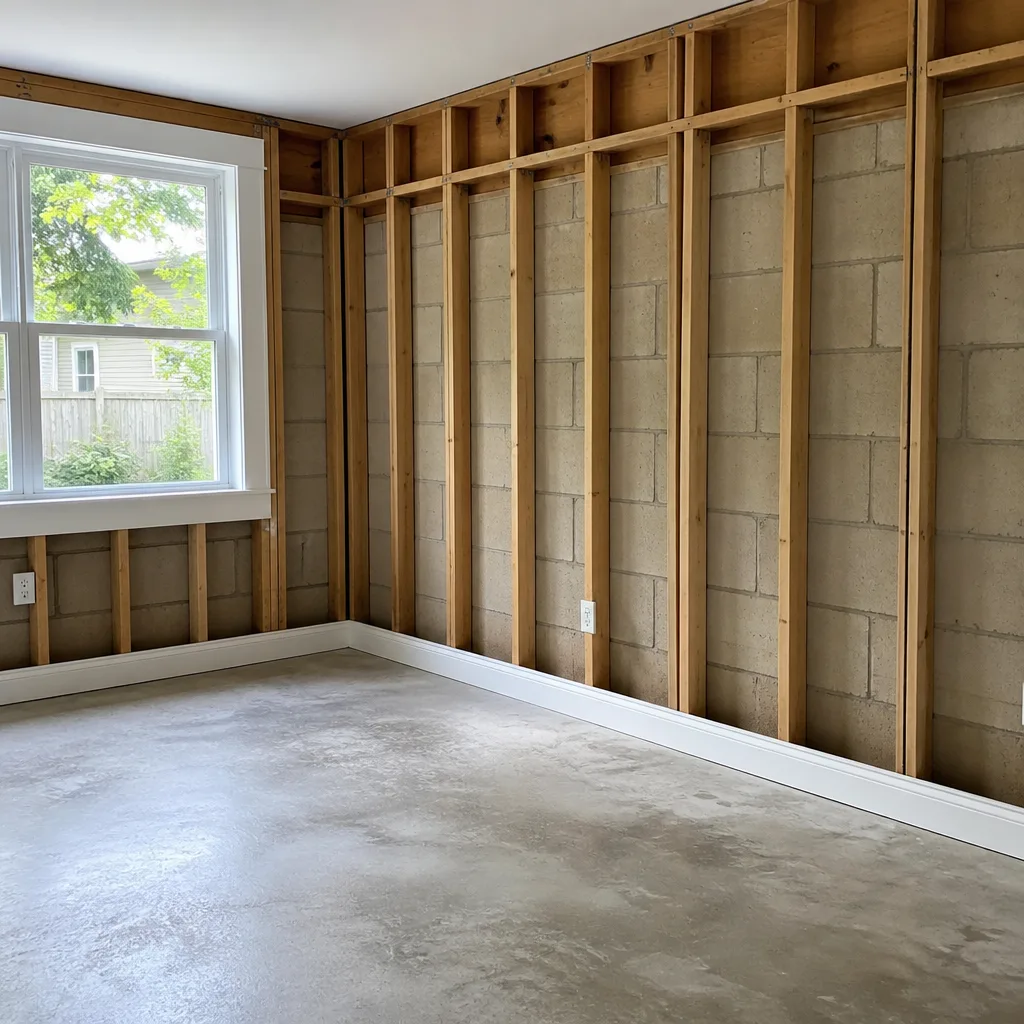
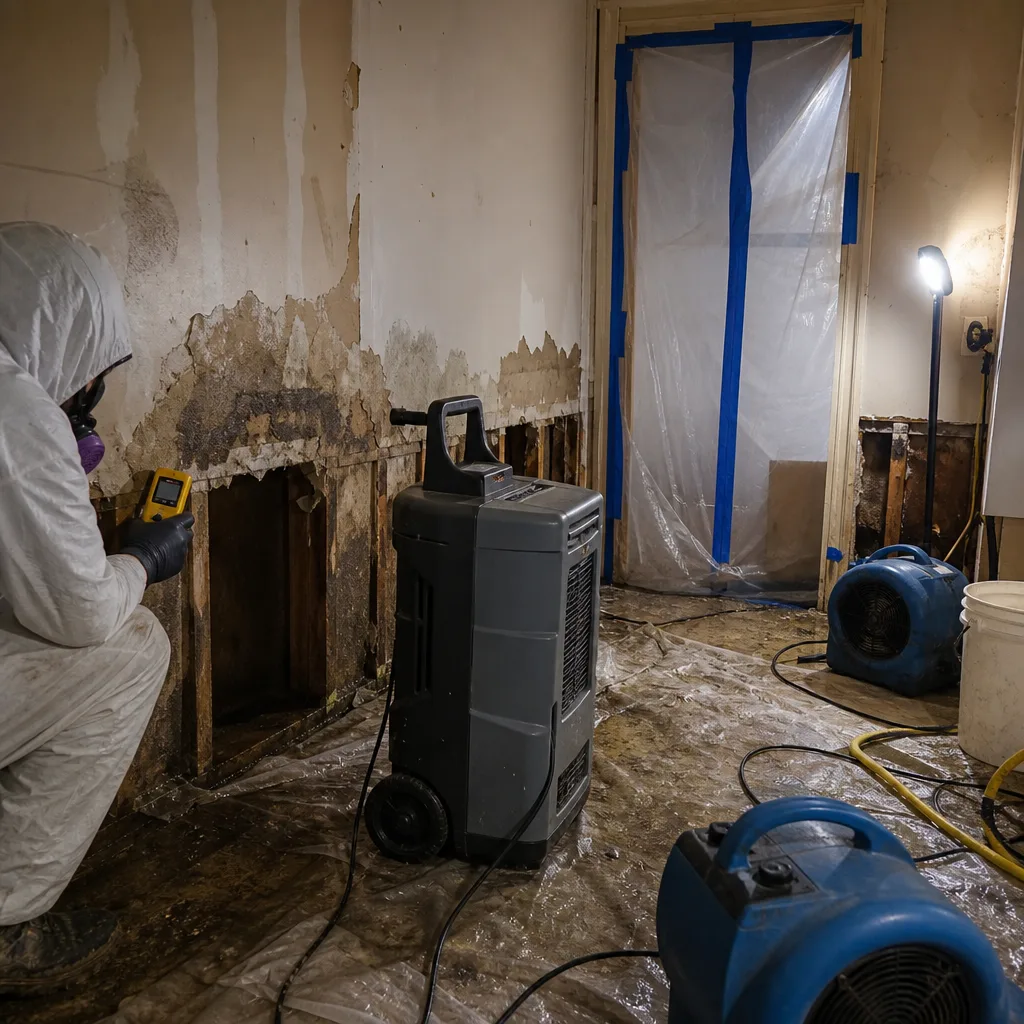 Before
 After
After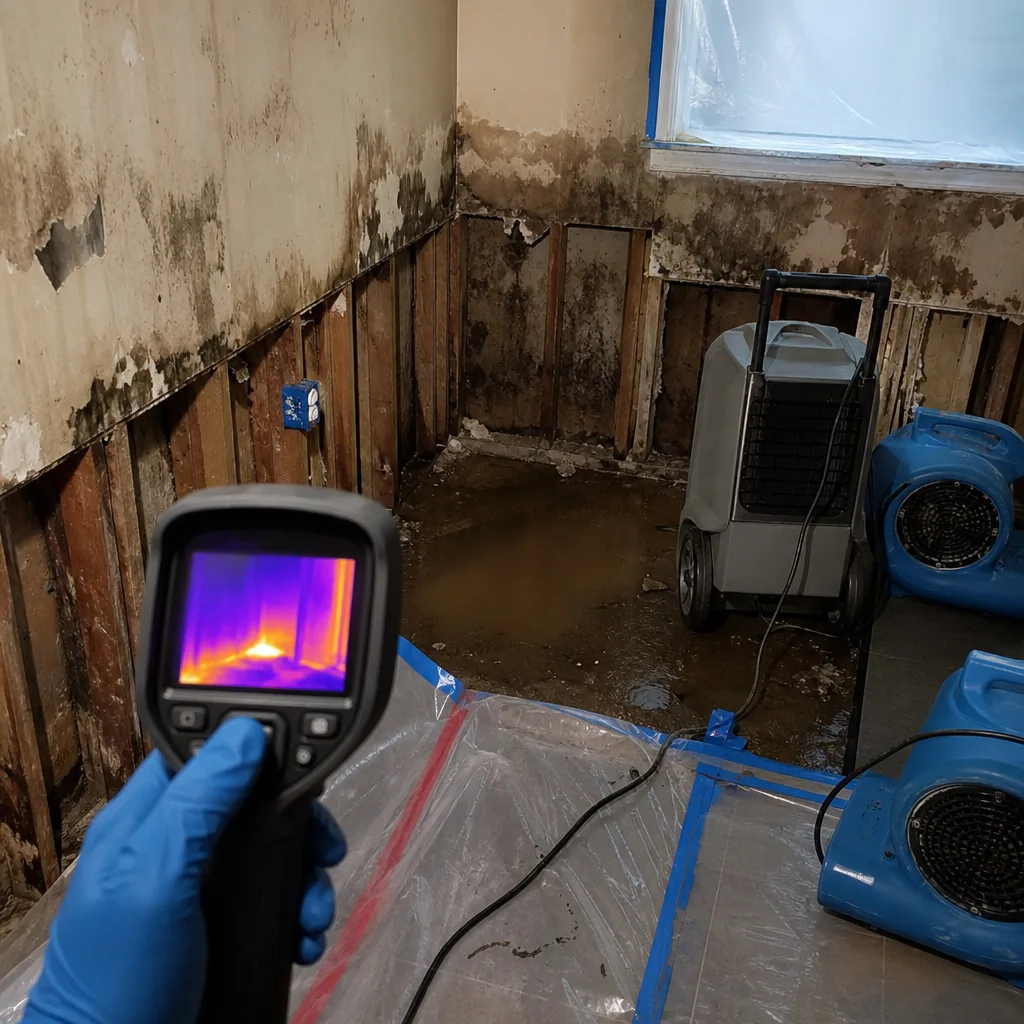 Before
 After
After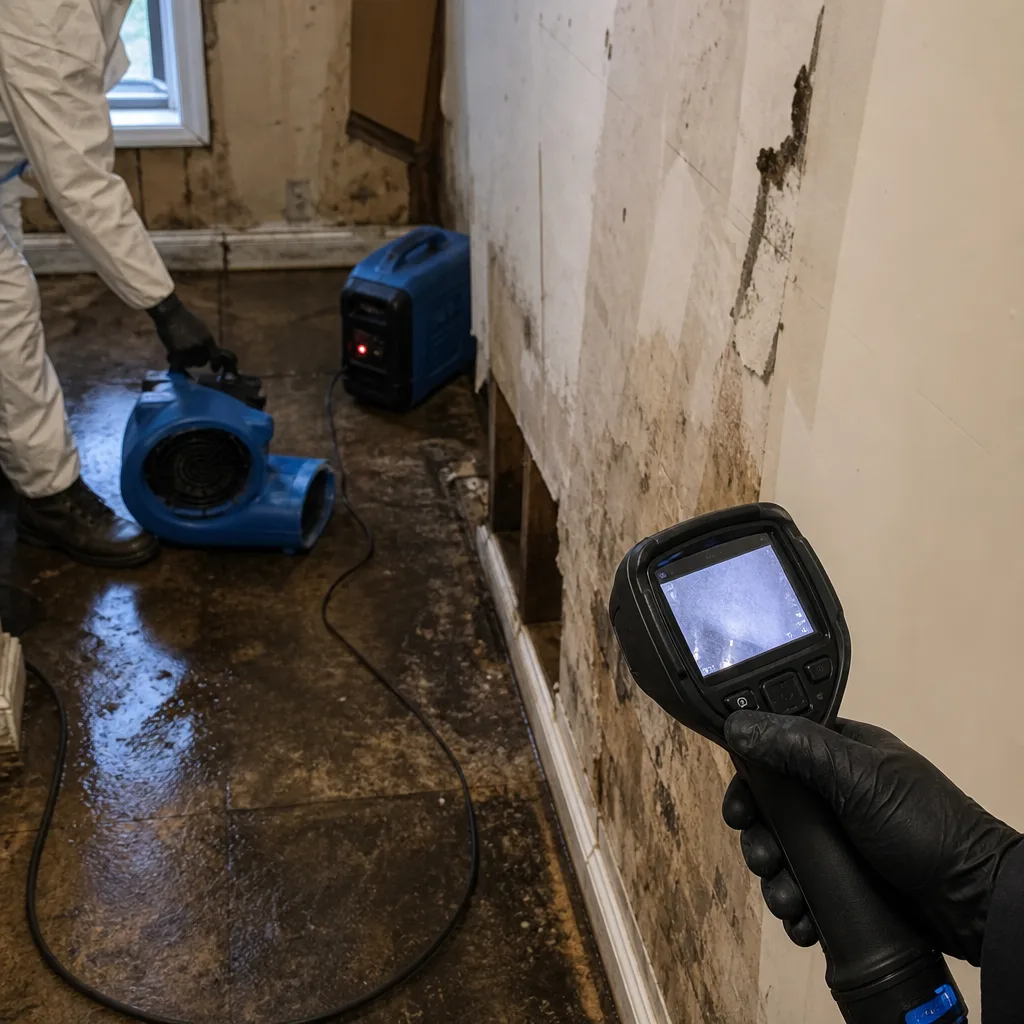 Before
 After
After24/7 Emergency Biohazard & Crime Scene Cleanup in Upper West Side
Biohazard and crime scene cleanup in Upper West Side runs $1,500 to $8,000 for a typical single-room trauma or unattended death scene, and $3,000 to $25,000+ when contamination spreads through multiple rooms or co-op units. Most jobs start same-day, and we answer the phone live at (607) 703-3408 around the clock. The first hour matters because blood and bodily fluids begin degrading into porous surfaces immediately, and in pre-war co-ops with horsehair plaster and oak parquet, that contamination sinks into materials that cannot be simply wiped clean. Wade Ferris and his team serve the Upper West Side directly, with crews that know these buildings and the approval chains that govern them.
Understanding Biohazard & Crime Scene Cleanup Severity in Upper West Side Properties
Not every biohazard scene on the Upper West Side requires the same response. A small blood spill on a tile bathroom floor is a Category 1 scenario: contained, non-porous, and treatable with hospital-grade disinfectants and surface-level antimicrobial application. An unattended death in a pre-war co-op apartment, where fluids have saturated oak parquet and wicked into horsehair-and-lath plaster, is a more severe situation. Biological material travels down through flooring layers, into the subfloor, and laterally through wall cavities. In these older buildings, shared wall cavities between co-op units mean contamination spreads invisibly. We use moisture meters and thermal imaging to map how far biological fluids have migrated. Then we build a containment plan. For hoarding situations with rodent droppings and decomposing waste, we’re dealing with airborne pathogens requiring HEPA air scrubbing and negative air pressure. The difference between a $2,000 cleanup and a $18,000 one is usually whether the release was caught early and whether it soaked into the building itself.
Why Upper West Side Property Owners Choose Wade’s Restoration
- 45-minute response commitment: Wade’s crew heads out immediately from our New York City office and reaches Upper West Side co-ops fast, often inside 45 minutes for true emergencies.
- 24/7 live answer, no answering service: You call (607) 703-3408 at 3 a.m., a real person picks up. Wade Ferris answers his own phone, not a queue.
- IICRC-certified crews: Our team holds WRT, FSRT, and AMRT certifications, plus IFA-recognized biohazard training. We know what walls in a 1925 co-op can keep and what has to go.
- Free visual inspection: We’ll walk the scene, tell you honestly what needs remediation and what doesn’t, and hand you a written scope before any work starts. No charge for that.
- Direct insurance billing: We bill your carrier directly and document every step with photos so your claim doesn’t stall on missing paperwork.
- One team from extraction to reconstruction: We handle the cleanup and the restoration, including matching original plaster moldings and oak flooring where co-op boards require it.
Our Biohazard & Crime Scene Cleanup Process
Inspection & Assessment
We walk the affected area, map contamination with moisture meters and thermal imaging, and identify what surfaces are salvageable. On Upper West Side jobs, we also assess whether the building’s managing agent or co-op board will need to approve scope before we open walls or remove materials.
Containment & Stabilization
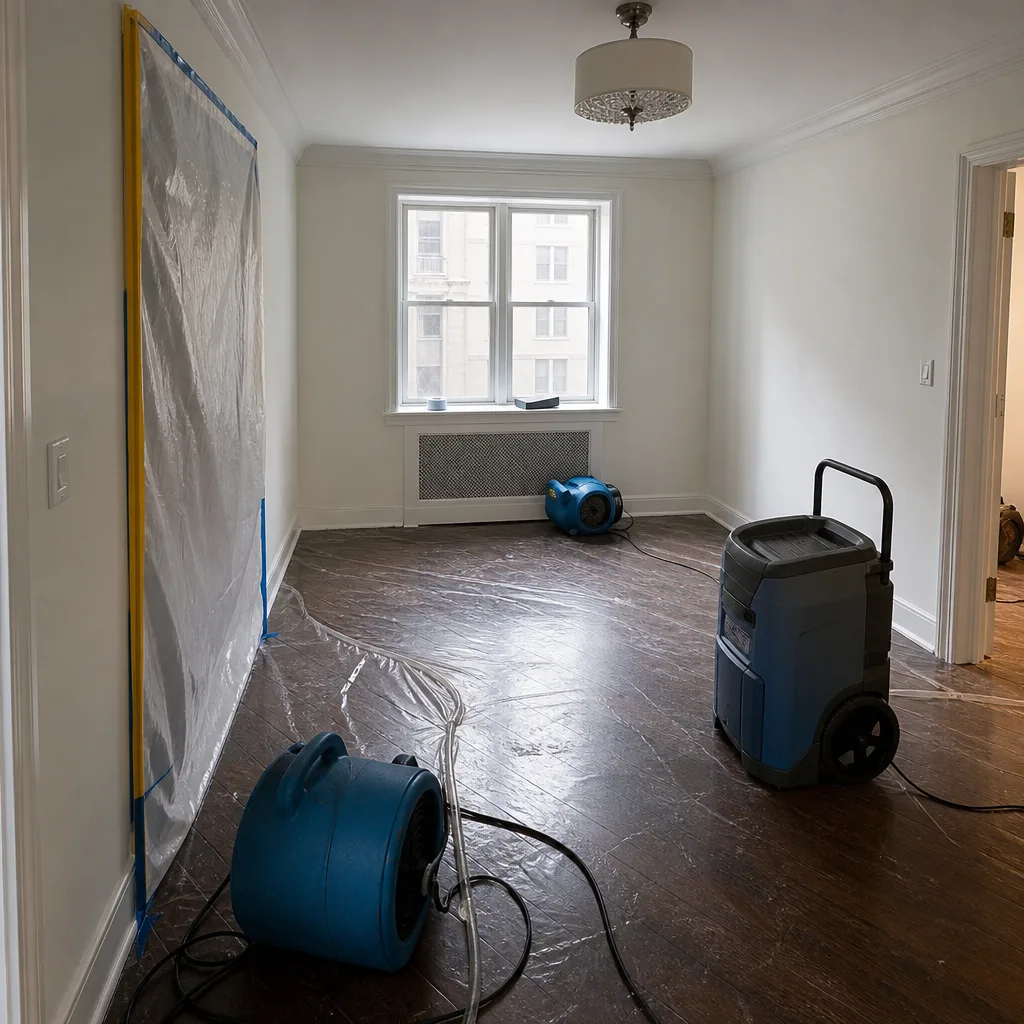
We seal off affected rooms with 6-mil polyethylene, set up HEPA air scrubbers to create negative air pressure, and stop any active biological contamination from spreading into adjacent co-op units through shared wall cavities or steam riser chases.
Removal & Decontamination
We physically remove saturated porous materials like carpet, upholstered furniture, hollow-core doors, and damaged plaster or drywall. Non-porous surfaces get scrubbed with EPA-registered disinfectants. Semi-porous materials like oak parquet get evaluated for whether sanding and antimicrobial treatment can save them or whether removal is required.
Drying & Dehumidification
Even a crime scene with no water release needs controlled drying because we’ve introduced moisture during cleaning. We run Phoenix dehumidifiers and XPOWER air movers in contained zones, logging readings daily. In pre-war co-ops with thick plaster walls, drying may take 7-10 days rather than the 3-4 days drywall would require.
Specialty Treatment & Odor Removal
We use hydroxyl generators and ozone treatments for stubborn biological odors in plaster and wood. Where a unit shares a steam riser or pipe chase with neighbors, we inspect those cavities for vapor migration and treat them before sealing. Dri-Eaz equipment handles moisture; our specialty tools handle what moisture carried in with it.
Repairs & Restoration
The final step is putting the unit back together. On the Upper West Side, that often means reinstalling matched oak parquet, replicating original crown molding profiles, or rebuilding a plaster wall to match a 1930s co-op’s character. We handle that in-house, not through a separate contractor you’re left to hire yourself.
Need Emergency Biohazard & Crime Scene Cleanup in Upper West Side Now?
Crews minutes away, answering live 24 hours a day. The sooner we start, the less it costs.
Working With Your Insurance Company
You shouldn’t be the one relaying information between a restoration company and your adjuster. Wade Ferris deals with the adjuster directly. From the first hour on scene, we photograph everything, document the scope, and write industry-standard estimates your carrier recognizes. If an adjuster pushes back on a line item like replacing oak parquet rather than refinishing it, Wade gets on the phone and explains why the biohazard saturation requires it. That’s not you arguing; that’s us doing our job. On Upper West Side co-op claims, we also document the building-specific requirements, including any Landmarks Preservation Commission mandates, because those are legitimate claim components your insurer should be paying for.
What We Provide Your Insurer
- Thorough documentation of the loss
- Photos of all damage, room by room
- Moisture readings and drying logs
- A detailed, line-item scope of work
- Direct coordination with your carrier
Built for Upper West Side’s Loss Calendar
Biohazard work on the Upper West Side follows a rhythm that differs from the rest of Manhattan. January and February push heating systems to their limit, and when a 90-year-old radiator supply valve lets go in a pre-war tower, the water release itself isn’t the biohazard, but the resulting mold and bacterial growth inside plaster walls can be. Spring thaw doesn’t bring the basement seepage you see in the outer boroughs, because most Upper West Side buildings sit on bedrock with deep cellars, but failed condensate return lines from steam systems do carry Category 3 water through wall cavities in March and April. Summer humidity creates secondary mold risk inside contained spaces where we’re doing trauma cleanup, extending drying timelines. Nor’easters in fall and winter drive wind-driven rain through the aging facades along Riverside Drive and West End Avenue, and when that water reaches horsehair plaster, it becomes a biohazard canvas if not dried properly. Our team works the Upper West Side calendar, not a national template.
Biohazard & Crime Scene Cleanup Across Upper West Side’s Neighborhoods
The Upper West Side isn’t one building type, and a cleanup on Central Park West doesn’t look like one on Amsterdam Avenue. In the co-op towers between 72nd and 86th along West End Avenue, where Hudson River wind exposure accelerates facade deterioration, contamination often enters through top-floor units and travels down steam riser chases, meaning we’re running containment on multiple floors at once. Along Riverside Drive, in the landmarked pre-war buildings facing the water, co-op boards are particularly strict about original finish preservation, which can change what we remove versus what we treat in place. The brownstone blocks between Columbus and Amsterdam, particularly in the West 70s and 80s, present a different challenge: narrow stairwells, limited access for equipment, and party walls where biological odor migrates next door through shared brick. Around Lincoln Center, in the older large-line co-ops, we often work alongside landmark architects who have to sign off on plaster replacement profiles. The response route from our New York City office runs up the West Side Highway to the 79th Street boat basin, across to Riverside, and then up the avenues: Columbus, Amsterdam, Broadway, West End. Because we run these streets daily, we know which buildings have freight elevator restrictions, which ones require union doormen clearance, and which co-op boards take three weeks to approve even a straightforward demolition scope. Our Biohazard & Crime Scene Cleanup team doesn’t learn those things on arrival; we already know them.
Specialized Biohazard & Crime Scene Cleanup Services We Offer in Upper West Side
Crime Scene Cleanup
When a crime occurs inside an Upper West Side co-op, the NYPD and medical examiner finish their work and leave, and someone has to deal with what remains. That’s us. We handle blood, bodily fluids, fingerprint dust, and noxious residues. In pre-war units, we also check stud bays and subflooring beneath visible contamination, because gravity and porous materials don’t respect the limits of what you can see.
Trauma & Unattended Death Cleanup
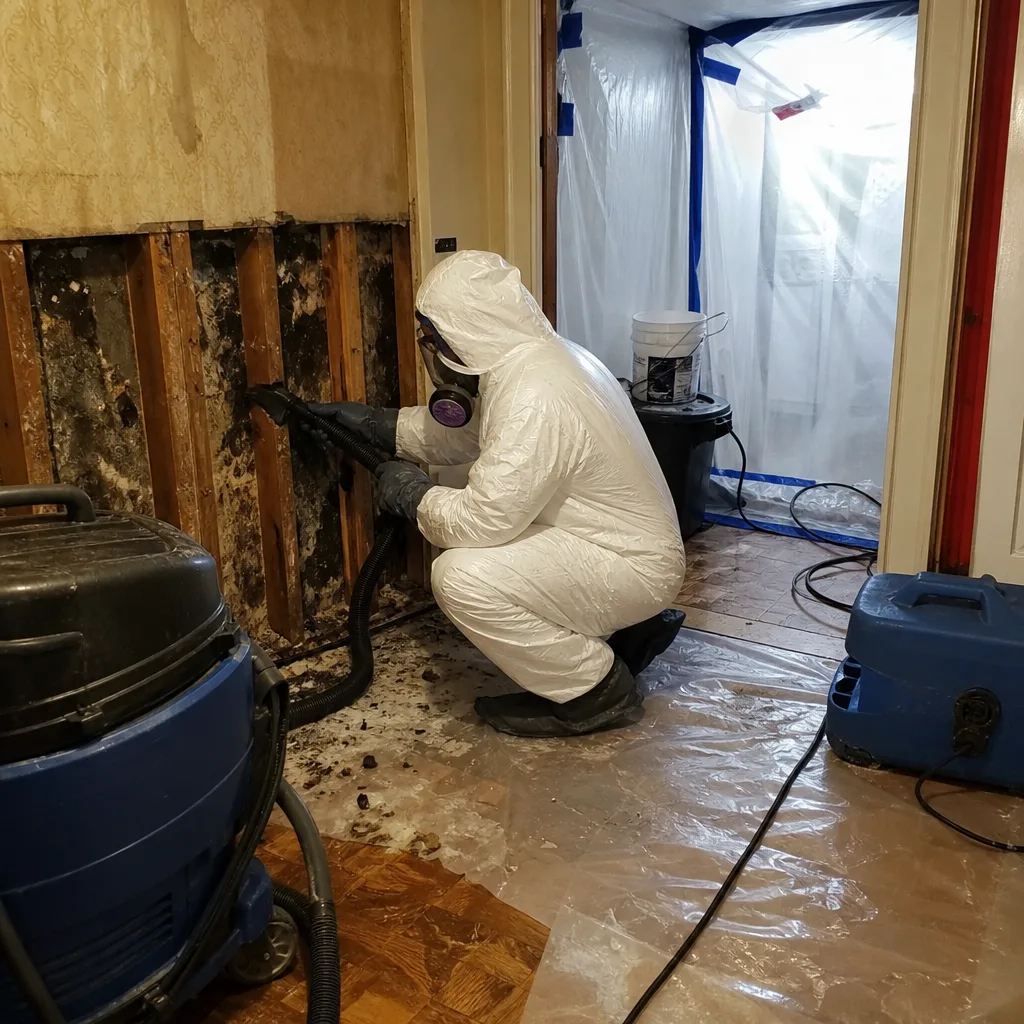
An unattended death in a pre-war co-op means biological fluids have had days, sometimes weeks, to saturate oak parquet, subflooring, and plaster. We handle the removal of impacted materials, full disinfection, and odor neutralization. We also coordinate with building management and the co-op board so your neighbors aren’t left wondering what’s happening in unit 14C. Discretion on Amsterdam Avenue matters.
Blood & Bodily Fluid Cleanup
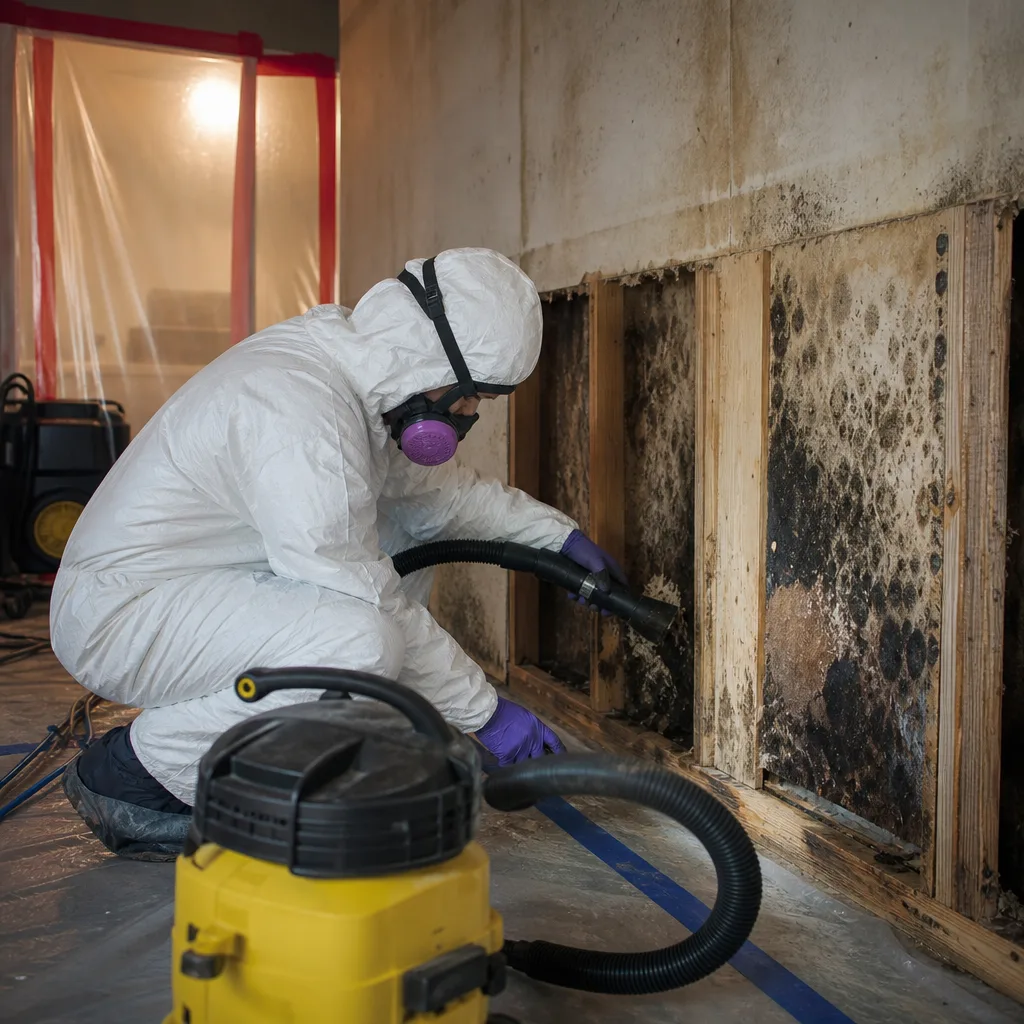
Bloodborne pathogens are the reason you don’t handle this yourself. We’re trained and equipped for it: Tyvek suits, respirators, hospital-grade disinfectants, and proper waste disposal in compliance with New York State regulations. On the Upper West Side, we’re also watching for secondary contamination you might not see, like blood that’s run down a steam riser pipe into the apartment below.
Hoarding Cleanup
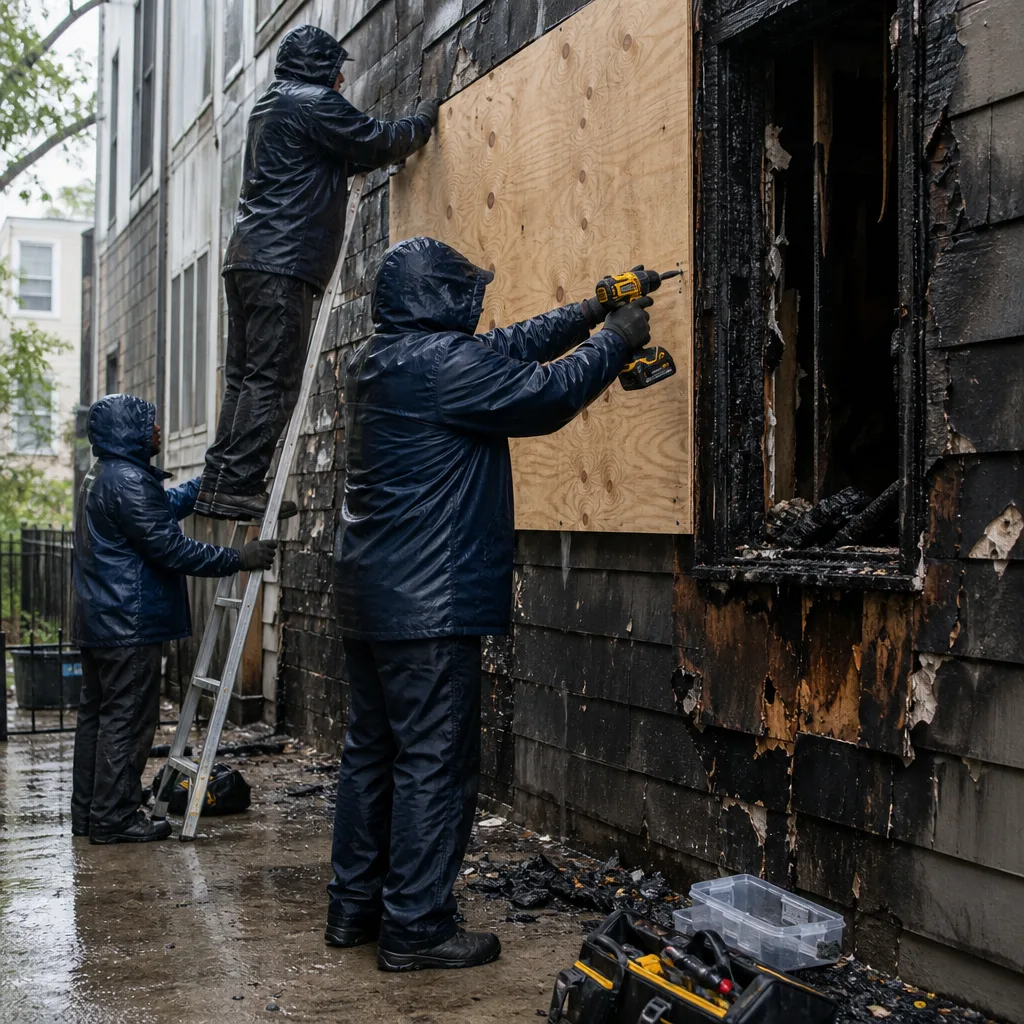
Hoarding situations in Upper West Side co-ops are uniquely complicated: the unit often hasn’t been accessible to maintenance for years, and the board and managing agent have their own concerns about building safety and property values. We work with families, estate executors, and boards to clear, sort, sanitize, and restore. We’re respectful the whole time.
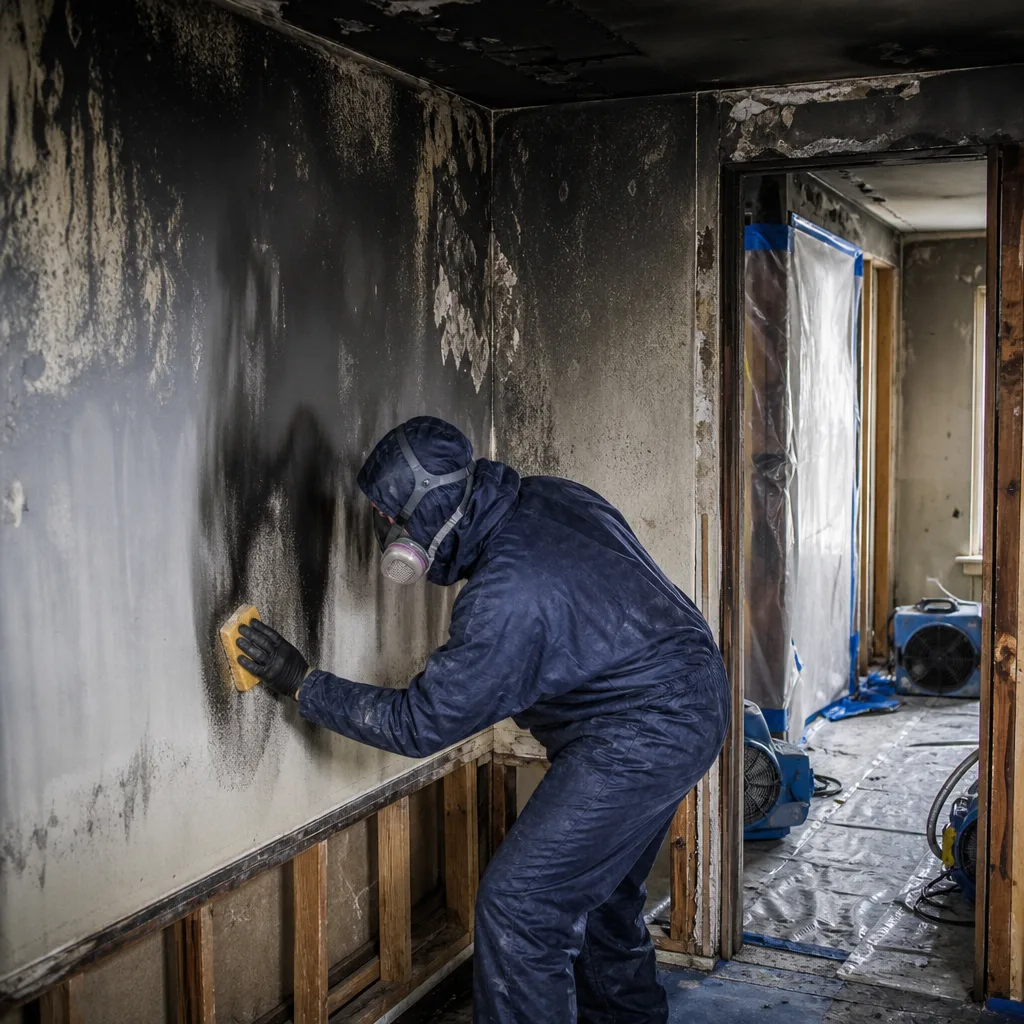
Infectious Disease Disinfection
After an illness in a household, especially one involving a vulnerable family member, we disinfect high-touch surfaces and air scrub the space. This includes HEPA filtration and EPA-registered disinfectants appropriate for the specific pathogen. For Upper West Side co-ops with shared hallways and elevator lobbies, we can extend the work into common areas.
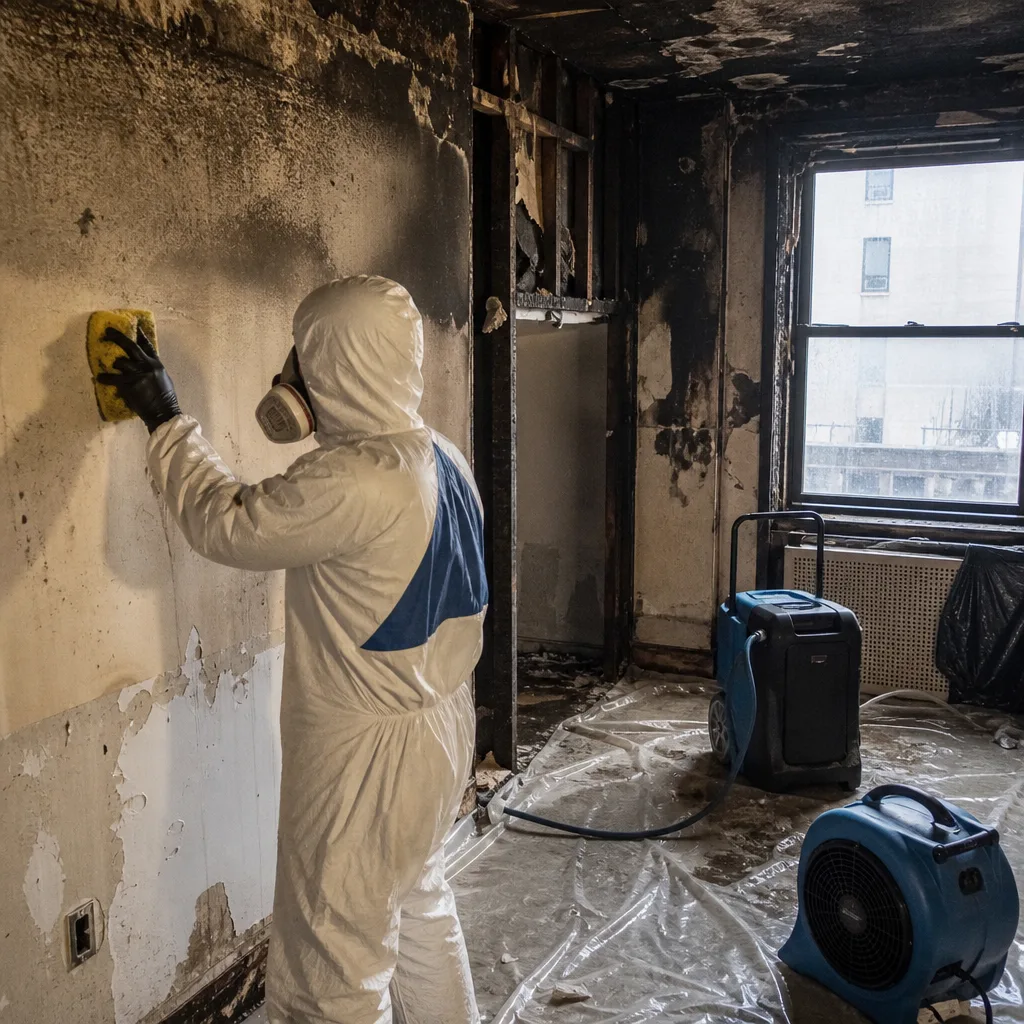
What happens when you call
- 1
A real person answersNo phone trees - you reach a local pro.
- 2
You get an upfront price rangeHonest numbers before anyone is dispatched.
- 3
A background-checked tech heads outLicensed & insured, dispatched right away.
- 4
You approve before work beginsNothing starts until you say go.
Biohazard & Crime Scene Cleanup Costs in Upper West Side, NY
Here’s honest pricing for the Upper West Side market. A basic blood or bodily fluid cleanup in a single bathroom or kitchen runs $1,500 to $3,500. An unattended death or trauma scene in one room, including removal of saturated flooring and disinfection, typically lands between $4,000 and $10,000. Multi-room contamination, or a scene that spread through a wall cavity into a neighboring co-op unit, starts at $10,000 and can exceed $25,000 when original oak parquet and plaster moldings have to be removed, replicated, and reinstalled. Hoarding cleanouts run $3,000 to $15,000 depending on volume and whether the unit requires structural repairs afterward. What moves the price most on the Upper West Side is building age and construction type: a 1925 co-op’s horsehair plaster and parquet cannot be sanitized as easily as 1990s drywall and laminate. The free visual inspection is how you get a firm number. Call (607) 703-3408 and Wade will walk the scene and hand you a written scope before you commit to anything.
We Also Serve Cities Near Upper West Side
Our Biohazard & Crime Scene Cleanup in Upper West Side team also handles jobs in Midtown West, the Financial District, Lower Manhattan, and Astoria. Same crew, same 24/7 live answer, same direct insurance handling.
Serving Upper West Side, NY - Our Local Coverage Area
We’re based in the Upper West Side area and know this community well. Use the map below to see our service coverage - if you’re nearby, we can almost certainly help.
Upper West Side Biohazard & Crime Scene Cleanup Questions, Answered
How fast can someone get here from the Upper West Side?
We reach most Upper West Side co-ops within 45 minutes from our New York City office. For biohazard scenes where contamination is actively spreading, that speed changes what can be salvaged versus what has to be removed. Call (607) 703-3408 any time, day or night.
Will insurance cover biohazard and crime scene cleanup?
In most cases, yes. Homeowner’s policies typically cover trauma and crime scene cleanup, and we bill your carrier directly. We document everything with photos and line-item scopes, and Wade deals with your adjuster so you’re not caught in the middle. If the building’s co-op master policy is involved, we coordinate both claims.
How does the Upper West Side’s pre-war co-op approval process affect biohazard cleanup timelines?
It can add days or weeks. A biohazard scene cannot be fully contained and demolished until the co-op board or managing agent approves the scope in writing. In landmark-designated buildings, the NYC Landmarks Preservation Commission may also require finish-replication plans before we can remove original plaster or parquet. That’s why we start documentation immediately and prepare a scope that’s ready for board review the moment we finish our initial assessment. We can begin containment and odor control before approval in most cases, but wall demolition waits on the board’s signature.
Do you have to remove horsehair-and-lath plaster after a crime scene, or can it be salvaged?
It depends how deep the biological material went. If fluids were caught early and only the surface is affected, we can often cut away the lower portion of the wall, treat the lath and stud bays, and patch with period-appropriate plaster. If contamination saturated the full wall depth, the plaster has to go. Landmarks requirements may force us to replicate the original profile and finish, which we do in-house.
How do you handle a biohazard event that affects multiple apartments in one pre-war building?
We run it as one containment project with multiple zones. Each affected unit gets its own negative air pressure setup and HEPA scrubbing, but the shared wall cavities, steam riser chases, and hallway corridors are mapped as pathways for contamination. We coordinate with the managing agent so we’re working through floors in a sequence that doesn’t spread anything, and we document each unit separately for each shareholder’s insurer.
What is the Upper West Side rule for replacing steam radiator pipe insulation that was contaminated by an unattended death?
If the insulation shows visible contamination or saturation, we remove and replace it. The tricky part on the Upper West Side is that many pre-war buildings have asbestos-containing pipe insulation on original steam risers, which cannot be removed without proper abatement. We identify any suspect material during assessment, flag it for testing, and if asbestos is present, we coordinate with a licensed abatement contractor before any disturbance occurs.
Why do I see air movers and dehumidifiers running in a crime scene cleanup on the Upper West Side, even when there was no water release?
Because cleaning itself introduces moisture into porous materials like plaster and oak parquet, and in a contained space with negative air pressure, that moisture has nowhere to go except into the building materials. We run Phoenix dehumidifiers and XPOWER air movers to pull that moisture back out. In a pre-war co-op with thick plaster walls, that drying phase can run 7 to 10 days, which is why you might see equipment in the unit well after the visible cleanup is finished.
Are your crews certified for biohazard work?
Yes. Our team holds IICRC certifications including WRT, FSRT, and AMRT, plus IFA-recognized biohazard training. We follow OSHA bloodborne pathogen standards and dispose of biohazardous waste through licensed medical waste carriers in compliance with New York State Department of Health regulations.
Written by Wade Ferris, Owner at Wade’s Restoration, serving Upper West Side since 2007.