
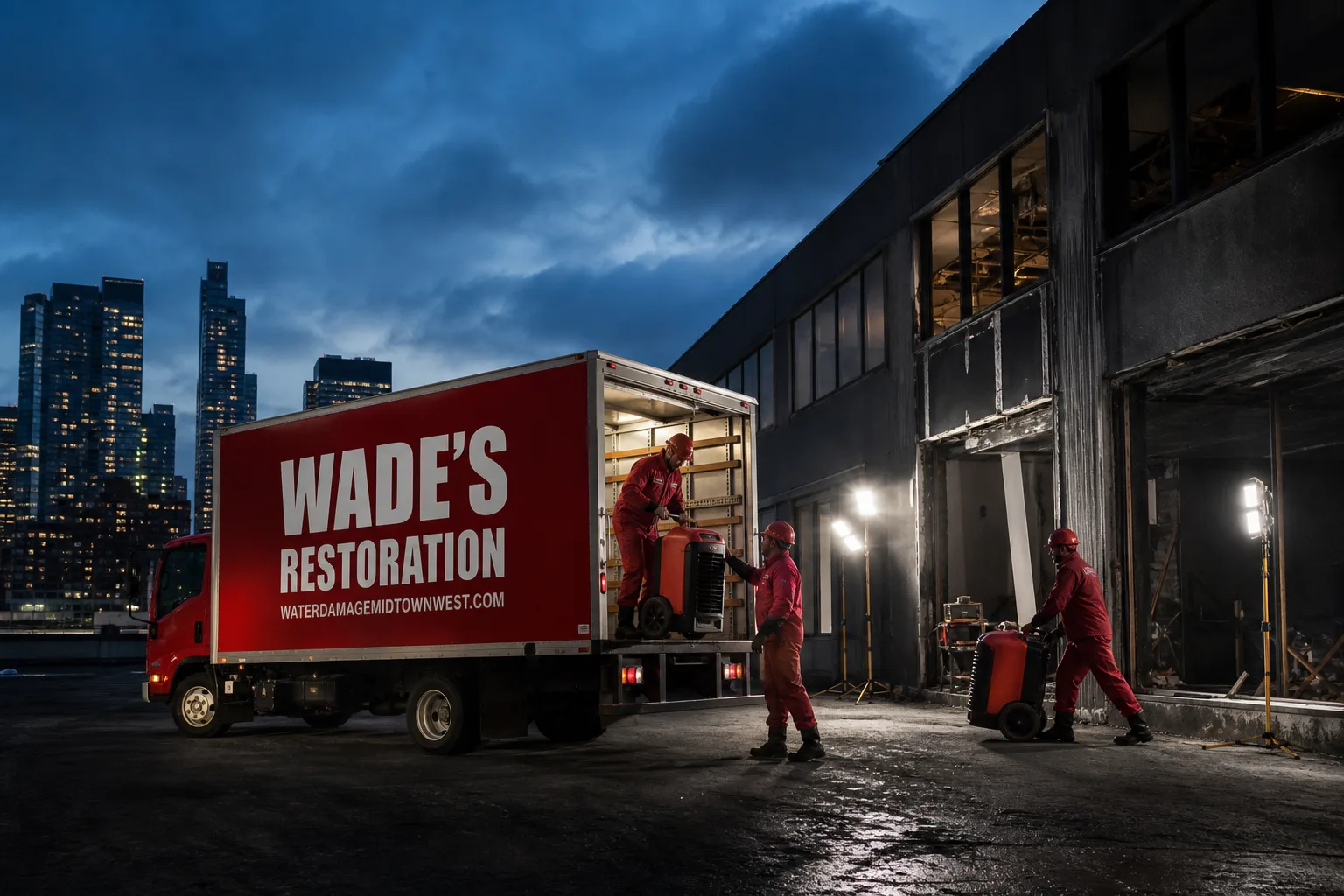
Free visual inspection and a written scope of work before any mitigation begins - photos, moisture readings, and drying logs go in your claim file
The scope we write is the scope we bill. Anything new gets shown to you, in writing, before we touch it.
 Before
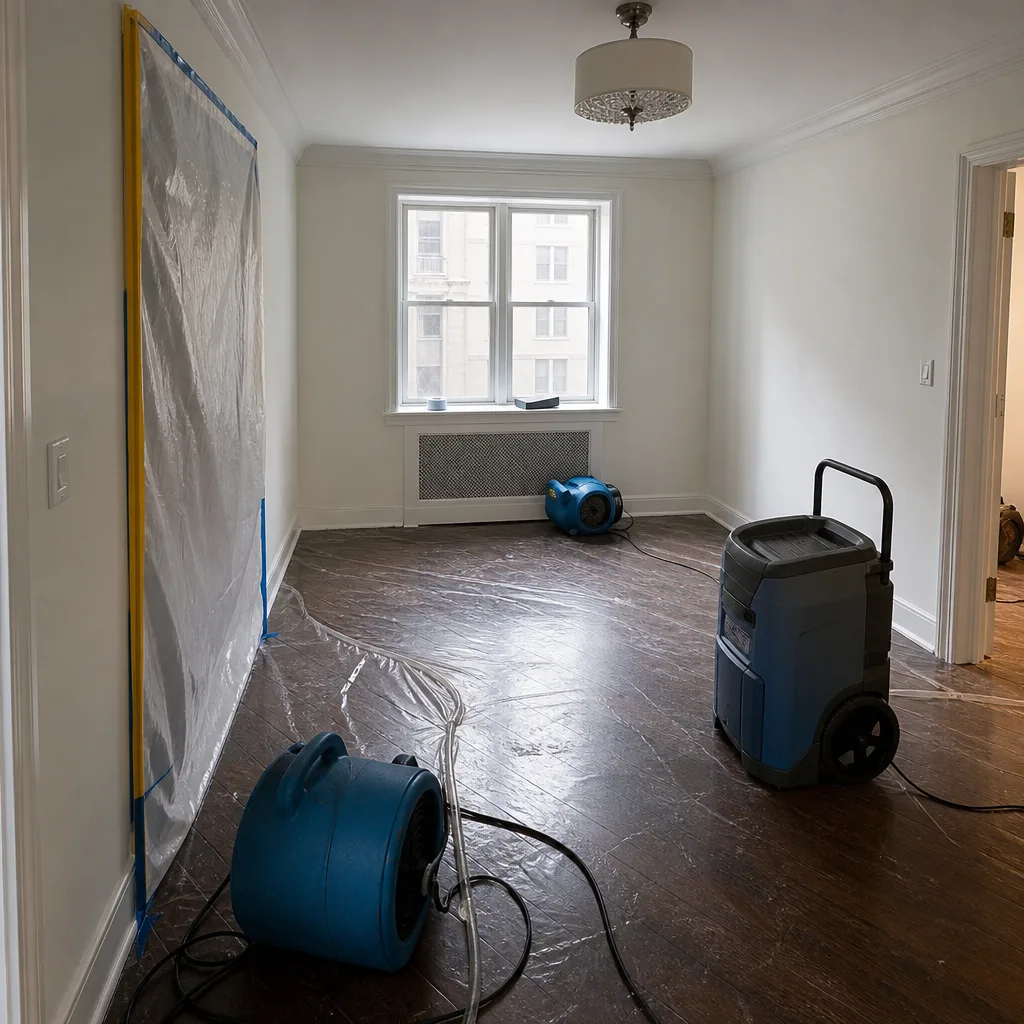 After
After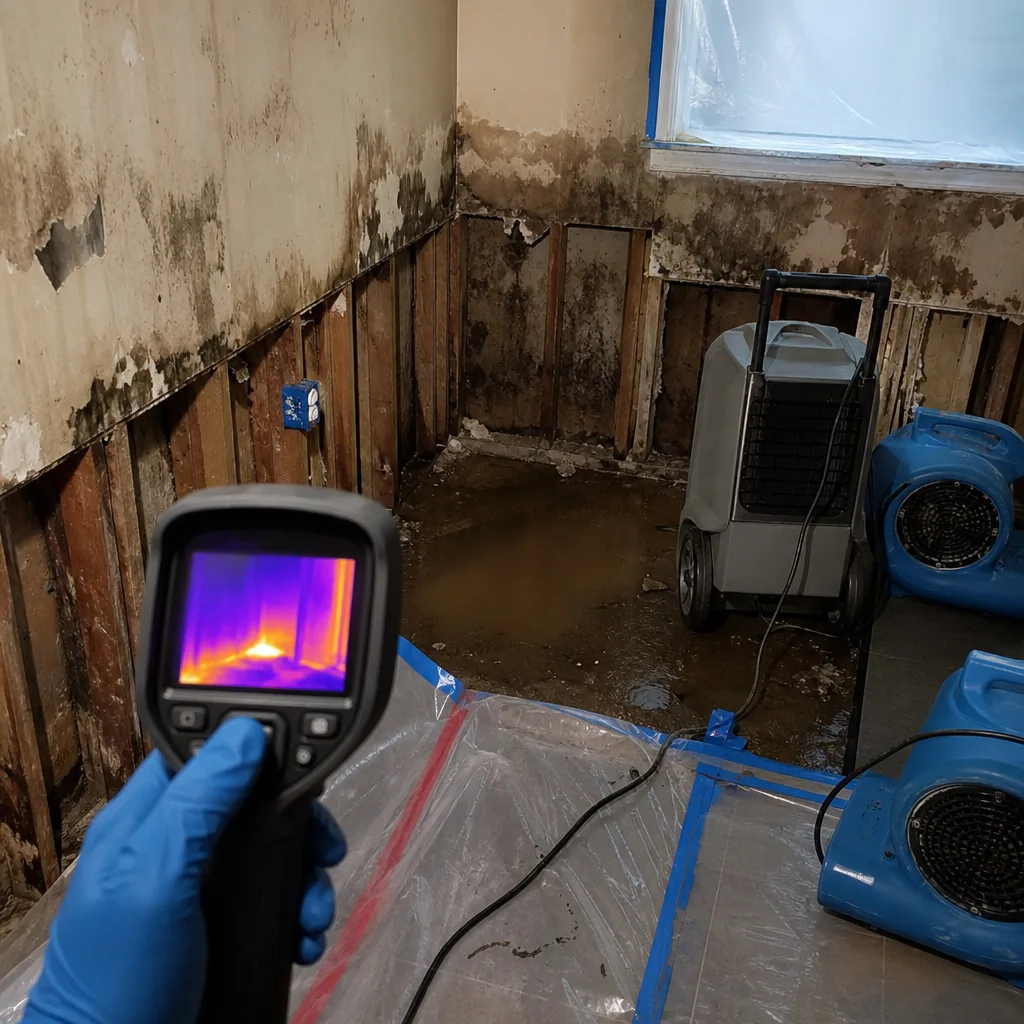 Before
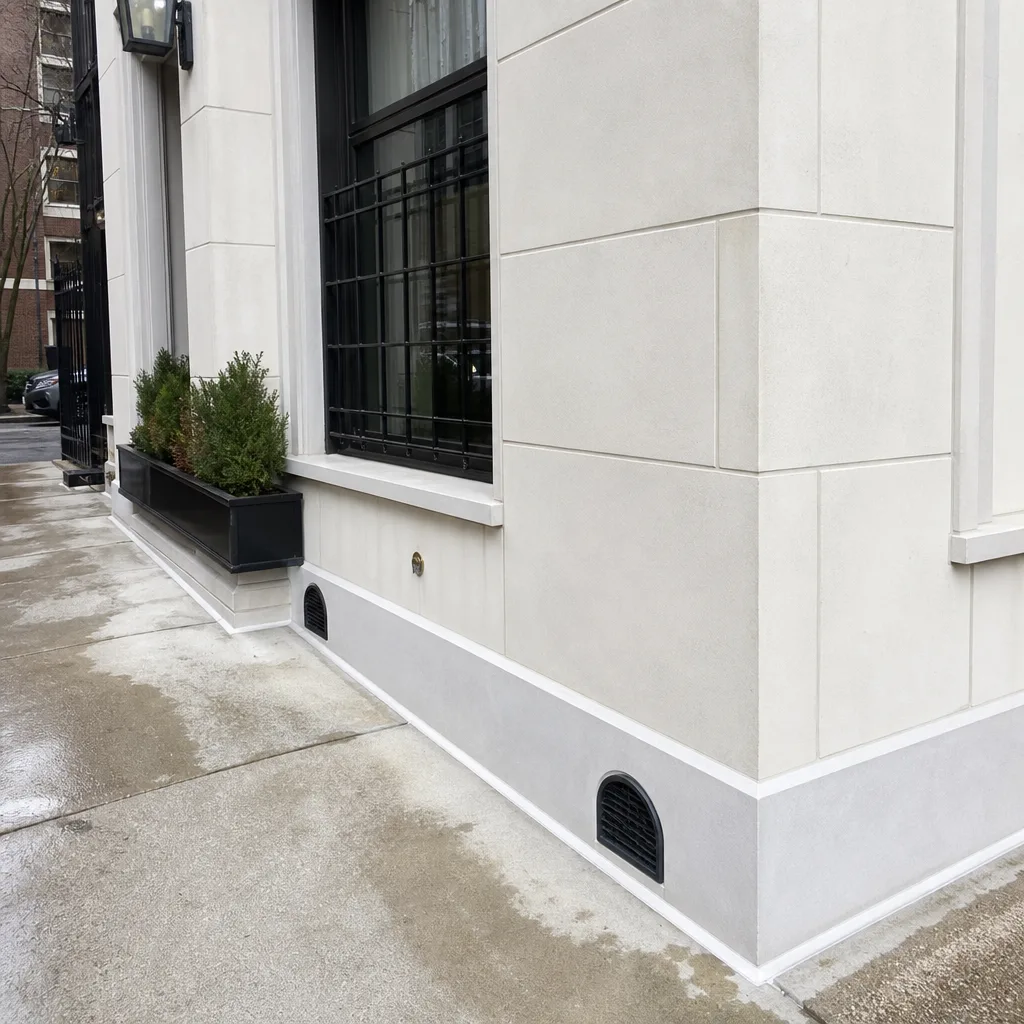 After
After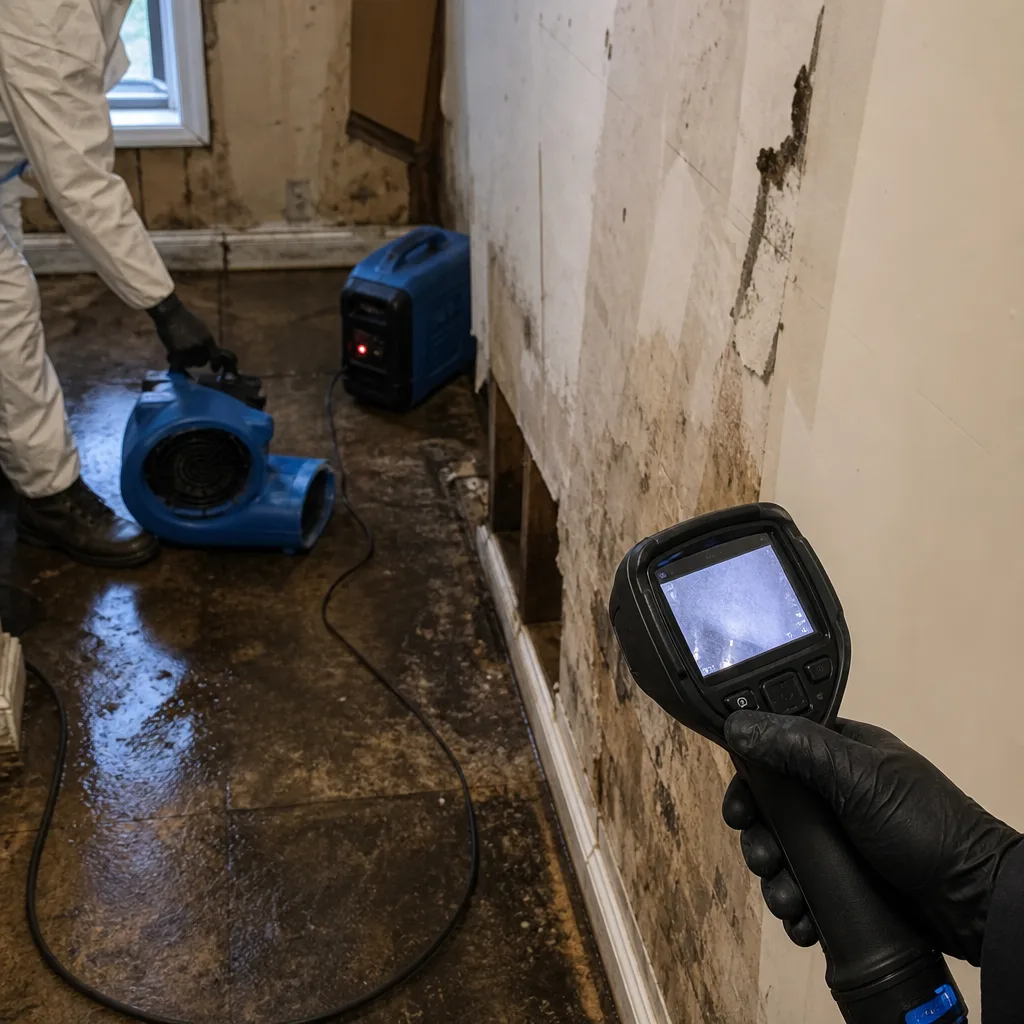 Before
 After
After24/7 Emergency Fire & Smoke Damage Restoration in Glendale
Fire & Smoke Damage Restoration in Glendale needs to move fast. Smoke from a kitchen fire or an electrical fault seeps into plaster walls, shared party walls, and every soft surface in the house within minutes. We answer live, 24 hours a day, and Wade Ferris himself is usually the one picking up the phone. If you’ve had a fire, call (607) 703-3408 right now. The first hour decides whether soot stays on surfaces or sinks into them. Our crews arrive inside 45 minutes anywhere in Glendale, do a free visual inspection, and start containment before the damage spreads where it should not. No answering service, no voicemail, no waiting for a call back.
Understanding Fire & Smoke Damage Restoration Severity in Glendale Properties
Fire damage in Glendale rarely stops at one unit. The neighborhood is built on dense rows of attached and semi-detached brick two-family homes from the 1920s and 1930s. Shared party walls are often un-insulated, un-aired masonry. That means smoke migration through the wall cavity is a given, not a possibility. Soot residue types matter here more than in detached homes. We deal with dry protein soot from kitchen fires, oily black carbon soot from electrical fires, and the acrid residue from burning synthetics. Each requires a different cleaning method. Plaster-on-lath walls absorb smoke differently than modern drywall. The lime plaster’s porous surface traps odor compounds deep. You cannot just wipe it down. The plaster also takes on water from firefighting and wicks it laterally, into adjoining stud bays and sometimes through the party wall into a neighbor’s finished basement. Moisture mapping on legacy plaster reads differently than on drywall, and over-drying can crack original plaster. Severity here is not just about the fire room. It is about how far smoke, heat, and water traveled through a building that was never built to compartmentalize them.
Why Glendale Property Owners Choose Wade’s Restoration
- 45-minute response commitment. We are not a call center routing a crew from Nassau County. Wade keeps trucks staged near Glendale, and he is on the road the moment you hang up.
- 24/7 live answer, always a real person. Wade answers his own phone. At 2 a.m., you get the owner, not a queue. That is the whole point of the name on the truck.
- IICRC-certified crews, FSRT and WRT qualified. Fire smoke restoration and water damage from firefighting are two different disciplines. Our crew carries both certifications because every fire in Glendale involves both.
- Free visual inspection, no charge for that. A fire is disruptive enough. We look at the damage, give you a straight read, and write a scope before anyone touches a wall.
- Direct insurance billing. Wade deals with the adjuster directly. You are not stuck relaying information between two sides. We document everything from the first hour.
- One team from emergency board-up to final reconstruction. The same people who tarp your roof and pack out your contents are the ones who rebuild the wall. No gap, no handoff, no finger-pointing.
Our Fire & Smoke Damage Restoration Process
Inspection & Assessment
We walk the entire property, not just the fire room. In Glendale, that means we check the neighbor’s side of the party wall too. We use thermal imaging to find heat migration and smoke travel paths you cannot see. We also inspect the flat roof above the fire room. Heat damages membrane roofing, and the next nor’easter will find any hole we miss.
Emergency Stabilization & Board-Up
We secure the property. Broken windows get boarded. Compromised roof sections get tarped. In an attached row house, this is also about protecting the neighbor’s unit. An open roof on one side of a party wall is a water intrusion risk for both sides.
Containment & Air Filtration
We set up containment barriers with HEPA air scrubbers running negative pressure. This is critical in a semi-detached Glendale home. Soot that is already migrating through the wall cavity stops moving once we control the air pressure differential between units.
Soot & Smoke Residue Removal
We clean all surfaces using methods matched to the soot type. Dry protein soot responds to dry sponges and HEPA vacuuming. Oily carbon soot needs chemical action. Plaster walls get a gentler treatment than drywall to avoid driving residue deeper into the lime.
Odor Removal & Deodorization
Odor compounds live in porous materials. We use hydroxyl generators and thermal fogging to neutralize what is in the plaster, the floor joists, and the wall cavities. You cannot mask fire odor. You have to break it down at the molecular level.
Repairs & Restoration
This is where we either restore the original plaster or replace damaged sections, rebuild charred framing, and make the property whole. We always try to save legacy plaster first. When we cannot, we tell you straight and explain what replacement will cost before we start.
Need Emergency Fire & Smoke Damage Restoration in Glendale Now?
Crews minutes away, answering live 24 hours a day. The sooner we start, the less it costs.
Working With Your Insurance Company
Fire claims in Glendale almost always involve two carriers. In a semi-detached or attached row house, one fire touches two owners. Wade has been handling that complexity since 2007. We document the loss from the first hour we arrive. Photos of every room, affected or not. Moisture readings from the party wall cavity, the floor joists, the roof deck. A line-item scope of work that uses the same estimating language your adjuster uses. Wade talks to the adjuster directly, so you never have to translate between the crew and the insurance desk. For homeowners who have already been burned by a national outfit, this is the difference. One name, one phone number, one person who is accountable for the whole job.
What We Provide Your Insurer
- Thorough documentation of the loss
- Photos of all damage, room by room
- Moisture readings and drying logs
- A detailed, line-item scope of work
- Direct coordination with your carrier
Built for Glendale’s Loss Calendar
Fire season in Glendale does not have a season. It runs all year, and it follows this neighborhood’s own pattern. January and February bring space heater fires in unrenovated row houses where old galvanized supply lines finally give out and radiators cannot keep up. Spring sees electrical fires in 1920s wiring as window AC units get plugged back in and overloaded circuits give up. Summer cloudbursts overwhelm the combined sewer system, and sump pump motors burn out after running all night, sometimes igniting near stored clutter. Then comes the heating season again. Nor’easters push water through aging flat roofs, which soaks insulation around old knob-and-tube, and that is when the smoldering starts. We have seen it all in Glendale. The common thread is a housing stock that is past its design life, and fires that spread through shared walls before anyone notices.
Fire & Smoke Damage Restoration Across Glendale’s Neighborhoods
Our trucks run down Myrtle Avenue, up Fresh Pond Road, and through every numbered street between them. The blocks near Juniper Valley Park, with the larger detached homes east of 80th Street, see a different pattern than the tight brick rows closer to the BQE side. Homes near Ridgewood border streets, where Glendale meets its western neighbor, still have the same 1920s party-wall construction, but many have been carved into more units internally, which means more kitchens, more appliances, more fire starts per building. The stretch near Forest Park, where the houses are a little newer and some have been fully renovated, still deals with legacy roofs and shared masonry. A fire on 68th Road near the old police precinct is a different response than one on Cooper Avenue near the LIRR tracks. We know the difference. Wade has been running calls through these streets for 18 years.
Specialized Fire & Smoke Damage Restoration Services We Offer in Glendale
Smoke & Soot Removal
This is the core of what we do after a Glendale fire. Soot from a kitchen fire settles on cabinets, walls, window frames, and every horizontal surface. On plaster walls, it bonds fast because the surface is microscopically rough. We use HEPA vacuuming first, then appropriate cleaning agents matched to the soot type. Oily carbon soot from electrical fires needs degreasing before any paint can bond. We always test an inconspicuous section first, especially on original 1920s plaster that has never been painted with anything but calcimine.
Odor Removal & Deodorization
Fire odor in a Glendale row house hides in places you cannot see. The un-insulated party wall cavity carries smoke odor into the neighbor’s side. Floor joists absorb odor compounds that rise with heat. We use hydroxyl generators that are safe for occupied spaces, and thermal fogging for locked-in residual odors in porous materials. The goal is not to cover the smell. It is to eliminate it so it does not return on the first humid day.
Contents Cleaning & Pack-Out
Smoke-damaged contents need to leave the house. We pack out everything from the affected rooms, transport it to a cleaning space, and process each item according to its material. Textiles get dry cleaning or wet cleaning depending on soot type. Electronics get evaluated for smoke damage, which is often a hidden loss your adjuster needs documented. We photo everything before it leaves, and we provide an itemized contents list your insurance carrier will actually accept. This is not a moving company. It is a restoration process.
Emergency Board-Up & Tarping
After a fire, the property is open. A broken window invites vandalism. A compromised roof invites the next rainstorm. We board windows and tarp the roof the same day, using fasteners that do not cause more damage. On a semi-detached home, we also tarp the neighbor’s side of the roof line if the fire compromised the shared membrane. That is not extra. That is what any honest restoration company in a city of attached homes should do.
What happens when you call
- 1
A real person answersNo phone trees - you reach a local pro.
- 2
You get an upfront price rangeHonest numbers before anyone is dispatched.
- 3
A background-checked tech heads outLicensed & insured, dispatched right away.
- 4
You approve before work beginsNothing starts until you say go.
Fire & Smoke Damage Restoration Costs in Glendale, NY
A small kitchen fire where smoke affected one room and the hallway in Glendale runs $3,500 to $7,500 for soot removal, odor treatment, and repainting. A fire that penetrated the party wall and affected the neighbor’s unit doubles or triples that, typically $12,000 to $30,000 depending on how far smoke traveled and whether structural framing needs repair. Heavily fire-damaged rooms requiring roof work, wall rebuilds, and full contents pack-out can reach $40,000 or more. The things that move the price in Glendale: whether plaster can be saved or must be replaced, how many units share the affected wall, and whether legacy wiring or plumbing was damaged and needs code compliance work. Most fire restoration is covered by homeowner’s insurance, minus your deductible. The cleanest path to a firm number is a free visual inspection. We write a scope, hand it to you, and you hand it to your adjuster. No surprises, no second quote at the door.
We Also Serve Cities Near Glendale
Our crews regularly work in Glendale and the surrounding boroughs. We also respond to fire and smoke damage calls in Midtown West, the Financial District, Lower Manhattan, and Astoria. Same live answer, same 45-minute commitment, same crew.
Serving Glendale, NY - Our Local Coverage Area
We’re based in the Glendale area and know this community well. Use the map below to see our service coverage - if you’re nearby, we can almost certainly help.
Glendale Fire & Smoke Damage Restoration Questions, Answered
How do we handle smoke that traveled through a shared party wall into a neighbor’s home in Glendale?
We treat it as one combined loss across two ownership units. We set containment on both sides of the party wall, take air samples and surface samples from the neighbor’s space, and document everything for both insurance carriers. The party wall cavity gets inspected with a borescope to confirm the smoke path. Then we coordinate a single restoration sequence that addresses both sides so neither owner is left with a lingering odor problem. Call (607) 703-3408 and we will start the inspection.
What’s different about smoke damage cleanup on plaster-and-lath walls in Glendale homes?
Plaster is porous and lime-based, which means soot bonds deeper than it does on drywall. Aggressive cleaning pushes residue further in, and over-drying cracks the plaster. We use gentler agitation, lower heat, and hydroxyl treatment instead of harsh scrubbing. The goal is to clean the surface without destroying original plaster that took a 1920s craftsman days to apply. That is why experience with legacy construction matters on every Glendale fire job.
How do we coordinate a fire damage restoration when two owners and two insurance carriers are involved in a Glendale semi-detached home?
We document both sides from the first hour and write separate scopes of work for each unit, each tied to the same underlying cause of loss. Wade deals with both adjusters directly and keeps the two owners informed with a single shared update. The 90-Day Done Right Promise covers both sides of the wall. One crew, one timeline, two claims, no finger-pointing between neighbors.
Can we save the original plaster work after fire and water damage in a 1930s Glendale row house?
Often, yes. Intact plaster that has not delaminated from its lath can be dried carefully and cleaned with appropriate methods. We make that call after the initial assessment. If plaster must be removed in a section, we can patch with compatible lime-based plaster rather than replacing whole walls with drywall. We will tell you straight if saving it is not worth the cost. The free inspection gives you that answer before you commit to anything.
How soon after a fire should we inspect the flat roof above a Glendale row house for smoke or heat damage?
Same day. Heat rises, and fire damage to a flat roof membrane is often invisible from inside the house. The tar and gravel roofing on Glendale’s 1920s and 1930s builds can be compromised by heat without showing flame contact. The next nor’easter becomes a secondary water intrusion through a roof membrane that failed from heat exposure weeks earlier. We inspect the roof as part of every fire call, not as a separate request.
How fast can someone actually get to my Glendale home after I call?
Wade answers the phone and the crew is on the road immediately. Inside Glendale, we are typically on site in under 45 minutes. Calls from the Myrtle Avenue corridor, the streets off Fresh Pond Road, or anywhere near the park are all within that window. Live answer, 24 hours a day. Call (607) 703-3408.
Will insurance cover fire and smoke damage restoration in Glendale?
Most homeowner’s policies cover fire and smoke damage, including the secondary water damage from firefighting. The complication in Glendale is the multi-carrier situation when a party wall is involved. We document everything in the format adjusters accept, and Wade communicates directly with your adjuster. That keeps your claim moving instead of stalled on missing documentation.
What should I do in the first 30 minutes after a fire in my Glendale home?
Get everyone out, call 911 if you have not already, and then call us at (607) 703-3408. Do not try to clean anything yourself. Movement of soot pushes it deeper into plaster and textiles. Turn off the HVAC if you can safely reach it. Open windows if it is safe to do so. Then wait for our crew. We will handle the rest, including the neighbor’s side of the wall.
Written by Wade Ferris, Owner at Wade’s Restoration, serving Glendale since 2007.