
Free visual inspection and a written scope of work before any mitigation begins - photos, moisture readings, and drying logs go in your claim file
The scope we write is the scope we bill. Anything new gets shown to you, in writing, before we touch it.
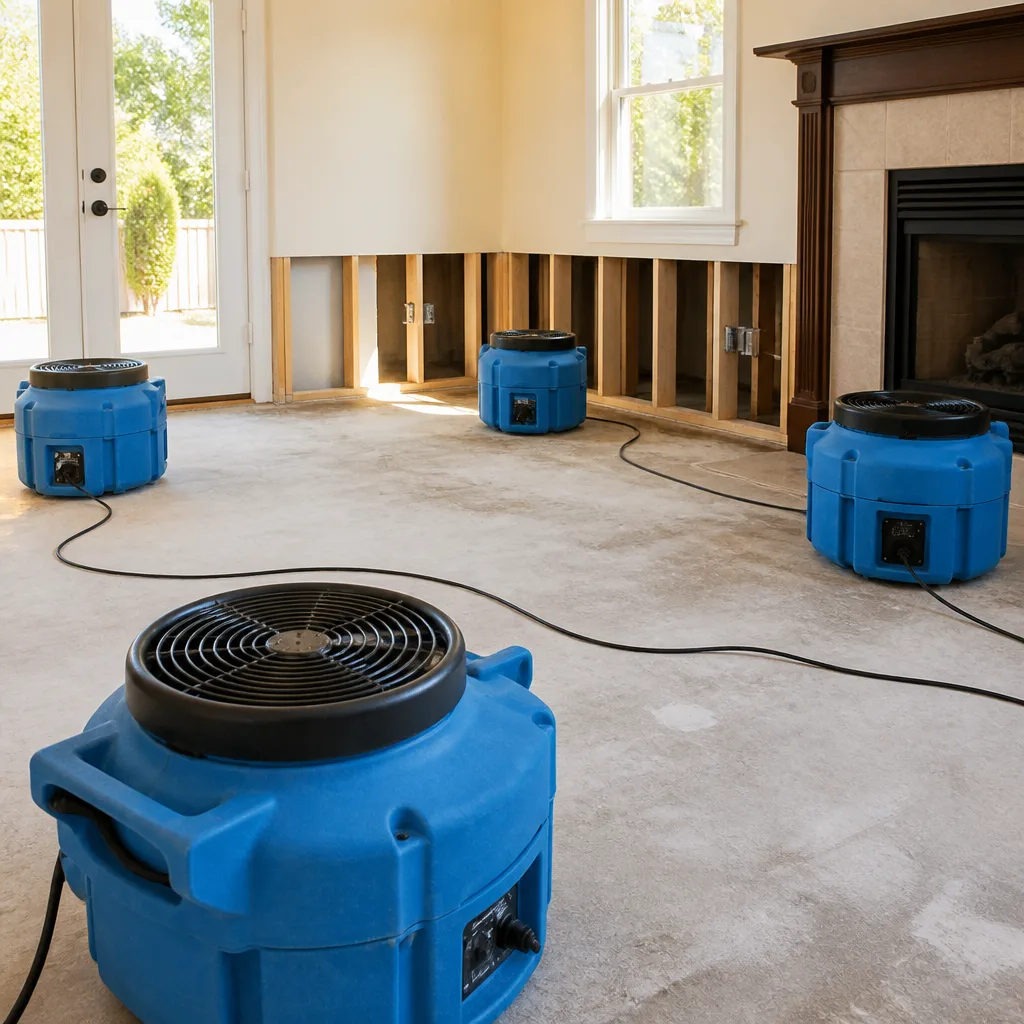
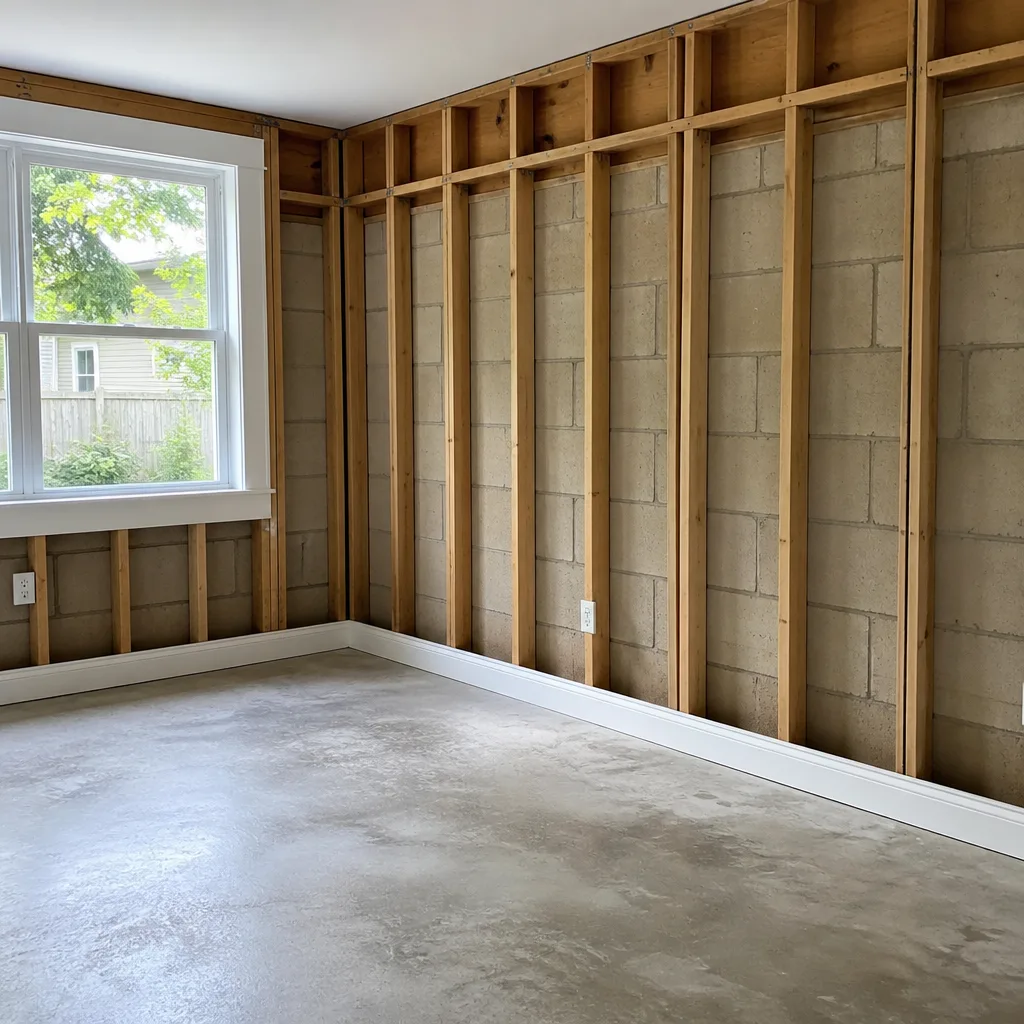
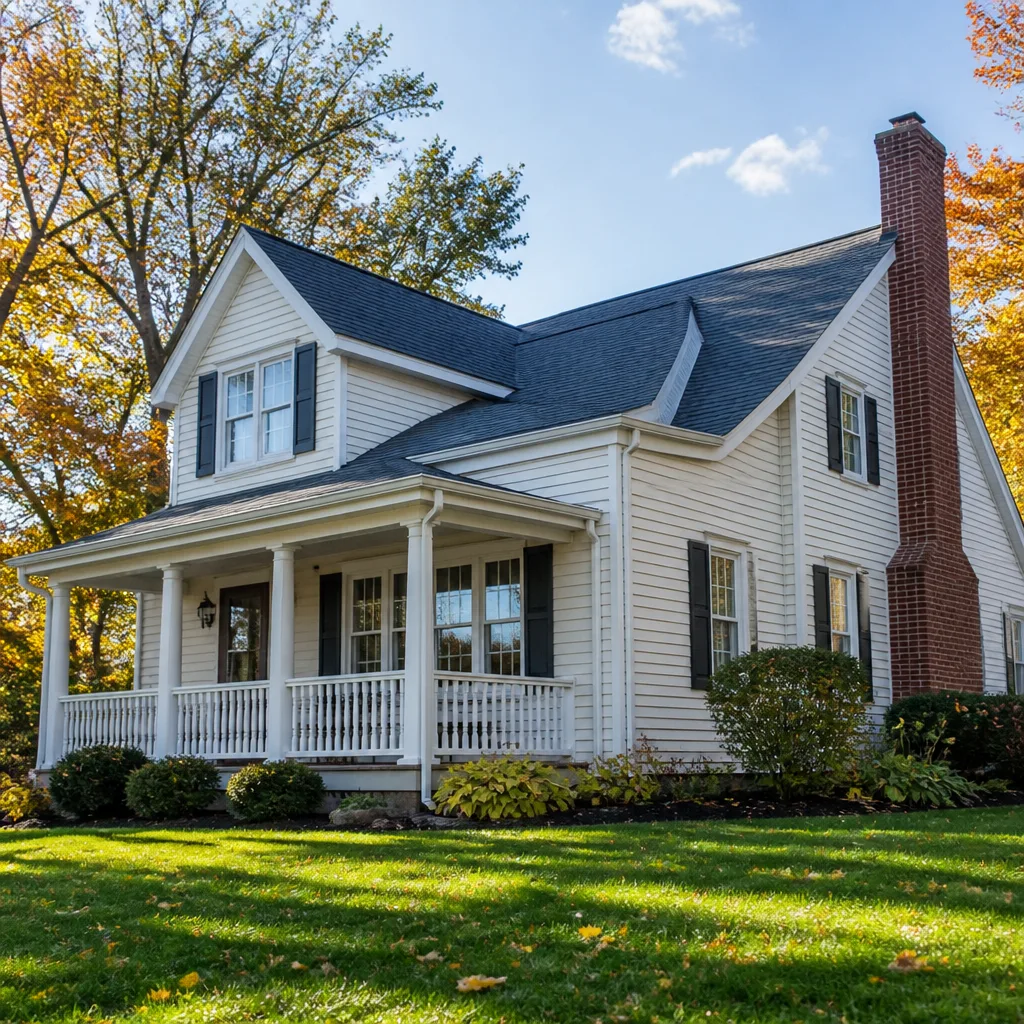
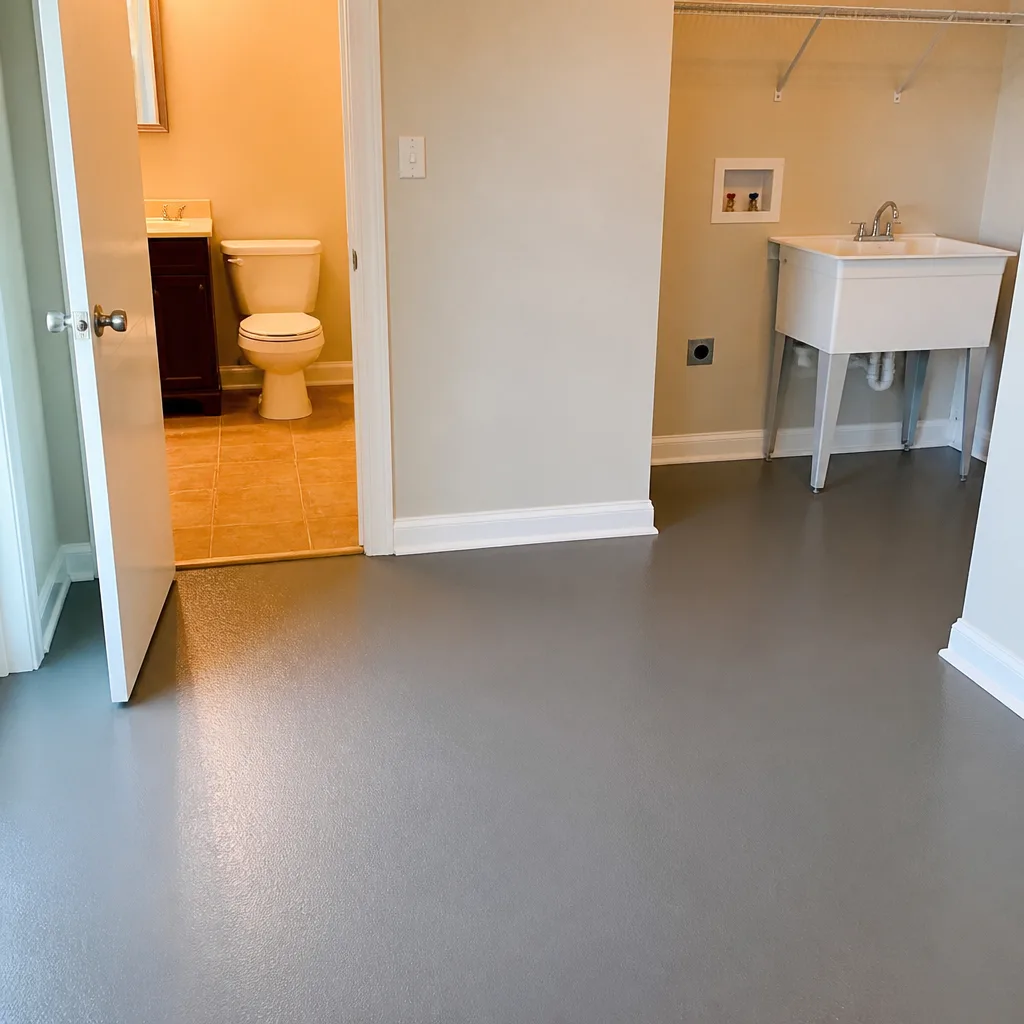
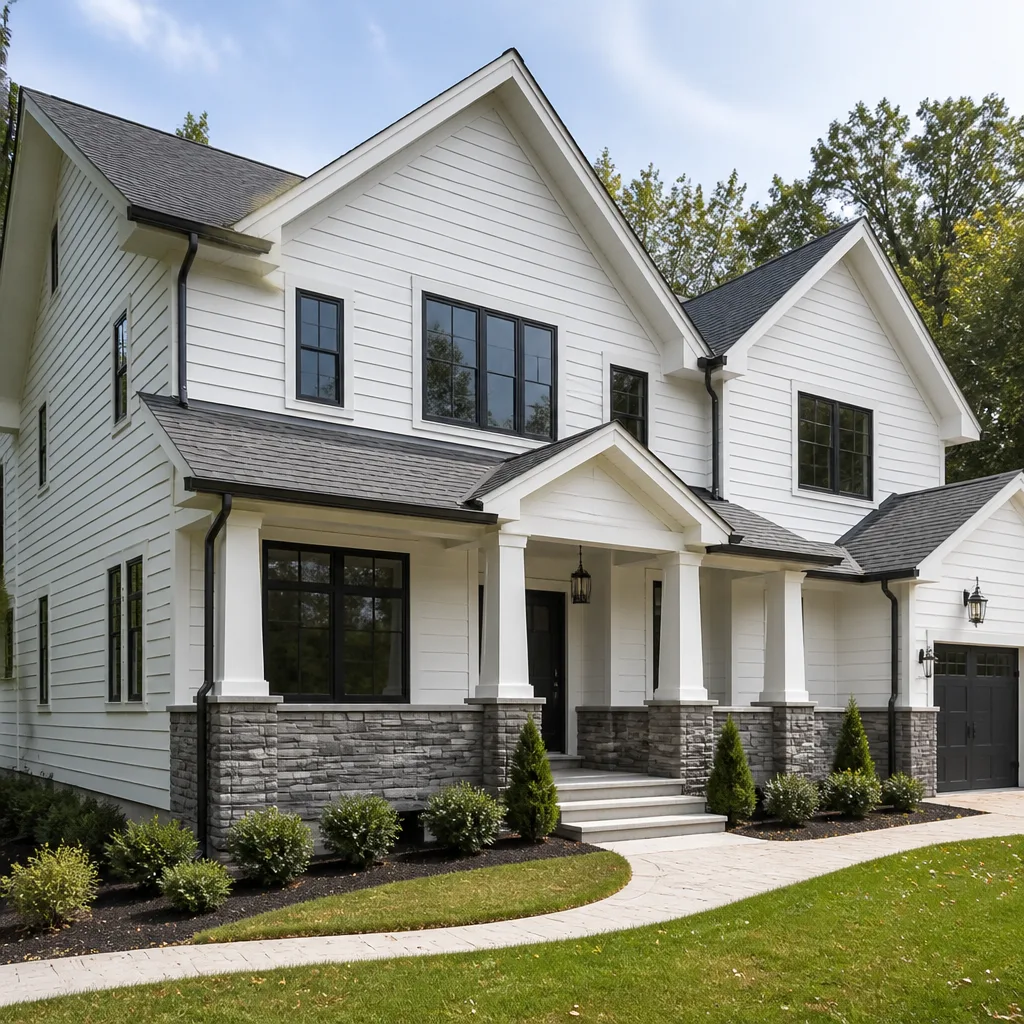
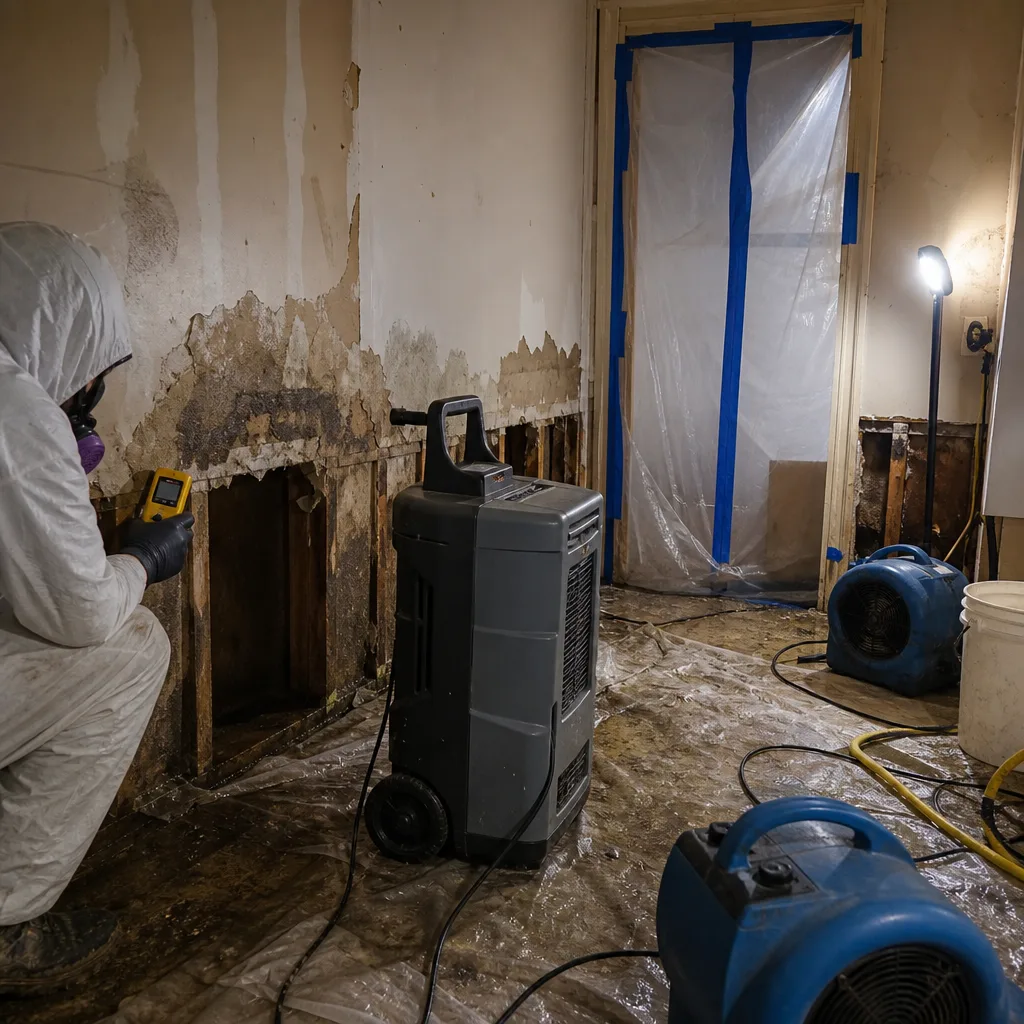 Before
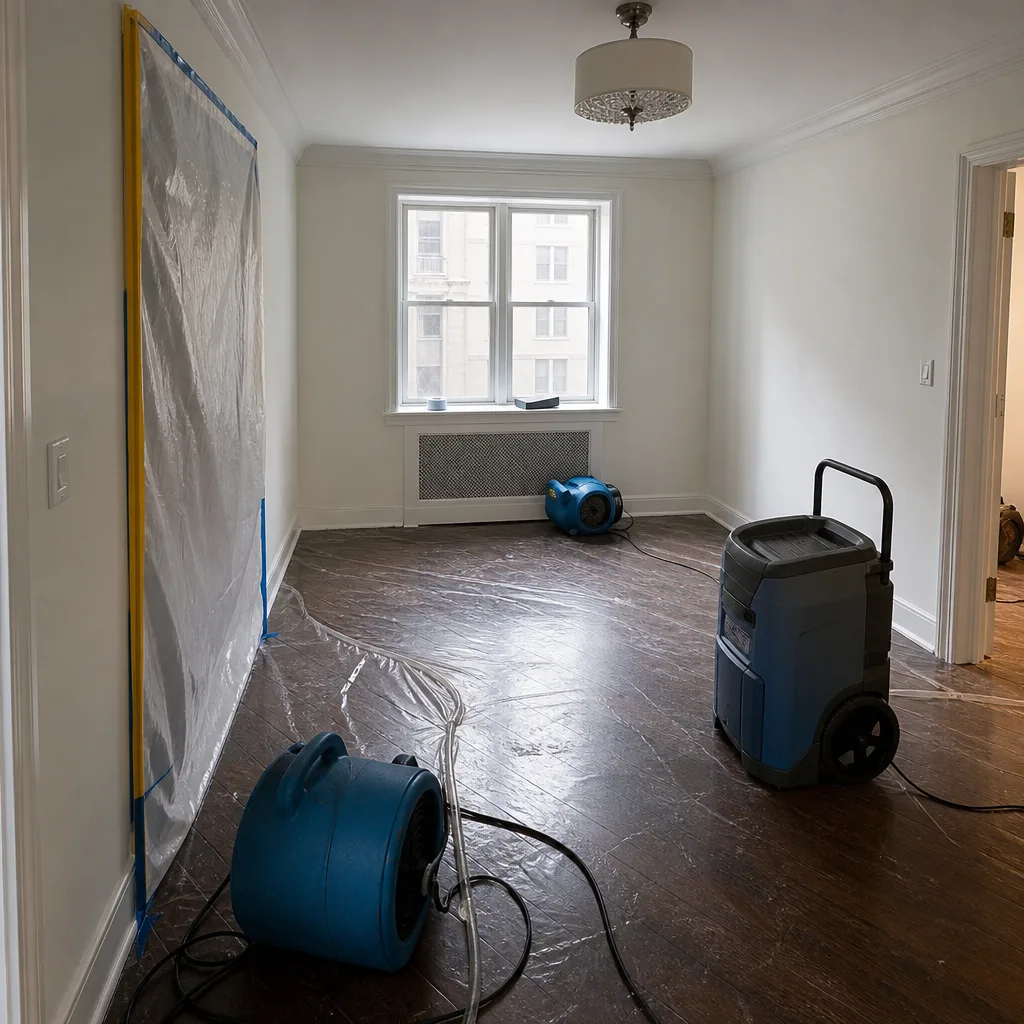 After
After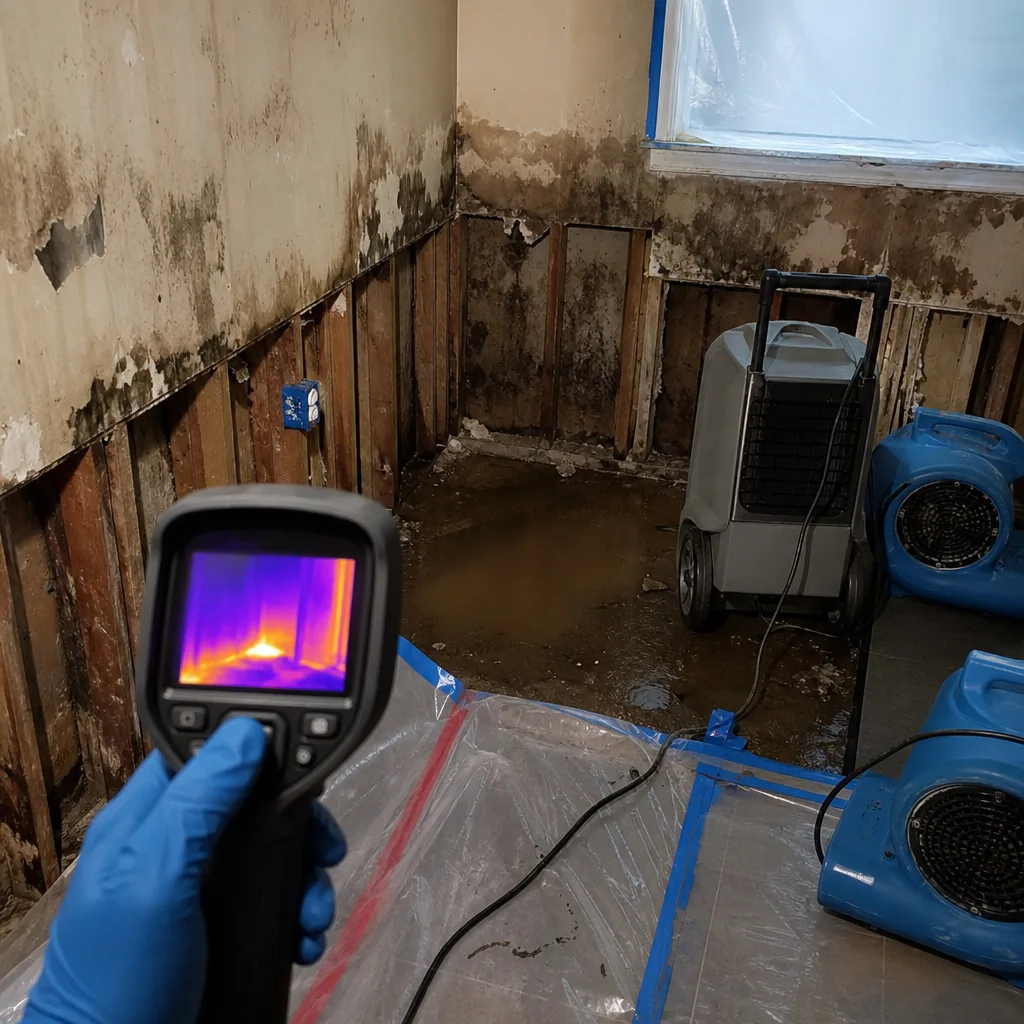 Before
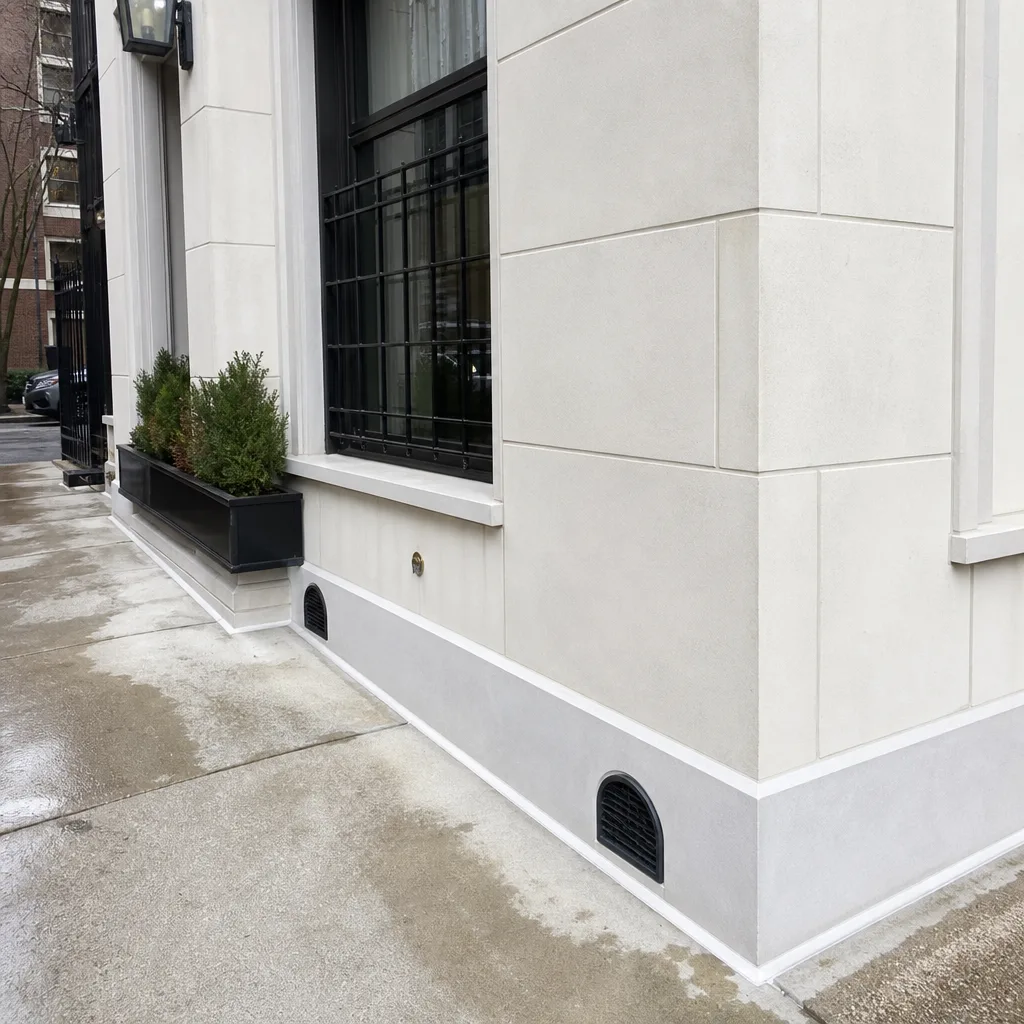 After
After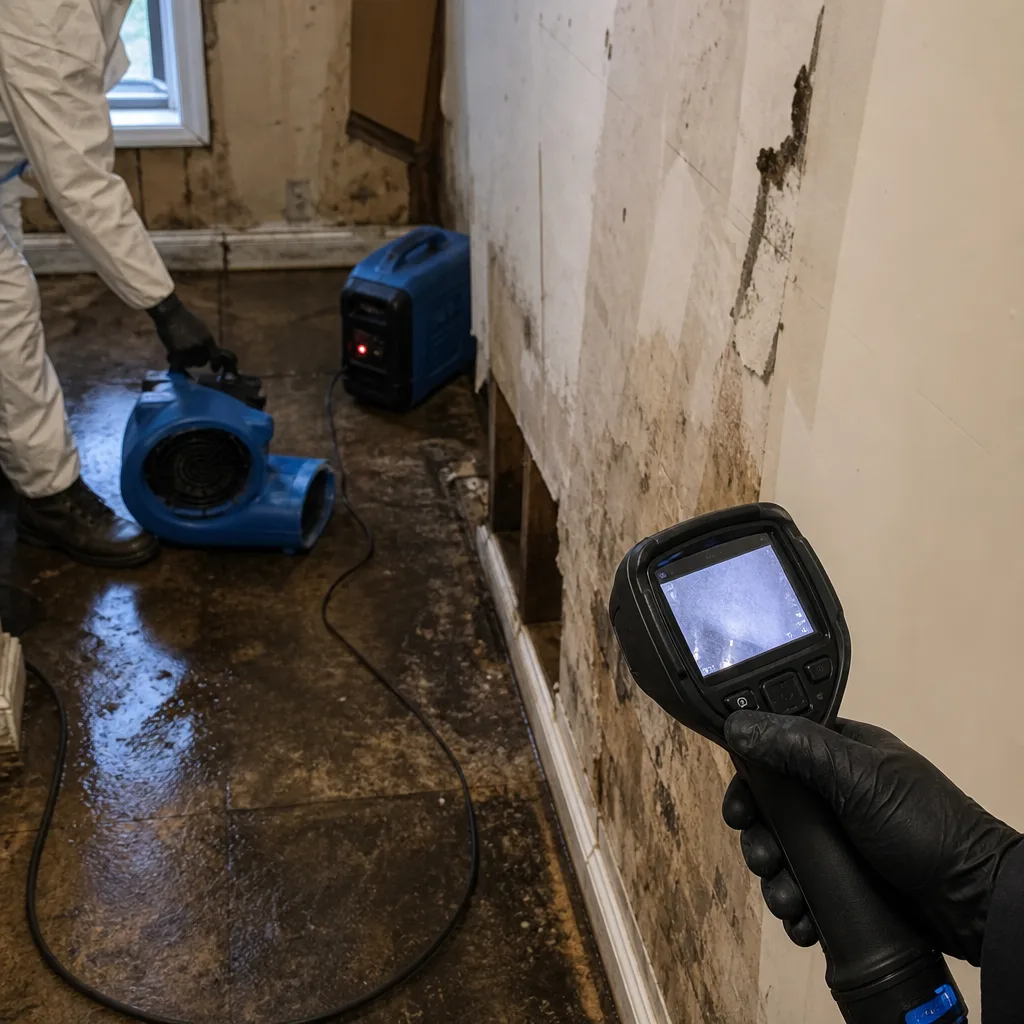 Before
 After
AfterUnderstanding Reconstruction & Cleanup Severity in Union City Properties
In Union City, most reconstruction work follows water that has moved through shared walls, ceilings, and floor cavities. The city’s pre-1930 brick tenements and row houses were framed tight, with wood lath and plaster, cast-iron waste lines, and floor assemblies that span directly between units. When a pipe lets go on the fourth floor, water does not sit politely in that apartment. It travels down through the joist bays, wets the third-floor ceiling plaster, drips into the second-floor kitchen, and pools in the first-floor entry. That means the severity question is rarely about one unit. It is about how many units got wet, what the water touched on the way down, and whether the framing, lath, and plaster can be dried in place or must come out. On projects like this, we moisture-map every affected room and the party walls between units before we remove a single sheet of drywall. In Union City, the pre-1930 building stock responds differently to water than newer construction. Plaster and rock lath hold water longer than modern gypsum board. Cast-iron drains crack over time and leak slowly into wall cavities for weeks before anyone notices a stain. Flat tar-and-gravel roofs fail at seams and flashing, sending Category 2 water down the interior wall line during heavy rains. The right call in a 1927 walk-up is often different from the right call in a 1990s sheetrocked condo. We make the call based on moisture mapping, not guesswork, and we document every reading so the scope of work holds up with the insurer later.
Why Union City Property Owners Choose Wade’s Restoration
- Live answer, day or night. When water is running through three floors of a Union City tenement at 2 a.m., someone answers the phone. Not a voicemail. Call (607) 703-3408 and a person picks up.
- 45-minute response commitment in Union City. Wade heads out right after the call. Crews know Bergenline Avenue traffic, parking rules, and building access quirks, so there’s no wasted time circling the block.
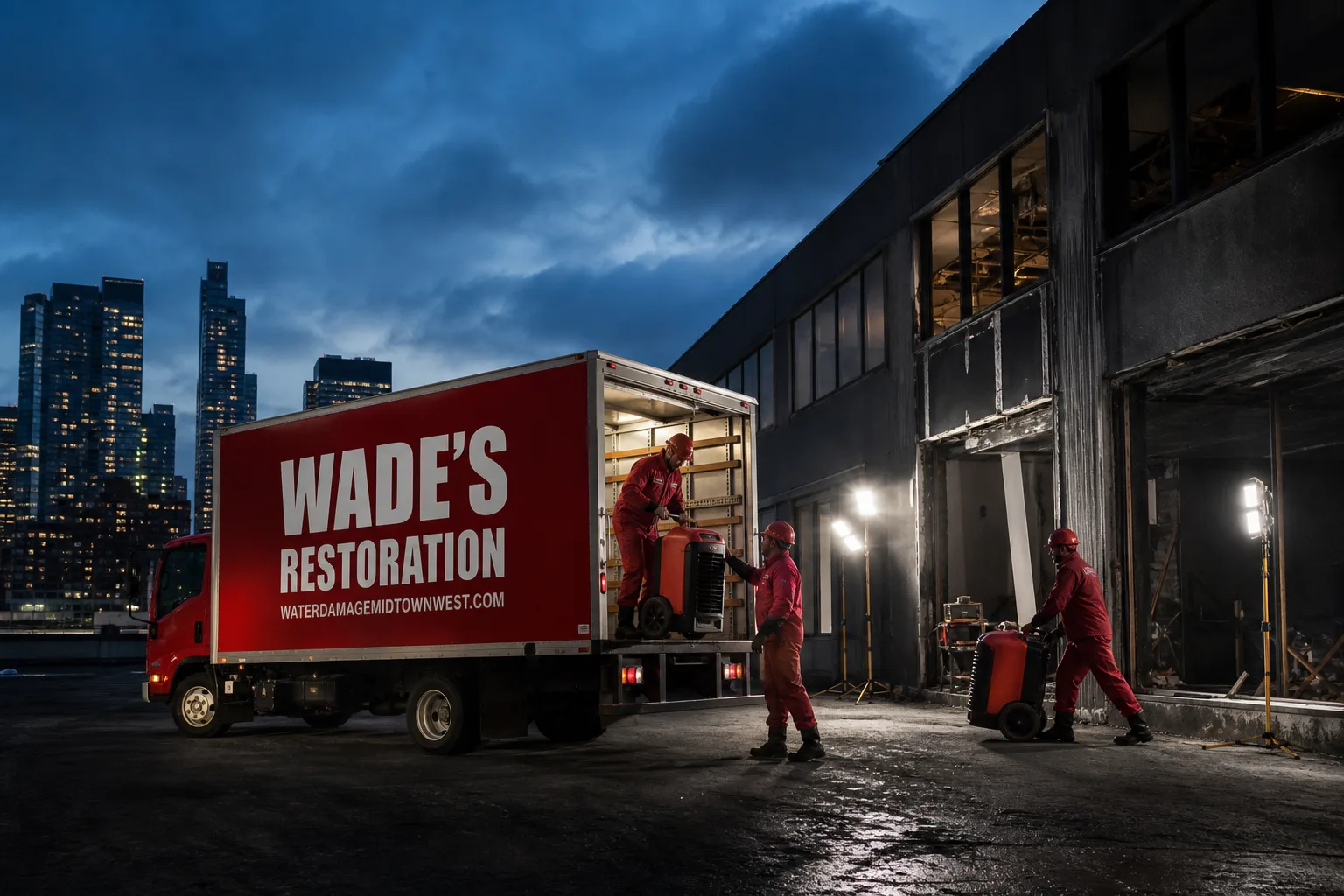
- IICRC-certified crews. The people Wade sends carry WRT, FSRT, and AMRT certifications, and they use Dri-Eaz air movers, Phoenix dehumidifiers, XPOWER air scrubbers, and B-Air equipment. No rental-shop gear, no shortcuts.
- Free visual inspection. Before any work starts, we walk the damage with you, explain what we see, and put the scope in writing. You know what you’re approving and what it costs.
- Direct insurance billing. We document the loss from the first hour, communicate with your adjuster directly, and bill the carrier where coverage applies. You do not become the go-between.
- One team from tear-out to trim. The same crew that extracts and dries is the crew that hangs drywall, refinishes floors, and paints. No hand-off to a subcontractor you have never met.
Our Reconstruction & Cleanup Process
Inspection & Assessment
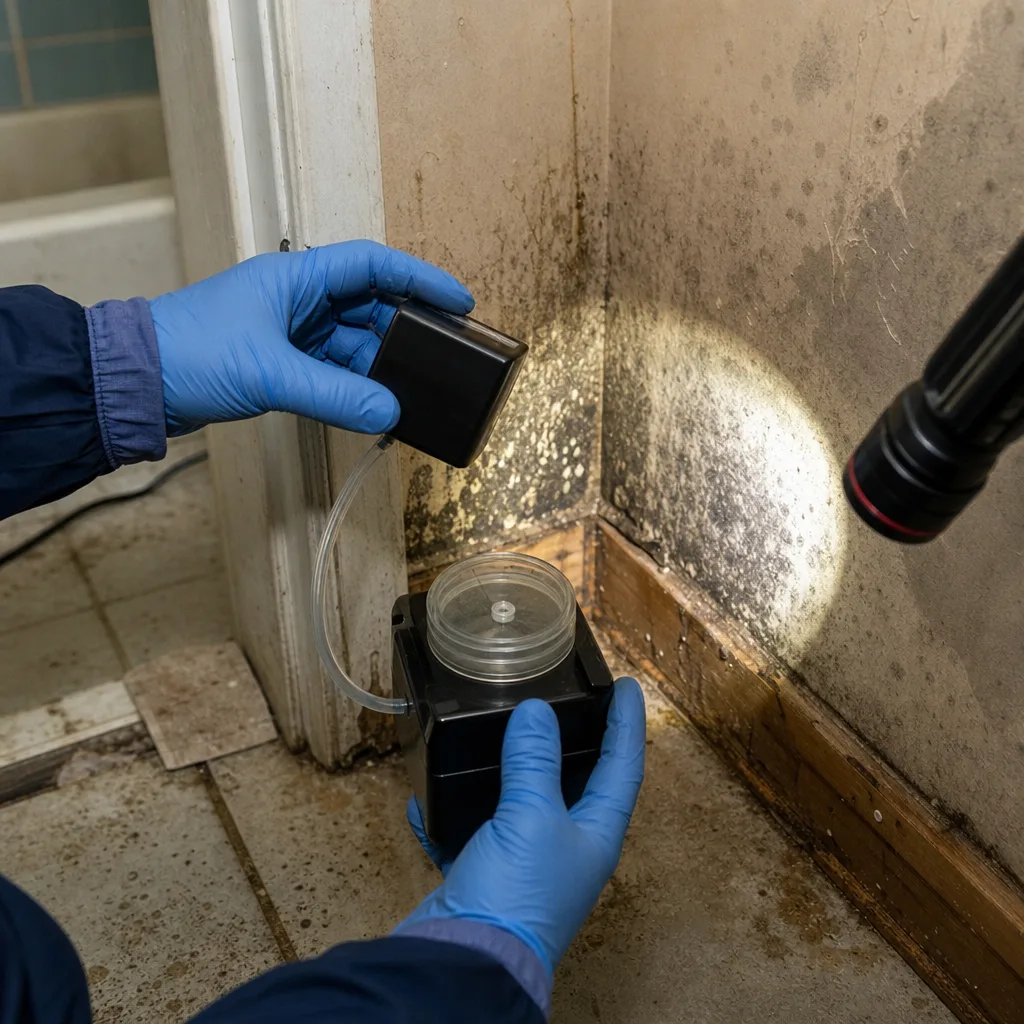
We start with a full walkthrough, not just of the visible damage but of the units above, below, and beside. Thermal imaging and moisture meters map how far water or smoke moved through shared walls and floor cavities. We then give you a written scope, a price, and honest advice about whether something can dry in place or must come out.
Extraction & Stabilization
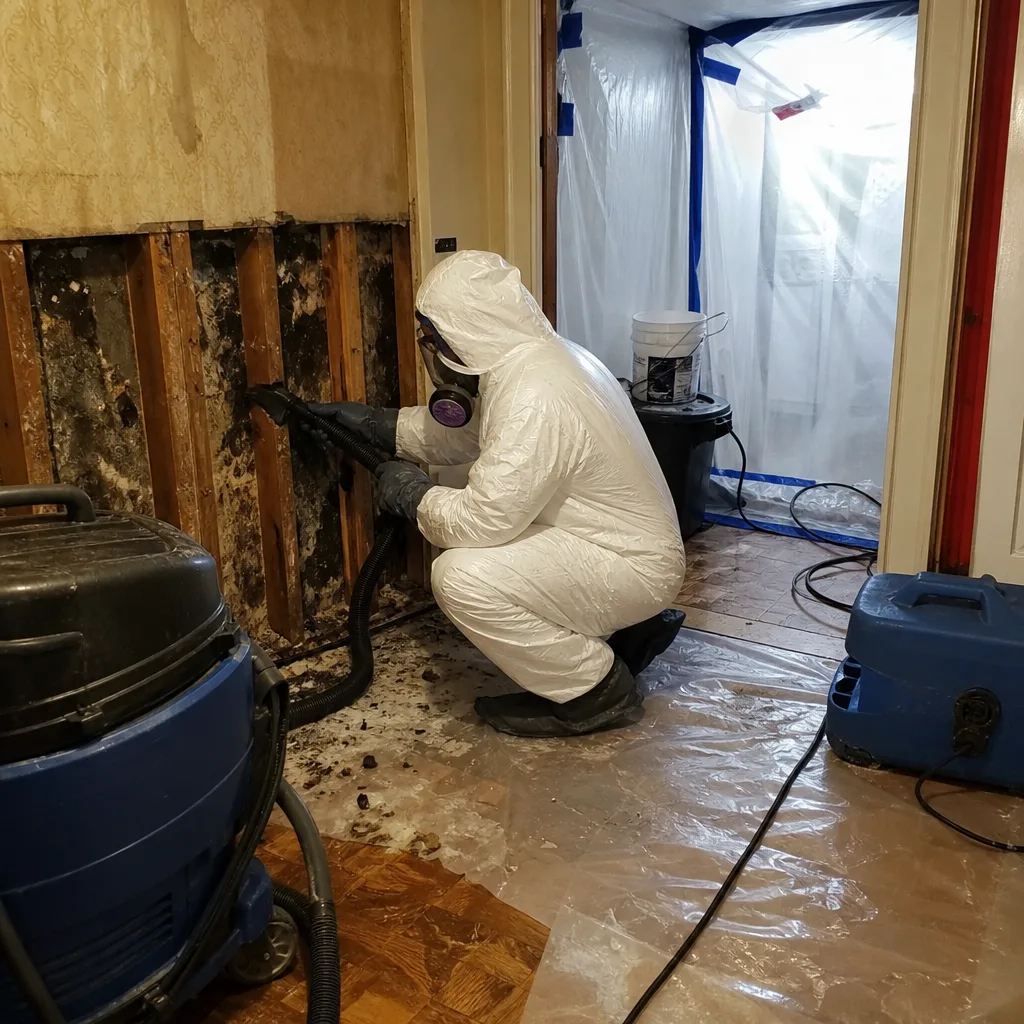
Any standing water comes out first, using truck-mounted and portable extractors. Damaged drywall, plaster, and insulation that cannot be saved gets cut out in clean lines, and unsalvageable flooring gets pulled. We set floor-to-ceiling containment in stairwells and hallways to keep dust and debris out of adjacent units.
Drying & Dehumidification
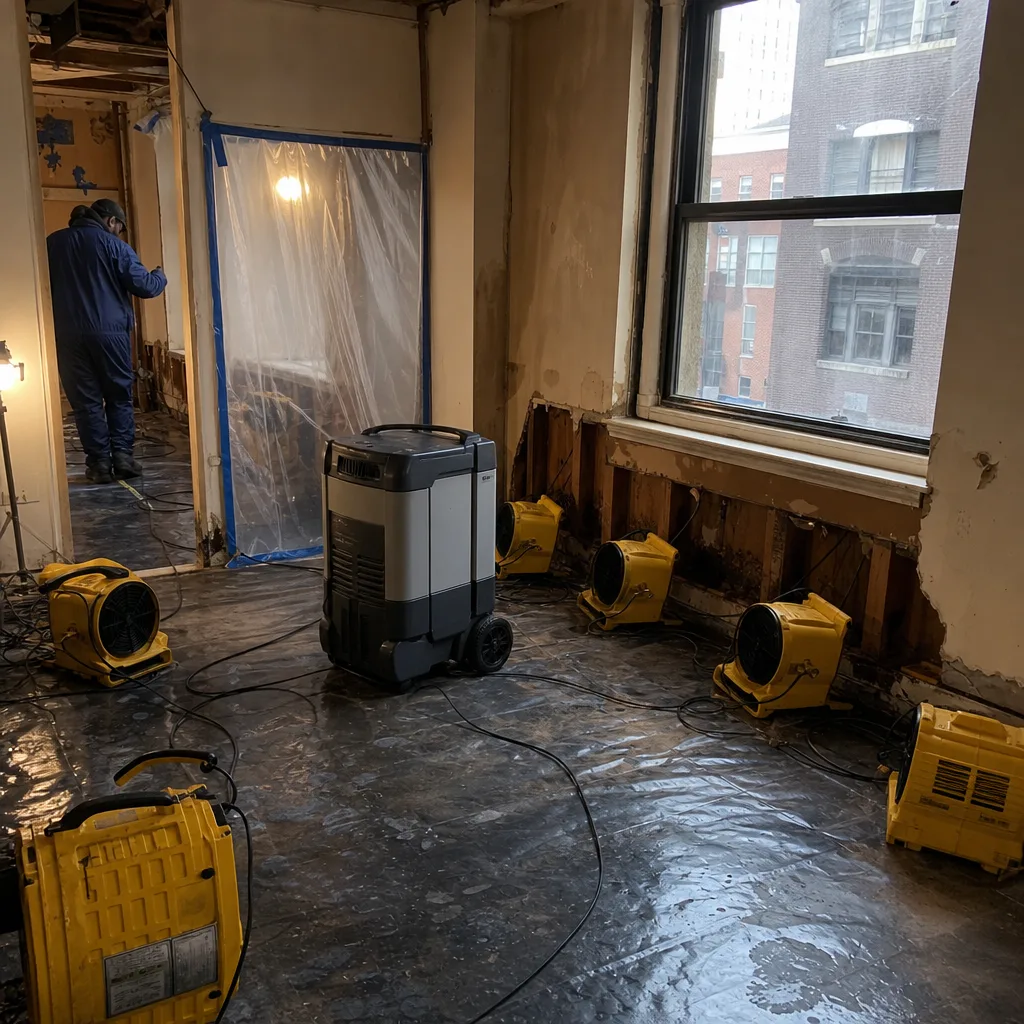
Dri-Eaz air movers and Phoenix dehumidifiers are placed based on the moisture map, not scattered randomly. Daily moisture readings are logged, and we keep drying until framing, lath, and plaster hit pre-loss levels. In old Union City buildings, this often takes a few days longer than in newer construction because the materials hold water harder.
Cleaning & Sanitization
Every affected surface gets cleaned, and where water category requires it, we apply antimicrobial treatment to wood lath, joists, and sill plates before anything gets closed back up. HEPA air scrubbers run during work to keep airborne dust and spores from traveling through shared building systems.
Specialty Treatment for Shared-Wall Buildings
In a Union City tenement, we pay extra attention to what we cannot see: cast-iron waste lines inside party walls, the plaster keys behind crown molding, and the gypsum fines that recirculate through hallway returns after drywall work. We address these before they become re-call complaints.
Repairs & Restoration
Reconstruction follows the drying log, not a schedule. Drywall goes up, plaster is repaired, floors are refinished or replaced, trim and paint follow. The goal is to hand you a space that looks like the loss never happened, and that holds up through the next Union City rain season.
Need Emergency Reconstruction & Cleanup in Union City Now?
Crews minutes away, answering live 24 hours a day. The sooner we start, the less it costs.
Working With Your Insurance Company
After a multi-unit water or fire loss in Union City, there are often two, three, or four insurance policies in play: the landlord’s, each tenant’s, and sometimes a commercial policy if a Bergenline Avenue storefront is involved. Our job is to make sure every one of those carriers gets documentation that holds up. From the first hour, we photograph the damage room by room, log moisture readings daily, and write a line-item scope of work that matches the language adjusters expect. Wade talks directly to adjusters, sends them the drying logs and photos, and answers their questions so you do not have to relay information between sides. If coverage is disputed, we provide the documentation needed to support the claim.
What We Provide Your Insurer
- Thorough documentation of the loss
- Photos of all damage, room by room
- Moisture readings and drying logs
- A detailed, line-item scope of work
- Direct coordination with your carrier
Built for Union City’s Loss Calendar
Union City’s damage calendar is predictable, which is good news if you know what to watch. January deep freezes burst supply lines in uninsulated exterior walls, and in a 1920s brick walk-up, that pipe is often running through a party wall shared with three other units. February and March bring interior leaks from flat roof seams weakened by ice and cold. April through May is basement seepage season, even on the Palisades, because downspouts and impervious paving send water toward foundations instead of away from them. Summer thunderstorms overwhelm flat tar-and-gravel roofs and clogged drains, sending water through the membrane and down the interior wall line. Fall and early winter nor’easters are the biggest roof-membrane stress test of the year. In Union City, where flat roofs cover nearly every building, the upper-floor units are the frontline for every one of these storms. Reconstruction work here is not a one-season trade. It follows the weather, the age of the building, and the last time the roof was actually maintained.
Reconstruction & Cleanup Across Union City’s Neighborhoods
From the brick walk-ups near Washington Park to the dense blocks off Palisade Avenue, building type drives the scope of work more than ZIP code. Along the Bergenline Avenue corridor, the ground floor is commercial and the upper floors are residential, so a single plumbing failure or kitchen fire creates two scopes under one roof: a business that needs to reopen fast and apartments that need full reconstruction. For those, we coordinate with both the property owner and the storefront tenant, and we schedule noisy demolition around business hours where possible. In the residential blocks parallel to New York Avenue and Palisade Avenue, the buildings are typically four to six-story brick tenements from the 1910s and 1920s. Some have been converted to condominiums, which means the unit owner is repairing the interior while the association’s master policy covers the common areas. We have handled enough of these to know where one scope ends and the other begins. The neighborhoods off Summit Avenue and Central Avenue hold a mix of row houses and small apartment buildings, many with flat roofs and older drainage systems. In West Hoboken near the Weehawken line, pre-1930 brick row houses often have shared gutters and leader lines, so one clogged downspout can back water into the parapet wall between two properties. Our crews know the access constraints in each part of Union City: narrow alleys, limited parking, and buildings where the only way in is a single staircase. Planning for that before equipment arrives saves hours on the job.
Specialized Reconstruction & Cleanup Services We Offer in Union City
Full-Service Reconstruction
When water, fire, or storm damage has been stabilized, the rebuilding phase begins. In Union City, this often means opening up a kitchen or bathroom in a mid-floor unit where the wall cavities are shared. We rebuild to match the building’s age: plaster patching, wood lath repair where needed, and finishes that look right in a pre-war apartment. No one wants a 2026 renovation dropped into a 1927 building unless that is what they asked for.
Drywall & Flooring Repair
Water and fire damage hits drywall ceilings and floors first. We remove only what is unsalvageable, then replace with materials that match the existing profile. In older Union City buildings, that often means matching plaster thickness, repairing hardwood floors that have cupped, or replacing subfloor sections that have lost structural integrity. The goal is a floor and ceiling that look like they were never touched.
Contents Restoration & Pack-Out
When a multi-unit building is under reconstruction, tenants often need belongings moved out, cleaned, stored, and brought back. We inventory everything, pack it with care, and store it until the unit is ready. For tenants displaced by a fire or water loss, this is one of the most valuable services we provide: someone treating their furniture, clothes, and personal items with the same care as the building itself.
Carpet & Upholstery Cleaning
Water and smoke damage leaves carpet and upholstery holding odors, stains, and sometimes mold. We deep-clean salvageable carpet and upholstery with professional extraction equipment, and we are honest when something is not worth saving. In a Bergenline Avenue storefront with smoke odor in the rugs, cleaning works. When a carpet has been soaked with Category 2 water for two days, replacement is the better call, and we will tell you that.
Post-Construction Cleanup
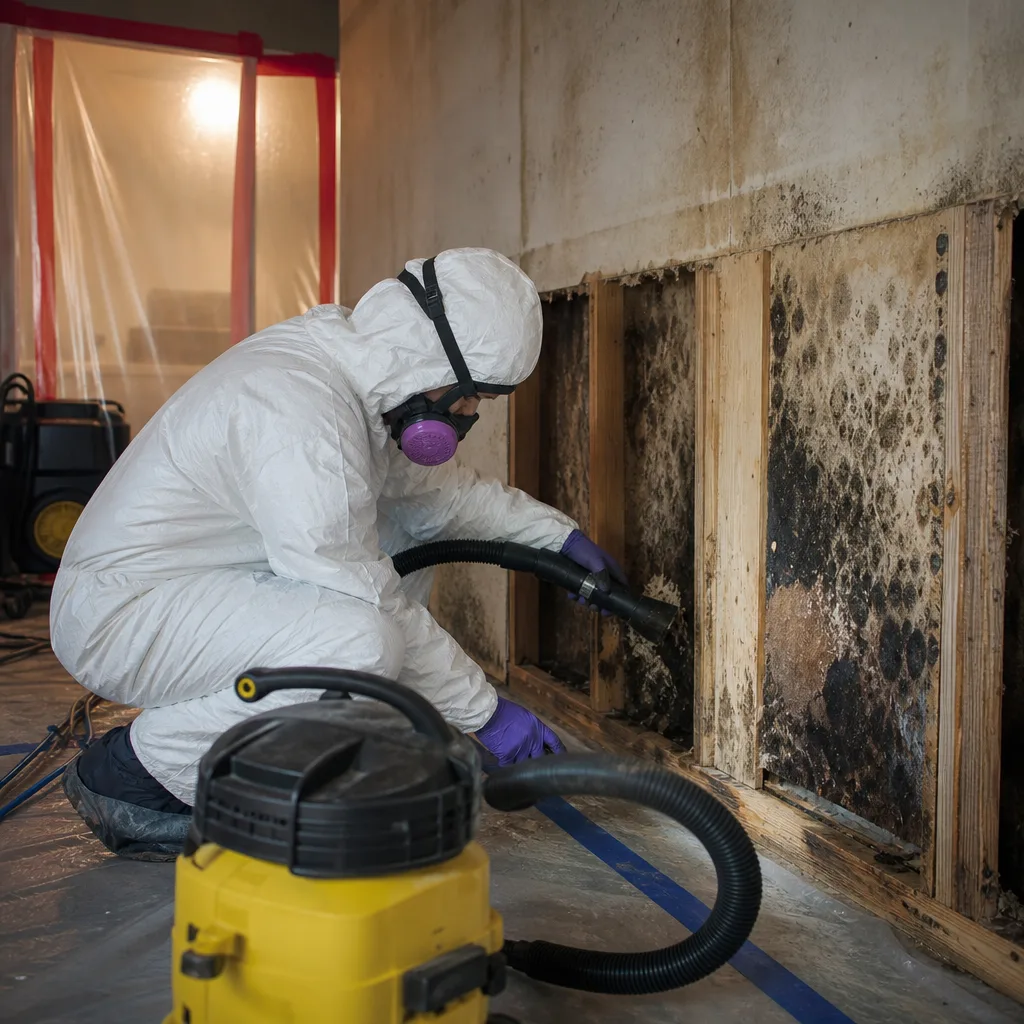
Reconstruction generates dust that travels everywhere in a connected building. Gypsum fines from cutting drywall recirculate through hallway returns, stairwells, and common areas, and in a building where walls are shared, that dust becomes a neighbor problem fast. We run HEPA air scrubbers during work, then do a full post-construction cleanup that includes wiping down surfaces, vacuuming with HEPA-filtered equipment, and making the common areas walkable again. This step is not optional in Union City. It is what prevents tenant disputes and do-over complaints.
Insurance Claim Documentation
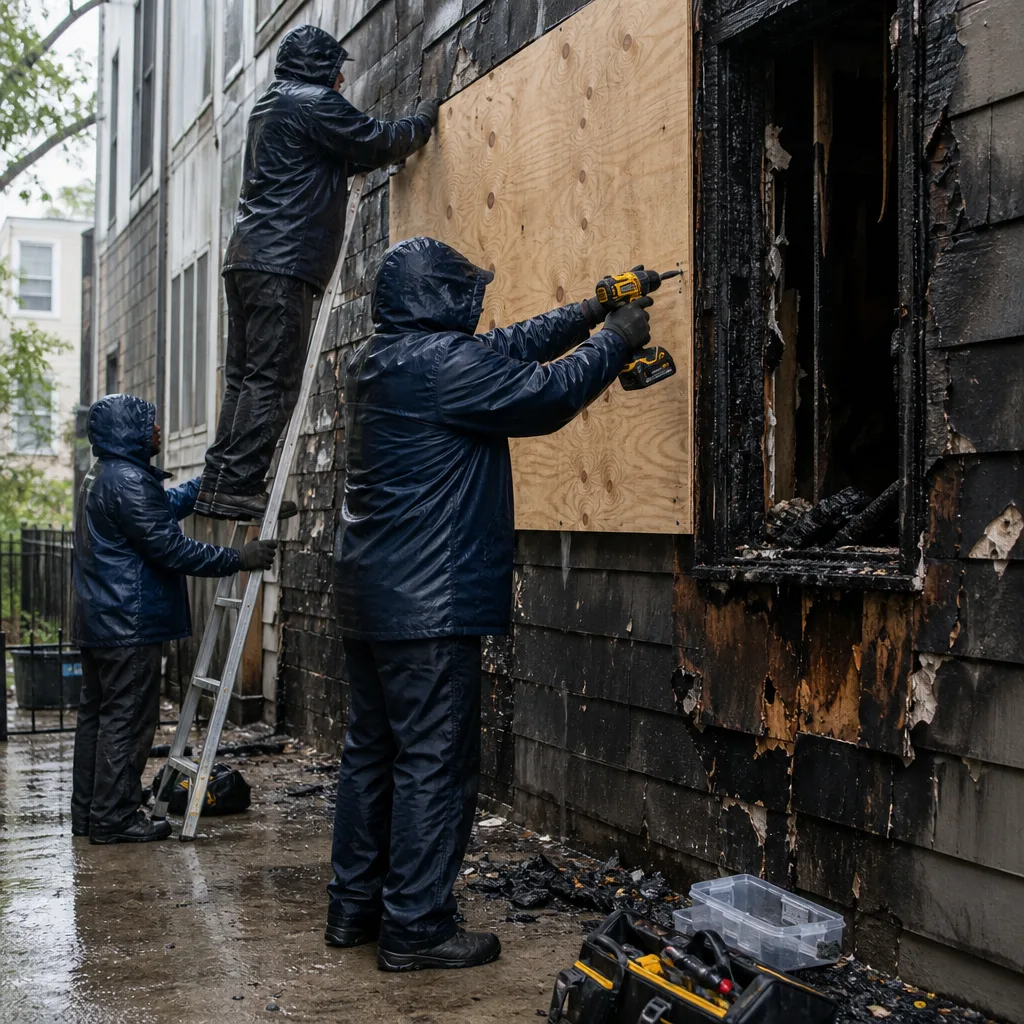
For a multi-unit loss with several policies involved, documentation is everything. We photograph every room, log moisture readings daily, and write scopes of work that separate each unit’s damage from the common areas and from the building envelope. When a landlord’s policy, two renters’ policies, and a commercial carrier are all in the same claim, clear documentation is the difference between a smooth payout and a coverage denial. We provide it from day one.
What happens when you call
- 1
A real person answersNo phone trees - you reach a local pro.
- 2
You get an upfront price rangeHonest numbers before anyone is dispatched.
- 3
A background-checked tech heads outLicensed & insured, dispatched right away.
- 4
You approve before work beginsNothing starts until you say go.
Reconstruction & Cleanup Costs in Union City, NJ
In Union City, the cost of Reconstruction & Cleanup depends on how far water or fire moved through shared structures. A single-unit water damage repair with drywall replacement and drying typically runs $2,800 to $6,500. When a pipe burst cascades through three or four units, the combined scope often lands between $18,000 and $45,000 before contents restoration. Flat-roof leak repairs that require ceiling replacement in a top-floor unit generally run $3,000 to $8,000, but only if the water did not reach the floors below. Drywall and flooring repair in a pre-1930 building tends to run higher than in newer construction because plaster matching and lath repair are slower work. Contents pack-out for a two-bedroom unit averages $1,800 to $3,500, including inventory, packing, transport, and storage for 30 days. Post-construction cleanup after a mid-floor rebuild usually runs $900 to $2,200, depending on how many common areas were affected. The fastest way to get a firm number is a free visual inspection. Call (607) 703-3408 and Wade will walk the damage with you and put the scope in writing before any work starts.
We Also Serve Cities Near Union City
Our crews cross the city lines for Union City neighbors in Weehawken, Hoboken, North Bergen, and Secaucus. The building stock is similar, the weather is the same, and the work follows the same standard. If you are in one of those towns and dealing with a loss, call the same number: (607) 703-3408.
Union City Reconstruction & Cleanup Questions, Answered
How do you handle reconstruction when water damage spans three apartments in a Union City tenement without displacing everyone for weeks?
We sequence the work so tenants can stay in unaffected areas while we contain and dry the damaged zones. Floor-to-ceiling containment goes up in stairwells and hallways, air scrubbers run continuously, and we schedule noisy demolition during daytime hours. In most cases, tenants remain in their units while we work on the affected areas, because the drying and reconstruction is contained rather than spread across the whole building. Call (607) 703-3408 and we will walk the building and tell you honestly what the displacement timeline looks like.
Because many Union City buildings have cast-iron plumbing and leaky flat roofs, how do you decide what drywall to remove versus dry in place?
We remove drywall when moisture mapping shows water has saturated the gypsum or the wall cavity behind it. If the material is still structurally sound and drying can be achieved with air movement and dehumidification, we dry in place and log the readings daily. With cast-iron waste lines inside party walls, we assume lateral moisture spread until proven otherwise, so we often open a small inspection hole to check the cavity before deciding. The decision is made with moisture meters and thermal imaging, not a hammer.
Can you manage reconstruction and cleanup when both a storefront on Bergenline Avenue and the apartments above it are damaged at once?
Yes, and we do it regularly. The commercial scope and the residential scope are treated as separate projects with separate documentation, which matters because there are often separate insurance policies. We schedule noisy work around business hours where possible, contain dust so it does not travel down into the retail space, and coordinate with the property owner, the storefront tenant, and the residential tenants. Call (607) 703-3408 and we will walk the building with you.
What proof will my insurance company accept for a multi-unit reconstruction claim in Union City where several policies are involved?
Insurance companies accept documentation that is detailed, dated, and consistent. That means daily moisture logs, room-by-room photos of the damage, a line-item scope of work that separates each unit from common areas and building envelope, and clear records of what was removed, what was dried in place, and why. We provide all of that, and Wade talks directly with the adjusters so you do not have to relay information between parties.
Why does a flat-roof leak on a top-floor unit in Union City often require reconstruction on lower floors too?
Water from a flat-roof failure enters at the membrane, runs down the interior wall line, and follows the path of least resistance through floor cavities, pipe chases, and party walls. It often pools in the ceiling of the unit directly below, and in a four or five-story building, it can travel through two or three floors before it reaches the lowest point. By the time you see a stain on the third floor, the water has usually passed through the fourth floor’s wall cavity and soaked the framing along the way. Moisture mapping reveals the full path, which is why we map before we cut.
How fast can someone actually get to my building in Union City?
Our commitment is a 45-minute response time for properties in Union City, and we answer the phone live 24 hours a day. Call (607) 703-3408 and Wade heads out. The sooner water extraction and drying start, the less material has to be removed later, which means a smaller scope and a shorter rebuild.
Do I really need full reconstruction or just a cleaning?
That depends on what the water or fire actually reached. A small pipe leak caught early might only need targeted drying and a patch-and-paint. Water that has been sitting in wall cavities for days, or that has soaked through plaster and lath, usually requires cutting and replacing materials. We will tell you which one you have, and show you the moisture readings that back up the recommendation. No one is pushing a bigger job than the building actually needs.
What should I do in the first 30 minutes after a water or fire loss in Union City?
Call (607) 703-3408 first. Then shut off the water at the nearest fixture if it is safe to do so, move small items out of the water path, and do not run electrical appliances near wet areas. Do not try to pull wet drywall or open walls yourself. The sooner our crew starts extraction and drying, the more material can be saved, and the smaller the reconstruction scope will be.
Serving Union City, NJ - Our Local Coverage Area
We’re based in the Union City area and know this community well. Use the map below to see our service coverage - if you’re nearby, we can almost certainly help.
24/7 Emergency Reconstruction & Cleanup in Union City
Water or fire damage inside a Union City tenement does not wait for business hours, and neither do we. Call (607) 703-3408 at 2 a.m. and a live person answers. Wade heads out with the crew, and we can have extraction running inside the hour. In a building where walls and floors are shared, the first hour matters more than in a single-family house: water is already moving through floor cavities and party walls, and smoke is working its way into adjacent units. The faster we contain the loss, the less reconstruction ends up costing. Our first step is a free visual inspection. You get a written scope before we pull anything out, and we work directly with your insurer from that first hour. No answering service, no national call center, no one who has never seen a Hudson County walk-up.
Written by Wade Ferris, Owner at Wade’s Restoration.