
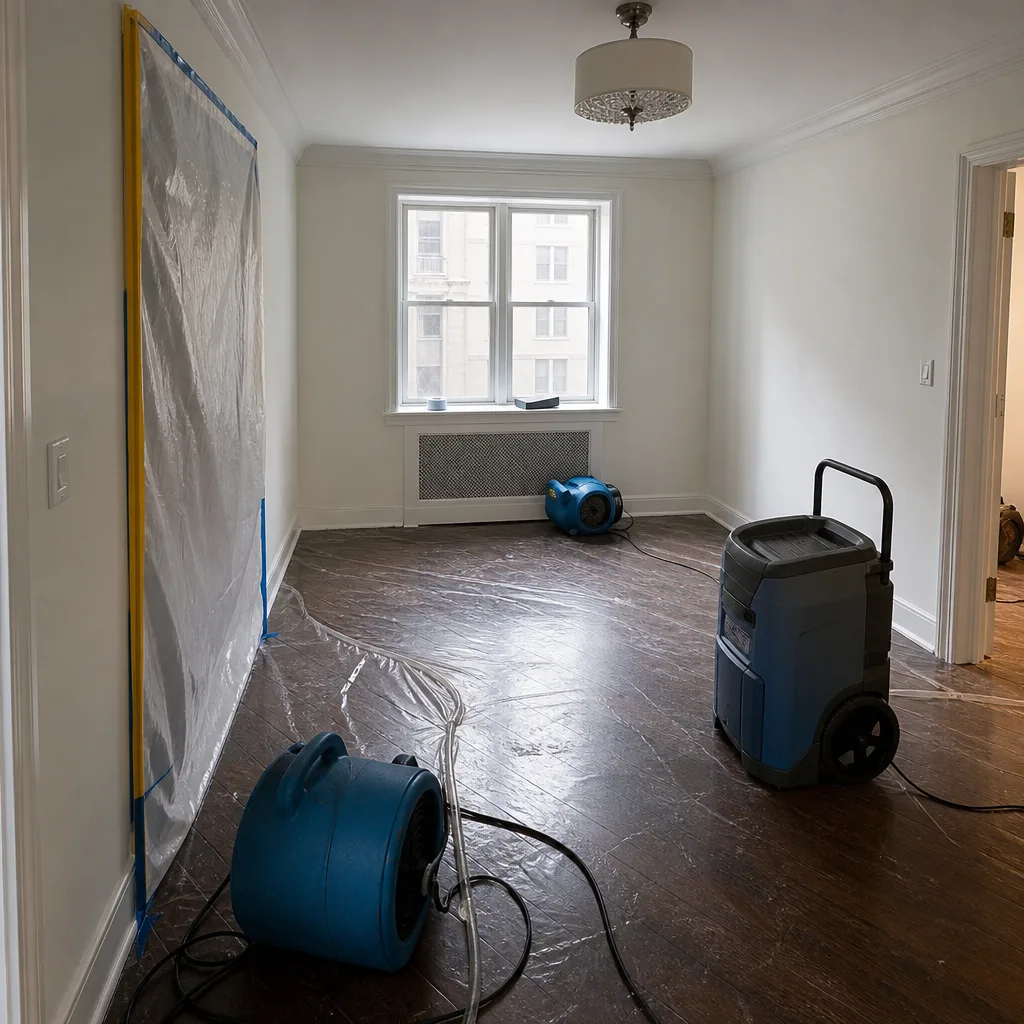
Free visual inspection and a written scope of work before any mitigation begins - photos, moisture readings, and drying logs go in your claim file
The scope we write is the scope we bill. Anything new gets shown to you, in writing, before we touch it.
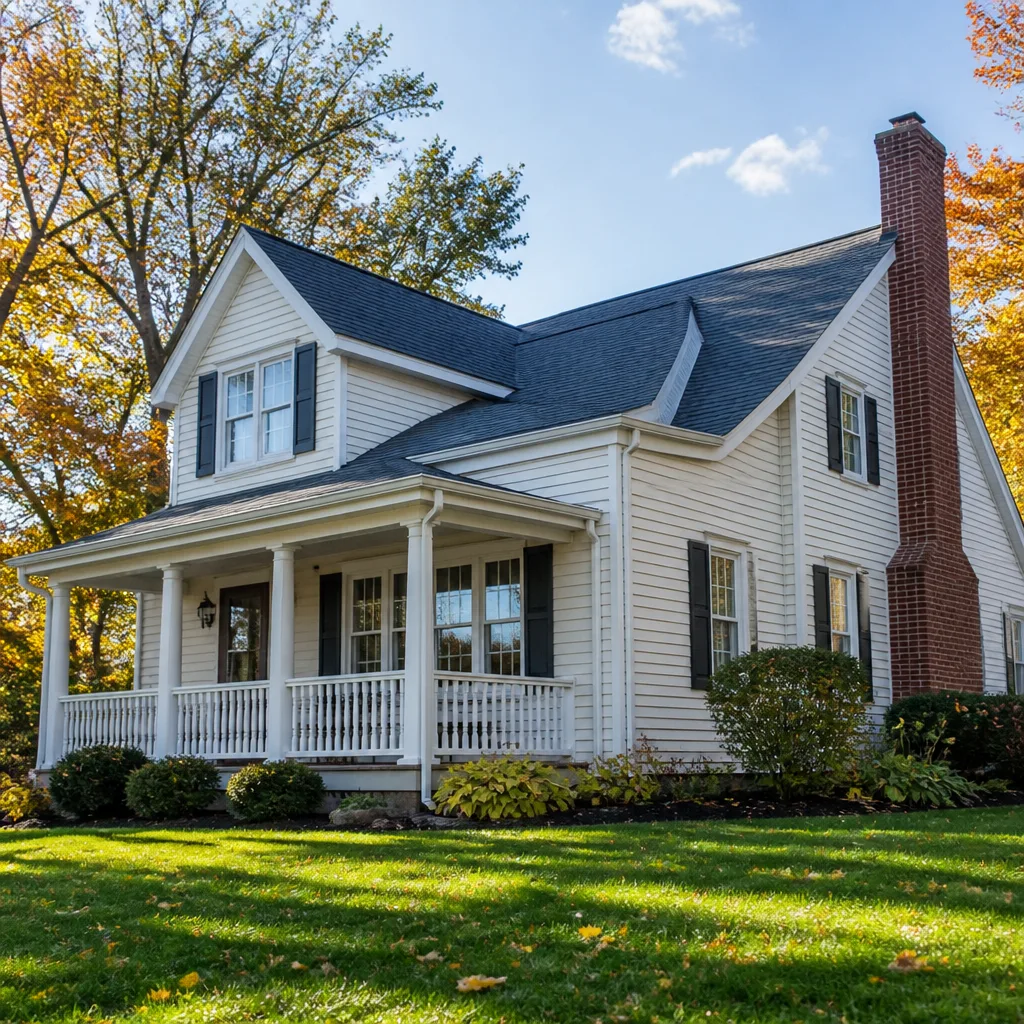
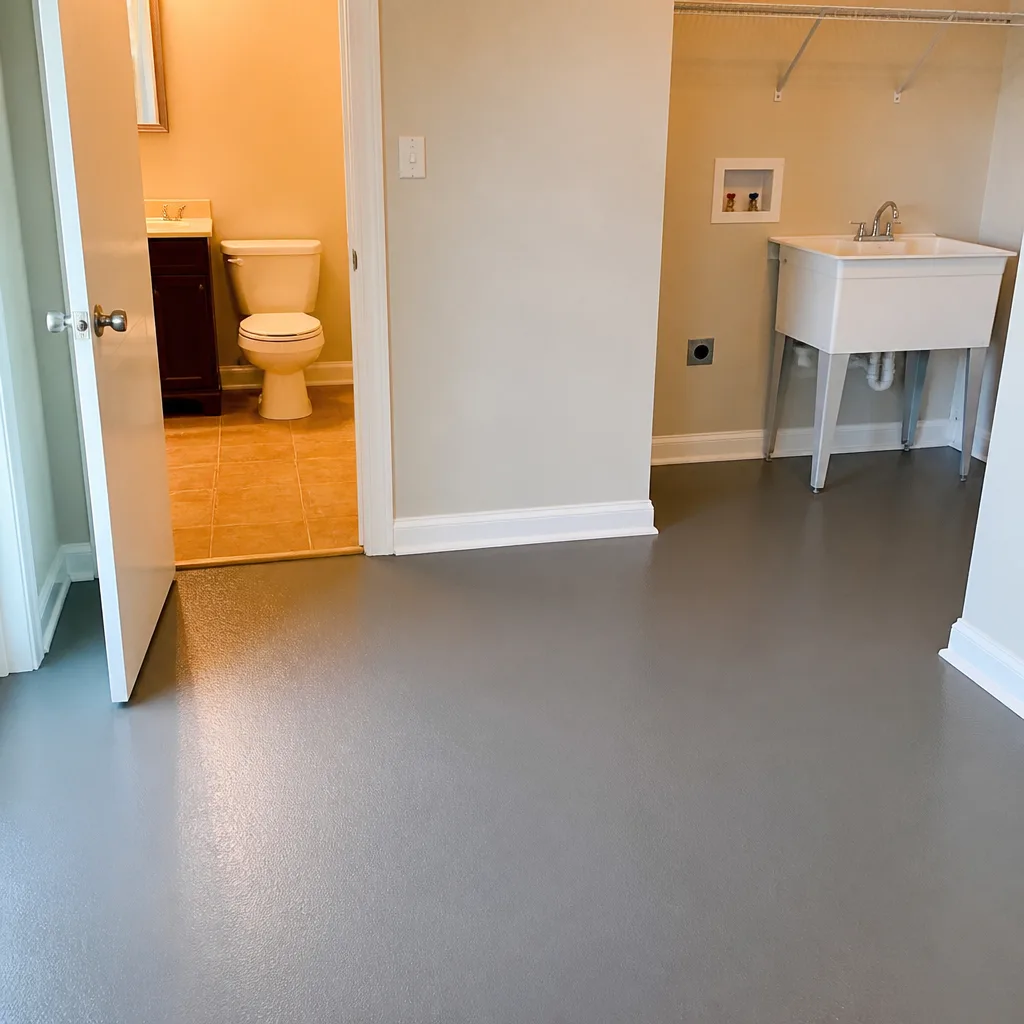
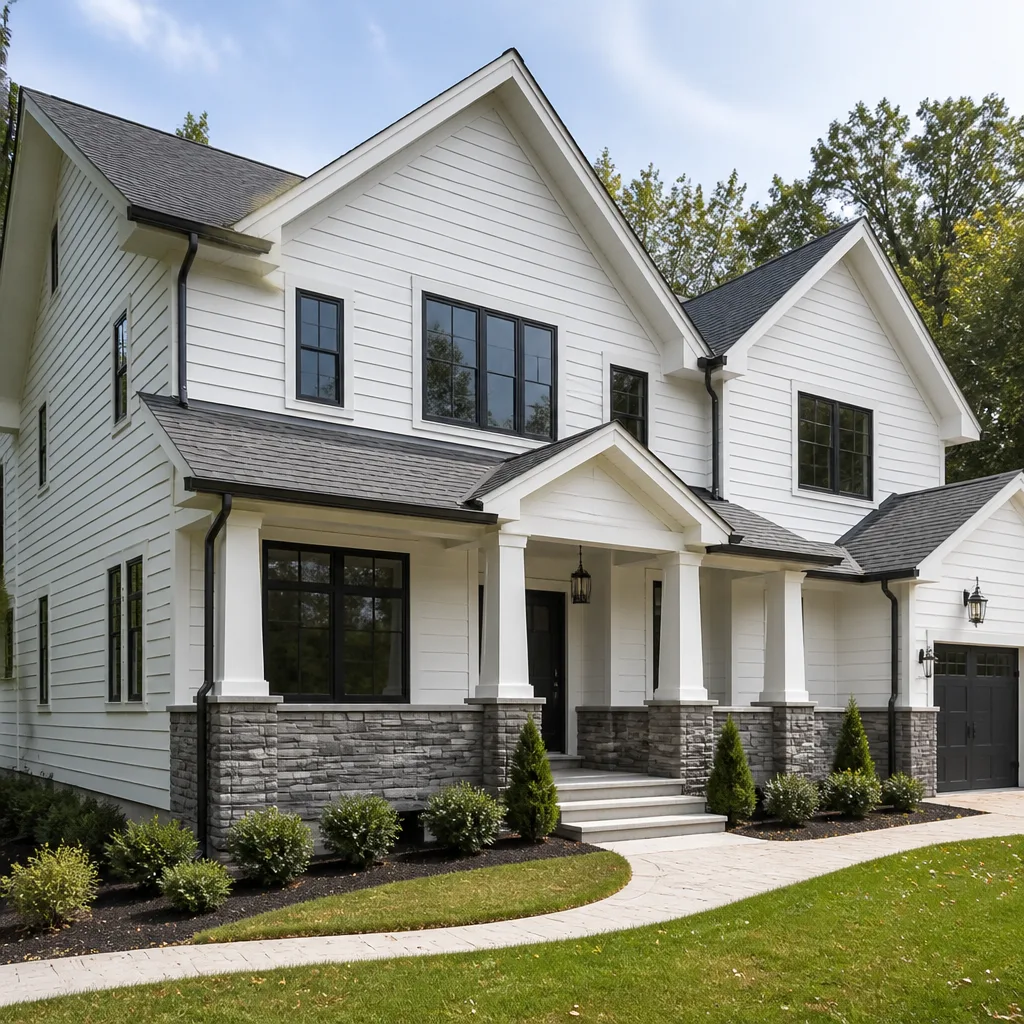
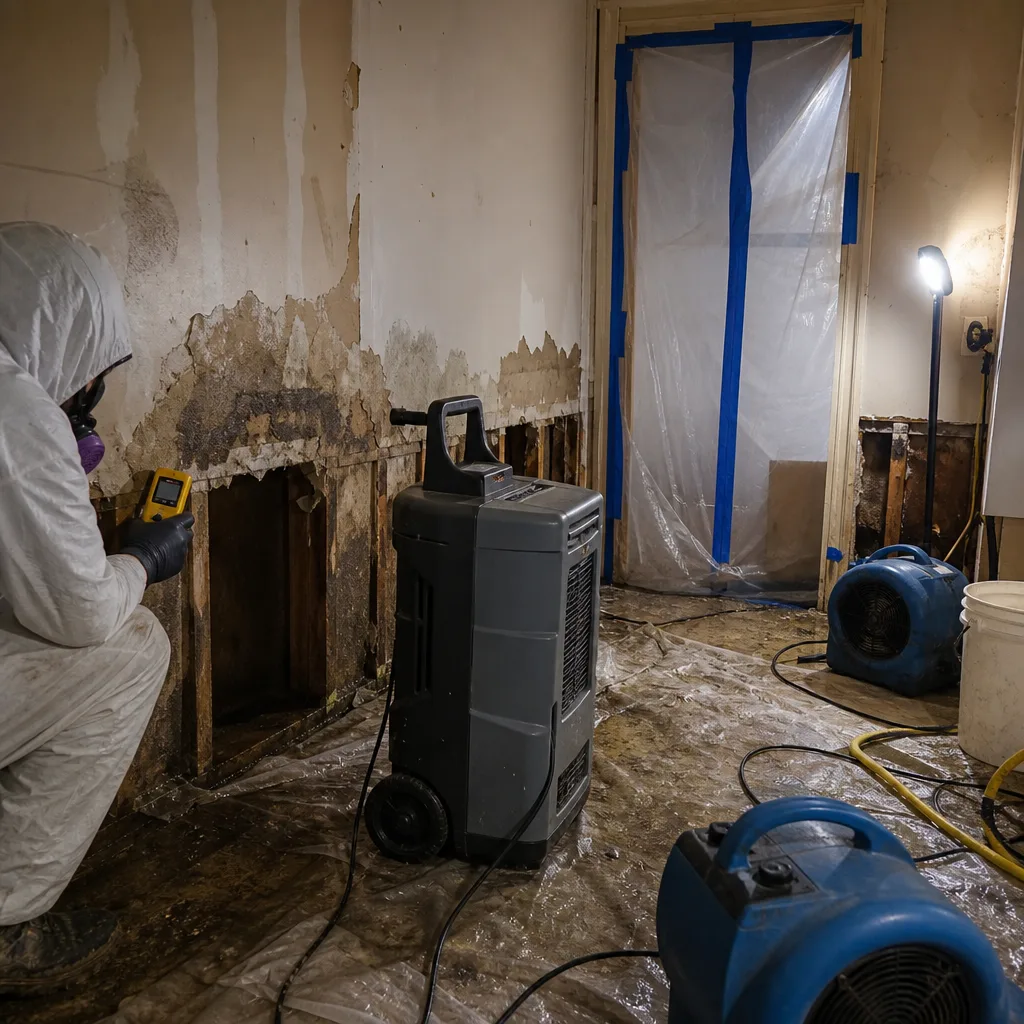 Before
 After
After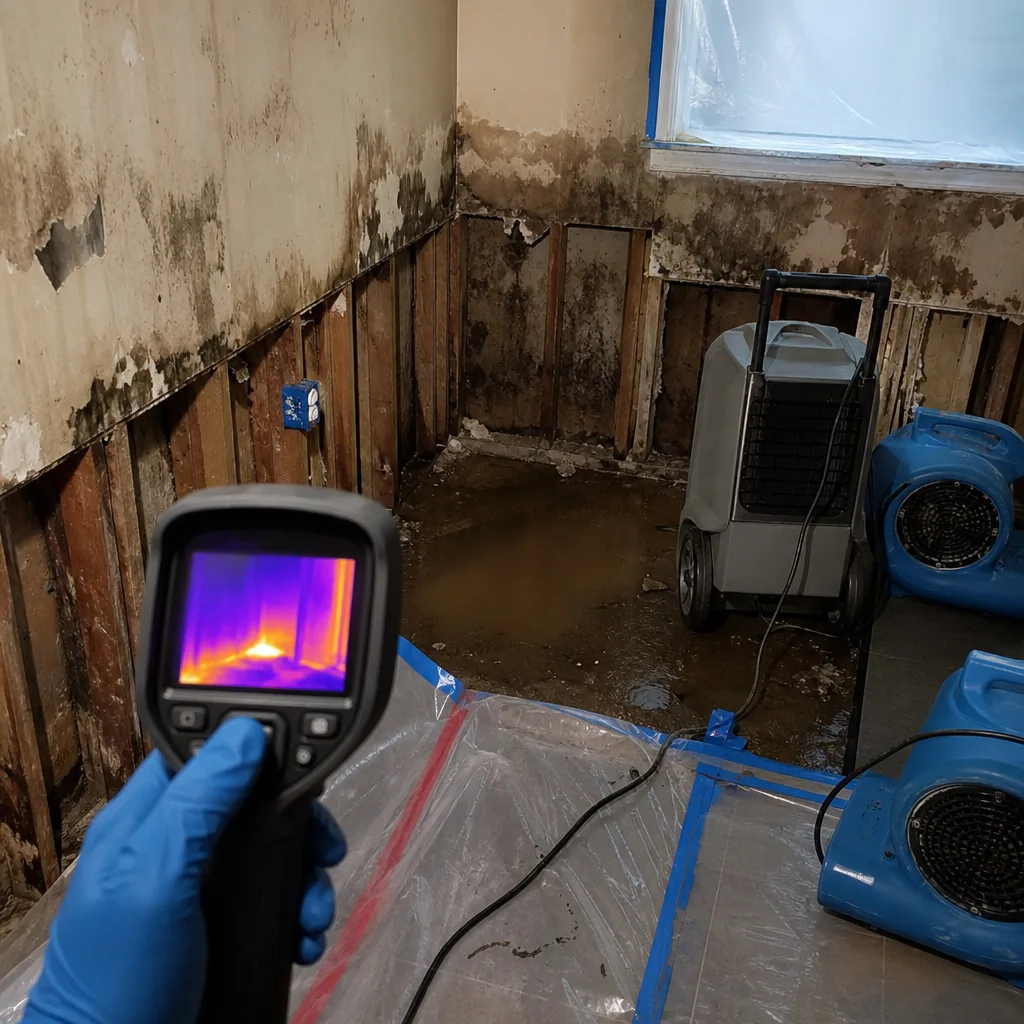 Before
 After
After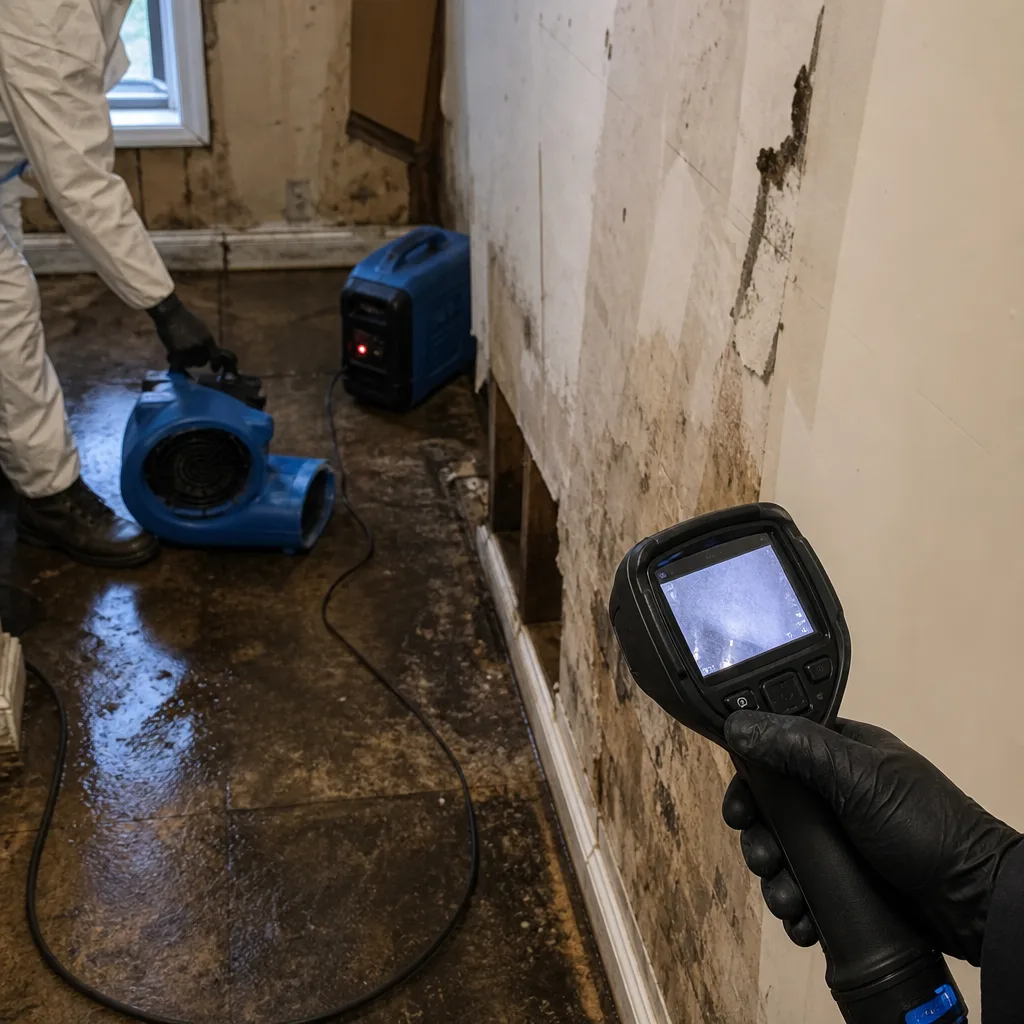 Before
 After
After24/7 Emergency Storm & Disaster Restoration in North Bergen
Storm damage in North Bergen doesn’t wait for business hours, and neither do we. Call (607) 703-3408 any hour, day or night, and you’ll get a live person, not a voicemail. In most North Bergen neighborhoods, Wade Ferris or one of his crew can be on-site within 45 minutes of your call, with extraction equipment running inside the hour when flooding is involved.
Here’s what the first hour actually determines in this township: whether that Meadowlands tidal backup soaking your basement floor becomes a dry-out job or a full gut-and-remediate. Whether the water pushing through that crack in your Palisades-side foundation wall reaches your finished drywall. Whether wind-driven rain through a tarped roof becomes a contained cleanup or spreads into three units through a shared party wall. Every minute water sits against North Bergen’s 1950s brick and cinder block, it moves laterally through cavities you cannot see from the surface. Call now. The inspection is free, and the faster we start, the smaller the scope.
Understanding Storm & Disaster Restoration Severity in North Bergen Properties
Not all storm water is the same, and in North Bergen the difference matters more than in most towns. Water from a broken supply line or clean rainwater is Category 1, the easiest to dry. Storm runoff that has traveled across pavement, through gutters, or over a roof is Category 2, carrying contaminants you don’t want trapped in drywall. But the Hackensack River tidal backup that floods the western Meadowlands neighborhoods during a nor’easter is Category 3, grossly contaminated water that requires removal, disposal, and antimicrobial treatment of everything it touched.
North Bergen’s housing stock makes severity assessment harder than it looks. Those dense brick row homes and walk-up apartment buildings from the 1940s through the 1960s were built with full masonry basements and shared walls. Moisture does not respect property lines. A leak in one unit’s front wall can migrate through the common cavity and show up as a stain in the neighbor’s kitchen ceiling two floors up, weeks after the storm. Attached construction means your Category 2 event might be drying out three separate dwelling units before we are done, each with its own containment zone and drying log. We map moisture with thermal imaging and hygrometers, not guesswork, because what looks dry on the surface in North Bergen is often anything but behind the paneling.
Why North Bergen Property Owners Choose Wade’s Restoration
- 45-minute response, for real. Wade runs crews that are based in and around North Bergen. When you call, someone is actually on the road to you, not queued behind a call center in another state.
- 24/7 live answer, no automated system. Wade answers his own phone. You get a person who knows restoration and can talk you through the first ten minutes before the trucks arrive.
- IICRC-certified crews, named certifications. The people Wade sends hold WRT (Water Restoration Technician), FSRT (Fire & Smoke Restoration Technician), and AMRT (Applied Microbial Remediation Technician) certifications. Ask to see them. He will show you.
- Free visual inspection, never a fee to look. No trip charge inside the county. Wade will walk the damage with you and tell you straight what needs doing and what can wait.
- Direct insurance billing. Wade deals with the adjuster directly. You are not stuck relaying information between two sides while water sits in your basement.
- One team, start to finish. Extraction, drying, tear-out, rebuild. Same crew from the first call to the final walkthrough. No handoffs to subcontractors you never approved.
Our Storm & Disaster Restoration Process
Inspection & Assessment
We walk the property and find the actual extent of the water, not just the visible puddle. Thermal imaging shows us what is trapped in cavities, behind paneling, and inside shared party walls. You get a written scope before any tear-out starts.
Extraction & Stabilization
Standing water comes out first, fast. We use truck-mounted extraction and submersible pumps for North Bergen basements where the floor sits at or below the water table. If the roof is open or windows are blown, this is when board-up and tarping happen too.
Drying & Dehumidification
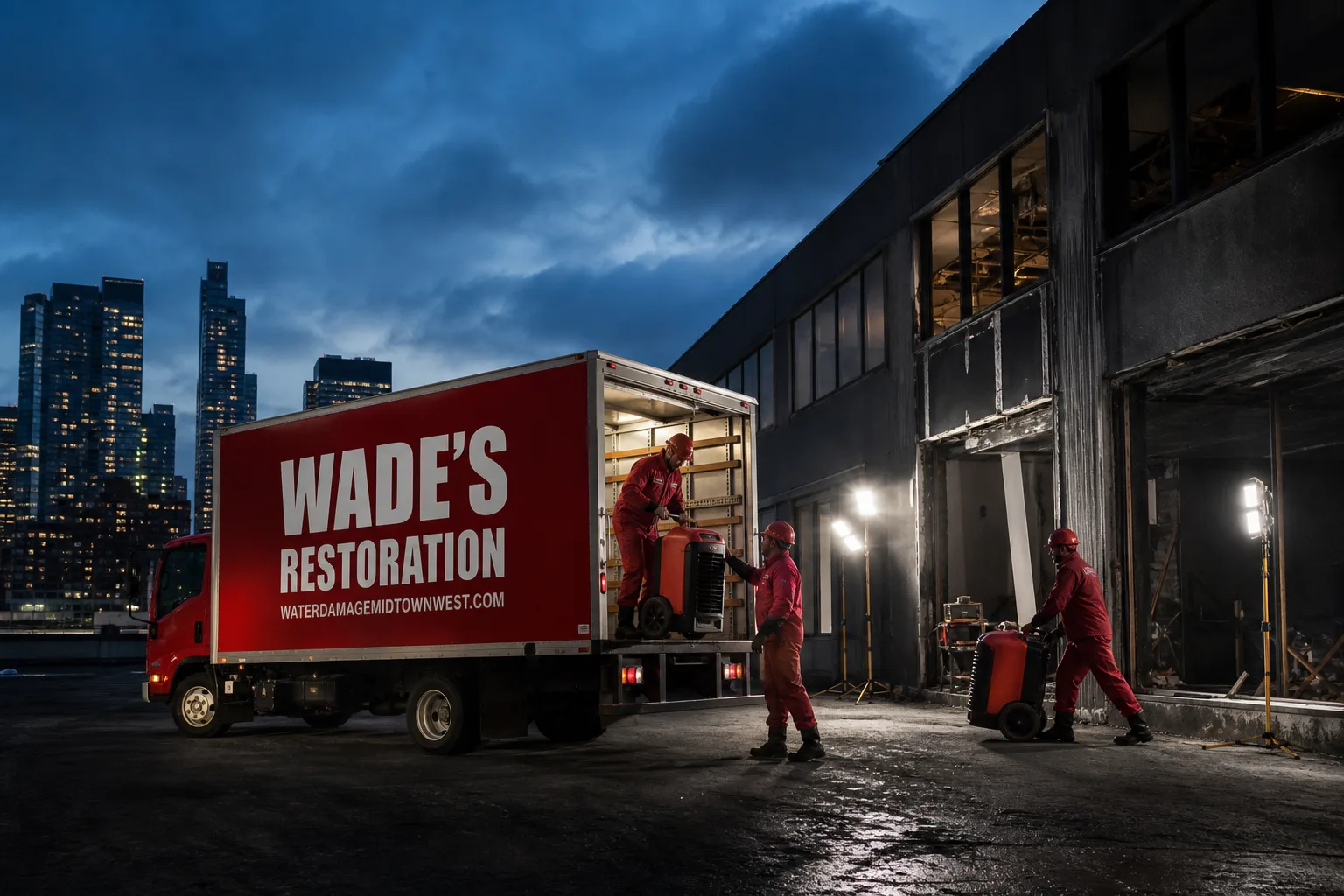
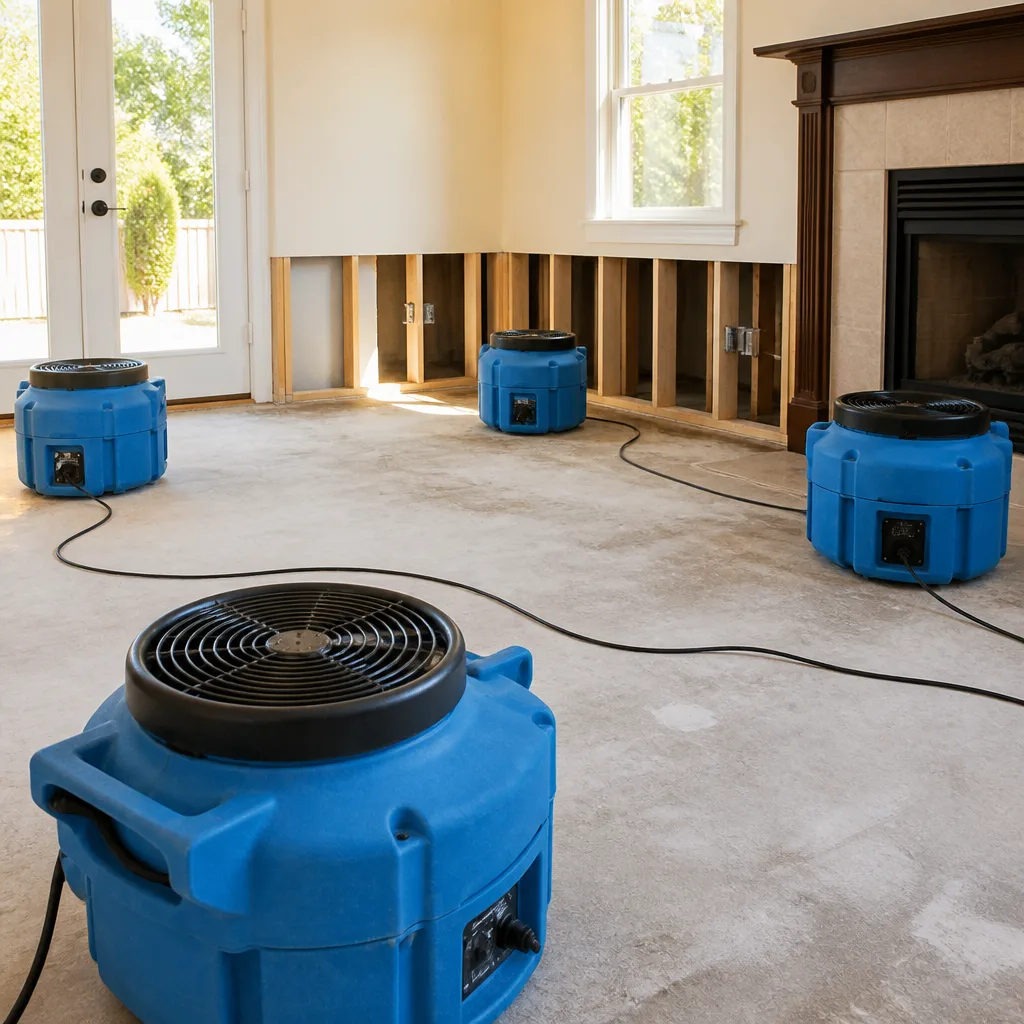
Phoenix dehumidifiers and XPOWER air movers go in, sized to the cubic footage, not guessed. Wade takes moisture readings every single day in every affected room and hands you the full log at the end. Nobody else in this trade does that for North Bergen homeowners.
Cleaning & Sanitization
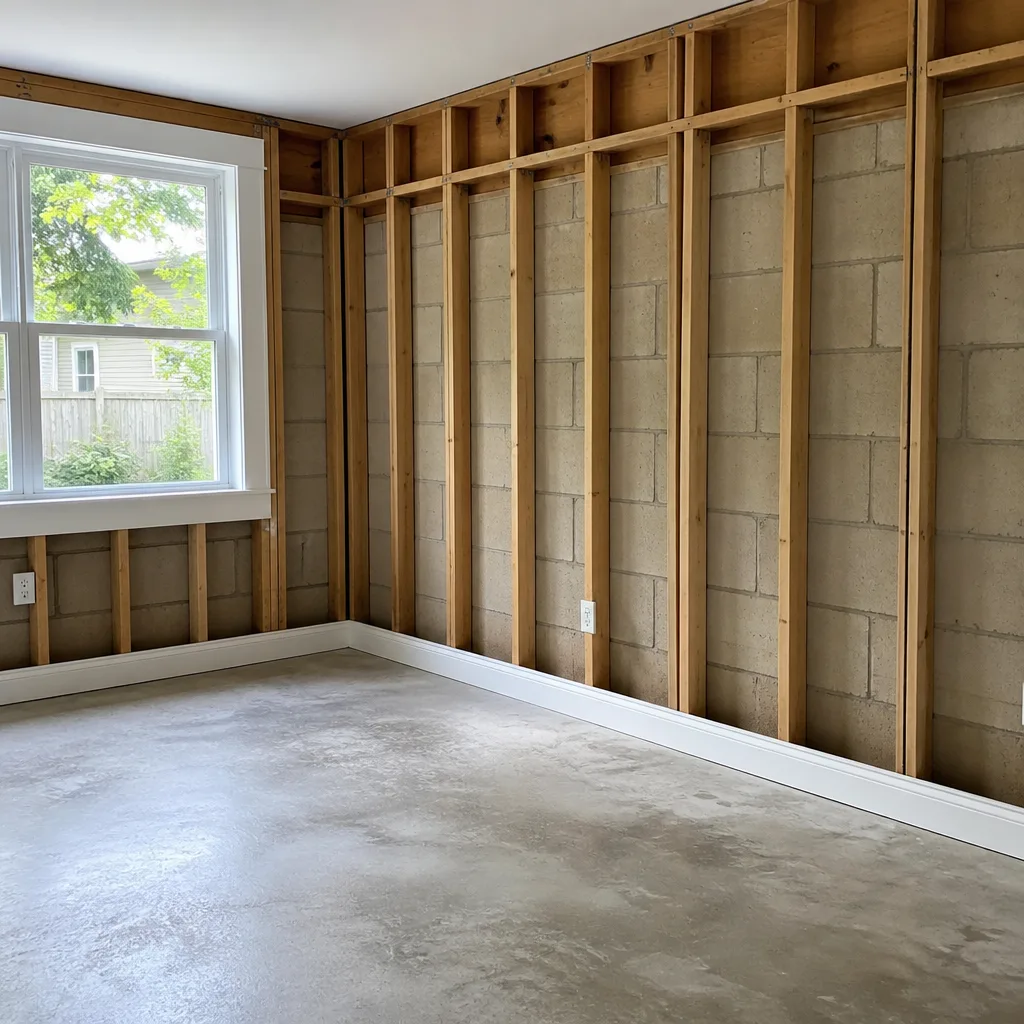
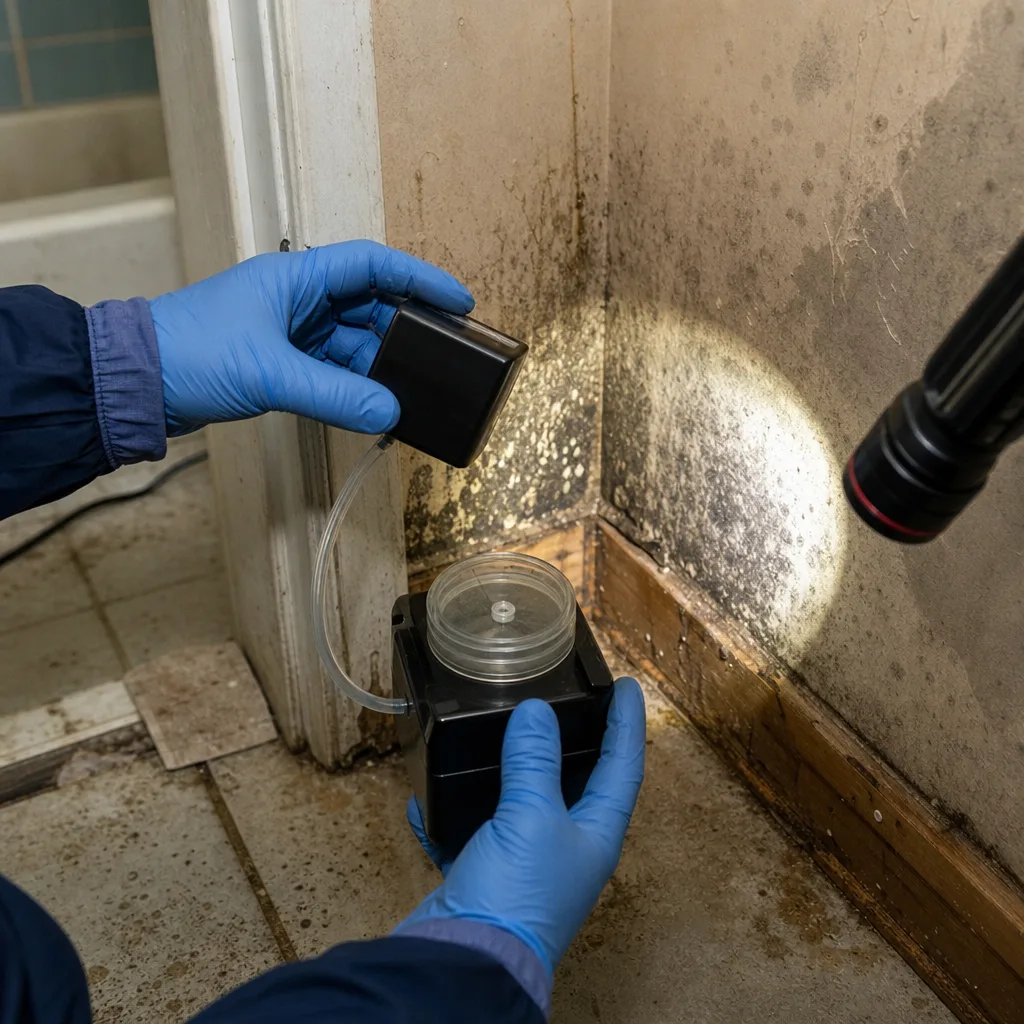
If the water is Category 3, from Hackensack River tidal backup or storm sewer overflows, we remove contaminated drywall, insulation, and flooring, then apply EPA-registered antimicrobial treatment to all remaining surfaces. HEPA air scrubbers run during the entire process.
Containment & Specialty Treatment
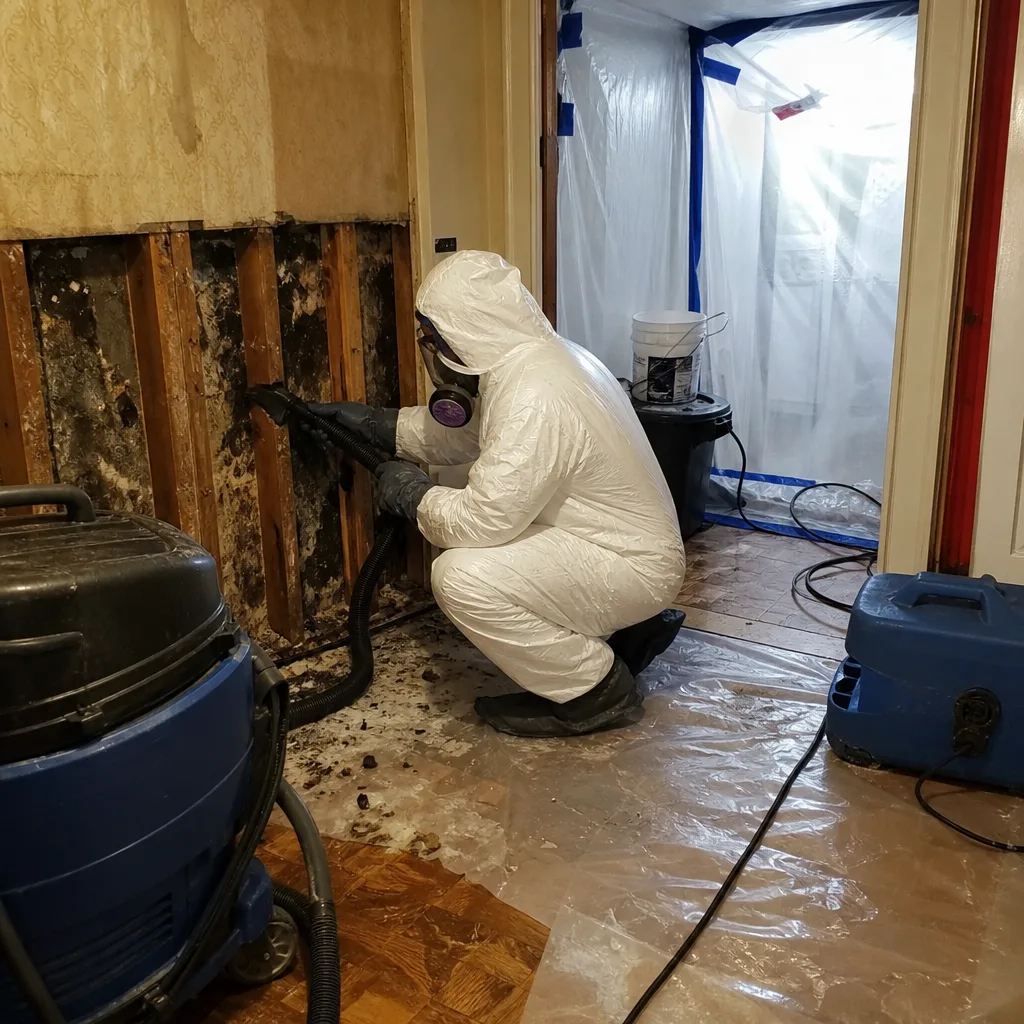
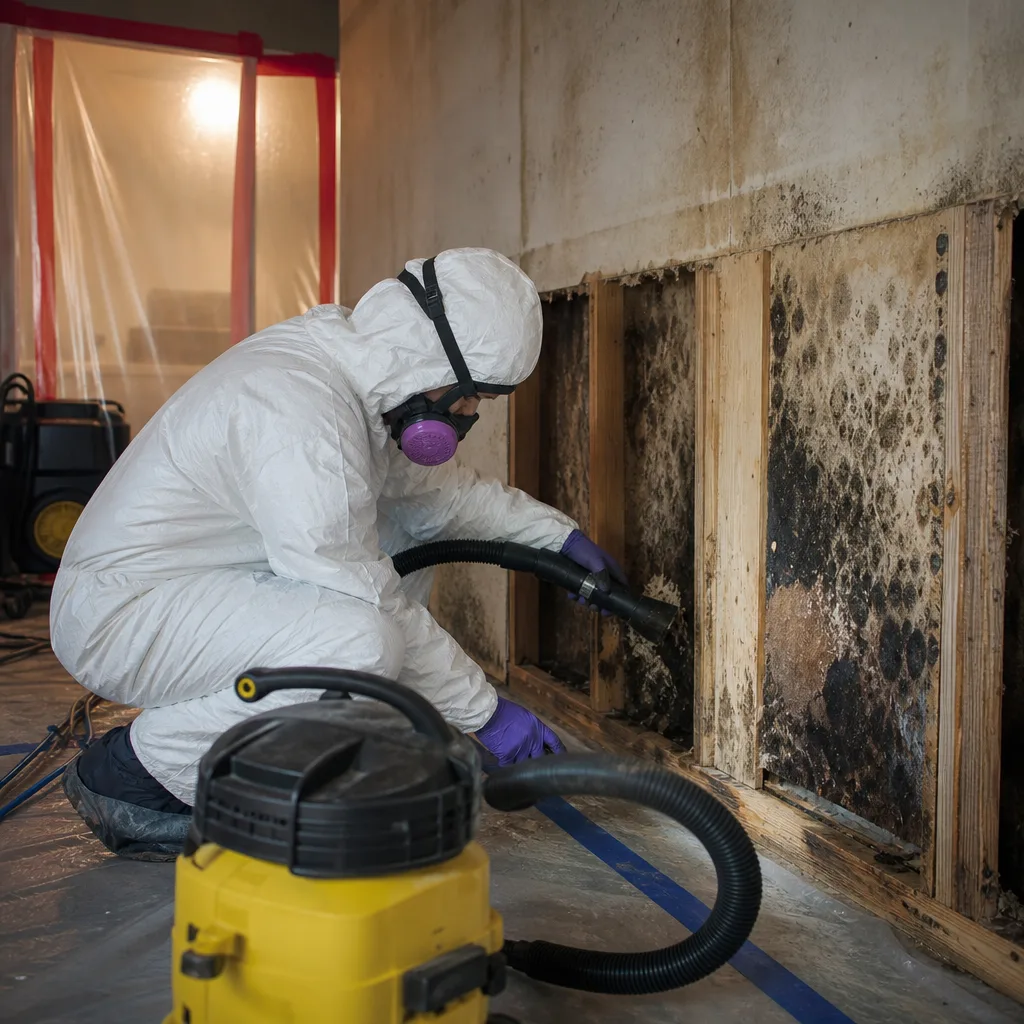
For mold or sewage-affected areas, we build physical containment with negative air pressure so spores don’t migrate into clean parts of the building. This matters more in North Bergen where a shared wall means your neighbor’s lungs are part of the equation.
Repairs & Restoration
We rebuild what the storm destroyed. Drywall, trim, flooring, paint. Wade’s crew does the whole thing, and every water, fire, and mold restoration job carries his 90-Day Done Right Promise in writing.
Need Emergency Storm & Disaster Restoration in North Bergen Now?
Crews minutes away, answering live 24 hours a day. The sooner we start, the less it costs.
Working With Your Insurance Company
Storm damage claims in North Bergen tend to get complicated. Flood damage from the Hackensack River is one thing. Wind-driven rain through a roof is another. Sewer backup is a third. Your policy language determines what falls where, and arguing with an adjuster while your basement walls are wicking moisture is not how you want to spend the week.
Our Storm & Disaster Restoration team documents everything from the first hour: photos of every affected room before anything is moved, moisture readings in writing, and a line-item scope that matches industry-standard estimating software your carrier recognizes. Wade communicates directly with your adjuster, walks them through the drying logs, and handles the back-and-forth so you don’t have to. In North Bergen’s attached housing stock, where one claim can involve three separate units and two property owners, that direct coordination saves weeks.
What We Provide Your Insurer
- Thorough documentation of the loss
- Photos of all damage, room by room
- Moisture readings and drying logs
- A detailed, line-item scope of work
- Direct coordination with your carrier
Built for North Bergen’s Loss Calendar
North Bergen’s storm losses follow a rhythm, and if you have lived here long enough you already know it. January and February bring deep freezes that burst supply lines in those unheated basement utility closets unique to 1950s walk-up construction. March and April thaw the ground faster than the Meadowlands drainage can carry it, and the water table under the western lowlands rises right up against cinder-block foundations. May through August means thunderstorm cells that form over the Palisades and dump water down the escarpment onto the properties at its base, flash-flooding the streets before the storm drains can catch up. September through November is nor’easter season, when tidal backflow from the Hackensack River pushes Category 3 water into basements along Tonnelle Avenue and the Turnpike corridor. December is the wildcard, and the one that catches people off guard most often.
None of this is a surprise to anyone who has owned property in North Bergen for more than a cycle or two. What surprises people is discovering that the storm two years ago was never actually dried out, and the mold behind the drop ceiling has been growing the whole time. We see it constantly.
Storm & Disaster Restoration Across North Bergen’s Neighborhoods
North Bergen is really two different towns from a restoration standpoint, and the work changes block by block. Along the Boulevard East corridor and the streets that terrace down from the Palisades toward the Hudson, we deal with hillside runoff and surface water that pours down the escarpment during heavy rain. These attached brick homes are built against the slope, and water that pools against a foundation wall at the back of one house drains into the shared cavity with the next one before anyone notices. Our technicians run fast and respond to the calls at the top of the ridge differently than they respond to the floodplain.
Down in the western section near Tonnelle Avenue and the streets that grid toward the Hackensack, the challenges are tidal surge and high water table. The houses here are denser, more semi-attached, and the basements sit closer to the regional water table than anywhere else in Hudson County. Many of the cinder-block walls we open up in this part of North Bergen still hold moisture from Superstorm Sandy more than a decade later. Between these two zones, the neighborhoods around Bergenline Avenue and Kennedy Boulevard add their own complexity: commercial storefronts over basement apartments, mixed-use buildings where a flooded retail space drains into the residential unit below it, and aging drain lines that were never designed for the rainfall the township gets now.
Specialized Storm & Disaster Restoration Services We Offer in North Bergen
Flood Damage Restoration
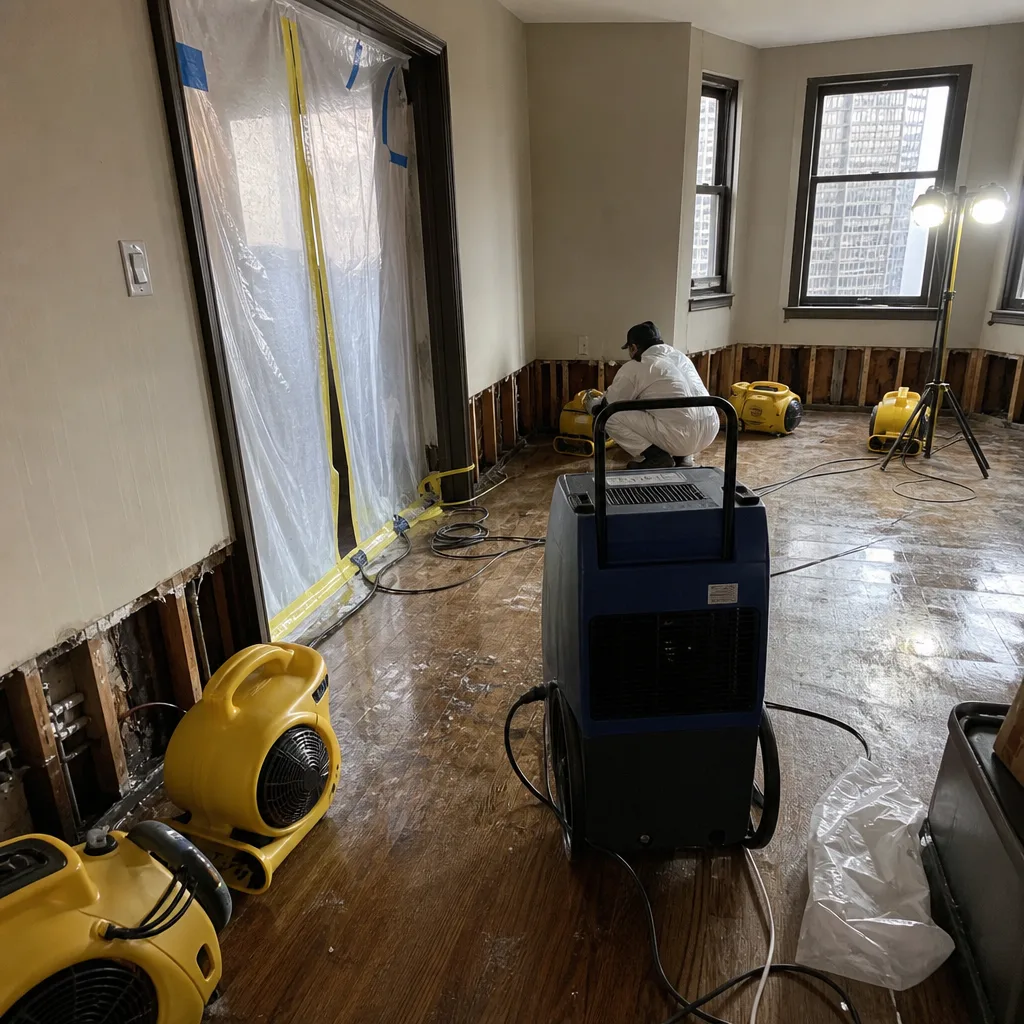
When the Hackensack River backs up or the storm drains can’t take the volume, the water ends up in your basement. This is the work we do most often in the western half of North Bergen, where the water table does half the problem for you. Category 3 contamination is the rule, not the exception, and we treat it that way from the first assessment. Gutting contaminated drywall, treating the masonry, running Phoenix dehumidifiers to documented pre-loss moisture levels.
Storm Damage Cleanup
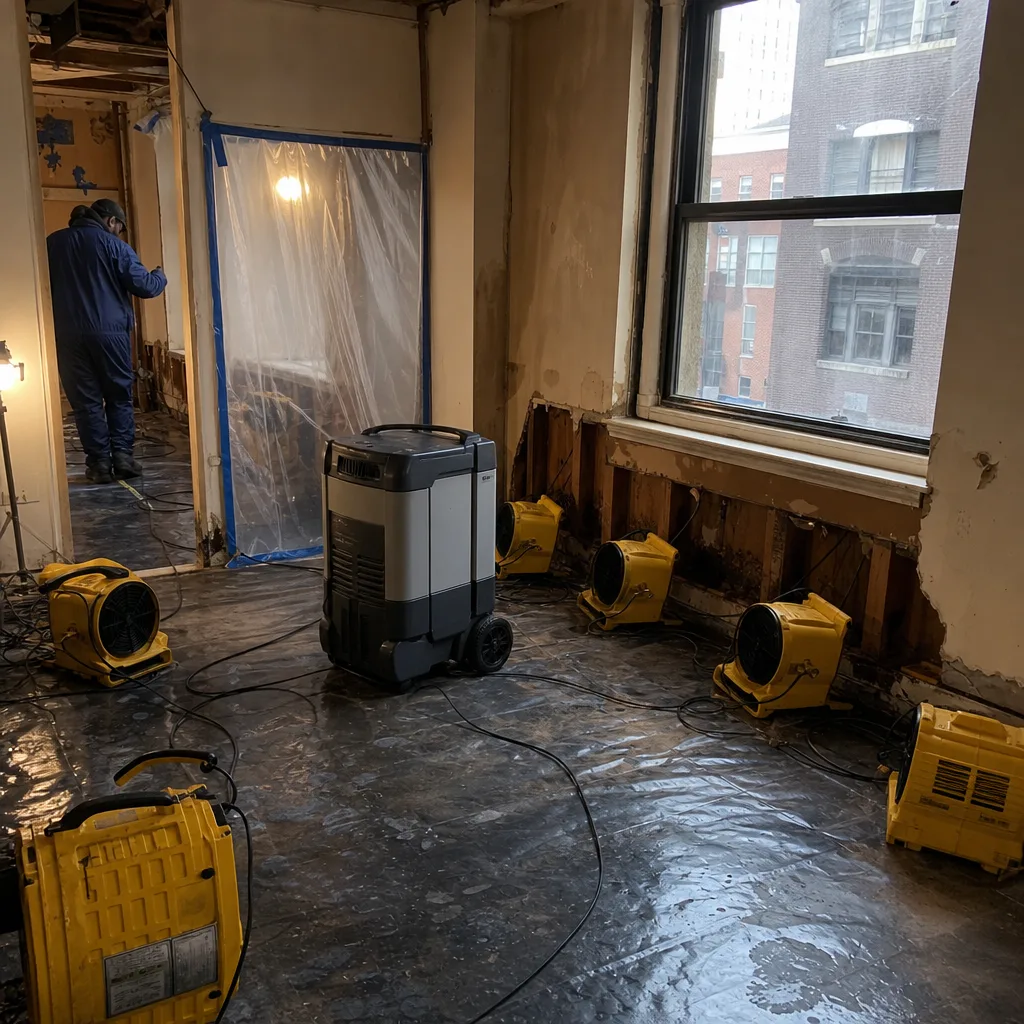
Wind, rain, and falling tree debris from the Palisades slope create a mess that goes beyond water. Broken windows, downed branches through skylights, blown-in debris. We clear it, board it up if needed, and assess what the storm left behind before it spreads further through the building.
Emergency Board-Up
A broken window or blown-out door on a North Bergen row home is a security problem and a liability problem. We board up properly, with plywood cut to fit the opening and secured against the wind, not just nailed over the hole. Board-up is temporary but it has to hold through the next storm, and the one after that.
Roof Tarping
Nor’easters and summer thunderstorms both peel roofing off North Bergen’s flat-roofed walk-ups and older row homes. A properly secured tarp keeps wind-driven rain out of the building while you work out the permanent repair. We use heavy-duty poly tarps and furring strips anchored to the structure, not sandbags and hope.
Debris Removal
Storm debris in North Bergen is not just broken branches. It’s broken glass, roofing material, damaged fences, and whatever the water carried into your basement with it. We haul it out and dispose of it properly, including Category 3 contaminated materials that can’t go in a regular dumpster.
What happens when you call
- 1
A real person answersNo phone trees - you reach a local pro.
- 2
You get an upfront price rangeHonest numbers before anyone is dispatched.
- 3
A background-checked tech heads outLicensed & insured, dispatched right away.
- 4
You approve before work beginsNothing starts until you say go.
Storm & Disaster Restoration Costs in North Bergen, NJ
Here are the numbers for North Bergen’s market, straight. Emergency water extraction with same-day response typically runs $500-$1,200 for a standard basement. Structural drying with equipment and monitoring generally adds $1,000-$2,500 depending on square footage and how many rooms are affected. Full Category 3 flood restoration including tear-out, antimicrobial treatment, and drying commonly lands in the $3,500-$8,000 range for a typical North Bergen semi-attached basement. Emergency board-up runs $250-$600 per opening. Roof tarping typically costs $400-$900 for a standard flat or low-slope residential roof section.
What moves the price in North Bergen: whether water migrated through a shared party wall into neighboring units, whether the source was Category 3 tidal backup versus clean rainwater, and how long the water sat before we arrived. Insurance covers most storm and flood restoration when the policy includes the right riders. Our free inspection gives you a firm written scope before you commit to anything, and if you have another estimate, Wade will give you a free second opinion on it. No strings.
We Also Serve Cities Near North Bergen
Wade’s Restoration serves the whole of Hudson County. If you need storm or flood restoration in Weehawken, Union City, Secaucus, or Hoboken, call (607) 703-3408 and ask for Wade. Same 45-minute response commitment, same owner on the phone.
North Bergen Storm & Disaster Restoration Questions, Answered
How do you handle water that migrates through shared walls in North Bergen’s attached brick homes?
We treat it as a multi-unit loss, not a single-room cleanup. Moisture mapping covers both sides of the shared wall and any adjacent floors or cavities it could have reached. We run drying equipment in all affected units, document everything for both property owners, and coordinate directly with each insurance carrier. Shared-wall water is the single most underestimated loss in North Bergen, and drying only one side guarantees it comes back.
Is floodwater from the Hackensack River in western North Bergen treated as clean or contaminated?
Contaminated. Hackensack River tidal backup is Category 3 water, the same classification as sewage. It has picked up industrial runoff, street waste, and everything else between the river and your foundation. Any drywall, insulation, or carpet it touches must be removed and replaced. We treat it as a biohazard from the first minute, with containment and antimicrobial protocols from the start.
Why do North Bergen basements near Tonnelle Avenue keep getting wet even without a storm?
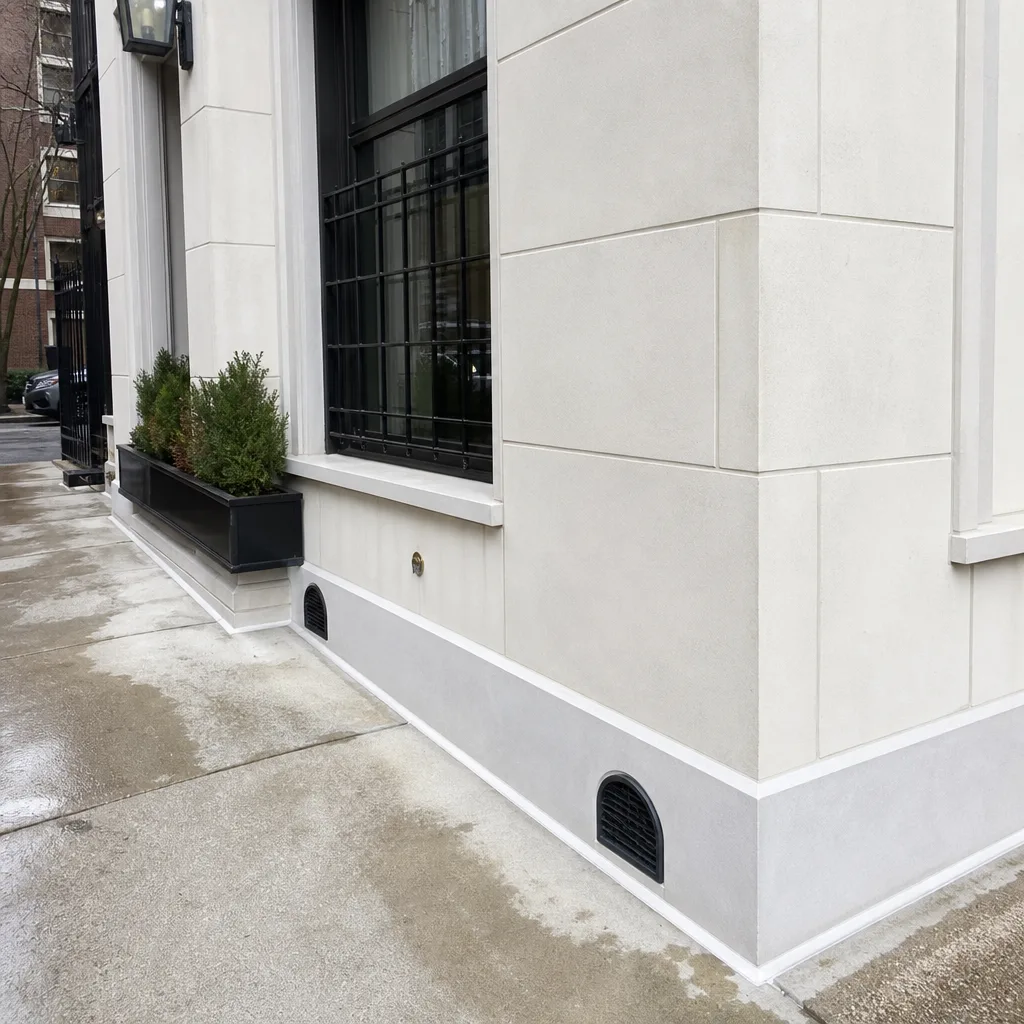
Because the water table in the western Meadowlands sits just a few feet below the basement floor, and some of those 1950s cinder-block foundations are effectively always in contact with groundwater. When the river rises or heavy rains recharge the water table, hydrostatic pressure pushes water through the block, through basement floor cracks, and up through the cove joint where wall meets floor. This is not a leak problem. It is a persistent water table condition, and it requires a different approach than a one-time extraction.
What should homeowners near the Palisades base do after heavy rain causes localized flash flooding?
Call Wade at (607) 703-3408 and start moving anything you value off the basement floor. Do not wade into standing water if electrical outlets or appliances are submerged. The runoff from the Palisades scarp carries sediment, road chemicals, and everything from the slope above into your foundation. Even if the water looks clean, treat it as Category 2 at minimum. We can assess, extract, and have drying equipment running the same day. The first hour matters most for how much drywall survives.
Can you restore a North Bergen basement after repeated storm flooding, or is a retrofit needed?
Both. We restore what the water damaged, and then we tell you straight whether a French drain, sump pump upgrade, or waterproofing system makes sense for your specific situation. Some North Bergen basements in the western lowlands will flood again unless the water table is managed mechanically. Others just need better sealing and grading. Wade will not sell you a retrofit you don’t need, and he will not pretend paint fixes a water table problem. The written scope covers restoration first, retrofit recommendations second.
How fast can you actually get to a North Bergen home in an emergency?
Most North Bergen calls see Wade or a crew member on-site within 45 minutes. We keep equipment and personnel staged in the township, not in a warehouse in another county. If you are dealing with active flooding, extraction starts within the hour. Call (607) 703-3408 and Wade will tell you exactly who is coming and when they will be there.
How long does storm restoration take in North Bergen’s row homes?
For a typical basement flood with Category 3 water, extraction and tear-out take a day or two. Structural drying runs three to five days, sometimes longer in attached masonry buildings where the walls hold moisture. Full restoration including rebuild typically lands between one and three weeks depending on scope. We give you a written timeline with the estimate, and Wade updates you daily with moisture readings until the drying log shows pre-loss condition.
What should I do in the first 30 minutes after storm flooding in my North Bergen home?
Call (607) 703-3408 first. Then shut off electricity to the affected area if you can do so safely without stepping into water. Move what you can lift to higher ground. Do not use a shop vac on contaminated water. Do not assume the water is clean because it looks clear. Take photos for your insurance claim before anything is moved. Then stay out of the affected area and wait for Wade’s crew. The first call is the one that saves your basement.
Serving North Bergen, NJ - Our Local Coverage Area
We’re based in the North Bergen area and know this community well. Use the map below to see our service coverage - if you’re nearby, we can almost certainly help.
Contact Wade’s Restoration for North Bergen Storm & Disaster Restoration
If you are standing in a wet North Bergen basement right now, call (607) 703-3408. Wade answers. If you are planning ahead because you know your block floods in nor’easter season, call the same number for a free inspection and a straight answer about what your property needs. No answering service, no pressure, no trip charge inside the county. Wade Ferris has been doing this work since 2007, and in North Bergen, he is the one who shows up.
Written by Wade Ferris, Owner at Wade’s Restoration.