
Quick Summary
Category-3 black water backups in dense urban buildings present severe structural damage risks and biohazard exposure that require rapid professional intervention. As a trusted emergency specialist for sewage cleanup in Manhattan, Wade's Restoration provides 24/7 containment, certified wastewater extraction, antimicrobial sanitization, and structural dehumidification. Property owners will understand essential emergency safety steps, insurance documentation factors, and how to contact the 24/7 live dispatch team for rapid emergency response and a free on-site assessment.
Sewage Cleanup Manhattan – Biohazard Extraction
When raw sewage backs up into a Manhattan apartment, brownstone, or commercial space, contaminated water can quickly damage building materials. According to company-provided information, Wade’s Restoration offers 24/7 Category-3 biohazard extraction services across Manhattan, noting that arrival times vary and must be confirmed directly with the provider. The company states that its technicians handle containment, wastewater extraction, structural drying, sanitization, and insurance documentation assistance.
Manhattan properties present unique challenges during a backup. In fiscal year 2024, Manhattan recorded 52 confirmed sewer backups, with heavy rain causing 27 cases, grease 14, debris 6, and other causes 5. Exposure to wastewater can create wastewater-borne disease risks, particularly when drainage systems back up or fail; property occupants should avoid contact and keep children, pets, and vulnerable individuals away from affected areas. Property owners and managers are advised to engage qualified restoration professionals and request a documented site assessment, scope of work, and itemized estimate.[1]
Emergency Sewage Backup in Manhattan: Immediate Action and Response Times
Emergency sewage cleanup summary: Category 3 black water emergencies require prompt containment. Arrival times vary and must be confirmed directly with the provider. Qualified restoration professionals isolate contaminated areas, extract standing wastewater, remove unsalvageable porous building materials, and clean and treat exposed structural framing to help protect building occupants.
In high-density neighborhoods like Midtown West, Hell’s Kitchen, and Chelsea, a sewer backup can affect multiple areas of a building if not promptly addressed. Quick containment helps prevent wastewater from penetrating subfloors or spreading into adjacent spaces.
Critical First Steps for Manhattan Property Owners and Managers
- Clear the area immediately: Keep residents, staff, children, pets, and vulnerable people away from standing sewage and damp rooms to avoid contact and exposure to wastewater-borne disease risks.
- Shut off plumbing fixtures: Stop running water, flushing toilets, and using appliances. If possible, close the main shutoff valve to reduce line pressure and help stop additional backflow.
- Contact qualified restoration professionals: Reach out to trained professionals to assess the site, establish containment, and provide a documented scope of work and itemized estimate.
Why Manhattan High-Rises and Brownstones Face Severe Backup Risks
Much of New York City operates on a combined sewer system where municipal stormwater runoff and residential wastewater flow through the same underground network. When heavy downpours occur, runoff can exceed municipal drainage capacity.
The New York City Department of Environmental Protection (DEP) identifies wet-weather backups as the majority of backups and links them to intense rainfall exceeding sewer-pipe capacity. When wastewater enters a building, persistent moisture creates conditions for microbial growth if materials are not dried promptly. Engaging qualified restoration professionals helps ensure affected structural cavities are thoroughly dried and treated.[4]
What Does Sewage Cleanup Cost in Manhattan?
Need sewage cleanup manhattan?
We’re available now - call for a fast, free estimate.
The research brief provides no verified Manhattan-specific pricing data. Remediation costs vary depending on the volume of wastewater, the extent of structural saturation, demolition needs, and waste disposal requirements. Property owners should obtain a direct on-site assessment, scope of work, and itemized estimate from a qualified professional to determine costs.
Factors Influencing Manhattan Remediation Costs
In dense urban buildings, remediation costs reflect necessary labor, safety precautions, disposal procedures, and the equipment required to thoroughly dry affected structures. Exposure to wastewater can create wastewater-borne disease risks, particularly when municipal or building drainage systems back up or fail.
According to NYC DEP records, the five-year average of confirmed sewer-backup complaints increased 5% citywide, rising from 2,631 to 2,768 per year across New York City. Wade’s Restoration claims that its staff provides moisture logs and itemized estimates for insurance purposes; however, property insurance coverage depends on the individual policy and endorsements. Sewer or drain backup may be excluded or limited under standard policies, while separate water-backup coverage may apply subject to deductibles, limits, and exclusions.[2]
Structural Impact: Drywall, Hardwood Flooring, and Utility Chases
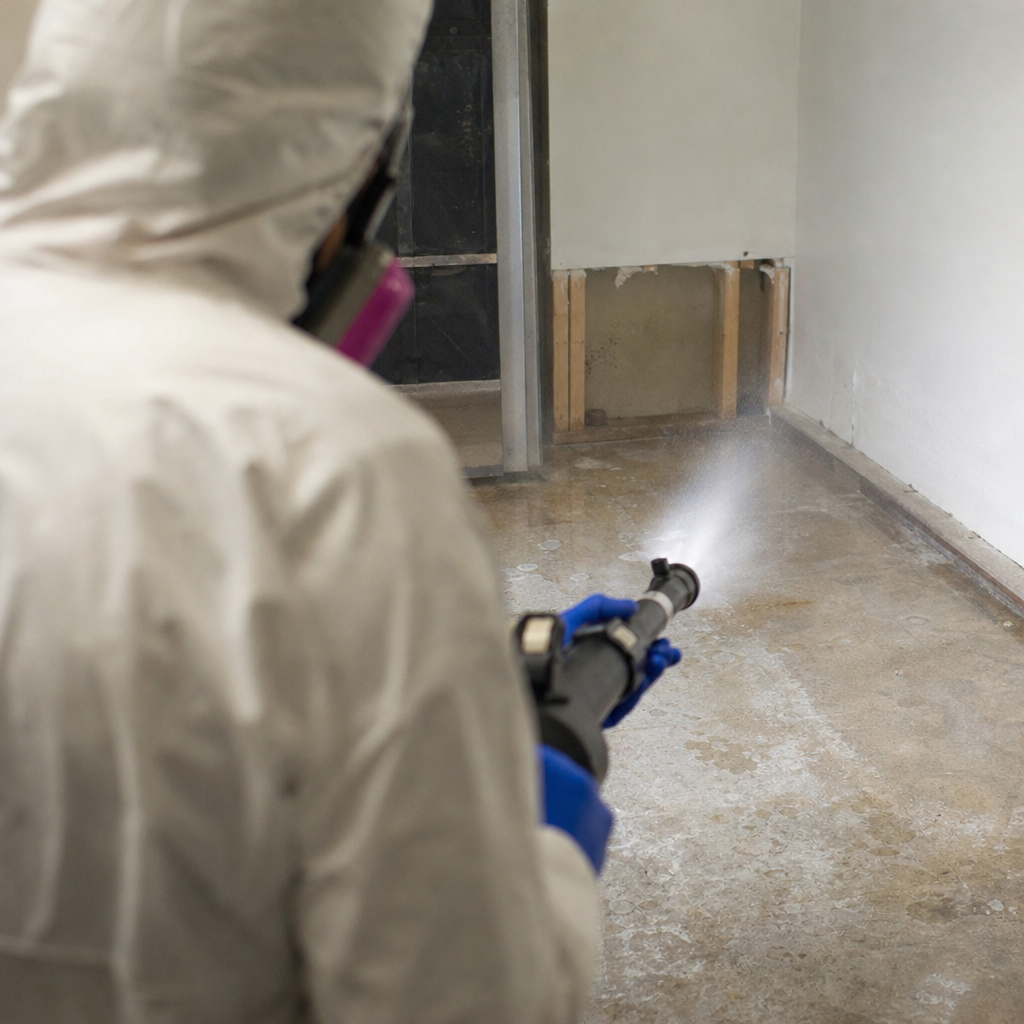
Category-3 black water can cause substantial damage beneath visible surfaces. In historic brownstones as well as modern multi-unit buildings, contaminated water can absorb into porous materials and require systematic extraction and controlled removal.
Drywall, Plaster, and Microbial Growth
Standard drywall, baseboards, and plaster absorb wastewater readily. If moisture is left unaddressed, microbial growth can develop on wet building materials. Restoration technicians typically remove water-damaged drywall and insulation above the moisture line to inspect and dry the underlying structural framing.
Hardwood Flooring and Subfloor Saturation
Sewage can seep through wood floorboards and subfloors, pooling on subflooring or framing beneath. According to company statements, Wade’s Restoration technicians use moisture detection tools and structural drying equipment, or remove non-salvageable materials to protect structural integrity.
Shared Utility Stacks and Multi-Unit Buildings
Manhattan residential and commercial properties frequently rely on shared vertical utility chases. When sewer lines back up, contaminated water can spread into neighboring areas. Prompt containment and professional remediation help limit the spread of contamination beyond the source unit.
Hiring Qualified Restoration Professionals
Need sewage cleanup manhattan?
We’re available now - call for a fast, free estimate.
Handling sewage backups involves biohazard risks and requires appropriate personal protection, containment measures, and specialized drying techniques. Property owners should work with qualified restoration professionals rather than unequipped personnel, and should always request a documented site assessment, detailed scope of work, and itemized estimate.[5]
Sewer Backup Risks in NYC Properties
According to NYC DEP data, an estimated 74,000 properties across New York City face potential vulnerability to sewer backups during a rainfall event producing 1.75 inches per hour under current sea-level conditions. This figure reflects modeled potential vulnerability rather than confirmed damage. Addressing sewer backup incidents requires proper extraction, containment, and sanitization to restore safe indoor conditions.[3]
Overview of the Sewage Extraction and Remediation Process
According to Wade’s Restoration, the company follows a multi-step remediation process for sewage backups:
-
Step 1: Biohazard Containment and Air Filtration
Containment barriers and air filtration units are set up to isolate affected areas and reduce the transfer of airborne particles to surrounding spaces.
-
Step 2: Wastewater Extraction
Technicians use commercial extraction equipment to remove standing wastewater and reduce moisture absorption into building framing and subfloors.
-
Step 3: Removal of Contaminated Porous Materials
Porous items that cannot be adequately cleaned and sanitized, such as saturated carpet, padding, and damaged drywall, are removed and disposed of properly.
-
Step 4: Cleaning and Antimicrobial Treatment
Technicians clean affected structural surfaces and apply EPA-registered antimicrobials to help inhibit microbial growth on exposed framing.
-
Step 5: Structural Dehumidification and Monitoring
Dehumidifiers and air-moving equipment run while technicians monitor moisture levels to confirm thorough structural drying before reconstruction begins.
Frequently Asked Questions About Manhattan Sewage Cleanup
Get answers to common questions about response times, costs, insurance coverage, and safety during a wastewater emergency.
How fast can a sewage cleanup crew arrive at a Manhattan property?
Arrival times vary and must be confirmed directly with the provider. Wade’s Restoration reports that it offers emergency dispatch across Manhattan, but actual arrival times depend on local conditions, traffic, and technician availability.
How much does sewage backup cleanup cost in Manhattan?
The research brief provides no verified Manhattan-specific pricing figures. Overall costs depend on the volume of black water, demolition and material removal requirements, and the extent of drying needed. Property owners should obtain a documented site assessment and itemized estimate.
Does property insurance cover sewage backup cleanup?
Coverage depends on the specific policy and endorsements. Sewer or drain backup may be excluded or limited under standard property policies, while separate water-backup coverage may apply subject to deductibles, limits, and exclusions.
What health risks are associated with sewage backup in a home or business?
Exposure to wastewater can create wastewater-borne disease risks, particularly when municipal or private drainage systems back up or fail. Property occupants should avoid contact with contaminated water and keep children, pets, and vulnerable individuals away from affected areas.
What steps should I take immediately after a sewage backup occurs?
Avoid contact with standing sewage, keep children, pets, and vulnerable individuals away, turn off water fixtures or the main shutoff valve if safe to do so, and contact a qualified restoration professional to request an assessment and scope of work.
How do professional restoration companies sanitize sewage-damaged properties?
Professionals isolate the affected area, extract standing wastewater, remove unsalvageable porous materials, clean and apply EPA-registered antimicrobials to structural surfaces, and run dehumidification equipment to ensure structural components are thoroughly dried.
Need sewage cleanup manhattan?
We’re available now - call for a fast, free estimate.
Sources
- Is New York City Ready for Rain? – Office of the New York … – comptroller.nyc.gov (2030)
- A Plan to Prevent Confirmed Sewer Backups – nyc.gov (2025)
- STATE OF THE SEWERS 2024 – nyc.gov (2024)
- Reducing the Effects of Urban Flooding in New York City – fema.gov (2023)
- Department of Environmental Protection Releases 2012 … – nyc.gov (2012)
Frequently Asked Questions
What happens after sewage extraction and structural drying are completed in a Manhattan building?
Once moisture levels are verified, structural reconstruction begins to replace contaminated drywall, insulation, and subflooring damaged by Category-3 black water. Wade's Restoration handles the full transition from emergency biohazard extraction to complete structural repairs, ensuring the property is fully restored and safe.
How is sewage contamination contained in multi-unit Manhattan buildings and shared utility chases?
Technicians erect containment barriers and utilize HEPA air filtration to isolate wastewater pathogens and stop hazardous odors from migrating through vertical utility lines. Wade's Restoration provides immediate emergency dispatch across Manhattan to isolate the affected unit and protect adjacent living areas.
How do restoration professionals help document sewer backup damage for insurance claims?
Certified technicians compile digital moisture logs, photo evidence, and itemized scopes of work tailored to water-backup endorsement requirements. Wade's Restoration assists property owners by providing thorough biohazard documentation from the initial on-site assessment through final sanitization.
About the author
 |
Sarah Jenkins Sarah Jenkins is a certified property restoration specialist with over 8 years of experience in water damage mitigation and mold remediation. Based in New York, she focuses on helping Midtown West property owners navigate emergency cleanups and complex insurance claims. She holds a degree in Environmental Science from Rutgers University. |
Water damage, flood, or mold emergency?
We’re available now - call for a fast, free estimate.
Call Now - Free Estimate