
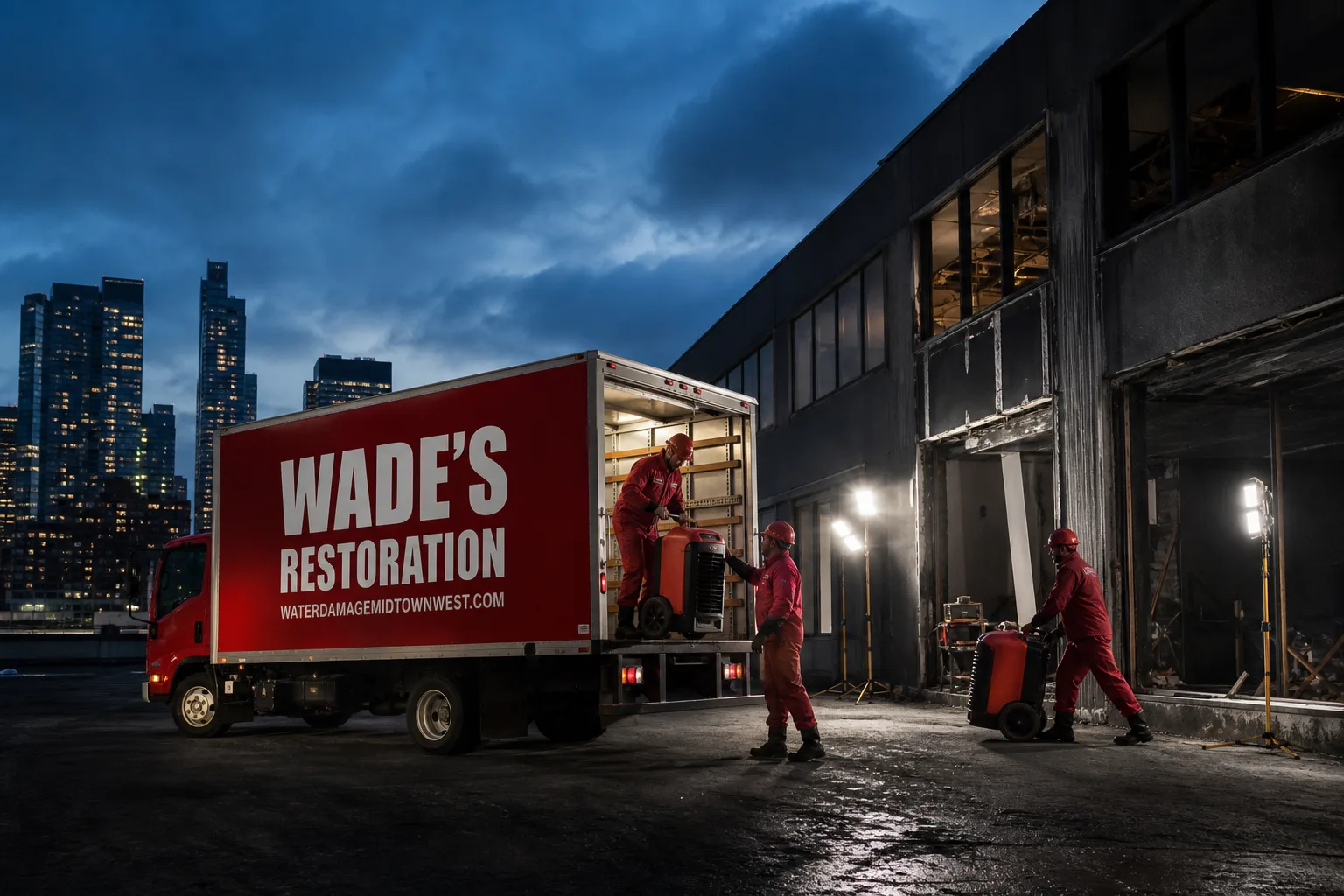
Free visual inspection and a written scope of work before any mitigation begins - photos, moisture readings, and drying logs go in your claim file
The scope we write is the scope we bill. Anything new gets shown to you, in writing, before we touch it.
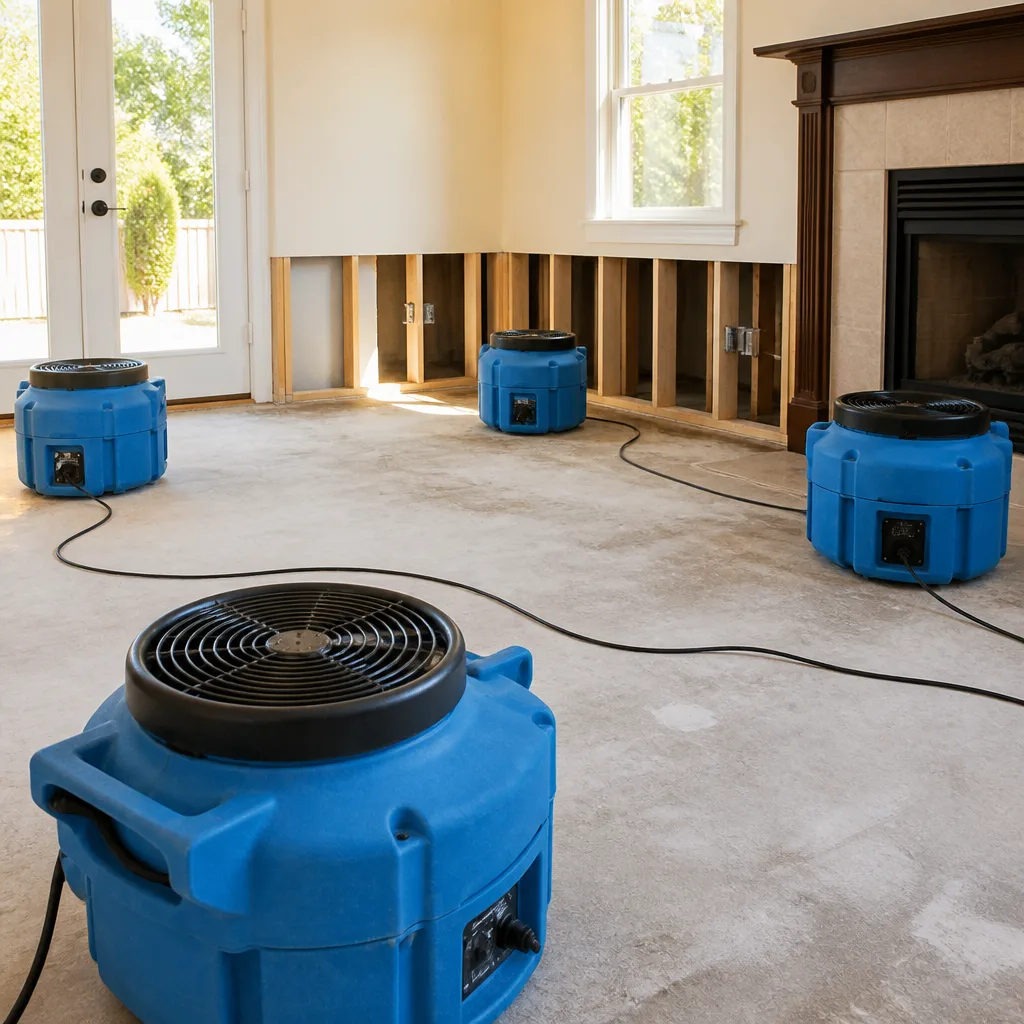
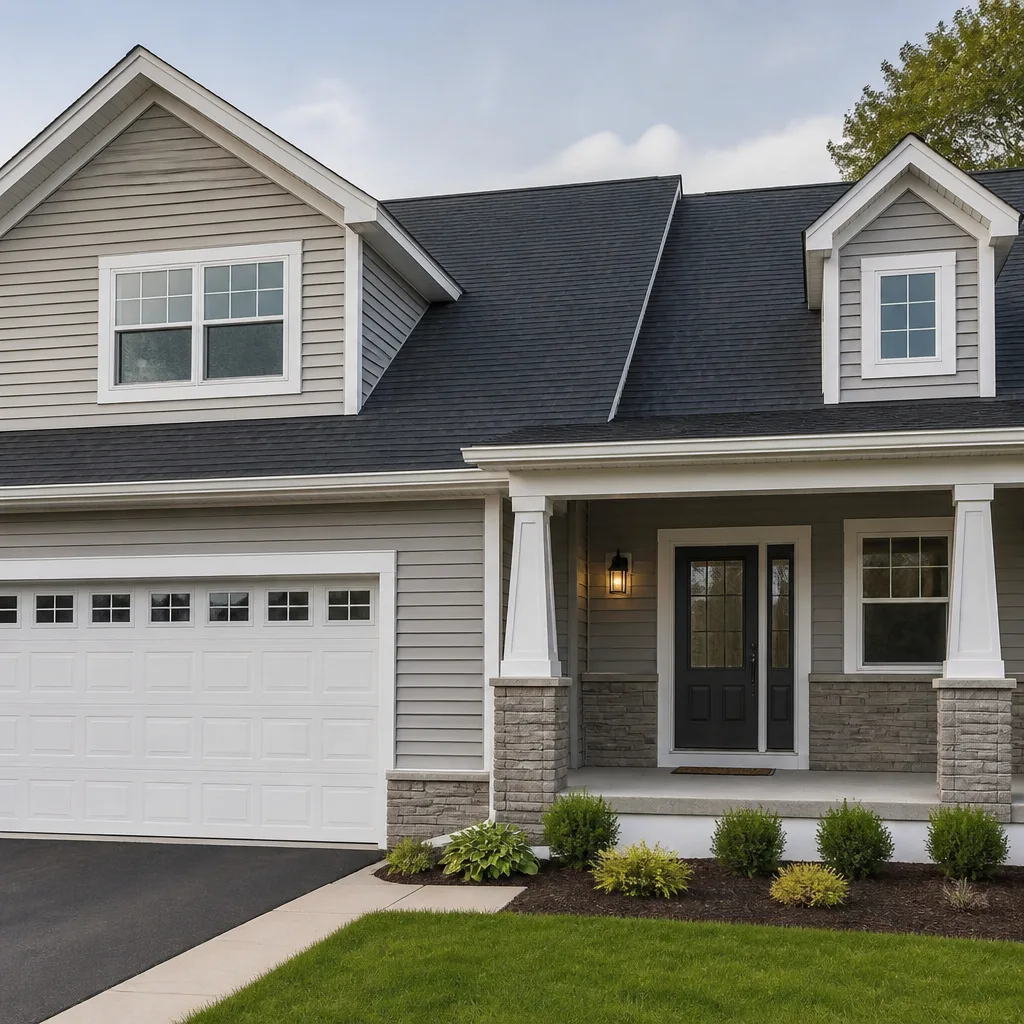
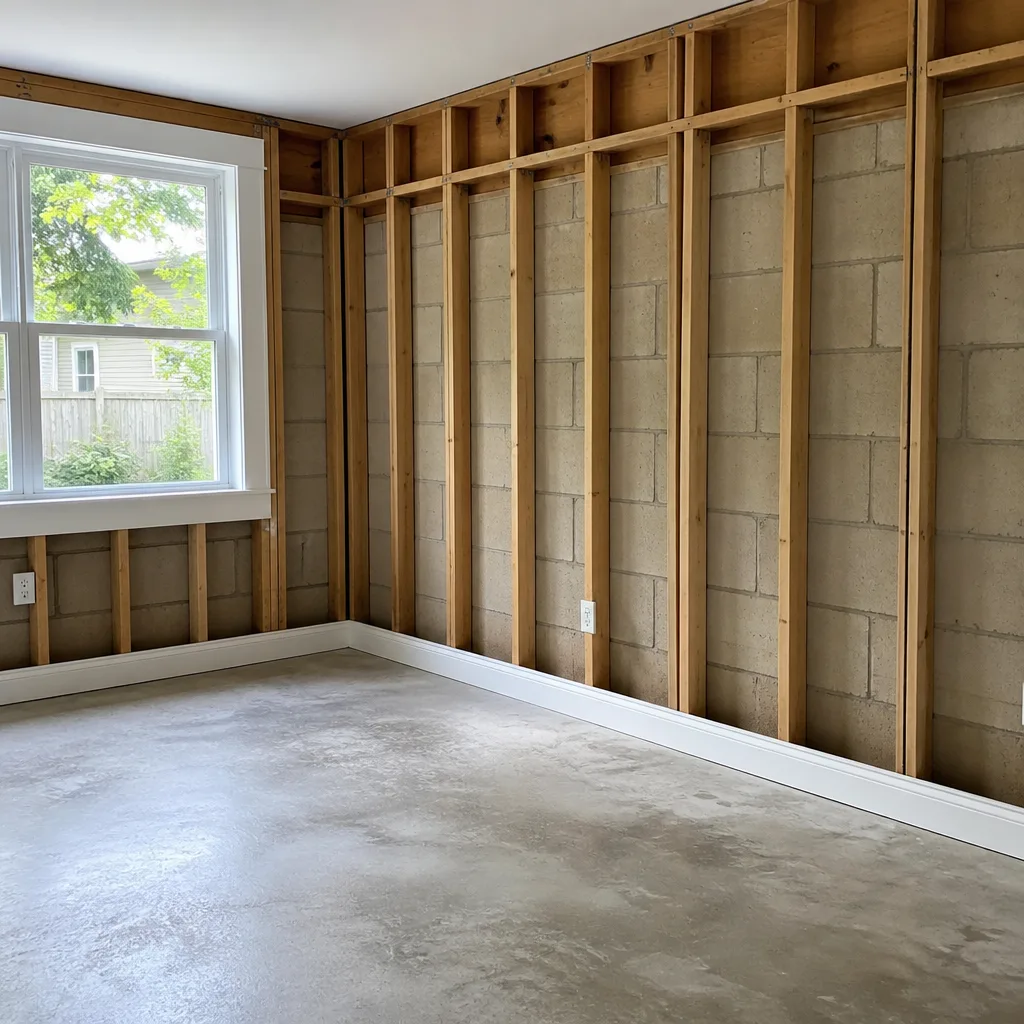
 Before
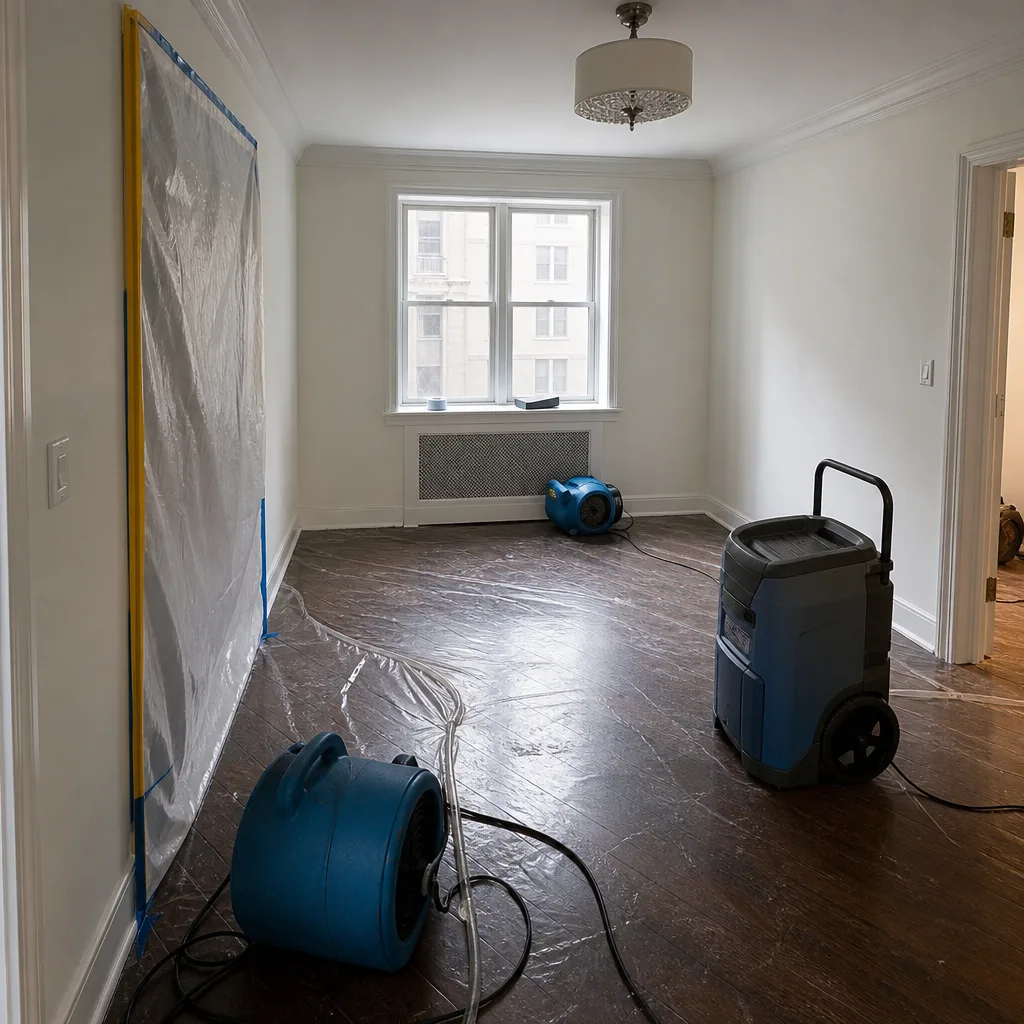 After
After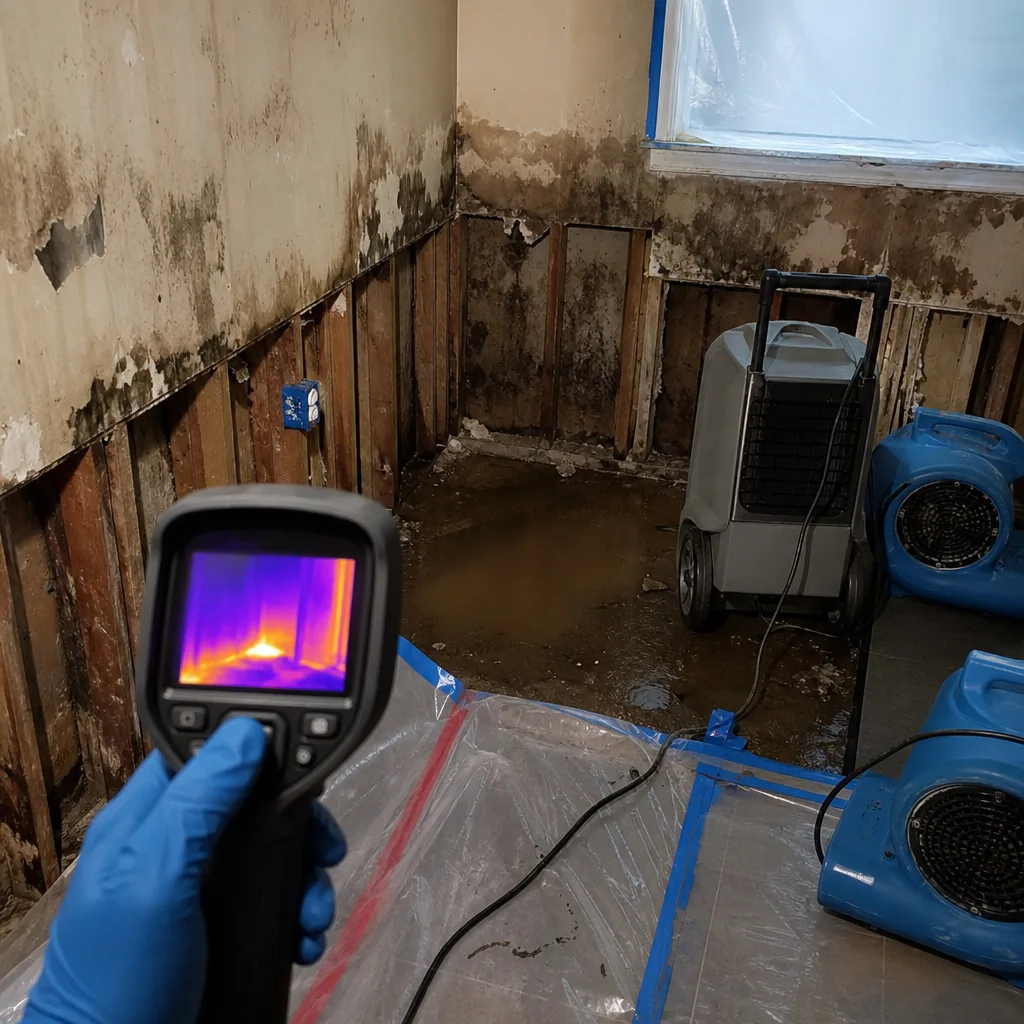 Before
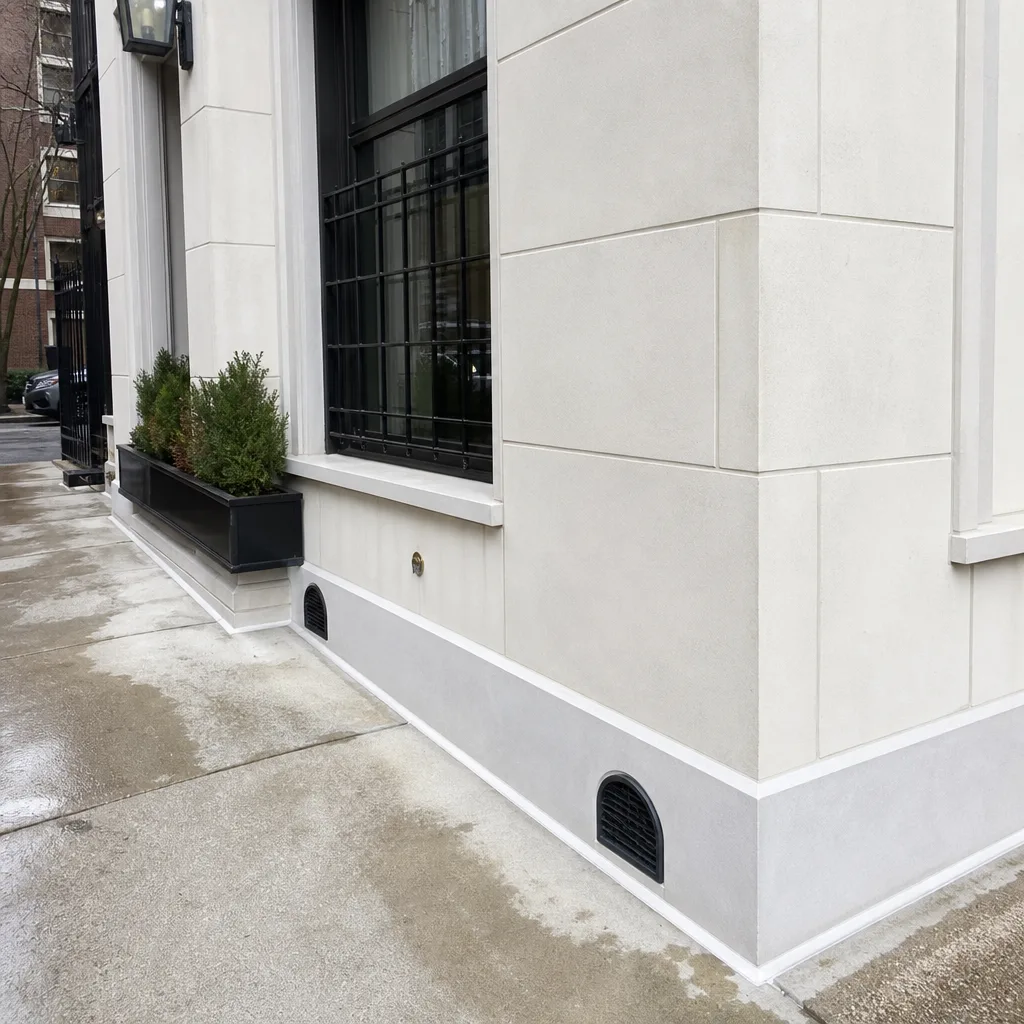 After
After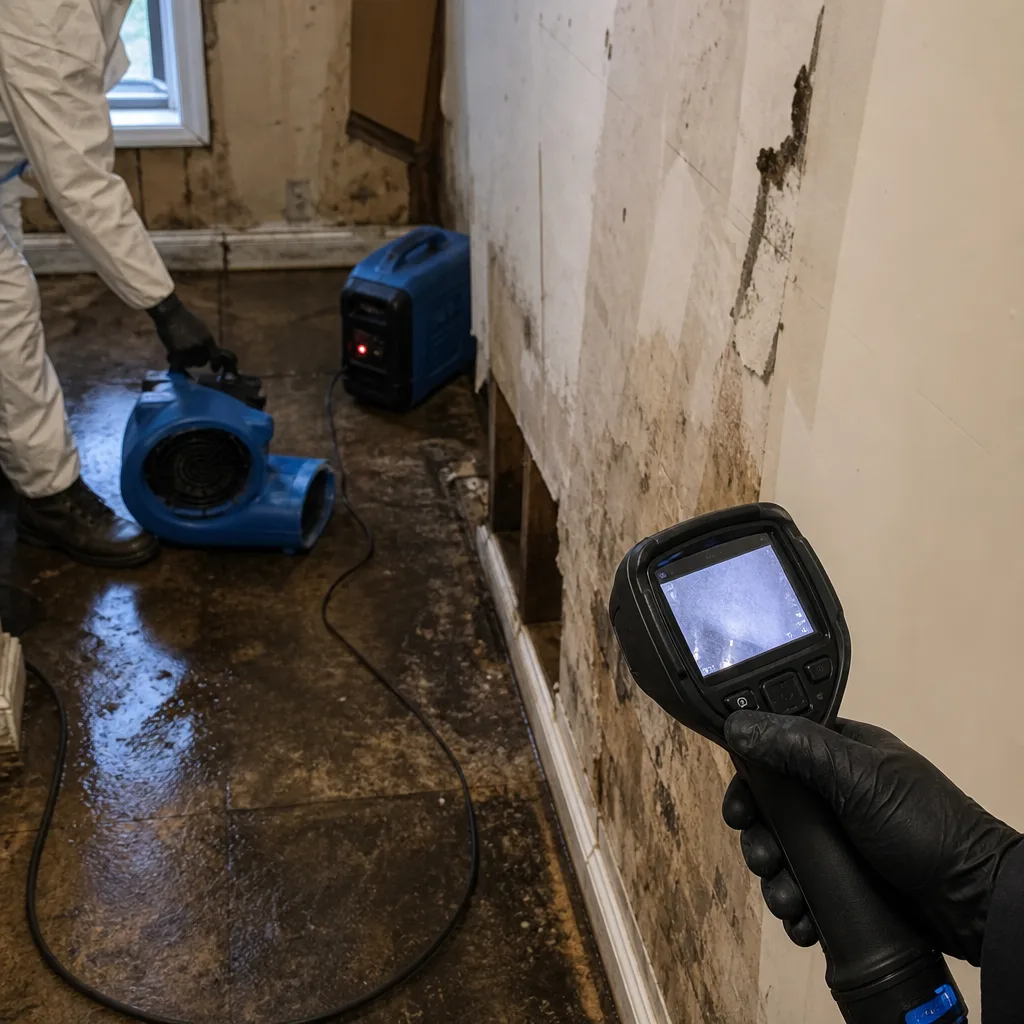 Before
 After
After24/7 Emergency Biohazard & Crime Scene Cleanup in Glendale
Biohazard and crime scene cleanup in Glendale runs $1,800 to $8,500 for most residential scenes, with trauma and unattended death work typically falling between $2,500 and $6,000. You’ll reach a real person when you call (607) 703-3408, day or night. We send a crew into Glendale within the hour because decomposition fluids and bloodborne pathogens don’t wait, and neither does the neighbor on the other side of your party wall who’s about to find out your problem just became theirs.
Wade Ferris has been answering his own phone since 2007. He knows Glendale’s brick rows, and he knows that a biohazard scene in one unit is rarely a one-unit problem. Call now and he’ll talk you through the first 30 minutes while the crew is already on the road.
Understanding Biohazard & Crime Scene Cleanup Severity in Glendale Properties
In Glendale’s 1920s and 1930s brick two-families, a biohazard scene is never just about the visible fluid. Decomposition and blood saturate the original plaster-on-lath walls, which absorb and redistribute liquids laterally far more aggressively than modern drywall ever could. That moisture then makes its way into the un-insulated, un-aired masonry party wall, and within hours the neighbor’s finished bedroom is reading elevated on a moisture meter. The scene has now crossed a property line.
We classify every biohazard job by its contamination category, the same way we classify water. Blood, body fluids, and decomposition byproducts are Category 3, the highest risk. Tear gas and chemical residues require their own decontamination protocol before any structural drying or antimicrobial treatment makes sense. And in attached Glendale rows, we always scope containment to both sides of the party wall before the first HEPA scrubber is even plugged in.
Why Glendale Property Owners Choose Wade’s Restoration
- 45-minute response: Wade heads out himself from the metro office, and crews are staged to reach Glendale right away. The first hour determines whether this stays a single-unit cleanup or becomes a two-owner claim.
- A live person, every time:No voicemail, no answering service, no call center. Wade answers his own phone at 2 a.m. and knows exactly what to ask about the scene.
- IICRC-certified crews:Our techs carry WRT, FSRT, and AMRT certifications, which matter when you’re dealing with bloodborne pathogens and Category 3 contamination.
- Free visual inspection:Before anything is signed, Wade walks the scene and tells you what he’d do if it were his mother’s house. No charge for that.
- Direct insurance billing:We photograph everything, document every step, and deal with your adjuster directly. You’re not the middleman between two sides.
- One team, start to finish:From containment and decontamination through plaster repair and reconstruction, the same crew stays on the job. No handoffs.
Our Biohazard & Crime Scene Cleanup Process
Inspection & Assessment
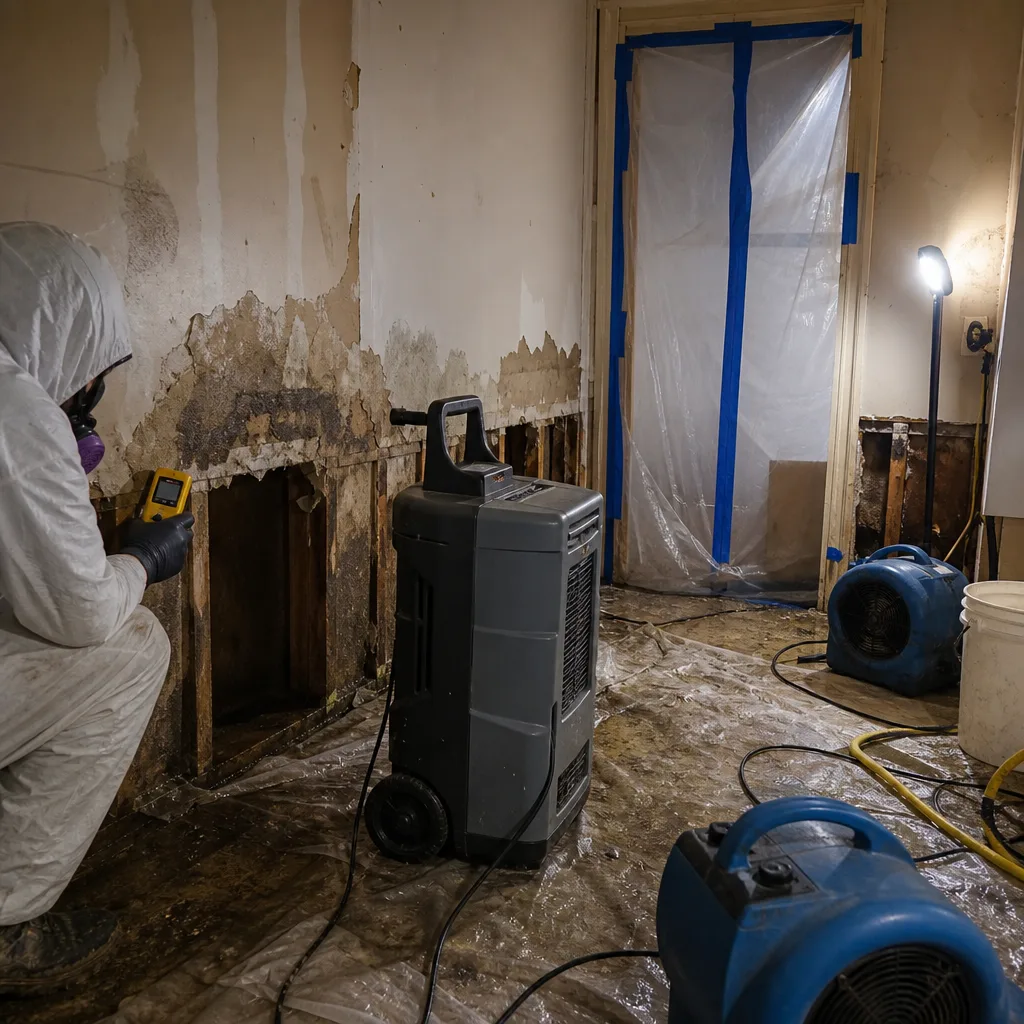
Wade arrives, walks the scene, and maps contamination visually and with moisture meters. In Glendale attached rows, that includes checking the neighbor’s side of the party wall and the common roofline before the scope is written.
Containment & Stabilization
Hard containment is established on both sides of the affected area before any materials are disturbed. Poly sheeting, negative air pressure, and HEPA-scrubbed exhaust prevent cross-contamination of adjacent units and shared stairwells.
Removal & Drying
Porous materials that absorbed biohazard fluids come out: plaster, lath, insulation, carpet pad. Then structural drying begins with Dri-Eaz LGR dehumidifiers and XPOWER air movers, with daily moisture readings logged and handed to you at job’s end.
Cleaning & Sanitization
Hard surfaces are cleaned with hospital-grade antimicrobials. Cavities are fogged and treated. Every surface that could have wicked contamination is addressed, including wall cavities on the neighbor’s side.
Odor & Specialty Treatment
B-Air hydroxyl generators and ozone treatments neutralize decomposition odors that have penetrated masonry. Chemical and tear gas residues get a separate decontamination pass. We test, not guess.
Repairs & Restoration
Plaster is patched or removed and redone, paint matched to the era, floors refinished if needed. The goal is pre-loss condition. On every job, Wade puts the 90-Day Done Right Promise in writing.
Need Emergency Biohazard & Crime Scene Cleanup in Glendale Now?
Crews minutes away, answering live 24 hours a day. The sooner we start, the less it costs.
Working With Your Insurance Company
Homeowners insurance usually covers biohazard and crime scene cleanup when the event is sudden and accidental, but the first phone call sets the tone. We photograph the scene before a single wall is opened. We log moisture readings every day and hand you the full record at the end. We write a line-item scope in the carrier’s own estimating format so the adjuster can approve it without back-and-forth. And Wade talks to your adjuster directly. You shouldn’t have to explain a decontamination protocol to someone who’s never done one. That’s our job.
What We Provide Your Insurer
- Thorough documentation of the loss
- Photos of all damage, room by room
- Moisture readings and drying logs
- A detailed, line-item scope of work
- Direct coordination with your carrier
Built for Glendale’s Loss Calendar
Glendale’s attached brick rows were built before modern building codes, and they fail in predictable, seasonal ways that a national franchise’s generic playbook never accounts for.
January deep freezes burst galvanized supply lines, and in an attached two-family, a burst upstairs pipe is a biohazard event downstairs before lunch, especially if the unit sat empty. Spring thaw works into aging flat tar roofs, and meltwater carries contaminated residue through the same paths decomposition fluid takes. Summer cloudbursts overwhelm the neighborhood’s combined sewers, backing Category 3 sewage into basement apartments that share drain stacks with the neighbor. Nor’easters stress every low-slope roof membrane from Myrtle Avenue to the cemetery edge, and when a roof fails over a trauma scene, contamination spreads through the shared roofline before anyone notices the ceiling stain.
We don’t wait for a season to catch anyone off guard. The crew keeps equipment staged, the office is always live, and Wade knows which streets flood first.
Biohazard & Crime Scene Cleanup Across Glendale’s Neighborhoods
Glendale isn’t one neighborhood. It’s a patchwork of attached rows, semi-detached brick homes, and the occasional frame house, each with its own failure pattern.
Up along Myrtle Avenue, the two-family rows share unbroken party walls from one end of the block to the other. A scene in the middle unit means two neighbors to check, not one. Over by Forest Park, the homes tend to be slightly newer semi-detached, but the original lower-level apartments still share the same combined sewer stack, and a hoarding cleanup in one unit can back grey water into the other one’s finished basement within the hour. Down toward the Atlas Park side, homeowners with basement apartments ask a different set of questions, usually about Category 2 leakage from the original gravity drain systems. And on the quieter blocks off 80th Street, the concern is roof drains. A sagging tar roof near a scupper can pool contaminated runoff from a crime scene, then send it back through the drain into the common egress. No one thinks to look above the ceiling line until the smell gives it away.
We know these blocks. We’ve worked them. And when Wade knocks on the neighbor’s door before he even finishes the initial assessment, it’s because he’s done this 200 times, not because he’s being cautious.
Specialized Biohazard & Crime Scene Cleanup Services We Offer in Glendale
Trauma & Unattended Death Cleanup
When a long-undiscovered passing occurs in a second-floor unit of a 1920s two-family on Myrtle Avenue, the body fluids have usually saturated the original plaster and begun wicking into the party wall before anyone notices the smell. We set hard containment on both sides, remove the affected plaster, and dry the cavity with Dri-Eaz LGR dehumidifiers and XPOWER air movers, logging every reading. This is the work we know cold in Glendale because the neighborhood’s housing stock makes it inevitable.
Blood & Bodily Fluid Cleanup
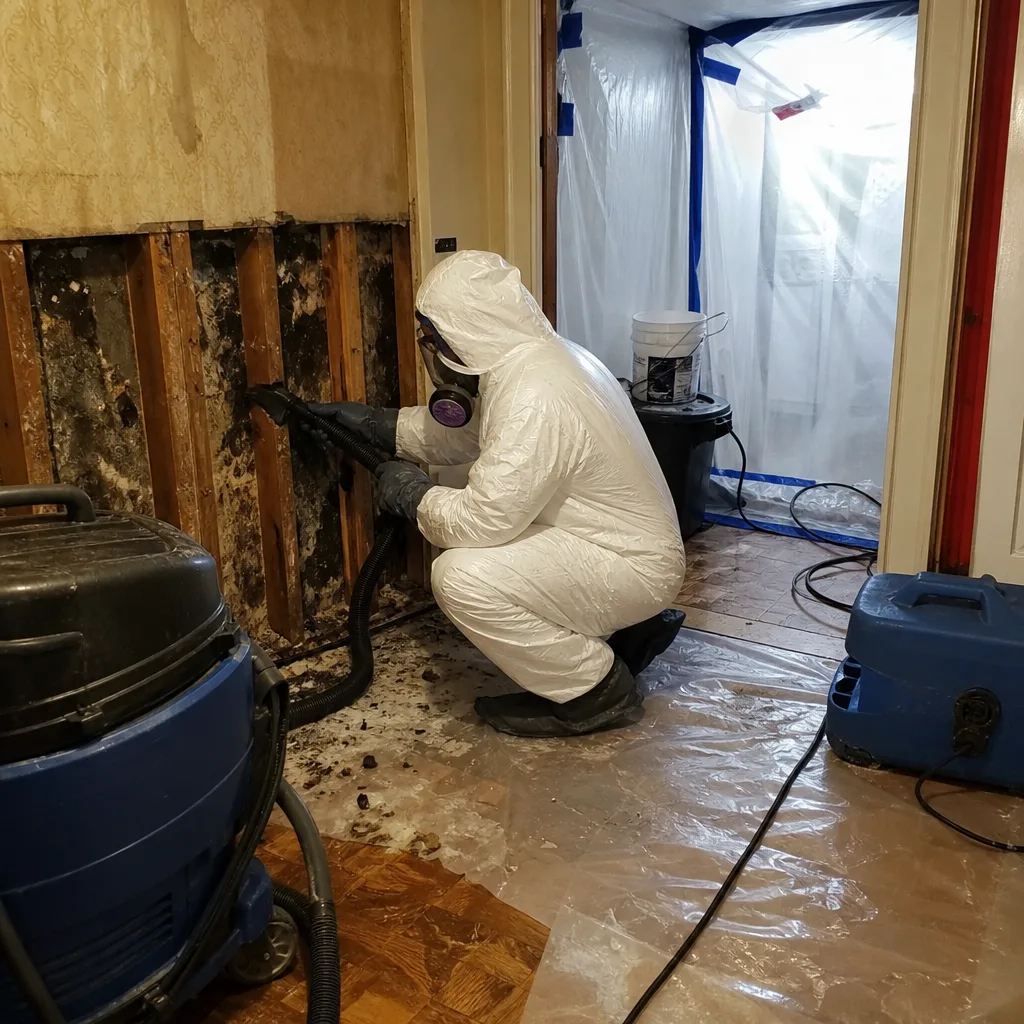
Blood pools. Glendale’s floors are often original hardwood over joist cavities, and fluid finds its way through gaps before it evens out on the surface. We remove the affected flooring, treat the subfloor and joist bays with hospital-grade antimicrobials, and test the cavity before we close it up. In an attached row, the neighbor’s side gets sampled too, because blood travels where water travels.
Infectious Disease Disinfection
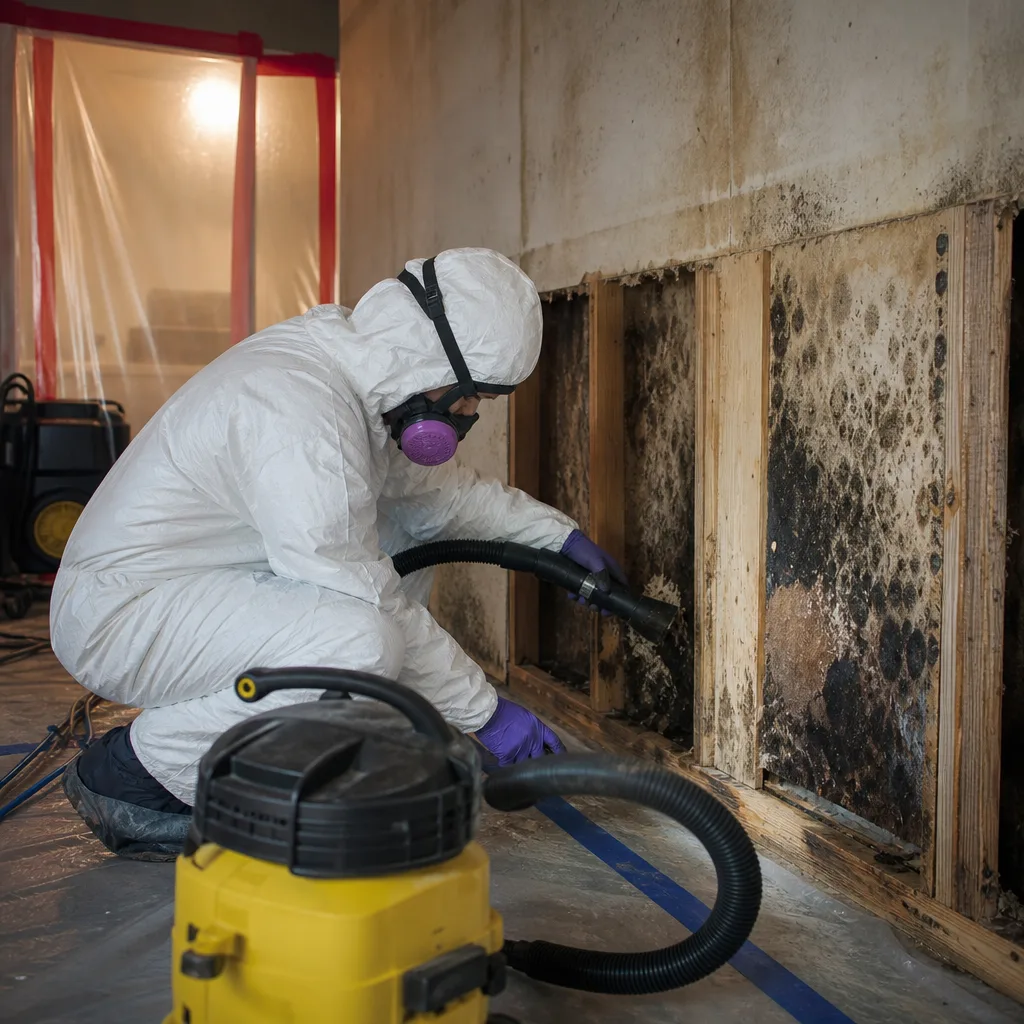
After an illness in one unit of an attached brick row, we fog every surface and exposed cavity with an EPA-registered disinfectant, then run HEPA air scrubbers long enough to turn room air over multiple times. The concern in Glendale is what’s in the walls. Those original lath-and-plaster assemblies are practically ductwork, and disease particles move through them like smoke through a dropped ceiling.
Hoarding Cleanup
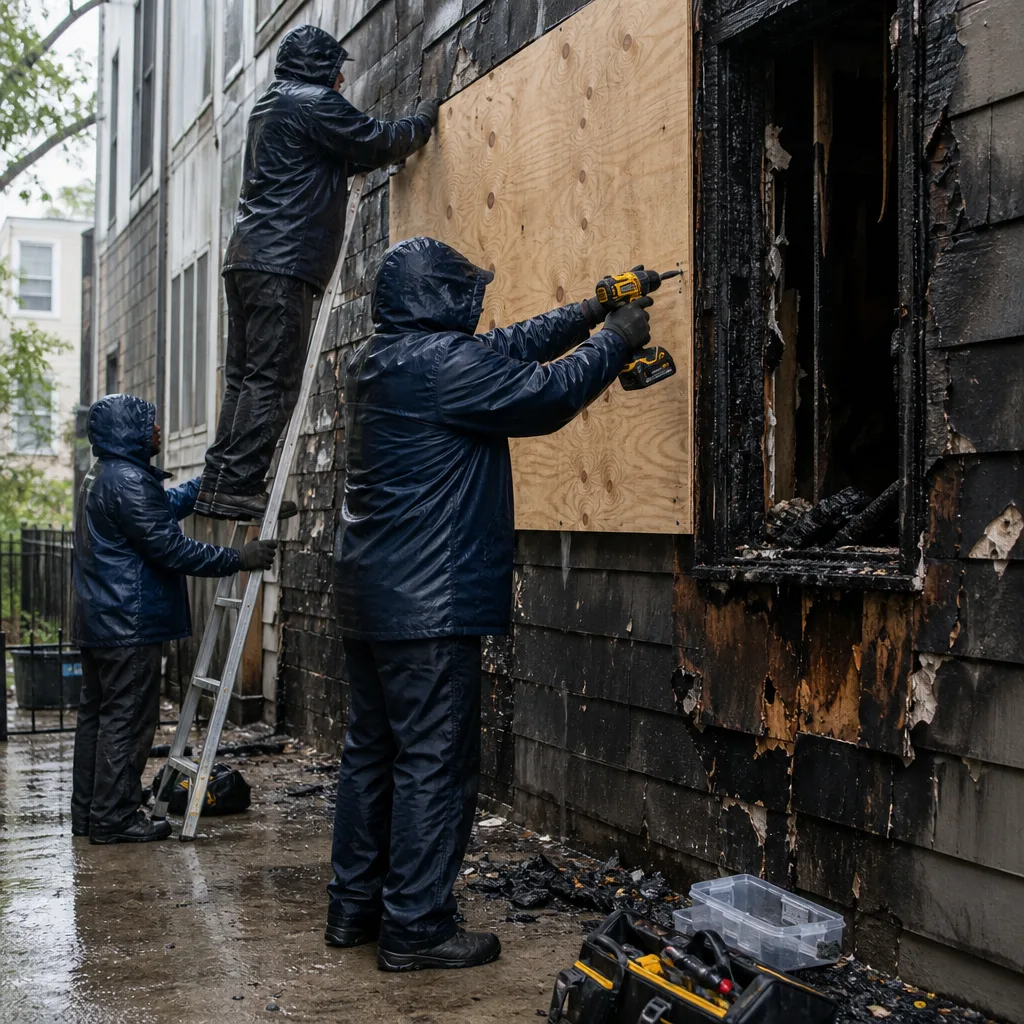
Hoarding in a Glendale attached home is rarely just a packing-out of contents. The sheer volume of material usually hides a slow grey-water leak or a compromised original drain line, and once the path is cleared, the biohazard part begins. We separate contents, remove what’s porous, and assess the structural floor load before we bring in extraction equipment.
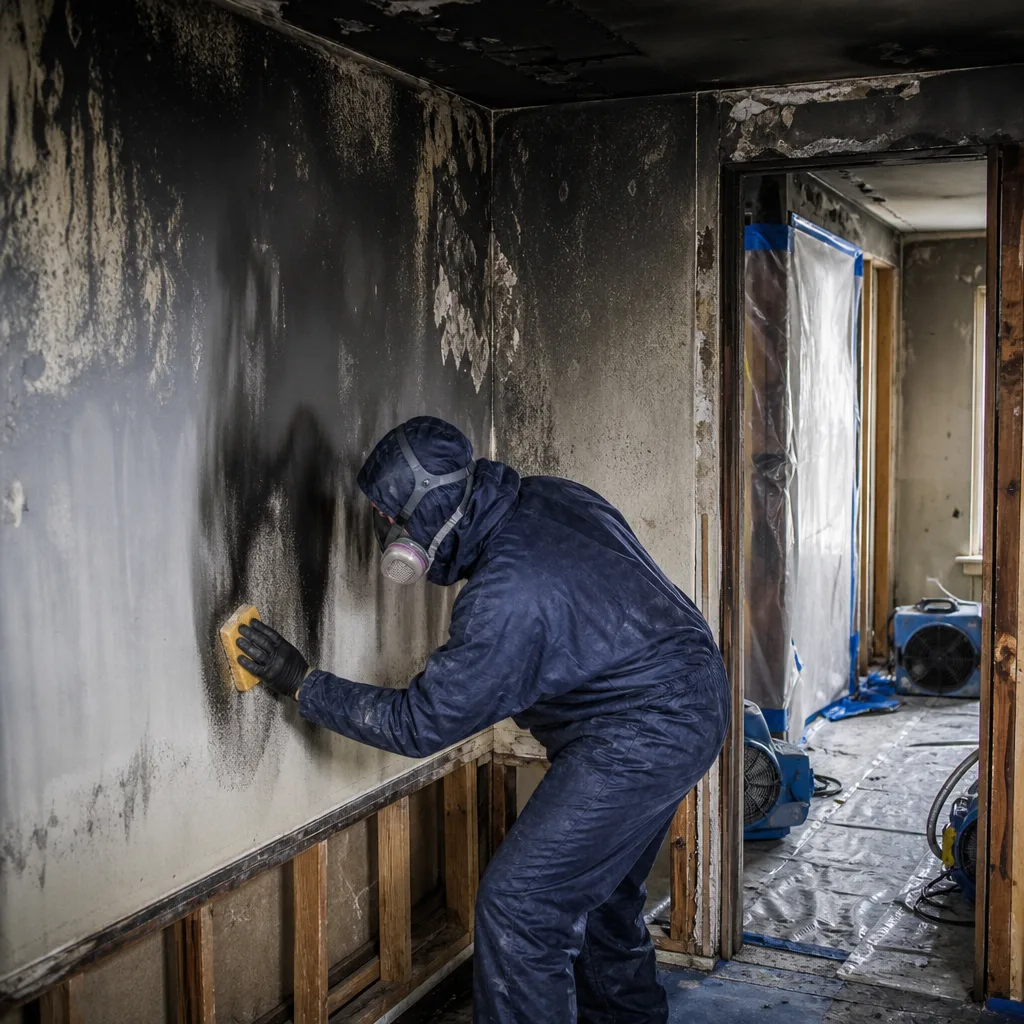
Tear Gas & Chemical Cleanup
Tear gas residue works its way into paint, plaster, and fabric, and in a semi-detached row with a shared low-slope roof, it migrates through the roof membrane seams into the neighbor’s attic. We scope both sides of the party wall, decontaminate the roof cavity, and if the membrane is compromised, we repair it before we close. A decon that skips the roof is a decon that touches up the smell, not the source.
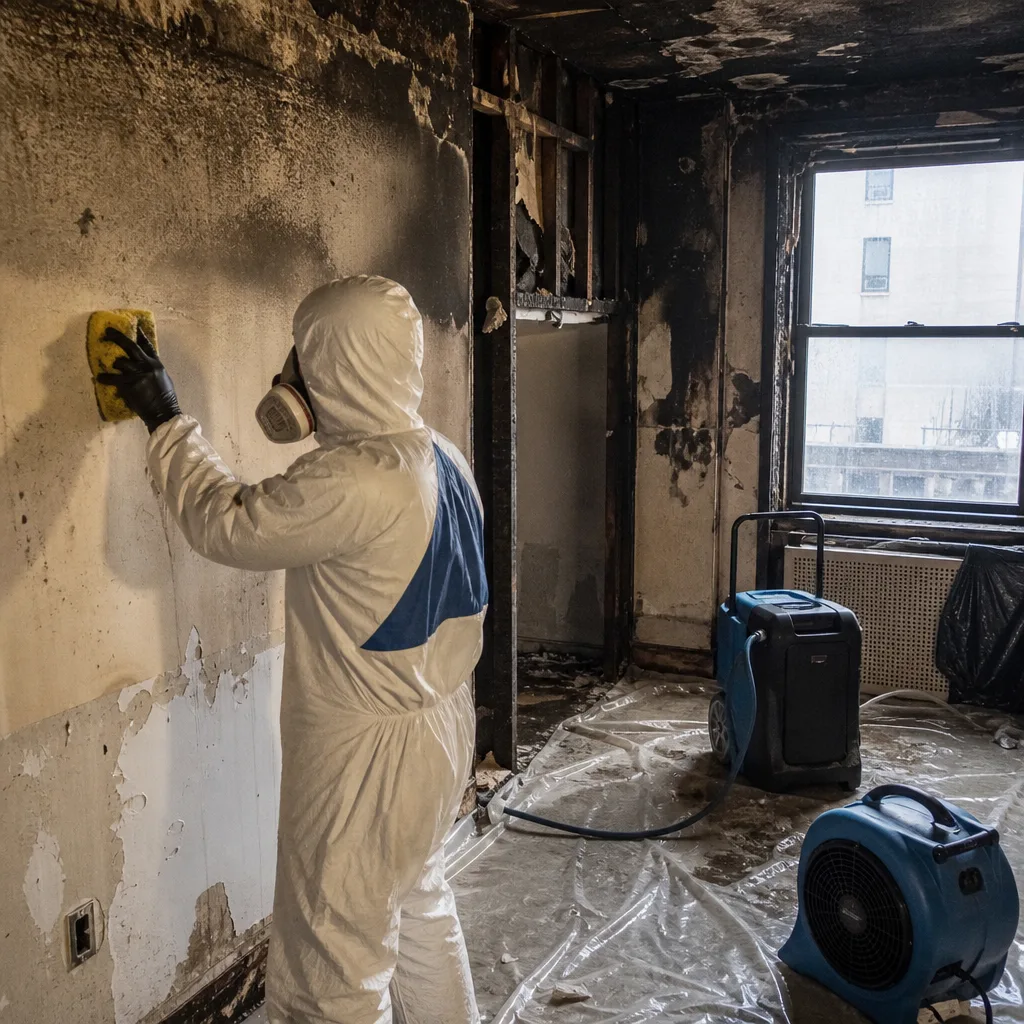
What happens when you call
- 1
A real person answersNo phone trees - you reach a local pro.
- 2
You get an upfront price rangeHonest numbers before anyone is dispatched.
- 3
A background-checked tech heads outLicensed & insured, dispatched right away.
- 4
You approve before work beginsNothing starts until you say go.
Biohazard & Crime Scene Cleanup Costs in Glendale, NY
Here are the numbers Glendale homeowners actually see on scopes of work. A single-room blood cleanup starts around $1,800. Trauma and unattended death work in a 1920s two-family, including party wall containment and structural drying, runs $2,500 to $6,000 depending on how far the fluids have migrated. A full hoarding cleanup with Category 2 or 3 water contamination typically lands between $4,000 and $12,000. Tear gas or chemical decontamination across a shared roofline falls in the $3,000 to $7,500 range.
What moves the price is wall access and neighbor involvement. Opening a lath-and-plaster wall, drying a masonry cavity, and coordinating with the adjacent owner’s carrier adds real labor hours and equipment days. Most of this is covered by insurance. For out-of-pocket work, the free visual inspection gives us a chance to write a firm number before a single tool comes off the truck. And we always offer a free second opinion on any written estimate you already have, no trip charge inside the county.
We Also Serve Cities Near Glendale
Our crews regularly run through Midtown West, the Financial District, Lower Manhattan, and Astoria. If you’re in an attached or semi-detached home in any of those areas, the same party wall and shared roofline concerns apply. We treat every job the same way: scope both sides, document everything, and fix it right.
Serving Glendale, NY - Our Local Coverage Area
We’re based in the Glendale area and know this community well. Use the map below to see our service coverage - if you’re nearby, we can almost certainly help.
Glendale Biohazard & Crime Scene Cleanup Questions, Answered
How do you handle biohazard cleanup when a Glendale row house party wall has already wicked fluids into the neighbor’s side?
We open the wall cavity and treat both sides of the masonry as one continuous contaminated space. That means hard containment in both units, sampling the neighbor’s finished surfaces, and drying the cavity to a target moisture level before any antimicrobial fogging or reconstruction. The neighbor’s carrier is contacted directly, and the scope is written as one coordinated event. Call (607) 703-3408 and Wade will talk you through the initial readings.
What’s different about unattended death cleanup in a 1920s plaster-and-lath Glendale two-family versus a modern single-family home across the border in Nassau?
Plaster wicks. In a modern drywall home, body fluids pool on surfaces and get absorbed by carpet and pad. In a Glendale row house, the original lime plaster acts like a sponge, pulling decomposition fluid laterally into the wall system and through the un-insulated party wall. The scope here always includes removing affected plaster, inspecting the lath, and drying the masonry cavity. A Nassau home with sheetrock rarely needs any of that. That’s why our scopes here run higher and take longer.
Can you do a biohazard scope on a Glendale roof-deck or common outdoor area where a crime scene occurred, without disturbing the original 1920s tar roof?
Yes. We clean and decontaminate the surface without replacing the original membrane, provided it’s still sound. If the scene fluids or chemical residue have penetrated the tar roof itself, we remove only the affected section, treat the area, and patch it to match. We document the condition of the roof before and after so the neighbor and the carrier both see exactly what was touched.
How do you keep tear gas or chemical contamination in one attached Glendale unit from spreading into the neighbor’s apartment through the shared roofline?
We contain the attic and roof deck, seal the ceiling plane from below, and run negative air pressure on the source unit while sampling the neighbor’s side. If the membrane seams are compromised, we repair them before decontamination finishes. The goal is to stop the transfer path, not just scrub the visible residue.
Why does hoarding cleanup in a Glendale attached brick home often turn into a sewer backup for the neighbor?
Because the original combined sewer stack is shared. The hoard volume often hides a cracked or clogged drain line in the source unit. Once we clear enough material to access the plumbing, the backed-up Category 2 water can release downstream. We alert the neighbor’s unit immediately, set containment, and treat both sides as one project. The first moisture map of the hoard room usually includes the neighbor’s basement floor.
How fast can you actually get to a biohazard scene in Glendale?
Within 45 minutes. Wade answers the phone live and heads out himself, while the crew is dispatched from the metro office. Most Glendale streets are a short run, and we stage equipment accordingly. The first hour determines whether this is a contained cleanup or a cross-unit event.
Will insurance cover biohazard and crime scene cleanup in my Glendale home?
Most homeowner policies cover sudden and accidental biohazard events, including unattended death and crime scenes. The key is documentation from the first hour, which is exactly what we produce. We photograph the scene before opening walls, log moisture readings daily, and coordinate directly with your adjuster through the entire claim. For an exact answer on your policy, call (607) 703-3408 and we’ll help you talk to the right person.
What should I do in the first 30 minutes after discovering a biohazard situation in my Glendale property?
Do not enter the space. Close the door, open no windows that would spread airflow into shared areas, and call (607) 703-3408. In an attached row, the most important next step is warning the neighbor on the other side of the party wall, because their wall cavity is likely already involved. We’ll guide you on what to say and what to avoid while the crew is on the way.
Written by Wade Ferris, Owner at Wade’s Restoration, serving Glendale since 2007.