
Quick Summary
In New York City, water damage repair costs typically range from $1,500 for minor extractions to over $15,000 for complex, multi-floor high-rise leaks where trapped moisture threatens adjacent units. Wade's Restoration provides rapid 45-minute emergency response and transparent line-item pricing through its Claim Clarity Program, working directly with insurance carriers to streamline structural drying and reconstruction. Property owners can use this guide to navigate local cost drivers across different water categories and connect with 24/7 dispatch to secure an upfront written estimate or visual inspection.
Water Damage Repair Cost: Pricing Guide for NYC Owners
Water damage repair in New York City typically costs between $1,500 for small-scale water removal and upwards of $12,000 for full structural drying and rebuilding. In dense Manhattan buildings, hidden moisture trapped behind pre-war plaster or inside vertical utility stacks can double your restoration expenses within 48 hours if left unaddressed. Wade’s Restoration maintains crews ready to arrive on-site within 45 minutes to stop the spread before it reaches adjacent units.
Unlike national dispatch networks that pass your call to unvetted subcontractors with inflated pricing, our in-house, IICRC-certified team manages the entire recovery process under one roof. Through our Claim Clarity Program, we protect your wallet by sending line-item estimates, date-stamped photo records, and daily moisture readings straight to your insurance adjuster. Review our complete NYC pricing guide below, or reach our 24/7 dispatch desk to arrange an on-site inspection and get a clear, upfront written estimate.
Water Damage Repair Cost: Instant Summary and Average Pricing
Quick Summary: Most property owners spend between $1,200 and $4,500 for standard single-room water extraction and drying. Major structural floods, raw sewage backups, or multi-story leaks in high-rises run from $3,000 to over $15,000. Your final bill depends on the contamination level of the water, the total square footage, the building materials involved, and how quickly crews begin extraction.
Across Manhattan, an isolated pipe leak in a single apartment might cost $1,200 to dry out, while water cascading down through several floors of a co-op or condo tower quickly exceeds $15,000. In tight multi-family layouts, water finds floor penetrations and utility chases within minutes, damaging subfloors and ceilings below while multiplying your repair liability.
Key Cost Factors at a Glance
- Response Time: Getting extractors on-site immediately saves subflooring, hardwood, and structural joists before permanent warping takes hold.
- Water Contamination Class: Clean supply-line breaks require fewer decontamination steps than contaminated gray water or biohazardous sewage spills.
- Multi-Floor Spread: Industry guidelines from the IICRC note that untreated drywall begins breaking down and breeding microbes within 24 to 48 hours, significantly expanding the scope of multi-unit insurance claims.
Average Line-Item Pricing in Manhattan
Pre-war walk-ups in Hell’s Kitchen and modern high-rises in Hudson Yards require precise moisture tracking to prevent secondary microbial growth. Wade’s Restoration skips the middleman to deploy certified technicians directly to your door, keeping overall expenses predictable from day one.
Emergency Water Damage Restoration
Emergency restoration focuses on stopping the source, extracting standing water, and setting up commercial drying systems during the opening 24-to-48-hour window. Acting fast protects your bottom line by keeping moisture from soaking through subfloors and draining into the apartments below you.
Rapid Extraction and Moisture Containment
When a pressurized supply line gives out, physical water removal has to happen right away. Industry standards emphasize that fast mechanical drying within the first day keeps clean water from degrading into dangerous gray or black water:
- Local Dispatch: Our certified technicians deploy across Midtown West within 45 minutes.
- High-Capacity Pumping: Commercial truck-mounted extractors pull bulk standing water out of floors and wall cavities.
- Thermal Moisture Mapping: Infrared cameras locate hidden water pockets inside walls without needing to tear down undamaged plaster.
Mitigating Vertical Water Migration in High-Rises
Gravity pulls water straight down through pipe chases, conduit lines, and concrete floor pans. In high-rise environments, multi-unit incidents rapidly accumulate costly secondary downward damage when containment is delayed. Stopping water at the source keeps an isolated incident from turning into an expensive multi-tenant reconstruction project.
Flood Damage Restoration
Flood cleanup involves pumping out contaminated street runoff, thoroughly sanitizing affected boundaries, and preserving the framing in street-level and basement spaces. In tightly packed neighborhoods, floodwater easily seeps through shared masonry walls, creating major health hazards and steep repair bills if contaminated water sits idle.
Category 2 and Category 3 Water Protocols
Stormwater that enters through basements, ground floors, or foundation walls carries biological contaminants and qualifies as Category 3 black water. Remediating this level of damage requires cutting out soaked drywall, applying commercial antimicrobials, and running deep structural drying equipment to protect neighboring spaces from cross-contamination.
Sub-Grade and Street-Level Pumping Equipment
Our crews stabilize flooded sub-grade properties using a systematic approach:
- Submersible trash pumps quickly drain heavy standing runoff from basements and vaults.
- HEPA-filtered air scrubbers run continuously to clean the air during physical removal.
- Low-grain refrigerant (LGR) dehumidifiers pull deep-set moisture out of dense brick, concrete, and stone.
This rapid stabilization protects building foundations and saves owners from prolonged repair delays.
Mold Remediation
Mold remediation is required whenever moisture remains trapped behind walls or under flooring for more than 48 hours, adding significant cost to standard water restoration. Microscopic mold spores move easily through common chases and shared HVAC ducts, turning an unaddressed pipe leak into a building-wide air quality problem.
Microbial Containment and Negative Air Systems
Professional remediation standards call for complete physical containment under negative air pressure before tearing out mold-damaged materials:
- Technicians build heavy-duty plastic containment walls equipped with HEPA air filtration.
- Damaged insulation, horsehair plaster, and wet ceiling tiles are carefully bagged and removed.
- Exposed wood framing is treated with EPA-registered antimicrobials and cleaned with HEPA vacuums.
Protecting Shared HVAC and Air Shafts
Shared utility risers and air shafts act like chimneys for mold spores. We seal off all ventilation runs and shared chases before demolition starts so fungal spores cannot drift into adjoining apartments.
Sewage Cleanup
Need water damage repair cost?
We’re available now - call for a fast, free estimate.
Raw sewage backups require rapid biohazard containment to remove dangerous bacteria, viruses, and parasites before waste seeps deep into subflooring and framing. When a main waste line backs up in an apartment building, the damage spreads downward fast, creating serious liability issues across multiple units.
Category 3 Biohazard Decontamination
Porous materials like carpet padding, engineered wood, and sheetrock cannot be salvaged once soaked with sewage. Our technicians wear full personal protective gear, strip out ruined materials, and extract waste without allowing airborne pathogens to escape into surrounding living areas.
Sanitizing Shared Waste Line Overflows
Clearing a waste stack backup requires four distinct steps:
- Containing the spill zone and extracting standing waste.
- Removing and safely disposing of ruined porous construction materials.
- Washing and treating structural framing with hospital-grade disinfectants.
- Running post-cleanup testing to verify the area is clean and safe.
Our team provides complete documentation and moisture records through our Claim Clarity Program to keep your insurance claim moving smoothly.
Fire and Smoke Damage Restoration
Fire and smoke incidents present a dual problem: thousands of gallons of firefighting water soak the structural framing while corrosive soot coats every exposed surface. Tackling both problems at the same time stops structural rot and keeps overall repair expenses under control.
Combined Firefighting Water Inundation and Soot Cleanup
According to fire service data, extinguishing an apartment fire can introduce thousands of gallons of water into the building. When this water drains through electrical chases and structural floors, Wade’s Restoration handles both the water extraction and smoke remediation under a single contract, saving you from coordinating separate vendors.
Corrosive Soot Removal and Air Scrubbing
Restoring a fire and water loss follows a specialized workflow:
- Air scrubbers and chemical sponges remove acidic soot before it permanently etches fixtures and surfaces.
- Thermal fogging and specialized deodorization neutralize deep-set smoke odors.
- Industrial dehumidification dries out framing while odor-blocking sealants lock in structural surfaces.
Burst and Frozen Pipes in Midtown West Buildings
Freezing winter weather causes uninsulated pipes to freeze, build extreme pressure, and split open. In older pre-war buildings as well as modern towers, water escapes rapidly down mechanical shafts, leading to extensive multi-floor repairs.
Aging Pre-War Cast Iron vs Modern High-Rise Risers
Insurance data shows that frozen pipe breaks routinely cause thousands of dollars in direct damage before accounting for multi-floor leaks. Pre-war cast iron lines tend to split along rusted seams, while modern copper and PEX lines usually fail at fittings under high pressure, sending water into elevator shafts and electrical rooms.
Immediate Containment Steps for Property Owners
- Shut off the main riser: Close the isolation valve immediately to stop the flow of water.
- Cut the power: Switch off circuit breakers to the flooded zones to avoid electrical hazards.
- Call for professional extraction: Contact Wade’s Restoration for emergency service within 45 minutes to start drying before water damages lower floors.
Basement Flooding and Ground-Level Water Inundation
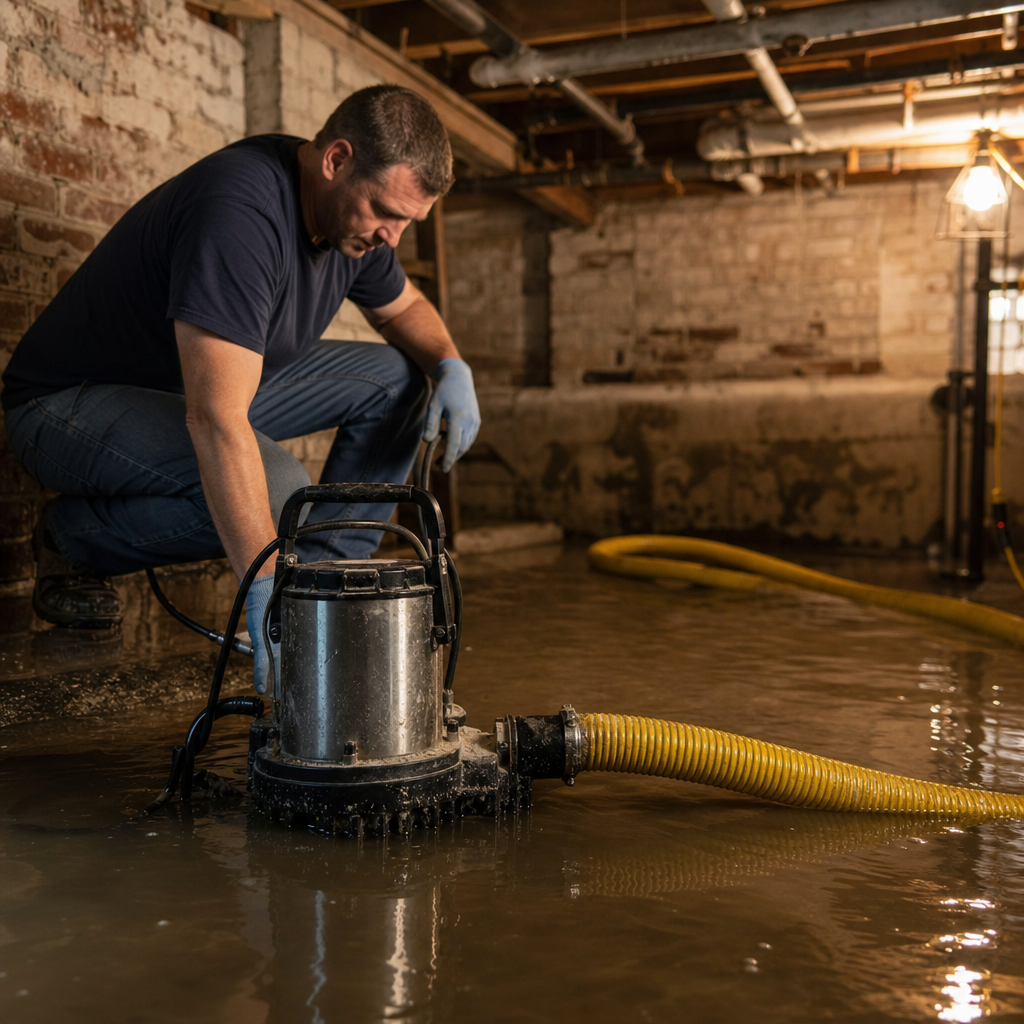
Flash storms often overwhelm Manhattan street sewers, creating hydrostatic pressure that pushes water through stone foundation walls and basement floor slabs. Fast extraction keeps subterranean foundations stable and avoids expensive long-term structural repairs.
Hell’s Kitchen Brownstone Basements and Commercial Vaults
Historic rubble stone walls and sidewalk vaults collect floodwater quickly, threatening boilers, water heaters, and main electrical panels. FEMA estimates that even an inch of floodwater can result in more than $25,000 in commercial property losses. We use specialized, low-clearance pumping systems built specifically for tight Manhattan basements.
Sump Pump Failures and Street-Level Drainage Overloads
When municipal storm lines back up, sump pumps can burn out, leaving ground-level spaces underwater. Our technicians pump out the floodwater, sanitize the area, and set up heavy-duty dehumidifiers to pull moisture out of thick masonry walls, protecting the structural integrity of the property.
Roof Leaks and Exterior Storm Water Damage
Roof punctures and storm damage require fast envelope repair to keep rain from soaking top-floor units and leaking down through the rest of the building. Stopping the breach right away prevents collapsed ceilings and widespread damage across multiple floors.
Wind-Driven Rain on Glass Facades and Parapet Walls
High winds drive rain into aging masonry parapets, damaged roof membranes, and failing window caulking. Building envelope failures cause the majority of interior water losses during major coastal storms. Once rain enters the upper floors, it tracks down through conduit pipes and plaster ceilings, threatening the apartments below.
Emergency Tarping and Building Envelope Stabilization
Securing the exterior involves clear, practical steps:
- Installing heavy-duty tarps and temporary waterproof seals over damaged roof areas and facade joints.
- Setting up targeted extraction and desiccant drying systems inside saturated ceiling cavities.
Stopping roof leaks early eliminates overhead structural rot and prevents costly mold problems down the road.
Sewage Backups in Urban Multi-Unit Plumbing Stacks
Need water damage repair cost?
We’re available now - call for a fast, free estimate.
Main plumbing stack clogs force raw waste back up through drains and toilets on lower floors, creating biohazards and expanding property liability. Fixing the problem requires immediate stack isolation, biohazard containment, and the removal of contaminated materials to protect surrounding co-op and condo units.
Clogged Main Stacks and Lower-Unit Overflows
When vertical waste stacks get blocked, wastewater from upper floors backs up and overflows out of the lowest fixtures. Raw sewage is dangerous Category 3 water, meaning saturated sheetrock, wood trim, and flooring must be removed and properly disposed of.
Preventing Cross-Contamination Across Adjoining Units
Our technicians contain sewage spills with a proven workflow:
- Set up sealed plastic containment barriers around the work zone.
- Run HEPA negative air systems so airborne contaminants cannot escape into adjacent units.
- Extract all waste, remove ruined building components, and thoroughly disinfect framing prior to drying.
Mold Prevention and Remediation After Sudden Water Intrusion
Preventing mold after a water leak comes down to one thing: drying the space completely before dormant fungal spores can grow. If moisture reaches shared walls, mold can spread across property boundaries and substantially increase your total repair bill.
The 24-to-48-Hour Fungal Growth Threshold
Environmental health guidelines show that mold can start growing on damp drywall and wood within 24 to 48 hours of water exposure. Fast industrial drying is the best way to prevent mold, pulling hidden moisture out from beneath subfloors and behind baseboards before spores activate.
Post-Mitigation Clearance Testing
After we complete remediation and structural drying, independent third-party air testing confirms that indoor spore counts have returned to normal, safe levels, giving building owners and boards documented proof of clean air quality.
Parts and Structural Components We Repair
Complete water damage repair covers everything from load-bearing framing and historic plaster to complex duct networks. Handling both mitigation and repairs under one contract keeps costs transparent and prevents disputes between different trades.
Drywall, Ceilings, and Historic Plaster Walls
Our technicians handle precision sheetrock cuts, ceiling panel replacements, and historic plaster stabilization to prevent saturated ceilings from collapsing into living areas.
Hardwood, Laminate, Subfloors, and Joists
Using specialized floor drying mats and injection systems, we can often save up to 80% of water-damaged hardwood without tearing it out. When subfloors and floor joists are soaked, our crews dry them in place to maintain structural stability.
Kitchen and Bathroom Cabinetry, Insulation, and HVAC Ducts
We clean and sanitize ductwork to protect indoor air, replace wet insulation, and repair damaged custom cabinetry. Wade’s Restoration handles the work from initial cleanup through final rebuild with a single, clear scope of work.
What Does Water Damage Repair Cost? Real NYC Pricing Breakdown
In New York City, water damage restoration ranges from $1,500 for a straightforward, single-room extraction to between $15,000 and $50,000+ for multi-floor leaks in high-rise buildings. The final price depends on water cleanliness, the amount of demolition required, and how many units are affected.
Itemized Restoration Price Ranges
| Service Metric | Emergency Extraction | Category 3 Sewage / Flood | Multi-Floor High-Rise Claim |
|---|---|---|---|
| Average Cost | $1,500 – $3,800 | $4,000 – $9,500 | $15,000 – $50,000+ |
| Typical Timeline | 2 – 4 Days | 3 – 7 Days | 1 – 3 Weeks |
| Demolition Scope | Minimal / Non-invasive | Porous material removal | Multi-unit ceilings & framing |
The Multiplier Effect: Multi-Unit Liability and Vertical Migration
In high-density buildings, uncontained water travels through concrete slabs, electrical conduits, and pipe chases. A single failed fitting on an upper floor can flood multiple units below, multiplying your repair liability. Industry data indicates water damage accounts for nearly a quarter of all property insurance losses. Fast mitigation stops water before it drains down the building stack.
Navigating Insurance with the Claim Clarity Program
Instead of leaving you to negotiate with insurance adjusters on your own, Wade’s Restoration streamlines claims through our Claim Clarity Program. Our certified technicians provide detailed moisture logs, time-stamped photo evidence, and standard line-item estimates to speed up carrier approvals and prevent billing disagreements.
NYC Service Areas and Midtown West Neighborhood Coverage
Property managers and co-op boards need restoration teams that can get on-site immediately to stop water before it spreads to neighboring units. Wade’s Restoration maintains 24/7 crews across Manhattan, arriving within 45 minutes to protect your property and keep repair costs under control.
Midtown West, Hell’s Kitchen, and Hudson Yards
In dense commercial and residential corridors, quick containment stops water from traveling through shared service shafts. Our team works directly with building supers, handles standard Certificate of Insurance (COI) requirements, and manages freight elevator schedules without wasting precious time.
Chelsea, Upper West Side, and Surrounding Manhattan Districts
Whether dealing with a brownstone basement flood or a waste line backup in a pre-war apartment, fast action keeps damage contained. Industry studies show that immediate, professional mitigation lowers secondary multi-unit repair claims by more than 40%. Wade’s Restoration manages the entire mitigation and rebuild process across Manhattan, Brooklyn, and Queens.
Frequently Asked Questions About Water Damage Repair Cost
FAQ Summary: In NYC, standard water damage restoration claims generally run between $3,000 and $15,000, or roughly $3.75 to $7.50+ per square foot for basic water removal and structural drying. Final pricing reflects the category of water, the materials damaged, and whether the leak spread across multiple floors. Most property insurance policies cover sudden, accidental pipe breaks and plumbing failures.
How Much Does Water Damage Restoration Cost in NYC?
Water extraction and structural drying in NYC generally cost between $3.75 and $7.50+ per square foot, with rebuilding work priced separately based on materials. We offer clear line-item estimates and upfront written scopes before starting any work.
Does Commercial or Homeowner Insurance Cover Mitigation?
Most standard policies cover sudden and accidental water discharges, such as frozen pipe ruptures or sudden supply line breaks, while excluding damage caused by long-term neglect or lack of maintenance. Water claims represent nearly 24% of all property loss filings. Our Claim Clarity Program provides adjusters with the exact photos and moisture readings they need to process claims quickly.
How Fast Does the Restoration Crew Arrive?
Our live dispatch team is available 24/7 and guarantees an on-site arrival time within 45 minutes to start extraction and stop moisture from spreading into lower units.
Are Technicians Licensed and IICRC Certified?
Yes. All of our field technicians hold direct IICRC certifications in water damage restoration (WRT) and applied microbial remediation (AMRT), ensuring your building is restored properly without reliance on unvetted third parties.
Need water damage repair cost?
We’re available now - call for a fast, free estimate.
Frequently Asked Questions
How do NYC co-op rules and building requirements impact water damage repair costs?
Strict building mandates such as limited working hours, freight elevator schedules, and custom Certificate of Insurance (COI) requirements can increase labor overhead and project duration. Wade's Restoration works directly with building supers and management to handle compliance and COIs immediately, keeping multi-unit containment on track and preventing avoidable delays.
Can water-damaged hardwood floors and historic plaster be saved to lower reconstruction costs?
Yes, using advanced floor-drying injection mats and targeted desiccant dehumidification can salvage up to 80% of hardwood flooring and stabilize saturated plaster without complete tear-outs. Wade's Restoration evaluates structural salvageability during your free visual inspection, providing an upfront line-item estimate that prioritizes restorative drying over expensive demolition.
How does the Claim Clarity Program protect property owners from insurance claim denials?
Insurance disputes usually stem from inadequate moisture documentation or delayed reporting of secondary damage. Through the Claim Clarity Program, Wade's Restoration submits date-stamped thermal imaging, detailed drying logs, and standardized IICRC-compliant line-item scopes directly to your adjuster to justify every repair expense and accelerate payout approvals.
About the author
 |
Marcus Avery Marcus Avery is an IICRC-certified restoration specialist with over 12 years of experience in structural drying and water damage mitigation. Holding a B.S. in Construction Management from the Wentworth Institute of Technology, he frequently consults with property management firms in the tri-state area on emergency response planning. Marcus specializes in helping Midtown West property owners navigate complex water damage scenarios and detailed restoration cost analysis. |
Water damage, flood, or mold emergency?
We’re available now - call for a fast, free estimate.
Call Now - Free Estimate