
Quick Summary
Navigating water damage repair pricing in New York City properties requires understanding key cost variables such as water contamination category, vertical structural migration, and drying timelines. Wade's Restoration provides transparent, line-item rates ranging from $1,500 for localized extraction to over $5,000 for multi-floor drying, backed by a 45-minute emergency response and direct-to-carrier insurance billing. Property owners can use this guide to differentiate emergency mitigation from full reconstruction costs and quickly schedule a detailed on-site inspection or 24/7 emergency dispatch.
Water Damage Repair Pricing: Fast, Upfront NYC Costs
If you are dealing with an active leak or standing water in New York City, clear water damage repair pricing should not be a guessing game. Wade’s Restoration provides itemized, upfront rates, typically ranging from $1,500 for isolated residential leaks to $5,000 or more for multi-room structural drying, paired with an emergency 45-minute response time across Midtown West and the outer boroughs.
When clean water escapes on an upper floor of a pre-war walk-up or a modern high-rise, you are on a strict clock. After managing emergency recoveries in Manhattan for over fifteen years, our crews regularly see property managers and homeowners get burned by national dispatch brokers who quote low rates over the phone, only to tack on equipment surcharges later or submit sloppy paperwork that insurance adjusters immediately reject. We eliminate that uncertainty through transparent, line-item estimates, room-by-room thermal imaging, and direct-to-carrier billing before our technicians begin work.
By handling the entire lifecycle under one roof, from initial extraction and environmental containment to final subfloor and drywall rebuilds, we keep your project on schedule without multi-contractor markups. Call our 24/7 local dispatch team for immediate emergency service, or request an on-site inspection for an exact written quote.
How Water Damage Restoration Costs Are Calculated
Quick Cost Overview: Most NYC property owners pay between $3,500 and $5,000 for standard structural drying and mitigation. Costs average $3.50 to $7.50 per square foot for Category 1 clean water extraction, but climb to $15.00 or more per square foot when handling Category 3 blackwater, sewage backups, or structural tear-outs requiring antimicrobial sanitation and negative air containment.
Restoration billing is determined by three variables: the volume of standing water, the water category (clean, gray, or black), and the drying time required for saturated building assemblies. While clean water pumped from a tiled laundry room requires minimal labor, wastewater trapped in horsehair plaster or subflooring demands containment barriers, commercial air scrubbers, and specialized drying mats.
The Vertical Dispersion Multiplier in NYC Properties
Generic square-foot cost calculators fail in multi-story urban architecture. When a supply line snaps on the eighth floor of a Hudson Yards tower or a Hell’s Kitchen brownstone, gravity pulls thousands of gallons through floorboards, concrete slabs, electrical risers, and utility chases into every apartment below. An isolated $1,500 pipe failure can quickly escalate into a tens-of-thousands-of-dollars multi-tenant restoration project if water is allowed to migrate downward. Rapid containment at the source stops this vertical spread before lower-floor ceilings collapse.
Water Contamination Categories and Billable Timelines
Water damage is split into three IICRC classifications, each carrying a different labor and equipment cost profile:
- Category 1 (Clean Water): Originates from broken supply lines, sink overflows, or failed appliance hoses. If addressed within 24 to 48 hours, materials can usually be dried in place without structural demolition, keeping overall expenses at their lowest.
- Category 2 (Gray Water): Contains biological or chemical contaminants from dishwashers, washing machine drains, or sump pump failures. Saturated carpet pads and porous drywall must often be removed.
- Category 3 (Black Water): Highly contaminated water from sewer backups, storm surges, or river overflows. It also includes Category 1 water that has sat unaddressed for longer than 48 hours. This classification requires full biohazard containment, personal protective gear, controlled demolition, and hospital-grade antimicrobial sanitization.
Emergency Water Extraction and Structural Drying
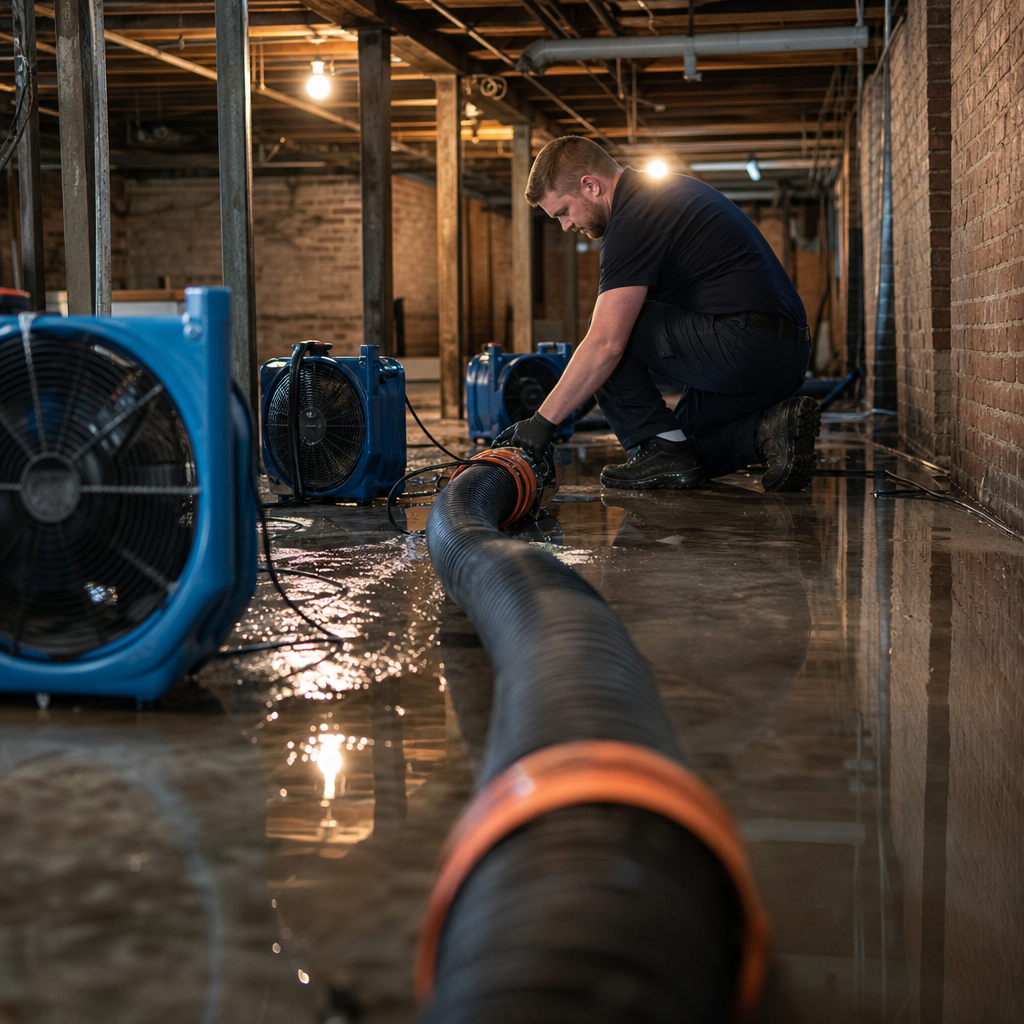
Emergency mitigation halts active water spread and stabilizes indoor relative humidity before mold spores germinate. The difference between minor water mitigation and a massive reconstruction bill comes down to how fast you extract bulk water and establish balanced airflow.
Extraction and Industrial Dehumidification
Halting structural damage requires a disciplined, three-stage mitigation protocol:
- Bulk Extraction: High-volume, truck-mounted extraction units and portable subgrade pumps remove standing water from floors immediately, keeping the baseline extraction expense per square foot manageable.
- Evaporative Airflow: Commercial air movers are positioned strategically to float carpets and force trapped moisture out of saturated floor joists, baseboards, and wall plates.
- LGR Dehumidification: Low-grain refrigerant (LGR) and desiccant dehumidifiers capture airborne water vapor, driving ambient humidity below 40% to prevent secondary condensation from ruining plaster and cabinetry in adjacent rooms.
Mitigation Costs vs. Reconstruction Costs
Property owners often mix up water mitigation with reconstruction. Mitigation focuses on extraction, sanitizing, selective demolition of ruined materials, and total structural drying (typically $1,500 to $5,000). Reconstruction covers putting the building back together, hanging new drywall, painting, laying hardwood, and replacing trim (ranging from $2,000 to $15,000+ depending on finishes). Stopping the water early protects finishes and keeps reconstruction scopes as narrow as possible.
Flood Damage and Groundwater Cleanup
Need water damage repair pricing?
We’re available now - call for a fast, free estimate.
Ground-level water intrusion from severe storms carries mud, silt, road chemicals, and sewer overflow. Restoring flooded basements, street-level retail units, and garden apartments requires fast water extraction, targeted tear-out of contaminated porous assemblies, and deep sanitization.
Hydrostatic Pressure and Below-Grade Flooding
When municipal storm drains surcharge during flash floods, groundwater builds hydrostatic pressure against foundation walls. Water forces its way through masonry cracks, cold joints, and floor drains. Pumping out basements requires controlled water removal so external soil pressure does not crack compromised foundation walls.
Sanitization and Deep Masonry Drying
According to Wade’s Restoration, drying dense concrete, brick footings, and structural masonry requires industrial desiccant dehumidifiers capable of pulling deep-seated moisture out of porous materials. Our teams log daily moisture readings across every structural element, providing your insurance carrier with the psychrometric proof needed to validate the full scope of remediation.
Mold Remediation After Unresolved Water Loss
When moisture sits behind walls or beneath flooring for longer than 48 hours, mold colonies can begin colonizing cellulose materials. Once active fungal growth takes root, standard water extraction shifts into a hazardous environmental remediation project, significantly increasing the required scope of work.
Containment and Negative Air Pressure
To keep microscopic mold spores from traveling through shared ventilation chases, certified technicians set up strict containment zones before removing saturated drywall:
- Erect 6-mil flame-retardant poly containment chambers with zipper entryways around the affected spaces.
- Install HEPA-filtered negative air machines that vent scrubbed air to the exterior, ensuring spores cannot escape into living areas or common building corridors.
- Treat structural studs with EPA-registered antimicrobial washes and deep-penetrating fungicidal sealants.
Post-Remediation Clearance Testing
After remediation is complete, third-party industrial hygienists can pull air samples to confirm that indoor spore counts have returned to normal baseline levels. Having independent documentation guarantees the space is safe for occupancy and keeps your insurance claim moving smoothly.
Category 3 Sewage Backup Remediation
Sewage backups are urgent biohazard events. Drain overflows and sewer main failures introduce dangerous pathogens directly into occupied spaces, making direct extraction and thorough sanitization mandatory.
Safely Handling Biohazard Waste
Porous items that come into contact with blackwater, such as carpet padding, insulation, and lower drywall, cannot be saved and must be bagged and disposed of according to local environmental regulations. Our technicians work in full personal protective gear, stripping contaminated materials down to bare structural studs.
Sanitizing Main Lines and Shared Drain Assemblies
Once bulk wastewater is extracted, our crews apply hospital-grade disinfectants to all structural framing, concrete slabs, and subfloors. We isolate shared plumbing chases to eliminate bacteria and foul sewer gas odors before drying equipment is turned on.
Burst Pipe and Frozen Line Repair
Winter freeze cycles and sudden pressure spikes frequently rupture plumbing lines in multi-family buildings. A cracked vertical riser on an upper floor will quickly cascade through several apartments below if water is not shut off immediately.
Cast Iron Risers vs. Modern PEX Failures
Pre-war buildings throughout Midtown West often rely on aging cast-iron and galvanized supply stacks that split along longitudinal seams, while newer builds can suffer fitting failures in modern PEX or copper lines. Pinhole leaks often go unnoticed inside wall cavities for weeks, rotting wood studs and soaking plaster before visible staining appears on finished ceilings. Our crews use non-invasive acoustic leak detectors and thermal cameras to locate the exact leak source without opening unnecessary exploration holes in undamaged walls.
Protecting Multi-Unit Floor Systems
When water pools between finished wood floors and subfloor assemblies, joists begin to warp and weaken. We install specialized injectidry floor systems that pull moisture directly out of multi-layer hardwood and structural timber, saving expensive flooring whenever possible and lowering overall reconstruction costs.
Structural Components We Dry and Restore
Need water damage repair pricing?
We’re available now - call for a fast, free estimate.
Our restoration protocols focus on salvaging building materials across your entire property envelope, targeting assemblies before permanent dry rot or delamination occurs.
Drywall, Plaster, and Ceiling Assemblies
Technicians at Wade’s Restoration execute clean flood cuts twelve inches above the highest moisture mark on drywall, preventing moisture from wicking upward into upper wall cavities. For historic plaster, we employ specialized cavity drying techniques that save original architectural finishes.
Hardwood, Subfloors, and Joist Systems
Using commercial vacuum drying mats, we pull water vapor through the grain of saturated hardwood planks to reverse early cupping. Subfloors are sanitized and dried to within 2 to 4 percentage points of your building’s baseline equilibrium moisture content before any new flooring is installed.
Cabinetry and Built-In Woodwork
Custom kitchen and bathroom cabinetry can often be saved by removing toe-kicks and pumping warm, dry air underneath vanity bases, eliminating the need to tear out expensive stone countertops.
Ductwork and Mechanical Spaces
HVAC supply and return trunks exposed to elevated humidity are sanitized to prevent dust and mold distribution. Desiccant air streams are routed into flooded elevator pits and boiler rooms to dry out electrical switchgear quickly.
Estimated Costs for Water Damage Restoration in NYC
Every restoration project is unique, but upfront rates give you a clear baseline of what to expect based on the size of the loss and the severity of the water classification.
| Restoration Service | Estimated Cost Range | Billing Structure |
|---|---|---|
| Thermal Moisture Mapping & Assessment | $150 – $500 | Credited directly toward authorized work |
| Standard Water Extraction & Drying (Per Room) | $1,200 – $4,500 | Based on square footage and saturation depth |
| Mold Remediation & Environmental Containment | $1,500 – $6,000 | Per isolated containment zone |
| Category 3 Sewage Extraction & Sanitation | $2,000 – $10,000 | Includes biohazard disposal and sanitization |
| Burst Pipe Multi-Floor Water Mitigation | $3,500 – $15,000+ | Scope depends on number of affected levels |
| Full Structural Rebuild & Reconstruction | $2,500 – $25,000+ | Drywall, trim, painting, and flooring replacement |
Final costs depend on water classification, affected materials, and drying timelines. Contact us for an immediate on-site estimate.
Insurance Claims and Direct Adjuster Billing
Property insurance policies generally cover water losses that are sudden and accidental, such as a burst supply line, hot water heater rupture, or appliance line break. They typically do not cover continuous, unresolved leaks that have caused rot over several months. To protect your claim, our team documents daily psychrometric readings, structural moisture levels, and line-item scopes using industry-standard pricing software that matches adjuster requirements, billing your carrier directly to minimize personal out-of-pocket stress.
Service Area: Midtown West and Surrounding NYC Neighborhoods
Wade’s Restoration maintains an emergency response network designed to navigate Manhattan traffic and reach your door within 45 minutes of your call. We operate fully equipped mobile mitigation units throughout:
- Hell’s Kitchen and Clinton: Specialized drying for historic pre-war walk-ups, brownstones, and multi-family buildings.
- Hudson Yards: Fast-response containment for commercial properties, high-rise luxury towers, and retail spaces.
- Chelsea and the Garment District: Large-scale water extraction for multi-tenant commercial offices, loft apartments, and industrial properties.
- Upper Manhattan, Brooklyn, and Queens: Rapid dispatch units ready for basement flooding, roof penetrations, and sewer backups.
Frequently Asked Questions About Water Damage Repair Pricing
How much does water damage repair typically cost per square foot?
Standard clean water extraction and drying averages between $3.50 and $7.50 per square foot. If the water is contaminated (Category 2 gray water or Category 3 blackwater) or if structural demolition and antimicrobial sanitation are required, pricing ranges from $10.00 to $15.00 or more per square foot.
Does homeowners or commercial property insurance cover the full cost of water damage restoration?
Most standard policies cover sudden and accidental water events, such as burst pipes, frozen supply lines, or failed water heaters. They typically exclude damage resulting from unresolved maintenance neglect or general street-level floodwater unless you have a separate flood policy. We work directly with your adjuster to submit photographic logs and moisture maps to secure full coverage under your policy terms.
What factors influence the total price of water cleanup and repair?
As outlined by Wade’s Restoration, the main pricing factors are the category of water, the overall volume of moisture, how many vertical floors are affected, the types of building materials saturated (plaster, hardwood, drywall, or concrete), and the total drying time required to return framing to baseline moisture levels.
What is the difference in cost between water mitigation and reconstruction?
Mitigation is the emergency phase that removes water, strips unsalvageable materials, and thoroughly dries structural framing to stop rot and mold (typically $1,200 to $5,000). Reconstruction is the rebuilding phase that follows, which covers hanging drywall, replacing flooring, and reinstalling trim or cabinetry (often ranging from $2,500 to $15,000+ depending on architectural finishes).
How much does emergency water extraction service cost?
Standalone emergency extraction to pull standing water from floors and carpets generally costs between $1,200 and $4,500 for standard residential rooms. Industrial pumping for deep basement flooding or commercial mechanical rooms is priced according to water depth and square footage.
What additional costs occur if mold develops after water damage?
If water sits unmitigated for longer than 48 hours and mold colonies form, remediation adds between $1,500 and $6,000+ to your total invoice. This extra cost covers building sealed poly containment barriers, running negative air machines with HEPA filtration, applying antimicrobial treatments, and performing third-party clearance testing.
Need water damage repair pricing?
We’re available now - call for a fast, free estimate.
Frequently Asked Questions
How does direct insurance billing work for water damage repair to avoid out-of-pocket expenses?
Wade's Restoration documents daily moisture logs, thermal imaging, and itemized scopes using carrier-approved pricing software to bill your insurer directly. This comprehensive psychrometric documentation validates the full scope of remediation, leaving property owners responsible only for their standard policy deductible.
How much does an initial water damage inspection cost, and is the fee credited toward repairs?
A professional on-site moisture assessment and thermal mapping typically ranges from $150 to $500 based on property size. Wade's Restoration applies this entire assessment fee as a direct credit toward your invoice once you authorize our technicians to perform the mitigation work.
How long does structural drying take, and how does the timeline impact the final repair bill?
Standard structural drying in NYC properties generally takes 3 to 5 days depending on material density and saturation depth. Because commercial dehumidifier runtime and monitoring accrue on a daily basis, rapid containment by Wade's Restoration within the first 24 hours prevents deep structural absorption and minimizes total drying expenses.
About the author
 |
Marcus Avery Marcus Avery is an IICRC-certified restoration specialist with over 12 years of experience in structural drying and water damage mitigation. Holding a B.S. in Construction Management from the Wentworth Institute of Technology, he frequently consults with property management firms in the tri-state area on emergency response planning. Marcus specializes in helping Midtown West property owners navigate complex water damage scenarios and detailed restoration cost analysis. |
Water damage, flood, or mold emergency?
We’re available now - call for a fast, free estimate.
Call Now - Free Estimate