
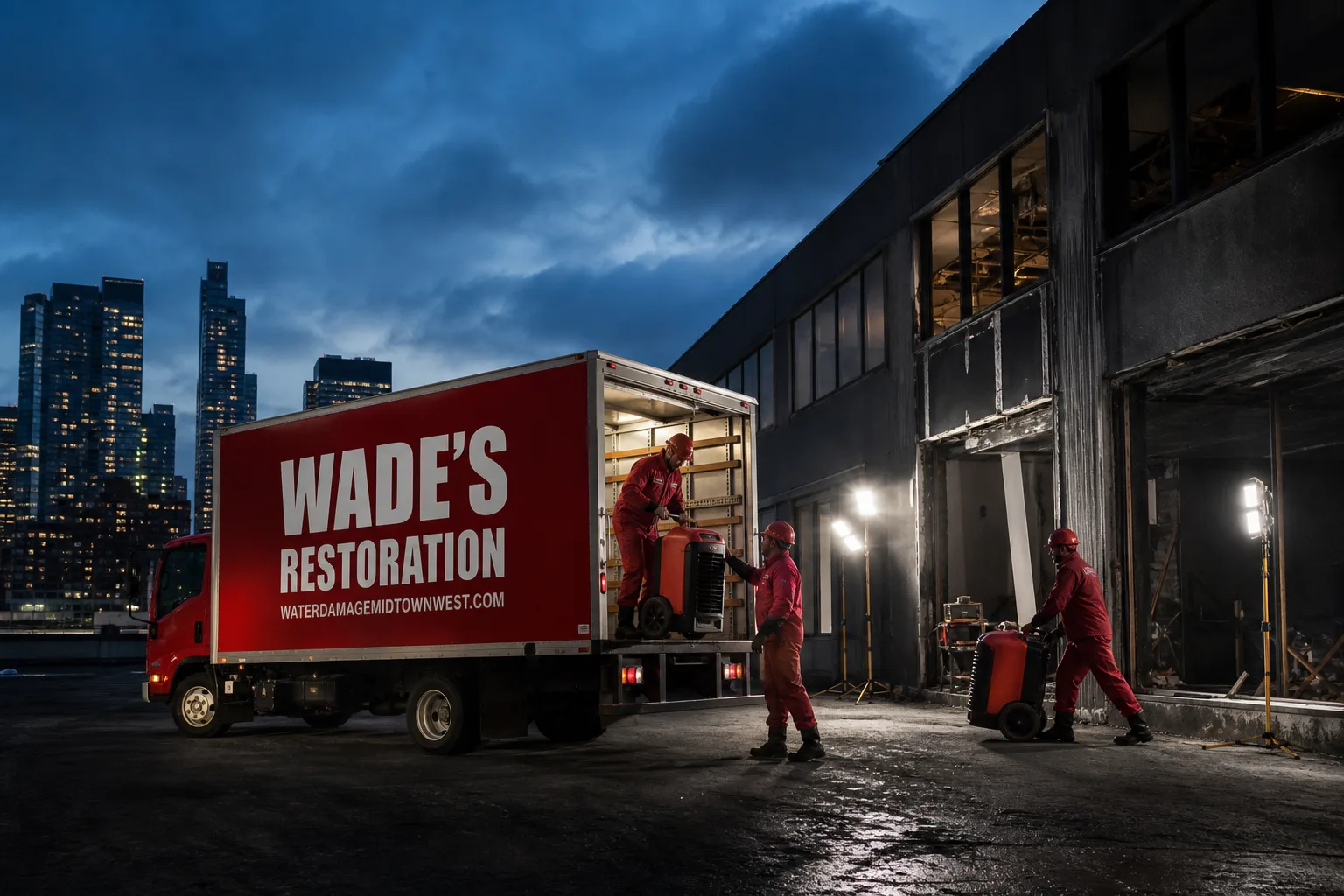
Free visual inspection and a written scope of work before any mitigation begins - photos, moisture readings, and drying logs go in your claim file
The scope we write is the scope we bill. Anything new gets shown to you, in writing, before we touch it.
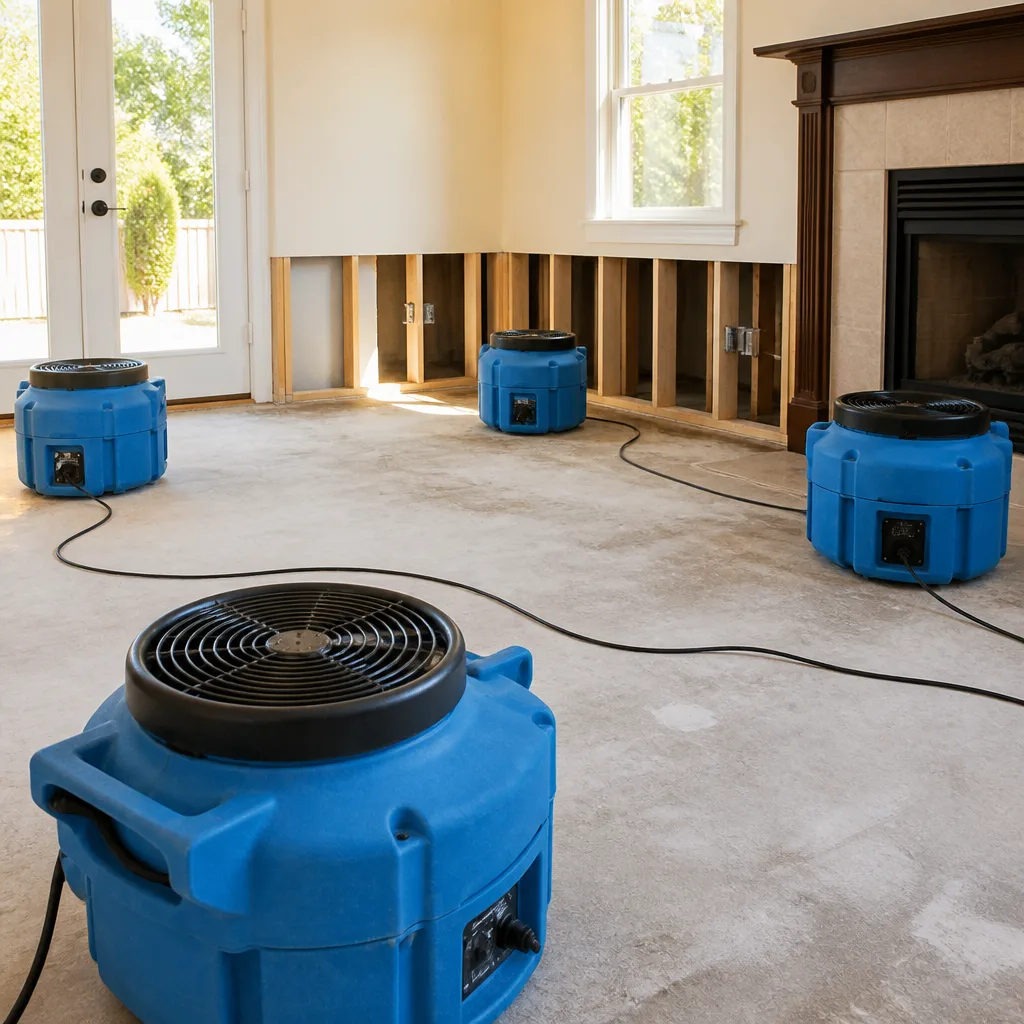
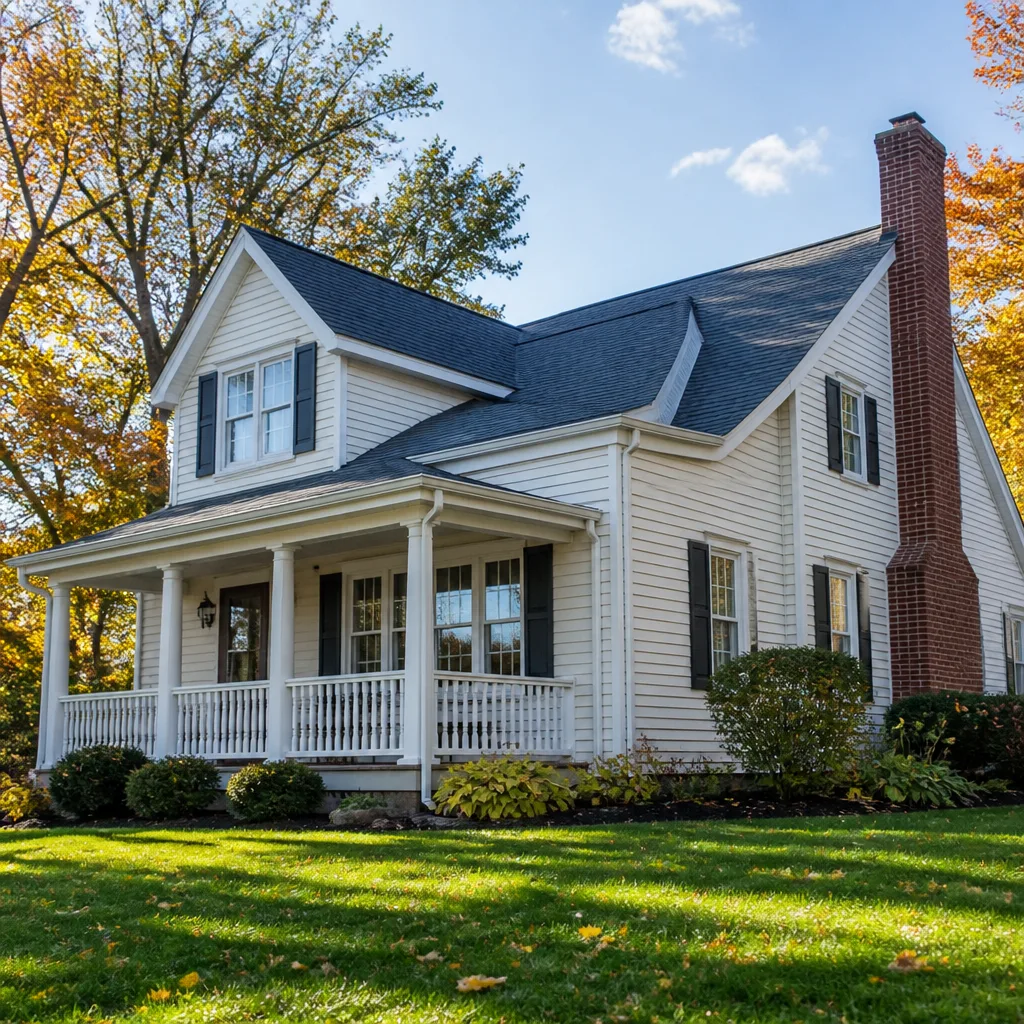
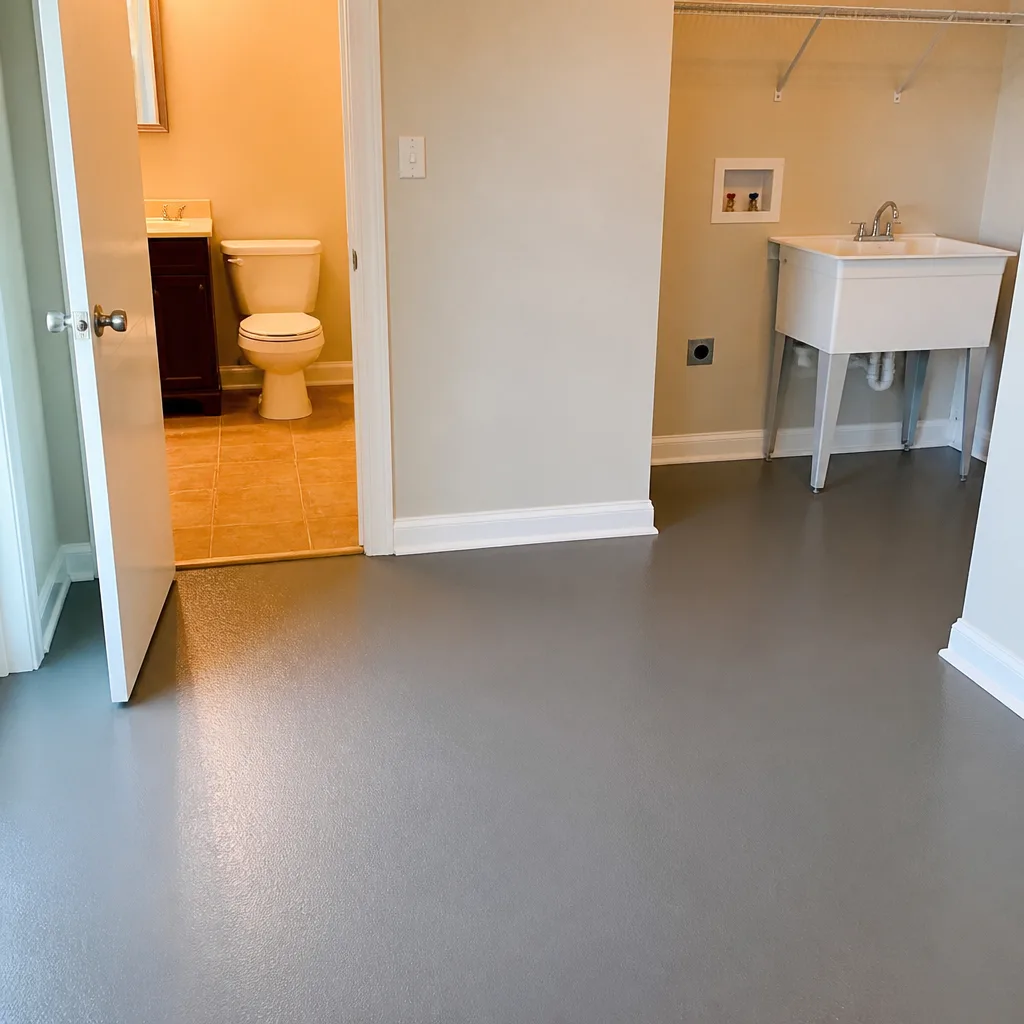
 Before
 After
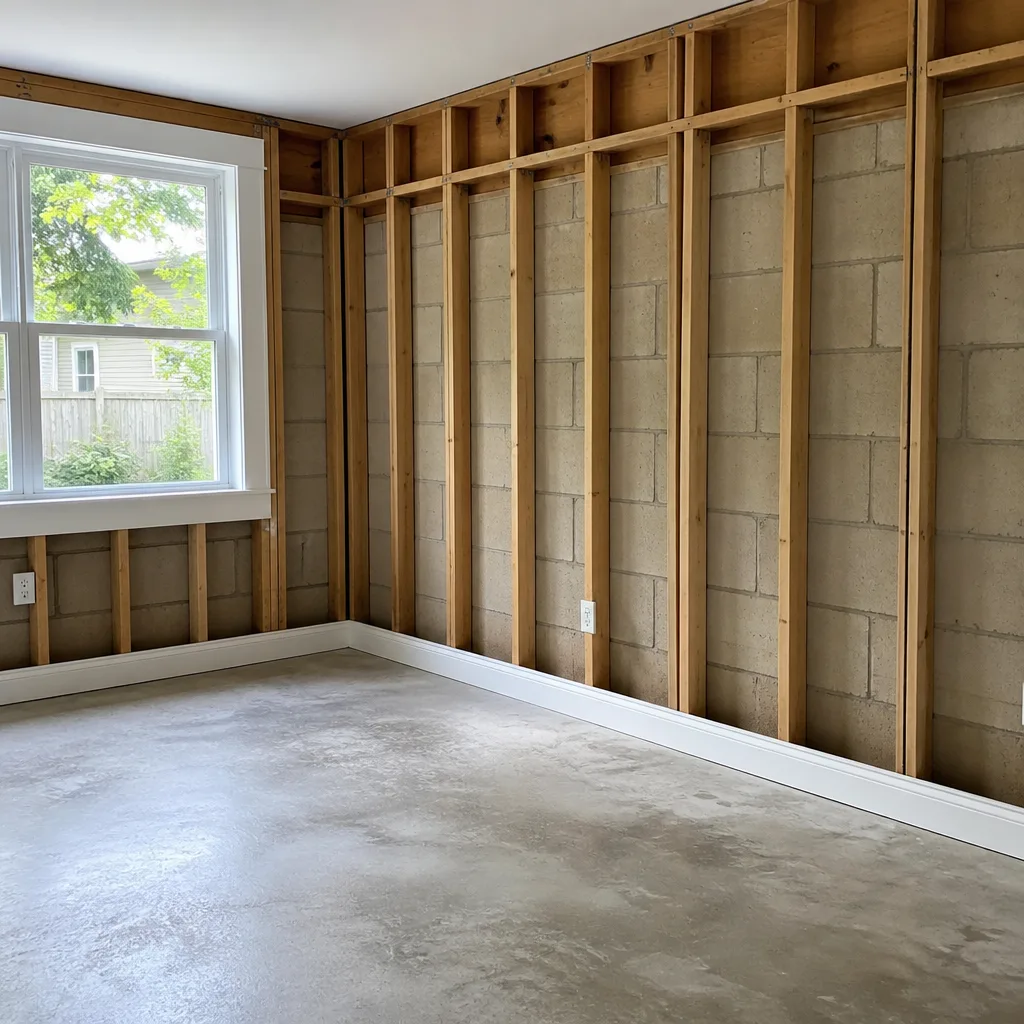
After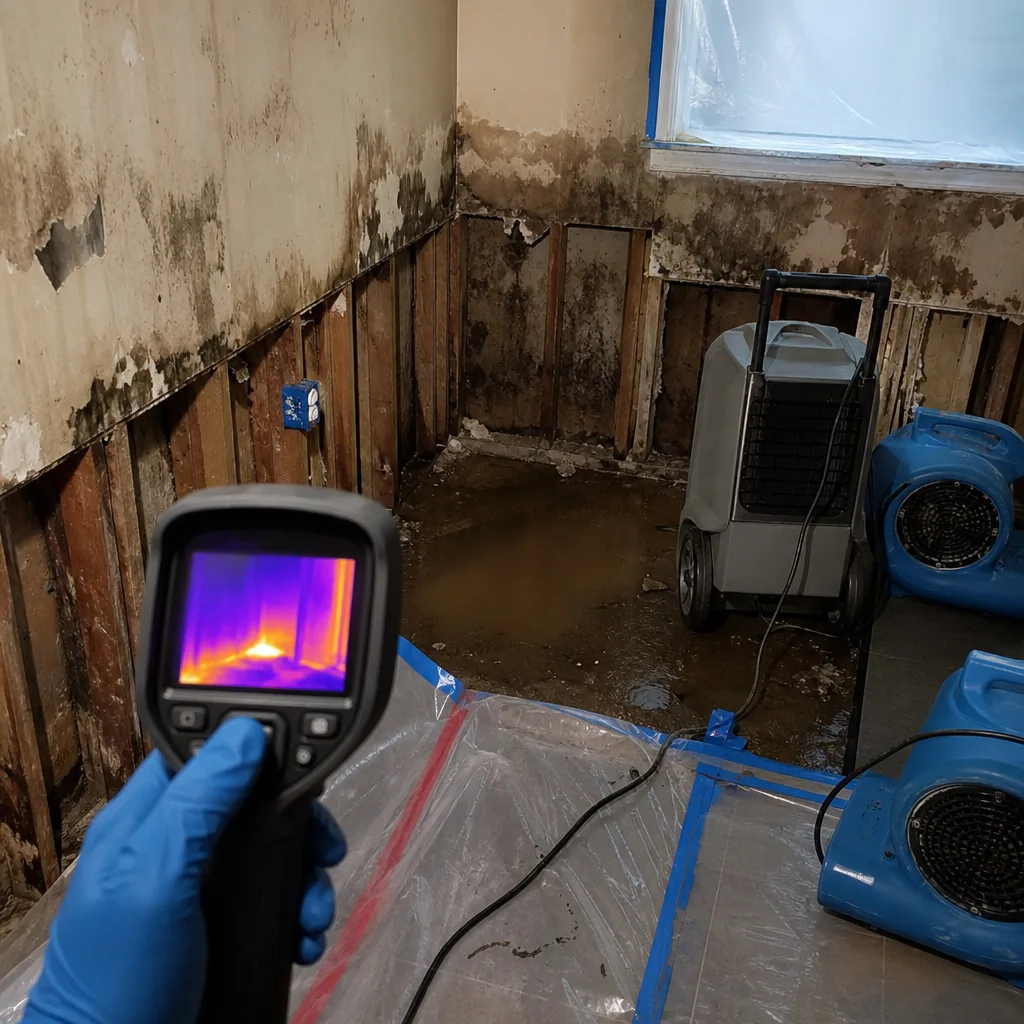 Before
 After
After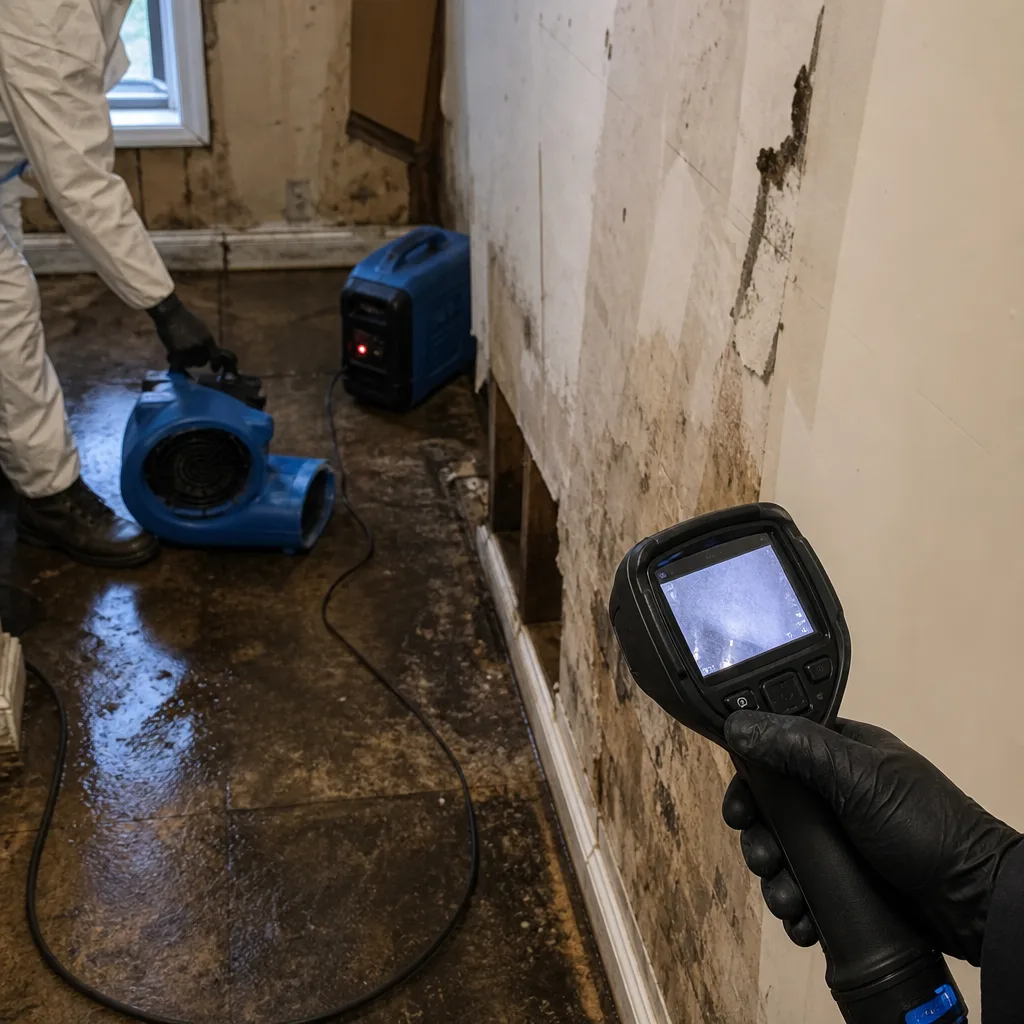 Before
 After
After24/7 Emergency Reconstruction & Cleanup in Financial District
When a pipe lets go on the 31st floor of a converted 1920s tower in Financial District, the clock starts before the water hits the tile. Our Reconstruction & Cleanup crews are on call around the clock, and we answer live: (607) 703-3408. Wade Ferris himself picks up the phone, every hour, every day. He’ll have a crew inside the Financial District area as fast as traffic and fire stairs allow. The first hour matters because water cascades down, not sideways. What starts in one bathroom is in four apartments below it before lunch. A free visual inspection tells you exactly what you’re dealing with, and the sooner we start, the less wall and floor we’re replacing.
Understanding Reconstruction & Cleanup Severity in Financial District Properties
Financial District’s building stock is almost entirely pre-WWII masonry and steel-frame construction, much of it converted from commercial to residential use after the late 1990s. That conversion matters more than people realize. Original commercial drainage systems were never engineered for continuous household water use. When a converted tower’s drain backs up, we’re usually looking at Category 2 or Category 3 water, the kind that requires containment, antimicrobial treatment, and often drywall removal. Moisture mapping with thermal imaging tells us how far the water actually traveled inside wall cavities. A visible stain is usually the smallest part of the problem. We run moisture readings on every affected surface daily and log everything, so the drying is verified, not hoped for. In FiDi specifically, the sub-basement mechanical rooms and elevator pits sit below the water table for much of the year. Storm surge and groundwater pressure work against drying equipment from below even while we’re pulling moisture out of living spaces above. This is not a dry-out we can shortcut.
Why Financial District Property Owners Choose Wade’s Restoration
- 45-minute response commitment for emergency calls inside the Financial District service area. Wade heads out the same hour, not “sometime today.”
- A real person answers, 24/7. No answering service, no voicemail queue. Wade answers his own phone and has been doing it since 2007.
- IICRC-certified crews with WRT, FSRT, and AMRT credentials. The people Wade sends are trained for high-rise water cascade, fire, and mold work, not just handed a shop vac.
- Free visual inspection and a written scope before any work starts. No pressure, no surprises. You’ll know exactly what needs doing and what it costs before we touch a wall.
- Direct insurance billing and adjuster coordination. Wade deals with the carrier so you’re not stuck on hold. We handle the paperwork, the photos, the drying logs, and the callbacks.
- One team from extraction to reconstruction. We don’t do the dry-out and then hand you to some other company for the rebuild. The same crew that pulls the water also hangs the new drywall and lays the new floor.
Our Reconstruction & Cleanup Process
Inspection & Assessment
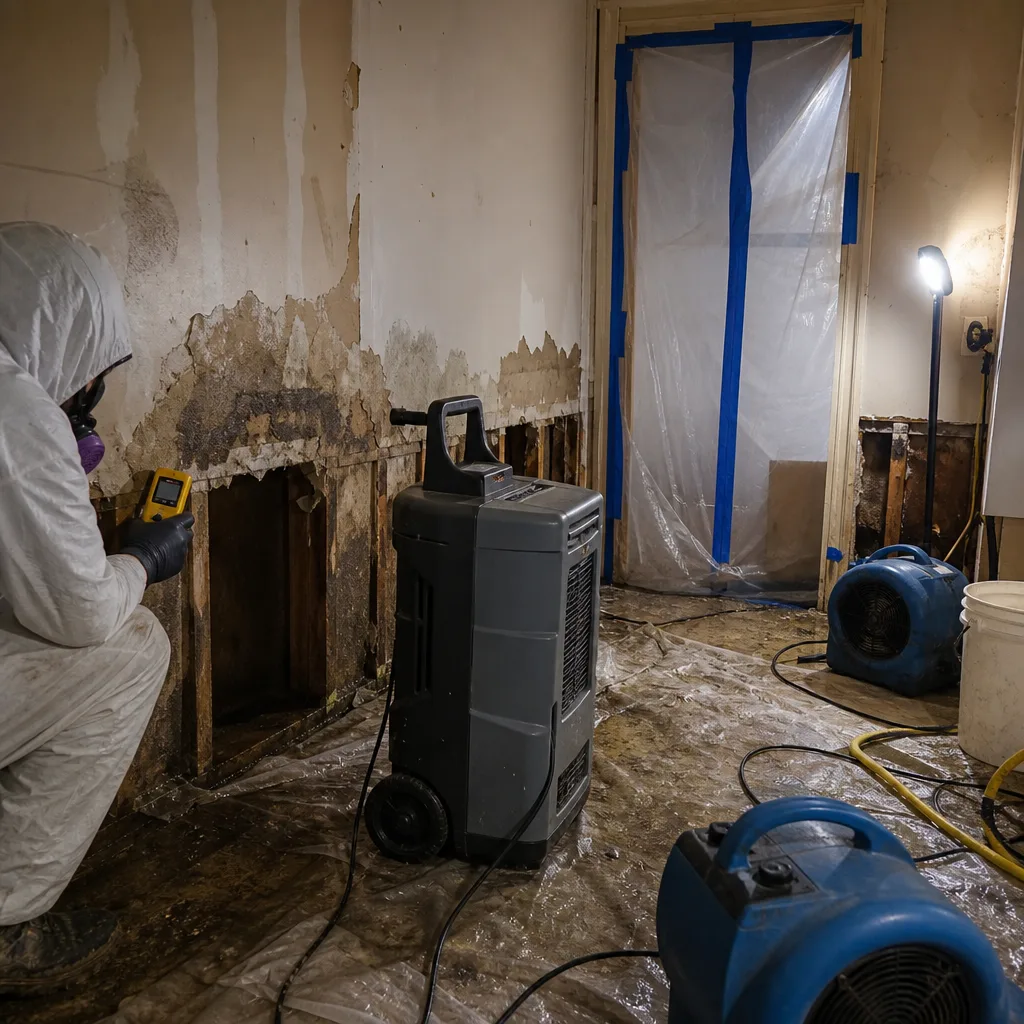
We arrive, walk every affected floor and the units above and below, and document what we find. Thermal imaging and hygrometers go into wall cavities where your eye can’t see. You’ll get a clear explanation of Category levels, affected materials, and what needs to come out versus what can stay.
Extraction & Stabilization
Standing water comes out first. For high-rise cascades, that often means starting on the lowest wet floor and working upward, coordinating elevator usage with building management. We shut down or isolate the supply line, and protect dry spaces with containment barriers.
Drying & Dehumidification
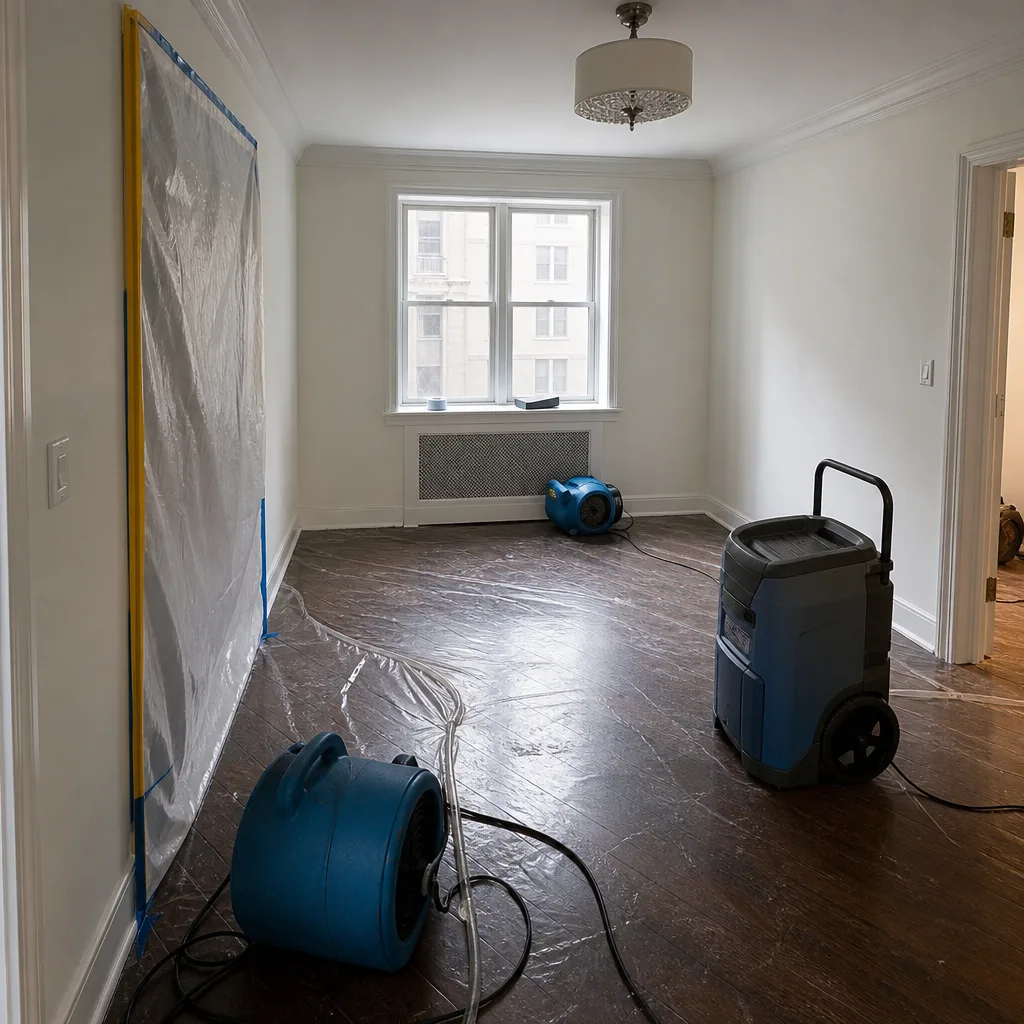
We set commercial air movers and Dri-Eaz or Phoenix dehumidifiers room by room. In FiDi towers, we’re often running equipment off temporary power if sub-basement switchgear is flooded. Moisture readings are taken daily and logged. You get the full drying log at the end, not a summary.
Cleaning & Sanitization
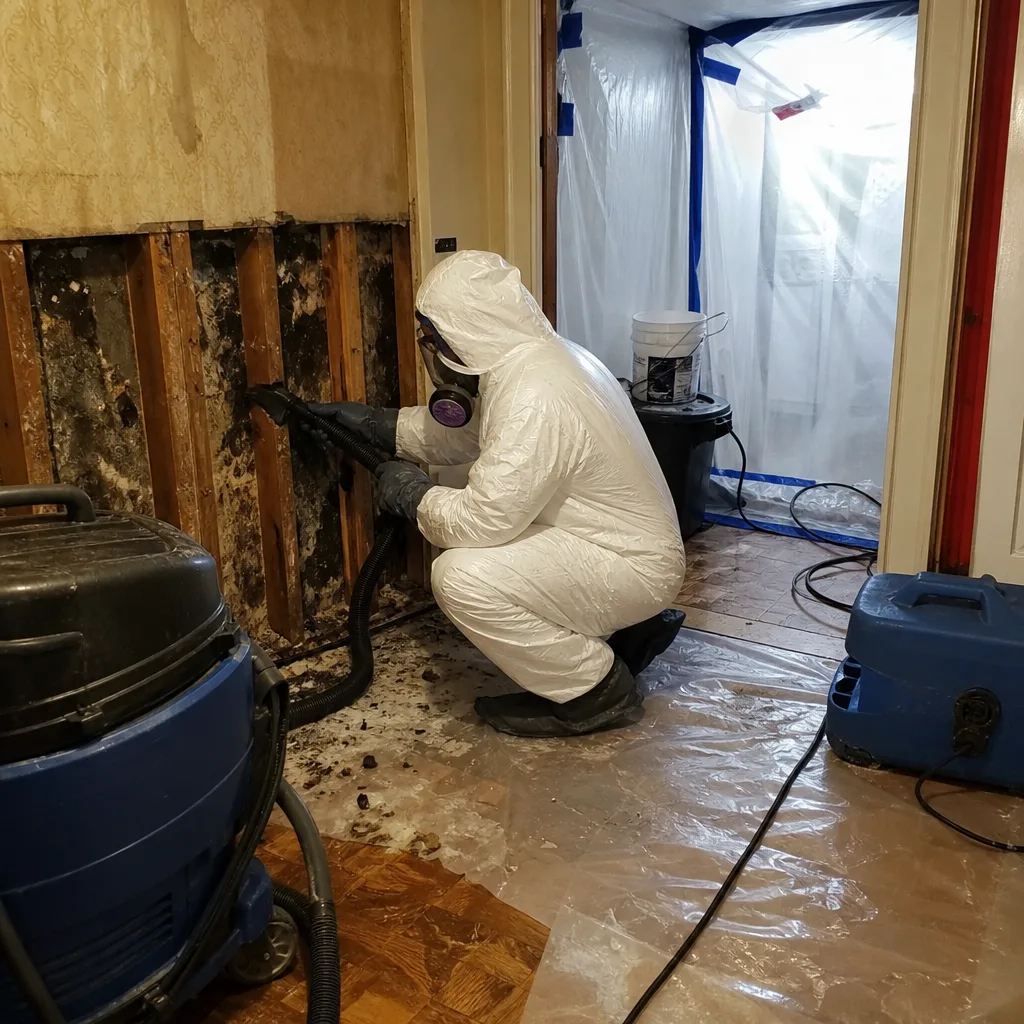
Category 2 and 3 water carries bacteria and worse. Every affected surface gets cleaned with appropriate antimicrobial treatments, and porous materials that can’t be properly sanitized are removed. HEPA air scrubbers run during and after demolition to keep airborne particulates out of neighboring units.
Structural Repair & Wind-Rating Work
After drying is verified, we rebuild. Drywall, insulation, flooring, painting, trim. In Financial District, that often includes replacing wind-rated doors and repairing window gaskets that failed during nor’easters, bringing the building envelope back to code.
Final Repairs & Restoration
The last step is putting your home back the way it was, or better. We coordinate with your insurance adjuster on the final scope, walk the job with you, and make sure every detail from the original written scope is done. The 90-Day Done Right Promise covers it in writing: if it’s not done right, Wade makes it right.
Need Emergency Reconstruction & Cleanup in Financial District Now?
Crews minutes away, answering live 24 hours a day. The sooner we start, the less it costs.
Working With Your Insurance Company
Insurance companies want documentation. So do we. From hour one, we photograph every affected room before we move anything, catalog damaged contents, and log moisture readings that show exactly how wet things were and how dry they became. When the adjuster calls, Wade or a member of his team speaks with them directly. You’re not the go-between. We provide an industry-standard estimate that your carrier recognizes, and we’ll walk through the claim with you line by line if there’s a dispute. In a district where claims often involve multiple units and building management, having our documentation in order keeps the process moving.
What We Provide Your Insurer
- Thorough documentation of the loss
- Photos of all damage, room by room
- Moisture readings and drying logs
- A detailed, line-item scope of work
- Direct coordination with your carrier
Built for Financial District’s Loss Calendar
The storm calendar in Financial District doesn’t run on the same schedule as the rest of New York. January and February bring deep freezes that snap aging supply lines in converted office towers, sending water down twenty floors of a building that was never plumbed for residential use. Spring’s first real rain finds every weak point in a building envelope, from window gaskets on the 1920s conversions along Wall Street to bulkhead seal failures in sub-basements sitting below the groundwater line. Summer thunderstorms dump an inch in twenty minutes, and aging drain lines that were sized for commercial use choke on residential volume. Then comes autumn and nor’easter season, when wind-driven rain hammers the windward side of the district’s towers and finds its way through every aging gasket, flashing joint, and door sweep. We schedule preventative inspections before each season so building owners and condo boards know what’s failing before the weather finds it first.
Reconstruction & Cleanup Across Financial District’s Neighborhoods
We work throughout Financial District, from the high-rise condo conversions along Broadway and Wall Street to the older, shorter masonry buildings near Stone Street and the blocks around the South Street Seaport. The losses differ block by block. Around the New York Stock Exchange and the older office conversions along Exchange Place, we’re usually running moisture mapping and structural drying after drain backups or supply-line failures in residential retrofits built onto commercial drainage. Near Battery Park and the harbor side, sub-basement flooding and storm-surge intrusion are the routine calls, with below-grade spaces taking water from groundwater pressure even on clear days. The blocks along Water Street and Front Street see more wind-driven envelope failures during nor’easters: window gaskets, roof flashing, and wind-rated door assemblies that haven’t been maintained. Up near City Hall, where Financial District starts to blur with Civic Center, we handle a mix of high-rise cascade calls and post-construction cleanup after fit-outs in older buildings. Our crews know which buildings have fire stairs too narrow for a drying cart and which management offices need a Certificate of Insurance before we can even unload a truck.
Specialized Reconstruction & Cleanup Services We Offer in Financial District
Full-Service Reconstruction
We rebuild what the water, fire, or wind took out. In Financial District’s converted towers, that means matching existing finishes in units that may have original plaster work, pre-war hardwood, and custom millwork. Our team reconstructs to pre-loss condition, not builder-grade shortcut. We coordinate with building management on elevator access, material staging, and noise rules, because FiDi buildings run tight schedules and tighter boards.
Insurance Claim Documentation
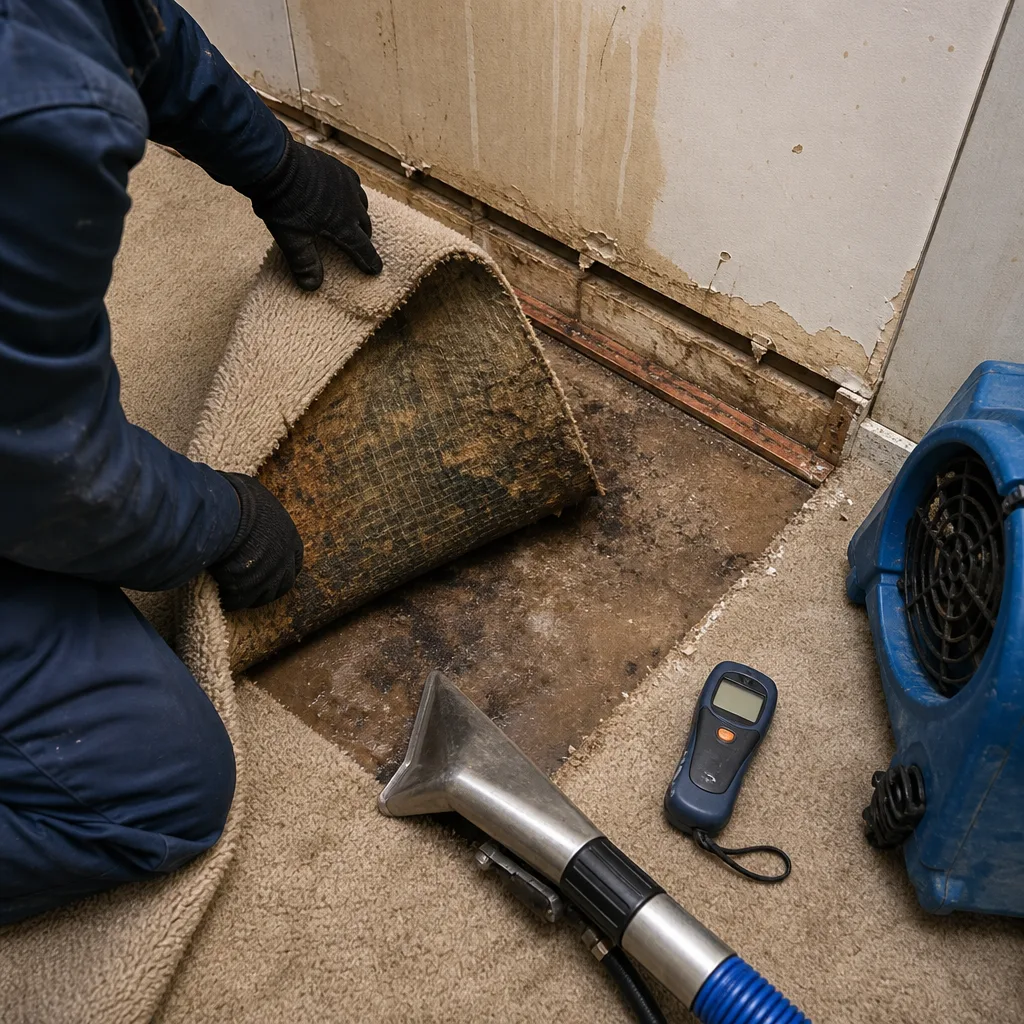
This is the service that saves Financial District owners money and grief. We document every phase: pre-demolition photos, daily moisture readings, containment setups, drying logs, and final scope verification. When the adjuster has questions, our records answer them. We’ve seen claims stall because a homeowner couldn’t prove a wall was ever wet. Our logs make that argument before it starts.
Contents Restoration & Pack-Out
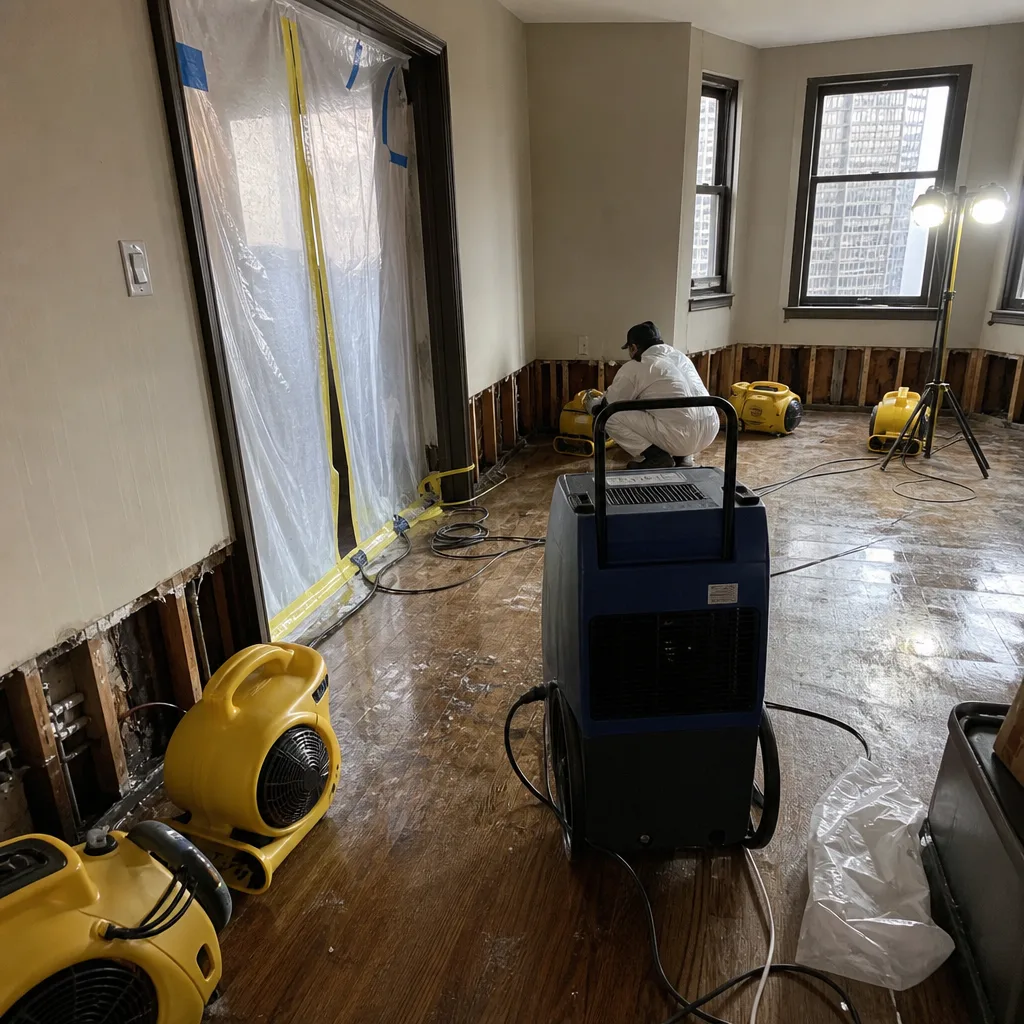
Furniture, documents, electronics, art. When a unit needs to be emptied for structural drying or rebuild, we do the pack-out and the pack-back. In Financial District, where units are tight and building storage is scarce, we coordinate off-site storage and keep a detailed inventory so nothing goes missing between floors. Contents cleaning is done on-site or in our facility, depending on what the damage requires.
Drywall & Flooring Repair
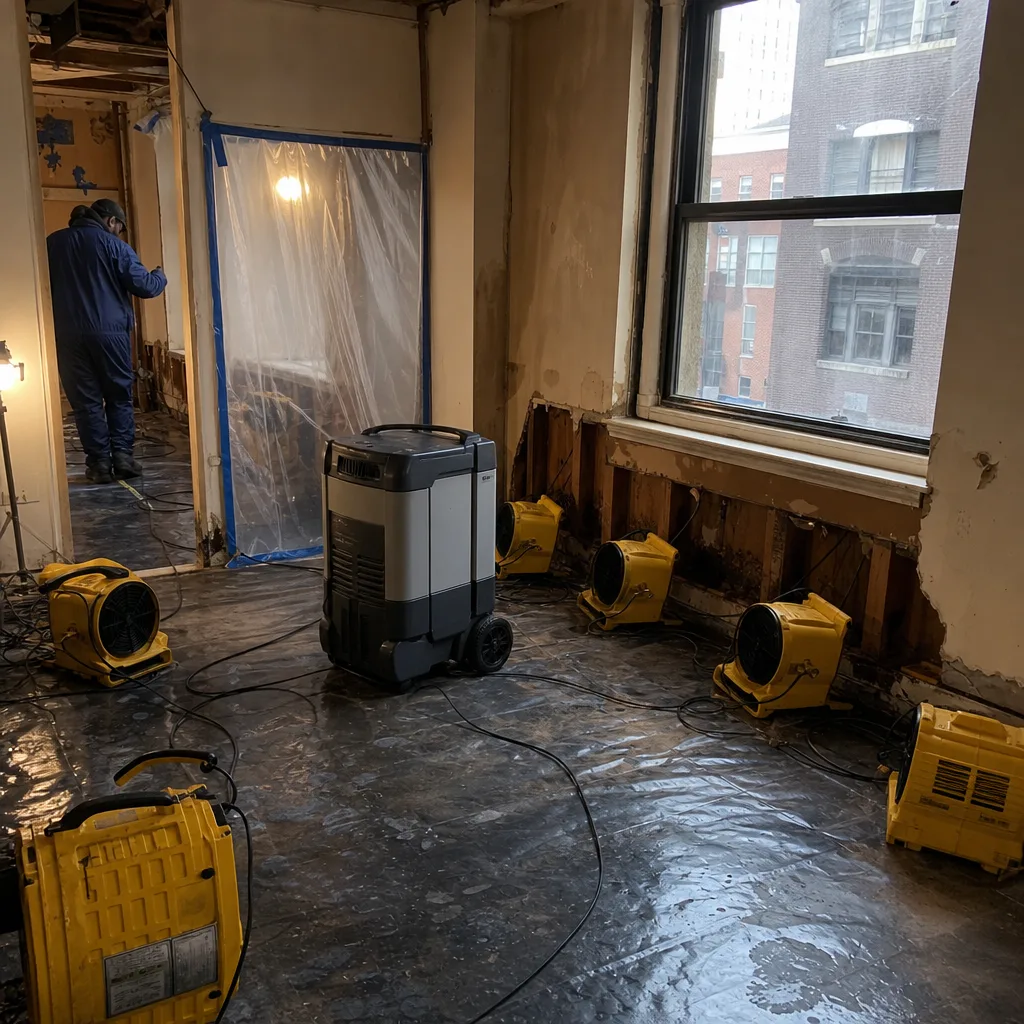
High-rise water cascades ruin drywall in hours, not days. We cut out saturated material, dry the framing, and rebuild with materials rated for the building’s use and insurance scope. Pre-war buildings often have lath and plaster under the drywall, and we’re careful about what we remove versus what we can save. Flooring is handled the same way: engineered wood, solid hardwood, tile, and subfloor all get documented before, during, and after replacement.
Post-Construction Cleanup
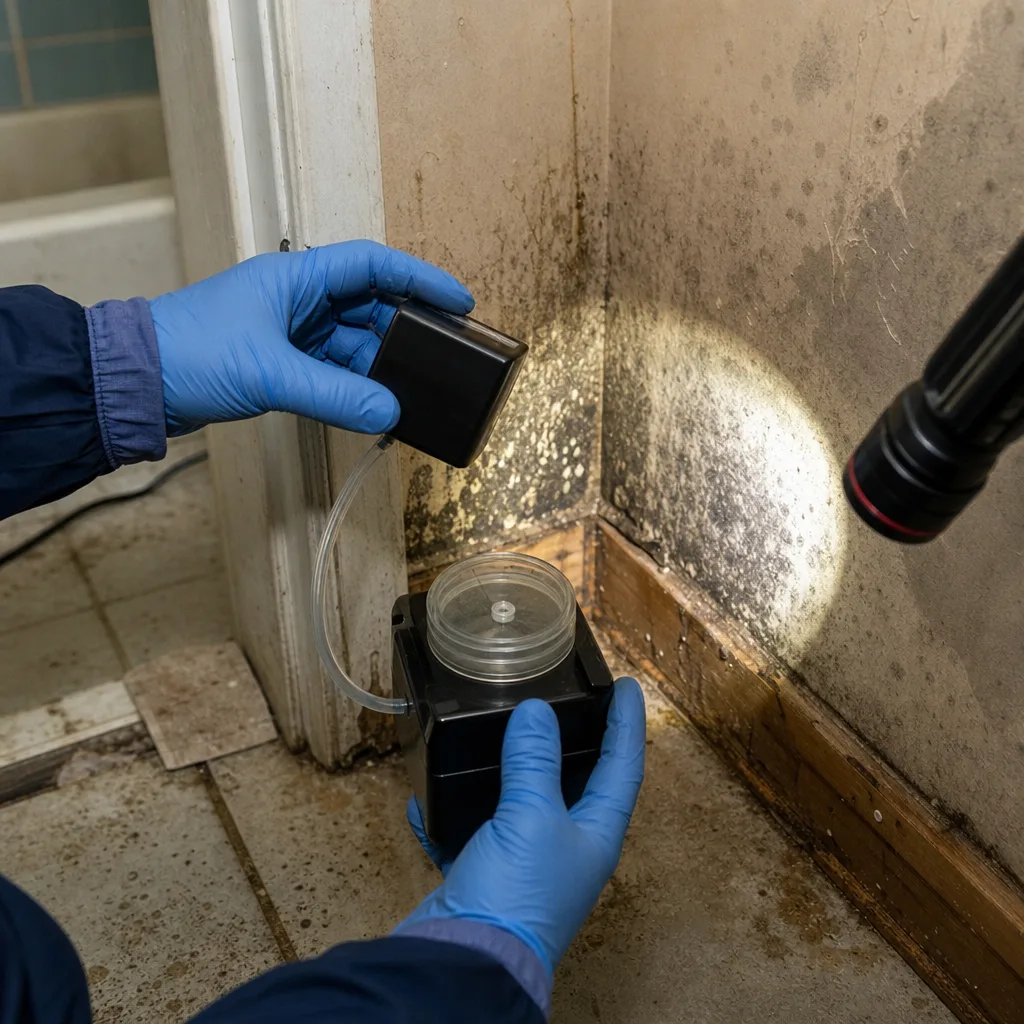
Half the dust in a Financial District high-rise comes from the other 40 floors. After a fit-out, renovation, or our own reconstruction work, we handle the fine dust that settles in vents, on window sills, and inside every cabinet. HEPA-filtered air scrubbing pulls out construction particulate, and we leave the unit fit for moving back in, not just looking clean.
What happens when you call
- 1
A real person answersNo phone trees - you reach a local pro.
- 2
You get an upfront price rangeHonest numbers before anyone is dispatched.
- 3
A background-checked tech heads outLicensed & insured, dispatched right away.
- 4
You approve before work beginsNothing starts until you say go.
Reconstruction & Cleanup Costs in Financial District, NY
Here’s what we see on real jobs in this neighborhood. A single-room drain backup cleanup with drywall replacement in a Financial District condo runs $1,800 to $4,200. A full-unit structural drying with containment, equipment, and daily monitoring across 20-plus floors of a tower is $4,500 to $12,000 depending on square footage and how many rooms were affected. Wind-driven envelope leaks that soak multiple floors run higher, $8,000 to $30,000 once you’re pulling drywall and running equipment on five or six floors simultaneously. Contents pack-out and off-site storage adds $1,500 to $6,000 depending on unit size. If insurance covers the loss, you’re looking at your deductible and any out-of-scope upgrades you choose to make. The free visual inspection is how you get a firm number, not a phone guess. Call (607) 703-3408 and Wade will tell you what he sees.
We Also Serve Cities Near Financial District
Our crews cover the surrounding areas: Midtown West, Lower Manhattan, Astoria, and Midtown Manhattan. If you’re in one of those neighborhoods, the same team, same equipment, and same 24/7 live answer applies.
Serving Financial District, NY - Our Local Coverage Area
We’re based in the Financial District area and know this community well. Use the map below to see our service coverage - if you’re nearby, we can almost certainly help.
Financial District Reconstruction & Cleanup Questions, Answered
What wind ratings are required for replacement doors in Financial District buildings?
Financial District buildings fall under New York City’s stricter wind-load requirements, with replacement exterior doors generally needing impact-rated assemblies certified to withstand the wind pressures of the city’s Exposure B and C zones. Most FiDi towers require doors rated at least 110 mph design pressure, and many co-op and condo boards mandate impact-rated glass if the door is glazed. We pull the specific code requirement for your building before ordering, because wrong-rated doors get rejected at the board level and fail again in the next nor’easter.
How does a leaking wind-rated door before a storm affect my unit?
A failing door gasket or misaligned sweep lets wind-driven rain into your unit during a nor’easter, and in a high-rise, that water doesn’t stay in your entryway. It runs across the floor, into walls, and down into the unit below. Before a storm, a door that doesn’t seat tight is a written invitation for a multi-floor water event. If your door is showing daylight at the edges or the threshold is worn, call us at (607) 703-3408 for a pre-storm inspection.
Can you dry out my high-rise unit without elevator access after a surge floods the sub-basement?
Yes. We’ve done exactly that. When sub-basement switchgear floods and the elevators are down, our crews hand-carry dehumidifiers, air movers, and monitoring equipment up fire stairs, sometimes 30 flights or more. It slows the start and costs more in labor, but the drying still gets done. We coordinate with building management on stairwell access and staging, and we plan each lift so we’re not making extra trips up and down with 80-pound machines.
How quickly can mold start on wet drywall in a Financial District unit?
Mold can begin colonizing wet drywall within 48 to 72 hours in a warm, humid building, and Financial District’s pre-war towers hold heat well. That makes our 45-minute response commitment the practical difference between drying out a wall and cutting it out and replacing it. We run HEPA containment and air scrubbing on any job where wet materials can’t be dried in the first two days, and we test as needed to confirm clearance before we rebuild.
What water category comes from a converted office tower’s drain backup?
Usually Category 2 at minimum, often Category 3. The original commercial drain lines in Financial District’s converted towers weren’t designed for the volume or the types of waste residential plumbing puts through them. When those lines back up, the water carries contaminants that require full antimicrobial treatment, and porous materials like drywall and carpet are typically removed rather than dried. We’ll tell you what category you’re dealing with after the first inspection, in plain language.
How long does water damage reconstruction take in a Financial District unit?
For a typical single-unit water loss, drying takes three to five days, and reconstruction takes anywhere from one to three weeks after that, depending on the extent of the drywall and flooring removed. High-rise cascades affecting multiple units push the timeline longer because containment, equipment staging, and material delivery all have to work around building management schedules. We give you a written timeline in the scope, and we stick to it.
Will my insurance cover wind-driven rain damage in Financial District?
Most condo and co-op policies in New York cover sudden wind-driven rain intrusion if the building envelope failure is the building’s responsibility and your unit is on the water path. The key is documentation: photos before demolition, moisture readings, and a clear written scope that connects the damage to the storm event. We produce all of that and speak directly with your adjuster, so the claim is built on evidence, not argument.
What should I do in the first 30 minutes after a water event in my unit?
Shut off the source if you can do it safely. Move electronics and documents off the floor. Then call (607) 703-3408. Don’t run a household fan on the water, don’t use a rental shop vac unless you know what you’re doing, and don’t wait to see if it dries on its own. The first hour is when extraction and containment make the difference between a small claim and a full unit rebuild.
Written by Wade Ferris, Owner at Wade’s Restoration, serving Financial District since 2007.