
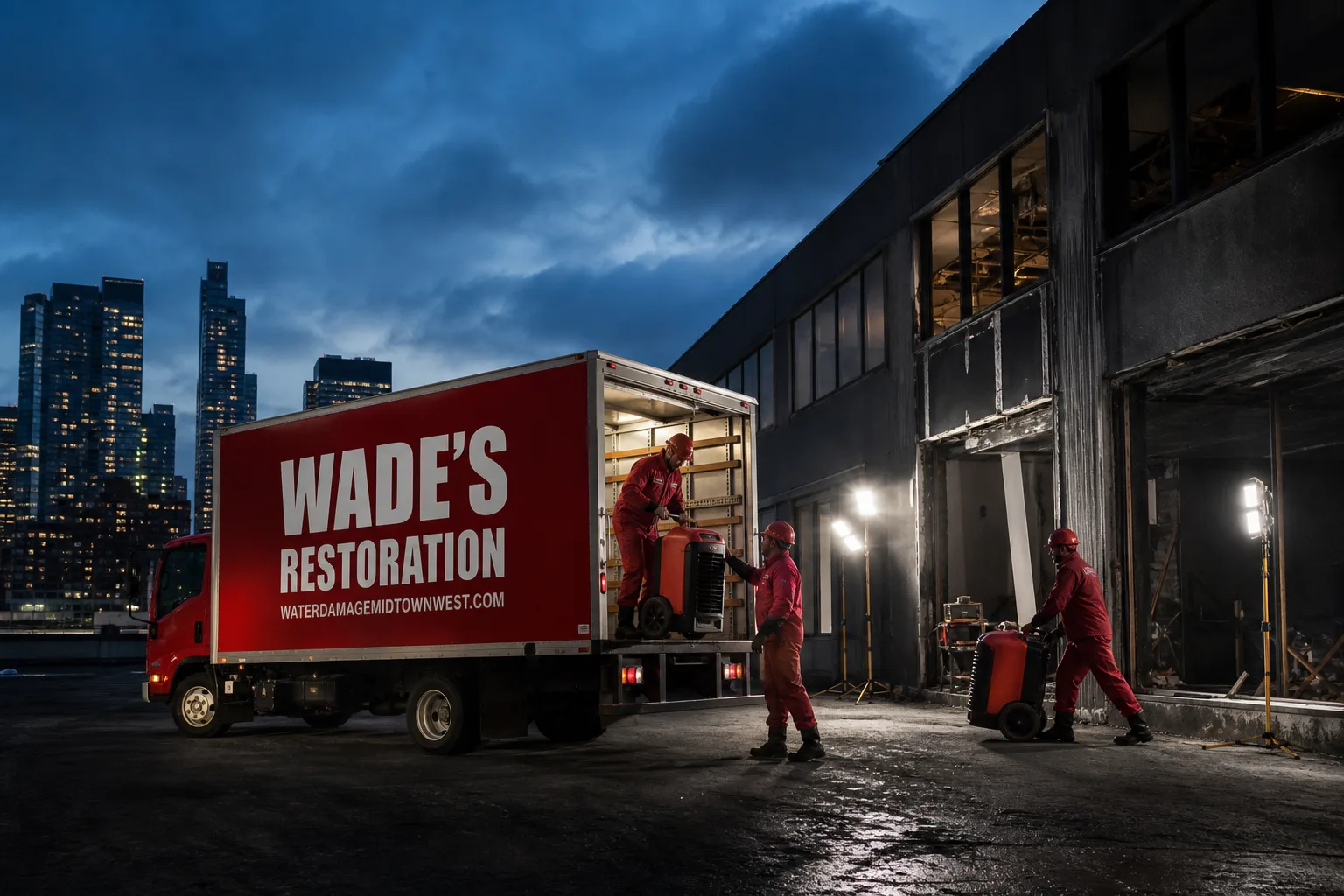
Free visual inspection and a written scope of work before any mitigation begins - photos, moisture readings, and drying logs go in your claim file
The scope we write is the scope we bill. Anything new gets shown to you, in writing, before we touch it.
 Before
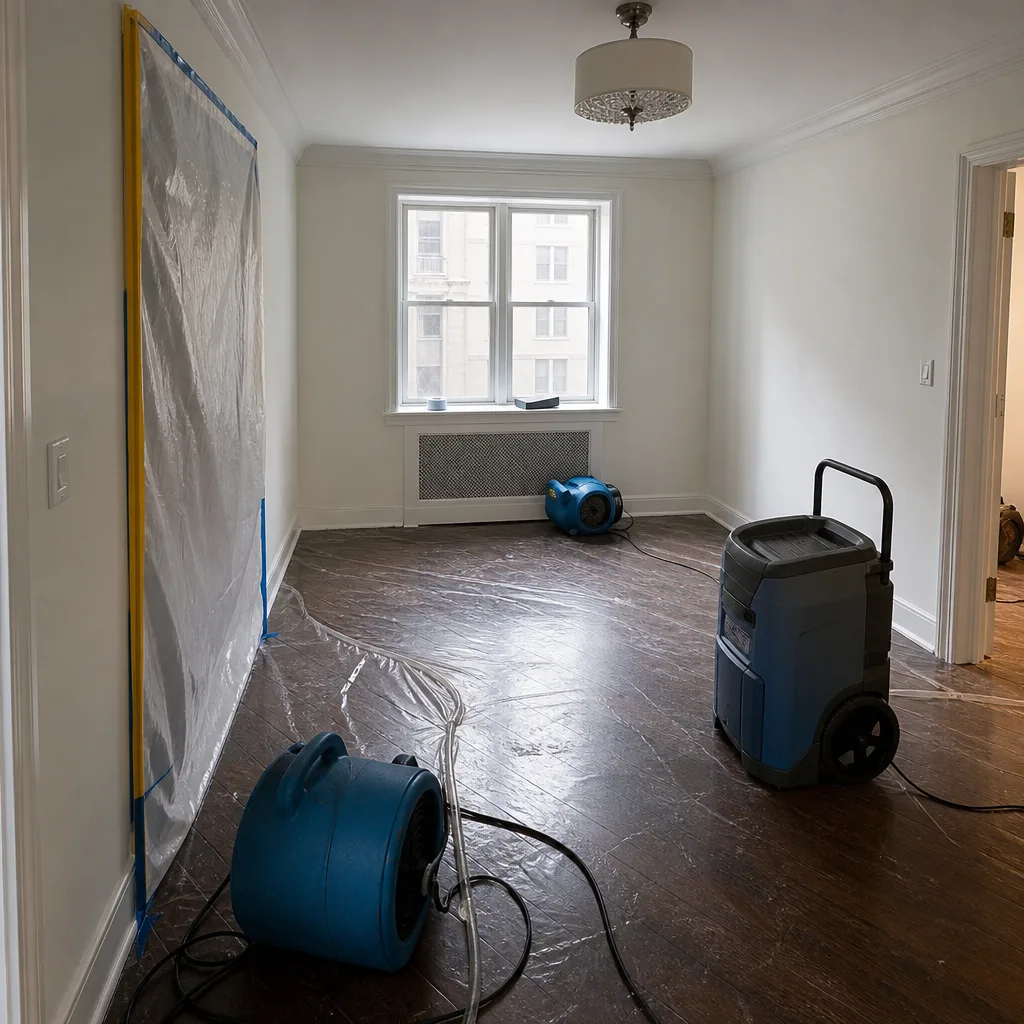 After
After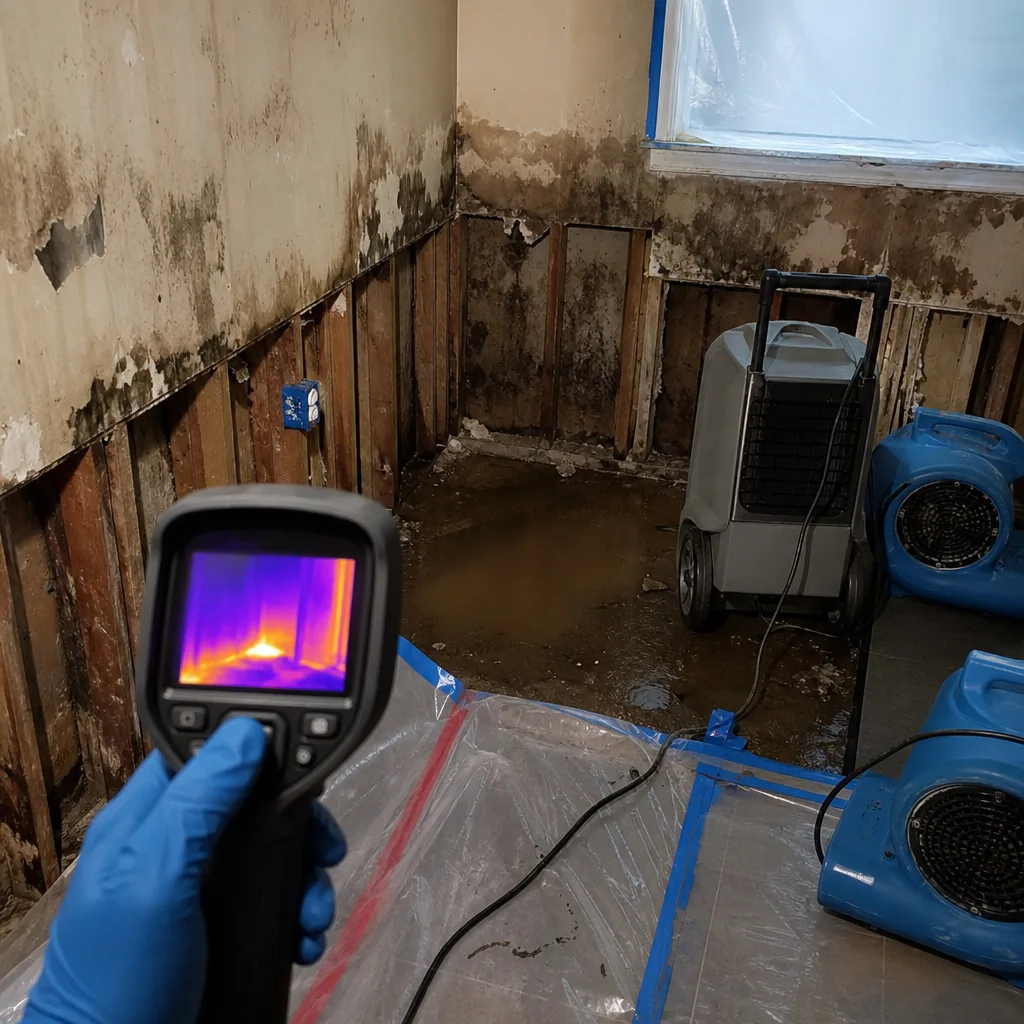 Before
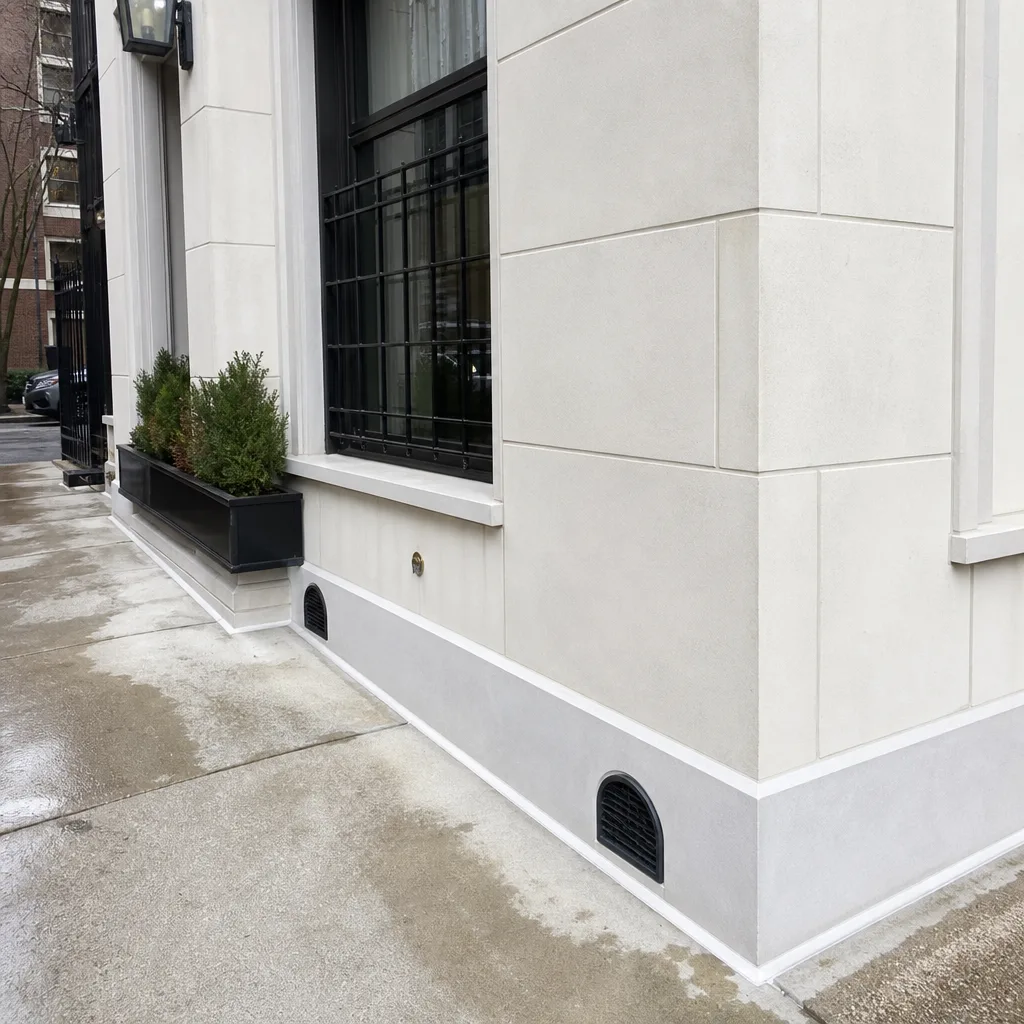 After
After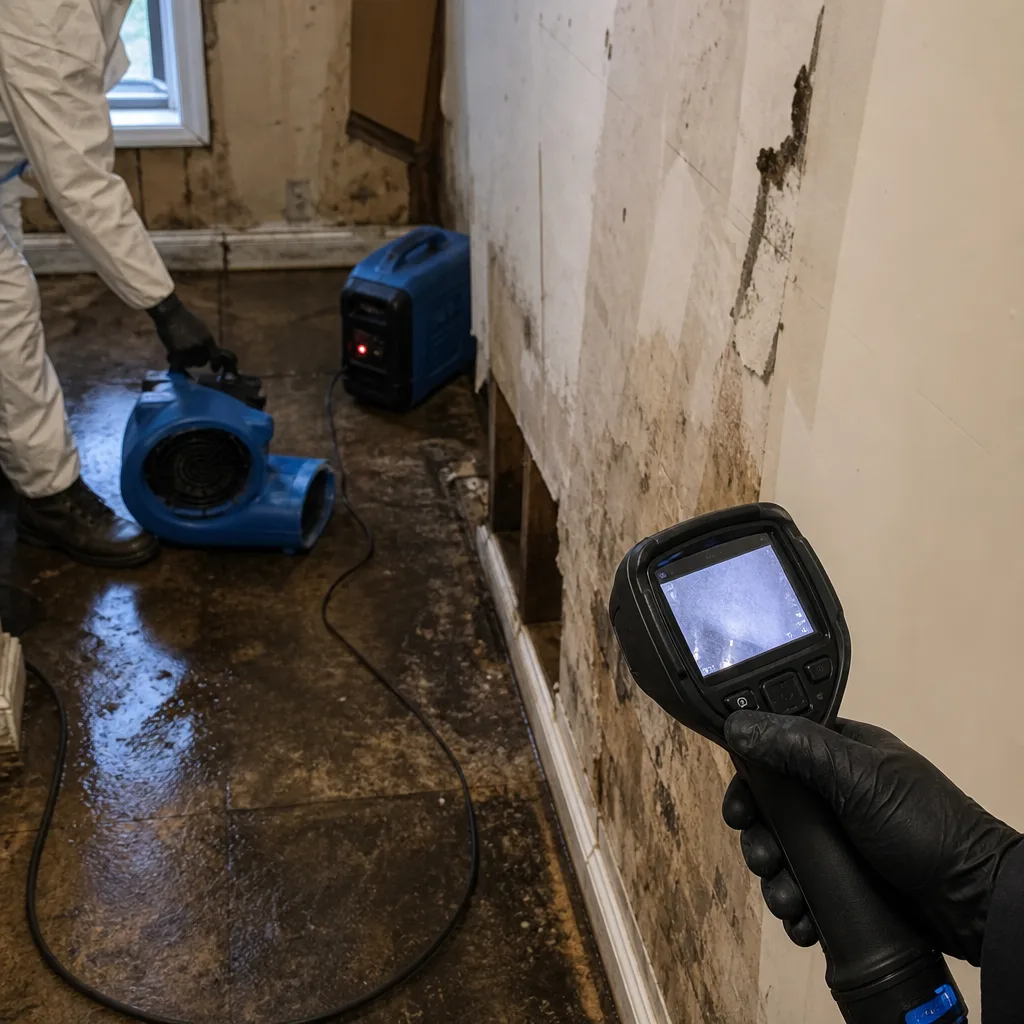 Before
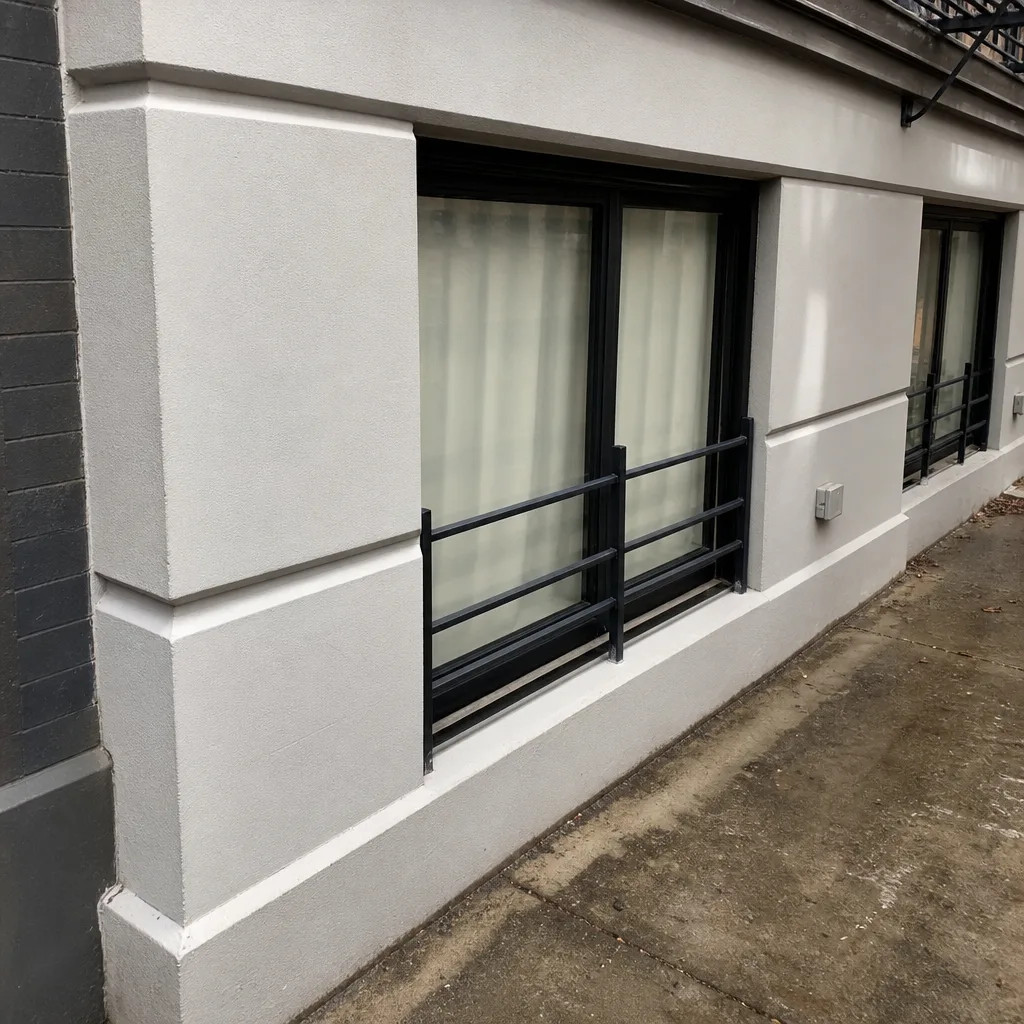 After
After24/7 Emergency Mold Remediation in Weehawken
Mold remediation in Weehawken typically costs $1,800 to $6,500 depending on square footage and whether the colony sits behind drywall or inside a below-grade parking structure. We answer live around the clock, and a crew can be on-site in Weehawken within the hour to start containment. If you smell must or see staining on the upper bluff or down in Port Imperial, call (607) 703-3408 right now. The first hour matters because mold releases spores that move through wall cavities and HVAC ducts fast, and every day of delay expands the remediation footprint and the cost. Wade Ferris owns the company and answers his own phone. That means no answering service, no callback queue. You get the person who will show up.
Understanding Mold Remediation Severity in Weehawken Properties
Weehawken’s mold problems split into two distinct worlds, and the severity classification follows from which one you live in. On the Palisades bluff, century-old brick rowhouses with plaster walls and flat roofs develop mold from chronic slow leaks. Water moves down from failed roof membranes or up through foundation walls, saturates plaster and lath, and creates Class D (hidden) mold conditions that often require partial gutting. Down at the waterfront, Port Imperial high-rises present a different beast: below-grade utility corridors, elevator pits, and parking slabs that held Hudson River storm surge in 2012 and were never fully dried. In those spaces we typically find Class C (confined) contamination where mold hides behind sealed drywall and inside HVAC returns. Mold severity is graded I, II, III, IV based on square footage and HVAC involvement, but here’s what matters for Weehawken: a small visible patch in a rowhouse bathroom often means a much larger hidden colony behind the plaster, while a musty smell in a Port Imperial corridor usually signals trapped moisture below the slab. We map moisture before we open anything, because in this town the visible mold is rarely the whole story.
Why Weehawken Property Owners Choose Wade’s Restoration
- 45-minute response commitment. Wade is based out of the metro NYC office and heads to Weehawken himself or sends his crew immediately. Not a franchise dispatcher. The owner.
- 24/7 live answer, every time. Wade answers his own phone at 2 a.m. You will never get a voicemail tree or a call center in another state.
- IICRC-certified crews with AMRT credentials. Applied Microbial Remediation Technician certification means the crew knows containment, negative air, and clearance testing, not just spraying bleach.
- Free visual inspection. If you’re not sure whether that stain is mold or just old water damage, we’ll come look. No charge, no pressure.
- Direct insurance billing. We document everything, bill your carrier directly, and coordinate with your adjuster so you don’t have to translate between them.
- One team from testing to rebuild. No handing you off to a subcontractor for reconstruction. The same crew that removes the mold puts your walls back.
Our Mold Remediation Process
Inspection & Assessment
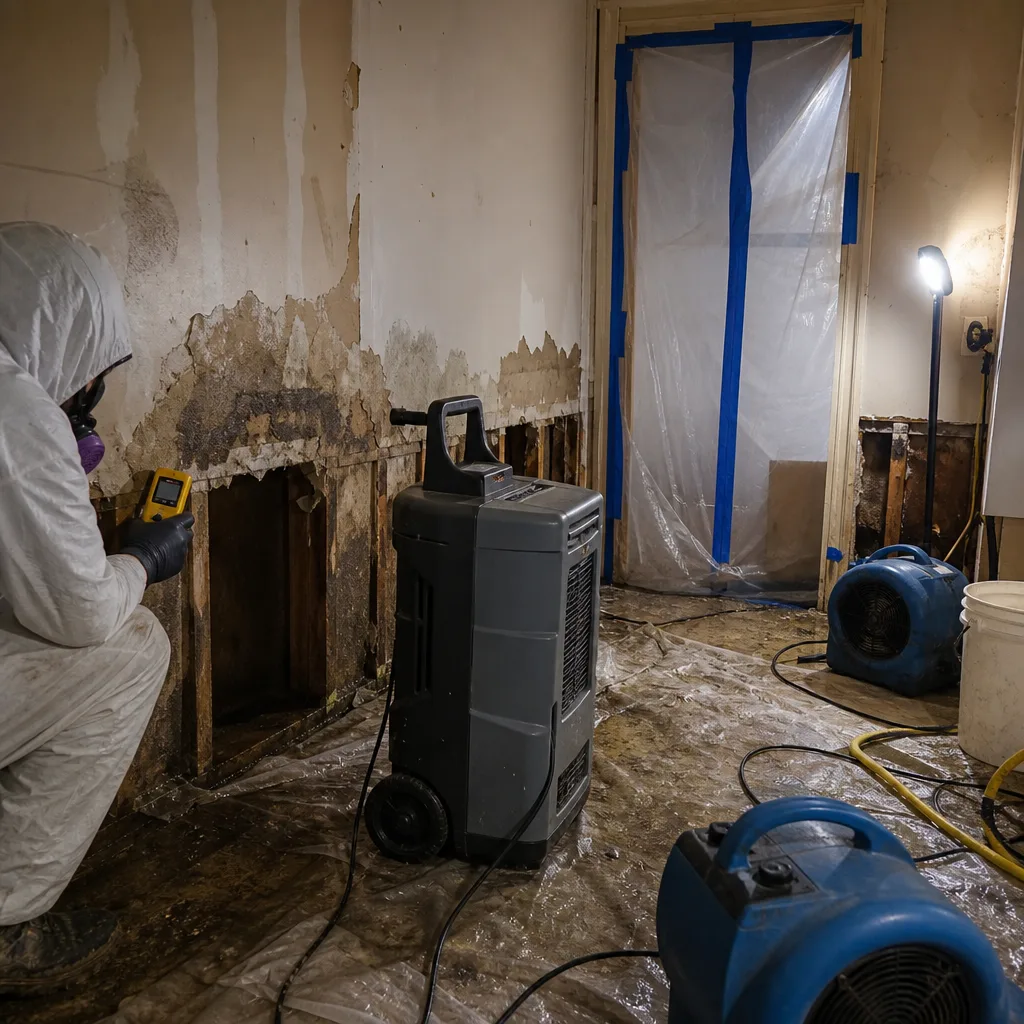
We start with thermal imaging and moisture meters to map where water is coming from and how far it traveled. In a Weehawken rowhouse that means checking the flat roof and foundation walls. In Port Imperial, we probe below-grade slabs and utility corridors. Then we write the scope and walk you through it before any work starts.
Containment & Source Control
We seal off the affected area with 6-mil polyethylene and set up negative air pressure with HEPA-filtered air scrubbers so spores don’t migrate to unaffected rooms. Then we stop the moisture source: roof repair, foundation sealing, pipe repair, whatever is feeding the mold.
Removal & Demolition
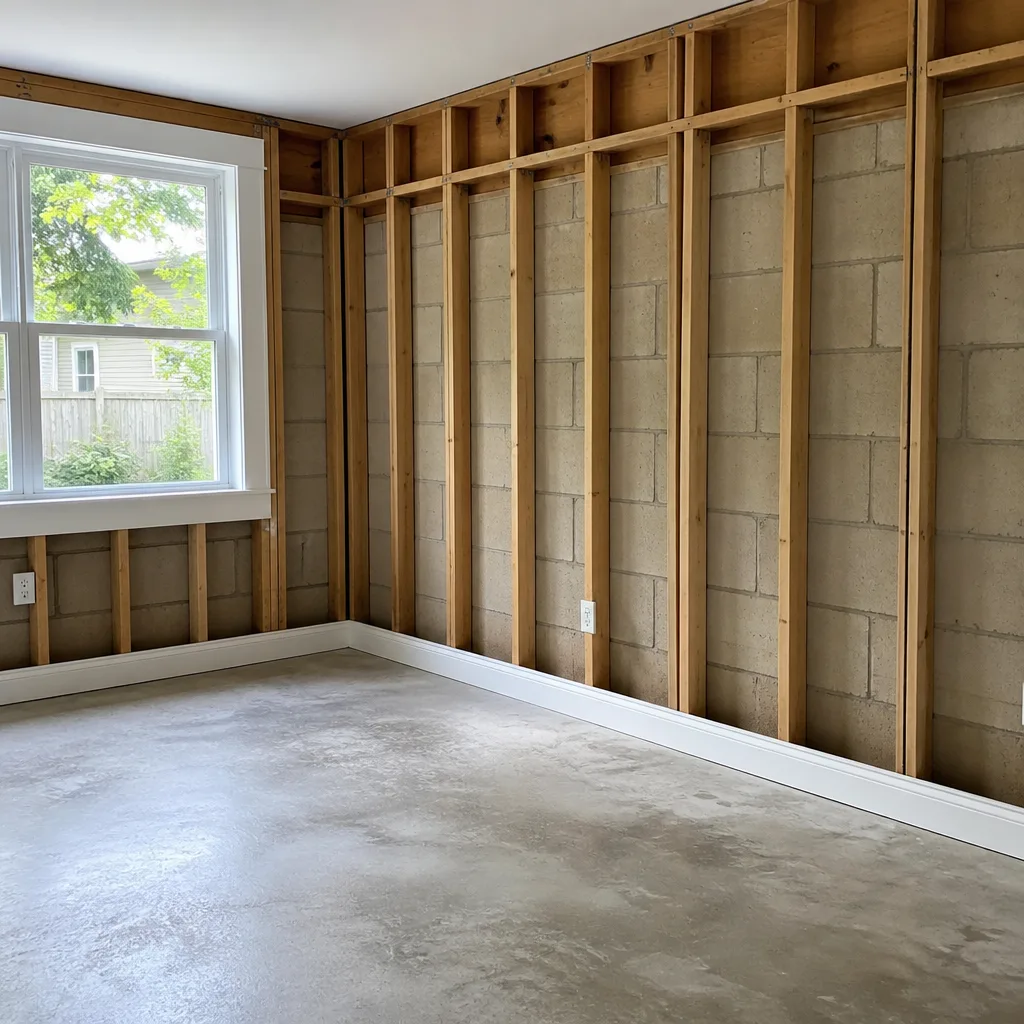
We cut out affected drywall, remove soaked insulation, and bag contaminated material for proper disposal. In older Weehawken rowhouses, we take care to preserve original plaster where possible. In Port Imperial utility corridors, we remove the patched drywall that trapped Sandy moisture and expose the slab underneath.
Drying & Dehumidification
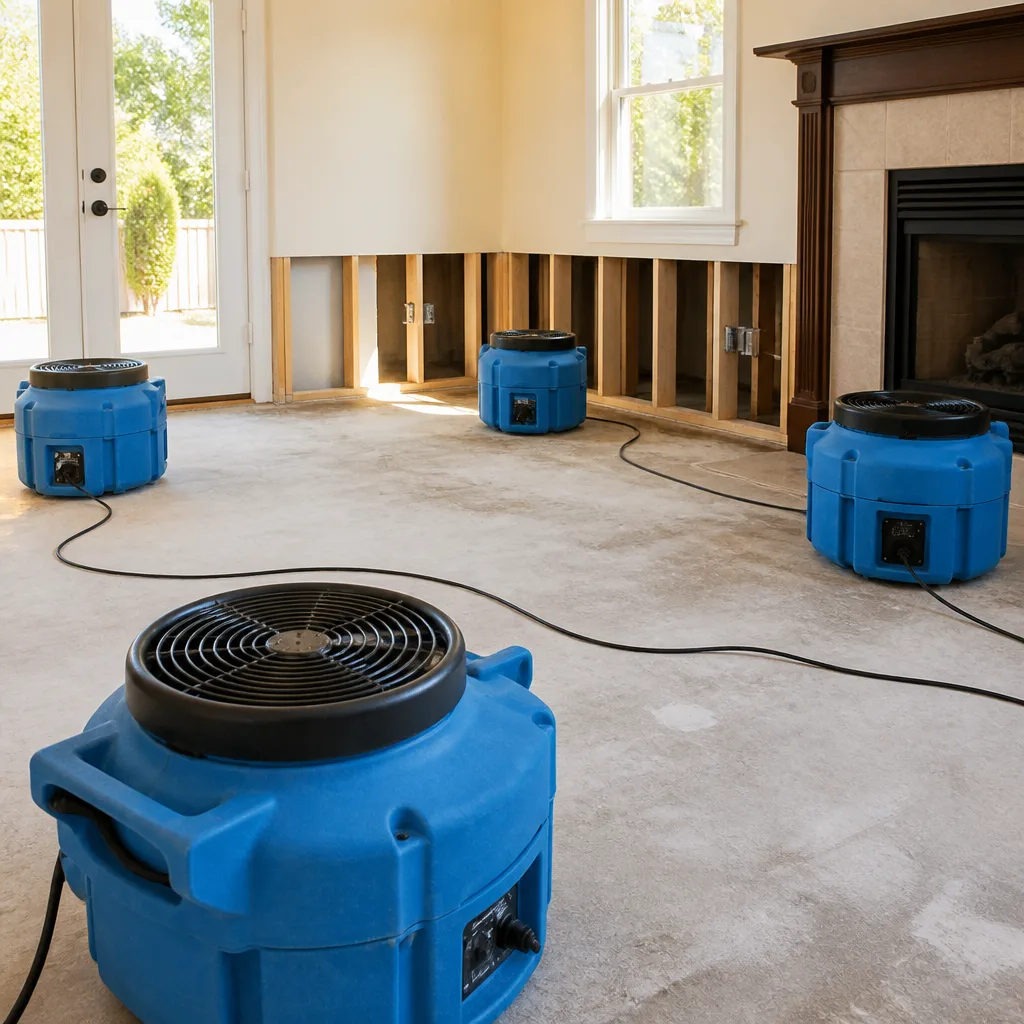
We run professional-grade Dri-Eaz dehumidifiers and Phoenix air movers until moisture readings return to normal. Wade documents readings daily. At the end of the job, you get the full moisture log. Almost nobody in the trade hands over that paperwork. We do.
Cleaning & Antimicrobial Treatment
We HEPA-vacuum all surfaces, wipe down exposed framing, and apply an EPA-registered antimicrobial to prevent regrowth. This is not the same as spraying bleach, which kills surface mold but doesn’t penetrate porous materials. We treat the wood, the concrete, and the wall cavities.
Reconstruction & Clearance Testing
We replace drywall, repaint, and rebuild what needed to come out. Before we call it done, we run independent air sampling to confirm spore counts are back to normal background levels. Then we give you the written 90-Day Done Right Promise: if mold returns in 90 days, Wade comes back and makes it right.
Need Emergency Mold Remediation in Weehawken Now?
Crews minutes away, answering live 24 hours a day. The sooner we start, the less it costs.
Working With Your Insurance Company
Mold remediation can be covered by homeowners insurance when it stems from a sudden, accidental water event: a burst supply line, storm surge, fire suppression discharge. It is typically not covered when it results from long-term neglect or a slow leak you never addressed. Either way, we make the insurance process bearable. From the first hour on site, we photograph every affected area, take moisture readings, and build a line-item scope that adjusters recognize. Wade talks to your adjuster directly. You do not have to be the middleman relaying information between a remediation company and an insurance company. That’s how claims get delayed and how homeowners get exhausted. We document everything and bill your carrier directly.
What We Provide Your Insurer
- Thorough documentation of the loss
- Photos of all damage, room by room
- Moisture readings and drying logs
- A detailed, line-item scope of work
- Direct coordination with your carrier
Built for Weehawken’s Loss Calendar
Weehawken’s mold season runs on a schedule shaped by the Hudson River and the Palisades. Winter brings freeze-thaw cycles that crack the old supply lines inside the bluff’s brick rowhouses. When a pipe lets go on the third floor, water travels down through plaster walls for hours before anyone notices. Spring snowmelt and heavy rain push moisture through foundation walls in the older housing stock along Park Avenue and the streets running down the bluff. Summer brings the real humidity problem: waterfront Port Imperial buildings battle persistent elevated humidity off the open Hudson, and any small leak becomes a mold starter inside 48 hours. Fall nor’easters drive wind-driven rain against the face of the Palisades escarpment, and that water finds its way into rowhouse roofs and rear walls. Every season in Weehawken produces a different moisture source, which is why our Mold Remediation approach always starts with finding the water before touching the mold.
Mold Remediation Across Weehawken’s Neighborhoods
Weehawken is barely a mile wide, but the mold remediation challenges change block by block. Up on the bluff along Boulevard East, the early 20th-century brick rowhouses have flat roofs that fail slowly and quietly. In those homes, we are often opening plaster walls around old radiant heating lines or chimney chases where water has been moving for years. Over by the Highwood Terrace and Hamilton Park sections, the multi-family pre-war buildings share wall cavities, so mold in one unit can migrate to the next through common plumbing chases and floor joists. Down along the waterfront in Port Imperial, the picture shifts entirely. Those post-1990 high-rises look dry and modern, but below-grade parking levels and mechanical rooms hold trapped moisture from the 2012 storm surge. A musty smell in a Port Imperial hallway is rarely an HVAC problem alone. It is usually a sign of mold that never got fully remediated in the first place. And in the Gregory Avenue corridor running up from the river, mixed commercial and residential buildings from the mid-20th century have their own pattern: flat roofs over brick facades, with water ponding over parapet walls and leaking down through party walls. Each Weehawken neighborhood requires a different containment strategy and a different moisture source hunt before remediation begins.
Specialized Mold Remediation Services We Offer in Weehawken
Mold Inspection & Testing
Before any demolition, we test. Air sampling, surface swabs, and moisture mapping tell us what species is present, how far the spores have traveled, and whether it’s a Class A isolated problem or something moving through an HVAC system. In Port Imperial high-rises, we coordinate with building management to test common areas and below-grade spaces, because a unit-level test alone misses corridor and garage contamination.
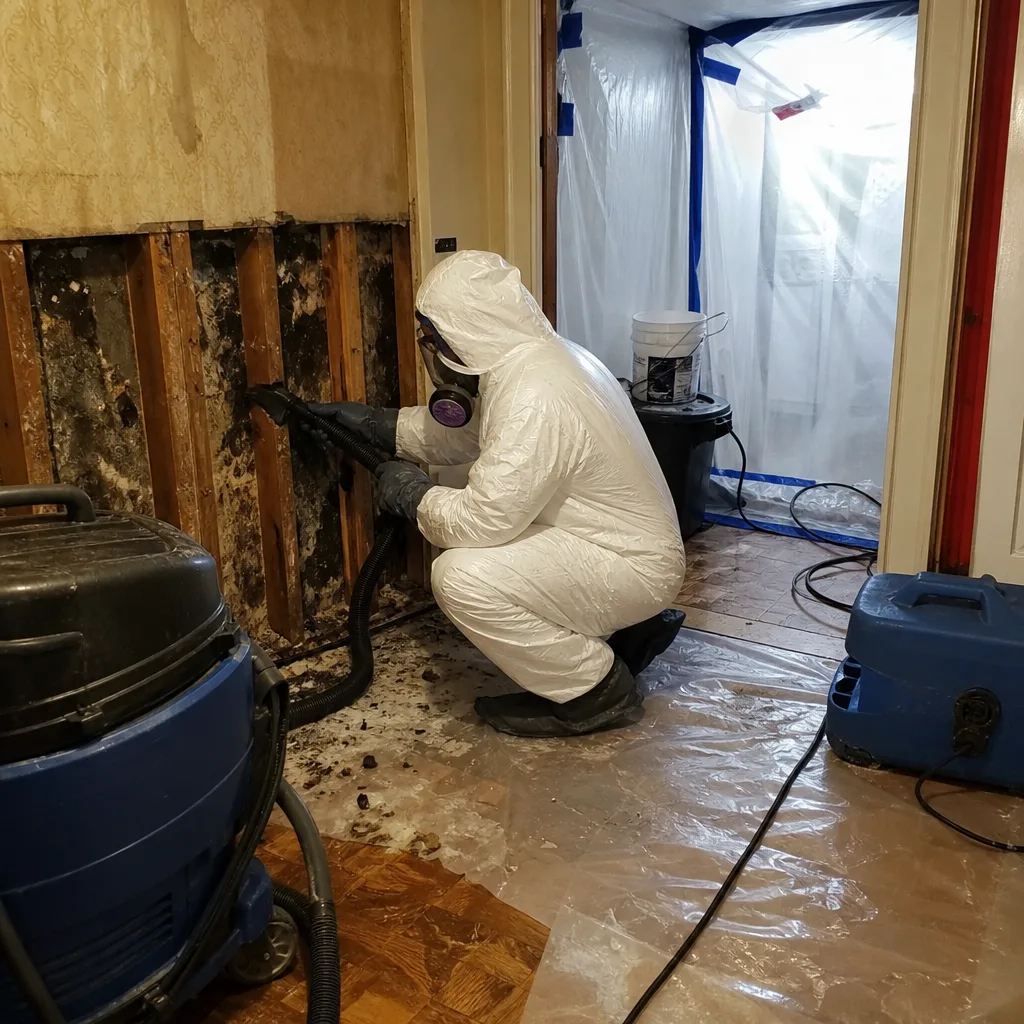
Mold Removal
Removal in Weehawken means different things in different buildings. In a rowhouse, it means cutting out soaked plaster and lath down to the studs. In a waterfront high-rise, it means removing drywall that was patched over Sandy-damaged cavities and opening the slab to expose trapped moisture. We always contain first, remove second, and clearance-test before we rebuild.
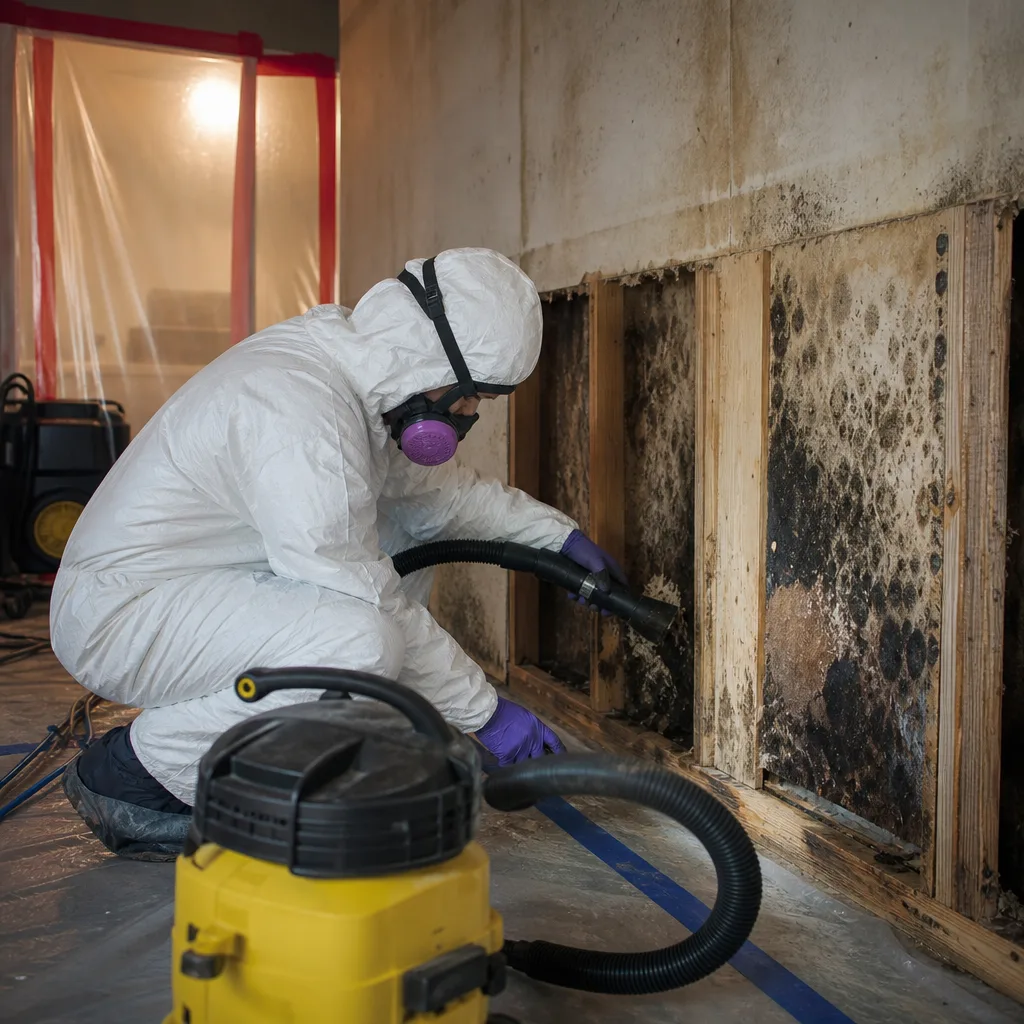
Black Mold Remediation
Stachybotrys, what people call black mold, thrives on cellulose-heavy materials that have been wet for days or weeks. In Weehawken’s older rowhouses, that often means drywall behind a slow roof leak. Black mold needs full containment, HEPA air scrubbing, and proper PPE for the crew. We do not cut corners on this. If it’s black mold, the containment setup gets bigger and the clearance testing gets stricter.
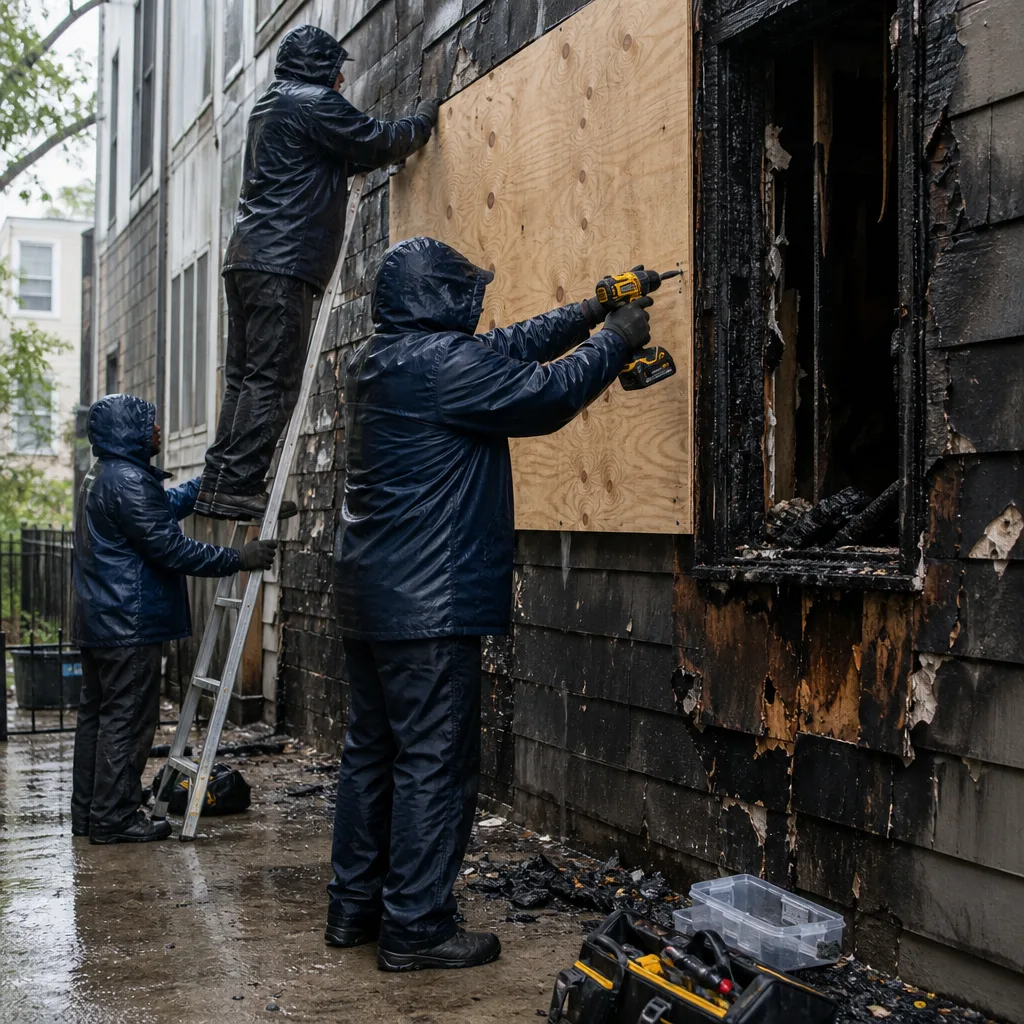
Air Quality Restoration
Mold spores travel. After remediation, we scrub the air with HEPA filtration systems and run dehumidification until indoor humidity drops below 50%. For Weehawken waterfront condos where Hudson River humidity is a constant presence, we often recommend ongoing dehumidification strategies so the air quality doesn’t silently degrade again.
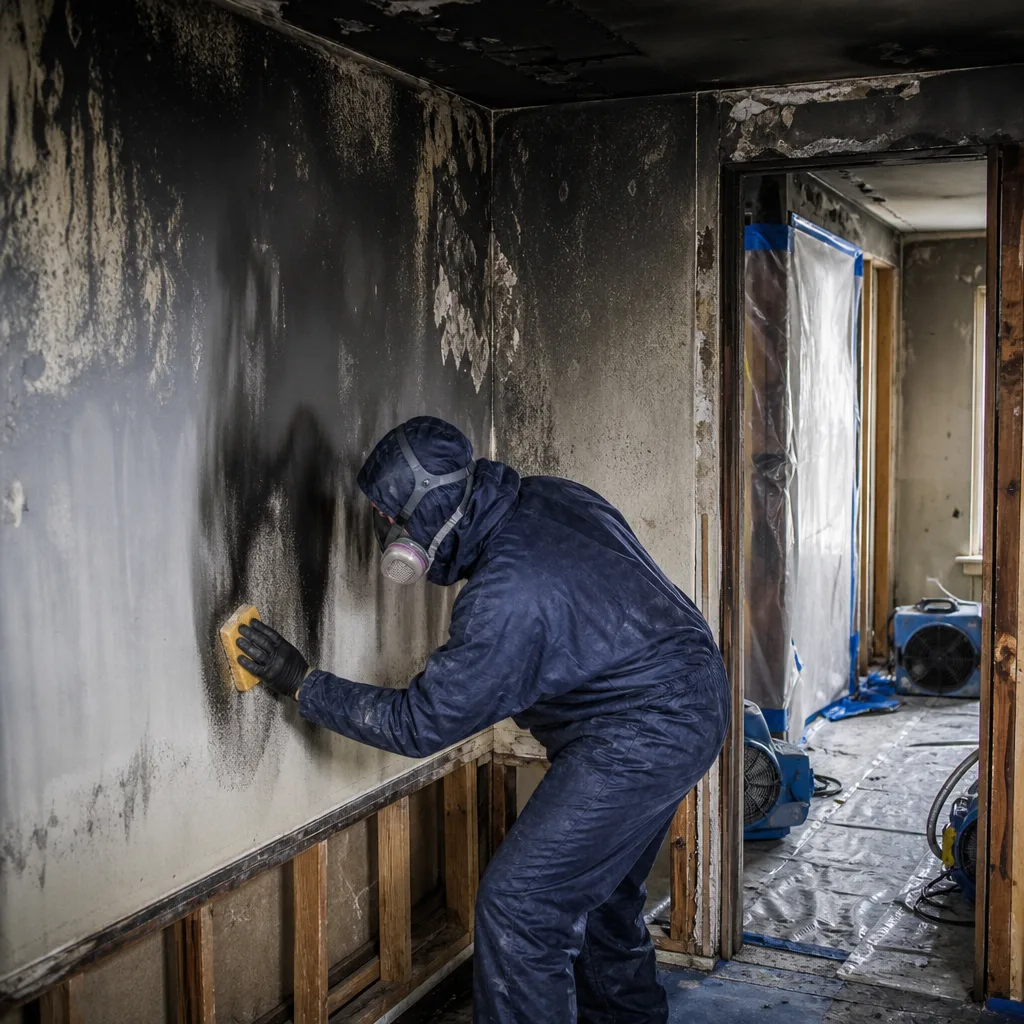
Crawl Space Treatment
Many bluff rowhouses have shallow crawl spaces or dirt-floored basements that feed moisture into the first floor framing. We treat the soil, install vapor barriers, seal vents where appropriate, and dry the structure so the crawl space stops being a mold factory. If your first-floor smells musty and you cannot find the source, the crawl space is the first place we look.
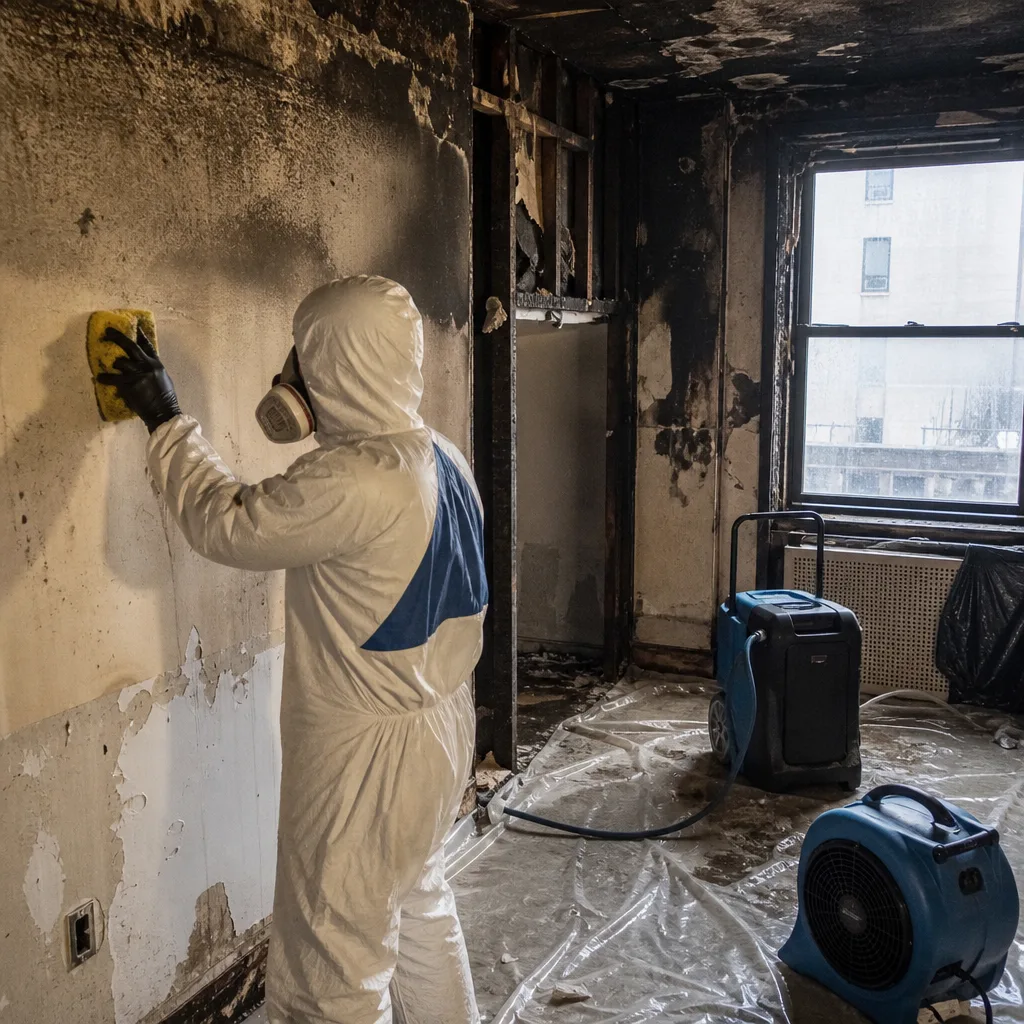
Moisture & Humidity Control
This is the preventative half of mold remediation. We install dehumidifiers, improve ventilation, and seal air leaks that let humid Hudson River air into your home. For Port Imperial units, we focus on mechanical room and utility corridor humidity. For bluff rowhouses, we address basement and crawl space moisture. No moisture, no mold. It’s that simple.
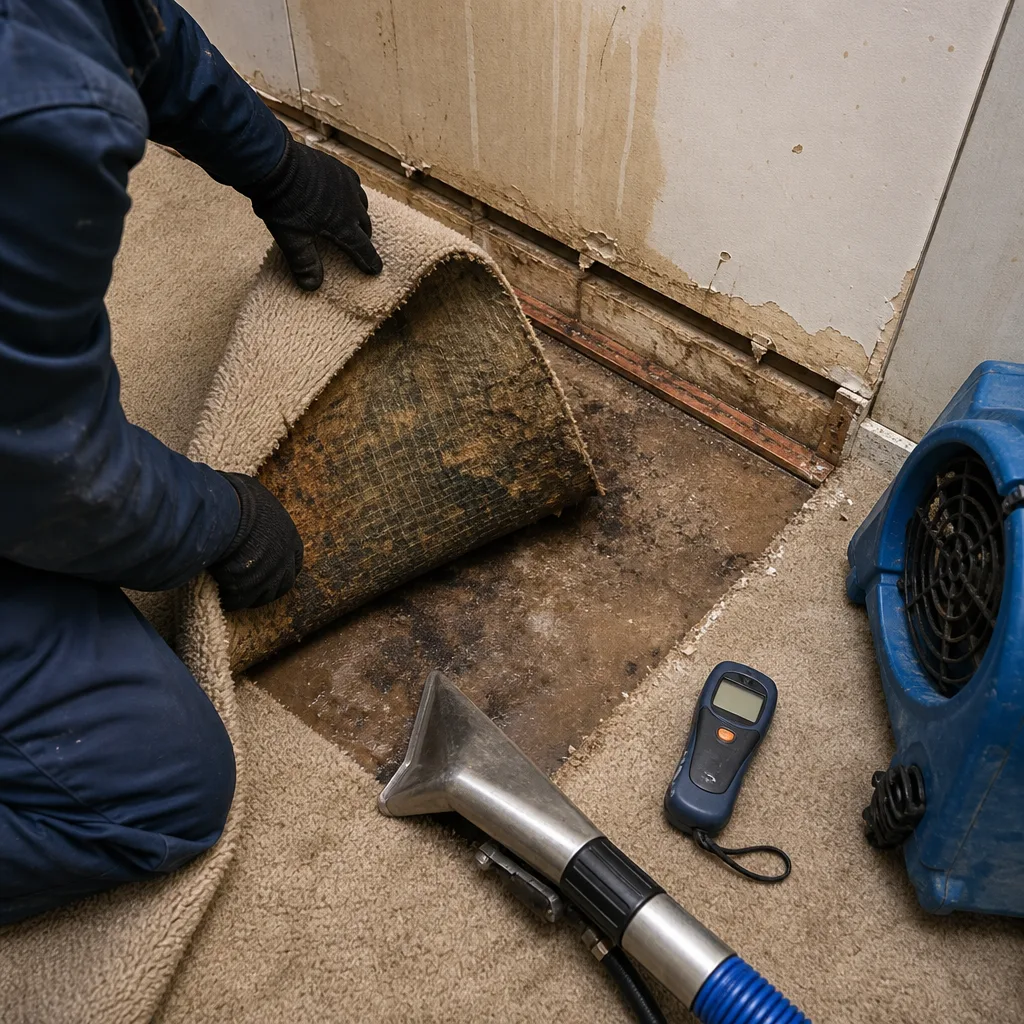
What happens when you call
- 1
A real person answersNo phone trees - you reach a local pro.
- 2
You get an upfront price rangeHonest numbers before anyone is dispatched.
- 3
A background-checked tech heads outLicensed & insured, dispatched right away.
- 4
You approve before work beginsNothing starts until you say go.
Mold Remediation Costs in Weehawken, NJ
A straightforward mold removal from a single bathroom wall in a Weehawken rowhouse typically runs $1,800 to $3,200. A whole basement remediation with containment, demolition, drying, and rebuild lands between $4,500 and $9,000. Port Imperial utility corridor and below-grade slab remediation can run $7,000 to $18,000 because of the concrete work and the coordination with building management. Mold inspection and air testing alone runs $350 to $700. What moves the price most is how far the moisture traveled and whether the mold entered the HVAC system. The free visual inspection is the best way to get a firm number. We will tell you what needs to happen and what it costs, in writing, before we touch anything. And we will never upsell you on work the mold doesn’t require.
We Also Serve Cities Near Weehawken
Our Weehawken crews also cover the surrounding Hudson County waterfront and upland. That includes Union City on the plateau, Hoboken at the river’s edge, North Bergen along the ridge, and Secaucus in the Meadowlands. If you are in any of those towns and have mold, the same crew shows up with the same equipment and the same promise.
Weehawken Mold Remediation Questions, Answered
Why do Port Imperial buildings in Weehawken still show mold problems years after Sandy?
Because the visible damage was addressed in 2012 and 2013, but the trapped moisture in below-grade concrete slabs, elevator pits, and utility corridors was never fully extracted. We still encounter patched drywall in Port Imperial parking levels and mechanical rooms where the concrete beneath held elevated humidity for a decade. When HVAC systems get disturbed or units get renovated, the latent mold releases spores again. Full moisture mapping of the slab and below-grade spaces is the only way to know if a Sandy-era problem was truly fixed or just covered up.
How do you handle mold in a century-old rowhouse on the bluff without damaging plaster walls?
We contain the area first, then we evaluate what can be saved. Original plaster walls with mold behind them usually need to be opened because the lathe and studs behind them hold moisture and spores. We cut the smallest necessary opening, remove contaminated lathe and insulation, dry the cavity, and rebuild with drywall. When the plaster is only surface-affected, we can sometimes clean and encapsulate rather than demolish. Every Weehawken rowhouse is different, and we make the call based on moisture readings, not guesswork.
What’s the difference between mold on drywall after a storm surge and mold from a slow plumbing leak in Weehawken?
Storm surge water is Category 3, meaning it brought river water, sewage, and contaminants into your building. That drywall and insulation must be removed, the framing and concrete treated with antimicrobial, and the space dried with professional equipment. A slow plumbing leak involves Category 1 or 2 water, which is less contaminated, but the mold may have been growing longer if the leak was hidden. In Port Imperial, surge-damaged materials often look dry on the surface while holding moisture beneath the slab. In bluff rowhouses, slow leaks behind plaster usually mean the water has wicked up through lath and into the studs. Both require removal and drying. The surge case gets heavier containment because of what was in the water.
Are there specific code or permit requirements for mold remediation in Weehawken high-rises?
In New Jersey, mold remediation firms must follow the 2018 NJ Mold Remediation Standards, which mandate containment, worker protection, and independent clearance testing on larger jobs. High-rises add a layer of practicality: you need building management coordination for access to mechanical rooms, elevator pits, and parking levels. We handle that coordination directly. We also follow IICRC S520 standards, which is the industry’s accepted remediation protocol. Before any Port Imperial work starts, we confirm what the building requires and who needs to sign off.
How do you prevent mold from returning in a Weehawken waterfront condo with no visible leaks?
The first step is finding where the hidden moisture actually is. In a Port Imperial unit with no visible leak, the answer is often below-grade humidity rising through the slab, or condensation inside wall cavities where warm interior air meets cold concrete. We map moisture with meters and thermal imaging, find the source, then address it: dehumidification, vapor barrier installation, sealing, or mechanical system adjustment. Hudson Riverfront buildings fight humidity every day. The key is keeping interior humidity below 50% year-round and making sure no hidden cavity holds trapped moisture. We set up the right equipment and tell you exactly what to run and when. Call (607) 703-3408 and we’ll walk through it with you.
How fast can someone actually get to my Weehawken property?
We commit to 45 minutes for emergency response in Weehawken. Crews are stationed nearby and Wade is on call 24/7. For non-emergency inspections, we usually schedule within 24 hours. The phone rings to a live person, not a voicemail. Call (607) 703-3408 and you’ll get Wade or someone on his crew who can be at your door fast.
Will my insurance cover mold remediation in Weehawken?
Coverage depends on the source. If mold resulted from a sudden, covered event like a burst pipe, wind-driven roof damage, or documented storm surge, most policies cover the remediation and rebuild. If the mold came from a slow leak that existed for months without repair, insurers typically deny the claim as a maintenance issue. We document everything and work directly with your adjuster. In Port Imperial buildings, past Sandy claims may have already exhausted limits, but we will look at your policy and tell you straight what is covered before we start. Call (607) 703-3408 and we will review it with you.
What should I do in the first 30 minutes if I find mold in my Weehawken home?
Do not disturb it. Disturbing mold sends spores airborne and spreads the problem. Close the door to the affected area. Turn off any fans or HVAC that could circulate spores. If there is active water, shut off the water supply. Then call us at (607) 703-3408. We will talk you through the next steps and have someone on the way. The less you touch it, the smaller and cheaper the remediation.
Serving Weehawken, NJ - Our Local Coverage Area
We’re based in the Weehawken area and know this community well. Use the map below to see our service coverage - if you’re nearby, we can almost certainly help.
Why Weehawken’s Two Built Environments Matter for Mold Remediation
Weehawken is shaped by one of the most dramatic topographic splits in Hudson County. Up on the Palisades bluff, century-old brick rowhouses face north toward the plateau, with flat roofs that hold water and foundation walls that absorb the runoff funneled down the escarpment. That is a slow-moisture environment: mold grows behind plaster for months or years before anyone notices. Down at the Port Imperial waterfront, the story reverses. Those buildings are modern, post-1990 construction with complex below-grade spaces that took a direct hit from Sandy’s storm surge. The visible damage got patched. The trapped moisture did not. We walk into Port Imperial buildings today and find concrete slabs that still carry elevated moisture readings a decade after the storm. No mold remediation in Weehawken is complete without understanding which environment you’re in, because the source of moisture in a rowhouse on the bluff is completely different from the source in a high-rise at the river’s edge. We tailor every step, from containment setup to drying time, to the actual building you live in. If you’re dealing with mold in Weehawken, call (607) 703-3408. Wade will answer, and he will be straight with you about what needs to happen and what it costs.
Written by Wade Ferris, Owner at Wade’s Restoration, founded in 2007. Wade answers his own phone, publishes his address, and stands behind every job with the 90-Day Done Right Promise.